Reform in Hungary to prevent LGBTQIA+ people from adopting children

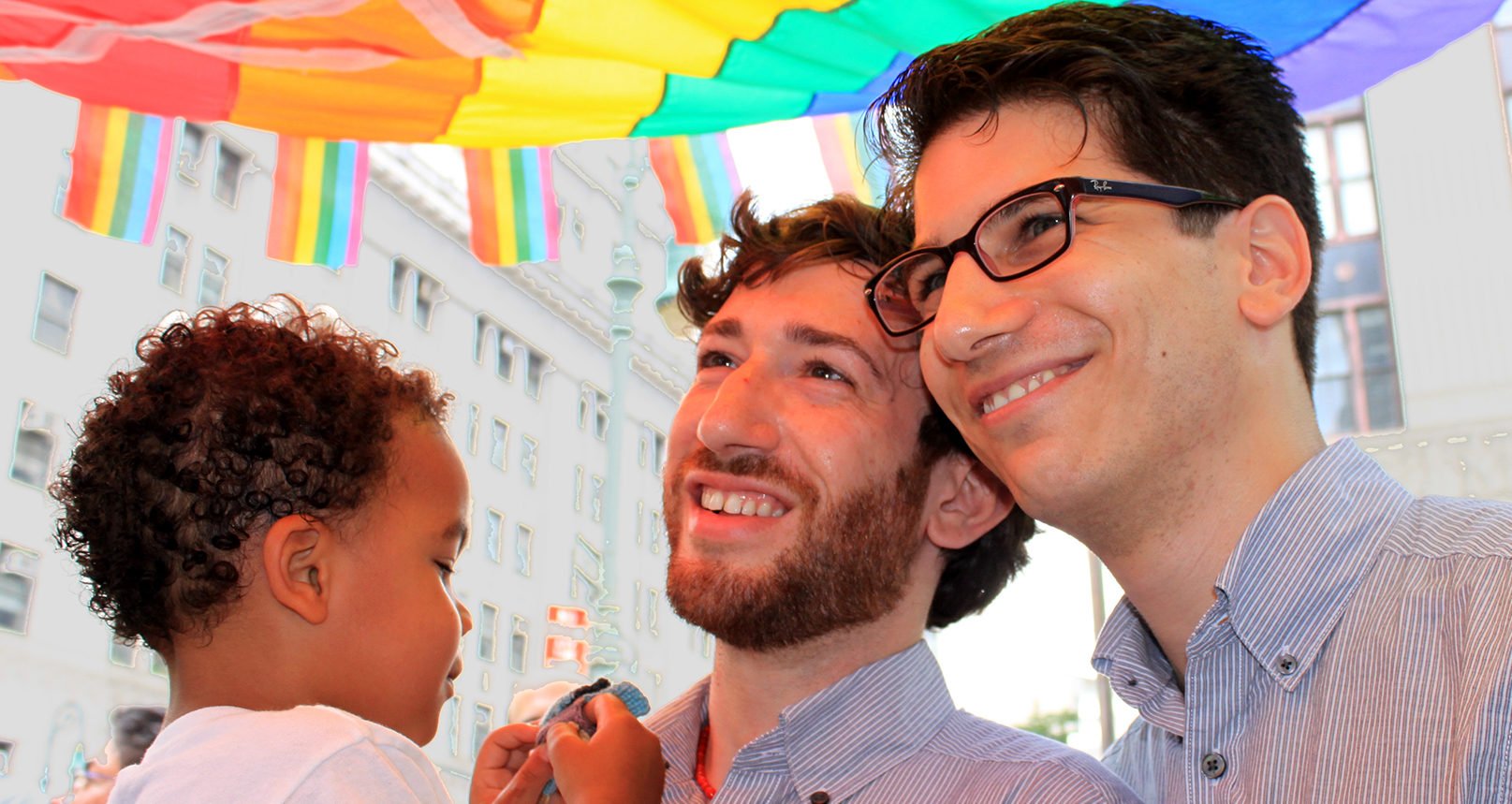
In Hungary, the Constitution and an omnibus bill that would prevent LGBTQIA+ couples from adopting children are currently being considered and will be voted on from 14-15 December. Amnesty International is concerned that the proposed measures would further undermine the rights of lesbian, gay, bisexual, transgender, queer and intersex people, including right to a private …

Has the government put human rights at the heart of its decisions?

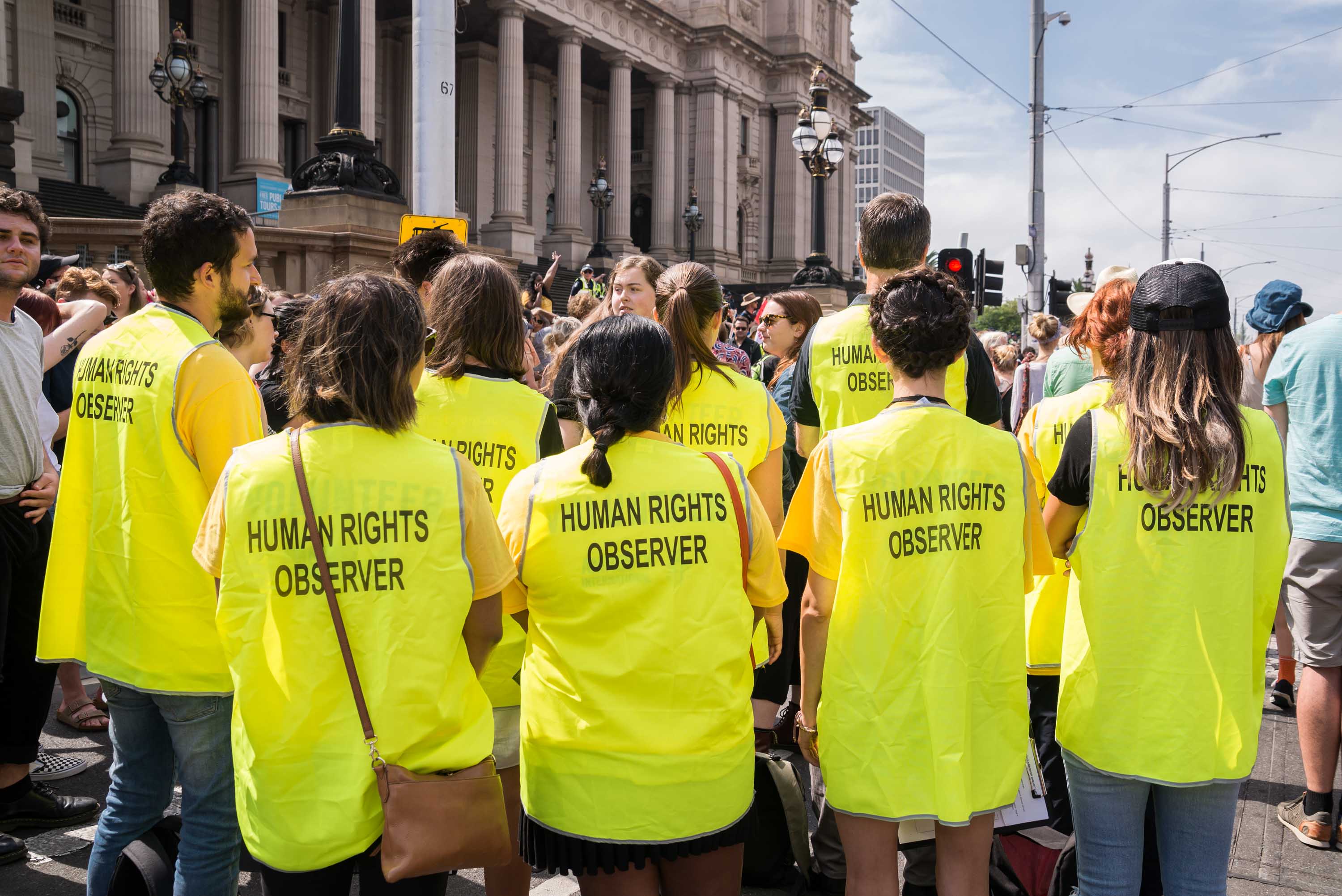
In 2019, Australians elected their next government. In the leadup to the election, Amnesty International Australia called upon whoever was to form government to put human rights – both at home and abroad – at the heart of all policy decisions, and to re-establish Australia’s place in the world as a free, fair and caring …

Submission: Australian Labor Party National Platform 2020

Every three years – in alignment with the election cycle – the Australian Labor Party reviews its National Platform. The National Platform is a document that outlines its principles and commitments. Amnesty International Australia has submitted its feedback to Labor’s Draft National Platform 2020. It made 48 recommendations on issues including climate justice, the right …

Submission: NSW Religious Freedoms and Equality Bill

One Nation NSW Leader Mark Latham MLC introduced the Anti-Discrimination Amendment (Religious Freedoms and Equality) Bill in July 2020. The Bill was immediately opposed by many LGBTQI+ and human rights organisations, including Amnesty International Australia, for giving people the opportunity to discriminate against others by using their religious beliefs. The Bill elevates the right to …

Submission: Inquiry into issues facing diaspora communities in Australia

Amnesty International Australia is fighting for refugees to be reunited with their families in its submission to the inquiry into issues facing diaspora communities in Australia. It is well recognised that families often become separated when people are displaced. Processes around, and the ability to, reunite with overseas family is a significant issue facing diaspora …

Submission: Senate Select Committee on Temporary Migration

Amnesty International Australia, in its submission to the Senate Select Committee on Temporary Migration’s inquiry into temporary migration, has called for the abolition of temporary visas. People on Temporary Protection Visas (TPV) and Safe Haven Enterprise Visas (SHEV) face a number of issues including: not having the ability to bring their family to Australia, not …

Submission: Migration Amendment (Prohibiting Items in Immigration Detention) Bill 2020

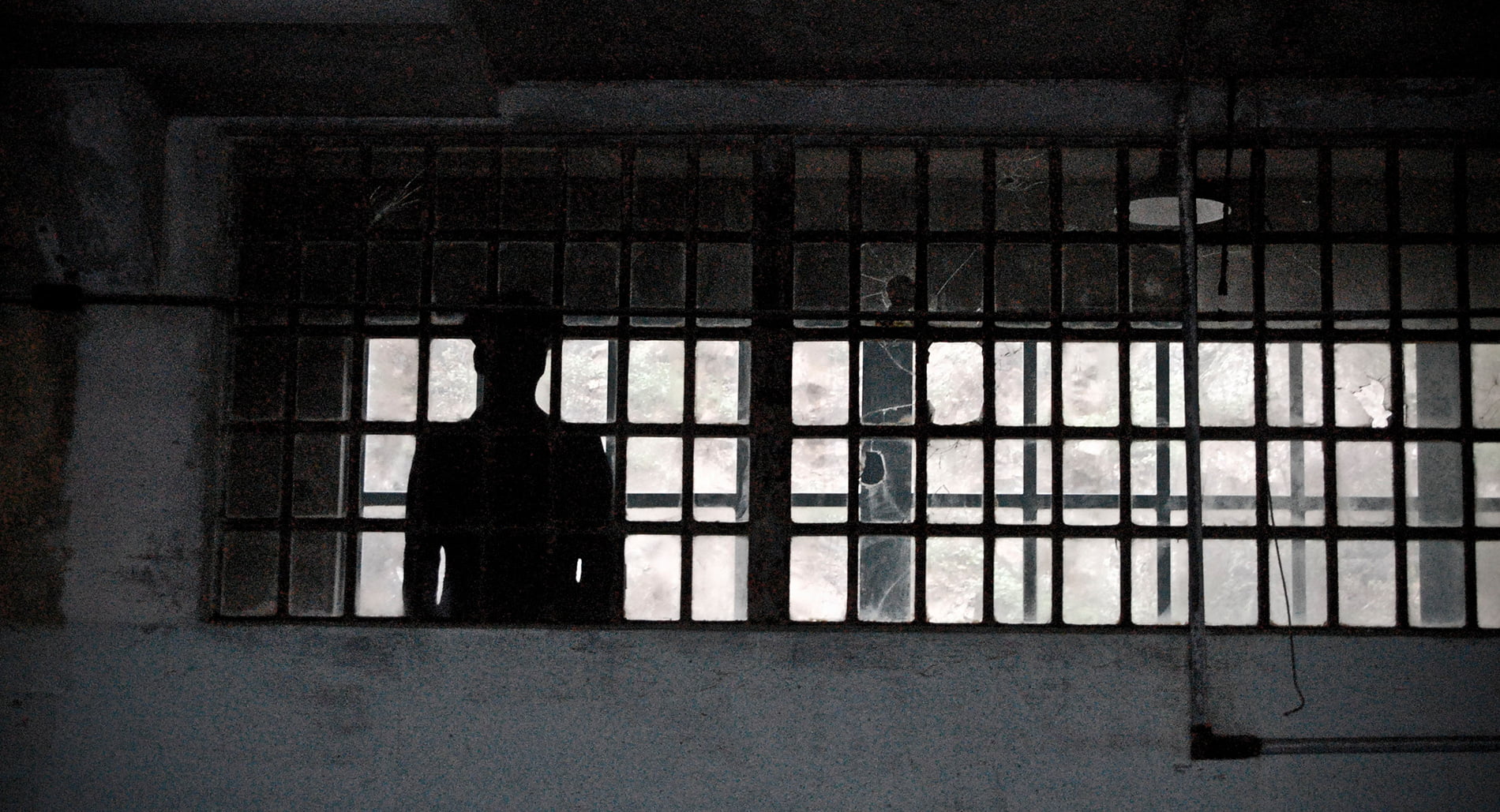
Amnesty International Australia is concerned that the Migration Amendment (Prohibiting Items in Immigration Detention) Bill 2020 as it stands violates international rules and will be detrimental to the wellbeing of people under the care of the Australian Government in immigration detention. The Bill is designed to ‘fix’ an issue that does not exist – it …

Submission: Senate Select Committee on COVID-19

All measures taken by the government to address the spread of COVID-19 must align with its obligations to uphold human rights standards. The government must also take necessary steps to ensure that vulnerable people in the community are not adversely affected by the implementation of such reforms. No one should be defined by their rights …

Submission: Inquiry into Pathways and Participation for Indigenous Australians

In its submission to the Inquiry into Pathways and Participation for Indigenous Australians in Employment and Business, Amnesty International has said that keeping children out of prison is a key part of helping them thrive. Read Submission Here Amnesty International has made six recommendations to the Standing Committee on Indigenous Affairs that would give young …

Submission: Review of Age of Criminal Responsibility

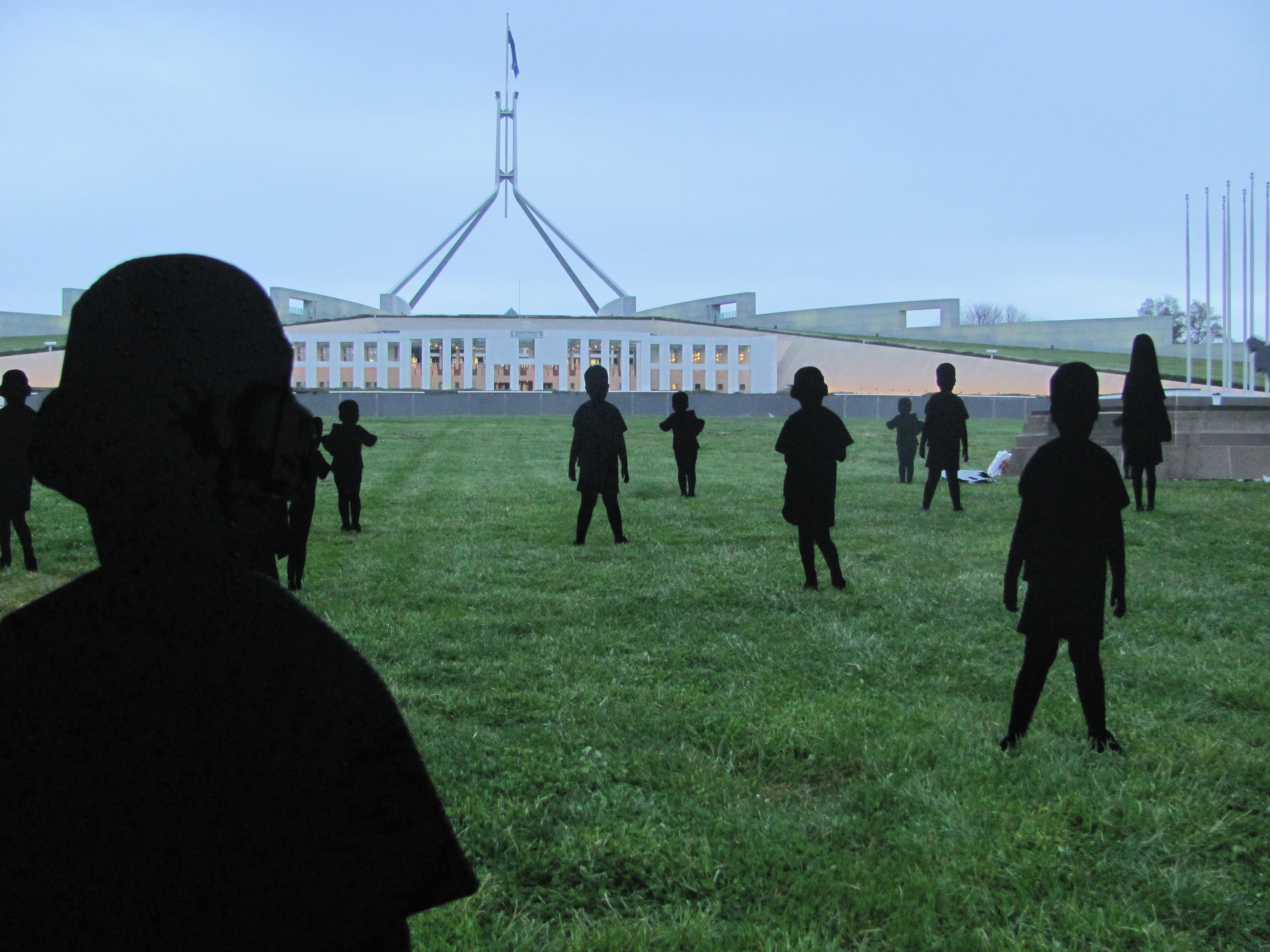
Amnesty International Australia has used the opportunity to repeat its strong opinion that the age of criminal responsibility should be raise in Australia. Across Australia, the minimum age of criminal responsibility is 10. This means that children as young as 10 are arrested by police, locked up in police cells, hauled before courts and sent …