Community sponsorship: a new way to help refugees

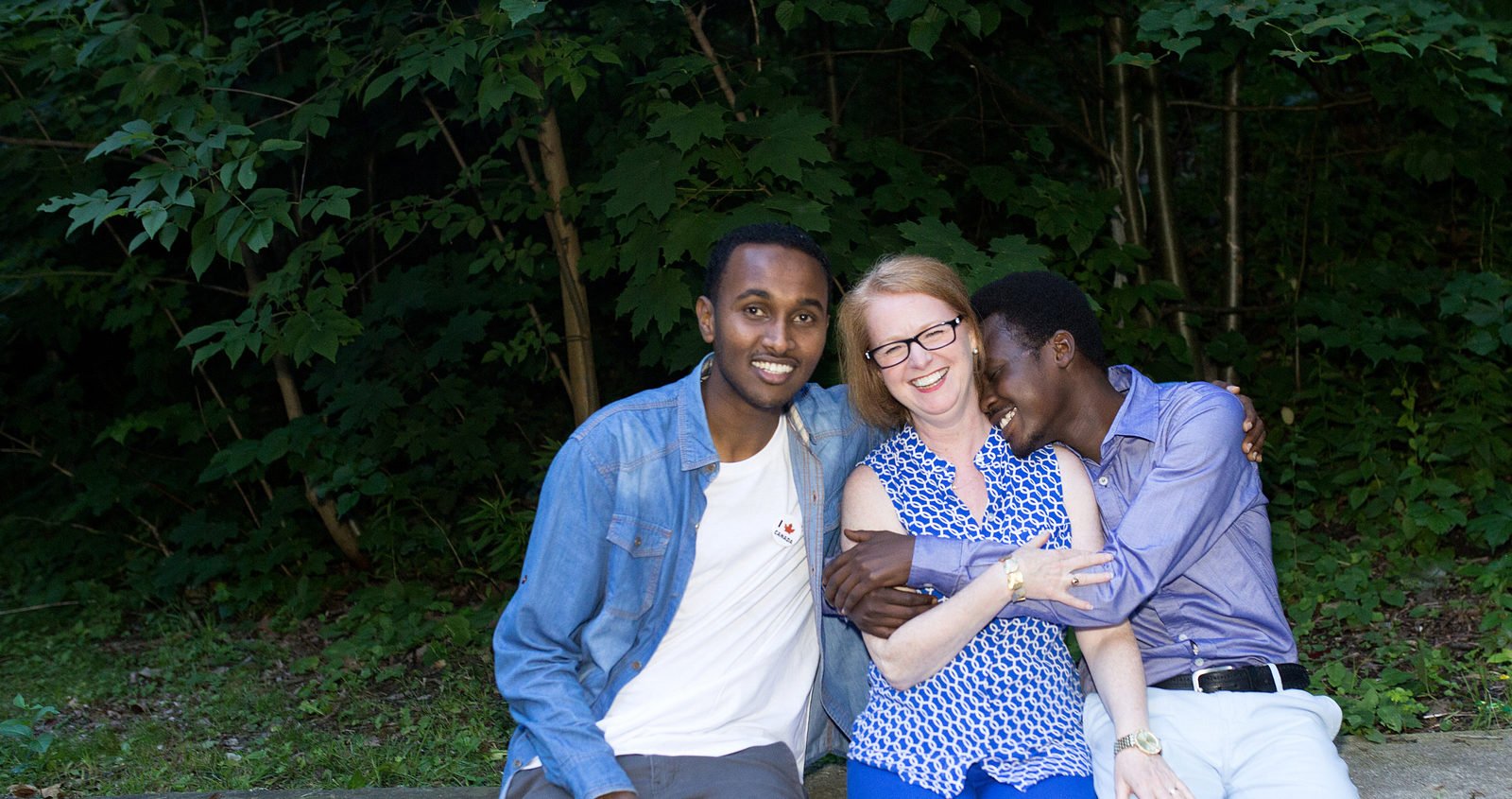
The Federal Government’s Community Support Program is a new way for communities to help refugees by sponsoring them to set up home in Australia. This is an exciting opportunity to connect people seeking safety with compassionate communities willing to help. But the program also has some significant flaws. We think it can be made better …

WA’s youth justice system still has a way to go

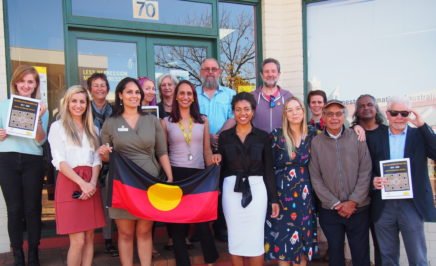
By Tammy Solonec, Indigenous Rights Manager. This article originally appeared in the Koori Mail. Western Australia’s youth justice system has been crumbling under successive governments for a long time and, while last month brought two promising moves for change, this has yet to translate into reality for children suffering in the system. Target 120 On 11 …

The Rohingya ‘camp of the widows’ faces new peril as monsoon arrives in Bangladesh

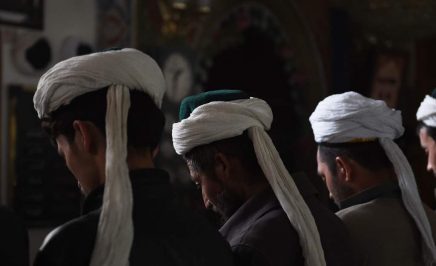
Nestled deep within the Hakimpara camp, perched on the edge of a hill, is a cluster of homes belonging to more than a dozen Rohingya women. They arrived here last September, making the arduous, weeks-long journeys — by foot and then by boat — to the safety of Bangladesh. They fled different villages, making separate …

How can we ease the human cost of climate change?

On World Environment Day Alice Appel, runner-up of our 2018 Blogging Competition, looks at the human cost of climate change and the effects of climate disasters on countries around the world. Climate Refugee. These words combined can often trigger unease and frustration. The UNHCR estimates that an average of 21.5 million people each year have …

Amnesty Turkey’s Taner Kılıç: a year of imprisonment

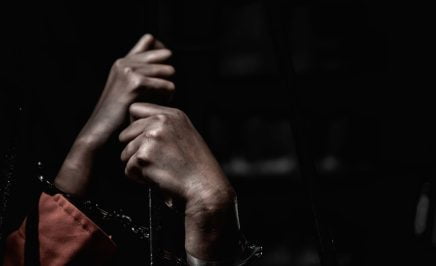
Today marks one full year of imprisonment for human rights lawyer and Amnesty Turkey’s Honorary Chair Taner Kılıç. Taner is just one of many prisoners of conscience in the history of Turkey and his arrest and imprisonment highlights a climate of fear in the country. Fotis Filippou, Amnesty International’s Director of Campaigns for Europe, describes …

Six books for National Reconciliation Week

By Helen Carrick Founder of Reading for Reconciliation In a Brisbane suburban lounge room in 2004, a diverse group aged from their 20s to 70s gathered to discuss Ros Kidd’s ‘The way we civilize’, which Professor Marcia Langton has described as a “ground-breaking history in the lives of Aboriginal people.” Some participants belonged to social …

‘Returning refugees to their agricultural roots’: Emmanuel Musoni

“I was born in Rwanda, but was raised in Nakivale refugee camp in Uganda and lived there until I was 16 years old. As a young man I came to Australia as a student. Now I live in Sydney and I help to resettle refugees in Australia, including in places like Mingoola and Armidale. Dreams …