Open letter to Australian media: Why you need to stop talking about ‘migrants’

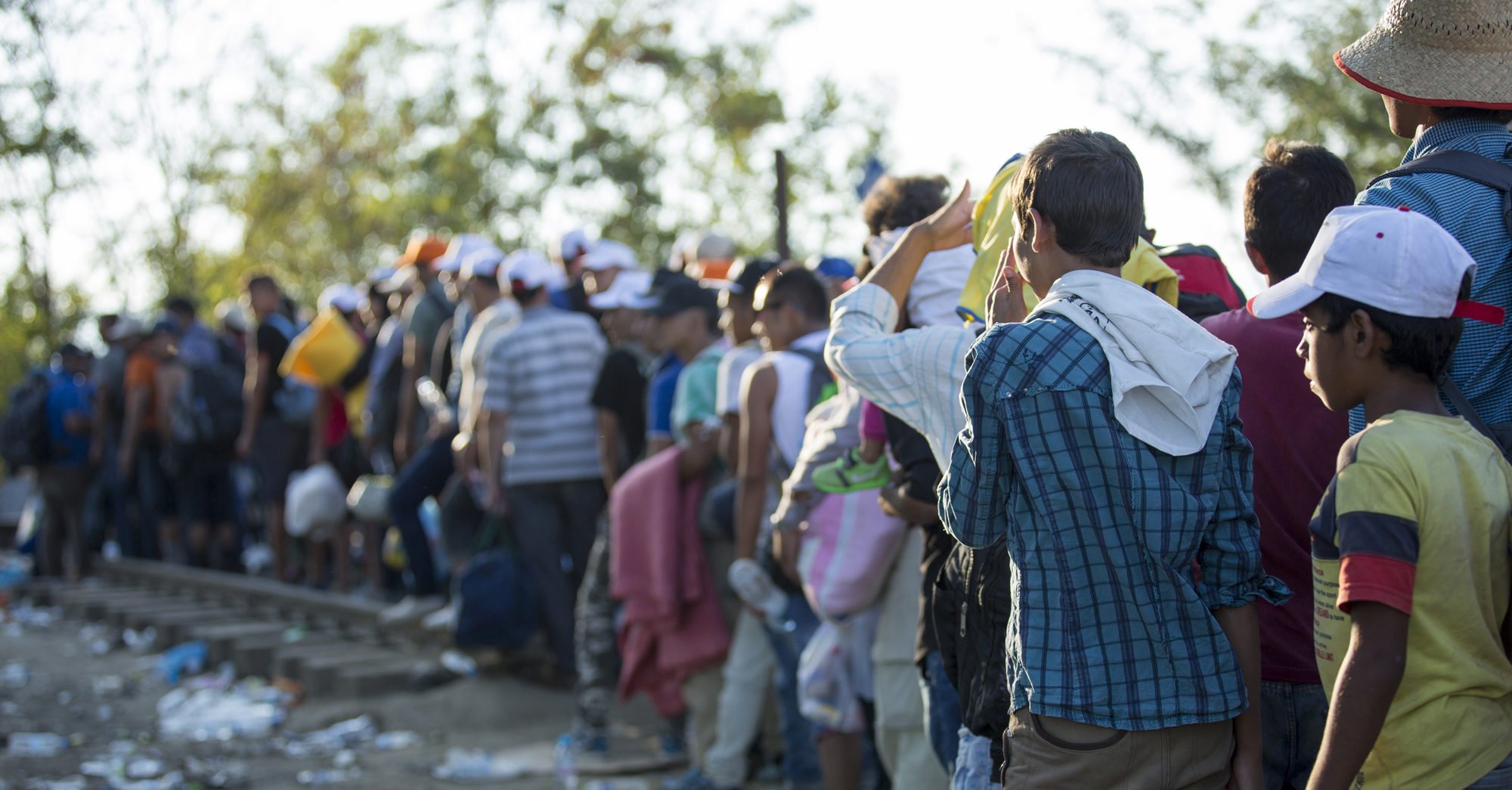
Dear journalists, Please stop referring to refugees in Europe as ‘migrants’. Please, please, please. I know you’re just taking your cue from the European newswires. I get it. But you need to do some find-and-replacing on that stuff before it goes to air/print. It may seem like a small thing, but it’s not. It’s important. …

Defending women’s rights in Afghanistan

Amnesty International’s Secretary General reflects on our new report on the mounting threat and violence facing those on the front line standing up for women’s rights in Afghanistan. In Afghanistan’s eastern Laghman province, Shah Bibi is the director of the Department of Women’s Affairs, and continues her work to strengthen women’s rights despite multiple death threats …

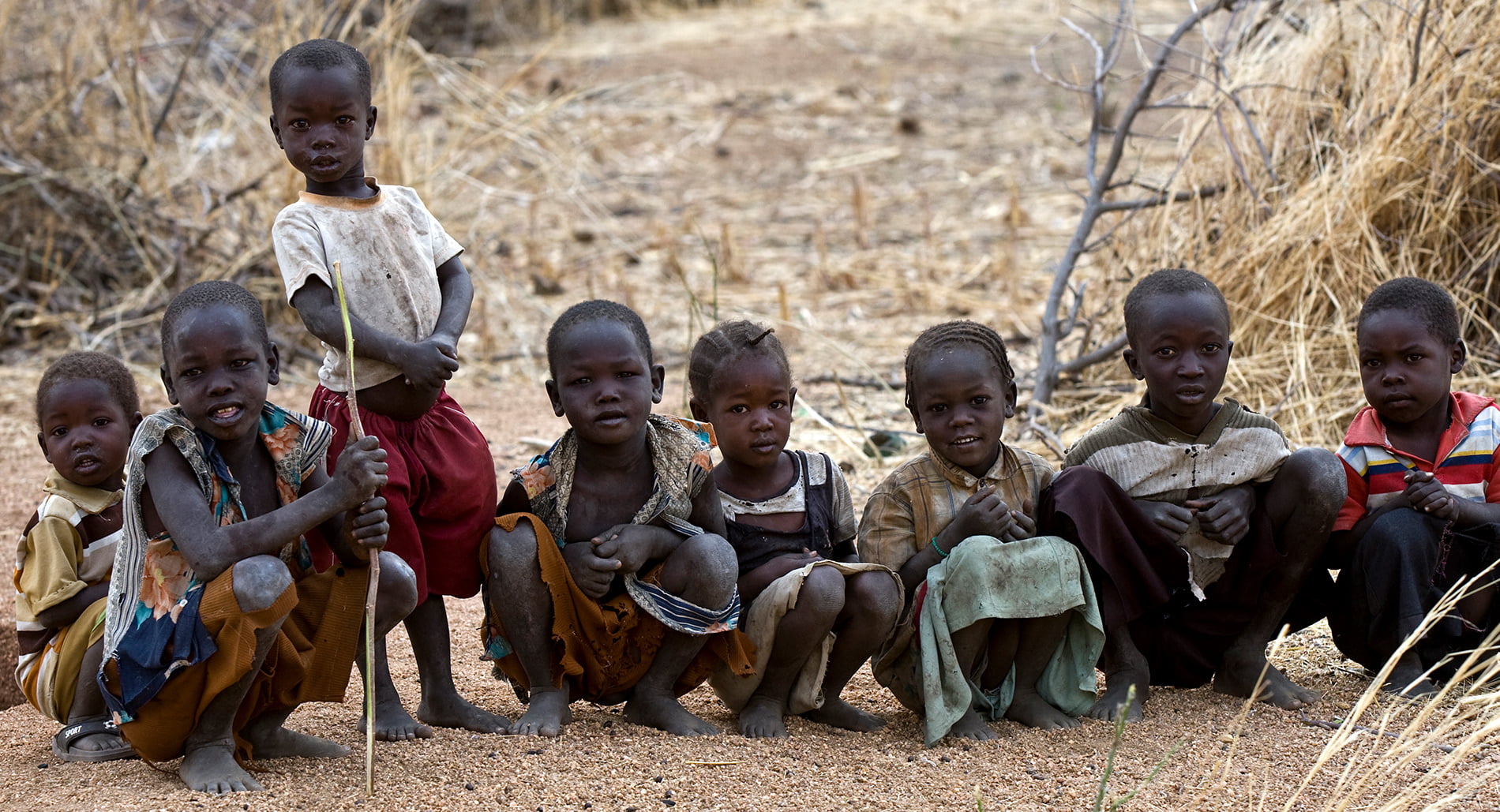
South Sudan: Warring parties must seek accountability for atrocities

The signing of a peace agreement yesterday by the Government of South Sudan is an important and vital step in ending the violence and addressing the massive human suffering in South Sudan. We reiterate our call for both parties to embrace an unequivocal commitment to accountability for atrocities committed during the conflict to ensure a …

What issues do individuals at risk face?

Many people around the world face human rights violations for simple everyday actions, including exercising their rights to freedom of speech, association and peaceful assembly. This include things like posting a blog, discussing politics, or having friends or family who are outspoken. Below are examples of just some of these human rights abuses and the categories we use to describe …

How you can help defend individuals at risk

One of our greatest achievements in our 50 years of human rights work has been to empower our supporters to work for and with individuals at risk, bridging the gap between people whose human rights are violated and those people who are prepared to campaign on their behalf. “I love texting, tweeting, blogging and emailing …

Amnesty applauds action to end the death penalty

We welcome the Australian Parliament’s decision to consider further ways Australia can work towards the global abolition of the death penalty. Today the Joint Standing Committee on Foreign Affairs, Defence and Trade announced it will review how Australia engages internationally to promote abolition of the death penalty. The Committee will also consider what further steps …

Crisis response: the people who run towards danger

In times of crisis and conflict, there are not many people who would willingly run towards the danger, instead of away from it. But for Amnesty International’s crisis response worker Donatella Rovera, her job requires just that. Exposing horror Most of us learn from an early age to run from danger. Others are born with …

Death penalty: Methods of execution used around the world

Following the release of the Amnesty International annual death penalty report, we take a look at five widely used execution methods. 1. Lethal injection Carried out in: China, Vietnam, USA The lethal injection generally consists of three chemicals: sodium pentotal (an anaesthetic), pancuronium bromide (used to paralyse the prisoner) and potassium chloride (used to stop …