Saudi Arabia: Mass execution of 81 men shows urgent need to abolish the death penalty

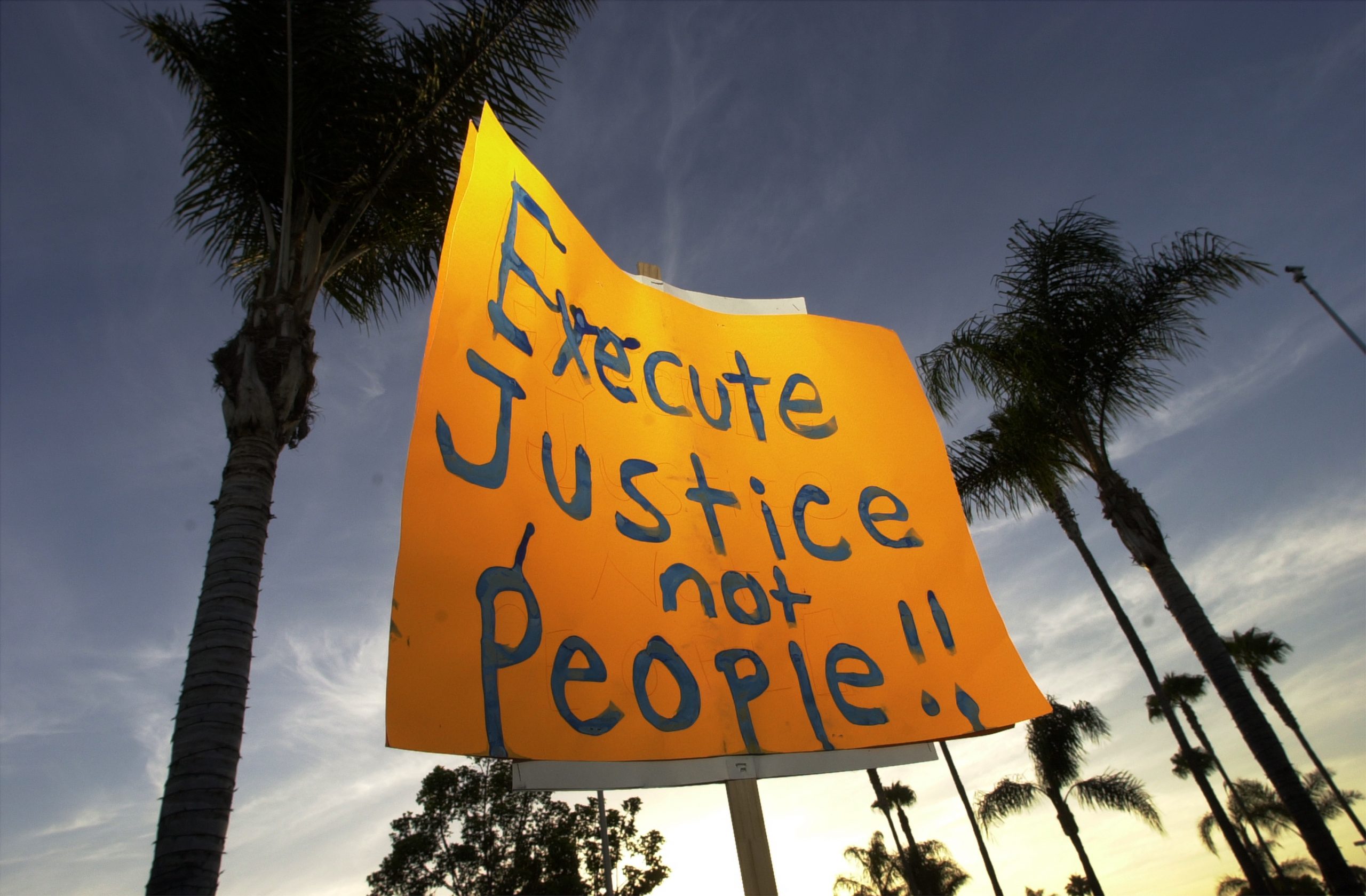
The mass execution of 81 individuals, Saudi and non-Saudi citizens, on Saturday signals an appalling escalation in Saudi Arabia’s use of the death penalty, Amnesty International said today, bringing the country’s tally of executions to 92 so far in 2022 alone.

The Ministry of Interior on Saturday announced the execution of 81 people, all of whom had been convicted of a wide range of offences, including “terrorism”- related crimes, murder, armed robbery and arms smuggling. A number of those executed were also convicted of charges such as “disrupting the social fabric and national cohesion” and “participating in and inciting sit-ins and protests” which describe acts that are protected by the rights to freedom of expression, peaceful assembly and association.

“This execution spree is all the more chilling in light of Saudi Arabia’s deeply flawed justice system, which metes out death sentences following trials that are grossly and blatantly unfair, including basing verdicts on “confessions” extracted under torture or other ill-treatment,” said Lynn Maalouf, Amnesty International’s Deputy Regional Director for the Middle East and North Africa.

“Such a shocking number of deaths also reveals Saudi Arabia’s lack of transparency in death penalty cases since we know that the number of trials resulting in prisoners being placed on death row is always significantly higher than what is publicly reported. Many individuals today in Saudi Arabia are at imminent risk of execution.”

Executions for participating in protests

According to Amnesty International’s documentation, two of the 81 men who were executed on Saturday had been sentenced to death after being convicted of crimes related to their participation in violent anti-government protests. The number of individuals executed for similar charges could be higher.

The Specialized Criminal Court (SCC) sentenced Mohammad al-Shakhouri to death on 21 February 2021 for alleged violent offences related to his participation in anti-government protests. He had no access to legal representation during his detention and interrogation and his family was only allowed to visit eight months after his arrest.

Al-Shakhouri told the court he suffered bruising and severe pain in his back, ribs and mouth after being tortured. He lost most of his teeth after security officers repeatedly punched him in the face, yet he was denied medical care. Al-Shakouri withdrew his “confession” as it was extracted through torture, so the judge handed down a discretionary death sentence.

In another case, As’ad Ali, also executed on Saturday, had been sentenced to death by the SCC on 30 January 2021 for similar offences. He told the court he had suffered physical and emotional torture while being interrogated in solitary confinement and that his “confession” had also been extracted through torture.  Ali said he was denied medical treatment despite suffering from acute pain.

Saudi Arabia has previously carried out two mass executions in recent years, though neither of them on the same scale: In 2019, 37 people were executed, the majority of whom were Shi’a men convicted after sham trials; in 2016, 47 people were executed including prominent Shi’a cleric Sheikh Nimr al-Nimr.

Amnesty International has documented the cases of at least 30 further individuals at risk of execution after being sentenced to death after unfair trials on wide-ranging charges arising from their opposition to the government or participation in anti-state protests, drug smuggling, violent attacks or murder. The total number of individuals sentenced to death on similar charges is likely much higher.

In all cases documented by Amnesty International, individuals were sentenced following grossly unfair trials, many of which were marred by claims of torture during detention, which the prosecution failed to investigate in violation of Saudi Arabia’s international obligations.

In March 2022, Abdullah al-Huwaiti, a young man who was 14 at the time of his alleged crime, was sentenced to death following a re-trial, after his initial death sentence was overturned in November 2021. He was re-sentenced to death for charges of murder and armed robbery. According to court documents, he was detained in solitary confinement for four months throughout his interrogation, which was carried out without the presence of his parents or lawyer.

Facing execution for practicing free speech

At the end of March 2022, Saudi Arabian academic Hassan al-Maliki is scheduled to appear before the SCC, in a resumption of his trial where he could face a death sentence on charges relating to his freedom of expression. The 14 charges include “insulting the rulers and council of senior scholars of this country”; “conducting media interviews with Western newspapers and channels that are hostile [to the Kingdom]”; “authoring a number of books and research papers … and publishing them outside of the Kingdom” and “possessing 348 books that are unauthorized by the competent authority”.

In a similar case, religious cleric Salman Alodah faces the death penalty also before the SCC for charges related to his alleged support for imprisoned dissidents and the Muslim Brotherhood, a banned political group. Alodah was held in solitary confinement for the first five months of his detention, in breach of international standards such as the Nelson Mandela Rules, with no contact allowed with his family or a lawyer apart from one brief call a month after his arrest.

In August 2018, Salman Alodah was brought to trial before the SCC in a secret session, where he was charged on 37 counts, including calling for freedom of expression and political reforms in Saudi Arabia. In May 2019, after another secret hearing, his lawyer informed his family that the prosecutor had sought the death penalty. He remains on trial awaiting a verdict.

“Hassan al-Maliki and Salman Alodah should be immediately and unconditionally released. Nobody should face a death sentence simply for practicing their right to free speech. The state’s use of executions as a political tool to stifle critics is a rampant miscarriage of justice,” said Lynn Maalouf.

Recent changes to death penalty sentences

A Royal Order issued in 2020 announced an end to the use of the death penalty against people below the age of 18 at the time of the crime, and only in discretionary cases not involving the counter-terror law. It did not specify if the announcement extended to minors sentenced for hadd crimes (those with fixed and severe punishments under Shari’a) or crimes punishable by qisas (retaliation). The Royal Order falls short of Saudi Arabia’s obligations under the Convention on the Rights of the Child.

In early 2021, the Saudi Arabian authorities announced changes in relation to the death penalty, including a moratorium on executions for drug-related crimes, which are death sentences handed down at the judge’s discretion rather than mandated under Sharia law. While this moratorium appears to have been implemented, it has yet to be formalized and remains unofficial as long as existing narcotics laws carry the death penalty and individuals previously sentenced to death for drug-related crimes remain on death row.

Moreover, courts continued to hand down and execute individuals for other crimes where judges can issue a death sentence at their discretion. Ja’far Sultan and Sadiq Thamer, both Bahraini citizens, were handed discretionary death sentences on 7 October 2021 over “terrorism”-related charges, including the smuggling of explosives, receiving military training in Iran, and “participating in protests in Bahrain that called for the government to be overthrown.” Their conviction was upheld by the Appeals Court in January 2022 but could still be overturned by the Supreme Court.

The death penalty is the ultimate cruel, inhuman and degrading punishment, and a violation of the right to life. Amnesty International calls on the Saudi Arabian authorities to put an immediate halt to executions, establish an official moratorium on all executions and initiate legislation that would totally abolish the death penalty for all crimes.

Saudi Arabia must also ensure that no “confessions” or other statements obtained through torture or other ill-treatment are admitted by courts, and all complaints of abuse are promptly and efficiently investigated by an independent body.
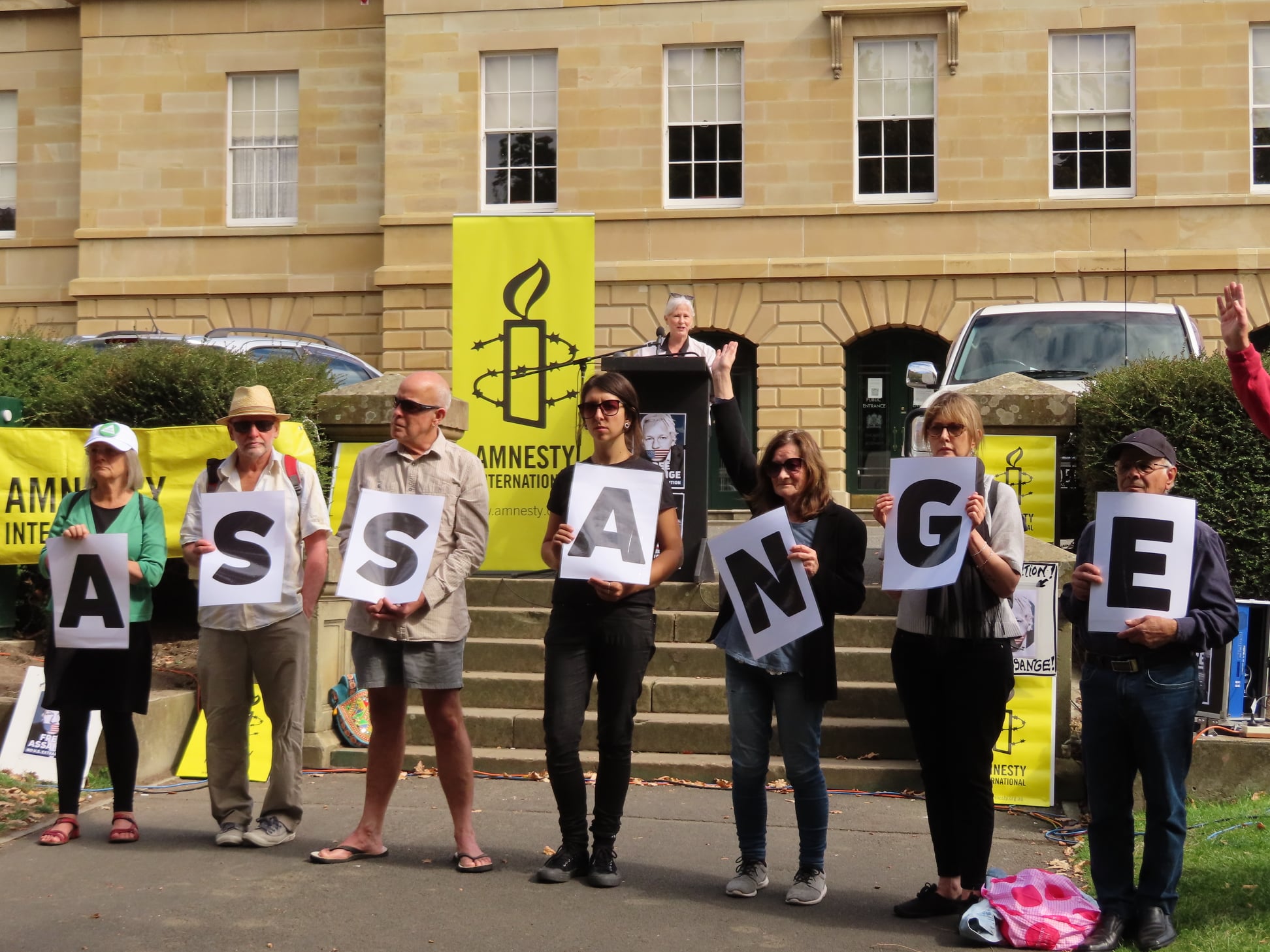
UK: Supreme Court’s refusal to grant Assange right to appeal is “a blow to justice”

Responding to a UK Supreme Court decision refusing to grant Julian Assange permission to appeal against the previous High Court ruling permitting his extradition, Amnesty International’s Deputy Research Director for Europe Julia Hall, said: 

“Today’s decision is a blow to Julian Assange and to justice. The Supreme Court has missed an opportunity to clarify the UK’s acceptance of deeply flawed diplomatic assurances against torture. Such assurances are inherently unreliable and leave people at risk of severe abuse upon extradition or other transfer.  

“Prolonged solitary confinement is a key feature of life for many people in US maximum security prisons and amounts to torture or other ill treatment under international law. The ban on torture and other ill-treatment is absolute and empty promises of fair treatment such as those offered by the USA in the Assange case threaten to profoundly undermine that international prohibition. 

“The refusal is also bad news for press freedom since it leaves intact the nefarious route the US has employed to attempt to prosecute publishers for espionage. Demanding that states like the UK extradite people for publishing classified information that is in the public interest sets a dangerous precedent and must be rejected. The US should immediately drop the charges against Julian Assange.” 

Background 

The High Court ruled in December 2021 that Assange could be extradited, based on alleged US promises to safeguard him in prison. The US had submitted written assurances that, if extradited, Assange would not be placed in a maximum security prison or subjected to special administrative measures (including prolonged solitary confinement, which can amount to torture or other ill-treatment under international law); and would receive adequate health care. But the US included a caveat: if Assange did something in the future that required him to be subjected to SAMs or placed in a maximum security prison, then it reserved the right to do so.  

For more on diplomatic assurances in the Assange case: https://www.amnesty.org/en/documents/eur45/4450/2021/en/ 


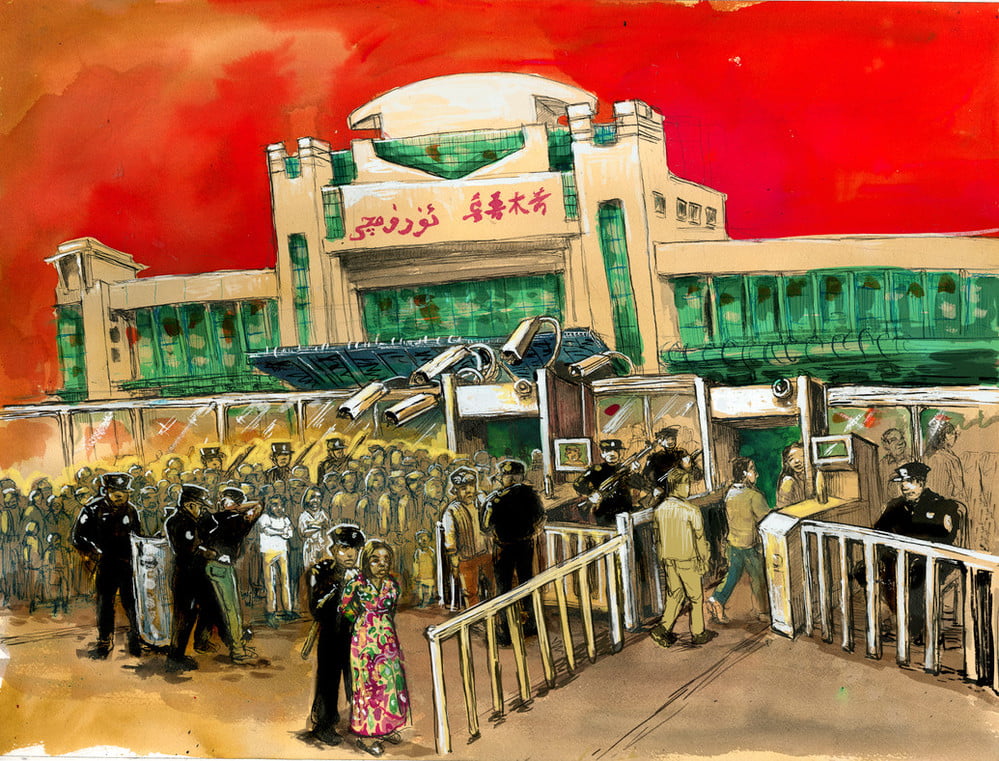
China: UN visit to Xinjiang must be unhindered to be credible

In response to United Nations High Commissioner for Human Rights Michelle Bachelet announcing an agreement with the Chinese government for a visit to China’s Xinjiang Uyghur Autonomous Region in May, Amnesty International’s Crisis Response Director Joanne Mariner said:

“Access to Xinjiang for human rights monitors is an absolutely vital step towards accountability for human rights violations committed by the Chinese government against Uyghurs and other Muslims living in the region. However, it is equally vital that any visit by High Commissioner Bachelet be independent and unhindered.

“In the past, diplomats and journalists’ visits to Xinjiang have been carefully stage managed by the authorities. Chinese government officials have also long made concerted efforts to disseminate inaccurate and deliberately misleading information about the human rights situation in Xinjiang.

“A fact-finding mission hampered by state control could end up whitewashing human rights violations – potentially making the UN complicit in promoting Chinese government propaganda.

“Bachelet’s office should disclose the details of its agreement with the Chinese government, including the parameters and scope of the visit to Xinjiang. It must also seek meaningful assurances from the government that people in Xinjiang will not face adverse consequences for cooperating with the UN mission.

“Finally, the planned visit announced today – after more than two years of seeking access – should not delay the release of the OHCHR’s long-awaited report on human rights violations in Xinjiang.”

Background

Today, Amnesty joined almost 200 organizations in urging the High Commissioner to release her long-overdue report, which she said was being “finalised” in September 2021.

Why we need a dedicated, self-determined National Safety Plan for Aboriginal and Torres Strait Islander women and children

This International Women’s Day, and every day, we are celebrating the courage, leadership and expertise of First Nations women, and calling on politicians to listen and respond to our calls for action. 

Change the Record is Australia’s only national Aboriginal led justice coalition of Aboriginal peak bodies and non-Indigenous allies. For International Women’s Day in 2022, they write about the need for the government to commit to a dedicated, self-determined National Safety Plan for Aboriginal and Torres Strait Islander women and children.

Blak women have endured and resisted colonisation, dispossession and exploitation for centuries. We have nurtured, raised and defended our children and held our communities together in the face of violence, racism and displacement from Country.

We are the experts in our own lives, our own safety and what we need to thrive.

For too long governments of all stripes have failed to listen to First Nations women. We have been silenced and ignored. No more. This International Women’s Day we are calling on the incoming government to put us in the driver’s seat of our own lives – where we belong.

The failure of successive governments to address and redress the injustices that have seen us dispossessed of our land, our children removed and our people killed means Aboriginal and Torres Strait Islander women continue to experience violence at starkly disproportionate rates. Nationally, Aboriginal and Torres Strait Islander women are 32 times more likely to be hospitalised due to family violence than non-First Nations women, 10 times more likely to die due to assault, and 45 times more likely to experience violence. This is a national crisis which demands a self-determined, community-led response by and for Aboriginal and Torres Strait Islander women.

Last year we released a report Pathways to Safety which brought together the expertise of Aboriginal and Torres Strait Islander women and organisations and set out fifteen key recommendations for the government to follow to give us the power we need to keep ourselves, our children and our families safe.

Noone understands the challenges we face, and strengths of our people, better than we do.

That is why we are calling for a dedicated, self-determined National Safety Plan for Aboriginal and Torres Strait Islander women and children. We don’t want a subsidiary action plan to sit beneath a mainstream plan – we are not a footnote to ‘mainstream Australia’. We don’t want a plan developed by Government in consultation with a handpicked committee of advisors.

We are calling for a genuinely self-determined National Safety Plan for and by Aboriginal and Torres Strait Islander women. Let us decide what’s best for our and our communities.

Pathways to Safety does what the Government’s National Safety Plan does not – it sets out clear, tangible actions that government could take right now to address some of the key barriers to safety. Without going through them all here, let’s look at some of the key ones:

Poverty

Government policies for over two hundred years have been driving mob into poverty – and they continue today. Centrelink payments below the poverty line force women to choose between safety and being able to feed and clothe our children. Racist and punitive income management schemes and mutual obligations trap women and children in unsafe situations. This can be fixed. During the Covid-19 pandemic the Commonwealth Government raised the rate of Centrelink to above the poverty line and for the first time women were given the freedom to make decisions in their best interests and the best interests of their children. We are calling on whichever party is elected to government in May to permanently lift social security payments above the poverty line so women aren’t forced to choose between safety, and having enough food to eat.

Housing

Everyone needs somewhere safe and decent to live. Governments have failed to provide enough housing, and Aboriginal and Torres Strait Islander peoples have been neglected for decades. Homelessness drives our mob into prison, and it traps women in unsafe homes. We make up 20% of people with nowhere to live, despite being just 3% of the total population. This is a crisis caused by governments’ failures to invest in affordable housing. We are calling on the incoming government not only to provide more social and public housing as an urgent response to the epidemic of family violence, but to specifically invest in Aboriginal-controlled housing. Let us own and control our homes and keep our people safe.

Community-led solutions

We are calling for greater investment in community-based solutions that have been shown to work time and time again, and for governments to stop insisting that they know best.

“It is not safe for our women to call the police when they are in danger. Too often our cries for help are met with police hostility or dismissal. Worse, we are often misidentified as the perpetrators of family violence and criminalised. We are terrorised with the threat of having our children removed.”

Antoinette Braybrook, Co-Chair of Change the Record

Mainstream services are failing our women, yet budget after budget we see governments fail to fund the community programs and family violence prevention and legal services that actually work. Community-controlled services with community trust, authority and expertise are examples of self-determination in practice and are at the heart of ending violence against Aboriginal and Torres Strait Islander women. Right now, FVPLSs aren’t resourced to provide national coverage and as a collective are only able to service an area covering half the Aboriginal and Torres Strait Islander population. This needs to change. If politicians are as serious as they say they are about ending violence against First Nations women, then they need to fund our services, now.

Take action!

Support our call for a dedicated National Safety Plan for and by First Nations women. It is only with Aboriginal and Torres Strait Islander women in the driver’s seat, that we will make sure First Nations families, children and communities are strong in our culture and Country, safe and thriving.

You can read our report and join our campaign for action here. ​

Learn more about Amnesty’s campaign to end the overrepresentation of Indigenous kids in detention here, and our calls for governments to support Indigenous-led solutions for kids and change laws for a fairer youth justice system.

Read about our campaign to create a world where women and girls can live free from violence and discrimination here.

Malaysia should scrap the death penalty once and for all

The move would send a strong signal to other Southeast Asian governments.

In January, Malaysia’s Law Minister Wan Junaidi Tuanku Jaafar said the cabinet would discuss the findings of a study on alternatives to the mandatory death penalty, which applies to crimes including drug trafficking, treason, and murder.

After almost two years without any progress on death penalty reform, this is a welcome development.

For more than 40 years, Amnesty International has campaigned against the death penalty around the world, and more than two-thirds of countries have abolished it in law or in practice. Here’s why Malaysia – and other countries that retain the death penalty – should show human rights leadership and set an example by scrapping it once and for all.

Simply put, governments should not kill people. Or as the United Nations Human Rights Committee has put it, “the death penalty cannot be reconciled with full respect for the right to life.”

Every single human being has the inherent right to life and governments have an obligation to protect lives, not take them. This right is recognized under international law for all human beings, without distinctions of any kind, including for persons suspected or convicted of even the most serious crimes.

Amnesty International, and many other individuals and organizations around the world, believes that the death penalty violates this right.

In Malaysia, we have found numerous violations of the right to a fair trial. Defendants who cannot afford or are unable to hire their own lawyers are often unrepresented during police interrogations, and lack interpretation if they do not speak Bahasa Malaysia, while there are credible allegations of torture and other ill treatment at the hands of authorities, among other examples.

The imposition of the death penalty after a violation of the right to a fair trial is a violation of the right to life. There is no perfect criminal justice system and mistakes can always occur. The irreversible nature of the death penalty leaves no room for redress if an innocent person is wrongfully convicted and executed.

The death penalty also discriminates. The greater the disadvantage, the greater the risk of being sentenced to death. Our research has found that the burden of the death penalty in Malaysia has largely fallen on those convicted of drug trafficking, which has disproportionately included women and foreign nationals.

As of September 2021, 67 percent of people on death row are there for drug offenses, some for carrying as little as 15 grams of opioids. A majority of people sentenced to death are also from disadvantaged socioeconomic backgrounds, while ethnic minorities are overrepresented among those on death row.

These findings gain an even greater significance when considered in the context of laws and policies that contravene international law and standards: for example, the lack of access to interpretation from the point of arrest for foreign nationals, or the impossibility of having coercion or other mitigating circumstances taken into account at sentencing, because of the mandatory death penalty.

The application of the death penalty can also be arbitrary, particularly for those whose nationality, gender, socioeconomic background, or other characteristics can contribute, or leave them more vulnerable, to being sentenced to death.

What about the argument that the death penalty acts as a unique deterrent against crime?

This has never been backed by evidence. For instance, a study comparing the murder rates in Hong Kong and Singapore, both of a similar size and population, for a 35-year period beginning in 1973 found that the abolition of the death penalty in Hong Kong and the high execution rate in Singapore in the mid-1990s had little impact on murder levels.

It is high time the authorities focused their resources on tackling the root causes of crime and devised long-term, more effective solutions. The death penalty does not make us safer. Furthermore, we believe those found responsible for crime deserve second chances.

These beliefs are becoming mainstream. As of today, 144 countries – more than two-thirds of the world’s nations – have abolished the death penalty in law or practice. In the Asia-Pacific region, more than 20 countries have abolished the death penalty for all crimes, with Papua New Guinea becoming the latest in January of this year.

In 2020, six Asia-Pacific countries carried out executions, the lowest since Amnesty International began keeping records. Despite voting at the U.N. General Assembly in 2018 and 2020 in favor of two resolutions calling on all countries to establish a moratorium on executions with a view to abolishing the death penalty, Malaysia remains part of an increasingly isolated minority of countries that still practices capital punishment.

Given that it recently took its seat on the U.N. Human Rights Council, by abolishing the death penalty, Malaysia can align itself with the global trend, improve its human rights record, and send a strong signal to other countries in ASEAN and the region that positive change on the death penalty is not only possible, but required to protect human rights.

We call on Prime Minister Ismail Sabri Yaakob and his cabinet to do the right thing and abolish the death penalty in Malaysia.

This op-ed originally appeared in the Diplomat.

https://thediplomat.com/2022/03/malaysia-should-scrap-the-death-penalty-once-and-for-all/

5 ways to be an LGBTQIA+ ally this Sydney Mardi Gras

With the Sydney Gay and Lesbian Mardi Gras just around the corner you may be wondering how you can support the LGBTQIA+ people in your community. 

1. Learn about the history of Sydney Gay and Lesbian Mardi Gras

The first Mardi Gras occurred on 24th June 1978, as an event to celebrate gay and lesbian culture and to protest the discrimination they faced everyday. However, the march down Oxford Street ended with police arrests and violence against the protestors.

The following months saw many wins and losses for LGBTQA+ rights, but by April 1979 the NSW Summary Offences Act legislation, which had allowed the arrests, was repealed. From then on Mardi Gras gained momentum as a symbol of hard won civil rights for the LGBTQA+ community. The event was moved to Summer and now includes a number of community events as well as the annual protest and parade.

You can learn more about the history of Mardi Gras here.

2. Support the LGBTQIA+ people in your life

Send a text message or call the LGBTQIA+ people in your life to let them know you’re thinking of them as they celebrate their identity. It can mean so much to your friends, family and co-workers to know you’re supporting them.

You can also attend events to show your support for the community, or support local LGBTQIA+ businesses or safe spaces.

3. Start conversations with your co-workers, family or friends about LGBTQIA+ rights

Conversations can help to raise awareness, address misconceptions and motivate the people around us to learn more about allyship. Starting conversations about LGBTQIA+ rights can be scary, but know that your voice is powerful. The support you show for the LGBQTIA+ community will encourage others to do the same – and its these daily interactions which make positive change possible.

You can start off these conversations by talking about the history of Mardi Gras, or discussing your plans for the weekend  or even inviting people to come along to the march. Everyone is on a different stage of their allyship journey and even a casual conversation can be a big step to learning more about human rights.

4. Take action

Together we can challenge injustice against the LGBTQIA+ community.

In February 2021, survivor advocates alongside over 35,000 Amnesty supporters took action calling for legislation to ban harmful conversion practices. Hundreds reached out directly to Members of the Legislative Council.

On 4 February 2021 the Victoria’s Legislative Council passed the Change or Suppression (Conversion) Practices Prohibition Bill (2020). The Bill puts in place new measures and penalties to protect LGBTQA+ Victorians from conversion practices, and makes it clear that LGBTQA+ people aren’t ‘broken’ and don’t need to be ‘fixed.’

This was a huge win for the LGBTQA+ community. Together we can continue to fight for LGBTQIA+ rights.

Learn more about our campaign for LGBTQIA+ rights here.

5. Sign up for updates about our upcoming LGBTQIA+ Ally Guide

Alongside our Anti-Racism Ally Guide, Amnesty will be releasing an LGBTQIA+ Guide this year to support your journey becoming an active ally for the LGBTQIA+ community. You can sign up below for updates about the Guide.

Plight of rainbow refugees highlighted at Mardi Gras: humanitarian intake must increase urgently

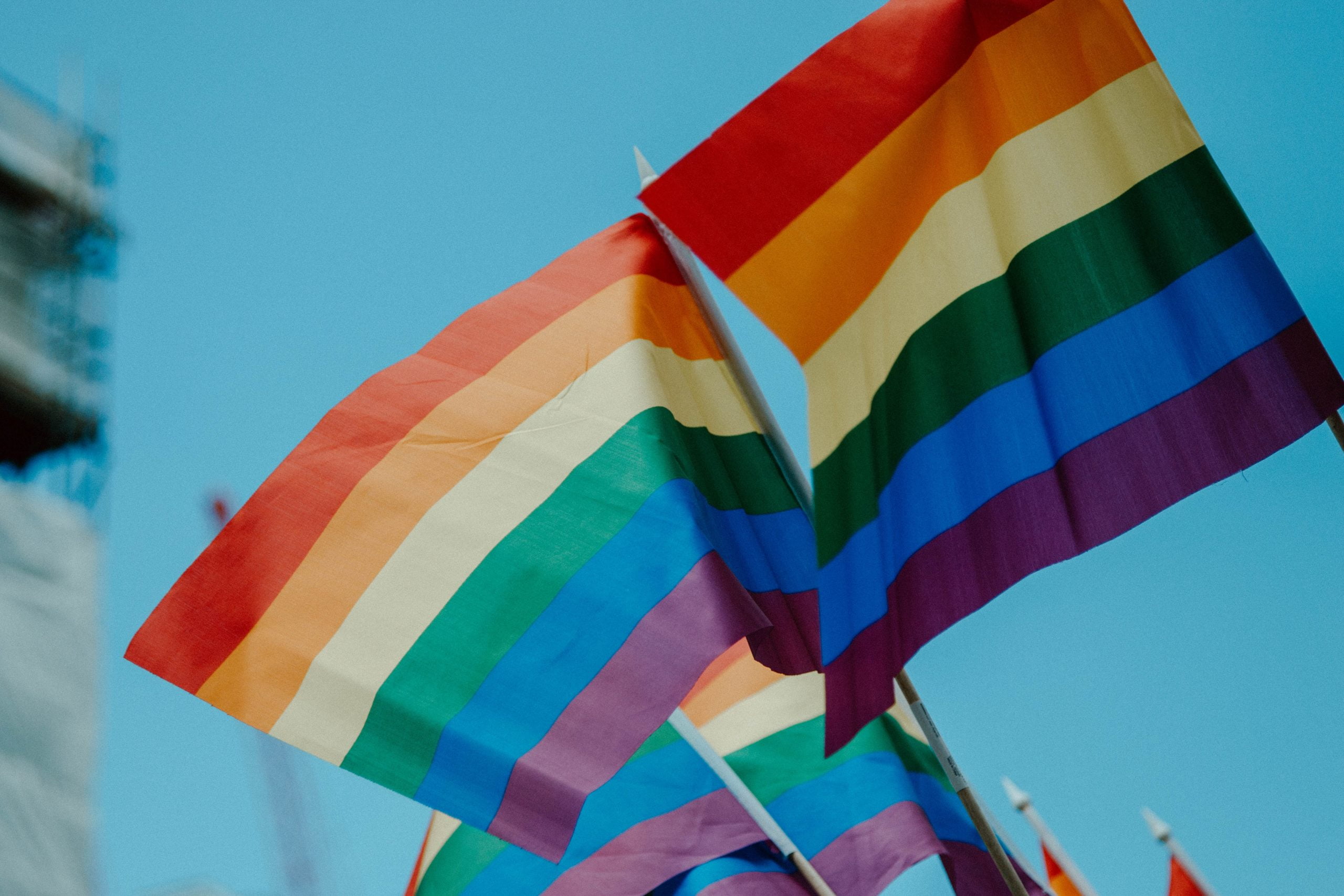
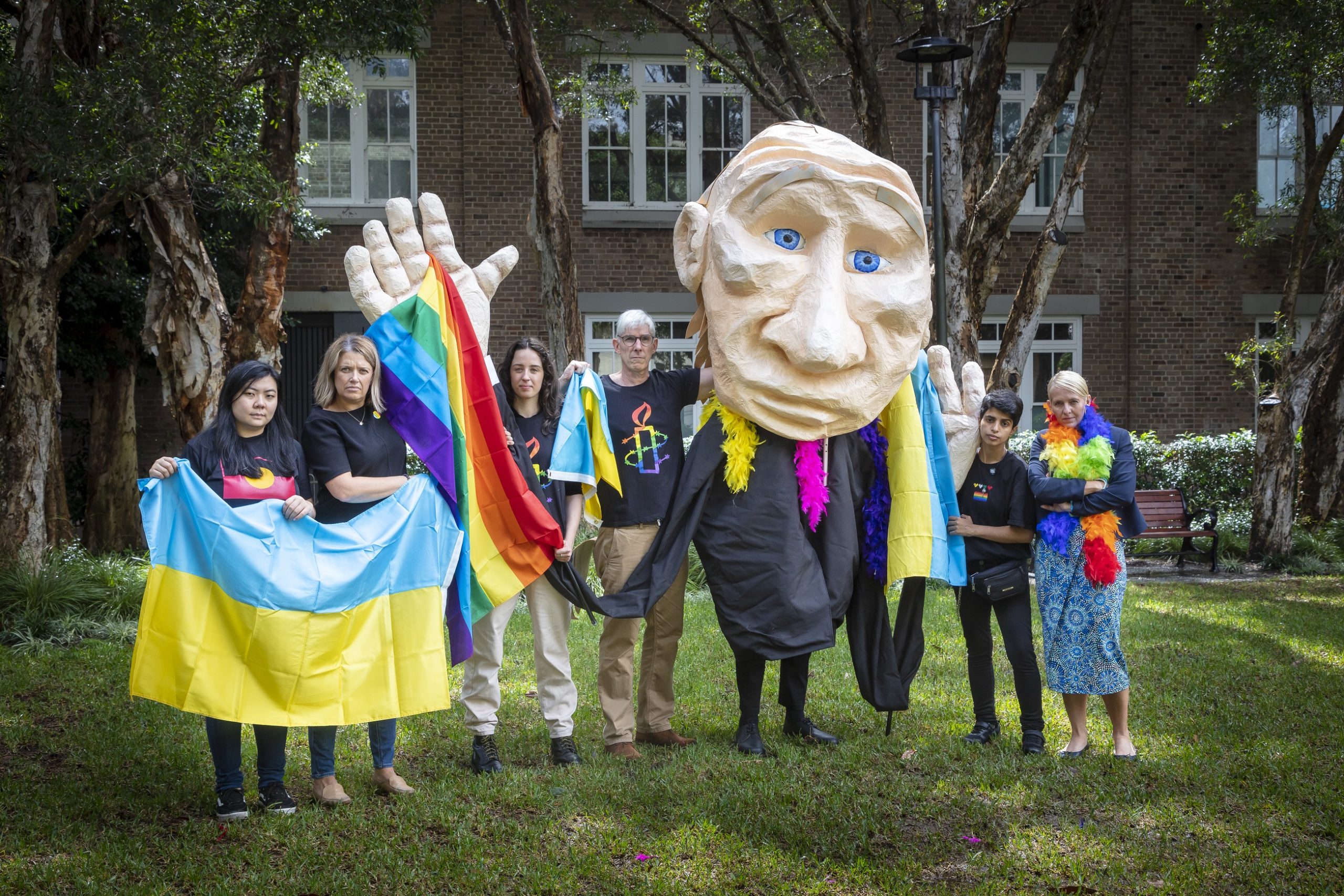
Amnesty International Australia will highlight the situation of LGBTQIA+ refugees at its annual float at Sydney’s Mardi Gras parade on Saturday evening.

As the crisis unfolds in Ukraine, the float will draw attention to the challenges members of the rainbow community face when fleeing persecution.

Co-founder of Forcibly Displaced People Network, Renee Dixson, said: “During times of crisis such as in Syria, Afghanistan or right now in Ukraine, LGBTIQ+ people are targeted with more force. We have seen this with the Taliban in Afghanistan and we now see this with Russians claiming to have a list of LGBTIQ+ people in Ukraine they plan to kill”.

“The Australian Government has shown that it can respond quickly. For Ukrainians fleeing the Russian war it is a very welcome step. But this should not be an exception. The Australian government must guarantee an immediate 20,000 additional humanitarian places, permanent protection offered to people on temporary protection visas in Australia and fast-tracked family reunion. LGBTIQ+ people along other marginalised communities must be prioritised,” the spokesperson said. 

Amnesty International Australia Refugee Advisor, Dr Graham Thom, said: “Every single person fleeing conflict has the right to seek safety in other countries and is entitled to protection without discrimination. Parties to the conflict must, and indeed are legally obliged to, make every effort to minimise civilian suffering and prioritise addressing humanitarian concerns in this crisis”.

“The Australian Government has cut our refugee intake by 5000 since 2020, which in light of crises like those in Myanmar, Afghanistan and now Ukraine is absolutely devastating. We must increase our humanitarian intake.

“Australians are ready and willing to help and we urge Immigration Minister Alex Hawke to offer more humanitarian places as a matter of urgency.”

Tasmania should focus on diversion and rehabilitation not new youth prisons

A submission by Amnesty International Australia on the Tasmanian Government’s Discussion Paper to Reform Tasmania’s Youth Justice System has expressed serious concerns about the overrepresentation of First Nations youth in detention and the urgent need to raise the age of criminal responsibility to at least 14. 

Amnesty also expressed concerns regarding Youth and Education Minister Roger Jaensch’s announcement of the construction of two new facilities to replace the mothballed Ashley Detention Centre.

“Putting children in prison is extremely damaging and just exacerbates existing issues kids face,” Amnesty International Australia Indigenous Rights Advisor, Rodney Dillon, said.

“Instead of removing kids from their family and community, it’s time to focus on Indigenous-led solutions and community programs, which have far better outcomes for both children and the wider community,” he said. 

Amnesty International recommends that the Tasmanian Government adopt the evidence based Diagrama model of care and a justice reinvestment approach. The Diagrama model  originated from Spain and is proven to reduce recidivism rates, help rehabilitate and reintegrate young people into society.  

“There is significant evidence which shows that trauma-informed therapeutic approaches, such as locally run programs controlled by First Nations People, have far greater outcomes for Aboriginal and Torres Strait Islander children,” Dillon said. 

Amnesty’s submission also highlights the need to reform the use of custody. The Tasmanian Government should reduce the types of offences by young people that lead to detention, release the high number of young individuals currently held in remand, and minimise the contact between young people by shifting the role of overseeing youth offending to other more socially-centred departments. 

“The number of young people in detention awaiting sentencing in Tasmania is as high as 69% and the majority of young people in detention in Tasmania don’t receive any rehabilitation and reintegration efforts which would reduce the risk of reoffending when released,” Dillon said. 

Russia/Ukraine: Invasion of Ukraine is an act of aggression and human rights catastrophe

Russia’s invasion of Ukraine is a manifest violation of the United Nations Charter and an act of aggression that is a crime under international law, said Amnesty International, as it called for all those involved in this crime to be held accountable for those violations. Their personal, individual, and collective liability should be invoked for that, and for all the many crimes that have characterised their invasion of Ukraine thus far.

Emphasizing the gravity of the Ukraine crisis, the organisation called on UN member states to uphold and defend the UN Charter, which prohibits the use of force against the territorial integrity or political independence of any state. It noted that the only exceptions to those provisions are self-defense and such use of force as is authorized by the UN Security Council – neither of which applies to this crisis. 

Amnesty further stressed that, under international law, it is incumbent on all states to settle international disputes by peaceful means and in such a manner that international peace, security, and justice, are not endangered. 

“Russia’s invasion of Ukraine is grave, severe and defined by one characteristic only: aggression. Russia is invading into the heart of Ukraine, seeking to depose its lawfully elected government, with a real and potential massive impact on civilians’ lives, safety and well-being; its acts cannot remotely be justified on any of the grounds that Russia has offered. Yet all of this is being committed by a permanent member of the UN Security Council,” said Agnes Callamard, Secretary General of Amnesty International.

“Russia is in clear breach of its international obligations. Its actions are blatantly against the rules and principles on which the United Nations was founded. All members of the United Nations should condemn that conduct unequivocally.  Russia’s flagrant disregard cannot be allowed to embolden others to follow suit and nor should the UN’s ability to contain such behaviour be undermined.”

Since the Russia invasion began on 24 February, Amnesty has been documenting the escalation in violations of humanitarian and human rights law, including deaths of civilians resulting from indiscriminate attacks on civilian areas and infrastructure.  Strikes on protected objects such as hospitals and schools, the use of indiscriminate weapons such as ballistic missiles and the use of banned weapons such as cluster bombs, may all qualify as war crimes.

Amnesty International urged UN Member States to stand together in condemnation of Russia’s crimes of aggression, in providing relief and assistance to the citizens of Ukraine including those fleeing the conflict, and to ensure the consequences of Russia’s aggression are not allowed to push the world closer towards an abyss of violence, violations and insecurity. 

“In less than a week, Russia’s invasion of Ukraine has triggered a massive human rights, humanitarian, and displacement crisis that has the makings of the worst such catastrophe in recent European history. Russia is not only breaching the sovereignty of a neighbour and its people, it is also challenging the global security architecture and exploiting its frailty, including a dysfunctional UN Security Council.  There are long-lasting consequences from this for us all. We must not allow aggression and violations of international law to be their architect,” said Agnes Callamard.

Yesterday’s welcome announcement by the ICC Prosecutor that his office will seek to open an investigation in Ukraine puts all perpetrators of war crimes and crimes against humanity in Ukraine– including those in senior positions and most responsible – on notice that they will be held individually accountable.

“Amnesty International calls on all states parties to the ICC and the international community at large to cooperate with the ICC’s investigation. The ICC’s investigation cannot take place alone. Comprehensive accountability in Ukraine requires the concerted and innovative efforts of the UN and its organs, as well as initiatives at the national-level pursuant to the principle of universal jurisdiction,” said Agnes Callamard.

“At this early stage, the collection and preservation of evidence is crucial to successful future investigations. Above all, we must ensure that the tragically increasing number of victims of war crimes in Ukraine hear a message that the international community is already determined to secure redress for their suffering.”

Background

Serious violations of the rules of conflict constitute war crimes. Some of those are codified as such by the Rome Statute of the International Criminal Court. The ICC would have jurisdiction over war crimes committed in Ukraine, which made a declaration in 2015 accepting ICC jurisdiction over crimes committed on its territory since 20 February 2014. Russia signed the Rome Statute in 2000 but withdrew its signature in 2016.

The military intervention appears to meet the definition of aggression under the Rome Statute of the ICC. Art. 8bis(1) of the Rome Statute defines, in relevant part, a “crime of aggression” as “an act of aggression which, by its character, gravity and scale, constitutes a manifest violation of the Charter of the United Nations.”  Although the Court, barring an unlikely Security Council referral, will not have jurisdiction over the crime of aggression in this situation a number of states, including Ukraine, have domestic laws that would allow prosecution of those responsible for this crime.

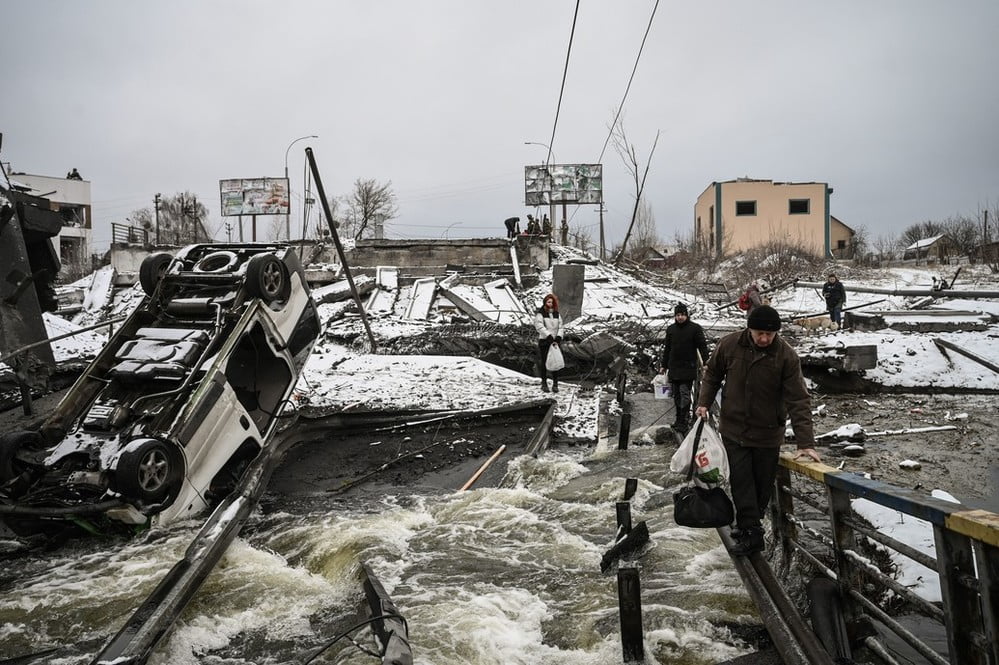
The invasion of Ukraine has already resulted in indiscriminate strikes on residential areas, medical institutions, social infrastructure and other civilian objects and infrastructure, and produced civilian deaths and injuries. It has led to mass displacement and destruction of civilian housing. In the fighting in Donetsk and Luhansk, particularly in 2014-2015, there have been extrajudicial executions, torture and other ill-treatment, enforced disappearances, and unlawful deprivation of liberty.

Kremlin censors media and disperses protesters opposed to Ukraine invasion

Responding to the news that the Kremlin has censored domestic media as it disperses anti-war protests and persecutes those who publicly oppose Russia’s invasion of Ukraine, Marie Struthers, Amnesty International’s Eastern Europe and Central Asia Director, said:

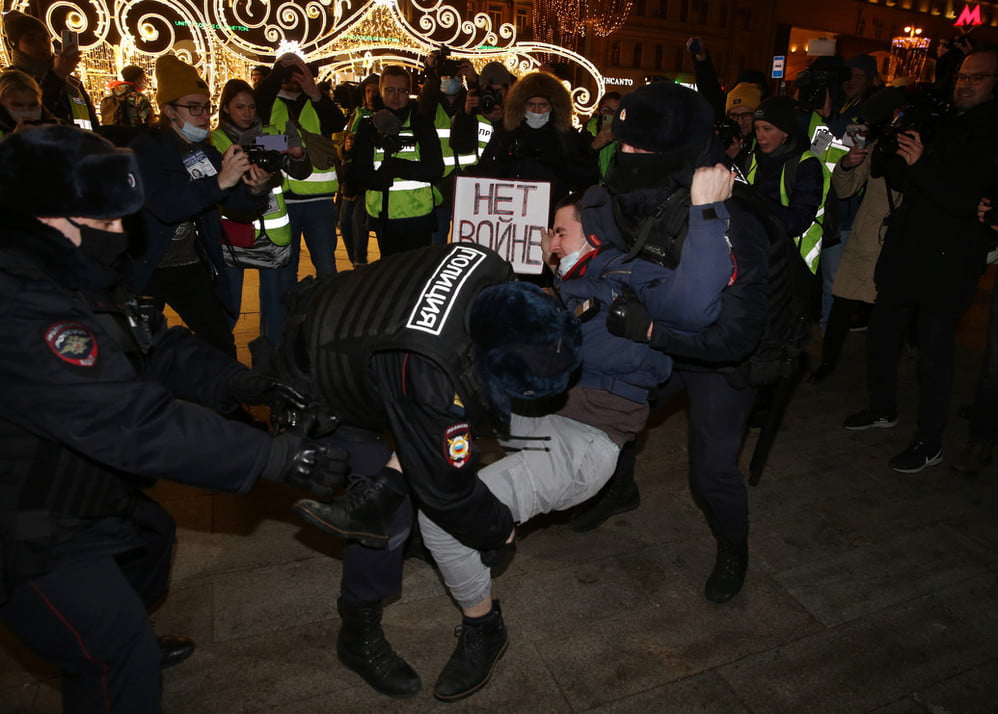
“As thousands of protesters take to the streets across Russia to denounce the war, the Kremlin remains hellbent on stifling state critics as it coerces domestic media into supporting its policies. By using force to disperse anti-war rallies and censoring the press, the Russian authorities are plunging deeper and deeper into repression as public sentiment against the war grows.”

“Amid its desperation to silence dissent, Russia is also using state-controlled companies to muzzle those who speak out against the conflict. The removal of television presenter Ivan Urgant and the sidelining of respected journalist Elena Chernenko, who was excluded from a government press pool for composing an anti-war letter, speaks to the state’s sheer disregard for press freedom.

“As Russia engages in indiscriminate attacks in violation of international humanitarian law as part of its invasion of Ukraine, the authorities are trampling on the rights to freedom of expression and peaceful assembly in Russia while promoting its narrative of the conflict. The authorities’ brutal crackdown on those who express their dissent regarding the war must stop now.”

Background

On 24 February 2021, Russian media watchdog Roskomnadzor ordered all media to only use information provided by official state sources while covering Russia’s invasion of Ukraine. Anyone caught disobeying this order could see their websites blocked and be fined up to $62,600. On 28 February, the watchdog blocked the site of Nastoyashchee Vremya (Current Times), a RFE/RL subsidiary, for spreading “unreliable publicly important information” about the conflict.

On 27 February, the Prosecutor General’s office issued statement threatening prosecution under “high treason” charges for any type of “assistance to a foreign state, international or foreign organization or their representatives in activities directed against the security of the Russian Federation.”

Over the first four days of invasion, Russian police routinely used force to disperse nationwide anti-war protests. According to human rights NGO OVD-Info, over 5,900 peaceful protesters have been arrested in at least 67 cities and towns across Russia. On 24 February, political philosopher Grigory Yudin was beaten unconscious by the police and briefly hospitalized.