PM Turnbull must turn the tide on hateful rhetoric and policies

  • Amnesty International publishes its latest State of the World’s Human Rights report in Washington, ahead of PM Malcolm Turnbull’s meeting tomorrow with US President Donald Trump.
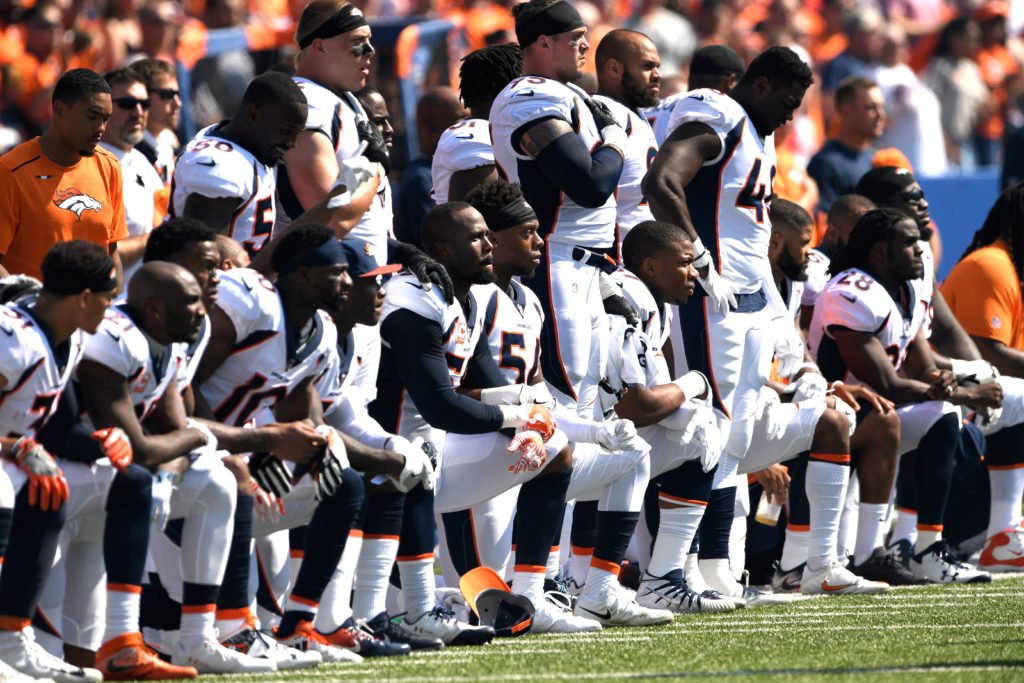
  • President Trump is one of the world leaders offering us a nightmarish vision of a society blinded by hatred and fear.
  • PM Turnbull and President Trump must renounce the politics of hate, fear and racism.

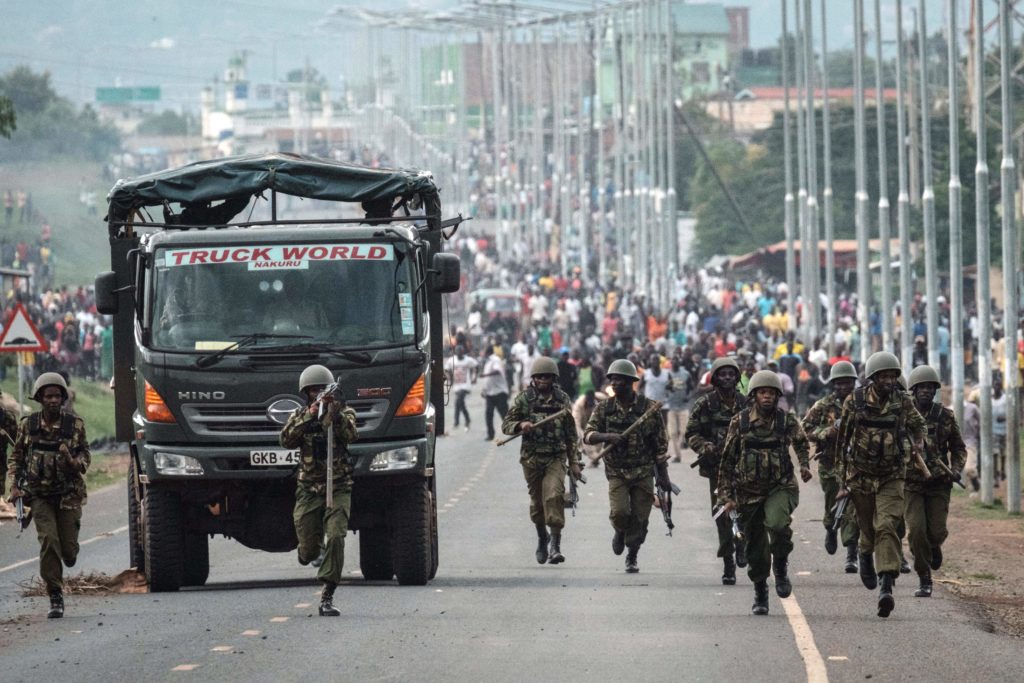
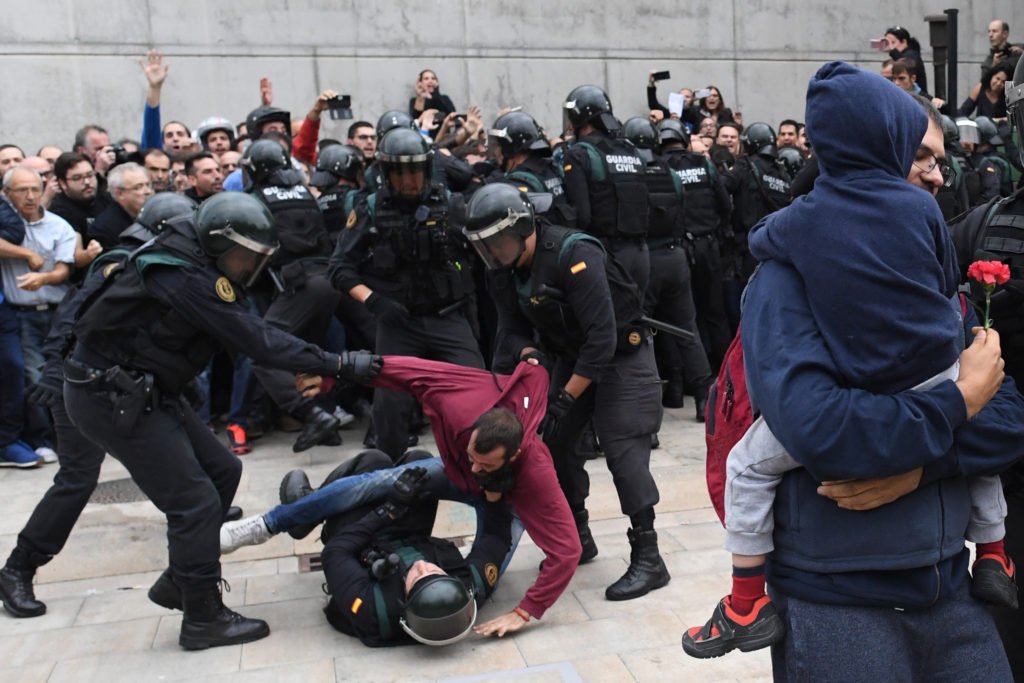
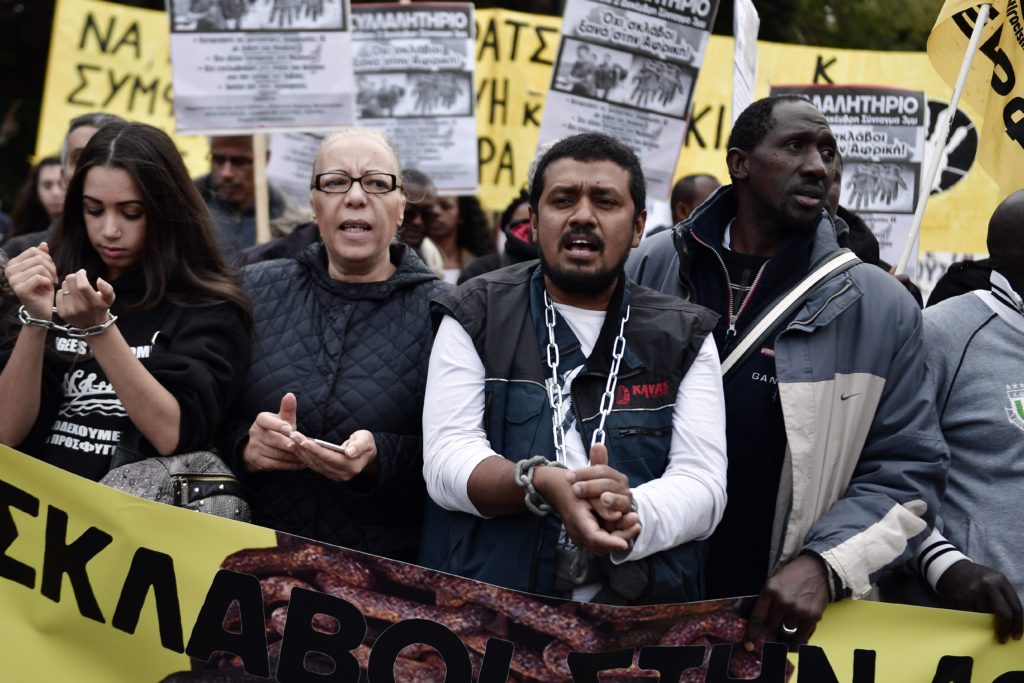
As Australia risks being engulfed by the hate and fear spreading around the world, PM Turnbull and US President Trump must renounce hateful rhetoric and policies, which are setting a dangerous precedent for other governments to follow. This was the call from Amnesty International today as it launched its annual global assessment of human rights.

The report, State of the world’s human rights, covers 159 countries and delivers the most comprehensive analysis of the state of human rights in the world today.

During 2017 Amnesty found that dog-whistling and hate-filled narratives by governments around the world – including by Australia – gave license to bigotry and discrimination against already marginalised groups.

“Over the last year hate has been inflamed in Australia,” said Claire Mallinson, National Director of Amnesty International Australia.

“Verbal attacks on communities of African origin have led to instances of hate speech and physical attacks against those communities. In 2017 in Australia there was reportedly a 39% increase in anti-semitic threats. LGBTQI people – and their children – sustained months of homophobic abuse during the unnecessary marriage equality postal vote.”

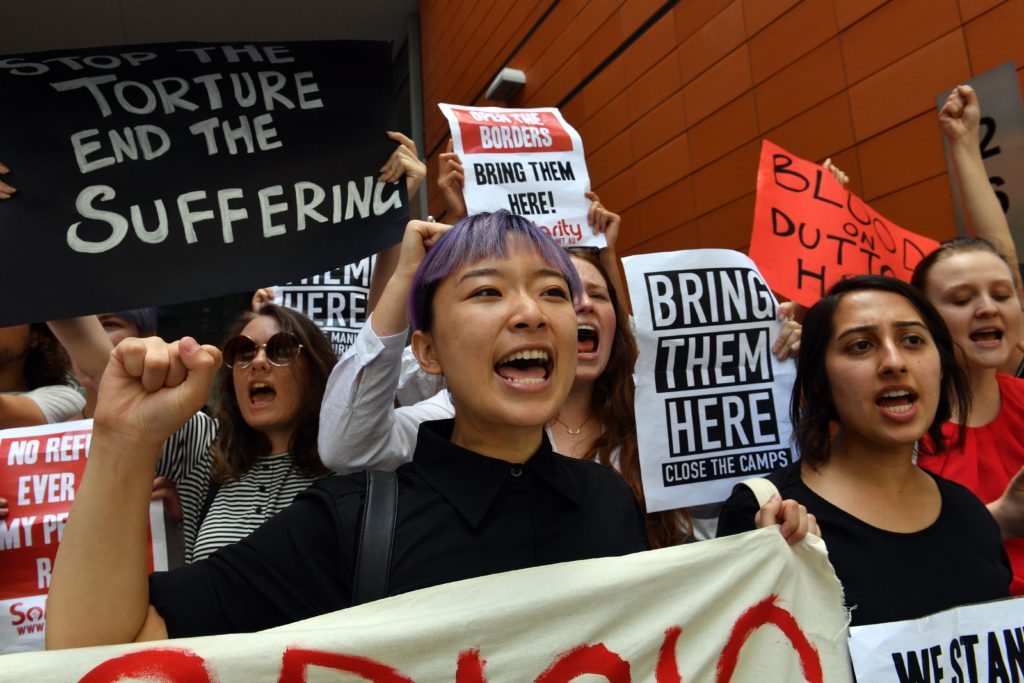
The report finds that the Australian justice system continued to fail Indigenous people, particularly children, with high rates of incarceration, reports of abuse and deaths in custody. During 2017 Australia also maintained brutal policies towards refugees and asylum seekers by confining people in offshore processing centres in Papua New Guinea and Nauru, and turning back those attempting to reach Australia by boat.

Meanwhile, increasingly authoritarian approaches to the media and to NGOs – such as through Australia’s Electoral Legislation Amendment (Electoral Funding and Disclosure Reform) Bill 2017 – have chipped away at civil society.

“With Australia attending its first meeting as a member of the UN Human Rights Council next week, Turnbull must demonstrate leadership on the global stage. This begins with calling out hate and prejudice, and committing to the freedoms that Australians once held dear. And there’s no better place to start than with his meeting with President Trump.”

Claire Mallinson – National Director at Amnesty International.

“With Australia attending its first meeting as a member of the UN Human Rights Council next week, Turnbull must demonstrate leadership on the global stage. This begins with calling out hate and prejudice, and committing to the freedoms that Australians once held dear. And there’s no better place to start than with his meeting with President Trump,” said Claire Mallinson.

“Their meeting has been described as marking 100 years of ‘mateship’: well, true ‘mates’ have the courage to set each other straight when they are steering off course.”

World leaders abandon human rights, igniting protest movements globally  

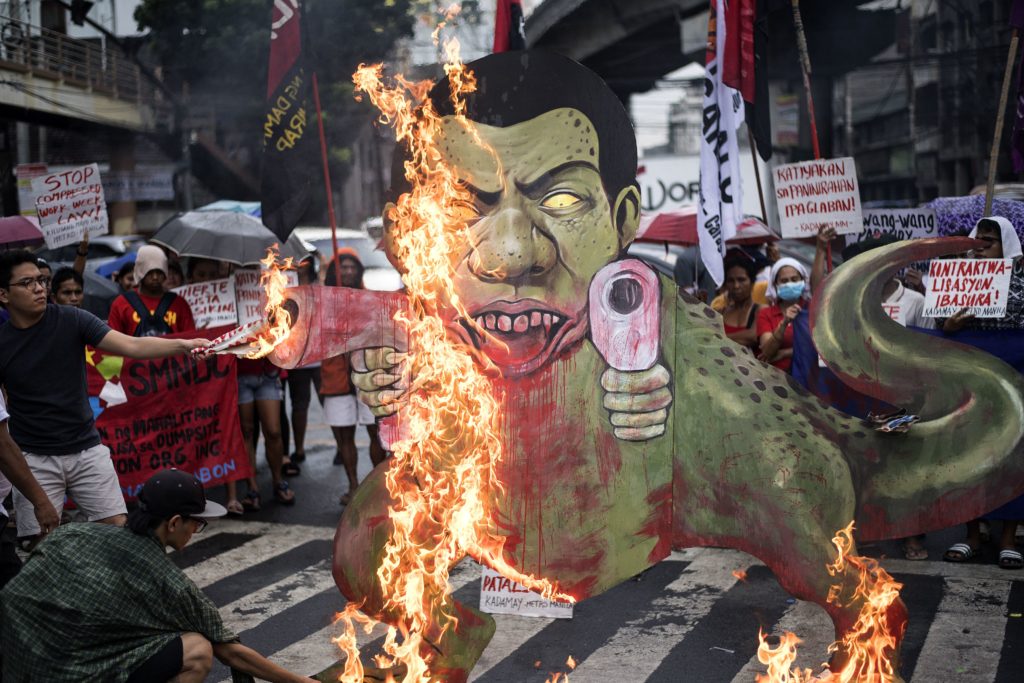
“The spectres of hatred and fear now loom large in world affairs, and we have few governments standing up for human rights in these disturbing times. Instead, leaders such as al-Sisi, Duterte, Maduro, Putin, Trump and Xi are callously undermining the rights of millions,” said Salil Shetty, Secretary General of Amnesty International.  

Australia is also playing its part in encouraging a global race to the bottom, through exporting its brutal border protection policies.

“We saw the ultimate consequence of a society encouraged to hate, scapegoat and fear minorities laid bare in the horrific military campaign of ethnic cleansing against the Rohingya people in Myanmar.”

Salil Shetty, Secretary General of Amnesty International.

“We saw the ultimate consequence of a society encouraged to hate, scapegoat and fear minorities laid bare in the horrific military campaign of ethnic cleansing against the Rohingya people in Myanmar,” said Salil Shetty.

“The feeble response to crimes against humanity and war crimes from Myanmar to Syria and Yemen underscored the lack of leadership on human rights. Governments are shamelessly turning the clock back on decades of hard-won protections.”

But these regressive approaches have inspired many people to join long-standing struggles, such as the Women’s Marches around the world, and the report details many important victories that human rights activists helped to secure. These include achieving marriage equality and ratifying the Optional Protocol to the Convention Against Torture (OPCAT) in Australia and the move to finally allow women to drive in Saudi Arabia.  

Hate on the march as people targeted for their identity

2017 also saw the vilification of refugees and migrants from the very highest levels of government across the world.

“If you look across from Australia to Hungary, leaders treated refugees and migrants as problems to be deflected, not as human beings with rights who deserve our compassion,” said Salil Shetty.

Australian Foreign Minister Julie Bishop will this week visit Hungary, and Amnesty International is calling on her denounce the country’s xenophobic anti-immigration rhetoric or its oppressive new Bill aimed at shutting down NGOs working on migration issues.

Free speech takes on colossal importance in the renewed battle for human rights

The willingness of prominent leaders to tout “fake news” in order to manipulate public opinion, coupled with attacks on NGOs and other institutions that act as checks on power, show that free speech will be a key battleground for human rights this year.   

“In 2018, we cannot take for granted that we will be free to gather together in protest or to criticize our governments. In fact, speaking out is becoming more dangerous,” said Salil Shetty.

Hundreds of activists were killed last year as authorities sought to silence campaigners and muzzle the media, the report said. The biggest jailors of journalists were Turkey, Egypt and China – where Nobel laureate Liu Xiaobo died after being imprisoned for criticizing the government. With governments shamelessly pursuing human rights activists and NGOs, Amnesty International faced threats to its work in Australia and Hungary as well as the unprecedented arrests of its staff in Turkey.

Governments must address the burning injustices fueling protest movements  

“As we approach the 70th anniversary of the Universal Declaration of Human Rights in December 2018, the challenge ahead is clear. Instead of trying to silence people when they speak out, governments should address their concerns, and start by loosening restrictions on the media, civil society and other key checks on power,” said Claire Mallinson.

“We are witnessing history in the making as people rise up and demand justice in greater numbers. If governments stand against such movements, they will erode their legitimacy. People have made it abundantly clear that they want human rights: the onus now is on governments to show that they are listening.”
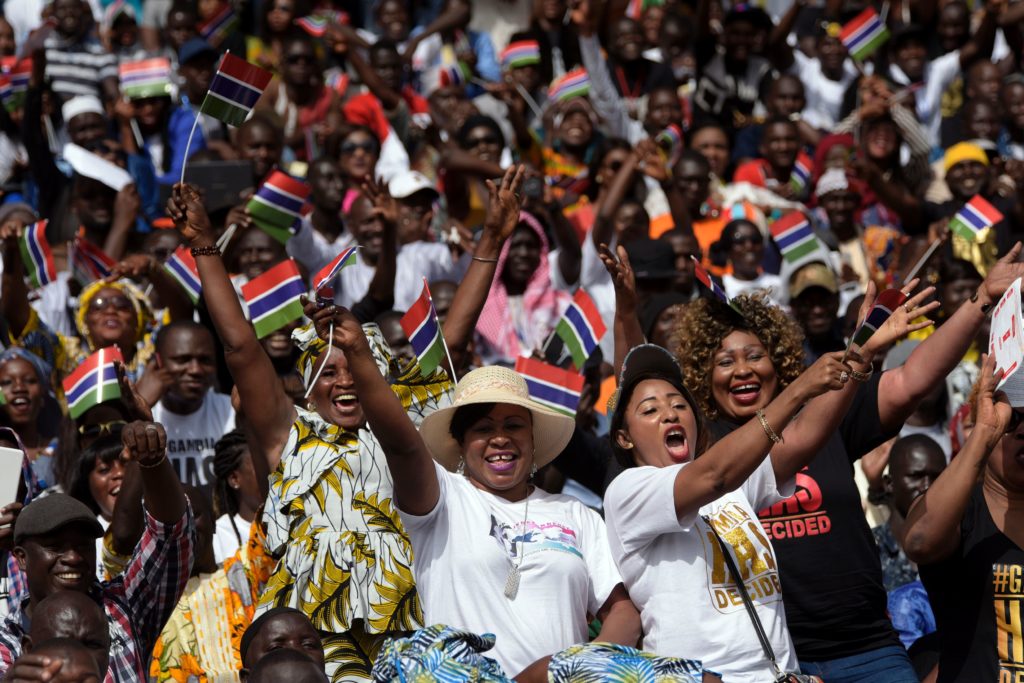
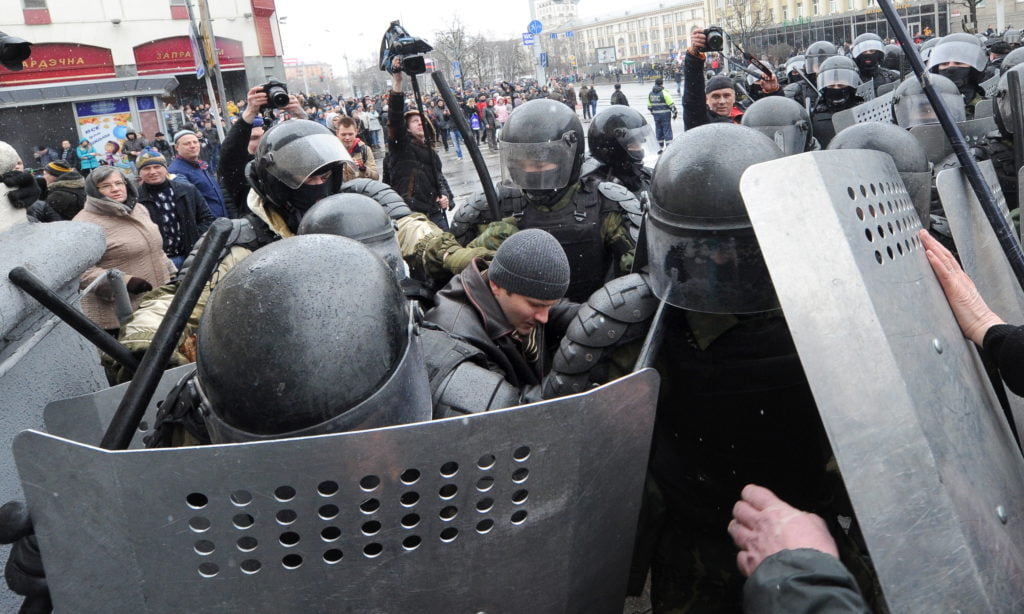
Annual Report: 2017 in pictures

You said no to hate. You said no to fear.

You said no to a world without human rights.

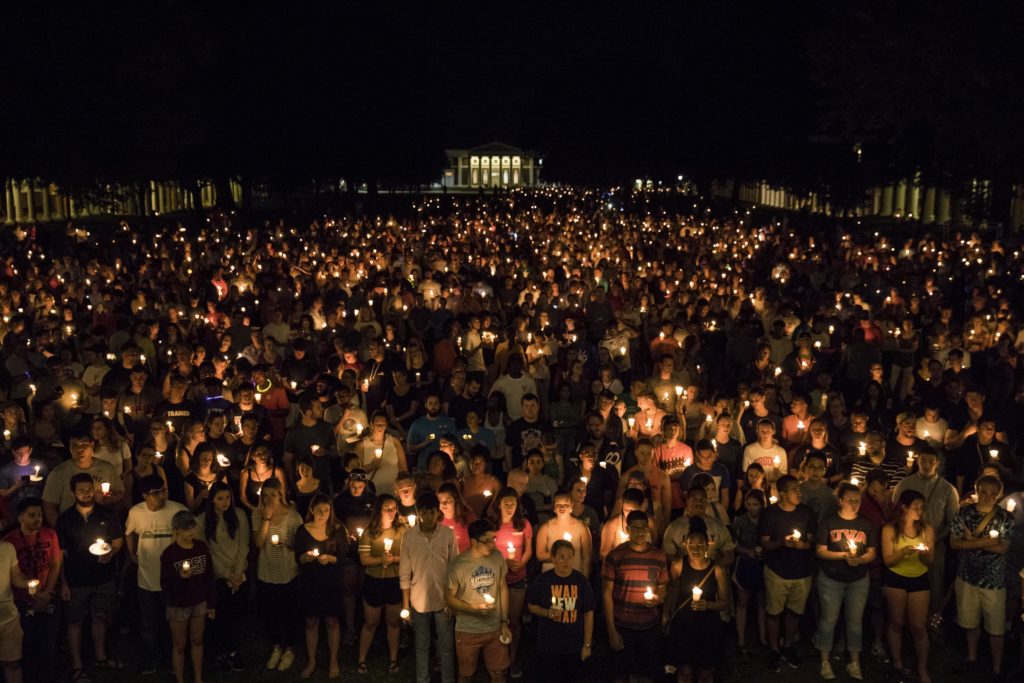
Over the past year, leaders have pushed hate, fought against rights, ignored crimes against humanity, and blithely let inequality and suffering spin out of control. This provoked mass protests, showing that while our challenges may never be greater, the will to fight back is just as strong.

Amnesty International’s report, The State of the World’s Human Rights 2017/18, covers 159 countries and delivers the most comprehensive analysis of the state of human rights in the world today.

While the findings remain shocking, it is the events such as those highlighted in the report that galvanised people across the world to stand up in the face of adversity and make their voices heard.

World leaders abandon human rights

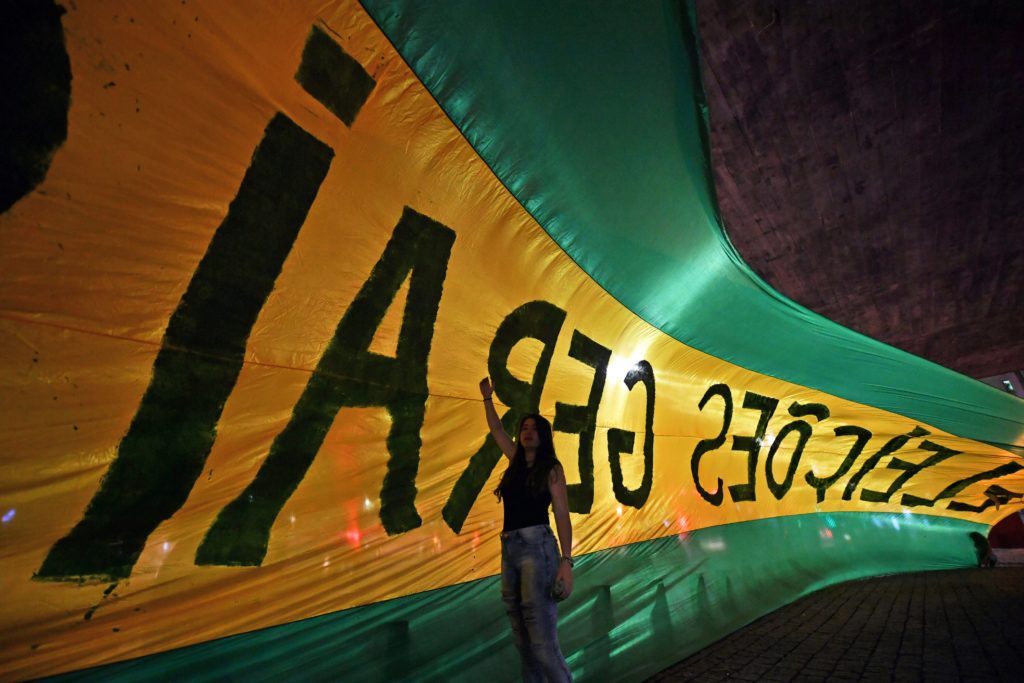
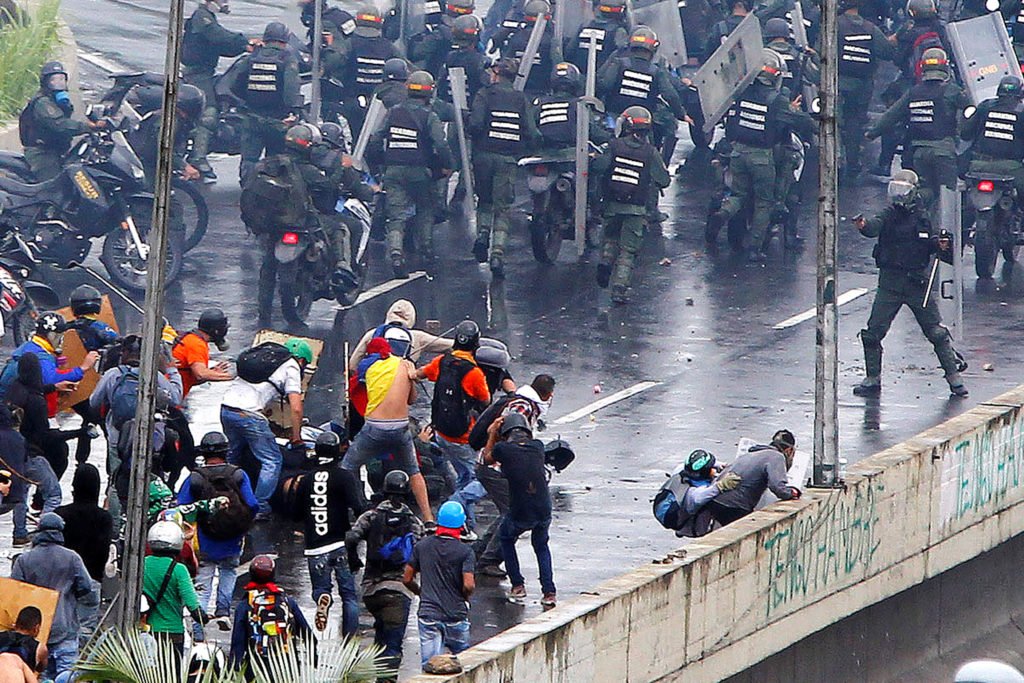
VENEZUELA: An opposition demonstrator waves a flag at the riot police in a clash during a protest against President Nicolas Maduro, in Caracas on May 8, 2017. © FEDERICO PARRA/AFP/Getty Images

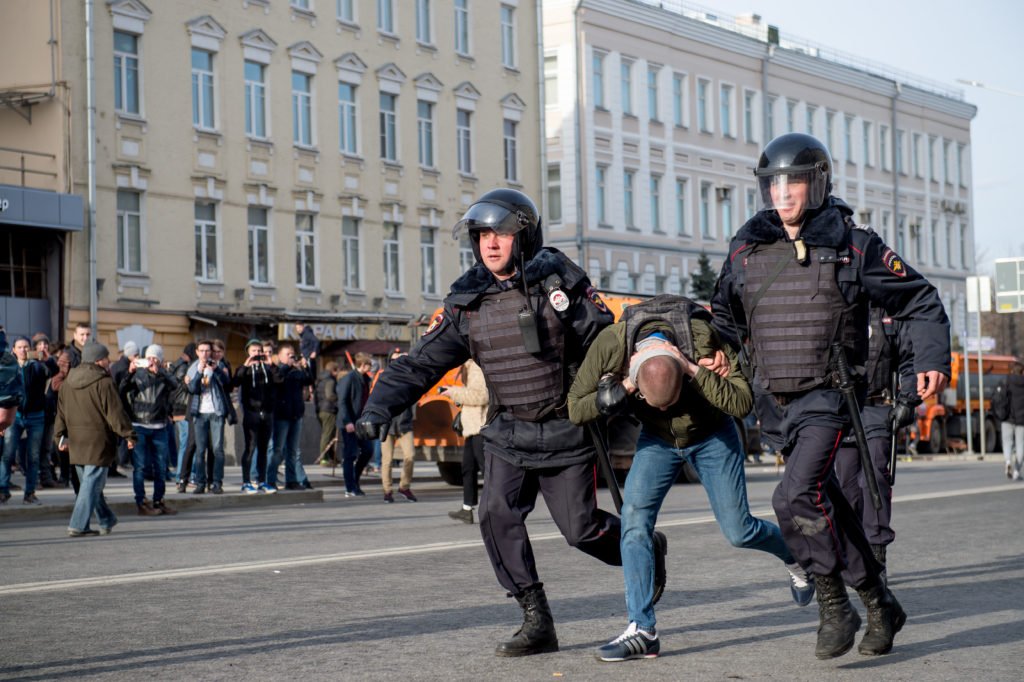
In 2017, the world witnessed a rollback of human rights. Signs of a regression were everywhere. Across the world governments continued to clampdown on the rights to protest, and women’s rights took a nosedive in the USA, Russia and Poland.

From Venezuela to Tunisia, we witnessed the growth of a formidable social discontent, as people were denied access to their fundamental human rights to food, clean water, healthcare and shelter.

And from the US to the European Union and Australia, leaders of wealthy countries continued to approach the global refugee crisis with outright callousness, regarding refugees not as human beings with rights but as problems to be deflected.

“Shafi, my two-year-old son, he was hit hard with a wooden stick. One hit, and he was dead … Three of my children were killed”

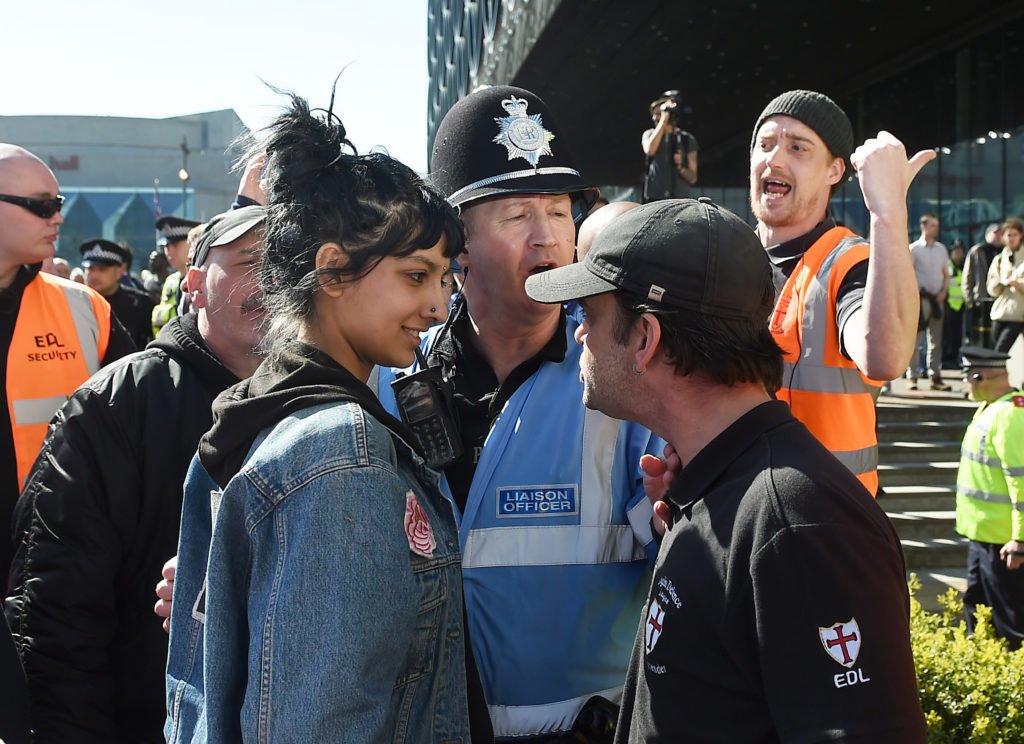
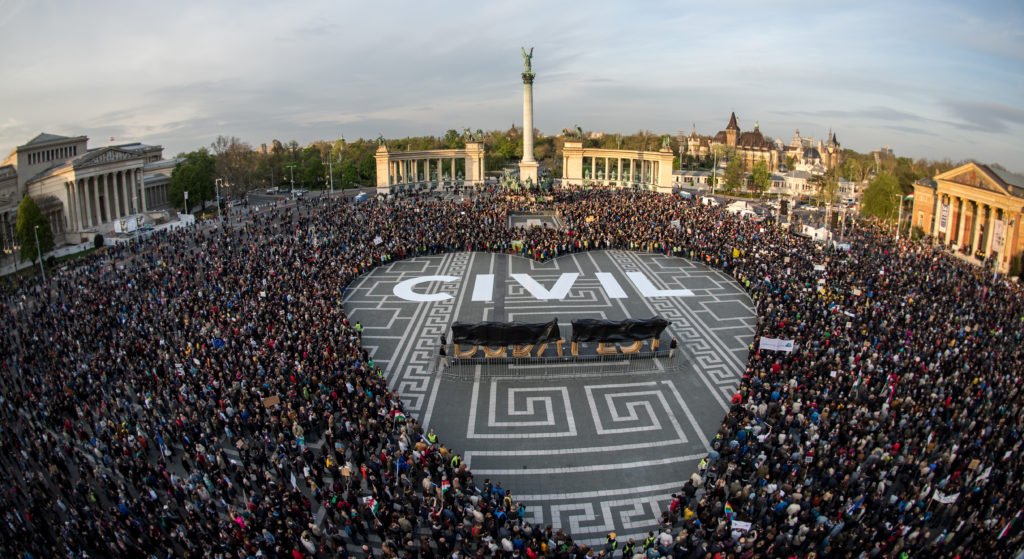
In this climate, state-sponsored hate threatens to normalise discrimination against minority groups. Xenophobic slogans at a nationalist march in Warsaw, Poland and sweeping crackdowns on LGBTI communities from Chechnya to Egypt showed how the open advocacy of intolerance is increasing.

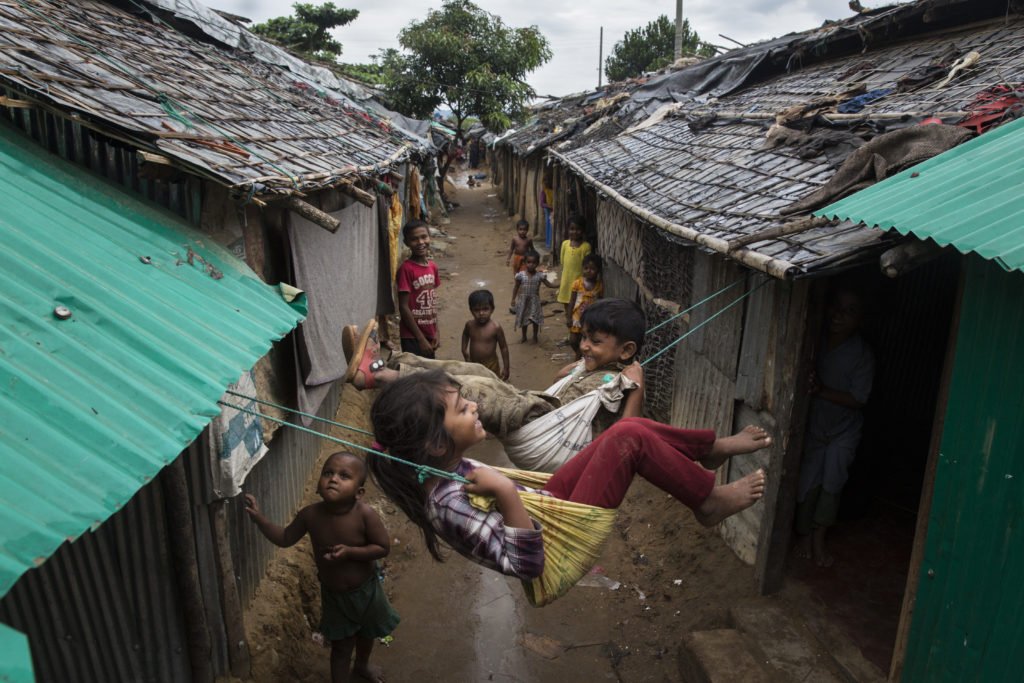
Prominent among a sea of stories that caused shock were the horrific reports of ethnic cleansing carried out by Myanmar’s military against its Rohingya population. The stories captured by our researchers were utterly heartbreaking.  

“Shafi, my two-year-old son, he was hit hard with a wooden stick. One hit, and he was dead … Three of my children were killed,” said one woman, whose money, possessions – and children – were taken by soldiers.

But with few leaders willing to stand up for human rights on a global stage, crimes against humanity and war crimes committed from Myanmar to Iraq have gone ignored, making the world a more dangerous place.

Protecting our right to free speech takes on colossal importance

Ozlem Dalkiran, member of Citizens' Assembly is seen after her release from Silivri prison in Istanbul.
Ozlem Dalkiran, member of Citizens’ Assembly is seen after her release from Silivri prison in Istanbul. Eight human rights activists, including Amnesty International’s Turkey director Idil Eser, were greeted by celebrating relatives and supporters as they were released from jail near Istanbul early on October 26. © YASIN AKGUL/AFP/Getty Images

Last year saw a record numbers of individuals come under attack for taking a stand against injustice. As a global organisation dedicated to fighting for human rights, we did not escape attack. Our own staff in Turkey were arrested and jailed on entirely baseless charges. While İdil Eser, Director of Amnesty Turkey, has been released,  Taner Kılıç the chair of Amnesty Turkey, remains in prison.

Just imagine being a lawyer, journalist or activist, whose life is under threat for telling the truth.  

“In 2018, we cannot take for granted that we will be free to gather together in protest or to criticize our governments. In fact, speaking out is becoming more dangerous.”

Amnesty International’s Secretary-General, Salil Shetty

That is exactly what is happening right now, as authorities aggressively pursue people who have stood up for human rights. These activists are being killed in staggering numbers, with more than 312 killings recorded in 2017, up from 281 the year before.

Despite the efforts of governments to shut down NGOs, undermine the media, take away people’s right to protest and jail campaigners, people refused to be silenced.

But in this climate of fear and intimidation, it is all the more vital that we continue to speak out.

People power and solidarity

Mexicans protest against murders and other violence against women in Mexico City on September 17, 2017.
Mexicans protest against murders and other violence against women in Mexico City on September 17, 2017. © RONALDO SCHEMIDT/AFP/Getty Images

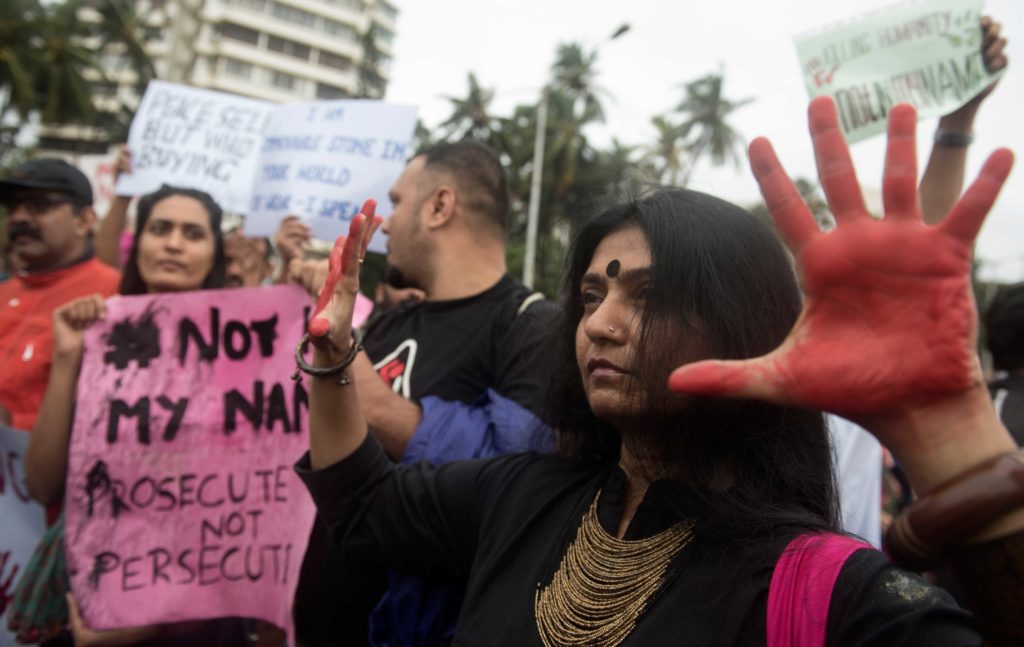
People are angry, and rightly so, at the extraordinary anti-rights rhetoric being peddled by prominent leaders. It is no surprise therefore that one of the largest protests for human rights in history – the Women’s March – took place last year, and set the scene for the year to come.

With each and every protest, people proved they are passionate about defending institutions that uphold human rights.

In Poland, serious threats to the independence of the judiciary brought incredible numbers of people onto the streets.

Globally, the #MeToo phenomenon and Latin America’s “Ni Una Menos” – denouncing femicide and violence against women and girls – showcased the massive pull of social movements.

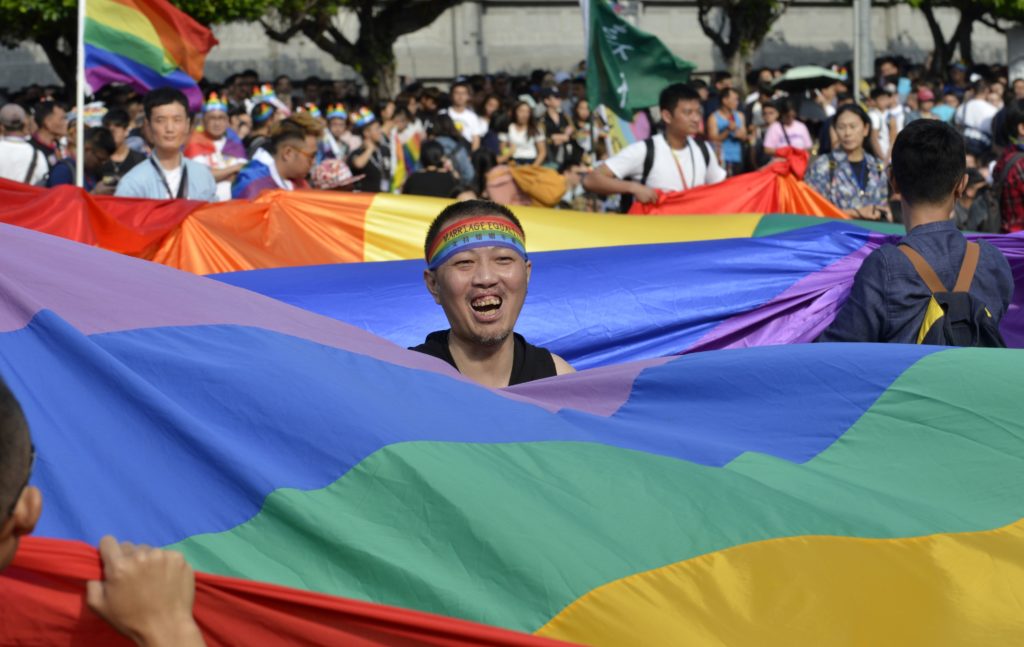
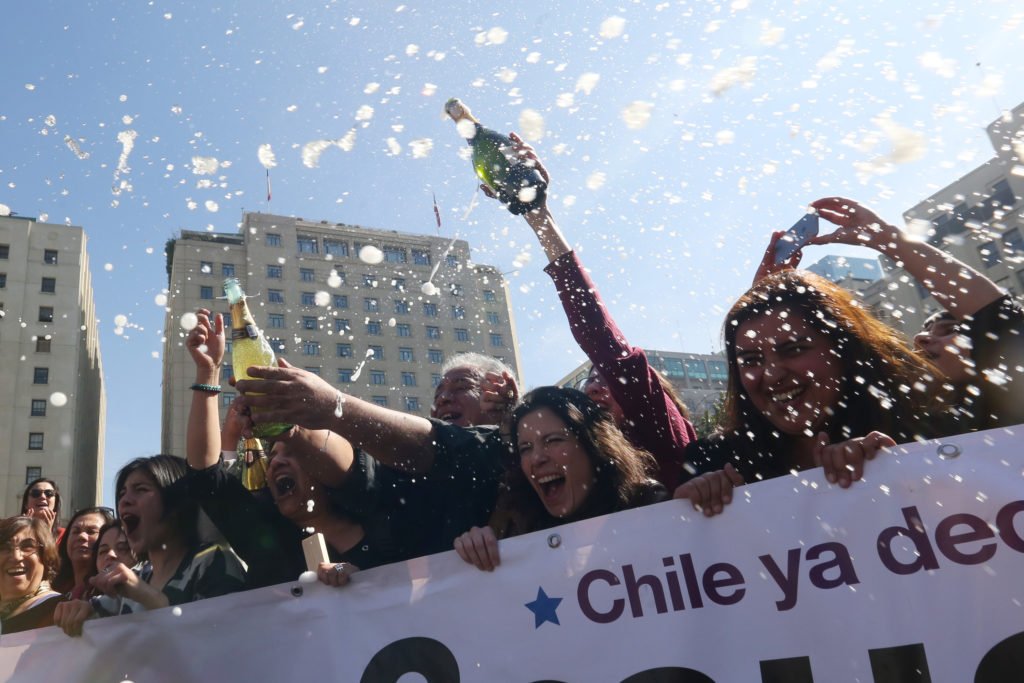
Across the world activists scored important human rights victories, including lifting the total ban on abortion in Chile, achieving a step towards marriage equality in Taiwan and one by one, removing laws in Tunisia, Jordan and Lebanon that allow rapists to escape justice.

But the fight is not over. We’re making history, as people rise up and demand justice in greater numbers – and the onus is now on the government to show they are listening.

Join us now and make your voice heard

Want to find out more about human rights? Learn everything you need to know about your rights here.

Good news: Cambodian environmental activists released!

Two Cambodian environmental activists and prisoners of conscience  Hun Vannak and Doem Kundy, were released on a seven-month suspended sentence on 13 February 2018.

What happened?

On 11 September 2017, two environmental activists – Hun Vannak and Doem Kundy – were arrested by police while filming two sand-bearing vessels anchored off the coast of Cambodia.

They suspected the vessels were illegally carrying Cambodia’s much-desired natural resource, silica sand, for the purpose of export. Sand-dredging companies and the government benefit from this illegal trade and are taking measures to silence community dissent.

Both activists were working with a prominent environmental organisation called ‘Mother Nature Cambodia’ (MNC). Their arrest happened just two days after MNC published a video online exposing these illegal exports, and accusing the Cambodian government of complicity by turning a blind eye to fraud and tax evasion allegedly committed by sand-dredging companies.

On 26 January 2018, they were convicted by the Cambodian Court for “incitement to commit a felony” and “violation of privacy.” Upon arrest, the pair had been questioned and charged without their lawyer present. The trumped-up charges were based on their peaceful environmental activism.

Both men were sentenced to a one-year suspended imprisonment.

Background: Crackdown on civil society

Civic space in Cambodia has been shrinking radically over the past few years. Arbitrary restrictions of the rights of freedom of expression, assembly and association of activists, human rights defenders, human rights NGOs and any critical voices in Cambodia are the norm.

As the July general election draws closer, the country’s ruling party has launched a ruthless crackdown on all forms of dissent.

The coming months will be crucial to stopping the crackdown.

How did you help Hun and Doem?

Following their arrest and conviction, 10,330 Amnesty supporters sent messages to the Cambodian Embassy in Canberra calling for the release of Hun Vannak and Doem Kundy.

What next?

Cambodian authorities must stop continued restrictions peaceful activism. The government must put an end to the harassment human rights defenders and NGOs face for their peaceful activism and for exercising their rights to freedom of expression, assembly and association.

Now released, Doem Kundy and Hun Vannak still have a seven-month suspended prison sentence hanging over their heads. Cambodian authorities must drop the suspended sentence.

#ChangetheDate Australia Day – where to next

Tammy Solonec, Indigenous Rights Campaign Manager

This year Amnesty joined the growing movement to #ChangetheDate of Australia Day so all Australians can join our national celebrations.

You signed our petition, held stalls to raise awareness and stood in solidarity with Aboriginal and Torres Strait Islander people at Survival Day events across the country.

On 26 January, huge numbers of Australians turned out in support of this country’s First Peoples.

As a proud Nigena woman from Derby in Western Australia, it’s so heartening to see a growing understanding of why 26 January is not a day of celebration. If you haven’t already take a moment listen to Aboriginal leaders and Elders on why it’s important to #ChangetheDate.

And it was so wonderful to have our Amnesty community engaged in the #ChangetheDate movement.

On 26 January, many of my colleagues chose to work, and take another day off instead, and staff, activists and volunteers participated in Aboriginal and Torres Strait Islander led events across the country.

On 28 January, I joined colleagues and activists here in WA at the second One Day in Freo event. It was such a great day, attracting 17,000 people from Perth.

Our Redfern Group held a stall at the Yabun Festival in Sydney and collected hundreds of signatures on the #ChangeTheDate petition.

And in Melbourne, we deployed a staff and volunteer team of Human Rights Observers at the big Survival Day rally organised by Warriors for Aboriginal Resistance to make sure police didn’t infringe on the right to protest peacefully.

So, where to next?

Over 15,000 of you signed the petition calling on our government to:

  • acknowledge that 26 January has a long and painful history for Aboriginal and Torres Strait Islander Peoples; and
  • consult with the community to choose a new date for Australia Day so it can be celebrated by all.

We’ll deliver those signatures to our elected representatives to make sure they hear loud and clear that the Amnesty community wants to #ChangetheDate.

Although support for a new date grows every year, we’re not there yet, so we’ll keep collecting signatures until we have a petition so big, it can’t be ignored.

Thank you for standing with me to #ChangetheDate. It fills me with hope that soon Australia Day might be on a date that everyone can celebrate.

Bahrain: Shameful attack on freedom of expression as Nabeel Rajab sentenced to five years in prison for tweets

The sentencing of prominent human rights defender Nabeel Rajab to five years in prison today for peacefully expressing his opinions online illustrates the Bahraini authorities’ utter contempt for freedom of expression, said Amnesty International.

The sentence relates to posts on his Twitter account in 2015 as well as retweets about alleged torture in Bahrain’s Jaw prison, and the killing of civilians in the Yemen conflict by the Saudi Arabia-led coalition.

“The conviction of Nabeel Rajab today is a slap in the face to justice. This  sentence demonstrates the authorities’ ruthless determination to crush all forms of dissent and leaves no room for doubt about the extreme lengths to which they are willing to go to in order to silence peaceful critics,” said Heba Morayef, Amnesty International’s Middle East and North Africa Regional Director.

“This shameful verdict must be quashed and the authorities must drop all pending charges and immediately release Nabeel Rajab. It is absolutely outrageous that he be forced to spend a further five years in jail simply for daring to voice his opinions online.”

Nabeel Rajab, the president of the Bahrain Centre for Human Rights, has been relentlessly harassed for his peaceful human rights work and has been in and out of prison since 2012 on various charges related to his peaceful activism. He has been banned from leaving Bahrain since November 2014.

Nabeel Rajab has been detained since June 2016 and is now serving a two-year prison sentence for TV interviews he gave in 2015 and 2016. The Court of Cassation in Manama, Bahrain’s capital, upheld his sentence on 15 January 2018, convicting him of “disseminating false news, statements and rumours about the internal situation of the kingdom that would undermine its prestige and status”.

Pending charges

On 4 September 2016, an open letter was printed under Nabeel Rajab’s name in the opinion pages of The New York Times which described the situation in Bahrain and his own trial, and urged the Obama administration to use its leverage to resolve the conflict in Yemen.

The next day, the public prosecutor interrogated and charged Nabeel Rajab with “spreading false news and statements and malicious rumours that undermine the prestige of the state” in relation to the article. No trial date for this case has yet been set.

On 19 December 2016, an article was published in Nabeel Rajab’s name in Le Monde. Two days later, he was interrogated at the Criminal Investigation Directorate, accused of “spreading false news and statements and malicious rumours that undermine the prestige of Bahrain and the brotherly countries of the Gulf Cooperation Council, and an attempt to endanger their relations”. The case was referred to the public prosecutor but it is unknown if he will be officially charged.

On 12 September 2017, the Terrorism Prosecution interrogated Nabeel Rajab in connection with comments and an image posted on social media accounts running in his name in January 2017. An image of the King of Bahrain with a Quranic verse asking whether he believed that “no one had power over him” was posted on an Instagram account in his name while comments on non-cooperation with national institutions and a call to protest against the January 2017 execution of three men were posted on his Twitter account. He denied the charges of “incitement to hatred against the regime”, “incitement to non-compliance with the law” and “spreading false news”. The case has yet to be referred to trial and could be activated at any time.

Join the online women’s march – send a solidarity selfie!

Sexism, misogyny and pay inequality. #Metoo and #Timesup.

Discrimination and violence against women has no place in this world, because women’s rights are human rights.

So on 8 March, we stand together.

Will you stand with women for International Women’s Day in March and join our online march?

Upload a selfie of yourself at an IWD event, rally or march with a message of solidarity. Can’t make it or not an event near you? Send a solidarity selfie with a message of support to march with women across the world!

Let’s make this International Women’s Day the biggest on record and #PressforProgress on women’s rights.

*Our selfie tool is hosted on the DoGooder platform. If you don’t want to receive updates from DoGooder, make sure you select the right option from the dropdown box in the selfie action form below. Details submitted to Amnesty International Australia only are covered by our Privacy Policy.

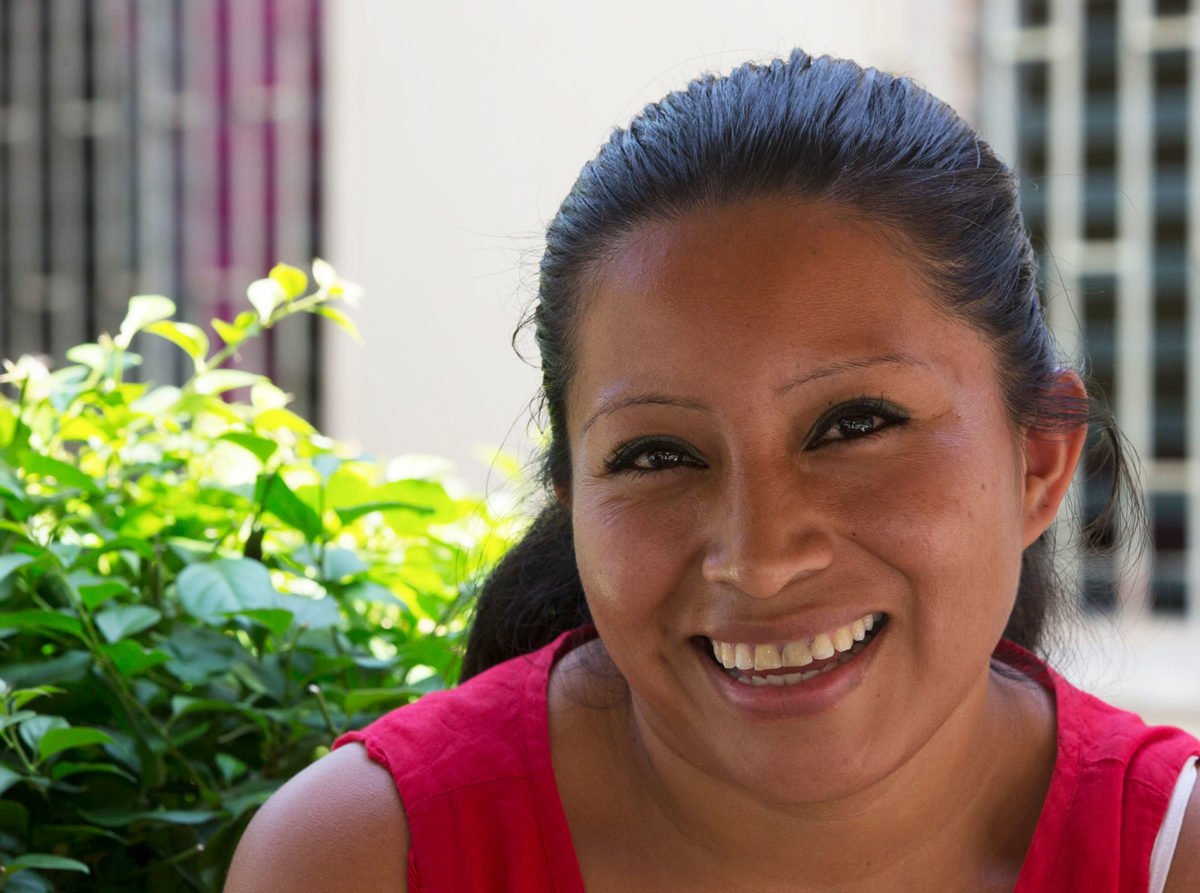
Good news: Teodora Vásquez is free

Teodora del Carmen Vásquez was released from prison in El Salvador on 15 February, after a court reduced her sentence. Teodora suffered a stillbirth and was sentenced to 30 years for ‘aggravated homicide’ under strict anti-abortion laws. She spent over a decade behind bars.

What happened?

Teodora was at work when she began to suffer intense pain and started bleeding. She called an ambulance and collapsed shortly after. When she regained consciousness, she said she found herself surrounded by police who accused her of inducing an abortion.

Since her initial trial in 2008, marred with irregularities, she has spent almost a decade in jail.

https://youtu.be/-aB2XoqmO5o

Abortion laws in El Salvador

In 1998, changes to the penal code created a blanket ban on abortion in El Salvador.

These changes made it a criminal offense for women and girls to have an abortion under any circumstances and for anyone to assist women and girls in accessing abortion. This law has deepened existing gender-based discrimination in El Salvador. Women like Teodora who suffer stillbirths and pregnancy complications face a penalty of up to 50 years in prison.

A local organisation, the Citizen’s Group for the Decriminalization of Therapeutic, Ethical and Eugenic Abortion (Agrupación Ciudadana), have worked on the cases of at least 20 women serving prison sentences due to pregnancy complications. Some of these women have served more than 10 years in prison and most are sentenced to 30 years or more. All are women living in poverty and many have struggled to access an adequate legal defence.

Your help makes a difference

Amnesty International Australia supporters and activists took around 30,000 actions for Teodora as part of Write for Rights, our annual letter writing campaign, in 2015. You wrote letters to El Salvador’s Minister of Justice calling for Teodora’s release and women imprisoned for pregnancy-related complications. You also sent letters of solidarity offering support to Teodora. Street artist E.L.K. worked on a mural of Teodora in Bondi Junction.

Local Action Groups continued to call for her freedom throughout 2016 and Amnesty International staff met with the former Minister for Justice Michael Keenan presented him with over 185,000 signatures from Amnesty supporters. During the meeting, the Minister told staff he received many personal letters from Amnesty supporters all around the world.

What next?

The release of Teodora must open the door for an end to El Salvador’s extreme anti-abortion law.

At least 28 women remain imprisoned under the abortion ban, according to women’s human rights organisations in the country. Those punished are largely from poor backgrounds, with little access to education, healthcare and justice. Amnesty found that in the cases the right to a fair trial and equality before the law were violated.

These 28 women should be immediately and unconditionally released. All women in El Salvador should be guaranteed safe and legal access to abortion, at a minimum, when their life or their physical or mental health is at risk or in cases of rape, incest or severe and fatal foetal impairment.

Syria: Relentless bombing of civilians in Eastern Ghouta amounts to war crimes

Responding to the news of the escalating bombing campaign by the Syrian government and its ally Russia in Eastern Ghouta in Damascus countryside which has left scores dead and hundreds injured in the past month, Amnesty International’s Diana Semaan, Syria researcher, said:

“The Syrian government, with the backing of Russia, is intentionally targeting its own people in Eastern Ghouta. People have not only been suffering a cruel siege for the past six years, they are now trapped in a daily barrage of attacks that are deliberately killing and maiming them, and that constitute flagrant war crimes.

“For six years, the international community has stood by as the Syrian government has committed crimes against humanity and war crimes with total impunity.

“The United Nations Security Council must enforce its own resolutions which call for an end to sieges of civilian areas and attacks on civilians, and for unimpeded humanitarian access. Permanent members, including Russia, should not block measures to end and redress mass atrocities.

“It is imperative for the Security Council to send a strong message that there will be no impunity for those who commit war crimes and crimes against humanity. The catastrophe in Syria provides a textbook example of the high price paid by civilians for impunity for mass atrocities.

“All parties involved in the conflict must abide by their obligations under international humanitarian law and grant safe passage to civilians wanting to flee the area and allow unfettered access for humanitarian organizations, so that they are able to deliver lifesaving aid to the hundreds of thousands of people in need in Eastern Ghouta.”

Background

Amnesty International has previously documented the unlawful siege and unlawful killing of civilians, including the use of internationally banned cluster munitions, in Eastern Ghouta by the Syrian government in violation of international humanitarian law.

The organization also documented violations of international humanitarian law by the armed opposition group, the Army of Islam, based in Eastern Ghouta including unlawful shelling of civilian areas in government-controlled areas and restricting the movement of civilians out of Eastern Ghouta.

This morning, the Syrian Arab News Agency reported that five civilians and 20 others were injured after shelling from Eastern Ghouta on the Damascus countryside.

Testimonies gathered by Amnesty International:
Medical staff bear witness to dire humanitarian situation in Eastern Ghouta

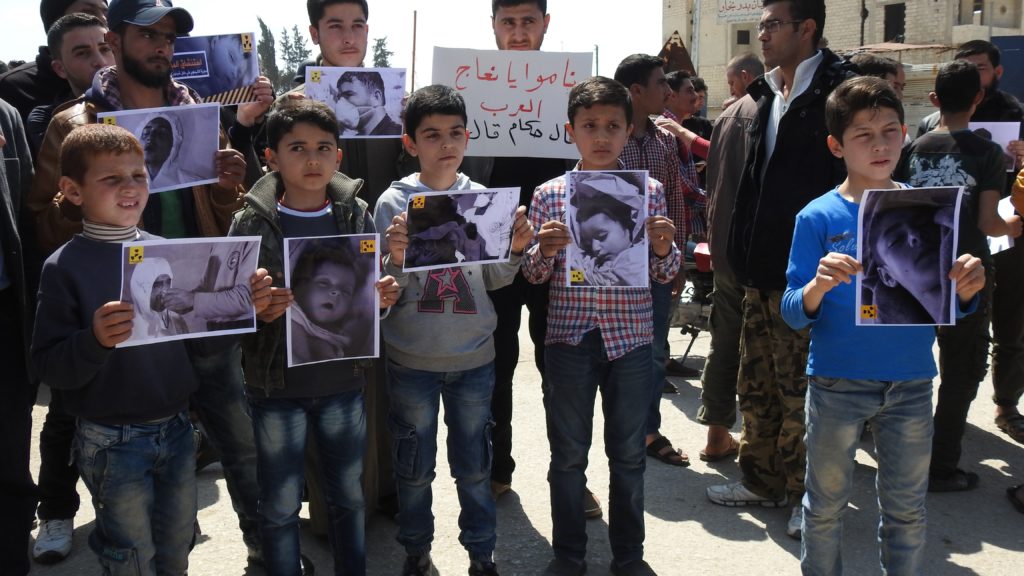
Amnesty International has gathered testimony from medical personnel in Eastern Ghouta who describe desperate scenes at hospitals, with staff overwhelmed by hundreds of casualties from the latest bombardments. Medical supplies have all but run out, air strikes pose an ever-present threat and worsening malnutrition is taking a terrible toll on children and adults.

A pediatrician, speaking on 16 February 2018:

“The situation in Eastern Ghouta is worse than words can say. We have been lacking the very basics for five years now, and today it is even worse. A while ago there were some smuggling routes, but today they are all closed. Ghouta is lacking food, clean drinking water, electricity, stove gas and fuel. The malnutrition cases we have are a shame to humanity. We live in a rich area a few kilometres away from the capital where everything is available, while children here are dying of malnutrition.

“The regime doesn’t allow in any medical supplies or medications; so we are suffering a severe lack of medical supplies, especially now. There used to be some smuggling, but now it’s over – we have run out of supplies for more than seven or eight months now. We feel drained as doctors due to the daily, heavy bombardment. The hospital I run received more than 150 injuries in one week only. To treat these cases we need a lot of serums, sterilisers and gauze which are very difficult to secure. We have used all our reserves. We are also short on medical personnel, and not all specialisations are available.

“As for the medical aid brought in by the UN, of course they need the regime’s permission, and the regime allows them in once every 10 months. If we tried to divide the medical supplies between the population, there is no way that it would be enough.”

A medical centre director, speaking on 16 February 2018:

“The situation in besieged Eastern Ghouta is a tragedy. As for doctors, may God help them. They are doing their best, but there is a severe lack of equipment and supplies, and hospitals in Eastern Ghouta are being heavily targeted for bombardment.

“We also have widespread cases of malnutrition among children and adults. Even nursing mothers aren’t able to nurse their babies because of malnutrition, because the food mostly consists of barley which we use to make bread. There are no nutritional supplements that can help women to nurse.”

The director of another medical centre, speaking on 17 February 2018:

“The medical situation in Ghouta is extremely bad: most medications and medical supplies are unavailable, and there is a lot of pressure on medical staff because of the continuous targeting of civilians. We are working 24 hours a day. In 10 days (1-10 February) we had more than 1,100 injuries that required surgery, first aid, medication and follow up care. Today, for instance, it was raining, so there were no airstrikes, but they shelled us with Golan rockets. They targeted civilians. They don’t target the war fronts. There are no armed fighters among the casualties – all the injured are civilians.”

“It’s also difficult for us as medical personnel to move around because we are being targeted – the whole city is being targeted.”

Egypt: Cluster bomb video highlights human rights concerns in North Sinai

The Egyptian military’s use of cluster bombs must cease immediately, Amnesty international said, following the military’s release of an official video showing cluster bombs as part of their recent operations in North Sinai.

Amnesty International experts have analysed a video which was posted on the official Twitter account of the Egyptian Armed Forces spokesman on 9 February. The video shows military air force personnel loading Egyptian fighter planes with cluster bombs.

“Cluster bombs are inherently indiscriminate weapons that inflict unimaginable suffering for years after their use, and they are internationally banned for this reason. Their depiction in this video suggests that the Egyptian air force has either already used or is intending to use them, demonstrating a blatant disregard for human life,” said Najia Bounaim, Amnesty International’s Deputy Regional Director for the Middle East and North Africa.

The Egyptian air force has a history of carrying out unlawful attacks, even when using more precise weapons. According to eyewitness reports, in 2015 F16 fighter jets carried out airstrikes on densely populated residential areas in Sinai. Dozens of residents, including children, were killed and injured in these attacks. In 2015, the Egyptian air force carried out aerial strikes in Libya that targeted houses and killed civilians including children.

In September 2015, the Egyptian military carried out airstrikes killing 12 people, including eight Mexican tourists on a safari in the Western desert. Despite the Mexican government’s initial requests, the military never held those responsible to account. 

“The veil of censorship and secrecy in Sinai has given members of the armed forces the feeling that they can commit gross human rights violations with total impunity. This has been exacerbated by the government’s crackdown on journalists who dare to criticise the military’s operations” – Najia Bounaim, Amnesty International’s Deputy Regional Director for the Middle East and North Africa 

“The veil of censorship and secrecy in Sinai has given members of the armed forces the feeling that they can commit gross human rights violations with total impunity. This has been exacerbated by the government’s crackdown on journalists who dare to criticise the military’s operations,” said Najia Bounaim.

According to weapons experts consulted by Amnesty International, the cluster bombs shown in the videos released on 9 February were US-made CBU-87 Combined Effects Weapons, each containing 202 BLU-92/B bomblets. This is consistent with previous videos analysed in 2017, which showed the Egyptian military using US-made F16 fighters dropping US-made Mk-20 Rockeye cluster bombs in North Sinai, as identified by the shape and serial numbers consistent with the model.

The United States has been the main supplier of arms to Egypt since the 1970s. Amnesty International has documented many instances where the Egyptian Security Forces have used US-made weapons, including F16 fighter jets, armoured vehicles and tanks to commit or facilitate serious human rights violations.

“Supplier states must immediately suspend the export of arms that carry a high risk of being used for serious human rights violations; no further exports should take place until these risks subside and the Egyptian authorities hold those responsible for violations to account. Egypt must never use cluster munitions under any circumstances; it should destroy its stockpiles and accede to the Convention on Cluster Munitions.” said Najia Bounaim.

Background

On 9 February, the Egyptian Armed Forces announced the commencement of the military operation “Sinai 2018”. The operation, they claimed, aimed at targeting the bases of insurgency groups and their weapons warehouses in North and Central Sinai. The operation was ordered by President Abdel Fattah al-Sisi just a few weeks before the presidential elections in March.

The people of North Sinai have suffered multiple security operations since 2013 that aimed to suppress armed groups. These groups have attacked members of security forces and residents, including members of minority religious groups, killing hundreds.

The Egyptian government has been exploiting the unrest in Sinai as a pretext to clamp down on human rights. Since 2013, the Egyptian military has cut off North Sinai from journalists, media outlets and monitoring groups. As such, obtaining accurate information and reporting on the gross human rights violations in Sinai is extremely challenging.

Amnesty International has documented the military’s demolition of homes and forced eviction of thousands of families, who have not been provided alternative accommodation or compensation. Many others have been held under conditions of enforced disappearance, arbitrary detention and in some cases have been extrajudicially executed.

Extension for applications for the Activist Leadership weekend

We’ve extended the time to get your Expression of Interest in for participating in our third annual Activist Leadership weekend.

The Activist Leadership Weekend is a great opportunity to network, build on your skills and develop exciting local plans to help Amnesty to defend human rights, win our campaigns and meet our 2020 Vision.

The weekend will be take place over three days, from 10am Friday 22 June to 4pm Sunday 24 June 2018, in Sydney.

There are limited places for the leadership weekend so submit your online Expression of Interest form. Successful applicants will meet the following criteria:

  • be available and able to travel to Sydney for 3 days from 10am Friday 22 June to 4pm 24 Sunday June
  • have the time, availability and commitment to be a regional leader for at least 12 months 3 to 5 hours per week (from July 2018 to July 2019)
  • prepared to develop a succession plan for your current work and, with your organiser or ASC, to recruit a person to replace you (where necessary)
  • have at least 1 to 2 years’ experience with Amnesty
  • good communication skills and the ability to communicate with various audiences (interpersonal, oral and written)
  • demonstrated commitment and eagerness to learn and build on activism skill-sets by participating in a minimum of three skill development workshops or attended at least one regional Social Change Lab.
  • demonstrated local activism engagement such as, but not limited to, (two or more of the activities):
    • organising event/s
    • meeting with your local MP
    • engaging local media
    • development and coordination of a local strategy or campaign
    • mentoring and/or training other activists
    • worked with or supported other local activists to achieve activism goals

Who should apply to be part of the 2018 Activist Leadership Weekend?

Any of our volunteers and activists who meet the above criteria can submit an Expression of Interest. Our Branch Committees and Organisers will also identify and encourage regional activists to submit an Expression of Interest (EOI).

Please complete/submit an Expressions of Interest form by 9am Wednesday 7 March, 2018.

Successful applicants will be notified by 19 March, 2018.

Costs for participants are covered by Amnesty International.

To learn more we are hosting briefing sessions on Thursday 22 February at 1pm AEDT  and Wednesday 28 February at 8pm for potential participants, where we will outline what is expected before, on and after the weekend to ensure participants are well informed and able to commit to leadership.

How are we are looking for?

  • Activists who may already be a leader and looking to build on their experience or move into a new leadership role over 2018 and 2019.
  • Activists who are ready to take it to the next level! If you are interested in becoming a regional leader in 2018 then submit an EOI.

Our grassroots leadership is key to our successes. Do you want to help lead our movement? Complete the application form asap!

For more info about expectations post weekend click here.