Covid-19: Pharmaceutical companies’ failure on equal vaccine access contributed human rights catastrophe in 2021

Despite urgent calls to ensure the equal distribution of Covid-19 vaccines in 2021, pharmaceutical companies tragically failed to rise to the challenge of a once-in-a-century global health and human rights crisis. Instead, they monopolized technology, blocked and lobbied against the sharing of intellectual property, charged high prices for vaccines and prioritized supplies to wealthy countries, said Amnesty International today in a new assessment of the leading Covid-19 vaccine developers.

Ten billion doses of Covid-19 vaccines were produced last year, more than enough to reach the 40% target of global vaccination set by the World Health Organization (WHO) for the end of 2021. Yet Money calls the shots: Pharma’s response to the Covid-19 vaccines crisis  – an update on Amnesty International’s September 2021 report  A double dose of inequality: Pharma companies and the Covid-19 vaccines crisis – reveals that just over 4% of those living in low-income countries had been fully vaccinated by the end of last year.

“More than 1.2 billion people in low and lower-middle income countries could have been vaccinated by the end of 2021 if high-income countries and vaccine makers took their human rights obligations and responsibilities to heart,” said Rajat Khosla, Amnesty International’s Senior Director of Research, Advocacy and Policy.

“While high income countries hoarded vaccines, callously choking supply to poorer parts of the world, pharma companies played a pivotal role in this unfolding human rights catastrophe – leaving those most in need to cope on their own. These companies could have been the heroes of 2021. Instead, they turned their back on those who needed vaccines the most and just continued with business as usual, putting profits before people. If we want 2022 to be the last year of this pandemic, we need to shift course now to reach the 70% WHO target by July of this year.”

In 2021, Pfizer, BioNTech and Moderna projected revenues of up to US$54 billion, yet supplied less than 2% of their vaccines to low-income countries. Chinese companies Sinovac and Sinopharm delivered just 0.4% and 1.5% respectively of their vaccines to low-income countries.

Johnson & Johnson’s and AstraZeneca’s records on distribution were better – with 50% of their stock reaching low and lower-middle-income countries (with many of these doses provided as “donations” from upper-income countries, not as part of sales agreements). However, both companies still refuse to share their technology and intellectual property through World Health Organization-coordinated initiatives and are now abandoning their not-for-profit pricing model.

“Despite billions in public funding, these companies are continuing to put their own greed before their human rights responsibilities. It’s deeply concerning that profits are being prioritised over people – even in the face of more than 5.6 million people dead from Covid-19 to date. How many more variants do we have to live through before high-income countries and pharmaceutical companies realize that those in low-income countries must have access to vaccines – not just those living in rich ones?” said Rajat Khosla.

Further findings provided by Airfinity, a science and analytics company, up to 31 December 2021, include:

  • AstraZeneca produced just under 2.4 billion vaccine doses in 2021 and supplied 1.7% of these to low-income countries and 70% to lower-middle income countries, an increase on the previous assessment.
  • Johnson & Johnson produced just over 300 million doses in 2021 and delivered 20% of these to low-income countries and 31% to lower-middle income countries, a significant increase on the previous assessment.
  • Moderna produced 673 million doses in 2021 and delivered 2% of these to low-income countries and 23.5% to lower-middle income countries, a significant increase on the previous assessment, but still short of what is required.
  • Pfizer/BioNTech produced 2.4 billion doses in 2021 and delivered 1% of these to low-income countries and 14% to lower-middle income countries, a slight increase on the previous assessment, but well below Amnesty International’s 50% target.
  • Sinopharm produced just over 2.2 billion doses in 2021, most of which were supplied domestically within China. The company delivered 1.5% of its doses to low-income countries and 24% to lower-middle income countries, short of what is required for a fair distribution of its vaccines.
  • Sinovac produced over 2.4 billion doses in 2021, most of which were supplied domestically within China. It delivered 0.4% of its doses to low-income countries and 20.5% to lower-middle income countries.

Amnesty’s report also shows how these companies don’t share their intellectual property, knowledge and technology, putting in place obstacles to fair vaccine access, as well as actively lobbying against the relaxation of intellectual property rights.

“The fight for equitable vaccines is far from over,” said Rajat Khosla. “We will continue to call on pharmaceutical companies to prioritise delivery to low-income countries in order to meet the WHO target of 70% global vaccination before mid-2022. Everyone deserves a fair shot at a vaccine and as we enter our third year of the pandemic, it’s time that indeed everyone, living anywhere in this world, has immediate access.”

Amnesty International is also calling on companies to share intellectual property by issuing open and non-exclusive licences or participating in the Covid-19 Technology Access Pool (C-TAP), established to support the sharing of open and non-exclusive licences, publicly disclose all terms and conditions, and price vaccine doses so profit does not stand in the way of access to Covid-19 vaccines.

“Investors have also played a huge role in this global crisis. Their lack of meaningful action shows that while Covid-19 unleashed unimaginable suffering on millions around the world, they thrived, but did nothing to ensure their investments did not result in human rights harm on account of the profit-driven approach taken by pharmaceutical companies,” said Rajat Khosla. “We’re calling on investors to face up to their actions immediately and use their considerable leverage to pressure pharmaceutical companies to lift obstacles to fair access to vaccines, as well as promote accountability and transparency.”

Report: China’s Mass Internment, Torture and Persecution of Muslims in Xinjiang

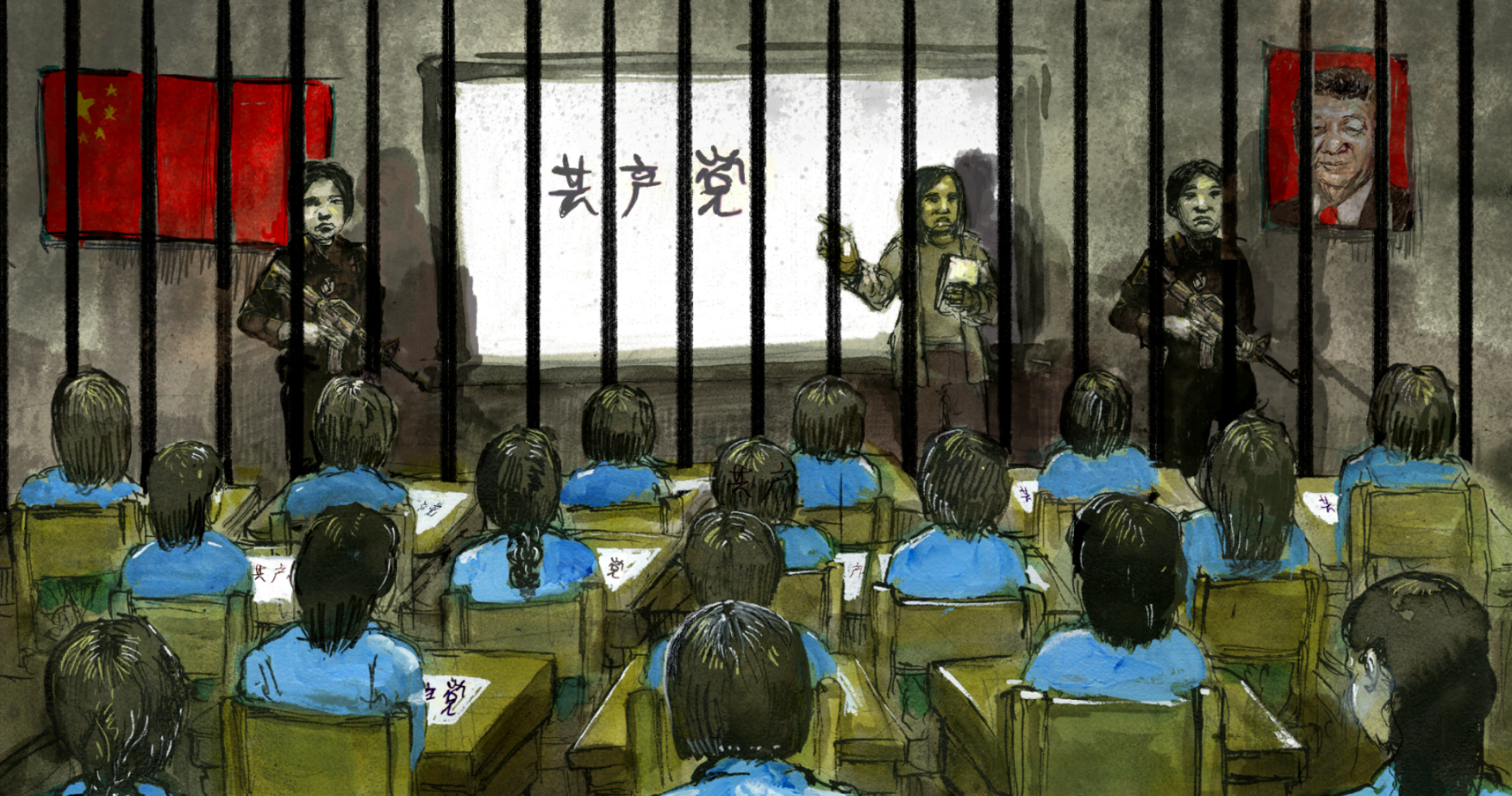
Amnesty International’s latest report Like We Were Enemies In A War is a comprehensive human rights investigation into the crushing repression faced by Uyghurs, Kazakhs and other predominantly Muslim ethnic minorities in China’s Xinjiang Uyghur Autonomous Region.

Based on scores of interviews – 55 of them with former detainees – the investigation since October 2019 found evidence of systematic state-organized mass imprisonment, torture and persecution, amounting to crimes against humanity, among numerous other human rights violations.

Since 2017, under the guise of a campaign against “terrorism”, the government of China has carried out massive and systematic abuses against millions of Muslims living in Xinjiang. The human suffering has been immense. The abuses are ongoing.

Muslims in Xinjiang are not free to practice their religion, they are persecuted because of it; nobody chose to go to an internment camp, they were arbitrarily detained; the camps were not designed to “educate” under any reasonable understanding of the term, they were designed to erase people’s cultural identities.

The world now knows a significant amount about what has been occurring in Xinjiang. Credible documentary, testimonial, and photographic evidence has revealed certain inescapable facts: the human rights violations have been massive in scale, methodically carried out by government officials at all levels throughout Xinjiang, and directed at parts of the population not because of anything unlawful they did but rather because of who they are and because of their beliefs and their culture.

The government of China is responsible to prevent, stop, investigate, and punish any suspected serious violations of international human rights and to ensure reparations to victims. Given the government’s unwillingness to halt its own violations, let alone to conduct impartial and thorough investigations and prosecute those suspected to be criminally responsible, the international community has a duty to take steps to protect human rights, investigate the crimes, and ensure accountability.

It has been four years since the internment camps opened in Xinjiang and the international community has done little to help the affected population. The United Nations has failed to fulfil its responsibilities to the people of Xinjiang. The failure of the UN to take decisive action to address these egregious and well-documented human rights violations, and to hold China to account for its actions, is a stain on the institution’s reputation and a failure on many counts to fulfil clear mandates to address human rights situations of concern on their merits.

By turning a blind eye to the suffering of millions of people in Xinjiang, the UN has effectively contributed to China’s efforts to discredit the survivors and activists who have spoken out at significant personal risk, and to dehumanize the affected population. The UN and its member states must urgently remedy this situation.

Find out more and take action.

Religious Discrimination Bill illustrates urgent need for Federal Human Rights Act

Amnesty International Australia today called for the scrapping of the Morrison Government’s Religious Discrimination Bill and called instead for a Federal Human Rights Act.

“The fatal flaws of this Bill have been laid bare, as well as the discriminatory implications of the proposed legislative changes for the LGBTQI+ community. The Government should not countenance discriminating against anyone, particularly children,” Amnesty International Australia campaigner Lucy Kenny said.

“Despite proposed amendments to the Sex Discrimination Act, young trans people will still be subject to discrimination, and the Religious Discrimination Bill will only entrench this injustice.

“Any Religious Discrimination Bill must protect people against discrimination, vilification and persecution based on their religious belief or lack of religious belief without preferencing the rights of people of faith at the expense of the human rights of others.”

Amnesty International Australia has long campaigned for a Human Rights Act or a Charter of Human Rights and Freedoms for Australia to ensure that the fundamental rights of all in Australia are protected and appropriately balanced. The objectives the Act or Charter should contain as a minimum; right to recognition and equality, right to life, right to freedom of movement, right to privacy and reputation, right to religion and belief, rights to peaceful assembly and freedom of association, cultural rights (right to enjoy culture, declare and practise religion and use their language), right to education, right to access health care and the rights of children in the criminal justice process. 

“People from all sides of politics are speaking out against the legislation as they realise that this Bill has the very real potential to cause much more harm than it was ever going to prevent,” Kenny said. 

Human Rights Agenda for the Next Australian Government 2022 – Activist Toolkit

Another Federal Election is fast approaching! As a non-partisan organisation that advocates on human rights issues across the political spectrum, the Federal Election provides an opportunity for us to engage with MPs, Senators and candidates at a time when they may be at their most receptive.

Amnesty International Australia’s 2022 Election Agenda

Amnesty International Australia’s 2022 Human Rights Agenda provides activists, MPs and candidates with a comprehensive overview of Federal issues and policies that Amnesty International Australia (AIA) is calling on the next federal government to address. Working with this Human Rights Agenda, we can refocus the electoral conversation towards the Human Rights impacts of Government decisions.

The period leading up to the Federal Election provides an excellent opportunity for activists to meaningfully engage with MPs, Senators and candidates. This is a time when MPs, Senators and candidates are looking outward. Positive relationships created now can turn into lasting, productive relationships for many years. Fundamentally, all politicians are elected to represent their constituencies. As an organisation over 500,000 people strong we have an opportunity to use our collective power to create outcomes that will have positive repercussions for generations.

Almost every issue discussed, debated and campaigned on during a federal election has a human rights impact. Whether it be climate change, trade, or even the many challenges posed by COVID-19 and vaccine inequality, the fundamental impacts these have on the rights of people in our communities (globally and domestically) needs to be central to all decision-making . By identifying the intersection between these issues and human rights we can make human rights a central part of the conversation this election and beyond.

How to use this toolkit

This toolkit is designed to be as helpful as possible for activists of all skill and experience levels. 

Below you will find key methods of engagement with the 2022 Federal Election campaign. If you are experienced in these methods the information contained within this document will provide you with the ideas and direction you may need to successfully get political candidates to positively engage with the 2022 Human Rights Agenda during the election period and beyond.

If you aren’t as experienced in an area or need more information, follow the links contained  in each section for a deeper dive into how and why we can work together to create meaningful change. If you get to the end and are still unsure, check the Resources Index (all the links found in the document are listed here as well as some extra ones!).

If you have any further questions or require more information, contact communityorganising@amnesty.org.au Alternatively, contact your local ALC or Action Group to find out what activists are doing in your area, or identify any activists you could work with to increase your impact through collective action.

Theory of Change

1 – Make Human Rights part of the conversation

By engaging with MPs and candidates across Australia on a wide range of issues that intersect with human rights, AIA Activists will make Human Rights a key issue this election.

2  Gain commitments and build positive relationships with MPs and candidates

Activists will work to gain commitment or pledges from MPs, Senators and candidates during this short, but unique period of increased engagement. By providing opportunities for election candidates to explain their personal/party position and encouraging broader discussions on the impacts of these issues on their communities/constituencies we will create positive working relationships.

3 – Leverage relationships and renewed interest in human rights into policy change

Activists will be able to productively engage with members of the next government. Directly addressing the issues that were an important part of the election campaign and enshrining human rights protections in law by introducing a Human Rights Act. In particular MPs or Senators who made a commitment or pledge to the Human Rights Agenda will have more motivation to create progress on these issues to keep their election commitments.

Before You Get Started

  1. Read AIA’s 2022 Human Rights Agenda

  1. Check in with your state’s ALC to find out what activists are doing with the Human Rights Agenda near you, or to identify an opportunity to work with other activists.

  1. Be prepared to be non-partisan. This can be tricky to navigate, particularly during an election campaign. To help you to be successful, read through this guide on maintaining Amnesty’s independence while engaging with MPs, Senators and candidates on-and-offline during the 2022 Federal Election.

  1. Decide what aspects of the Agenda are most important to you. You can use this resource pack to find briefs on all of Amnesty’s Human Rights Agenda items (if you want to use the entire Human Rights Agenda, that’s great too!). 

  1. Identify who your local Federal MP, Senators and candidates are. There are a number of sources for this ranging from political party websites, the Australian Parliament House (APH) website and political/psephological websites.

  1. All political parties and independents that are currently in Federal Parliament have been sent a copy of the Human Rights Agenda for them to respond to.
  • However, approach interactions with them assuming that they are not across all areas (it is possible they may not have read the agenda yet). If they do have a sound understanding of what AIA is calling for, that’s great too. Use that knowledge and understanding to build a common ground.
  • If you haven’t completed the Activist Skills Module on engaging with a politician or need a refresher you can find it here.
  • Need more information on how to prepare for an effective meeting or correspondence with your local MP, Senator or Candidate? Check out this guide.
  • If you would like a hard copy of the AIA Human Rights Agenda and don’t have access to an activist centre please contact communityorganising@amnesty.org.au to arrange getting one sent to you.

  1. Decide which of the below actions/opportunities would be the most effective for you or your group and start to plan for them.

  1. Read the relevant party’s election platform. This can usually be found on their website and will provide a good way to identify any commonalities with the Human Rights Agenda. As a starting point here are some links to the platforms of The Greens, The Labor Party, The Liberal Party and The Nationals.

  1. Prepare questions designed to determine the MP/candidate’s position on the issues you want them to address. Remember, we aren’t trying to catch this person out. Rather, we are trying to give them an opportunity to demonstrate that we are on the same page so that we can work together productively through the next parliament and create meaningful change.
  1. Finally, before you reach out to an election candidate please let us know so that we can help you to ensure you have everything you need to make it successful. Simply fill out this form with the relevant details.

Let’s Get Started!

Make human rights part of the conversation

In the lead up to an election MPs, Senators and candidates are likely to make themselves more publicly available than at any other point over the next three years. By taking advantage of these opportunities we can ensure that our voices are heard and create meaningful working relationships with the next government of Australia.


There are unique opportunities for engagement that will arise during an election campaign period. Some of these are listed in this document along with an explanation on how you can use these to place the focus on Human Rights.

1 – Share The Agenda

Here are some engagement tactics you can use to share the agenda with the wider community.

When being canvassed by volunteers/candidates:

  • Political parties and candidates will be out and about doorknocking and phoning people in increasing numbers until (and potentially on) election day. 
  • While their goal is to sway you to vote for them, they will be instructed to listen and respond to the issues that you raise. 
  • By positively engaging with the volunteer (no matter what political persuasion they take), you can ensure that the issues you raise are considered in detail. 
  • Take the opportunity to ask the volunteer to pass on any concerns or hopes to their respective candidate. 
  • If you aren’t canvassed by the candidate themselves, ask for them to get in touch with you to discuss further.

By engaging with community groups, friends and family:

  • During a federal election campaign there will be many issues-based community groups out and about, working to create change and place many different issues on the electoral agenda. 
  • A lot of the issues groups will be campaigning on have human rights impacts, and by coordinating with each other you can increase the impact of your message. 
  • The most effective way to do this is to identify common goals and areas where human rights intersects with the issues being campaigned on. In doing so you can work together with mutually beneficial outcomes.

Networking idea: Visit your local markets. Other organisations and special interest groups will hold stalls at your local markets to inform the community about the issue they want action on. This is a great chance for you to, Identify who else is working in your area, Find areas of common interest, Build relationships and expand your networks, Identify potential areas of collaboration and Gain information on MP/Senator/Candidate responses to these issues.

At an event:

  • Candidate forums and events will be increasingly common the closer the election gets. Take advantage of these opportunities to ask important questions and get answers on the public record. 
  • Take your AIA election agenda along with you and show it to candidates if you get the opportunity.
  • If there are public markets within your electorate it is very likely that a political party will have a stall where you will have the opportunity to talk to staff, volunteers or candidates. Their objective will be to gain your support and possibly convince you to join their campaign, but you can use the opportunity to create a positive interaction on the issues that you raise.

At a public moment (shopping centre walkthrough etc):

  • Many of us will recall some classic campaign moments created by public appearances at parks, shopping centres, beaches and more! These are all opportunities to get face to face with a candidate and have a good discussion on the importance of human rights in policy decisions. 
  • Some candidates will also hold “pop-up offices” or “café catch-ups” for constituents to engage with them. Keep an eye on your local candidate’s social media to know when these are coming up.

Tactic Idea: Strategic engagement with a ‘mobile office’
You’ve been keeping track of your local candidate’s Facebook page and noticed that they are going to have a ‘mobile office’ this weekend so that they can engage with the community at a popular public location. You think this is a great opportunity to organise some of your local group members to engage with the MP on your group’s key issue of interest from the AIA Election Agenda.

What you can do:

  • Read through the election agenda again and create some key questions on your area of interest. Remember, you aren’t trying to catch out the MP you are trying to engage them with the topic so that they may have increased interest post-election.
  • Visit the website of the party that the MP represents and try to gain a sense of the messages that are being broadcast by that party. This may give you a sense of if you are receiving a premeditated response or not.
  • Determine how you will centre the conversation around human rights and possibly even allude to Australia’s lack of legislated protections.
  • Reach out to some fellow activists and ask them if they might be interested in attending the event. 
  • Through a discussion with your group members, determine what you think the most effective method of engagement may be. For example, you may want to attend together as a representative group or at different times as individuals to reinforce your message or cover different topics.
  • Be prepared to engage with a staff member or volunteer, understanding that the expected levels of detailed understanding will differ between an MP, Staff member and volunteer. If you don’t meet with the MP/Senator/Candidate directly, ask that your views are shared with the MP/Senator/Candidate. Leaving contact information for the MP/Senator/Candidate to get in touch with you can be useful as well. This will ensure that the issue is raised with the candidate when your details are passed on and that the MP/Senator/Candidate is more likely to engage with the issue to prepare for your conversation. 
  • Try to get the MP to engage on the issue with their own views rather than simply giving you their prepared party messaging. To be prepared for this, familiarise yourself with anything that the political party that you will be engaging with has made publicly available (links can be found in point 8 of “Before you Get started” above) on the issue that you are wanting to discuss.

2 – Request A Meeting

Contact your local Federal representative:

  • It’s always good to get a response in writing. While this doesn’t allow for the back and forth that a conversation does, co-ordinated letter writing can represent the scale of support for an issue. 
  • In an election campaign, political parties may have an entire office of staff who are tasked with correspondence on election issues and surveys. This increases the chances that you will get a response and that the issues raised may be brought to a candidate’s attention.
  • Request a meeting. Nothing beats a genuine conversation on these important issues. Whether it be in-person or online. Having a meeting with a candidate is a very effective way to put a community face to the issues you are raising and will go a long way to establish a long-term working relationship.
  • You can find examples of letters and emails that you can use as a starting point here.
  • Make your email or letter look more official by using AIA Brand resources that are available for download here.

3 – Host A Candidate Forum

Now that you (and your group) have engaged with candidates and brought the issues and purpose of the Human Rights Agenda to their attention. Why not take it a step further, try your hands at hosting a candidates forum. This will allow candidates to come together to share their different views on important human rights issues, bringing the focus to the Human Rights Agenda 2022.

You can reach out and partner with other community groups in your state or region, invite candidates to address the issues within the agenda in an Q&A forum either as an online event or in person.

4 – Use The Media To Get Your Message Out

Reaching out to the media can raise awareness on human rights and the intersection with popular election issues. Here are a couple ways you can engage the media in raising awareness on AIA’s 2022 Human Rights Agenda for the next Government.

Send a media release:

A media release is a relatively old-fashioned (but efficient) way to reach journalists. To write a media release, we recommend using the inverted pyramid- give all the important information in the first paragraph, and add details in subsequent paragraphs. You have to compete for the journalists’ attention, so you should always begin with what is new and with a headline. Then, you can send it to all the relevant media outlets and journalists in your area – TV, radio, online, and newspapers.

If you’ve never written or sent a media release before this guide has lots of helpful information to help you get started.

Need support with writing, editing or disseminating your media release? Get in touch with the Activist Communications Team by completing this brief.

Write a letter to the editor:

A letter to the editor of your local newspaper is a great way to raise awareness on human rights in the lead up to the election. It also signals to the paper what issues are important to people in the community. As with the media release, you are competing with others for the editor’s attention, so you need to make the letter compelling. See this guide (page 8) for tips on how to write a compelling letter to the editor.

For more information check out our “How to engage with media” training guide

Engaging with social media:

Social media is a critical tool offering a direct connection between candidates and voters. Here is a useful guide on using digital tools for activism. When engaging with MPs, Senators and candidates online, make sure you and your group maintain a non-partisan approach to uphold AIA’s independence. You can use this guide to learn the do’s and don’ts of engaging with politicians on social media during an election.

Other useful resources

Resources Index

All resources linked to in the Human Rights Agenda Activist Toolkit can be found below (in the order that they appear above).

  1. Human Rights Agenda 2022
  2. Organising team contact – communityorganising@amnesty.org.au
  3. ALC contact information
  4. Local Action Group contact information
  5. Guide on maintaining Amnesty’s independence
  6. Human Rights Agenda, issues resources
  7. Australian Parliament House (APH) website
  8. APH Sitting MPs and Senators contact information
  9. ABC 2022 Election Guide
  10. Poll Bludger Federal Election 2022 Guide
  11. Wikipedia list of Federal Election candidates
  12. List of all (currently known) MPs and Senators who are retiring or not contesting their current seat at the next election.
  13. List of all Senators up for re-election in 2022
  14. How to engage with politicians (Level 3: Activist Skills)
  15. Political party Election Platforms (in alphabetical order):
    1. The Greens
    2. The Labor Party
    3. The Liberal Party
    4. The Nationals
  16. Human Rights Agenda Action/Event Form
  17. Amnesty International Australia Brand Resources
  18. How to engage with the media
  19. Submit a form for assistance from activist communications team
  20. Using digital tools for activism
  21. Events & Tactics: Part 1 – Planning
  22. Events & Tactics: Part 2 – Coordination
  23. National Facebook group for activists
  24. National Activists Slack Channel
  25. Activity Feedback form
  26. Sustainable Activism and Self Care Guide

Let us know how it went!

Safeguarding the wellbeing of yourself and others

Campaigning for human rights can be difficult. Burnout and vicarious trauma can happen and it’s important to keep a look out for the signs in yourself and your friends. You can check out our Sustainable Activism & Self Care guide as a starting point to ensure that you are looking after yourself and others while doing this important work. It examines how we can better take care of ourselves as activists and what you can do to make sure your activism is sustainable!


Israel’s apartheid against Palestinians: a cruel system of domination and a crime against humanity

Israeli authorities must be held accountable for committing the crime of apartheid against Palestinians, Amnesty International said today in a damning new report. The investigation details how Israel enforces a system of oppression and domination against the Palestinian people wherever it has control over their rights. This includes Palestinians living in Israel and the Occupied Palestinian Territories (OPT), as well displaced refugees in other countries.

The comprehensive 182-page report, Israel’s Apartheid against Palestinians: Cruel System of Domination and Crime against Humanity, documents how massive seizures of Palestinian land and property, unlawful killings, forcible transfer, drastic movement restrictions, and the denial of nationality and citizenship to Palestinians are all components of a system which amounts to apartheid under international law. This system is maintained by violations which Amnesty International found to constitute apartheid as a crime against humanity, as defined in the Rome Statute and Apartheid Convention. 

Amnesty International is calling on the International Criminal Court (ICC) to consider the crime of apartheid in its current investigation in the OPT and calls on all states to exercise universal jurisdiction to bring perpetrators of apartheid crimes to justice. 

“Our report reveals the true extent of Israel’s apartheid regime. Whether they live in Gaza, East Jerusalem, Hebron, or Israel itself, Palestinians are treated as an inferior racial group and systematically deprived of their rights. We found that Israel’s cruel policies of segregation, dispossession and exclusion across all territories under its control clearly amount to apartheid. The international community has an obligation to act,” said Agnès Callamard, Amnesty International’s Secretary General.

“There is no possible justification for a system built around the institutionalized and prolonged racist oppression of millions of people. Apartheid has no place in our world, and states which choose to make allowances for Israel will find themselves on the wrong side of history. Governments who continue to supply Israel with arms and shield it from accountability at the UN are supporting a system of apartheid, undermining the international legal order, and exacerbating the suffering of the Palestinian people. The international community must face up to the reality of Israel’s apartheid, and pursue the many avenues to justice which remain shamefully unexplored.”

Amnesty International’s findings build on a growing body of work by Palestinian, Israeli and international NGOs, who have increasingly applied the apartheid framework to the situation in Israel and/or the OPT.

Identifying apartheid

A system of apartheid is an institutionalized regime of oppression and domination by one racial group over another. It is a serious human rights violation which is prohibited in public international law. Amnesty International’s extensive research and legal analysis, carried out in consultation with external experts, demonstrates that Israel enforces such a system against Palestinians through laws, policies and practices which ensure their prolonged and cruel discriminatory treatment. 

In international criminal law, specific unlawful acts which are committed within a system of oppression and domination, with the intention of maintaining it, constitute the crime against humanity of apartheid. These acts are set out in the Apartheid Convention and the Rome Statute, and include unlawful killing, torture, forcible transfer, and the denial of basic rights and freedoms. 

Amnesty International documented acts proscribed in the Apartheid Convention and Rome Statute in all the areas Israel controls, although they occur more frequently and violently in the OPT than in Israel. Israeli authorities enact multiple measures to deliberately deny Palestinians their basic rights and freedoms, including draconian movement restrictions in the OPT, chronic discriminatory underinvestment in Palestinian communities in Israel, and the denial of refugees’ right to return. The report also documents forcible transfer, administrative detention, torture, and unlawful killings, in both Israel and the OPT. 

Amnesty International found that these acts form part of a systematic and widespread attack directed against the Palestinian population, and are committed with the intent to maintain the system of oppression and domination. They therefore constitute the crime against humanity of apartheid.

The unlawful killing of Palestinian protesters is perhaps the clearest illustration of how Israeli authorities use proscribed acts to maintain the status quo. In 2018, Palestinians in Gaza began to hold weekly protests along the border with Israel, calling for the right of return for refugees and an end to the blockade. Before protests even began, senior Israeli officials warned that Palestinians approaching the wall would be shot. By the end of 2019, Israeli forces had killed 214 civilians, including 46 children. 

In light of the systematic unlawful killings of Palestinians documented in its report, Amnesty International is also calling for the UN Security Council to impose a comprehensive arms embargo on Israel. This should cover all weapons and munitions as well as law enforcement equipment, given the thousands of Palestinian civilians who have been unlawfully killed by Israeli forces. The Security Council should also impose targeted sanctions, such as asset freezes, against Israeli officials most implicated in the crime of apartheid.

Palestinians treated as a demographic threat

Since its establishment in 1948, Israel has pursued a policy of establishing and then maintaining a Jewish demographic majority, and maximizing control over land and resources to benefit Jewish Israelis. In 1967, Israel extended this policy to the West Bank and Gaza Strip. Today, all territories controlled by Israel continue to be administered with the purpose of benefiting Jewish Israelis to the detriment of Palestinians, while Palestinian refugees continue to be excluded. 

Amnesty International recognizes that Jews, like Palestinians, claim a right to self-determination, and does not challenge Israel’s desire to be a home for Jews. Similarly, it does not consider that Israel labelling itself a “Jewish state” in itself indicates an intention to oppress and dominate. 

However, Amnesty International’s report shows that successive Israeli governments have considered Palestinians a demographic threat, and imposed measures to control and decrease their presence and access to land in Israel and the OPT. These demographic aims are well illustrated by official plans to “Judaize” areas of Israel and the West Bank, including East Jerusalem, which continue to put thousands of Palestinians at risk of forcible transfer. 

Oppression without borders

The 1947-49 and 1967 wars, Israel’s ongoing military rule of the OPT, and the creation of separate legal and administrative regimes within the territory, have separated Palestinian communities and segregated them from Jewish Israelis. Palestinians have been fragmented geographically and politically, and experience different levels of discrimination depending on their status and where they live.

Palestinian citizens in Israel currently enjoy greater rights and freedoms than their counterparts in the OPT, while the experience of Palestinians in Gaza is very different to that of those living in the West Bank. Nonetheless, Amnesty International’s research shows that all Palestinians are subject to the same overarching system. Israel’s treatment of Palestinians across all areas is pursuant to the same objective: to privilege Jewish Israelis in distribution of land and resources, and to minimize the Palestinian presence and access to land.

Amnesty International demonstrates that Israeli authorities treat Palestinians as an inferior racial group who are defined by their non-Jewish, Arab status. This racial discrimination is cemented in laws which affect Palestinians across Israel and the OPT. 

For example, Palestinian citizens of Israel are denied a nationality, establishing a legal differentiation from Jewish Israelis. In the West Bank and Gaza, where Israel has controlled the population registry since 1967, Palestinians have no citizenship and most are considered stateless, requiring ID cards from the Israeli military to live and work in the territories.

Palestinian refugees and their descendants, who were displaced in the 1947-49 and 1967 conflicts, continue to be denied the right to return to their former places of residence. Israel’s exclusion of refugees is a flagrant violation of international law which has left millions in a perpetual limbo of forced displacement. 

Palestinians in annexed East Jerusalem are granted permanent residence instead of citizenship – though this status is permanent in name only. Since 1967, more than 14,000 Palestinians have had their residency revoked at the discretion of the Ministry of the Interior, resulting in their forcible transfer outside the city. 

Lesser citizens

Palestinian citizens of Israel, who comprise about 21% of the population, face many forms of institutionalized discrimination. In 2018, discrimination against Palestinians was crystallized in a constitutional law which, for the first time, enshrined Israel exclusively as the “nation state of the Jewish people”. The law also promotes the building of Jewish settlements and downgrades Arabic’s status as an official language. 

The report documents how Palestinians are effectively blocked from leasing on 80% of Israel’s state land, as a result of racist land seizures and a web of discriminatory laws on land allocation, planning and zoning.

The situation in the Negev/Naqab region of southern Israel is a prime example of how Israel’s planning and building policies intentionally exclude Palestinians.  Since 1948 Israeli authorities have adopted various policies to “Judaize” the Negev/Naqab, including designating large areas as nature reserves or military firing zones, and setting targets for increasing the Jewish population. This has had devastating consequences for the tens of thousands of Palestinian Bedouins who live in the region. 

Thirty-five Bedouin villages, home to about 68,000 people, are currently “unrecognized” by Israel, which means they are cut off from the national electricity and water supply and targeted for repeated demolitions. As the villages have no official status, their residents also face restrictions on political participation and are excluded from the healthcare and education systems. These conditions have coerced many into leaving their homes and villages, in what amounts to forcible transfer.

Decades of deliberately unequal treatment of Palestinian citizens of Israel have left them consistently economically disadvantaged in comparison to Jewish Israelis. This is exacerbated by blatantly discriminatory allocation of state resources: a recent example is the government’s Covid-19 recovery package, of which just 1.7% was given to Palestinian local authorities. 

Dispossession

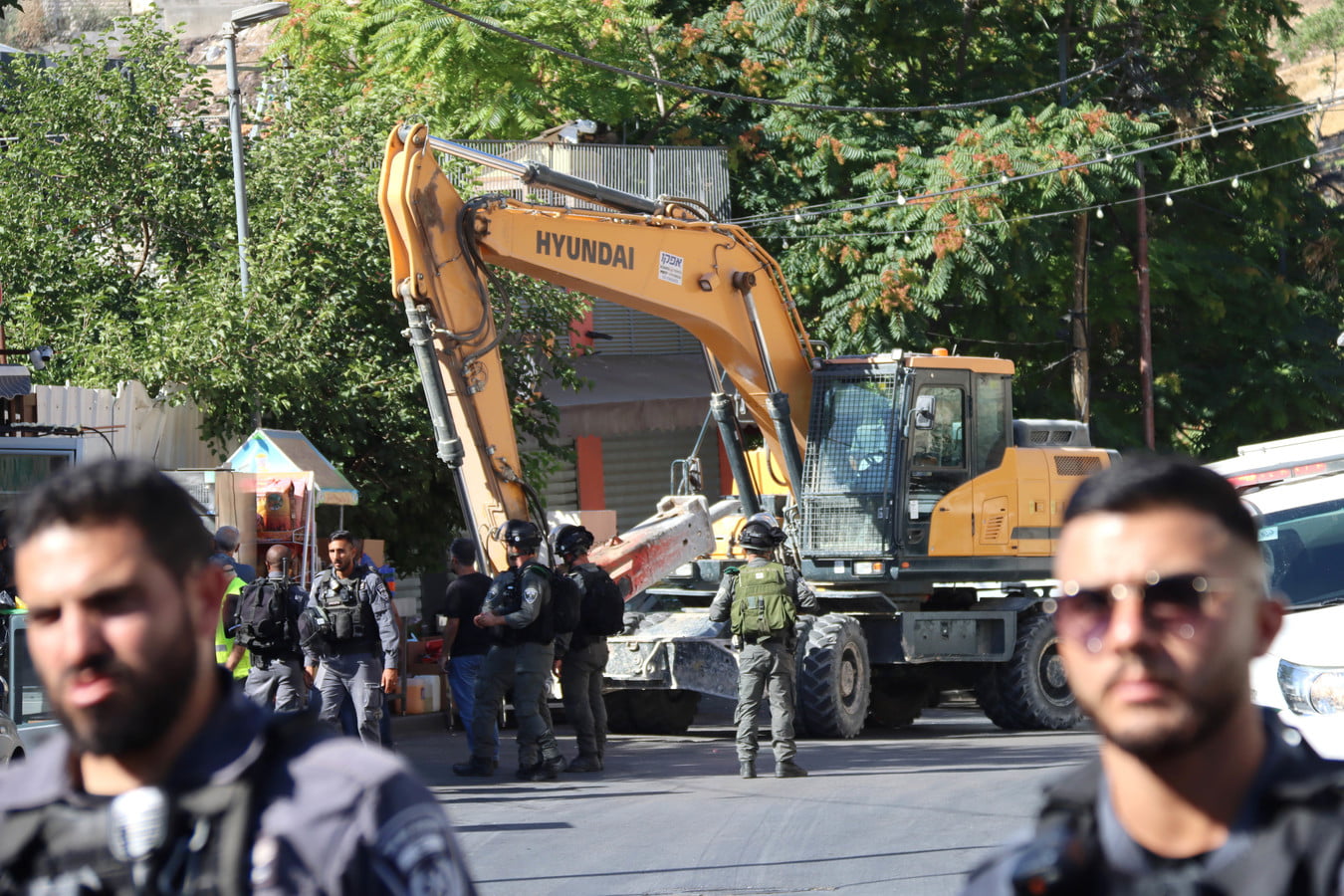
The dispossession and displacement of Palestinians from their homes is a crucial pillar of Israel’s apartheid system. Since its establishment the Israeli state has enforced massive and cruel land seizures against Palestinians, and continues to implement myriad laws and policies to force Palestinians into small enclaves. Since 1948, Israel has demolished hundreds of thousands of Palestinian homes and other properties across all areas under its jurisdiction and effective control. 

As in the Negev/Naqab, Palestinians in East Jerusalem and Area C of the OPT live under full Israeli control. The authorities deny building permits to Palestinians in these areas, forcing them to build illegal structures which are demolished again and again. 

In the OPT, the continued expansion of illegal Israeli settlements exacerbates the situation. The construction of these settlements in the OPT has been a government policy since 1967. Settlements today cover 10% of the land in the West Bank, and some 38% of Palestinian land in East Jerusalem was expropriated between 1967 and 2017.

Palestinian neighbourhoods in East Jerusalem are frequently targeted by settler organizations which, with the full backing of the Israeli government, work to displace Palestinian families and hand their homes to settlers. One such neighbourhood, Sheikh Jarrah, has been the site of frequent protests since May 2021 as families battle to keep their homes under the threat of a settler lawsuit. 

Draconian movement restrictions

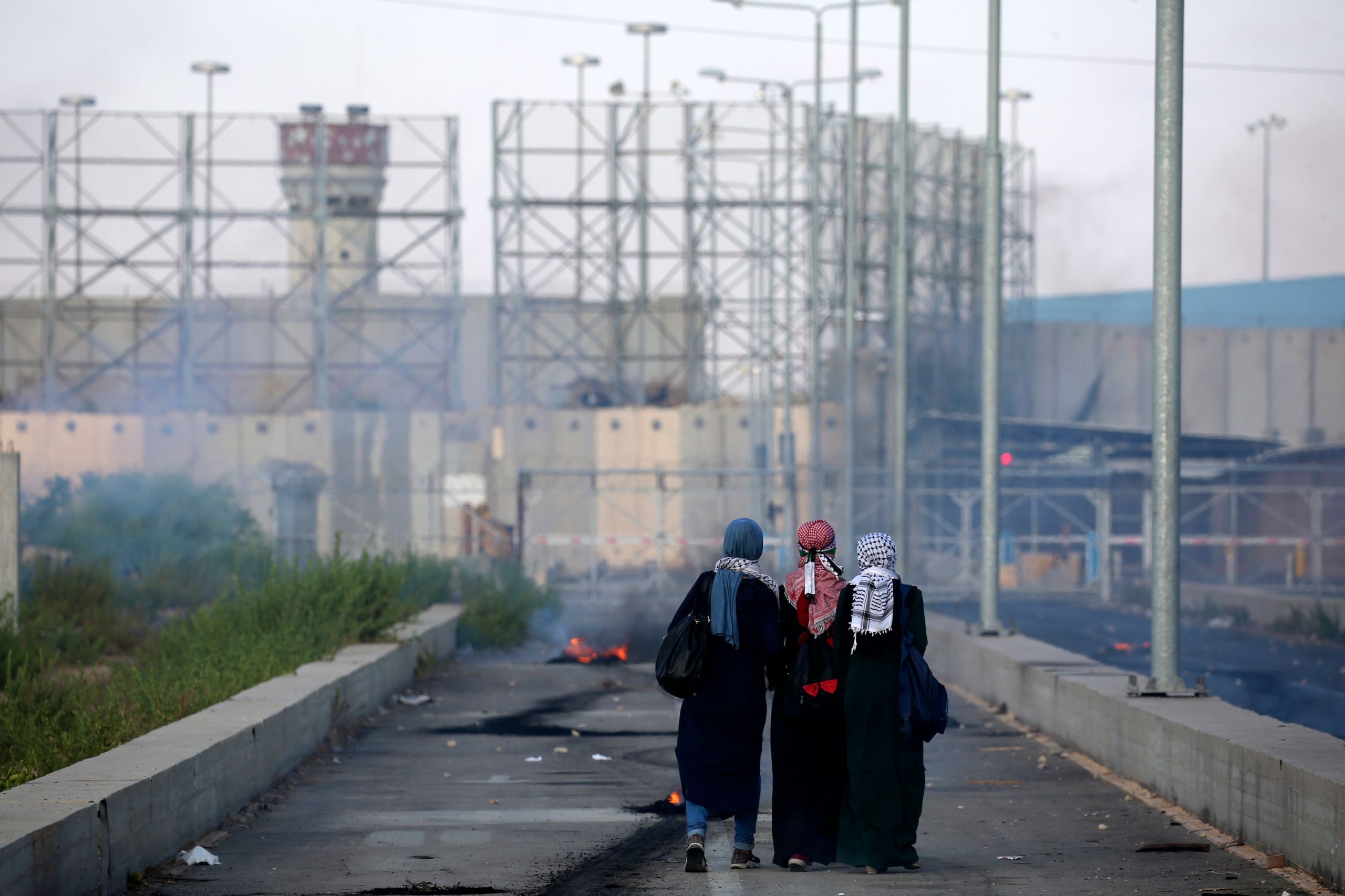
Since the mid-1990s Israeli authorities have imposed increasingly stringent movement restrictions on Palestinians in the OPT. A web of military checkpoints, roadblocks, fences and other structures controls the movement of Palestinians within the OPT, and restricts their travel into Israel or abroad. 

A 700km fence, which Israel is still extending, has isolated Palestinian communities inside “military zones”, and they must obtain multiple special permits any time they enter or leave their homes. In Gaza, more than 2 million Palestinians live under an Israeli blockade which has created a humanitarian crisis. It is near-impossible for Gazans to travel abroad or into the rest of the OPT, and they are effectively segregated from the rest of the world. 

“For Palestinians, the difficulty of travelling within and in and out of the OPT is a constant reminder of their powerlessness. Their every move is subject to the Israeli military’s approval, and the simplest daily task means navigating a web of violent control,” said Agnès Callamard.

“The permit system in the OPT is emblematic of Israel’s brazen discrimination against Palestinians. While Palestinians are locked in a blockade, stuck for hours at checkpoints, or waiting for yet another permit to come through, Israeli citizens and settlers can move around as they please.”

Amnesty International examined each of the security justifications which Israel cites as the basis for its treatment of Palestinians. The report shows that, while some of Israel’s policies may have been designed to fulfil legitimate security objectives, they have been implemented in a grossly disproportionate and discriminatory way which fails to comply with international law. Other policies have absolutely no reasonable basis in security, and are clearly shaped by the intent to oppress and dominate. 

The way forward

Amnesty International provides numerous specific recommendations for how the Israeli authorities can dismantle the apartheid system and the discrimination, segregation and oppression which sustain it. 

The organization is calling for an end to the brutal practice of home demolitions and forced evictions as a first step. Israel must grant equal rights to all Palestinians in Israel and the OPT, in line with principles of international human rights and humanitarian law. It must recognize the right of Palestinian refugees and their descendants to return to homes where they or their families once lived, and provide victims of human rights violations and crimes against humanity with full reparations. 

The scale and seriousness of the violations documented in Amnesty International’s report call for a drastic change in the international community’s approach to the human rights crisis in Israel and the OPT.  

All states may exercise universal jurisdiction over persons reasonably suspected of committing the crime of apartheid under international law, and states that are party to the Apartheid Convention have an obligation to do so.  

“The international response to apartheid must no longer be limited to bland condemnations and equivocating. Unless we tackle the root causes, Palestinians and Israelis will remain locked in the cycle of violence which has destroyed so many lives,” said Agnès Callamard.

“Israel must dismantle the apartheid system and start treating Palestinians as human beings with equal rights and dignity. Until it does, peace and security will remain a distant prospect for Israelis and Palestinians alike.”
Report: Israel’s apartheid against Palestinians, a look into decades of oppression

In May 2021, Palestinian families in Sheikh Jarrah, a neighbourhood in occupied East Jerusalem, began protesting against Israel’s plan to forcibly evict them from their homes to make way for Jewish settlers.

Many of the families are refugees, who settled in Sheikh Jarrah after being forcibly displaced around the time of Israel’s establishment as a state in 1948.

In response to the demonstrations in Sheikh Jarrah, thousands of Palestinians across Israel and the Occupied Palestinian Territories (OPT) held their own protests in support of the families, and against their shared experience of fragmentation, dispossession, and segregation. These were met with excessive and deadly force by Israeli authorities with thousands injured, arrested and detained.

The events of May 2021 were emblematic of the oppression which Palestinians have faced every day, for decades. The discrimination, the dispossession, the repression of dissent, the killings and injuries – all are part of a system which is designed to privilege Jewish Israelis at the expense of Palestinians. This is apartheid.

Amnesty International’s new investigation shows that Israel imposes a system of oppression and domination against Palestinians across all areas under its control: in Israel and the OPT, and against Palestinian refugees, in order to benefit Jewish Israelis. This amounts to apartheid –  a crime prohibited in international law. 

Laws, policies and practices which are intended to maintain a cruel system of control over Palestinians, have left them fragmented geographically and politically, frequently impoverished, and in a constant state of fear and insecurity.

What is apartheid?

Apartheid is a violation of human rights, and a crime against humanity under international criminal law. 

The term “apartheid” was originally used to refer to a political system in South Africa which explicitly enforced racial segregation, and the domination and oppression of one racial group by another. It has since been adopted by the international community to condemn and criminalise such systems wherever they occur. 

Apartheid is committed when any inhuman or inhumane act (essentially a serious human rights violation) is perpetrated in the context of an institutionalised regime of systematic oppression and domination by one racial group over another, with the intention to maintain that system.

Amnesty International has created a free 90-minute course called “Deconstructing Israel’s Apartheid Against Palestinians”. To learn more about the crime of apartheid in international law, what apartheid looks like in Israel/OPT, and how it affects Palestinians’ lives, sign up to our course on Amnesty International’s human rights education academy.

Why is Amnesty International campaigning against apartheid?

Apartheid is not acceptable anywhere in the world. So why has the world accepted it against Palestinians?

“I do not know why the entire world is watching what is happening and letting Israel get away with it?” 

Nabil el-Kurd, one of the residents under threat of forced eviction in the East Jerusalem neighbourhood of Sheikh Jarrah 

Palestinians facing the brutality of Israel’s repression have been calling for an understanding of Israel’s rule as apartheid for over two decades. Over time, a broader international recognition of Israel’s treatment of Palestinians as apartheid has begun to take shape.

Yet, governments with the power to do something have refused to take any meaningful action to hold Israel accountable. Instead, they have been hiding behind a moribund peace process at the expense of human rights and accountability. 

Amnesty is calling for Israel to dismantle the measures of fragmentation, segregation, discrimination, and deprivation, currently in place against the Palestinian population.

Sign the petition and tell Israel: Demolish apartheid, not Palestinian homes.

Israel’s system of oppression and domination of Palestinians

Successive Israeli governments have created and maintained a system of laws, policies, and practices designed to oppress and dominate Palestinians. This system plays out in different ways across the different areas where Israel exercises control over Palestinians’ rights, but the intent is always the same: to privilege Jewish Israelis at the expense of Palestinians. 

Israeli authorities have done this through four main strategies:

  1. Fragmentation into domains of control: At the heart of the system is keeping Palestinian separated from each other into distinct territorial, legal and administrative domains.
  2. Dispossession of land and property: Decades of discriminatory land and property seizures, home demolitions and forced evictions
  3. Segregation and control: A system of laws and policies that keep Palestinians restricted to enclaves, subject to several measures that control their lives, and segregated from Jewish Israelis
  4. Deprivation of economic & social rights: The deliberate impoverishment of Palestinians keeping them at great disadvantage in comparison to Jewish Israelis

Israel has been systematically committing serious human rights violations against Palestinians for decades. Violations such as forcible transfer, administrative detention, torture, unlawful killings and serious injuries, and the denial of basic rights and freedoms have been well documented by Amnesty and others. It is clear that Israel’s apartheid system is being maintained through committing these abuses—which have been perpetrated with almost total impunity. 

They form part of a widespread and systematic attack against the Palestinian population, carried out within the context of Israel’s institutionalised regime of systematic oppression and domination over Palestinians, and therefore constitute crimes against humanity of apartheid. 

Life under apartheid

Denied a home: Demolitions and forced evictions

More than 6 million Palestinians remain refugees, the vast majority of whom live in refugee camps.  There are over 100,000 Palestinians in the OPT and another 68,000 inside of Israel at imminent risk of losing their homes, many for the second or third time.

Palestinians are systematically subjected to home demolitions and forced evictions, and live in constant fear of losing their homes.  

“My plan was for them to have a warm family home close to their loved ones and family members. Now I’m passing on the memories of their first childhood home being destroyed.” 

Mohammed Al-Rajabi, a resident of Al-Bustan area in Silwan, whose home was demolished by Israeli authorities on 23 June 2020 on the basis that it was built “illegally”, described to Amnesty International the devastating impact on his family:

For more than 73 years, Israel has been forcibly displacing entire Palestinian communities. Hundreds of thousands of Palestinians’ homes have been demolished

Palestinians are caught in a Catch-22 situation. Israel requires them to obtain a permit to build or even erect a structure such as a tent, but – unlike Jewish Israeli applicants — rarely issues them a permit. Many Palestinians are forced to build without permits. Israel then demolishes Palestinian homes on the basis that they were built “illegally”. Israel uses these discriminatory planning and zoning policies to create unbearable living conditions to force Palestinians to leave their homes to allow for the expansion of Jewish settlement.

Fragmented love: Separation of Palestinian families

Israel has long used discriminatory laws and policies to separate Palestinians from their families. For example, Palestinians from the West Bank and Gaza cannot gain legal status in Israel or occupied East Jerusalem through marriage, denying their rights to family unification. This policy has forced thousands of Palestinians to live apart from their loved ones; others are forced to go abroad, or live in constant fear of being arrested, expelled or deported.

“The government is controlling every detail of our lives, they are in our bedroom, in our homes. One of the most extreme cases was when they arrested my husband in 2004 while I was giving birth to one of my daughters … while I was in the delivery room they arrested him!”

Sumaia

Sumaia, was born and raised in Lod in central Israel. She married her husband, who is from the Gaza Strip, in 1998 and he moved to live with her in Lod. In 2000, Sumaia and her husband began the process of applying for family unification, so they could live together legally. The family unification process took 18 years, during which the couple lived in fear and anxiety.

Under siege

Over the past 14 years, more than 2 million Palestinians in the Gaza Strip have been living under Israel’s illegal blockade. Along with four major military offensives, the blockade has had catastrophic consequences for the people of Gaza.  

The blockade is a form of collective punishment. It forces Gaza’s population to live in increasingly dire conditions. There are severe shortages of housing, drinking water, electricity, essential medicines and medical care, food, educational equipment and building materials. In 2020, Gaza had the world’s highest unemployment rate, and more than half of its population was living below the poverty line.

The bullet that entered my leg did not just enter and leave my body. It entered and stopped everything; it stopped my life. Just because a soldier pulled the trigger without thinking of how it would devastate my life.

Adham Al-Hajjar, 36, a freelance journalist and lives in Gaza City. On 6 April 2018, while he was covering the Great March of Return demonstrations, Israeli snipers shot him. He is unable to get the medical help he needs in Gaza .

On 30 March 2018, Palestinians in Gaza launched the Great March of Return, a series of weekly mass demonstrations along the fence between Gaza and Israel. 

They were demanding their right to return to their villages and towns in what is now Israel, as well as an end to Israel’s blockade on Gaza. The response was brutal: by the end of 2019, Israeli forces had killed 214 civilians, including 46 children, and injured more than 8,000 others with live ammunition.

The blockade prevents Palestinians from accessing adequate healthcare, in particular life-saving and other emergency medical treatment only available outside Gaza. The Israeli authorities often delay these permits and sometimes fail to provide them at all.

Dismantling the system: How you can help

There is no place for apartheid in our world. It’s time to speak up, to stand with Palestinians and tell Israel that we will not tolerate apartheid. The Palestinian experience of being denied a home is at the heart of Israel’s apartheid system.

For decades, Palestinians have been calling for an end to the oppression they live under. All too often, they pay a terrible price for standing up for their rights, and they have long been calling for others around the world to help them.

As a first step towards dismantling this system, Amnesty is calling on Israel to end the practice of home demolitions. Palestinian families need people to stand with them against injustice and discrimination, by taking action to help them protect their homes.

Take action now and sign the petition calling on Israeli Prime Minister Naftali Bennett to immediately end the forced evictions of Palestinians and the demolitions of Palestinian homes.

Amnesty International is a global movement of 10 million people standing up for justice, freedom and equality. We work to free people unjustly jailed, bring torturers to justice and change oppressive laws. We shine a light on great wrongs by exposing the facts others try to suppress. We lobby governments, and the powerful to make sure they keep their promises and respect international law. Together, our voices challenge injustice and are powerful enough to change the world. Learn more about what we do.

Two years on and Shokrollah Jebeli no closer to release as health fails

Amnesty International Australia remains gravely concerned for the welfare of Australian citizen Shokrollah (Issa) Jebeli Javan who has been detained in Evin Prison since January 31 2020.

Mr Jebeli’s family are extremely concerned for his welfare and adequacy of his legal representation.

“We have written to the Australian and Iranian authorities urging that Mr Jebeli is released immediately on account of his poor health and the conditions in which he is being held,” Amnesty International Australia campaigner Nikita White said. 

A spokesperson for Mr Jebeli’s family said: “Shokrollah, our father and grandfather, has been in Evin prison, two years to the day”. 

“He has survived 730 days in miserable conditions, an innocent man. Our father will turn 84 this year. Every day spent in that prison is like a year for Shokrollah. His old age and dire medical condition make it absolutely imperative that he be given his freedom immediately so he can get the proper medical care he needs and be reunited with his family back in Australia. 

“This is our cry for help on behalf of Shokrollah, to the people of Australia, to the Australian government and to all who value human rights, justice and stand for human decency. Please stand with us and help us get his freedom back from this unjust imprisonment. 

“Our father is losing the will to live, he cannot last much longer in prison and we cannot let another day, let alone another year go by. We cannot do this alone, we need your help. Please help this family save our dad and our grandad.”

BACKGROUND

Mr Jebeli will turn 84 in June and has multiple health issues and has suffered a stroke in prison, according to his family. Mr Jebeli denies the allegations against him and has made his own counter claims. 

Cambodia: Illegal logging harming Indigenous peoples’ rights and cultures – new research

Illegal logging of protected forests is undermining the human rights and erasing the traditions of Indigenous peoples in Cambodia, new research by Amnesty International has revealed.

In a new report, ‘Our Traditions Are Being Destroyed’: Illegal Logging, Repression, and Indigenous Peoples’ Rights Violations in Cambodia’s Protected Forests, Kuy people tell how deforestation and government restrictions on access have harmed their spiritual practices, land rights, livelihoods, and ability to protect the forest.

Cambodia has experienced one of the highest rates of deforestation worldwide in recent decades, losing approximately 64% of its tree cover since 2011 alone. New data analyzed by Amnesty International and remote sensing agency Space4Good revealed extensive recent deforestation in the two protected areas.

A remote sensing calculation using currently available data sources shows 6,271 hectares were deforested in 2021 (an area in size equivalent to 8,784 soccer pitches). Further deforestation is also likely to be revealed as more datasets offering additional insights become available.

“Rampant illegal logging in Cambodia is posing an existential threat to the country’s remaining primary forests, and the Indigenous peoples who depend on them for their livelihoods, their culture and their spiritual practices,” said Richard Pearshouse, Amnesty International’s Head of Crisis and Environment.

“Time and time again, government officials who are supposed to be protecting these precious forests are instead profiting from their destruction by allowing the illegal logging trade to flourish.

“The Cambodian authorities must stop illegal logging by immediately clamping down on this rampant corruption. The rights of the Kuy people must be protected in all conservation efforts.”

The report is based on interviews with 20 community activists involved in the protection of Prey Lang and Prey Preah Roka, both of which are home to significant Kuy populations and which also contain protected Wildlife Sanctuaries.

Under both domestic and international human rights law, the Cambodian authorities have legal obligations to protect Indigenous peoples’ human rights, including their cultural rights.

Cultural and spiritual connection

Cambodia is home to approximately 24 different Indigenous peoples, and the Kuy people are one of the largest of these groups.

Indigenous peoples in Cambodia often maintain a close connection with the traditional forested lands on which their livelihoods and cultural practices depend. Illegal logging, therefore, not only threatens biodiversity and climate, but also significantly undermines Indigenous peoples’ cultures and human rights.

All of the Kuy people interviewed by Amnesty International expressed concern that their cultural survival was threatened by extensive deforestation of both forests.

Huot* said: “The forests around us are a part of the health of our community – our connection to the spirits, and the forest they live in, is what maintains our wellbeing as a community, and our sense of friendship and solidarity to one another. When the forest is lost, and we no longer maintain our connections to the spirits, we lose that sense of wellbeing.”

Thyda* described the detrimental impact of deforestation for the next generation: “I feel like there is almost nothing left of our culture. The younger generation will never get to know all the important places for us in the forests…There are ancient villages that were once inside the forest, and we still pay our respects to spirits of our ancestors. Now, these places have been destroyed because of logging.”

Economic impact of deforestation

Kuy people around Prey Lang and Prey Preah Roka depend largely on the sustainable use of the forests for their livelihoods, including through resin tapping, a practice that does not ultimately harm trees and can continue for decades. 

The resin is sold and used domestically for low-grade lighting, and commercially for boat caulks, paints and varnishes. However, illegal loggers have increasingly targeted resin trees for use in timber production.

Two species of resin trees found in Prey Preah Roka are particularly sought after by loggers because of their suitability for furniture production and are commonly used in making tables, doors, chairs, beds and ceiling beams.

Thyda* told Amnesty International that an estimated 70% of resin trees have been lost in Prey Preah Roka in recent years, and added: “Many people from outside… come and steal our trees when we are not in the forest – especially during the rice season when we are planting saplings or harvesting rice. This is when they get stolen the most, because people know we are busy in our fields which are far from Prey Preah Roka. Sometimes in one day, 30 or 40 resin trees will be cut.”

Interviewees in Prey Lang also told how loggers would sometimes offer to buy resin trees from community members, who said they felt they had little choice but to accept whatever price was on offer, as the tree would be felled regardless.

Bribery and corruption

Across both forests, Kuy people consistently described how police officers and Ministry of Environment officials demanded and accepted bribes in return for ignoring illegal logging.

One interviewee familiar with the situation in Prey Lang said: “The big problem is that the authorities, especially the Ministry of Environment, are only interested in collecting money. I have tried many times and gone directly to the ministry’s provincial office and told them about logging and given them photos and other evidence. They go to investigate it – but they only investigate it to collect [bribes] from the loggers.”

All interviewees told Amnesty International they had witnessed police from local posts blatantly accepting money from loggers as they transported their hauls from the parks, and that police had several checkpoints set up solely to extract money from loggers.

Amnesty International has also previously documented how Cambodian authorities have denied environmental activists access to the rainforests, and how their ongoing ban on community patrols is allowing illegal logging to continue unchecked.

“Cambodia’s approach to conservation is characterized by official corruption and a complete disregard for Indigenous peoples’ rights. If the Cambodian authorities don’t change course soon, the country’s protected forests will be illegally logged into oblivion,” said Richard Pearshouse.

“It is essential that Indigenous-led community groups are enabled and empowered to engage in forest patrols and other protection activities. Indigenous peoples are widely recognized as the most effective protectors of their traditional lands, and Cambodia’s ongoing ban on community groups’ access is a blatant violation of their human rights.”

Methodology

Amnesty International conducted interviews with 20 community members engaged in forest protection activities in Prey Lang and Prey Preah Roka between June and October 2021. The majority of those interviewed identified as Indigenous Kuy, and all interviewees came from communities based in or around the forests.

The report also draws on information from open sources, including relevant national law and international human rights standards, reports from civil society organization, articles published in domestic and international news media, and academic journals.

Space4Good is a geospatial social enterprise providing earth observation monitoring, reporting and verification solutions for social and environmental impact leaders around the world.

Submission: Ending Indefinite and Arbitrary Immigration Detention Bill 2021

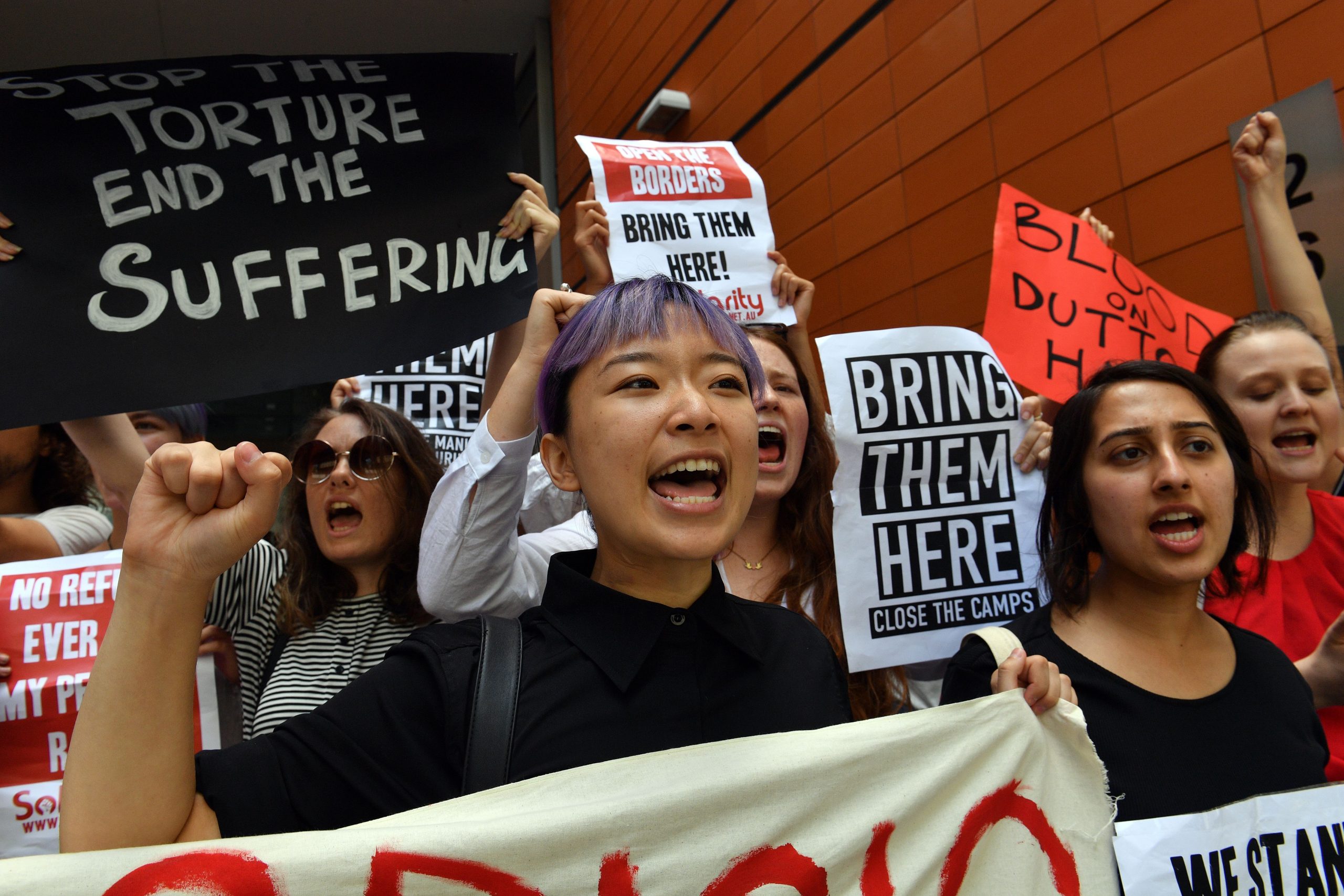
Amnesty International Australia has made a submission to the Joint Standing Committee on Migration’s Inquiry into the Ending Indefinite and Arbitrary Immigration Detention Bill 2021.

Amnesty maintains that both mandatory and indefinite detention, wherever they occur, are a breach of Australia’s international human rights obligations.

The Australian Government’s current policy towards refugees and people seeking asylum has caused untold psychological and physical damage to refugees and people seeking asylum. It has undermined Australia’s diplomatic relations with regional neighbours and its reputation as a country that respects international law; and it has come at a financial cost of more than ten billion dollars.

In it’s submission, Amnesty has supported the changes to the Migration Act 1958 proposed in the Bill, as they address key issues directly and establish a human rights based approach to immigration detention practices.

The Federal Parliament should use this inquiry as an opportunity to make positive changes to restore Australia’s reputation and ensure refugees and people seeking asylum are treated with dignity and respect and in accordance with international human rights law.

Myanmar: World must act now to prevent another year of intolerable ‘death and misery’

If the international community continues to drag its feet on the grave human rights violations including lethal violence targeted at protestors that we have seen in Myanmar this past year, many more people will suffer and this human rights crisis could worsen, Amnesty International said today ahead of the one-year anniversary of the 1 February, 2021 coup. 

“Enough is enough, the 55 million people of Myanmar cannot afford another year of wavering and sitting on the sidelines by many governments around the world. Concrete action aimed at holding the military accountable and preventing their access to weaponry used to commit widespread human rights abuses must be taken now or the shocking death and misery that have defined life in Myanmar since the coup is likely to persist,” said Ming Yu Hah, Amnesty International’s Deputy Regional Director for Campaigns. 

“As the anniversary of the coup draws near, the military has launched indiscriminate air strikes that have killed civilians in the southeast, blocked life-saving aid, and kept up a bloody campaign against activists and journalists, who have been detained and killed in custody. Too many governments continue turning a blind eye to all these atrocities, as they did following the gross violations of human rights against the Rohingya people. As a result, the military has been increasingly brazen, acting with impunity in its efforts to wipe out any resistance to its rule. 

“The Myanmar people are desperate and have become disillusioned about help from the international community. But there are clear steps that need to be taken to prevent the Myanmar military from maintaining its dystopian campaign of terror and persecution. The UN Security Council must stop dragging its feet, and instead impose a global arms embargo and targeted sanctions against military leaders, and urgently refer the situation in Myanmar to the International Criminal Court.  

“In addition, all local and foreign companies in business partnerships with the military or military-owned businesses need to responsibly disengage, cutting the flow of funds that the military uses to prop up its lethal operations.

“Closer to home, the Association of Southeast Asian Nations (ASEAN) must present a unified front on Myanmar and demand the military to immediately stop the violence against civilians. The ASEAN should also exert pressure on the military to stop blocking humanitarian access and expand on and implement with a clear timeline its five-point consensus adopted last year, which has proved a failure.  

“The new year must bring new approaches to Myanmar, placing human rights for the people of Myanmar, accountability, and a zero tolerance to human rights violations and abuses at the forefront.” 

Background: 

Myanmar’s military seized power in a coup in the early hours of 1 February, 2021. Since then it has killed more than 1,400 people and arrested more than 11,000, with over 8,000 currently in detention, according to the Assistance Association for Political Prisoners. The shocking violence fits into a long history of well-documented crimes under international law against ethnic minorities in the country, including the Kachin, Shan and Rohingya. 

The UN Fact-Finding Mission on Myanmar has previously called for Senior General Min Aung Hlaing and other senior officials to be investigated and prosecuted for war crimes, crimes against humanity, and genocide. 

The former civilian leader Aung San Suu Kyi has been sentenced to six years on bogus charges and faces more than 100 years if convicted on all the counts against her. Many of her closest allies, including President Win Myint, have also been convicted on similarly trumped-up charges. 

Following the violent crackdown on peaceful protesters, some opponents of the military authorities have established the armed People’s Defense Force, which claims to have killed hundreds of soldiers through shootings, bombs and ambushes.  

On top of the chaos that has gripped major cities and towns across the country in the aftermath of the coup, economic and food insecurity as well as pandemic-related challenges have caused millions to face hunger. Hundreds of thousands have also been internally displaced while thousands have fled across the border to Thailand.