Yemen: US-made weapon used in air strike that killed scores in escalation of Saudi-led coalition attacks

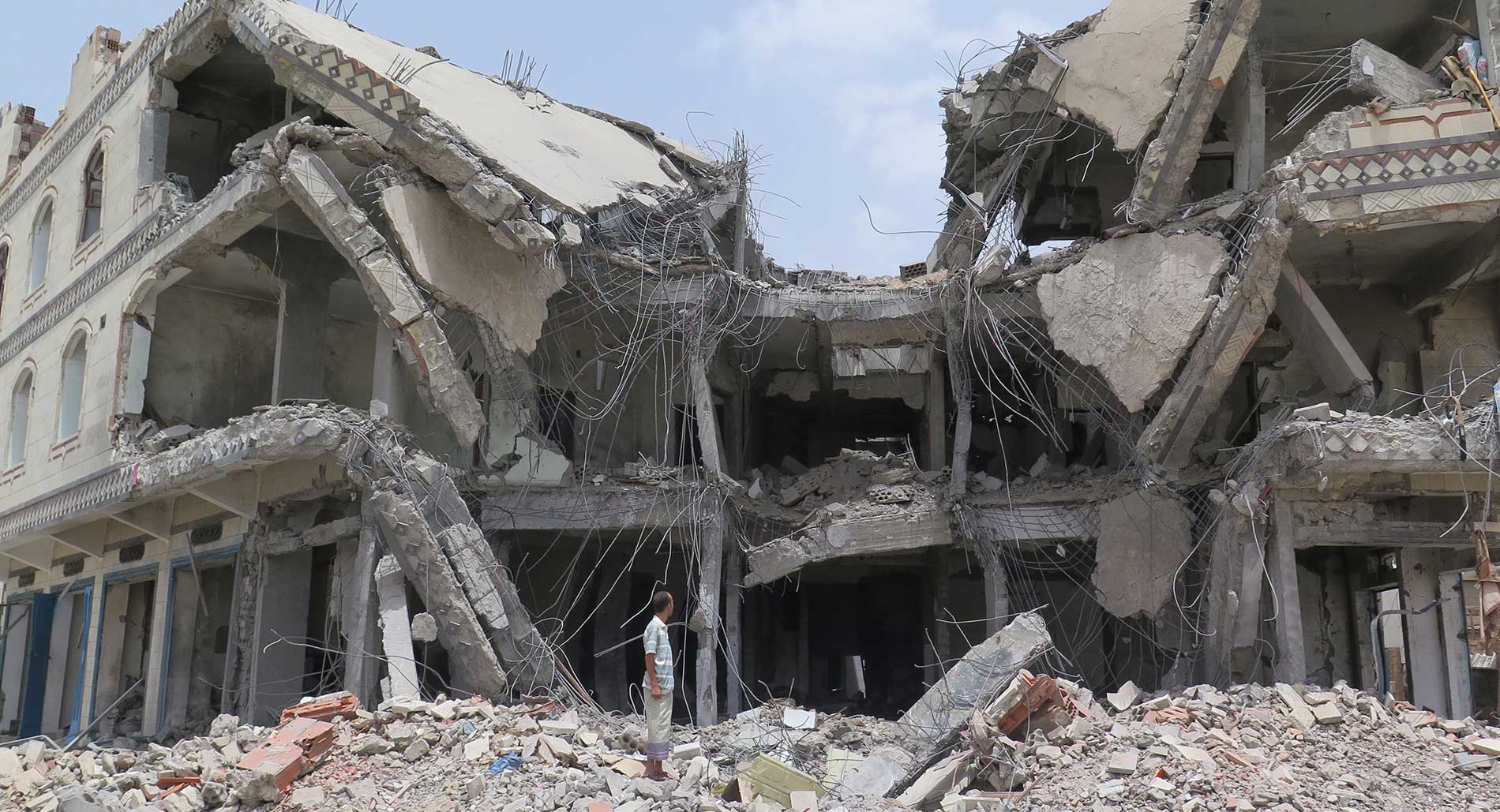
The Saudi-led coalition used a precision-guided munition made in the United States in last week’s air strike on a detention centre in Sa’adah, north-western Yemen, which, according to Doctors without Borders, killed at least 80 people and injured over 200, Amnesty International said today. The laser-guided bomb used in the attack, manufactured by US defense company Raytheon, is the latest piece in a wider web of evidence of the use of US-manufactured weapons in incidents that could amount to war crimes.

Over the past week, the Saudi-led coalition (SLC) has relentlessly pounded northern Yemen with air strikes — including the capital city, Sana’a — that have inflicted dozens of civilian casualties and destroyed infrastructure and services. The escalation followed Huthi strikes on 17 January that targeted an oil facility in Abu Dhabi, which killed three civilians.

“Horrific images that have trickled out of Yemen despite the four-day internet blackout are a jarring reminder of who is paying the terrible price for Western states’ lucrative arms sales to Saudi Arabia and its coalition allies,” said Lynn Maalouf, Amnesty International’s Deputy Director for the Middle East and North Africa.

“The USA and other arms-supplying states must immediately halt transfers of arms, equipment, and military assistance to all parties involved in the conflict in Yemen. The international community has a responsibility to close the gates to all arms sales that are fueling the needless suffering of civilians in the armed conflict.

“By knowingly supplying the means by which the SLC has repeatedly violated international human rights and humanitarian law, the USA — along with the UK and France — share responsibility for these violations.” 

Amnesty International’s arms experts analysed photos of the remnants of the weapon used in the attack on the detention centre and identified the bomb as a GBU-12, a 500lb laser-guided bomb manufactured by Raytheon.

Since March 2015, Amnesty International’s researchers have investigated dozens of air strikes and repeatedly found and identified remnants of US-manufactured munitions. Amnesty International previously identified the use of the same US-made Raytheon bombs used on 21 January in a Saudi-led air strike carried out on 28 June 2019 on a residential home in Ta’iz governorate, Yemen, that killed six civilians — including three children.

In September 2021, the US House of Representatives passed a provision to its yearly defence bill ending US support for the SLC’s offensive operations and air strikes in Yemen, yet it was removed from the final bill that later passed into law.

US President Joe Biden has abandoned promises made after first taking office in early 2021 to end US support for offensive operations in Yemen, including arms sales, and to “center human rights in foreign policy” and ensure rights abusers “are held accountable.” Saudi Arabia and the UAE are apparent exceptions. Since November 2021, the Biden administration has approved sales of — and awarded US firms contracts for — missiles, aircraft, and an anti-ballistic defense system to Saudi Arabia, including a $28 million deal for US maintenance of Saudi aircraft in mid-January.

Among these was the approved sale of $650 million in missiles to Saudi Arabia, also from Raytheon, which Congress greenlit despite motions to block it. In December, the administration stated it “remains committed” to the proposed sales of $23 billion in F-35 aircraft, MQ-9B, and munitions to the UAE — despite strong human rights concerns. Continuing to arm the SLC not only fails to meet the US’s obligations under international law, it also violates US law. The Foreign Assistance Act and Leahy Laws both bar US arms sales and military aid to gross violators of human rights.

On 20 January, the Saudi-led coalition launched air strikes on the port city of Hudaydah, killing at least three children, according to Save the Children. Air strikes have also targeted a telecommunication building in Hudaydah, causing a nationwide internet blackout. Yemen was largely without internet access for four days, leaving friends and families out of touch and restricting people’s ability to access or share information on the situation.

Under international humanitarian law, all parties to the conflict have a clear obligation to protect the lives of civilians caught up in the hostilities, including detainees. The deliberate targeting of civilian objects and extensive, unjustified destruction of property are war crimes.

The coalition has denied targeting the detention centre in Sa’adah that was hit in the 21 January air strike. The United Nations described the attack as the “worst civilian-casualty incident in the last three years in Yemen”.

Background

The conflict in Yemen has taken a devastating toll on civilians across the country. The people of Yemen have been exposed to unlawful practices by state and non-state armed groups alike, while violations of human rights and international humanitarian law, including war crimes, have been committed by all parties in the conflict throughout the nation.

The latest escalation in violence came after Huthi strikes on Abu Dhabi, UAE, on 17 January. On 23 January, a missile struck in southern Saudi Arabia, which reportedly injured two civilians.
Explainer: Why we need to raise the minimum age of criminal responsibility

The campaign to raise the age of criminal responsibility across Australia is gaining momentum, but what is currently happening and what does this all mean for human rights and Indigenous rights?

What is the age of criminal responsibility?

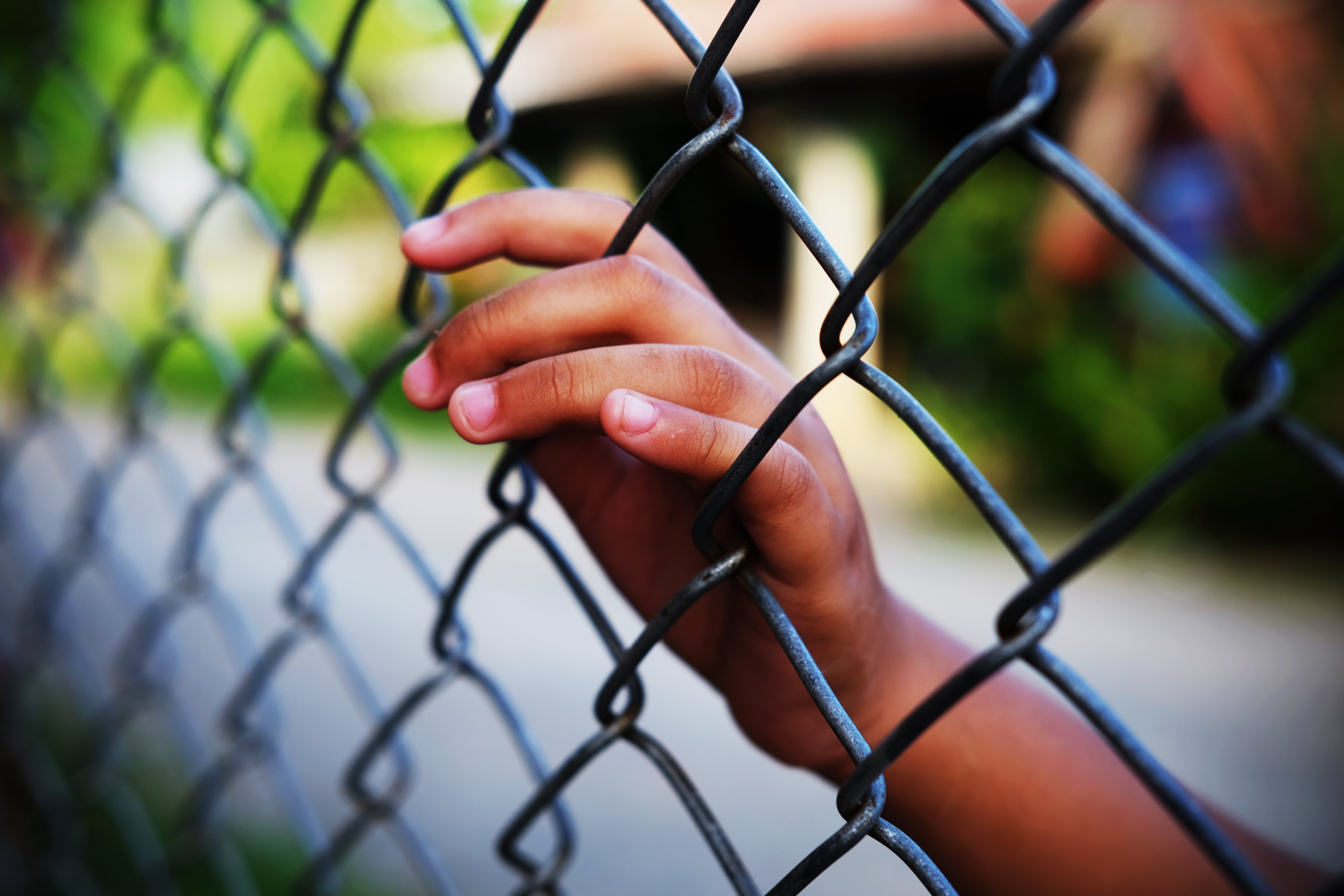
The age of criminal responsibility is the age in which a child is considered by law to have understood that their actions were wrong and can face criminal charges. All Australian states and territories have this age set at only 10 years old. This means that across Australia, police have the power to arrest, strip-search and imprison children who are only 10 – that’s typically a child in year 3 or 4 at primary school.

Australia has one of the lowest ages of criminal responsibility in the world – the global average is 14 years old. We have been repeatedly criticised by the United Nations, most recently by the Committee on the Elimination of Racial Discrimination, for failing to reform the current minimum age. 

Many are actually unaware of the current age a child can be held criminally responsible for their actions; two thirds of Australians believe it to be 14. 

Why is this an Indigenous issue?

Indigenous children are the most vulnerable and disadvantaged in the criminal justice system, they are disproportionately impacted and make up the vast majority of imprisoned children.

Indigenous children are locked up at 17 times the rate of non-Indigenous children, despite making up just 6% of the Australian population aged 10-17. Of all children under 14 imprisoned between 2017-2021, 65% were Indigenous and 68% hadn’t even been convicted of any crime.

Children as young as 10 are being incarcerated without conviction. Turning 10 should be something to celebrate, not fear.

These kids face a system which is already geared against them; decades of racism and bias woven into the fabric of the criminal justice system. The age of criminal responsibility being set so low creates a cycle of imprisonment and reoffending amongst Indigenous children who are already disproportionately represented in the criminal justice system. 

Why do we need to raise the age from 10 to 14?

The reasons for reforming the current minimum age of criminal responsibility are clear.

  1. Medical science is not consistent with the current laws on childhood capacity. Contemporary research shows that children’s brains are still developing and they do not fully understand the consequences and severity of their actions. Suffering great emotional harm at such a formative age can inflict lasting damage upon the wellbeing of a child.
  2. Social science affirms the dangers of early contact. Locking kids up does not reduce the likelihood to offend. Instead, it steers them on a path towards reoffending – 94% of children imprisoned between the ages of 10 to 12 receive another prison sentence before they reach adulthood. Children who are forced into contact with the criminal justice system at a young age are also less likely to complete their education and find employment.
  3. Human rights law is clear. The United Nations Committee on the Rights of the Child has consistently said that countries should be working towards a minimum age of 14 years or older. Australia has been repeatedly criticised by the United Nations for failing to raise the age.

Doesn’t that mean kids will just not have to face consequences for their actions? 

In short, no.

When children are forced through a criminal legal process, their health, wellbeing, and future are put at risk. Punitive approaches simply don’t work, and we know this. Imprisoning young people entrenches them in the criminal legal system and increases the likelihood of reoffending.

The current age of criminal responsibility does not prioritise ‘safety’ or ‘justice’, rather it risks the wellbeing and future of young children.

The good news is, there are proven alternatives to putting kids behind bars.

There are many programs that exist around the country that are focused on diversion, that is to divert children away from prison, by keeping kids connected to their communities and their culture, providing education support, counselling and behavioural support, and helping to address the root causes of behaviour. The programs that have the most success in keeping kids out of the system, are the ones that are community and Indigenous led, and the ones that prioritise justice reinvestment.

These programs focus on rehabilitation and reintegration by addressing the root causes of criminal behaviour in order to prevent lifelong interactions with the law, while also making sure children understand the consequences and harm of their actions.

Governments should be funding Indigenous-led solutions and community programs with a proven track record for having far better outcomes for children and communities.

What is being done to change this?

The federal government has shirked its duty to these children by asserting that it is a state issue. However, the Attorney General has the capacity to enact meaningful change and prevent many children from forming lifelong ties to the criminal justice system.

In 2021, 48 organisations including Amnesty publicly released submissions detailing the importance of raising the age and the dangers of early entry into the criminal system. 96% of these organisations highlighted the overrepresentation of Indigenous children as a predominant concern in their advocacy for lifting the age. 

The Council of Attorneys-General should accept the evidence and submissions provided by these organisations and raise the age nationally.

How you can help

Right now, all states and territories are debating whether or not they should raise the age.

Politicians have the power to change the laws to keep children safe from prison and instead invest in the solutions that work. With the Federal Election around the corner, now is the time to call on the government to raise the age across the rest of the country. Together, we can apply pressure on those who have the power to make change.

Keep our kids in school, not prison. Our collective voice can challenge racism within the justice system so that our youth can have a brighter future.

As part of Amnesty’s 2025 Vision, we are committed to working with First Nations communities, partners and allies to secure justice and end the overrepresentation of young people in prisons within a generation. Learn more about our Indigenous Rights work.

UK: High Court decision welcome in Assange case but concerns remain over limitations on appeal

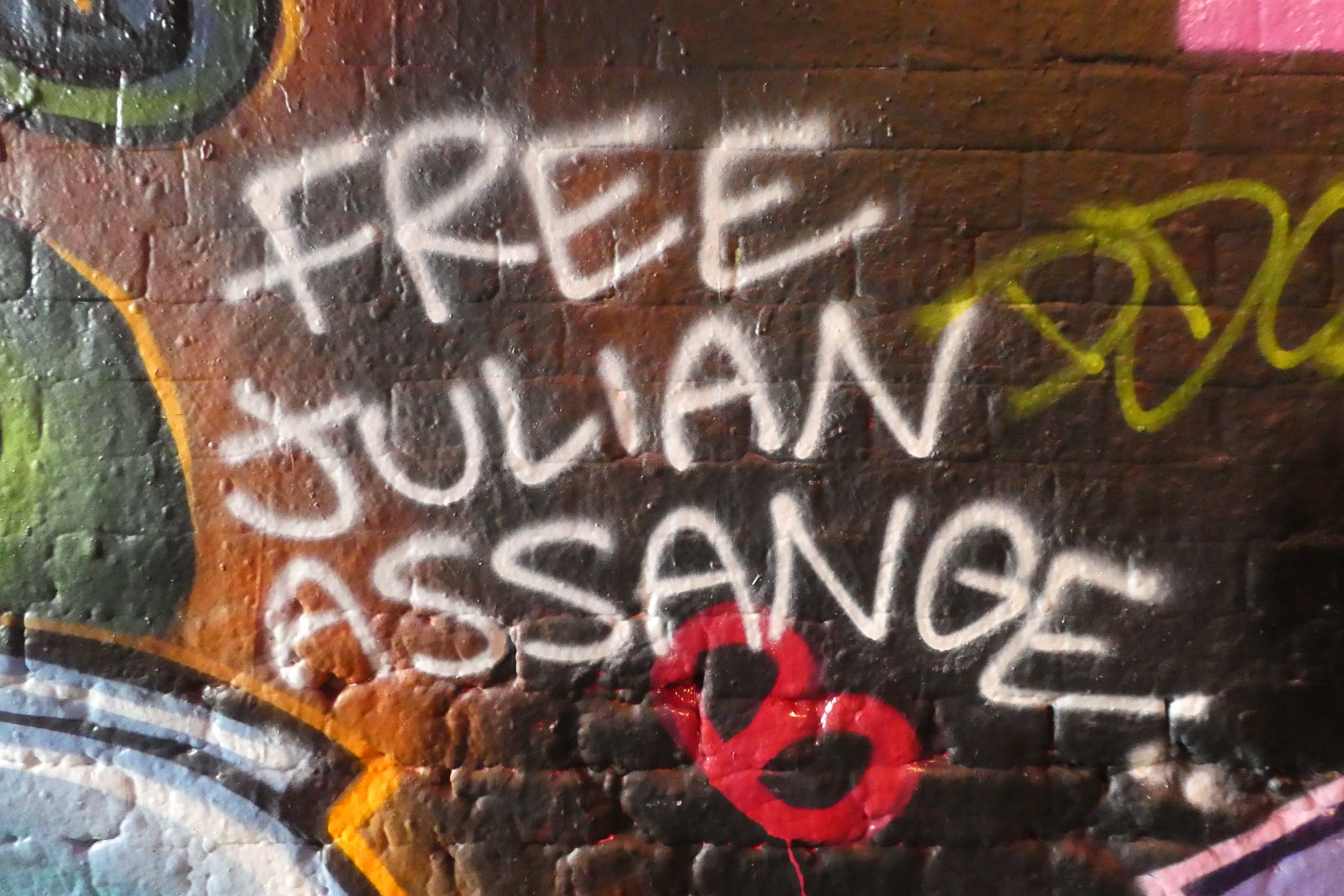
Following today’s High Court decision to certify one issue in the Assange appeal as of ‘general public importance’, Massimo Moratti, Amnesty International’s Deputy Research Director for Europe, said:

“While we welcome the High Court’s decision to certify one narrow issue related to the US’s assurances as being of ‘general public importance’, and so to allow the Supreme Court to consider granting an appeal on this issue, we are concerned the High Court has dodged its responsibility to ensure that matters of public importance are fully examined by the judiciary. The courts must ensure that people are not at risk of torture or other ill-treatment. This was at the heart of the two other issues the High Court has now effectively vetoed.

“Torture and other ill-treatment, including prolonged solitary confinement, are key features of life for many people in US federal prisons, including those imprisoned on charges similar to Assange’s.

“The ban on torture and other ill-treatment is absolute and cannot be upheld by simple promises from a state that it won’t abuse people.

“The Supreme Court should have had the opportunity to deliberate and rule on all of the points of law raised by Assange at this crucially important point but the High Court has limited its scope to do so. If the question of torture and other ill-treatment is not of general public importance, what is?”

“We now hope that the Supreme Court will grant leave to appeal on the certified issue concerning at what stage in extradition proceedings should such assurances be submitted and considered.”

Background

The High Court ruled in December 2021 that Assange could be extradited, based on alleged US promises to safeguard him in prison. The US had submitted written assurances that, if extradited, Assange would not be placed in a maximum security prison or subjected to special administrative measures (including prolonged solitary confinement, which can amount to torture under international law); and would receive adequate health care. But the US included a caveat: if Assange did something in the future that required him to be subjected to SAMs or placed in a maximum security prison, then it reserved the right to do so.

The High Court today denied permission for Assange to appeal to the Supreme Court. This is common practice, as it allows the Supreme Court to choose which cases it will hear itself. However, while the Supreme Court can grant permission, the scope of the appeal would be limited to the point the High Court has certified. The only issue that the Supreme Court could now grant permission on concerns at what stage in extradition hearings assurances should be offered by the requesting state.

Death penalty case: A man’s life – and Singapore’s reputation – are in the balance

By Rachel Chhoa-Howard, a researcher on Southeast Asia for Amnesty International

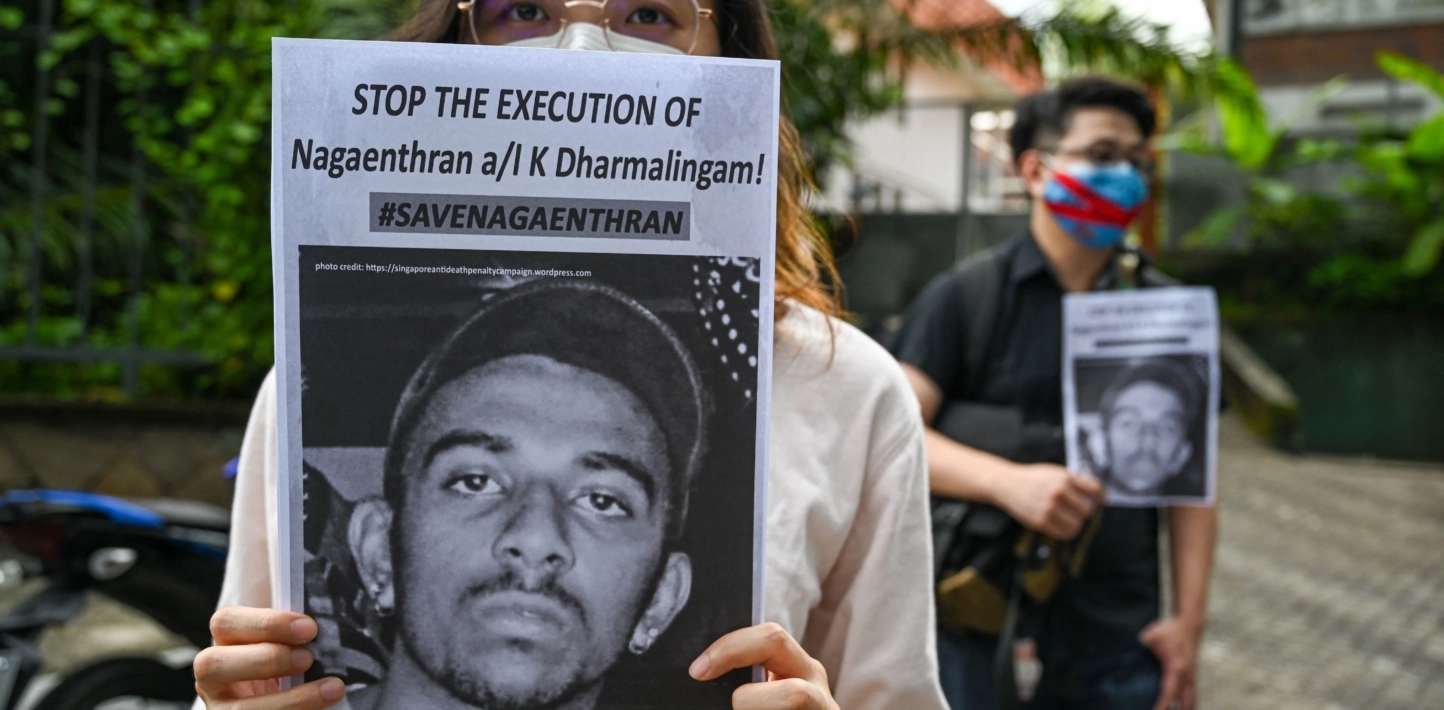
Nagaenthran K Dharmalingam, who is on death row in Singapore, has few chances left. 

Over the last few months, the fate of the 34-year-old Malaysian, who is set to be executed by hanging for drug-related offenses, has captured international attention. From experts at the United Nations to British billionaire Richard Branson, who tweeted that the case exposed the “fatal flaws” of the death penalty, to members of the public internationally, tens of thousands have urged for his execution to be called off. 

There was collective outrage when, despite medical experts finding that Nagaenthran has an intellectual disability, his family learned that the Singapore authorities had scheduled his execution for 10 November. Concerns mounted when his family reported that his mental condition had deteriorated significantly when they visited him in prison, where he appeared to not fully understand what was happening to him. 

The UN body monitoring compliance of the Convention of Rights of Persons with Disabilities (CRPD), to which Singapore is a party, has stated that the imposition of the death penalty on people whose mental and intellectual disabilities may have impeded their effective defense is prohibited. 

In an unexpected twist, Nagaenthran’s appeal hearing was postponed when he tested positive for Covid-19. However, he has now presumably recovered and his life is again in peril. His appeal hearing has now been re-set to 24 January and, with other legal claims denied, this could be his last chance to be spared execution. 

There is still time left for Singapore to change course and prevent a travesty of justice.

Authorities should ensure Nagaenthran has a fair hearing and halt his execution, which would be unlawful under international law in light of the numerous flaws in his case. This includes the fact his sentence was imposed as a mandatory punishment and for an offence that does not meet the threshold of the “most serious crimes” to which the use of the death penalty must be restricted under international law. 

A significant factor remains Nagaenthran’s intellectual disability and mental health state, which may have severely impacted his right to a fair trial including effective defense, up to these last critical stages. 

His intellectual disability would also have impacted his ability to communicate his knowledge of relevant information and his engagement with the authorities, including when questioned by officers of Singapore’s Central Narcotics Bureau, without the presence of a lawyer, after his arrest in 2009 for importing 42.72 grams of heroin. 

This in turn might have had a bearing on the information he provided for what’s called a certificate of assistance, which is needed to qualify for sentencing discretion in Singapore – itself a flawed process. In addition, from information on his present mental state, Nagaenthran’s cognitive function appears to have been severely impaired after years in detention. 

Accommodation measures as required by international law and guidelines on access to justice for persons with disabilities were not yet built into Singapore procedures when Nagaenthran was arrested in 2009. These may also have spared him the death sentence, and should be applied retrospectively to prevent a terrible injustice from taking place. 

There is no evidence that the threat of execution acts as a greater deterrent to crime than life imprisonment, something confirmed in multiple studies, including by the UN, across the globe. 

Singapore, which regularly tops global indexes for standards of living, lags far behind global sentiment against the death penalty. As of today, the majority of the world’s states have abolished this cruel punishment in law for all crimes. The number of states that have voted in favour of UN General Assembly resolutions calling for a moratorium on executions has consistently increased, from 104 in 2007 to 123 at the most recent vote, in December 2020.

Trends have been shifting in the Asia-Pacific region as well, where 20 countries have abolished the death penalty for all crimes and a further eight are abolitionist in practice. In 2020, six Asia-Pacific countries carried out executions – the lowest number since Amnesty International began keeping records. 

Within ASEAN, only five countries in the region − Indonesia, Malaysia, Thailand, Singapore, and Viet Nam − have carried out executions in the period 2016-2020, yet no executions have been carried out in Indonesia since 2016 and Malaysia has been observing an official moratorium since 2018.  

The Singapore authorities should immediately halt plans to execute Nagaenthran and establish a moratorium on all executions as a critical first step.

After global outcry from around the world, the life of a man on death row, and Singapore’s human rights reputation including its treatment of persons with disabilities, are in the balance.  

Should the courts fail, Singapore’s leaders must be ready to act. Throughout his 18 years in power, Singapore Prime Minister Lee Hsien Loong’s cabinet has not once approved an order for the President to grant clemency. But if there was ever a time to do so, it would be now. 

What can we do?

In November 2021, after an outpouring of calls from around the world to halt the carrying out of this deeply cruel sentence, a stay was granted the day before his scheduled execution.

Now, his appeal hearing has been set for this Monday, 24 January. This hearing will determine if he can go ahead and challenge his death sentence in the courts – or not. However, the President of Singapore can commute Nagaenthran’s death sentence any time — it’s within her power.

Don’t let Nagaenthran face the gallows again. Sign the petition calling on the President of Singapore to commute his death sentence.

Find out more about Amnesty’s campaign to end the death penalty.

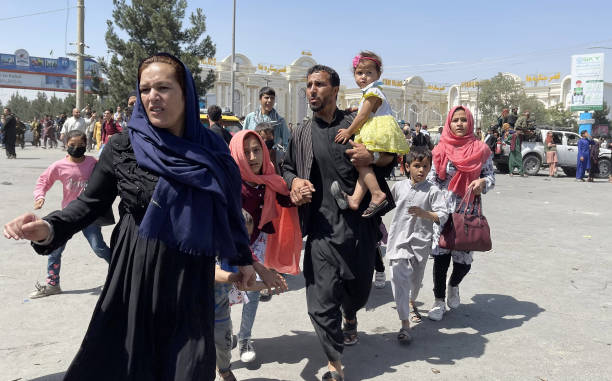
More places for people fleeing Afghanistan welcome, but need to be additional to existing quota

Responding to the announcement by Immigration Minister Alex Hawke that a further 15,000 places would be offered to people fleeing Afghanistan, Amnesty International Australia refugee advisor Dr Graham Thom said: 

“While a commitment to resettle Afghan refugees is of course welcome, we again stress the need for these to be in addition to the humanitarian quota – we have capacity to offer many more.

“We also need more clarity around the timeline for evacuating people. There are people living in hiding too afraid to leave safe houses for fear for their lives, we have to act quickly to get them to safety. While a four-year commitment is important, these people need to see urgent action now.”

India should stop using abusive foreign funding law

The Indian government should immediately stop harassing the Centre for Promotion of Social Concerns and its program unit People’s Watch, ten human rights groups said today. The government should stop using the Foreign Contribution Regulation Act and other abusive laws to silence civil society in India. 

The groups are Amnesty International, Asian Forum for Human Rights and Development (FORUM-ASIA), Christian Solidarity Worldwide (CSW), Front Line Defenders, Human Rights Watch, International Commission of Jurists (ICJ), International Dalit Solidarity Network, International Service for Human Rights (ISHR) and International Federation for Human Rights (FIDH) and the World Organisation Against Torture (OMCT) in the framework of the Observatory for the Protection of Human Rights Defenders.

On January 8, 2022, India’s national investigative agency, the Central Bureau of Investigation (CBI) searched the offices of the nongovernmental organisation Centre for Promotion of Social Concerns (CPSC) in Madurai, Tamil Nadu state. Officers from the CBI entered the group’s premises and seized several documents. The CBI officers informed the Centre for Promotion of Social Concerns that they were investigating allegations of fraud and financial irregularities under the Foreign Contribution Regulation Act, a law that regulates foreign funding for Indian nongovernmental organisations. 

The Centre for Promotion of Social Concerns, a prominent human rights organisation better known by its program unit People’s Watch, monitors human rights abuses, works with socially and economically marginalized victims of abuses, including by police, and conducts human rights education and training. In 2016, the Ministry of Home Affairs rejected the group’s application for renewal under the Foreign Contribution Regulation Act. They said it was “on the basis of a field agency report,” which civil society leaders widely believe refer to reports of intelligence agencies or law enforcement personnel. 

When the Centre for Promotion of Social Concerns challenged the government’s decision in the Delhi High Court, the Home Affairs Ministry told the court that the group used foreign funding to share information with United Nations special rapporteurs and foreign embassies, “portraying India’s human rights record in negative light…to the detriment of India’s image.” The government characterized this as “undesirable activities detrimental to national interest.”

The government’s response in court is evidence that it is violating India’s international obligations by targeting a group for promoting respect for international human rights instruments and cooperating with UN human rights mechanisms. The government also alleged financial irregularities even though the Delhi High Court had previously cleared the group of those charges in 2014 after the organisation challenged similar suspensions in 2012 and 2013. The case is still pending. 

The government appears to have routinely disregarded court rulings in favor of civil society organisations and their constitutional rights to freedom of expression and association. The courts have repeatedly reminded the government that in a democracy, peaceful dissent is protected and may not be muzzled. 

The ongoing harassment of the Centre for Promotion of Social Concerns and People’s Watch violates their right to freedom of association and access to funding and appears to be aimed at punishing the organisation for its human rights activities and at intimidating its staff. 

This crackdown is part of a wider repression of civil society in India, including through the use of draconian laws such as sedition and terrorism. Since 2016, the authorities have revoked, suspended, refused to renew the FCRA license of hundreds of civil society groups, or accused them of evading the law and frozen their bank accounts. These include the Indian Social Action Forum, Lawyers Collective, Sabrang Trust, Navsarjan Trust, Anhad, Oxfam India, Greenpeace and Amnesty International India. Groups working on rights of India’s most vulnerable populations such as Dalits, religious minorities, and Adivasis are particularly vulnerable.

Over the years, a number of United Nations bodies have expressed concerns over the use of the Foreign Contribution Regulation Act to silence dissenting voices. In 2016, three UN human rights experts urged the government to repeal the law, stating that it was being used to “obstruct” access to foreign funding and that it “fails to comply with international human rights standards.” In October 2020, the High Commissioner for Human Rights Michelle Bachelet said in a statement that the overbroad and vaguely formulated FCRA provisions are “open to abuse” and that the Act is “indeed actually being used to deter or punish NGOs for human rights reporting and advocacy that the authorities perceive as critical in nature.”

Yet, in 2020, the Indian parliament passed amendments to the law, adding intrusive governmental oversight, additional regulations and certification processes, and operational requirements, which have further adversely affected civil society groups’ access to foreign funding and their ability to carry out human rights work. 

India’s National Human Rights Commission should promptly investigate the government’s refusal to renew the registration of the Centre for Promotion of Social Concerns under the law and take all appropriate and necessary actions to protect human rights defenders and organisations, including their right to freedom of association and access to funding. 

The Indian authorities should immediately put an end to all acts of harassment against the Centre for Promotion of Social Concerns and People’s Watch, drop all complaints against them and renew their registration under the Foreign Contribution Regulation Act, to allow them to resume their human rights work. The government should also amend the Foreign Contribution Regulation Act to bring it in line with international law and human rights standards and stop using it to target defenders and others exercising their basic human rights. It should further ensure that all human rights defenders and organisations are able to carry out their activities without any hindrance or fear of reprisals. 


Signatories:

  • Amnesty International
  • Asian Forum for Human Rights and Development (FORUM-ASIA)
  • Christian Solidarity Worldwide (CSW)
  • FIDH, within the framework of the Observatory for the Protection of Human Rights Defenders
  • Front Line Defenders
  • Human Rights Watch
  • International Commission of Jurists (ICJ)
  • International Dalit Solidarity Network (IDSN)
  • International Service for Human Rights (ISHR)
  • World Organisation Against Torture (OMCT), within the framework of the Observatory for the Protection of Human Rights Defenders

Submission: Religious Discrimination Bill 2021 and related bills

Amnesty International welcomes the opportunity to provide this submission to the Parliamentary Joint Committee on Human Rights inquiry and the Legal and Constitutional Affairs Legislation Committee inquiry into the Religious Discrimination Bill 2021 and Related Bills (the Bill).

Amnesty has serious concerns that the Bill in its current form will condone behaviour, statements and environments that create unsafe or potentially harmful environments for some people and communities who are attempting to access essential services such as health, mental health, education, accommodation, crisis support services, aged care and employment.

This Bill will particularly impact on LGBTQIA+ people, people with a disability and/or lived experience of mental illness, Aboriginal and Torres Strait Islander people, rural and remote communities, single parents, divorcees, people of minority faiths and beliefs, people with limited support or resources, women, children and young people.

This submission addresses several serious concerns that Amnesty has in regards to the Bill, namely that it provides protection to religious belief or activity at the expense of other rights and as such are likely to facilitate harm to members of the community.

Our laws must protect all of us, equally.

Amnesty International maintains the strong position that the best form of rights protection, including that of the freedom of religion, is a Federal Human Rights Act or Charter of Human Rights and Freedoms. The differences in language, definitions of terms and provisions overriding other Federal, State and Territory anti-discrimination legislation contained in the Religious Discrimination Bill clearly demonstrate the urgent need for a Human Rights Act or Charter of Human Rights and Freedoms to protect the human rights of all and to balance competing rights appropriately.

Acknowledging that the Federal Government has rejected the proposal of a Federal Human Rights Act, Amnesty is deeply concerned that the proposed Bill protects the right to religious belief at the expense of other rights and this Bill has the potential to cause harm to individuals and communities and to increase disharmony in society. Human rights legislation should always promote the idea that all members of society are free and equal in dignity and rights. 

Amnesty’s strong position is that the Bill should not be enacted. 

If the Committee supports proceeding with the Bill, it should be amended according to the recommendations of this submission, and be subject to further scrutiny from civil society, particularly the LGBTQIA+ community, women, First Nations people, people with a disability and/or lived experience of mental illness, survivors of institutional abuse and religious communities (especially minority faiths) and other minority or vulnerable communities.

Grave concerns held for Yang Hengjun after new trial delay

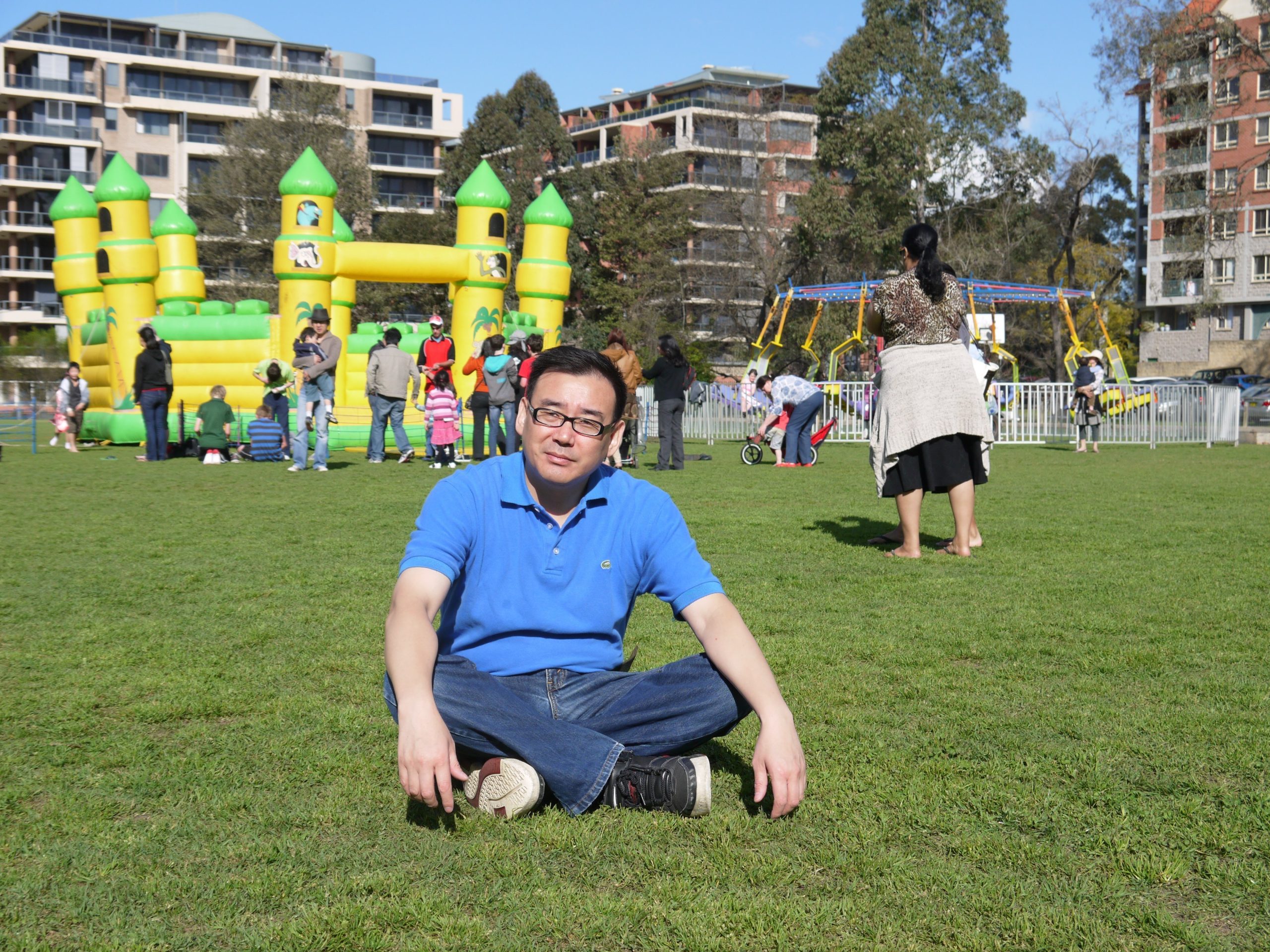
Amnesty International remains gravely concerned for the welfare of Australian writer Yang Hengjun who has been in custody in China awaiting trial for three years.

Dr Yang’s family and colleagues have told Amnesty that he is in poor health and that he has been informed his trial on espionage charges has yet again been delayed. His hearing was due this month.

“Amnesty understands Dr Yang has has endured hundreds of interrogations and been held in inhumane conditions with severely restricted access to his lawyer and he remains at grave risk of torture and other ill-treatment,” Amnesty International Australia campaigner Nikita White said.

“We welcome Foreign Minister Marise Payne’s statement that the Australian government continues to advocate for Dr Yang and we renew our calls on Chinese authorities to release him immediately and unconditionally unless there is sufficient credible and admissible evidence that she has committed an internationally recognised offence and is granted a fair trial in line with international standards.”

“More than 20,000 Australians have expressed their support for Dr Yang and the Australian Government has made robust representations to the Chinese authorities, but we would encourage them to continue to keep up the pressure for his immediate and unconditional release.”

Background

He has been detained since 2019 on totally baseless allegations that he is a spy, charges which appear to be politically motivated over articles he wrote that were critical of the Chinese government. This is an outrageous attack on his right to freedom of expression. 

Russia: One year after jailing, Aleksei Navalny and his associates in a “living hell”

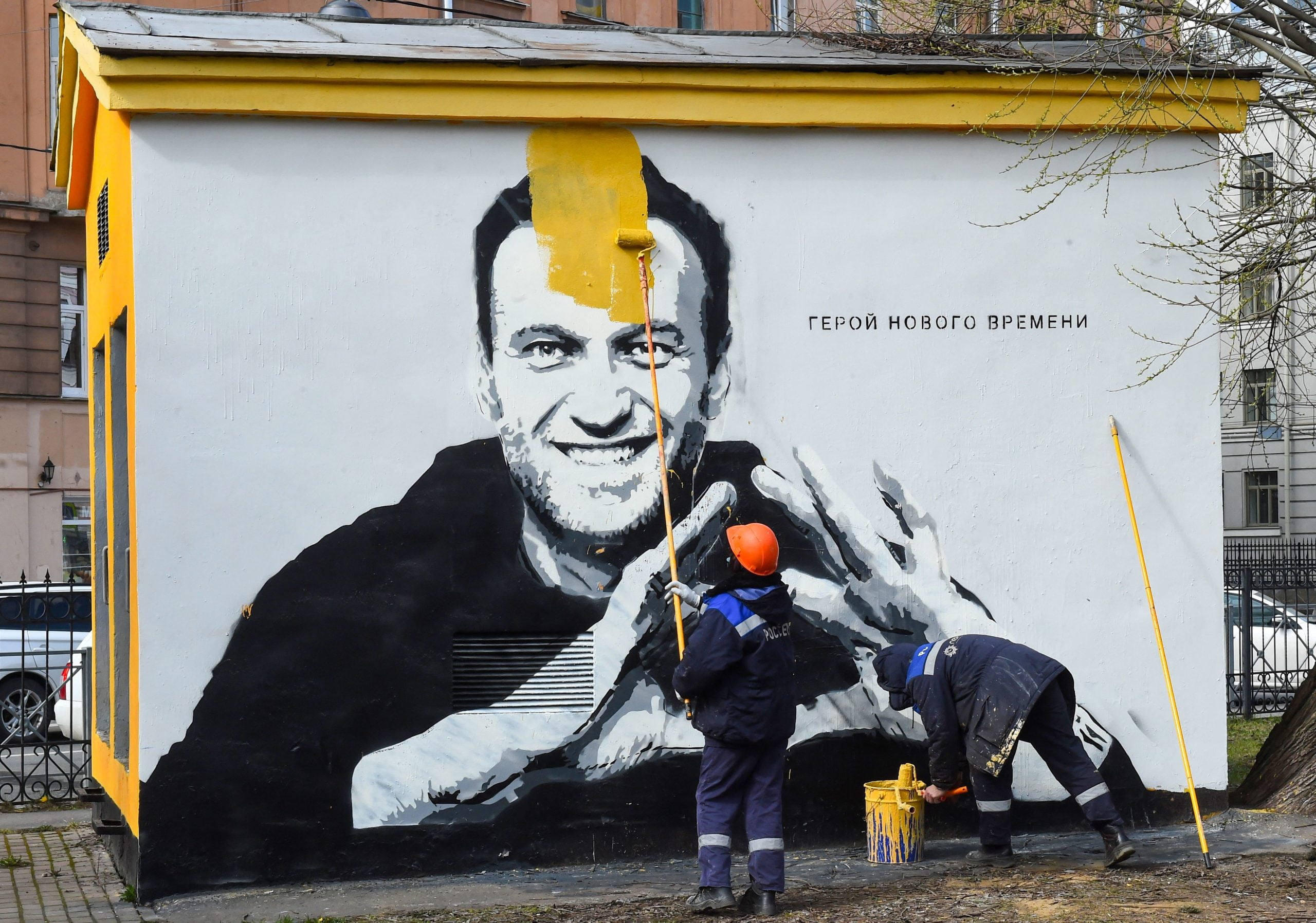
Over the course of the last 12 months, the Russian authorities have unleashed an unprecedented campaign of repression and reprisals against wrongfully imprisoned opposition leader AlekseiNavalny and his supporters, destroying all remnants of the rights to freedom of expression and association, Amnesty International said today on the first anniversary of the politician’s arrest. 

“In the year since AlekseiNavalny’s detention at a Moscow airport, the politician, his supporters and Russian civil society organizations have suffered a relentless onslaught of repression. Dozens of Navalny’s associates and supporters are facing prosecutions on bogus charges, while a growing number of them are already in prison. Meanwhile, the authorities have labelled his organizations as ‘extremist’ and blocked their websites,” said Marie Struthers, Amnesty International’s Eastern Europe and Central Asia Director. 

“Some of AlekseiNavalny’s associates were able to flee the country, yet they now fear their relatives in Russia will suffer a similar fate of unfounded prosecution and imprisonment. On the anniversary of his detention, Navalny and the political activists associated with him are in a living hell.” 

On 2 February 2021, a court in Moscow replaced Navalny’s non-custodial sentence with a jail term of two years and eight months, later shortened by two months. Soon thereafter, the Russian authorities began dismantling the Anti-Corruption Foundation and the Citizens’ Rights Protection Foundation, which Navalny founded, and closed his offices. On 9 June 2021, the two organizations were officially labelled as “extremist” and arbitrarily banned.  

The activities of the two organizations have since been criminalized. On 28 September 2021, the authorities opened a criminal case against Navalny and his associates under the trumped-up charge of creating an “extremist association”. On 9 November, Lilia Chanysheva, the former coordinator of Navalny’s offices in Ufa, was placed in pre-trial detention.  

Dozens of Navalny’s team and regional coordinators from his wider political movement have now left Russia fearing political persecution. Yuri Zhdanov, the father of Ivan Zhdanov, the director of the Anti-Corruption Foundation, was arrested on spurious charges of “forgery” and “large-scale fraud” in March 2021. 

AlekseiNavalny faces further bogus charges and up to 15 additional years in prison on top of his current sentence. He stands accused of “contempt of court”, “fraud on an especially large scale” and “money laundering” in relation to alleged misappropriation of donations to his NGOs. He has also been charged with creating an organization that “infringes on the personality and rights of citizens”. 

“The callous actions of the Kremlin, who remain hellbent on silencing and vilifying AlekseiNavalny and his supporters, must end now. More than 360,000 people around the world have signed a petition set up by Amnesty International that calls for the Russian authorities to immediately and unconditionally release AlekseiNavalny,” said Marie Struthers. 

“We call on world leaders, international organizations and people across the world to add their voices not only to the call for Aleksei Navalny’s immediate release, but also for the end of brutal reprisals against his supporters. The people of Russia should not have to suffer from the relentless suppression of their human rights. They deserve to have their voices heard without fear of reprisals.”  

Background 

AlekseiNavalny, an outspoken Kremlin critic, author of groundbreaking investigations into high-level corruption in Russia and founder of several civil society organizations, was arbitrarily detained on 17 January 2021 in Moscow’s Sheremetyevo airport upon his arrival from Berlin, where he had been recovering after being poisoned in Siberia in August 2020.  

He was placed in pretrial detention for allegedly failing to report regularly to his probation officer in person while recovering from his near-fatal poisoning.  

The European Court of Human Rights found Aleksei Navalny’s conviction in 2014 and subsequent prison sentence to be “arbitrary and manifestly unreasonable.” 

On 14 January, Leonid Volkov and Ivan Zhdanov, two associates of Navalny, were added to a list of “extremists” by the Russian finance regulator. Their assets in Russia are now blocked. 

Looking ahead: Civilians in Afghanistan must be protected from bombing and shelling in towns and cities

This is the third blog post in a series looking at an array of issues in 2022 related to weapons use, the arms trade and security assistance, often offering recommendations.

In mid-2021, as the Taliban ramped up their offensive against government forces across Afghanistan, the fighting grew especially fierce in Zakhail, just west of the city of Kunduz. The Taliban used motorbikes to seize civilian areas and took cover in homes and schools, while the Afghan National Defense and Security Forces (ANDSF) launched mortars from police checkpoints into the densely populated neighborhood.

As Amnesty International documented in a new report on the conflict in Afghanistan, on the evening of June 23rd a family huddled in their home in Zakhail, trying to take cover from the fighting, when they heard a series of explosions. One by one the detonations got closer, until the fourth round struck the central courtyard of the house.

Heavy metal fragments from a mortar tore through the family members. One 30-year-old woman, Bibi Shahnaz, and her 12-year-old son Faisal were killed immediately. Another child, a 16-year-old boy, lost both legs at the knee. A man and a third child were also badly hurt. An Amnesty International researcher examined the wounds of the injured man, and after removing a leg bandage bone was still visible in the deepest wounds.

These civilians were killed and injured because they were trapped in their home, unable to flee the fighting, and caught between the explosive weapons of the Taliban and the ANDSF. “The people who can afford to leave do but the poor people stay because they will starve if they leave,” one witness said.

In this case, the family was hit when the ANDSF unit “walked” their mortars to a Taliban position, a process in which the crew makes targeting adjustments through observation and correction with each round launched to gradually direct the ordnance to the target through repeated firings. But doing so in an area with civilians is extremely reckless, and such negligence in failing to distinguish between military objectives and civilian objects can constitute a war crime. But even in lawful attacks against a military objective, when fighting occurs in populated areas military forces ought to exercise extreme caution over the choice of weapons.

Attacks such as the one in Zakhail are an example of the risks that civilians face from the use of explosive weapons in populated areas – a pattern of harm which has been widely documented and results in the deaths and injuries of tens of thousands of civilians each year. Amnesty International has reported other cases in point including use of inaccurate explosive weapons in LibyaNagorno-KarabakhSyrian and Russian air and ground launched strikes in northern SyriaSaudi Arabia and UAE-led Coalition air strikes in Yemen, and US-led Coalition air and artillery strikes in Raqqa, Syria and Mosul, Iraq, to name just a few recent examples.  

Over the past several years the ICRC and UN have raised the alarm over civilian devastation and suffering from bombing and shelling in towns, cities, and other populated areas. The current and former UN Secretary-Generals have called on Member States to engage constructively in a process to develop an international political declaration that aims to address the harm to civilians from the use of explosive weapons in populated areas, described as “widespread’” and “largely foreseeable.”

In response to this growing concern, the government of Ireland has led talks with states and organisations to agree to new international standards in the form of a political declaration that will be finalised and adopted by states over the coming months.

The aim of this political instrument is to set new international standards that would strengthen the protection of civilians by promoting good practice and stigmatizing harmful behaviour through the declaration’s commitments.  

Whilst not  legally binding, a political declaration can reinforce important principles of international humanitarian law and help reaffirm application of the law, and build upon these by providing clearer guidance. 

The declaration would see curbs placed on use of explosive weapons in populated areas, with a specific commitment to prevent use in populated areas when explosive weapons have “wide area effects.” Meaning, when the effects of the weapon are likely to extend beyond a particular military objective. This may be due to the large blast and fragmentation radii of the weapon, the use of inaccurate weapons systems that may strike at a distance from the intended target, the use of a weapon system that delivers multiple munitions across an area, or a combination of these factors.

The Zakhail example is a case in point, where mortars, which are highly inaccurate, can require multiple rounds to “dial in” on a target. These extra rounds can fall on areas populated by civilians and cause significant harm, as they did in this case.

Beyond restrictions on use and other measures aimed at shaping military policy and practice, the declaration text will also contain other important commitments to assist individuals and communities affected and to address the long-lasting humanitarian impact when infrastructure is destroyed. And it will call on states to gather data on the impact on civilians – including direct and reverberating effects – that can help to provide responses that will reduce harm and respond effectively to the needs of all.

The declaration presents a unique opportunity to set stronger normative expectations, coupled with  practical operational guidance which can offer new prospects that reduce harm experienced by civilians in conflict. It is urgently needed.

​Laura Boillot is Programme Manager for Article 36 and Coordinator for the International Network on Explosive Weapons (INEW).

Brian Castner is a Senior Crisis Advisor with Amnesty International’s Crisis Response Programme, specializing in weapons and military operations.