Germany/Syria: Conviction of Syrian official for crimes against humanity a historic win for justice

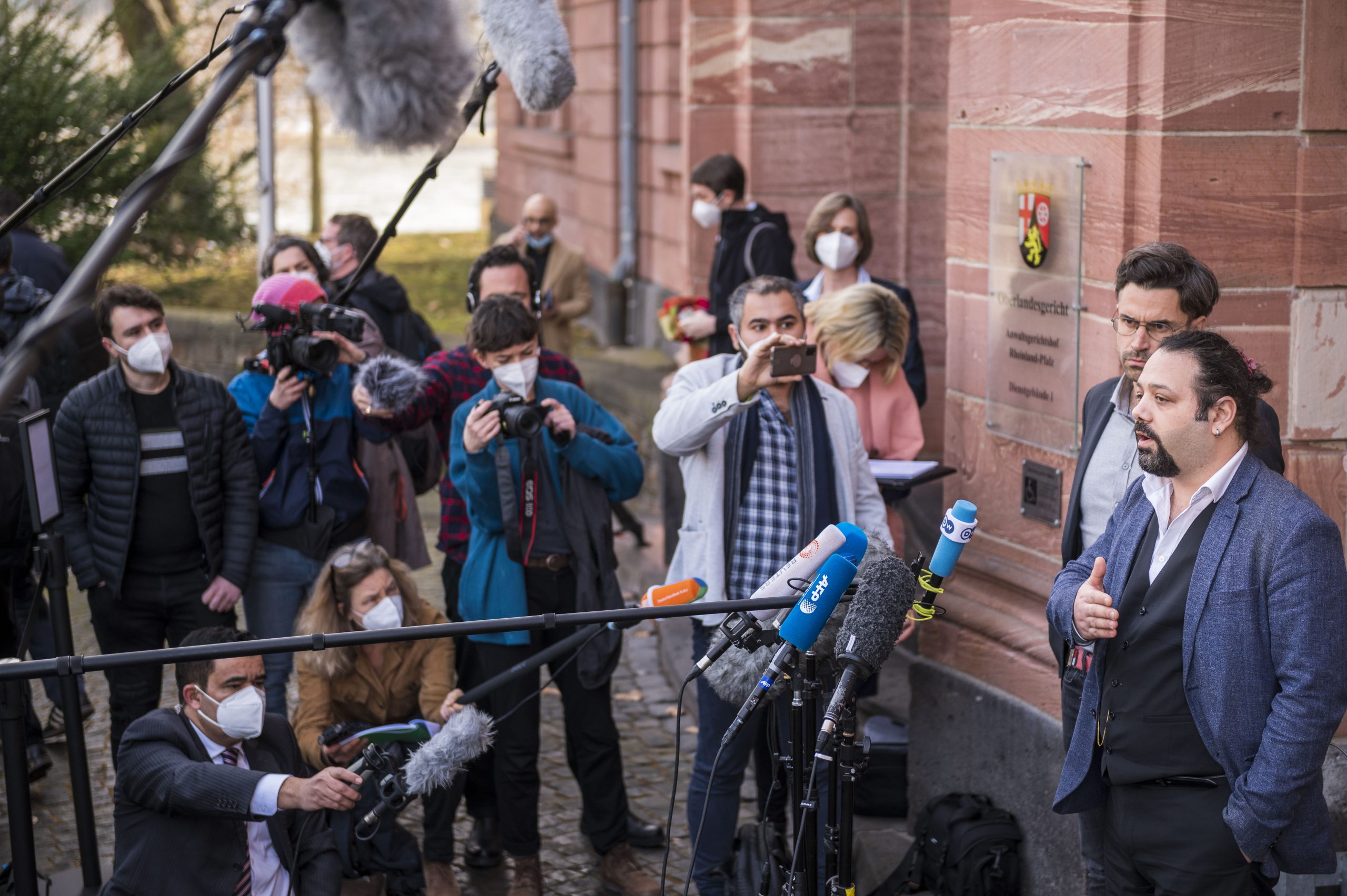
Responding to a decision of the Higher Regional Court in Koblenz, Germany, which has convicted former Syrian intelligence officer Anwar Raslan to life in prison for crimes against humanity, including torture, murder and rape of detainees in Branch 251, an infamous military intelligence facility in Damascus city, Amnesty International’s Deputy Director for the Middle East and North Africa, Lynn Maalouf, said:

“Today’s verdict is a historic victory that amplifies the voices of tens of thousands of survivors of unlawful detention, torture and sexual violence, as well as the voices of the families of victims who died in Syria’s prisons and detention centres as a result of the treatment of Syrian security forces for over a decade. Notably, it also recognizes the systematized nature of sexual violence as crime against humanity. This wouldn’t have come about without those who dared to share their stories, Syria’s civil society actors, and human rights and litigation organisations who have doggedly pursued justice, truth and reparation over the years.

“Anwar Raslan’s sentence serves as a reminder to the Syrian government, and all those who have committed crimes against humanity with impunity, that justice can be served.

“States across the globe must follow Germany’s lead and initiate similar proceedings against individuals suspected of committing crimes under international law. With domestic criminal prosecutions in Syria inconceivable and no pathway for referring cases to the international criminal court, universal jurisdiction is the only way to achieve justice.” 

Background: 

In February 2020, German and French police arrested former Syrian intelligence officers Anwar Raslan and Eyad al-Gharib. In a trial that began in April 2020, they were charged with crimes against humanity over the torture of detainees held in Branch 251. On 24 February 2021, Eyad al-Gharib was sentenced to four-and-a-half years in prison for his role in the torture of detained protesters.

Amnesty International has published several reports documenting the inhuman conditions across Syria’s prisons – where enforced disappearance, torture and other ill-treatment lead to death in detention, and extrajudicial executions following sham trials are rife. These crimes amount to crimes against humanity; all states are permitted, and sometimes obliged, to exercise universal jurisdiction.

Poland: After acquitting rainbow halo women, authorities must end their witch-hunt against activists

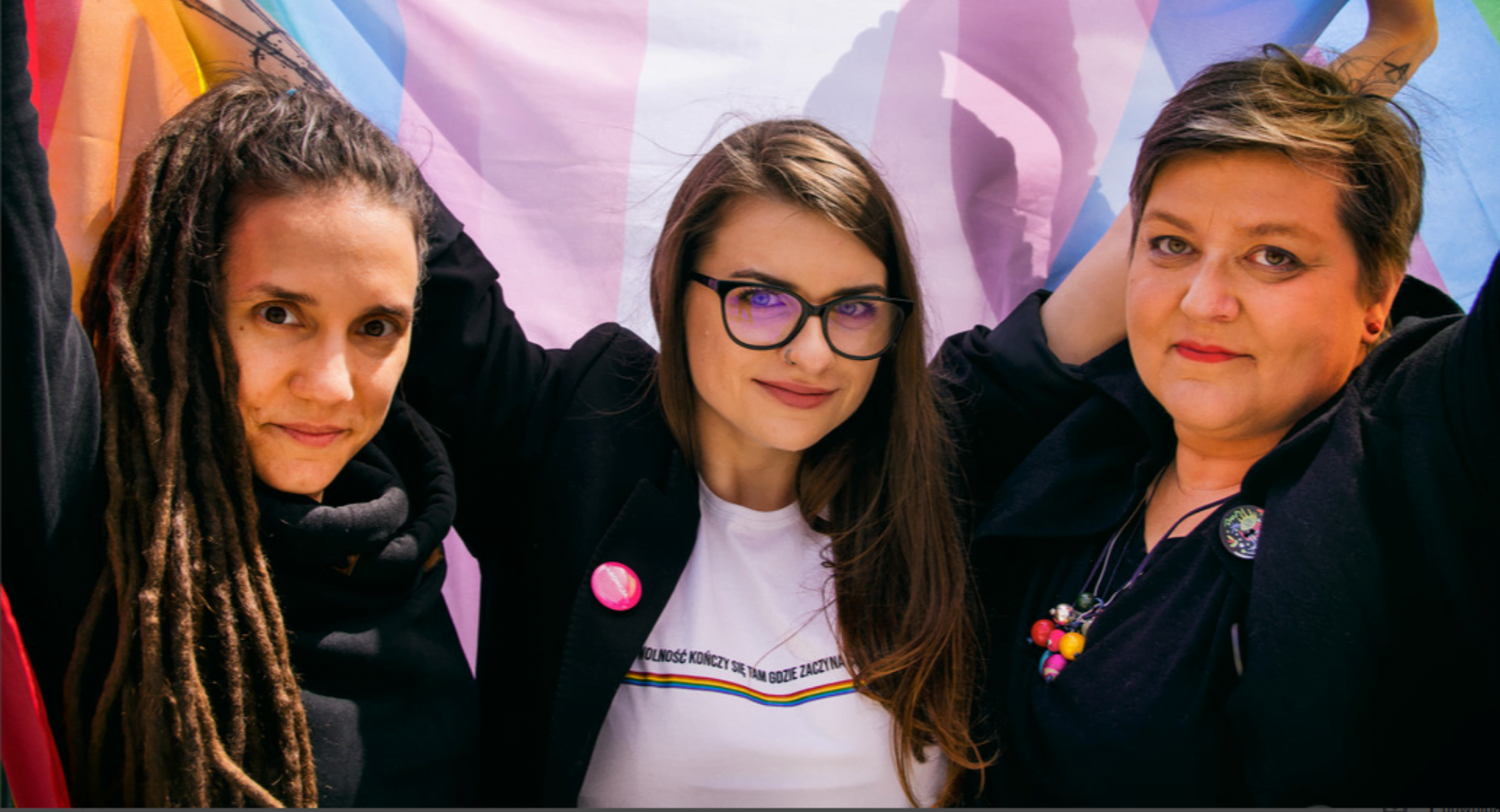
Responding to the dismissal of the appeal against the acquittal of three women human rights activists in Poland on absurd charges of “offending religious beliefs” for distributing posters of the Virgin Mary with a halo in the rainbow colours of the LGBTI pride flag, Catrinel Motoc, Senior Campaigner in Amnesty International’s Europe Regional Office said:

“Today’s decision comes as a huge relief but cannot disguise the fact that these three women should never have been put on trial in the first place. Distributing posters of the Virgin Mary wearing a rainbow halo should never be criminalized, so it is right that the appeal against their acquittal was rejected.

“Since the start of the case against them, more than a quarter of a million people have spoken out to demand that the authorities drop the charges in a case that has come to symbolise some of Poland’s most disturbing anti-human rights trends. Not only is space for free expression, activism and peaceful protest shrinking, but the climate of homophobia in the country is worsening amid an increase in hate crimes, the introduction of LGBTI free zones by local councils and attempts to ban Pride Marches.

“This case has also revealed an ugly seam of state-sponsored homophobia and exposed the way in which Poland’s criminal justice system is being used to target, intimidate and harass human rights defenders simply because of their activism. The Polish authorities must finally end their witch-hunt against these and other activists.”

China: World must use Winter Olympics to demand human rights improvements

The world must use the Beijing Winter Olympics and Paralympics as an opportunity to push for human rights improvements in China, Amnesty International said ahead of next month’s Games.

China’s capital will welcome athletes, officials and diplomats from around the world for the Games, which begin on 4 February. But the event will take place against a backdrop of myriad ongoing human rights violations in the country.   

“The Beijing Olympic Games promise to be a memorable sporting spectacle, but the watching world cannot wilfully ignore what is happening elsewhere in China: the lawyers and activists imprisoned for their peaceful work; the sexual assault survivors punished for speaking up; the thousands estimated to be executed each year; the Muslim ethnic groups facing systematic mass internment, torture and persecution,” said Alkan Akad, Amnesty International’s China Researcher.

“The Games should not be used as a distraction from China’s appalling human rights record. On the contrary, they should be an opportunity to press China to address these issues.”

IOC should ensure promises are kept

The Chinese government made a series of assurances related to human rights ahead of hosting the Winter Olympics, including on respecting media freedom, labour rights, “displacement” and ensuring genuine opportunities for peaceful demonstrations during the Games.

Amnesty International is calling on the International Olympic Committee (IOC) to fully implement and publicly disclose its human rights due diligence policies and practices in the lead-up to, and during, the Games.

“The right to freedom of expression is systematically violated in China. That’s why it’s vital that the IOC and the various National Olympic Committees at the Games adequately respect athletes’ and sports officials’ wishes to speak out about human rights, including on issues deemed ‘sensitive’ by the authorities,” Alkan Akad said.

“The IOC must also insist that the Chinese government keeps its promise to guarantee media freedom, including unrestricted internet access for Chinese and international journalists, and ensure that people who want to peacefully protest during the Games are able to do so.”

Amnesty International urges government representatives, including those who plan to attend the Olympic Games, to place human rights at the top of the agenda in their discussions with Chinese authorities.

“The world must heed the lessons of Beijing 2008 Games, when Chinese government promises of human rights improvements never materialized,” Alkan Akad said.

“The Beijing Winter Olympics must not be allowed to pass as a mere sportswashing opportunity for the Chinese authorities, and the international community must not become complicit in a propaganda exercise.”

The peaceful activists detained in China

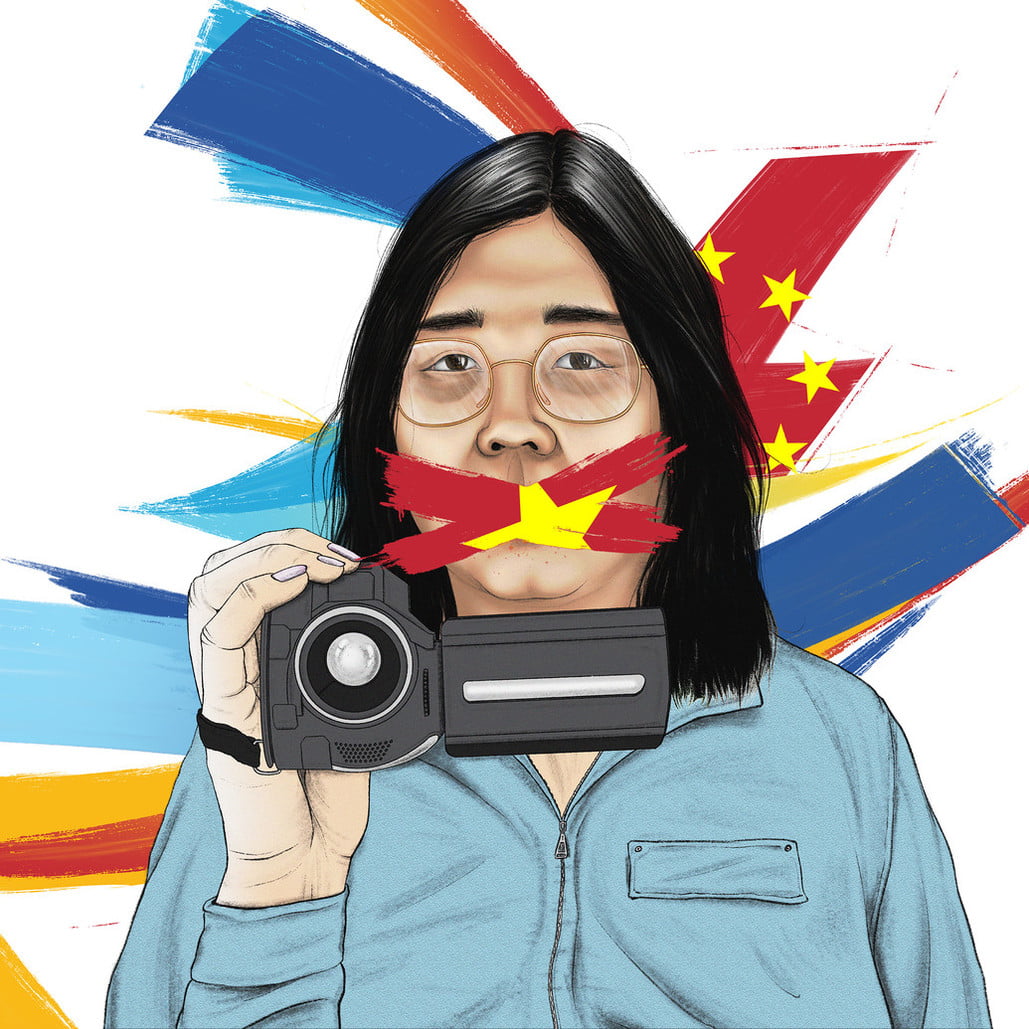
Ahead of the Games, Amnesty International has launched its ‘Free the Five’ campaign highlighting the plight of five Chinese activists among the many detained for exercising their rights to freedom of expression. They are: citizen journalist Zhang Zhan, Uyghur professor Ilham Tohti, labour rights activist Li Qiaochu, human rights lawyer Gao Zhisheng and Tibetan blogger Rinchen Tsultrim.

“The unjust imprisonment of these five peaceful activists is emblematic of the Chinese government’s intolerance of all opposing views, and its eagerness to punish dissent in the harshest possible terms,” Alkan Akad said.

“If the Chinese government wants to use the Olympics as a showcase for the country, it should start by releasing all those who have been prosecuted or detained solely for peacefully exercising their human rights.”

Athletes must be allowed to speak freely

The IOC has pledged – through its Safe Sport initiative – to support the rights of athletes and protect them from harassment and abuse “on and off the field”. However, the strict Covid-19 “bubble” imposed at Beijing 2022 will severely limit athletes’ freedom of movement in a way that could make it even more difficult for them to freely exercise their rights to freedom of expression and peaceful assembly.

Late last year, tennis player and three-time Olympian, Peng Shuai, made sexual assault allegations against a former Chinese Vice Premier in a social media post that was quickly censored in China. When reference to her was scrubbed from the internet and she disappeared from public view, fellow players and the Women’s Tennis Association expressed fears about Peng’s fate. Nearly three weeks after her post was censored, the IOC responded by arranging a video call with Peng in an attempt to ease concerns about her well-being and whereabouts.

“The IOC accepted assurances about Peng Shuai’s well-being without corroborating whether she experienced any limitations to her freedom of expression, freedom of movement and right to privacy, therefore running the risk of whitewashing possible violations of Peng Shuai’s human rights,” Alkan Akad said.

After heavy criticism, in December the IOC acknowledged “we can’t give assurances and don’t know the full facts”. They insisted that “all aspects of the case are being discussed with the Chinese side” and this would continue beyond the Games.

“Amid the severe restrictions in place at Beijing 2022, the IOC must do better at keeping its promise to protect athletes’ right to voice their opinions – and above all to ensure it is not complicit in any violations of athletes’ rights,” Alkan Akad said.

Kazakhstan: Authorities must release arbitrarily detained protestors and respect human rights amid ongoing unrest

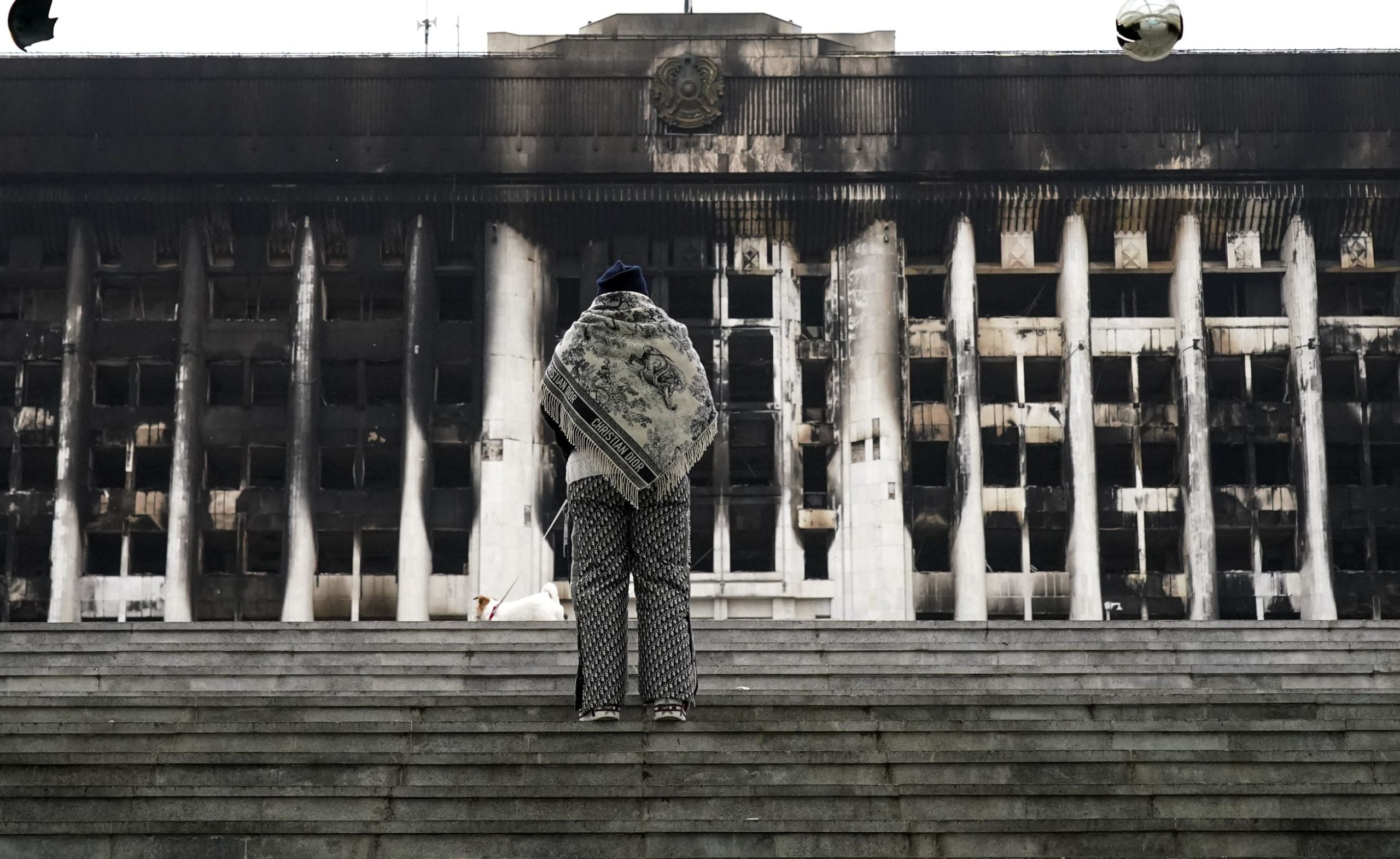
The Kazakhstani authorities must release journalists and activists who have been arbitrarily detained for their coverage of mass protests across the country over the past week, provide information on all protest-related arrests and ensure human rights of all detainees, said Amnesty International, as the number of individuals arrested since protests began on 2 January reached close to 10,000 according to official government figures.  

Those among the detainees who committed no internationally recognized crimes and were arbitrarily detained, including merely for violating Kazakhstan’s unduly restrictive legislation on public assemblies, must be immediately released as well. 

The human rights organization also called on the Kazakhstani authorities to order an effective and impartial investigation into all reported human rights violations, including lethal use of force by the security forces, and to respect human rights in the context of the unrest. 

“While the situation appears to have calmed down in Kazakhstan, the crisis is far from over. Nothing is more important now than free access to independent information, full accountability for what has happened and a commitment to respect human rights moving forward,” said Marie Struthers, Amnesty International’s Director for Eastern Europe and Central Asia. 

Death toll remains unknown 

The exact number of casualties in Kazakhstan resulting from the recent violence remains unknown. The authorities confirmed that at least 18 law enforcement officers had been killed but have so far failed to disclose the number of civilian casualties. On 9 January, a Telegram-channel associated with the government released information about the deaths of 164 individuals but it was later disavowed by the Ministry of Health as a technical glitch. 

“The silence of the authorities regarding the number of victims of the unrest and the circumstances of their death is outrageous. Information about civilian causalities must be disclosed immediately,” said Marie Struthers. 

Internet access restricted, journalists harassed, rights monitors vilified 

The Kazakhstani authorities disabled the Internet and restricted mobile communications for five days after the start of the protests. Meanwhile, they blamed human rights defenders and activists for spurring the demonstrations and proceeded to arrest independent journalists.  

On 7 January, Lukpan Akhmedyarov, the editor of Uralskaya Nedelya newspaper, was arrested in Uralsk and sentenced to 10 days of detention for allegedly violating Kazakhstan’s unduly restrictive assembly rules. On 5 January, two journalists from the RFE/RL local radio service Azattyk were detained and interrogated in connection with their work during the protests. On 10 January, the authorities also ordered independent media outlet Fergana.ru to remove a report on the crisis or face criminal prosecution. There are reports of foreign journalists being denied entry into the country. Meanwhile, while Internet access was re-established by 10 January, it is still being regularly blocked by the authorities, and mobile messengers remain inaccessible locally.   

“The authorities must restore unrestricted access to the Internet, unblock all other forms of communication and stop meting out reprisals against those who share news independently. Amid crisis, independent information is crucial. The authorities’ knee-jerk blackout was akin to holding the entire population incommunicado,” said Marie Struthers. 

“Amnesty International remains deeply concerned about the way President Tokayev has blamed journalists and human rights defenders on national television for inciting unrest – a narrative that has since been adopted by various people in positions of authority in Kazakhstan.” 

Ill-treatment and the right to a fair trial for detainees 

On Tuesday, Kazakhstan’s Interior Ministry said that almost 10,000 people have been arrested since mass unrest and violent clashes between police and protestors. More than 400 criminal cases have already been initiated. According to the Prosecutor General, most of these criminal cases concern violence, including killings. However, in some cases of which Amnesty International is aware, the Kazakhstani authorities have prosecuted peaceful dissent under the vague charge of “incitement of social discord.” This includes the opening of criminal proceedings under these charges in connection with a solitary street picket which environmental activist Artyom Sochnev held in Stepnogorsk on 4 January.  

Kazakhstan’s unduly restrictive law governing public assemblies effectively bans any street protest unless expressly permitted by the local authorities. Under this legislation, thousands of Kazakhstanis who took part in peaceful protests in recent days are liable to arrest and fines or up to 15 days of detention.  

“We are extremely worried about the conditions of detention and the grounds for arrest of thousands of detainees. There are also missing individuals, including journalist Makhambet Abzhan, whose whereabouts remain unknown since 6 January,” said Marie Struthers. 

“Sadly, unfair trials remain widespread in Kazakhstan, as does torture and other ill-treatment, while lawyers are often denied access to their clients and are routinely muzzled by non-disclosure orders. One lawyer, Yubzal Kuspan, was arrested and is in detention for 10 days himself, simply for taking part in a peaceful demonstration.” 

The risk of torture and other ill-treatment is demonstrated by the case of Vikram Ruzakhynov, a jazz musician from neighboring Kyrgyzstan who was on tour in Kazakhstan. On Sunday, Kazakhstani state TV televised his interrogation, which showed a heavily bruised Ruzakhynov “confessing” to having been recruited by “strangers” to “participate in a protest rally” for money. Ruzakhynov was released on Monday following a diplomatic protest from Kyrgyzstan. 

“All those who have been arbitrarily detained merely for taking part in the protests must be immediately released. Protesters accused of committing internationally recognized crimes for violent behaviour must be provided with fair trials in accordance with international human rights law. Meanwhile, all reports of ill-treatment by officials must be effectively investigated, with those responsible held to account,” said Marie Struthers.  
Jordan: Refugee arrested in Lebanon arrives in Australia

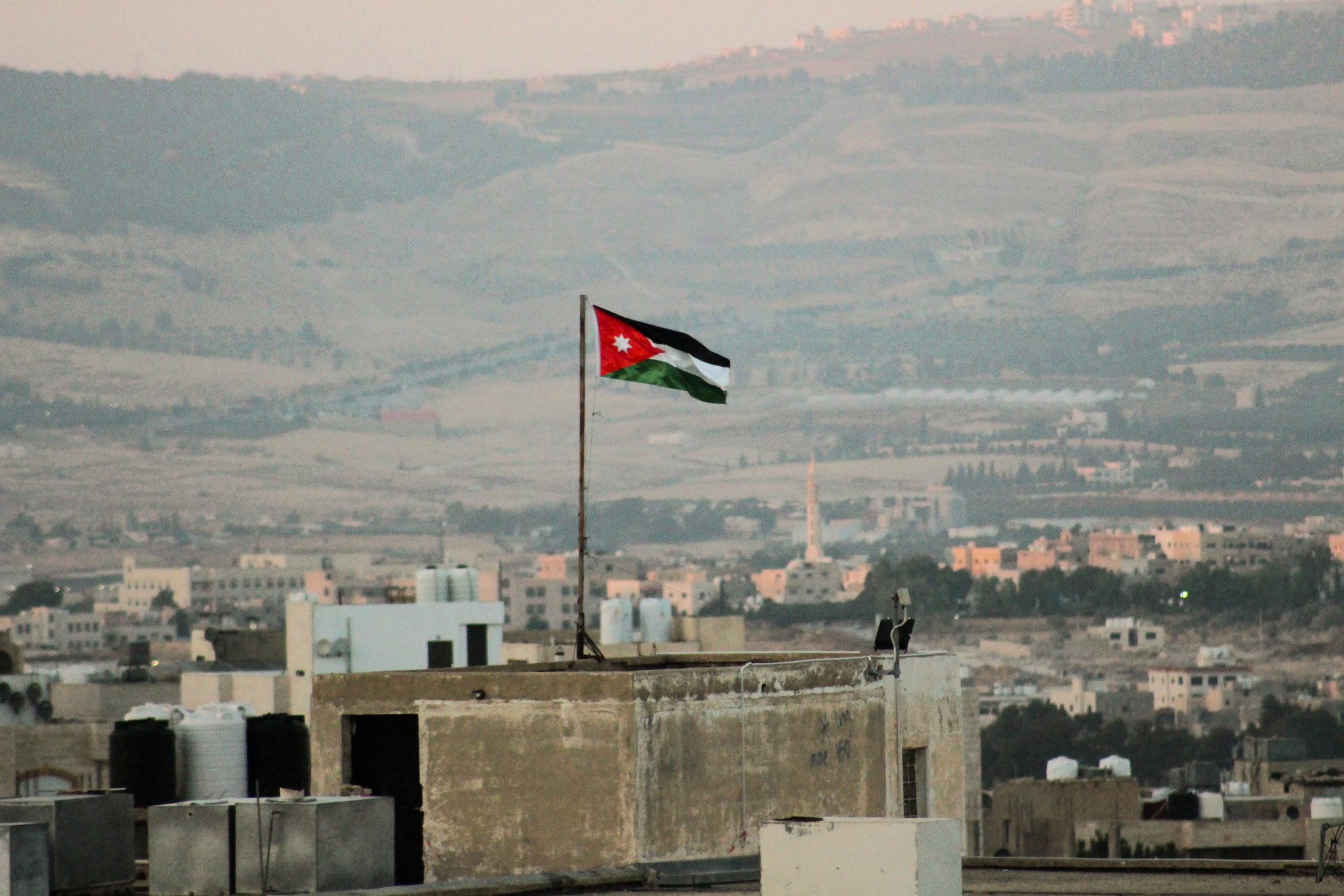
Following a concerted campaign by several human rights organisations, Alshaima Omama Alzubi (AOA) a 25-year-old human rights defender and refugee has arrived safely in Australia.


Alzubi, who also identifies as non-binary was facing forced repatriation from Lebanon to Jordan on Christmas Eve after being in detention at the Lebanese General Security for five days in poor conditions as well as harassed while in custody. Alzubi was then released and had their Jordanian passport confiscated until the day of their flight on December 30.

Since arriving in Australia Alzubi has seen a therapist, been introduced to a local rainbow community, found a new home, and begun to build their new life in Australia.

“I have survived child abuse, sexual assault, virginity testing, gay conversion practices, forced marriage all induced by my family and friends. The truth about coming from the Middle East and being of the LGBTQ+ community and an ExMuslim is a difficult struggle for many, where our rights to live are stripped away from us. I found strength and resilience by focusing on a safe future for me, for which I am thankful to the organisations and individuals, including the Australian Consulate in Lebanon for ensuring I got to my new home in Australia safe,” Alzubi said.

Background

Alshaima Alzubi’s family is very influential and its influence extends across Jordan, Lebanon, Syria, and Iraq. Many of their family members work for the Jordanian government and include a former minister.

After escaping from their family in July 2020, Alzubi faced a Yellow Notice for a missing person and a Red Notice issued due to the abuse of the INTERPOL system. In the week leading up to their flight to Australia, Alzubi was arrested and threatened with forced repatriation, put on no-fly list, and had to face another threat of a Red Notice on unfounded charges. Our sources also indicate that their family on hearing of the arrest and their release flew to Beirut, Alzubi was placed in a safe location courtesy of the Australian Consulate and local lawyers which helped prevent any further encounters with the family.

You voted: The most impactful human rights moments in 2021

To look back on the year that was 2021 and celebrate the extraordinary impact we’ve had as a movement, we asked you to vote on the most memorable human rights moment captured on camera. Here’s what you said:

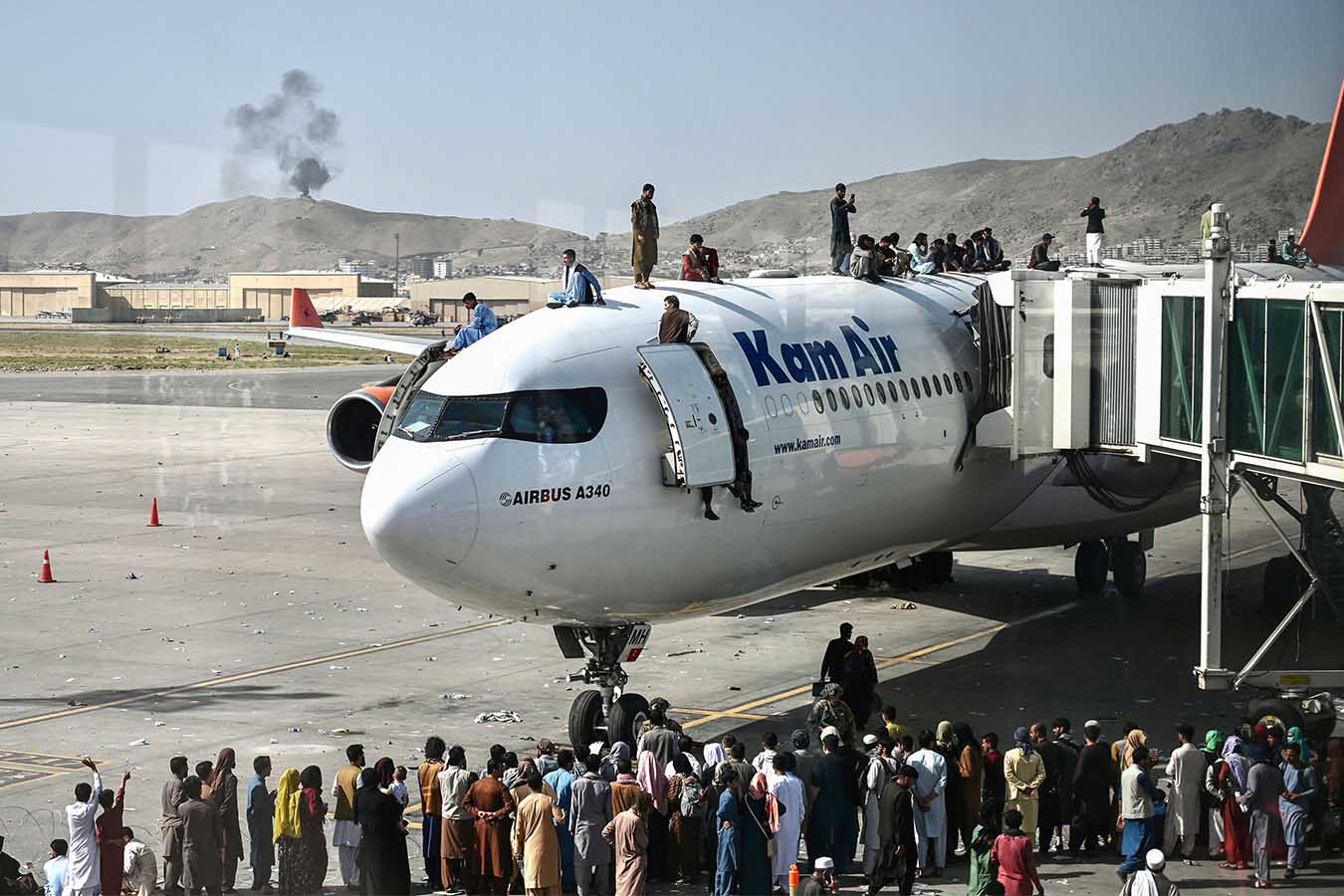
1. The Afghanistan crisis

Afghan people climb atop a plane as they wait at the Kabul airport in Kabul on August 16, 2021, after a stunningly swift end to Afghanistan’s 20-year war, as thousands of people mobbed the city’s airport trying to flee the group’s feared hardline brand of Islamist rule. (Photo by Wakil Kohsar / AFP) (Photo by WAKIL KOHSAR/AFP via Getty Images)

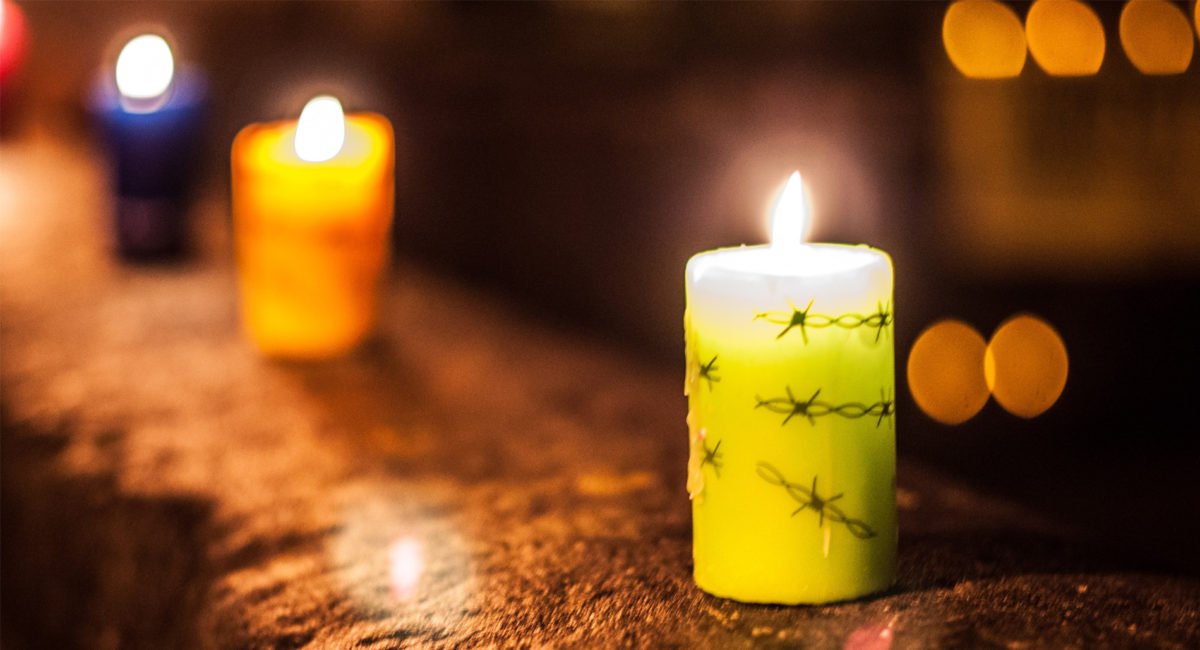
2. Myanmar military coup protest

Taken on April 3, 2021. The image shows protesters taking part in a candlelight demonstration against the military coup in Yangon’s Tamwe township. (Photo by STR / AFP) (Photo by STR/AFP via Getty Images)

3. Black Lives Matter protest in Melbourne, Australia

Black Lives Matter protest in Melbourne (Photo by Pablo Barnes, Amnesty International Australia)

4. Brittany Higgins in Canberra, Australia

Brittany Higgins before her speech outside Parliament House
Brittany Higgins is seen outside Parliament House on March 15, 2021 in Canberra, Australia. Thousands were seen at “March 4 Justice” rallies across Australia calling for action against gendered violence in Parliament. (Photo by Sam Mooy/Getty Images)

5. Rubber ducks used as a symbol against corruption in Thailand

Protesters holding up giant rubber ducks in Thailand
Protesters holding up giant rubber ducks in Thailand (Photo by Anadolu Agency via Getty Images)

6. Peter Bol representing Australia at the Tokyo Olympics

Peter Bol of Team Australia reacts after competing in the Men’s 800 metres Semi-Final on day nine of the Tokyo 2020 Olympic Games at Olympic Stadium on August 01, 2021 in Tokyo, Japan. (Photo by Matthias Hangst/Getty Images)

Thank you!

Whether it’s signing a petition, raising awareness, or funding life-saving human rights work with a financial gift – every action you take is helping create a world where human rights are enjoyed by all.

Here’s to another incredible year of standing strong for justice, freedom and equality.

Djokovic saga highlights Australia’s ‘shameful’ refugee policies

Responding to the judgement delivered in tennis star Novak Djokovic’s appeal against the Australian Government’s decision to cancel his visa, Amnesty International Australia refugee advisor Dr Graham Thom said: 

“Djokovic got a brief glimpse of what refugees have been experiencing for years because of the Australian Government’s shameful refugee policies. As Mehdi Ali, a 24-year-old refugee from Iran detained in the same Park Hotel, told Amnesty Australia, ‘the air inside my room is a jail, a misery that has been chasing me for almost nine years.’” 

“If something positive can come from this saga it’s that a global spotlight has again shone on this dreadful situation which is in violation of international law and which has seen the suffering and death of people whose only ‘crime’ was to seek safety on Australian shores.” 

“Whether it’s within our borders in the so-called ‘alternative places of detention’ [APODs] or in Nauru, people trapped indefinitely in this brutal system are suffering. They can’t work, send their kids to school, play the sports they love, access health care or plan for their futures. And many suffer trauma and illness every day because of their experiences in detention.” 

“These people have fled some of the most dangerous places on earth, and they have a right to freedom, safety and a bright future for themselves and their families. They are doctors, musicians, marketing executives, social workers, and athletes. They need our urgent help. Australians can’t stand by any longer while politicians turn a blind eye to people’s suffering.” 

“There are other options. Amnesty has worked to get people to Switzerland, to Canada, and to support them to resettle in the US. New Zealand has offered to take 150 refugees a year, for the past five years. We call on Prime Minister Scott Morrison to end this unjust system, accept New Zealand’s offer and allow people to finally begin to rebuild their lives.” 
 

Background 

The Australian Government has been sending people seeking asylum by boat to facilities in Papua New Guinea and Nauru since 2012 in a policy designed to deter and punish those seeking protection. 

There are approximately 40 people still being held within the Park Hotel ‘Alternative Places of Detention’ (APODs) which are hotels or motels used by the Government to house immigration detainees instead of larger facilities. 

The majority of people in the APODs are recognized refugees and were transferred from processing centres in Papua New Guinea and Nauru for urgent medical treatment.  

There is no clear explanation why these men continue to be locked up in APODs, indeed many have been released also without explanation. In December 2019, the Australian Human Rights Commission said the motels were not appropriate places of detention, given their lack of dedicated facilities and restrictions on freedom of movement and access to open space. 

Afghanistan: The Taliban must immediately release Professor Faizullah Jalal

Responding to the arrest of Professor Faizullah Jalal, a Kabul University lecturer detained for exercising his right to freedom of expression while criticizing the Taliban on a news channel, Samira Hamidi, Amnesty International’s South Asia campaigner, said: 

“This arrest marks just the latest effort by the Taliban to stifle dissent. Since the takeover, Afghanistan’s leaders have intimidated, harassed and violently attacked individuals who criticize them, with human rights defenders, women activists, journalists and members of academia suffering the greatest number of reprisals. 

“Professor FaizullahJalal, a renowned intellectual with decades of experience working in Afghanistan, was simply exercising his right to freedom of expression by pointing out the Taliban’s failure to address the humanitarian catastrophe currently devastating Afghanistan during a televised debate. Instead of respecting his views and heeding his comments, the Taliban arrested him for allegedly provoking people on a fake Twitter account. 

“Despite the fact that Faizullah Jalal’s family have confirmed that the Twitter account set up in his name is fake, he remains detained in custody. The Taliban authorities must immediately and unconditionally release him.”   

Background 

Faizullah Jalal was arrested on Saturday by the Islamic Emirate’s security agents for allegedly posting critical comments on social media against the Taliban. His family has been denied the right to visit since his arrest and received no updates about his wellbeing or any other information beyond confirmation of his arrest and detention. 

Since 15 August 2021, human rights defenders and women activists in Afghanistan have repeatedly exercised their right to freedom of assembly. They have protested against the Taliban’s repressive rules for women and girls, media restrictions, and their failure to address the current humanitarian crisis. The Taliban has responded violently, with women protestors regularly beaten and journalists detained and tortured.

Podcasts to listen to this summer

From the stealing habits of the British Empire, to digital welfare, environmental activism and First Nations resilience, here are the best podcasts we listened to this year (aka the soundtrack to our lockdown walks.)

Anytime, Amnesty

Okay maybe we’re a little biased, but put this super-easy and clever listen at the top of your catch-up list. Melbourne-based activists Fin & Anita host this 4-part series from those who are on the front lines, whilst offering you advice on how you can create change. Episode 2, in conversation with Dr Simon Bradshaw from the Climate Council is a highlight.

No White Saviors Podcast 

You’re probably familiar with No White Saviors’ powerful Instagram account, that has amassed over 900k followers. Lead by a majority female, majority African team of professionals based in Kampala, Uganda, the corresponding podcast expands the conversations the group have sparked on social media and on the ground.

Stuff the British stole

Throughout its reign, the British Empire stole a lot of stuff. In this fun and clever series, Marc Fennel selects one artefact and tells the story of where it came from, and where it is now – like how the Parthenon Marbles endured bribes, court cases and some extremely dodgy deals before ending up in the British museum.

Power, people and planet with Kumi Naidoo

In each episode Kumi is joined by activists, artists and community leaders who are dismantling our broken system – and building something better in its place. Hear their stories. Learn what has kept them fighting. Find out how we all can make a difference.

Couzin 2 Couzin by Digi Youth Arts

Curated by Alethea Beetson, COUZIN 2 COUZIN connects Indigenous musicians and community from so-called Australia and so-called Canada to share songs and yarn about music, their influences, inspirations and experiences.

Black Magic Woman by Mundanara Bayles

Hosted by Mundanara Bayles, the Black Magic Woman Podcast is an uplifting and conversational style program. Featuring mainly First Nations people from Australia and around the world, their stories highlight the diversity amongst First Nations peoples everywhere. 

Intersectionality Matters!

Intersectionality Matters! is a podcast hosted by Kimberlé Crenshaw – an American civil rights advocate, leading scholar of critical race theory, and the person responsible for coining the term ‘intersectionality’ 30 years ago.

Conscious Chatter

For sustainable fashion through a human rights lens, go no further than the Conscious Chatter podcast. It opens the door to conversations about our clothing and the layers of stories, meaning and potential impact connected to what we wear. Their six part series ‘The Root’ provides historical and cultural context when it comes to race relations and larger systems of inequality, and how they impact current traditional and sustainable fashion agendas.

Frontier War Stories by Boe Spearim

Gamilaraay & Kooma man Boe Spearim hosts this important show that is dedicated to truth-telling a side of Australia that has been left out of the history books. In each episode Boe chats to different guests – Indigenous and non-Indigenous – about research, books and oral histories, which document the first 140 years of conflict and resistance.

7am by Schwartz Media

While you should definitely listen to this conversation between Osman Faruqi and Eilish Gilligan discussing Taylor Swift’s Red album, this year we’ve heralded 7am’s thorough yet concise reporting on important human rights issues that cover everything from the unfolding crisis in Afghanistan to #MarchForJustice and Australia’s shameful treatment of refugees, as well as interviews that put those with lived experience at the centre of their storytelling. Hosted by Ruby Jones, there’s 636 episodes to catch up on, but some of our favourites include: The government’s war on charities, The fight to end Indigenous deaths in custody, Who polices the police?, “I was a staffer, and so was my perpetrator”, Behrouz Boochani on the detainees we forgot and a climate scientist offers us hope.

Our summer reading list

What we read and loved this year, from the staff at Amnesty International Australia. Add these to your summer reading list (or at the very least, your summer reading list pile.)


White Feminism: From the Suffragettes to Influencers and Who They Leave Behind – Koa Beck

Koa Beck gives us a tough lesson on intersectionality, as she boldly examines the history of feminism – from the true mission of the suffragists to the rise of corporate feminism. She also examines overlooked communities—including Native American, Muslim, transgender, and more—and their ongoing struggles for social change.

Sex, Lies, and Question Time – Kate Ellis

In Sex, Lies and Question Time, former MP Kate Ellis explores the good, the bad and the ugly of life as a woman in Australian politics

Too Much Lip by Melissa Lukashenko

Kerry Salter is part of an Aboriginal family living on the mid-north coast of New South Wales. She has spent a lifetime avoiding two things – her hometown and prison. But now her Pop is dying and she’s an inch away from the lockup, so she heads south on a stolen Harley

Fascists among us: Online Hate and the Christchurch Massacre – Jeff Sparrow

‘Fascists among us’ is the first book since Christchurch to trace the massacre’s fascist roots and what it represents. Jeff Sparrow traces the history of the far right, showing how fascists have adapted to the new politics of the twenty-first century.

Coming Of Age In The War On Terror – Randa Abdel Fattah

Randa Abdel Fattah explores the generation – Muslim and non-Muslim – who has grown up only knowing a world at war on terror, who have been socialised in a climate of widespread Islamophobia, surveillance and suspicion.

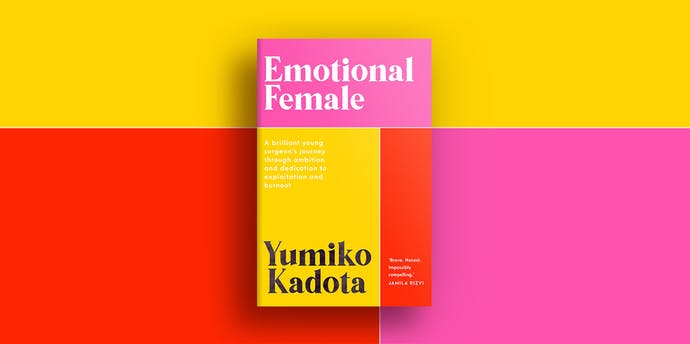
Emotional Female – Yumiko Kadota

Emotional Female is Yumiko Kadota’s account of what it was like to train in the Australian public hospital system, and what made her walk away. When it comes to burnout and finding the resilience to rebuild after suffering a physical, emotional and existential breakdown, Kadota finds herself the voice of a generation.

The Yield – Tara June Winch 

Knowing that he will soon die, Albert ‘Poppy’ Gondiwindi takes pen to paper. Tara June Winch’s The Yield is the story of a people and a culture dispossessed. But it is as much a celebration of what was and what endures, and a powerful reclaiming of Indigenous language, storytelling and identity.

The Boy From The Mish – Gary Lonesborough

The Boy From The Mish is a funny and heart-warming queer Indigenous YA novel, set in a rural Australian community. It follows seventeen-year-old Jackson who finds the courage to explore who he is – even if it scares him. If listening is more your thing, Mayne Wyatt narrates the audiobook version of this novel brilliantly.


Born Both: An Intersex Life – Hilda Viloria

From one of the world’s foremost intersex activists, Born Both: An Intersex Life is a candid, provocative, and eye-opening memoir of gender identity, self-acceptance, and love. Hida Viloria tells their own story, as well as their decades-long fight for human rights and equality for intersex people everywhere.