Lebanon: Imminent involuntary repatriation of a refugee, victim of INTERPOL abuse

A 25 year old LGBTQI+ and women’s rights defender, and refugee from Jordan, AOA, is facing forced repatriation from their current location in Lebanon. The Australian Humanitarian Visa holder, who identifies as a non-binary lesbian, was two days away from flying to Australia when they were arrested in Beirut due to an abuse of the INTERPOL system. There are serious concerns that AOA’s prominent family in Jordan are manipulating their repatriation.

“AOA has fought hard for over two years to flee their violent and oppressive family, to speak out against punishments for apostates, and to defend the rights of women, and the LGBTQI+ community. AOA must be saved from their extremist family, and be allowed to flourish in a free country, safe from persecution,” Secular Rescue Case Manager Katrina Parker said.

We call on the Lebanese authorities to cooperate with the Australian authorities and the United Nations in Lebanon to ensure AOA can board the plane to Australia. As a refugee, AOA is under international protection and repatriating them means a violation to international human rights and refugee law

Amnesty International Australia campaigner Veronica Koman

“We call on the Lebanese authorities to cooperate with the Australian authorities and the United Nations in Lebanon to ensure AOA can board the plane to Australia. As a refugee, AOA is under international protection and repatriating them means a violation to international human rights and refugee law,” Amnesty International Australia Strategic Advocacy Campaigner Veronica Koman said.

Background

AOA is a victim of rape, sexual assaults, torture, forced marriage, forced conversion therapy, forced hospitalization, and forced veiling abuse that dates back to their childhood. AOA’s family is very influential with influence extending across Jordan, Lebanon, Syria, and Iraq. Many of their family members work for the Jordanian government and include a former minister.

AOA finally escaped persecution from their powerful family in Jordan, to Turkey in July 2020. Yet their family was able to rapidly locate AOA, forcing them to seek safety in a third country. When AOA tried to flee Turkey to Lebanon, they were stopped at the airport due to an INTERPOL Yellow Notice, yet thorough and humanitarian Turkish authorities recognised AOA was not a missing person but in considerable danger.

Despite being on the run, AOA was a vocal and courageous advocate for women and LGBTQI+ rights and their story was profiled by several media outlets where they were recognised as a staunch human rights defender.

On Tuesday (21/12/2021), AOA was paying fees to Lebanese authorities when suddenly taken into custody. AOA was told that there was an INTERPOL Red Notice for their arrest. Following our challenge, it is understood that the Red Notice has since been cancelled. However, AOA is still arbitrarily detained and the Jordanian Embassy in Lebanon is actively seeking AOA to be repatriated to Jordan, which would be a breach of international law. AOA is again facing forced conversion practices if returned.

Amnesty’s Refugee Advisory Group welcomes changes to the Refugee Support Program, but calls on the Government to fully harness community generosity

Amnesty International’s Refugee Advisory Group has today written to Prime Minister Scott Morrison and the Minister for Immigration, Citizenship, Migrant Services and Multicultural Affairs, Alex Hawke, welcoming recently announced changes to Australia’s Refugee Support Program.

The improvements announced at the Mid Year Economic and Fiscal Outlook (MYEFO) will significantly lower the exorbitant cost and bureaucratic burden of the existing scheme and allow more refugees to be sponsored by Australians wanting to welcome them into their communities.

While these changes are long overdue, Amnesty’s Refugee Advisory Group called on the Prime Minister to fully harness the community generosity that can help refugees, and ensure Australia’s private sponsorship program is in addition to the existing humanitarian intake.

Ethiopia: New wave of atrocities in Western Tigray

Amhara security forces are responsible for a surge of mass detentions, killings and forced expulsions of ethnic Tigrayans in the Western Tigray territory of northern Ethiopia, Amnesty International and Human Rights Watch said today.

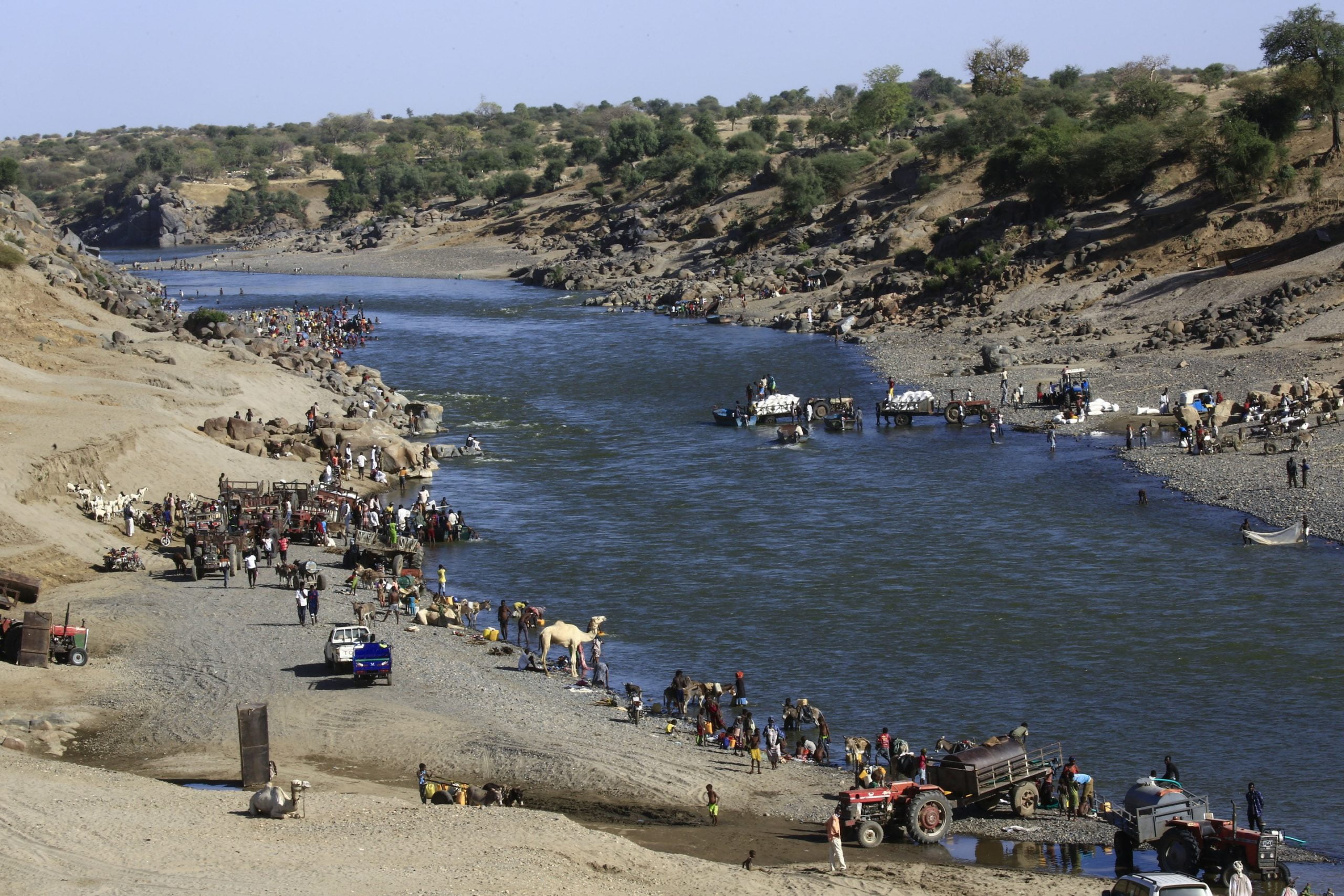
Tigrayan civilians attempting to escape the new wave of violence have been attacked and killed. Scores in detention face life-threatening conditions including torture, starvation, and denial of medical care.

“The new onslaught of abuses by Amhara forces against Tigrayan civilians remaining in several towns in Western Tigray should ring alarm bells,” said Joanne Mariner, Amnesty International’s Director of Crisis Response.

“Without urgent international action to prevent further atrocities, Tigrayans, particularly those in detention, are at grave risk.”

Since armed conflict began in November 2020, Western Tigray, a disputed administrative territory, has been the site of some of the worst atrocities, including massacres, indiscriminate shelling, and large-scale forced displacement of the Tigrayan population.

On 2 December, 2021, the United Nations Office for the Coordination of Humanitarian Affairs (OCHA) reported that 1.2 million people have been displaced from Western Tigray since the beginning of the conflict. A 9 December UN report found that between 25 November and 1 December, over 10,000 Tigrayans were newly displaced from Western Tigray. It also stated that Western Tigray remained inaccessible to aid agencies due to security concerns.

In November and December, Amnesty International and Human Rights Watch conducted phone interviews with 31 people, including 25 witnesses and survivors as well as relatives of those detained and expelled, about abuses by Amhara militias and regional security forces against Tigrayan civilians in the towns of Adebai, Humera, and Rawyan.

Since early November, Amhara regional police forces and militias, including militia groups known as Fanos, have systematically rounded up Tigrayans in Adebai, Humera, and Rawyan. These forces separated families, arrested teenagers age 15 and older and men and women civilians. They have forcibly expelled women and younger children, as well as sick and older people from the area. Some of those expelled have since arrived in Central Tigray, while others remain unaccounted for.

“Tigrayans, regardless of [their] sex and age, were taken to a school,” said one man in Rawyan who witnessed the house-to-house roundups of Tigrayans by Fano militia. “They separated the old from the young, took their money and other possessions. … Older people, parents were loaded on big trucks [going] east. They let them go with nothing, while the young remained behind.”

Following roundups in Humera on 20 and 21 November, two witnesses described seeing as many as 20 trucks full of people leaving on those days toward Central Tigray.

Six witnesses said Amhara forces shot at Tigrayans seeking to flee the roundups in Adebai and attacked them with sticks and sharp objects. An unknown number were killed. “They started shooting whoever was in range running,” said a 34-year-old farmer from Adebai, who ran to nearby fields from Fano militias attacking him and others. “When the people tried to escape… [the Fano] attacked them with machetes and axes so no one could escape…We were passing bodies and we were all in shock… After we calmed down, we noticed that there were more bodies there too. Everywhere you turned, there would be five, 10 bodies.” Four witnesses said armed elements also shot at Tigrayans crossing into Sudan.

Satellite imagery captured between 19 November and 5 December shows significant activity in Adebai, including moving vehicles, groups of people around a makeshift detention site, large amounts of debris on the main road, and burned structures. Imagery taken on 5 December in Humera shows 16 open-back trucks near the town’s central roundabout.

Three former detainees held in Humera prison, some of whom had been held for as long as five months before they escaped in November, said that Amhara authorities kept them in extremely overcrowded cells for extended periods. Guards denied them food and medical treatment and tortured and beat detainees whose hands and feet had been tied with sticks and rifles. One former detainee arrested on 19 July escaped around 13 November while loading corpses of fellow detainees onto a tractor. He said he knew of 30 people who died while he was held there, including seven of the 200 men in his cell: ““All of us have gone through it [the beatings] but the most vulnerable ones were the [older men],” he said. “They couldn’t handle the torture, that’s why they were dying.” He said that the Fano militia members beating them threatened all Tigrayans with death.

The roundups, abusive detentions, and forced expulsions separated families and left communities from the three towns desperate for news about the safety and whereabouts of their loved ones, many of whom were put on trucks and remain unaccounted for. One man who fled Adebai in late November said: “My wife and my mother called me four days ago, told me they had put them in vehicles, and they don’t know where they are taking them. After that I have never heard from them.”

The Ethiopian authorities should immediately cease attacks on civilians, secure the release of those arbitrarily detained, and urgently provide unimpeded access to Western Tigray for aid agencies and organizations with a mandate to visit detention sites, Amnesty International and Human Rights Watch said.

Given the gravity of the ongoing abuses, the UN Human Rights Council should urgently establish an independent international mechanism to investigate abuses in the Tigray conflict, including serious violations of international humanitarian law (the laws of war), identify those responsible at all levels, and preserve evidence for future accountability.

Forced displacement and deliberate attacks on the civilian population violate the laws of war. Everyone in custody has the right to be treated humanely and with respect for their inherent dignity, including having access to adequate food and medical care. Ordering civilians displaced for reasons not required for their security or imperative military necessity, attacking civilians who are not directly participating in hostilities, and torturing or otherwise mistreating detainees, are war crimes.

“The global paralysis on Ethiopia’s armed conflict has emboldened human rights abusers to act with impunity and left communities at risk feeling abandoned,” said Laetitia Bader, Horn of Africa director at Human Rights Watch.

“As evidence of atrocities mounts, world leaders should support the creation of an international investigative mechanism and the UN Security Council should put Ethiopia on its formal agenda.”

Australians celebrate as improvements to refugee sponsorship program announced, but those sponsored must be in addition to the Federal Government’s existing humanitarian quota

After four years of relentless campaigning by communities across Australia, the Federal Government has finally agreed to dramatically reduce the cost and bureaucratic burden for those wanting to sponsor refugees and welcome them into their neighbourhoods.

The improvements announced at the Mid Year Economic and Fiscal Outlook (MYEFO) today, include:

  • A new four-year pilot for 1500 ‘unlinked’ refugees in urgent need of resettlement who will be referred by the United Nations High Commissioner for Refugees under the s200 visa category and will have all the same opportunities as other refugees coming under that category.
  • An ongoing Community Support Program for 1,000 refugees to be sponsored at a significantly reduced cost of $8000 for the primary applicant.

Shankar Kasynathan, refugee campaigner for Amnesty International Australia, said: “After presenting the support of 40,000 Australians, from 40 communities and their local governments calling for a fairer refugee sponsorship program to our political leaders Amnesty welcomes the new pilot scheme and the improved CSP”. 

“The new program will significantly lower the exorbitant cost and bureaucratic burden of the existing scheme and allow more refugees to be sponsored by Australians wanting to welcome them into their communities. However, while the process of applying for one of the 5,500 places over four years will be far simpler and cost effective, Immigration Minister, Alex Hawke, must also commit to it being in addition to, not in place of, the annual humanitarian quota.”

Mohammed Azad, a former Afghan refugee, who has spent the last three years and almost $40,000 securing a visa for his brother and sister to join him in Australia, said:

“These improvements announced today are fantastic news for those trying to bring people to safety. For me, it would have been easier to bring my own family here and the last few years wouldn’t have been so hard”.

Just 13,750 refugees are meant to be resettled annually as part of the Federal Government’s policy to help alleviate a global crisis that has seen the number of refugees around the world balloon to more than 26 million. This 2020 figure does not include those recently fleeing Myanmar and Afghanistan. Australia cut its refugee intake from 18,750 in 2020 due to the Covid-19 pandemic.

New Covid variants owe their existence in part to big Pharma’s profit over life approach

Global inequality and injustice have seldom been more starkly on display than in the days since the emergence of Omicron.

South African scientists first reported the new COVID-19 variant to the World Health Organization on 24 November. The next day the UK government was the first of many to introduce emergency travel restrictions on people from the Southern-African region. Surprisingly no such restrictions were imposed on the large number of other countries where Omicron cases were reported, including the UK itself.

After the world shut its doors to South Africa, and other southern African countries, it was revealed the new variant had been detected in western Europe in test samples as early as 19 November 2021. This was a week before South African scientists reported it to the WHO. But this did not prompt governments in the west to ease their restrictions on Southern African travellers, yet those in Europe and the UK were still free to travel.

The news of the Omicron variant and its classification by the WHO as a “variant of concern”, was potentially disastrous, signifying that the pandemic was entering a dangerous new phase, especially for low-income countries – mainly in Africa – with low vaccination rates. While some high-income countries have fully vaccinated nearly 90% of their populations, only 6% of people in low-income countries have received a single dose. The highly contagious Omicron variant could push these countries into crisis, yet according to the WHO only one in four African health workers has been vaccinated.

South Africa’s president Cyril Ramaphosa, during his address to the nation on 28 November, spoke out against the travel bans imposed on the country calling the decision “not informed by science” and “discriminatory”. He said the decision to prohibit travel was a “a clear and completely unjustified departure from the commitment that many of these countries made at the meeting of G20 countries in Rome last month.”

Ramaphosa also said the emergence of the Omicron variant should be a wake-up call to the world that vaccine inequality cannot be allowed to continue. This comes as South Africa looks at implementing mandatory vaccines, as the country battles to convince people to have themselves inoculated. Less than 30% of the South African population is fully vaccinated. A decision on the mandatory vaccines policy, which is supported by business, is expected to be made at the end of the week.

Important to note that as Amnesty International we do not support blanket mandatory vaccine policies and believe that in line with WHO recommendations governments should focus on voluntary uptake and that public awareness campaigns must be at the forefront of these efforts.

But the news of the emergence of a new variant was good for some. It resulted in a bonanza for western vaccine manufacturers, as it seemed to confirm that they will be providing booster jabs for years to come to combat future variants.

Moderna’s share price soared by 34 percent in just five days. Its CEO, Stéphane Bancel was quick to benefit, selling 10,000 shares on 26 November, making him a windfall of $3.19 million. Over this period, Mr Bancel’s overall shareholding in the company jumped in value by more than eight hundred million dollars, the campaigning group Global Justice Now reported.

Moderna’s main rivals fared similarly. US pharma giant Pfizer’s share price rose by 7.4 percent and its German partner, BioNTech, which originally developed its vaccine, saw an increase of 18.9 percent between 24 November and 29 November.

These rising share prices reflected the fact that since the start of the pandemic the three companies have chased profits, prioritizing sales to higher income countries.

These rising share prices reflected the fact that since the start of the pandemic the three companies have chased profits, prioritizing sales to higher income countries.

Pfizer has claimed that its “vaccine would be available to every patient, country and community that seeks access.” But this rhetoric has not been matched by actions. It continues to make misleading statements and reserve the bulk of its vaccines for wealthier countries, is still refusing to participate in technology sharing initiatives, such as the South African-based WHO mRNA technology hub, and has lobbied vigorously against efforts to lift intellectual property restrictions which would allow other manufacturers to ramp up production.

As a result, Pfizer has forecast that sales of its vaccine will hit $36bn this year, making it the single best-selling pharmaceutical of 2021, according to the Financial Times.

Moderna’s vaccine was only made possible with the help of US government scientists and a massive input of financial aid. Yet, even more than Pfizer, it has overwhelmingly distributed its vaccines to upper and upper-middle income countries. Moderna has forecast sales of its vaccines of up to $18 billion for 2021.

It did not have to be this way. There was nothing inevitable about this. Both Pfizer and Moderna made clear business decisions. 

By contrast, the Anglo-Swedish company AstraZeneca has pursued a not-for-profit approach for its sales of the Oxford University-developed vaccine and pushed to distribute doses more fairly around the globe.

AstraZeneca’s approach is not perfect – it is also blocking the temporary lifting of IP rules. It can and must do more – as do other vaccine manufacturers – to ensure vaccine equality around the world and join the call for the TRIPs waiver to strengthen the supply chain. 

As the events of the last few weeks have demonstrated, and numerous campaigners have warned, no-one is safe until we are all safe. The inescapable fact is that new variants will continue to emerge in unvaccinated populations.

This is a clear risk to global health and human rights, as well as the economy. But it is a sad reflection on how narrowly the market assesses value that Pfizer, BioNTech and Moderna, which have contributed to this crisis have been rewarded with share price hikes, while AstraZeneca’s share price actually went down after Omicron was reported.

Until pharmaceutical companies stop putting profit before life, developing countries, which include those on the African continent will continue to bear the brunt of the Covid-19 pandemic and its consequences.

Shenilla Mohamed is Amnesty International South Africa’s Executive Director and Mark Dummett is Director of Amnesty International’s Global Issues Programme

Pandemic lays bare need for Federal Human Rights Act: Amnesty

To coincide with Human Rights Day on December 10, Amnesty International Australia has launched the 2022 Human Rights Agenda outlining key human rights priorities for whichever party forms government after the 2022 Federal Election – key among these is the need for a Federal Human Rights Act.

“The Covid-19 pandemic and the climate crisis have laid bare the devastating consequences of abuse of power, structurally and historically,” Amnesty International Australia National Director, Sam Klintworth, said. “These crises may not define who we are, but it has shown us what we should not be. The foundations for a sustainable, post-pandemic society rest not merely on recovery. It requires accountability, human rights, and a reshaping of our relationship to our environment, economy and each other.

These are exceptional times. Exceptional times demand exceptional leadership and Amnesty’s Human Rights Agenda provides solutions to some of the key problems our society faces. 

Sam Klintworth, Amnesty International Australia National Director

“Amnesty International is calling on the next Australian Government to put human rights – both here at home and abroad – at the heart of all policy decisions and to re-establish Australia’s place in the world as a free, fair and caring country and a human rights leader,” Klintworth said. 

Australia played a crucial role in developing the Universal Declaration of Human Rights, adopted by the United Nations on December 10, 1948. But Australia today remains the only liberal democracy without overarching human rights protection, and issues of racism, discrimination, children’s rights and the right to seek asylum, among others, continue to beleaguer our society. 

“At their core, human rights are about respecting the dignity of every one of us. Human rights matter because someone’s quality of life should not be determined by factors beyond their control – race, gender, socio-economic background, sexuality or age. The work of government is central to whether and how these rights are protected.

“We encourage the next Australian Government – irrespective of whoever forms it – to ensure human rights are a bedrock on which domestic and international policy is formed.”

Amnesty International’s Human Rights agenda is calling on politicians and the next Federal Government to, among other things: 

  • Legislate a National Human Rights Act to protect and promote dignity, equality and respect for all peoples in Australia;
  • Increase the minimum age of criminal responsibility to at least 14 years of age and stop trapping children in the quicksand of the criminal justice system;
  • Increase the annual refugee resettlement intake to at least 30,000 people; End the system of offshore detention and accept the New Zealand offer of resettlement;
  • Strengthen 2030 carbon emissions target and significantly accelerate the phase-out of fossil fuels, including coal and gas

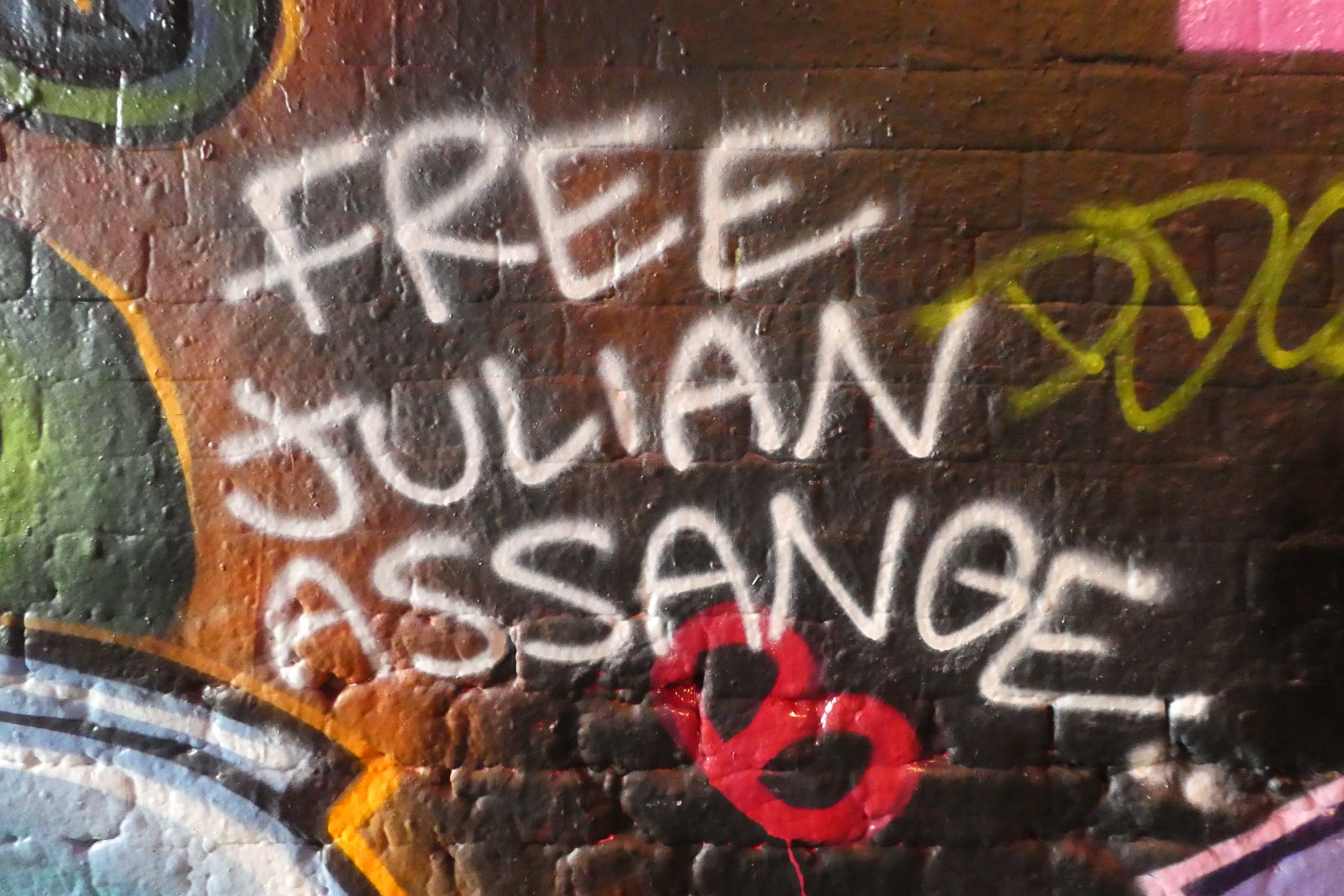
“Travesty of justice” as extradition appeal fails to recognise that it would be unsafe for Julian Assange to be sent to the US

Responding to the High Court’s decision to accept the US’s appeal against the decision not to extradite Julian Assange Amnesty International’s Europe Director Nils Muižnieks said:

“This is a travesty of justice. By allowing this appeal, the High Court has chosen to accept the deeply flawed diplomatic assurances given by the US that Assange would not be held in solitary confinement in a maximum security prison. The fact that the US has reserved the right to change its mind at any time means that these assurances are not worth the paper they are written on.

“If extradited to the US, Julian Assange could not only face trial on charges under the Espionage Act but also a real risk of serious human rights violations due to detention conditions that could amount to torture or other ill-treatment.

“The US government’s indictment poses a grave threat to press freedom both in the United States and abroad. If upheld, it would undermine the key role of journalists and publishers in scrutinizing governments and exposing their misdeeds ­– and would leave journalists everywhere looking over their shoulders.”

An agenda for the next Australian Government

Ahead of the Federal Election on 21 May, we’re calling on the next Australian Government to help Australia better uphold human rights. Because, really, human rights are about making an impact on people’s lives for the better, and that’s the role of government.

Elections are a chance for people to make a statement: what country do we want Australia to be over the next three years and beyond? Who do we want to represent us? And what values do we want our elected representatives to hold?

Human Rights are about ensuring LGBTQIA+ People aren’t discriminated against and have the support they need to be who they are. It’s about giving people seeking refuge the safety they couldn’t find at home. It’s about building a country where everyone is treated with respect.

That’s why Amnesty International Australia has launched the Human Rights Agenda for the Next Australian Government.

We’re calling on whoever forms the next government to put human rights – both at home and abroad – at the heart of all policy decisions, and to re-establish Australia’s place in the world as a free, fair and caring country and a human rights leader. 

So, to sum it up, here’s what we’re calling for: 

What we’re calling for

In Australia

Legislate a national Human Rights Act

Human Rights protect us all, ensuring every person in our society is treated fairly and justly, regardless of our cultural background, race, gender, age or belief. Yet Australia is the only liberal democracy without a bill of rights or an equivalent law that protects the rights of all of its people.

We need to ensure the rights of all Australians, including the most vulnerable, are promoted and protected. A national Human Rights Act would ensure this.

Amnesty International calls on the next Australian Government to legislate a national Human Rights Act

Raise the minimum age of criminal responsibility to 14

Indigenous People are over-represented in many of the most unfavourable national statistics, but none more so than the rate of incarceration. That’s in part because right now across the country, kids as young as 10 can be locked up and held behind bars. This is disproportionately impacting Indigenous youth. 

When children this young are forced through a criminal legal process, their health, wellbeing and future are put at risk. Punitive approaches simply don’t work.

Amnesty International calls on the next Australian Government to recommend that each state and territory commit to raising the minimum age of criminal responsibility to at least 14 years of age, in line with international standards, and meet the recommendations of health and legal experts worldwide. 

Refugees and people seeking asylum

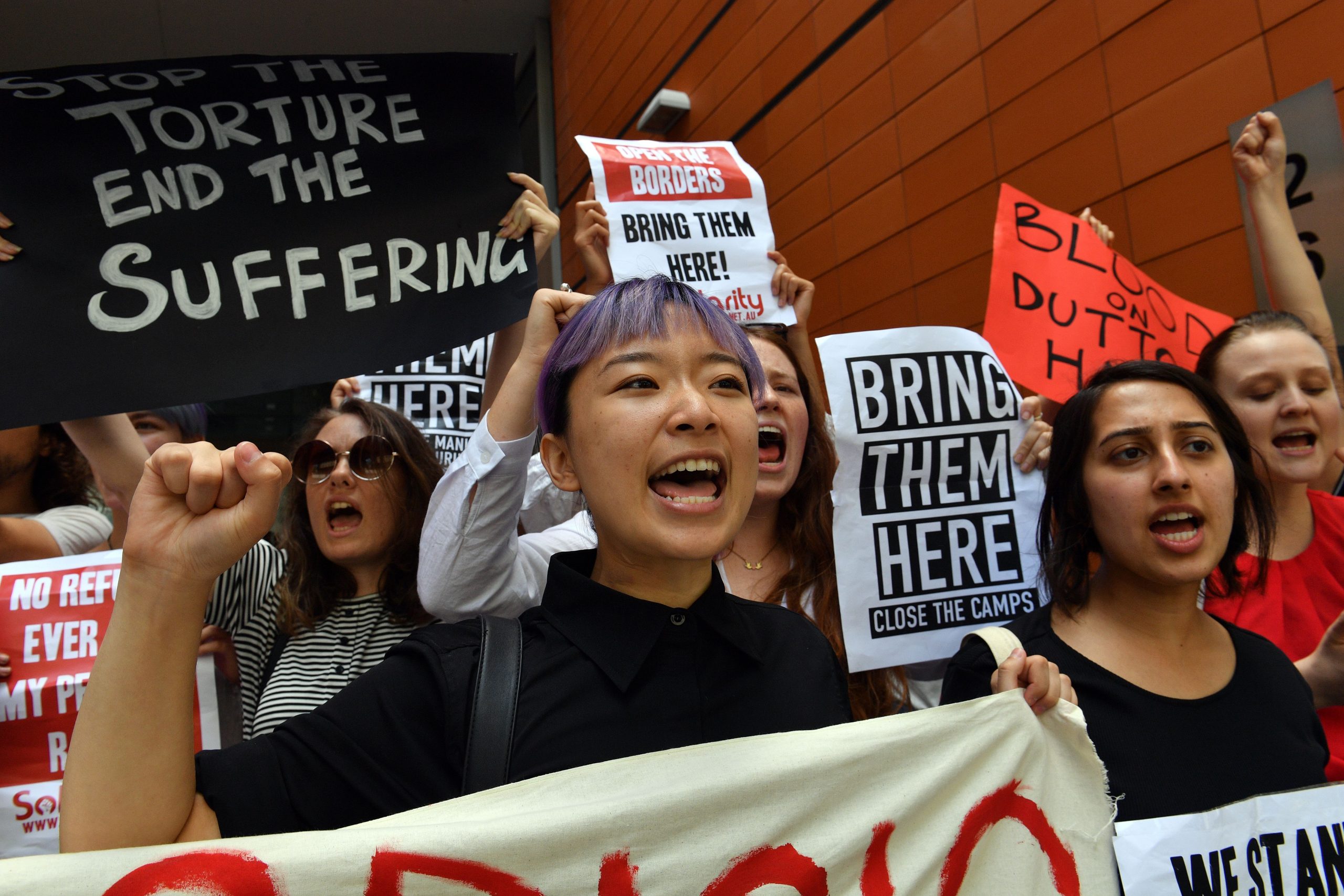
Despite international condemnation, Australia continues to arbitrarily detain refugees and people seeking asylum offshore. After more than eight years, over 200 refugees and people seeking asylum still remain trapped offshore in Papua New Guinea and Nauru. 

14 people have lost their lives as a direct result of this system, with more than $10 billion in taxpayer dollars spent. 

Amnesty International calls on the next Australian Government to end the system of offshore detention and accept the New Zealand offer of resettlement so refugees who have been trapped can finally find safety.

Reforming the Community Sponsorship Program 

Community-led resettlement provides a viable pathway for refugees to rebuild their lives in Australia. It offers a real solution to crises’ like the one unfolding in Afghanistan. But currently, at more than $20,000 per person, the cost of the current program is too expensive and bureaucratic for ordinary Australians who want to welcome refugees into their communities.

Amnesty International calls on the next Australian Government to reform the Community Sponsorship Program, including by making it more affordable and additional to the current humanitarian intake. 

LGBTQIA+ rights 

Research indicates that LGBTQIA+ children and young people are more likely to experience discrimination, bullying and abuse than other children and young people and are significantly more at risk of suicide, self- harm and mental health impacts as a result.

That’s why attempts to wind back the rights and hard-fought protections of LGBTQIA+ people must be rejected. Our laws must protect us all, equally. The rights of one group cannot come at the expense of the rights of others.

Amnesty International calls on the next Australian Government to ensure that no legislation privileges religious views to the detriment of LGBTQIA+ people. 

Covid-19: Ending global vaccine inequality

Covid-19 presents the greatest human rights challenge of a generation. While the development of effective vaccines has provided hope to many, the vaccine roll-out has been massively skewed towards wealthy countries.

In countries like Australia, the government has been buying up available vaccine doses at rates far greater than what’s required to fully vaccinate the Australian population. Combined, this has meant predictable – and artificial – vaccine scarcity for the rest of the world.

Amnesty International calls on the next Australian Government to end global vaccine inequality, redistribute all surplus Covid-19 vaccine stocks to low- and lower-middle income countries and renew the contract with AstraZeneca to produce vaccines domestically. 

Human rights and the climate crisis

The climate crisis is a human rights crisis and it’s already wreaking havoc on the lives of millions of people, deepening inequalities and discrimination, threatening the enjoyment of most of our rights and the future of humanity.

At the COP26 climate summit in Glasgow, Australia was the only country among advanced economies that refused to strengthen its 2030 emissions target. The Australian Government was one of the main blockers of global momentum to reduce emissions by resisting calls for a phase-out of coal.

Amnesty International calls on the next Australian Government to return to the United Nations climate summit next year with a stronger 2030 target.

On the international stage

China

The Chinese government has continued to increase repression to stay in power in Xinjiang, Tibet, Hong Kong and across the country. As a result, it views the global defence of human rights as an existential threat. It has systematically attempted to reframe human rights at international institutions, including the Human Rights Council, opposing the universality of human rights as “Western values.”

Amnesty International’s research has concluded that the Chinese government has committed crimes against humanity in Xinjiang. These crimes have separated people in Australia from their families in Xinjiang, many of whom have had no contact with their loved ones for years.

Amnesty International calls on the next Australian Government to use all bilateral, multilateral, and regional platforms to urge the Chinese authorities to allow independent human rights investigators unrestricted access to Xinjiang and dismantle the system of discrimination and persecution of ethnic minorities in Xinjiang. Learn more here.

Afghanistan 

Since the Taliban took over Afghanistan on 15 August 2021, Amnesty International has reported numerous human rights abuses, including the violent repression of peaceful protests, attacks against human rights defenders and journalists, denying women and girls their right to education, and the unlawful killing of ethnic minorities.

Despite this, the Australian Government has only committed to 3,000 humanitarian places for those fleeing the Taliban, within Australia’s existing intake. In contrast, countries like Canada and the United Kingdom have committed to more than 20,000 additional places. 

Amnesty International calls on the next Australian Government to allocate at least 20,000 humanitarian places, in addition to the existing humanitarian program, to those fleeing the Taliban.

Federal Election responses to what we’re calling for

The Federal Election provides an opportunity for us to engage with MPs, Senators and candidates at a time when they may be at their most receptive.

When we launched the Human Rights Agenda late last year, we sent a copy to all major parties and independents in the House of Representatives and in the Senate, requesting responses to our human rights pledges.

As a non-partisan organisation, Amnesty is not advocating for any particular Party or candidate. We are objectively presenting human rights issues to everyone, and asking that they make these a priority if elected.

List of major parties and where they stand:

  • Liberal Party of Australia – awaiting response
  • Australian Labor Party – read response here
  • National Party of Australia – awaiting response
  • Australian Greens – read response here
  • Centre Alliance – awaiting response
  • Jacqui Lambie Network- awaiting response
  • One Nation – awaiting response

List of current independent members of Parliament and where they stand:

Note: Responses are still being received. This page will be updated regularly.

Want to learn more?

Amnesty International is a global movement of more than 10 million people. For 60 years, we have challenged injustice and campaigned for change. We search out the facts, expose what’s happening and rally people together to pressure governments and those in power to respect human rights. Learn more about our Australian campaigns.

On 21 May 2022, Australians will elect their next government. Ahead of that, Amnesty is calling on the next Australian Government to put human rights – both here at home and abroad – at the heart of all policy decisions and to re-establish Australia’s place in the world as a free, fair and caring country and human rights leader. Read up on our election briefing, Human Rights Agenda for the Next Australian Government (2022).
Hong Kong: Tiananmen vigil convictions an affront to human rights and international law

Responding to the convictions of three Hong Kong pro-democracy figures – Jimmy Lai, Gwyneth Ho and Chow Hang-tung – over their involvement in the city’s annual Tiananmen vigil on 4 June 2020, Amnesty International’s Deputy Secretary General Kyle Ward said:

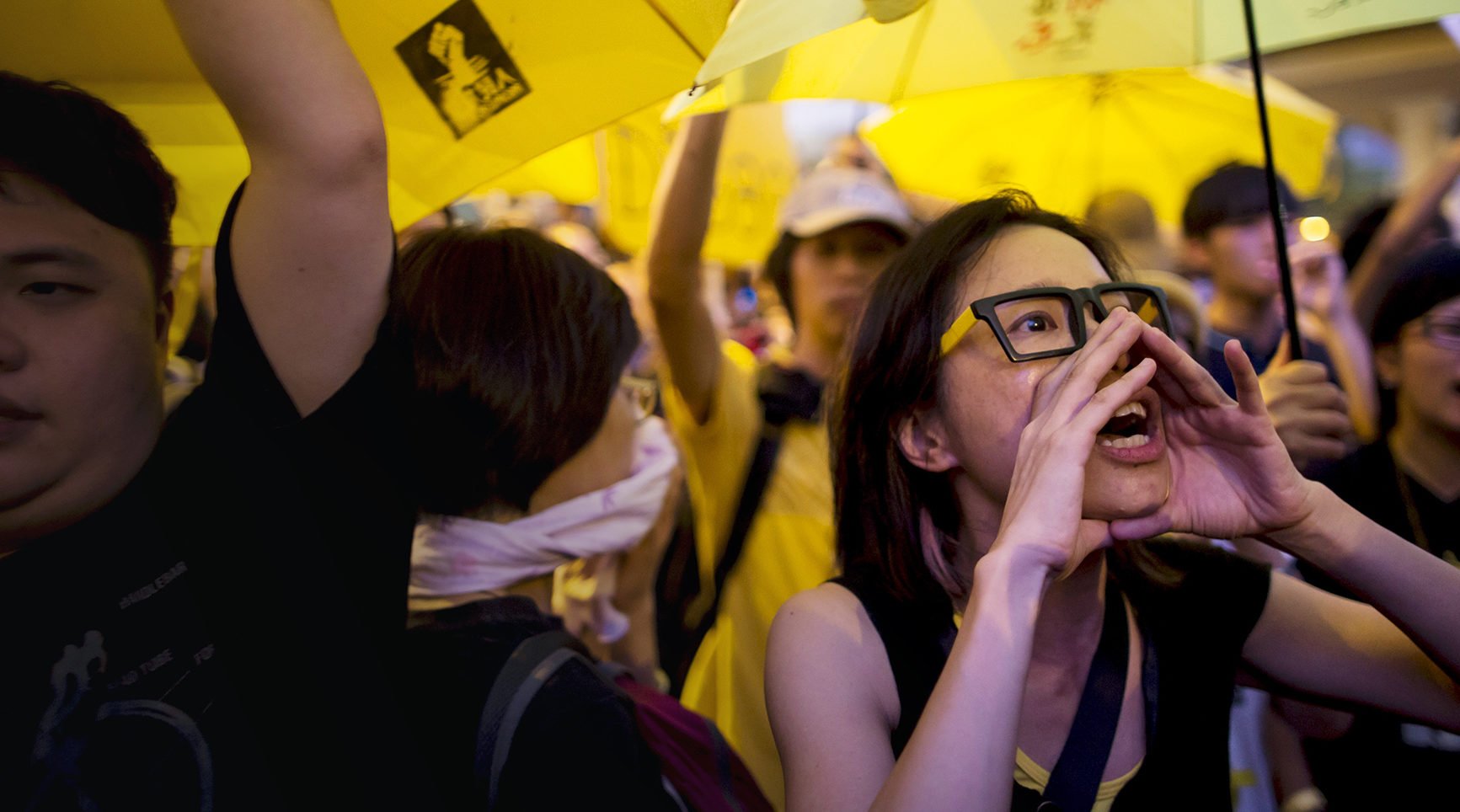
“The Hong Kong government has once again flouted international law by convicting activists simply for their involvement in a peaceful, socially distanced vigil for those killed by Chinese troops on 4 June 1989.

“The authorities have deemed the vigil “unlawful” because the police did not approve it, but peaceful assembly does not need government approval. These convictions merely underline the pattern of the Hong Kong authorities’ extreme efforts to exploit the law to press multiple trumped-up charges against prominent activists.

“People should be free to peacefully mourn and remember the victims of the Tiananmen crackdown – and to prosecute people for doing so is an egregious attack on the rights to freedom of expression and assembly.”

Background

Jimmy Lai and Chow Hang-tung were today convicted of inciting others to take part in the “unauthorized” Tiananmen crackdown vigil in Hong Kong’s Victoria Park on 4 June 2020. Chow Hang-tung was also found guilty of taking part in an “unauthorized” assembly, while Gwyneth Ho was convicted of taking part in an “unauthorized” assembly.

Several who pleaded guilty to charges of participating in an “unauthorized assembly” have already been sentenced to up to 10 months in prison.

Like many other prominent political activists in Hong Kong, Lai, Chow and Ho are facing multiple charges – some that could bring potential life imprisonment under the territory’s national security law. They are currently held in prolonged pre-trial detention without bail.

Jimmy Lai, founder of defunct newspaper Apple Daily, has been held in pre-trial detention for nearly a year and is the subject of a string of prosecutions.

He was arrested in August 2020 for colluding with foreign forces, sedition, and fraud. In April 2021, he was sentenced to 14 months’ imprisonment for organizing and joining illegal assemblies on 18 and 31 August 2019.

The same month, he was additionally charged with colluding with foreign forces and conspiracy to obstruct the course of justice. In May 2021, he was sentenced to a further 14 months’ imprisonment for organizing an unauthorized assembly on 1 October 2019.

Chow Hang-tung is a former leader of the Hong Kong Alliance in Support of Patriotic Democratic Movements of China (the Alliance), which disbanded after authorities used the annual Tiananmen candlelight vigil it has organized for 30 years as evidence of the group “endangering national security”.

In September 2021, she was charged with “inciting subversion of state power” under the national security law, along with two other [former] Alliance leaders. In the same month, Chow was also charged under the national security law with three former leaders of the Alliance after they refused to comply with the authorities’ request to submit information about the Alliance’s members, staff and partner organizations. She was also arrested in June 2021 for “advertising or publicizing unauthorized assembly” after she posted on social media asking people to individually commemorate the Tiananmen crackdown that year as the public vigil was banned again.

Gwyneth Ho, a journalist turned activist, is one of 47 opposition politicians prosecuted earlier this year under the national security law for running in election “primaries” in July 2020. She has been held in pre-trial detention for nearly a year for “conspiring to subvert state power”.

On the evening of 3–4 June 1989, hundreds – possibly thousands – of people were killed in Beijing when troops opened fire on students and workers who had been peacefully calling for political and economic reforms as well as an end to corruption. An unknown number of people were killed and jailed in similar crackdowns throughout the country. No one knows the exact number of fatalities since the Chinese authorities have stifled and censored discussion of the crackdown for the past three decades.

Hongkongers attending an annual Tiananmen vigil in the city’s Victoria Park since 1990 have called on the Chinese authorities to reveal the truth about what happened and take responsibility for the killings. The vigil has been banned for the past two years, ostensibly on Covid-19 grounds.

Under Hong Kong’s Public Order Ordinance, permission from police is required to stage an assembly or procession. Without it, the event is considered “unauthorized” and organizers and participants can be fined or imprisoned. This runs counter to international law, which makes clear that state authorities cannot require prior approval, but only notification, to help facilitate orderly assemblies.

Covid-19: Omicron variant must spur world leaders to share vaccines

To mark the one-year anniversary of the first Covid-19 vaccine administered worldwide, Amnesty International’s Health Advisor, Tamaryn Nelson, said:

The recent emergence of the Omicron variant is a stark reminder of what happens when we fail to address the pandemic at a global level.  

“Experts have been warning us that the pandemic is global in nature and that an unequal distribution of vaccines around the world would only increase the chance of new variants emerging. Yet while some high-income countries have fully vaccinated nearly 90% of their populations, just over 7% of people in low-income countries have received a single dose.  

“Leaders in wealthy countries have been urging their populations to get vaccinated while repeatedly acknowledging the importance of vaccines to end the Covid-19 pandemic – especially in the wake of the Omicron variant. These same leaders, however, seem to forget that this same message applies to everybody around the world.

“It is shocking that wealthy countries, whose populations have all been offered vaccines, continue to hoard hundreds of millions of unused doses while pharmaceutical companies are still sending the lion’s share of their production to these same countries. 

“If we want to stem the tide of new variants and end the pandemic, states that have been stockpiling vaccines must immediately redistribute them whilst also ensuring countries have enough time and resources to adequately carry out a comprehensive roll-out. Likewise, pharmaceutical companies need to realize they are in the business of producing life-saving products that must go where they are needed most, not where they are paid top dollar.”