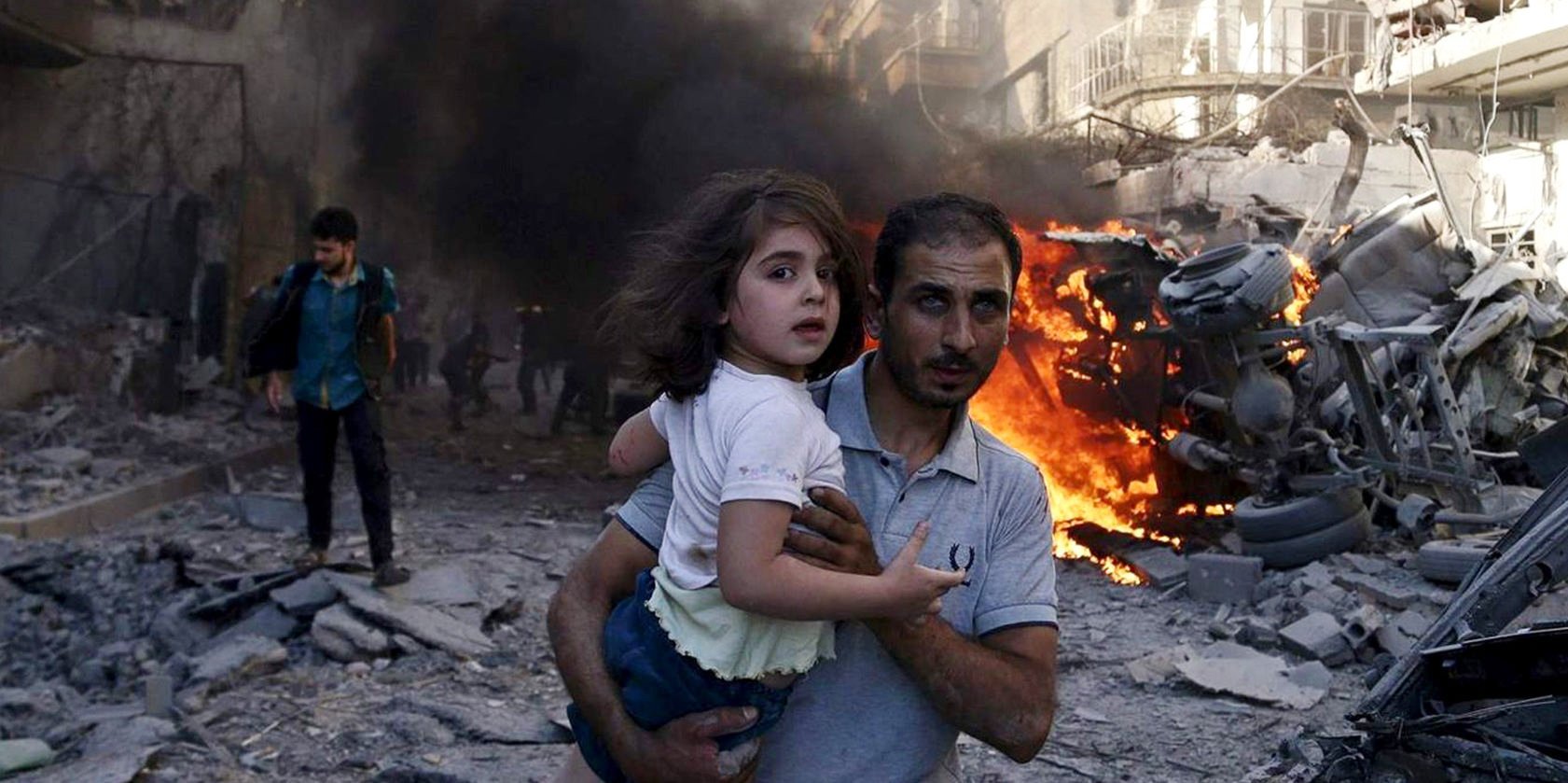
For those fleeing violence and persecution and seeking protection in a far-off country, the journey is never easy one – in fact it’s more often a nightmare. When combined with constantly-shifting government policy and convoluted bureaucratic processes, that nightmare can be extended for years.
This has been the fate of around 24,000 asylum seekers who arrived in Australia by boat between August 2012 and December 2013. After being kept in limbo for years – not knowing whether or not they will be granted refugee status – another new bureaucratic policy change sees them suddenly facing restrictive deadlines to submit application form. Missing this deadline could have life-threatening implications.
Forever-shifting policies
This group of people, the so-called “legacy caseload”, are asylum seekers from countries such as Afghanistan, Iraq and Iran and have been subjected to a number of policy changes over the years, which have had a dramatic impact on their lives.
Initially, they had their processing suspended under former-Prime Minister Julia Gillard’s “No Advantage rule”. This saw some released from detention on bridging visas (initially with no work rights), some released into community detention and some remaining in detention. The apparent arbitrary nature of these decisions, the uncertainty, destitution and separation from family constantly playing on their minds.
With election of the Abbott government at the end of 2013 they were told they would finally be allowed to apply for protection, but only for a rolling three-year Temporary Protection Visa (TPV). It took over a year to get the TPV legislation through parliament (that now also includes the five-year Safe Haven Enterprise Visa) and was coupled with a new “Fast Track” processing system that included a very limited appeal mechanism to a newly-created Immigration Assessment Authority (IAA).
Essentially this has meant that if you don’t get everything right in your first application you risk being rejected, with almost no way to correct a mistake, give additional information and prove you are genuinely in need of protection. The implications of making an incorrect application, particularly for those that English isn’t their first language, are terrifying.
The new fast-track system began in July 2015 with the Department of Immigration (DIBP) sending out letters of invitation to complete the TPV form in batches, and telling others to wait until they received their invitation letter. Many raced to community legal organisations for assistance, only to find that with dramatic cuts to funding for these organisations, they were on waiting lists for what could take months.
An impossible task
Without legal assistance these individuals have been set an almost impossible task, a 60-page form with 101 questions, combined with a detailed statement of claims, all to be completed in English.
Until recently DIBP, acting in good faith, allowed people an extension to the deadline if they could show they were on a waiting list. Without warning however, this policy was changed and the 12,000 people still to apply were sent terrifying letters, stating that if applications were not made (often in very short time frames) they would face sanctions, including the loss of support payments, having their bridging visa and work rights revoked, losing access to Medicare and even having their right to seek asylum withdrawn.
Again, community legal organisations, such Refugee Legal in Melbourne, the Refugee Advice and Casework Service (RACS) in Sydney and others around the country have been inundated by desperate people, fearful after waiting four years to be able to make an application, they would now be excluded. These organisations are scrambling to help complete these forms as quickly as possible, but fears remain they will not be able to complete them all in time.
“Forcing people to apply under these time frames denies them the right to get essential legal help,” Refugee Legal’s executive director David Manne told SMH, “and the most obvious consequence of that is the real possibility of people not being able to make proper application, not getting a fair hearing and being deported to death or torture.”
Can you remember what you were doing in September or October 2012? Think of what you’ve achieved, what you’ve done with your life, with your family, over the last four years. Imagine if instead you’d been kept in limbo during that time, the threat of re-detention hanging over your head, separating you from your family, not knowing when you would finally be truly safe.
It is totally unacceptable that after all these years, all the delays, they may not be given the opportunity to put in an application that properly details their claims for protection. The consequences if they don’t get it right are truly life or death. The government must ensure that all those seeking protection are given this opportunity and that those organisations best placed to support them are appropriately funded and resourced.
We are calling on the government to immediately restore funding to community legal centres, enabling them time to finalise these applications, and to ensure those yet to make an application are given appropriate time to do so. This should include time to receive legal assistance. They should not be threatened with re-detention and loss of benefits during this time.
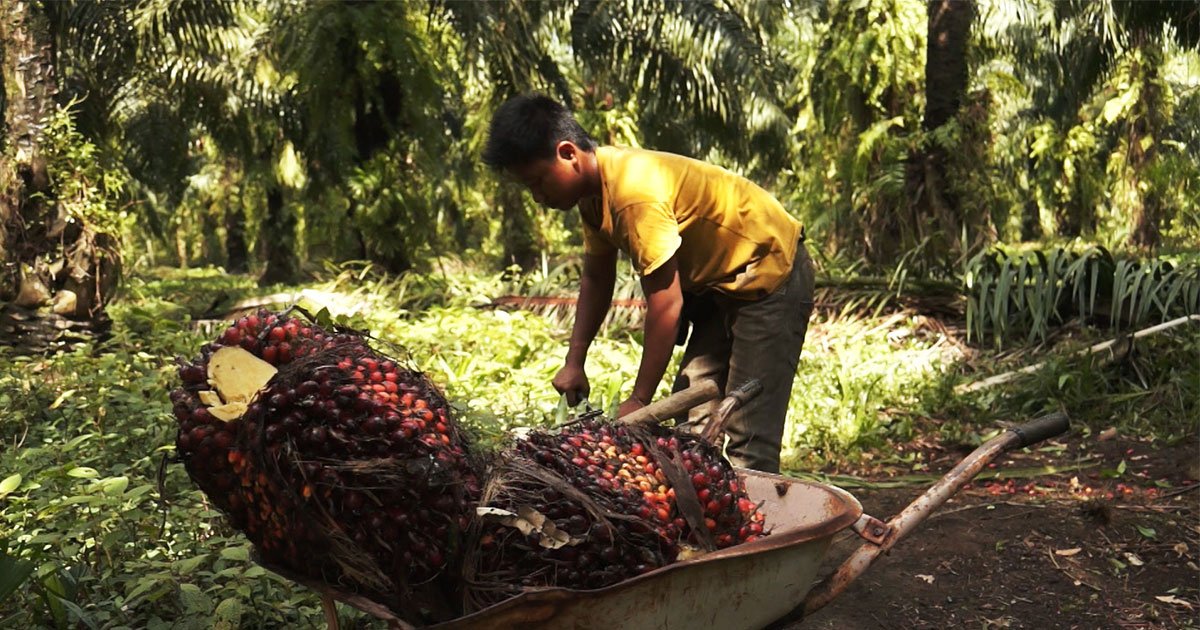
14-year-old Johan* works from 8am till 4pm, six days a week, collecting fruit at a palm oil plantation in Indonesia. “My palms hurt and my arms are tired and sore,” said Johan. “The foreman asks me every day whether my block was completed or not. They have never asked why I am not in school.”
Johan is just one of the young plantation workers Amnesty researchers interviewed for the report The Great Palm Oil scandal – some workers are as young as nine. The report found that labour exploitation, including child labour, was rife on palm oil plantations in Indonesia. These plantations provide palm oil to Wilmar, the world’s largest processor and merchandiser of edible oil in the world – oil you’ll find in everyday products from your toothpaste to a KitKat (watch the video below to find out the hidden truth in your shopping trolley).
Johan studied till grade six but was forced to leave to help his father work after be became ill. “He has helped me for the last two years”, said his father Akmal*. “He doesn’t go to school because I often feel unwell and can’t meet my target. My son collects fruits and when I am tired, he harvests and transports fruits to the collection point.”
Akmal has two other children, aged 10 and 12 who also help out at the plantation after school, as does his wife.
“I regret leaving school,” Johan told Amnesty. “I would have liked to gone to school to become smarter. I would like to become a teacher.”
“I carry the sack with the loose fruit by myself but can only carry it half full. It is difficult to carry it, it is heavy”
Companies turning a blind eye to child labour
“Companies are turning a blind eye to exploitation of workers in their supply chain,” said Meghna Abraham, Senior Investigator at Amnesty International.
“Despite promising customers that there will be no exploitation in their palm oil supply chains, big brands continue to profit from appalling abuses. These findings will shock any consumer who thinks they are making ethical choices in the supermarket when they buy products that claim to use sustainable palm oil.”
Johan is just one of the children Amnesty spoke to who is forced into labour to keep his family from poverty.
Felix*, who’s 10, dropped out of school after the second grade to help his father at a Wilmar supplier. “I help my father from 6am-12pm every day from Monday to Saturday,” said Felix. “I don’t go to school…I only pick up the loose fruit.
“I carry the sack with the loose fruit by myself but can only carry it half full. It is difficult to carry it, it is heavy. I do it in the rain as well but it is difficult. The hardest thing is to gather the loose fruit because they are heavy. My hands hurt and my body aches. I see other children helping their parents.”
His father, Michael* said he gets a bonus from the loose fruit that his children collect. “That’s why my kids help me. I wouldn’t be able to meet the target… otherwise…”
These abuses must stop now. Amnesty International is calling on the Indonesian government to improve enforcement of the country’s labour laws and to investigate the abuses set out in the report. Find out more in the full report.
In response to UN Secretary-General António Guterres’ annual report on special measures for protection from sexual exploitation and abuse, issued today, Amnesty International’s Senior Crisis Response Adviser Joanne Mariner said:
“UN Secretary-General António Guterres rightly recognizes that sexual abuse by UN peacekeepers and other UN personnel is a cruel and inexcusable wrong that soils the reputation of the United Nations as a whole. Amnesty International welcomes his effort to institute a broad range of reforms to better address this scourge.
“Amnesty International’s research has convinced us that impunity is a core problem encouraging sexual abuse. Very few UN peacekeepers and other UN personnel suspected of criminal responsibility for crimes of sexual violence ever face a real threat of criminal prosecution for their crimes.
“Given this disheartening fact, we are encouraged by the Secretary-General’s proposal to stop paying countries that fail to investigate abuse allegations against their troops in a timely manner, and to put that money instead into a trust fund to assist survivors. We call on the UN General Assembly to endorse this proposal and for member states to implement it.
“We are concerned, nonetheless, that there is still insufficient pressure on member states to ensure that incidents of sexual abuse are fairly investigated and prosecuted.
“Amnesty International views other measures announced by the Secretary-General as positive, including the new orientation toward empowering victims of abuse, the stricter vetting of UN personnel, the creation of a new post of victims’ rights advocate, the development of a ‘special protocol’ to prevent sexual abuse and exploitation, the extension of the post of Special Coordinator on improving the UN’s response to sexual exploitation and abuse, the establishment of a ‘circle of leadership’ comprising heads of state, and the creation of a special advisory board made up of civil society leaders and experts to make recommendations for preventing such abuse.
“We look forward to engaging with the United Nations and member states to help ensure that this broad reform agenda is taken forward with the necessary resources and political will.”
Amnesty International has corroborated new evidence the Saudi Arabia-led coalition recently fired Brazilian-manufactured rockets containing banned cluster munitions striking three residential areas and surrounding farmland in the middle of Sa’da city, injuring two civilians and causing material damage.
The attack, which took place at 10.30pm on 15 February 2017, is the third confirmed use of Brazilian-manufactured cluster munitions documented by Amnesty International in the last 16 months.
“Cluster munitions are inherently indiscriminate weapons that inflict unimaginable harm on civilian lives. The use of such weapons is prohibited by customary international humanitarian law under all circumstances.” Lynn Maalouf, Director of Research at Amnesty International’s Beirut regional office
“The Saudi Arabia-led coalition absurdly justifies its use of cluster munitions by claiming it is in line with international law, despite concrete evidence of the human cost to civilians caught up in the conflict,” said Lynn Maalouf, Director of Research at the Beirut regional office.
“Cluster munitions are inherently indiscriminate weapons that inflict unimaginable harm on civilian lives. The use of such weapons is prohibited by customary international humanitarian law under all circumstances. In light of mounting evidence, it is more urgent than ever for Brazil to join the Convention on Cluster Munitions and for Saudi Arabia and coalition members stop all use of cluster munitions.”
Following the rocket attacks, Amnesty International interviewed eight local residents over the phone, including two witnesses – one of whom was injured in the attack. It also spoke to a local activist and analyzed photographic and video evidence provided by the national munitions watchdog, the Yemen Executive Mine Action Centre (YEMAC), which inspected the site within 30 minutes of the attack.
YEMAC staff also confirmed the use of the same type of cluster munitions in a separate attack that occurred in late January in the directorate of Abdeen, five kilometres south of Sa’da city.
Neighbourhoods affected
According to witnesses and local residents, rockets struck the residential areas of Gohza, al-Dhubat and al-Rawdha, resulting in submunitions also landing on homes in al-Ma’allah and Ahfad Bilal, as well as on the new and old cemeteries in the middle of the city, and surrounding farms.
Latifa Ahmed Mus’id, 22, described the attack in Ahfad Bilal, which took place while she was asleep at home. She was with her husband Talal al-Shihri, her three-month old son, Hasan, and three-year old son, Hussain.
“The bomb came into the house, into the bedroom from the ceiling. There is a big round hole in the ceiling. At the time, we heard a big explosion and seconds later the bomb exploded in the room and we got hurt. Three exploded right outside the house… The children were unhurt but in shock… My husband sustained shrapnel injuries on his foot. I hurt my left foot and we went to al-Salam hospital that very night.”
“We were forced to leave our home in Baqim when it was bombed. The bomb went right into our living room and destroyed the house. Everyone had to leave the area. The bombardment was constant.”
Latifa Ahmed Mus’id, 22
The family fled 78km to Sa’da city four months ago after their home in Baqim, 12km south of the Saudi Arabian border was bombed.
“We were forced to leave our home in Baqim when it was bombed. The bomb went right into our living room and destroyed the house. Everyone had to leave the area. The bombardment was constant. We left two-three months after the strike on our house… We made our way to Sa’da on foot.
We walked for 20km and I was six months pregnant at the time and then a car gave us a lift to Sa’da city.”
A local resident of al-Ma’allah, one of the affected areas in the recent attack, described to Amnesty International hearing a loud explosion.
“I heard a really loud sound. And directly after I heard very dense sounds, as if something was spreading. It was so rapid and it lasted 20-30 seconds.”
Head of the YEMAC 12th team Yahya Rizk told Amnesty International about his team’s visit to the neighbourhoods of al-Rawdha and Ahfad Bilal.
“We found one carrier and one unexploded submunition in al-Rawdha. Al-Rawdha is a densely populated area where bombs [submunitions] penetrated the roofs of two houses. One bomb went through the roof and injured a man and his wife in Ahfad Bilal – it went into their bedroom at [approximately] 11pm. They were taken to the hospital the same night.
“Most of the damage was to the property, houses and cars. We noted 12 impact holes in al-Rawdha, by the fruit farms. And 12-13 impact sites in Ahfad Bilal. We found one unexploded bomb [submunition] in al-Rawdha which came down from a tree and landed in the soil, which we photographed.”
Members of the YEMAC team also confirmed carrying out a sweep of residential areas in densely populated Gohza where they noted impact holes and damage to houses. Yahya Rizk said, “The bombs [submunitions] landed in people’s porches and between houses. They all exploded and no people injured. But windows were all broken and up to 30 cars damaged.”
Based on the description of the YEMAC team, and after examining photographs and videos of the aftermath of the attack, including photos of the carriers and one unexploded submunition, Amnesty International was able to identify the remnants used in the attack as being an ASTROS II surface-to-surface rocket.
The ASTROS II is a truck-loaded, multiple launch rocket system (MLRS) manufactured by Brazilian company Avibrás. ASTROS II is capable of firing multiple rockets in rapid succession, with each rocket containing up to 65 submunitions, with a range of up to 80km, depending on the rocket type.
Amnesty International documented the first known use of these types of cluster munitions in Yemen on 27 October 2015 on Ahma north of Sa’da city, which wounded at least four people, including a four-year old girl.
“How many more civilians need to be killed, injured, or see their property destroyed through use of these internationally banned weapons, before the international community condemns the use of cluster munitions by the Saudi Arabia-led coalition and pressures coalition members to immediately become parties to the Convention on Cluster Munitions?”
Lynn Maalouf
In May 2016, Amnesty International found further evidence of the same type of cluster munitions in villages 30km south of the Saudi Arabian border in Hajjah. As recently as December 2016, Human Rights Watch also documented the use of Brazilian-manufactured cluster munitions on Sa’da city.
To date, Amnesty International and Human Rights Watch have documented the use of seven types of air-delivered and ground-launched cluster munitions made in the USA, the United Kingdom, and Brazil. The coalition has admitted using UK and US-made cluster munitions in attacks in Yemen.
“How many more civilians need to be killed, injured, or see their property destroyed through use of these internationally banned weapons, before the international community condemns the use of cluster munitions by the Saudi Arabia-led coalition and pressures coalition members to immediately become parties to the Convention on Cluster Munitions?” said Lynn Maalouf.
Background
Cluster munitions contain between dozens and hundreds of submunitions, which are released in mid-air, and scatter indiscriminately over a large area measuring hundreds of square metres. They can be dropped or fired from a plane or, as in this instance, launched from surface-to-surface rockets.
Cluster submunitions also have a high “dud” rate – meaning a high percentage of them fail to explode on impact, becoming de-facto land mines that pose a threat to civilians for years after deployment. The use, production, sale and transfer of cluster munitions is prohibited under the 2008 Convention on Cluster Munitions, which has almost 100 states parties.
On 19 December 2016, the Saudi-run Saudi Press Agency reported that the Saudi Arabian government would stop using a UK-made cluster munition, the BL-755 but contended that, “international law does not ban the use of cluster munitions” and while some states are party to the Convention on Cluster Munitions (CCM), “neither the Kingdom of Saudi Arabia nor its coalition partners are state parties” to the CCM. It further claimed that UK-made cluster munitions used by the coalition had been used against “legitimate military targets” and that the cluster munitions were “not deployed in civilian population centres” and that the coalition “fully observed the international humanitarian law principles of distinction and proportionality.”
While Amnesty International is aware of the presence of a military objective, Kahlan Military base, 3km north-east of the city of Sa’da, the presence of a military objective in itself would not have justified the use of internationally banned cluster munitions – particularly not its use on populated civilian neighbourhoods. And even though Brazil, Yemen, Saudi Arabia and members of the Saudi Arabia-led coalition participating in the conflict in Yemen are not parties to the Convention, under the rules of customary international humanitarian law they must not use inherently indiscriminate weapons, which invariably pose a threat to civilians. The customary rule prohibiting the use of inherently indiscriminate weapons applies to their use under all circumstances, including when the intention is to target a military objective.
Female genital mutilation (FGM) survivor Khadija Gbla chats to Holly Enriquez about her journey from Sierra Leone refugee to Australian Anti-FGM campaigner.
How did your Anti-FGM campaigning begin?
I’m a survivor of female genital mutilation (FGM). I was mutilated when I was between the ages of 9 and 10 in Gambia. My mum had an older lady perform it on me and it was so traumatic that I had post-traumatic amnesia. I came to Australia [as a refugee] in 2001 and one day I came across a sheet of paper that had the different types of female genital mutilation on it and that triggered my memory. I knew then that this terrible act of child abuse had happened to me and it was happening to other little girls across the world.
I wanted to channel the anger, the pain and all the raw emotions into something good, otherwise it was going to consume me. And so I started speaking out and I started advocating. I started doing education with girls here in Australia who come from communities that practise FGM. I started saying to little girls: “We need to stand up, we need to speak up, we need to be aware that FGM is something that can happen to you, even if you’re now living in Australia”.
“I wanted to channel the anger, the pain and all the raw emotions into something good, otherwise it was going to consume me”
In 2013 I met Paula Ferarri and Sybil Williams and we founded No FGM Australia. We are a national organisation that educates and works with child abuse survivors, such as myself, who live with the health consequences of FGM which are life-long. I just want to protect girls, whether they are black, white, blue, green – it doesn’t matter where a child has come from or who their parents are, we should give them protection.
Why don’t we hear more about FGM happening here in Australia?
According to our statistics, we have 83,000 women and girls living in Australia who have already been affected by FGM. The secrecy and the silence is the way FGM is perpetrated. These communities come to Australia as refugees or migrants and they try to settle. They face discrimination, they are trying to get jobs, they are trying to support their families back home and they become quite insular. And so, they are able to perpetrate FGM. When you have that bigger battle against racism, your cultural rites become all you have. It becomes your identity, it becomes even more important to you to hold on to them.
“When you have that bigger battle against racism, your cultural rites become all you have. It becomes your identity, it becomes even more important to you to hold on to them”
Of course there are beautiful, wonderful parts of migrant cultures which Australia has benefited from – food, culture, music – but we also have the negatives. Child abuse and violence against women is perpetrated in all cultures, and FGM is just one manifestation of this abuse. Australia has laws against FGM, obviously. But the reality is that people don’t just let go without the education that it’s illegal, has harmful health side effects and no benefits whatsoever.
When somebody takes a knife or scissors or a razor blade, or whatever they could find, and starts cutting away at your labia or your clitoris – or just cutting and mutilating your vagina and you are told that this is for your best interest; that this will make you a woman; that this is your culture; that you are now clean and pure… It’s hard to fight against those lies.
What are the health consequences of FGM?
If you don’t bleed to death when you are mutilated, you can suffer from incontinence, infertility, cysts, fibroids, very painful periods, sexual dysfunction, vulnerability to contract infections… it never ends really.
What are your thoughts on male circumcision?
I don’t believe in male circumcision. I don’t believe that we need to be mutilating children regardless of gender, full stop. But FGM and male circumcision are not the same. The intent of FGM is to take away the sexuality of women, to reduce their sexual libido and to reduce their sexual pleasure. The intent for male circumcision is not the same – it’s for cleanliness. It is believed that there are health benefits, like reducing infection and reducing the probability of getting HIV. FGM has no health benefits and has lifelong health consequences. The male equivalent of female genital mutilation would be the removal of a man’s whole penis. And if that’s what was happening, the whole world would have stopped by now.
What is the proudest moment in your career?
Anybody who works against FGM or to end domestic violence will tell you it’s hard work and it’s emotionally draining. When you are personally affected, you have the added element of the trauma. But people need to hear real human stories for them to take action and to feel like this is real. I have been ostracised from my community because of my work against FGM. I have been told I am a traitor; that I am not African any more. I have received death threats and people have turned up at my home. I have to take so many safety precautions, but what makes it all worthwhile is when I know there is a woman out there who says I have validated their experience.
“The male equivalent of female genital mutilation would be the removal of a man’s whole penis. And if that’s what was happening, the whole world would have stopped by now”
One story I love is a young girl, when I went to her school to give a speech about women’s rights and FGM, she said: “Khadija, you saved my life. A couple of years ago you came and did a session on FGM with me and a group of young African girls. You said that we were not safe from FGM, even though we were in Australia. That we had to remember that our parents still believe in this act, but, that we need to know that we can protect ourselves.”
I remember I had said to them that if your parents come and say they are taking you back home for a special trip ‘to become a woman’, please tell me or call somebody for help. She said a couple of years later her mum did come home and she said they were going back to Africa so she can become a woman. She remembered my words and she spoke to her dad and said: “I think mum plans to have FGM done to me”. Her dad was able to then put some safety plans in place. I am happy to say that that young girl is now 25, she’s in Australia at university, she is doing very well and her vagina and her private parts are just the way God made them. She is safe.
And I know because she is safe and she has this knowledge, this powerful information, that she will keep her younger siblings safe. These are the proudest moments of my life. These moments outweigh any negatives, any threats. They outweigh any concerns I have because when you save one girl in a family, you are saving a whole generation. When that girl doesn’t have FGM, it means her siblings will not have FGM. It means her daughter will not have FGM. That’s how we end female genital mutilation.
Call 1800 522 707 if you are in danger of FGM or if you know of a girl in danger of FGM.
Visit No FGM Australia for further information on female genital mutilation.
The adoption of a draft law by the Philippine House of Representatives to revive the death penalty sets the country on a dangerous path in flagrant violation of its international legal obligations, Amnesty International said today.
“The idea that the death penalty will rid the country of drugs is simply wrong. The resumption of executions will not rid the Philippines of problems associated with drugs or deter crime. It is an inhumane, ineffective punishment and is never the solution. The Philippines’ attempts to reintroduce it are clearly unlawful. This will just earn the country notoriety as one of the few countries to revive its horrific use,” said Champa Patel, Amnesty International’s Director for Southeast Asia and the Pacific.
Today, the House of Representatives of the Philippines adopted on its third and final reading of House Bill 4727, a measure put forward by President Duterte’s majority coalition to reintroduce the death penalty.
“The resumption of executions will not rid the Philippines of problems associated with drugs or deter crime. It is an inhumane, ineffective punishment and is never the solution.”
Champa Patel, Director for Southeast Asia and the Pacific
The proposal was passed with 216 votes in favour, 54 against and one abstention. The Speaker of the House openly threatened to strip members of Congress of key positions if they dared to vote against the bill, or even abstain from voting. The bill will now go to the Senate.
“The Senate is now the Philippines’ last real hope of upholding its international obligations and rescuing the country from this backwards step,” said Champa Patel.
The draft law has been passed at a time when the country is reeling from a wave of more than 8,000 deaths, many of them through extrajudicial executions in its “war on drugs” since President Rodrigo Duterte came to power on 30 June 2016.
Amnesty International is opposed to the death penalty for all crimes and in all circumstances. Under international law, the death penalty must be restricted to most serious crimes, and drug related crimes do not meet this threshold. There is also no evidence to show that the death penalty has a unique deterrent effect.
“The death penalty for alleged drug offenders, like extrajudicial executions, violates international law, deprives people of the right to life, and disproportionately targets the poor,” said Champa Patel.
In 2007 the Philippines ratified an international treaty that categorically prohibits executions and commits the country to the abolition of the death penalty. Legally, this obligation cannot be withdrawn at any time.
Since the death penalty was abolished in 2006, the Philippines has been a strong advocate against capital punishment and has championed several initiatives to this end in international forums. It has also worked to commute the death sentences imposed on Filipino nationals abroad, such as overseas workers.
“If the Philippines authorities want to deal with the root causes of drug-related offences, they should support humane, voluntary, health-focused and evidence-based policies as an alternative,” said Champa Patel.
Background
House Bill 4727 is a consolidated version of several proposals adopted by the Sub-Committee on Judicial Reforms of the Committee on Justice of the House of Representatives on 29 November 2016.
As of today, 141 countries have abolished the death penalty in law or practice; in the Asia Pacific region, 19 countries have abolished the death penalty for all crimes and a further eight are abolitionist in practice. The new Criminal Code of Mongolia abolishing the death penalty for all crimes will become effective in July 2017.
Today is a very special day in our human rights calendar. It’s International Women’s Day (IWD). A day in which the incredible feats of women are championed and the inequalities and prejudices against us that still exist today are challenged globally.
In 2017 the theme of IWD is #Beboldforchange, so we wanted to shine the spotlight on 15 incredibly bold and inspirational women in Australia who are joining the fight against inequality and the injustice against their fellow humans beings. It’s women such as these who inspire us to keep fighting for human rights.
1. Rosie Batty
Domestic violence campaigner Rosie Batty has been through more trauma than most of us could fathom, but instead of letting it consume her, she chose to fight, setting up the Luke Batty Foundation in memoriam of her late son.
The 2015 Australian of the Year says on neveralone.com.au: “Together we will give victims a voice and demand our leaders act. We will stand with the victims of family violence so that they are supported in the community and have a powerful voice in the corridors of power. That’s my mission – but I can’t do it alone.”
2. Gillian Triggs
Once a ballerina, Law Dean and international lawyer, Emeritus Professor Gillian Triggs is now the President of the Australian Human Rights Commission, where she tries to keep Australia on pointe in following international law. Gillian has achieved crucial progress on difficult human rights issues during her presidency.
Her work has included leading a national inquiry that provided evidence of the experiences of children and families held in Australia’s immigration detention centres, and recommending their release into the community. “I will continue to push for the implementation of Australia’s human rights obligations into domestic law,” Gillian says.
3. Antoinette Braybrook
Lawyer and CEO of the Aboriginal Family Violence Prevention and Legal Service (FVPLS), Kuku Yalanji woman Antoinette Braybrook came from humble beginnings. Growing up in rural Victoria, Antoinette experienced racial abuse and as a result, chose not to continue with her studies. However, at the age of 30, Antoinette decided to pursue her dream of studying law, which she says was “one of the hardest things I have ever done”.
Her determination paid off. Just today, Antoinette was awarded the 2017 Inspirational Women of Yarra Award and in 2015, the Law Institute of Victoria’s Access to Justice Award for her work ensuring that Aboriginal women can live free from violence. Antoinette says one of the pivotal moments in her career came when she helped to shape recommendations following the Victorian Government’s Royal Commission into Family Violence. “I’m proud that Aboriginal and Torres Strait Islander women are now finally starting to receive the attention they deserve,” she says.
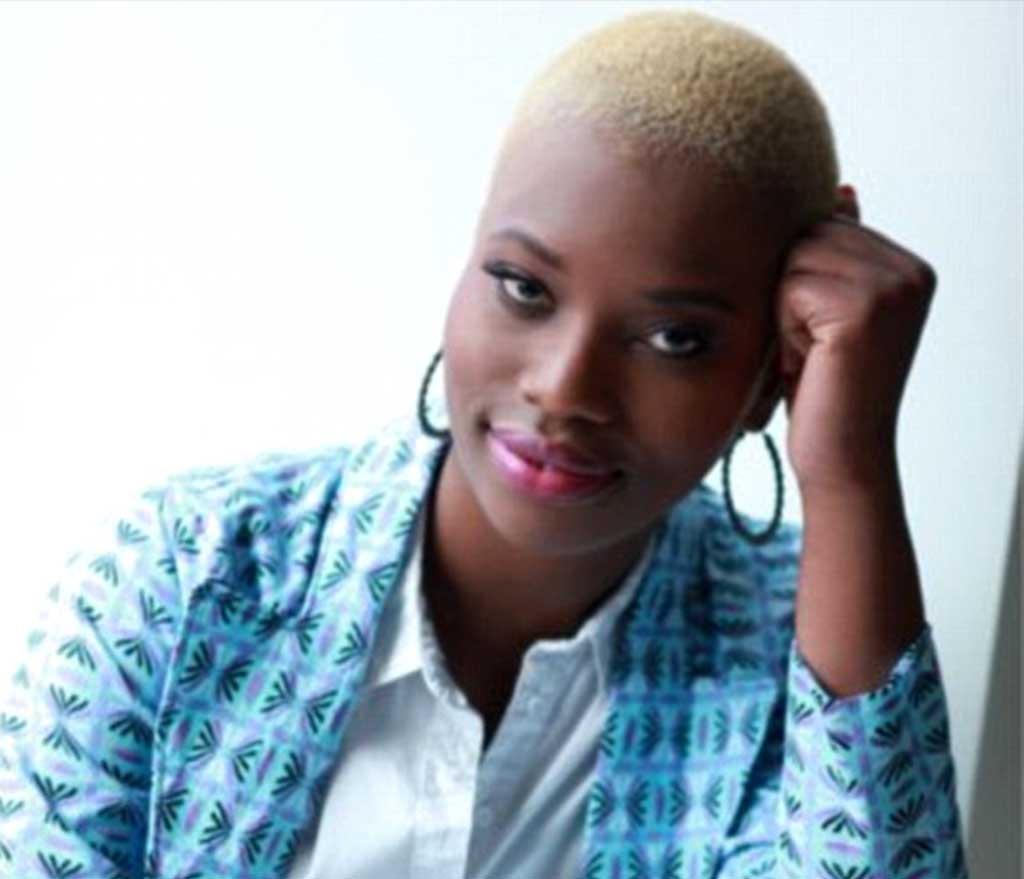
4. Khadija Gbla
Anti-FGM campaigner Khadija Gbla was born in Sierra Leone and resettled in Australia with her family as a teenager. Khadija survived female genital mutilation (FGM) at the age of nine, but had blocked out the trauma of the event until she reached adulthood.
“I knew then that this terrible act of child abuse had happened to me and it was happening to other little girls across the world,” says Khadija. “I wanted to channel the anger, the pain and all the raw emotions into something good, otherwise it was going to consume me,” she adds. Khadija later co-founded No FGM Australia, an organisation that supports survivors of FGM and educates girls who might be at risk of FGM. Though she receives constant threats over her advocacy work, she says it’s all worthwhile when she hears the words: “You saved my life”.
5. June Oscar
In April 2017, inspirational Bunuba woman June Oscar will begin her term as the Aboriginal and Torres Strait Islander Social Justice Commissioner – and there couldn’t be anyone more deserving of the position. Among many other accolades, June recently received the the Menzies School of Health Research Medallion for her tireless work to reduce Fetal Alcohol Spectrum Disorder (FASD).
June says she owes her success to the people she is surrounded by. “I have a fundamental belief that when we inspire others we transfer positivity from one person to another,” she says. “We create a community of positivity. A collective who believe that impactful and meaningful change is possible when we influence each other with positive thoughts, supports and feelings.”
6. Sally Rugg
Sally was named one of Australia’s most influential LGBTQI people by both Cosmopolitan Magazine and Mamamia this year, and we can certainly see why. Sally is an LGBTQI rights campaigner, public speaker and volunteer youth mentor who played a pivotal role in the successful campaign to stop the plebiscite on equal marriage. Oh — and she also has a full-time job as Creative Director at Getup.
Sally says it’s young people that inspire her to keep striving for equality. “I’m constantly inspired by the new generation of transgender kids fighting for their rights, who aren’t waiting around for adults to catch up and are constantly educating people with their personal stories. They are trailblazers and it’s so exciting seeing them shine.”
7. Cheree Toka
Kamilaroi woman Cheree Toka has a dream: for a third flag to fly atop the harbour bridge. “One that acknowledges and celebrates our ancient and authentic Indigenous culture; the red, black and yellow Aboriginal flag,” she wrote for an online petition via Change.org. But she could never have imagined how much support her campaign would receive.
“We have reached close to 30,000 supporters and are in the process of collecting 10,000 hard copy signatures to present to NSW Parliament for discussion,” says Cheree. “I am very proud to represent my people and culture – it isn’t a win just yet, but do stay tuned!”
8. Nicole Yade
“I am so inspired by the many refugees, asylum seekers and migrants I meet who have survived so much and ask for so little,” says Nicole Yade, who has worked in the community services sector for over 20 years.
Nicole is the brains and heart behind the 2016 initiative Good Neighbour, which provides training to community members to be ‘good neighbours’ to newly arrived refugees and asylum seekers. She soon hopes to make this initiative Australia-wide. “As a community we cannot be strong if we do not stand together,” she says. “Together we can be our best selves and be proud of what we can achieve together.”
9. Professor Rosemary Kayess
At the age of 20, Rosemary Kayess sustained a spinal-cord injury in a car accident. Now a Visiting Fellow and Senior Lecturer in the Faculty of Law at the University of New South Wales, Rosemary has has since devoted her career to human rights and discrimination law.
Her proudest career moment, she says, was her contribution to the Convention on the Rights of Persons with Disabilities, which entered into force in 2008. “There’s definite energy and movement on disability rights following the Convention,” says Rosemary. “It’s that energy that keeps you going.”
10. Lizzi Price
Sydney-based activist Lizzi Price has been fighting for the rights of the LGBTQI community for the best part of a decade, but she says her proudest moments come every March when she marches at Mardi Gras. “Every time we march in the parade, we let the world know that LGBTQI rights are human rights,” she says.
“Having Amnesty support LGBTQI human rights sends a powerful message to LGBTQI people who are fighting for equality, a message that we are born free and equal, in dignity and rights.”
11. Shukufa Tahiri
Afghanistan-born Shukufa Tahiri and her family fled the Taliban in 1999, and were granted refugee status in Australia in 2006. Now 23-year-old Shukufa gives back to Australia by working for the good of others as a volunteer and Policy Assistant at the Refugee Council of Australia while completing her law degree.
She recalls fondly, “I helped enable a family reunion between an agonised mother and her 15-year-old son. They separated in very difficult circumstances and in the context of war when he was only an infant. Seeing them walk together the other day made me joyfully teary and proud. This kind of reunion is a profound manifestation of human rights.”
12. Justice King
At just 15 years old, mental health campaigner and Waayni woman Justice King launched her first mental health campaign in her local community of Mt Isa. The inspirational 19-year-old now runs three community campaigns to raise awareness and break down the taboos surrounding mental illness.
2016’s Queensland Young Achiever says: “We, the youth of today are the Elders of tomorrow and it is our responsibility to make the change we want to see in the world. I have seen young people who once struggled with poor mental health overcome their boundaries and become positive role models within their community.”
13. Dr Barri Phatarfod
That medical staff are now able to speak out against the mistreatment of refugees in offshore detention centres like Nauru is largely thanks to Dr Barri Phatarfod. Doctors for Refugees, which Barri founded, launched a High Court challenge against the secrecy provisions within the Border Force Act in early 2016.
The Border Force Act stated that contractors who disclose ‘protected information’ can face up to two years imprisonment, which Barri says directly conflicts with the professional and ethical obligations doctors have sworn to uphold. ”Once we had filed our case, the government late last year finally amended this law to exempt health professionals,” says Barri. “This is a win for the longstanding tradition of doctors caring for patients irrespective of their background and circumstance and free from political hysteria.”
14. Dorothy Bennett
ACT-based Dorothy Bennett is celebrating more than one milestone this year – it’s her 90th birthday and her 47th year as a human rights activist. Dorothy joined Amnesty International in 1970 to give a voice to those who had been silenced or forgotten and continues her great work to this day.
Just last year, Dorothy gathered 543 letters from her church community in support of individuals who are at risk of persecution. “The good news reports encourage me to believe that individuals can make a difference just by writing letters and people of all ages can participate in this,” she says.
15. Claire Mallinson
Amnesty International Australia’s National Director has been at the helm of the organisation for over nine years and her resolve remains unwavering. Claire says that the courage of the people she fights to protect, and the many wins she has been a part of make it all worthwhile.
“Some highlights for me include working with partners to help secure a national plan of action to reduce violence against women and children; working with our Indigenous partners to enable communities to stay on their Homelands in central Australia and putting the over-representation of Aboriginal and Torres strait Islanders in the justice system on the Government’s agenda,” says Claire.
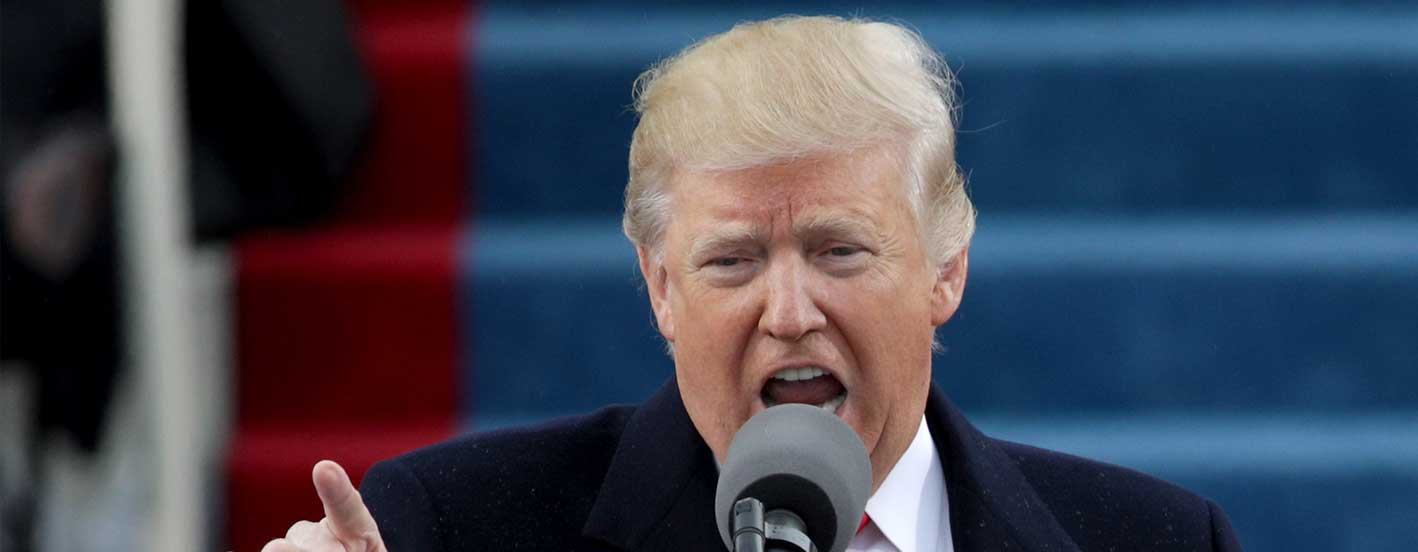
For those who watched appalled as Donald Trump won the US presidential election basing his election on a platform of fear, xenophobia and hate, there was always the consolation that his poisonous campaign rhetoric might be a mere vote-winning strategy. Just words.
Yet the new President has swiftly backed up this hateful discourse with a series of repressive executive orders, which will have far-reaching, catastrophic consequences. This is not just a US problem. The policies of Trump’s White House will have a ripple effect in all corners of the globe, with the most vulnerable hit the hardest.
On Monday, following weeks of suspense, the White House issued a revised executive order – a Muslim ban by any other name. With the stroke of a pen, the President again shut the door to anyone from Syria, Iran, Libya, Somalia, Sudan and Yemen. Not only are these all predominantly Muslim countries; they are places where most people seeking asylum are fleeing conflict and human rights violations. Make no mistake: people will lose their lives because of it.
“With the stroke of a pen, the President again shut the door to anyone from Syria, Iran, Libya, Somalia, Sudan and Yemen”
By slightly narrowing the scope of the new executive order, the Trump administration may have remedied some of its predecessor’s constitutional flaws, but it remains blatantly discriminatory and reinstates many of the repellent elements of the original.
Trump claims to be blocking the entry of “terrorists” who would harm the USA. But in reality, there is no data to support the view that refugees – Muslim or otherwise – pose more risk of committing acts of terrorism than citizens. Trump also imposed an annual refugee cap of 50,000. With Barack Obama’s administration having already pledged to admit 110,000 refugees in the current fiscal year, this order will affect 60,000 vulnerable people in 2017 alone.
The fact that this comes amid a global emergency in which 65 million people are displaced due to war and persecution underlines its callousness. But in the era of “fake news” and trumped-up “alternative facts”, the truth is clearly of no interest to the President.
For the refugees and migrants facing real life-and-death decisions, pretense and fakery are not luxuries they can indulge in. Since the travel ban first took effect, Amnesty International and others have encountered tales of terrible suffering in its wake in various countries around the world. Families rent asunder, lives put on hold, hopes of new beginnings crushed overnight.
“We’re calling on the Australian Government to step up, show global leadership and condemn President Trump’s hateful actions”
Like the man who went to Iran for his father’s funeral and was suddenly faced with the prospect of not being allowed to return home to the US. Or the Yemeni family in New York whose one-year-old baby is now stuck thousands of miles away in Malaysia because the travel ban forced them to leave her behind. Or the persecuted Sudanese journalist living underground in Egypt, fearing for his life, who is now questioning how safe Trump’s USA would be to seek asylum in.
When President Trump issued this Executive Order the first time, Prime Minister Turnbull stayed silent. We’re calling on the Australian Government to step up, show global leadership and condemn President Trump’s hateful actions and call them for what they are: cruel and deeply misguided. Australia should help the people who President Trump has rejected by increasing Australia’s annual humanitarian intake to at least 30,000 people
In the six weeks since taking office, Donald Trump has waged all-out war on human rights. Responding with outrage is not enough. It is the time, and the responsibility of all who hold those rights dear, to fight back.
How does the new Executive Order differ from the last one?
The present Executive Order differs from the 27 January Executive Order in several ways:
There are six (rather than seven) “designated countries” whose nationals are banned from the US for 90 days: Iran, Libya, Somalia, Sudan, Syria and Yemen.
The Executive Order provides a written justification for each of the six designated countries. These justifications are based on links to or presence of terrorist organizations in the countries.
Iraq is removed from the original list of seven countries (though Iraqi nationals are identified as being “subjected to thorough review”).
The ban on entry to the US does not cover lawful permanent residents (colloquially known as “green-card holders”). The ambiguity about whether lawful permanent residents and others holding valid visas were affected was one of the central constitutional problems with the previous Executive Order.
The ban on entry to the US does not cover people with valid visas.
The Executive Order does not apply to dual nationals from one of the six designated countries when they are travelling on a passport issued by a non-designated country
Holders of some other types of visas (such as diplomatic visas) are exempt.
The Executive Order does not impose an indefinite ban on Syrian refugees.
The Executive Order does not establish a preference in future refugee resettlement processing for members of religious minorities facing religious persecution.
While the 120-day suspension of the US Refugee Admissions (i.e. Resettlement) Program and the halving of the USA’s resettlement commitments are the same as in its predecessor, this Executive Order exempts “refugee applicants who, before the effective date of this order, have been formally scheduled for transit by the Department of State.”
In response to President Trump’s new Executive Order to reinstate the suspension of the USA’s refugee resettlement programme and establish a temporary travel ban on people from six majority-Muslim countries, Salil Shetty, Amnesty International’s Secretary General, said:
“President Trump’s determined efforts to slam the door on those fleeing the very terror he claims to be fighting will be remembered among the darkest chapters of US history. The idea that these measures are in the interest of national security does not stand up to the slightest scrutiny.
When it comes into effect on 16 March, the new travel ban will block entry to the US for citizens from six of the seven countries named in Trump’s original order, with people from Iran, Somalia, Sudan, Yemen, Syria and Libya facing a 90-day suspension of visa processing.
Iraq will be removed from the list of countries affected, because of the country’s role in fighting terrorism alongside US forces.
The revised order will keep in place a 120-day suspension of the refugee program, but it will no longer identify Syrian refugees as subject to an indefinite ban.
“This new Executive Order simply reinstates many of the most repellent elements of its predecessor. It tramples on the values the USA has long claimed to stand for and threatens to dash the hopes of thousands of refugees who were due to be resettled in the USA,” said Salil Shetty.
“Removing the ambiguity about permanent residents is simply an attempt to evade further judicial scrutiny. The anti-Muslim rationale behind this Executive Order should be evident to anyone familiar with Trump’s long campaign to spread fear about Muslims.
This will make nobody safer
“These are families that have escaped out of the rubble of Aleppo, or fled the bombs and the famine closing in on Yemen. They are people fleeing a security threat, and they deserve protection.
“These measures will make nobody safer. Instead they could play directly into the hands of violent extremists claiming that the US government is at war with Islam.
“The publicity circus surrounding President Trump’s every move must not distract from the fact that longstanding human rights commitments in the US are being badly eroded. The new Executive Order is wrong-headed and counterproductive, and must be resisted at every step.”
Featuring central characters with a strong social conscience who stand up for a range of human rights issues, to protagonists who champion the importance of strength and courage in the face of adversity, it’s time to shake up your reading list with these inspiring novels.
The Color Purple by Alice Walker: Celie
Set against a background of extreme poverty in Georgia in the 1930’s, Celie’s story is one of inner strength and ultimately survival, despite years of mental, physical and sexual abuse. Her personal struggle is mirrored throughout by the novel’s unflinching look at the obstacles women face, both in America and Africa, in gaining recognition as individuals who are deserving of equal treatment.
The Book Thief by Markus Zusak: Liesel
Raised by a foster family in 1930-40s Germany, avid reader Liesel is quick to recognise the potentially controlling and destructive power of language when Hitler’s propaganda machine swings into force. As the Nazi party tightens its stranglehold on the country, she channels her frustration and anger into a strong sense of justice. Liesel continually questions the status quo, creating a moral code to live by rather than blindly following what society dictates. As she matures, and starts to write her own books, she dedicates herself to giving a voice to the voiceless.
Cider House Rules by John Irving: Dr. Wilbur Larch
Challenging anti-abortion legislation and championing women’s reproductive rights, Irving’s hero campaigns for social change throughout the first half of the 20th-century.
Dr Larch’s desire for “a better-informed world” leads him to write to Eleanor Roosevelt in a bid to raise government’s awareness of the dangers presented by illegal abortions, and continually he questions what a truly democratic society should really look like.
1984 by George Orwell: Winston Smith
Set in an authoritarian regime where government surveillance and media manipulation are commonplace, the unlikely hero of Orwell’s dystopian novel struggles against being brainwashed by the all-powerful Big Brother. The state’s totalitarian control ends up defeating Winston’s bid for independence, but the book’s message remains just as relevant today – urging us to stand up to any organisation that has a callous disregard for truth, freedom and individual rights.
To Kill A Mockingbird by Harper Lee: Atticus Finch
Tolerance, integrity and respect. Atticus’s life lessons to his children have made him one of literature’s more inspirational characters. Never sugar-coating the truth, his insistence that we face injustice head on and strive to protect people in desperate situations has resonated with generations of readers. Fittingly, Scout remembers her father as a man “who hated guns and had never been to any wars, was the bravest man who ever lived”.
Inspired by the author’s interactions with law authorities, this haunting parable is a warning of what can happen under a corrupt judicial system whose self-servitude forfeits the rights of the very people it is supposed to protect. Repeatedly arrested and prosecuted by an unknown authority, neither Josef nor the reader learns what he is supposed to have done. Josef’s tragic fate serves as a cautionary tale, illustrating the restriction of freedoms that occur under an overbearing governmental system.
North And South by Elizabeth Gaskell: Margaret Hale
Adding a strong female voice to the call for economic reform in Victorian England, the value Margaret places on the rights of the individual leads her to reject a class structure that fails to protect those most vulnerable and become a staunch advocator of humane business practices and social equality.

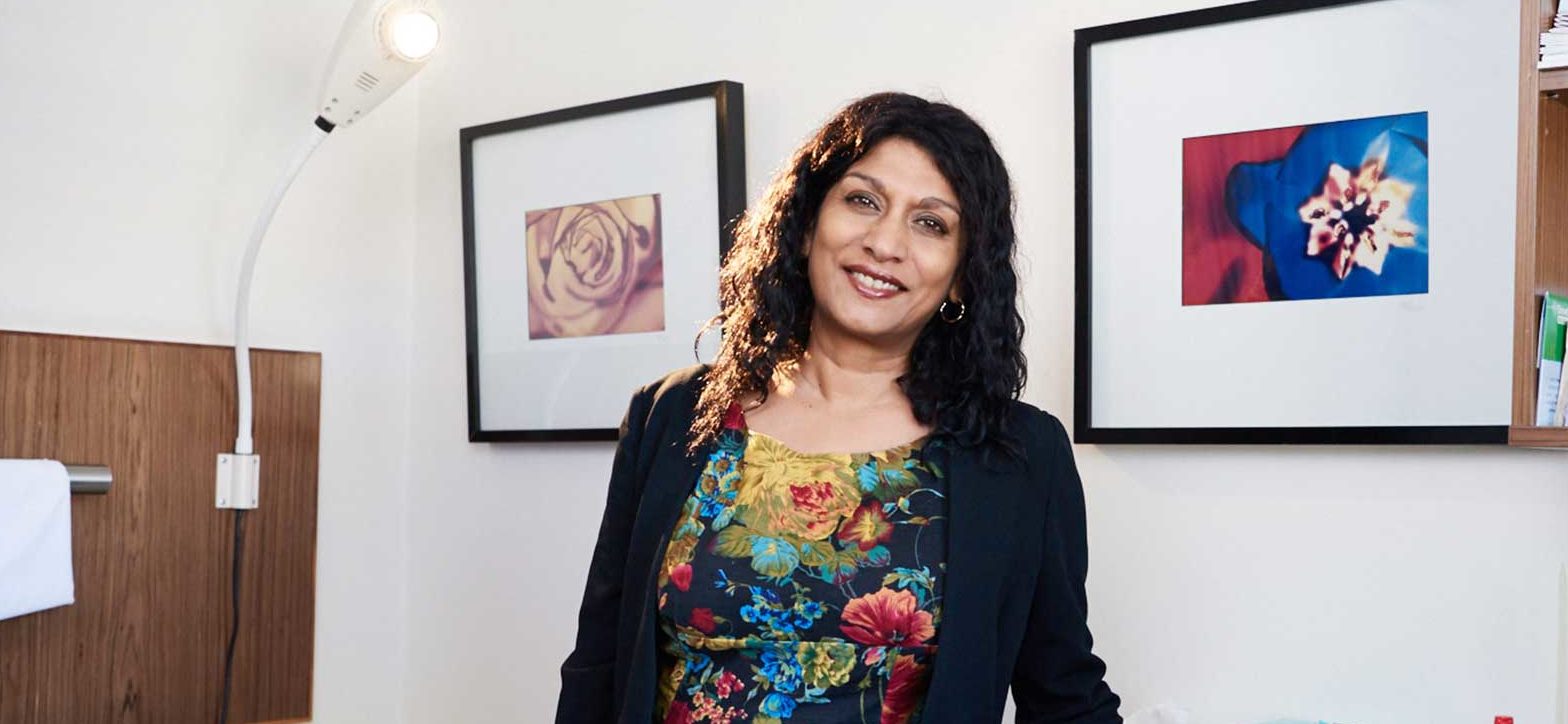
 1. Rosie Batty
 2. Gillian Triggs
 3. Antoinette Braybrook
 4. Khadija Gbla
 5. June Oscar
 6. Sally Rugg
 7. Cheree Toka
 8. Nicole Yade
 9. Professor Rosemary Kayess
 10. Lizzi Price
 11. Shukufa Tahiri
 12. Justice King
 13. Dr Barri Phatarfod
 14. Dorothy Bennett
 15. Claire Mallinson