Joint statement on treatment of climate protestors by law enforcement

On Monday November 22, Eric (Sergeio) Herbert, 22, was sentenced to 12 months imprisonment, 6 months no parole, for taking nonviolent direct action as part of the Blockade Australia mobilisation in Muloobinba / Newcastle. 

In the last two weeks, climate activists have been given charges that can carry 25 year sentences, and a local community environment centre, completely unconnected to the protest activity, has been raided by police.

As organisations collectively representing millions of Australians who are passionate about climate action and a strong democracy, we express our concern about the harsh sentencing in this case, and the broader treatment of protestors by Australian law enforcement. 

This statement is in solidarity with the thousands of community members who are increasingly taking peaceful action in the face of Australia’s refusal to address the climate crisis. Throughout history, powerful protest has been crucial to creating change and progressing justice and equality.

Community movements have relied upon protest through forms of civil disobedience to secure critical rights and protections: whether it’s standing up for sacred sites and unique natural environments, decolonisation, or in advocating for womens’ right to vote. Protecting the right to protest is critical to building a strong democracy.

As climate change impacts like bushfires, droughts and extreme weather worsen, citizens are increasingly taking non-violent direct action to protect their communities from the harm caused by Australia’s refusal to act on the climate crisis.

While protesters have been facing harsher treatment, the Government is refusing to take action to tackle the climate crisis, and fossil fuel companies have been allowed to continue to operate without major consequence after having been found to have broken the law. In just April of this year, coal company Whitehaven pleaded guilty to taking one billion litres of water during a severe drought in New South Wales.

The right to peaceful protest in the face of the worsening impacts of the climate crisis must be protected.

Celebrities join communities calling on government to improve refugee sponsorship in Australia

Immigration Minister, Alex Hawke, has been encouraged by a variety of community leaders, actors, authors, comedians and playwrights to confirm as a matter of urgency improvements to the Community Support Program that allows Australian communities to sponsor refugees and welcome them into their neighbourhoods.

Celebrities, included comedians Tom Gleeson, Judith Lucy and Damian Callinan, children’s author Andy Griffiths and actor Fayssal Bazi, have joined forces with diaspora groups, refugee networks and community leaders calling on Minister Hawke in an open letter to act now to help those still trapped in Afghanistan and other dangerous places around the world.

Comedian, TV presenter and Gold Logie Award Winner, Tom Gleeson, said: “With the borders being closed for almost two years, life has been pretty boring. Life is more fun with visitors and even more fun when we let them stay!”

Amnesty International Australia campaigner, Shankar Kasynathan, said: “With so many humanitarian disasters, such as the crisis in Afghanistan, more and more people need our help. Communities around Australia are desperate to do their bit and welcome refugees into their neighbourhoods. Minister Hawke has had recommendations to improve CSP on his desk for more than six months. Those recommendations need to be implemented immediately.”

Hazara woman and founder of the Asia Pacific Network of Refugees, Najeeba Wazefadost, said: My organisation has been working night and day trying to get supplies into Afghanistan – everything from food, to nappies and baby formula. The situation is absolutely dire. There must be more Australia can do to help.”

Open letter to Immigration Minister Alex Hawke: Improve refugee community sponsorship in Australia

We are writing on behalf of communities across Australia, including our Afghan communities, that want to see our Government do more to help those facing terrible human rights abuses at the hands of the Taliban in Afghanistan.

Australia is home to many people who have fled conflict, violence and persecution over the years and we should be proud as a nation of our track record in resettling refugees. But our commitment to those fleeing the Taliban in Afghanistan does not match the severity of the current situation. 

More than 100,000 people, many of them in hiding as they fear for their lives, have reached out to the Australian Government asking for help, and yet we have committed to take just 3,000. These 3,000 will come from our existing yearly humanitarian quota of 13,150 places – down from 18,000 a year ago – and they are not in addition to that quota. 

We have a moral obligation to protect the people of Afghanistan, and all over Australia communities say they want to welcome and help people rebuild their lives. We can do more! 

One way to do this is to announce and implement immediate improvements to the Community Support Program (CSP) that allows communities across Australia to sponsor refugees. CSP has been in place for four years now and for those who have been successful in sponsoring refugees the rewards to both the community and the person sponsored is enormous. 

However, the program needs improvement. It’s too expensive, too bureaucratic and needs to be separated from the humanitarian intake. Immigration Minister, Alex Hawke, has had recommendations from his Department on how to improve the program on his desk for more than half a year. He has said he is committed to making those improvements and we welcome this commitment. As another major humanitarian crisis is unfolding, we need immediate action. 

Allowing communities to sponsor refugees and help them rebuild their lives is a durable solution that benefits both refugees and communities. It will also benefit the economy as we emerge from the pandemic with a major skills shortage. By welcoming more refugees, we not only meet our international obligations to alleviate a global crisis, we also gain from the cultures, knowledge and skills that refugees bring to our shores from all corners of the world. 

We commend Minister Hawke and the department for conducting the much-needed review into the Community Support Program. But we urge you to announce as a matter of great urgency the much-needed reforms so we can save thousands of lives. 

Minister Hawke, our communities want to help refugees build new lives away from danger. Please announce these improvements to the CSP and let us help more people find refuge in Australia. 

Signatories:

Mario Santos – Chair of the Board, AIA

Brad Chilcott – CEO White Ribbon Australia

Paul Power – CEO of RCOA

Tim Costello – Executive Director of Micah Australia

Rev. Simon Hansford – Moderator, Uniting Church of Australia (Synod of NSW and ACT)

Steve Staikos – Mayor, City of Kingston

Dr Judy Tang – Commissioner Victorian Multicultural Commission

Josh Fergeus – Cr. City of Monash

Dr. Ruth McNair – Chairperson Pride Foundation Australia

Maria Bun – Chairperson Australian Impact Investments

Zara Hydarbig – Goulburn Valley Afghanistani Association (Women’s leader)

Rose Vincent – CEO Neighbourhood Collective, Australia

Michael Lam – Managing Director, Cornerstone Digital Andy Vincent – Cornerstone Community

Uncle Leonard Clarke – Framlingham Mission

Eddie Micallef – Chair of Ethnic Community Council of Victoria

Fr. Arnold Heredia – Founder of LinCon

Mohammad Al-Khafaji – CEO of FECCA

Matt Kunkel – CEO of the Migrant Workers Centre

Carly Moore – Mayor, City of Hume

Shabnam Safa – Chair of the National Refugee Advisory and Advocacy Group

Mark Hallam – Sanctuary, Coffs Harbour 

Najeeba Wazefadost – ED, Asia Pacific Network of Refugees Coordinating Committee – Diaspora Afghan Network Australia 

Andy Griffiths – Children’s book author 

Denise Scott – Comedian, actress, radio presenter 

Terri Psiakis – Comedian, writer 

Kate Mulvany – Actress, playwright

Danny McGinlay – Comedian, writer

Adam Zwar – Actor, writer

Michelle Brasier – Actress, writer 

Harley Breen – Comedian, TV Presenter 

Fayssal Bazi – Actor 

Mark Grentell – Director, writer 

Fiona Harris – Writer, actress 

Mike Mcleish – Writer, actor, cabaret artist

Tony Wilson – Writer, podcaster, MC

Gabrielle de Vietri – Mayor, Yarra City Council 

Susan Provan – Director, Melbourne International Comedy Festival 

Judith Lucy – Comedian, actress 

Shankar Kasynathan – Commissioner, Victorian Multicultural Commission 

Damian Callinan – Comedian, writer, actor 

Craig Foster – Human rights advocate 

Tom Gleeson – Comedian, TV presenter, Gold Logie winner 

Vivienne Nguyen AM – Chairperson Victorian Multicultural Commission 

Dallas Tout – Deputy Mayor, City of Wagga Wagga

India: Kashmiri Activist Held Under Abusive Law

Indian authorities have detained the prominent Kashmiri human rights activist Khurram Parvez under an abusive counterterrorism law that is increasingly used against activists and critics of the government, six human rights groups said today.The Indian government should immediately end violations of the rights to liberty and a fair trial under the Unlawful Activities Prevention Act (UAPA), and uphold domestic and international human rights law obligations.

The groups are Front Line Defenders, International Federation for Human Rights (FIDH), World Organisation Against Torture (OMCT), the International Commission of Jurists, Amnesty International, and Human Rights Watch.

On November 22, 2021, officials of the National Investigation Agency, India’s federal counterterrorism agency, raided Parvez’s home and office, seized several electronic devices and documents, and arrested him on allegations of terrorism funding, being a member of a terrorist organization, criminal conspiracy, and waging war against the state. The action against Parvez was apparently politically motivated.

Parvez, 44, is the program coordinator of the Jammu and Kashmir Coalition of Civil Society and the chair of the Asian Federation Against Involuntary Disappearances. He has documented cases of enforced disappearances and investigated unmarked graves in Kashmir, and as a result, the Indian authorities have repeatedly targeted him for his human rights work.

He was detained for over two months in 2016 and blocked from traveling to the United Nations Human Rights Council in Geneva. He was among those targeted in counterterrorism raids in October 2020 when several nongovernmental organizations, activists, and a newspaper faced investigations for their work or for being outspoken about government abuses.

Parvez’s arbitrary arrest and detention is the latest in a long list of human rights violations by Indian authorities against civil society groups, human rights activists, and media outlets in Jammu and Kashmir. The authorities have not ensured accountability for extrajudicial killings and other grave abuses by security forces in Kashmir but have instead arrested those who speak out for justice and human rights. Journalists and activists have expressed fear that they can be summoned or arrested at any time. Over 40 people have been placed on lists instructing immigration authorities to stop them from traveling abroad, a news report said.

Parvez’s arrest comes amid a growing nationwide crackdown by the Bharatiya Janata Party-led government on civil society groups and media, and particularly in Jammu and Kashmir since the government revoked the state’s special autonomous status in August 2019 and split it into two federally governed territories.

The authorities are increasingly using the counterterrorism law against activists, journalists, peaceful protesters, and critics to silence dissent. The law contains a vague and overbroad definition of terrorism that encompasses a wide range of nonviolent political activity, including political protest by minority populations and civil society groups. In 2019, the government further amended the law, granting officials the authority to designate an individual as a “terrorist” without charge or a trial.

In October 2020, the UN High Commissioner for Human Rights raised concerns over the mounting use of the law against human rights defenders and peaceful protesters and urged the authorities to release people arrested “for simply exercising basic human rights that India is obligated to protect.”

Since August 2019, the Indian authorities have clamped down on media freedom in Kashmir. The authorities have shut down the internet more often than anywhere else in the world. The majority of the shutdowns are in Kashmir, and are aimed at silencing protests and also curbing access to information and violating fundamental rights including freedom of speech and association.

Journalists in Kashmir face increasing harassment by the authorities, including raids and arrests on terrorism charges. In September, the police raided the homes of four Kashmiri journalists and confiscated their phones and laptops. In June, the UN special rapporteur on freedom of expression and the UN Working Group on Arbitrary Detention expressed concerns over “alleged arbitrary detention and intimidation of journalists covering the situation in Jammu and Kashmir.”

Since 2019, the security forces have been implicated in numerous abuses while enforcing restrictions on movement including routine harassment and ill-treatment at checkpoints, arbitrary detention, torture, and extrajudicial killings. On November 15, four people were killed in an alleged gunfight with security forces in Srinagar’s Hyderpora area and the police hurriedly buried their bodies. The families of two victims said they were businessmen and were used by the police as “human shields.” When the families protested the killings, the police arrested them and temporarily detained several. After widespread protests, including by two former chief ministers, the police exhumed the two bodies and handed them over to their families, and the administration ordered a magisterial inquiry into the deaths.

Earlier in November, police arrested an activist and politician, Talib Hussain, for publicly questioning the security forces’ killing of a Kashmiri man in October. The authorities did not investigate Hussain’s allegations, but instead accused him of “promoting enmity between different groups” and “spreading rumors or fake news.”

In March, five UN expert mandates wrote to the Indian government seeking information about the detention of a Kashmiri politician, Waheed Para; the alleged custodial killing of a shopkeeper, Irfan Ahmad Dar; and the enforced disappearance of Naseer Ahmad Wani, a resident of Shopian district. They raised concerns about “the repressive measures and broader pattern of systematic infringements of fundamental rights used against the local population, as well as of intimidations, searches and confiscations committed by national security agents.”

In December 2020, security forces killed two men and a teenager in the outskirts of Srinagar, claiming they were militants. The families disputed the claims, and the teenager’s father said he was a secondary school student. In February, the police reportedly filed a criminal case, including under the counterterrorism law, against the teenager’s father, who had demanded his son’s body and sought an investigation into the killing.

There has been no accountability for security force abuses, in part because of the Armed Forces (Special Powers) Act (AFSPA), which gives the security forces effective immunity from prosecution. Since the law came into force in Jammu and Kashmir in 1990, the Indian government has not granted permission to prosecute any security force personnel in civilian courts. Rights groups have long documented that the law has become a tool of state abuse, oppression, and discrimination, and called for its repeal. Affected residents, activists, government-appointed committees, politicians, and UN human rights bodies have also criticized the law.

As India’s crackdown on human rights has unfolded, its international partners, including the United States, the European Union, the United Kingdom, Canada, and Australia remain reluctant to publicly denounce Indian government abuses, let alone take measures to address them. This unwillingness to criticize heightening abuses raises concerns that the government will feel emboldened to take further repressive measures.

The Indian authorities should immediately and unconditionally release Parvez and others arrested in politically motivated cases and drop all charges against them, the groups said. The government should also amend the Unlawful Activities Prevention Act to bring it in line with international human rights law and standards and pending its amendment, it should stop using it to target human rights defenders, critics of the government, and others exercising their basic human rights.

Colombia: Excessive force by riot police left more than 100 people with eye trauma

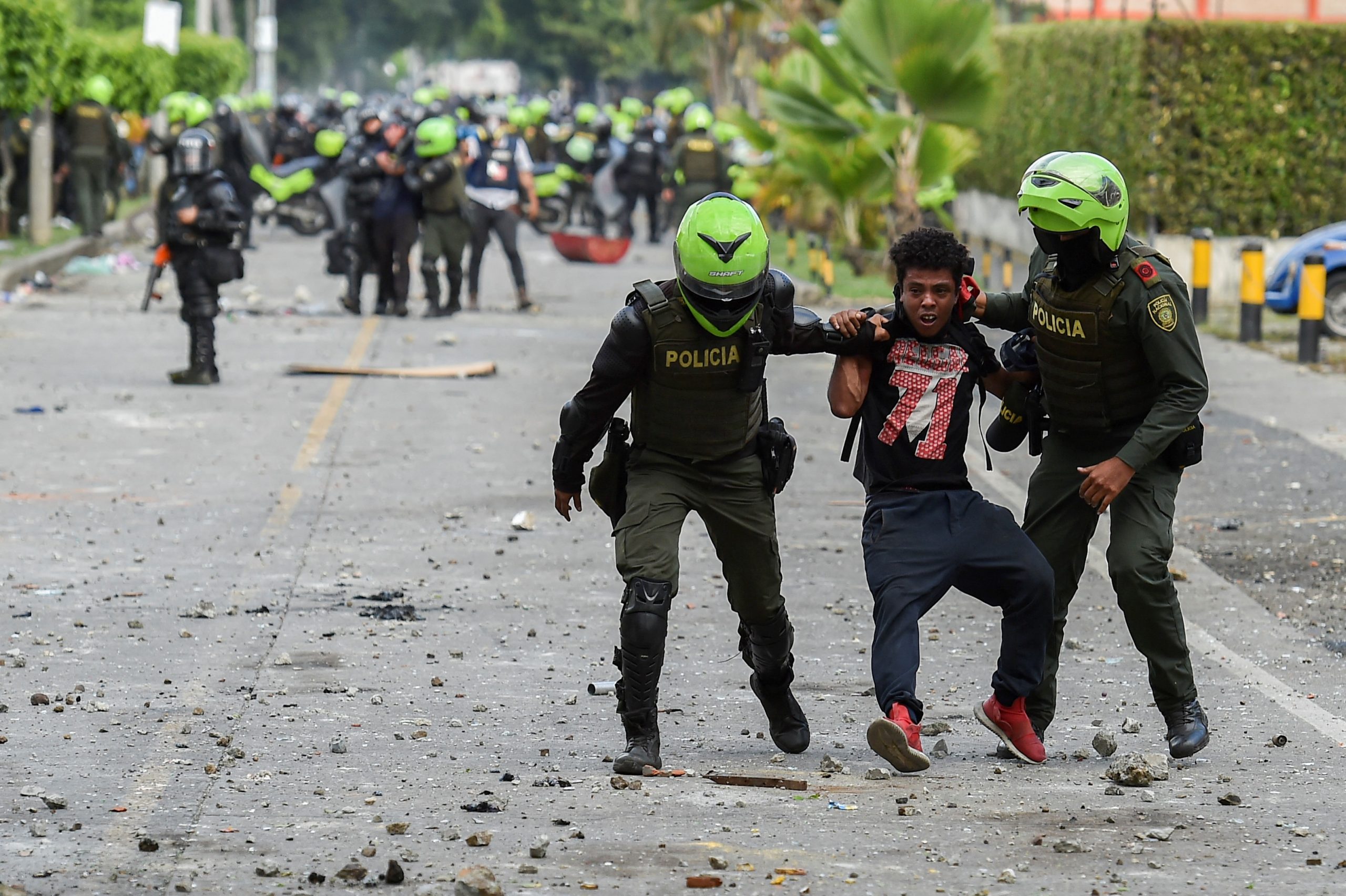
Violence and repression by the Colombian security forces, especially the Mobile Anti-Riot Squad (ESMAD), have resulted in hundreds of victims sustaining eye trauma, said Amnesty International, Temblores and the Programa de Acción por la Igualdad y la Inclusión Social (PAIIS) of the Universidad de los Andes in a new report published today.

Colombia:  Shoot on Sight: Eye Trauma in the Context of the National Strike documents 12 cases of police violence that resulted in irreversible eye trauma. Four of the cases occurred in previous years and eight in the context of the 2021 National Strike, in the cities of Bogotá, Popayán, Florencia, Medellín and Manizales. Amnesty International’s Digital Verification Corps analysed more than 300 pieces of audiovisual material on the disproportionate and repressive actions of ESMAD between 28 April and 20 October, concluding that officials carried out widespread human rights violations against protesters by inflicting eye injuries through the disproportionate use of potentially lethal weapons.

“It is chilling to see how members of the Mobile Anti-Riot Squad deliberately fired at the eyes of so many people, just for daring to exercise their legitimate right to peaceful protest. The Colombian authorities must guarantee justice, comprehensive care and reparation to the victims and take the necessary measures to avoid a repetition of these serious human rights violations,” said Erika Guevara-Rosas, Americas director at Amnesty International.

The report highlights the stories of victims of eye trauma and describes the multiple barriers they have faced in ensuring they received specialized health and psycho-social care. Several victims have faced increased obstacles in accessing decent work or continuing their education under conditions of equality.

Their accounts describe in detail how their injuries were not accidental, but were targeted attacks intended to punish them for legitimately exercising their right to social protest. They reveal once again patterns in the conduct of ESMAD officials which corroborate repeated complaints about the systematic nature of their practices of excessive and disproportionate use of force.

“Police violence cannot continue to be part of our daily lives. We cannot get used to the state indiscriminately violating citizens’ rights, much less harming those who exercise their right to protest. The cases of police violence and specifically eye injuries committed during the 2021 strike that we registered in our platform demonstrate that the actions of the police do not comply with international human rights standards and that police reform is necessary to guarantee the safety and lives of the people,” said Alejandro Rodríguez, coordinator of Grita, Temblores’ police violence observatory.

One of the most emblematic cases in the report is that of Leidy Cadena, a political science student who was demonstrating peacefully with her boyfriend and some friends in central Bogotá on 28 April when ESMAD officials approached them in an aggressive manner. “I just shouted ‘let’s go’ and immediately afterwards my face felt very hot. I couldn’t see through either of my eyes, I was in a great deal of distress,” said Leidy.

Amnesty International verified a video taken following the incident in which five ESMAD members are seen with shields and two of them are carrying riot gear in their hands, including mechanical kinetic weapons. Leidy is covering her bleeding eye, clearly in pain and her companions ask for help, but the ESMAD officials do not help her.

Leidy lost an eye in the attack. She believes that it was an act of gender-based violence because her companions were unharmed and from the start of the demonstrations she had noticed several attacks against women. After she reported the incident to the Attorney General’s Office, Leidy confirmed that she was interviewed about what happened at least 10 times and that this revictimized her. She also received threats on social media and on 16 October she was the victim of an attack when gunpowder was pushed under her door. Leidy, her mother and her partner have been forced to leave Colombia because of the threats.

Based on the evidence and statements presented in the report, Amnesty International, Temblores and PAIIS urge the Colombian authorities to comply without delay with the recommendations of the Inter-American Commission on Human Rights following its working visit in June 2021 – in particular ensuring that the use of non-lethal means of controlling public order is subject to strict, publicly available protocols. To prevent the excessive use of force during protests, the Colombian authorities must undertake a structural reform of the National Police, in particular ESMAD, which ensures a civilian approach in their actions, as well as independent and effective monitoring systems and investigation protocols to investigate police abuses. Likewise, they must create pathways for supporting victims of eye injuries and gender-based violence that include prevention, treatment, rehabilitation and psycho-social care.

“We had the privilege of supporting several victims of eye injuries who gave testimonies about their cases before the Inter-American Commission on Human Rights and we continue to provide legal assistance to some of them. We understand their struggle and frustration and we support their demands for justice. We are convinced of the need to continue to draw attention to the ways in which the security forces not only do not guarantee the rights of citizens, but deliberately violate them. Eye injuries appear to be a punishment for victims for exercising their legitimate right to protest, which is stamped on their faces and their lives,” said Juliana Bustamante, Director of PAIIS.

For more information or to arrange an interview, please contact Duncan Tucker: +52 55 4848 8266, duncan.tucker@amnesty.org

Read more:

COLOMBIA: Shoot on Sight: Eye Trauma in the Context of the National Strike (research, 26 November 2021), https://www.amnesty.org/en/documents/amr23/5005/2021/en/

Colombia: Violent Repression, Paramilitarism, Illegal Detention and Torture of Peaceful Protesters in Cali (News, 30 July 2021), https://www.amnesty.org/en/latest/press-release/2021/07/colombia-represion-violenta-contra-manifestantes-pacificos-cali/

16 Days of Activism against Gender-Based Violence

The 16 Days is an annual international campaign that kicks off on 25 November, the International Day for the Elimination of Violence against Women, and runs until 10 December, Human Rights Day.

Gender-based violence around the world

Gender-based violence is when violent acts are committed against women and LGBTQIA+ people on the basis of their orientation, gender identity, or sex characteristics.

Women and girls in conflict are especially at risk from violence, and throughout history sexual violence has been used as a weapon of war. For example, Amnesty International has documented how many women who fled attacks from Boko Haram in Nigeria have been subjected to sexual violence and rape by the Nigerian military.

Globally, on average 30% of all women who have been in a relationship have experienced physical and/or sexual violence committed against them by their partner. Women are more likely to be victims of sexual assault including rape, and are more likely to be the victims of so-called “honour crimes”.

Violence against women is a major human rights violation. It is the responsibility of a state to protect women from gender-based violence.

Gender-based violence in Australia

Violence, sexism, and discrimination remains rife in Australia — in the military, in Parliament, in our schools, universities, and workplaces, and on our streets. 1 in 5 women will experience violence in an intimate relationship, while 1 in 5 have experienced sexual violence since the age of 15.

Trans women and gender diverse people experience sexual violence at twice the rate of the general population.

On 17 August 1983 Australia signed the Convention on the Elimination of All Forms of Discrimination against Women (CEDAW). In doing so, Australia committed to take action so Australian women can enjoy their fundamental rights and freedoms.

What can we all do?

During the 16 Days, we can all take action against gender-based violence:

  • Send an email calling for the Australian government to commit to increase their investment in specialist service providers, and to a National Safety Plan led by and for First Nations women, so everyone can live free from violence. Together, we can pressure our leaders and challenge injustice.
  • Tweet to demand justice for Wendy who was shot while protesting a woman’s murder in Mexico, and ensure all those responsible are brought to justice.
  • Attend an event being run by advocates with lived experience of violence, or this conversation with author Amani Haydar to talk about her new book ‘The Mother Wound’.
  • The Human Rights Commission has published the landmark Wiyi Yani U Thangani (Women’s Voices) report report, a call to action for a strength-based, community-driven approach to address the inequality faced by First Nations women. They has also produced an animation Yajilarra nhingi, mindija warrma (from dreams, let’s make it reality) which tells the story of the strength, resilience, sovereignty and power of First Nations women. Share the animation to support First National women and girls.
  • Read Amnesty’s latest research highlighting the remarkable achievements of women human rights defenders in Afghanistan. Facing increased threats of gender-based violence since the Taliban’s takeover, these women are standing up and challenging injustice.

For many years women’s rights movements have fought hard to address violence and inequality; campaigning to change laws, policies, and culture, and taking to the streets to demand their rights are respected.

By working hand in hand with these movement, and pressuring the people with the power to make a difference,  together we can make the world a place where everyone can be free from violence and discrimination. 

Learn more about our women’s rights campaign here.

Sudan: Investigate the killings of people after military crackdown against protesters

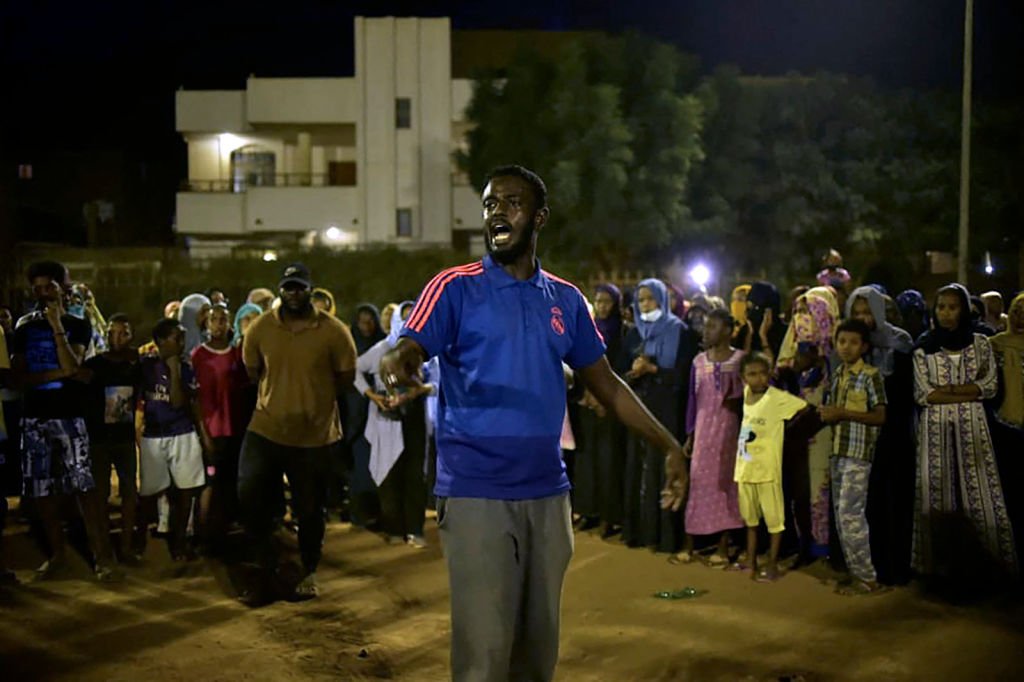
Sudanese security forces have intensified their use of lethal force over the past two weeks to quell protests against a military takeover of power last month, carrying out dozens of unlawful killings and leaving at least 50 people with gunshot wounds, Amnesty International said today.

According to the Sudanese Doctors’ Committee, a group monitoring the situation, at least 40 people were killed mostly by live ammunitions during demonstrations in the capital Khartoum since 25 October, when army leader Lt. General Abdel Fattah al-Burhan declared a nationwide state of emergency, dissolved the cabinet and arrested dozens of civilian politicians.

“The escalation in the use of lethal force by the security authorities in Sudan in the past two weeks was calculated to intimidate and quell protests from the streets against a military takeover of power last month.” said Deprose Muchena, Amnesty International’s Director for East and Southern Africa.     

The escalation in the use of lethal force by the security authorities in Sudan in the past two weeks was calculated to intimidate and quell protests from the streets against a military takeover of power last month.

Deprose Muchena, Amnesty International’s Director for East and Southern Africa

“The killing of dozens of unarmed protesters calls for a prompt, independent and impartial investigation to ensure accountability for the killings and other serious human rights violations allegedly committed by security forces. Authorities must investigate the fatal shootings of unarmed protesters, allow for this investigation to be internationally monitored, and hold those responsible to account.”

Killings  by security forces

Security forces intensified the use of lethal force to counter organized protests in the capital Khartoum on 13 and 17 November, killing at least 23 people, according to the Sudanese Doctors’ Committee.

Research and interviews by Amnesty International confirmed that at least nine of the protesters killed on 13 and 17 November had died of wounds sustained from gunshots, including one by sniper fire. The organization also confirmed that at least fifty people sustained gunshot wounds during the protests.

Since the military took power in Sudan last month, security forces have increasingly used live ammunition and teargas to disperse widespread protests. An agreement signed on 21 November resulted in reinstating civilian Prime Minister Abdalla Hamdok who said following his re-appointment that the authorities would conduct “an independent and transparent investigation into all the violations” that happened since 25 October. 

“Given the past poor track record of Sudanese authorities in investigating similar violations in the past, any investigation into these violations must be monitored and assisted by international observers, to ensure that it produces credible results,” said Deprose Muchena.

“The fact that a political agreement is signed should not allow the perpetrators of these violations to go unpunished” 

Escalation of lethal force against protesters

Research by Amnesty International confirmed that nine of the slain protesters had all died of gunshots that targeted their heads, necks and chests on 13 and 17 November, including one from sniper bullets, as well as at least 50 cases of injuries from gunshot wounds. At least one was shot by a sniper. The use of lethal force was unwarranted since they were all unarmed. The organization has also established that security agents raided hospitals. 

On 13 November, four protesters were killed, of which three of whom died of gunshot wounds and one from teargas suffocation, according to the Sudanese Doctors’ Committee. Amnesty International confirmed that at least one of these protesters was killed by sniper fire.

18-year-old secondary school student Elshaikh Youssef was marching with his friends on 40th Street in Omdurman, Khartoum’s twin city, when he told his friends that he had spotted a sniper on one of the rooftops. As Elshaikh pointed upwards he was shot with a bullet that came from the same direction, a family member and his friends told Amnesty International.

By the time his friends brought him to the hospital, Elshaikh was already dead. An autopsy confirmed he had died from a gunshot wound to his shoulder which pierced his chest and heart.

One of Elshaikh’s close relatives told Amnesty International that “I’m devastated. I’m close to losing my faith in God. How could something like this happen?!”

This confirms multiple reports by Sudanese activists of snipers shooting at protesters from rooftops, aiming their bullets at their heads and chests.  

“These killings demonstrate that there is a deliberate and targeted plan by the authorities to suppress the protests at all costs,”

“An independent and impartial investigation is needed to ensure that perpetrators are brought to account through courts in fair trials.”

Security forces went further with their violence on 17 November, killing at least 15 protesters as per the count of the Sudanese Doctors Committee.  Between 1:45 – 5:15 pm on 17 November, the International Hospital in Khartoum North received eight cases of people shot; three with gunshots to the chest, three with gunshots to the head, and two shot in the neck. All of them later died, an on-duty hospital staff told Amnesty International.

Other protesters bled to death before reaching hospital. A female protester, 25-year-old Sit al-Nafar Bakar, was killed when she was shot in the face while running away from police in Khartoum North at around 4h00 pm.  A close family member told Amnesty that the victim was a nursing student, a dedicated activist, and “a very humble and courageous girl who was always at the forefront of protests. Those who knew her told Amnesty International that she used to say that she was protesting for a civilian state and that if she died, “get justice for me.”

Another protester killed by live ammunition on the same day was Muzamil al-Jinaid, a 32-year businessman. He was shot dead at around 4:30 pm in Khartoum North. “No one witnessed what happened. We just received a call telling us to come to the hospital to identify a body. When we arrived, we found his dead body with gunshots wounds in it,” a close family member told Amnesty International. 

The violence follows a long-standing pattern of security forces using excessive and deadly force including by shooting live ammunition at protesters to break up demonstrations in Sudan. However, this pattern greatly escalated to counter protests by unarmed civilians since the military takeover. 

“The increase in killings last week confirms Sudan’s security leaders are disregarding the right to life, peaceful protest, and shows contempt for legal norms governing the use of force,” said Deprose Muchena.

Arbitrary arrests and detentions

Meanwhile, military authorities continued to arrest civilian politicians and activists, adding to dozens who have already been arbitrarily detained across the country since 25 October. However, a handful of detainees have been released since the political agreement was signed on 21 November.

Nour Al-Din Salah, a senior member of the Sudanese Congress Party, was arrested at midnight on 16 November when a group of armed security agents forced their way into his house in Khartoum. His family members told Amnesty International that they blindfolded him and took him away. The arrest took place just hours after Salah appeared in an interview aired by Al-Jazeera Arabic, in which he criticized the military’s takeover of power. His sister told Amnesty International that they are demanding information about his whereabouts and the charges against him.            

Amnesty International and Human Rights Watch confirmed in a joint statement on 9 November that at least eight detainees were being held in undisclosed locations, without access to family or legal counsel in circumstances that may amount to enforced disappearances. One of them, however, has been reportedly released.

Authorities have also been disrupting internet and telecommunications since 25 October to limit people’s ability to plan and document protests. The internet was cut for more than three weeks, while phone lines were cut for hours on 17 November. The services were restored on 18 November.

“Sudanese security actors are clearly operating with a sense of total impunity,” said Deprose Muchena.

“If they continue on their current course, we are clearly going to lose more lives. Authorities must be held accountable, including individuals who bear the greatest responsibility for these serious abuses.”
“They are the revolution”: Stories of Afghan women fighting for their future under Taliban rule

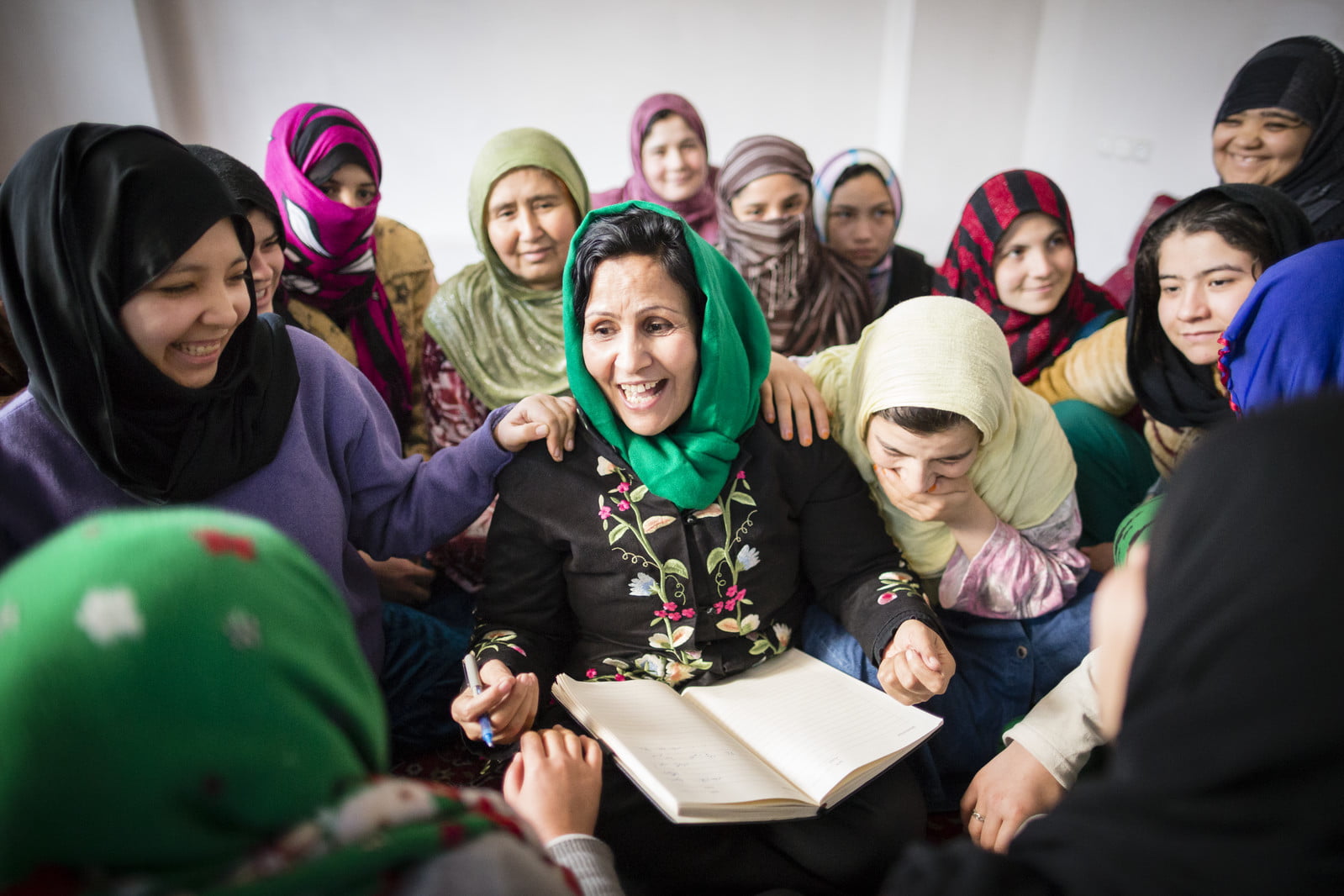
On the occasion of the 16 Days of Activism against Gender-Based Violence 2021, Amnesty International has highlighted the achievements of 16 remarkable women from Afghanistan at a time when Afghans have had a whole spectrum of rights taken away from them almost overnight.

The 16 Days of Activism against Gender-Based Violence is an annual international campaign focused on raising awareness about violence against women. It begins 25 November and ends 10 December.

The Afghanistan crisis

The Taliban seizure of power on 15 August 2021 resulted in sweeping changes to the lives of all Afghans, but Afghan women and girls rights face particularly dire restrictions on their rights in their daily lives.

Except for healthcare workers and a few other isolated exemptions, Afghan women are not allowed to work and young girls over 12 are no longer allowed to attend school.

“In the first few days everyone was in shock. But then I saw brave women standing, demonstrating, raising their voices. That’s the new generation. They were listening. They are the revolution.”

Shukria Barakzai

Facing increased threats of gender-based violence and restrictions on their freedom of movement and expression, Women Human Rights Defenders in Afghanistan are standing up and challenging injustice.

Amnesty’s report serves as a reminder of how much Afghan women have achieved over the last 20 years despite political instability and conflict, and the heightened risks that they now face under the present regime.

The report features the stories of 16 notable Afghan women who discuss their feelings about the Taliban’s return, their hopes and fears for the future, and their recommendations to the international community on how to continue supporting women’s rights.

Here are 2 of the 16 stories.

Women in Afghanistan fighting for their future under Taliban rule

Manizha Ramizy, assistant professor at Kabul University

Manizha Ramizy is an academic and Women Human Rights Defender. Many female university lecturers were told not to come to work after the Taliban takeover, and many female university staff have also not been paid. Some private universities have set up gender segregated classrooms, but many public universities have decided that women cannot work until separate classes can be established for women and men.

“I was one of the younger university lecturers and taught Human Rights at Kabul University since 2017.”

“It was not easy to enter the academic world as a woman lecturer. The whole system was male dominated with very little support for women and girls who wanted to enter academia”

Manizha Ramizy

“I also faced discrimination but managed to work my way up.”

“At Kabul University, I was teaching in the Faculty of Psychology, Social Work, and Child Rights Protection studies. Once I entered academia, I worked hard to make changes in the curriculum such as including human rights as a subject taught at the university.”

“I wrote a book on human rights for social workers and that subject is now taught in all state universities across Afghanistan.”

Manizha Paktin talking to contractors about their work on an office building in Kabul.
Manizha Paktin talking to contractors about their work on an office building in Kabul.© Marcus Perkins for Amnesty International

“Before the Taliban takeover, the biggest challenge for me was to convince the government to bring women into key positions and to make the appointments of women merit-based. In the past, the government tried to control women’s movements in Afghanistan – if they ensured that women were not united it was easier for them to control them.

Despite that, many women started creating movements across the country and raised their voices.

After the Taliban took control of Afghanistan in August 2021, they effectively shut the doors to women wanting to get higher education and none of my fellow female lecturers have been able to go to university to teach. The Taliban authorities have segregated women and men sections, and, in some provinces, young women are not even allowed to come to the universities.”

“The Taliban is systematically removing all the fundamental rights and freedoms for women and girls. Restrictions on freedom of movement and on social, economic, and political participation are the main obstacles for women and girls’ rights in Afghanistan.”

“The Taliban regime is creating restrictions and obstacles for women every day and we will not have any possibility of professional and technical development.”

Manizha Ramizy

“Furthermore, Taliban has used violence against women demonstrators, and they are viewing women simply as someone who should just give birth and spend time inside the home. Women who were supporting their families financially are suffering more than anyone else – barring women from exercising their economic rights including their right to work constitutes a human rights violation and gender-based discrimination against women.

I hope that not just the international community but also Afghans, particularly Afghan women and women across the globe, raise their voices at the international level to speak against the violence and discrimination we are facing.”

Zala Zazai, police officer in Khost province

Zala Zazai is a female police officer who served as the head of the Criminal Investigation department of Khost province, and later as an investigator of crimes against women. Afghan policewomen are at risk of retribution from those they previously arrested (many of whom were released during the chaos of the Taliban takeover) as well as from conservative family or community members who disapprove of their chosen profession.

“Since June 2020, I served as the first woman police officer in Khost province. It is one of the most insecure and conservative provinces in Afghanistan and I am proud of being able to do that. I have been working to investigate crimes against women and I will not take any credit for that as it was my job.

“As a police officer and as a woman, I did what I could to ensure that women who are victims of crime and abuse of any form are treated fairly and receive justice”

Zala Zazai

“There was a lot of opposition from within my own family about me joining the police force and I had to convince them a lot. After completing my education and as soon as I joined the police, I realised that other people too didn’t want to see a woman serving as a police officer.

This is a male-dominated field and women joining the police force are not deemed a “good fit”. Many people view women working in the military and police force in a bad way and they call us names because we are working in a male-dominated field.

The women in the police and military all fought hard against our families and society, as well our own colleagues. We overcame so many odds and challenges to ensure that women were part of the police and army, but then everything changed in August 2021.”

“Since the Taliban returned to power most women in the police were forced to stay home. No policewomen were able to come to work and many had to flee because of the high level of threats against them by the Taliban.

In recent days I have heard that the Taliban are calling women police to return to their work, but in reality, it is nothing but a trap. Some of the women police officers have received calls from the Taliban who are trying to find their whereabouts or threatening them. They are all in fear and despair.”

“At the time Afghanistan fell into the hands of the Taliban, I was luckily out of the country. But many women police officers who remain in the country have experienced psychological and physical violence. Women who are living under the Taliban are not even daring to leave their homes.

The international community must pressure the Taliban to ensure women’s rights and they must do everything to ensure that women are part of the new government. The Taliban cannot eliminate half of the population of Afghanistan.

Women will be and should be there. The Taliban have no choice but to include women and allow them to continue with their work and take an active part in social, economic and political life.”

Read the full report here for all the stories.

What needs to happen?

The international community, including Australia, should stand by women in Afghanistan and support women’s rights.

Amnesty is calling on the international community to:

  • Use available leverage during negotiations with the Taliban authorities to address women and girls’ rights as a non- negotiable issue
  • Engage with women human rights defenders and activists from Afghanistan to understand the ground realities and work with them to support women’s rights in Afghanistan
  • Allocate funds for the implementation of programmes and projects on advancement of women’s rights in Afghanistan

Amnesty Australia has been advocating for a road to refuge, in the form of community sponsorship, for almost 4 years. The Afghanistan crisis highlights how our work is challenging injustice and could save lives. Learn more about our refugee rights and community sponsorship campaign here.

All around the world, including in Australia, women are denied their human rights on the basis of their sex and gender. Learn more about our women’s rights campaign here.

Afghanistan: Women call on the international community to support women’s rights amid ongoing Taliban suppression

The international community must stand by its long-term commitment to support women’s rights in Afghanistan, said Amnesty International, ahead of a new campaign highlighting the achievements of 16 remarkable Afghan women.  

To mark this year’s 16 Days of Activism against Gender-Based Violence–an annual international campaign celebrating women in every region of the world who fight gender-based discrimination and stand up for women’s rights–the human rights organization is sharing the stories of 16 trailblazing Afghan women who had overcome huge barriers to participation across public life over the past two decades. In their own words, women from diverse public spheres including law, politics, academia, and the media recount their professional paths, their feelings about the Taliban’s return, their hopes and fears for the future, and their recommendations to the international community on how to continue supporting women’s rights.  

“These stories offer a powerful and timely reminder of just how far Afghan women had come over the past twenty years, in the face of seemingly insurmountable obstacles.

Samira Hamidi

“They also provide a sobering insight into how life has transformed for women and girls since the Taliban’s return,” said Samira Hamidi, Amnesty International’s South Asia Campaigner. 

“It’s astonishing that, at a time the country is facing an economic and humanitarian crisis, these women and thousands more like them are being barred from public life. We urge the Taliban to respect, protect and fulfil the rights of women and girls. We call on the international community to engage directly with Afghan women to understand their reality, listen to their pragmatic recommendations, and work with them to support women’s rights.”   

Since taking control of Kabul on 15 August 2021, the Taliban have imposed severe restrictions on women and girls. Apart from healthcare workers and a few other isolated exemptions, women have been told they cannot return to work or travel in public without being accompanied by a Mahram (male guardian). Since 20 September, girls above the age of 12 (grade six and above) have not been allowed to go to school, while rigid gender segregation at universities has severely curtailed women in higher education. 

Businesswoman Sediqa Mushtaq told Amnesty International, “When I heard the news that the Taliban had entered Kabul, I felt as if I fell and broke into pieces. I fell from a bright place into darkness with no light to be seen.” 

Preventing women from working has exacerbated economic problems for many families, which had previously enjoyed steady professional incomes, while removing women from government jobs has left a huge hole in the state’s capacity to govern effectively. Women now also face increased threats of gender-based violence and severe restrictions on their rights to freedom of assembly and freedom of expression, including on even their choice of clothing. 

Fawzia Amini, formerly a senior judge in Afghanistan’s Supreme Court, said: “The Taliban have institutionalized discrimination against women; they are denying our fundamental rights…they want to wipe women from the face of society and make us all prisoners in our own homes.” 

While much work remained to be done, women’s rights had improved significantly since the fall of the first Taliban regime in 2001. There were 3.3 million girls in education, and women had actively participated in the political, economic and social life of the country. Despite ongoing conflict, Afghan women had become lawyers, doctors, judges, teachers, engineers, athletes, activists, politicians, journalists, bureaucrats, business owners, police officers, and members of the military. 

Former police officer, Zala Zazai, said: “The international community must pressure the Taliban to ensure women’s rights and they must do everything to ensure that women are part of the new government. The Taliban cannot eliminate half of the population of Afghanistan.” 

Background 

The briefing, “They are the Revolution”: Afghan Women fighting for their future under Taliban rule, is available here

The 16 Days of Activism against Gender-Based Violence is an annual international campaign, which starts on the International Day for the Elimination of Violence against Women on 25 November and runs until Human Rights Day on 10 December. It provides a platform for individuals and organizations around the world to call for the prevention and elimination of violence against women and girls. 

Religious Discrimination Bill: Flipping Anti-Discrimination Law on its head

Amnesty International has written to the Australian Federal Attorney-General Michaelia Cash regarding the soon to be introduced Religious Discrimination Bill, expressing concerns about the Bills scope to to wind back hard fought protections for LGBTQIA+ people, women, people with disabilities and even other people of faith by allowing people to use religion to discriminate against others.

The Religious Discrimination Bill provides protection and preferential treatment to religious beliefs or activities at the expense of other fundamental human rights. Amnesty is concerned that if the Bill is passed, it would endanger access to essential services such as health, education, accommodation, aged care and compromise safe and inclusive workplaces.

People of faith must be protected against discrimination, vilification and persecution based on their religious beliefs. Yet this Bill privileges religious belief over other human rights, flipping anti-discrimination law on its head. The rights of one group cannot come at the expense of the rights of others.