Good news: kids to be transitioned out of QLD adult prisons

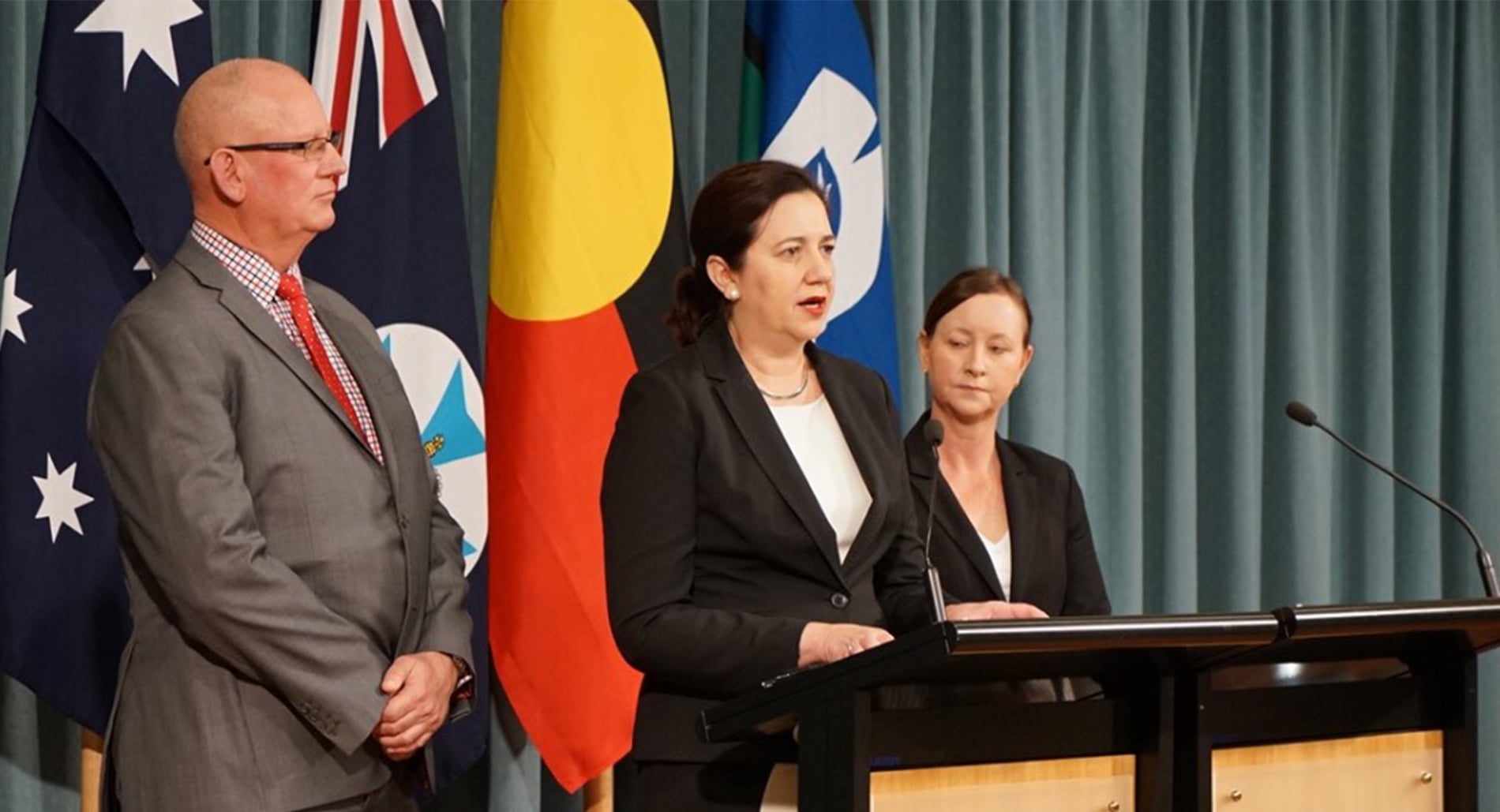
The Queensland Government has announced that it will introduce legislation this week to transfer 17-year-old teenagers out of adult prisons within 12 months.

The change, announced a week after Amnesty released a report on Indigenous kids in QLD detention, will bring Queensland into step with the rest of Australia, and in line with the UN Convention on the Rights of the Child.

What’s the situation?

Queensland is the only state in Australia where 17-year-olds are tried as adults and sent to adult prisons. This is despite the fact that 17-year-olds are technically still children – without even the right to vote.

A former Queensland Government said in 1992 that it intended to remove children from adult prisons, however, it has taken 24 years for this move to be announced. As at 1 August 2016, there were 49 children aged 17 held in adult prisons in Queensland.

Why is this important for Indigenous kids?

Aboriginal and Torres Strait Islander children are sent to prison way more often than their non-Indigenous classmates. Indigenous kids make up 8 per cent of the total youth population in Queensland, but about two-thirds of kids in prison (65 per cent). This means that one in every 68 Indigenous kids in Queensland will be sent to detention. This is even higher for Aboriginal and Torres Strait Islander girls, who are 33 times more likely to be in detention than non-Indigenous girls.

Adult prisons are different to children’s prisons. You have less rights and privileges, including basics like owning a toothbrush, or access to education and family. Recently the media aired footage of a 17-year-old in a spit mask and handcuffs in an adult prison.

“Sending kids to adult prisons doesn’t give them the best chance of leading positive lives, and it’s part of the reason why Indigenous kids find it hard to get out of the quicksand of the justice system,” says Amnesty’s Indigenous Rights Advisor, Rodney Dillon.

Shocked by adult prison

An 18-year-old young woman told Amnesty International that she was “absolutely gobsmacked” when she went into the adult prison as a 17-year-old.

A carer of another 17-year-old detained in an adult prison told us that children in adult prisons are “basically left to rot, and treated like dirt” and that “a lot of animals out there are probably treated a lot better.”

“I feel like I’m going back into the 18th century when I walk in there, with their attitude to everything. It’s just all about punishment, retribution, and vindictiveness and nothing about rehabilitation.”

How did Amnesty respond?

Amnesty International has been calling for the Queensland Government to end the practice of treating 17-year-olds as adults in the justice system since 2014.

We’ve been across the state gathering evidence for a research report, launched in late August, and championing Indigenous-led programs that help kids, rather than a prison cell.

Amnesty activists nationwide have been leading the call for fairer justice for Indigenous kids – calling or meeting MPs, writing submissions to the government, and holding community debates on ending the over-representation of Indigenous kids in detention.

As this announcement shows, we’re making progress!

A win for Indigenous people

“This is a win for Indigenous people,” says Randall Ross, a proud Juru/Erub and Kanaka man behind the Red Dust Healing program in Townsville. “Our Indigenous kids need more support instead of being sent to an adult prison.”

Rodney Dillon agrees. “This is a great step forward, and it’s very heartening to see. Now we’re even more determined to push for further positive changes from our governments.”

What’s next?

Amnesty International welcomes the leadership shown by the Queensland Government to change the laws so that children will no longer be exposed to such conditions. This is a very positive step and it is important that the Queensland Government also immediately stops trying 17-year-olds as adults, as part of these changes.

Our research reports into Indigenous youth justice across Australia detail other concerns, and recommendations for both the state and federal governments.

Together we’re demanding that both state and federal governments:

  • change laws that unfairly affect Indigenous kids
  • commit to closing the gap in detention rates
  • end abuse in detention centres and
  • fund more Indigenous-led programs that help kids.

“We’ll continue campaigning for a fairer go for Indigenous kids over the next four years, including meeting with politicians and policy-makers, partnering with Indigenous organisations and inspiring everyday people to make a difference,” says Rodney Dillon.

 

Obama and ASEAN in Laos: The questions journalists should be allowed to ask

The Lao authorities should lift all restrictions on journalists and allow them to do their job and move freely.

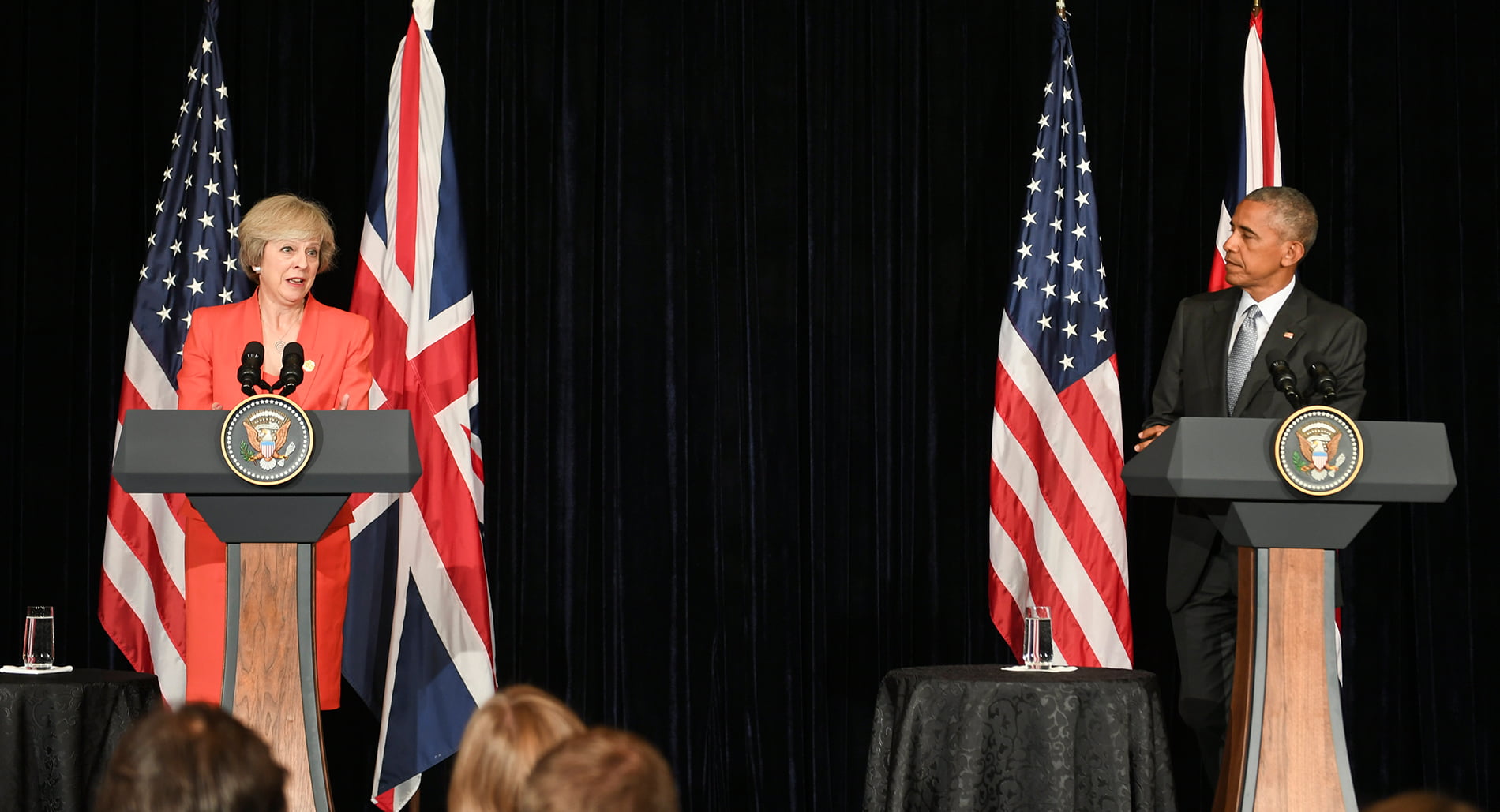
The organisation’s call comes as foreign journalists arriving in Laos to cover USA President Barack Obama’s participation in the US-ASEAN Summit from 6-8 September have been told that their articles and broadcasts will have to be approved by a censor before publication. Foreign journalists may also be assigned a minder who will trail them for the duration of their stay in Laos.

“The restrictions imposed on journalists covering the ASEAN summit in Laos amounts to a violation of their right freedom of expression, and the right of the public, both in Lao and globally, to receive information. Journalists should be able to do their job without fear, interference or harassment,” said Rafendi Djamin, Amnesty International’s Director for South East Asia and the Pacific.

“Journalists should be able to do their job without fear, interference or harassment.”

Journalists travelling to Laos have told Amnesty International that they may not be allowed to raise questions on certain human rights issues by the authorities.

“No government should restrict the questions its officials can or cannot be asked, especially at such a high-level summit, when the world will be watching. Indeed, in Laos in particular it’s vital that journalists ask the pressing questions that ordinary people cannot ask because of the fear of reprisals,” said Rafendi Djamin.

Among some of the questions that Amnesty International is eager to hear answers on are:

  1. When will ASEAN’s so-far empty gestures on human rights lead to concrete measures that will actually respect and protect the rights that ASEAN’s peoples deserve to enjoy under international human rights law?
  2. Will Brunei Darussalam ensure that implementation of the Sharia Penal Code Order 2013 is fully compliant with international human rights law and standards and does not lead to discrimination against women, the imposition of the death penalty or torture or other cruel inhuman or degrading punishments.
  3. Why is the Cambodian government manipulating the police and the criminal justice system to wage a campaign of harassment, intimidation and imprisonment on civil society and the political opposition?
  4. Will President Joko Widodo of Indonesia immediately stop all executions, move to abolish the death penalty, address fair trial concerns related to current and recent death penalty cases and order a full independent review of all cases?
  5. Where is Sombath Somphone, the Lao civil society leader who is suspected to have been subject to an enforced disappearance in November 2012?
  6. When will Malaysia release Anwar Ibrahim and other prisoners of conscience?
  7. When will the Myanmar authorities allow displaced communities full access to humanitarian assistance – such as the Rohingya and other Muslims in Rakhine State, and those who have fled conflict in Kachin and Shan states?
  8. When will the Philippines authorities call for a halt on all unlawful killings and order an independent, impartial, transparent and effective investigation into the wave of killings that have claimed the lives of nearly 2,000 people over the past two months?
  9. When will the Singapore authorities end their crackdown against bloggers and political activists who peacefully exercise their rights to freedom of expression and public assembly?
  10. Will Thailand’s authorities immediately and unconditionally release and drop charges against all individuals being prosecuted solely for peacefully exercising their rights to expression, assembly and association?
  11. Given that Viet Nam ratified the Convention Against Torture in 2015 why do prison authorities continue to subject prisoners, including prisoners of conscience, to torture and other ill-treatment, including Bùi Thị Minh Hằng, Trần Huỳnh Duy Thức, Pastor Nguyễn Công Chính, and Nguyễn Hữu Quốc Duy?


Afghanistan: Attack on aid agency is a war crime

“The attack by an armed group on the aid agency CARE International in Kabul is the deliberate targeting of civilians and constitutes a war crime. The cardinal rule of international humanitarian law is that parties to an armed conflict must never deliberately attack civilians,” said Champa Patel, Amnesty International’s South Asia Director.

“This is sadly the latest in a series of horrific attacks in the Afghan capital, leading to unlawful killing of civilians. Victims and survivors, including the families of those who have lost their lives and those who have been injured, have a right to justice and reparation. The government has a duty to protect civilians and prevent further such attacks. There must be an independent, impartial, transparent and effective investigation. The perpetrators must be brought to justice in fair trials – without recourse to the death penalty.”


Immediate action necessary to protect children in NT detention

As the Northern Territory’s Royal Commission holds its first public hearing, leading Indigenous and human rights organisations are calling on the Federal and Northern Territory Governments to immediately protect the human rights of young people currently in detention.

The Human Rights Law Centre, Amnesty International and the National Aboriginal and Torres Strait Islander Legal Services are urging both governments to be proactive and ensure children in detention are not exposed to mistreatment while awaiting the Royal Commission’s recommendations.

Solitary Confinement

The three organisations have received reports that young people continue to be held in conditions amounting to solitary confinement in the High Security Unit of Don Dale. They are calling on the Northern Territory Government to immediately prohibit the use of solitary confinement; introduce an independent inspector of youth detention to prevent abuse; and meaningfully engage with Aboriginal and Torres Strait Islander communities and organisations.

Amnesty International’s Indigenous Rights Campaigner, Julian Cleary, said that human rights law prohibits the use of solitary confinement on children for any duration, because evidence shows that it can cause permanent psychological harm.

“It is disturbing that young people are still reportedly being held in conditions amounting to solitary confinement in Don Dale. The Northern Territory Government should immediately commit to upholding its human rights obligations and prohibit the use of solitary confinement on children,” said Mr Cleary.

“The Northern Territory Government should immediately commit to upholding its human rights obligations and prohibit the use of solitary confinement on children.”

Highest rate of youth detention

The Human Rights Law Centre’s Director of Legal Advocacy, Ruth Barson, said that the Northern Territory has the highest rates of youth detention in Australia and that having independent oversight of youth detention facilities is critical if the Government is truly committed to preventing mistreatment in the future.

“It is essential that children in youth detention are protected from abuse. We shouldn’t need to wait for the Royal Commission’s findings to ensure children are safe. Independent inspections and oversight of detention facilities are proven to work to prevent the type of appalling treatment we recently saw in the Don Dale youth detention facility,” said Ms Barson.

“We shouldn’t need to wait for the Royal Commission’s findings to ensure children are safe.”

95% Indigenous

NATSILS Executive Officer, Karly Warner, said that over 95 per cent of young people in detention in the Northern Territory are Aboriginal.

Over 95 per cent of young people in detention in the Northern Territory are Aboriginal.

“The Federal and Northern Territory Governments should immediately commit to working closely with Aboriginal and Torres Strait Islander organisations to find ways to reduce the alarming rates at which Indigenous young people are locked up,” said Ms Warner.

The Northern Territory Royal Commission into the Protection and Detention of Children in the Northern Territory was called after ABC’s Four Corners aired its shocking expose, Australia’s Shame, documenting the appalling mistreatment of young people in detention in the Northern Territory’s youth detention facilities.

Convention against Torture

The HRLC, Amnesty International and NATSILS are also calling on the Federal Government to ratify the Optional Protocol to the Convention against Torture, which Australia signed in 2009; and to properly fund Aboriginal organisations to engage with the Royal Commission.

“There is no reason for delaying ratification any further. The Commonwealth Government has an important leadership role to play. Ratification will ensure proper and independent mechanisms are in place to prevent the mistreatment of people in detention,” said Ms Barson.

Ms Barson added, “The Commonwealth Government must adequately fund Aboriginal organisations to engage with the Royal Commission. This will ensure affected Aboriginal people, organisations, communities and children are able to have their voices heard.”


Russia: Release blogger jailed for playing Pokémon Go

The detention of Ruslan Sokolovsky, a Russian blogger from Yekaterinburg (Urals region) who was sentenced to administrative arrest for two months after posting a video of himself playing Pokémon Go in a church is a farcical attack on freedom of expression.

“The absurdity of the case of the Russian blogger jailed for playing Pokémon Go in a church highlights what happens when authorities hold the freedom of expression in such low regard. Even if Sokolovsky’s behaviour may have been regarded as disrespectful by some, states should not be jailing people simply for offending religious sensibilities,” said John Dalhuisen, Director for Europe and Central Asia at Amnesty International.

“Even if Sokolovsky’s behaviour may have been regarded as disrespectful by some, states should not be jailing people simply for offending religious sensibilities.”

John Dalhuisen, Director for Europe and Central Asia

Ruslan Sokolovsky was arrested under charges of “preventing the realisation of the right to freedom of conscience and religion and incitement of hatred” on 3 September.

Background

Ruslan Sokolovsky was arrested under the so-called “blasphemy law” adopted in 2013 as a response to the political performance by members of the Pussy Riot punk group in the central cathedral in Moscow. The law criminalised actions that offend believers’ feelings, and signified a further encroachment on freedom of expression in Russia. Sokolovsky deliberately came to play Pokémon Go in the church on 11 August following a warning made earlier on Russian state television not to catch “pokémons” at religious sites or in proximity to the state border or face criminal charges. If convicted, under the “blasphemy law” Sokolovsky may be sentenced to up to 5 years in prison.


G20 “burden sharing” call on refugee crisis hypocritical

“The attack by an armed group on the aid agency CARE International in The G20 Hangzhou Summit Declaration calling for greater “burden-sharing” to address the refugee crisis reveals how little most G20 countries have done to share responsibility so far.

There are currently 27 countries in the world with regular programmes for resettling refugees. Only 9 of them are in the G20. Amongst the G20 only Canada has shown genuine openness on resettlement, taking in 25,000 refugees from Syria since late 2015 and indicating it will take more. Germany’s strong stance, accepting over a million refugees, was unmatched by other European members of the G20.

There are currently 27 countries in the world with regular programmes for resettling refugees. Only 9 of them are in the G20.

“The G20 declaration that the refugee ‘burden’ must be shared rings very hollow, since many G20 countries are not shouldering their fair share of the global responsibility for refugees and a UN summit later this month is doomed to fail to agree a deal. Less than half of the G20 currently resettles refugees on a regular basis,” said Audrey Gaughran, Director of Global Issues at Amnesty International.

“Less than half of the G20 currently resettles refugees on a regular basis.”

“Right now many G20 countries are actively blocking global plans to share responsibility for the world’s refugees. In UN talks, instead of backing a proposed global solution to the refugee crisis, the European Union, Russia and China all decided to remain part of the problem, prioritising their narrow national interests and rejecting concrete measures. It appears that some G20 members are saying one thing in public and another behind closed doors.”

“G20 countries need to do a lot more to help refugees before this statement can be seen as anything other than callous hypocrisy.”

“G20 countries need to do a lot more to help refugees before this statement can be seen as anything other than callous hypocrisy.”

Pakistan: Authorities must protect lawyers and minorities

Reacting to Friday’s attacks on a court in Mardan and on a Christian community just outside Peshawar, both in Pakistan’s northwest Khyber Pakhtunkhwa province, Amnesty International said:

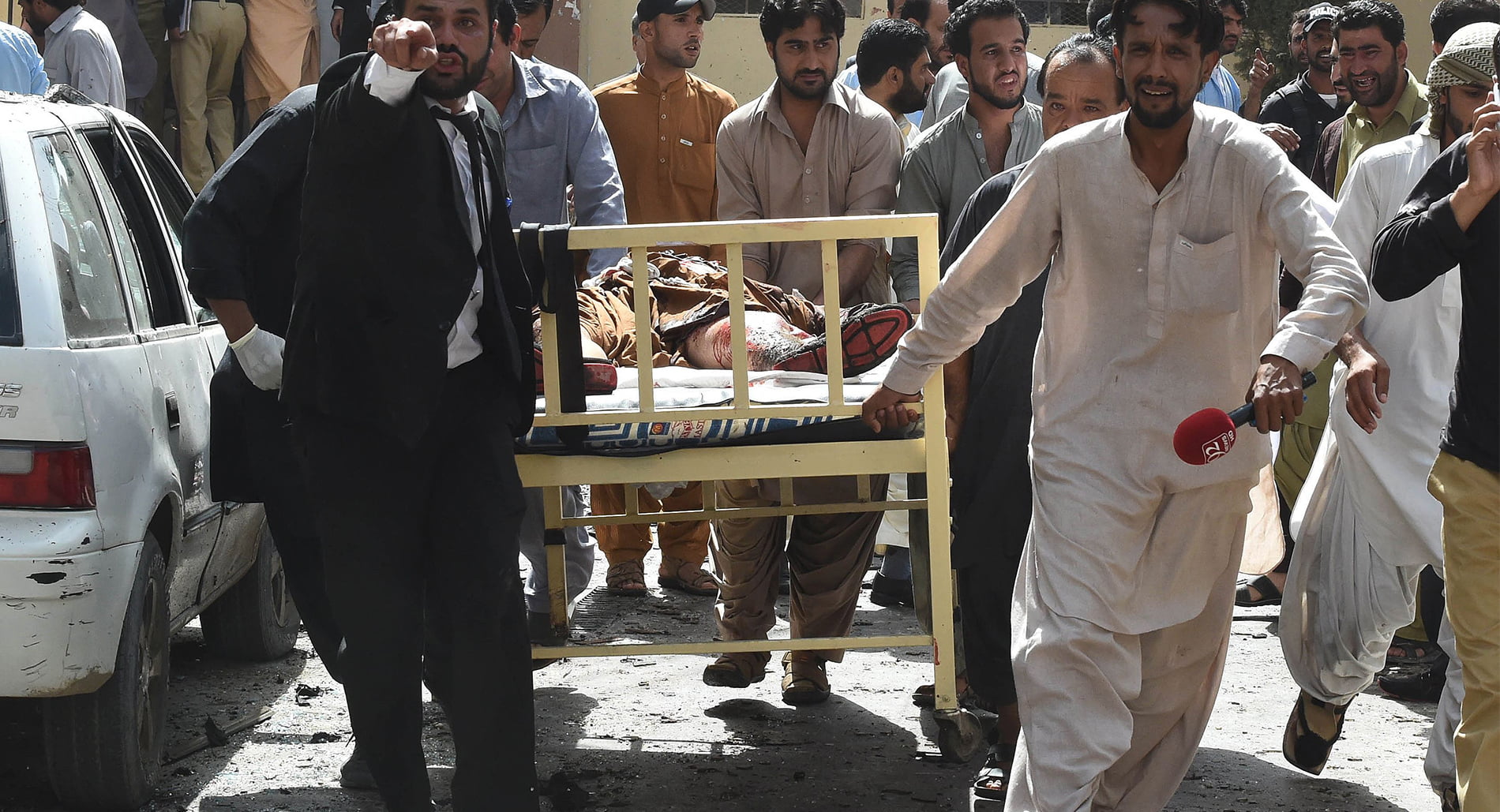
“Today’s attacks are a horrific reminder that Pakistan’s authorities must do more to ensure vulnerable groups are protected. The authorities have a duty to protect the right to life, prevent human rights abuses, and hold perpetrators to account in fair trials without recourse to the death penalty or other human rights violations. Armed groups are seeking to undermine the rule of law by targeting both the people who defend it in court and the people it should protect,” said Champa Patel, Amnesty International’s South Asia Director.

Philippines civilians attack must be met with justice

“The attack on civilians in President Rodrigo Duterte’s hometown of Davao is a brutal and horrific act that has led to a tragic loss of civilian lives. Victims and survivors, including the families of those who have lost their lives and those who have been injured, have a right to seek and obtain justice. The government should respect this right by ordering an independent, impartial, transparent and effective investigation, leading to fair trials of suspected perpetrators. It is the Philippines government’s right and duty to protect its population.

“However, the callous disregard shown by the attackers for people’s right to life must not be met by government action that itself disregards human rights. Resort to unlawful killings, arbitrary arrests or other human rights violations will only play into the hands of those who seek an ever-widening cycle of violence and abuse,” said Champa Patel, Amnesty International’s Senior Research Adviser for South East Asia and the Pacific.

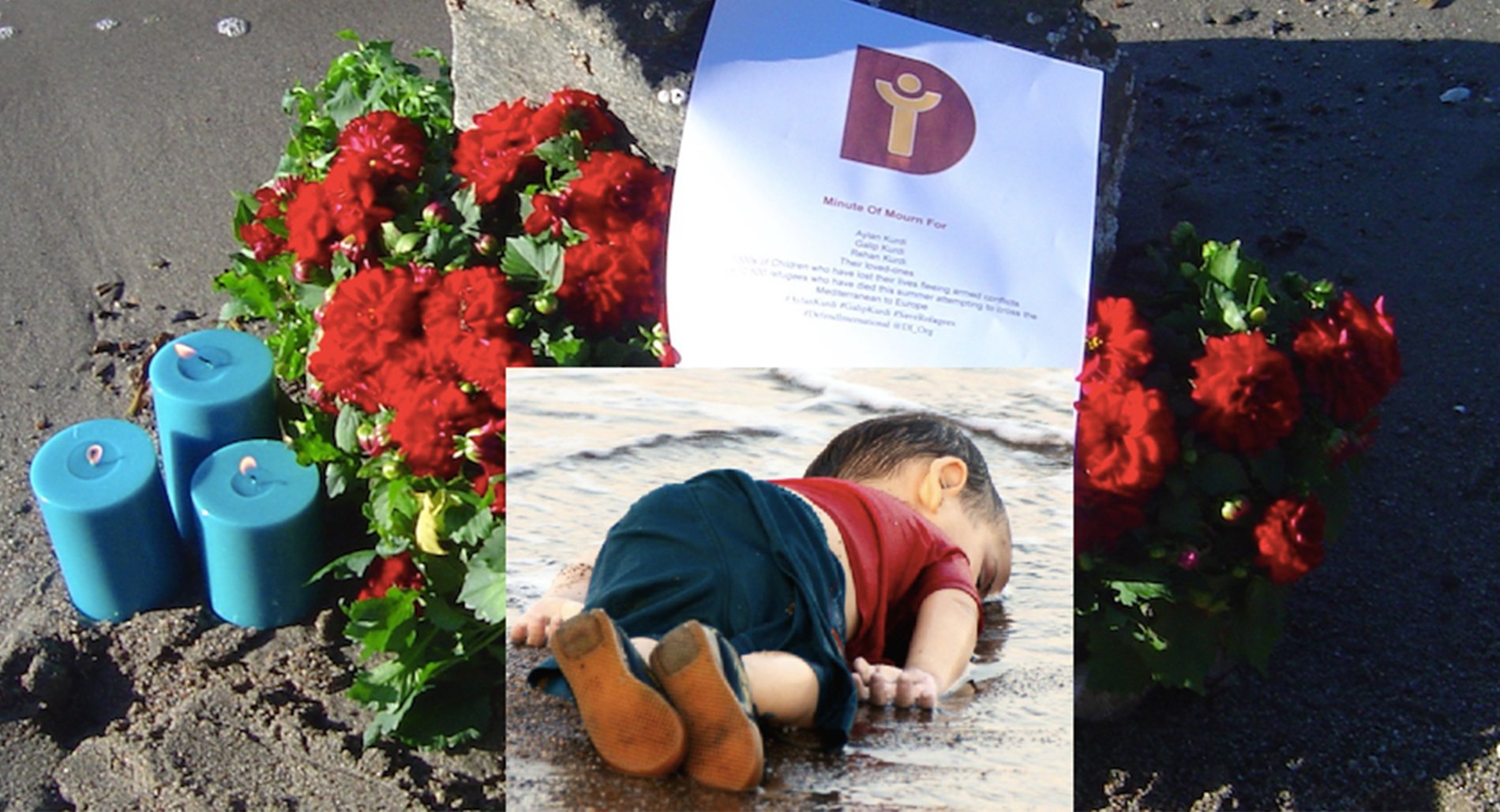
Anniversary of Alan Kurdi drowning highlights continuing global shame

One year after the shocking image of Syrian boy Alan Kurdi’s drowned body caused international outcry, world leaders are still failing to respond to the refugee crisis.

Marking the 2 September anniversary of Alan’s death, the organisation drew attention to the plight of thousands of other refugee children let down by the dismal failure of world leaders to tackle the refugee crisis. In July, negotiations ahead of the 19 September UN Refugee and Migrant Summit put the “Global Compact on Refugee Responsibility-Sharing” proposed by UN Secretary General Ban Ki-moon on ice until 2018.

“As if the image of Alan’s lifeless body that shamed the world were not enough, one year later world leaders are still refusing to act. Tragically, states have already passed up on a chance to address the crisis at a UN Summit on 19 September, which is set to fall far short of what is needed. We now face the prospect of another conclave of world leaders fiddling with hollow declarations while more children suffer,” said Salil Shetty, Amnesty International’s Secretary General.

“As if the image of Alan’s lifeless body that shamed the world were not enough, one year later world leaders are still refusing to act.”

Salil Shetty, Amnesty International Secretary General

“Until wealthy countries take more responsibility for the crisis unfolding before them, and take in a fairer share of the people fleeing war and persecution, they will be condemning thousands more children to risk their lives in desperate journeys or being trapped in refugee camps with no hope for the future.”

“The outpouring of sympathy for Alan Kurdi seen last year must be extended to the countless other refugee children who are in dire need of help. Governments have dealt with the refugee crisis with narrow self-interest, as if the people they represent are incapable of extending their empathy beyond their own communities. It’s time all of us started taking the refugee crisis personally and show our leaders that we welcome refugees.”

“The outpouring of sympathy for Alan Kurdi seen last year must be extended to the countless other refugee children who are in dire need of help.”

Salil Shetty

Fiji: Whistleblower attacked by men in police uniforms

Responding to a second attack on a Fijian businessman and whistle-blower, Amnesty International said:

“This is the second time that Rajneel Singh, a Fijian businessman who had alerted the authorities to politically sensitive computer files, has been attacked by men dressed in police uniforms in less than a year. This alarming development is the latest in a series of allegations of torture and other ill-treatment by the Fijian police,” said Rafendi Djamin, Amnesty International’s Director for South East Asia and the Pacific.

“The authorities must ensure that Rajneel Singh, his family and lawyer are effectively protected from any form of violence and intimidation, and that the recent attacks against him are promptly investigated.”

Background

In a climate of impunity, complaints against Fijian police and security forces are rarely investigated or prosecuted effectively.

Rajneel Singh’s lawyer has said that there is a video apparently showing the attack at the hands of the Fijian police. A police jacket was left behind at the scene.

The Fijian police have said that they are investigating the attack.

Rajneel Singh, an internet cafe owner, was first attacked in November 2015, after he discovered computer files that included purported plans to destabilise the government. Rajneel Singh has said that he alerted the authorities to the computer files, only be assaulted by them.