Cameroon: More than 1,000 people accused of supporting Boko Haram held in horrific condition

More than 1,000 people, many arrested arbitrarily, are being held in horrific conditions and dozens are dying from disease and malnutrition or have been tortured to death, as part of the Cameroonian government and security forces crackdown on Boko Haram.

  • Up to eight people dying each month as a result of desperately overcrowded conditions in Maroua Prison
  • More than 100 people, including women, sentenced to death before military courts
  • Boko Haram attacks in Cameroon killed nearly 500 people in the last year

More than 1,000 people, many arrested arbitrarily, are being held in horrific conditions and dozens are dying from disease and malnutrition or have been tortured to death, as part of the Cameroonian government and security forces crackdown on Boko Haram, Amnesty International revealed in a new report published today.

More than 1,000 people, many arrested arbitrarily, are being held in horrific conditions and dozens are dying from disease and malnutrition or have been tortured to death.

The report Right cause, wrong means: Human rights violated and justice denied in Cameroon’s fight against Boko Haram details how the military offensive against Boko Haram has resulted in widespread human rights violations against civilians in the Far North region of the country.

“In seeking to protect its population from the brutality of Boko Haram, Cameroon is pursuing the right objective; but in arbitrarily arresting, torturing and subjecting people to enforced disappearances the authorities are using the wrong means,” said Alioune Tine, Amnesty International West and Central Africa Regional Director.

“With hundreds of people arrested without reasonable suspicion that they have committed any crime, and people dying on a weekly basis in its overcrowded prisons, Cameroon’s government should take urgent action to keep its promise to respect human rights while fighting Boko Haram.”

“Cameroon’s government should take urgent action to keep its promise to respect human rights while fighting Boko Haram.”

The findings come just weeks after a suicide attack by Boko Haram in Djakana, near Limani killed 11 people. This was the latest in an onslaught that has claimed 480 civilian lives this year. Approximately half of Boko Haram’s 46 suicide attacks have been carried out by children.

Up to eight people dying each month in Maroua Prison

More than 1,000 people accused of supporting Boko Haram are currently detained in desperately overcrowded prisons, in insanitary conditions where malnutrition is rampant. In Maroua prison, for example, between six to eight people die each month. Despite some efforts to improve the water supply and begin the construction of new cells, conditions in the prison remain inhumane with nearly 1,500 people detained in a building built for 350. Family visits to detainees are strictly limited.

Arbitrary arrest and extrajudicial killings

Arrests conducted by security forces, often on the basis of little information or arbitrary criteria and sometimes targeting whole groups, have swelled prison populations. In February 2015 for example, in Kossa, 32 men were rounded up and arrested based on accusations that the village was providing food to Boko Haram. Most were later released, but one man died in custody.

Arrests have also often been accompanied by unnecessary or excessive use of force. In November 2014 members of the Rapid Intervention Brigade (BIR) unlawfully killed seven unarmed men during an operation in the village of Bornori, and arrested 15 others, before returning in the following weeks to burn houses. In another example from July 2015, soldiers from the regular army rounded up and assaulted approximately 70 people in Kouyapé.

Tortured to death while detained incommunicado

Amnesty International documented 29 cases of people being tortured by members of the security forces between November 2014 and October 2015, including six who subsequently died. Most cases of torture were committed while people were held incommunicado at illegal detention sites in military bases run by the BIR in Salak, near Maroua, and Mora, before being transferred to the official prisons. Victims described being beaten for long periods with sticks, whips and machetes, sometimes until they lost consciousness.

One 70 year-old man detained at Salak told Amnesty International how he had watched men in plain clothes torture in the BIR base his son for 10 days, and how he saw two men beaten to death:

“We were all interrogated in the same room, one by one, by a man dressed with the BIR uniform. Two other men in plain clothes carried out the beatings and other torture. That day, two prisoners were beaten up so badly that they died in front of us. The men in plain clothes kicked them and slapped them violently, and hit them with wooden sticks.”

“That day, two prisoners were beaten up so badly that they died in front of us.”

The same 70 year-old man said:

“I was not beaten because I am old, so I was the one to help carrying the two dead bodies from the interrogation room to the cell. That night we slept in the cell with two dead bodies, and the day after the BIR came, threw plastic bags towards us, asked us to put the bodies inside and then came to collect them. I don’t know where the bodies were taken and whether they were ever buried.”

“I was not beaten because I am old, so I was the one to help carrying the two dead bodies from the interrogation room to the cell.”

Torture was also documented at the General Directorate of External Research (DGRE) in Yaoundé, including the Radio France Internationale (RFI) journalist Ahmed Abba who was stripped and beaten following his arrest in July 2015.

Amnesty International also documented the cases of 17 victims of enforced disappearances whose whereabouts remain unknown following their arrest since almost two years.

More than 100 people sentenced to death in unfair military trials

In cases where detainees suspected of supporting Boko Haram are brought to trial, they face military courts in which the death penalty is by far the most likely outcome. More than 100 people, including women, have been sentenced to death in Maroua’s military court since July 2015, although none have yet been executed.

Defendants are often convicted on the basis of limited evidence, including the testimonies of anonymous informants who cannot be cross-examined, or circumstantial evidence such as a defendant’s failure to explain a journey away from their home village or the loss of an identity card. Poorly paid and over-stretched government-provided lawyers are too under-resourced to provide an adequate defence.

Amnesty International observed the trial of four women who were convicted and sentenced to death in April 2016 solely on the basis of a statement made by a member of a local vigilante committee after they returned from Nigeria where they were working as domestic servants. Their only contact in the whole process with a lawyer was during a short break in the court proceeding.

“After being arrested without reasonable cause and suffering in dire prison conditions while awaiting trial, people from all across Cameroon risk being convicted and sentenced to death by military courts, based on little or no evidence, in patently unfair trials,” said Alioune Tine.

Most defendants are charged under an anti-terrorism law introduced in December 2014. This law provides ambiguous definitions of terrorism that threaten freedom of expression.

The law has been used against a 27 year-old man, Fomusoh Ivo Feh, who was arrested after having sent a sarcastic SMS message to his friends, joking about Boko Haram recruiting young graduates. He is being tried by the military court in Yaoundé and could face the death penalty.

“If a student can face the death penalty for sending a sarcastic text message, it is clear that there is a serious problem with the design and use of Cameroon’s anti-terrorist legislation. The authorities should reform the law and ensure it provides a framework for protecting the population without stripping away their rights,” said Alioune Tine.

“If a student can face the death penalty for sending a sarcastic text message, it is clear that there is a serious problem with the design and use of Cameroon’s anti-terrorist legislation.”

Amnesty International is calling for the government to urgently implement a range of measures to prevent human rights violations in its fight against Boko Haram. These include ending mass and arbitrary arrests, bringing suspects directly to official detention sites, stopping torture, ensuring detainees’ access to families and lawyers, establishing a central register of detainees, improving prison conditions, reforming the anti-terrorism law and investigating all allegations of human rights violations.

Background

Between October 2015 and July 2016, Amnesty International interviewed more than 200 people in the Far North region of Cameroon, documenting incidents in which hundreds of people were arrested, visiting prisons, observing trials, and collecting detailed information on 82 individual cases of human rights violations by the Cameroonian authorities and security forces. The organisation also analysed satellite images of one village in which houses were burnt by security forces. The main findings of the report were sent in writing to the authorities on 7 May 2016, but no response was received.

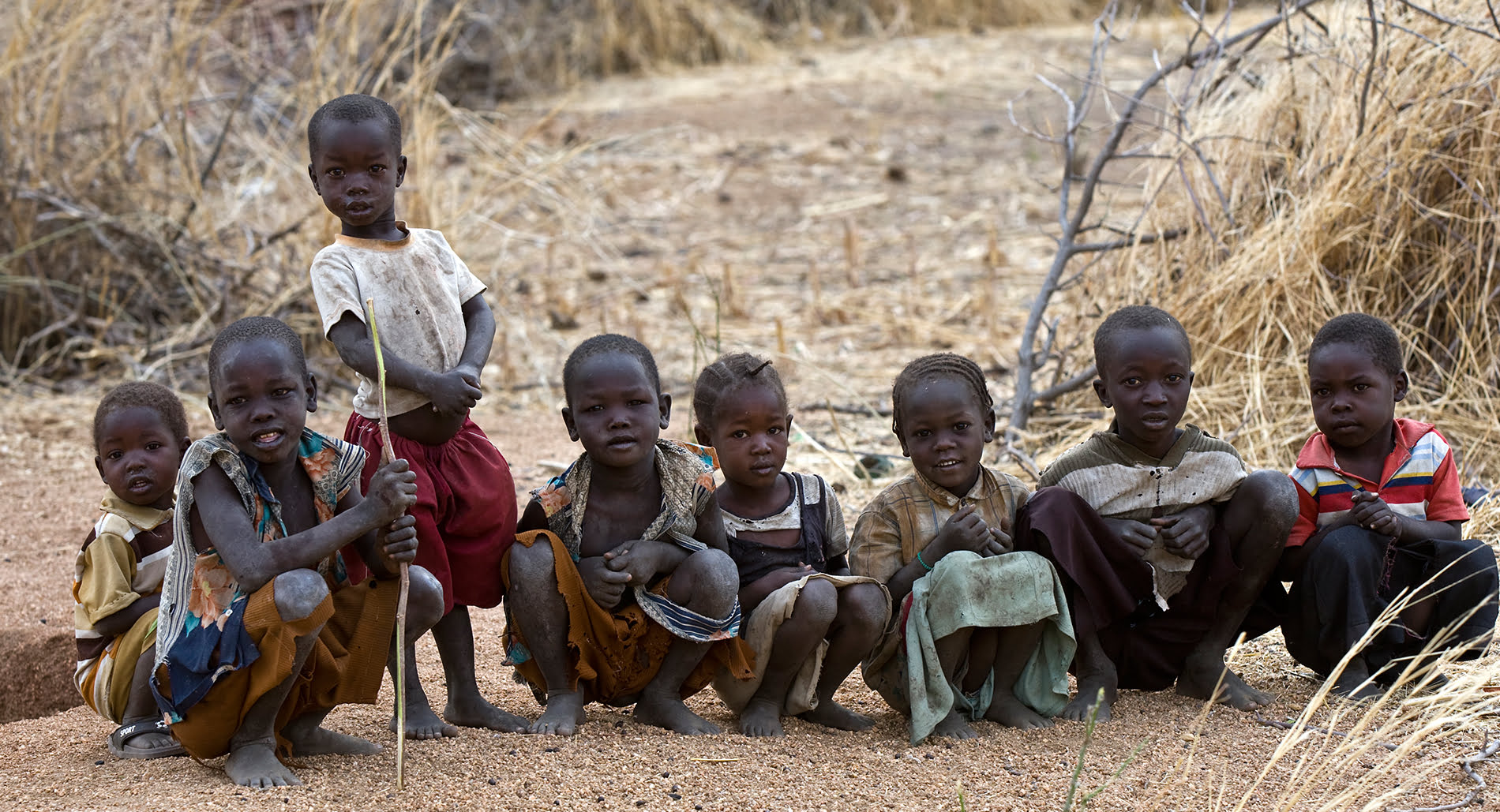
As a result of Boko Haram’s abuses, over 170,000 people from Cameroon, mostly women and children, have fled their homes and are now internally displaced across the Far North region. Cameroon also hosts over 65.000 refugees who have fled the armed group’s attacks in Nigeria.
European Commission: Proposals on resettlement & asylum cynical attempt to strengthen the walls

A package of new proposals published by the European Union today risks rolling back basic protections for refugees and asylum seekers.

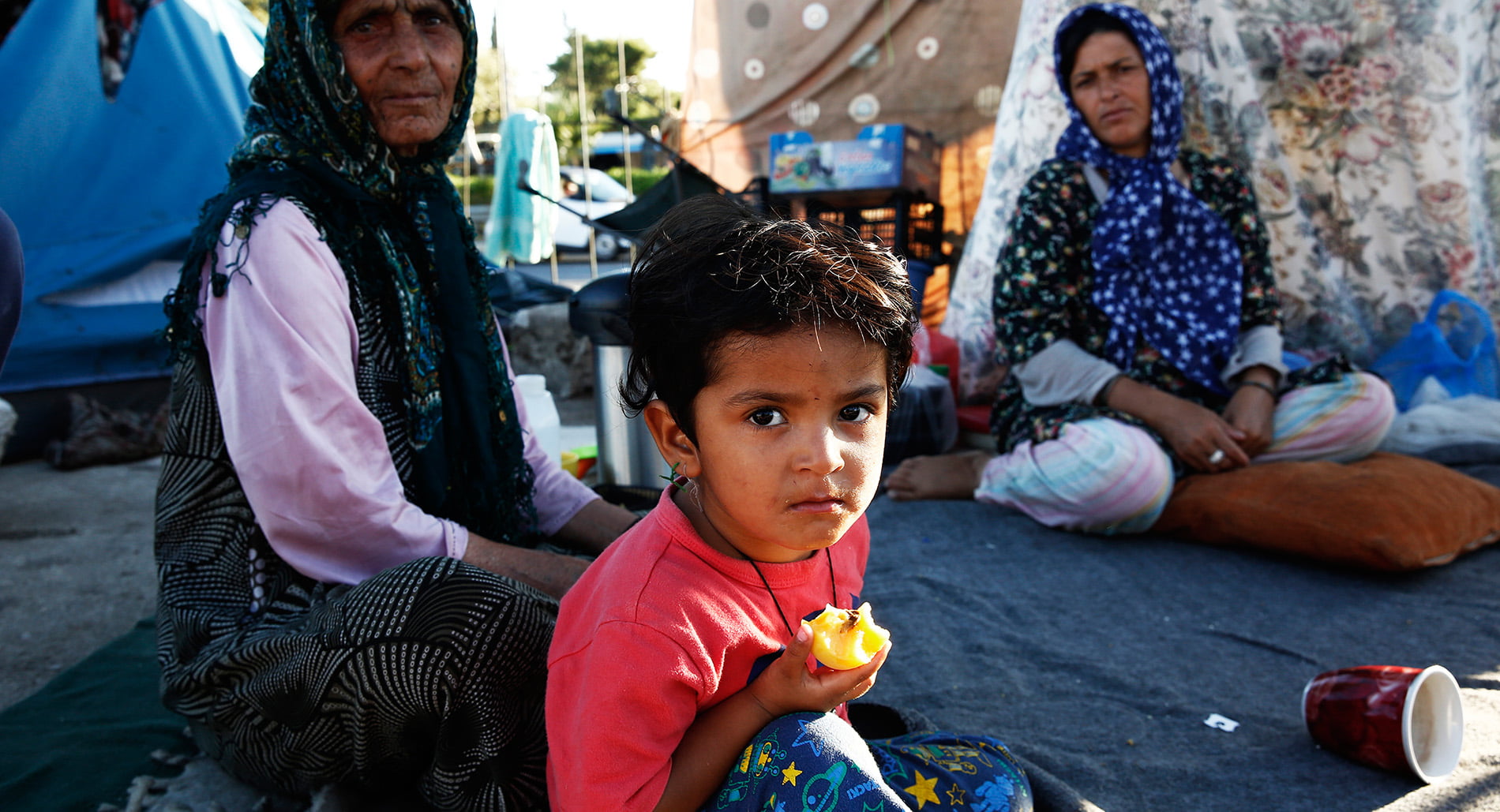
A proposed EU-wide resettlement framework would use resettlement as a tool for migration control rather than to provide assistance to vulnerable refugees. In addition, three proposed reforms of the EU asylum system would introduce measures intended to increase the number of refugees and asylum seekers returned to non-EU countries.

“The proposals the Commission published today are not about improving refugee protection globally, but about reducing irregular arrivals to Europe. They take good tools, like resettlement, and put them to bad ends; they use fine words, but these mask some pretty cynical intentions,” said Iverna McGowan, Head of Amnesty International’s European Institutions Office.

“What the Commission is really trying to do with these proposals is resettle some refugees, so they can return more. In the absence of any mention of the need to significantly increase resettlement numbers and heavily invest in conditions for refugees in third countries, the net impact of these proposals for refugee protection globally is very likely to be negative.”

“What the Commission is really trying to do with these proposals is resettle some refugees, so they can return more.”

Background

The proposed Union Resettlement Framework sets out how the EU member states might implement resettlement programmes in the future but fails to mention any need to increase current numbers.

Under the scheme, the Council would establish annual resettlement plans which would fix the total resettlement number and member states’ quotas for the following year as well as indicate the overall geographical priorities. The European Commission would then establish targeted resettlement schemes tailored to specific regions or third countries, which are a source of migratory flows to the EU.

The proposal comes as states around the world prepare for September’s UN meeting to address large movements of refugees and migrants and negotiate the draft Global Compact on Responsibility-Sharing for Refugees.

India: Government, Coal India sacrifice Adivasi rights in the name of development

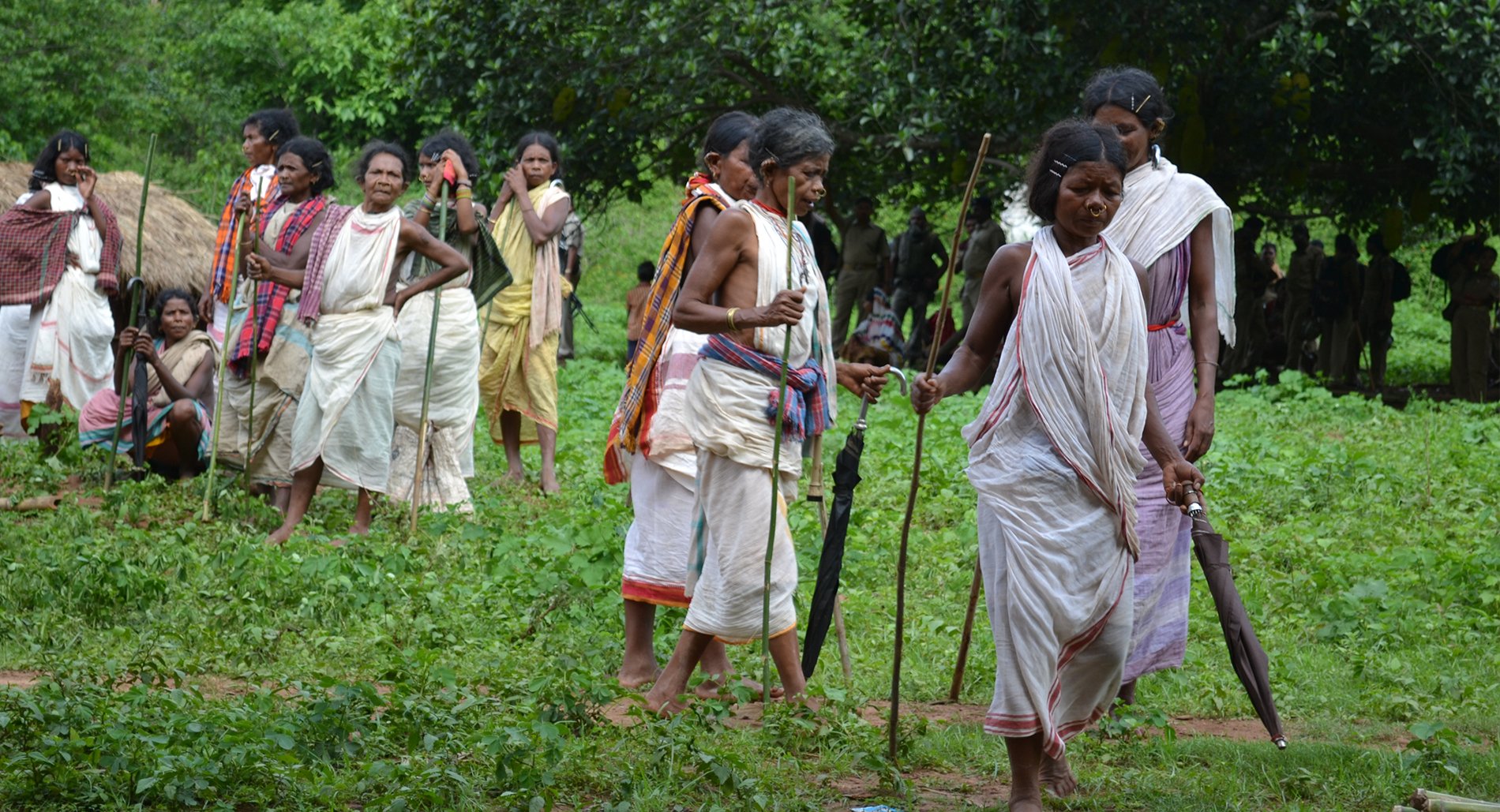
Mining operations by India’s state-owned Coal India Limited, the world’s largest coal producer, are shutting out indigenous Adivasi communities from decisions that affect their lives.

The report, “When Land Is Lost, Do We Eat Coal?”: Coal Mining and Violations of Adivasi Rights in India, traces how Coal India subsidiaries, central government ministries and state government authorities in Chhattisgarh, Jharkhand and Odisha failed to ensure meaningful consultation with Adivasi communities on land acquisition, rehabilitation and resettlement, and the environmental impacts of mines, seriously affecting their lives and livelihoods.

“The government plans to nearly double coal production by 2020, and Coal India wants to produce a billion tonnes of coal every year. Yet both the company and central and state governments don’t seem to care to speak or listen to vulnerable Adivasi communities whose lands are acquired and forests destroyed for coal mining,” said Aakar Patel, Executive Director of Amnesty International India.

“Abusive laws, poor enforcement of existing safeguards, and corporate neglect of human rights are now leading Adivasi communities to oppose the expansion of the very mines they once thought would bring employment and prosperity, until they receive remedy for violations.”

“Abusive laws, poor enforcement of existing safeguards, and corporate neglect of human rights are now leading Adivasi communities to oppose the expansion of the very mines they once thought would bring employment and prosperity, until they receive remedy for violations.”

aakar patel, amnesty international india

The report exposes a pattern of human rights violations in open-cast mines run by different Coal India subsidiaries: South Eastern Coalfields Limited’s Kusmunda mine in Chhattisgarh, Central Coalfields Limited’s Tetariakhar mine in Jharkhand and Mahanadi Coalfields’ Limited’s Basundhara-West mine in Odisha.

It is based in part on interviews with 124 affected Adivasi people across the three mine areas; village, district and state government officials from the Chhattisgarh, Jharkhand and Odisha state forest departments and pollution control boards; representatives of the three Coal India subsidiaries; and local journalists, activists and lawyers.

The main findings of the report were shared with the relevant state authorities and companies, offering them an opportunity for comment. No response was received.

The main findings of the report were shared with the relevant state authorities and companies, offering them an opportunity for comment. No response was received.

Abusive land acquisition

Land acquisition for Coal India’s mines is carried out under the Coal Bearing Areas (Acquisition and Development) Act (CBA Act), which does not require authorities to consult affected communities, or seek the free, prior and informed consent of Indigenous peoples, as stipulated by international law. A new land acquisition law enacted in 2014 specifically exempts acquisition under the CBA Act from seeking the consent of affected families or carrying out social impact assessments.

In each of the three Coal India mines examined, the central government acquired land without directly informing affected families, or consulting them about their rehabilitation and resettlement. Frequently, the only official notice given was a declaration of the government’s ‘intention to acquire’ land in an official government gazette, which is virtually impossible to access for affected communities.

“The CBA Act undermines communities’ security of tenure. Any eviction resulting from acquisition under the Act is likely to amount to a forced eviction, which is prohibited under international law,” said Aruna Chandrasekhar, Senior Researcher at Amnesty International India.

“Any eviction resulting from acquisition under the Act is likely to amount to a forced eviction, which is prohibited under international law.”

Poor enforcement of environment and Adivasi rights laws

India’s environmental laws require state pollution control authorities to set up public consultations with local communities likely to be affected by industrial projects to give them an opportunity to voice any concerns. However public consultations conduced in the three mining areas suffered from serious flaws.

Pollution control authorities made few attempts to reach out to villagers who were not formally literate, or to explain the impacts of mining. Advisory committees at the central Ministry of Environment, Forests and Climate Change (MoEF) often only perfunctorily referred to the concerns raised at public hearings before granting environment clearances to mine expansions.

At a public hearing for the expansion of the Kusmunda mine in Chhattisgarh, company officials spent only a few minutes explaining the impact of the project. Of 38 people who spoke at the public hearing, the only one who spoke in favour of the expansion was a Coal India employee. Yet an advisory committee at the MoEF cleared the mine’s expansion without adequately addressing the concerns raised.

“To make matters worse, in recent years, successive central governments have sought to dilute requirements for public hearings for certain categories of mines, putting the rights of local communities at further risk,” said Aruna Chandrasekhar.

India’s Panchayat (Extension to Scheduled Areas) Act (PESA Act) requires authorities to consult gram sabhas (village assemblies) in protected Adivasi regions before acquiring their land, or deciding on rehabilitation and resettlement measures. These consultations were not held in any of the three mine areas.

The Forest Rights Act requires state governments to obtain the consent of Adivasi gram sabhas before using forest land for industry. Again, authorities did not seek the consent of communities under the Act in the three mines examined in the report, or conducted village assemblies that appeared to be flawed.

“Recognition of the powers of the gram sabha is central to the implementation of both the PESA Act and the Forest Rights Act, and it is this decentralisation of power to Adivasi communities that the state and central governments seem to be refusing to accept,” said Sudha Bharadwaj, a human rights lawyer who works with Adivasi communities in Chhattisgarh.

“In these three mines, authorities and companies appear to have seen public hearings more as a bureaucratic hurdle to overcome than a genuine opportunity to hear and address community concerns,” said Aruna Chandrasekhar.

“In these three mines, authorities and companies appear to have seen public hearings more as a bureaucratic hurdle to overcome than a genuine opportunity to hear and address community concerns.”

Corporate failure to respect human rights

Under international standards on business and human rights, Coal India and its subsidiaries have a responsibility to respect human rights, including by carrying out due diligence to ensure that government agencies had conducted proper consultation with regard to coal mining operations. This responsibility exists over and above compliance with national laws.

However the companies appeared to have taken little or no action to either consult communities themselves or to ensure that government consultations were adequate and met human rights standards. Often, the companies and government authorities worked together to remove people from land identified for coal mining.

“Coal India knowingly benefited from land acquisition processes that violated the human rights of thousands of people,” said Aruna Chandrasekhar. “It cannot point to the failure of the government as a defence for its own failure to respect the rights of communities.”

“Coal India knowingly benefited from land acquisition processes that violated the human rights of thousands of people.”

“The human rights violations that seem to accompany mining by Coal India call into question the central government’s promises of inclusive development, with far-reaching impacts in the future,” said Aakar Patel.

“Coal India must urgently address the human rights impacts of the expansion of the Kusmunda, Tetariakhar and Basundhara-West mines, in full consultation with project-affected communities. It should ensure that these expansions do not go ahead until existing human rights concerns are resolved.”

“The central government must ensure that any land acquisition for coal mining involves human rights impact assessments and the seeking of the free prior and informed consent of Adivasi communities.”

“The central government must ensure that any land acquisition for coal mining involves human rights impact assessments and the seeking of the free prior and informed consent of Adivasi communities.”

“Coal mining is described as being integral to India’s economic progress. But development is hollow without dialogue and respect for human rights.”

Fiji: Investigate photographs of police torture

In response to the emergence of photographs that purportedly show torture and other ill-treatment by security forces during an operation in Navosa, Fiji:

“These deeply disturbing images should be immediately and independently investigated in a thorough and transparent manner. It is not enough for the police to investigate themselves, as the Police Commissioner has suggested. If any torture and other ill treatment is found to have taken place at the hands of Fijian security forces, the perpetrators must face accountability so that the country can begin to break with its grim track record on human rights violations,” said Rafendi Djamin, Amnesty International’s Director for South East Asia and the Pacific.

“It is not enough for the police to investigate themselves, as the Police Commissioner has suggested.”

Rafendi Djamin, Amnesty International

The photographs in question show several Fijians with injuries, including bruises and lacerations to the head Some images show two people lying down with hands and legs tied together behind their backs with rope. In the background of some of these photos, military and police officers armed with guns can be seen.

Bangladesh: Police must establish fate and whereabouts of disappeared Dhaka attack hostage

Bangladeshi authorities must immediately establish the fate and whereabouts of a surviving hostage from the recent Dhaka restaurant attack who has been missing since taken by police for questioning 10 days ago.

Fears are growing for the well-being of Hasnat Karim, who was trapped with his wife and two children in Dhaka’s Holey Bakery on 1 July, when gunmen attacked and killed more than 20 people.

The family was taken into custody by the police for questioning on 2 July, and all except Hasnat Karim were released on 3 July. “Hasnat Karim’s family must immediately be told whether the Bangladeshi authorities are still holding him in custody and if so allow him contact with the outside world. They have already suffered a traumatic episode, and his enforced disappearance prolongs their ordeal,” said Champa Patel, Amnesty International’s South Asia Director.

“Hasnat Karim’s family must immediately be told whether the Bangladeshi authorities are still holding him in custody and if so allow him contact with the outside world.”

“The arbitrary response of the Bangladeshi authorities to Hasnat Karim’s case risks further undermining the trust of the population in the government’s ability to defend their rights to life and liberty. The victims of the 1 July attack deserve justice. Whether Hasnat Karim is a witness or a suspect, he must receive due process, regardless of the crimes he is alleged to have committed.”

The Bangladeshi authorities have issued conflicting claims about Hasnat Karim’s whereabouts. On 10 July, Maudur Rahman, the Deputy Commissioner of the Dhaka Police claimed that Hasnat Karim had been released four days earlier. His statement directly contradicted information the Detective Branch gave the family on 9 July, when they said the police still had Hasnat Karim in custody.

“The contradictory claims in this case will inevitably heighten concerns. If the authorities do have Hasnat Karim in custody, then they must release him immediately or produce him in a court of law for any charges to be filed against him,” said Champa Patel.

“If the authorities do have Hasnat Karim in custody, then they must release him immediately or produce him in a court of law for any charges to be filed against him”

The family is also concerned about Hasnat Karim’s health. He suffers a heart condition and requires regular treatment.

“Hasnat Karim’s family’s fears must be addressed. The Bangladeshi authorities have a poor track record when it comes to human rights in custody, with violations including torture and other ill-treatment, often to obtain ‘confessions’ and the denial of medical treatment,” said Champa Patel.

Background

Enforced disappearances are a violation of the International Covenant on Civil and Political Rights and the UN Convention against Torture and Other Cruel, Inhuman or Degrading Treatment or Punishment, to which Bangladesh is a state party, and an international crime.

An enforced disappearance typically occurs when state agents arrest or abduct a person but then refuse to acknowledge the deprivation of liberty or conceal the fate or whereabouts of the disappeared person, placing him or her outside the protection of the law.

Once out of the public eye, individuals subjected to enforced disappearance are at great risk torture, other ill-treatment, and death.

Egypt: Hundreds disappeared and tortured amid wave of brutal repression

Egypt’s National Security Agency (NSA) is abducting, torturing and forcibly disappearing people in an effort to intimidate opponents and wipe out peaceful dissent, as highlighted by a damning new report published by Amnesty International today which shows an unprecedented spike in enforced disappearances since early 2015.

Egypt: ‘Officially, you do not exist’: Disappeared and tortured in the name of counterterrorism reveals a trend which has seen hundreds of students, political activists and protesters, including children as young as 14, vanish without trace at the hands of the state. On average three to four people per day are seized according to local NGOs, usually when heavily armed security forces led by NSA officers storm their homes. Many are held for months at a time and often kept blindfolded and handcuffed for the entire period.

“This report reveals the shocking and ruthless tactics that the Egyptian authorities are prepared to employ in their efforts to terrify protesters and dissidents into silence,” said Philip Luther, Director of the Middle East and North Africa Programme at Amnesty International.

“This report reveals the shocking and ruthless tactics that the Egyptian authorities are prepared to employ in their efforts to terrify protesters and dissidents into silence.”

Philip Luther, Amnesty International

“Enforced disappearance has become a key instrument of state policy in Egypt. Anyone who dares to speak out is at risk, with counter-terrorism being used as an excuse to abduct, interrogate and torture people who challenge the authorities.

“The Egyptian authorities have repeatedly denied that enforced disappearances exist in the country, but the cases featured in this report provide strong evidence to the contrary. The report exposes not only the brutality faced by those disappeared but also the collusion between national security forces and judicial authorities, who have been prepared to lie to cover their tracks or failed to investigate torture allegations, making them complicit in serious human rights violations.”

Enforced disappearances and torture

The report features the detailed cases of 17 people subjected to enforced disappearance, who were held incommunicado for periods ranging between several days to seven months, cut off from the outside world and denied access to their lawyers or families or any independent judicial oversight.

The report also includes harrowing accounts of torture of victims during interrogation sessions lasting up to seven hours, in order to extract “confessions” later used as evidence against them during questioning by prosecutors and to obtain convictions at trials. In some cases, those tortured were children.

One of the most shocking cases examples is that of Mazen Mohamed Abdallah, who was subjected to enforced disappearance at the age of 14 in September 2015 and suffered horrendous abuse including being repeatedly raped with a wooden stick in order to extract a false “confession”.

Aser Mohamed, who was also 14 at the time of his arrest, was beaten, given electric shocks all over his body and suspended from his limbs in order to extract a false “confession” when he was forcibly disappeared for 34 days in January 2016 in NSA offices in 6th of October district of Greater Cairo. He was eventually brought before a state security prosecutor who warned him that he would face further electric shocks when he tried to retract his “confessions”.

The two boys are among five children forcibly disappeared for up to 50 days whose cases are documented in the report. In some cases, even after the child’s release was ordered by the Public Prosecutor, security forces would subject them to enforced disappearance for a second time before bringing fresh charges against them.

In other cases, family members were arrested in order to pressure the principal target into giving a “confession”. In July 2015 Atef Farag was arrested alongside his 22-year-old son, Yehia. Their family believe Atef was arrested for participating in a sit-in and his son, who has a disability, was arrested to pressure him to “confess” to serious offences. Both were held for 159 days and now have been charged with belonging to the banned Muslim Brotherhood.

There has been a visible spike in the use of enforced disappearances in Egypt since Magdy Abd el-Ghaffar was appointed Minister of Interior in March 2015. He previously served in the State Security Investigations (SSI), the secret police force notorious for human rights violations under Mubarak’s rule, which was dismantled after the 2011 uprising and renamed as the NSA.

There has been a visible spike in the use of enforced disappearances in Egypt since Magdy Abd el-Ghaffar was appointed Minister of Interior in March 2015.

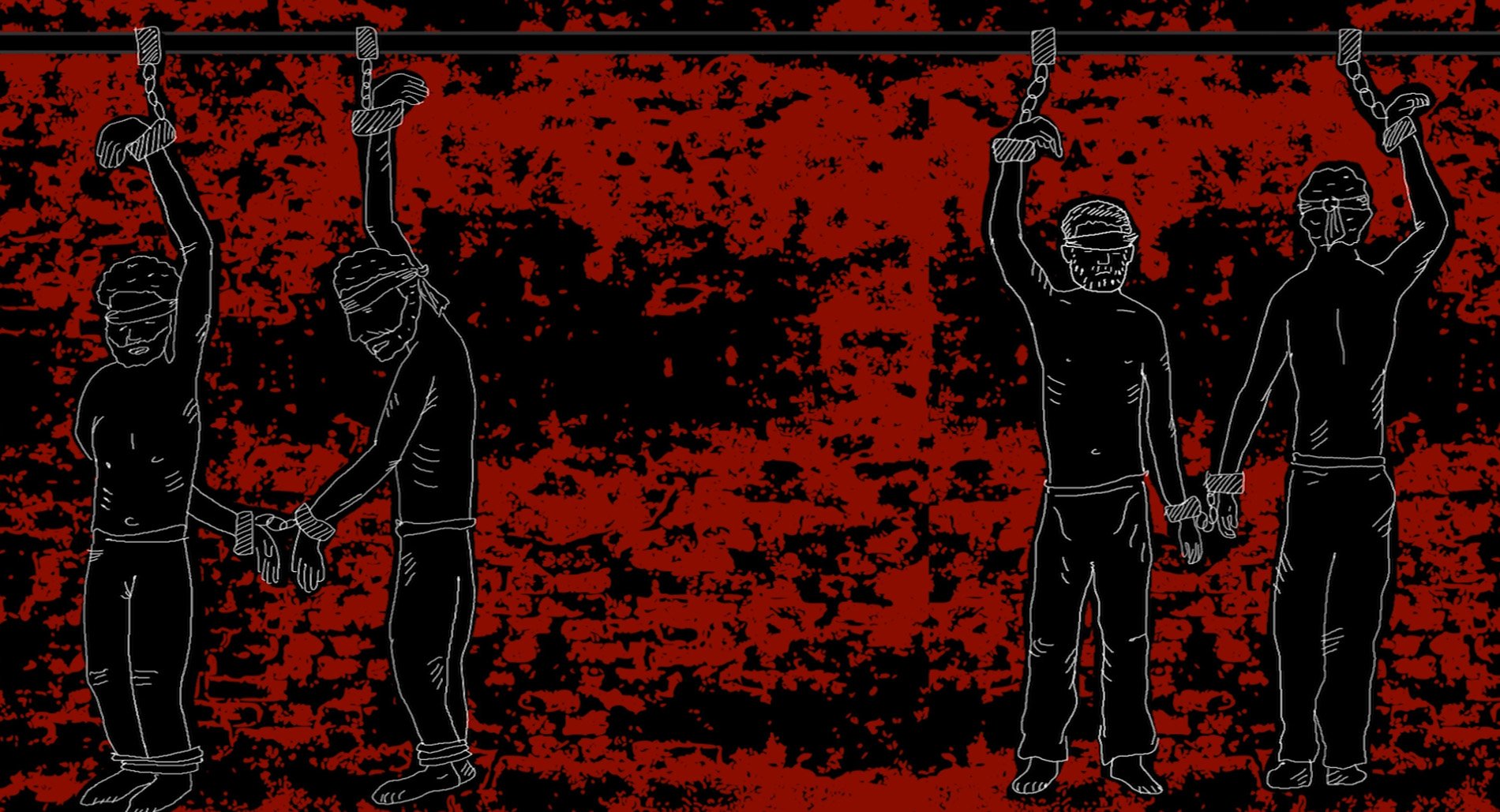
In one horrific case Islam Khalil, 26, was subjected to 122 days of enforced disappearance in 2015. He was blindfolded and handcuffed for the whole of that time and was brutally beaten, given electric shocks including on his genitals, and suspended naked by his wrists and ankles for hours at a time by NSA interrogators in Tanta, a town north of Cairo, until he lost consciousness.

At one point his interrogator said: “Do you think that you have a price? We can kill you and put you in a blanket and throw you in any trash bin and no one will ask about you.”

At one point his interrogator said: “Do you think that you have a price? We can kill you and put you in a blanket and throw you in any trash bin and no one will ask about you.”

Another officer even warned him to say his last prayers while giving him electric shocks.

He was later moved to NSA’s offices in Lazoughly, in downtown Cairo, which he described as “hell”, where he spent 60 days and suffered further torture.

Hundreds of people are estimated to be held in the NSA offices in Lazoughly – the most notorious place of detention according to detainees – located inside the headquarters of the Ministry of Interior. The offices are just a short distance from Cairo’s iconic Tahrir square where thousands took to the street five years ago to protest against torture and brutality by the Mubarak-era security forces.

The disappearance of the Italian student Giulio Regeni, who was found dead in Cairo in February 2016, with his body bearing signs of torture, attracted worldwide media attention. The Egyptian authorities have repeatedly denied involvement in his disappearance and killing but Amnesty International’s report found that the similarities between his injuries and those of Egyptians who died in custody suggests that his death is just the tip of the iceberg, and could be part of a wider pattern of enforced disappearances by NSA and other intelligence agencies across Egypt.

As well as increasing the risk of torture and other ill-treatment and depriving the victim of the protection of the law, enforced disappearances also have a devastating impact on the families of victims who are left wondering about the fate of their loved ones.

“All I wanted to know was whether my son was dead or alive,” said Abd el-Moez Mohamed, whose 22-year-old son Karim, an engineering student, was forcibly disappeared for four months after NSA agents accompanied by heavily armed forces seized him from his home in Cairo in August 2015.

“All I wanted to know was whether my son was dead or alive.”

Abd el-Moez, whose son was forcibly disappeared

Some family members attempted to report disappearances to the Ministry of Interior and Public Prosecutor but in most cases no investigations were opened. On the rare occasions that investigations were opened these were closed once the authorities acknowledged that the detainee was in the custody of the NSA, even though they continued to be denied access to their lawyers or family after that.

“President Abdel Fattah al-Sisi must order all state security agencies to stop enforced disappearances, torture and other forms of ill-treatment and make clear that anyone who orders, commits or is complicit in such violations will be brought to justice,” said Philip Luther.

“All those still held in such conditions must be given access to their lawyers and families. Those held solely for peacefully exercising their rights to freedom of expression and assembly must be immediately and unconditionally released.”

“Those held solely for peacefully exercising their rights to freedom of expression and assembly must be immediately and unconditionally released.”

Philip Luther, amnesty international

The report also calls on President al-Sisi to urgently set up an independent commission of inquiry to investigate all allegations of enforced disappearances, torture and other illtreatment of detainees by the NSA and other agencies, with the power to probe all government agencies, including the military, without interference.

Collusion and deceit

The report paints a damning picture of Egypt’s Public Prosecution, which was found to have accepted questionable evidence by the NSA – which regularly falsified dates of arrest to conceal the time detainees had spent under conditions of enforced disappearance – and to have based charges on “confessions” extracted under duress, and to have failed to investigate torture allegations, for example by ordering medical examinations and noting it in the official records. On the rare occasions where detainees were referred by Public Prosecutors to an independent medical examination their lawyers were not permitted to see the results.

“The report delivers scathing criticism of Egypt’s Public Prosecution, which has been complicit in these violations and cruelly betrayed their duty under Egyptian law to protect people from enforced disappearances, arbitrary arrest, torture and other ill-treatment. Failure to reform the Public Prosecution to ensure its independence from the executive authorities will leave it unfit for purpose,” said Philip Luther.

Egypt is regarded by many Western powers as a key counter-terrorism partner in the region and many states have used this justification to supply Egypt with arms and related equipment despite evidence of its use to commit serious human rights violations. Many continue to maintain close diplomatic, trade and other ties with the country without prioritizing human rights.

“All states, particularly EU member states and the USA, must use their influence to pressure Egypt to end these appalling violations, which are being committed under the false pretext of security and counter-terrorism,” said Philip Luther.

“All states, particularly EU member states and the USA, must use their influence to pressure Egypt to end these appalling violations, which are being committed under the false pretext of security and counter-terrorism.”

Philip Luther, amnesty international

“Instead of continuing to blindly supply security and police equipment to Egypt they should cease all transfers of arms and equipment that have been used to commit serious human rights violations in Egypt until effective safeguards against misuse are established, thorough and independent investigations are conducted and those responsible are brought to justice.”

El Salvador: Proposal to increase jail terms for women accused of abortion

A new proposal by a group of parliamentarians from opposition party ARENA in El Salvador to increase jail terms for women accused of having an abortion to up to 50 years is scandalous, irresponsible and flies on the face of basic human rights standards.

“Parliamentarians in El Salvador are playing a very dangerous game with the lives of millions of women. Banning life-saving abortions in all circumstances is atrocious but seeking to raise jail terms for women who seek an abortion or those who provide support is simply despicable,” said Erika Guevara-Rosas, Americas Director at Amnesty International.

“Instead of continuing to criminalize women, authorities in El Salvador must repeal the outdated anti-abortion law once and for all.”

“Instead of continuing to criminalize women, authorities in El Salvador must repeal the outdated anti-abortion law once and for all.”

Erika Guevara-Rosas, Amnesty International

Following a change in the Penal Code in 1998, abortion in El Salvador has been banned in all circumstances – even when the pregnancy is the result of rape, incest or when the life of the woman is at risk. The current jail term in the Penal Code is from 2 to 8 years. The change in the law has led to wrongful prosecutions and misapplication of criminal law where women are immediately assumed guilty. Women with few economic resources are particularly affected by the ban.

Damaging Northern Territory bail laws defeated!

Great news from the NT! Our supporters really stepped up to ensure that independent MPs did not support the government’s damaging plans to lock up more kids before they have even been to trial.

What happened?

The Northern Territory government was seeking to rush through changes on their final parliamentary sitting day before the NT election that would have made pre-trial prison the default for children charged with crimes who have been found guilty of offences like stealing and property damage in the past.

This would have meant a presumption of jail, rather than bail, for kids as young as 10.

The Northern Territory has the highest rate of youth detention in Australia already, and 95 per cent of all kids that are locked away are Indigenous.

The Northern Territory has the highest rate of youth detention in Australia already, and 95 per cent of all kids that are locked away are Indigenous.

To address this, we need to support Indigenous people and organisations to develop local solutions to the local issues they are best placed to understand. We need resources to go into things like youth services, better education; family violence prevention; drug and alcohol services; and proper housing.

But at the moment, the NT government is choosing not to fund youth services and programs to work with children and young people to give them every chance of success. A three million dollar funding cut in 2012 forced the closure of a youth drop-in centre and the end of night-time activities run by local Aboriginal organisations in Alice Springs. As local, long-time youth worker Blair McFarland puts it “Now we’ve got kids on the street – go figure!”.

Now we’ve got kids on the street – go figure!

And there have been more cuts since. This government allocated $1.2 million towards youth justice programs in 2016/17, down from the $2 million spent in 2015/16.

The Northern Territory has a minority government, which means that they rely on the support of independent opposition MPs to pass changes to these bail laws.

The opposition announced they would not support the changes, so we knew the outcome would probably be up to one key independent who has been voting with the government – Larisa Lee.

We also knew that if there was any hope of persuading her, the pressure would have to come from inside the NT, so we contacted all of our supporters there.

How did Amnesty respond?

Our supporters in the Northern Territory sprang into action, sending emails and making phone calls to Larisa Lee, urging her not to support the changes.

She got in touch and let us know that based on concerns that had been raised with her by the community, she did not support the changes!

This was great news, but there were two more independent MPs whose position on the motion wasn’t yet clear. Just before the Bill was about to be debated, our supporters got in contact with these independents to get them over the line.

In the end, the government did not try to pass the laws. We have it on good authority that this was because they knew they didn’t have the numbers to support the move.

In the end, the government did not try to pass the laws. We have it on good authority that this was because they knew they didn’t have the numbers to support the move.

This shows how much influence our relatively small supporter base in the NT can have, just by contacting their local MPs.

What next?

This is a huge win, and it is fair to say wouldn’t have happened without our supporters.

However the Chief Minister, Adam Giles, has said that rather than try to pass this law now, he’ll be pushing a ‘tough on crime’ agenda and will seek a mandate for a law and order response. This means laws that strip magistrates of the power to look at the individual child’s circumstances, a higher chance of kids getting locked up before trial and electronic monitoring bracelets if they are released on bail.

In summary, we’ve had a great win but there could be a storm still brewing behind it.

We’ll need the support of our amazing supporters in the NT and we’ll need to get creative to stop the lead-up to the NT state election (on August 27) from being a ‘tough on crime’ race to the bottom.

10 things our government should do to make human rights a priority

The election campaign has come and gone. We’ve campaigned on the issues we’re passionate about, we’ve voted, and Australia has had its say. But, just because the election is over doesn’t mean we stop campaigning for the world we want to see.

Now is the time to hold the new government to account. Amnesty is calling on the new government to make human rights a priority, and we want you to join us.

Over the next 100 days, we’re asking you to make your voice heard.

1. Give Indigenous kids a fair go

Aboriginal and Torres Strait Islander children are 24 times more likely to be locked up than non-Indigenous children. Another generation will be lost to failed government policies unless we address the underlying causes. The government needs to address this urgently by setting measurable targets to reduce Indigenous imprisonment rates, and by supporting Indigenous-led programs which help to put young people on the right path.

Indigenous woman kissing young Indigenous boy on the cheek
© Juliawheelerphotography

2. Work with indigenous leaders to invest in Indigenous community services

Indigenous people in Australia still face discrimination and disadvantage in health, education, income and access to essential services. We need a long-term commitment to Close the Gap, yet in recent years government funding for Indigenous programs has been severely cut. The government should commit to a plan for the funding of Indigenous community services to 2025, in partnership with Indigenous people themselves.

The Prime Minister should work closely with Indigenous leaders and representatives, including the National Congress of Australia’s First Peoples, to make sure Indigenous affairs policies are heading in the right direction.

Red dirt road in background with two hands in the fore ground dropping the dirt between hands
© sebastianbourges

3. Do our bit to help people find refuge, and treat people seeking asylum with dignity

Millions of people around the world have been uprooted by fear and violence. All countries should pull their weight to help people in urgent need of assistance, and Australia can do it’s bit too. Australia’s policies of detaining and warehousing people seeking asylum offshore and pushing back boats at sea are inhumane. We can welcome asylum seekers and refugees into our communities in Australia and treat them with dignity.

Australia should end offshore processing, increase the annual refugee resettlement intake to at least 30,000 people per year and prioritise people with humanitarian needs in other migration streams (including skilled, student and family reunion visas).

Woman and small girl touching noses
© AI/Olga Stefanou

4. Let Australians marry the people that they love

Equal marriage rights are being legislated around the world, but Australia has fallen embarrassingly behind. No-one should be denied the right to marry the person they love just because of their gender or sexuality. The parliament has the power to make marriage equality a reality. There is no time to waste.

Two people hugging holding love heart placard
© Getty Images

5. Ensure national security legislation respects fundamental freedoms

All governments need to balance national security with human rights imperatives, but the last Australian parliament tipped the balance too far in the wrong direction – eroding our right to privacy and the presumption of innocence. Australia should cease its mass surveillance data retention scheme; amend new citizenship revocation laws so they only apply to dual citizens convicted of a serious terrorist offence; and ensure proper safeguards are in place for children subject to control orders.

Two women sitting on bench looking at their mobile phones
© Max Sarychau

6. Take a stand against the death penalty

The use of state-sanctioned killing should be abolished for good. Australia has influence in our region and on the world stage and can help abolish the death penalty everywhere. The government should should quickly announce a foreign affairs strategy aimed at ending the death penalty worldwide, and campaign for ‘yes’ votes for the 2016 United Nations General Assembly’s death penalty moratorium resolution later in 2016.

Noose in abandoned dank room
© AI

7. Make sure the Syrian people have a safe home

The people of Syria continue to face unimaginable suffering. Warring parties show little regard for their safety, and actively target them in some areas. The government must work together with other countries to ensure the Syrian people are protected and can access life saving humanitarian aid.

Three happy children sitting on a couch
© AI

8. Support Australians with disabilities

One in five Australians has a disability, and people with disabilities experience some of the highest rates of discrimination and abuse in our community. The new government must ensure the Disability Discrimination Commissioner is fully funded and able to carry out their duties on a full time basis to make sure that the rights of people with disabilities are respected everywhere.

Women and son with hearing impairment touching noses and smiling
© Louis-Paul St-Onge

9. Work to end violence against women

One in three Australian women will experience violence in their lifetime, and Aboriginal and Torres Strait Islander women are at the epicentre of the crisis. We all know this is a major problem, but funding for crisis accommodation, legal assistance and other essential services continues to be cut. The next Australian government must increase funding for family violence services, especially specialised services for Aboriginal and Torres Strait Islander women.

Shadow of mother reaching down to hold young child's hands
© Flickr/thomashawk

10. Increase the age of criminal responsibility to 12 years

The international standard age of criminal responsibility is 12 years old, but in Australia the age of responsibility used is 10. No 10-year-old child belongs in prison, and there is solid research to suggest that children this age have not yet developed the necessary skills and maturity for to be held criminally responsible. The government should bring Australia in line with international standards by raising the age of criminal responsibility to at least 12.

Young child saying stop by holding hand up
© Flickr/roberto volterra

South Sudan: Clashes put civilians at risk, underline need for arms embargo

Warring parties in South Sudan must take all possible measures to protect civilians, including thousands of internally displaced people currently sheltering at UN bases, as fighting continues to threaten civilian areas in the capital, Juba.

On 10 and 11 July, artillery shells landed in civilian neighbourhoods near Vice-President Riek Machar’s base in Jebel neighbourhood, injuring civilians and damaging their homes.

Renewed clashes between rival armed forces since 7 July have left hundreds of people dead and others displaced. Many civilians have not left their homes in days and are running out of food and water. Others have fled to churches and to UN displacement sites, which have themselves come under artillery fire in recent days.

“International law is clear – both sides must refrain from attacking civilian objects, including UN sites where desperate civilians are sheltering. The rival parties must remove military objectives from civilian areas and work with the UN Mission in South Sudan to provide civilians with safe passage out of frontline areas,” said Elizabeth Deng, Amnesty International’s South Sudan Researcher.

“Attacks on civilians and UN personnel delivering humanitarian aid are violations of international humanitarian law and may constitute war crimes.”

“Attacks on civilians and UN personnel delivering humanitarian aid are violations of international humanitarian law and may constitute war crimes.”

Elizabeth Deng, Amnesty International

The renewed fighting between forces loyal to President Salva Kiir and those loyal to First Vice-President Riek Machar also further highlights the urgent need for a comprehensive global arms embargo in the country. Amnesty International has been lobbying for a halt to arms transfers since the conflict first erupted in December 2013 to help bring an end to serious violations of international human rights and humanitarian law in South Sudan.

“For peace to stand a chance, the UN Security Council must ensure that all countries halt any further flow of weapons into South Sudan by immediately imposing a comprehensive arms embargo,” said Elizabeth Deng.

“The embargo, which should cover the supply, sale and transfer of weapons, ammunition and military vehicles, will reduce the likelihood of all disagreements resulting in widespread death and destruction.”

“The embargo, which should cover the supply, sale and transfer of weapons, ammunition and military vehicles, will reduce the likelihood of all disagreements resulting in widespread death and destruction.”

Elizabeth Deng, Amnesty International

The international community must also impose targeted sanctions against civilian and military officials reasonably suspected of responsibility for crimes under international law or human rights violations.

“While targeted sanctions are not a substitute for criminal accountability, in the short term they would serve as a deterrent to further violations, where none currently exists,” said Elizabeth Deng.

“The African Union must also expedite the formation of the long-awaited hybrid court to prosecute crimes committed during the conflict and end the culture of impunity that continues to feed this cycle of violence.”

Background

This latest round of fighting erupted on Thursday 7 July in Juba’s Gudele neighbourhood, pitting Sudanese People’s Liberation Army (SPLA) troops loyal to President Salva Kiir and SPLA-In Opposition (IO) forces loyal to Vice-President Riek Machar. Five SPLA soldiers were reported killed in the fighting.

On Friday evening, gunfire erupted outside the presidential palace where President Salva Kiir and Vice-President Riek Machar were meeting. At a joint press conference afterwards, the two leaders called for calm and urged their forces to stop fighting.

There was further exchange of heavy gunfire on Sunday morning with some artillery shells landing in UN compounds, and further reports of fighting on Monday 11 July.