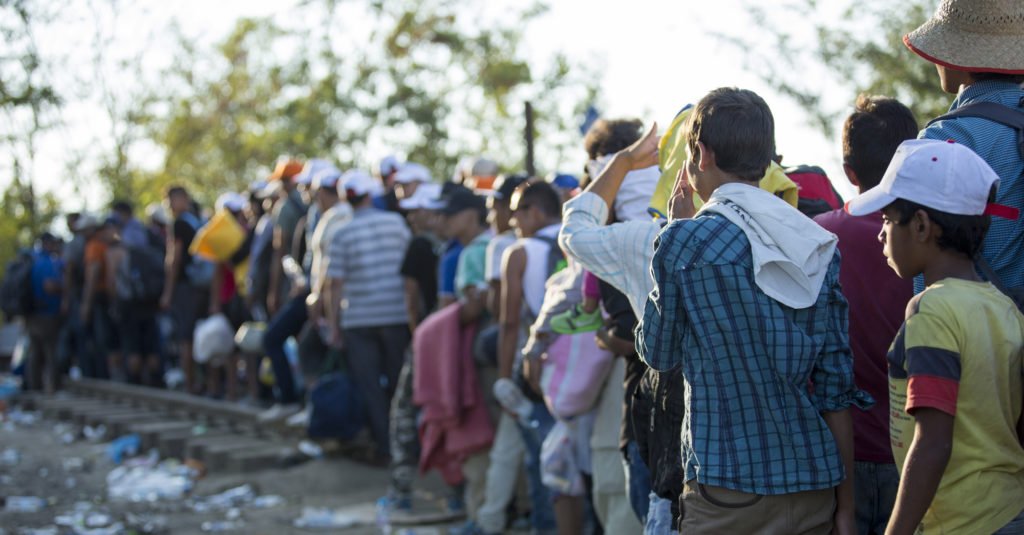
Please stop referring to refugees in Europe as ‘migrants’. Please, please, please.
I know you’re just taking your cue from the European newswires. I get it. But you need to do some find-and-replacing on that stuff before it goes to air/print.
It may seem like a small thing, but it’s not. It’s important. Language is important.
Here’s why:
These aren’t folks on some international jaunt of their own choosing – they’re people running for their lives. They’re refugees (or ‘asylum seekers’ – the correct term for people who haven’t been given a chance to prove their refugee status).
And they’re the very same people showing up in Australia (sometimes by boat, but mostly not) searching for a place to be safe. The 71 people who suffocated to death in the back of a van in Austria, and the desperate father selling pens on the side of the road in Lebanon, and the drowned little boy washed up on a beach in Turkey – are the same people we’re locking up on Manus and Nauru.
Al Jazeera gets it. A couple of weeks ago, online editor Barry Malone wrote “the umbrella term ‘migrant’ is no longer fit for purpose when it comes to describing the horror unfolding in the Mediterranean. It has evolved from its dictionary definitions into a tool that dehumanises and distances, a blunt pejorative”.
“…the umbrella term ‘migrant’ is no longer fit for purpose when it comes to describing the horror unfolding in the Mediterranean. It has evolved from its dictionary definitions into a tool that dehumanises and distances, a blunt pejorative.”
Barry Malone, Al Jazeera
He went on to explain that he and his colleagues at Al Jazeera have decided to start calling these people ‘refugees’.
Malone is right, of course. When journalists use insensitive (and inaccurate) words to describe human beings, they help create an environment where hate speech can creep into our public discourse and where “thinly veiled racism can fester”.
But there’s another reason this ‘migrants’ thing bothers me so much: it discourages Australians from making the link between what’s happening in Europe, and what’s going on here.
In Australia, our Government does its best to keep refugees out of sight and mind by locking them up on far-flung pacific islands and just flat-out refusing to talk about them. And when ministers do talk, it’s usually in three-word slogans like “Operation Sovereign Borders” and “Stop The Boats” that divorce the issue from its global context.
This is unhelpful. Because the truth is we’re in the midst of a worldwide refugee crisis – and it’s something we should be talking about.
In 2014, 42,000 people were forced to flee their homes every day. In the pile of rubble where Syria once was, more than half of the population has been displaced – mostly to neighbouring countries like Lebanon and Jordan, now struggling under the pressure. In Lebanon, one in five people is a Syrian refugee. One. In. Five.
When you, the Australian media, talk about ‘migrants’ in Europe, you perpetuate the idea that refugees are an isolated, domestic problem that can be fixed with crude (and cruel) domestic ‘solutions’.
Refugees aren’t an Australian problem.
All over the world, people are on the move in large numbers – because their homes are being bombed or their families are being murdered or their countries are disintegrating in front of their eyes. Jessie Mawson
Amnesty International has called it “one of the defining challenges of the 21st century” and it demands a global response; a paradigm shift.
Only when we understand this will the absurdity of cordoning off small groups of traumatised men, women and children in shoddy barbed-wire camps become horribly, embarrassingly apparent.
Only when we understand this can we hope to do better.
About the Author
Jessie Mawson is Social Media Specialist for Amnesty International Australia. @jessiemawson
This blog entry does not necessarily represent the position or opinion of Amnesty International Australia
Amnesty International’s Secretary General reflects on our new report on the mounting threat and violence facing those on the front line standing up for women’s rights in Afghanistan.
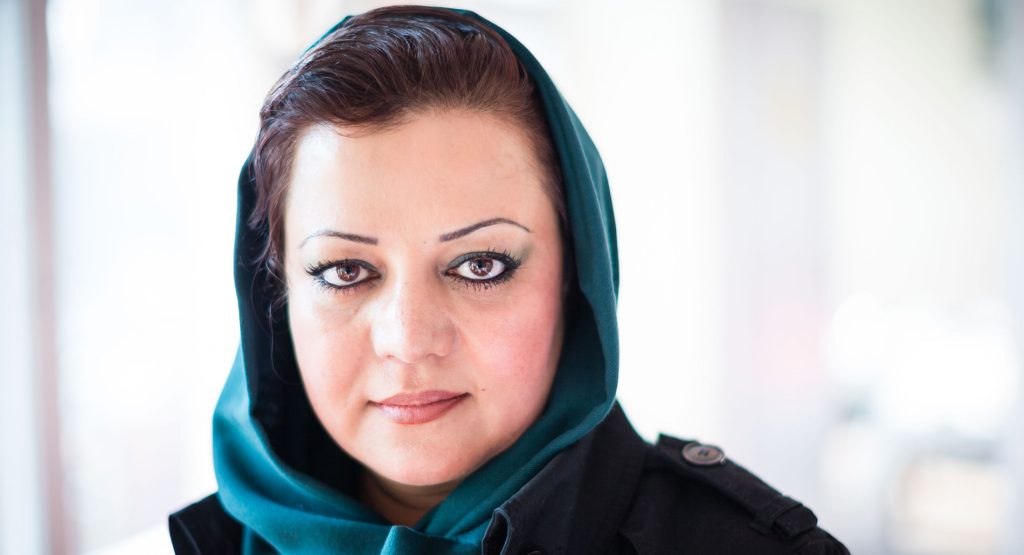
In Afghanistan’s eastern Laghman province, Shah Bibi is the director of the Department of Women’s Affairs, and continues her work to strengthen women’s rights despite multiple death threats having forced her to move to a different province. “Every day when I leave home I think that I will not return alive and my children are as scared as I am about a possible Taliban attack against me,” she told Amnesty International for a report on women’s human rights defenders in Afghanistan released today.
“Every day when I leave home I think that I will not return alive and my children are as scared as I am about a possible Taliban attack against me.”
Bibi’s two predecessors — Najia Sediqi and Hanifa Safi — were killed within six months of each other in 2012, one by gunmen in broad daylight and another in a car bombing. In a familiar story, relatives told Amnesty International how regular death threats had been met with no response by authorities, despite the women’s repeated pleas for protection. To this day, no one has been held responsible for their killings.
Considerable risk
Bibi’s story is far from unique. We spoke to more than 50 rights defenders and their family members from all walks of life. In Afghanistan, they are not confined to a small group of activists — anyone who uses their public position to advance the rights of women and girls fits this category. Most put themselves at considerable risk for their cause.
There is the police officer whose house was targeted in a grenade attack after highlighting gender discrimination in the police force. There is the teacher who survived a car bombing after she had campaigned for a girls’ school in her province. There is the Pashtun doctor who lives with constant threats, and who has seen her brother killed and her young son badly wounded because of her work. Her ‘offense’? Providing medical services to women and girls who escaped domestic violence, some who had been raped by their male family members.
But defending women’s rights is not restricted to female activists only. Although our report focuses mainly on women, across Afghanistan many men are also championing their cause. We spoke to ‘Mirwais’, for example — a young lawyer who works for a women’s shelter in Kabul, providing refuge to those escaping domestic violence.
No protection
Through our research, a clear pattern emerges of institutionalised indifference on behalf of the Afghan authorities to threats and attacks against these women and men. The government has systematically failed to provide a protected environment for them. Again and again, the same pattern came up in interviews: police, prosecutors, and courts consistently refuse to take threats against women human rights defenders seriously. Few investigations are launched into complaints of attacks, and prosecutions and convictions are even rarer. This impunity, where perpetrators are almost never held to account, only entrenches a culture of violence against women’s rights activists.
Many women also noted how even when they were afforded protection, it was often not as substantive as that given to their male colleagues or counterparts.
Many women also noted how even when they were afforded protection, it was often not as substantive as that given to their male colleagues or counterparts.
What is so dismaying is that Afghanistan has a fairly robust legal framework aimed at protecting women and those defending women’s rights. The problem is that these laws too often exist on paper only. Government bodies and officials charged with protecting women are under-resourced and lack the support to carry out their work.
The Elimination of Violence against Women Law, passed in 2009, criminalised a range of violent acts against women and was a landmark achievement for women’s rights. Years on, it remains sporadically enforced — even when women dare to report domestic violence or other attacks, conviction rates are woefully low.
But our report is not just a story of gloom and misery — it is also a celebration of these brave people. From running women’s shelters, championing gender equality in government, to building up a substantial network of civil society groups, Afghan women themselves have fought hard for some significant gains since 2001.
But these gains are now under threat, with conservative forces gaining more influence in Afghanistan and international aid money and interest in the country shrinking. Over the past few years, we have documented significant increase in threats, intimidation, and attacks against those at the forefront of promoting and protecting women’s rights. While the Taliban and other armed opposition groups are responsible for the majority of attacks, it is striking that women activists face threats and violence from all sides — warlords with links to the authorities, government officials, or even family members.
Over the past few years, we have documented significant increase in threats, intimidation, and attacks against those at the forefront of promoting and protecting women’s rights.
Responsibility
The Afghan government must start taking its responsibility to ensure protection of women human rights defenders seriously. There must be concrete steps to ensure that all allegations of threats or attacks against women human rights defenders reported are investigated, and that those responsible are brought to account. There is also a pressing need to build the capability of the Ministry of Women’s Affairs and its provincial counterparts.
The international community also has a crucial role to play, and must not abandon Afghanistan or those who put their lives on the line for human rights. There have been some noteworthy achievements supported by international donors since 2001, but up until now this has been on a limited, ad hoc basis. As aid money dwindles, international governments must prioritise support and resources to women human rights defenders in insecure and volatile areas of the country.
The international community also has a crucial role to play, and must not abandon Afghanistan or those who put their lives on the line for human rights.
The European Union Plus countries (the EU plus additional diplomatic missions) have recently launched a program that offers some promise. It will, once operational, offer emergency protection and ongoing monitoring for rights defenders. However, the strategy has yet to be tested, and it remains to be seen how successfully it will be implemented.
Today, April 7, I was fortunate enough to be in Kabul to launch our report together with some of the courageous activists who most need our continued engagement. Their commitment is inspiring, and provides hope for the future of Afghanistan. When I come back next time, I hope that the Afghan government and their international backers have turned their words and commitments into meaningful action.
The acquittal of two journalists in Thailand – on trial for reproducing parts of an article on human trafficking – is a welcome move for freedom of expression, but the two should never have had to stand trial in the first place.
The online news outlet Phuketwan’s editor Alan Morison and reporter Chutima Sidasathian were today found not guilty of for criminal defamation and for violating a provision of the Computer Crime Act.
The measure penalizes importing forged or false digital information in a manner likely to cause harm to a third party or the public.
The charges – brought following a complaint by the Thai Royal Navy – stem from one paragraph copied from a Pulitzer Prize-winning article by Reuters that examined Thailand’s role in the trafficking of Rohingya migrants, published in 2013.
“The acquittal of these two journalists is a positive decision, but the fact is that they should never have had to stand trial in the first place let alone face the possibility of years in jail,” said Josef Benedict, Amnesty International’s South East Asia Campaigns Director.
“The acquittal of these two journalists is a positive decision, but the fact is that they should never have had to stand trial in the first place let alone face the possibility of years in jail.”
Josef Benedict, Amnesty International
“The Thai authorities have again shown their disregard for freedom of expression by pursuing this case.
“Vaguely worded provisions of the Computer Crime Act are being misused as a tool to silence and harass independent media.
“This law contains provisions which violate human rights and should be repealed or amended immediately to comply with Thailand’s obligations under international law.
“This is just the latest in a long line of attacks on freedom of expression and media outlets since the military seized power in 2014.
“Thailand’s authorities must stop paying lip service to human rights – unlawful restrictions on freedom of expression must be lifted immediately, including criminal charges and sentences against the growing numbers of prisoners of conscience.”
The signing of a peace agreement yesterday by the Government of South Sudan is an important and vital step in ending the violence and addressing the massive human suffering in South Sudan.
We reiterate our call for both parties to embrace an unequivocal commitment to accountability for atrocities committed during the conflict to ensure a lasting peace.
Peace Deal
“Both sides must uphold the terms of the peace deal in order to ensure that immediate steps are taken to bring those responsible for crimes under international law to trial and provide full reparations to victims,” said Sarah Jackson, Amnesty International’s Deputy Regional Director for East Africa, the Horn and the Great Lakes.
“Silencing the guns and signing accords is not enough – if South Sudan is really committed to ushering in a new era of peace and accountability, the international community must remain vigilant and take concrete steps to ensure accountability.
“Silencing the guns and signing accords is not enough – if South Sudan is really committed to ushering in a new era of peace and accountability, the international community must remain vigilant and take concrete steps to ensure accountability.”
Sarah Jackson, Amnesty International
The UN Security Council, the African Union and South Sudan’s neighbours have a crucial role to play to ensure that mechanisms established during the peace process are successfully implemented to bring perpetrators to justice,” said Sarah Jackson.
Background
The Inter-governmental Authority on Development (IGAD) Secretariat announced yesterday that the Government of South Sudan would sign the proposed peace agreement to end the conflict that has ravaged the country in a mini-summit in Juba today.
The conflict between the Government of South Sudan led by President Salva Kiir and the Sudan People’s Liberation Movement in opposition (SPLM/IO) led by former Vice President Riek Machar has gone on for more than 20 months.
It is widely accepted that both parties to the conflict have committed violations of international humanitarian law and gross human rights abuses, including mass killings, rape and other forms of sexual violence, abduction and recruitment of children into their forces, burning and looting of civilian infrastructure, and obstruction of humanitarian assistance.
The first deadline for signing a peace agreement, 5 March 2015, passed with no agreement. The second deadline on 17 August saw the agreement signed by the SPLM/IO and a group known as the Former Detainees, but not the government.
Many people around the world face human rights violations for simple everyday actions, including exercising their rights to freedom of speech, association and peaceful assembly. This include things like posting a blog, discussing politics, or having friends or family who are outspoken.
Below are examples of just some of these human rights abuses and the categories we use to describe them.
Prisoners of conscience are people who have been detained solely because of their political, religious or other conscientiously held beliefs – ethnic or national origin, gender or sexual orientation, or any other status. Prisoners of conscience are often detained by their governments under the guise of posing a threat to national security or breaking a law that has been loosely interpreted and applied to their situation. This includes citizens supporting an opposition government, people protesting against those in power and people from minority religious groups.
Unfair trials are common occurrences, and affect people who have been detained and subjected to a trial that does not meet international fair trial standards. A fair trial includes being informed of charges made against them, a presumption of innocence until proven guilty, access to legal representation of their choosing, being present at their own trial, and being tried before an independent and impartial court.
Human rights defenders are people who promote and protect their own rights and the rights of others by non-violent means. The constant vigilance and dedication of human rights defenders is a strong defence against injustice and the abuse of power. Many are punished, tortured or imprisoned for doing so.
Enforced disappearances describes the situation where there is reasonable grounds to believe that an individual has been taken into custody by government authorities, yet the government authorities deny having the individual. This places the person outside the protection of the law, where no information about their whereabouts, their fate or any means of contacting them can be accessed. They are often subject to imprisonment, torture and even death.
Torture and ill-treatment includes any act that intends to inflict sever pain or suffering, either physical or mental, on an individual. The purpose is often to gain information, obtain a confession, punish, intimidate or terrorise. It is often an integral part of a government’s security strategy for suppressing dissent.
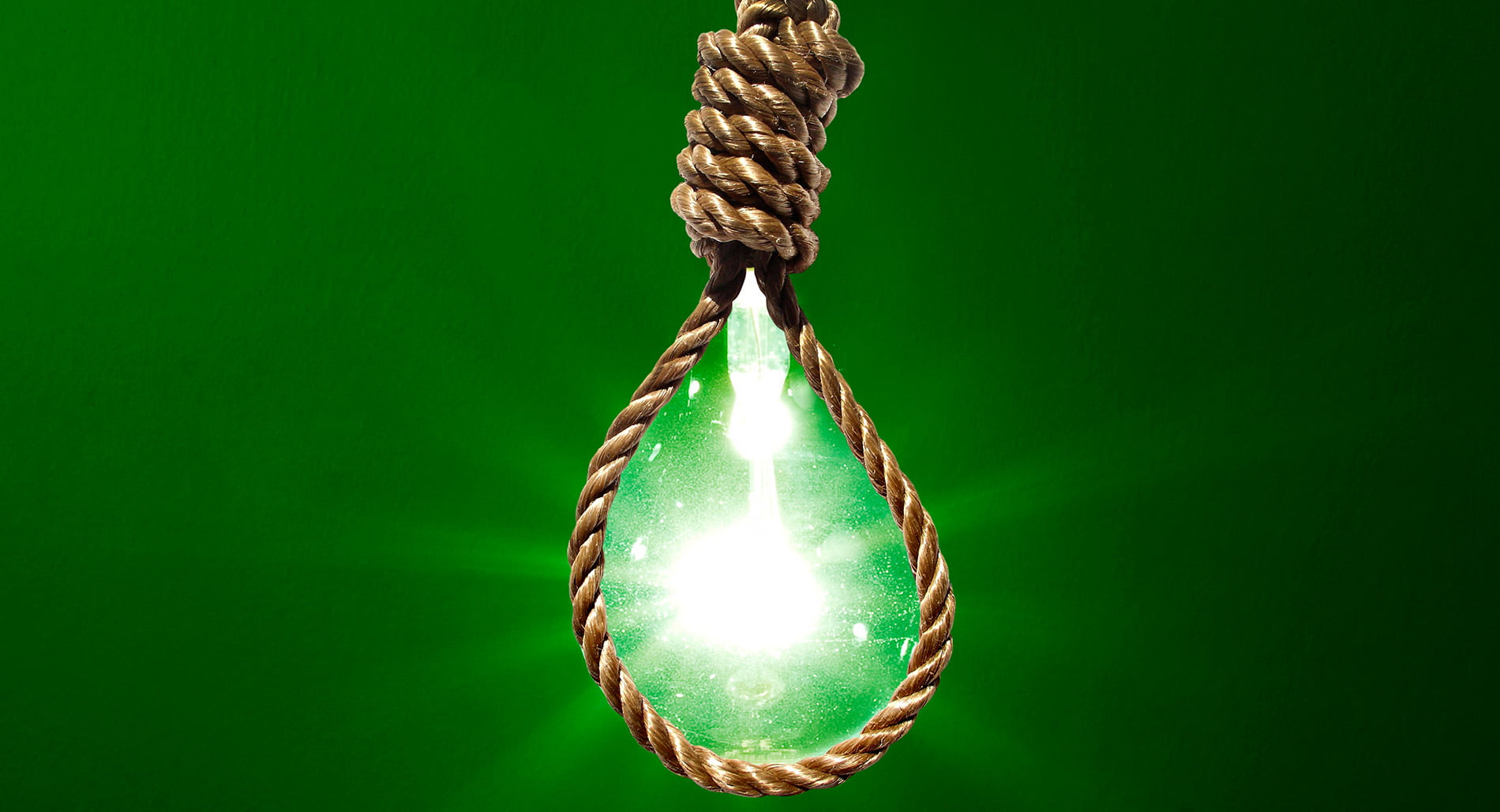
Death penalty is the premeditated and cold-blooded killing of a person by a government in the name of justice. It is the ultimate cruel, inhumane and degrading punishment. Amnesty International opposes the death penalty in all cases.
One of our greatest achievements in our 50 years of human rights work has been to empower our supporters to work for and with individuals at risk, bridging the gap between people whose human rights are violated and those people who are prepared to campaign on their behalf.
“I love texting, tweeting, blogging and emailing as much, if not more, than the next person, but there are some occasions when nothing, but nothing, can replace the power of the hand-written letter”
Stephen Fry
For these individuals, your actions can be:
the knife to cut nooses
the strength to stop torturers
the key to open jail cells
the hope to keep living.
How can you take part in our individuals at risk program?
There are three ways you can help:
1. Join the Urgent Action Network
Supporters in our Urgent Action Network write appeals for our most time-critical cases of human rights abuse. By joining, you’ll receive urgent updates on what’s going on, and be given opportunities to act.
Sign up to the Urgent Action Network today.
2. Work on Amnesty cases within a specific project area
We invite you and a group of friends to work on one of our Individuals at Risk Program project areas. We’ll give you all the information you need on how you can make a difference in your chosen area. You’ll receive our guidance and support throughout the process and be able to discuss ideas with staff and other volunteers.
3. Visit our online action centre and join one of our current campaigns
Be a part of change by taking action with one of our online campaigns. Our strength comes from speaking out together — and it only takes a minute.
Take action online now and make a difference to those who need it.
We welcome the Australian Parliament’s decision to consider further ways Australia can work towards the global abolition of the death penalty.
Today the Joint Standing Committee on Foreign Affairs, Defence and Trade announced it will review how Australia engages internationally to promote abolition of the death penalty. The Committee will also consider what further steps Australia can take to advocate for worldwide abolition.
First steps encouraging
Amnesty International is part of a coalition of human rights organisations calling on Australia to take stronger action to end the death penalty globally. The coalition has made numerous practical policy recommendations.
Amnesty is very encouraged to see the Committee take the first steps to act on strengthening Australia’s policies against the death penalty.
Australia is part of a global movement of countries which have abolished the death penalty. But there is more Australia can do to end the death penalty in our region, through diplomacy, our aid program, and our federal law enforcement agencies.
Today’s announcement is a positive step in that direction. Amnesty looks forward to working with the bipartisan Australian Parliamentarians Against the Death Penalty Group – co-chaired by Philip Ruddock MP and Chris Hayes MP – which has been working to strengthen Australia’s policy against the death penalty.
Together, we called on the Australian Government to take a stronger stance against the death penalty. Last week, Amnesty met with Julie Bishop and let her know that thousands of our supporters want to see an end to the injustice of capital punishment.
Now Parliament has announced an Inquiry to establish Australia as a global leader to advocate for a world free of the death penalty.
The Joint Standing Committee on Foreign Affairs, Defence and Trade has announced they will review how Australia engages internationally to promote abolition of the death penalty. The Committee will also consider what further steps Australia can take to advocate for worldwide abolition, including through diplomacy, our aid program and federal law enforcement agencies.
This positive step follows tireless campaigning from Amnesty supporters across Australia, so well done! We look forward to working with the bipartisan Australian Parliamentarians Against the Death Penalty Group – co-chaired by Philip Ruddock MP and Chris Hayes MP – which has been working to strengthen Australia’s policy against the death penalty. Read more about the group’s involvement with the global movement for the abolition of the death penalty.
Why does this matter?
There are at least 20,000 people on death row around the world, and they’re counting on our help. It’s simply not enough to react to injustice only when it affects Australians. We need to be proactive for all people.
There’s great hope for our cause. In 1977 only 16 countries had stopped executing. Today there are 140. Unfortunately though there are still many countries that are yet to come on board including the USA, Singapore, Malaysia and of course Indonesia. We must keep up the fight.
In times of crisis and conflict, there are not many people who would willingly run towards the danger, instead of away from it. But for Amnesty International’s crisis response worker Donatella Rovera, her job requires just that.
Exposing horror
Most of us learn from an early age to run from danger. Others are born with an instinct to run towards it. Donatella Rovera is the latter.
For 20 years, armed only with a camera and a sense of justice, she has travelled to the world’s most dangerous locations, telling the stories others were unwilling to tell.
Along the way, she exposed true horror.
In 2014, Ms Rovera, an Amnesty International crisis response worker, was among the first people to reveal the sexual slavery or women by Islamic State in Northern Iraq.
She followed the heartbreaking story of American aid worker Kayla Mueller closely. She knows the 26-year-old — who was raped, tortured and murdered by IS — could have easily been her.
Despite that danger, she says she will never turn her back on the people who need her.
“I never think twice about whether I should keep doing this job,” says Ms Rovera.
“I never think twice about whether I should keep doing this job.”
Donatella Rovera
“An individual can’t change the world but (I) can do my bit to try and make it a little less of a dark place.”
She said she tries to be careful but “ultimately there are no guarantees (of safety)”.
Prior to Iraq, Ms Rovera walked the streets of war-torn Gaza, avoided air strikes in Syria and witnessed devastation in South Sudan where border conflict led to thousands of deaths of hundreds of thousands of displaced citizens. Most recently, she saw first hand the bloody trail or death and destruction in Yemen.
Amnesty has released Ms Rovera’s report, “Nowhere safe for civilians: Airstrikes and ground attacks in Yemen”. Its release coincides with World Humanitarian Day, which recognises people just like her who face danger and adversity head on with little regard for their own safety.
The report reveals how Saudi Arabia-led coalition air strikes in cities of Ta’iz and Aden have killed scores of innocent civilians including dozens of children.
Ms Rovera told news.com.au the hardest part of her work in Yemen was being asked to explain why war robbed families of their loved ones. She had no answers for that.
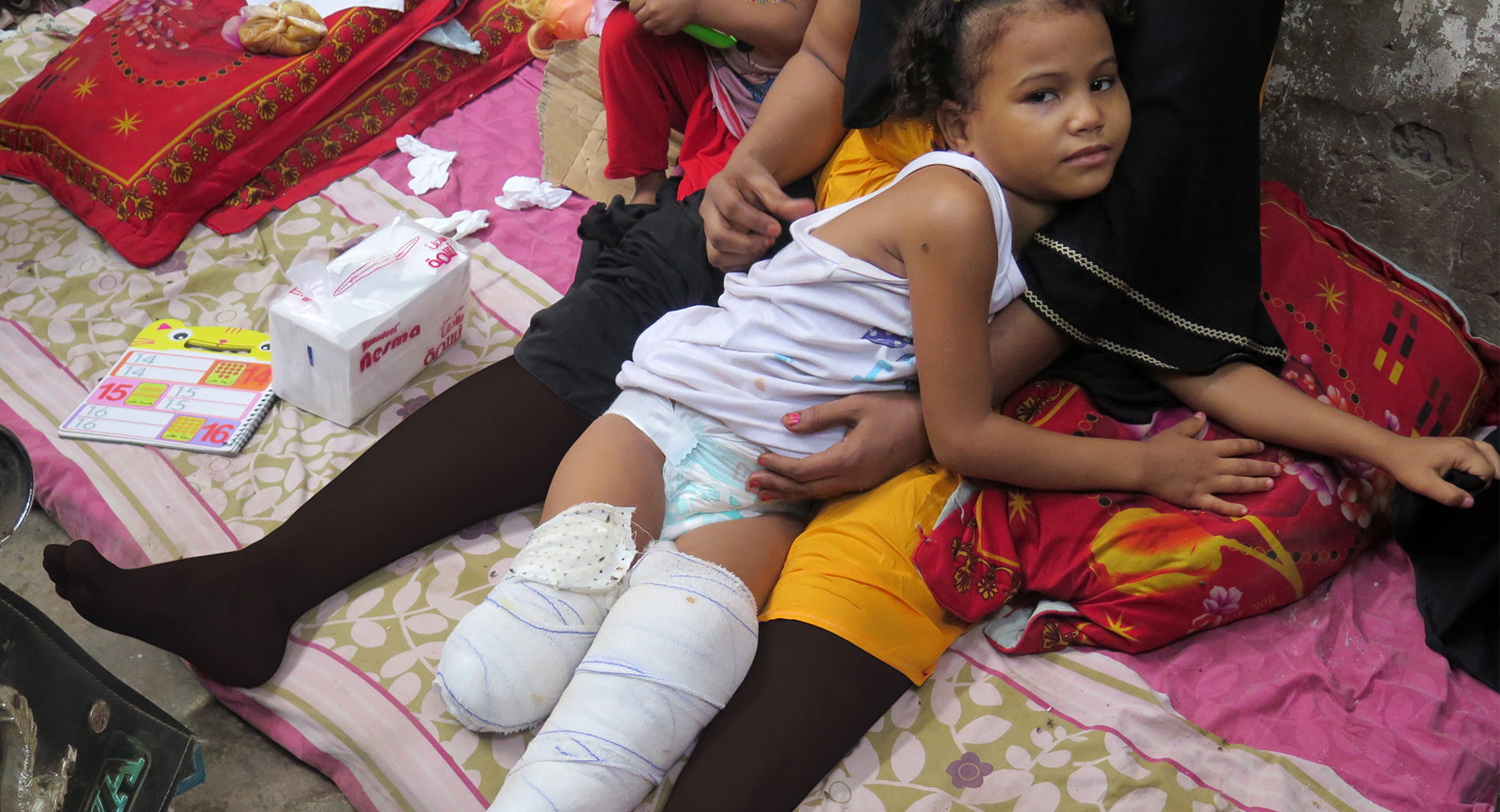
“Samia, a seven-year-old girl, lost a leg when shrapnel from a rocket struck the very humble home she shared with her mother and siblings in Aden,” she said.
“Samia, a seven-year-old girl, lost a leg when shrapnel from a rocket struck the very humble home she shared with her mother and siblings in Aden.”
Donatella Rovera
“She was not getting the medical care she needed and was in terrible pain. Her mother asked me ‘What will her future be like, who will help us?’
“I could find no words to allay her fears. On the same day I met the surviving members of a family which had been decimated by an air strike launched by the Saudi-led coalition on a school where families displaced by the conflict were sheltering.
“Ten members of the family were killed, most of them women and children. Salama, a woman who lost three of her daughters in the strike told me: ‘My girls were killed and I wish I had died with them. I have nothing else in life’.
“Salama, a woman who lost three of her daughters in the strike told me: ‘My girls were killed and I wish I had died with them. I have nothing else in life’.”
Donatella Rovera
“How do you console a mother for such terrible loss? She kept asking why they were bombed. I had no answer, because there is simply no reason for such an attack.”
The fighting in Yemen is between forces loyal to ousted president Abdrabbuh Mansour Hadi and those allied to the rebels who ousted him, knows as Houthis.
Yemen’s security forces are split but both are opposed to al-Qaeda, which has long been known to have a stronghold in Yemen.
Ms Rovera investigated 30 air strikes. In her report, she accused both pro and anti-Huthi armed groups of “ruthless and wanton disregard for the safety of civilians” with repeated, indiscriminate bombings.
“Coalition forces have blatantly failed to take necessary precautions to minimise civilian casualties, an obligation under international humanitarian law,” she said.
“Indiscriminate attacks that result in death or injury to civilians amount to war crimes.”
“Indiscriminate attacks that result in death or injury to civilians amount to war crimes.”
Donatella Rovera
Ms Rovera spoke with a resident who described the aftermath of an attack on a residential compound in July.
He said “corpses and heads” were scattered everywhere “engulfed by fire and ashes”. He compared the sight to a scene from “Judgement Day”.
During another air strike last month where 11 people were killed in north Aden, witnesses gave their accounts of the bloodshed. One survivor described how a piece of shrapnel slashed open his abdomen. Another described the scene as “a massacre”.
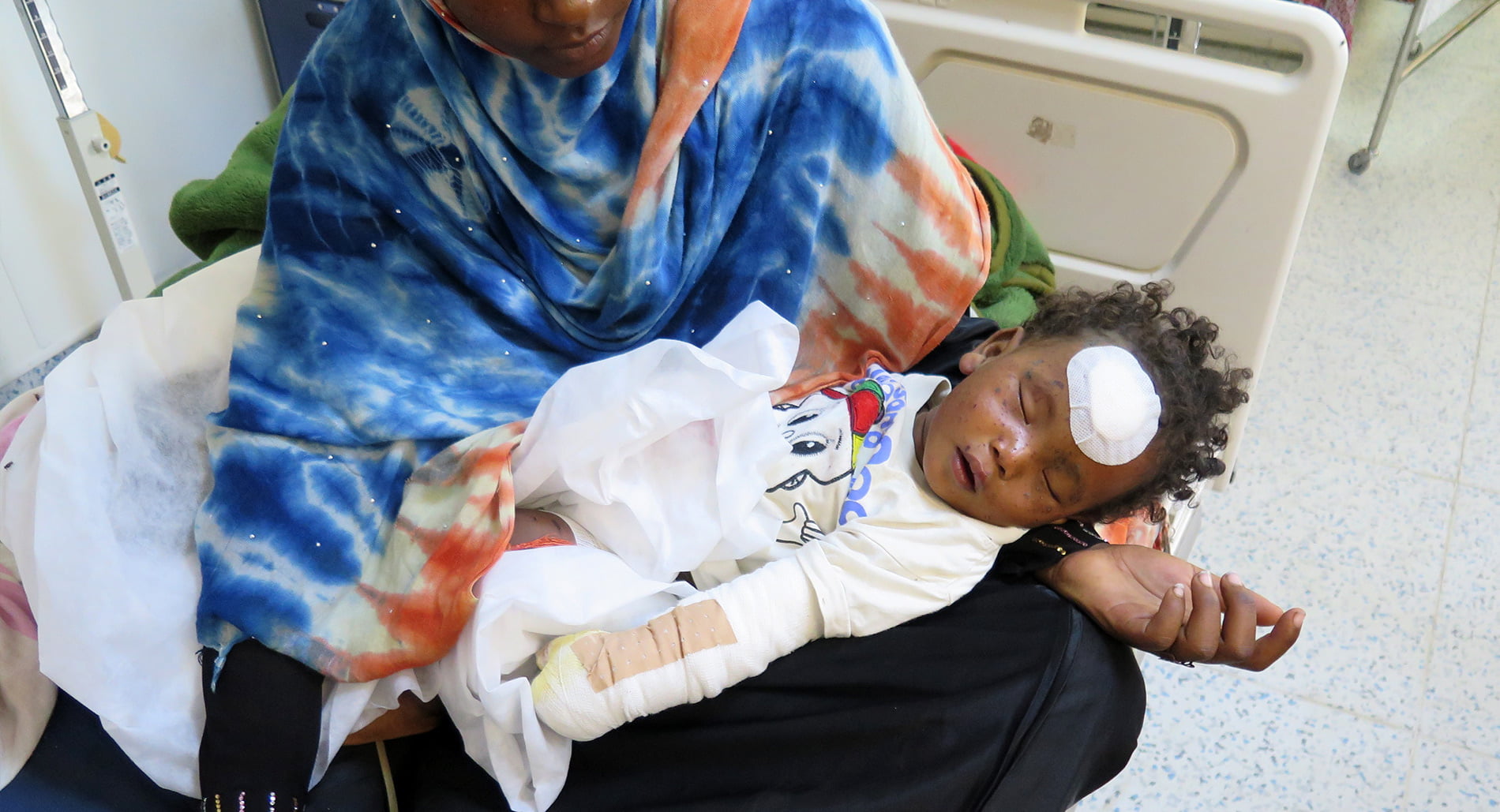
Asir Omar Abdullah Saleh, 5, was at home with his mother in May when shrapnel from mortar injured him.
Doctors operated on him but some shrapnel remains in his kidney. They said it was miracle that he survived.
Alleged war crimes
In several documented cases, children were killed or injured while playing in the streets or near their homes.
The individual stories are hard to read and the full scale of air strikes is hard to grasp. The United Nations says since bombs started dropping on Yemen on 26 March, more than 1950 people have died and 4,271 civilians have been injured.
Amnesty is calling on the UN Human Rights Council to create an international commission of inquiry to independently and impartially investigate alleged war crimes committed during the conflict.
Ms Rovera said those taking the lives of civilians need to be held accountable.
“If the international community fails to investigate and hold violators to account then such attacks and the rampant killing and injuring of civilians is only likely to continue,” she said.
Smart Traveller lists “kidnapping, terrorist attack, and ongoing political unrest” as threats to travellers’ safety. “The security situation in Yemen is currently highly volatile,” the website reads.
It won’t stop Ms Rovera from returning. She says she has an obligation to those sufferers who can’t tell their stories alone.
“I very often think twice or three times about how I can or cannot operate out in the field,” she said.
“But I don’t ever think twice about whether I should keep doing this job. Not doing it is not an alternative for me.
“I very often think twice or three times about how I can or cannot operate out in the field. But I don’t ever think twice about whether I should keep doing this job. Not doing it is not an alternative for me.”
Donatella Rovera
“Most people told me they want the world to know what is happening to them, their families and neighbours, their country. Many also desperately need humanitarian assistance, which has so far been woefully inadequate.
“I hope that by drawing attention to the conflict and the terribly high price being paid by the civilian population, the international community will do the right thing and bring pressure to bear on the belligerents to stop the abuses.”
An 11-year-old girl who became pregnant after she was repeatedly raped, allegedly by her stepfather, and denied an abortion by Paraguayan authorities, has given birth.
Pregnant 10-year-old refused abortion
An 11-year-old girl who became pregnant after she was repeatedly raped, allegedly by her stepfather, and denied an abortion by Paraguayan authorities, has given birth.
It was a situation almost too heart-wrenching to comprehend. In April this year came the news from Paraguay that “Mainumby” (not her real name), then a 10-year-old girl, had become pregnant after she was repeatedly raped, allegedly by her stepfather. The girl had been taken to hospital several times in a four-month-period before the pregnancy was discovered.
After finding out the horrific news, Mainumby’s mother, whose legal complaint against her daughter’s abuser had fallen on deaf ears, made a request to the authorities to allow her daughter to have an abortion. But the government refused it, and instead moved the girl into a home for young mothers.
The reason? Paraguay, like many other countries in Latin America, has some of the world’s most restrictive abortion laws – where terminating a pregnancy is only allowed if the life of the pregnant woman is at risk. Authorities decided this case did not fall under the exception, despite the risk that a pregnancy poses to such a young girl’s physical and mental health.
Paraguay, like many other countries in Latin America, has some of the world’s most restrictive abortion laws – where terminating a pregnancy is only allowed if the life of the pregnant woman is at risk.
Despite a global and national outcry, the authorities never budged – and last night the case came to its conclusion, as Mainumby – now 11 years old – gave birth via caesarean section. Thankfully, both the girl and the newborn appear to be in stable health condition.
The latest event in this tragic story prompted predictable triumphant cries from those who support Paraguay’s cruel stance on abortion and claim that girls this age can be mothers without risks. They say Mainumby’s case proves them right.
They could not be more mistaken.
Danger to health
The fact that Mainumby did not die does not excuse the absolute lack of care by the Paraguayan authorities, who simply decided to gamble with her health, life and integrity.
A long list of authoritative voices have pointed out the obvious, and possible long term, dangers to her health: the Director of the Hospital who first discovered the pregnancy; the Doctor’s Commission who subsequently assessed Mainumby’s case, relevant United Nations agencies, and the Inter-American Commission on Human Rights.
The World Health Organization has said that the risk of maternal death is four times higher among adolescents younger than 16 years than among women in their twenties. Other physical and mental health problems are also significantly higher among young girls who became mothers.
The World Health Organization has said that the risk of maternal death is four times higher among adolescents younger than 16 years than among women in their twenties.
For months on end, the Paraguayan authorities chose to ignore all these facts and all the international outcry and forced Mainumby to continue with the pregnancy. They did so based on their personal convictions about abortion and on their narrow interpretation of the country’s Penal Code — which allows a legal abortion only if the life of the women is at risk. This disregards the fact that life is much more than a mere “beating heart” and that the physical and psychological consequences of carrying a pregnancy to term for such a young girl can be life-threatening in the long term.
Cruel treatment amounts to torture
The authorities’ appallingly cruel treatment of this 10-year-old rape victim amounts to torture. The physical and mental harm that women and girls face by forcing them to continue with a pregnancy that is a result of rape is well documented and recognised as a serious human rights violation, including by the UN Committee against Torture. Human rights standards are clear that governments should ensure access to abortion in such cases.
Paraguay’s repressive abortion laws are rooted in ingrained discrimination against women and girls. The country’s legal system – and sectors of society– appear to view women as little more than child bearers.
Paraguay’s repressive abortion laws are rooted in ingrained discrimination against women and girls.
The anti-abortion laws are also hitting the poorest in society the hardest. If Mainumby had come from a wealthy family, she would have had the finances to quietly get an abortion from a private clinic, or to travel abroad for one – it is unlikely the authorities would have stepped in in either case.
Widespread issue across Latin America
Unfortunately, this issue is far from being isolated to Paraguay – across Latin America, many other countries continue to place far-reaching restrictions women and girls’ ability to exercise their human rights.
This 17 August will mark the third anniversary of the death of “Esperancita”, a 16-year-old girl who was diagnosed with leukemia in the Dominican Republic and was refused immediate treatment because she was pregnant. In 2014, “Belén”, an 11-year-old girl from Chile who had become pregnant after being repeatedly raped by her stepfather was also denied any legal option to terminate her pregnancy.
In 2014, “Belén”, an 11-year-old girl from Chile who had become pregnant after being repeatedly raped by her stepfather was also denied any legal option to terminate her pregnancy.
Chile and the Dominican Republic are two of just a handful of countries around the world where abortion is fully criminalised. Thankfully, the Dominican Republic changed its Penal Code in December 2014, to include three exceptions to the full ban on abortion. Such reform will enter into force in December this year.
Meanwhile Chile has over the past weeks taken tentative, but important, steps towards decriminalising abortion when the pregnancy has been the result of rape, when the life of the women is at risk or when the foetus is not viable.
Mainumby is lucky to be alive – although only time will tell the true extent of the psychological consequences of her tragic ordeal. But the terrifying fact is that her story will remain all too common unless Paraguay decides to decriminalise abortion and guarantee the availability of modern contraceptives and access to information about sexual and reproductive rights for young girls.
Placing personal convictions over basic human rights will only put more lives at risk.