Australian and PNG authorities must respect asylum seekers’ right to protest

Amnesty International is calling on the governments of Australia and Papua New Guinea to protect the rights and welfare of asylum seekers currently protesting their detention in the Manus Island Detention Centre.

Hunger strikes

“The authorities must, as far as possible, ensure the health, welfare and safety of protesting detainees, and respect their right to protest peacefully, including through hunger strikes,” said Graeme McGregor, Refugee Campaign Coordinator.

“Security guards and police must ensure that their response to protest is restrained and proportionate to the circumstances.”

The call follows media reports that on the night of Friday 16 January security staff entered the detention centre’s living compounds, where asylum seekers have been staging hunger strikes to protest the length and conditions of their detention, as well as plans to move recognised refugees to housing they deem unsafe.

Conditions in the centre

Many of the men have been in detention since August 2013. Amnesty International visited the detention centre and found that some conditions in the centre violate the UN Convention Against Torture.

The Australian Government has given no evidence that those conditions have been improved. Amnesty International concluded that the facility is designed to pressure asylum seekers to return regardless of whether they will face persecution in the countries from which they fled.

Reza Berati

The current unrest follows the violence of February 2014, when security staff and police entered the living compounds at the detention centre, assaulting detainees with sticks, machetes and guns.

Reza Berati, a 24 year old Iranian, was killed in the violence and at least 62 other detainees were injured.

Only two arrests have been made in relation to the death of Mr Berati and no one has been prosecuted.

Since that time, asylum seekers have reported to Amnesty International that they continue to receive threats from local staff and people.

Detainees also have communicated their fears about the risks they feel they will face if relocated into the local community following recognition of their refugee status.

“Security guards and police must ensure that their response to protest is restrained and proportionate to the circumstances.” Graeme McGregor, Refugee Campaign Coordinator


Right to peaceful protest

Despite plans to move recognised refugees to temporary accommodation outside of the detention centre and allow them some freedom of movement, the Australian and Papua New Guinea authorities have not made public any measures to protect the refugees from violence or ease tensions between detainees and people in the local community.

The Australian government, which has effective control of the detention centre, is legally responsible for the ensuring the health and welfare of the asylum seekers and refugees they detain on Manus Island.

Amnesty International calls on the Australian government: to respect the right of detainees to protest peacefully; to ensure the welfare and safety of the asylum seekers and refugees it detains; to ensure justice for Reza Berati; and to take demonstrable measures to protect the health, welfare and rights of recognised refugees relocated to temporary accommodation in the local community.
Seven ways Saudi Arabia is silencing people online

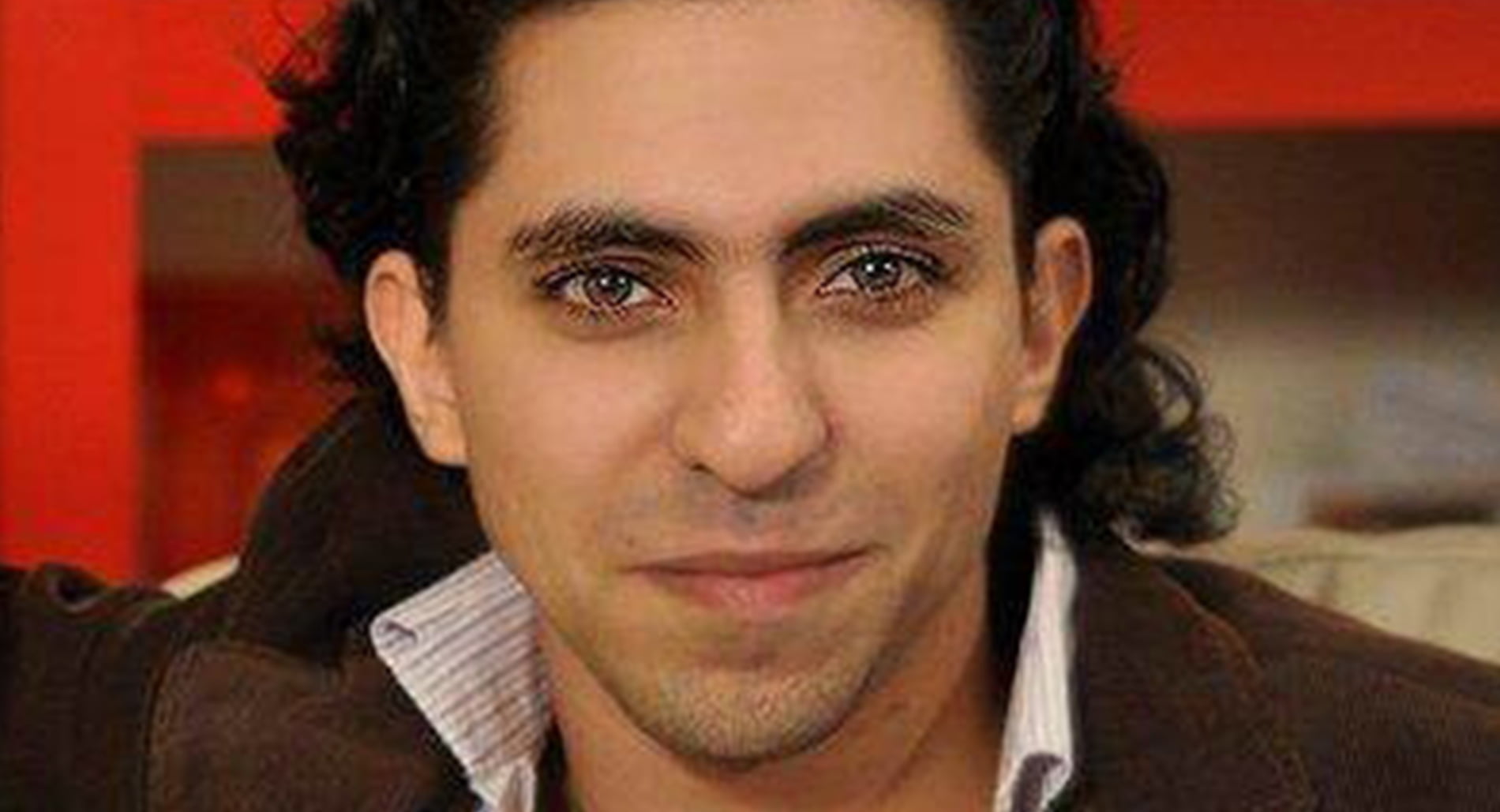
Saudi Arabian blogger Raif Badawi has been sentenced to 10 years in prison and 1,000 lashes for setting up a website in Saudi Arabia.

We talk to another local blogger – who has to remain anonymous for their own safety – about different tactics the authorities use to silence people online.

Raif Badawi
Raif Badawi © Private

1. Gagging anyone with an independent opinion

“Overall, the situation in Saudi Arabia is very bad, particularly from the point of view of people with independent opinions who go against the grain. Recently, there have been investigations, arrests and short-term detentions of journalists, athletes, poets, bloggers, activists and tweeters.”

2. Blaming everything on terrorism

“The authorities are fragile. They seek to gag and stifle dissent using various means, including the shameful Terrorism Law that has become a sword waved in the faces of people with opinions. Courts issue prison sentences of 10 years or more as a result of a single tweet. Atheists and people who contact human rights organisations are attacked as ‘terrorists’.”

3. Personal attacks on bloggers

“I have been harassed in many ways. The authorities approached the internet providers hosting my personal website and asked them to block it and delete all the content. They also dispatched security officers to tell me to stop what I was doing in my own and my family’s best interests. I was later officially banned from blogging and threatened with arrest if I continued. I succumbed and stopped in order to protect my family.”

4. Bans, false accusations and being fired from your jobs

“There are many cases of bloggers being restricted or banned. Some of them – whom I know – are still being investigated about blogs they wrote in 2008, even though they aren’t involved in blogging anymore. Saudi bloggers can also be fired from their jobs and prevented from making a living. Many face false allegations they they are ‘atheists’ or ‘demented’. Restrictions are imposed on almost every aspect of the blogger’s life.”

5. Far-reaching online surveillance and censorship

“Censorship is at its maximum, especially after passing the Terrorism Law. A poet was arrested as a result of a single tweet which indirectly criticized King Abdullah using symbolic language. With millions of web users in Saudi Arabia, this means the authorities are keeping an eye on everything that’s being written. We have also received reports through international newspapers that Saudi Arabia uses surveillance to hack and monitor activists’ accounts.”

6. Deploying an electronic army

“The authorities have powerful cyber armies which give a false impression of the situation in Saudi Arabia to deceive people overseas. They launch websites, YouTube channels and blogs to target activists and opponents, and depict them as atheists, infidels and agents who promote disobedience of the Ruler. By contrast, these websites, channels and blogs often praise the state and its efforts. I have personally been the victim of such state orchestrated campaigns that harmed my reputation.

7. Brutal punishments

“Raif Badawi’s case further demonstrates the brutality of a state that still rules through punishments from the Middle Ages, like flogging, hefty fines and exaggerated prison terms. The Saudi government needs to know that it doesn’t own the world and that it can’t silence the world’s voice with its money.”

Nigeria: Long-awaited victory as Shell pays compensation for oil spills

Oil giant Shell’s long-overdue compensation pay out to a community devastated by oil spills in the Niger Delta is an important victory for the victims of corporate negligence.

Compensation at last

Six years after two oil spills destroyed thousands of livelihoods in the Bodo area, legal action in the UK has driven Shell to make an out-of-court settlement of £55m to compensate the affected community. The £55m will be split between £35m for 15,600 individuals and £20m for the community.

“While the pay-out is a long awaited victory for the thousands of people who lost their livelihoods in Bodo, it shouldn’t have taken six years to get anything close to fair compensation,” Audrey Gaughran, Director of Global Issues at Amnesty International.

“In effect, Shell knew that Bodo was an accident waiting to happen. It took no effective action to stop it, then it made false claims about the amount of oil that had been spilt. If Shell had not been forced to disclose this information as part of the UK legal action, the people of Bodo would have been completely swindled.”

Lives destroyed

The wait has taken its toll on Bodo residents, many of whom had their fishing and farming livelihoods destroyed in the spill. Throughout this time they have had to live with the ongoing pollution and, without compensation, many have faced grinding poverty.

“The compensation is a step towards justice for the people of Bodo, but justice will be fully achieved when Shell properly cleans up the heavily polluted creeks and swamps so that those who rely on fishing and farming for their income can begin to rebuild their livelihoods,” said Styvn Obodoekwe, Director of Programmes of the Centre for Environment, Human Rights and Development (CEHRD).

“I am very happy that Shell has finally taken responsibility for its action. I’d like to thank the lawyers for compelling Shell to make this unprecedented move.” says Pastor Christian Kpandei, a Bodo fish farmer, whose fish farm was destroyed by the oil spill.

What happened?

Two oil spills occurred at Bodo in the Niger Delta in 2008, the first in August and the second in December. Amnesty International and CEHRD have worked on the Bodo spills case since 2008, supporting the community to secure compensation and clean up.

In 2011, the people of Bodo, represented by UK law firm Leigh Day, began court proceedings in the UK against the Shell Petroleum Development Company of Nigeria.

Hundreds of oil spills from Shell’s pipelines occur every year.

Shell repeatedly blames illegal activity in the Niger Delta for most oil pollution but its claims have been discredited in research by Amnesty International and CEHRD.

Major risk and hazard

Shell has always accepted that both 2008 Bodo oil spills were the fault of failures on the company’s pipeline at Bodo, but publically – and repeatedly – claimed that the volume of oil spilt was approximately 4,000 barrels for both spills combined, even though the spills went on for weeks.

In 2012 Amnesty International, using an independent assessment of video footage of the first oil spill, calculated that the total amount of oil split exceeded 100,000 barrels for this spill alone.

During the legal action in the UK, Shell had to finally admit that its figures were wrong and it had underestimated the amount of oil spilt in both of the Bodo cases. However Shell has still not confirmed how much oil was actually spilt.

During the legal process Shell was also forced to reveal that it had been aware, at least since 2002, that most of its oil pipelines were old, and some sections contained “major risk and hazard”. In a 2002 document Shell stated that outright replacement of pipelines was necessary because of extensive corrosion.

Ongoing threat

As far as Amnesty International and CEHRD are aware Shell took no action despite having this information years before the Bodo leaks. An internal Shell email from 2009 revealed that Shell knew it was exposed over spills in Ogoniland – where Bodo is situated; the email stated “the pipelines in Ogoniland have not been maintained properly or integrity assessed for over 15 years.”

Thousands more people remain at risk of future oil spills because of Shell’s failure to fix its ageing and dilapidated pipelines.

“Oil pollution in the Niger Delta is one of the biggest corporate scandals of our time. Shell needs to provide proper compensation, clear up the mess and make the pipelines safer, rather than fighting a slick PR campaign to dodge all responsibility,” said Audrey Gaughran.

We can help stop torture in the Philippines

Despite the Anti-Torture Act, the use of torture persists in the Philippines. As a major aid donor, Australia is in a strong position to say this is unacceptable, writes Ellecer Carlos.

Sickening torture

“I was held on either arm by two men and the third man sat on my lap. The blindfold was removed and replaced by a towel on my face. They commenced to put water over the towel on my face. I had … the sensation of drowning.”

This description of “waterboarding” is taken from the statement my father, Sixto Carlos Jr, gave after his arrest and imprisonment without charge in 1978 for taking part in the social movement pushing for democracy in the Philippines during the time of the Marcos dictatorship.

His full statement is sickening.

Prior to being locked in solitary confinement for more than two years, my father was heavily tortured: He was poisoned, waterboarded, viciously beaten, had boiling water poured on him, and brutally hung in the air from his handcuffed hands.

Vibrant human rights community

Under Marcos, torture and other human rights violations were committed on a massive scale by state authorities to stifle political and social dissent – with estimates that as many as 35,000 people suffered torture under the regime.

When the popular and peaceful revolt of 1986 took place, also known as the People Power Revolution, democratic space was reinstituted in the Philippines.

This has led to the Philippines now being home to a vibrant human rights community, strong human rights laws and an independent human rights commission.

But despite all these positive measures and the ongoing development of democratic institutions, there remains a large disconnect between the Government’s official policies and the practice on the ground.

Damning report on torture

The disconnect will be highlighted when Amnesty International’s secretary general Salil Shetty visits Manila in December to release a damning report on the ongoing use of torture by the security forces in the Philippines.

The report documents horrific stories of abuse across the Philippines, including cases where people received electric shocks, were waterboarded or near-asphyxiated.

Shockingly, a high number of the torture cases in the report occurred when the victims were younger than 18.

A major factor leading to the continued use of torture in the Philippines is the high level of poverty amongst the country’s citizens – leading to a culture of disparity between the haves and the have-nots.

Put simply, a large percentage of the country does not have the ability to challenge the behaviour of authorities, which in turn has led to corruption committed by many in positions of power.

Lack of accountability

The Amnesty report highlights the lack of accountability for torturers and the barriers to justice faced by victim-survivors of torture.

The organisation’s high-level international delegation will take the opportunity of the report launch in December to constructively engage with the Philippine government with a view to stopping the persistence of torture in the Philippines.

To ensure that the Stop Torture message is heard loud and clear, however, it will be vital for other leading democracies in the Asia Pacific region to also voice their concerns and offer assistance to help rub out the root causes of torture in the Philippines.

And Australia, as the third largest bilateral aid donor to the Philippines, is well placed to lead the way.

How can Australia help?

As a priority, the Australian Government should continue to raise the issue of police accountability and impunity with the Philippines government at the highest levels.

Australia’s Overseas Development Assistance to the Philippines is forecast to tip $143 million in 2014-15 and the country has committed to “building and supporting effective governance” under the Australia-Philippines Aid Program Strategy (2012-2017).

Through agencies like the Australian Federal Police (AFP), the Australian Government should ensure that a percentage of this aid is used to provide appropriate training, technical assistance and resources to help implement human rights-based policing in the Philippines.

The AFP already has a strong relationship with law enforcement agencies in the Philippines – having just marked 30 years of ties – and has the capacity to provide further training on the treatment of prisoners, arrest techniques and standards, and detention and interrogation procedures.

This is particularly important, as many senior police officers were trained under the Marcos regime and have passed on a wide range of brutal and violent habits to their younger colleagues.

Anti-Torture Act

This month marked the five-year anniversary since the Philippines enacted its first ever Anti-Torture Act. In that time, not one person has been convicted of torture – despite shocking evidence being uncovered on a regular basis.

For example, earlier this year the Commission on Human Rights in the Philippines identified one police station where officers used a “torture wheel”, which was spun for fun to decide what particular torture technique should be used on a suspect.

The torture techniques listed on the wheel are not dissimilar to those used against my father more than 30 years ago – and the perpetrators continue to act with impunity, as if they are above the law.

While this entrenched culture and behaviour will not change overnight, there is a need to create well-designed programs to educate police and military officers about the importance of human rights and for the Philippines government to publicly recognise how serious the problem is.

Australia – as a world leader in human rights-based policing – can and should make it a priority to help the Philippines achieve this.

WA Government must abandon “traumatic” plans to close Aborignal Homelands

Amnesty International has urged the WA Government to drop plans to forcibly evict Aboriginal peoples from up to 150 homelands communities, saying that demolishing homes and denying Indigenous peoples their right to practise their culture would be an illogical move, in breach of international law.

Hypocritical

“It’s hypocritical for Premier Colin Barnett to admit that closing communities would be traumatic for people involved, while still moving ahead with plans to evict traditional owners from their homes, break their connection to land and culture, and force them to move to larger towns where they will have greater exposure to drugs, alcohol, violence and crime,” said Tammy Solonec, Indigenous Peoples Rights Manager at Amnesty International Australia.

“Sadly, in the plans announced yesterday I heard echoes of the tragic policies of last century, which removed Aboriginal people from their homelands. It’s been nearly 50 years since the poor execution of the basic wage policy and lack of planned integration forced many Aboriginal people into towns in WA. Those people are still healing from the consequences and trying to reconnect with their culture. The WA Government needs to learn from the lessons of the past,” said Tammy Solonec.

“Mr Barnett made a public pledge last month to reduce rates of Indigenous incarceration. It is not enough to pay lip service to this, while enacting policies he admits will traumatise Aboriginal peoples.”

Homelands benefit Indigenous peoples

“Our 2011 Homelands report found that supporting Aboriginal peoples to live on homelands extends life expectancy, improves health outcomes, reduces rates of domestic and other violence, allows Indigenous people agency and decision-making, provides people connection to their land and culture, and reduces their exposure to the damaging influences found in larger towns.”

Amnesty International has worked extensively for the right of Indigenous people to live on their Homelands, most recently supporting the residents of the remote WA community of Oombulgurri in their fight to stop the demolition of their community.

During Amnesty International’s visit to Oombulgurri in September this year, residents said they were forcibly evicted without adequate consultation, left homeless for a long period, and were devastated about the disconnection with their land and culture.

Aboriginal wellbeing important part of society

Mr Barnett’s comments about closing remote communities came after a decision of the Federal Government to cease funding municipal and essential services for remote communities in all States and Territories from June 2015, a service for which the Commonwealth has been responsible for more than 50 years.

“The rights of people in remote communities must not be a buck that is passed back and forth between state and federal governments,” said Tammy Solonec.

“The wellbeing of Aboriginal people and their communities is an important part of our country and society. It needs to be supported through a collaborative effort of Federal, state and local governments, in partnership with Aboriginal residents through sustainable development and the creation of business and enterprise.

Economic benefits of Homelands

“Economics are a significant consideration, but economic outcomes are achieved by supporting people to live on country, through easing the burden on the health system, providing employment opportunities and diverting people from crime, which keeps down the costs of incarceration and other indicators.

“It’s the State’s responsibility to provide all communities, whether urban or rural, with essential services such as health, education and law and order.”

Forcibly evicting people from their homes and denying them a right to practice their culture is a breach of the International Covenant on Economic, Social and Cultural Rights and the Declaration on the Rights of Indigenous Peoples.

How to get a seat on death row

Over a quarter of the world’s countries still retain capital punishment and its use is growing increasingly arbitrary.

Ever wondered what it’s like to be condemned to death? In this guide to capital punishment, our intern Ryan Ong takes a look at five ways to land a seat on death row.

1. Come out of the closet

In some countries telling your neighbours that you are homosexual is a sure-fire way to get yourself on death row. Believe it or not, countries such as Yemen, Iran, Mauritania, Nigeria, Saudi Arabia, Sudan and Somalia, use capital punishment for any “deviant” sexuality, including falling in love with someone of the same sex.

In 2011 three Iranian men were hanged in accordance with the Iranian penal code. All three were charged and convicted of committing homosexual acts. The number of countries with these extreme laws is set to rise with Brunei reinstating the death penalty for same-sex acts just this year.

If you want to meet your executioner, then coming out of the closet remains an unfortunate option.

2. Thirsty? Having an impromptu drink could get you in trouble

Maybe you tried our first method and failed. Well, you may have more success taking a ill-timed swig of your favourite tipple. But be warned, if your country’s supreme leader has recently died, pouring a glass of red could reserve you a gold-class seat on death row.

Kim Chol, the vice minister of North Korea’s army, was caught drinking alcohol during the 100-day mourning period for Kim Jong-il. Chol was allegedly executed for his disrespectful behaviour soon after.

Discourteously popping the cork may well be your method of choice.

3. Are you a Harry Potter fan?

Perhaps you prefer books to alcohol? If so, owning a stash of literature related to witchcraft and wizardry could get you in big trouble. In Saudi Arabia, being involved in “sorcery” or “witchcraft” is punishable by death.

Harry Potter books
Witchcraft and sorcery are punishable by death in countries such as Saudi Arabia © Flickr / Alberto Alvarez-Perea

In 2012, Muree bin Ali bin Issa al-Asiri was beheaded for possessing various books and talismans that classified him as a sorcerer.

The threat of witchcraft is taken so seriously in Saudi Arabian that the government has instituted an Anti-Witchcraft Unit dedicated to the protection of Muggles (AKA the general public), and ousting of people such as Muree.

Now’s a good time to start on your Harry Potter collection.

4. Unleash your passion for foreign films

Okay, imagine this. You’ve grown tired of Hollywood blockbusters and you decide to watch a Korean drama recommended by friends. Lucky for you, not only have you been entertained for two hours, you’ve also bought yourself an express ticket to a meeting with a firing squad.

80 people were executed in North Korea in a brutal display of force in 2013. Allegedly, a number of these people were executed for the unpatriotic act of watching South Korean movies.

An easy, yet entertaining, way to end up facing the death penalty.

5. But I didn’t do anything!

If all else fails, our final advice to you would be to do nothing at all, and you may still find yourself facing execution.

Everybody makes mistakes, some more blatant than others. Consequently, no legal system can be perfect. Many people sentenced to death have been proven innocent after new evidence has come to light. Unfortunately some had already been executed making exoneration a little difficult.

In Australia, Colin Campbell Ross was hanged in 1922 before modern forensic techniques proved his innocence 86 years later.

Reggie Clemons
Reggie Clemons was sentenced to death in the US in 1991 following a flawed trial © Color of Justice

Reggie Clemons was sentenced to death in St. Louis as an accomplice to a 1991 murder of two young white women. Since his conviction allegations have arisen of police coercion, prosecutorial misconduct, and a “stacked” jury. Shortly after a 2009 execution date was stayed, the Missouri Supreme Court assigned Judge Manners to investigate the reliability of his conviction and proportionality of his sentence. The case continues.

If you are looking for a spot on death row, then doing nothing could be your best bet. With research based in the US showing that 1 in 25 people sentenced to death are likely to be innocent, your chances aren’t looking too bad.

Hopefully this guide as given you simple, straightforward methods to get you on death row. With the death sentence being dealt this arbitrarily, it’s almost too easy.