Bangladesh: Protection of Hindus and others must be ensured amid ongoing violence

Violent attacks on Hindu minority households and temples in Bangladesh have erupted during and after the Durga Puja, the country’s biggest Hindu festival.

Amnesty International’s South Asia Campaigner, Saad Hammadi, has responded: 

“Reports of a spate of attacks by angry mobs against members of the Hindu community, their homes, temples and puja pandals during the country’s biggest Hindu festival are symptomatic of the growing anti-minority sentiment in the country. Such repeated attacks against individuals, communal violence, and destruction of the homes and places of worship of minorities in Bangladesh over the years show that the state has failed in its duty to protect minorities.”

“Targeting religious sensitivities to stoke communal tension is a serious human rights violation and requires immediate and decisive action from the government to address the situation of minorities in the country.”  

Saad Hammadi

“We urge the authorities to take urgent steps to protect the members of the minority community against such attacks and ensure access to justice and effective remedies for victims. The authorities must promptly, thoroughly, impartially and transparently investigate the incidents and bring those suspected to be responsible for the violence and vandalism to account through fair trials.” 

Background 

Violence erupted in Bangladesh following allegations on social media that a copy of the Quran, the holy book of Islam, was desecrated at a puja pandal (temporary structures made for the religious ceremony) in Cumilla on 13 October 2021. At least seven people have been killed, and hundreds have been injured in clashes that broke out across Bangladesh since 13 October. 

According to local reports, at least 25 houses and shops belonging to members of the Hindu community were torched in Rangpur, a northern district of Bangladesh on 17 October. The country’s information minister Hasan Mahmud warned about further attacks. 

Teachers and staff from Dhaka University have today blocked a major intersection in the city in protest against the ongoing violence. 

The police have filed at least 46 cases against 10,000 unidentified people for the violence and vandalism across the country.  

Authorities had filed eight cases accusing thousands of people when hundreds of homes, businesses and temples belonging to Hindu families were set on fire in Nasirnagar in 2016 based on social media posts that alleged insult to Islam. In 2012, at least six Buddhist temples and several homes were torched apparently over a Facebook post allegedly defaming the Quran. 

Covid-19: Global attack on freedom of expression is having a dangerous impact on public health crisis

Attacks on freedom of expression by governments, combined with a flood of misinformation across the world during the Covid-19 pandemic, have had a devastating impact on peoples’ ability to access accurate and timely information to help them cope with the burgeoning global health crisis, said Amnesty International today in a new report.

Silenced and Misinformed: Freedom of Expression in Danger During Covid-19 reveals how governments’ and authorities’ reliance on censorship and punishment throughout the crisis has reduced the quality of information reaching people. The pandemic has provided a dangerous situation where governments are using new legislation to shut down independent reporting, as well as attack people who have been directly critical or even attempted to look into their government’s response to Covid-19.

“Throughout the pandemic, governments have launched an unprecedented attack on freedom of expression, severely curtailing peoples’ rights. Communication channels have been targeted, social media has been censored, and media outlets have been closed down – having a dire impact of the public’s ability to access vital information about how to deal with Covid-19,” said Amnesty International’s senior director for research advocacy and policy, Rajat Khosla.

“In the midst of a pandemic, journalists and health professionals have been silenced and imprisoned. As a result, people have been unable to access information about Covid-19, including how to protect themselves and their communities. Approximately five million people have lost their lives to Covid-19 and lack of information will have likely been a contributory factor.” 

In the midst of a pandemic, journalists and health professionals have been silenced and imprisoned. As a result, people have been unable to access information about Covid-19, including how to protect themselves and their communities.

Amnesty International’s senior director for research advocacy and policy, Rajat Khosla

The government of China has a long history of controlling freedom of expression. During the early days of the pandemic, health workers and professional and citizen journalists attempted to raise the alarm as early as December 2019. However, they were targeted by the government for reporting on the outbreak of what was then an unknown disease. By February 2020, 5,511 criminal investigations had been opened against individuals who published information about the outbreak for “fabricating and deliberately disseminating false and harmful information”.

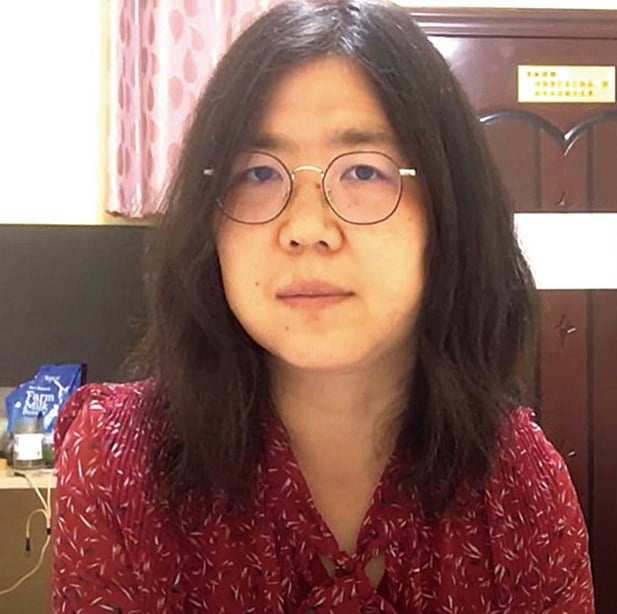
In one harrowing case, citizen journalist Zhang Zhan travelled to Wuhan in February 2020 to report on the Covid-19 outbreak. She went missing in May 2020 in Wuhan. It was later revealed that she was detained by police, charged with “picking quarrels and provoking trouble” and sentenced to four years’ imprisonment.

Numerous other countries have put in place oppressive laws, restricting the right to freedom of expression and silencing critics under the guise or in the context of the pandemic, including Tanzania, Russia and Nicaragua. 

Over the past few years, the Tanzanian government has introduced a raft of laws and used them to silence journalists, human rights defenders and members of the political opposition. Under former President Magufuli’s administration, the Tanzanian government took a denialist stance on COVID-19. From March to May 2020, authorities used laws prohibiting and criminalizing “false news” and other measures to restrict media coverage of the government’s handling of Covid-19.

While initially trying to downplay the impact of the pandemic and intimidate those raising concerns, the Nicaraguan authorities used Covid-19 to introduce the “Special Law on Cybercrimes” in October 2020. In practice, it enables authorities to punish those who criticize government policies and gives them ample discretion to repress freedom of expression.

In April 2020, Russia expanded its existing anti-“fake news” legislation and introduced criminal penalties for “public dissemination of knowingly false information” in the context of emergencies. Although the amendments have been described as part of the authorities’ response to Covid-19, these measures will remain in force beyond the pandemic.

“It’s clear Covid-19 related restrictions on freedom of expression are not just time-bound, extraordinary measures to deal with a temporary crisis. They are part of an onslaught on human rights that has been taking place globally in the last few years – and governments have found another excuse to ramp up their attack on civil society,” said Rajat Khosla.

“Restricting freedom of expression is dangerous and must not become the new normal. Governments must urgently lift such restrictions and guarantee the free flow of information to protect the public’s right to health.”

Amnesty’s report highlights the role of social media companies in facilitating the rapid spread of misinformation around Covid-19.  This is because platforms are designed to amplify attention-grabbing content to engage users and have not done enough due diligence to prevent the spread of false and misleading information.

The onslaught of misinformation – whether that be through social media companies or people in a position of power seeking to spread division and confusion for their own gain – is posing a serious threat to the rights to freedom of expression and to health. It is making it increasingly difficult for individuals to have a fully informed opinion and make educated choices about their health based on the best available scientific facts. A variety of sources is key, as is the ability to challenge and debate available information.

“As we are urging governments and pharmaceutical companies to ensure vaccines are distributed and made available to everyone around the world, states and social media companies must also ensure the public has unfettered access to accurate, evidence-based and timely information. This is a crucial step to minimize vaccine hesitancy driven by misinformation,” said Rajat Khosla.

“So far, 6.52 billion doses have been administered globally, yet only 2.5% of people in low-income countries have received at least one dose.  With less than 75 days left until the end of the year, we’re calling on states and pharmaceutical companies to drastically change course and to do everything needed to deliver two billion vaccines to low and lower-middle income countries starting now – but they need safe, reliable information to help inform their decisions.”

Amnesty International is calling on states to stop using the pandemic as an excuse to silence independent reporting, lift all undue restrictions on the right to freedom of expression and provide credible, reliable, accessible information so the public can be fully informed about the pandemic. Censorship does not help in dealing with misinformation: free and independent media and strong civil society do.

States must overhaul the destructive business model of Big Tech – one of the root causes of the spread of mis/disinformation online. Social media companies must also stop hiding their heads in the sand and take measures to address the viral spread of misinformation, including by ensuring their business models do not endanger human rights.

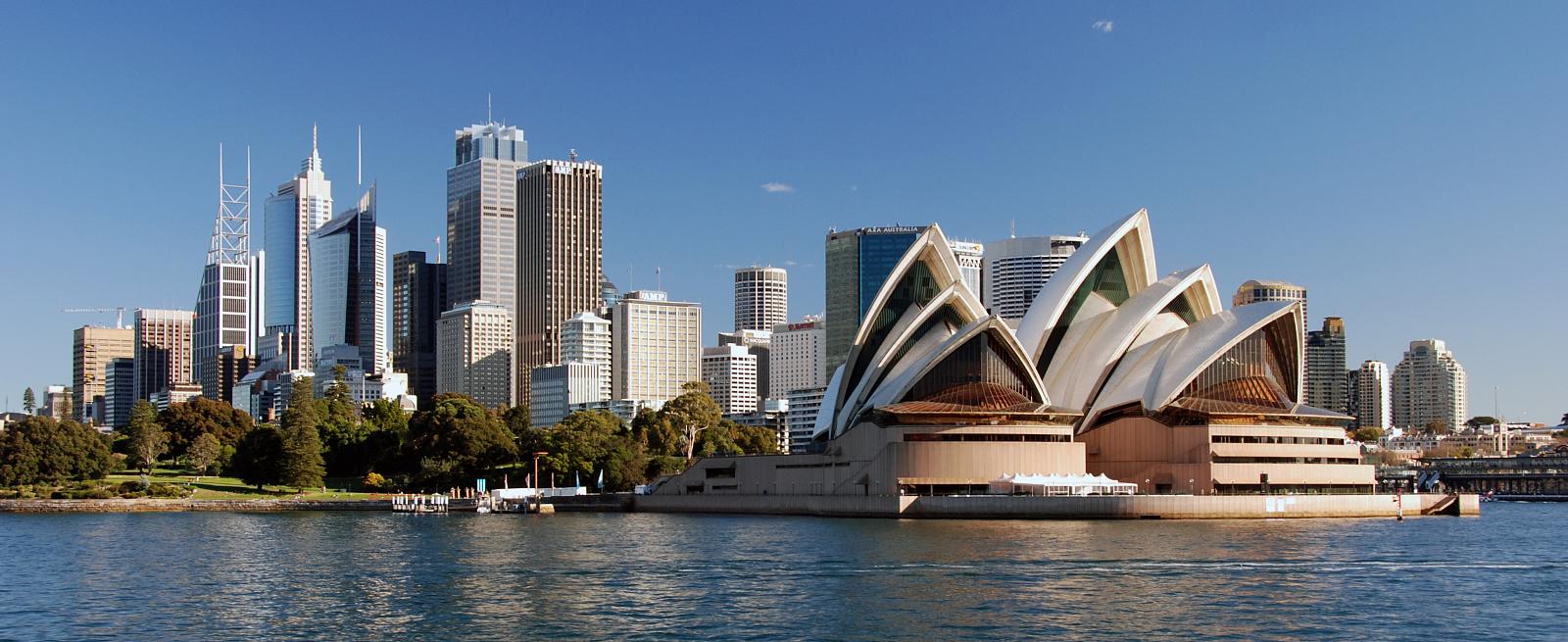
With NSW reopening, what does the future hold for our right to protest?

As New South Wales opens up after months of lockdown and racegoers return to the track in their thousands, we’re taking a look at the ongoing restrictions being applied to the right to protest – restrictions that under the most recent NSW Government roadmap appear to be stuck at 30 people max. 

The debate around protest has, in recent times, focused on demonstrations related to COVID-19 such as lockdown, mandating the vaccine rollout and vaccine passports. While the right to protest is a key freedom within a liberal democracy, it also has to be considered in the context of other rights such as the right to health, and as the Delta strain spread these demonstrations risked transmission of the virus. 

But as vaccination rates rise, lockdown restrictions in NSW ease and people start looking forward to attending concerts, sporting events and packed Sydney beaches, will we also be allowed to attend protests?  

Upcoming climate protests

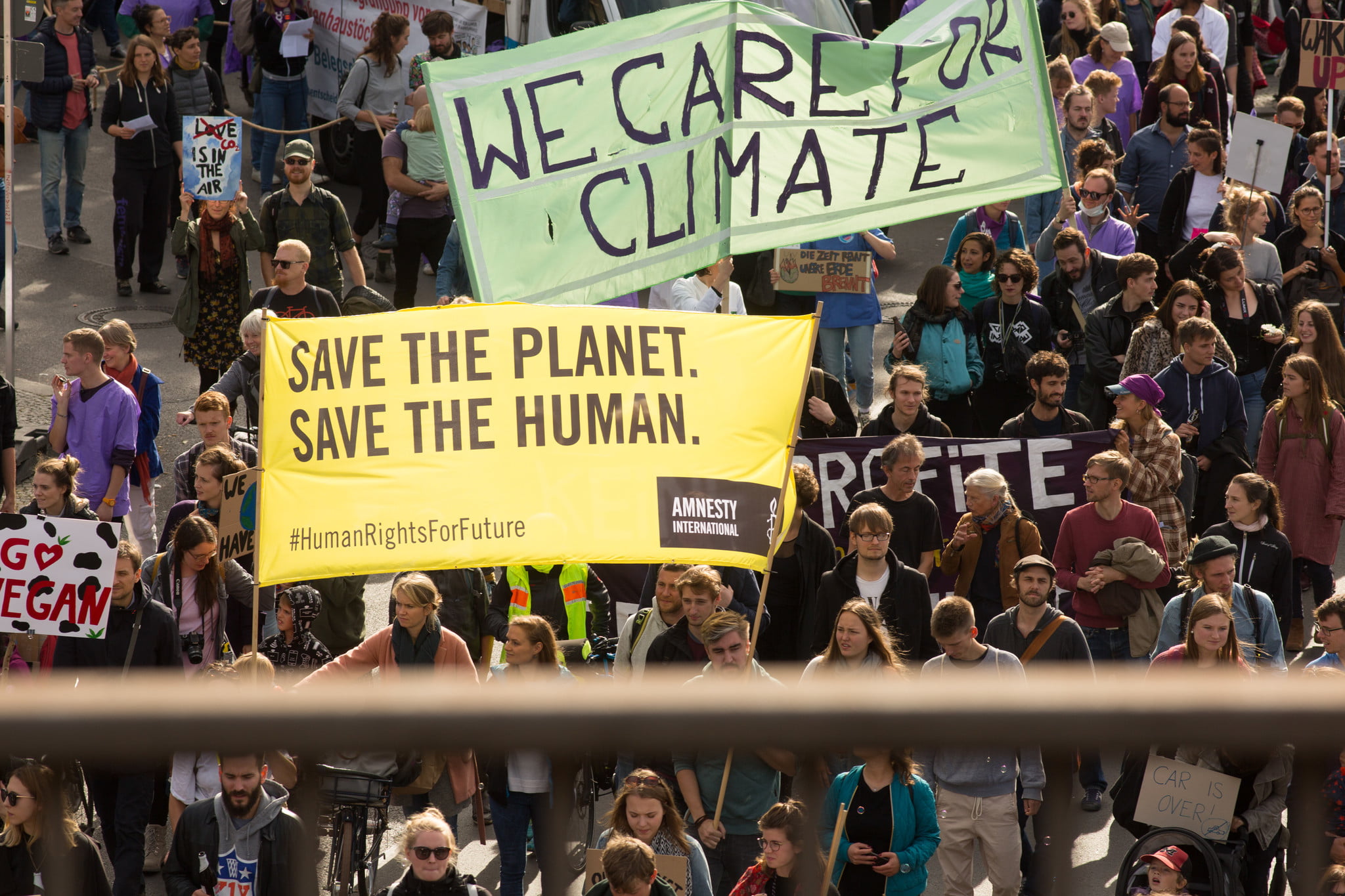
Today [15 October], climate protesters all over the world are once again voicing their anger and frustration at the lack of action on reducing carbon emissions. Here in Australia, one of the great laggards on setting a target for zero emissions, people are rightly angry. And they want to express that anger.

But while some states are able to hold physical protests, in NSW the vague guidelines mean events are still being held online. Meanwhile, the lucrative Everest horse race, being held in Randwick tomorrow, has been given an exemption as a ticketed event with 10,000 people allowed to attend.

So when will the NSW Government allow us the right to freedom of peaceful assembly, expression and association as enshrined in international law? When will we be able to take to the streets to protest important issues again?

Under the current roadmap, unlimited outdoor gatherings are allowed on 1 December. By that time, COP 26 in Glasgow will have come and gone, and with it an opportunity for protesters to pressure the government to finally take action and protect the future. These are extremely important issues, where a lack of progress by our politicians frustrates many. We should be able to express those frustrations – and pressure for change – through peaceful protest. 

The double standards are there for all to see and they coincide with the Federal Government’s latest efforts to stymie charities and not for profits who use protest as a means to campaign a cause.

Protest under Covid-19

According to Amnesty’s Human Rights Barometer launched earlier this year, the vast majority of Australians supported the restrictions to protest through lockdown in order to protect our health. But away from crises like the pandemic, 70% of the population believe that the right to protest is important and should be protected.

The NSW Public Health Orders during the 2021 lockdown did not specifically address protest as a relevant activity or define ways in which protest could be carried out in COVID-safe ways. In effect, this meant all protests became prohibited for the duration of lockdown. This prohibition was enforced by NSW Police, who took a heavy-handed response to two small, COVID-safe protests observed by Legal Observers NSW. 

On 1 August, 9 protesters were fined a total of $9000 at a COVID-Safe protest car convoy – all were wearing masks, in cars with people from the same household, and all stayed within their cars during the protest. Over 200 police officers, including members of the Public Order & Riot Squad and mounted police, were present at the protest. A number of protesters had driven the route prior to the protest without incident, but were allegedly stopped and fined within minutes of putting signs or chalk on their cars.

NSW Legal Observers also observed a COVID-safe protest on 11 September held in response to the harsh lockdown of the Common Grounds housing complex. Residents at Common Ground had asked those living within a 5km radius to show solidarity by wearing purple and exercising in a COVID-safe way outside the complex.

Police issued a move order to everyone near Common Grounds within 30 minutes of the protest beginning. Police issued one person a direction to return home because he was filming the police, compelled people to show their IDs, questioned people about their reasons for being there, issued multiple directions for people to “move on”, and warned people that “failure to comply is an offence”. Police also directed a resident of Common Ground, who was standing on her balcony, to “stop blowing bubbles”. 

Concerningly, police also issued a “move on order” to two legal observers, told them they had no right to observe under the current restrictions, and took photographs of legal observers. Legal observers play an important role in ensuring that human rights are protected at protests, and have a right to be present at protests. Despite moving on when ordered, these two legal observers later received fines for failing to move on, which are the subject of ongoing review requests and a complaint against police. 

Use of undue force

Elsewhere in the world, many people have also had good reason to protest – the death of Sarah Everard in England at the hands of a police officer brought people onto the streets in their thousands. In Myanmar, the overthrow of the government by the military has seen chaotic scenes and many deaths as civilians protested. Such protests have been greeted with overzealous police using an unnecessary level of force. 

Amnesty International recently investigated the misuse of batons and other striking weapons, analysing illustrative incidents spanning the past decade from around the world. Examining hundreds of photos and videos, researchers have verified 188 incidents of the misuse of striking weapons including police batons, lathis (long sticks), sjamboks (rigid whips) and improvised weapons in 35 countries, covering all regions of the globe. These include  examples from  violent crackdowns of  mass  protests  in countries as diverse as Belarus, Colombia,  France,  India and Myanmar. 

Such use of force must only be resorted to with the utmost respect for the law and with due consideration for the serious impact it can have on a range of human rights: the right to life, to physical and mental integrity, to human dignity, to peaceful assembly, and to freedom of movement – to name just the ones most frequently affected. 

Four guiding principles (legality, necessity, proportionality, and accountability) must govern any state action that impacts on the human rights of a person. Any use of police powers by law enforcement officials must comply with these principles; for example, when carrying out an arrest or a stop-and-search activity or when using force against an individual, or group of individuals. 

The road ahead

The rights to freedom of peaceful assembly, expression and association are enshrined in international law. States are under an obligation to facilitate the right to freedom of peaceful assembly, actively encouraging people to engage in assemblies.  

States must respect, protect, and fulfil the right to peaceful assembly without discrimination of any kind. Peaceful assemblies should be protected, and they do not lose their peaceful character if there are isolated acts of violence or unlawful behaviour by some individuals.  

The exercise of this right should not be dependent on the authorisation of the state; states may request notice (although not for spontaneous assemblies) – but not authorisation.

Protest has been a vital tool to encourage reform for issues throughout our history, such as the right to vote and marriage equality. 

The lockdowns have been necessary and have done their job, ensuring public health was protected as much as possible against the pandemic. However, as the public emerges post-lockdown, the Government must now turn its attention to assisting us in exercising our rights to freedom of assembly and expression.

How you can take action today

  • Call for New South Wales police to respect the right to peacefully assembly – and end their use of excessive force to break up peaceful protests. Sign the petition here.
  • Call for the Australian Government to increase its support to people facing the impacts of the climate crisis ahead of the COP26. Sign the petition here.

In Australia, and around the world, the right to protest is under threat. It is the most powerful tool we have to protect our rights and our future. Without the right to raise our voices in protest, the world would be a very different place. Find out more about our Right to Protest campaign here.

Afghanistan: Taliban must allow girls to return to school immediately – new testimony

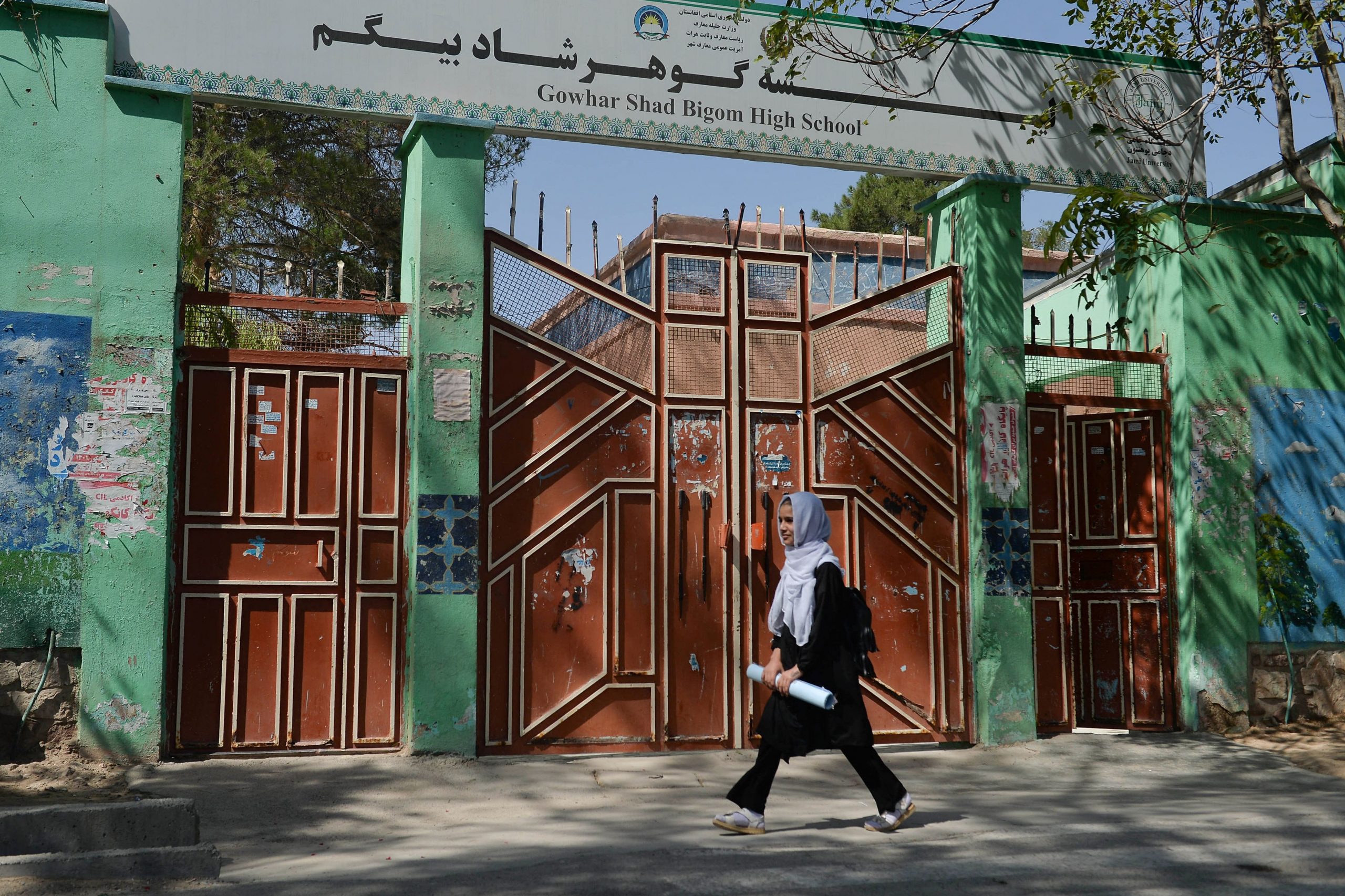
Girls in Afghanistan must be allowed to return to secondary school and continue their education, Amnesty International said today as it published new testimonies from pupils and teachers documenting Taliban threats and violence.

While male students nationwide were allowed to return to secondary school on 17 September, the Taliban insisted that a “safe learning environment” was required before girls could return.

However, in more than 20 new interviews, students, teachers and school administrators told Amnesty International that intimidation and harassment by the Taliban are causing school attendance rates to remain low at all levels, particularly for girls.

“At present, girls in Afghanistan are effectively barred from returning to secondary school. Across the country, the rights and aspirations of an entire generation of girls are dismissed and crushed,” said Agnès Callamard, Amnesty International’s Secretary General.

“The right to education is a fundamental human right, which the Taliban – as the de facto authorities running the country – are duty-bound to uphold. The policies currently pursued by the Taliban are discriminatory, unjust and violate international law.

The right to education is a fundamental human right, which the Taliban – as the de facto authorities running the country – are duty-bound to uphold. The policies currently pursued by the Taliban are discriminatory, unjust and violate international law.

Agnès Callamard, Amnesty International’s Secretary General

“The Taliban should immediately re-open all secondary schools to girls, put a stop to all harassment, threats and attacks against teachers and students, and cease any military use of schools in Afghanistan.”

Amnesty International is also calling on the international community to ensure appropriate funding for Afghanistan’s education sector to enable schools to continue functioning, through organizations such as the UN or NGOs. Failure to do so could potentially deny millions of Afghan students the right to education.    

‘Education is not a crime’

To date – while some secondary schools have allowed girls to return, including in Kabul city and in provinces such as Kunduz, Balkh and Sar-e Pul – the vast majority of secondary schools across Afghanistan remain closed for girls.

Asma*, a 14-year-old student in Kabul, told Amnesty International: “Will I be able to go to school or not? This is my biggest concern. I want to learn everything, from the easiest to the hardest subjects. I want to be an astronaut, or an engineer or architect… This is my dream… Education is not a crime. If the Taliban announce that getting an education is a crime, then we will commit this crime. We will not give up.”

Mariam*, a 17-year-old student in Badakhshan, said: “When I first heard they would close high schools, I felt we were going backward instead of forward. We had so many hopes and dreams, and now they are gone. I want to study medicine and become a doctor. I was ready to take the entrance exam for university. I feel like I am paralyzed right now. I can’t think of the future.”

Several female secondary school students said they had lost their motivation to study because the Taliban seem likely to allow them to work only in a few, specific fields, such as education or healthcare.

Khalida*, a 16-year-old student in Kabul, said: “What will we do with an education, if we cannot fulfil our passions? I want to be a politician… I don’t want to graduate and sit at home… Girls like me, we want to be leaders… We can be anything, and they are not letting us.”

Falling attendance rates

Teachers, students and activists across Afghanistan told Amnesty International that primary school attendance rates have dropped significantly in many areas, particularly for girls. Many families remain fearful of the Taliban, and are too nervous to send their children to school, particularly girls.

Zeenat*, a teacher in Samangan province, said: “There is no trust in the community… Parents think if they send their daughters to school, they could be beaten by the Taliban.”

The severe economic situation has forced many families to take their children out of school and send them to work. Millions of Afghans have been internally displaced during and following the Taliban’s takeover of the country, and many displaced children are not attending school.

Interviewees also said there are widespread absences among teachers, largely due to the Taliban’s failure to pay their salaries. This has led many primary schools either to run at reduced capacity, or to close entirely.

At the tertiary level, students reported that while some universities have re-opened, attendance rates have dropped, particularly for young women.

Wadan*, a 21-year-old medical student in Kabul, said: “There were 20 girls in my class [before the Taliban’s takeover]. Now there are just six girls… The Taliban introduced new rules… No-one knows what will happen in the next few hours, let alone days. Parents won’t give permission for their daughters to go to university in this situation.”

Taliban harassment of teachers and military use of schools

Pashtana*, a high school teacher, told Amnesty International she received death threats from the Taliban and had been called to the local court for prosecution due to her prior teaching of co-educational sports.

She received a letter from Taliban members earlier this year, and explained: “It said, ‘If the Taliban catch you, they will cut your ears off, and this will be a lesson for others in [your] province’. Now I am in hiding. Even my family thinks I am out of the country.”

Efat*, a 22-year-old woman, and Naveed*, her 16-year-old brother, said they were beaten unconscious by two Taliban members on 18 August. They said they were attacked while going to an English class, which the Taliban members called “the language of infidels”.

Another secondary school teacher said the Taliban had subjected her to harassment and intimidation, in retaliation for a media interview in which she complained about teacher salaries and girls’ access to secondary education. She added that she and several other teachers were threatened with eviction from their homes, which the previous government had provided.

For security reasons and fear of reprisal attacks, the precise locations of these incidents have been omitted. Amnesty International has not yet established whether these incidents represent a broader pattern of abuse by Taliban members against students and teachers, but will continue to monitor such reports.

Witnesses also told Amnesty International that the Taliban used four schools for military purposes during fighting prior to their takeover of the country: Tughani High School and Khetib Zada High School in Sar-e Pul city, Zakhail e Khondon High School in Kunduz city, and Alishing High School in Alishing district in Laghman province. Such use of schools places them at risk of attack, and is likely to make it extremely difficult to deliver an adequate education. These acts are also contrary to the global Safe Schools Declaration, which the Afghan government endorsed in 2015.

Methodology

From 16 September to 8 October 2021, Amnesty International conducted telephone interviews with 11 teachers and school administrators and 10 students – ranging from ages 14 to 22 – in provinces across Afghanistan, including Badakhshan, Farah, Helmand, Kabul, Kandahar, Laghman, Nangahar, Samangan and Sar-e Pul.

Amnesty International also interviewed 12 local activists, representatives of NGOs and the United Nations, and other experts on education in Afghanistan.

Amnesty International attempted to contact Taliban officials on 6 and 12 October, but had received no reply by the time of publication.
Iran: Halt imminent execution of young man arrested at 17

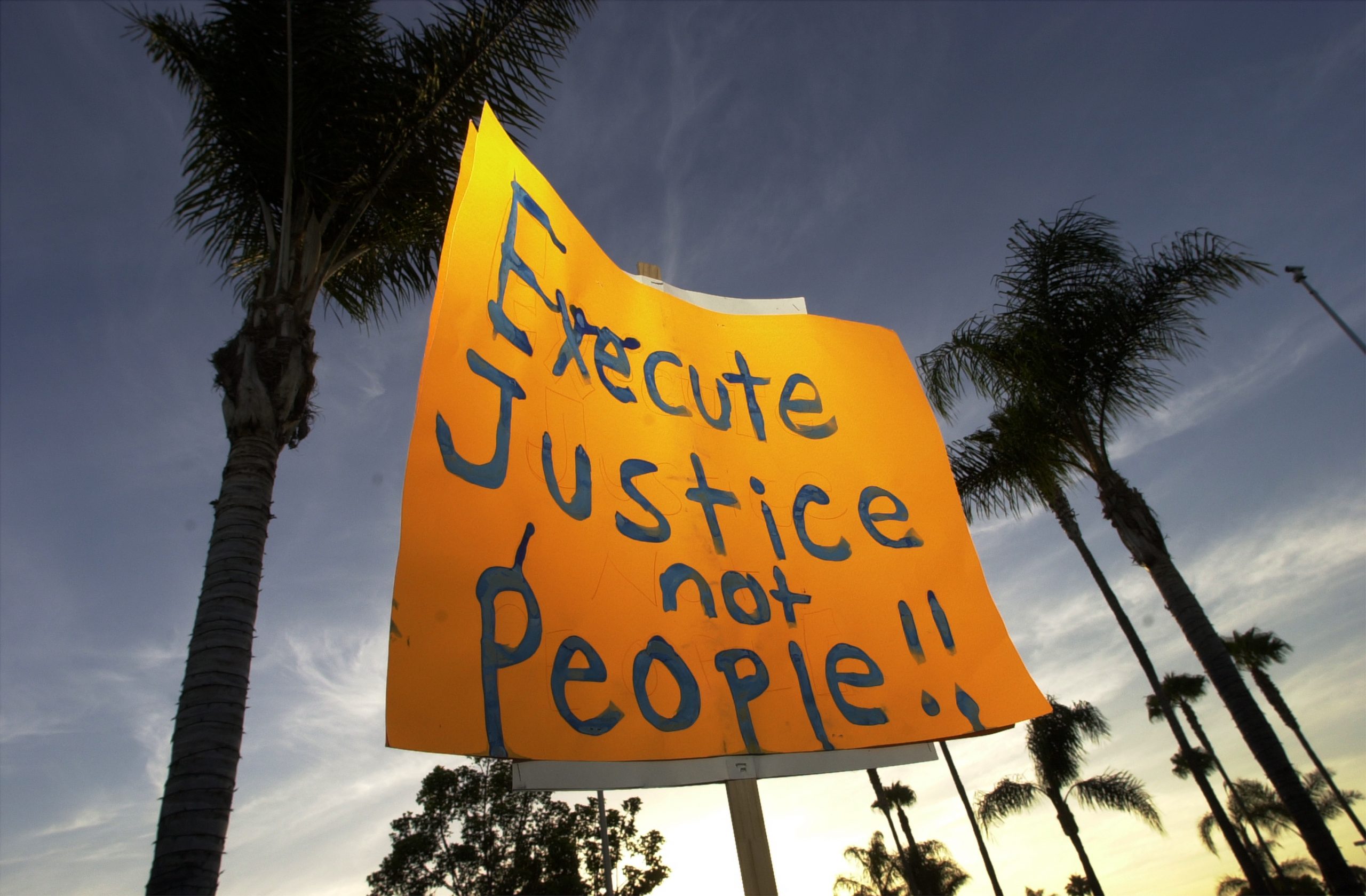
The Iranian authorities must immediately halt the planned execution of a young man who was sentenced to death for a crime that took place when he was a child, following a grossly unfair trial marred by torture-tainted “confessions”, Amnesty International said today.

Arman Abdolali was moved to solitary confinement in Raja’i Shahr prison in Karaj in preparation for his execution on Wednesday 13 October. His execution was scheduled twice before – in July 2021 and in January 2020 – but was halted both times after an international outcry.

“Time is rapidly running out, the Iranian authorities must immediately halt all plans to execute Arman Abdolali on 13 October. Use of the death penalty against people who were under 18 at the time the crime was committed is prohibited under international law and constitutes an abhorrent assault on child rights,” said Diana Eltahawy, Deputy Director for the Middle East and North Africa at Amnesty International.

“The Iranian authorities are demonstrating their ruthless intent to resort to the death penalty in complete disregard for their obligations under international law by scheduling Arman Abdolali’s execution for a third time. Global action helped to stop Arman Abdolali’s previously scheduled executions, we now urge the international community, including the UN and EU, to urgently intervene to save his life.”

Arman Abdolali was first sentenced to death in December 2015 after being convicted of murder in a grossly unfair trial, in which the court relied on torture-tainted “confessions”, in connection with the disappearance of his girlfriend in 2014. Her body was never found; the court stated that the murder had been committed without leaving any trace indicating that Arman Abdolali had attained “mental maturity” and understood the nature and consequences of the crime. The international legal prohibition on sentencing people who were children when they allegedly committed the crime to death is absolute, therefore is not subject to claims of “maturity” or “understanding the crime”.

In reaching this decision, the court also relied on the opinion of a Children and Adolescent Court Advisor who stated that Arman Abdolali understood the “abhorrent” nature of the crime. The sentence was upheld by the Supreme Court in July 2016. The trial and appeal verdicts both noted Arman Abdolali’s allegations that he was held in prolonged solitary confinement for 76 days and repeatedly beaten to “confess”, but no investigation was ordered and the “confessions” were described by the court as “unequivocal”.

In February 2020, the Supreme Court granted him a retrial after the Children and Adolescent Court Advisor withdrew her initial opinion, saying it had been issued without meeting him in person or studying his casefile. His retrial, at Branch 5 of Criminal Court One of Tehran Province, largely focused on whether there were doubts about his “maturity” at the time of the crime.

In September 2020, the court ruled that it was not possible to determine Arman Abdolali’s “maturity” so many years after the crime had taken place and ruled that in the absence of any evidence to the contrary, his criminal responsibility stands.

Given these deeply flawed proceedings, Amnesty International is also calling on the Iranian authorities to quash Arman Abdolali’s conviction and grant him a retrial in line with fair trial standards generally and those pertaining to children in particular, without resorting to coerced “confessions” or use of the death penalty.

Under Iranian law, in cases of murder and certain other capital crimes, boys aged above 15 lunar years and girls aged above nine lunar years are treated as adults and can be sentenced to death. However, Article 91

of Iran’s Islamic Penal Code grants judges the discretion to replace the death penalty with an alternative sentence if they believe there are doubts about the individual’s “maturity” at the time of the crime. In practice, there is no clarity over the evidence and the standards of proof needed to demonstrate “full maturity”.

“This case highlights the deeply flawed nature of Iran’s child justice system. We again urge the Iranian authorities to put an end to the violations of the right to life and children’s rights by amending the Penal Code to ban the use of the death penalty against anyone who was under 18 at the time of the crime without exception, pending the full abolition of the death penalty,” said Diana Eltahawy.

Iran continues to use the death penalty for crimes committed by people under the age of 18, in violation of its obligations under the International Covenant on Civil and Political Rights and the Convention on the Rights of the Child.

The authorities executed at least three people who were under the age of 18 at the time of the offence in 2020. Earlier this year, they executed in secret Sajad Sanjari, a young man who was 15 at the time of the offence. Scores of people similarly convicted of crimes committed when they were children remain on death row in Iran. In 2020, Iran carried out at least 246 executions securing the shameful place of second top executioner worldwide.

Report: World Day Against the Death Penalty 2021

Amnesty International’s new report, 2021 World Day Against the Death Penalty: the additional burden of the death penalty on women highlights some of the prevailing human rights concerns associated with the impact of the death penalty on women and calls for action to end the injustice and arbitrariness of the death penalty.

Whatever form it takes – hanging, lethal injection, beheading, stoning or electrocution – the death penalty is a violent punishment that has no place in today’s criminal justice system.

What is the death penalty?

Every day, people are executed and sentenced to death by the state as punishment for a variety of crimes – sometimes for acts that should not be criminalized. In some countries, it can be for drug-related offences, in others it is reserved for terrorism-related acts and murder.

When Amnesty started campaigning against the death penalty back in 1977, only 16 countries had abolished it. As of April 2021, 108 countries have abolished the death penalty for all crimes and 144 countries have abolished it in law or practice – a trend that must continue.

Women on death row

The lack of transparency on the use of death penalty by most countries, makes it impossible to accurately estimate how many women have been facing death penalty globally. However, the limited information available outlines
concerning trends, which see women being disproportionately represented on death row for certain offences and confronted with additional challenges in their experience of the criminal justice system.

An infographic showing the statistics of the death penalty in 2020. 16 known executions, 19 known death sentences, 113 known women under sentence of death..
An infographic showing the statistics of the death penalty in 2020. 16 known executions of women, 19 known death sentences of women, 113 known women under sentence of death.

The information that Amnesty has been able to gather suggests that women have represented a small proportion of those executed, newly sentenced to death or living under a death sentence – in absolute terms. However, when considering the limited information available in relation to new death sentences imposed and people under sentence of death, it is immediately apparent that new death sentences are mainly linked to murder, but also involve convictions for non-lethal crimes, such as financial or drug-related offences, in violation of international human rights law and standards.

The disproportionate representation of women on death row is alarming, especially when taking into account the women who have been subjected to violence, abuse and exploitation who have little to no chance to get these factors taken into account at sentencing.

Women as secondary victims

As members of the family or support network of people under sentence of death, women have also been impacted by the death penalty as its “secondary victims”.

In many cases, women as family members of those on death row face greater barriers in obtaining the appropriate legal support for their relative, which impacts the enjoyment of the right to a fair trial for those facing the death penalty. Patriarchal structures within societies have led to situations where many women do not have access to education, independent and sufficient incomes, and independent support networks that can be accessed at such times. This therefore means that they are often more vulnerable to financial and other exploitation when seeking legal advice and support for their relatives or may not be able to get the most appropriate legal support.

Authorities’ failure to end discriminatory laws and practices

The authorities have also failed to protect human rights through their lack of action towards repealing laws and policies that allow practices which are directly or indirectly discriminatory; and interact with and foster a culture that endorses violence, abuse and discrimination against women, as well as impunity for their perpetrators. These include child and forced marriage, male guardianship, or male approval as an essential condition for divorcing, discrimination in access to education and employment, cultural and social norms on family “honour”, lack of adequate state registries and social support systems, among other examples.

In contexts where the death penalty is a possible – or even the only – punishment for murder and where violations of the right to a fair trial are frequent, gender-based discrimination is relevant to the commission of the offense itself, and it also puts women at greater disadvantage in their experience of the criminal justice system and further exacerbates the injustice in their cases.

Other aspects of a woman’s identity can also contribute to exacerbating her disadvantage in the experience of justice, for example when she has a mental or intellectual disability or is a child.

Amnesty International’s recommendations

Amnesty International calls on countries that still retain the death penalty to immediately abolish it for all crimes.

Pending this we ask them to:

  • Immediately establish a moratorium on all executions and commute all death sentences
  • End the imposition and implementation of death sentences on people who were below 18 years of age when the offence was committed, and if the age is disputed to give the benefit of the doubt in favour of the defendant
  • Remove the mandatory death penalty for all crimes; including for drug trafficking, and mandate a judicial body, whether existing or established specifically for this aim, to review all cases where people have been sentenced to death, with a view to commuting the death sentences as a matter of urgency
  • Bring national legislation in line with international law and standards
  • Ensure that all persons facing the death penalty – including those from disadvantaged or marginalised socio-economic backgrounds – are provided access to effective legal assistance, from the moment of arrest or when they first face criminal charges, all the way through to appeals and other recourse procedures, and ensure that legal aid programmes are provided sufficient resources to appoint competent pro bono lawyers in all regions
  • Regularly publish full and detailed information, disaggregated at least by gender, nationality and ethnic background, about the use of the death penalty which can contribute to a public debate on the issue
  • Remove provisions from national legislation that have a disproportionate impact on those from less advantaged socio-economic backgrounds, women, young people, ethnic minorities and foreign nationals; and implement alternatives to the criminalization of minor and non-violent drug-related offences that do not cause harm to others.
  • Put in place a wide set of gender-sensitive and holistic socio-economic protection measures to ensure that crime control laws and policies contribute to overcoming structural factors for inequality, stigma and discrimination that affect people who use drugs or who engage in the drug trade, especially women and those belonging to marginalized and disadvantaged communities. These include ill-health, denial of education, unemployment, lack of housing, poverty and discrimination.
  • Address effectively gender stereotypes through, for example, community outreach and public education campaigns, and promote women’s and girls’ participation in public life

Amnesty International’s death penalty report

Amnesty International opposes the death penalty in all cases without exception, as a violation of the right to life as proclaimed in the Universal Declaration of Human Rights and the ultimate cruel, inhuman and degrading punishment. Amnesty International is a founding member of the World Coalition Against the Death Penalty, which coordinates this global day of activism against the death penalty every 10 October.

This report is based on Amnesty International’s analysis of women on death row and the additional burdens they face against the death penalty. It explains the importance of addressing other discrimination against women and seeks to spell out the government obligations to end the death penalty.

Find out more about Amnesty’s campaign against the death penalty.

China: UN must act on Xinjiang atrocities after petition shows mass global outrage

  • More than 323,000 people worldwide sign Amnesty International’s ‘Free Xinjiang Detainees’ petition
  • Open letter urges UN to investigate human rights violations against Uyghurs, Kazakhs and other Muslim minorities
  • New testimonies reveal impact on detainees’ family members

The international community must strongly condemn the ongoing serious human rights violations in China’s Xinjiang Uyghur Autonomous Region (Xinjiang) and pave the way for justice and accountability, Amnesty International said today in an open letter to UN member states. 

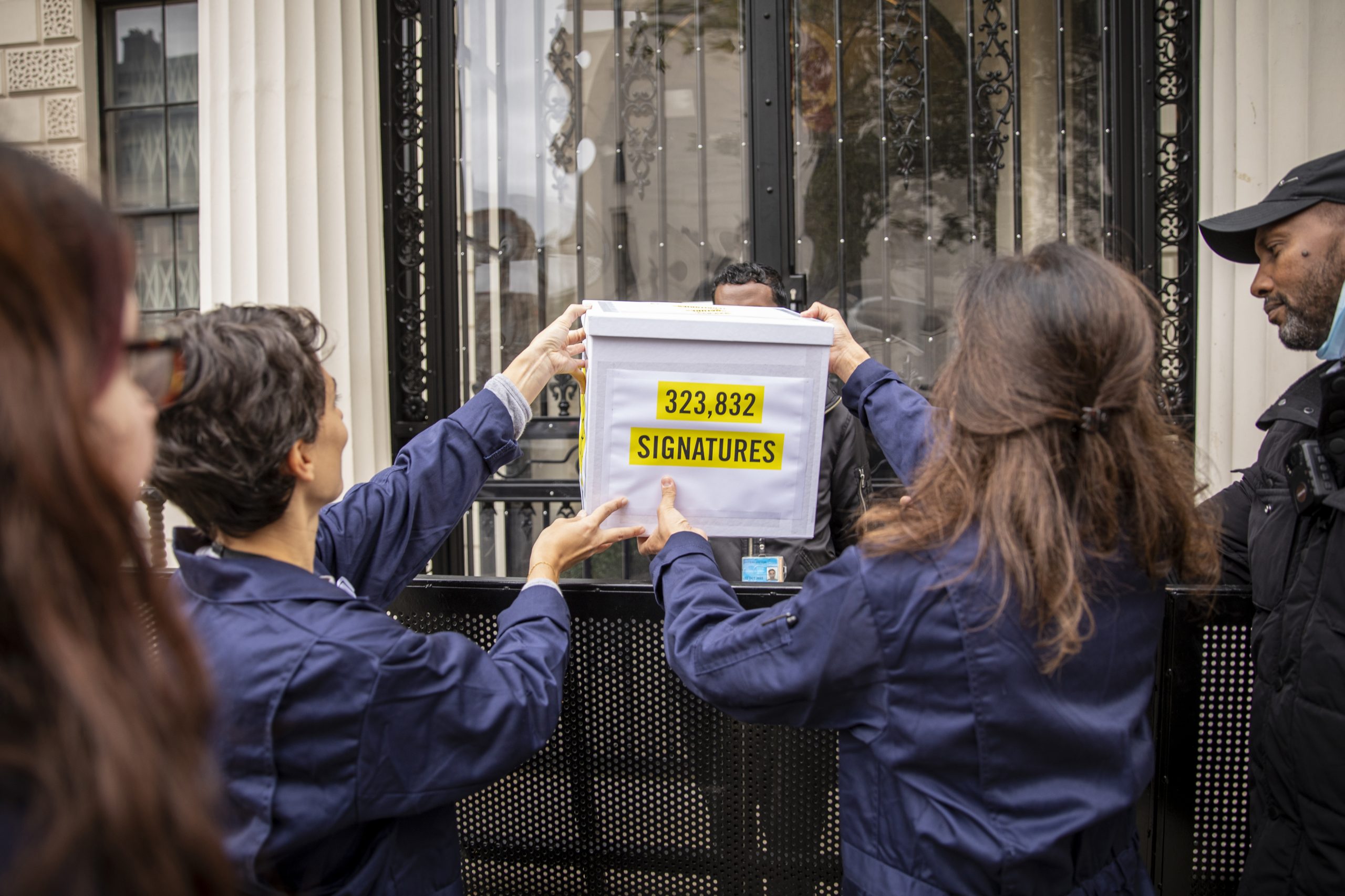
The call comes after 323,832 people from 184 countries and territories signed the organization’s petition calling on the Chinese authorities to release the hundreds of thousands of Muslim minority men and women arbitrarily detained and subjected to mass internment, torture and persecution in Xinjiang.

“Around the world, hundreds of thousands of people have signed our petition to express their outrage at evidence of crimes against humanity and other serious human rights violations being inflicted on Muslims in Xinjiang,” said Agnès Callamard, Amnesty International’s Secretary General.

“It’s a clear sign that people around the world see through China’s efforts to silence critics and lash out in response to credible reporting on its atrocities in Xinjiang. Every signature is a direct call on China to immediately stop this systematic persecution.”

“The Chinese government must immediately release all people arbitrarily detained in the camps and in prisons, dismantle the internment camp system, and end the systematic attacks against predominantly Muslim ethnic groups in Xinjiang.”

Petitions delivered at Chinese embassies 

In recent days, Amnesty International supporters in 10 cities around the world have held public events to hand over their Free Xinjiang detainees petitions.

On 7 October, activists gathered at the Chinese embassy in London, UK, to hand over their petition while dressed in the distinctive blue uniforms that camp detainees are forced to wear. Amnesty International activists planned similar events at Chinese embassies in: Dakar, Senegal; Helsinki, Finland; Lima, Peru; Lisbon, Portugal; Madrid, Spain; Paris, France; The Hague, the Netherlands; and Washington DC, USA. Amnesty International Indonesia hosted an online seminar and led a digital action encouraging activists to dress in blue uniforms and post selfies. 

The global petition is part of an ongoing Amnesty International campaign, launched in June 2021, to demand an end to the arbitrary detention and other serious human rights violations suffered by predominantly Muslim ethnic groups in Xinjiang. 

The campaign highlights more than 60 cases of individuals arbitrarily detained in “transformation-through-education” centres – actually, internment camps – or sentenced to prison for years. These represent only a small fraction of the hundreds of thousands of men and women – possibly up to one million or more – whom the Chinese authorities have detained under the guise of fighting “terrorism”.  

New family testimonies

Amnesty International interviewed dozens of family members of those arbitrarily detained in Xinjiang and recently released new videos sharing some of their experiences.

Memeteli’s sister, Hayrigul Niyaz, was detained after she returned from studying abroad, and he has no information about her whereabouts in Xinjiang. Memeteli told Amnesty International: “If I met her again, I will say: ‘Sorry, my sister, that I couldn’t save you from the camps.’”

Adila’s father, Sadir Ali, was arrested in 2018 and sentenced to 20 years in prison, allegedly because he was fasting during Ramadan. Adila said: “Deep [in my] heart I will never be happy because my father is in the jail or in the camp. Why is the Chinese government doing this to us?” She said she had been unable to visit her hometown for 11 years and has lost contact with her relatives in Xinjiang. 

Abduweli Ayup, a well-known Uyghur activist now living in Norway, told Amnesty International about his sister, Sajidugul Ayupand brother Erkin Ayup, who are serving 12 and 14 year prison sentences, respectively, in Xinjiang for “inciting terrorism”: “I feel every time I do something, it will be dangerous for my family. No one can protect my family members from the punishment. I know that maybe my words will make the Chinese government very angry, but at least I will make the Chinese government know that I will not just watch them torture my sister. I’m not afraid to speak out anymore.”

Accountability for Xinjiang violations

In June 2021 Amnesty International launched a report documenting how Uyghurs, Kazakhs and other predominantly Muslim ethnic minorities in Xinjiang face systematic state-organized mass imprisonment, torture and persecution amounting to crimes against humanity.

The Chinese government has shown a total unwillingness to acknowledge the reality of the situation in Xinjiang, to halt the human rights violations, or to conduct impartial and thorough investigations and prosecute those suspected to be responsiblein fair trials without recourse to the death penalty.

Meanwhile, UN bodies and member states have been slow to respond to the violations. Indeed, another UN Human Rights Council session ended last week without any formal action being taken to address abuses in Xinjiang.

What we’re asking

Amnesty International is urging UN member states to stand together to strongly condemn China’s serious human rights violations in Xinjiang and to launch a robust, independent, international investigative mechanism to ensure accountability. 

“Despite mounting evidence of serious human rights violations and crimes under international law over the past four years, the United Nations and its member states have failed to live up to their responsibility to hold China to account for its actions,” said Agnès Callamard. 

“The international community must stop pretending that the dystopian reality for Muslims in Xinjiang will somehow remedy itself. Too much time has already been wasted. Now more than ever, UN member states have a duty to protect the human rights of all people in Xinjiang, launch an investigation into the suspected crimes under international law, and ensure accountability.”

ACT review shows clear pathway for all jurisdictions to raise the age

Amnesty International Australia today welcomed an independent review into raising the age of criminal responsibility from 10 to 14 in the Australian Capital Territory, saying it outlines a clear pathway for other Australian jurisdictions to act on this essential reform.

The ACT is the first Australian jurisdiction to commit to raising the age – a reform which is not only long overdue, but is also widely supported by the community.

Amnesty International Australia has been campaigning for all governments to raise the age of criminal responsibility since 2015. The United Nations Committee on the Rights of the Child issued General Comment 24 in 2019, which encouraged states to raise the age of criminal responsibility to at least fourteen.

“It’s wrong to lock up any 10 year old, but we know that this legislation is racist in application because the majority of children in prison in Australia are Indigenous,” Amnesty International Australia Indigenous Rights campaigner, Maggie Munn said.

“Raising the age will allow kids to be free of the quicksand of the criminal justice system and allow them to grow up happy and healthy, which is what any child deserves.

“The Federal Government has failed to show leadership on this issue, so it’s now up to the States and Territories to step up. This review puts paid to any suggestion that this is too difficult a change to make, so States and Territories can build on the ACT’s work to make it possible right around the country.”

Amnesty International Australia is calling for sustainably funded diversion programs to keep kids out of jail, and for all Federal, state and territory jurisdictions to line up with the rest of the rights respecting world, as mandated under the Children’s Convention, and raise the age of criminal responsibility to 14.

The policing of the 2021 NSW lockdown

During the COVID-19 pandemic, and particularly during periods of lockdown, police in Australia have been given unprecedented and extraordinary powers to enforce COVID-19 restrictions.

From 25 June 2021, when Greater Sydney, the Blue Mountains, the Central Coast and Wollongong went into lockdown, NSW police have too often taken a heavy-handed approach to enforcing COVID-19 Public Health Orders. These Orders were frequently modified, often with a days’ notice and without sustained processes to clearly and accessibly communicate their content to relevant communities. The final version of the Public Health Order (COVID-19 Additional Restrictions for Delta Outbreak) runs to 56 pages.

Since the lockdown began, dozens of people have experienced concerning interactions with police, including being incorrectly issued fines and being stopped and searched under the pretext of the COVID-19 restrictions. The confusing nature of the Orders and the impunity given to NSW Police in relation to incorrect issuing of fines early in the lockdown were key contributors to this haphazard and overly punitive approach.

The COVID policing website, established in 2020 to capture incidents of COVID-related policing, has received a number of reports from individuals who experienced unjustified and harmful policing during the 2021 NSW lockdown.

The Public Health Orders during the 2021 lockdown did not contain any specific provisions relating to protests or human rights-related activities, effectively making protest a prohibited activity during the NSW lockdown. The policing of the few COVID-safe protests that happened during the lockdown was heavy handed, and resulted in peaceful protesters and legal observers being fined tens of thousands of dollars

The policing of Public Health Orders

Many of the concerns reported to the COVID policing website involved police not using discretion when issuing fines, police misunderstanding the COVID-19 Public Health Orders, and mistakenly issuing fines to those not breaching restrictions.

Many of these interactions occurred within the Fairfield, Canterbury-Bankstown and Liverpool LGAs which were placed under particularly harsh lockdown restrictions. On one occasion in Bankstown, a person exercising in the park was accused by an officer of ‘loitering’ and fined $1000. The person, who has a disability that causes muscle weakness, reported that they explained this to the officer, but the officer still fined them. The person said they told the police officer multiple times that “exercise to me probably looks a lot different than exercise to you as I have a disability”, but received no response to this from the officer.

“Exercise to me probably looks a lot different than exercise to you as I have a disability.”

A person fined in Bankstown for exercising during lockdown

In Blacktown, people reported being searched while being stopped in relation to COVID restrictions. This reflects findings from 2020 that police searched 45% of people stopped with regard to COVID-19. It is unclear how searches enforce COVID-19 Public Health Orders, or protect the public from contracting COVID-19. Concerningly, the 2020 research also found that Aboriginal and Torres Strait Island people were disproportionately subject to being arrested and searched by police in relation to COVID-19.

On numerous occasions reported to the COVID policing website, police did not appear to be aware of the content of their powers under the COVID-19 restrictions and mistakenly issued ‘move on’ orders or fined people who were not breaching Public Health Orders. In one case in Marrickville, a person was issued with a warning and a ‘move on’ order when returning from their partner’s home. They were asked to confirm their addresses and that they were within 5 kilometres of their home, although the 5 kilometre restriction did not apply to visits to intimate partners. They reported feeling intimidated by police, and that they were the only person in the area stopped by police.

Other incidents included police fining people $1000 for breaches related to undertaking ‘outdoor recreation’ despite the activity taking place in LGAs where outdoor recreation was allowed for households or up to 2 people from different households. This suggests that police themselves struggled to understand the different rules applied to LGAs and LGAs of concern, where outdoor recreation was prohibited.

NSW Police’s misunderstanding and misapplication of restrictions and the mistaken issuing of fines is particularly concerning given police were given discretion to not issue fines. Many of the people fined reported that the fine had a significant impact on their mental well-being and on their finances, particularly as some of them had been stood down or subject to reduced working hours because of the lockdown.

“While on-the-spot fines are often perceived as a modest form of penalty, their effects can be extremely punitive and long-term, especially for those already experiencing socio-economic disadvantage.”

Professor Luke McNamara from the UNSW Centre for Crime, Law and Justice

During the hard lockdown of the Common Ground housing complex, NSW police reportedly searched residents’ deliveries, seized and confiscated personal items, and distributed personal items to the wrong recipients. The Public Health (COVID-19 Self-Isolation) Order No 3 and the Public Health Act 2010 do not provide any express or implied powers for NSW Health or NSW Police to search or confiscate the belongings of individuals who are required to self-isolate, or to impose limits on their consumption of legal substances. These actions, alongside the impunity given to NSW Police officers to wrongly issue fines without subsequent accountability, demonstrate a disregard for the rule of law.

The policing of protests

The NSW Public Health Orders during the 2021 lockdown did not specifically address protest as a relevant activity or define ways in which protest could be carried out in COVID-safe ways. In effect, this meant all protests became prohibited for the duration of lockdown. This prohibition was enforced by NSW Police, who took a heavy-handed response to two small, COVID-safe protests observed by Legal Observers NSW. 

On 1 August, 9 protesters were fined a total of $9000 at a COVID-Safe protest car convoy – all were wearing masks, in cars with people from the same household, and all stayed within their cars during the protest. Over 200 police officers, including members of the Public Order & Riot Squad and mounted police, were present at the protest. A number of protesters had driven the route prior to the protest without incident, but were allegedly stopped and fined within minutes of putting signs or chalk on their cars.

NSW Legal Observers also observed a COVID-safe protest on 11 September held in response to the harsh lockdown of the Common Grounds housing complex. Residents at Common Ground had asked those living within a 5km radius to show solidarity by wearing purple and exercising in a COVID-safe way outside the complex.

Police issued a move order to everyone near Common Grounds within 30 minutes of the protest beginning. Police issued one person a direction to return home because he was filming the police, compelled people to show their IDs, questioned people about their reasons for being there, issued multiple directions for people to “move on”, and warned people that “failure to comply is an offence”. Police also directed a resident of Common Ground, who was standing on her balcony, to “stop blowing bubbles”. 

“Stop blowing bubbles.”

Police direction to a resident of Common Ground

Concerningly, police also issued a “move on order” to two legal observers, told them they had no right to observe under the current restrictions, and took photographs of legal observers. Legal observers play an important role in ensuring that human rights are protected at protests, and have a right to be present at protests. Despite moving on when ordered, these two legal observers later received fines for failing to move on, which are the subject of ongoing review requests and a complaint against police. 

Recommendations

The policing of Public Health Orders

  • Public health responses should be led by community and health organisations, not by police. Under human rights standards, powers granted to authorities during a public health emergency should always be exercised in the pursuit of the protection of public health. When enforcing relevant restrictions, police must ensure their actions are proportionate to the threat posed to public health, and necessary to protect public health.
  • NSW Police should release the guidelines for the policing of COVID-19 restrictions, so that the public is aware of the directions given to police to enforce Public Health Orders. To ensure the public have trust in law enforcement and that there is accountability the Law Enforcement Conduct Commission should investigate systemic issues related to NSW police’s enforcement of Public Health Orders during the COVID-19 pandemic.
  • The NSW government should review the Law Enforcement Conduct Commission Act 2016, with the view to expanding the functions exercised by the Law Enforcement Conduct Commission to include all offences that cause injury committed by law enforcement officials within the remit of the Commission, and commit to properly funding and resourcing the Commission so it can investigate incidents of abuse and hold law enforcement officials accountable for the abuse of human rights.

The policing of protests

  • NSW police must respect people’s right to peaceful assembly, and the important role legal observers play in protecting human rights at protests.
  • Under NSW’s roadmap out of lockdown, up to 500 people can attend ticketed and seated outdoor events from 11 October, but only 30 vaccinated-people can attend a protest (which would fall under outdoor gatherings and recreation). When 80% of the eligible population have received both doses of the COVID-19 vaccine, 3,000 people will be allowed to attend outdoor events, but only 50 vaccinated people will be allowed to attend protests. Under the restrictions, organisers will be able to work with NSW Health for larger events with a COVID-safe plan, but organisers must be made aware of the guidelines for approving such events, and the process under which the Health Minister will grant exemptions. Since the pandemic began, several peaceful protests have only been approved following court action from organisers, which marks a worrying development for people simply exercising their rights to freedom of assembly and expression.
  • In the coming months, peaceful protests, including protests in relation to the Global Day of Action on Climate on 6 November, are planned in Sydney. In 2020, under similar restrictions, NSW police often harshly dispersed small peaceful and COVID-safe protests, resulting in injuries to both protesters and bystanders.
  • During public health emergencies such as the COVID-19 pandemic, states have an obligation to protect our right to health. However, restrictions on the right to peaceful assembly should be in line with activities with a similar risk of contracting COVID-19, such as other outdoor events. NSW’s roadmap out of lockdown imposes unfair restrictions on protest – and the government should ensure that Public Health Orders concerning protests are proportionate to restrictions on other outdoor events.

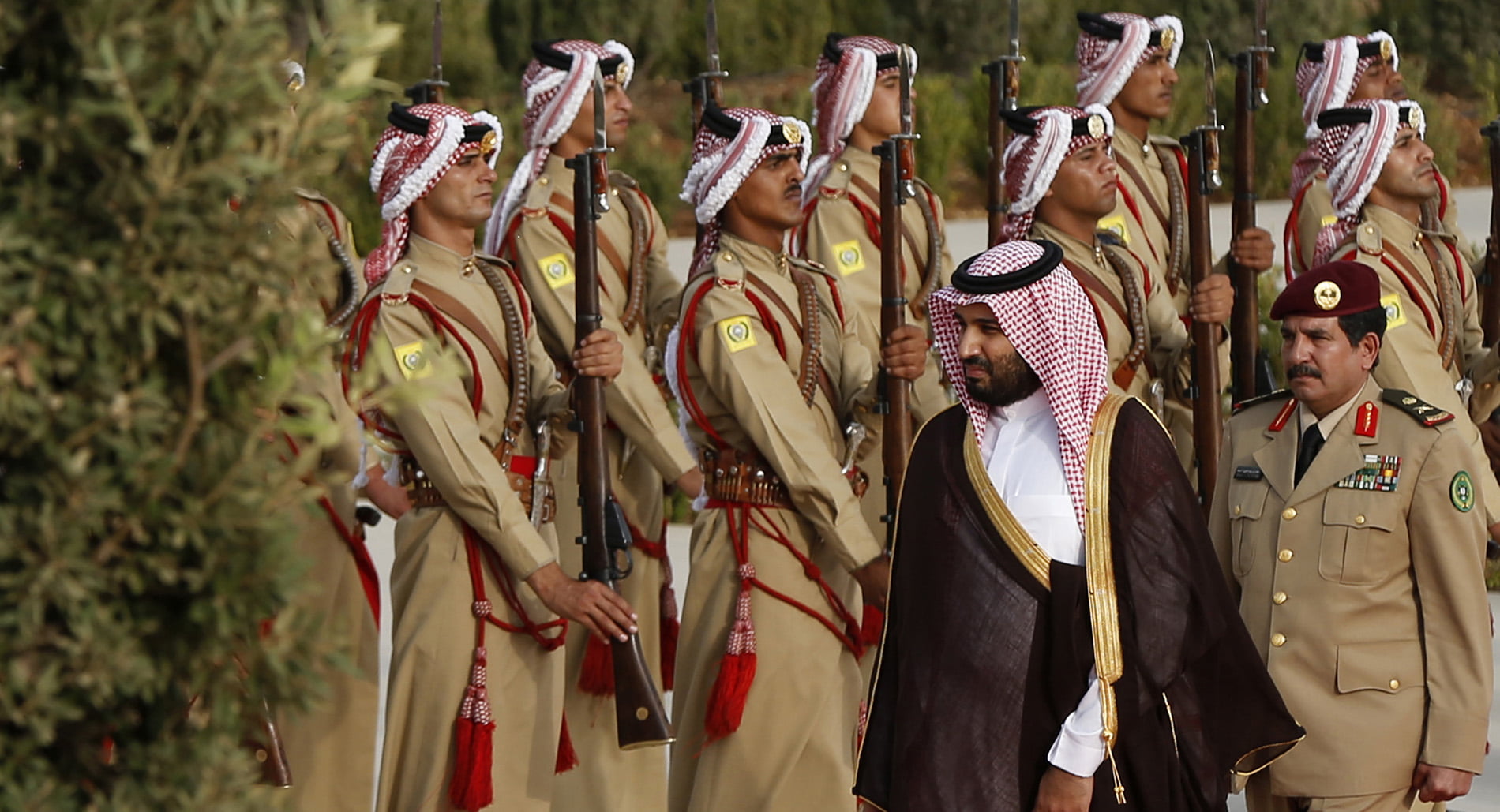
Saudi-backed bid for Newcastle United must prompt football ownership rule changes

Responding to reports that the resolution of a commercial dispute over Premier League broadcast rights in the Middle East will clear the way for a Saudi Arabia-backed consortium to buy Newcastle United Football Club, Sacha Deshmukh, Amnesty International UK’s CEO, said:

“Ever since this deal was first talked about we said it represented a clear attempt by the Saudi authorities to sportswash their appalling human rights record with the glamour of top-flight football.

“Saudi ownership of St James’ Park was always as much about image management for Crown Prince Mohammed bin Salman and his government, as it was about football.

“During the course of this protracted on-off buy-out, we’ve seen the Saudi authorities finally release jailed women’s rights activists like Loujain al-Hathloul – though only with punitive conditions attached and only after years of pressure from the international community.

Under Mohammed bin Salman, the human rights situation in Saudi Arabia remains dire – with government critics, women’s rights campaigners, Shia activists and human defenders still being harassed and jailed, often after blatantly unfair trials.

Sacha Deshmukh, Amnesty International UK’s CEO

“Under Mohammed bin Salman, the human rights situation in Saudi Arabia remains dire – with government critics, women’s rights campaigners, Shia activists and human defenders still being harassed and jailed, often after blatantly unfair trials.

“The closed-door trial of Jamal Khashoggi’s alleged killers was widely perceived to be a part of a wider whitewash by the authorities, and Saudi Arabia is accused of a catalogue of crimes under international humanitarian law during the long-running conflict in Yemen.

“Instead of allowing those implicated in serious human rights violations to walk into English football simply because they have deep pockets, we’ve urged the Premier League to change their owners’ and directors’ test to address human rights issues.

“The phrase ‘human rights’ doesn’t even appear in the owners’ and directors’ test despite English football supposedly adhering to FIFA standards. We’ve sent the Premier League a suggested new human rights-compliant test and we reiterate our call on them to overhaul their standards on this. 

“As with Formula 1, elite boxing, golf or tennis, an association with top-tier football is a very attractive means of rebranding a country or person with a tarnished reputation. The Premier League needs to better understand the dynamic of sportswashing and tighten its ownership rules.”

More information on Saudi Arabia’s human rights record is available here.

New rules neededLast year, Amnesty UK wrote to the Premier League with a detailed proposal for a new human rights-compliant owners’ and directors’ test after commissioning expert advice from corporate lawyers David Chivers QC and Seamus Woods of Erskine Chambers. Among other issues, the proposal said that “to comply with the norms expected of a sporting organisation which has regulatory oversight of its member clubs, the incorporation of a ‘fit and proper’ test must respond to the wider expectations to which that organisation is subject. The test cannot be divorced from broader corporate governance considerations nor from the general standards of conduct which that organisation espouses.”