“Sportswashing” and Australian football

What is sportswashing?

“Sportswashing” is where states guilty of human rights abuses invest heavily in sports clubs and events in order to rehabilitate their reputations. Owning a sports club or hosting an event creates positive publicity and can help airbrush over human rights violations in the country.

Last year, Amnesty led a campaign in the UK to oppose the purchase of Newcastle United by Saudi-led investors over such concerns, and we are currently campaigning for Qatar to respect workers rights in the lead up to them hosting the 2022 World Cup.

What’s that got to do with Australian Football?

Sportswashing is not new, and it’s not unique to Australia. However, in Australia’s premier football competition, the A-League, five of the 12 clubs are foreign-owned or controlled. The competition has few requirements for public transparency, so the financing behind the clubs is often obscured. On top of that, the sports peak body, Football Australia has not signed onto FIFA’s human rights policy.

The case of Melbourne City

Current A league champions Melbourne City are owned by City Football Group, the sports investment company of Sheikh Mansour bin Zayed Al Nahyan, a member of the royal family that rules Abu Dhabi, the capital of the United Arab Emirates. City football group also owns premier league giants Manchester City, MLS club New York City along with other clubs in Japan, Uruguay, Spain, China, India and more.

What’s that got to do with human rights?

Amnesty has expressed concerns over human rights in the UAE, including the silencing and imprisonment of those speaking out in opposition to the ruling family, the rights of women, LGBTQIA+, and the exploitation of migrant workers. The UAE royals are using the positive image associated with the City football clubs to repair their reputation, and divert attention away from human rights violations.

What needs to happen?

For a start, Football Australia must sign on to FIFA’s human rights policy. It’s hard to understand why they wouldn’t do this, unless it’s because they want to protect the investments of clubs whose owners have questionable human rights records. Human rights must be respected in sport, and clubs should be run in the interests of their fans, not in the political interests of their wealthy owners.

Human rights policy urgently needed in Australian football

Ahead of an episode of Four Corners on ABC TV on Monday evening, Amnesty International Australia has called for an urgent implementation of FIFA’s human rights policy in Australian football.

“So far, the governing body, Football Australia, has declined to sign on to FIFA’s human rights policy. It’s hard to understand why this would be, unless it’s because they wish to protect the investments of clubs whose owners can’t comply with the code,” Amnesty International Australia National Director, Sam Klintworth, said.

Amnesty International has highlighted the issue of sportswashing globally, where states guilty of human rights abuses have invested heavily in sports such as football in order to rehabilitate their reputations.

Last year, Amnesty led a campaign in the UK to oppose the purchase of Newcastle United by a Saudi-led consortium over such concerns. FIFA’s human rights policy also enabled them to advocate for the former Bahrain footballer, Hakeem al-Araibi when wrongly detained in Thailand.

“There is no reason at all that human rights standards can’t be respected and adhered to in the business of sport – in fact, it’s increasingly becoming the cost of doing business as fans demand high ethical standards from the clubs they love,” Klintworth said. 

“Amnesty has been in touch with both Football Australia about the development of a human rights policy. We’ve had preliminary discussions which have been positive. Obviously as experts in the field, we’d welcome an opportunity to advise and assist on any human rights policy Football Australia develops.”

Thailand: Immediately drop unjustified charges against protest leader

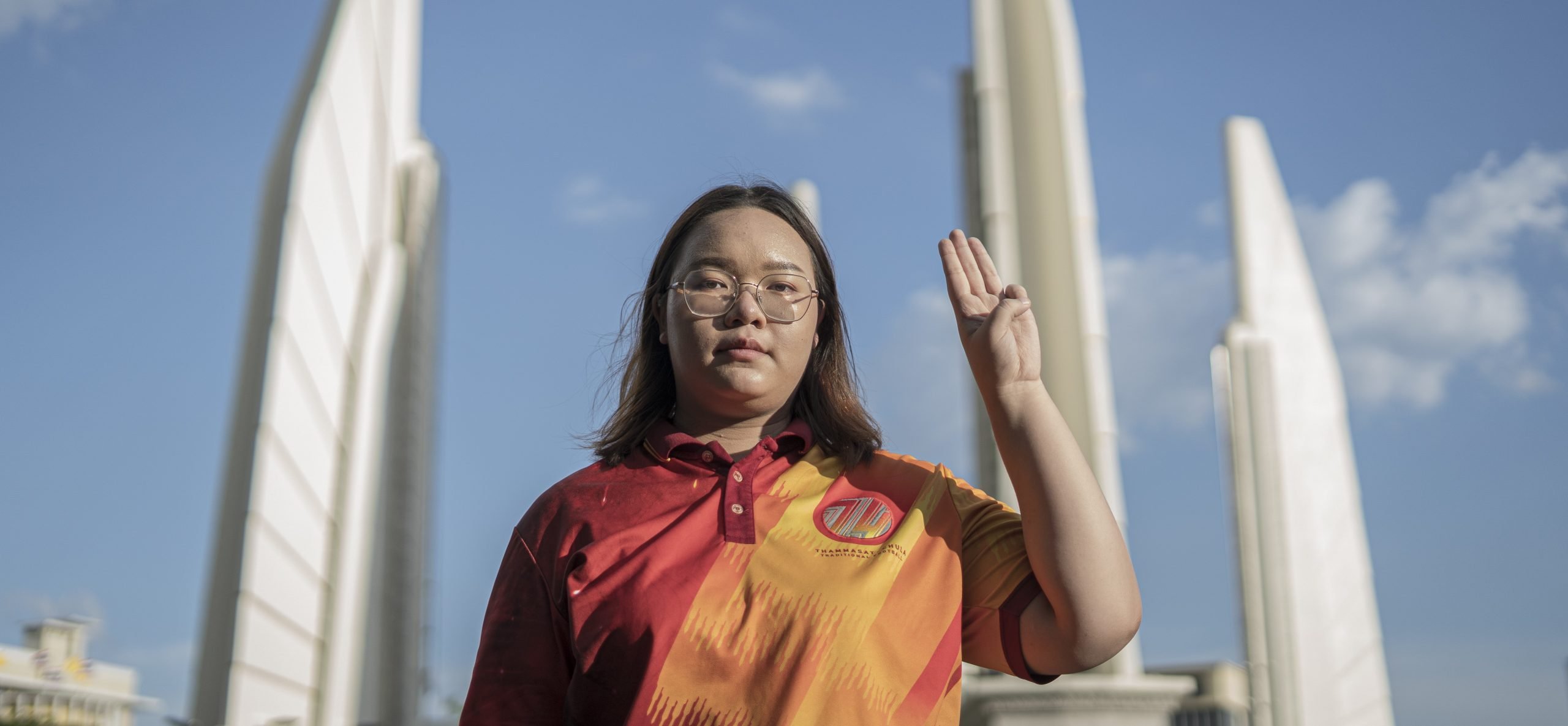
Responding to the arrest of prominent Thai rights activist Panusaya “Rung” Sithijirawattanakul today for alleged sedition and computer-related crimes, Ming Yu Hah, Amnesty International’s Deputy Regional Director for Campaigns, said:

“As Thailand’s protest movement resumes, the Thai authorities continue to abuse their powers to detain and penalize peaceful protesters. For many years, the Thai authorities have tried to systematically silence the voices of activists and human rights defenders.  The arrest of Panusaya today marks just the latest example of the government’s long-running campaign of repression.”

“Panusaya is a student and a prominent protest leader who has been repeatedly targeted by authorities. She is a vocal voice in youth-led calls to uphold freedom of expression and peaceful assembly in Thailand. Arresting Panusaya shows the government has no intention of ending its vilification of human rights defenders and those who call for political reform.”

“To press arbitrary charges against Panusaya under the vaguely-worded Computer Crime Act and the overbroad sedition offence is a disgrace and a clear abuse of powers. The Thai authorities must immediately drop these charges. These laws enable the criminalization of freedom of expression and must be amended or repealed.”

“The continued support of the protests in Bangkok shows that the people of Thailand value their rights to freedom of expression and peaceful assembly. The Thai government must allow individuals to have their voices heard in peaceful assemblies.”

“Amnesty International calls on the authorities to immediately drop all charges against all peaceful protesters, release those still detained and commence meaningful dialogue with demonstrators.”

Background

Thai rights activist Panusaya “Rung” Sithijirawattanakul was arrested today by Thailand’s Technology Crime Suppression Division and charged with sedition and computer-related crimes under Section 116 of the Criminal Code and the Computer Crime Act. Panusaya was later granted bail for 35,000 Baht (approx. USD 1,050).

She faces multiple criminal charges for her peaceful activism and may face up to life imprisonment if convicted.

Panusaya has campaigned tirelessly to promote social justice, equality, democracy and human rights. Authorities have repeatedly detained her and denied other student protesters the right to release on bail. Panusaya was detained from October 15-30, 2020 and from March to May 2021, during which time she contracted Covid-19.

Panusaya took part in groundbreaking, youth-led demonstrations with tens of thousands of mostly students last year that called for social and political reforms. Her arrest today comes amid years-long efforts by the Thai authorities to silence criticism and repress freedom of expression.

In March 2021, the Thai authorities proposed a draft law to regulate non-profit groups as part of efforts to pass repressive legislation that further muzzle civil society groups and non-governmental organizations (NGOs).

In the latest iteration, the bill would give the government the power to arbitrarily ban groups, invade organizations’ privacy and infringe on the rights to freedom of expression, association and peaceful assembly.

In response to tens of thousands of protesters taking to the streets to demand democratic reforms throughout 2020 and into 2021 in Bangkok, the capital, and in provinces across Thailand, police have frequently used unlawful, excessive and unnecessary force to disperse peaceful protestors and enacted criminal proceedings against hundreds of demonstrators. 

According to Thai Lawyers for Human Rights, from July 2020 to 20 September 2021, at least 1,341 individuals (182 of them children) have faced criminal charges – including sedition, royal defamation, computer-related crime, violation of the Public Assembly – in 1,040 lawsuits for joining protests.

Emergency update for all Apple users: Everything you need to know about Pegasus Spyware

Updating your phone’s software can sometimes be the last thing on your mind, particularly when updating means losing access to our phone, something no one wants during a lockdown.

However, this recent update is an important security update to ensure your phone isn’t at risk of being exploited by spyware. While it may seem like international spyware is not something you will ever need to worry about, it’s important to know what you can about how surveillance systems can impact you, and why they’re central to human rights.

Here’s everything you need to know about targeted surveillance and why updating your devices is an important first step in managing your privacy.

What is targeted surveillance?

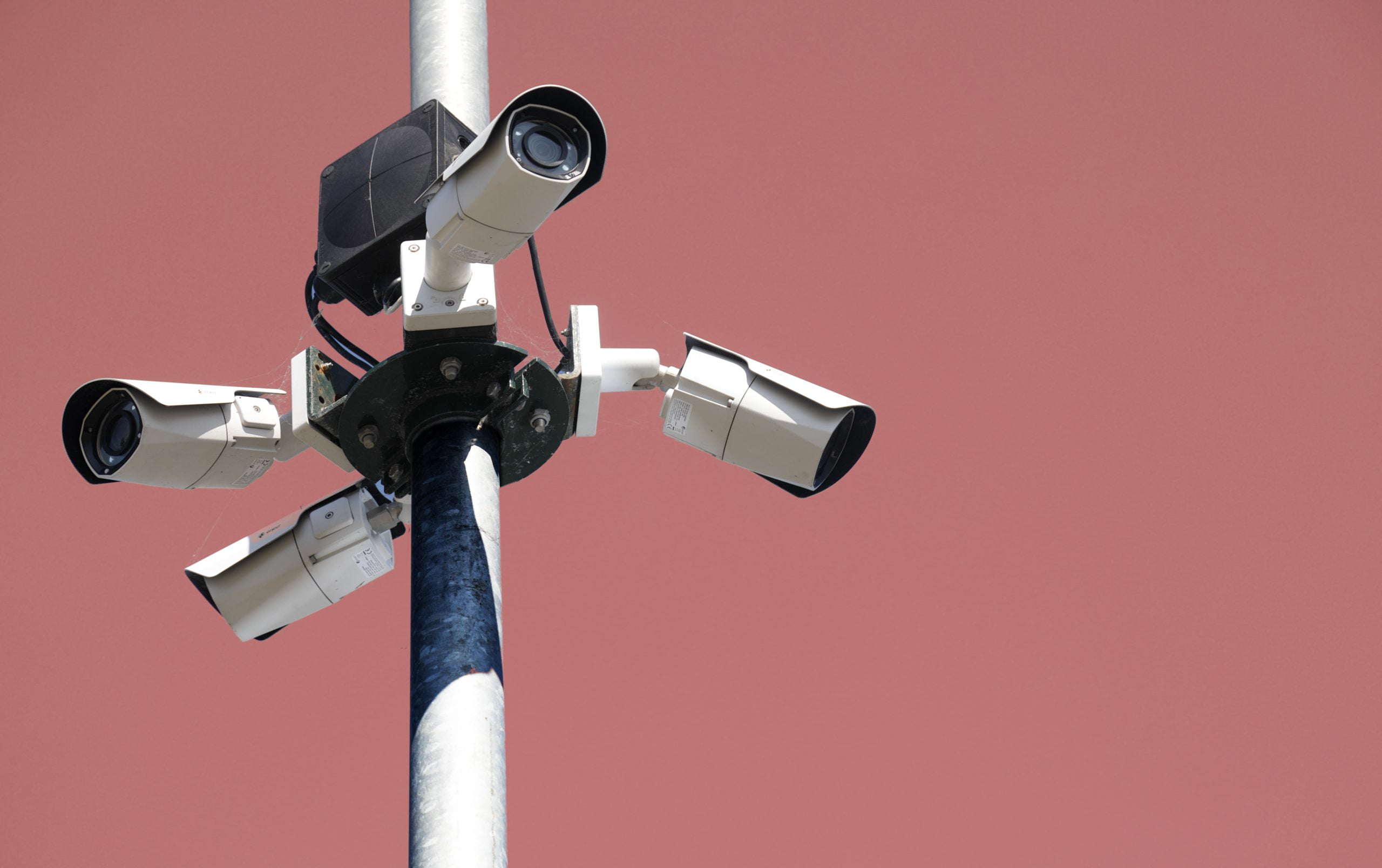
Targeted surveillance occurs when a group, authority or government gains access to users’ phones and computers through a cyberattack. Once in, they can find out a range of information, including contact lists, passwords, social media habits and texts. They can also record conversations, tap into networks and destroy any ongoing work. Since 2017, Amnesty’s own research has uncovered attacks like these in Egypt, India, Morocco, Pakistan, Saudi Arabia, UAE, Qatar and Uzbekistan. 

The people targeted are often journalists, bloggers and activists who are working to challenge injustice. They may be exposing corrupt deals, demanding electoral reform, or promoting the right to privacy. Their defence of human rights puts them at odds with their governments. When governments attack the people who are defending our rights, then we’re all at risk.

The recent update offered by Apple is a direct response to Pegasus software – a software that has been in use since 2016. After a 2021 investigation, called the Pegasus Project, it was revealed that the software was being abused by a number of governments to target human rights defenders.

What is Pegasus spyware?

Pegasus spyware is surveillance software developed by NSO Group, an Israeli-based surveillance company. Pegasus is a spyware which uses zero-day vulnerabilities to enter and remain undetectable on mobile phones. The spyware can be used to track anything on a mobile phone without being detected – including turning on GPS, recording audio, turning on the camera and tracking communications.

While NSO Group claims this spyware is only sold to governments as an anti-terrorism measure and “law enforcement tool”, an investigation called the Pegasus Project – coordinated by Forbidden Stories with technical support from Amnesty International – revealed that the spyware was being abused by governments to target and monitor a number of journalists, heads of state, activists and human rights defenders.

What did the Pegasus Project reveal?

The Pegasus Project is a ground-breaking collaboration by more than 80 journalists from 17 media organizations in 10 countries using cutting-edge forensic tests on mobile phones to identify traces of spyware created by NSO Group. The list of targets contained phone numbers for more than 600 government officials and politicians from 34 countries. 

The Pegasus Project lays bare how NSO’s spyware is a weapon of choice for repressive governments seeking to silence journalists, attack activists and crush dissent, placing countless lives in peril.

Agnès Callamard, Secretary General of Amnesty International

“These revelations blow apart any claims by NSO that such attacks are rare and down to rogue use of their technology. While the company claims its spyware is only used for legitimate criminal and terror investigations, it’s clear its technology facilitates systemic abuse. They paint a picture of legitimacy, while profiting from widespread human rights violations.”

Attacks on journalists

During the investigation, evidence emerged that a number of journalists whose phones had been infected with Pegasus software were later found murdered.

The investigation found that family members of Saudi journalist Jamal Khashoggi were targeted with Pegasus software before and after his murder in Istanbul on 2 October 2018 by Saudi operatives, despite repeated denials from NSO Group. 

Amnesty International’s Security Lab also established that Pegasus spyware was successfully installed on the phone of Khashoggi’s fiancée Hatice Cengiz just four days after his murder. His wife, Hanan Elatr was also repeatedly targeted with the spyware between September 2017 and April 2018 as well as his son, Abdullah, who was also selected as a target along with other family members in Saudi Arabia and the UAE. 

In a statement, the NSO Group responded to the Pegasus Project allegations saying that its “technology was not associated in any way with the heinous murder of Jamal Khashoggi”. The company said that it “previously investigated this claim, immediately after the heinous murder, which again, is being made without validation”.

The investigation has so far identified at least 180 journalists in 20 countries who were selected for potential targeting with NSO spyware between 2016 to June 2021, including in Azerbaijan, Hungary, India and Morocco, countries where crackdowns against independent media have intensified.

The revelations show the real-world harm caused by unlawful surveillance.

“The number of journalists identified as targets vividly illustrates how Pegasus is used as a tool to intimidate critical media. It is about controlling public narrative, resisting scrutiny, and suppressing any dissenting voice.”

Agnes Callamard

“These revelations must act as a catalyst for change. The surveillance industry must no longer be afforded a laissez-faire approach from governments with a vested interest in using this technology to commit human rights violations.”

But why should I update my phone?

Pegasus works by exploiting ‘zero-day vulnerabilities’, that is, a software security risk that is unknown to the software company and so doesn’t yet have a patch designed to stop users exploiting it. 

The recent update rolled out across all Apple products is a fix to the zero day vulnerability used by Pegasus to enter any Apple device. Around the world, all phones run on similar software, meaning that any exploitation of this software can be used on any other phone using the same software. By updating your phone, you stop targeted surveillance being able to access your phone. 

What else can you do?

The risk of targeted surveillance goes beyond just updating your phone – while this is the first step in reducing the risk for yourself as a potential target, it is important that we also stand up against surveillance companies and governments being able to use this software to target journalists, human rights defenders and activists. By standing against targeted surveillance we protect those who are working to protect us.

To take action to support press freedom and the safety of journalists worldwide you can act now by signing petitions for their release and by following the Amnesty International Australia Media Awards 2021 and its work to support a free press in Australia.

“Being Bisexual”

CW: Substance abuse, sexual abuse.

Hannah Wahlsten (she/they), convenor for Amnesty International’s Western Australia LGBTQIA+ Action Group, describes her personal experience to celebrate Bisexual Awareness Week, also known as #BiWeek: an annual event from September 16 through the 23rd to promote cultural acceptance of the bisexual community and advocate for bisexual rights.

“Pick a side”
“You’re not real,”
“Bisexuality doesn’t exist”
“You’re doing it for the attention”
“Oh you taking the easy way out”
“It’s just a phase”
“Really? You don’t look it”
“Bi people are all cheaters”
“It’s a choice”

If you know someone who identifies under the Bi+ Umbrella, they will have probably had someone say at least one of these to their face.

Bisexuality refers to someone who is attracted to genders similar to their own and different from their own. That attraction can be different (i.e. romantic and/or sexual) depending on the gender, e.g. sexually attracted to similar genders, but only romantically attracted to genders that differ to their own.

Being Bisexual means being inundated with negativity regarding your orientation. The media perpetuates negative stereotypes, while TV shows and movies are afraid to use the word Bisexual. Characters that are Bisexual are often ‘straight washed’ on screen and if not that, then there is simply no representation at all.

Being Bisexual means a high chance for poor mental health statistics. You are more likely to end up with a mental illness, turn to drug and alcohol abuse, and statistically are more likely to be raped.

Like many in the Rainbow Community, being Bisexual can mean we will remain in the closet in work situations for fear of complaints, being fired, discrimination. I personally am afraid to discuss my sexuality in the work place for fear that the wrong person will hear and my job will be negatively impacted.

We also have barriers when it comes to accessing health care. I remember being nervous seeking mental health care for trauma because I was afraid that I’ll be judged for my sexual orientation (even though it wasn’t relevant). I have to date not disclosed my sexual orientation to my GP (despite being out for eight years) for fear of judgement from them.

We are also more likely to be raped, due to the idea we are promiscuous, “asking for it” or targeted because we are less likely to disclose because of fear we’ll be judged for our orientation and have it held against us.

The Bi+ Community doesn’t just receive hate and discrimination from people outside the community, we are regularly targets for lateral violence from people within the rainbow community. I personally have received cold shoulders from Queer people in the community after they found out I was Bisexual.

When I was with an ex partner I was told I am incapable of being monogamous with them, despite cheating being a hot button of mine.

We are regularly excluded from spaces and in language used (particularly if your partner is of a different gender). You can be regularly told that, because you are Bi, that they will not date you because you’ll cheat, take the easy way out, you’re tainted, etc.

While things have improved both inside and outside the community people in the Bi+ Community still face discrimination, hate, violence and erasure. More work led by Bisexual researchers and activists is needed, alongside more allies willing to stand out and call out this behaviour.

Written by Hannah Wahlsten in her personal capacity. Experiences and opinions are the author’s own, and not those of Amnesty International Australia.

Learn more about Amnesty International Australia’s work on LGBTQIA+ rights here.

Australia must backup its promise not to acquire nuclear weapons by signing UN treaty

Amnesty International Australia welcomes Prime Minister Scott Morrison and Defence Minister Peter Dutton’s assurances that despite Australia’s decision to purchase nuclear submarines, that “Australia has no plans to acquire nuclear weapons”.

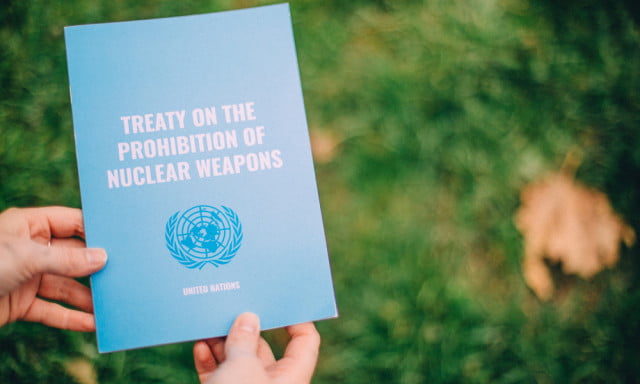
Sam Klintworth, National Director of Amnesty International Australia, has written to the Prime Minister, urging the government to backup its recommitment to nuclear non-proliferation by signing the United Nations Treaty on the Prohibition of Nuclear Weapons.

The treaty came into force on 22 January 2021. It makes it illegal under international law to develop, test, possess, host, use, or threaten to use nuclear weapons. Nuclear weapons have been the only weapons of mass destruction not subject to a global ban treaty, despite the catastrophic harm they inflict. The treaty brings us one step closer to abolishing the nuclear threat for good.

Two-thirds of UN member states have adopted the treaty. Amnesty International is disappointed that Australia has not.

According to Klintworth’s letter:

There is no good reason for Australia not to support a nuclear-weapon-free world. The use of nuclear weapons is incompatible with the protection of human rights, including the right to peace and the right to life. It is also a threat to people’s right to be free from torture.

New report shows leading Covid-19 vaccine pharma companies fuelling unprecedented human rights crisis

  • AstraZeneca, BioNTech, Johnson & Johnson, Moderna, Novavax and Pfizer refused to participate in initiatives to boost global vaccine supply
  • Less than 1% of people in low-income countries are fully vaccinated, compared to 55% in rich countries
  • BioNTech, Moderna and Pfizer set to earn US$130 billion by the end of 2022
  • Ahead of President Biden’s global COVID-19 summit, Amnesty International throws down gauntlet and calls for 2 billion vaccines to be delivered to low and lower-middle income countries before end of the year

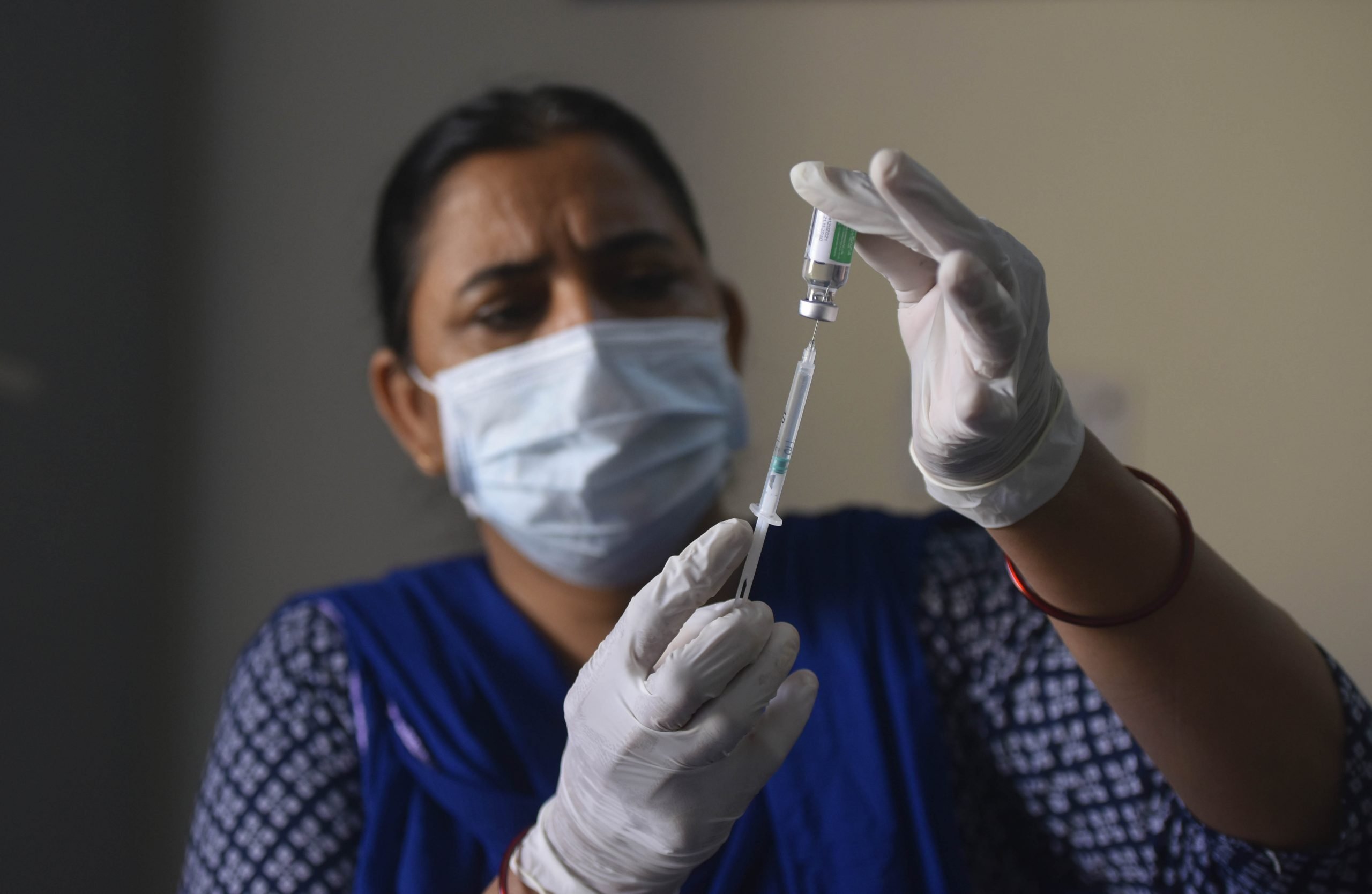
Six companies at the helm of the Covid-19 vaccine roll-out are fuelling an unprecedented human rights crisis through their refusal to waive intellectual property rights and share vaccine technology, with most failing to prioritise vaccine deliveries to poorer countries, Amnesty International said today.

In a new report, A Double Dose of Inequality: Pharma companies and the Covid-19 vaccines crisis, the organization assessed six of the companies that hold the fate of billions of people in their hands: AstraZeneca plc, BioNTech SE, Johnson & Johnson, Moderna, Inc., Novavax, Inc. and Pfizer, Inc. It paints a dismal picture of an industry that is woefully failing to respect human rights.

“Vaccinating the world is our only pathway out of this crisis. It should be time to hail these companies, who created vaccines so quickly, as heroes. But instead, to their shame and our collective grief, Big Pharma’s intentional blocking of knowledge transfer and their wheeling and dealing in favor of wealthy states has brewed an utterly predictable and utterly devastating vaccine scarcity for so many others” said Agnès Callamard, Amnesty International’s Secretary General.

“Its plunging parts of Latin America, Africa and Asia into renewed crises, pushing weakened health systems to the very brink and causing tens of thousands of preventable deaths every week. In many low-income countries not even health workers and people at-risk have received the vaccine.”  

“Against the backdrop of these gross inequalities BioNTech, Moderna and Pfizer are set to make US$130 billion combined by the end of 2022. Profits should never come before lives.”

Failing to meet human rights responsibilities

In order to assess their response to the crisis, Amnesty International reviewed each company’s human rights policy, vaccine pricing structure, their records on intellectual property, knowledge and technology sharing, the fair allocation of available vaccine doses, and transparency. It found that to differing degrees, the six vaccine developers had failed to meet their human rights responsibilities.

Out of 5.76 billion doses administered worldwide, a paltry 0.3% have gone to low-income countries with over 79% going to upper-middle and high-income countries. Despite calls to prioritise and collaborate with COVAX Facility, the international instrument aiming to ensure a fair global vaccine allocation, some of the assessed companies have continued to stock up vaccine supplies for states known to be hoarding the vaccine. 

All the companies assessed have so far refused to take part in internationally coordinated initiatives designed to boost global supply by sharing knowledge and technology. They have also opposed proposals to temporarily lift intellectual property rights, such as the World Trade Organization Trade Related Intellectual Property Rules (TRIPS) Waiver proposed by India and South Africa.

Further findings included:

  • Pfizer and BioNTech have so far delivered nine times more vaccines to Sweden alone than to all low-income countries combined – less than 1% of their production so far. High prices mean the companies are set to earn over $86 billion in revenues by the end of 2022.
  • Moderna has not yet delivered a single vaccine dose to a low-income country, has provided just 12% of its vaccines to lower-middle income countries, and will not deliver the vast majority of its orders for COVAX until 2022. Higher prices mean it is set to earn over $47bn in revenues by the end of 2022
  • Johnson & Johnson has developed the world’s only single dose vaccine and sells at cost price, yet it will not deliver the vast majority of its commitments to COVAX and the African Union until 2022. They have also refused to grant a license to a Canadian manufacturer offering to manufacture millions more doses.
  • Astrazeneca has delivered the most vaccines to lower income countries, sells at cost price, and has issued some voluntary licenses to other manufacturers. However, it has refused to openly share its knowledge and technology with WHO initiatives and has opposed the TRIPS Waiver.
  • Novavax has yet to be approved for use, but currently plans to provide almost two-thirds of its production to supply COVAX. However, like others, it has refused to share its knowledge and technology and has opposed the TRIPS Waiver.


Despite most companies receiving billions of dollars in government funding and advance orders, vaccine developers have monopolized intellectual property, blocked technology transfers, and lobbied aggressively against measures that would expand the global manufacturing of these vaccines. Their continued inaction has caused human rights harms suffered by the billions of people still unable to access a lifesaving Covid-19 vaccine.

100-day countdown

“Today marks 100 days until the end of the year. We’re calling on states and pharmaceutical companies to drastically change course and to do everything needed to deliver 2 billion vaccines to low and lower-middle income countries starting now. No one should spend another year suffering and living in fear,” said Agnès Callamard.

To coincide with the publication of today’s report, Amnesty International is launching a global campaign –backed by the World Health Organisation and High Commissioner for Human Rights – to hold states and big pharma to account. The 100 Day Countdown: 2 billion Covid-19 vaccines now! is demanding that the World Health Organisation’s target of vaccinating 40% of the population of low and lower-middle income countries by the end of the year is met. We are calling upon states to urgently redistribute the hundreds of millions of excess doses currently sitting idle and for vaccine developers to ensure that at least 50% of doses produced go to these countries. If states and pharma companies continue down their current path, there will be no end in sight for COVID-19.

“Armed with billions of dollars of tax-payers money and expertise from research institutions, pharmaceutical companies have played a pivotal role in developing life-saving vaccines. But now they must take immediate action to provide billions more people with the chance to be inoculated. To achieve a fair and rapid roll-out, vaccine developers must prioritise deliveries to countries that need them most and suspend their intellectual property rights, share their knowledge and technology and train qualified manufacturers to ramp-up production of Covid-19 vaccines,” said Agnès Callamard.

As President Biden is set to announce new commitments to fight the coronavirus pandemic including fully vaccinating 70 percent of the world’s population by next September, at a summit today (22nd Sept), Agnes Callamard said:

“Covid-19 vaccines must be readily available and accessible for all. It is up to governments and pharma companies to make this a reality. We need leaders like President Biden, to put billions of doses on the table and deliver the goods, otherwise this is just another empty gesture and lives will continue to be lost.” 

Amnesty International is also calling on states to ensure that health facilities and medicines, are available, accessible, acceptable and of good quality to everyone. They must adopt laws and policies to ensure pharmaceutical companies conform with human rights standards.

Amnesty International wrote to each company before publication. Five companies – AstraZeneca, Moderna, Pfizer, BioNTech and Johnson & Johnson – responded. The companies acknowledge that fair and equitable distribution, particularly in low-income countries, is essential, but all companies have failed to meet these aspirations and fulfil their human rights responsibilities.

Peace cannot be achieved in Papua if human rights are not respected

The Indonesian government must address past human rights violations and ensure that they are not repeated if they want to achieve peace in Papua and West Papua, Amnesty International Indonesia and Amnesty International Australia said today.

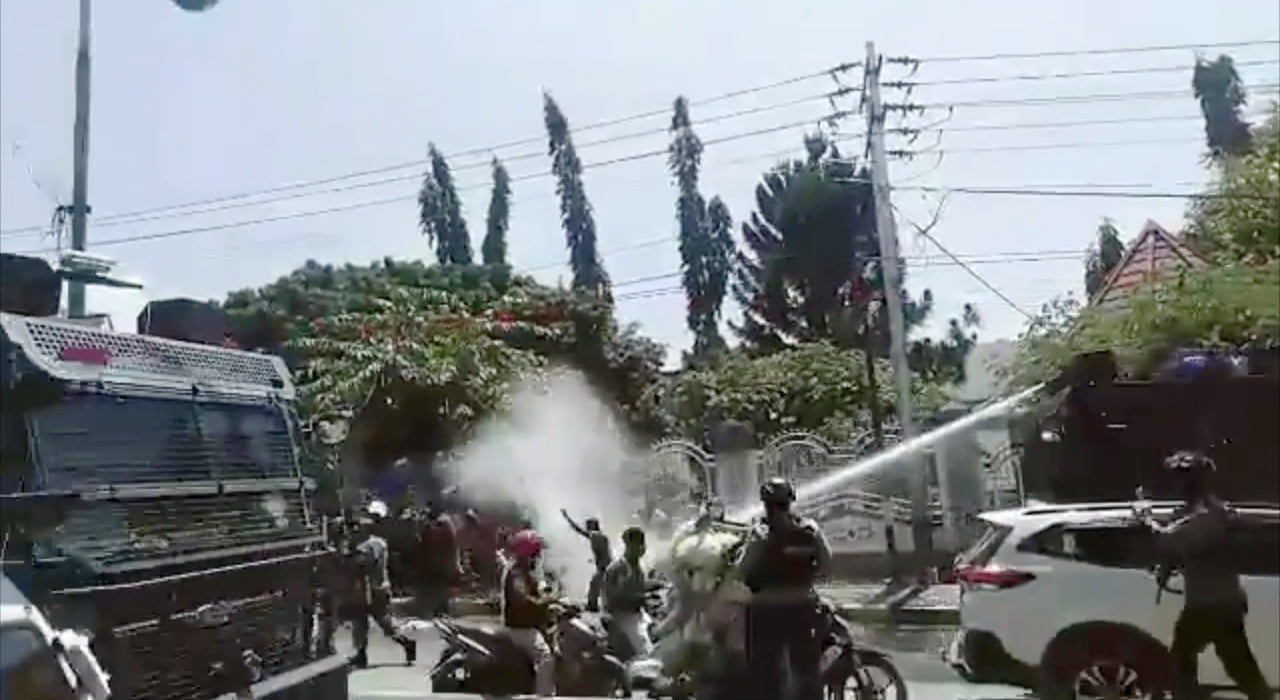
“The ongoing conflict in Papua and West Papua has claimed many lives, most recently that of a nurse in Kiwirok. Thousands of Papuans have also been forced to flee their homes,” Amnesty International Indonesia Executive Director Usman Hamid said. “This once again demonstrates the flaws of the security approach that the Indonesian government has taken in the region.”

The state’s security approach against pro-independence armed groups, coupled with negative perceptions among security forces that label Papuans who express their political views or human rights concerns as separatists, have resulted in human rights violations and done little to end the pervasive culture of impunity in the region.

Between February 2018 and August 2021, Amnesty International has recorded at least 56 cases of suspected unlawful killings with 93 victims. These alleged incidents have typically taken place as result of unnecessary or excessive use of force during security operations. According to Amnesty International’s monitoring, military and police personnel often justify the killing of Papuan residents by claiming that they were members of the Free Papua Movement (OPM) or ‘armed criminal groups’ without any clear evidence – claims that are often denied by local residents and church leaders.   Most perpetrators have not been held to account for the killings and members of security forces suspected of committing the crimes have never been brought before an independent civilian court.

“Without addressing these violations and bringing the perpetrators to justice,there cannot be a meaningful and lasting peace in the region, as the last six decades have shown”  

Director Usman Hamid

One of the most highlighted cases was the killing of Rev. Yeremia Zanambani, a  68-year-old senior pastor in Intan Jaya, Papua, who was allegedly shot and stabbed by an Indonesian soldier on 19 September 2020. Prior to his death, there was a shootout between pro-independence armed groups and the military, resulting in a soldier’s death. Yeremia’s killing reportedly happened amid the military’s attempt to hunt down members of the pro-independence group. The National Commission of Human Rights’ (Komnas HAM) investigation concluded the military members’ involvement in the killing. Authorities have conducted an autopsy on his body, but not yet announced the result. Yeremia’s family demands the case to be brought to the human rights court, however, criminal investigation into the killing has been stalled for nearly a year.

Fleeing from conflict

Amnesty International Indonesia has also recorded that, from January to June 2021, at least 6,152 people had been forced to leave their homes as they feared for their lives amid ongoing conflicts between the security forces and pro-independence armed groups in the region. This has resulted in people living in unacceptable conditions without access to basic facilities and health services.

“It is clear that the Indonesian government’s current policies are not working and it must change course to avoid further human rights violations and suffering,” Amnesty International Australia National Director Sam Klintworth said. “The Australian government must also reconsider its participation in police and military training exercises with Indonesian security forces, until it can be guaranteed that such training is not used to prolong the suffering of the Papuan people.”

Protesters behind bars

Papuans have also suffered from numerous violations of their rights to freedom of speech and freedom of assembly. From January to August 2021, for instance, Amnesty International recorded at least 11 cases of violations of the rights to freedom of expression and peaceful assembly, in which 188 Papuan university students were arrested or subjected to violence for staging peaceful protests in several cities across Indonesia.

Victor Yeimo, for example, was arrested without a warrant on 9 May 2021 for his alleged involvement in the 2019 peaceful anti-racism protest. Victor, the spokesperson of the West Papua National Committee, was charged with treason for a statement he made calling for a referendum on independence during the protest. He is currently being treated at the Jayapura public hospital after his health deteriorated in detention while awaiting trial.

As of July 2021, there are still at least 13 Papuan prisoners of conscience behind bars solely for peacefully exercising their right to express political views. 

“Criminalizing people for simply peacefully expressing their political opinions will only breed further resentment and distrust. The Indonesian government must fulfill its human rights obligations, which are enshrined in both international human rights laws and the Indonesian constitution, and protect the rights of Papuans to freedom of speech and assembly,” Klintworth said.

Amnesty International does not take on any position regarding political status within Indonesia, including calls for independence. However, the organization upholds the right to  freedom of expression, including the right to voice political opinions, that should be exercised by all people without distinction of any kind and as long as they do not contain hatred, discrimination or violence.

Afghanistan: Taliban wasting no time in stamping out human rights

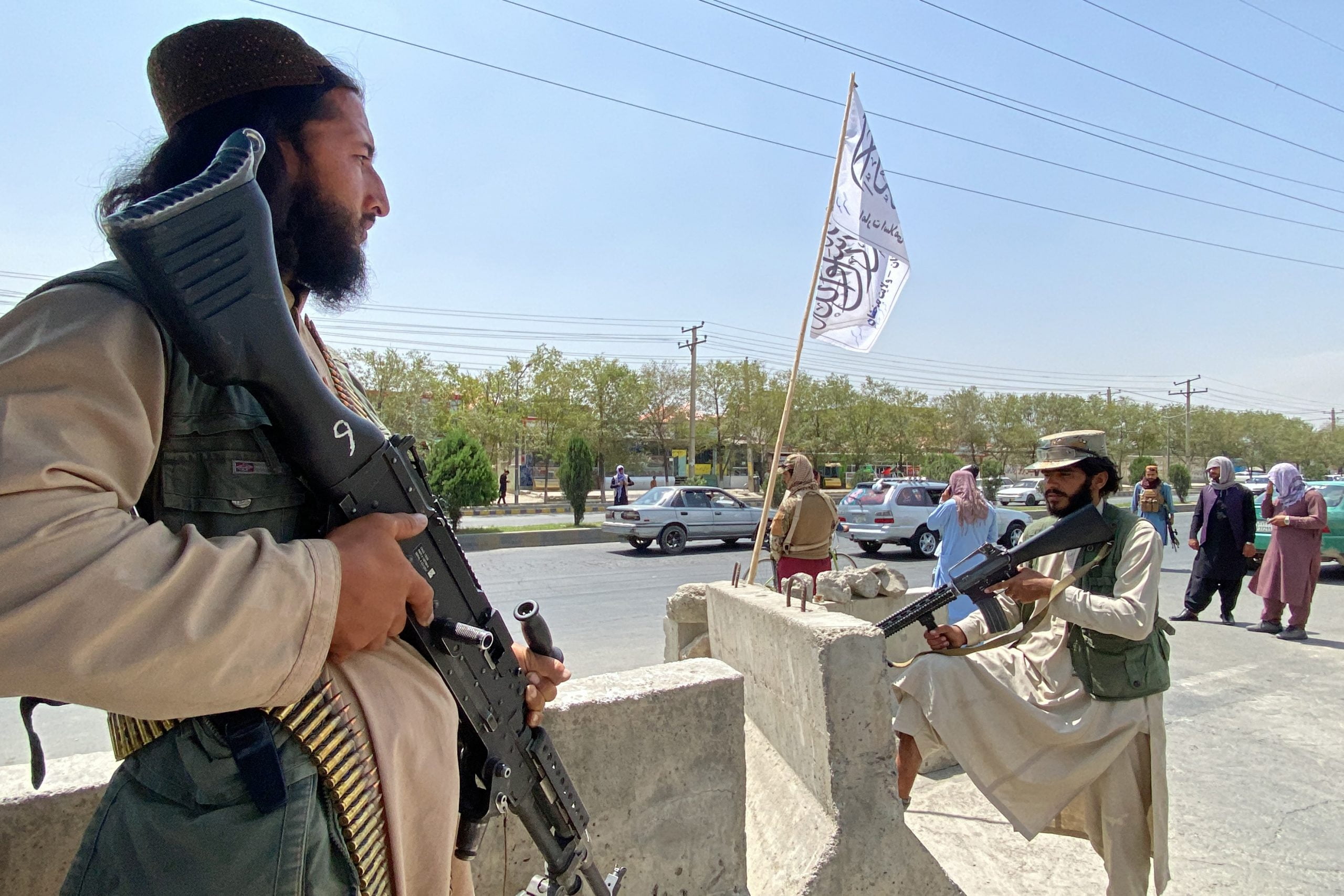
The Taliban are steadily dismantling the human rights gains of the last twenty years. A joint briefing from Amnesty International, the International Federation for Human Rights (FIDH) and the World Organisation Against Torture (OMCT) documents the group’s wide-ranging crackdown since their seizure of Kabul little more than five weeks ago.

Contrary to the Taliban’s repeated claims that they will respect the rights of Afghans, the briefing, Afghanistan’s fall into the hands of the Taliban, details a litany of human rights abuses including targeted killings of civilians and surrendered soldiers and the blockading of humanitarian supplies in the Panjshir Valley, which constitute crimes under international law. Restrictions have also been reimposed on women, freedom of expression and civil society.  

“In just over five weeks since assuming control of Afghanistan, the Taliban have clearly demonstrated that they are not serious about protecting or respecting human rights. We have already seen a wave of violations, from reprisal attacks and restrictions on women, to crackdowns on protests, the media and civil society,” said Dinushika Dissanayake, Amnesty International’s Deputy Director for South Asia.  

“Given the prevailing climate of fear, lack of mobile connectivity in many areas, and internet blackouts enforced by the Taliban, these findings are likely to represent just a snapshot of what’s happening on the ground. The UN Human Rights Council must establish a robust, independent mechanism with a mandate to document, collect and preserve evidence of ongoing crimes under international law and other serious human rights violations and abuses across Afghanistan.”  

Climate of fear for Human Rights Defenders 

Attacks on human rights defenders have been reported on a near-daily basis since 15 August. The Taliban are conducting door-to-door searches for human rights defenders, forcing many into hiding.  

Researchers spoke to Mahmud*, an Afghan human rights defender who managed to get out of the country. Mahmud described how, on the day the Taliban entered Kabul, he received a call asking him to hand over his organizations’ vehicles, equipment and money. The caller knew his name and warned him he had no choice but to cooperate.  

Over the following days, Mahmud received further phone calls and WhatsApp messages, asking for his home address and requesting to meet him at designated locations. Two colleagues at his NGO had been beaten by the Taliban. Images shared by one of his co-workers and verified by Amnesty International and a forensic pathologist show classical assaultive ‘whipmarks’ to the back and yellowing bruising to the victim’s left arm.

“The threat faced by human rights defenders stranded in Afghanistan is real. They are under attack on all fronts as they are seen as enemies of the Taliban. Their offices and homes have been raided. Their colleagues have been beaten. They are forced into permanent hiding. They live under the constant threat of arrest, torture or worse. Those who managed to leave the country are now stranded in military camps or in neighbouring countries, not knowing their final destination nor how they will be able to rebuild their lives that have been shattered overnight,” said Delphine Reculeau, Human Rights Defenders Programme Director at the World Organisation Against Torture (OMCT).

“The international community must uphold its moral and political commitments and not fail the people who have dedicated their lives to the defence of human rights, gender equality, the rule of law and democratic freedoms in their country, but protect them at all costs.” 

Persecution of journalists 

Two Kabul-based female journalists that Amnesty International spoke to, shared the threats and intimidation they faced following the Taliban takeover. Ayesha*, who has now fled the capital following warnings from her employer that her life was at risk, said her family had since been visited by the Taliban, and threatened after they informed the group that she was not at home.  

Aadila* described the first two weeks of Taliban rule as a time of fear and uncertainty. She had initially decided to stay in Afghanistan and continue her work, until the Taliban came to her home one night asking for her. Upon the insistence of relatives, she left the country shortly afterwards. 

Abdul, a male journalist said that editors, journalists and media workers had received instructions from the Taliban that they could work only under the terms of Sharia law and Islamic rules and regulations. 

“I have not reported to my job since the fall of the republic. Taliban came to my house several times, but I hid myself. From the time of the collapse, our office is closed” he said 

Women and girls and the right to protest 

As a result of a climate of fear bred by the Taliban’s takeover, many Afghan women are now wearing the burka, refraining from leaving the house without a male guardian, and stopping other activities to avoid violence and reprisals. Despite the myriad threats now presented to women’s rights, women across the country have been holding protests. 

While some protests have been allowed to continue peacefully, many were violently repressed by the Taliban. On 4 September, approximately 100 women at a protest in Kabul were dispersed by Taliban special forces, who fired into the air and reportedly fired tear gas.  

Nazir*, a human rights defender, told Amnesty International how his male friend Parwiz* was severely beaten by the Taliban after attending a women’s rights protest on 8 September. 

“Parwiz was detained during women’s protests on 8 September. He was severely tortured. He had his arm broken. He was taken inside the Police district [district number withheld]. When the Taliban released him, they made him wear new clothes because his clothes had become wet from his blood.” 

On 8 September, the now Taliban controlled Ministry of Interior issued an order banning all demonstrations and gatherings across Afghanistan “until a policy of demonstration is codified.” 

“The international community must not turn a blind eye to the violations being committed by the Taliban. Taking concrete action at the UN Human Rights Council will not only send the message that impunity will not be tolerated, but also contribute to preventing violations on a broader scale. This should go hand in hand with support for the ongoing investigation at the International Criminal Court, in order to secure accountability for crimes against humanity and war crimes committed by all parties,” said Juliette Rousselot, FIDH’s Program Officer for South Asia.

Background 

*To protect people’s identities, all names used are aliases. The briefing is available here.

This briefing is an example of how Amnesty International shines a light on great wrongs by exposing the facts others try to suppress. We are a global movement of 10 million people standing up for justice, freedom and equality. Together, our voices challenge injustice and are powerful enough to change the world. Find out more about what we do and our crisis response work.

‘The thing about coercive control is that it creeps up on you’

This article was originally published on news.com.au on 8 September 8, 2021. Danielle Veldre is the Media Lead at Amnesty International Australia. When she moved to London at 21 years old and fell in love, she didn’t realise it would be the start of a nightmare.

I am a survivor of domestic violence and coercive control. 

It took me about 20 years to be able to articulate that. Not because I was ashamed (ask my children, I don’t do embarrassment), but because I never identified what happened to me as domestic violence.

The thing about coercive control is that it creeps up on you. It crept up on me 25 years ago and it continues to do so – long after the relationship ended and now that I am into middle age and happily married to a good man.

It snuck up on me when I went to London as a hopeful 21-year old, full of the youthful promise of a shared house; a newly minted university graduate with a dream of getting my foot on the journalism ladder.

So when I went to one of the clubs I had read about in my beloved British music press and a bloke asked me to dance, it was the icing on the cake. 

Soon he was calling me every day, taking me out on warm summer days and along with my new job, it was as though all the pieces were falling into place of my dream to give London a red hot go. 

Hindsight of course reveals a very clear view – I was ripe for the picking. Low sense of self-worth, out of my element, away from my support networks.

And so, I found myself moving in with him. Little did I know that this meant any autonomy I might have had would vanish.

The phone calls would come at the same time at lunch every day just to say hi, but also to check I wasn’t away from my desk where I might, perish the thought, speak to a man. 

Then on Saturday nights, I was allowed only to sit at home while he would go out literally all night, then I would have to take care of him and his hangover the next day. 

He daily undermined my confidence with snipes over perceived behaviours like being a spoiled brat (presumably because I had a family who loved me, still haven’t worked that one out) to how I had “crocodile skin” – rendering me unattractive to anyone else, I can only surmise.

A trip to Italy to visit my grandparents and attend a wedding somehow became my expense to pay, despite the fact I earned less and I proposed we’d each pay our own way. 

And on it went. When I decided to come back to Australia, I’d hoped this would be the best way to break it off. I lacked the maturity and skill to navigate this terrain. And frankly, I was scared. But he decided he would pack up his whole life and come with me – I didn’t ask him to, but this also became my responsibility and, ultimately, my fault.

When he struggled in Australia with the inevitable differences in lifestyle and work, I was responsible for uprooting him and “forcing” him to abandon his life in the UK. 

I walked on eggshells every day fearing I would anger him if I took a step wrong. 

Looking back on it, I was living in constant fear. I lost a lot of weight. I stopped being able to concentrate enough to read a book, I stopped using “big words” which apparently were a threat in some way. I stopped being creative and dreaming of what I could achieve. In short, I stopped being me. 

When the pressure got too much he hit me. Just twice. But honestly, the daily psychological effort of dealing with the mental games was harder to bear.

Finally I found the emotional resources to leave – aided by my uncle’s partner and a good friend who helped me pack all my stuff up and flee. I had the good fortune to access legal help, the Police I dealt with were respectful and helpful and I was able to obtain an apprehended violence order. I am keenly aware that not everyone has positive and effective experiences with the law, especially if they’re a person of colour. And not everyone gets out alive.

But even with this assistance, my experience didn’t begin to end there. There has followed 20 years of stalking and fear. It’s faded over time, but the emails still come sporadically demanding I explain myself and why I broke it off, at turns conciliatory, cajoling, abusive. You never know what you might get.

But what I find most confounding and perplexing about the whole experience is my inability to, until recently, identify as someone who had experienced domestic abuse. 

When I realised later, much later, what I was experiencing was symptomatic of PTSD (nightmares that I still have, anxiety and depression), I posted about it on my private social media (it all has to be private due to the stalking) and identified for the first time as a survivor. My friends’ reactions were very supportive and kind, but some also expressed surprise that someone as “strong” as me could have been in that position. But that’s the thing – there’s no one kind of person who finds themselves in these positions, because they aren’t immediately apparent, and when they are you’re so broken in confidence and gaslit you can’t see your way out.

My experience illustrates exactly why we need a radical reshaping of the way authorities understand and respond to gender-based violence so perpetrators can be accountable. A unified national definition would be a positive step in better identifying risks and patterns of behaviour.

The fact the government voted against 49 of the 55 recommendations in the Workplace Sexual Harassment review ahead of the National Women’s Safety Summit doesn’t fill me with hope that our leaders are as committed to the kind of reform we need to really create the change that will keep women safe.

There must also be funding for and commitment to training the police, judiciary, court workers, first responders, etc on coercive control as well as funding for support services for people experiencing coercive control. 

But before we begin to consider legislating for this behaviour there has to be widespread and genuine consultation with affected communities to understand and prevent the potential unintended consequences of criminalising coercive behaviour. Any reform has to work for all people affected by gendered-violence, not just those in positions of privilege. 

Learn more about Amnesty International Australia’s women’s rights work here.