‘The reality in Australia today – we think it’s OK to lock up kids as young as 10 in jail’

Think back to when you were 10. You were probably saving up for a showbag at the Royal Perth Show, or wondering if Santa might bring you that bike you were hoping for. For my tenth birthday, my parents bought me the special edition release of the Lion King on DVD. You probably wouldn’t, and certainly shouldn’t, be thinking about when you were going to get out of prison. I wasn’t.

But that’s the reality in Australia today – we think it’s OK to lock up kids as young as 10 in jail.

In Australia’s latest United Nations Universal Periodic Review – where a country’s human rights records are evaluated – Australia was found to be falling well short of international standards in several areas including our treatment of asylum seekers and because we lock up little kids as young as 10.

The Committee on the Rights of the Child (CRC) as long ago as 2019 recommended the minimum age of criminal responsibility should be 14, no younger, as an absolute minimum. This allows for the fact that children aged under 14 lack the cognitive capacity to understand the consequences of their actions. The CRC’s recommendations are based on the best available evidence from global health and child development experts.

In the recent UPR, Australia was consistently urged by many UN member states to bring Australia up to speed with the world on our minimum age of criminal responsibility, but in the face of this criticism, the Federal Government once again abrogated responsibility for leadership, choosing instead to kick the can down the road while third graders languish in places like Banksia Hill.

A critical element opponents neglect to focus on in this debate is that raising the age doesn’t for one second mean that a child who has done something wrong will simply be left to their own devices or somehow be “let off scott free” – to be blunt, that viewpoint is nonsense.

Accountability should and must exist, but the reliance on prison to provide that accountability for children is foolish. Prison harms children, and can lead to a lifetime of being stuck in the criminal justice system.

Children sent to detention before the age of 14 are much more likely to reoffend.

It makes no sense at all that we keep doing the same thing, expecting a different result. The only reason I can think of is because the political class lack the courage to do something in the face of those who are vocal about being tough-on-crime – they’re big on shouting and very, very short of evidence.

Really successful alternatives to youth detention already exist and once again, with a strong base of evidence rather than noisy social media groups, are much more successful in both getting kids back on track and preventing them from reoffending – it’s simply a win-win for everyone.

Smart justice looks at the whole picture and provides wrap-around services to help kids who are interacting with the police; there are often complex issues going on including poverty, intergenerational trauma, medical needs and the elephant in the room, racism.

We have to face up to the fact that this is an issue that disproportionately affects Indigenous kids and so addressing it by raising the age to 14 will go a long way towards realising justice for Australia’s First Nations people.

The good news is that for States and Territories that have the common sense and moral fortitude to really want to make positive changes to the lives of young Indigenous kids, and crime rates, you have the power, and also, the majority of Australians behind you.

It’s time to step up and give all Australian kids the chance at a better future.

Maggie Munn is a Gunggari person and the Indigenous Rights Campaigner for Amnesty International Australia.
More than 30,000 Australians demand the Government do more to help those still trapped in Afghanistan

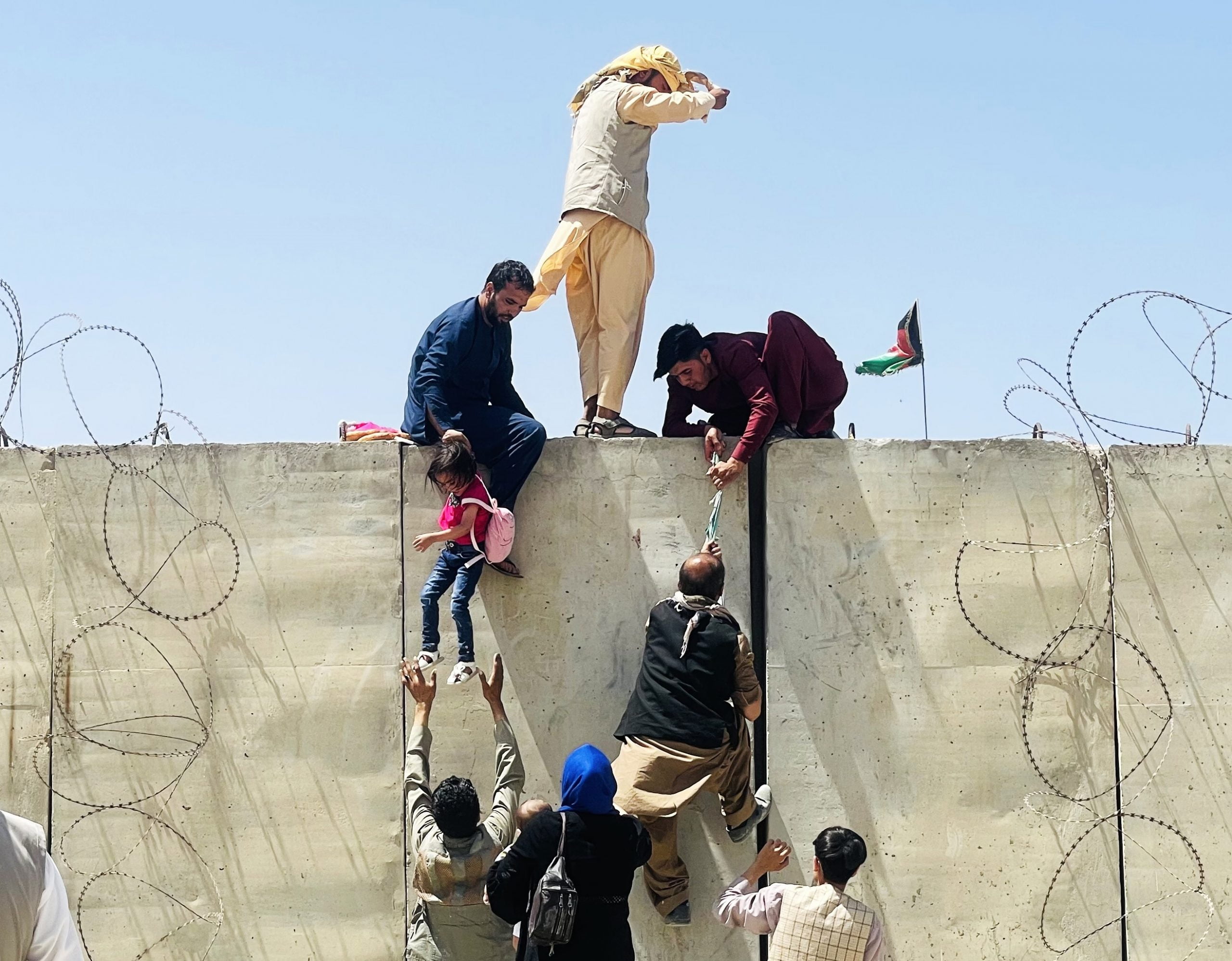
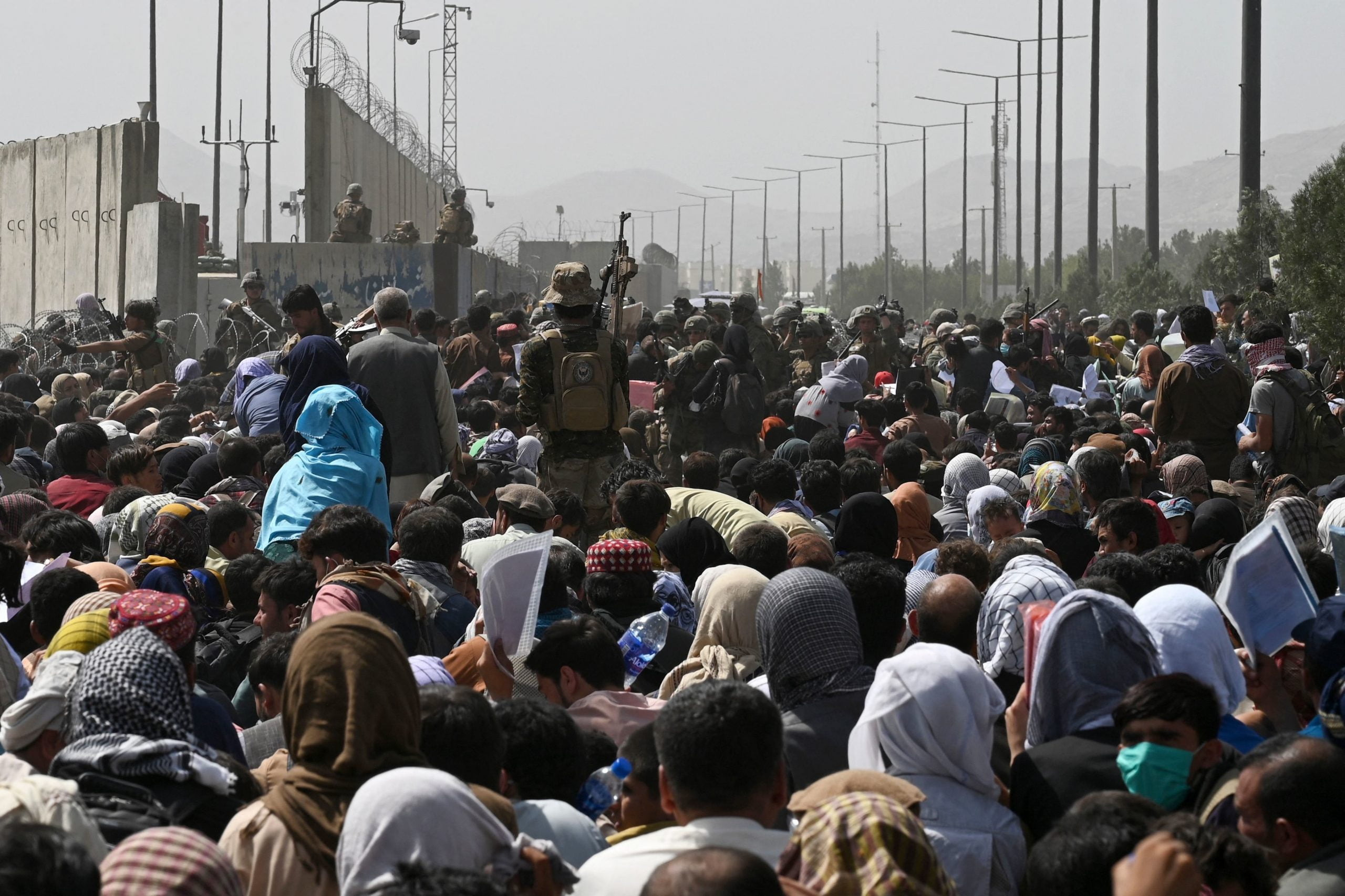
More than 30,000 people have signed an Amnesty International petition since the Taliban retook control of Afghanistan two weeks ago, asking the Australian Government to increase the humanitarian intake to at least 20,000, fast track visas and ensure the borders of neighbouring countries remain open for those trying to flee.

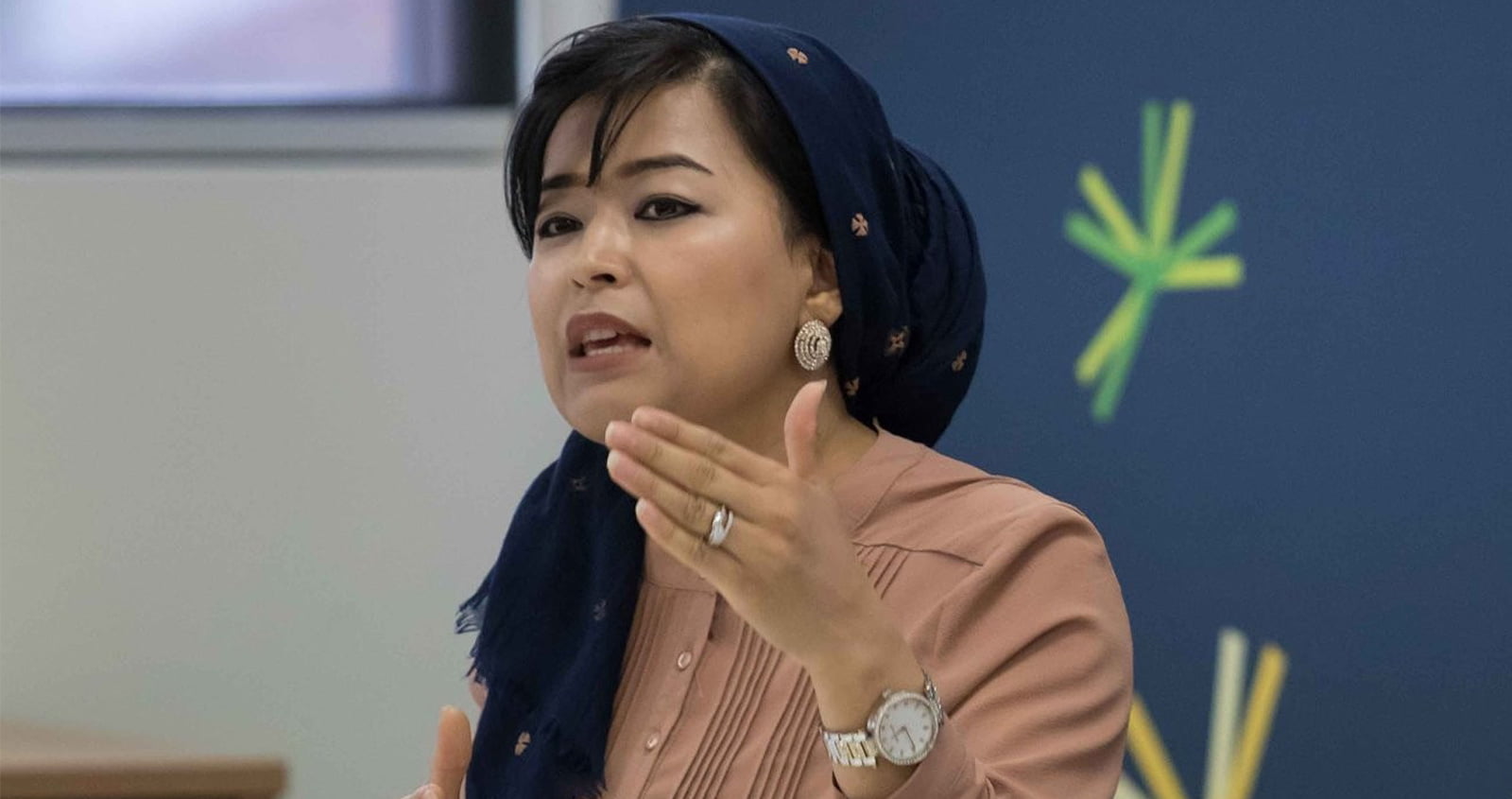
With US troops set to withdraw tomorrow, Najeeba Wazefadost, a former refugee who fled the Taliban when she was 10 years old, said: “We are asking the Australian Government to do more to help those still trapped in Afghanistan. Evacuating more than 4,000 people from the airport was a good start, but it’s not enough. 

“People are terrified and in danger – the Taliban are knocking on doors and many have already disappeared or been killed. Waiting for commercial flights to resume is not an option for many. The Australian government must fast track visas and ensure neighbouring countries keep their borders open so people can flee on land.

Dr Graham Thom, refugee adviser for Amnesty International Australia, said: “Tens of thousands of people across Australia are asking Home Affairs Minister, Karen Andrews, to step up. We need more visas processed, we need the humanitarian intake to be increased to at least 20,000, we need the programme that allows communities to sponsor refugees to be expanded and we need those on temporary visas already in Australia to be given the peace of mind of permanent visas.

“This humanitarian catastrophe is only just beginning – Australia must do more.”

This International Day of the disappeared, take action for Uyghur-Australians

Today is International Day of the disappeared. Being disappeared is more than a human rights violation against an individual. It is used as a strategy to spread terror within society. The feeling of insecurity generated by this practice extends to the relatives and loved ones of the disappeared, as well as their communities and society as a whole.

It has been four years since China launched an unprecedented campaign of mass detention of Uyghurs, Kazakhs and other predominantly Muslim ethnic groups. This has taken place in Xinjiang – the Uyghur Autonomous Region in northwestern China.

Uyghurs overseas often hesitate to publicly talk about human rights abuses against them and their relatives, due to fear of repercussions for their relatives back in China. The Chinese government originally denied the existence of these detention camps. Later, it began claiming that the facilities were “vocational training” centres to help rid Uyghurs and others of their “extremist” thoughts and provide them with “job training”.

The Chinese government has steadfastly resisted calls to admit independent monitors into the region, allowing only carefully stage-managed tours for select journalists and diplomats. Meanwhile, friends and relatives of people believed to be detained remain cut off from information and unsure where their loved ones are. Many of the disappeared have connections to Australia. Today, we take action for them

Take action for Mirzat, an Australian permanent resident

Portrait of Uyghur man Mirzat Taher. He wears a black bowtie and black jacket.
Mirzat Taher is an Australian permanent resident. He was sentenced to 25 years in prison in Xinjiang – where China is committing crimes against humanity. In August 2016 Mirzat married Australian-born Mehray in Xinjiang – a region of China home to many Muslim ethnic minorities, including Uyghurs like Mirzat and Mehray. In April 2017, Mirzat and Mehray were about to fly to Australia and start their life together, but police turned up at their door and detained Mirzat just 2 days before their flight. In the nearly five years they have been married, Mirzat has been detained three times. Now, he and Mehray they face 25 years apart – simply because they are Uyghur. Take action by adding your name now.

Take action for Mamutjan, who lives in Australia separated from his family

Mamutjan is a Uyghur man living in Australia. He was studying for his doctoral degree in Malaysia before his life became a recurring nightmare.  In 2015 his wife Muherrem and two children returned to China to renew Muherrem’s passport. They did not know that China was about to launch an unprecedented crackdown in Xinjiang that would have a horrific impact on the lives of what is estimated to be thousands of parents just like them. n his wife or children since. Take action for Mamutjan, and other Uyghur parents separated from their families now.

A self-taken photo of Mamutjan
Mamutjan © Private

Take action for Buzainafu, who was sentenced to prison in a secret trial

Uyghur woman Buzainafu Abudourexiti has been sentenced to seven years in prison in a secret trial, and is unable to talk to her family, including her Australian husband Almas. Chinese police took Buzainafu from her parents’ home in Xinjiang, China in March 2017. She was sentenced to seven years in prison in June 2017 on charges of ‘assembling a crowd to disturb social order.’ At the time of her arrest, Buzainafu was about to join her husband Almas in Australia, where they could begin their lives together. Almas has not heard from Buzainafu since the police took her from her parents’ home. Take action, by adding your name now.

a woman in a white lacey wedding dress, standing next to a man in a suit, holding a bouquet of flowers, both smiling happily
Buzainafu with her husband, Almas, on their wedding day. © Private

Take action for Mahira, whose parents in Australia fear for her safety

The authorities detained Mahira in April 2019, and have since accused her of “giving material support to terrorist activity” for transferring money to her parents. According to her sister, the money was transferred in 2013 to help her parents buy a house. Mahira’s parents and sister live in Australia. Family and friends have grave concerns for her wellbeing, especially as she suffered from liver damage during a previous detention. Mahira is being held without any legal representation, nor evidence for the ‘crime’ she’s accused of. Take action for her now.

A young woman wearing a white knitted beanie and a white floral patterned scarf.
Mahira Yakub. Image: Private


Afghanistan Crisis: It’s time for Australia to step up, not step down


Following the explosions in the Afghan capital Kabul overnight, Amnesty International is calling on Prime Minister Scott Morrison to redouble Australia’s resettlement efforts for the people of Afghanistan or risk an unforgivable betrayal.

The Australian Government’s decision to cease all military efforts to evacuate remaining Australian citizens and visa holders is of enormous concern. These developments make it more critical than ever that the Australian Government steps up its efforts to evacuate all those still trapped in Afghanistan desperate to flee the Taliban.

Australia has still failed to commit any additional places to its existing humanitarian intake of refugees, announcing only that 3,000 places in its current intake will be put aside for Afghans fleeing the Taliban. This is wholly insufficient. Like-minded countries such as the US, Canada and the UK have offered so much more, and at a minimum, Australia should be offering 20,000 additional places.

The people of Afghanistan are looking to Australia for help, and as the Australian military mission is called off for fear of further attacks, we ask Prime Minister Morrison to urgently work with the US President, Joe Biden, and other leaders to ensure their safe passage.

Following the devastating events in Kabul, Australia must redouble resettlement efforts or risk an unforgivable betrayal

Following the explosions in Kabul overnight and the subsequent decision by the Australian Government to cease all military efforts to evacuate remaining Australian citizens and visa holders, Amnesty International Australia National Director Sam Klintworth said:

“These latest devastating developments in Kabul make it more critical than ever that the Australian Government step up its efforts to evacuate all those still trapped in Afghanistan desperate to flee the Taliban. To fail them now would be an unforgivable betrayal.

“The people of Afghanistan are looking to Australia for help and as the Australian military mission is called off for fear of further attacks, Prime Minister Scott Morrison has a moral obligation to urgently work with the US President, Joe Biden, and other leaders to ensure their safe passage.

“Australia has still failed to commit any additional places to its existing humanitarian intake of refugees, announcing only that 3,000 places in its existing intake will be put aside for Afghans fleeing the Taliban. This is wholly unacceptable. Other nations such as the US, Canada and the UK have offered so much more and at a minimum Australia should be offering 20,000 additional places.

“The lives of thousands of people trapped in Afghanistan are in the hands of the Australian Prime Minister, and he should do all he can to ensure these people are brought to safety.

“We implore Mr Morrison to act with the utmost urgency so Australia can be on the right side of history in this desperately tragic and escalating crisis.”

Sydney based lawyer and former Hazara refugee from Afghanistan, Sayed Hussainizada said: ”Now is the time for the Australian Government to step up, not step down”.

What was the “Tampa affair” and why does it matter?

While Australia has had a strong commitment to resettling refugees following the Second World War, it has always had concerns with refugees spontaneously arriving by boat. It could be argued however, that the single most important moment in the history of Australia’s response to refugee arrivals was the “Tampa affair”, marking the beginning of two decades of hardline policies that continues to this day.

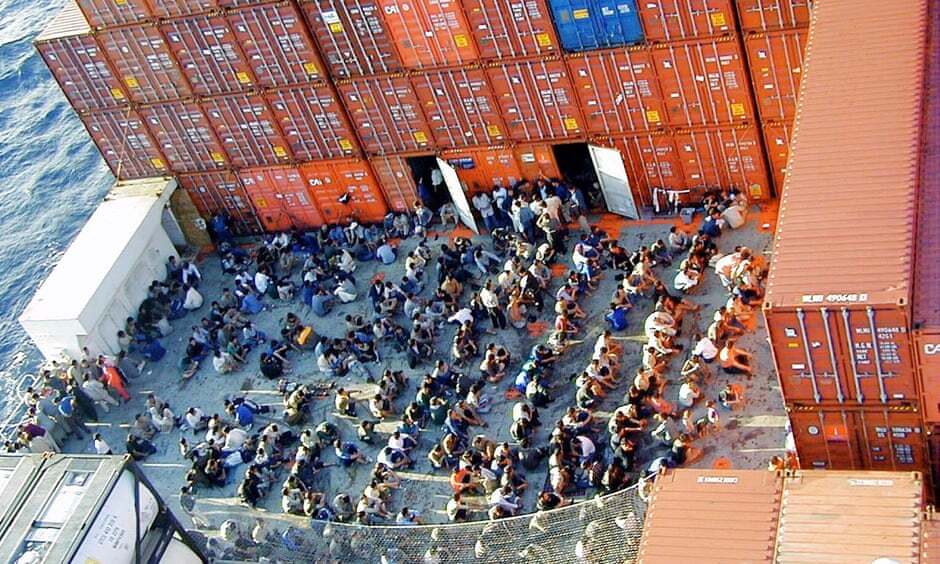
On 26 August 2001, a Norwegian freight ship, The MV Tampa, rescued 433 refugees from a leaky fishing vessel 140km from Christmas Island. The refugees were mostly Afghans, fleeing the Taliban. When the captain of the ship attempted to enter Australian waters, after a lengthy standoff, he was refused entry, and instead the Australian government sent military SAS personnel to board the Tampa. It was the first time a boat, trying to enter Australia carrying refugees, had been met with this type of military force.

The “Pacific Solution”

The Prime Minister at the time, John Howard, capitalised on the Tampa affair to launch one of the most aggressive responses to refugee arrivals in the world. Boats carrying refugees, despite representing only a tiny fraction of refugee arrivals in Australia, became the target of military interventions under a newly launched operation and the government rushed through a suite of harsh new anti-refugee laws and policies that came to be known as “The Pacific Solution”.

From then on, no refugees arriving by boat would be allowed to enter Australia and would instead be held in offshore detention centres. Parts of Australia were excluded from the Migration Zone, meaning that those arriving on Christmas Island and other Australian territories in the Pacific were no longer under the jurisdiction of Australian immigration law, and could not apply for Australian visas. Other hardline elements of Australia’s border policy, such as boat turn backs, were also put in place.

At the time, while highly divisive, the decision to stop the Tampa was generally supported by the Australian public, with John Howard’s popularity significantly increasing and the hardline response from the government ultimately receiving support from then opposition leader Kim Beazley.

A couple of weeks later, the September 11 attacks in the United States boosted fears of terrorism across the western world and created an Islamophobic atmosphere hostile to foreigners, particularly those fleeing conflicts in the Middle East. Politicians in Australia were quick to use this fear to demonise those on the boats as a potential threat, rather than victims fleeing human rights abuses in need of a humanitarian response.

The “Children Overboard” affair

In one encounter with a boat carrying refugees, in which the boat sank, the Howard government falsely claimed that the refugees had deliberately thrown their own children overboard. This served to further demonise people seeking asylum and paint them as careless and cruel.

The incident came to be known as the “children overboard affair” and, even though it was found to never have happened, the false narrative pushed by the government helped to solidify their new hardline position on refugees and bolster popular support.

In November that year, the Howard government was re-elected with an increased majority, saying, “We will decide who comes to this country and the circumstances in which they come.” The week before the Tampa affair, John Howard was behind in the polls. Sadly, demonising refugees and more specifically boat arrivals had been successfully politicised and would return as a feature of future elections.

“Stop the boats”: the legacy of the Tampa affair two decades on

The Tampa affair and the events that followed changed Australian policy towards refugees forever. No longer did Australia treat people arriving by boat as genuine asylum seekers in need of protection, but instead treated them as “illegals”, “dangerous”, “possible terrorists”, “queue jumpers”  and “criminals”. They could now be denied entry into Australia by whatever means necessary. From then on, the “ends justify the means”, no matter the financial costs to the taxpayers or the physical and mental costs to the men, women and children indefinitely detained.

In the two decades since, Australia’s refugee policy has been defined by a strong “stop the boats” stance which, despite a briefing softening of the policy from 2007 to 2011, has today become even more hardline than the policies introduced by John Howard. Policies such as offshore processing, boat turn backs, and indefinite detention all enjoying bi-partisan support.

The Tampa affair was the moment the Australian government decided to stop seeing refugees arriving by boat as people in need, and started seeing them through a military, security lens where border control trumps everything, including human rights and human decency. 

Sadly, even today with a humanitarian crisis unfolding in Afghanistan, the Australian government can not talk about the tragedy there without first raising the spectre of boat arrivals and the need to maintain its hardline deterrence approach. While in Australia, Nauru and PNG have over 1000 people still trapped in limbo 8 years later, with no solution from the government in sight. After twenty years, the legacy of the Tampa affair is still all too real for these individuals.

What we can do to learn from the Tampa affair

Australia can, and must, do more so that those at grave risk and fleeing the Taliban in Afghanistan, including women and girls, and human rights defenders, are provided protection.

The Australian government should:

  • Expand the humanitarian intake to include people fleeing the Taliban
  • Grant permanent protection visas to all people from Afghanistan in Australia on temporary protection visas
  • Reform the community sponsorship program so that people across Australia can welcome people seeking safety into their community

Together, we can make a difference by putting pressure on the Australian government to provide safe passage to people fleeing the Taliban. Please take urgent action now.

Amnesty works to support refugees and asylum seekers, including campaigning for the Australian government to end offshore detention and implement solutions that help more people find a safe place to live.

This crisis highlights how our work is challenging injustice and could save lives. Learn more about our Refugee Rights campaign here.

Morrison must engage with Biden to secure safe passage from Afghanistan

As the already precarious security situation in Afghanistan deteriorates, Amnesty International Australia National Director Sam Klintworth said:

“Prime Minister Scott Morrison must engage at the highest possible level with US President Joe Biden to secure safe passage for people at risk who remain in Kabul.

“With the Department of Foreign Affairs now advising Australians and Australian visa holders not to go to the airport in Kabul as there is a risk of terrorist attack, the Australian Prime Minister must urgently work with the USA and other leaders involved in the twenty year war in Afghanistan to get vulnerable people to safety. Priority needs to be given to Australians in Afghanistan, national staff and their families who worked with Australia, as well as women at risk, human rights defenders and others in grave danger of reprisals from the resurgent Taliban.

“We are aware that teams of lawyers, advocates, community members and officials have been working tirelessly to ensure at-risk individuals have visas to exit. 

“The lives of thousands of people trapped in Afghanistan are in the hands of the Australian Prime Minister, and he should do all he can to ensure these people are brought to safety.

Sam Klintworth, Amnesty International Australia National Director

“We implore Mr Morrison to act with the utmost urgency so Australia can be on the right side of history in this desperately tragic and escalating crisis.”

Afghanistan: Shameful failure of UNHRC special session to address escalating human rights and humanitarian crisis

The UN Human Rights Council today failed the people of Afghanistan after neglecting to establish an independent mechanism to monitor ongoing crimes under international law and human rights violations and abuses, Amnesty International said today. 

At the opening of today’s UNHRC special session, the Afghanistan Independent Human Rights Commission, the UN High Commissioner for Human Rights, the UN Special Procedures and a host of other civil society speakers – including Amnesty International – unequivocally called for the creation of a robust investigative mechanism. Such a mechanism would allow for monitoring and reporting on human rights violations and abuses, including grave crimes under international law, and to assist in holding those suspected of criminal responsibility to justice in fair trials.

However, the calls were ignored by UNHRC member states, who adopted by consensus a weak resolution which merely requests further reports and an update by the UN High Commissioner for Human Rights in March 2022, which adds little to the oversight process already in place.

“The UN Human Rights Council special session has failed to deliver a credible response to the escalating human rights crisis in Afghanistan. Member states have ignored clear and consistent calls by civil society and UN actors for a robust monitoring mechanism,” said Agnès Callamard, Amnesty International’s Secretary General.

“Many people in Afghanistan are already at grave risk of reprisal attacks. The international community must not betray them, and must urgently increase efforts to ensure the safe evacuation of those wishing to leave. States must now move beyond handwringing, and take meaningful action to protect them.

“Amnesty International’s recent on-the-ground investigation into the massacre of Hazara men in Ghazni province is proof that the Taliban’s capacity for murder and torture has not diminished.

“UN member states must correct today’s failure when the Human Rights Council meets again in a few weeks. A robust investigative mechanism – with a mandate to document, collect and preserve evidence of ongoing crimes and human rights violations across Afghanistan – is urgently needed.”

Background

The Taliban have seized power in Afghanistan following the collapse of the former government in recent weeks. Amnesty International has called for the protection of thousands of people at serious risk of Taliban reprisals, from academics and journalists to civil society activists and women human rights defenders.

Last week Amnesty International revealed how the Taliban were responsible for a massacre of nine ethnic Hazara men after taking control of Ghazni province in July 2021. The brutal killings likely represent a tiny fraction of the total death toll inflicted by the Taliban following recent territorial gains to date, as the group have cut mobile phone service in many of the areas they have captured, preventing information from emerging.

Najeeba Wazefadost shares what it’s like for women and girls in Afghanistan

Najeeba Wazefadost is a part of the minority Hazara group in Afghanistan. In the year 2000 when she was just a young girl, Najeeba and her family fled the Taliban and came to Australia. Since then, she has been a tireless advocate for refugees. She describes the security situation Afghans are facing right now as worse than it’s ever been before.

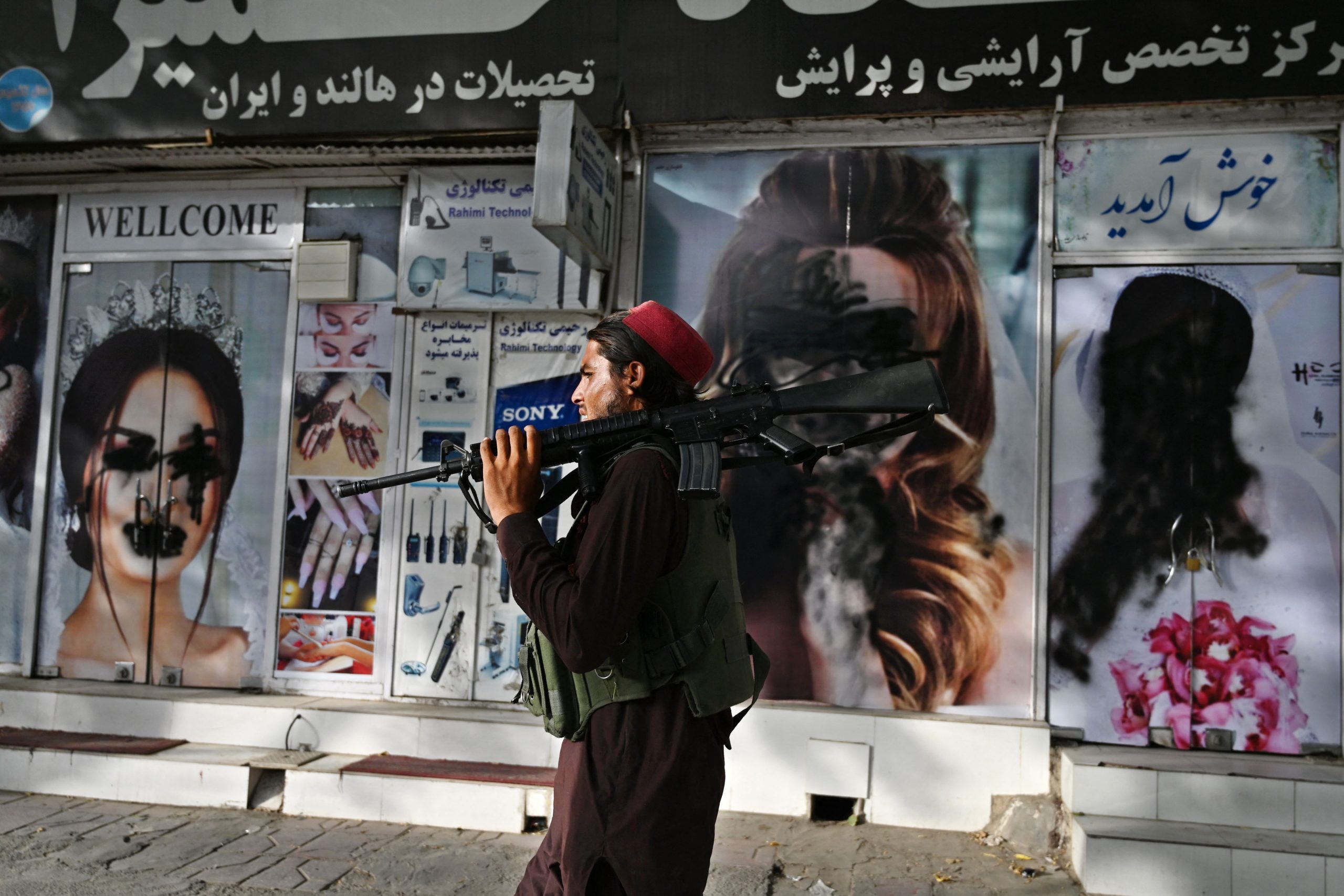
The Taliban have taken over Afghanistan and there are already reports of killings and human rights violations, particularly for women and girls.

During their ruling of the country from 1996-2001, they enforced harsh, discriminatory policies. Women were denied their rights to education and accessing healthcare, their right to freedom of movement was restricted, they could not appear in public without a close male relative, and were subject to harsh, disproportionate punishments for minor “offences”. 

Afghanistan has been in a state of war for many decades. A war that has left really little evidence of justice, humanity and peace for its people.”

– Najeeba Wazefadost

Breaking from the Taliban’s repressive era, over the past two decades, women have made great strides in Afghanistan to realise their rights. In the post 2001 setting, Afghan women restarted their participation in public life, working in political and government positions, and obtaining education.

Earlier this year, Amnesty International published a statement to the Government of Afghanistan and to the international community to warn the likely rollback of two decades of hard-won progress for Afghan women ahead of the looming withdrawal of international troops.

That nightmare is now a reality. Najeeba describes it as Afghanistan’s worst security situation ever.

I am particularly concerned for women and girls. A lot are telling us that they have already lost hope. They are telling us they already have lost access to education, that they already can’t leave the house without a man.” 

– Najeeba Wazefadost

The Australian government has offered to provide 3,000 places for refugees from Afghanistan. This will come from an existing humanitarian intake number rather than a special allocation, which pales in comparison to commitments made by other nations such as Canada and UK who each have offered 20,000 additional places.

Amnesty International Australia, the Refugee Advisory Group, and Afghan diaspora communities are calling for the Australian government to urgently expand the humanitarian program, to provide safe passage. The government did this in 2015 when they offered 12,000 additional places in the humanitarian program for Syrian and Iraqi refugees.

We have seen the harrowing video footage showing Afghans desperately clinging to planes in attempt to flee the Taliban. So far, the Australian government has insufficiently responded to their cries for help or the compassionate calls of thousands of Australians for them to do more.

In the last few days, we have all heard the cries of people asking for help. I know those cries, because I heard them before my family fled.

– Najeeba Wazefadost

Australia can, and must, do more so that those at grave risk and fleeing the Taliban, including women and girls, and human rights defenders, are provided protection. Together, we can make a difference by putting pressure on the Australian government to provide safe passage to people fleeing the Taliban. Please take urgent action now.

Amnesty has been advocating for a road to refuge, in the form of community sponsorship, for almost 4 years. This crisis highlights how our work is challenging injustice and could save lives.

Indonesia: Papuan protesters shot, beaten and racially abused by security forces – new research

Indonesian security forces have used discriminatory excessive force and racially abused protesters peacefully opposing the renewal of the Papuan Special Autonomy Law, new research by Amnesty International has revealed.

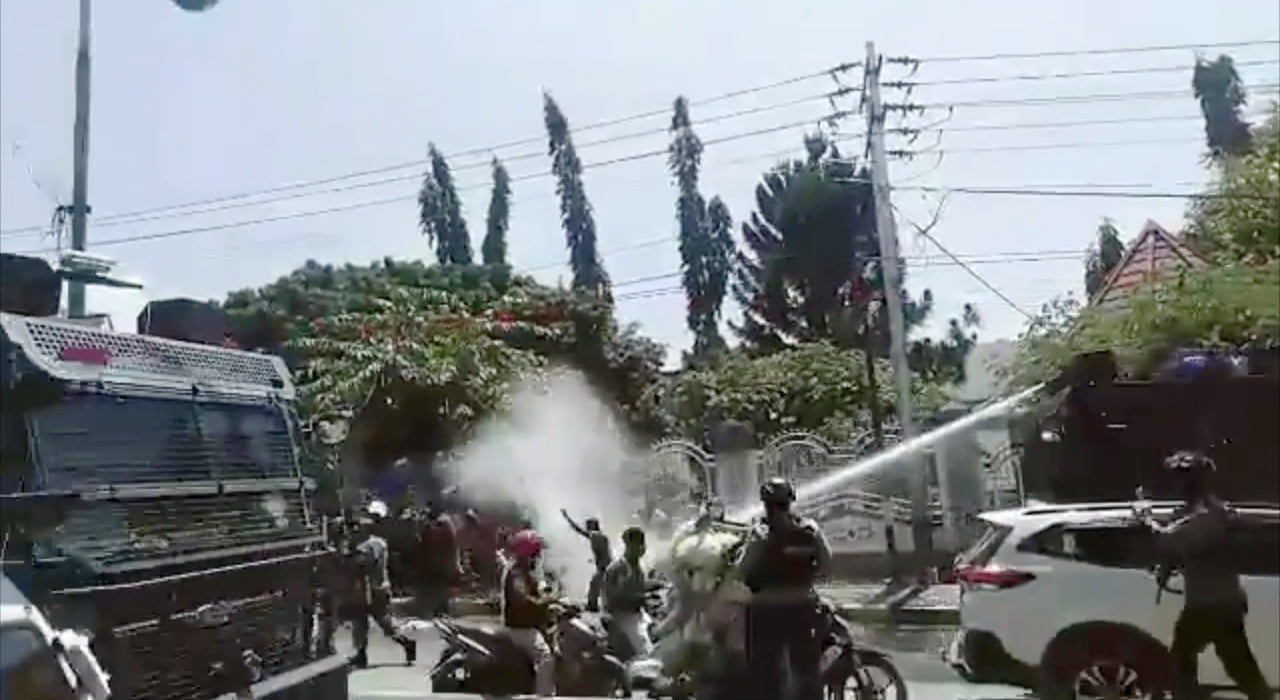
Papuan protesters told how they were targeted with water cannons, kicked and punched, and beaten with guns and rubber batons in peaceful protests during the last month. At least one person was injured after security forces opened fire on protesters on 16 August. Three protesters reported being called “monkey” while being arrested during protests in July.

Amnesty International has analysed videos and photos which show police using unlawful force on peaceful protesters, and verified injuries suffered by protesters.

“The Indonesian security forces’ excessive use of force and racial abuse towards peaceful Papuan protesters is abhorrent,” said Richard Pearshouse of Amnesty International’s Crisis Response Programme.

“The reports of assault – both physical and verbal – that we have gathered reveals the true contempt the security forces have for the rights of Papuans.

“The Indonesian authorities must immediately investigate the reports of use of discriminatory excessive force and racial abuse against protesters, and also ensure the right to freedom of expression and peaceful assembly is respected.”

To date, protests against the controversial renewal of the Papua Special Autonomy Law have taken place in several cities, from July 14 to August 16. Amnesty International interviewed 17 people who participated in protests in the cities of Jakarta, Jayapura, Sorong and Yahukimo, and verified their accounts using open source video footage.

The protests have also called for the release of Victor Yeimo, a pro-independence activist from Papua facing life imprisonment for his political views.

Shootings, beatings and racial abuse

On August 16, security forces opened fire on protesters in Yahukimo, injuring one person. One protestor told Amnesty International he heard multiple gunshots, and that several bullets were also found close to where the protest took place.

In a protest in Jayapura on the same day, protesters confirmed the use of water cannons, and beatings with rubber batons and guns by security forces. Amnesty International has verified video showing the use of water cannons against peaceful protesters and security forces beating them with rubber batons.

Other testimonies collected by Amnesty International from the protests in July also reveal the excessive use of force deployed by Indonesian security forces.

One student who took part in a protest in Jakarta on July 15 told Amnesty International that security forces beat and racially abused him before he was arrested.

He said: “I was dragged down and taken far from the action, then I got punched, about seven times. When I tried to escape, the police pulled me in and stepped on me, on my shoulders and thighs, and called me ‘monkey’. I had to cover my face with my hands to protect from kicks. Then, I was arrested and pulled in the truck.” This was corroborated by another protestor who reported having witnessed police officers kicking a man and stepping on him.

Two other protesters in Jakarta told Amnesty International that security forces also called protesters “monkey” while pushing them into the police truck.

A protestor who participated in the demonstration in Sorong on July 19 told Amnesty International that police officers beat him as he was arrested. He said: “I was kicked in the stomach and on my head. I was arrested because I only asked the National Police Chief for help to free the protesters who were arrested by the police.” The arrest and beating were corroborated by another protestor and video footage.

A protestor in Sorong criticized the excessive use of force by security forces. He said: “They just want us Papuans not to speak out about our rights. That’s why every time we take action, it’s always forced to disband like that.”

In the protest in Jayapura on July 14, two protesters told how police beat protesters using their fists, guns, and rubber batons. Video verified by Amnesty International shows two security forces officials beating protesters with batons.

Amnesty International has decided not to publish the videos and photos analysed to protect the identity of protesters.

Papua and West Papua Special Autonomy Law

Protests initially began against the decision of the Indonesian House of Representatives to renew the Special Autonomy Law for Papua and West Papua provinces. Protesters have also demanded freedom for Victor Yeimo, highlighted the Indonesian government’s ongoing racial discrimination against Papuans, and called for the right to self-determination.

The Papua Special Autonomy Law was adopted in 2001. The law was intended to give the Papuan people more powers to govern themselves while remaining part of Indonesia, in response to calls for Papuan self-determination.

The new Special Autonomy Law introduces changes that strengthen the authority of central government and reduce the autonomy of Papuan institutions. The new law creates a special agency responsible for coordinating and evaluating the implementation of Special Autonomy, chaired by the Indonesian Vice President and with an office in the region. The new law also removes the right of the Papuan population to form local political parties, previously established in the article 28(1) of the Special Autonomy Law.

“The protests against the renewal of the Special Autonomy Law shows the failure of the Indonesian government to adequately consult with the Papuan indigenous people,” said Usman Hamid, Amnesty International Indonesia Executive Director.

“The government must ensure the respect for the rights of the Papuan indigenous people. This can be only done by effectively involving the Papuan indigenous population in the design and implementation of the Special Autonomy Law.”

Background

The International Covenant on Civil and Political Rights explicitly guarantees freedom of opinion and expression, as contained in Article 19, and the right to freedom of peaceful assembly, as contained in article 21. This instrument is binding on all countries that have ratified it, including Indonesia. Referring to the Covenant, political expression is also part of the freedom of expression and opinion.

In Indonesia, the right to freedom of assembly and expression has also been guaranteed in the Indonesian Constitution, namely Article 28E clause (3) of the 1945 Constitution, as well as Article 24 clause (1) of Law No. 39/1999 on Human Rights.

Amnesty International does not take any position regarding the political status of any province in Indonesia. However, we uphold human rights, including the rights to freedom of expression and peaceful assembly, which safeguard the right to voice political opinion or views, as long as they do not advocate hatred, discrimination or violence.