Refugee Advisory Group: Afghanistan Crisis

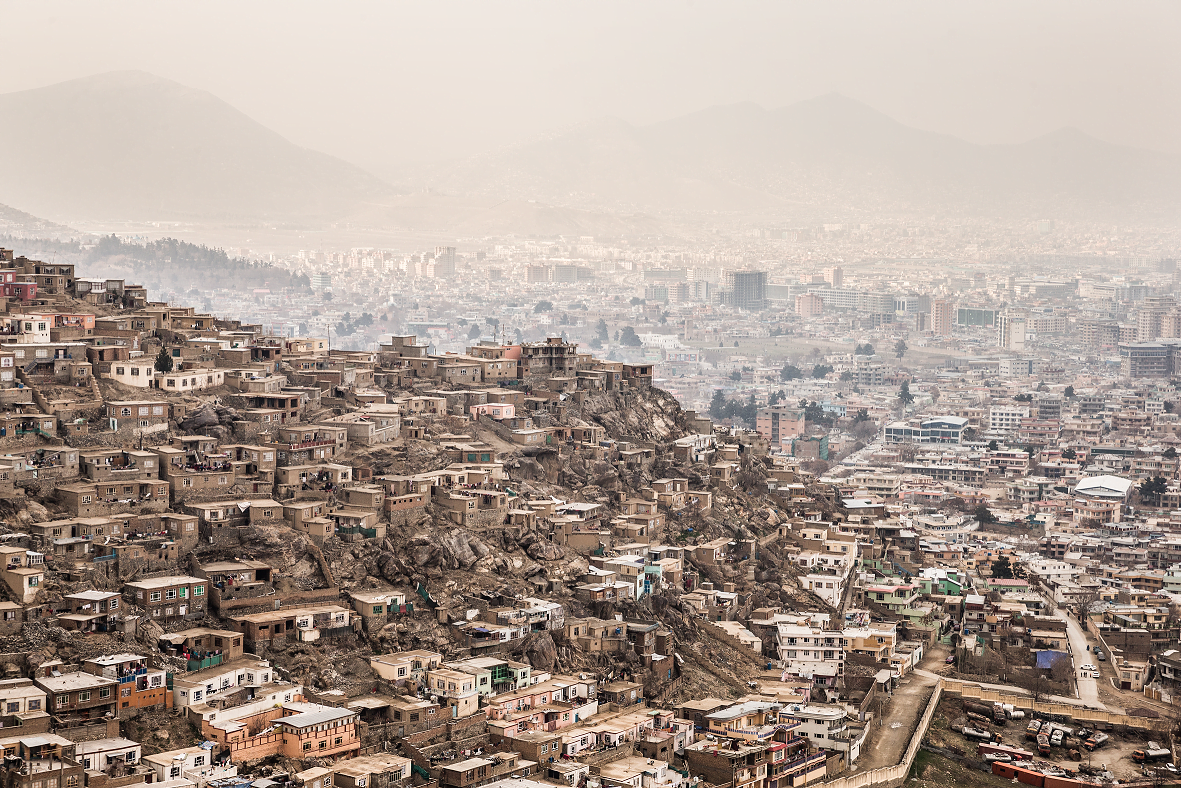
Amnesty International’s Refugee Advisory Group has written to Alex Hawke, Minister for Immigration, Citizenship, Migrant Services and Multicultural Affairs, urging him to take tangible and meaningful steps to help Afghan people who are now facing an imminent humanitarian crisis.

Central to their calls is the recommendation to implement a fair and just community refugee sponsorship program that would allow Australian’s to welcome people from Afghanistan into their communities.

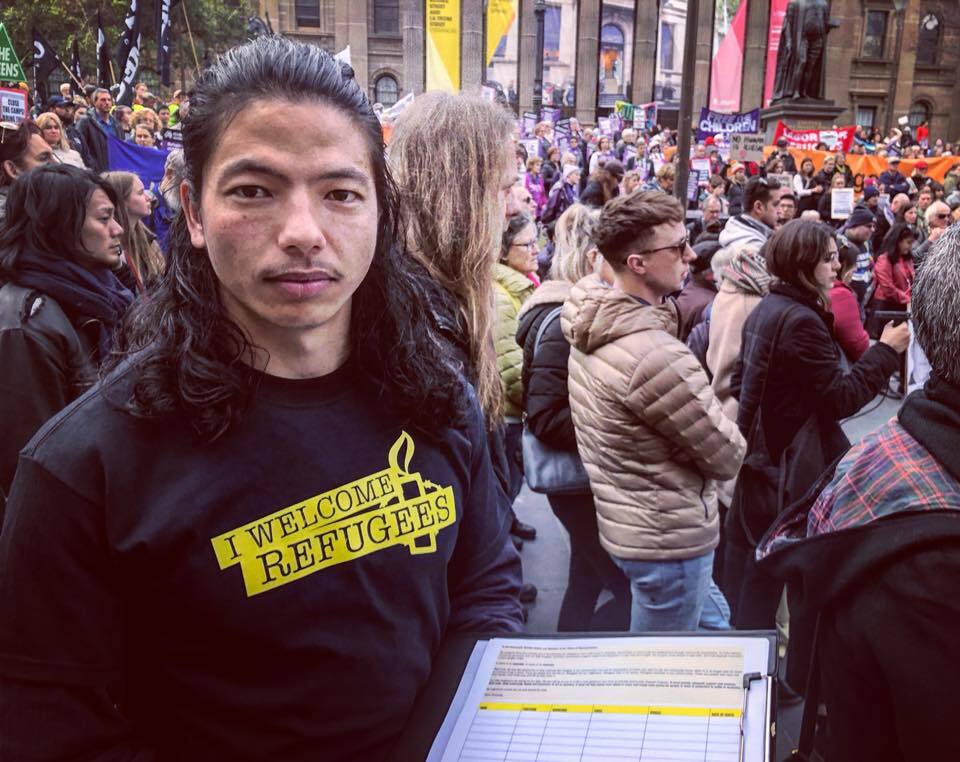
Former Afghan refugee, Farid Ashgari has been calling for a fair and just sponsorship program for more than 3 years.

”I got on a boat and risked my life to come here, so bad was the situation in Afghanistan. I don’t want my brother or others to feel the need to do the same”.

The Group has also called on Minister Hawke and the Government to immediately and urgently expand Australia’s humanitarian program to those fleeing the crisis in Afghanistan, and grant permanent protection visas to Afghan’s currently in Australia.

Australia must step up and extend humanitarian program to Afghanistan

Amnesty International Australia is calling on the Australian government to immediately and urgently extend its humanitarian program to those fleeing the crisis in Afghanistan.

“The security situation has deteriorated so rapidly and dramatically that we must act now. Australia has an obligation to protect those most at risk including human rights defenders, ethnic minorities and women and children. Amnesty International Australia is calling on the Australian government to take action now and do all it can to provide safe passage to those fleeing the Taliban,” Amnesty International Australia Refugee Coordinator, Dr Graham Thom said.

“The Australian Government must also act to protect Afghan nationals in Australia on temporary visas by extending their visas indefinitely.

“We have the capacity to manage this humanitarian intake, just as we did for those fleeing the crisis in Syria.”

As well as a rapid one off increase for people from Afghanistan, Australia must also look at ways it can help respond to the humanitarian crisis going forward.

“We also know with a fair and workable community refugee sponsorship program, people right around the country are ready to welcome people from Afghanistan in need into their communities.”

“We have long called for a fair and just model of refugee sponsorship – communities right across Australia have told us they’re ready to welcome refugees – and the department’s own recent review backs our calls. 

“Now is the moment for Minister Hawke to use this and other pathways to expand our humanitarian intake.”

Executive Director of the Asia Pacific Network of Refugees, Najeeba Wazefadost said Australia has to redouble its efforts in protecting people in Afghanistan.

“While we acknowledge the efforts of the Australian Government to support and provide visas under the Afghan locally engaged employees program, we fear nonetheless that this will not be nearly enough. It is the worst security situation ever for women and girls in Afghanistan.”

Amnesty International shines a light on great wrongs by exposing the facts others try to suppress. We are a global movement of 10 million people standing up for justice, freedom and equality. Together, our voices challenge injustice and are powerful enough to change the world. Find out more about what we do, our crisis response work and our refugee rights work.

Australia’s Human Rights Barometer: overwhelming support for a Human Rights Act

  • More than half of Australians believe we already have a national Human Rights Act and when told we’re the only Western liberal democracy without one, 76% said they would support its introduction.
  • More than a third of Australians are unsure if their right to vote is protected.
  • The nation is split as to whether the right to free education for children or access to free or low-cost health care are protected by law or not. 

The launch of Amnesty International Australia’s inaugural annual report, the Human Rights Barometer, shows Australians are confused about which rights are protected under law.

The Barometer, which asked 1600 Australians which rights mattered most to them and those around them, found that more than half of those surveyed thought we already had a national Human Rights Act and when told we are the only Western liberal democracy without one, 76% said they would support its introduction.

The findings come as more and more Australians see their rights eroded under Covid-19. Almost 40,000 Australian citizens are still stranded overseas unable to get home, 4,500 of whom are categorised as ‘vulnerable’ due to medical or visa expiry issues.  According to media reports, more than 50 Australian citizens have died of Covid-19 while overseas, three of them on the waiting list to return home.

Last week, the Australian Government also made it more difficult for expats living and working overseas to leave Australia after a visit home, forcing them to apply for an exemption justifying their reasons for leaving.

Protecting the most vulnerable in our society combined with providing clarity of what rights are protected and simplifying the existing spaghetti bowl of legislation split between States and Federal law, were the main reasons given for supporting a Human Rights Act.

Tim O’Connor, Campaigns Manager at Amnesty International Australia, said: “Human rights around the world are in jeopardy and Australia is not immune. Since the outbreak of Covid-19, thousands of Australian citizens have been left stranded overseas unable to get home due to restrictions on inbound flights and inadequate quarantine facilities. Some have died waiting. Australians living overseas who made it home to visit loved ones or attend funerals are now being forced to justify why they are leaving again. Australia is one of just a few countries to join  North Korea in making its citizens ask permission to leave its borders. 

“We’ve seen police overreach at peaceful protests such as BlackLivesMatter last year and snap lockdowns in Melbourne’s Flemington Towers that traumatised residents and breached their human rights following a heavy handed response by police.  

“How can Australians challenge these incidents? Currently in Australia, our human rights protections are found in a range of legislation which is complex, decentralised and sometimes only implied. We have numerous overlapping and conflicting laws on religious freedoms, discriminiation and sexual discrimination to the exclusion of others which has clearly created confusion. In Australia the minimum age at which we can lock kids up is decided at a state level not a national level. Our current laws do not go far enough to prevent racism and discrimination. 

“These issues are complex; many are embedded in Australia’s history, and they often adversely affect marginalised individuals and communities including, Indigenous people, women, the disabled the LGBTQI+ community and the most vulnerable.

“It’s time for Australia to join every other liberal democracy in the Western world and introduce a Human Rights Act. That way we can simplify the spaghetti bowl of legislation we have today and provide the opportunity for everyday Australians to understand and protect our individual and collective human rights.”

Media Awards: Spotlight on the 2017 Photography Winner

Each year the Amnesty International Australia Media Awards acknowledge those Australian media stories that have presented a fair and balanced report of a human rights issue, highlighted hidden abuses and encouraged an audience’s greater understanding of a human rights issue.

With just less than a week left before entries close for this year’s 2021 awards, we’re celebrating winners from previous years’ to demonstrate the importance of a free press.

Media Awards’ 2017 Photography Winner 

Winner of the 2017 Amnesty International Media Awards Photography category was Kate Geraghty with ‘Mosul’ for Fairfax Media.

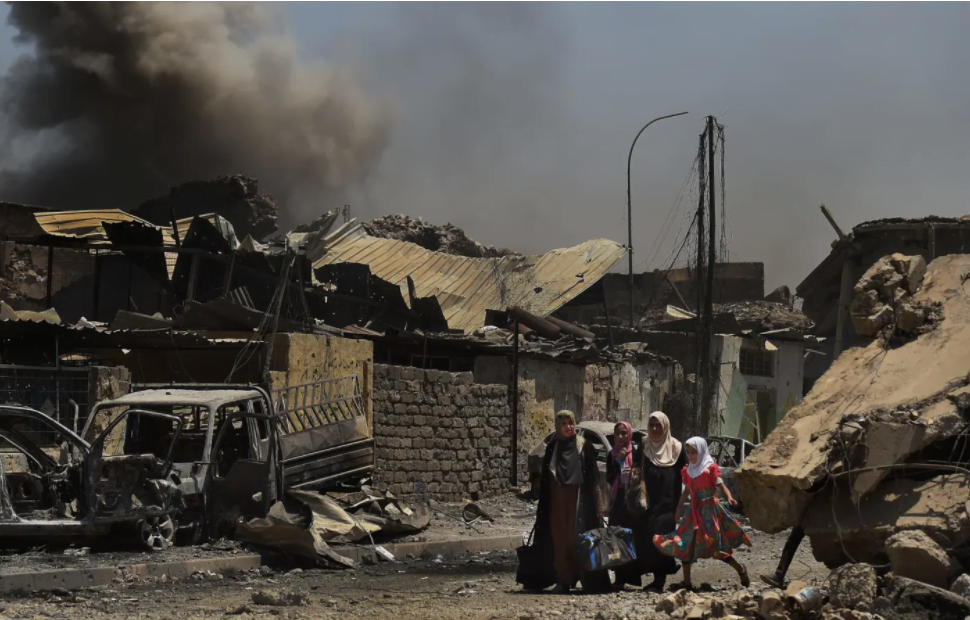
Kate Geraghty has been photographing conflict in Iraq since 2003, ‘Mosul’ is a series of photographs documenting the last days of the battle to liberate West Mosul from its occupation by ISIS since 2013.

What was the Battle for Mosul?

The battle for Mosul began on 17th October 2016, when Iraqi, Kurdish and Coalition forces began an offensive in Mosul, the second largest city in Iraq, in an attempt to remove it from ISIS control. The eight-month offensive caused massive infrastructural damage to the city and resulted in the injury and death of around 2,463 civilians across the Nineveh province.

The UN estimated that the cost of rebuilding the city’s basic infrastructure would be around $1 billion US dollars, with double that cost needed to rebuild other infrastructure such as schools and hospitals. Due to the threats to their lives, and the inability to access proper food, water or shelter, over 800,000 inhabitants were forced to flee their homes to refugee camps, reception centres or to live with family in other parts of the country. 

‘Mosul’ is a series of photographs capturing the reality of the Battle for Mosul for its residents as they live through the mass destruction caused by the fierce battle for occupancy. Kate Geraghty captures images of families fleeing the city, the moment a mother comforts her son suffering from burns, and the vast piles of debris littering the city.

What is happening in Mosul now?

Today, Mosul’s residents are coming to terms with the damage left behind by the ISIS occupation and the offensive of 2016-17. With over 35, 000 buildings destroyed and an estimated over $1 billion worth of investment needed to restore the city’s infrastructure, residents are being left to finance and begin the rebuilding process themselves amidst political tensions in the region.

Kate Geraghty’s work offers an important insight into the true nature of conflict, and the lasting result of the destruction in Mosul.

Judge of this years’ Photography category for the 2021 Media Awards, Sylvia Liber says of press freedom:

“Storytelling will never die as it’s human instinct to want to learn about what’s happening in our society. Therefore, it’s imperative that journalists safely continue to show the world for what it is,  without being harassed, imprisoned, or killed.”

Stranded Aussies: Overseas Travel Ban Determination

Amnesty International has written to Australian Prime Minister Scott Morrison, expressing concern regarding laws that came into effect this week, essentially denying Australian citizens and permanent residents the right to return home.

The Amendment Determination to the Biosecurity Act 2015, which removes the automatic exemption for Australian citizens and permanent residents ordinarily resident in a country other than Australia, to leave Australia without exemption upon return, came into effect on 11 August.

Whilst the amendment allows for individuals to apply for exemptions prior to arranging travel to Australia, initial reports from Australians currently overseas indicate that they are almost immediately having their requests denied, mainly due to exemptions needing to meet erroneous requirements to be deemed ‘exceptional circumstances’.

Whilst Amnesty well understands the need of the Australian Government to protect the right to health of the Australian Community, this objective can and must be achieved through a balanced approach. Human rights are not mutually exclusive.

Rather than impinging upon the rights of Australians overseas, Amnesty has reiterated our previous calls on the Government to expand the federal quarantine system

Review of Community Support Program for refugees confirms need for radical change

Amnesty International Australia welcomes the findings of the Department of Home Affairs’ review of the Community Support Program (CSP) for refugees hoping to make Australia home. 

The review highlights the issues that Amnesty, through its My New Neighbour community campaign, has been asking the Government to address for more than three years:

  • The cost of CSP, at more than $20,000 per person, is too expensive for ordinary Australians who want to welcome refugees into their communities. 
  • The CSP is not in addition to the Government’s humanitarian intake – at a time when the refugee crisis is worsening due to war, climate change and now Covid-19 we must be doing everything we can to resettle more refugees through our annual humanitarian intake and, in addition, through CSP.
  • The bureaucratic burden and commitments put on community groups to ensure whoever they sponsor is job ready or has adequate English before they arrive, is too onerous and needs to be simplified.

Responding to the findings, Amnesty International campaigner, Shankar Kasynathan, said: “My New Neighbour and its 40,000 supporters, 40 councils and countless other community groups welcome the release of these findings that confirm our view that the CSP needs to be improved. 

“CSP, as the Department has pointed out, is not only a humanitarian priority, it also has a positive economic contribution to local communities. We are now waiting for Immigration Minister, Alex Hawke, to confirm that he will act upon all these concerns and make it easier for more refugees to contribute to our communities around Australia.”

Media Awards: Spotlight on the 2017 Print/Online Winner

Each year the Amnesty International Australia Media Awards acknowledge those Australian media stories that have presented a fair and balanced report of a human rights issue, highlighted hidden abuses and encouraged an audience’s greater understanding of a human rights issue.

With a week left before entries close for this year’s 2021 awards, we’re celebrating winners from previous years’ to demonstrate the importance of a free press.

Media Awards’ 2017 Print/Online Winner 

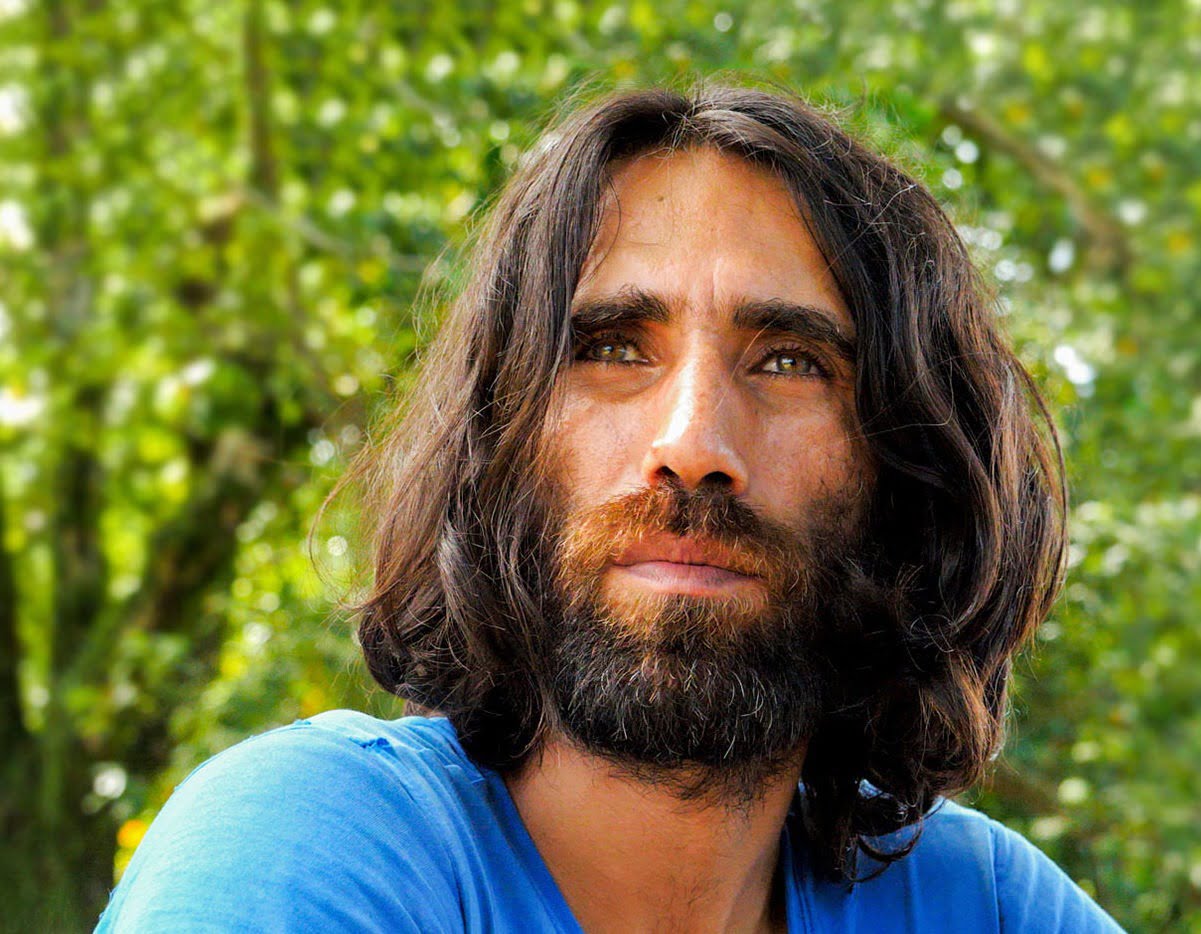
Winner of the 2017 Amnesty International Media Awards Print/Online category was Behrouz Boochani with ‘Voice of Manus’ for The Guardian & The Saturday Paper.

In ‘Voice of Manus’ Behrouz Boochani, an Iranian Kurdish journalist and refugee who was detained on Manus Island from 2013-2017, writes of his experience on Manus following the Papua New Guinea Supreme Court ruling that the detention of asylum seekers and refugees on Manus Island was illegal, and in breach of the country’s constitution. 

Behrouz writes about the small extension of liberties which allowed him to visit islands around Manus to escape rising tensions in the detention centre, particularly about exploring the island of Mendirlin.

“Mendirlin is the size of a soccer field and covered in dense jungle. Its economy is dependent on nature. Rubbin Malachi and his family of 35 people live there. Rubbin is a strong, muscular man with a heart of gold.” 

Behrouz Boochani

Behrouz’s piece allowed Australian readers an insight into the conditions refugees and asylum seekers were subject to on Manus Island, particularly during a period in which Australian media outlets had limited access to exposing conditions on Manus. The work of journalists like Behrouz are particularly important for holding governments to account, and ensuring important reporting continues despite difficult media conditions.

Judge of this years’ Print/Online category for the 2021 Media Awards, Lisa Davies says of press freedom:

Journalism often involves revealing information powerful people don’t want you to know, yet obtaining those stories, securing the confidence of those who can bring them to light, has become increasingly difficult. Successive federal governments have been tightening laws on what information is shared with the public over the last 20 years. It may not have stopped the investigative work of Kate McClymont, Nick McKenzie or Adele Ferguson, but for every story they can publish, there are others simply not getting out there.

Lisa Davies, Editor, Sydney Morning Herald

New Regulations Will Stop Us Speaking Truth to Power

Women winning the vote. Indigenous people being recognised as citizens and not fauna. The five day working week. Marriage equality.

Most of us don’t even think about these rights but none would have been possible without principled people standing up, speaking out and taking action, and sometimes even breaking the law.

History has shown us that people coming together to voice their concerns plays a vital role in holding those in power to account. It is the actions of courageous people shining a light on what others would prefer to be in the shadows that creates the impetus for change. The freedom to participate in public debate fully means we can change the world for the better.

Some of the most pivotal moments in Australia’s history, moments that have shaped us as a nation, have been born from protests, and indeed sometimes also civil disobedience. Think about Mardi Gras – what’s now a joyous celebration of the LGBTQIA+ community, started as a protest against discriminatory laws. Protests which were violently quelled by police and which resulted in many arrests.

And think about the Freedom Rides of 1965 led by student and Arrernte man Charles Perkins – the most iconic moment of the rides was when the protestors tried to gain access to the local pool for a group of Indigenous children. Fights broke out and arrests were made. But so was history when the council overturned the bylaw which prohibited Aboriginal kids from using the baths.

These moments lead to a collective realisation of a need for improvements that make us a stronger, more vibrant and more empathetic nation. We should be proud of this history and we should fight tooth and nail to protect our right to continue to voice our concerns publicly and fully when we wish to.

While most protests are peaceful, it’s also not uncommon for arrests to be made for minor offences such as offensive language or blocking traffic.

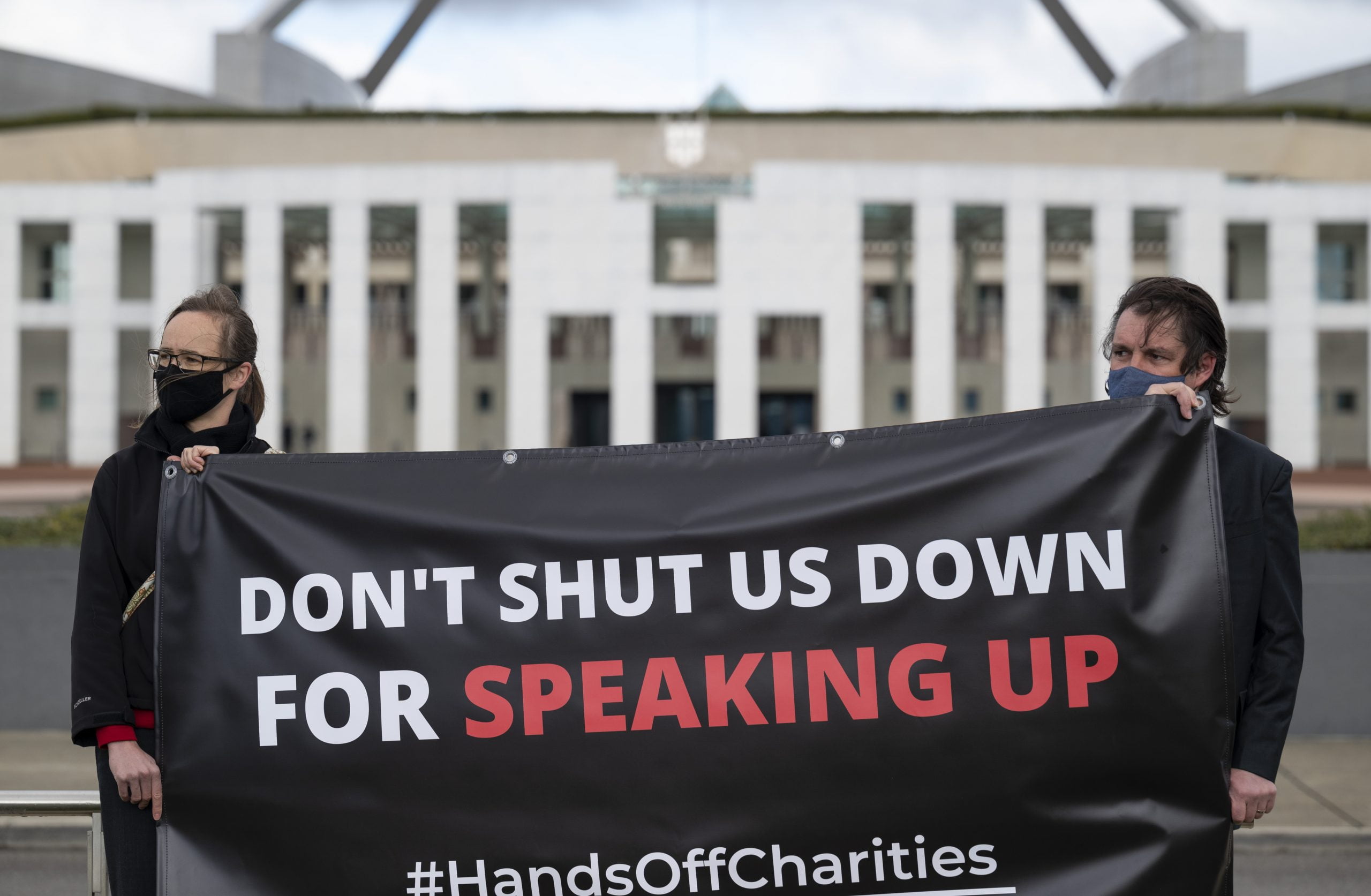
It may shock you to learn that this freedom to protest is under attack. The Federal government wants to make changes to the Australian Charities and Not-for-profits Commission (ACNC) regulations which will have a chilling effect on our ability to participate in activities, events, rallies and meetings. Things that are part of the everyday activities of our movement. These proposed regulations would give the Charities Commissioner discretion to deregister a charity for the most minor of summary offences such as simply blocking a footpath at a vigil – even if it was unintentional. 

Amnesty International is a movement of people whose very purpose is to stand up and speak out about human rights abuses so it is terrifying to think that if one of our supporters were to be found guilty of a minor act of civil disobedience that our very existence could be in jeopardy. It sounds dramatic, but that’s exactly what these regulations will mean.

These proposed regulations would make it impossible for us to do our jobs and would make it impossible for us to support and encourage our movement to continue to do the great work they do to advocate for change.

We have progressed so far as a country because of the voices and actions of people who simply care about the communities they are part of and are prepared to act. Just consider for a second what might have happened if these regulations existed when communities mobilised for marriage equality, for black lives matter or even just in recent weeks for the Bioela family. Would people have mobilised, would charities have advocated? Of course they would because it’s the right thing to do, but if these regulations are changed the price for action could be very high, indeed fatal for some organisations. Our very ability to advocate for change on the most pressing issues of the day are being challenged and at a time when I would argue people-powered movements are most needed. 

Sarah Gooderham is Amnesty International Australia’s Movement Manager.

Ethiopia: Troops and militia rape, abduct women and girls in Tigray conflict – new report

  • Forces aligned to the Ethiopian government subjected hundreds of women and girls to sexual violence
  • Rape and sexual slavery constitute war crimes, and may amount to crimes against humanity

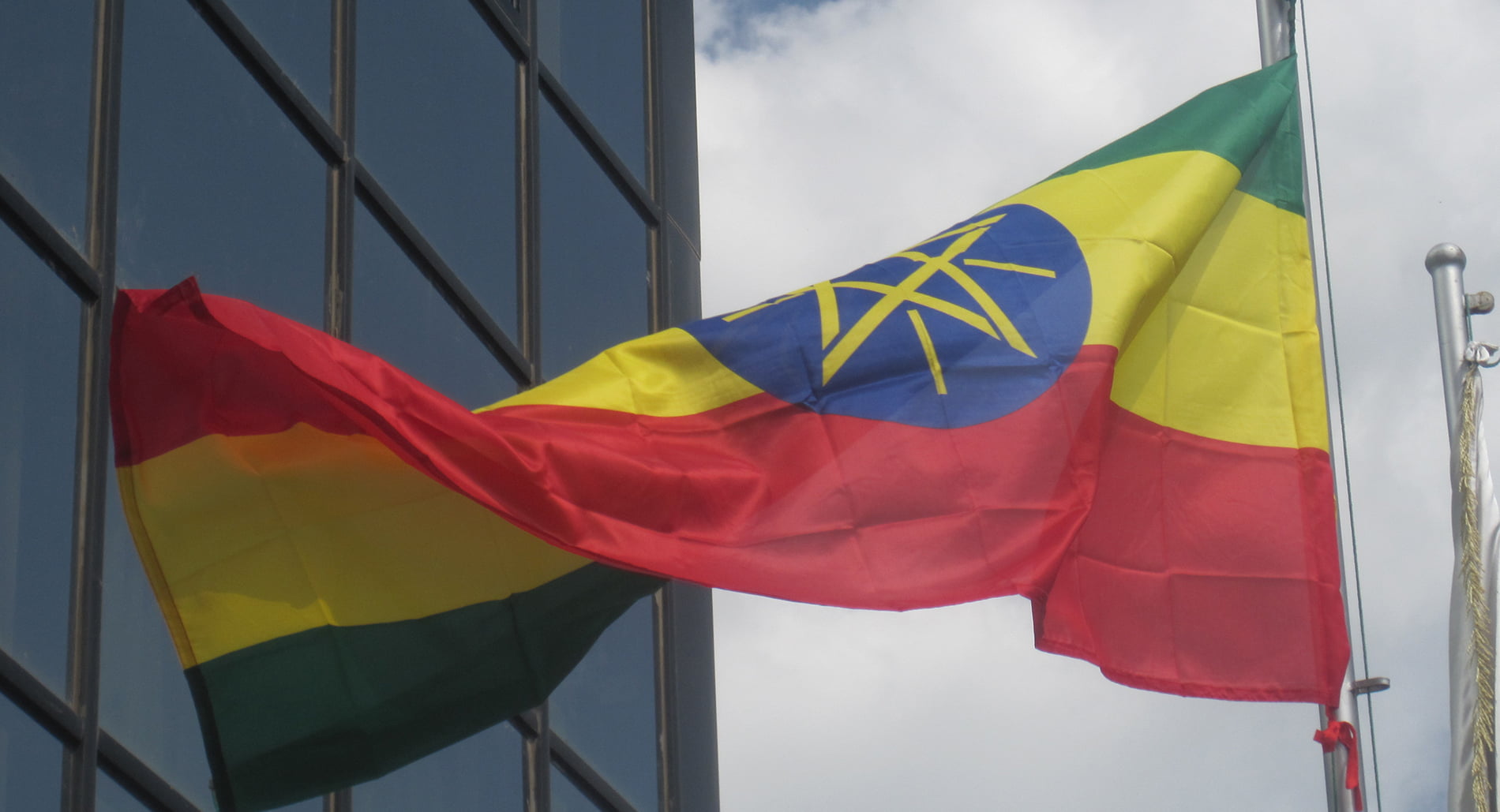
Women and girls in Tigray were targeted for rape and other sexual violence by fighting forces aligned to the Ethiopian government, Amnesty International said today in a new report into the ongoing Tigray conflict.

The report, ‘I Don’t Know If They Realized I Was A Person’: Rape and Other Sexual Violence in the Conflict in Tigray, reveals how women and girls were subjected to sexual violence by members of the Ethiopian National Defense Force (ENDF), the Eritrean Defense Force (EDF), the Amhara Regional Police Special Force (ASF), and Fano, an Amhara militia group.

Soldiers and militias subjected Tigrayan women and girls to rape, gang rape, sexual slavery, sexual mutilation and other forms of torture, often using ethnic slurs and death threats.

“It’s clear that rape and sexual violence have been used as a weapon of war to inflict lasting physical and psychological damage on women and girls in Tigray. Hundreds have been subjected to brutal treatment aimed at degrading and dehumanizing them,” said Agnès Callamard, Amnesty International’s Secretary General.

“The severity and scale of the sexual crimes committed are particularly shocking, amounting to war crimes and possible crimes against humanity. It makes a mockery of the central tenets of humanity. It must stop.

“The Ethiopian government must take immediate action to stop members of the security forces and allied militia from committing sexual violence, and the African Union should spare no effort to ensure the conflict is tabled at the AU Peace and Security Council.”

The Ethiopian authorities should also grant access to the African Commission for Human and Peoples’ Rights Commission of Inquiry, and the UN Secretary General should urgently send his Team of Experts on the Rule of Law and Sexual Violence in Conflict to Tigray.

Amnesty International interviewed 63 survivors of sexual violence, as well as medical professionals. Twenty-eight survivors identified Eritrean forces as the sole perpetrators of rape.

Widespread sexual violence

The pattern of acts of sexual violence, with many survivors also witnessing rape of other women, indicates that sexual violence was widespread and intended to terrorize and humiliate the victims and their ethnic group. 

Twelve survivors said soldiers and militia raped them in front of family members, including children. Five were pregnant at the time.

Letay*, a 20-year-old woman from Baaker, told Amnesty International she was attacked in her home in November 2020 by armed men who spoke Amharic and wore a mixture of military uniforms and civilian clothing.

She said: “Three men came into the room where I was. It was evening and already dark… I did not scream; they gestured to me not to make any noise or they would kill me. They raped me one after the other… I was four months pregnant; I don’t know if they realized I was pregnant. I don’t know if they realized I was a person.”

Nigist*, a 35-year-old mother-of-two from Humera said she and four other women were raped by Eritrean soldiers in Sheraro on 21 November 2020.

She said: “Three of them raped me in front of my child. There was an eight-months pregnant lady with us, they raped her too… They gathered like a hyena that saw something to eat… They raped the women and slaughtered the men.”

Health facilities in Tigray registered 1,288 cases of gender-based violence from February to April 2021. Adigrat Hospital recorded 376 cases of rape from the beginning of the conflict to 9 June 2021. However, many survivors told Amnesty International they had not visited health facilities, suggesting these figures represent only a small fraction of rapes in the context of the conflict.

Survivors still suffer significant physical and mental health complications. Many complained of physical trauma such as continued bleeding, back pain, immobility and fistula. Some tested positive for HIV after being raped. Sleep deprivation, anxiety and emotional distress are common among survivors and family members who witnessed the violence. 

Sexual slavery and intention to humiliate

Twelve survivors said they were held captive for days and often weeks, and repeatedly raped, in most cases by several men. Some were held in military camps, others in houses or grounds in rural areas.

Tseday*, 17, told Amnesty International that she was abducted by eight Eritrean soldiers in Zebangedena and held captive for two weeks. She said: “They took me to a rural area, in a field. There were many soldiers; I was raped by eight of them… Usually, they went out to guard the area in two shifts. When four of them went out, the rest stayed and raped me.”

Blen*, a 21-year-old from Bademe, said she was abducted by Eritrean and Ethiopian soldiers on 5 November 2020, and held for 40 days alongside an estimated 30 other women. She said: “They raped us and starved us. They were too many who raped us in rounds. We were around 30 women they took… All of us were raped.”

Eight women also told how they had been raped by Ethiopian and Eritrean soldiers and associated militia near the border with Sudan, as they sought shelter.

Two survivors had large nails, gravel, and other types of metal and plastic shrapnel inserted into their vaginas, causing lasting and possibly irreparable damage.

Soldiers and militia repeatedly sought to  humiliate their victims, frequently using ethnic slurs, insults, threats, and degrading comments. Several survivors interviewed by Amnesty International said that the rapists had told them, “This is what you deserve” and “You are disgusting”.

Lack of support for survivors

Survivors and witnesses told Amnesty International that they received limited or no psychosocial and medical support since they arrived in the internally displaced persons camps in the town of Shire in Ethiopia, or in refugee camps in Sudan.

Survivors also suffered because medical facilities were destroyed and restrictions  imposed on the movement of people and goods, which hindered access to medical care. Victims and their families said they are short of food, shelter and clothes due to the limited humanitarian aid.

Reports of sexual violence were mostly hidden from the outside world during the first two months of the conflict that began in November 2020, largely because of access restrictions imposed by the Ethiopian government and the communications blackout.

“On top of their suffering and trauma, survivors have been left without adequate support. They must be able to access the services they need and are entitled to – including medical treatment, livelihood assistance, mental healthcare and psychosocial support – which are essential aspects of a survivor-centred response,” said Agnès Callamard.

“We must see all allegations of sexual violence effectively, independently and impartially investigated to ensure survivors receive justice, and an effective reparation program must be established. All parties to the conflict should also ensure unfettered humanitarian access.”

Methodology

Between March and June 2021, Amnesty International interviewed 63 survivors of rape and other sexual violence; 15 in person in Sudan, and 48 remotely on secure telephone lines. Amnesty International also interviewed medical professionals and humanitarian workers involved in treating or assisting survivors in the towns of Shire and Adigrat, and in refugee camps in Sudan, about the scale of sexual violence and for corroborating information on specific cases.

In May, the Ethiopian authorities announced that three Ethiopian soldiers had been convicted and 25 others indicted for rape and other acts of sexual violence. However, no information has been made available about these trials, or other measures to investigate and to bring those responsible to justice.

Amnesty International wrote to Ethiopia’s Office of the Prime Minister, the Office of the Federal Attorney General and the Minister of Women, Children and Youth, to Eritrea’s Information Minister and a senior advisor to President Isaias Afwerki on 26 July 2021 requesting a response to the organization’s preliminary research findings, but had not received a reply at the time of publication.

Since fighting began in the region on 4 November 2020, thousands of civilians have been killed, hundreds of thousands of people have been internally displaced within Tigray, and tens of thousands of refugees have fled to Sudan.
South Korea: Lawmakers must seize chance to pass landmark anti-discrimination act


Responding to the introduction of a bill that seeks to forbid discrimination across South Korean society, including on grounds of sexual orientation and gender identity, Suki Chung, East Asia Campaigner at Amnesty International, said:
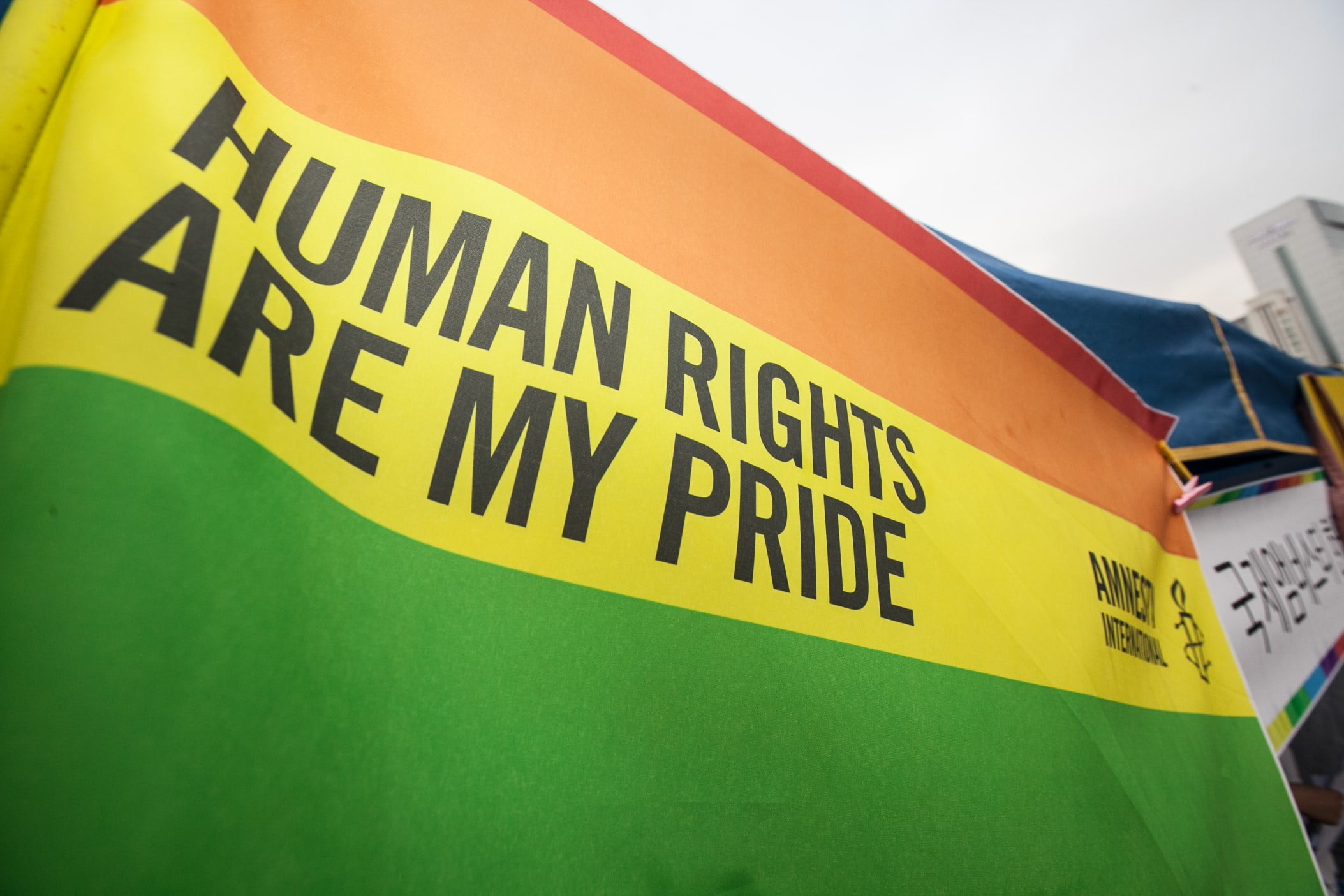
“The introduction of this anti-discrimination bill, combined with existing draft laws on the matter, represents a historic opportunity for South Korea to finally broadcast to the world that violations of the right to equality will no longer be tolerated anywhere in society.


“By passing this legislation, South Korea can outlaw discrimination in all its forms, including against lesbian, gay, bisexual, transgender and intersex people, who have suffered historic and systemic discrimination in the country.


“During military service, LGBTI people suffer stigmatization, harassment, violence and criminalization, while marriage and other legally recognized partnerships continue to be denied to same-sex couples across the country.


“In recent years, South Korea has made great advances in the protection of human rights, yet continues to let down its LGBTI communities and other disadvantaged groups. The National Assembly must finally seize the chance to pass this landmark law and set things right.


“We urge legislators to pass a comprehensive law that fulfils South Korea’s international human rights obligations to protect all people from discrimination, allowing the country to serve as a leading light on equality in the region.”  

Background


Ruling Democratic Party of Korea legislator Park Joo-min introduced a bill on anti-discrimination to South Korea’s National Assembly today, meaning there are now multiple bills on this matter currently under discussion in parliament. If agreed, the bills will be consolidated into a draft law that would be passed as a general anti-discrimination act that covers all areas of South Korean society, including LGBTI people.  


Amnesty International welcomes the introduction of this bill and calls on legislators to ensure the law is truly comprehensive, meaningful and enforceable. Discrimination based on race, ethnicity, nationality, language, class, religion, belief, sex, gender, sexual orientation, gender identity, sex characteristics, marital or other family status, age, health or disability or other status must be outlawed. Furthermore, authorities must establish a mechanism for complaints and an effective redress system for victims of discrimination.


The National Assembly has failed to adopt numerous bills that have been proposed over the last 14 years, including recommendations by the government and the National Human Rights Commission of Korea. This is the tenth time draft legislation on anti-discrimination has been submitted to South Korea’s National Assembly since 2007.
Over a year ago, on 29 June 2020, the Justice Party collaborated with other lawmakers to propose an anti-discrimination bill, yet failed to gain majority support in the National Assembly. In past attempts, the inclusion of provisions outlawing LGBTI discrimination proved especially contentious.


The South Korean Constitution prohibits discrimination, as do international human rights treaties that South Korea has ratified. Yet discrimination, especially against LGBTI people in South Korea, continues to exist in various forms, some of which are institutionalized.


Consensual same-sex activity between adults continues to be criminalized in the military, even though it is not outlawed for the general public. Almost all men undergo military service, spending at least 18 months in an environment where stigmatization or even violence against LGBTI people is institutionalized. Article 92-6 of the nation’s Military Penal Code labels sexual activity between members of the same sex as “sexual harassment”. Anyone caught breaking this law could face up to two years in prison.  


The Covid-19 pandemic has also shed further light on prevailing prejudices against LGBTI people in South Korea. Instances of LGBTI people known to have tested positive for the virus resulted in the media and members of the public making discriminatory and unfounded links between the spread of Covid-19 and sexual orientation or gender identity.
Under international human rights law and standards, governments have a responsibility to respect and protect LGBTI people. This includes the adoption of policies and laws preventing discrimination against them.


The submission of an anti-discrimination bill in South Korea builds on momentum for such legislation in other countries in Asia. A comprehensive anti-discrimination bill is under consideration in the Philippines, while a bill focusing specifically on discrimination against LGBTI people is being discussed in Japan. Meanwhile, Taiwan legalized same-sex marriage in 2019 and Thailand passed the Gender Equality Act in 2015.