Ethiopia: As Mekelle changes hands, civilians remain in urgent need of protection

Commenting after regional forces took control of Mekelle, the regional capital of Tigray, from Ethiopian government forces yesterday, Sarah Jackson, Amnesty International’s Deputy Regional Director for East Africa, the Horn and the Great Lakes, said:

“Amnesty International remains deeply concerned about the safety of civilians in Tigray, who have endured months of fighting and serious human rights abuses, including war crimes, by all sides. As Ethiopian government forces retreat and Tigray regional forces re-establish control, protection of civilians must be paramount.

“We call on all parties to prevent further massacres and war crimes, including by ensuring no reprisal attacks are carried out by their troops or militias allied to them. All parties must ensure unfettered access to humanitarian aid for all civilians, and work to restore full access to communication as there is no access to the internet, print or broadcast media at the moment.”

The Tigray Defence Forces (TDF), the armed forces of the Tigray People’s Liberation Front, regained control of Mekelle, the regional capital of Tigray, on 28 June following months of fighting with the Ethiopian army – the Ethiopian National Defence Forces (ENDF), its allied militias, and troops from Eritrea.

There are fears of reprisal attacks against civilians in Tigray by all sides  – retreating ENDF troops, their allied armed forces and militias in the neighbouring Amhara region and Eritrean forces and the TDF.

Access to information is currently hindered by a communication blackout, with no internet service, newspapers, radio or television broadcasts in the region.

New quarantine facilities welcome – now bring #StrandedAussies home

Responding to the announcement today that the Federal Government is proposing three additional quarantine facilities, Amnesty International Campaigner Joel MacKay said:

“We welcome the announcement of the proposed new quarantine facilities which will mean an extra 2,500 extra places for #StrandedAussies to come home.

“Amnesty International Australia has been consistently calling for an expanded federal quarantine system, including in our November 2020 report, Stories of the Stranded Aussies, and we welcome this development. More than 12,000 people have taken action, calling on the Prime Minister to turbo-charge his plan to bring #StrandedAussies home.

“All of the issues with the quarantine process to date have been because the facilities havenot been fit for purpose – an investment in dedicated facilities means we will be able to get more Australians home sooner.

There are approximately 35,128 Australians stranded around the world. Of those, 4,260 are identified as vulnerable by the Department of Foreign Affairs and Trade. Australians are most likely to be stranded in India, the United Kingdom, the United States, the Philippines and Thailand.

“Even with three new facilities, the current waiting list for #StrandedAussies remains at many, many months and it is only going to get longer. Many are stuck in dangerous conditions, including in countries where second and third waves of COVID-19 are hitting, and need to come home as soon as possible,” MacKay said.

“We saw the Prime Minister last week visiting the graves of his ancestors in the UK, it would be wonderful if he could expedite the new facilities so all the #StrandedAussies can return to see their living relatives.”

Charities Condemn New Federal Laws That Threaten To Shut Them Down

An alliance of Australia’s most well-established and respected charities, including Anglicare, UnitingCare Australia, Baptist Care Australia, St Vincent de Paul Society National Council of Australia, Save the Children, Oxfam, Amnesty, Fred Hollows Foundation, Caritas Australia, WWF and People with Disability Australia has today condemned new Morrison Government regulations that will target and potentially shut them down for advocating on behalf of their communities on matters of public interest, and called for the laws to be immediately withdrawn.

Amendments to the Australian Charities and Not-for-profit Commission (ACNC) Regulations tabled by the government in the Senate give the Charities Commissioner discretion to de-register a charity for the most minor of offences – for example, if a staff member blocks a footpath at a public vigil. Under the new laws, charities could even be de-registered for speaking or tweeting in support of a public demonstration, or if others use their materials, such as a logo.

The new laws also give the Charities Commissioner extraordinary powers to arbitrarily shut down a charity if he has the subjective belief that a minor offence has occurred, even if no charge has been made, and if he believes it’s likely that a minor offence may occur in the future

To prove compliance with these unreasonable laws, charities’ time and donations will be tied up in burdensome red tape and legal fees, depriving their communities of vital support. 

The Reverend Tim Costello AO, chair of the Community Council for Australia and former CEO of World Vision Australia, said, “Charities have always spoken up for their communities, and have done so freely, openly and honestly. They play a vital role in civil society, holding government to account for policies on key issues affecting the lives of millions.

“These regulations will stifle legitimate advocacy by charities and the voices of the people they represent, including the most vulnerable. They have no parallel in business or any other sector of society. Giving the Charity Commissioner power to shutter a charity for a minor offence by a member is the equivalent of the Electoral Commissioner having discretion to de-register the Liberal Party because a Party member jaywalked.

“The laws are antidemocratic and authoritarian. They must be abandoned.”

Anglicare Australia Executive Director, Kasy Chambers, said, “Charity is not just about helping people in poverty. It’s about creating a country where poverty doesn’t exist. That’s why we need to be able to stand up for the people we work with.

“But these rules are designed to stop organisations like Anglicare Australia from speaking up for our communities by punishing us – and shutting us down for arbitrary reasons. They are not just an attack on charities. They are an attack on democracy. We’re calling on the Government to withdraw these changes – and put an end to these attacks for good.”

Baptist Care Australia Executive Director, Nicole Hornsby, said, “We are concerned that these proposed changes limit the capacity for charities to undertake legitimate and lawful advocacy. The breadth of their application to include such subjective measures as a ‘belief’ that they ‘may’ commit a minor offence is totally unreasonable.”

UnitingCare Australia CEO, Claerwyn Little, said, “it is unclear as to why the Government finds it necessary to introduce these new regulations, when laws already exist to deal with charities that break the law. The new regulations seem to be simply about making it easier for the Government to deregister charities that undertake advocacy, which should be concerning to all Australians.”

St Vincent de Paul Society National Council of Australia CEO, Toby O’Connor, said, “The administrative burden of monitoring all our activities is enormous and not warranted. Unlawful acts are already covered by existing criminal law. These changes increase red-tape for no good reason.”

Save the Children Australia CEO, Paul Ronalds, said: “Advocacy has always been critical for long-lasting change, but the retreat of democracy and increasing political populism worldwide means the role of charities as global advocates and protectors of human rights has never been more important. The changes the Australian Government is proposing are extremely concerning because they threaten to undermine our most effective tool for achieving impact for the world’s most vulnerable children and their families.” 

Amnesty International National Director, Sam Klintworth, said: “It’s chilling to think that if one of our hundreds of thousands of supporters were to be found guilty of a minor civil disobedience offence at a protest for example, that Amnesty International Australia’s existence could be in jeopardy, because that’s exactly the kind of scenario this legislation would allow.

“Organisations like Amnesty exist to hold authorities accountable, and if we’re not able to do the job our supporters want us to, then that augurs very badly for the human rights of everyone in this country.”

WWF-Australia CEO, Dermot O’Gorman, said: “This tumultuous period has taught us that in a crisis we are all in this together. Australian charities are doing vital work to care for communities and protect the environment in the face of enormous threats, from climate change to devastating bushfires to the biodiversity extinction crisis. These regulations are ill-conceived, adding unnecessary red tape and making this work more difficult. We urge the Government to reconsider.”

Caritas Australia CEO, Kirsty Robertson, said, “Our supporters expect us to speak up when we see injustice affecting communities in Australia and overseas. These regulations will effectively silence Caritas Australia and our supporters from doing this – how can that be healthy for democracy in Australia?”

Oxfam Australia Chief Executive, Lyn Morgain, said: “Oxfam is deeply concerned about the damage these new regulations could do to our sector and the communities we work to support. There is zero evidence that these new regulations are necessary – with adequate protections against things like fraud already in place.

“If passed, this legislation would mean extra administrative costs for already stretched not-for-profits, which will mean less money to do the work our supporters want us to do and a reduced impact in creating positive social change. We urge Senators to consider the very real impact of this legislation on their own constituents and to act in their best interests.”

Fred Hollows Foundation CEO, Ian Wishart, said: “Fred Hollows was well known for speaking out and demanding action from our political leaders. It’s a key role of charities to advocate for those who don’t have a voice. These laws limit the ability of charities to raise important issues and hold people in power to account.”People with Disability Australia CEO, Sebastian Zagarella, said: “These proposed laws must not pass. Advocating for people is at the core of what we do and we should not have to be afraid our charity will be deregistered for advocating for people with disability”.

Access to child care is a human right

By Emma Slee, Amnesty International Australia Intern

Childcare is back in the news. While in the process of introducing a $1.7 billion childcare package announced in the latest Federal budget, the Australian government remains mired in debate around the place of childcare in modern families. 

On 22 June, the Coalition party room meeting descended into chaos when discussing the merit of benefits under the proposed childcare funding boost. An explosive comment from one male MP described working women as “outsourcing parenting” by enlisting the help of child-care services. 

This debate distracts from a crucial point: access to child care is a human right. Rather than villainising women in the workforce or denigrating the unpaid labour undertaken in the domestic sphere, the conversation around child care should frame the service as a crucial entitlement for families. As such, it should be protected and defended by the government in accordance with their international human rights obligations.

International standards

A range of international human rights standards recognise the importance of child care for both parents and children, including the Convention on the Rights of the Child, the Convention on the Elimination of All Forms of Discrimination Against Women, and the International Covenant on Economic, Social and Cultural Rights.

The Convention on the Rights of the Child references childcare in Article 13, which dictates that all states must “take all appropriate measures to ensure that children of working parents have the right to benefit from child-care services and facilities for which they are eligible.” The International Covenant on Economic, Social and Cultural Rights demands the “widest possible protection and assistance” to be provided for families, by virtue of their care-taking role over children. These conventions frame child-care as a right for the benefit of children with working parents, ensuring their safe development and well-being.

Other agreements explicitly outline child-care as a right to ensure women’s freedom from discrimination and freedom to participate in public life. The Convention on the Elimination of All Forms of Discrimination Against Women extends this idea to encourage a network of child-care facilities, enabling “parents to combine family obligations with work responsibilities and participation in public life”.

Children’s rights and access to childcare

The provision of affordable, accessible, and high-quality child care is crucial in ensuring the full rights of children. Children, as rights holders, are entitled to education and conditions to best serve the development of their “personality, talents and mental and physical abilities to their fullest potential”.

Quality play-based learning in the early years of a child’s development is crucial to their flourishing in later years. Restricting access to such learning based on financial need denies children the equal opportunity to thrive as they grow.

Women’s inequality and access to childcare

While international law posits that men and women have equal responsibility over the care of their children, the reality faced by Australian women today does not quite reflect this premise. A study conducted by the Workplace Gender Equality Agency (WGEA) confirms that, on average, women spend a substantially longer amount of time engaging with unpaid care work compared to men, spending one hour and 48 minutes to every one hour of men’s unpaid care work. 

This imbalance hinders women’s ability to participate fully in paid employment, contributing to the significant gender pay gap. Bolstering the affordability and quality of child care can help re-balance this dynamic by allowing more women the option to re-enter the workforce upon having children. This can help combat the crippling effects of economic insecurity, and feed into progress regarding discrimination against women in the workplace.

Financial dependence is often cited in cases of domestic abuse as playing a significant role in restricting the freedoms and rights women are entitled to as human beings. Restricting available care arrangements through insufficient or prohibitively expensive child care services helps perpetuate the vulnerability of women to violence and exploitation, and can result in women staying in abusive relationships for fear of economic insecurity.

Just as women bear the majority of unpaid care responsibilities, so too do they face the most economic insecurity, social isolation, and vulnerability as a result of expensive, insufficient, or inaccessible child care. 

To protect the human rights of women, children and the broader community, child care must be resourced and accessible.

Hong Kong: Apple Daily closure is dark day for press freedom

Responding to the closure of Hong Kong newspaper Apple Daily following the freezing of its assets by national security police and the arrest of managers and staff on charges of “endangering national security”, Amnesty International’s Asia-Pacific Regional Director Yamini Mishra said:

“The forced closure of Apple Daily is the blackest day for media freedom in Hong Kong’s recent history. The paper has been effectively banned by the government for publishing articles that criticized it and for reporting on international discussions about Hong Kong. This is an unacceptable attack on freedom of expression.

“The arrests of Apple Daily staff, seizing of journalistic materials and freezing of its assets will send a shiver down the spine of all media outlets operating in Hong Kong. It is also deeply alarming for the readers whose media consumption is now effectively being curbed by the authorities – just as it is for people in mainland China.

“The fact that the authorities are using the national security law to enable this crackdown highlights the deeply repressive nature of the legislation.”

BACKGROUND

Apple Daily, an outspoken Hong Kong media organization founded by Jimmy Lai in 1995, said on Wednesday that it was ceasing operations.

The announcement followed the arrests of six of the newspaper’s staff and executives in the past week.

Five of the arrests took place on 17 June, when its premises were also raided by 500 police officers who took away computers and documents, including some containing journalistic materials.

According to a Hong Kong Police spokesperson, the newspaper executives were arrested for their role in the publication of more than 30 articles that called on foreign countries to impose sanctions.

All were charged with “colluding with a foreign country or with external elements to endanger national security” under Hong Kong’s National Security Law.

Earlier today, police also arrested Apple Daily’s China Beat editorial writer Yeung Ching-kee (also known as Li Ping) and charged him with “conspiracy to collude with foreign forces”.

Jimmy Lai was arrested and charged under the National Security Law in August 2020 on the same day as a previous police raid on Apple Daily’s offices.

Last week, authorities froze HK$18 million (US$2.32 million) of assets owned by companies linked to Apple Daily – leaving it unable to pay staff and forcing its closure.

Israeli police targeted Palestinians with discriminatory arrests, torture and unlawful force

Sweeping arrests targeting Palestinian activists

Unlawful use of force against Palestinian protesters

Torture of Palestinian detainees

Failure to protect Palestinians from planned attacks by groups of Jewish supremacists

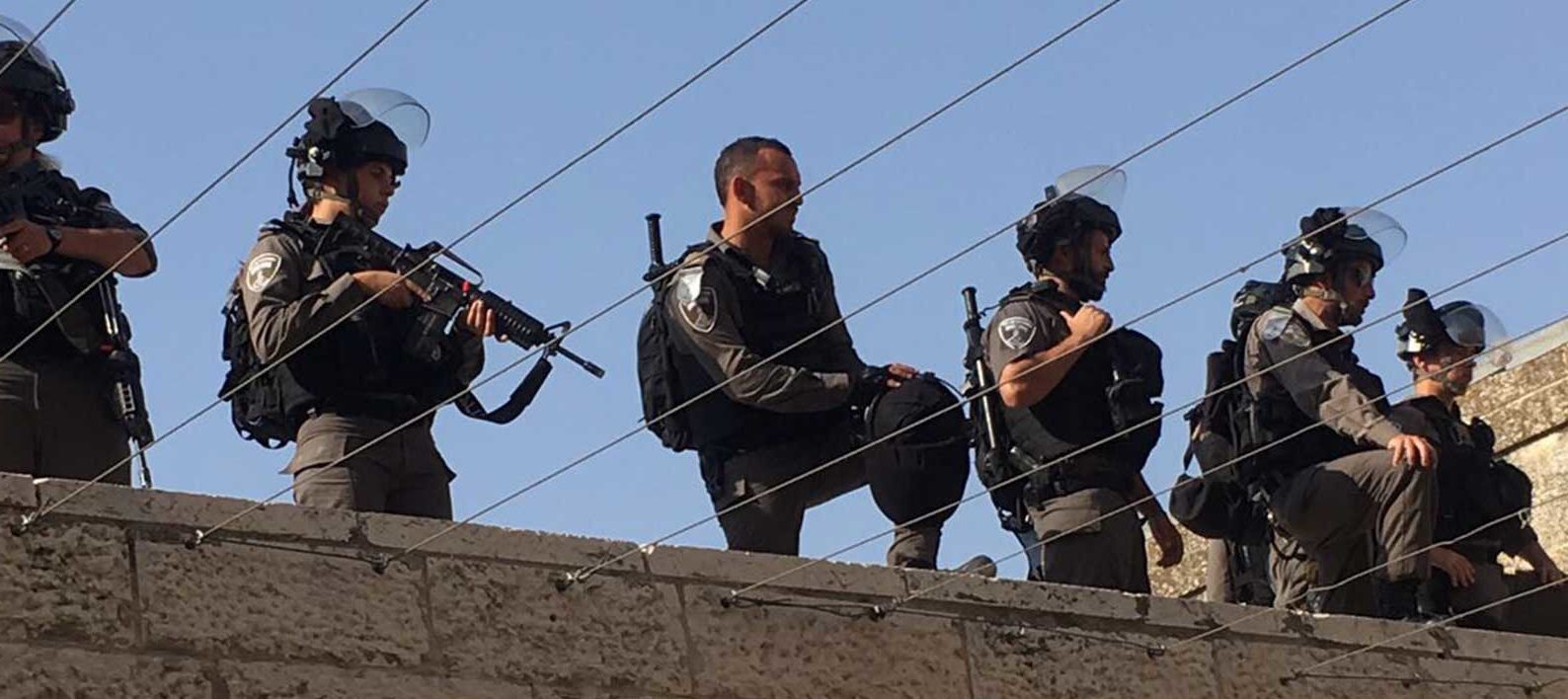
Israeli police have committed a catalogue of violations against Palestinians in Israel and occupied East Jerusalem, carrying out a discriminatory repressive campaign including sweeping mass arrests, using unlawful force against peaceful protesters, and subjecting detainees to torture and other ill-treatment, during and after the armed hostilities in Israel and Gaza , Amnesty International said today.

Israeli police have also failed to protect Palestinian citizens of Israel from premeditated attacks by groups of armed Jewish supremacists, even when plans were publicised in advance and police knew or should have known of them.

“The evidence gathered by Amnesty International paints a damning picture of discrimination and ruthless excessive force by Israeli police against Palestinians in Israel and in occupied East Jerusalem,” said Saleh Higazi, Deputy Director for the Middle East and North Africa at Amnesty International.

“Police have an obligation to protect all people under Israel’s control, whether they are Jewish or Palestinian. Instead, the vast majority arrested in the police crackdown following the outbreak of intercommunal violence were Palestinian. The few Jewish citizens of Israel arrested were dealt with more leniently. Jewish supremacists also continue to organise demonstrations while Palestinians face repression.”

Amnesty International researchers spoke to 11 witnesses and its Crisis Evidence Lab verified 45 videos and other forms of digital media to document more than 20 cases of Israeli police violations between 9 May and 12 June 2021. Hundreds of Palestinians have been injured in the crackdown and a 17-year-old boy was shot dead.

Discriminatory crackdown

From 10 May as demonstrations spread to towns with Palestinian populations inside Israel intercommunal violence broke out. Scores were injured, and two Jewish citizens of Israel and one Palestinian citizen were killed. Synagogues and Muslim cemeteries were vandalised. In Haifa 90 cars owned by Palestinians were destroyed on 13 May and rocks were thrown at Palestinians in their homes. In East Jerusalem Israeli settlers continued to violently harass Palestinian residents.

In response on 24 May, Israeli authorities launched “Operation Law and Order” primarily targeting Palestinian protesters. Israeli media said the operation aimed to “settle scores” with those involved and to “deter” further demonstrations.  

According to Mossawa, a Palestinian human rights group, by 10 June, police arrested more than 2,150 people – more than 90% of them Palestinian citizens of Israel or residents of East Jerusalem. The group also said 184 indictments were filed against 285 defendants. According to Adalah, another human rights group, a representative of the State Attorney’s Office said on 27 May that only 30 Jewish citizens of Israel were among those indicted.

Most Palestinians arrested were detained for offences such as “insulting or assaulting a police officer” or “taking part in an illegal gathering” rather than for violent attacks on people or property, according to the Follow-Up Committee for Arab Citizens of Israel.

“This discriminatory crackdown was orchestrated as an act of retaliation and intimidation to crush pro-Palestinian demonstrations and silence those who speak out to condemn Israel’s institutionalized discrimination and systemic oppression of Palestinians,” said Saleh Higazi.

Unlawful use of force against demonstrators

Amnesty International has documented unnecessary and excessive force used by Israeli police to disperse Palestinian protests against forced evictions in East Jerusalem as well as against the Gaza offensive. The protests were mostly peaceful though a minority attacked police property and threw stones. In contrast, Jewish supremacists continue to organise demonstrations freely. On 15 June thousands of Jewish settlers and supremacists marched provocatively through Palestinian neighbourhoods of East Jerusalem.

Witness accounts and verified videos confirm that at a 9 May protest in the German Colony neighbourhood of Haifa, northern Israel, a group of around 50 protesters were peacefully protesting when armed police attacked them, unprovoked, beating some of them.   

On 12 May Muhammad Mahmoud Kiwan, a 17-year-old boy, was shot in the head near Umm el-Fahem, northern Israel, and died a week later. Eyewitnesses said he was sitting in a car near a protest when Israeli police shot him. The police dispute the claim and said they were investigating.   

On the same day, police officers violently dispersed a peaceful protest of around 40 people in St Mary’s Well Square in Nazareth, northern Israel, without warning, physically assaulting protesters.

“Israeli police should be protecting the right to freedom of assembly, not launching attacks against peaceful demonstrators. The UN Human Rights Council’s Commission of Inquiry set up in May 2021 must investigate the alarming pattern of violations by Israeli police,” said Saleh Higazi.

Israeli police have also used unlawful force in occupied East Jerusalem. On 18 May police shot 15-year-old Jana Kiswani in the back as she entered her home in Sheikh Jarrah. A protest had taken place a few hours earlier in front of their house. Her father, Muhammad, told Amnesty International that her vertebrae were shattered and that doctors do not know if she will walk again. Verified video footage shows Jana Kiswani falling to the ground as she is shot from behind. Another verified video shows an Israeli police officer casually firing a Stand Alone IWI GL 40 grenade launcher at a person off-screen, followed by screaming.  

Police violence, torture and other ill-treatment

Ibrahim Souri was shot in the face by Israeli police officers while using his mobile phone to film police patrolling the street from the balcony of his home in Jaffa, south of Tel Aviv, on 12 May.

In a verified video, one of the police officers is heard saying: “What is he holding?” Ibrahim Souri shouts in response: “I’m filming, isn’t that permitted? Shoot, it’s all recorded.” He later told Amnesty International: “I did not imagine that they would actually shoot. I thought I had rights, and that I was safe, in a democratic country.” Photographs reviewed by Amnesty International’s forensic pathologist and medical reports indicate he was most likely hit by a 40mm KIP, fracturing his facial bones.

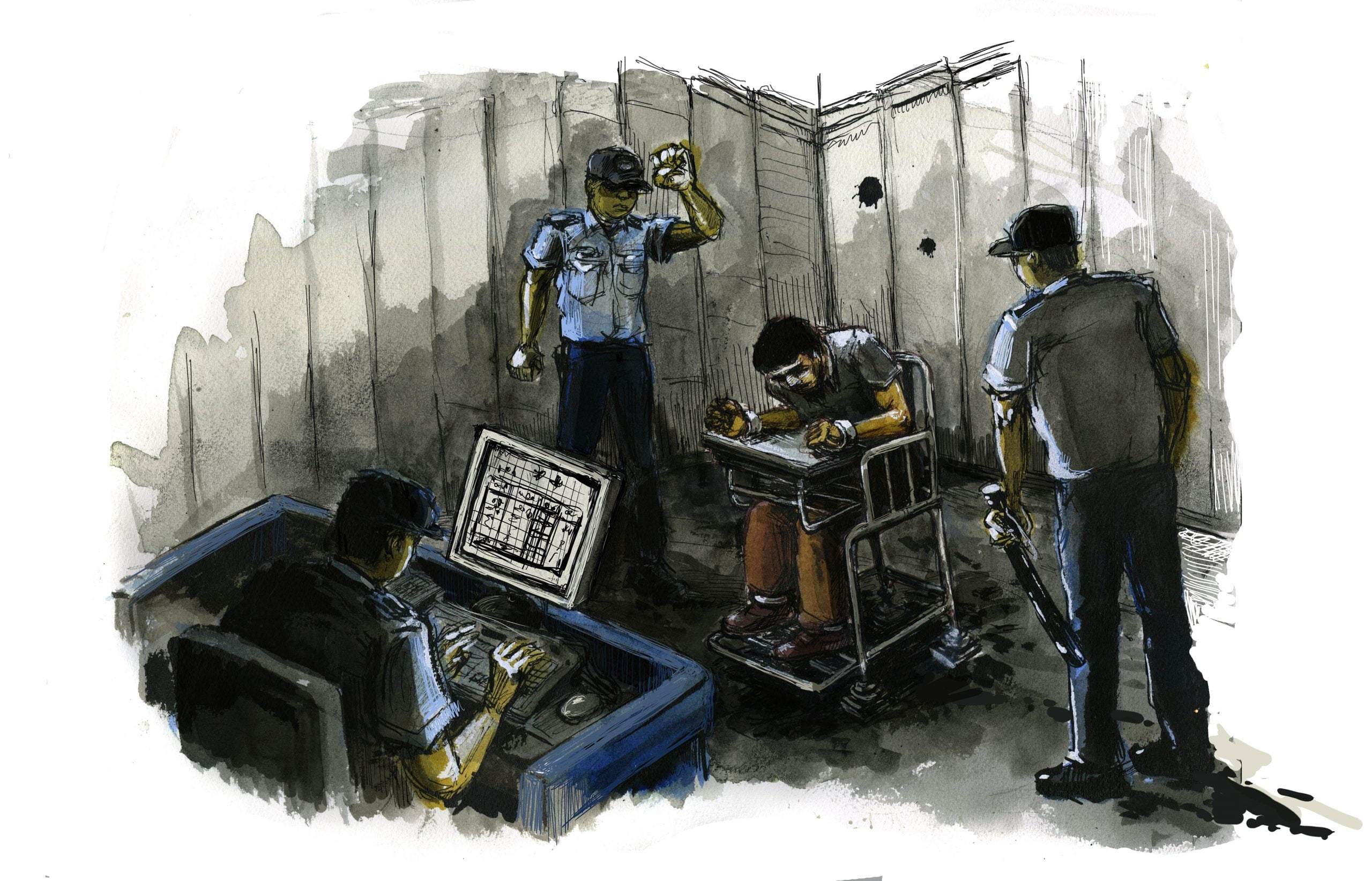
Amnesty International also documented torture at the Russian Compound (Moskobiya) police station in Nazareth on 12 May. An eyewitness said they saw special forces beating a group of at least eight bound detainees who had been arrested at a protest:

“It was like a brutal prisoner of war camp. The officers were hitting the young men with broomsticks and kicking them with steel-capped boots. Four of them had to be taken away by ambulance, and one had a broken arm,” he said.

The lawyer of Ziyad Taha another protester detained at Kishon detention centre near Haifa on 14 May, said his client was tied by his wrists and ankles to a chair and deprived of sleep for nine days.

Failure to protect Palestinians from Jewish supremacist attacks

Police also failed to protect Palestinians from organized attacks by groups of armed Jewish supremacists, whose plans were often publicized in advance. 

Amnesty International verified 29u text and audio messages from open Telegram channels and WhatsApp, revealing how the apps were used to recruit armed men and organize attacks on Palestinians in cities with Jewish and Arab populations, such as Haifa, Acre, Nazareth, and Lod between 10 and 21 May.                                 

Messages included instructions on where and when to gather, types of weaponry to use and even clothing to wear to avoid confusing Jews of Middle Eastern heritage with Palestinian Arabs. Group members shared selfies posing with guns and messages such as: “Tonight we are not Jews, we are Nazis”.

On 12 May, hundreds of Jewish supremacists gathered on the Bat Yam Promenade, central Israel in response to messages received from political party Jewish Power and other groups. Verified video footage shows scores of activists attacking Arab-owned businesses and encouraging attackers. One of those beaten was Said Musa who was also run over with a scooter by Jewish attackers. Only six Israelis are facing prosecution over the attack.

Politicians and government officials have also incited violence. On 11 May riots broke out after Itamar Ben-Gvir, parliamentary representative for the Jewish Power party, rallied supporters to come to Lod and other towns and called for stone-throwers to be shot.

A day earlier, Musa Hassuna was shot dead by a Jewish citizen of Israel in Lod during intercommunal violence. A video shows him being shot while he was near a group of Palestinians throwing rocks. His father blamed the town’s mayor, Yair Revivo, for “calling up extremists to do this thuggery” in reference to a statement in which the mayor described events in Lod as a pogrom on Jews. Four suspects were arrested over the killing but released on bail three days later. Israel’s Minister for Public Security, Amir Ohana openly condemned the arrests, calling them “terrible”.

In an illustration of discrimination, Kamal al-Khatib, deputy leader of the Northern Islamist Movement, was arrested on 14 May and charged with incitement to violence and supporting a terrorist organization over public comments in which he expressed pride at solidarity with people in Gaza and East Jerusalem and said changes to the status of Jerusalem’s holy sites have led to violence between Palestinians and Jews.

“The repeated failure of Israeli police to protect Palestinians from organized attacks by groups of armed Jewish supremacists and lack of accountability for such attacks is shameful and shows the authorities’ disregard for Palestinian life” Molly Malekar, Director of Amnesty Israel.

“The fact that Jewish citizens of Israel, including prominent figures, have been allowed to openly incite violence against Palestinians without being held accountable highlights the extent of institutionalized discrimination faced by Palestinians and the urgent need for protection.”

Iran: Stop imminent execution of young man arrested at 17 and tortured

Responding to the Iranian authorities’ plans on 28 June to execute 20-year-old Hossein Shahbazi, who was convicted of a murder that took place when he was just 17 years old based, in part, on “confessions” obtained through torture, Deputy Regional Director for the Middle East and North Africa at Amnesty International, Diana Eltahawy, said:

“Iran’s authorities must immediately halt the execution of Hossein Shahbazi scheduled for 28 June. Using the death penalty against someone who was a child at the time of the crime is prohibited under international human rights law and violates Iran’s international obligations. Going ahead with this execution would be an abhorrent assault on children’s rights and would make an absolute mockery of justice.

“The Iranian authorities must quash Hossein Shahbazi’s conviction and sentence and grant him a fair retrial in full compliance with the principles of juvenile justice, excluding coerced ‘confessions’ and without resorting to the death penalty. We also call on the international community, including UN bodies and the EU and its member states, to urgently intervene to save this young man’s life.”

Hossein Shahbazi was arrested on 30 December 2018 and sentenced to death on 13 January 2020 after a grossly unfair trial before Branch 3 of Criminal Court One of Fars province. Following his arrest, he was denied access to a lawyer and his family for 11 days while detained and interrogated in the Investigation Unit of Iran’s police (Agahi) in Shiraz, Fars province.

He was transferred to a juvenile detention facility but was denied access to his family for several days, after which he was allowed a visit from his mother. According to sources with knowledge of his case, during this visit, he had bruises on his face and appeared to have lost weight. He is currently imprisoned in Adelabad prison in Shiraz.

He was convicted, in part, based on “confessions” that he said he made after being subjected to torture and other ill-treatment at the Agahi detention centre.

His conviction was upheld by the Supreme Court on 16 June 2020. In the verdict, reviewed by Amnesty International, the judicial authorities acknowledged that he was under 18 at the time of the crime, but stated that he had attained mental growth and maturity, according to an examination carried out by the Legal Medicine Organization, a state forensic institute.

Iran continues to use the death penalty for crimes committed by people under the age of 18, in violation of its obligations under the International Covenant on Civil and Political Rights and the Convention on the Rights of the Child. The authorities executed at least three juvenile offenders in 2020 and scores of others remain on death row. In 2020, Iran carried out at least 246 executions securing the shameful place of second top executioner worldwide.

Cambodia: Assault on environmental defenders escalates as four more charged, facing up to 15 years’ imprisonment

Responding to reports that that four environmental activists affiliated with Mother Nature Cambodia – Sun Ratha, Ly Chandaravuth, Yim Leanghy and Alejandro Gonzalez-Davidson – face up to 15 years in prison after being charged with “plotting” and “insulting the King” (lèse majesté), Ming Yu Hah, Amnesty International’s Deputy Regional Director for Campaigns, said:

“These outrageous charges are a blatant attempt to silence and intimidate not only Mother Nature Cambodia, but an entire generation of Cambodian youth who have dared to stand up for human rights and environmental justice. These charges should be dropped immediately and Sun Ratha, Ly Chandaravuth and Yim Leanghy should be released immediately and unconditionally.

“The severity of these charges marks a serious escalation in the Cambodian authorities’ repressive tactics against environmental defenders and critical voices. It is unconscionable that such serious charges have been laid against these activists in retaliation for their peaceful efforts to defend Cambodia’s natural resources.

“It is alarming that the authorities appear to be engaging in unlawful surveillance of environmental activists in order to concoct evidence of far-fetched conspiracies. Time and time again the Cambodian government has characterized critics of the government as rebels and conspirators, and painted peaceful activism as a crime.

“These charges are just the latest chapter in the authorities’ relentless assault on youth activists and environmental defenders. Mother Nature Cambodia activists continue to face the wrath of the government because they have consistently shone a light on the widespread corruption which so often facilitates and enables environmental destruction in Cambodia.

“Instead of targeting brave young environmentalists, the authorities should prosecute the government officials, military officers and well-connected business actors who are often complicit in the destruction of Cambodia’s forests, mangroves and coastlines.”

Background:

The activists face up to 15 years in prison after being charged with “plotting” and “insulting the King” (lèse majesté) under Articles 453 and 437(bis) respectively of Cambodia’s Criminal Code.

Sun Ratha and Ly Chandaravuth, along with another environmental activist named Seth Chhivlimeng, were arrested at approximately 10.45am on Wednesday, 16 June while investigating river pollution in the Tonle Sap river in Phnom Penh. On the same morning, Yim Leanghy was arrested after being asked to go to his local police station in Kandal province. Seth Chhivlimeng was later released after being detained for 24 hours.

On Monday 21 June, Phnom Penh Municipal Court Investigating Judge Im Vannak confirmed that Sun Ratha and Yim Leanghy were charged with both “plotting” and “insulting the King”, while Ly Chandaravuth was charged with “plotting” only. Yim Leanghy and Ly Chandaravuth were sent to pre-trial detention in CC1 prison and Sun Ratha was sent to CC2 prison. Alejandro Gonzalez-Davidson was charged with both “plotting” and “insulting the King” in absentia.

Following the arrests, local media quoted a government spokesperson who justified the arrests on the basis that Mother Nature Cambodia “got foreign money to commit rebellious actions to incite [people] to topple the government”.

According to Cambodian human rights group LICADHO, Yim Leanghy is a 32-year-old student who obtained a scholarship to study for a master’s degree at the Royal University of Phnom Penh’s Institute of Foreign Languages. Sun Ratha is a 26-year-old accountant who graduated from the University of Cambodia, where she was also studying on a scholarship. Ly Chandaravuth is a 22-year-old student in his 4th year of studying law at the Royal University of Law and Economics. Alejandro Gonzalez-Davidson, a Spanish national and co-founder of Mother Nature Cambodia, was deported from Cambodia in 2015 and has been refused re-entry since then.

Amnesty International has received credible information that the evidence being used against the activists includes recordings of private Zoom meetings held by Mother Nature Cambodia activists.

Surveillance of private communications is unlawful unless it is grounded in a national law which complies with international human rights law governing the right to privacy. Cambodia’s 2015 Law on Telecommunications permits the Cambodian government to undertake unfettered surveillance of digital communications in the absence of adequate safeguards and oversight, in violation of the right to privacy as guaranteed by international human rights law. The International Covenant on Civil and Political Rights, which Cambodia has ratified, guards against arbitrary and unlawful intrusion of privacy (Article 17). International human rights standards also require that any interference by the state on the right to privacy should be lawful, necessary, proportional, and legitimate.

Mother Nature Cambodia is a prominent campaign group which has won several major environmental victories. Using a combination of community mobilization, direct action and public awareness raising, in 2015 they successfully convinced the Cambodian authorities to drop plans to build a major hydroelectric dam in Cambodia’s Areng Valley, which had gravely threatened local Indigenous communities. In 2016, their work to expose widespread environmental destruction and human rights abuses linked to the mining and export of sand from coastal areas of Cambodia led to yet another major victory – a total export ban on coastal sand announced by the Cambodian government.

Mother Nature Cambodia activists have faced a litany of repression in recent months and years, with many activists arbitrarily charged and imprisoned. The group has been accused of “causing chaos in society” and characterized as “illegal” by Cambodia’s Ministry of Interior because it is not registered under Cambodia’s notorious NGO Law.

On 5 May, the Phnom Penh Municipal Court convicted four activists from Mother Nature Cambodia of “incitement” under Article 495 of the Criminal Code and sentenced them to between 18 and 20 months’ imprisonment. Three of the convicted activists – Long Kunthea (22), Phuon Keoraksmey (19), and Thun Ratha (29) – had been held in pre-trial detention since their arbitrary arrest in September 2020 and remain imprisoned. Alejandro Gonzalez-Davidson was convicted in the same case and sentenced in absentia under the same charges to 20 months in prison.

UN: Growing international concern must translate into concrete action over China’s crimes against humanity in Xinjiang

A statement delivered at the UN Human Rights Council in Geneva by a cross-regional group of 43 states who are “gravely concerned” about China’s serious human rights violations in Xinjiang must pave the way for concrete action, Amnesty International said today, repeating its call for an independent, international investigation into grave human rights violations there.

“This important statement delivered by Canada on behalf of 43 countries is a welcome reflection of growing international concern over evidence of crimes against humanity being committed in Xinjiang. It sends a crucial message to China’s authorities that they are not above international scrutiny,” said Agnès Callamard, Amnesty International’s Secretary General.

“These states must now move beyond handwringing and take real action to address this egregious situation. Human Rights Council members must build on this statement to establish an independent, international investigative mechanism that can pave the way for holding to account those responsible for the human rights violations in Xinjiang. There’s not a moment more to lose.

“When crimes against humanity are committed, the international community has a duty to respond to them resolutely, without fear or favour. Just because a state like China is powerful and goes to great lengths to cow its critics is no reason to shield it from international justice mechanisms.

“Regrettably, some states chose not to join today’s statement; even worse, some chose to use their platform at the Human Rights Council to defend China’s shocking record. This effectively contributes to China’s well-documented efforts to discredit the survivors, victims’ families, and brave activists who speak out at significant personal cost. They must not give in to pressure and should join other states to work to launch an effective international investigation.”

The joint statement at the HRC follows a landmark Amnesty International report published on 10 June, which presented convincing evidence of China’s commission of crimes against humanity in Xinjiang. The statement identified a number of the violations documented in that report, including mass arbitrary detention, widespread surveillance, torture and other ill-treatment and collective repression of religious and ethnic minorities.

The joint statement also expressed grave concern “about the deterioration of fundamental freedoms in Hong Kong under the National Security Law and the human rights situation in Tibet”. In total, 43 countries signed onto the statement, which was a significant jump compared to just 28 that signed onto a similar statement at the Council last June.

The following states signed on ahead of its delivery by Canada: Albania, Australia, Austria, Belgium, Belize, Bosnia and Herzegovina, Bulgaria, Canada, Croatia, Czech Republic, Denmark, Estonia, France, Finland, Germany, Haiti, Honduras, Iceland, Ireland, Israel, Italy, Japan, Latvia, Liechtenstein, Lithuania, Luxembourg, Marshall Islands, Monaco, Netherlands, New Zealand, Norway, Palau, Poland, Portugal, Romania, San Marino, Slovakia, Slovenia, Spain, Sweden, Switzerland, the UK, and the USA.

Background

On 10 June 2021, Amnesty International’s Crisis Response team published the report, ‘Like We Were Enemies in a War’: China’s Mass Internment, Torture, and Persecution of Muslims in Xinjiang.

Based on a 20-month investigation and including dozens of new testimonies from former detainees, the report found that Uyghurs, Kazakhs and other predominantly Muslim ethnic minorities face systematic state-organized mass imprisonment, torture and persecution amounting to crimes against humanity. The report also details the extreme measures taken by Chinese authorities to essentially root out the religious traditions and cultural practices of the region’s Muslim ethnic groups, as well as to cover up the truth of what has been happening in the region.

Amnesty International has also launched a new campaign, featuring the case files of more than 60 missing people believed to be detained in Xinjiang’s internment camps or prisons, calling for the release of all those arbitrarily detained.

Belarus: Medical workers facing brutal reprisals for peaceful protest

Amnesty International Australia has written to Australian Foreign Minister, Marise Payne, on a number of occarions in 2021 regarding the worsening human rights situation in Belarus.

National Director, Sam Klintworth, has this time written about the escalation of the wide scale crackdown on dissent which is now also targeting the medical community. Despite chronic staff shortages in hospitals, dozens of health workers have been dismissed and/or barred from medical employment, while still more have faced threats or prosecution. 

Amnesty International has also released a new briefing: Belarus: Crackdown on medics, “Do you want one of your children to dissapear?.

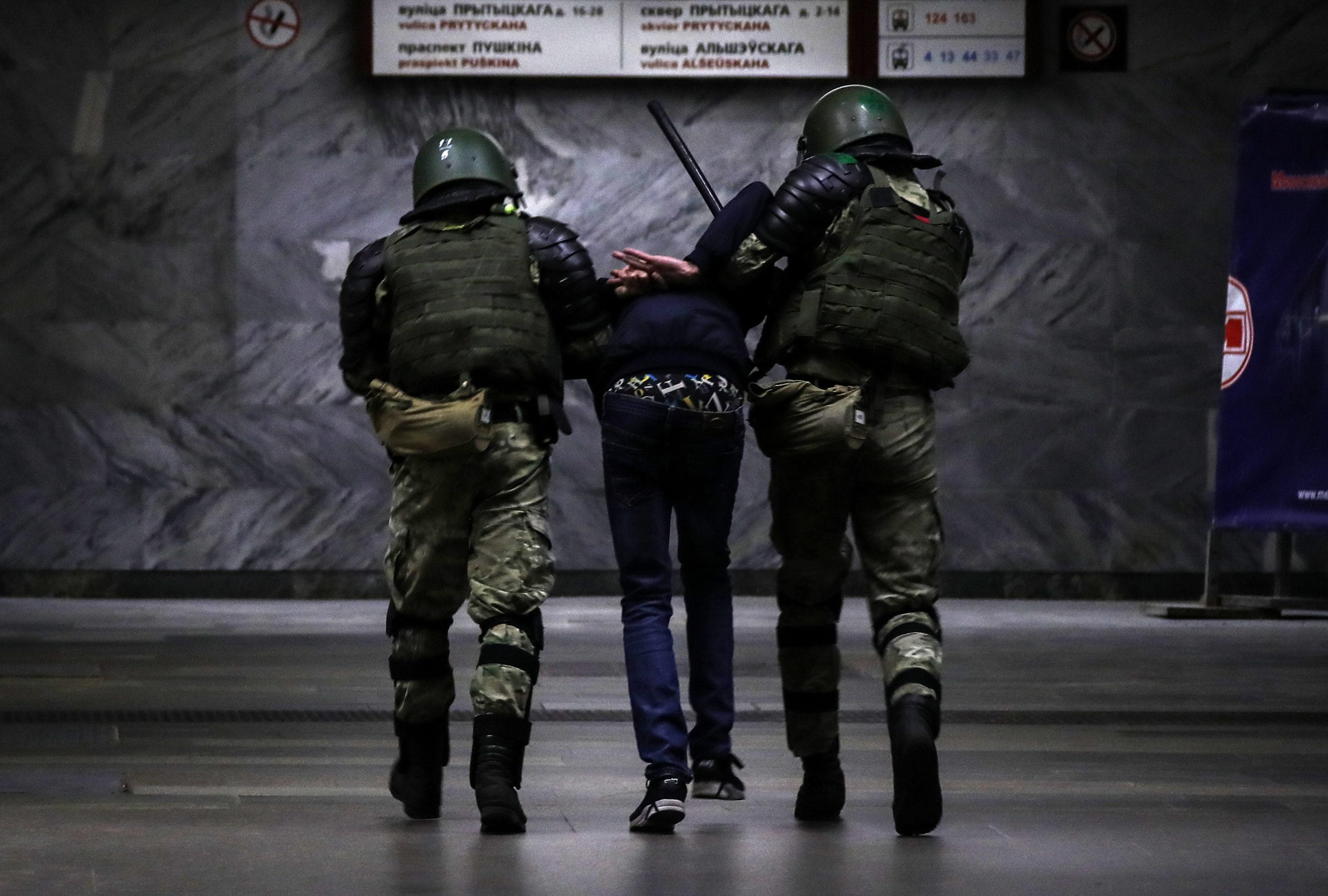
Amnesty International has worked with health workers in Belarus, who have told us of the horrors and brutality they have witnessed inflicted by security forces on peaceful protesters. This brutality has prompted many to join in protest themselves, wearing white robes and treating those who are injured along the way. Several reported being arrested during such peaceful demonstrations, resulting in extended periods of detention and inhumane treatment by police and prison guards. Others who have participated report on their loved ones being threatened, or themselves being dismissed from their position and barred from future work in the medical community.

The international community must not let this gross violation of human rights stand. Amnesty International urges the Australian government to speak up against the escalating crackdown on human rights in Belarus.