Open Letter from Amnesty International Secretary General to ICC Prosecutor Karim Khan

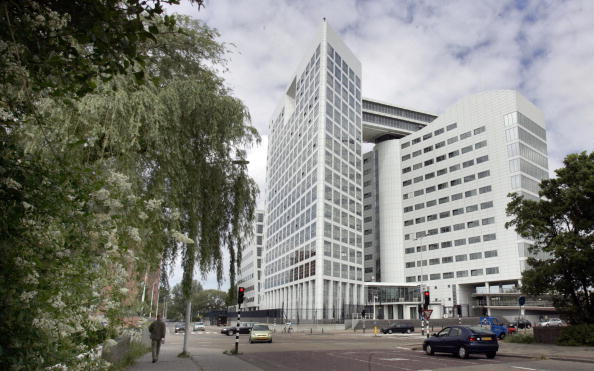
Amnesty International Secretary General Agnes Callamard has written to ICC Prosecutor on the commencement of his term in office.

Amnesty International Australia has written to Australian Foreign Minister, Marise Payne, to urge the Australian government to cooperate and support the ICC wherever possible as Prosecutor Khan serves out his term.

Amnesty International highlights emerging human rights concerns to consider while stressing the importance of ongoing investigations:

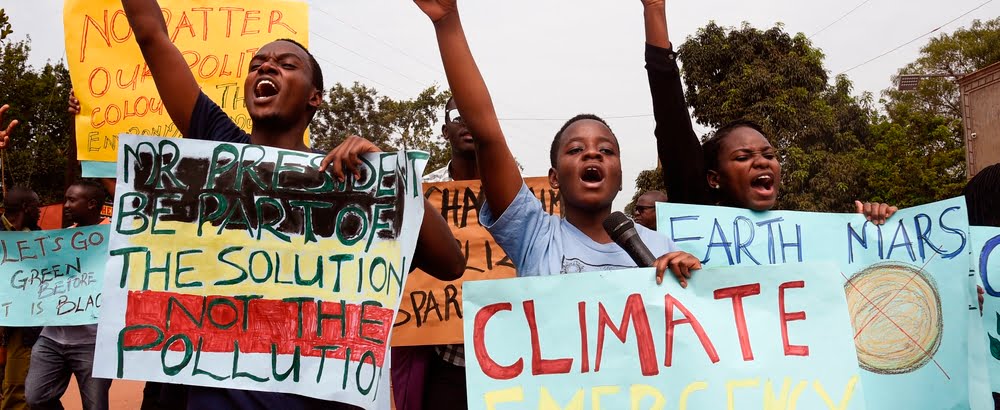
  • Climate crisis: an issue set to exacerbate future conflicts, which must be actively addressed and anticipated.
  • The Philippines, Palestine, and Afghanistan: these areas are all subjects of ongoing investigations that must be continued, as the ICC works towards implementing the necessary accountability mechanisms absent domestically.

Amnesty International also draws attention to several contemporary issues currently neglected by the ICC:

  • Nigeria: no investigation is currently underway concerning the crimes in the country’s north-east, which are being committed with impunity.
  • Ukraine: the situation has been held “in limbo” between a preliminary examination and investigation.
  • Venezuela: a preliminary examination is continuing for an indefinite period, casting into doubt an intent to act in response to several crimes against humanity.
  • Iraq: we encourage reconsidering the decision to not open an investigation in the UK/Iraq.

Hungary: New homophobic and transphobic law is an attack on LGTBQIA+ rights; Australia must speak out

Amnesty International Australia has written to Australian Foreign Minister, Marise Payne, sharing its grave concern about a homophobic and transphobic law adopted in Hungary.

The rights of the LGBTQIA+ community have once again been placed under dire threat in Hungary after the authorities passed a deeply problematic law. This new legislation outlaws education or advertising deemed to “popularise,” or even depict, consensual same-sex conduct or the affirming of one’s gender to children.

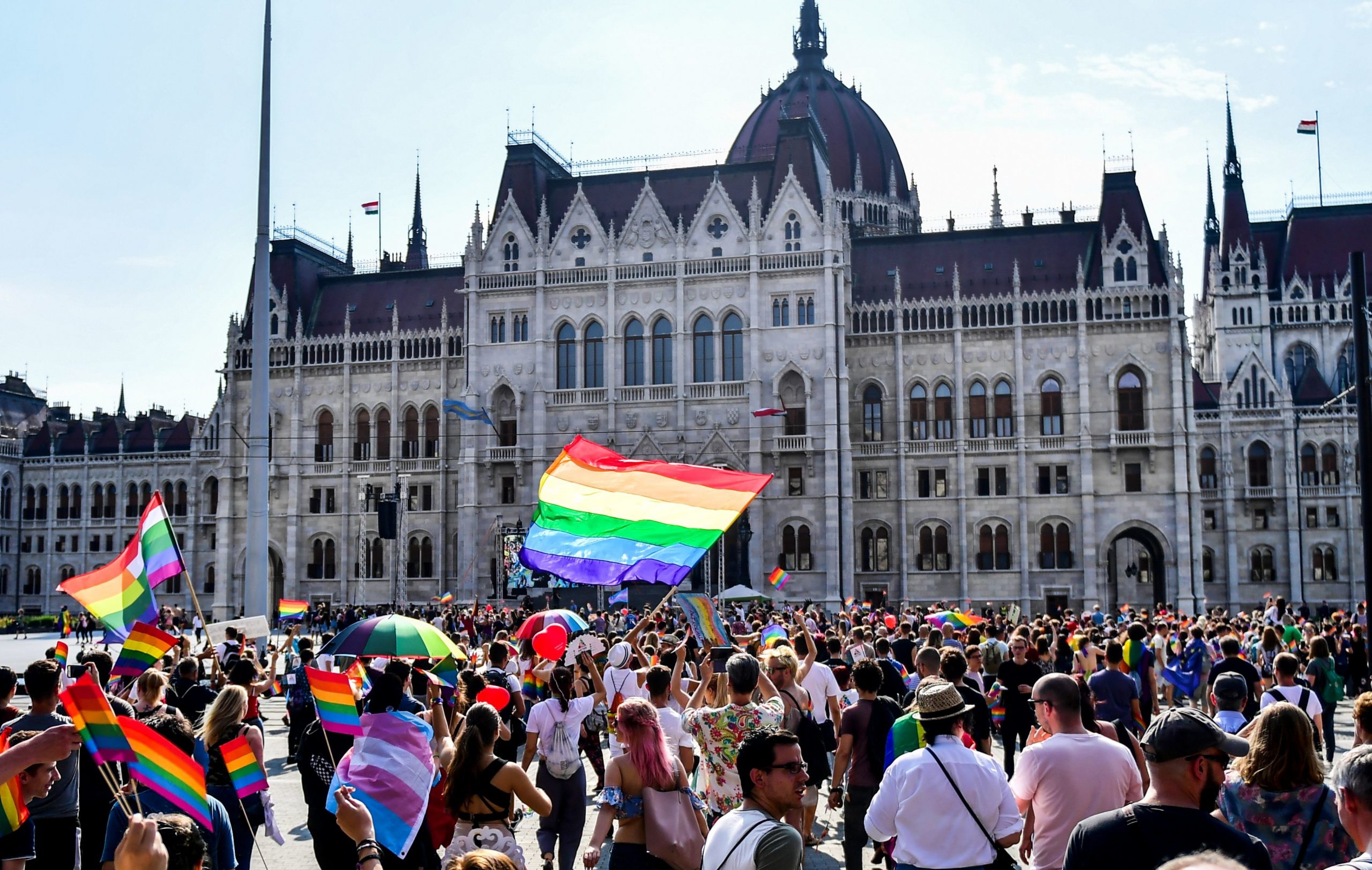
Amnesty International Australia stands in solidarity with the more than 10,000 people who demonstrated in front of the Hungarian Parliament in protest of the new law on Monday 14 June.

This new law is just the most recent of many homophobic laws that the Hungarian government has passed since 2020. Read the letter to the Minister for more information.

There is an opportunity for a light to be shone on this human rights violation at the upcoming European Union General Affairs Meeting on 24 June. Amnesty is calling on the Minister to raise this matter with the Hungarian Ambassador to Australia, and her European counterparts. 

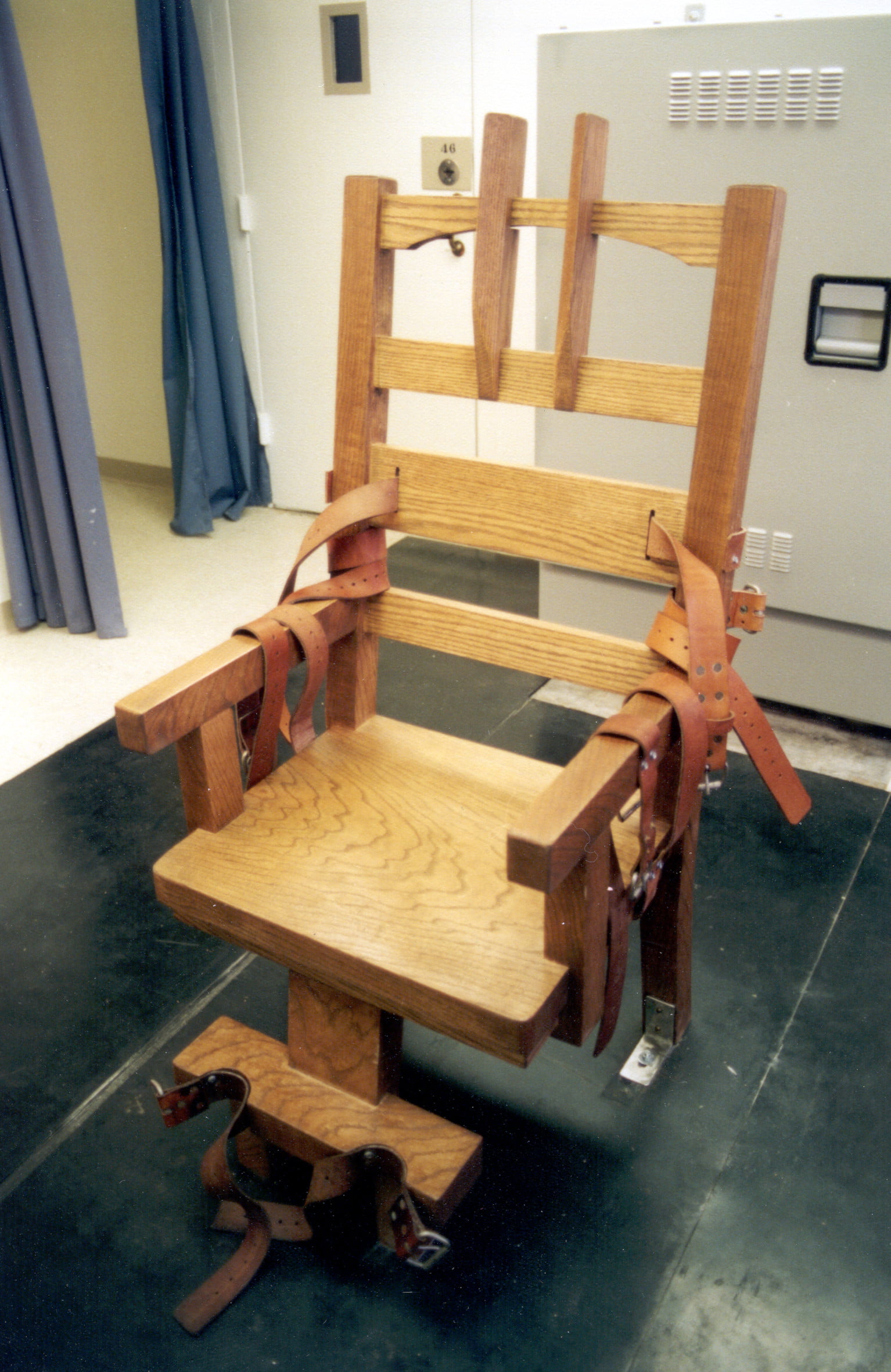
USA: Two men face execution by electric chair in South Carolina

Amnesty International Australia has written to Australian Foreign Minister, Marise Payne, with grave concerns about the upcoming execution of two men in South Carolina, USA.

If carried out, the executions will end a ten-year hiatus in executions in South Carolina, marking a disturbing return to a deeply flawed practice in the state.

These two men are scheduled to be the first victims of South Carolina’s new law facilitating state executions. Governor Henry McMaster revised the state’s death penalty laws on 14 May 2021, making sure executions can still be carried out despite an overwhelming shortage of lethal injection drugs. New legislation directs that, in the case of a drug shortage, the default method of execution will be shifted to the electric chair. In these cases, death row inmates can also elect for death by firing squad. With a firing squad yet to be formed and the state remaining unable to make lethal injection drugs available, death by the 109-year-old electric chair is the only remaining means of execution.

Amnesty International Australia is calling on the Australian government to prioritise the end of the death penalty in the USA in its bilateral and multilateral engagements with the Biden Administration. Whilst President Biden has made commitments to end the death penalty, no obvious progress has been made.

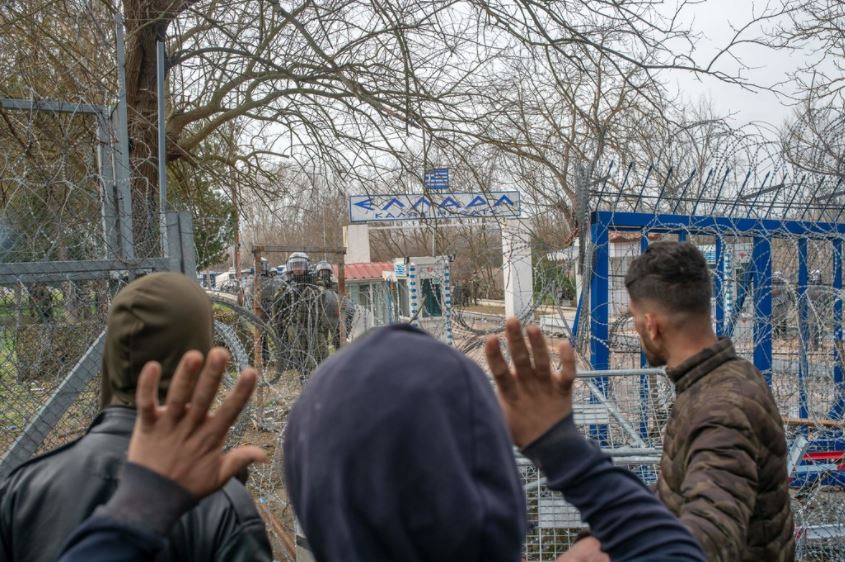
Greece: Pushbacks and violence against refugees and migrants are de facto border policy

Amnesty International has revealed new evidence of torture, ill-treatment and illegal pushbacks of refugees and migrants to Turkey from Greece in a new report: Greece: Violence, lies and pushback.

The report documents how the Greek authorities are conducting illegal pushbacks at land and sea. It focuses primarily on unlawful operations in the Evros region, at the land border between Greece and Turkey.  In February and March 2020, Greece violently pushed back refugees and migrants in response to Turkey’s unilateral opening of the land borders. By documenting incidents that occurred in the aftermath of those events, from June to December 2020, this new research demonstrates that human rights violations at Greece’s borders continue and have become an entrenched practice.

The vast majority of people Amnesty International spoke to in its research reported that they had experienced or witnessed violence from people they described as uniformed Greek officials, as well as men in civilian clothing. This included blows with sticks or truncheons, kicks, punches, slaps, and pushes, sometimes resulting in severe injuries. Men were often subjected to humiliating and aggressive naked searches, sometimes in the sight of women and children.

In most cases, the acts of violence reported violated the international prohibition of inhuman or degrading treatment. Some incidents also amounted to torture, due to their severity and humiliating or punitive intent.

Saif*, a 25-year-old Syrian man pushed back four times in August 2020, told Amnesty International that on his second attempt, the group he was travelling with was ambushed by “soldiers” in black gear and balaclavas and transferred to the banks of the Evros river, which runs across the Greek and Turkish border. Two people in the group tried to escape but were stopped and ruthlessly beaten by one of the soldiers. Saif, who suspected that the man’s spine had been broken, told Amnesty International: “He could not move at all, he could not even move his hands.” According to Saif, after soldiers took the two injured men across the river to Turkey, Turkish soldiers and an ambulance came to assist the injured.

One individual told Amnesty International that during one of the return operations, he and his group were forced off the boat and into the water near an islet in the middle of the Evros river, where they remained stranded for days. A man who was forced off the boat could not swim and screamed for help as he bobbed up and down in the water and was seen to be swept away with the current. 

Pushbacks are not only taking place in border areas. People are also being apprehended and detained far into the Greek mainland before being returned to the Evros region to be illegally returned. Amnesty International spoke to four people who were arbitrarily apprehended and detained in areas of northern Greece and ultimately pushed back to Turkey in larger groups. Among them were a recognized refugee and a registered asylum seeker who had been living in mainland Greece for almost a year.

One of them, Nabil* a 31-year-old Syrian man and registered asylum-seeker in Greece told Amnesty International that he was arrested at the port in the city of Igoumenitsa, in North-western Greece. Police told him that he would be transferred to Athens and released, however he was then transferred to a second detention site closer to the Evros land border, beaten and ultimately pushed back in a group of 70 people, including children. He told Amnesty International: “Before I entered the bus, I showed the police my asylum card, but they took it from me, shredded it, and told me to get into the bus.”

Amnesty International Australia has also written to Australian Foreign Minister Marise Payne, asking her to raise the findings of the report with Greek and Turkish authorities.

‘Band Together’: Refugees join stars from Midnight Oil, Youth Group, Celibate Rifles, and the Australian Chamber Orchestra to mark Refugee Week

The City of Sydney, the Asylum Seekers Centre and Amnesty International Australia are coming together to host ‘Band Together’, an evening of music and conversation marking Refugee Week 2021. 

Speakers include Craig Foster, Rosemary Kariuki and people who have recently received protection in Australia Roaa Ahmed and Mithat Unlu. 

Refugees and artists Farhad Bandesh and Moz Azimi, recently released after almost eight years in detention, will also perform live with rock legends from Midnight Oil, as well as Youth Group, Celibate Rifles, the Australian Chamber Orchestra and more. 

The event is a celebration but also a chance to share the stories of the many people seeking asylum whose lives are still in limbo; offshore and onshore in detention, as well as living in the community with no support from the government.

Farhad and Moz were detained in Papua New Guinea under Australia’s offshore detention regime. Eventually transferred to Australia for medical treatment, both have been released into community detention recently. Because they originally fled to Australia by boat in 2013, the Government will not allow them to settle permanently here. 

Farhad, who has campaigned relentlessly for the rights of refugees in Australia, said: “My songs are protest songs – they are about our human rights and who has the power. When I hear or see what is happening I feel really heartbroken and I thought I had to write songs about this. All we ask for is humanity, for human rights, for decency and kindness.” 

Lord Mayor, Clover Moore, said: “The City supports Refugee Week each year and we encourage everyone to get involved in the many events taking place across Sydney. It is a great opportunity for communities to learn more about and celebrate the talents, skills, contributions, and cultural diversity of people from refugee backgrounds and people seeking asylum.”

Frances Rush OAM, Chief Executive Officer at the Asylum Seekers Centre, said: “People thrive when they are given the appropriate support while they look for work and find their place in our community. In Refugee Week we are going to celebrate the fantastic contribution of refugees and people seeking asylum.”

“However, the ongoing withdrawal of support from the government and long periods of waiting on temporary visas push people to impossible limits. The Sydney community is very generous, but it should not be up to charities to be people’s only option for their basic needs. Our government must provide sufficient support for vulnerable people seeking asylum living in our community including thousands of children.”

Roaa Ahmed and Mithat Unlu are both people who were supported by the Asylum Seekers Centre and now have refugee protection in Australia. Mithat is a business owner and now employs people seeking asylum in his business. Roaa is doing her HSC and has a bright future in media and psychology ahead of her. Roaa and Mithat will be in conversation with Cr Jess Scully. Their stories will highlight the challenges of seeking asylum and the joys of finding a new home.

Amnesty International Australia’s refugee coordinator, Dr Graham Thom, said: “Refugee week offers us the opportunity to celebrate the amazing diversity and talent that refugees bring to the Australian community, but it’s also a time to reflect on our treatment of people who have sought safety and protection. 

“After eight years, refugees like Farhad and Moz have no certainty regarding their futures. With a new Home Affairs Minister, we now have the chance to turn a new page and redeem refugee policy in Australia. The first step to this is officially accepting New Zealand’s resettlement offer to take 150 refugees trapped as a result of Australia’s offshore detention policy each year.” 

‘Band Together’ will commence at 6.30pm AEST on Wednesday 23 June at the Sydney Town Hall. Media passes are available upon request

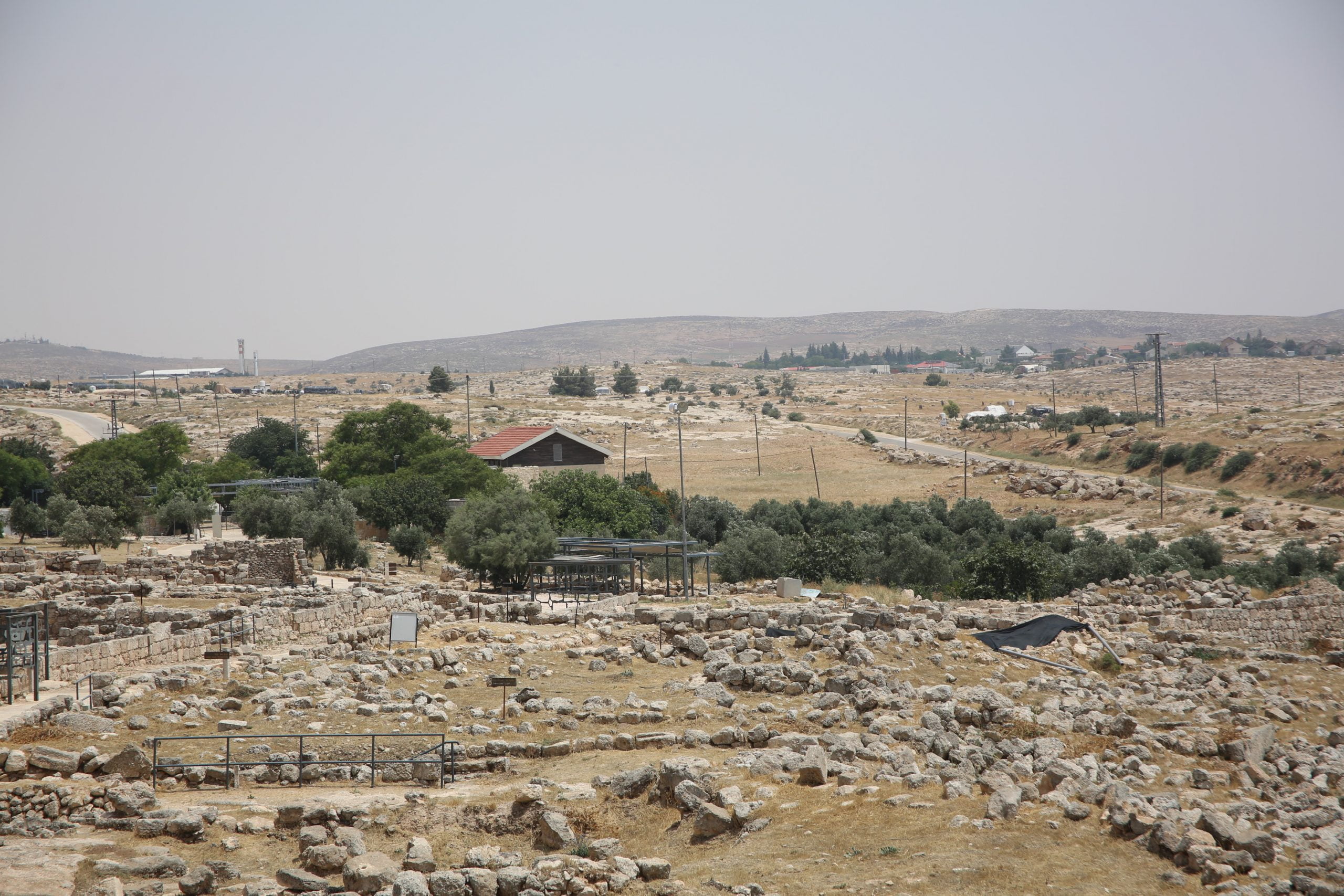
Australia must declare Israeli “annexation” in Occupied Palestinian Territories illegal

Amnesty International Australia has written to the Australian Foreign Minister, Senator Marise Payne, to urge her to publicly reaffirm Australia’s commitment to international law by stating that “annexation”, including that of the West Bank, Occupied Palestinian Territories, is illegal.

On 3 June 2021 during Senate Estimates, Senator Janet Rice asked the Minister to clarify if the Australian government considers the unilateral annexation of territory in the West Bank, Occupied Palestinian Territories (OPT) as ‘illegal’ under international law. Mr Benjamin Hayes, Acting First Assistant Secretary, Middle East and Africa, from the Department of Foreign Affairs and Trade stated that Australia “does not take a position” on the legality of such annexation under international law. Amnesty International Australia holds deep concerns about this ‘non-position’.

‘Annexation’ is acquiring territory by force and, as such, is a flagrant violation of international law. It violates both the Charter of the United Nations and the Geneva Convention, and is contrary to the fundamental rule affirmed many times by the United Nations Security Council and General Assembly that the acquisition of territory by war or force is inadmissible.

Amnesty International has called on the Israeli authorities numerous times to abandon any plans to “annex” territory in the occupied West Bank because they will exacerbate decades of systematic human rights violations against Palestinians and aim to deprive Palestinians in the OPT of the protection of international humanitarian law.

As outlined in the letter to the Minister, Amnesty International is concerned that “annexation” can have serious implications on the human rights of Palestinians.

Australia, and all members of the international community must enforce international law and re-state that “annexation” of any part of the occupied West Bank is null and void. They must also work to immediately stop the construction or expansion of illegal Israeli settlements and related infrastructure in the Occupied Palestinian Territories. This is particularly important in light of the recent appointment of pro-annexation Prime Minister, Neftali Bennett.

Report: China’s Mass Internment, Torture and Persecution of Muslims in Xinjiang

Amnesty International’s latest report Like We Were Enemies In A War is a comprehensive human rights investigation into the crushing repression faced by Uyghurs, Kazakhs and other predominantly Muslim ethnic minorities in China’s Xinjiang Uyghur Autonomous Region.

Based on scores of interviews – 55 of them with former detainees – the investigation since October 2019 found evidence of systematic state-organized mass imprisonment, torture and persecution, amounting to crimes against humanity, among numerous other human rights violations.

Since 2017, under the guise of a campaign against “terrorism”, the government of China has carried out massive and systematic abuses against millions of Muslims living in Xinjiang. The human suffering has been immense. The abuses are ongoing.

Muslims in Xinjiang are not free to practice their religion, they are persecuted because of it; nobody chose to go to an internment camp, they were arbitrarily detained; the camps were not designed to “educate” under any reasonable understanding of the term, they were designed to erase people’s cultural identities.

The world now knows a significant amount about what has been occurring in Xinjiang. Credible documentary, testimonial, and photographic evidence has revealed certain inescapable facts: the human rights violations have been massive in scale, methodically carried out by government officials at all levels throughout Xinjiang, and directed at parts of the population not because of anything unlawful they did but rather because of who they are and because of their beliefs and their culture.

The government of China is responsible to prevent, stop, investigate, and punish any suspected serious violations of international human rights and to ensure reparations to victims. Given the government’s unwillingness to halt its own violations, let alone to conduct impartial and thorough investigations and prosecute those suspected to be criminally responsible, the international community has a duty to take steps to protect human rights, investigate the crimes, and ensure accountability.

It has been four years since the internment camps opened in Xinjiang and the international community has done little to help the affected population. The United Nations has failed to fulfil its responsibilities to the people of Xinjiang. The failure of the UN to take decisive action to address these egregious and well-documented human rights violations, and to hold China to account for its actions, is a stain on the institution’s reputation and a failure on many counts to fulfil clear mandates to address human rights situations of concern on their merits.

By turning a blind eye to the suffering of millions of people in Xinjiang, the UN has effectively contributed to China’s efforts to discredit the survivors and activists who have spoken out at significant personal risk, and to dehumanize the affected population. The UN and its member states must urgently remedy this situation.

Find out more and take action.

China: Draconian repression of Muslims in Xinjiang amounts to crimes against humanity

Uyghurs, Kazakhs and other predominantly Muslim ethnic minorities in China’s Xinjiang Uyghur Autonomous Region face systematic state-organized mass imprisonment, torture and persecution amounting to crimes against humanity, Amnesty International said as it launched a new report and campaign today.

In the 160-page report, ‘Like We Were Enemies in a War’: China’s Mass Internment, Torture, and Persecution of Muslims in Xinjiang, Amnesty International’s Crisis Response team released dozens of new testimonies from former detainees detailing the extreme measures taken by Chinese authorities since 2017 to essentially root out the religious traditions, cultural practices and local languages of the region’s Muslim ethnic groups. Carried out under the guise of fighting “terrorism”, these crimes have targeted ethnic Uyghurs, Kazakhs, Hui, Kyrgyz, Uzbeks and Tajiks.

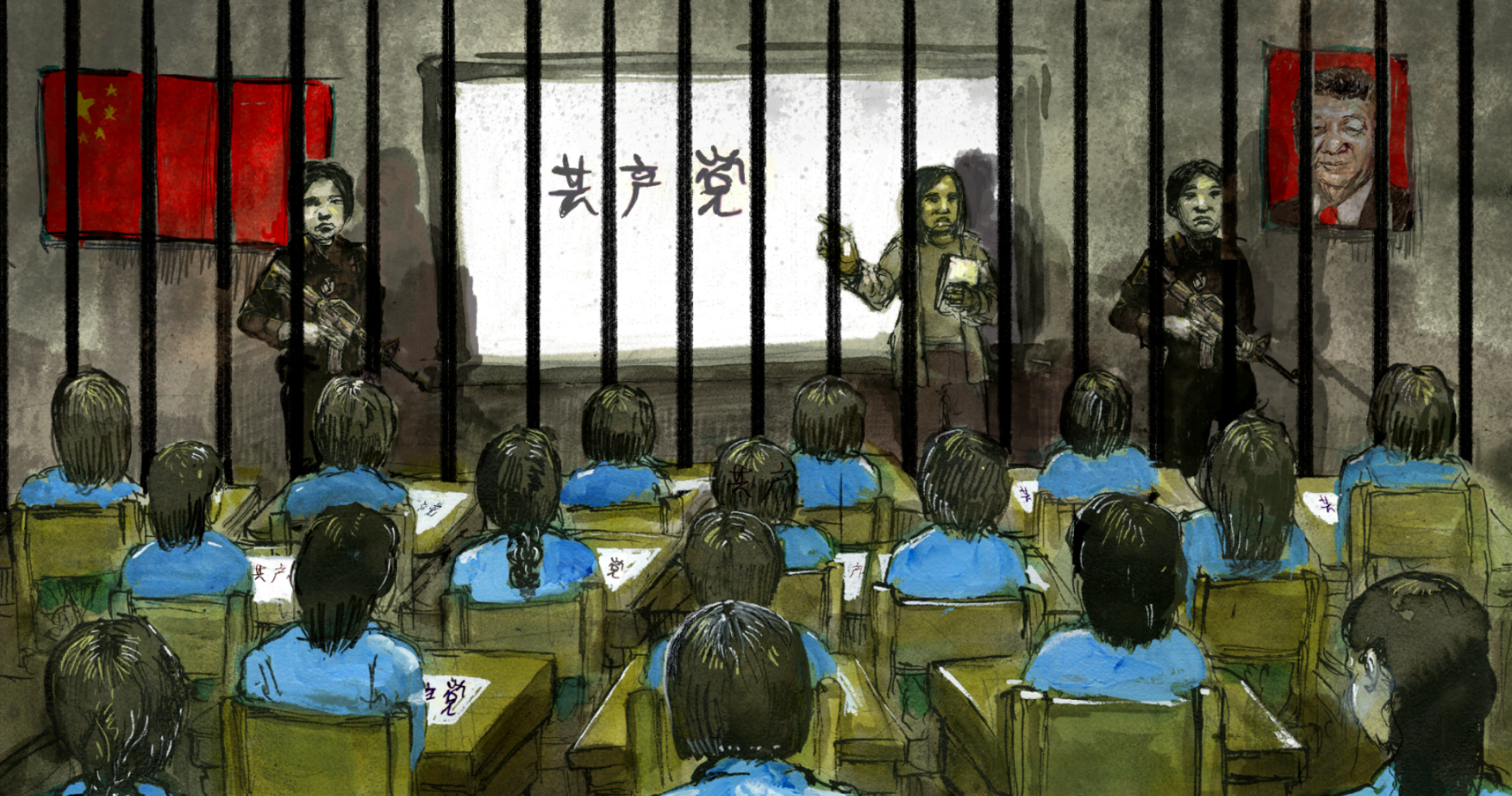
Chinese authorities have built one of the world’s most sophisticated surveillance systems and a vast network of hundreds of grim “transformation-through-education” centres – actually, internment camps – throughout Xinjiang. Torture and other ill-treatment is systematic in the camps and every aspect of daily life is regimented in an effort to forcibly instil a secular, homogeneous Chinese nation and Communist party ideals.

“The Chinese authorities have created a dystopian hellscape on a staggering scale in the Xinjiang Uyghur Autonomous Region,” said Agnès Callamard, Amnesty International’s Secretary General.

“Uyghurs, Kazakhs and other Muslim minorities face crimes against humanity and other serious human rights violations that threaten to erase their religious and cultural identities.

“It should shock the conscience of humanity that massive numbers of people have been subjected to brainwashing, torture and other degrading treatment in internment camps, while millions more live in fear amid a vast surveillance apparatus.”

Mass imprisonment

The report documents how, since early 2017, huge numbers of men and women from predominantly Muslim ethnic minorities in Xinjiang have been arbitrarily detained. They include hundreds of thousands who have been sent to prisons in addition to hundreds of thousands – perhaps even a million or more – who have been sent to internment camps.

All of the more than 50 former detainees Amnesty International interviewed were detained for what appears to be entirely lawful conduct, such as possessing a religious-themed picture or communicating with someone abroad. A government cadre who participated in mass arrests in late 2017 told the organization how police took people from their homes without warning and detained them without any due process.

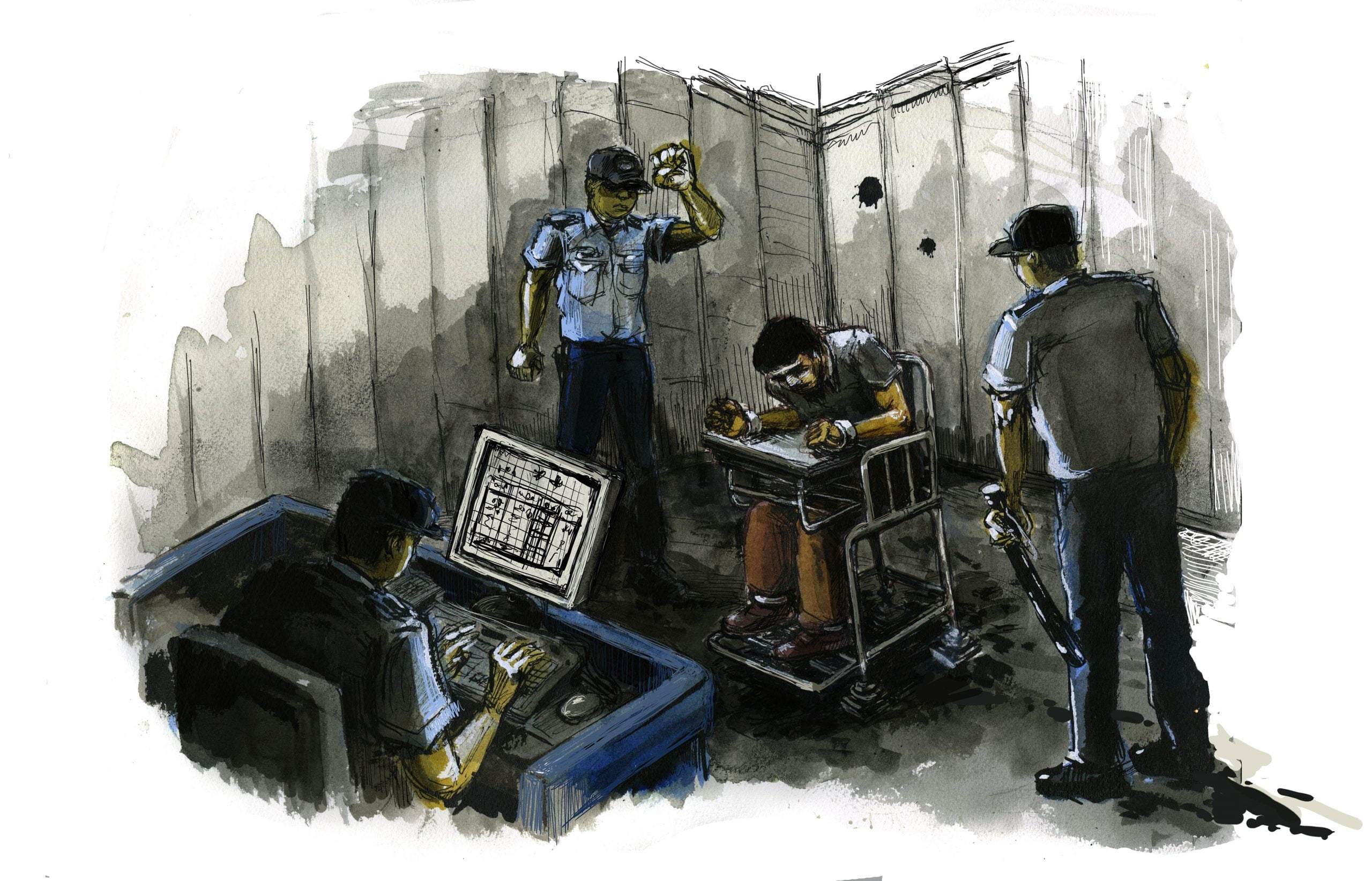
Most survivors who spoke to Amnesty International were first interrogated at police stations, where they had their biometric and medical data recorded before being transferred to a camp. They were often interrogated in “tiger chairs” – steel chairs with affixed leg irons and handcuffs that restrain the body in painful positions. Beatings, sleep deprivation and overcrowding are rampant in the police stations, and detainees reported being hooded and shackled during their interrogation and transfer.

From the moment they entered the prison-like internment camps, detainees’ lives were extraordinarily regimented. They had no privacy or autonomy, and they faced harsh punishments – sometimes collectively with their cellmates – for trivial disobedience. Internees were forbidden to speak freely to each other, and they were severely punished when they responded to prison guards or other officials in their native tongues instead of Mandarin. Every activity in the detainees’ daily routine was preordained and their behaviour was constantly monitored and evaluated.

One woman who was detained for having WhatsApp on her phone said: “[Every day] you get up at 5am and have to make your bed, and it had to be perfect. Then there was a flag-raising ceremony and an ‘oath-taking’. Then you went to the canteen for breakfast. Then to the classroom. Then lunch. Then to the classroom. Then dinner. Then another class. Then bed. Every night two people had to be ‘on duty’ [monitoring the other cellmates] for two hours… There was not a minute left for yourself. You are exhausted.”

In the early weeks or months of internment, detainees are typically forced to either sit still or kneel in the same position in their cell, in complete silence, for most of their waking hours. Following this, they generally undergo forced “education”, where they are indoctrinated to disavow Islam, forgo using their language and other cultural practices, and study Mandarin Chinese language and Chinese Communist Party propaganda.

Other than being escorted under armed guard to and from canteens, classes or interrogation, detainees practically never leave their cells and rarely see sunlight or have outdoor access or exercise.

Systematic torture

Every former detainee Amnesty International interviewed suffered torture or other ill-treatment.

This included the cumulative psychological effect of their daily dehumanization, as well as physical torture in the form of beatings, electric shocks, solitary confinement, deprivation of food, water and sleep, exposure to extreme cold, and the abusive use of restraints, including torture tools like tiger chairs. Some reported being restrained in a tiger chair for 24 hours or more.

An older woman who was punished for defending her cellmate said she was taken to a small, dark, cold and windowless room where she had her hands and feet cuffed and was forced to sit on an iron chair for three days straight.

Two former detainees said they had been forced to wear heavy shackles – in one case for an entire year. Others described being shocked with electric batons or sprayed with pepper spray.

Some detainees reported being tortured multiple times, while others were forced to watch their cellmates being tortured. Amnesty International learned of one case where a detainee is believed to have died as a result of being restrained in a tiger chair, in front of his cellmates, for 72 hours, during which time he urinated and defecated on himself.

Surveillance state

Both inside and outside the camps, Xinjiang’s Muslims are among the most heavily surveilled populations in the world.

For at least several months after being released from a camp, all former internees are under near-constant electronic and in-person surveillance, including invasive “homestays” by government cadres who monitor them and report “suspicious” behaviour. This could be peaceful religious practices, the use of unauthorized communications software (such as VPNs or WhatsApp), or purchasing an “unusual” amount of fuel or electricity.

Freedom of movement for released internees is also heavily restricted, with a massive number of security forces patrolling the streets and operating thousands of checkpoints, euphemistically known as “convenience police stations”.

Religious persecution

Muslims are not free to practice their religion in Xinjiang. Dozens of Muslim men and women told Amnesty International the regional Chinese authorities showed extraordinary hostility towards their Islamic faith. Basic religious and cultural practices have been deemed “extremist” and used as grounds for detention.

As a result, most people have stopped praying or showing any outward signs of observing Islam. This extends to dress, grooming and even speech. “We couldn’t say ‘as-salamu-alaykum’ [a typical greeting in many Islamic cultures meaning “peace be upon you”] …anymore,” one man told Amnesty International. Qur’ans, prayer mats and other religious artifacts have effectively been banned.

Former Chinese government cadres told Amnesty International how they barged into people’s homes to confiscate religious items. “We told them to remove photos [of mosques] and put up [Chinese] flags,” one said.

Those interviewed by Amnesty International described how mosques, shrines, gravesites, and other religious and cultural sites have been systematically demolished or repurposed throughout Xinjiang.

Massive cover-up

The Chinese government has gone to extraordinary lengths to cover up its violations of international human rights law in Xinjiang. Authorities threaten, detain and mistreat anyone who speaks out.

The fate of hundreds of thousands of detainees is not known. Many may remain in detention in the camps. Others have been given long prison sentences – Chinese state data shows significant increases in prison sentences and satellite imagery shows significant new prison construction in Xinjiang since 2017. Others have been transferred to situations of forced or coerced labour.

“China must immediately dismantle the internment camps, release the people arbitrarily detained in them and in prisons, and end the systematic attacks against Muslims in Xinjiang,” said Agnès Callamard.

“The international community must speak out and act in unison to end this abomination, once and for all. The UN must establish and urgently dispatch an independent investigative mechanism with a view to bringing those suspected of responsibility for crimes under international law to account.”
Digital Vaccine Passport risks dividing the country and creating a ‘vaccine apartheid’

Responding to yesterday’s announcement from the Minister of Government Services, Linda Reynolds, that everyone who has been vaccinated against COVID 19 will receive a digital certificate of proof potentially allowing them greater freedom of movement, Amnesty International Australia’s Campaign Strategist, Joel MacKay, said:

 “We’ve already seen emergency measures to control the pandemic affect different parts of society unevenly. This digital vaccine certificate potentially does the same by creating three ‘classes’ of  people – those who have been vaccinated, those who are not vaccinated through choice and those are not able to get vaccinated. This leads us to ‘vaccine apartheid’.

“Minister Reynolds said that by developing this digital certificate the Morrison Government is securing the health and safety of all Australians. But while the right to health and safety are of paramount importance, so is ensuring no one is discriminated against and this certificate could see those who cannot get vaccinated for health reasons lose their freedom of movement as well as lose access to healthcare, education and employment.

“In January, the World Health Organisation advised that states should not introduce such a requirement for proof of vaccination in order to travel internationally. 

“While states are entitled to, and must, control their borders and the pandemic, such measures must be limited in duration, legal, reviewable by a country, non-discriminatory, based on scientific evidence while also taking into account other human rights.”

In addition, after the National Cabinet met on June 4, the Prime Minister said, “States and territories may consider the potential future value of COVID-19 digital certificates when considering automatic travel exemptions for interstate travel during state-determined lockdowns and travel restrictions.”
In response, MacKay said: “A voluntary state-based program could be even more of a threat to human rights. It will lead to disparate rules that set different human rights standards across the country. If there’s going to be a vaccine passport in Australia it needs to be national, and there needs to be a transparent implementation process that outlines how human rights (particularly of vulnerable people) will be protected”.

Report: Stop Burning Our Rights! What governments and corporations must do to protect humanity from the climate crisis

Climate change is a human rights crisis

The climate emergency is a human rights crisis of unprecedented proportions. It is already wreaking havoc on the lives of millions of people, deepening inequalities and discrimination, threatening the enjoyment of most of our rights and the future of humanity. 

While the right to a safe, clean, healthy and sustainable environment is enjoying growing recognition from around the world, climate change affects the full spectrum of our human rights. It threatens the enjoyment of civil, political, economic, social and cultural rights of present and future generations and, ultimately, the future of humanity. When climate change-related impacts hit a country or a community, the knock-on effects can seriously undermine the enjoyment of the right to life lived in dignity, endanger a range of freedoms, and in many cases even put at risk the cultural survival of entire peoples.

The climate crisis is a manifestation of deep-rooted injustices. Although it is a global problem affecting everybody, it disproportionately affects individuals and groups who are already subjected to multiple and intersecting forms of discrimination or who are marginalized – on the basis of gender, class, caste, race and minority status, disability, age and migration status – as a result of structural inequalities, ingrained practices or official policies that unfairly distribute resources, power and privilege.

Failing to take ambitious steps to tackle climate change violates human rights

Governments violate human rights when they fail to take adequate action to reduce carbon emissions, including by rapidly phasing out fossil fuels, to support people to adapt to climate change and to provide remedy for the losses and damages resulting from climate-related impacts. 

Businesses abuse human rights when they fail to reduce and ultimately eliminate emissions and other practices damaging to the environment.

Under international human rights law, governments have legal and enforceable obligations to tackle the climate crisis. The vast majority of wealthy industrialized countries are failing to phase out emissions fast enough and to provide sufficient financing and support to developing countries for a just transition to zero-carbon economies and resilient societies. 

The climate emergency is not an unexpected crisis, nor one that is outside of human control. Just as governments and businesses are responsible for it, they have the responsibility – and the capacity – to tackle it.

Amnesty International’s recommendations 

Amnesty International is calling on all governments to adopt and implement ambitious national climate plans which reflect their individual levels of responsibility and capacity. 

  • Wealthy industrialized countries, including Australia, must reach zero carbon emissions as close to 2030 as possible. 
  • Middle-income countries with greater capacity, such as China and South Africa, must aim to halve emissions by 2030 or as soon as possible after that, and to reach zero by 2050. 
  • Other middle and low-income countries must aim to reach zero by 2050.   

All governments must also ensure a just transition for workers and communities affected by climate change and the decarbonization process, taking steps to reduce poverty and correct existing inequalities in the enjoyment of human rights. This includes prioritising investment in responsibly produced renewable energy and social protection, whilst supporting the creation of new, green and decent jobs. 

Amnesty International’s climate action report

Centering climate action on human rights, including by taking into account the wealth of knowledge, ideas and solutions that people at the frontline of climate change have developed, could bring us a long way in building a safer, more just and more sustainable society. 

This report is based on Amnesty International’s analysis of international human rights standards and how they are relevant to climate change as a human rights issue and to key climate change-related issues such as mitigation, adaptation and loss and damage. It explains the importance of adopting a human rights lens to tackle the climate crisis, and it illustrates how climate change adversely affects the enjoyment of human rights and worsens inequality and discrimination. This document therefore seeks to spell out government obligations and corporate responsibilities as precisely as possible.

Find out more about Amnesty International Australia’s campaign for climate justice