Iran: Why was Alireza Fazeli Monfared murdered?

Content warning: details of the murder of a non-binary gay man.

Earlier this month Alireza Fazeli Monfared, who self-identified as a non-binary gay man, was brutally murdered in his hometown in Iran. His killers are yet to face justice – and under Iran’s justice system, are unlikely to.

Alireza was murdered on 4 May in Ahvaz, Khuzestan province. Friends of the twenty-year-old have informed Amnesty International that this murder took place after Alireza was abducted by several male relatives, and driven to an unknown location.

The relatives called Alireza Fazeli Monfared’s mother the following day, informing her that they had killed her son and dumped his body under a tree. Authorities have since recovered Alireza’s body, but are yet to make any arrests.

It is crucial to unpack the homophobic and transphobic motivations behind Alireza’s murder, and the Iranian laws that work to legitimate such motivations in criminal courts. The horrifying murder of Alireza is a wake-up call for the urgency of protecting LGBTQIA+ rights.

Risk factors connected to gender expression and sexual orientation 

As a self-identified non-binary gay man, Alireza has been subject to repeated homophobic and transphobic harrassment and death threats from several of his male relatives in recent years. Testimonies from his partner and a close friend confirm several occasions of attempted physical violence, in addition to at least one instance of arbitrary arrest and detainment connected with Alireza’s Instagram account.

Several voicemails received by his partner outline Alireza’s plan to leave Iran after being repeatedly denied the freedom to express himself by both Iranian authorities and family members. He was due to leave the country only a few days after he was murdered.

Human rights violations against LGBTI people

Iran’s legal framework continues to criminalise consensual same-sex relations and forms of gender expression that do not conform to strict binary gender norms, even as these laws function to legitimise and incite violence against LGBTI+ individuals.

Iran’s 2013 Islamic Penal Code prescribes abhorrent corporal punishments, such as flogging and the death penalty, for the “crime” of same-sex relations. Sexual activity as minimal as “kissing or lustful touching” can be met with between 31 and 74 lashes, while anything beyond, if a repeated offence, can attract the death penalty.

Individuals who do not conform to stereotypical norms of “femininity” and “masculinity” are similarly penalised under Iranian criminal law. These penalties can include imprisonment and/or flogging under articles condemning conduct that is “religiously forbidden” (haram) or “offensive to public decency.” Any gender presentation outside of what is expected from an individual’s biological sex at birth must be accompanied by a legal sex change, or else be considered a criminal offence. This mandates gender reassignment surgery, sterilisation, and a complex documentation process for all gender non-conforming individuals, and threatens all who do not comply with criminal prosecution.

So-called ‘conversion practices aimed at eliminating homosexuality and gender non-conformity has also endured in Iran, including such abusive practices as electric shocks, hormones, and strong psychoactive medications.

Alireza received a military exemption card two days before his murder, exempting him from compulsory military service due to “perversions that are contrary to social and military values (including sexual perversions and homosexuality)”. Despite its degrading and discriminatory nature, this clause is commonly used by LGBTQIA+ people in Iran as a strategy to avoid the homophobic and transphobic abuse prevalent in military settings. The card clearly states this, thus disclosing to anyone with access to the card that his exemption was on the basis of sexual orientation or gender identity. 

This policy is a breach of the right to privacy, and puts gay, transgender and gender non-conforming individuals in Iran at risk of violence and discrimination. On a phone call with his partner, Alireza is said to have voiced concern that the envelope holding his card had been opened and resealed, leading some Iranian LGBTI+ human rights activists to suspect the exemption card’s indication of sexual orientation as a factor triggering or aggravating the risks that led to his murder.

Laws facilitating so-called “honour” killings

“Honour” killings remain widespread in Iran – approximately 375 to 450 “honour” killings occur annually in Iran – but are dramatically underreported. A robust framework of legislation exonerates perpetrators or reduces punishment for murders related to the defence of “honour,” which therefore works to justify and normalise violence against women, girls, and LGBTI+ individuals.

One element of this legislation dictates that murderers are exempt from being charged with the death penalty if their victim committed a hadd crime, which is a crime with fixed punishments under Shari’a law and is considered one against God. Consensual same-sex relations fits the definition of a hadd crime. While the death penalty is abhorrent under all circumstances, reducing sentences for murder on the basis of whether it targeted an LGBTQIA+ individual encourages an atmosphere of impunity and places members of the community at considerable risk.

People like Alireza Fazeli Monfared should be guaranteed the right to life, non-discrimination, privacy, and freedom of expresssion. These rights being violated speak to a wider failure to protect the LGBTI+ community in Iran.

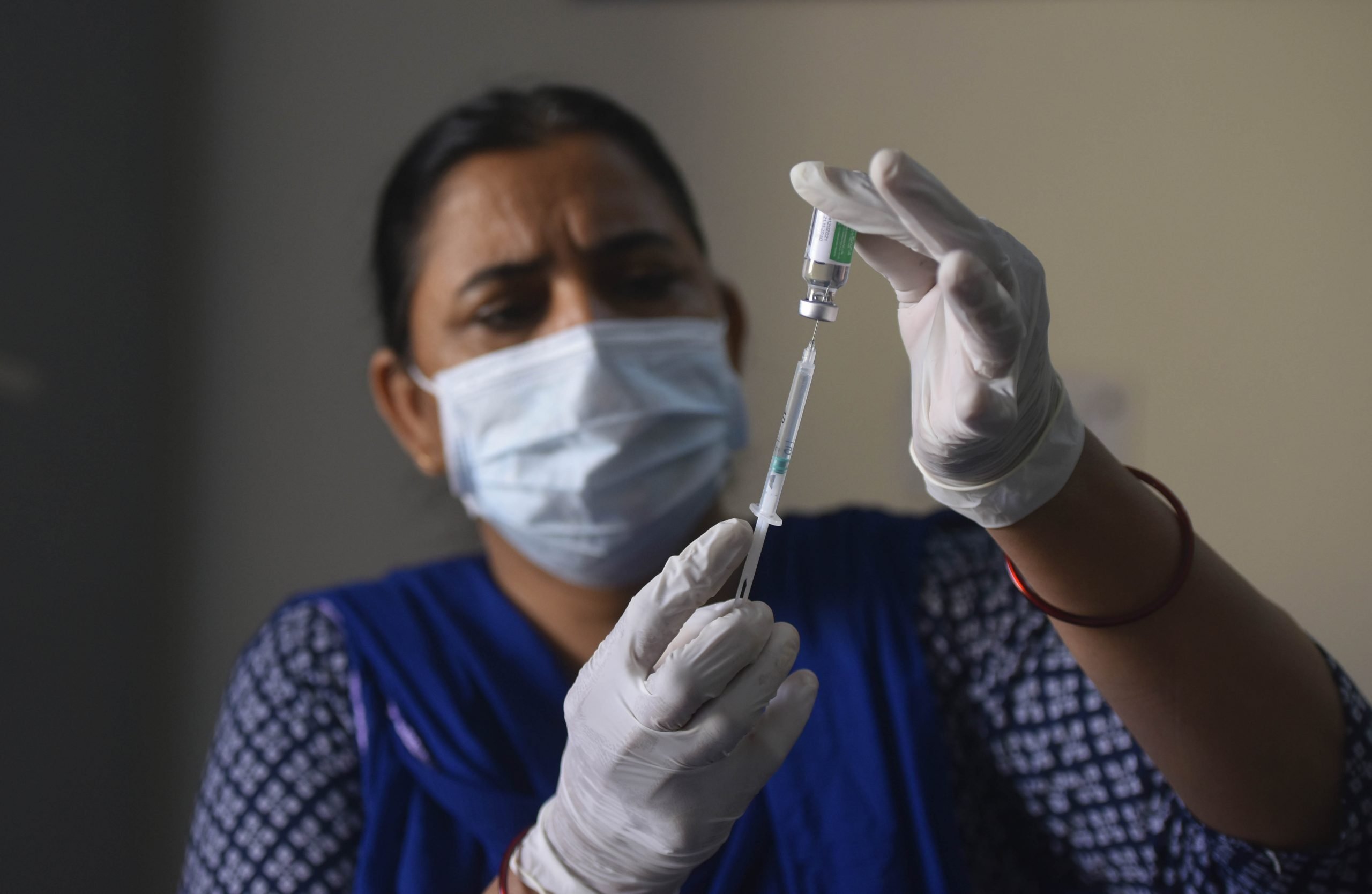
European Parliament backing TRIPS further isolates Australia in global movement for equal access to vaccines

Responding to the announcement that the European Parliament has voted to back the TRIPS waiver, Amnesty International Campaigner Joel MacKay said:

‘This news from the European Parliament further isolates Australia as one of the few governments holding out on an important step towards equal access to vaccines.

“With the US and now Europe throwing their weight and influence behind the waiver, it’s increasingly difficult to understand the Morrison Government’s obstinance in the face of international support for the TRIPS waiver. 

“The fact is that the TRIPs agreement is limiting the capacity for vaccine production, and leaving people suffering in India, Cambodia and other poorer nations. Supporting the waiver increases the chance of people being vaccinated quickly and that can only be a positive thing. It’s certainly the human-rights-based approach Amnesty International advocates.”

Today is also the WHO’s Global Health Summit, providing another opportunity to address the elephant in the room and tackle head on the importance of waiving intellectual property restrictions to end Covid-19.

“Today on the world stage, Scott Morrison and Greg Hunt should get with the majority of the world and back the TRIPS waiver, not doing so risks them being called out by the international community for blocking progress and for leaving people in developing countries behind.

“The only way to end the pandemic is to end it globally. It’s time for rich states and pharmaceutical companies to put people before profit.”

Russia: Prisoner of conscience Nikolai Platoshkin’s suspended conviction must be quashed

Responding to the conviction of former diplomat, renowned opposition activist and prisoner of conscience Nikolai Platoshkin on absurd charges of “incitement to commit mass disorder” and “dissemination of false information”, Amnesty International’s Moscow Office Director Natalya Zviagina, who attended the trial, said: 

“Handing Nikolai Platoshkin a fiveyear suspended sentence is another nail in the coffin for the rights to freedom of expression, peaceful assembly and association in Russia. The case was clearly fabricated to prevent him from participating in public life and punish him for daring to criticise Putin’s stranglehold on power. His conviction must be quashed. 

“The absurdity of the charges against Nikolay Platoshkin, the speed of his court hearings and a blatant disregard for some basic fair trial guarantees is extraordinary even for the Kafkaesque Russian justice system. The prosecution’s farcical logic, rubber-stamped by the judge, is simple: to express views critical of government policy equals incitement to riots and is a crime.  

“As the parliamentary elections scheduled for September approach, we are seeing harsher reprisals against anyone who expresses critical views of the government or conducts opposition activities. Vladimir Putin’s regime is brazenly jailing and silencing its opponents from across the political spectrum, be it “liberals” like Aleksei Navalny or “socialists” like Nikolai Platoshkin. 

“The prosecution of peaceful activists must stop immediately. The Russian authorities must respect, protect, promote and fulfil human rights in line with Russia’s international obligations, including the rights to freedom of expression, association and peaceful assembly.” 

Background 

On 19 May, the Gagarinsky District Court of Moscow convicted prisoner of conscience Nikolai Platoshkin, a former diplomat, head of the International Relations and Diplomacy Department at Moscow Humanities University and founder of “For the New Socialism” movement. He was sentenced to a five-year suspended imprisonment and a fine of 700,000 roubles (US$9,500). His conviction means that he is barred from running for elected office. 

In June 2020, Nikolai Platoshkin was charged under Article 212 (1.1) (“incitement or other involvement of a person to commit mass disorder”) and Article 207.1 (“public dissemination of knowingly false information about circumstances posing threat to lives and security of citizens “) of the country’s Criminal Code. According to the prosecution, Nikolay Platoshkin intended “to come to power unlawfully” for which “he started to incite his followers and other internet users via his audio-visual materials to “commit mass disorder and participate in it under the disguise of protest rallies.” These accusations are unsubstantiated and politically motivated. 

Spain/Morocco: People ‘being used as pawns’ as political games turn violent

  • Children and asylum seekers likely to be among those returned
  • Spokespeople available

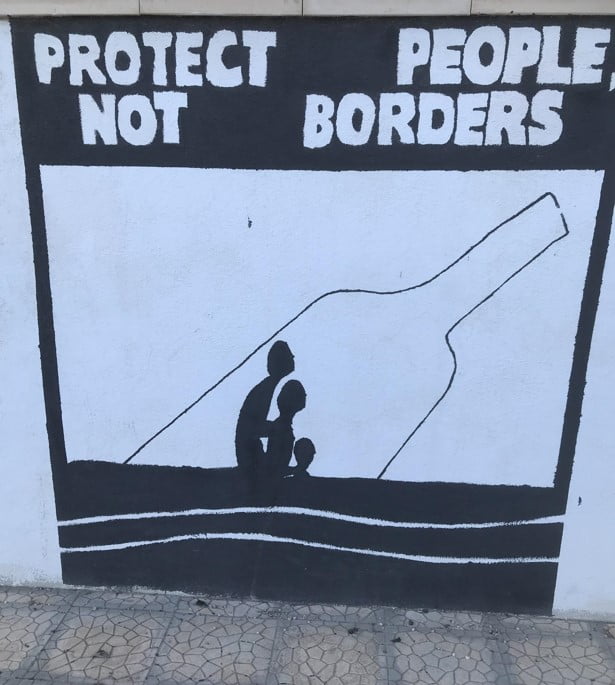
People, including children have been subjected to violence by Spanish security forces and the army, including being thrown into the sea, after Morocco opened its borders, said Amnesty International today.

The organization says that asylum-seekers and migrants are being used as pawns in a political game between Morocco and Spain, after more than 8,000 people, including about 2,000 unaccompanied children, entered Ceuta from Morocco irregularly before being subjected to collective expulsions.

“We cannot accept that people, including children, are being beaten by Spanish forces. While border officials did provide emergency assistance to people, abuses cannot be tolerated. Spanish authorities must open a thorough investigation and ensure accountability,” said Virginia Álvarez, Head of Internal Policy and researcher at Amnesty International Spain.

“European leaders were quick to support Spain and say that Spanish borders are EU borders. By the same logic, Spanish abuses are also EU abuses. We call on EU leaders to not turn a blind eye to the abuses happening at EU borders.”

Many of those who entered Spain were very young children. The authorities must ensure that the best interests of the child are protected in all cases and that they are able to request international protection.

Video footage appears to show Moroccan guards waving migrants and asylum seekers past their controls into Ceuta.

“Morocco is playing with people’s lives. They must not use people, among them its own citizens, as pawns in a political game,” said Virginia Álvarez.

Morocco has a long track record of abusing the rights of asylum seekers and migrants at this border. In the past Amnesty International has documented unlawful raids, arrests, and removal of migrants and asylum seekers in encampments and homes near the Spanish borders to southern Morocco without due process.

It appears from a Facebook post by Morocco’s Minister for Human Rights that this selective border enforcement was retaliation for the medical treatment that a Polisario leader received in Spain, suggesting that authorities may have utilised migrants and asylum seekers as pawns in this dispute.

Pushbacks

Around 5,000 people have reportedly so far been collectively expelled to Morocco by Spanish authorities over the last few days. The Spanish military forces deployed at the border have carried out collective and forced returns, without any safeguards making it impossible to identify vulnerable people or ensure that they receive adequate information, legal assistance and request asylum.

“A large arrival of people is not an excuse for illegal collective expulsion. Amongst those 5,000 summarily returned there may be individuals eligible for asylum or in need of protection. Pushing people back is unlawful and denies them their right to a fair and individualized evaluation of their asylum claims,” said Virginia Álvarez.

Global Health Summit: Leaders must waive intellectual property rights and push pharma companies to share life-saving technology

G20 leaders meeting tomorrow at the Global Health Summit must face up to the harsh reality that the clock is ticking and without waiving intellectual property rights now Covid-19 may not be brought under control for years, Amnesty International warned today.

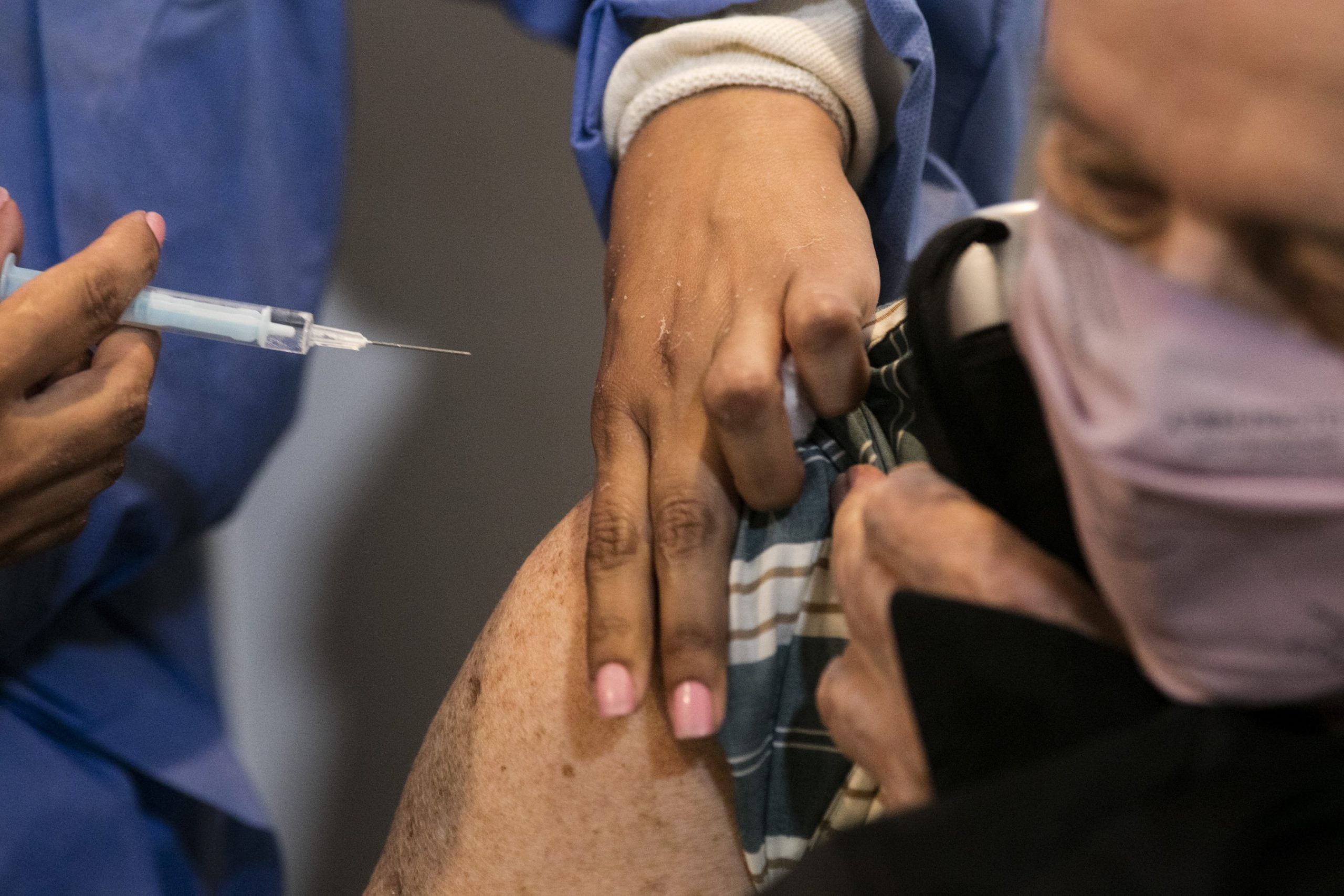
More than 60,000 people died from Covid-19 across South America and South Asia last week, accounting for over 70 per cent of deaths globally in that period. Oxygen is in short supply and health systems in these regions are reaching breaking point. In Pakistan, just one in 75 people have been vaccinated, compared to the US where one in two people have received at least one jab.

With reports revealing that the current draft declaration, known as the “Rome Declaration” to be agreed at the summit, includes no mention of waiving vaccine patents, Amnesty International is calling for urgent action to address this glaring omission.

“Agreeing principles to prevent future pandemics has its place, but it is hard to have confidence when states and companies are failing to take the crucial measures needed to tackle the pandemic ravaging the world today,” said Tamaryn Nelson, Health Advisor at Amnesty International.

“The best way to prepare for public health crises is to prevent them altogether, and vaccines play a crucial role in this effort. Some 100 countries including the USA have understood the importance of waiving intellectual property rights to boost supply of vaccines and end Covid-19. Yet, states such as Germany, Australia, the UK and across the EU are failing people around the world by refusing to do the same.

“With thousands of people dying every day, it’s clear that profit should not be put ahead of people’s health. States must take responsibility and pressure big pharma companies into sharing their technology and know-how – so everyone has a fair shot at a vaccine.

“According to current vaccine distribution plans, less developed countries will not receive enough doses to achieve widespread coverage until at least 2023 – and millions of people will continue to die without the medicines and treatments they need. If the whole world is not protected the health of people everywhere will be jeopardized, as variants are likely to arise, evading current vaccines

“There is a solution. If pharmaceutical companies fulfilled their human rights responsibilities and stopped lobbying against efforts aimed at widening access and started sharing their knowledge and technology, more vaccines could be produced at a fairer price. Yet, not one company has agreed to share their intellectual property and know-how through the World Health Organisation. It is discriminatory and short-sighted to suggest that developing countries cannot produce safe and good quality, bioequivalent vaccines, with the necessary resources.

“Given our devastating reality, Amnesty International is calling for leaders at the Global Health Summit to address the elephant in the room and tackle head on the importance of waiving intellectual property restrictions to end Covid-19.  

“The only way to end the pandemic is to end it globally. It’s time for rich states and pharmaceutical companies to put people before profit.”

Background
In October 2020, India and South Africa requested a waiver that would allow countries to neither grant nor enforce patents and other specific intellectual property rights related to COVID-19 products until global herd immunity is achieved. A significant number of lower- and middle-income countries supported this proposal. Most high-income countries including the EU and its member States opposed it. The EU is a member of the WTO, and its member states are also WTO members in their own right.  The European Commission represents the EU at WTO meetings.

If agreed, the waiver would suspend the implementation, application and enforcement of certain intellectual property rights, such as patents on pharmaceutical products, and facilitate the development and manufacture of more and lower-cost COVID-19 diagnostics, treatments and vaccines.

On 5 May 2021, the USA changed its position and said it would support a waiver – but limited to vaccines only.

International human rights standards and trade rules are clear that protecting intellectual property must never come at the expense of public health. 

The WTO’s Trade Related Aspects of Intellectual Property Rights (TRIPS) sets out minimum standards for many forms of intellectual property that are pertinent to pharmaceutical companies, such as copyrights, trademarks, patents, undisclosed information (including trade secrets and test data) and anti-competitive practices. 

The World Health Organisation has set up the COVID-19 Technology Access Pool (C-TAP) scheme so companies could pool data and knowledge, and then license production and technology transfer to other potential producers with the aim of ensuring people everywhere could access vaccines quicker. So far, not a single pharmaceutical company has joined the data-pooling scheme.

Dozens of submissions made public after Attorney-Generals refuse to act on raising the age of criminal responsibility in Australia

In an unusual move, 48 organisations have today publicly released their submissions to the Council of Attorneys-General working group on raising the minimum age of criminal responsibility in Australia from 10 years old.

The step follows two-and-a-half years of inaction and delay by federal and state Attorneys-General, who have so far failed to progress the matter despite numerous commitments to do so. 

Currently children as young as ten right across Australia can be arrested, strip searched and locked up in prison cells. This is out-of-step with medical evidence, human rights law and international standards, with the median age of criminal responsibility worldwide being 14 years old.

All 48 submissions call for the minimum age to be raised nationally from 10 to 14 without any exceptions, while all but three raised the fact that imprisoning young people entrenches them in the criminal legal system and increases the likelihood of reoffending.

More than 90 percent refer to Australia’s current minimum age of criminal responsibility – 10 in all states and territories – as breaching international human rights law or international standards, and 96 percent say the current laws are contributing to the over-representation of Aboriginal and Torres Strait Islander children in prison. 

Cheryl Axleby, Co-Chair, Change the Record Co-Chair: 

“Dozens and dozens of submissions made by legal, health and youth experts have been hidden and ignored by Attorneys-General for over a year, as they have sat and done nothing while our children languish in prisons. The evidence is clear – ten year old children belong with their families, not in prison cells. I can only assume that state and territory Attorneys-General have refused to publish these submissions because they lack the political courage to act. We cannot let this evidence sit on the bookshelves of politicians like the Royal Commission into Aboriginal Deaths in Custody and so many other inquiries and reports – state and territory governments must take action now and raise the age of criminal responsibility from 10 to at least 14 years old and give every child the opportunity to thrive.” 

Priscilla Atkins, Chair, NATSILS: 

“No child belongs in prison. Raising the age of criminal responsibility to at least 14 is one action that Australian Governments can take right now that will have an immediate – and generational – impact to end the over-incarceration of First Nations kids and to give our kids a brighter future.” 

Meena Singh, Legal Director, Human Rights Law Centre:

“It beggars belief that the chief law officers in the country could be so complacent when it comes to raising the minimum age of criminal responsibility in Australia, which is totally out of step with international human rights law and international standards

“They say they need more research-based evidence to raise the age, but the evidence is crystal clear. And it’s been sitting on their desk for over a year. Locking up children as young as 10 does not make the community any safer. Instead, it further entrenches those children in the criminal legal system and proves that governments have failed to provide culturally safe supports instead.”

Adjunct professor Terry Slevin, CEO Public Health Association of Australia:

“Keeping very young offenders out of incarceration is vital for many aspects of their health and wellbeing later in life, and vital for directing them back to a safer place in the community in which they live.” 

Nolan Hunter, Amnesty International Australia Indigenous Rights Lead:

“If our governments are serious about Closing the Gap targets, there’s no more simple legislative reform that has widespread community support, as well as the support of health and welfare experts around the world than raising the age.

“The Attorneys-General have kicked the can down the road long enough. We don’t need another report to tell us that raising the age from 10 to 14 is the right, evidence-based thing to do.

“In the time we’ve been waiting for the AGs to make a decision on this crucial reform, more Indigenous people have died in prison. How many more need to lose their lives before we do something meaningful to address the overrepresentation of our people in Australian jails?”

Scott Morrison must accept NZ refugee resettlement offer when he meets Jacinda Ardern later this month

Former Socceroo Craig Foster and rugby legend Sonny Bill Williams have written to Scott Morrison asking him to accept the New Zealand offer to take the remaining refugees still trapped offshore after almost eight years when he meets with Jacinda Adern later this month.

Morrison will fly to Queenstown to meet the New Zealand Prime Minister on May 30 – 31 as the annual meeting between the two leaders resumes for the first time since Covid-19 shut international borders.

Foster and Williams, who joined forces in October last year calling on the Australian Government to accept the NZ offer that has been on the table since 2013, wrote to Morrison last month urging him again to accept the offer.

In the letter, the sporting legends and humanitarian campaigners said the upcoming meeting presented the perfect opportunity to accept the New Zealand offer and facilitate the resettlement process as a matter of urgency. 

“With the resettlement deal with the United States quickly drawing to a close, we are deeply concerned that many refugees will be left behind. Since 2013, the New Zealand Government has offered to resettle 150 refugees a year from Australia’s offshore detention regime, an offer that has consistently been reaffirmed,’’ Foster said. “By accepting this offer, the torment they have endured for almost eights years could finally, and mercifully end.”

Williams, the former NZ All Black, rugby league player and now heavyweight boxer, added: “We’ve got to put the politics aside and say enough is enough. New Zealand has a long and proud history of welcoming refugees, and they’ve been offering this solution since 2013. Scotty, it’s time to accept it and let people rebuild their lives.” 

Approximately 250 people are still trapped in Australia’s offshore detention regime on PNG and Nauru, with no certainty regarding their futures.

Greece: Safety of women and children at risk as MPs vote on law which would breach Istanbul Convention

The Greek Parliament will today vote on proposed changes to the Civil Code which would allow perpetrators of domestic violence or sexual offences to retain child custody until they are convicted by a first instance court. Ahead of the vote, Amnesty International has joined women’s groups and civil society organizations to call on Greek authorities to reject the bill.

Esther Major, Amnesty International’s Senior Research Adviser, said:

“It is a bitter irony that Greece is considering passing this amendment just days after the world marked the tenth anniversary of the Istanbul Convention – the landmark international treaty on preventing and combating violence against women.

“The proposed provision would breach Greece’s obligation under the Istanbul Convention, which requires State Parties to take measures to ensure that custody and visitation rights do not jeopardize the rights and safety of domestic violence survivors as well as child witnesses and victims.”

“Any bill related to child custody should be centred on the best interests and safety of the child. As it stands, the bill will put victims of domestic violence in greater danger, including migrant and refugee women. The Greek authorities must withdraw the bill until further proper consultation has been held with civil society and any provisions which may endanger women’s and children’s human rights revised.”

Promising signs from ACT Government announcement to protect trans, gender diverse and intersex rights

Amnesty International Australia welcomes the ACT Government’s move to examine the Territory’s discrimination act to better protect trans, gender diverse and intersex people’s rights.

“This is promising news as we celebrate the International Day Against Homophobia, Biphobia, discrimination against Intersex people and Transphobia (IDAHOBIT), but it’s essential any reform is done in consultation with the community and organisations such as Intersex Human Rights Australia,” Amnesty International Australia campaigner Joel MacKay said.

“Any reform must at least criminalise deferrable medical interventions – also known as forced surgeries – on intersex people without their consent, particularly babies and children. This is an opportunity for the ACT to lead the country in such reform. 

“The government must also catch up with other jurisdictions and ensure that transgender and gender diverse people in the ACT are not required to undergo medical interventions to update the gender marker on their birth certificate. 

“Our self-defined gender identity is one of the most basic aspects of self-determination, dignity and freedom. International human rights law says that our laws should respect self-identification. This means that trans, non-binary and gender diverse people should have access to basic ID that is true to their gender regardless of what medical intervention they have (or have not) received.

“Trans, gender diverse and intersex people are discriminated against on a daily basis, this reform process must reach as far as it can to uphold their human rights.”

Closing of Guantánamo Must be a Priority for President Biden

Responding to the Biden administration approving three more detainees at Guantánamo Bay for release, Daphne Eviatar, the director of the Security With Human Rights program said:


“It is not enough for the Biden administration to announce that more detainees are cleared for release when the government has not made any plans for how it will let cleared detainees finally experience freedom.


“Nine people are currently cleared for release at Guantánamo and some have been cleared for more than a decade, yet they are still stuck. This is an outrageous and shameful violation of human rights. President Biden cannot have true credibility advocating for other countries to respect human rights if he does not prioritize closing Guantánamo.


“Amnesty International USA is calling on President Biden immediately to appoint a high-level official in his administration to take charge of closing Guantánamo and arranging the transfers of all detainees who are not charged with crimes, a critical first step to ending the indefinite detention of the detainees there.”