Belarus: Blocking leading online media outlet is a brazen attack on freedom of expression

Reacting to the news that TUT.by, one of Belarus’ leading independent online media outlets, was blocked today by the country’s Ministry of Information, Amnesty International’s Senior Campaigner on Belarus, Aisha Jung, said: 

“This is a cowardly step taken by a government which fears truth and resorts to brutal measures to suppress human rights. It must end its suffocating crackdown on independent voices and immediately reverse the blocking of TUT.by.” 

“The blocking of the TUT.by website is a full-scale assault on the right to freedom of expression and media freedom in Belarus, and leaves a gaping wound in the country’s access to independent sources of information. The scope of this attack cannot be underestimated since about half of Belarusian internet users refer to TUT.by for news, forums and other services. 

“The Belarusian authorities, in their reckless determination to curtail peaceful dissent and gag all government critics, have brazenly blocked the country’s most crucial internet resource, in violation of their obligations under international human rights law.” 

Background 

On 18 May 2021, the Ministry of Information blocked access to TUT.by quoting “numerous facts of violations of the Law on Mass Media” and, specifically, the publication of materials coming from BYSOL foundation, an unregistered fundraising initiative in support of victims of political repression in Belarus. Belarusian legislation prohibits the media from disseminating materials on behalf of unregistered organizations. 

Simultaneously, officers of the Department of Financial Investigations conducted searches and interrogations in the offices and homes of TUT.by editors including the editor-in-chief Maryna Zolatava. The authorities announced the launch of criminal investigation under Article 243 (2) of the Criminal Code of Belarus (“tax evasion on a large scale”). 

On 1 October 2020, TUT.by’s media credentials were revoked following its coverage of peaceful protests which had erupted across the country after the widely-disputed presidential election in August. In March 2021, TUT.by reporter, Katsyaryna Barysevich, was sentenced to six months in prison under trumped-up charges for uncovering the falsification of official reports into the killing of peaceful protester Raman Bandarenka in November 2020. 

Iran: Murder of gay man highlights dangers of state-sanctioned abuses against LGBTI people

The horrifying murder of a 20-year-old gay man in Iran has shed new light on how the criminalization of consensual same-sex sexual conduct and gender non-conformity perpetuates systemic violence and discrimination against lesbian, gay, bisexual, transgender and intersex people (LGBTI), said Amnesty International in a detailed analysis issued to mark the International Day Against Homophobia, Biphobia, Intersex-phobia and Transphobia. His murder also highlights the urgent need for the Iranian authorities to enact and implement laws to protect the human rights of LGBTI people. 

Friends of Alireza Fazeli Monfared, who identified as a non-binary gay man, told Amnesty International that he was abducted by several male relatives in his hometown of Ahvaz, Khuzestan province, on 4 May 2021. The next day the relatives informed his mother that they had killed him and dumped his body under a tree. Authorities confirmed that Alireza Fazeli Monfared’s throat was slit and announced investigations, but none of the suspected perpetrators have been arrested to date.

Alireza Fazeli Monfared’s brutal murder exposes the deadly consequences of state fuelled homophobia and is a tragic reminder of the urgent need to repeal laws that criminalize consensual same-sex relations and gender non-conformity.

Diana Eltahawy, Deputy Director for the Middle East and North Africa at Amnesty International.

“Alireza Fazeli Monfared’s brutal murder exposes the deadly consequences of state fuelled homophobia and is a tragic reminder of the urgent need to repeal laws that criminalize consensual same-sex relations and gender non-conformity. These laws foster a permissive climate for homophobic and transphobic hate crimes and legitimize violent, including deadly, attacks against people on the grounds of their real or perceived sexual orientation or gender identity.,” said Diana Eltahawy, Deputy Director for the Middle East and North Africa at Amnesty International.

“The Iranian authorities’ brazen disregard for the lives and safety of LGBTI people and the prevailing climate of impunity for such crimes raise the alarm that his murder could go unpunished.

“We urge the Iranian authorities to conduct a prompt, independent, impartial and effective investigation into Alireza Fazeli Monfared’s murder and take urgent action to protect LGBTI people from discrimination, harassment, assaults and other abuses from state and non-state actors.”

According to individuals interviewed by Amnesty International who had known Alireza Fazeli Monfared for months or years prior to his murder, including his partner and a close friend, he had faced years of homophobic and transphobic harassment and death threats by several male relatives because he did not conform to the binary socio-cultural gender stereotypes and “norms” in Iran. According to these informed sources, he had never reported such incidents to the police out of a fear of facing violence and prosecution at the hands of the authorities.

LGBTI people in Iran face pervasive discrimination, live in the constant fear of harassment, arrest and criminal prosecution, and remain vulnerable to violence and persecution based on their real or perceived sexual orientation and gender identity.

Under Iran’s Islamic Penal Code consensual same-sex sexual conduct is criminalized and punished by penalties ranging from flogging to the death penalty.

Russia: Parliamentarians must reject new bills threatening rights to freedom of association and expression

Three bills adopted today in the first reading by the State Duma, the lower house of the Russian Parliament, drastically restrict rights and liberties in the country by imposing new muzzles on individuals who criticize the government and barring them from participating in public life, Amnesty International said today. 

The bills are intended to target Russians who have supported civil society and religious organizations that were later declared “extremist” or “terrorist” and widen the scope of the law on “undesirable” organizations.  

“Vladimir Putin’s regime aims to fully purge vocal critics from the civic space. The main target of this latest, particularly brazen attack is the movement led by Aleksei Navalny. Having unjustly imprisoned its archfoe, the Kremlin is now targeting all those who had the nerve to support him,” said Natalia Zviagina, Amnesty International’s Moscow Office Director. 

Under the first bill, the authorities aim to punish the exercise of the right to association by barring from public life those who share a critical view of the government and are working together to bring change. According to the law, those who founded, led, worked for, or otherwise participated in the activities of an organization which is later designated as “extremist” or “terrorist” and subsequently banned, will be barred from running for the country’s lower house of Parliament for a period of between three and five years after the organization’s ban comes into force. Moreover, the bill provides for its retroactive application.

Aleksei Navalny’s Anti-Corruption Foundation, which has already been declared a “foreign agent”, is now fighting against the authorities’ attempt to designate it as an “extremist organization.” According to Leonid Volkov, who led Navalny’s regional network before its dissolution in April, up to 200,000 people who contributed to its crowdfunding efforts could fall afoul of the new law. While Navalny’s allies and supporters are certainly the main target, the bill will also affect many other civic and religious groups who have been or may be targeted under Russia’s vague “counter-extremism” and “counter-terrorism” legislation.  

“This is nothing but a desperate move to annihilate any shred of visible dissent. The authorities are ready to punish a significant proportion of the population for exercising their right to freedom of expression and association by further reducing their avenues to effectively participate in public life,” said Natalia Zviagina. 

The two other bills broaden the scope of the law on “undesirable” organizations by introducing a prohibition on participation in their activities abroad, assigning the status of “undesirable” to the organizations who are believed to be intermediaries in financial transactions with those already banned, and toughening criminal sanctions. They propose that criminal liability should come after only one administrative prosecution, not two as at present, and, in some cases, immediately.   

“This bill seems to have been drafted to target another opposition group, Otkrytaya Rossiya (Open Russia). It is another networked structure that has managed to get on its feet in the political vacuum created by Vladimir Putin’s regime. Its activists and supporters have already paid a dear price and now the stakes will be even higher,” said Natalia Zviagina. 

“We urge Russian parliamentarians not to adopt these bills. They are a grave threat to human rights and should be of the most profound concern to Russian society and the international community.” 

Biden administration’s approval of weapons sale to Israel will put civilians at greater risk

Responding to reports that the Biden administration has approved a $735 million sale in weapons to Israel, Philippe Nassif, the advocacy director for the Middle East and North Africa at Amnesty International USA, said:

“President Biden’s approval of a $735 million offensive arms sale to Israel in the midst of violations of human rights and international humanitarian law perpetrated by Israeli forces and Palestinian armed groups directly undermines his commitment to upholding human rights around the world. By supplying weapons that could be used to commit war crimes, the U.S. government is taking the risk of further fueling attacks against civilians and seeing more people killed or injured by U.S.-made weapons.

Hundreds of civilians, Palestinians and Israelis, have already lost their lives in this conflict. The Biden administration must reconsider its decision to send more weapons into a situation in which human rights and international humanitarian law are violated every day, and if necessary, Congress must oppose this sale.

Philippe Nassif, advocacy director for the Middle East and North Africa at Amnesty International USA.

“Hundreds of civilians, Palestinians and Israelis, have already lost their lives in this conflict. The Biden administration must reconsider its decision to send more weapons into a situation in which human rights and international humanitarian law are violated every day, and if necessary, Congress must oppose this sale.”

Background

On May 9, Amnesty International researchers witnessed an unprovoked attack by Israeli forces against a group of peaceful demonstrators in Sheikh Jarrah. The demonstrators were at least 10 meters away from the Israeli forces who were stationed by a nearby Israeli settlers’ home. A short while later Israeli forces launched a coordinated attack to disperse the crowd of Palestinian protesters. 

The armed hostilities have continued to escalate, with Israeli forces carrying out attacks on residential buildings in Gaza killing civilians and Palestinian armed groups launching rockets into Israel. Amnesty International is deeply concerned that civilians have been maimed and killed and homes have been destroyed during this conflict. Deliberate attacks on civilians and civilian property and infrastructure are war crimes. 

Amnesty International has called on the UN Security Council to immediately impose a comprehensive arms embargo on Israel, Hamas and other Palestinian armed groups with the aim of preventing further serious violations of international humanitarian law and human rights by the parties to the conflict. All states must immediately suspend all transfers of military equipment, assistance and munitions to the parties, which have failed to properly investigate violations committed in previous conflicts or bring those responsible to justice.

Israel/ OPT: Pattern of Israeli attacks on residential homes in Gaza must be investigated as war crimes

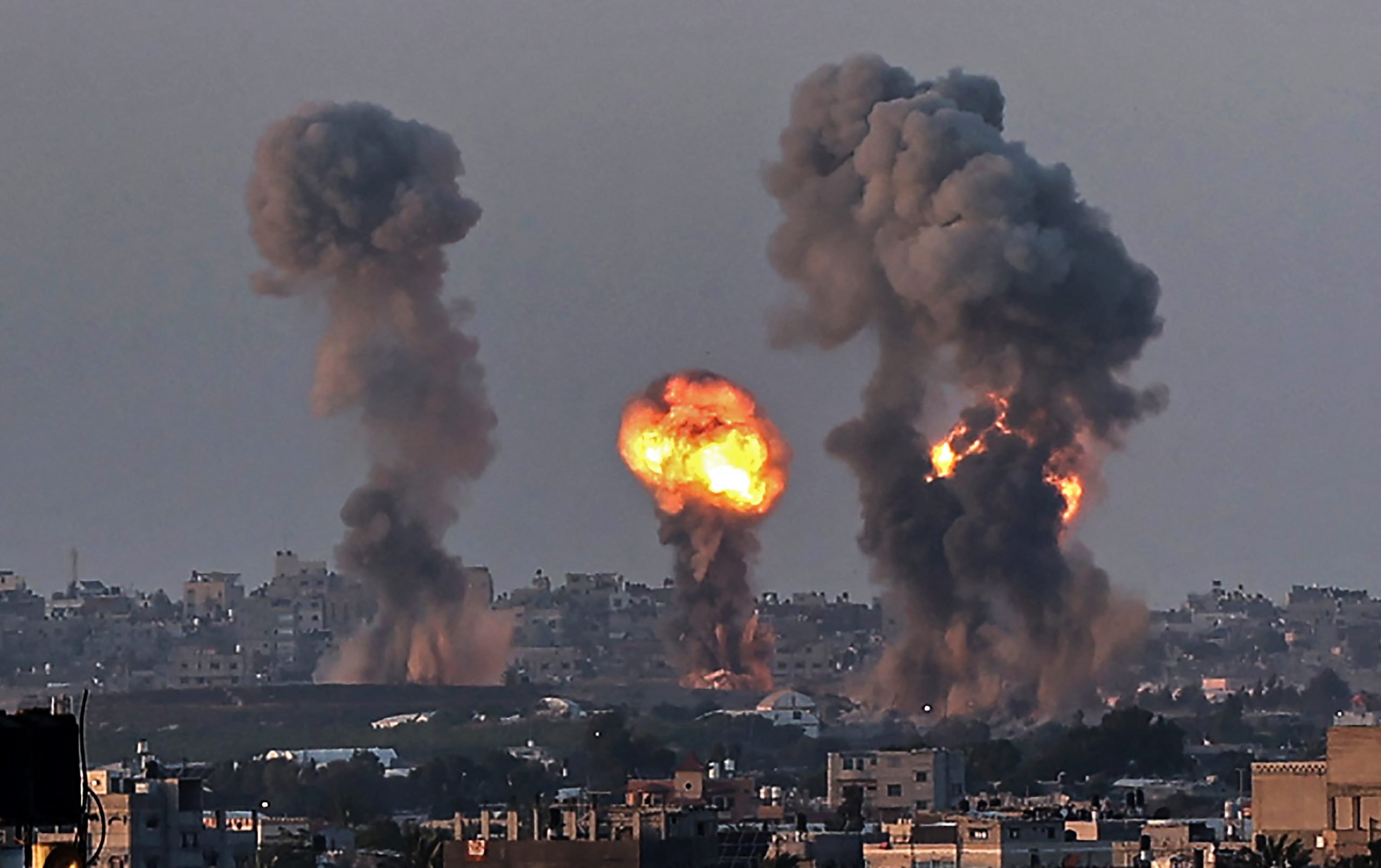
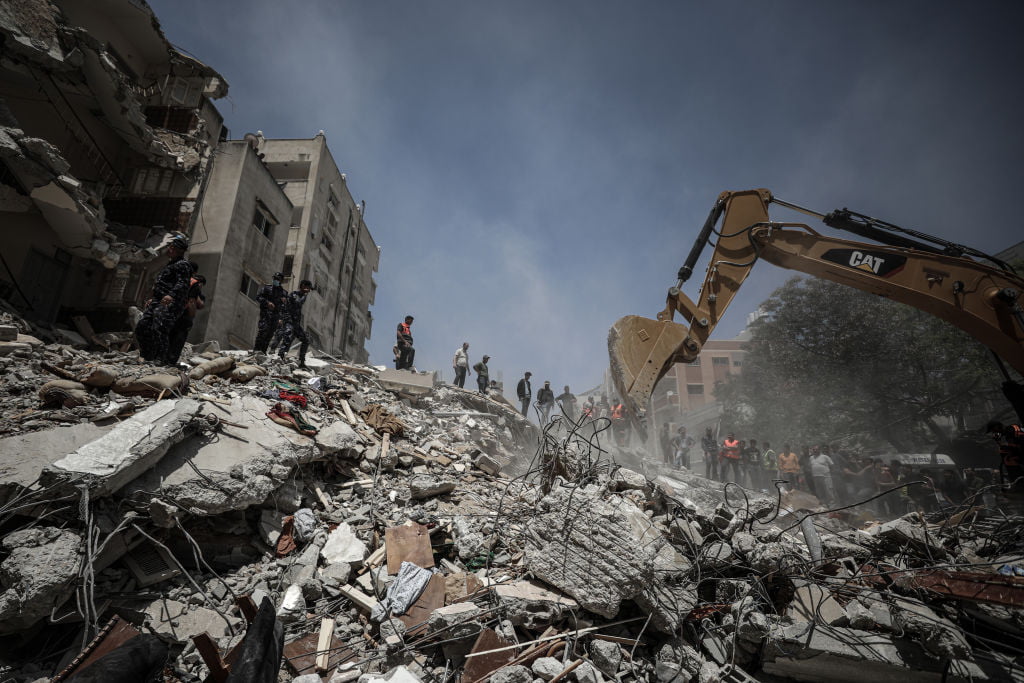
Israeli forces have displayed a shocking disregard for the lives of Palestinian civilians by carrying out a number of airstrikes targeting residential buildings in some cases killing entire families – including children – and causing wanton destruction to civilian property, in attacks that may amount to war crimes or crimes against humanity, said Amnesty International today.

The organization has documented four deadly attacks by Israel launched on residential homes without prior warning and is calling for the International Criminal Court (ICC) to urgently investigate these attacks. The death toll in Gaza continues to climb with at least 198 Palestinians killed including 58 children and more than 1,220 injured. Ten people in Israel, including two children, have been killed and at least 27 injured by Palestinian attacks.

“There is a horrific pattern emerging of Israel launching air strikes in Gaza targeting residential buildings and family homes – in some cases entire families were buried beneath the rubble when the buildings they lived in collapsed.  In the cases documented below, no prior warning was given to the civilian residents to allow them to escape. Under international humanitarian law, all parties must distinguish between military targets and civilian objects and direct their attacks only at military objectives. When carrying out attacks, parties must take all feasible precautions to minimize harm to civilians,” said Saleh Higazi, Deputy Director for the Middle East and North Africa.

“Although the Israeli military has given no explanation of what military objectives it was targeting in these attacks, it is hard to imagine how bombing residential buildings full of civilian families without warning could be considered proportionate under international humanitarian law. It is not possible to use large explosive weapons, like aircraft bombs that have a blast radius of many hundreds of meters, in populated areas without anticipating major civilian casualties.

“By carrying out these brazen deadly attacks on family homes without warning Israel has demonstrated a callous disregard for lives of Palestinian civilians who are already suffering the collective punishment of Israel’s illegal blockade on Gaza since 2007.”

By carrying out these brazen deadly attacks on family homes without warning Israel has demonstrated a callous disregard for lives of Palestinian civilians who are already suffering the collective punishment of Israel’s illegal blockade on Gaza since 2007.

Saleh Higazi, Amnesty International Deputy Director for the Middle East and North Africa.

The Israeli army claims that it only attacks military targets and has justified airstrikes on residential buildings on that basis. However, residents told Amnesty International that there were no fighters or military objectives in the vicinity at the time of the attacks documented.

“Deliberate attacks on civilians and civilian property and infrastructure are war crimes, as are disproportionate attacks. The International Criminal Court has an active investigation into the situation in Palestine and should urgently investigate these attacks as war crimes. States should also consider exercising universal jurisdiction over those who commit war crimes. Impunity only works to fuel the pattern of unlawful attacks and civilian bloodshed, which have we have repeatedly documented in previous Israeli military offensives on Gaza,” said Saleh Higazi.

At least 152 residential properties in Gaza have been destroyed since 11 May, according to the Gaza-based human rights organization, Al Mezan Center for Human Rights. According to the Palestinian Ministry of Public Works and Housing in Gaza, Israeli strikes have destroyed 94 buildings, comprising 461 housing and commercial units while 285 housing units have been severely damaged and rendered uninhabitable.

According to United Nations Office for the Coordination of Humanitarian Affairs (UNOCHA) more than 2,500 people have been made homeless due to the destruction of their homes and more than 38,000 people have been internally displaced and have sought shelter in 48 UNRWA schools across Gaza.

Indiscriminate rocket-fire by Palestinian armed groups towards civilian areas of Israel has also killed and injured civilians and damaged homes and other civilian properties. The rockets fired from Gaza into Israel are imprecise and their use violates international humanitarian law which prohibits the use of weapons that are by nature indiscriminate. These attacks should also be investigated by the ICC as war crimes.

Amnesty International has previously published evidence that the Israeli military had a deliberate policy of targeting family homes during the 2014 conflict.

Devastating attacks on family homes

In one of the heaviest episodes of bombardment since the latest fighting began, between 1am and 2am on 16 May Israel carried out airstrikes against residential buildings and streets in Gaza City. The attacks completely destroyed two residential buildings belonging to the Abu al-Ouf and al-Kolaq families – killing 30 people – 11 of them children. 

Gaza’s Ministry of Labour building was also destroyed in the attacks. The attack blocked al-Wehda Street, one of the main roads leading to the main hospital in Gaza, al-Shifa.

The families residing in the four-storey al-Ouf building, which included residential apartments and shops, received no prior warning – they were buried beneath the rubble in the attack.

Yousef Yassin, a medic from al-Shifa Hospital, was one of the first to arrive on the scene of al-Ouf Building after the attack and helped pull survivors from the wreckage with the Red Crescent. He described the scene to Amnesty International as one of “great destruction”.

“I helped get out four dead [bodies], but there were many more. It was very hard. There was no warning, so people were inside their home sitting together, and this is a lively, bustling area,” he said.

Shortly before midnight on 14 May Israeli air strikes hit the three-storey building of the al-Atar family in Beit Lahia killing 28-year-old Lamya Hassan Mohammed al-Atar her three children Islam, seven, Amira, six, and Mohammed an eight-month-old baby.

Lamya’s father, Hassan al-Atar, a civil defence officer told Amnesty International he headed to the scene of the attack with an ambulance and rescue team after a relative called him with news of the attack.  “He told me that our home had been bombed and [he was] stuck under the rubble [with his] wife and children,” he said.

“I arrived at the house, which is made up of three stories – 20 people live there – I tried to find people, but I could not. Then the rescue team arrived to help and we eventually found my daughter, a mother of three, with her children, one of whom was a baby, under one of the cement pillars of the house; all of them were dead. The other residents seem to have managed to escape from an opening after the bombing and got to the hospital. I was shocked,” he said.

Nader Mahmoud Mohammed al-Thom, from al-Salatin neighbourhood in Beit Lahia, described how his home where he lives with eight others was attacked without any warning shortly after midnight on 15 May.

“There was no warning missile, no warning call, the house was bombed, and we were inside. Thank God that the civil defence and by sheer chance was close by and saved us from under the rubble, thank God no one died. We had injuries but not serious, when we got out I saw a fire at the gate of the house, then the ambulance took us to the hospital. I think this is when I lost consciousness. Thank God no one was badly hurt but we lost our house. We are now in the street; we do not know where to go what to do.”

His family sought shelter at an UNRWA school but the school they arrived at was closed when they arrived and they had to sleep outside in the school yard. His entire home was destroyed including his clothes, money and paperwork and all their belongings.

In addition to residential homes, Israeli attacks have damaged water and electricity infrastructure as well as medical facilities and halted the operations of the North Gaza Seawater Desalination plant, which supplies water to more than 250,000 people. 

Australia must condemn Egypt after nine Ramadan executions

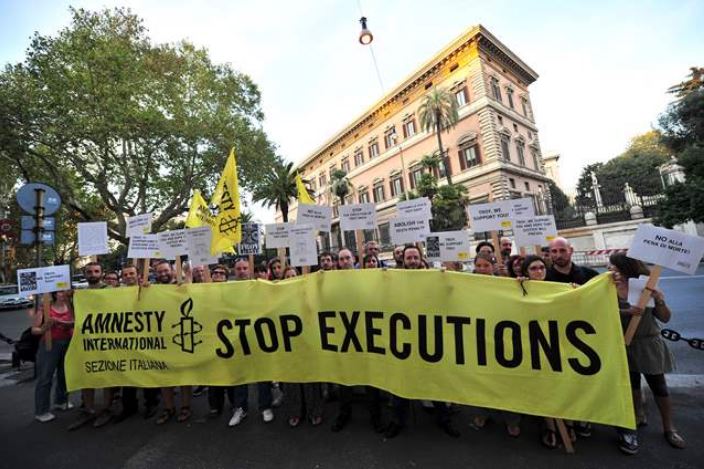
Amnesty International is deeply concerned by the Egyptian government’s decision to go forward with the execution of nine people, including an 82-year-old man, on 26 April this year.

Amnesty International’s recently released annual report on death sentences and executions for 2020 saw Egypt as the third most frequent executioner internationally (following China and Iran), with over 107 reported executions over the course of the year. The number of recorded executions in Egypt tripled in 2020.

Amnesty International Australia has written to the Australian Foreign Minister Marise Payne asking her to join the international community in publicly condemning Egypt’s use of the death penalty.

Destruction of mass grave site in Iran a continuation of human rights abuses against the Baha’i

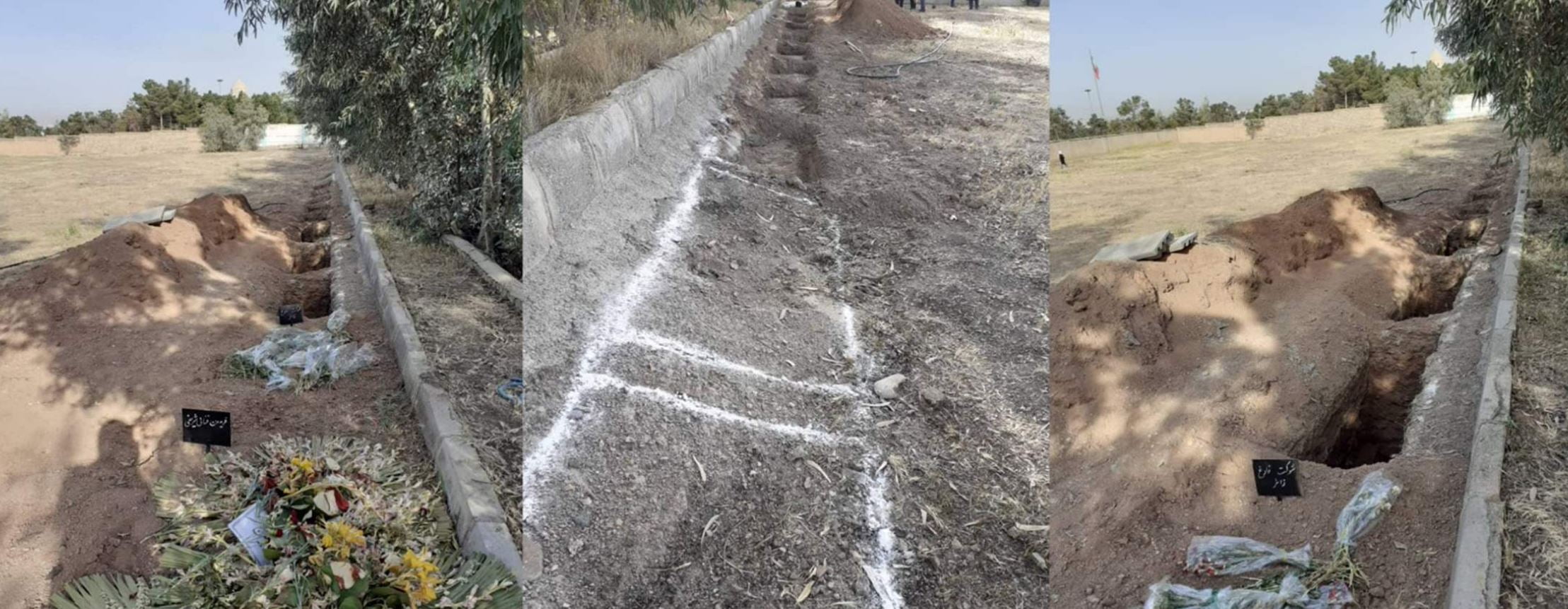
The actions of the Iranian government to destroy and desecrate a mass grave site and prevent the dignified burial of members of the Baha’i community must be condemned on the international stage as serious violations of human rights.

The Khavaran mass grave site is believed to contain the remains of up to several hundred victims of the mass enforced disappearances and secret extrajudicial executions of the 1988 prison massacres. The mass grave has since become a locus of national significance for the struggle for human rights, a sacred space to memorialise the lives lost in 1988, and a crime scene with vital forensic evidence of crimes against humanity.

The Baha’i community in Australia includes 20,000 members; the Australian government owes it to these families to coordinate with the international community and help prevent further suffering of loved ones overseas. This community issued a call to the Australian government and the international community as recently as January this year, asking for relief after COVID-19 saw a new wave of home raids, land seizures and arbitrary arrests of Baha’is in Iran.

Amnesty International Australia has written to Australian Foreign Minister Marise Payne asking her to support UN Human Rights Council-led action on this important matter, and to urge the Iranian government to stop violating the human rights of the Baha’i community.

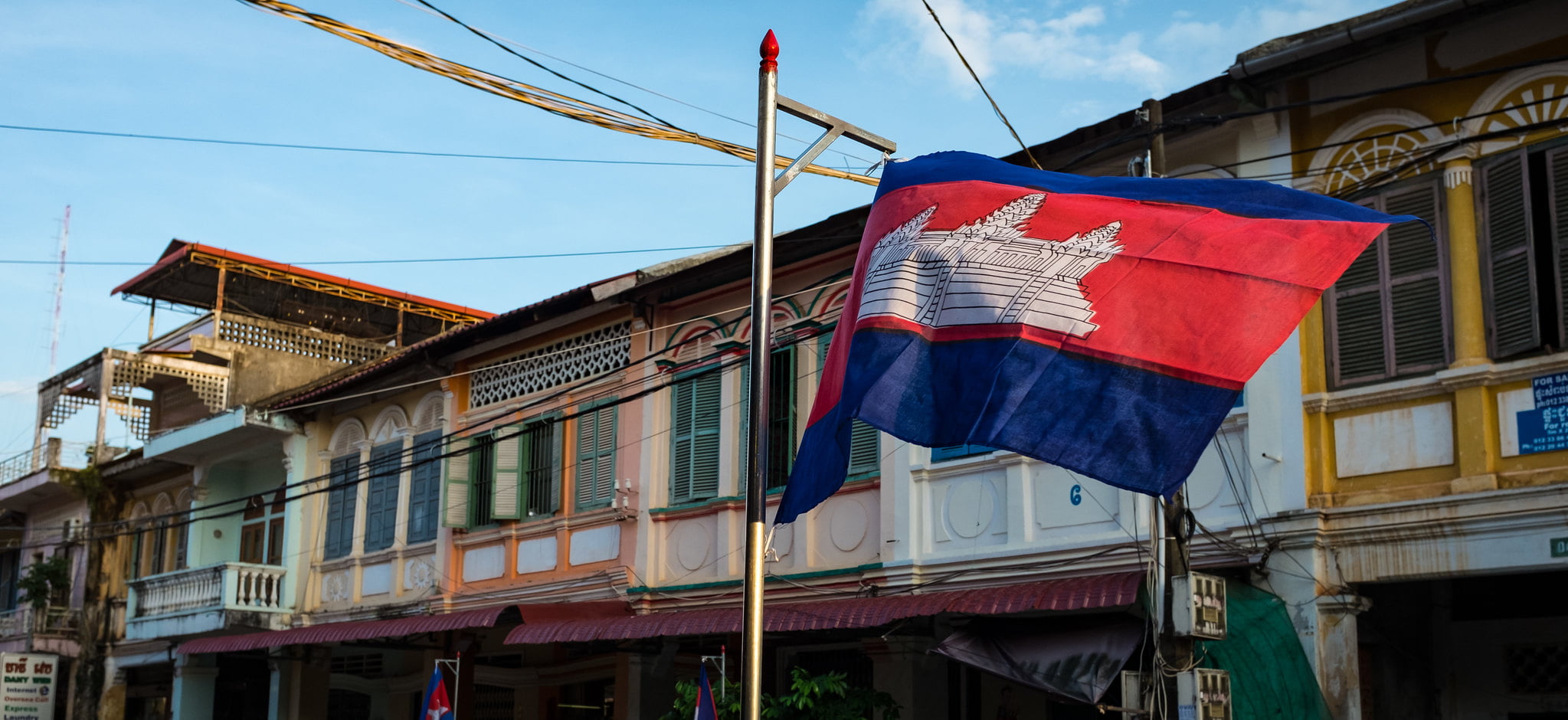
Cambodia in the midst of COVID-19 humanitarian crisis; Australia must support

A third wave of COVID-19 has contributed to a worsening human rights situation in Cambodia. The government is accused of barring humanitarian assistance to locked-down parts of Phnom Penh, silencing dissent, and violently cracking down on those believed to have broken lockdown restrictions.

Everyone under lockdown must be provided access to adequate food, water, health care, and other essential items as a matter of human rights. Lockdown restrictions must be coupled with increased social protection measures and humanitarian assistance to ensure Cambodia’s fulfilment of its human rights obligations regarding the right to food.

Furthermore, the use of unnecessary and excessive force by law enforcement officers cements the need for a radical re-thinking of COVID-19 suppression techniques in Cambodia.

Amnesty International Australia has written to Australian Foreign Minister Marise Payne to urge the Cambodian government to take a human rights-based approach to the COVID-19 situation by immediately tackling hunger in Cambodian cities, and eliminating the use of force to punish violations of lockdown restrictions.

Universal and fair access to COVID-19 vaccines is the only way out of the pandemic. Amnesty International remains deeply concerned and disappointed that Australia is one of the few countries that are continuing to block the TRIPS waiver proposal that would allow more countries to manufacture and distribute COVID-19 vaccines and health products. Implementation of the proposal would ease the COVID-19 crisis in countries such as Cambodia.

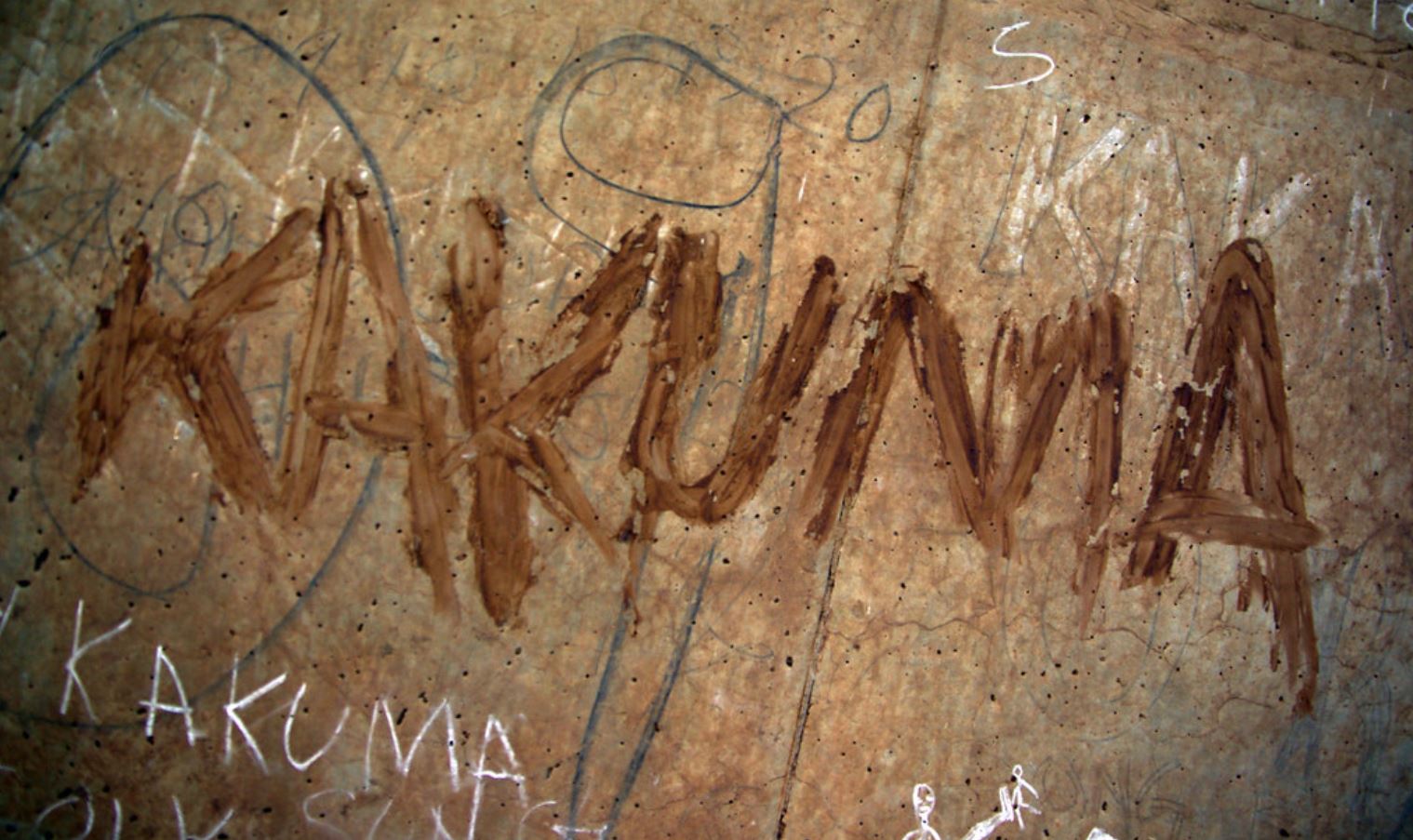
Kenya: Homophobic attack leaves man dead at Kakuma Refugee Camp; UN safety measures review needed

Ugandan man, Chriton Atuhwera, has died after a homophobic attack at Kakuma Refugee Camp in Kenya. The LGBTQIA+ community at the camp were targeted in a fire-bombing.

The death of Chriton Atuhwera serves as a tragic reminder of the significant threat faced by refugees fleeing homophobic violence. In light of this very real threat, it is vital that there are adequate safety measures put in place to protect the rights of all refugees, and accountability measures implemented to ensure consequences for those responsible for homophobic attacks on refugee individuals and communities.

The safety of residents at the Kakuma Refugee Camp is under the responsibility of the camp’s co-managers, including the United Nations High Commissioner for Refugees, the Kenyan government, and the Kenyan Department of Refugee Affairs.

Officials from the UN Refugee Agency have urged Kenyan authorities “to accelerate their investigation into the alleged attack and hold those responsible to account.” Amnesty International has joined this call.

Amnesty International Australia has written to Australian Foreign Affairs Minister Marise Payne to urge her to support an independent review of the current and proposed UN Refugee Agency’s and Refugee Affair Secretariat protection and safety measures accorded to all refugees, especially LGBTQIA+ people.

Colombia: Demonstrators killed and injured, arbitrary detentions, acts of torture and sexual violence, and reports of people disappearing

Amnesty International Australia written to Australian Foreign Minister Marise Payne asking her to urge the Colombian authorities to end its crackdown on human rights during anti-tax reform demonstrations.

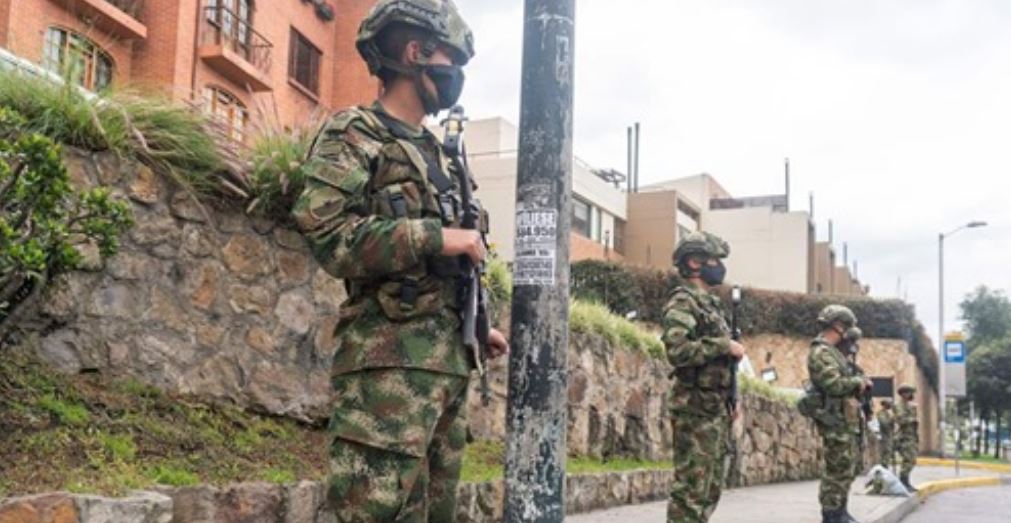
As the protests enter their third week, Colombian authorities must end the repression of demonstrations, cease the militarization of cities and ensure that respect for and guarantee of human rights are at the center of any public policy proposal, including tax reforms.

The alleged use of excessive and unnecessary use of force against demonstrators has resulted in dozens of people being killed and injured, arbitrary detentions, acts of torture and sexual violence, and reports of people disappearing.

Amnesty International has also signed a global petition along with 650 civil society organizations demanding a thorough investigation into human rights violations in the context of the repression, and calling on the Inter-American Commission on Human Rights to request the Colombian state’s consent to visit the country and install an independent body of experts to assist in the investigation of the events and ensure justice for the victims.

Australia has had strong diplomatic relations with Colombia since 1976, and Colombia is a founding member of the Pacific Alliance and the Forum for East-Asia Latin America Cooperation. These are opportunities to pressure Colombia into acting on this important matter.

Amnesty International urges Foreign Minister Payne to:

  • In light of the withdrawal of the tax reform bill and the announcement of a new one, call on the Colombian government to ensure that any public tax policy it adopts is designed and implemented in line with Colombia’s international human rights obligations. This means ensuring that measures are temporary, reasonable and proportionate, that less restrictive alternative measures have been exhausted, and that the genuine participation of the individuals and groups involved is guaranteed. The government should urgently undertake a human rights impact assessment of these measures to ensure that they are non-discriminatory and that they respect, in particular, the rights of historically marginalized groups, and take into account the context of the COVID-19 pandemic and its differential impact.
  • In light of the announcement of more demonstrations, call on the authorities to guarantee the Colombian people’s right to peaceful protest, and remind President Iván Duque that deploying the armed forces to control demonstrations only increases the risk of further human rights violations and crimes under international law.
  • Call urgently on Duque’s government to stop the repression and the stigmatization of protest, and to guarantee and protect all the human rights of the Indigenous and Afro-descendant people participating in the National Strike.