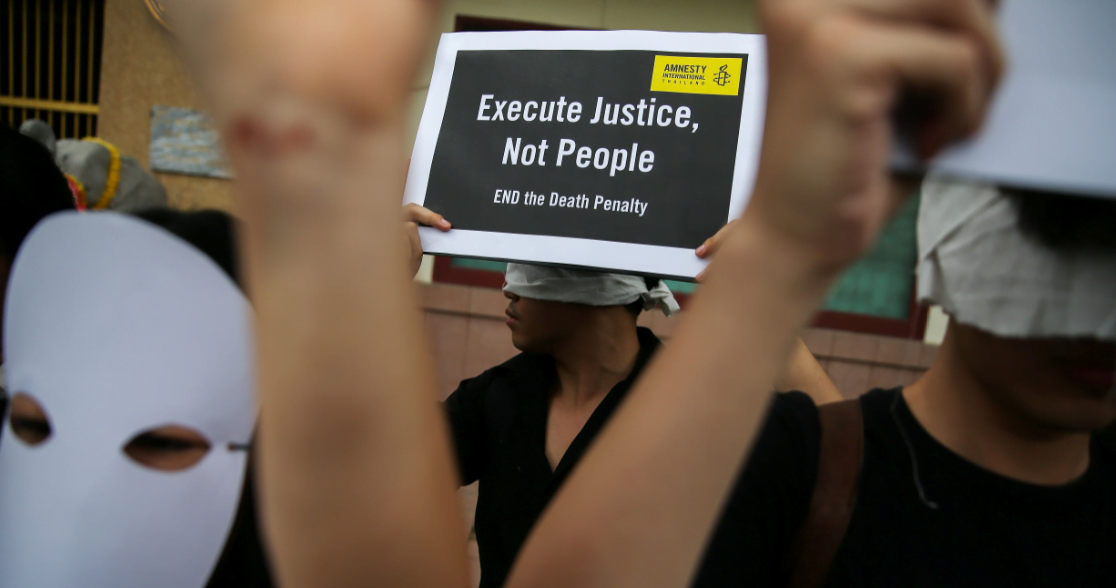
Death penalty 2020: Despite Covid-19, some countries ruthlessly pursued death sentences and executions

The unprecedented challenges of the Covid-19 pandemic were not enough to deter 18 countries from carrying out executions in 2020, Amnesty International said today in its annual global review of the death penalty. While there was an overall trend of decline, some countries pursued or even increased the number of executions carried out, indicating a chilling disregard for human life at a time when the world’s attention focused on protecting people from a deadly virus.

2020 executioners included Egypt, which tripled its yearly execution figure compared to the previous year; and China, which announced a crackdown on criminal acts affecting Covid-19 prevention efforts, resulting in at least one man being sentenced to death and executed. Meanwhile the Trump administration resumed federal executions after a 17-year hiatus and put a staggering 10 men to death in less than six months. India, Oman, Qatar and Taiwan also resumed executions.

“As the world focused on finding ways to protect lives from Covid-19, several governments showed a disturbing determination to resort to the death penalty and execute people no matter what,” said Agnès Callamard, Secretary General of Amnesty International. 

“The death penalty is an abhorrent punishment and pursuing executions in the middle of a pandemic further highlights its inherent cruelty. Fighting against an execution is hard at the best of times, but the pandemic meant that many people on death row were unable to access in-person legal representation, and many of those wanting to provide support had to expose themselves to considerable – yet absolutely avoidable – health risks. The use of the death penalty under these conditions is a particularly egregious assault on human rights.”
 

Covid-19 restrictions had concerning implications for access to legal counsel and the right to a fair trial in several countries, including the USA, where defence lawyers said they were unable to carry out crucial investigative work or meet clients face-to-face.  

Top five executing countries 

China classifies the total number of its executions and death sentences as a state secret and prevents independent scrutiny. Therefore, Amnesty International’s figures for all known executions do not include executions in China. However, China is believed to execute thousands each year, making it once again the world’s most prolific executioner ahead of Iran (246+), Egypt (107+), Iraq (45+) and Saudi Arabia (27). Iran, Egypt, Iraq, and Saudi Arabia accounted for 88% of all known executions in 2020.

Egypt tripled the number of yearly executions and became the world’s third most frequent executioner in 2020. At least 23 of those executed were sentenced to death in cases relating to political violence, after grossly unfair trials marred by forced “confessions” and other serious human rights violations including torture and enforced disappearances. A spike in executions occurred in October and November, when Egyptian authorities executed at least 57 people – 53 men and four women. 

Although recorded executions in Iran continued to be lower than previous years, the country increasingly used the death penalty as a weapon of political repression against dissidents, protesters and members of ethnic minority groups, in violation of international law.

Many countries in the Asia-Pacific region continued to violate international law and standards which prohibit the use of the death penalty for crimes that do not involve intentional killing. Yet, the death penalty was handed down for drug offences in China, Indonesia, Laos, Malaysia, Singapore, Sri Lanka, Thailand and Viet Nam; for corruption in China and Viet Nam; and for blasphemy in Pakistan. In Bangladesh and Pakistan, death sentences were imposed by courts established through special legislation and which usually follow different procedures from ordinary courts. In the Maldives, five people who were below 18 years of age at the time of the crime remained under sentence of death. 

The USA was the only country in the Americas to carry out executions in 2020. In July, the Trump administration carried out the first federal execution in 17 years, and five states put seven people to death between them. 

Executions reach lowest number in a decade

Globally, at least 483 people were known to have been executed in 2020 (excluding countries which classify death penalty data as state secrets, or for which limited information is available – China, North Korea, Syria and Viet Nam). Shocking as this figure is, it is the lowest number of executions recorded by Amnesty International in at least a decade. It represents a decrease of 26% compared to 2019, and 70% from the high-peak of 1,634 executions in 2015.

According to the report, the fall in executions was down to a reduction in executions in some retentionist countries and, to a lesser extent, some hiatuses in executions that occurred in response to the pandemic.

Recorded executions in Saudi Arabia dropped by 85%, from 184 in 2019 to 27 in 2020, and more than halved in Iraq, from 100 in 2019 to 45 in 2020. No executions were recorded in Bahrain, Belarus, Japan, Pakistan, Singapore and Sudan – countries that carried out executions in 2019. 

The number of death sentences known to have been imposed worldwide (at least 1,477) was also down by 36% compared to 2019. Amnesty International recorded decreases in 30 out of 54 countries where death sentences were known to have been imposed. These appeared to be linked in several cases to delays and deferrals in judicial proceedings, put in place in response to the pandemic. 

Notable exceptions were Indonesia, whose 2020 recorded death sentences (117) increased by 46% compared to 2019 (80); and Zambia, which imposed 119 death sentences in 2020, 18 more than in 2019 and the highest recorded in sub-Saharan Africa.

Time to abolish the death penalty

In 2020, Chad and the US state of Colorado abolished the death penalty, Kazakhstan committed to abolition under international law and Barbados concluded reforms to repeal the mandatory death penalty. 

As of April 2021, 108 countries have abolished the death penalty for all crimes and 144 countries have abolished it in law or practice – a trend that must continue.

“Despite the continued pursuit of the death penalty by some governments, the overall picture in 2020 was positive. Chad abolished the death penalty, along with the US state of Colorado, and the number of known executions continued to drop – bringing the world closer to consigning the ultimate cruel, inhuman and degrading punishment to the history books,” said Agnès Callamard.

“With 123 states – more than ever before – supporting the UN General Assembly call for a moratorium on executions, pressure is growing on outliers to follow suit. Virginia recently became the first US Southern state to repeal the death penalty, while several bills to abolish it at US federal level are pending before Congress. As the journey towards global abolition of the death penalty continues, we call on the US Congress to support legislative efforts to abolish the death penalty.

“We urge leaders in all countries that have not yet repealed this punishment to make 2021 the year that they end state-sanctioned killings for good. We will continue to campaign until the death penalty is abolished everywhere, once and for all.”

Amnesty International Global Death Penalty Report: Death Sentences and Executions 2020

In 2020, while the world was focused on saving lives during the Covid-19 pandemic, some countries were busy taking lives.

Amnesty International’s monitoring of the global use of the death penalty in 2020 showed that the number of known executions decreased slightly on the 2019 total, continuing the year-on-year reduction recorded since 2015 and reaching the lowest figure in more than a decade for the third consecutive year. Despite the overall trend of decline, the unprecedented challenges of a global pandemic were not enough to deter 18 countries from carrying out executions in 2020.

“As the world focused on finding ways to protect lives from Covid-19, several governments showed a disturbing determination to resort to the death penalty and execute people no matter what

– Agnès Callamard, Secretary General of Amnesty International

Notably, the USA was the only country in the Americas to carry out executions in 2020. After a 17-year-hiatus, the Trump administration carried out the first federal execution in 17 years, and executed 10 people in less than six months in 2020.

Top 5 executing countries

1. China – The true extent of the use of the death penalty in China is unknown as this data is classified as a state secret. However, China is believed to execute thousands each year, and in 2020 used the death penalty to  announce a crackdown on criminal acts that affected Covid-19 prevention efforts. 
2. Iran – Although recorded executions in Iran continued to be lower than previous years, the country increasingly used the death penalty as a weapon of political repression against dissidents, protesters and members of ethnic minority groups, in violation of international law.
3. Egypt – More than tripled its reported executions (from at least 32 to at least 107) and reached the highest total since its 2013 peak. At least 23 of those executed were sentenced to death in cases relating to political violence, after grossly unfair trials marred by forced “confessions” and other serious human rights violations including torture and enforced disappearances.
4. Iraq
5. Saudi Arabia

Iran, Egypt, Iraq, and Saudi Arabia accounted for 88% of all known executions in 2020.

Notwithstanding making this list, two countries were primarily responsible for the global reduction in executions compared to 2019: Iraq more than halved its yearly total (from at least 100 in 2019 to at least 45 in 2020) and Saudi Arabia reduced its tally by 85%, from 184 to 27.

Executions reach lowest number in a decade

Globally, at least 483 people were known to have been executed in 2020 (excluding countries which classify death penalty data as state secrets, or for which limited information is available – China, North Korea, Syria and Viet Nam). It is the lowest number of executions recorded by Amnesty International in at least a decade. It represents a decrease of 26% compared to 2019, and 70% from the high-peak of 1,634 executions in 2015.

The fall in executions was down to a reduction in executions in some retentionist countries and, to a lesser extent, some hiatuses in executions that occurred in response to the pandemic.

The number of death sentences known to have been imposed worldwide (at least 1,477) was also down by 36% compared to 2019. Amnesty International recorded decreases in 30 out of 54 countries where death sentences were known to have been imposed. These appeared to be linked in several cases to delays and deferrals in judicial proceedings, put in place in response to the pandemic. 

Time to abolish the death penalty

Amnesty International opposes the death penalty in all cases without exception, regardless of the nature or circumstances of the crime; guilt, innocence or other characteristics of the individual; or the method used by the state to carry out the execution.

As of April 2021, 108 countries have abolished the death penalty for all crimes and 144 countries have abolished it in law or practice – a trend that must continue.

Positive developments towards abolition were recorded in Chad and Kazakhstan as well as the US states of Colorado and Ohio, while hiatuses in executions occurred in Bahrain, Belarus, Japan, Pakistan, Singapore and Sudan. Encouraging trends continued in Gambia, Kazakhstan, Malaysia, the Russian Federation and Tajikistan.

“We urge leaders in all countries that have not yet repealed this punishment to make 2021 the year that they end state-sanctioned killings for good. We will continue to campaign until the death penalty is abolished everywhere, once and for all.”
– Agnès Callamard, Secretary General of Amnesty International

Read the annual Amnesty International Global Report: Death Sentences and Executions 2020 for more information.

Learn more about Amnesty International Australia’s campaigns to end the death penalty and how you can help save lives today.

Join our Human Rights Defenders program to help us abolish the death penalty.

#StrandedAussies at risk of becoming #ForgottenAussies if the government doesn’t act on UN Committee recommendation

Amnesty International Australia has welcomed the UN Human Rights Committee’s ruling that the Australian government must “facilitate and ensure” the prompt return of two Australian men who argued their country has breached international law by preventing their return home because of “arbitrary caps on airline travel”. 

The men are just two of more than 34,500 stranded Aussies who are trapped overseas and are registered with the Department of Foreign Affairs to come home to Australia. 

Amnesty International campaigner, Joel MacKay, said:

“The UN Human Rights Committee has confirmed what we and the community have been saying for nearly a year: Australia has to get stranded Aussies home as soon as possible.

“The Australian government should be ashamed that it had to take the UN to tell them to act on this. The International Covenant on Civil and Political Rights said that ‘no one shall be arbitrarily deprived of the right to enter his [or her] own country’ – what is so hard to understand about that?

“Australians have been and are continuing to be harmed, by the government’s slow and bungled approach to getting them home amid the global pandemic crisis. People have been left homeless, unemployed, absolutely penniless, and stressed and anxious.”

Amnesty International Australia released a report, Stories of the Stranded Aussies: The Case to Bring Them Home, in November 2020. It called on the government to:

  1. Support all states and territories to increase the capacity of their existing hotel quarantine programs. This means more hotel rooms so that more people can quarantine. 
  2. Adopt a home quarantine program. Where safe to do so, allow returning Australians to quarantine at home for two weeks, with checks from the authorities to ensure compliance. 
  3. Use federal quarantine facilities to allow people to isolate. 
  4. Significantly raise, or remove, the cap on the amount of Australians who can return home per week. 
  5. Work with the airlines to maximise the number of flights coming to Australia, and to prioritise returning Australians safely. 
  6. Charter additional repatriation flights, including using RAAF resources if necessary.
  7. Open Melbourne Airport and airports other than Sydney, Perth, Adelaide and Brisbane to cater for an increased number of returning Australians. 

“It has been a long time without much progress for the more than 30,000 Australians stuck overseas. The #StrandedAussies are at risk of becoming the #ForgottenAussies. The government needs to act on the UN Human Rights Committee’s ruling as soon as possible,” MacKay said.

More than 11,000 people have signed Amnesty International’s petition calling on the government to adopt its seven-point plan.

Amnesty International congratulates the two men on their campaign, and their legal team, for winning a ground-breaking ruling that will set up thousands of Australians for a speedy return home.

NSW police using COVID-19 pandemic to restrict the right to protest

Over the past twelve months, Amnesty International has highlighted how police around the world have used the COVID-19 pandemic as a cover to crack down on the right to protest.

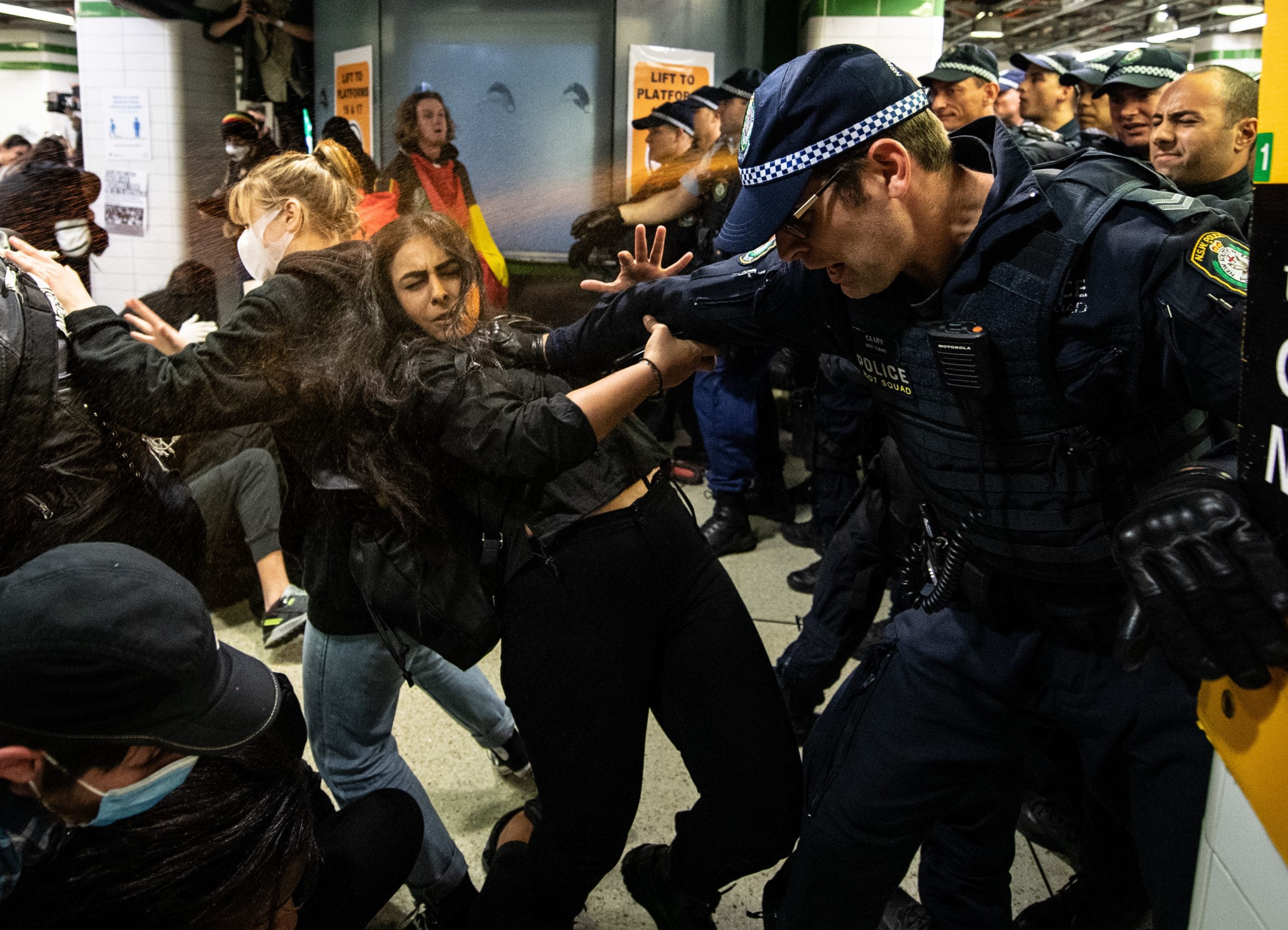
Today, Amnesty International has released a briefing detailing how New South Wales police have used disproportionate and unnecessary force to police protests and enforce COVID-19 restrictions.

Amnesty International’s new briefing, COVID-19 Crackdown: The Policing of Protest in New South Wales During the COVID-19 Pandemic, outlines how the extension of powers under the Public Health Act 2010 has led to the undue restriction of peaceful protesters’ rights to freedom of expression and peaceful assembly.

COVID-19 crackdowns

In 2020, New South Wales police pepper sprayed peaceful protesters, chased protesters on horseback, and pushed them to the ground – injuring both protesters and bystanders

In less than 12 months, New South Wales police issued over $75,000 worth of fines, and arrested dozens simply for exercising their human rights.

During public health emergencies such as the COVID-19 pandemic, states have an obligation to protect our right to health. Under human rights law, governments can place restrictions on the rights to freedom of peaceful assembly and expression, so long as these restrictions protect public health. 

However, the briefing reveals that New South Wale’s police’s conduct was too often not necessary to protect public health, nor was it proportionate to the threat of the COVID-19 pandemic in New South Wales.

While protesters at the University of Sydney were arrested and fined for gathering in groups over 20, other students were able to attend classes with over 30 other students.

Unfortunately, this punitive policing of protests has continued into 2021. Organisers of the 2021 Invasion Day march reported they felt pressured and intimidated by police to call off the march. Organisers told Amnesty International that the police “arked up” when it became clear that more than 500 people would attend the protest.

Recommendations

Amnesty International is calling on New South Wales police to commit to using their powers in a manner that complies with their human rights obligations. The New South Wales police should:

  • Ensure that police are completely aware of and understand their responsibilities and powers in regards to protests, through regular training and compliance checks, so that everyone can enjoy their human rights to peaceful assembly and freedom of expression,
  • Ensure that police undertake training on how to work with diverse communities, including Indigenous people, the LGBTQIA+ community, refugees and asylum seekers, and people with a disability, so that everyone can enjoy their human rights to peaceful assembly and freedom of expression,
  • Always liaise with peaceful protest organisers to negotiate suitable conditions for all parties in a protest, rather that automatically seeking legal interventions,
  • Ensure that the decision to disperse an assembly is in line with the principles of necessity and proportionality, and is only taken when there are no other means available to protect public order from an imminent risk of violence, and
  • Conduct prompt, thorough, effective, and independent investigations into the use of force, and those responsible for excessive or otherwise unlawful use of force must be held accountable.

The New South Wales government should treat the COVID-19 pandemic first and foremost as a public health crisis to be addressed through appropriate public health measures rooted in respect for human rights. The New South Wales government should:

  • Ensure that COVID-19 restrictions which concern public assemblies, and so the rights to freedom of peaceful assembly and expression, are proportionate to the threat posed by the public health emergency and necessary to protect the threat posed to people’s right to health by the COVID-19 pandemic,
  • Review the Public Health Act, Crimes Act and other legislation relevant to the right to peaceful protest, in light of learnings of the COVID-19 pandemic, to ensure that they are suitable and meeting the expectations of the community,
  • Restrictions concerning public assemblies should not disproportionately prohibit or restrict public assemblies in comparison to public gatherings of similar sizes, for example community sport.

Human rights should always be protected, including in a pandemic. Australia remains the only liberal democracy in the world without a human rights act, which prohibits full respect and accountability for human rights. The Commonwealth Government should:

  • Legislate a national human rights act that enshrines international human rights law into domestic legislation and provides accountability to ensure the rights of all people in Australia are protected.

Protect the right to protest

In 2021, protesters are once again taking to the streets to call for justice, equality and human rights. They shouldn’t face injury and fines, just for standing up for what’s right.

Take action and call for New South Wales police to respect the right to peacefully assembly and freedom of expression. It’s time for New South Wales police to end the disproportionate and unnecessary use of force at peaceful protests.

Together we can ensure everyone can safely stand up for what’s right.

Activists calling for a Fair Go and Justice for Refugees

Palm Sunday has long been a day of protest for people across faith communities and for those without any religious beliefs. Thousands have been marching for justice for refugees ever since the re-opening of Australia’s inhumane offshore processing program in 2013.

Our power is in challenging injustice together so this year Amnesty International Australia lent our support to national efforts. We joined with the Australian Refugee Action Network as well as other networks to call for Justice and a Fair Go for refugees. In particular, we wanted to demonstrate public support and influence moderate Liberal Members of Parliament (MPs) to encourage their party to accept refugee resettlement pathways. 

What happened?

23 March – We were able to host an online webinar for people from the refugee sector and faith communities across the country. This webinar was facilitated by refugees speaking directly from their lived experience as well as refugee campaigning experts. We had over 130 people attend – half of whom had not been invited by Amnesty and 22 who had never engaged with Amnesty before.

28 March – We encouraged our supporter base to attend dozens of events right around the country – many of which had visible Amnesty support and local media coverage. We provided a unique QR code for activists and event organisers to use.

Over 1600 people sent a personalised hardcopy postcard to the most influential MPs. The postcards look like this:

8 April – Following on from these activities, we held a Zoom calling party targeting the same MPs, to tell them that thousands of people want them to call on Prime Minister Morrison to accept the New Zealand offer, and to look out for our postcards in the mail. 

14 April –  Behind the scenes we have been also working with religious leaders to sign on to an open letter to Prime Minister Morrison which has been sent to his office now and will be published in his local paper, the St George & Sutherland Shire Leader on Wed 14 April.

All of this activism has been to build momentum and pressure on key MPs to influence our Prime Minister ahead of his upcoming meeting with NZ Prime Minister Arden. We want Morrison to accept the NZ offer to resettle 150 refugees a year – this deal has been on the table since 2013. If the Australian Government had accepted this offer then there would be no refugees left in offshore detention.  

Stay tuned to hear the outcome!  

Australia must stand with Belarusian protesters, older people, women and children: Amnesty International

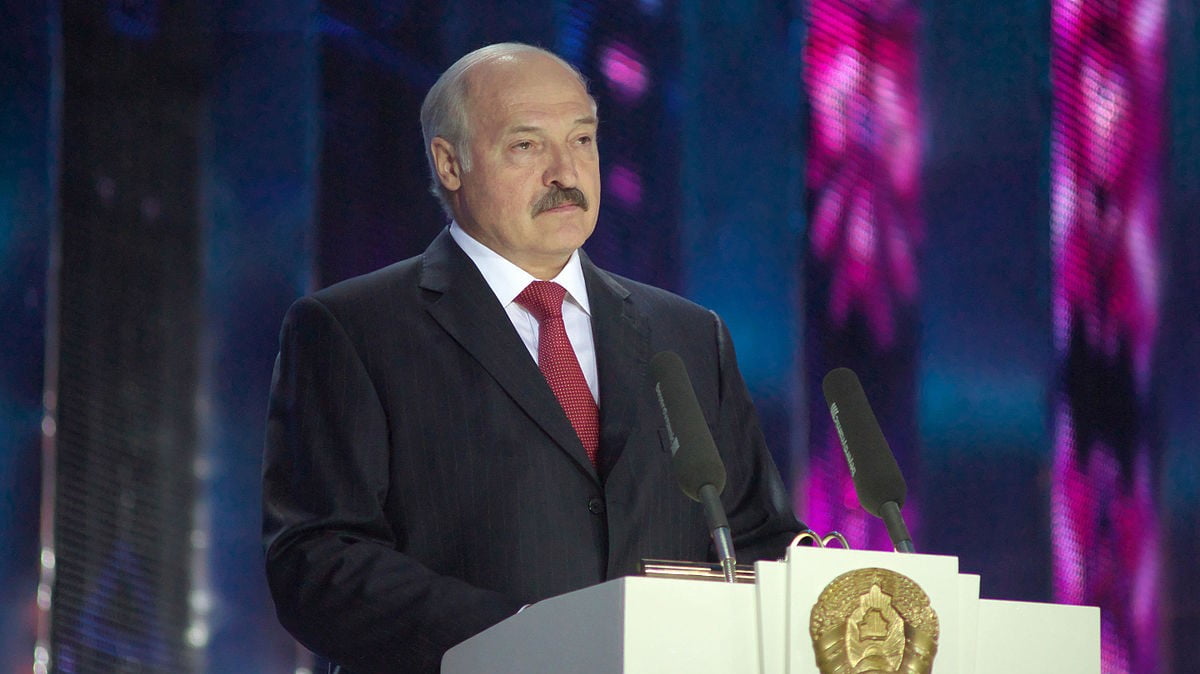
The ongoing detention, torture, and ill treatment of peaceful protestors in Belarus is a gross violation of human rights that cannot stand unopposed on the global stage.

In a series of reports and briefings, Amnesty International has documented gross human rights violations against Belarusian protesters, older people, women and children.

Since Belarus’ controversial presidential election in August 2020, tens of thousands of peaceful protestors have been detained, tortured, and some even killed. This surge in police violence, torture and other forms of ill treament in custody has amassed victims of regime violence on an unprecedented scale across the country.

The people of Belarus continue to suffer severe violations of their human rights as a direct result of the regime’s ongoing sinister crackdown on all forms of dissent, real and imaginary.

As thousands of individuals gather to claim their rights and have their voices heard, Amnesty International is concerned about the broad impacts of the regime’s brutal crackdown on peaceful dissent:

  • There has been a consistent use of unlawful force by police and law enforcement officials against peaceful protesters and bystanders since the 2020 election. The state-sanctioned use of unlawful force has led to the deaths of several protestors, whose families are yet to see justice for their loved ones. Rigorous efforts to intimidate and silence victims (and witnesses) of such human rights violations are out-matched only by the pure scale at which these violations have occurred.
  • The inhumane treatment of children has been core to the Belarusian authorities’ increasingly desperate attempts to suppress dissent, as children are threatened with arbitrary arrest and years imprisonment. Weaponising child custody legislation is a particularly insidious strategy used by authorities to threaten and intimidate both children and their parents.
  • The clampdown on hundreds of artists and other cultural figures protesting the regime has taken the form of arbitrary detention and torture, beatings, criminal charges, and intimidation.
  • Women protestors in Belarus are subject to an additional dimension of abuse from guards and police officers, testifying to rampant patriarchal attitudes and persecution for representing gender equality issues.
  • The regime’s cruel treatment of older people participating in Belarusian protest movements has been a cause of particular distress across the country. The authorities have targeted older protestors involved in dissent actions, like Wisdom Marches, and detained these citizens under appalling conditions for weeks on end. Reports maintain that the medical needs of detainees suffering illnesses such as cancer, heart and lung conditions have been neglected, and no provisions have been made to protect older detainees from contracting COVID-19.

Amnesty International has written to Foreign Minister Marise Payne to ask her to encourage the Belarusian authorities to put an end to these human rights violations, and immediately release all people detained solely for exercising their rights to peaceful assembly and expression.

Surge in targeted killings of Ahmadis in Pakistan requires a global response

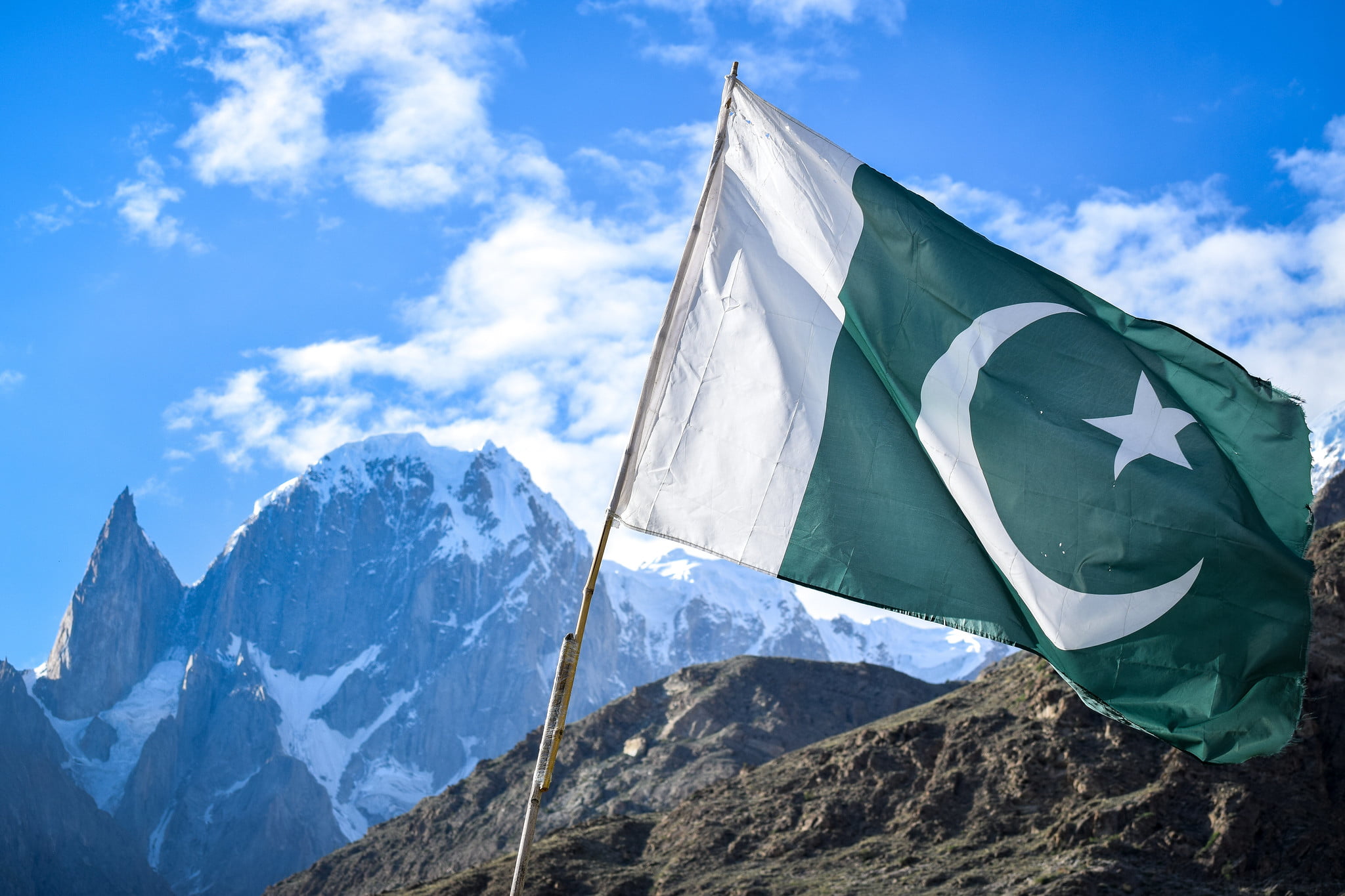
The Ahmadiyya community in Pakistan is increasingly under threat after a surge in targeted killings since July 2020.

The Ahmadiyya community has long-been victimised by the discriminatory policies of Pakistan, borne from broad religious intolerance to the sect of Islam across the country. Today, Ahmadi individuals are subjected to arbitrary arrest, detention, and charges on the basis of their beliefs under blasphemy legislation. The widespread and rampant discrimination against the Ahmadiyya community perpetuated by these policies have contributed to a recent surge in targeted killings.

These attacks cannot be allowed to continue. The international community is obligated to subject the Pakistani government to formal scrutiny and inquiry as a result of their failure to comply with their international legal obligations under the International Covenant on Civil and Political Rights.

Amnesty International has written to Australian Foreign Minister, Marise Payne, to urge her to join and facilitate an international strategy to stop the killings of the Ahmadis, and to directly call on the Pakistani government to act now. See the full list of the recommendations in the letter.

It’s time to welcome back refugees – new poll finds strong support for community sponsorship

As new Immigration Minister, Alex Hawke, prepares to announce important reforms to Australia’s Community Sponsorship of Refugees, a poll commissioned by Amnesty International Australia has found the majority of Australians (55%) support communities being able to directly sponsor refugees into their neighbourhoods.

Amnesty Campaigner, Shankar Kasynathan, who came to Australia as a community sponsored refugee, said: “This new evidence clearly shows the Australian community wants to do more to welcome refugees. Minister Hawke has strong public support to improve and increase the community refugee sponsorship program so Australians who want to directly support refugees can do so.”

Over the past three years, Amnesty International has campaigned for improvements to the existing CSP which is currently too expensive and too restrictive for most communities to support,  and is inclusive of, not in addition to, the Federal Government’s refugee intake.

In that time, more than 40,000 people and 40 local government authorities have signed Amnesty’s My New Neighbour petition supporting improvements, and countless community members and refugees have told us their beautifully inspiring stories that illustrate the benefits to both the community and the refugees when we welcome them into our neighbourhoods and help them rebuild their lives.

The latest poll of 1,600 people across metropolitan and regional Australia found that the majority (52%) agree refugees should be allowed to settle in Australia, with strong support for community sponsorship across different age groups and in both rural and urban areas.

Kasynathan said, “Community sponsorship of refugees is a no brainer. It dodges the divisive politics, let’s the government get out of the way, and puts communities in charge of bringing refugees into their own neighbourhoods if and when they wish to do so”.

Amnesty International Report 2020/21: The state of the world’s human rights

The Amnesty International Report 2020/21 documents the human rights situation in 149 countries in 2020, as well as providing global and regional analysis.

In the world

During 2020, the world was rocked by COVID-19. The pandemic and measures taken to tackle it impacted everyone, but also threw into stark relief, and sometimes aggravated, existing inequalities and patterns of abuse. Some had roots in discrimination based on race, gender and other grounds, which often intersected and rendered certain populations uniquely vulnerable. Those abuses and inequalities were spotlighted and vigorously challenged by people-powered movements such as Black Lives Matter and women’s rights campaigns, whose resilience led to a few hard-won victories.

The pandemic threw into stark relief the human rights impact of years of political and financial crises and flaws in global systems of governance and co-operation, which some states exacerbated by shirking their responsibilities or attacking multilateral institutions. These dynamics were illustrated by trends in three areas: violations of the rights to life, health and social protection; gender-based violence and threats to sexual and reproductive rights; and repression of dissent

Meanwhile, in both long-running and new conflicts, government forces and armed groups carried out indiscriminate and targeted attacks on civilians, killing thousands, and caused or prolonged mass displacement and humanitarian crises. Despite a few notable convictions for war crimes and crimes against humanity, impunity in times of war and peace remained the norm and, in some countries, the rule of law was eroded. Millions of people suffered from disasters exacerbated by the climate crisis. The overall picture was of a world in disarray. 

At home

The annual report singles out Australia’s lack of action on climate change, treatment of Indigenous people and the ongoing detention of refugees.

Despite widespread public support for raising the age of criminal responsibility from 10 to 14, Australian law makers continue to display reluctance to move on an important reform which would have a significant impact on the health and wellbeing of Indigenous children.

“Australians like to see ourselves as living in the lucky country, and that’s true for the privileged among us, but there are swathes of our community who are unable to access justice and the basic rights to which we’re all entitled. Our annual report shines a light on the issues and shows that while we are in many ways lucky, there is also a long way to go to ensure everyone’s rights are protected.”

Amnesty International Australia National Director, Samantha Klintworth. 

The effect of the COVID-19 pandemic on the world’s most vulnerable and marginalised people is also highlighted in the report. Amnesty International Australia received reports of targeted harassment of people in remote Indigenous communities which the Victorian Ombudsman found to be in contravention of their human rights.

The pandemic has also compromised the right to freedom of assembly, with restrictions on protests continuing in states like New South Wales, where most other restrictions have been lifted.

Protecting refugees and asylum seekers in need of safety is another area where Australia has a troubling track record. Although many people who were transferred to Australia for urgent medical treatment have been released from Alternative Places of Detention (APODs), there are many still languishing in detention where they have been for more than eight years.

We are seeing a powerful global effort to undermine and roll back human rights, and growing restrictions on our ability to mobilise. In the face of these threats, Amnesty International’s people-powered global movement is more crucial than ever.

On a domestic level, Amnesty International Australia’s 2025 Vision looks ahead with a clear vision for the next five years, of hope and renewed commitment to continuing to challenge injustice and create real, lasting change on key issues: anti-racism, LGBTQIA+ rights, Indigenous justice, climate justice, refugee rights and women’s rights.

On a global level, the latest Amnesty International Annual Report 2020/21 details the concerns and calls for actions to governments and others. By grounding measures aimed at recovery from the pandemic and other crises in human rights, leaders have an opportunity to resuscitate international cooperation and fashion a more just future. It is essential reading for policy makers, advocates, activists, and anyone with an interest in human rights. Read the report for more.

The Lucky Country for some, but a long way to go on addressing basic human rights breaches in Australia

Australia’s lack of action on climate change, treatment of Indigenous people and the ongoing detention of refugees have been singled out for criticism in Amnesty International’s annual report into the state of human rights around the world: Amnesty International Report 2020/21 – The State of the World’s Human Rights.

The report highlighted widespread public support for raising the age of criminal responsibility from 10 to 14, and Australian law makers reluctance to move on an important reform which would have a significant impact on the health and wellbeing of Indigenous children.

“Australians like to see ourselves as living in the lucky country, and that’s true for the privileged among us, but there are swathes of our community who are unable to access justice and the basic rights to which we’re all entitled,” Amnesty International Australia National Director, Samantha Klintworth, said. 

“Our annual report shines a light on the issues and shows that while we are in many ways lucky, there is also a long way to go to ensure everyone’s rights are protected.”

The effect of the COVID-19 pandemic on the world’s most vulnerable and marginalised people was also highlighted in the report, with over policing during the early phase of the pandemic being a major concern in Australia. 

“Amnesty received reports of people in remote Indigenous communities living in overcrowded accommodation being harassed by police for having too many people in one dwelling, as well as people in the public housing towers being put into hard lockdown, which the Victorian Ombudsman found was in contravention of their human rights.”

The right to freedom of assembly has also been compromised during the pandemic with restrictions on protests continuing in states like New South Wales where most other restrictions have been lifted.

“The well-documented and heavy-handed tactics used by police at Black Lives Matters protests and the University of Sydney last year demonstrated that protesters are treated differently to cricket fans and shoppers when gathering in numbers.

Protecting refugees and asylum seekers in need of safety is another area where Australia has a troubling track record. Although many people who were transferred to Australia for urgent medical treatment have been released from Alternative Places of Detention (APODs) there are many still languishing in detention where they have been for more than eight years.

“There are still around 1,200 refugees – previously detained offshore, now in Australia –  either living in limbo in the community, or detained in APODs or detention centres. And there are around 250 still trapped offshore on Papua New Guinea and Nauru eight years later,” Sam Klintworth said. “This is a disgraceful human rights abuse and must end immediately.“Police should work constructively with protesters to facilitate a COVID-safe and peaceful environment for people to exercise their rights to freedom of assembly.”