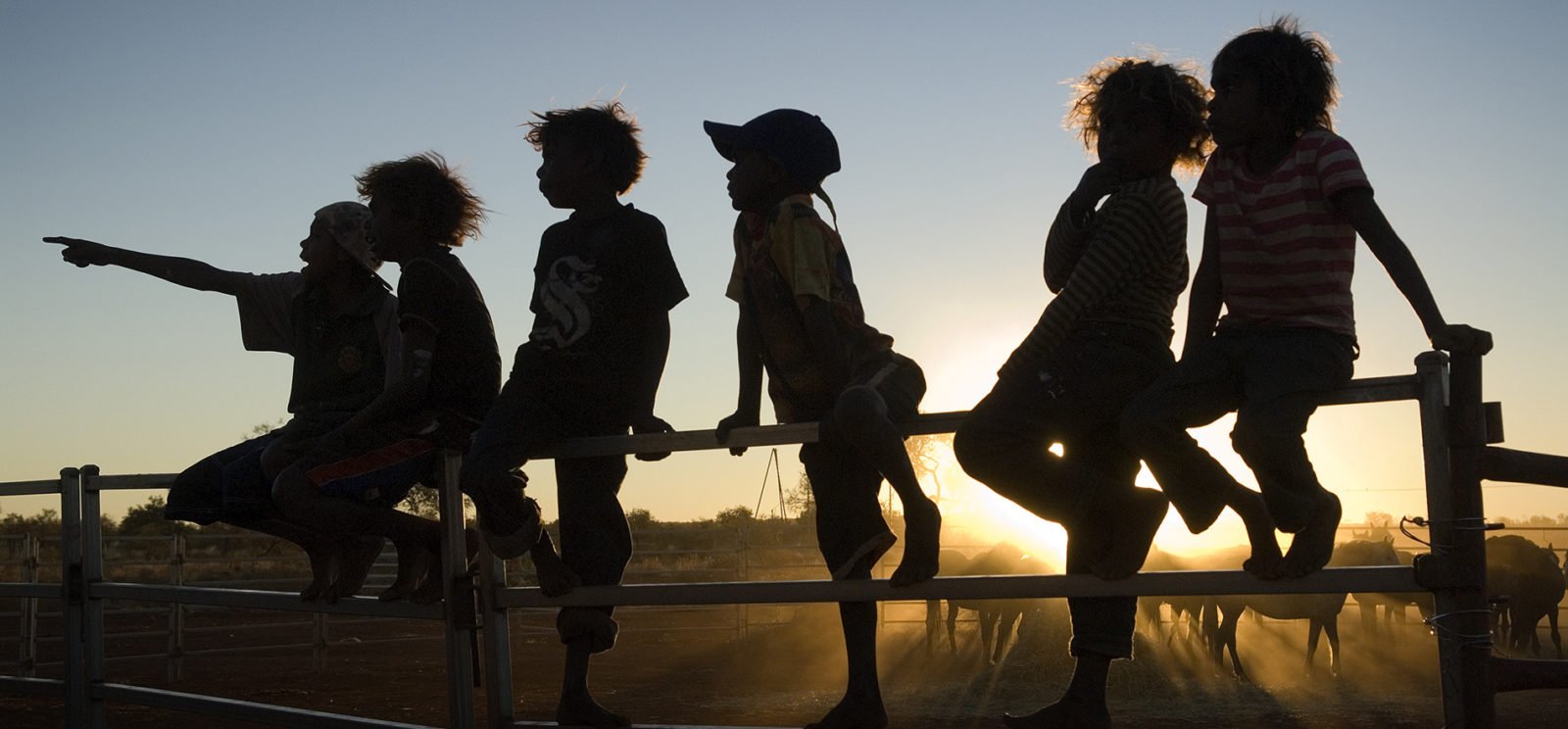
Amnesty International Australia is deeply concerned about proposed changes to the Northern Territory’s youth justice system which turns its back on the reforms made following the 2017 Royal Commission.
“This is a callous, racist legislative crackdown in search of a problem,” Amnesty International Australia Indigenous Rights Advocate Rodney Dillon said.
“This is a callous, racist legislative crackdown in search of a problem,”
Rodney Dillon, Amnesty International Australia Indigenous Rights Advocate
“Chief Minister Gunner has picked up the Royal Commission report and thrown it in the bin.
“Let’s be clear: no one wants youth crime. But cracking down on Indigenous kids – because all the kids in the NT justice system are Indigenous – who have complex needs, by throwing them in jail fixes nothing.
“What it does is condemn young kids to the quicksand of the youth justice system, and it entrenches recidivism, which is what all the politicians say they want to address,” Dillon said.
The Australian Bureau of Statistics found that there were 693 offenders aged between 10 and 17 years, a decrease of 9% from 2018–19.
“It’s illogical, but more than that, it’s not based on any evidence whatsoever. In fact, according to the Australian Bureau of Statistics, youth crime is on a downward trend across Australia, including in the Territory.
“We’d like the Gunner government to please show us the evidence that youth crime is rising. Anecdotes and perceptions don’t equal evidence.
“Because we’d be more than happy to show them the evidence that sending kids to prison compounds disadvantage and offending behaviour.”
“If the people of the Northern Territory really want long-lasting and systemic change to address youth offending, then raising the age of criminal responsibility is the only logical, moral and evidence-based solution.
“This government knows diversion and intervention programs work — they have made good decisions to fund these programs across the Territory. These amendments are reactionary, political and wrong.
“Our society should be protecting and promoting the safety of children, and all the evidence shows that Indigenous and community-led justice reinvestment programs are what’s effective for children in supporting them to lead healthy lives, free of the quicksand of the justice system.”
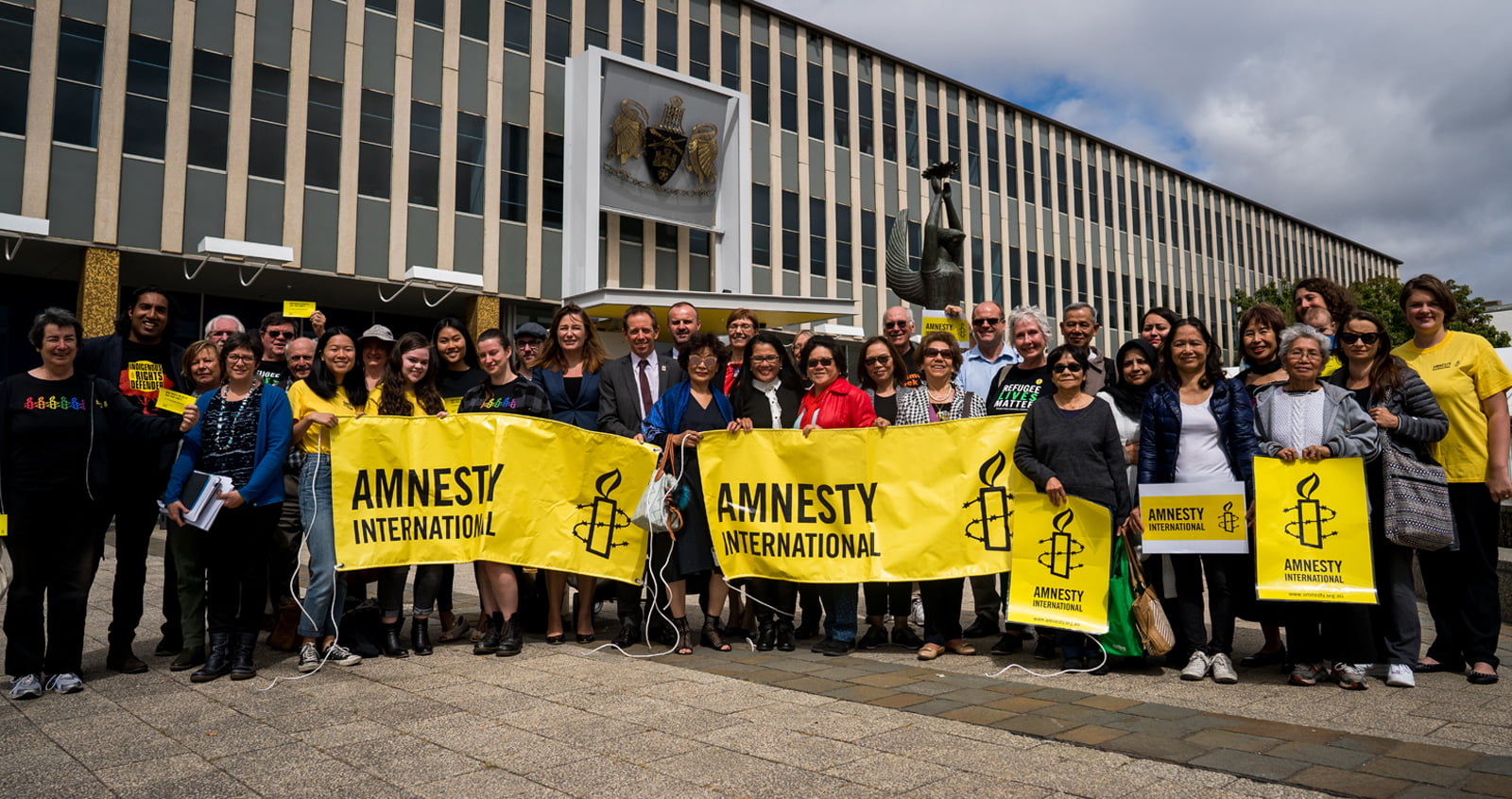
In just three years Amnesty International’s refugee campaign, ‘My New Neighbour’, has gone to every Australian state and territory, revealing the willingness of local communities to get behind their new neighbours, some of whom are refugees.
The My New Neighbour campaign is a neighbourhood-led solution to help refugees – people who are seeking to rebuild their lives somewhere safe. It’s all about giving communities the opportunity to lead the change from within.
Amnesty International Australia today gave evidence into a hearing into the Queensland Government’s Youth Justice Act amendments, raising concerns that rather than allowing them to access diversion programs the QLD Government has invested heavily in, the proposed amendments will have the perverse effect of funnelling more children and young people into police watch houses and detention.
“Nowhere in the Explanatory Notes of this legislation does it state that these amendments are designed to reduce youth offending, or address the underlying causes of crime, so we can only conclude that they’re based on tough-on-crime rhetoric and don’t have the best interests of children at the centre of the legislation,” Amnesty International Australia Indigenous Rights Campaigner Maggie Munn said.
“Youth crime is trending down in Queensland, all the best evidence in the world shows that putting kids into prison creates a cycle of recidivism – so if the Queensland government was serious about dealing with youth crime in an effective way, then it would allow children and young people to access the diversion programs it has invested in.
“The government wants to ‘reduce recidivism’ but it has made a fundamentally flawed assumption: that prison reduces recidivism. The government is wrong. By flipping the presumption of bail, the government will be funnelling children into the prison system which produces recidivists and away from prevention and diversion programs that address the underlying causes of crime.
“The government wants to ‘reduce recidivism’ but it has made a fundamentally flawed assumption: that prison reduces recidivism.”
Maggie Munn, Amnesty International Australia Indigenous Rights Campaigner
“The Queensland government knows that these programs work, if they didn’t work, it wouldn’t have spent $5.6 million into On Country program trials, and hundreds of millions of dollars into other non-custodial interventions. This bill is a political response to a tragedy at a time when youth crime statistics in Queensland are dropping. To make these programs and responses work, the government has a job to do: they need to convince the community that they are viable alternatives to prison that hold children to account — as they do — rather than as ‘soft-on-crime’ compromises.
“The community-led diversion programs work to keep kids out of prison, reduce crime and ultimately address the overrepresentation of Indigenous people in Australian prisons.
“These amendments actively work against addressing any of these issues and are a knee-jerk reaction to a perception there is a youth crime crisis.
“Good legislation is made with evidence, not perceptions. Significant reform is needed in the Queensland youth justice system -but it needs to be reform that keeps children out of harmful prisons. The Queensland government should lead the way along with the ACT and Northern Territory and raise the minimum age of criminal responsibility to fourteen, and legislate so that children cannot be held in police watch houses overnight.”
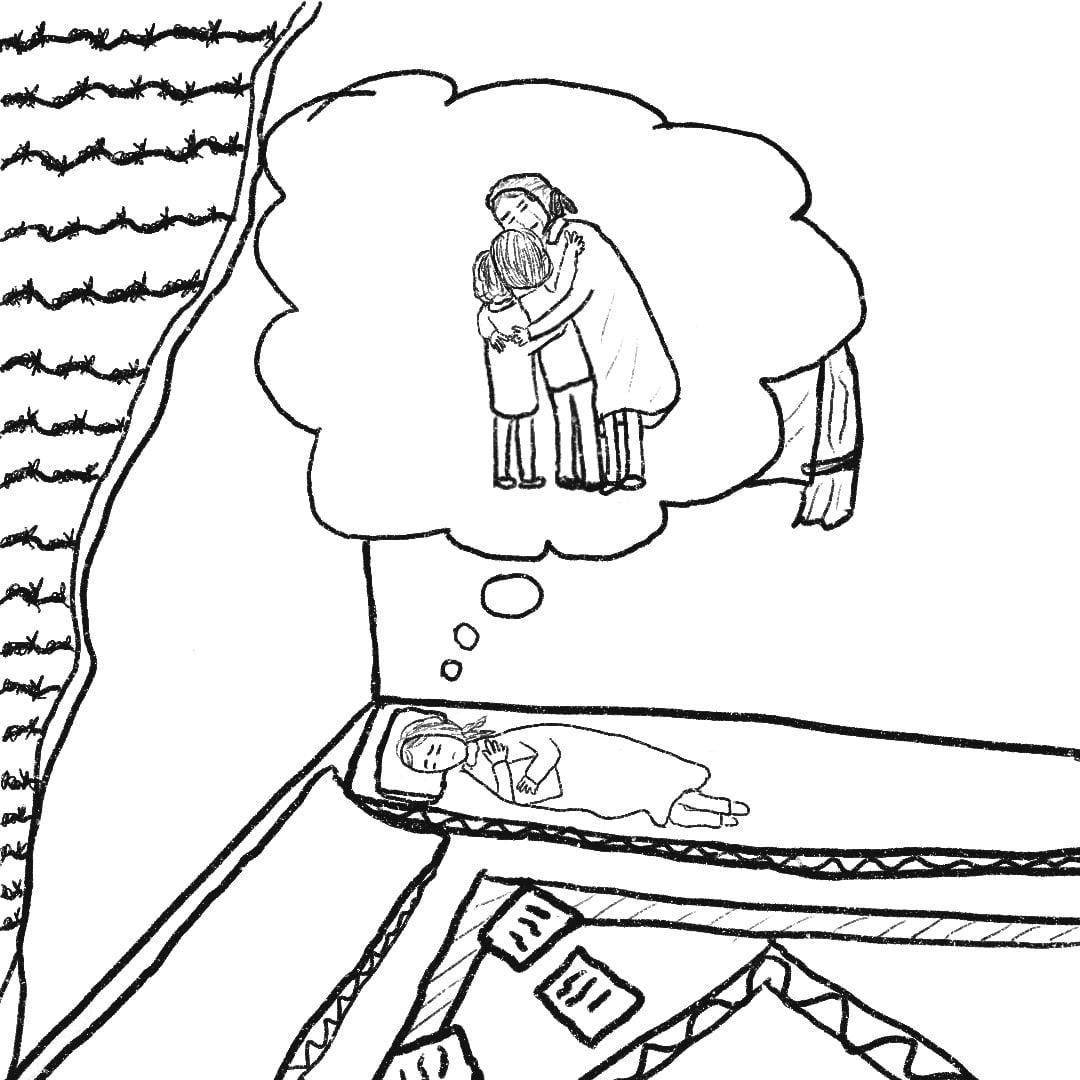
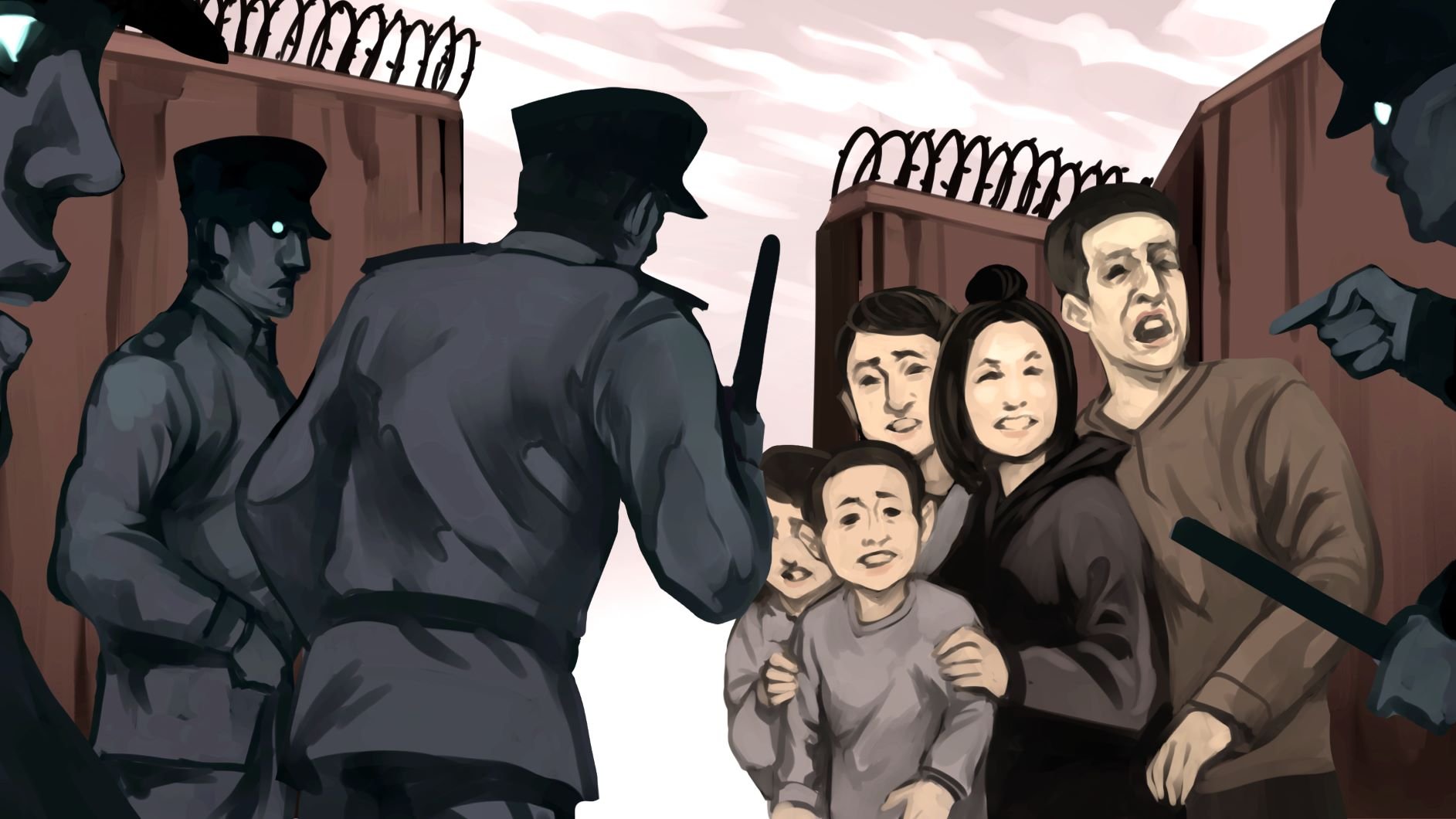
The organization spoke to parents who have been completely cut off from their children – some as young as five years old – and cannot return to China due to the threat of being sent to a “re-education” internment camp.
“China’s ruthless mass detention campaign in Xinjiang has put separated families in an impossible situation: children are not allowed to leave, but their parents face persecution and arbitrary detention if they attempt to return home to care for them,” said Alkan Akad, Amnesty International’s China Researcher.
“The heartbreaking testimonies of the parents we spoke to only scratches the surface of the scale of suffering endured by Uyghur families separated from their children. The Chinese government must end its heartless policies in Xinjiang and ensure that families can be reunited as quickly as possible without fear of being sent to an oppressive camp.”
Amnesty International interviewed six exiled Uyghur families currently residing in Australia, Canada, Italy, the Netherlands and Turkey. The families, who left China prior to the intensification of the crackdown against Uyghurs and other Muslim minority groups in 2017, had not dreamed that their children would be prevented from joining them.
Since 2017, an estimated one million or more people have been arbitrarily detained in so-called “transformation-through-education” or “vocational training” centres in Xinjiang, where they have been subjected to various forms of torture and ill-treatment, including political indoctrination and forced cultural assimilation.
“Uyghurs overseas often hesitate to publicly talk about human rights abuses against them and their families due to fear of repercussions for their relatives back in China. In spite of such challenges, these parents have decided to publicly share their stories in the hope that it will help them reunite with their children soon,” said Alkan Akad.
Children make perilous journey in attempt to reach Italy
Parents Mihriban Kader and Ablikim Memtinin fled from Xinjiang to Italy in 2016 after being harassed by police and pressured to give up their passports.
They left four children in the temporary care of grandparents, but soon afterwards the grandmother was taken to a camp, while the grandfather was interrogated by police.
“Our other relatives didn’t dare to look after my children after what had happened to my parents,” Mihriban told Amnesty International. “They were afraid that they would be sent to camps, too.”
The three youngest children were sent to an “orphan camp”: facilities set up across Xinjiang to house – and indoctrinate – children whose parents have been forced into internment camps, prison and other detention facilities. The eldest child was placed in a boarding school subjected to surveillance and monitoring.
Mihriban and Ablikim were unable to contact them from Italy, but in November 2019 they received a permit from the Italian government to bring their children to join them.
The four children – aged between 12 and 16 – travelled alone across China to the Italian consulate in Shanghai, but they were seized by police and sent back to the orphanage and boarding school.
“Now my children are in the hands of the Chinese government and I am not sure I will be able to meet them again in my lifetime,” Mihriban said. “The thing that hurts most is that, to my children, it’s as if their parents don’t exist anymore; as if we passed away and they are orphaned.”
In another case, Omer and Meryem Faruh fled to Turkey in late 2016 after police demanded they hand over their passports. They left their two youngest children, aged five and six, with grandparents because they did not yet have their own travel documents. Omer and Meryem later found out their relatives had been taken to camps, and they have received no word about their children since.
“We haven’t heard the voices of our daughters for the last 1,594 days,” Omer told Amnesty International. “My wife and I cry only at night, trying to hide our sorrow from our other kids here with us.”
Access for human rights monitors vital
Alkan Akad said: “The tragedy of family separation in Xinjiang exposes the inhumanity of China’s efforts to control and indoctrinate Uyghurs and other Muslim ethnic groups in the name of ‘countering terrorism’.
“China must end the measures that restrict the rights of all Muslim minorities to freely leave and return to the country. It must close all political ‘re-education camps’ and release detainees immediately, unconditionally and without prejudice.”
Amnesty International is calling on the Chinese government to provide full and unrestricted access to Xinjiang for UN human rights experts, independent researchers and journalists to conduct investigations about what is happening in the region.
Meanwhile, the organization urges other governments to do everything they can to ensure that Uyghurs, Kazakhs and other Chinese ethnic minorities resident in their countries are provided with assistance in trying to locate, contact, and reunite with their children.
Uyghurs overseas often hesitate to publicly talk about human rights abuses against them and their relatives due to fear of repercussions for their relatives back in China. In spite of such challenges, six parents have decided to publicly share their stories in the hope that it will help them reunite with their children soon.
For decades, many Uyghurs have experienced systematic ethnic and religious discrimination in northwestern China’s Xinjiang Uyghur Autonomous Region (XUAR) as part of China’s publicly declared “People’s War on Terror” and its associated efforts to combat “religious extremism”.
Since 2014, an estimated one million or more people have been a part of a mass detention campaign in Xinjiang, where they have been subjected to various forms of torture and ill-treatment, including political indoctrination and forced cultural assimilation.
Nearly four years ago, Uyghur parents studying or making a living abroad began living a recurring nightmare. Many had left one or more children in the care of family members in their hometowns back in Xinjiang. They could not know at the time that China was about to launch an unprecedented crackdown on ethnic populations in the region that would make it nearly impossible for their children to leave China to reunite with them abroad.
Amnesty International has spoken extensively to six parents who have been separated from their children. Their testimonies only begin to scratch the surface of the experiences of Uyghur families yearning for reunification with children trapped in China. These are two of the stories.
Mamutjan, born and raised in Kashgar, currently lives in Australia. He was pursuing a doctoral degree in social science in Malaysia when his wife Muherrem and baby daughter joined him in 2012, after waiting more than two years for Muherrem’s passport to be issued.
Mamutjan still cherishes the time they were all together: “When Muherrem and our daughter first came to Kuala Lumpur, it was so exciting … Those were the happiest and most memorable times of my life.”
Those happy times lasted almost three years, ending when the Chinese embassy in Kuala Lumpur refused to reissue Muherrem’s passport in late 2015, after it had been lost. She was then forced to travel back to China to renew her passport with their then five-year-old daughter and six-month-old son. At the time, they thought this would be a routine procedure. They had no inkling that China was about to launch a large-scale crackdown on Uyghurs and that an agonizing, years-long separation was about to begin.
For two years, Mamutjan knew little about his wife’s whereabouts and was unable to contact his parents or in-laws. In May 2019, Mamutjan saw a video of his son on a relative’s social media account, excitedly shouting: “My mum has graduated!” He then finally found some peace of mind, as he believed this clearly meant she had been released from the camps.
Muherrem and the two children ended up stranded in Kashgar. Mamutjan was able to maintain regular contact up until the day before Muherrem was taken to an internment camp in April 2017. When Muherrem was taken away, the children were left with their grandparents. Not long after, Mamutjan’s parents asked him not to contact them again. Many of his friends and relatives have “unfriended” him on messaging apps.
Mamutjan decided to take a chance and called his parents in August 2019. He thought the video might be a sign that his family’s dire situation had improved somewhat.
He was so excited when his mother picked up the phone. “I just wanted to say Eid Mubarak, it’s been so long since the last time I spoke to you,” Mamutjan said.
His mother replied with a quavering voice before she hung up: “There are cadres at home.”
“We did not deserve any of this immense suffering. It’s like you lose four or five years of your life just for being Uyghur or being different from the majority of Chinese”
– Mamutjan
Afterwards, Mamutjan kept calling but the line was always busy. He believes his parents deliberately disconnected the line so that he could not call again, avoiding contact with him for fear that being in touch with people overseas could lead to internment or other punishment.
Over the last year, Mamutjan has continued to receive bits of information in coded words from his friends that suggest Muherrem continues to be detained. A friend told him that his wife was “five years old”, which Mamutjan believes might mean that she was sentenced to five years’ imprisonment. Another friend said Muherrem has been taken to a “hospital”, which could refer to an internment camp or a prison in the coded language Uyghurs use.
While Mamutjan has not been able to contact his family and relatives, he believes his son might be living with his mother-in-law and his daughter with his own parents, based on two videos he received from close friends who visited his hometown to find out more information about his family. “We did not deserve any of this immense suffering. It’s like you lose four or five years of your life just for being Uyghur or being different from the majority of Chinese,” he said.
Mamutjan called on the Chinese government to end its repressive policies in Xinjiang: “If there is any humanity left in them, the Chinese authorities should stop treating people like this and let people reunite with their families. It is not like we have committed any crimes. I want them to realize the extent of this mass cruelty … This is agonizing and painful injustice, there are no other words to accurately describe this.”
He has reached out to the Department of Home Affairs in Australia, where he is currently living, but they said they could not help him because he is not a permanent resident.
“ALMOST REUNITED: FOUR TEENAGERS ON A PERILOUS JOURNEY” – Mihriban Kader‘s story
Mihriban Kader and her husband Ablikim Memtinin, originally from Kashgar, fled to exile in Italy in 2016 after being repeatedly harassed by police and told to hand over their passports to the local police station.
Soon after they left, the police also started to harass Mihriban’s parents, who were taking care of their four children. Eventually, the grandmother was taken to a camp and the grandfather was interrogated for several days and later spent months in hospital.
This left the children without any caretaker. “Our other relatives didn’t dare to look after my children after what had happened to my parents,” Mihriban told Amnesty International. “They were afraid that they would be sent to camps, too.”
Fresh hopes for a family reunion came in November 2019, when Mihriban and Ablikim received a permit from the Italian government to bring their children to join them. Before that could happen, however, their four children – aged 12, 14, 15 and 16 – needed to set off by themselves on the gruelling and precarious 5,000-km (3,100-mile) journey from Kashgar, near China’s border with Pakistan, to the eastern coastal city of Shanghai to apply for Italian visas in June 2020.
On the road, they faced many great dangers and challenges. Regulations prohibit children from buying train or flight tickets and from travelling on their own in China. Due to discriminatory policies and local government edicts, hotels often refuse to accommodate Uyghur people, claiming there are no rooms available. Despite the adversity, the children persevered and managed to reach Shanghai.
“Now my children are in the hands of the Chinese government and I am not sure I will be able to meet them again in my lifetime.”
– Mihriban Kader
When the children finally reached the gates of the Italian consulate, valid passports in their hands, they could almost feel as if their parents were on the other side waiting to hug them.
Their excitement quickly turned to despair when they were denied entry into the consulate. They were later told family reunification visas could only be issued in the Italian embassy in Beijing, but at that time people could not travel due to the strict lockdown in Beijing in June 2020. With hearts shattered, the children waited outside the consulate, hoping that somebody would come out and help them. Instead, a Chinese guard came over and threatened to call the police if they did not leave.
Refusing to give in to dejection, the children sought assistance from several travel agencies to apply for Italian visas. On 24 June, all four were seized by the police at their hotel in Shanghai and taken back to an orphanage and boarding school in Kashgar, according to their parents. Had they been permitted to enter the consulate, they might now be reminiscing together with their parents about the daring journey they had just undertaken instead of languishing in the Chinese orphanage system. As it stands, Mihriban and Ablikim fear they might have lost their children forever.
Recommendations
To the Chinese government:
Ensure that children are allowed to leave China to be reunited as promptly as possible with their parents, if that is preferred by them, as well as with siblings already living abroad.
End all measures that impermissibly restrict the rights of Uyghurs and other predominantly Muslim ethnic groups to freely leave and return to China.
Provide full and unrestricted access to UN human rights experts, independent researchers and journalists to Xinjiang to conduct independent investigations about what is happening in the region.
Close the political “re-education camps” and release detainees immediately, unconditionally and without prejudice.
Ensure Chinese diplomatic or consular organs and other public officials and authorities protect the legitimate rights and interests of all Chinese citizens, particularly in providing appropriate assistance with locating their family members in China.
Ensure that everybody from Xinjiang is able to regularly communicate with family members and others without interference, including with those living in other countries, unless specifically justified in line with international human rights law.
Cease the practice of forced separation of Uyghur children from their parents or guardians, in line with its obligations under the UN Convention on the Rights of the Child and other human rights, unless competent authorities subject to effective judicial review determine that such separation is necessary as a last resort for the best interests of the child;
Release, as a matter of urgency, all children held in state-run institutions without consent of the child’s parents or guardians.
To other governments:
Ensure that all Uyghurs, Kazakhs and others have prompt access to a fair and effective asylum process, legal counsel, a thorough assessment of the possible human rights violations or abuses they might face upon return and the ability to challenge any removal orders;
Make best efforts to ensure that all Uyghurs, Kazakhs and other members of Chinese ethnic groups resident in their countries, regardless of their immigration status, are provided with consular and other appropriate assistance to establish the whereabouts of and contact with their children, keeping in mind the special circumstances in which members of these ethnic groups find themselves presently;
Make decisions about family reunification with due regard to applicable human rights obligations, in particular under the Convention on the Rights of the Child, by dealing with applications by a child or his or her parents to enter their country for the purpose of family reunification in a positive, humane and expeditious manner.
Read Amnesty International’s full report ‘Hearts and Lives Broken: The Nightmare of Uyghur Families Separated by Repression’ featuring all six stories:
Responding to reports that Papua New Guinea’s Prime Minister James Marape has declared a critical ‘red stage’ in the country due to a recent surge in COVID-19 cases, Amnesty International’s Pacific Researcher Kate Schuetze said:
“Papua New Guinea’s health crisis has now reached the level we feared it would reach a year ago with a surge in cases. A combination of an ailing health system and inadequate living conditions has created a perfect storm for COVID-19 to thrive in the country’s overcrowded informal settlements.
“Amnesty International has received reports of inadequate amounts of personal protective equipment for health workers, and that some hospitals are full or threatening to be closed to new admissions. Misinformation within the community and online about the illness is also rife, with some suggesting the illness is a government conspiracy theory. This has also been fuelled by the government at times publishing inaccurate information on the number of confirmed cases. There is an absence of an effective public information campaign by the government, to dispel the misinformation.
“While Australia and New Zealand have made pledges of assistance to Papua New Guinea in response to the pandemic, it is woefully inadequate. Australia has sent a team of medical experts this week and has pledged monetary support, but this will not provide immediate relief. Basic health infrastructure is urgently needed in Papua New Guinea to help immediately on the diagnostic and treatment level, as well as for the distribution of vaccines once they are approved by the national authorities.”
Yet there is little prospect of vaccines coming this month, in the context of a deeply unequal global rollout. The consequences of this mean that many poorer countries such as PNG will continue to be at the back of the queue for limited supplies of vaccines.
Australia and New Zealand, together with other key donors, need to urgently step up and provide the assistance their neighbour needs now.
Both Australia and New Zealand continue to fail to support calls by around 100 countries mainly in the global south for a temporary waiver of intellectual property rights that would enable increased production, affordability and accessibility of vaccines.
Background
According to the World Health Organisation (WHO) and the Queensland Government, between 30 and 50 per cent of test results in Papua New Guinea have been returning a positive result in early March 2021.
As of 16 March 2021, the government had reported 26 confirmed deaths and 2269 confirmed cases. The WHO has noted that severe undertesting means these numbers are likely to be significantly underestimated/under reported? and that at least two provinces have widespread community transition.
Papua New Guinea is part of the United Nations COVAX scheme, which aims to fairly and equitably deliver vaccines to all countries. However, COVAX has to date not been resourced enough to ensure poorer countries are getting access to vaccines. The scheme is being severely undermined by wealthy countries buying up more vaccines than they need significantly impacting on the ability to secure vaccines for other nations. For more detail on Amnesty International’s position on ensuring universal access to Covid-19 diagnostics, treatment and vaccines, see: https://www.amnesty.org/en/documents/pol30/3409/2020/en/
To understand what it means to be genderqueer, we must first understand what gender binary is and how it affects our view of gender.
What is the gender binary?
The common Western model of gender is based on the concept of a gender binary, that is, the concept that there are only two genders (men/women) and that these genders are linked to biological sex (male/female). This model is put into practice in a multitude of different ways, some examples include: the labelling of toilets as male/female, gender markers on identification documents, honorific and occupational titles, gendered pronouns, gender reveal parties, medical treatments etc.
Not only does this model fail to account for the existence of intersex people (people born with natural biological variations in sex characteristics such as chromosomes, hormones or reproductive anatomy), it is also a relatively recent model of gender. Until the 18th Century the most common understanding of gender was the one-sex theory – a model which theorised that there was only one essential sex (male) and women were simply a variation of this sex. This model was replaced by the two-sex model, which defined gender in terms of genitals and reproductive organs, and saw women as defined by the possession of a uterus. The theory came to dominate political understandings of gender and to define the modern gender binary.
What does genderqueer mean?
Genderqueer is an identity used by those who don’t identify with the binary gender they were assigned at birth. Genderqueer people may identify as living between binary genders, living outside them or they may reject the notion of binary gender completely. Genderqueer identities may also refer to how people experience their gender over time as something that is fluid and shifting; or as a steady and ongoing sense of sitting outside the gender binary.
Some common misconceptionsaround genderqueer
There are many common misconceptions about what it means to identify as genderqueer. It is important to understand why these misconceptions are incorrect and what they might reflect about our current understandings of gender. They often come from an understanding of genderqueer people as a homogenous group who experience their identities in the same way. However, like any group of people, not all genderqueer people feel the same way about their identity and expression.
‘All genderqueer people want to look androgynous‘
While some genderqueer people do enjoy presenting as androgynous, not all do. It’s also important to note that some genderqueer people may enjoy looking androgynous at one point in their life and not in another. There is no one way to look or be genderqueer, the only way you are able to know how someone identifies is to listen carefully to how they identify themselves and follow their lead.
‘All genderqueer people want to undertake or have undertaken hormone replacement therapy‘
Hormone replacement surgery refers to the prescription of masculinising or feminising hormones which may change a person’s physical characteristics. While hormones and gender-affirming surgeries allow some genderqueer people to change their bodies to present in a way they prefer, not all genderqueer people are interested in hormones or surgery, and choose to express themselves in a variety of other ways.
‘All genderqueer people use they/them pronouns‘
Firstly – what are pronouns? Pronouns are words that take the place of nouns to refer to someone, some examples of pronouns include he/him, she/her, they/them. While pronouns themselves do not have a gender some genderqueer people feel more comfortable using pronouns which reflect how they wish to be referred to. There are many pronouns that genderqueer people can use to refer to themselves: including she/her, he/him, they/them, xe/xir, ze/zim etc. Some genderqueer people will use multiple pronouns: she/they or xe/they, and others may use the pronouns they were assigned at birth.
‘All genderqueer people hold the same political views‘
Being genderqueer doesn’t define the goals, expression or aims of any one person. For some people being genderqueer is a large part of how they see themselves and their identity, but for others it is just another part of who they are. Not all genderqueer people want the same things, or express themselves in the same way and there are many debates within the genderqueer community about the meaning of different words and identities.
‘Transgender, non-binary and genderqueer are just different words for the same thing‘
While these identities are all related, each identity refers to a slightly different experience of gender. However, they are all considered umbrella terms for a range of different gender identities. While ‘transgender’ most often refers to people who do not identify as cisgender (the same as the gender they were assigned at birth), not all genderqueer people identify as trans for a number of different reasons. Similarly, while non-binary identities refer to people who identify as outside the gender binary, not all genderqueer/non-binary people identify with both terms. The difference between these terms can be nuanced and complex, but what is most important is to listen to each individual and use the term they prefer.
How do people know they’re genderqueer?
One of the most common questions genderqueer people are asked is, “but how do you know?” While this may seem like a normal question to ask, it’s important to think about what this question is really asking. It can be difficult to understand an identity you haven’t heard of before, however, asking “how do you know?”, forces genderqueer people to defend their identity. A better way to understand this is to think of this question as if someone was asking “how do you know you’re happy?” While after some thought you might be able to articulate what happiness feels like to you, it would be almost impossible to explain how you know that feeling or what it might feel like for someone else. Furthermore, while you might be able to explain the feeling, it’s impossible to prove that you’re happy to anyone else. In the same way asking “how do you know?” forces genderqueer people to prove how they feel is valid rather than accepting their own experiences as truth.
Why is understanding genderqueer-ness important for human rights activism?
There is still a lot of important work to be done in Australia to protect the rights of genderqueer people, while the Sex Discrimination Act 1984 makes it unlawful to discriminate on the basis of sexual orientation, gender identity or intersex status, there are still a number of religious exemptions to this law, and little in place to support genderqueer/transgender people who experience abuse, hostility and harrassment on an often daily basis.
There are a number of Amnesty International Australia campaigns which are pressuring governments to enact much-needed legislation which will offer more support for genderqueer/transgender people, as well as combating existing discrimination.
These campaigns focus on empowering genderqueer people to be legally recognised for their identity. Such as Amnesty’s campaign for the Queensland government to amend the Births, Deaths, Marriages and Registration Act 2003.
Other campaigns focus on introducing legislation which will protect against discrimination and harmful practices. Recently, Victoria’s Legislative Council passed the Change or Suppression (Conversion) Practices Prohibition Bill (2020), a world-leading bill that protects LGBTQIA+ Victorians from harmful change or suppression practices otherwise known as conversion practices. While this bill puts in much-needed legislation, there are still a number of states and territories which have no laws in place to protect LGBTQIA+ Australians from the harm caused by conversion practices, and despite legislation being introduced in the ACT and Queensland in 2020 these laws require amendments to offer adequate protection for LGBTQIA+ Australians.
Overall, Amnesty supports an Australian Human Rights Act, which would ensure that the rights of all Australians are equally protected. Currently, genderqueer identities are protected in international human rights law by the Yogyakarta Principles and the International Covenant on Civil and Political Rights (ICCPR). The Yogyakarta Principles act as a universal guide to human rights which contains precepts to guarantee the equal treatment of LGBTQIA+ people. The ICCPR also enshrines equal and non-discrimination treatment for all Australians. An Australian Human Rights Act should follow these principles to enshrine equal rights without distinction of any kind such asrace, colour, sex, language, religion, political or other opinion, national or social origin, property, birth or other status.
While there is still much to be done in Australia, internationally there are still many countries where genderqueer/transgender identities are not only discriminated against but criminalised. You can find more information about Amnesty’s LGBTQIA+ rights campaign work here.
Robbie Wardhaugh (they/them), a genderqueer activist living and working on Gadigal lands.
Amnesty International Australia is concerned that the bill will result in more children being detained in prisons and police watch houses, rather than being diverted to Indigenous and community-led programs that address the underlying causes of crime.
The Queensland government must do all it can to keep children out of prison. This doesn’t mean children who commit crimes aren’t held responsible, but alternatives – such as diversion programs – must be investigated and resourced.
The amendments to youth justice legislation in Queensland that Amnesty International strongly recommends is to:
raise the minimum age of criminal responsibility from ten to at least fourteen, and
legislate to prohibit children from being held in police watch houses overnight.
The Myanmar military is using increasingly lethal tactics and weapons normally seen on the battlefield against peaceful protesters and bystanders across the country.
Our on-the-ground events have been cancelled but you can still take action online! Join Amnesty staff and activists in asking Australia to lead the call in defending human rights in Myanmar, and ask your friends and family to do the same.
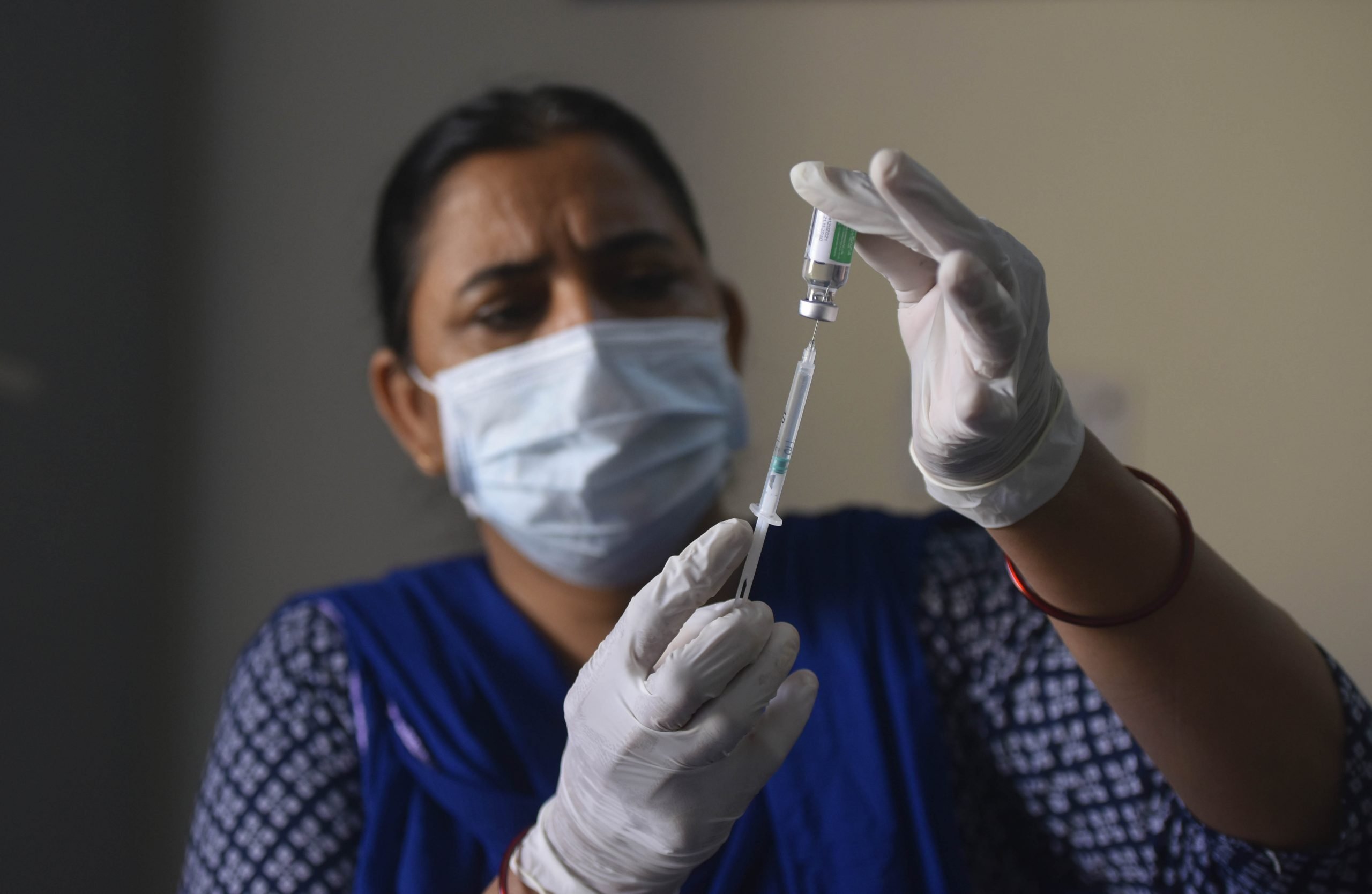
The actions of pharmaceutical companies and rich countries mean that billions of people at risk of COVID-19 are unlikely to receive a single dose of the life-saving vaccines this year, Amnesty International said as it launched a new global campaign calling for universal access to vaccines.
The campaign – A Fair Shot: Universal Access to COVID-19 Vaccines – calls for pharmaceutical companies to share their knowledge and technology to maximize the number of doses of vaccines available around the globe. It also calls on states to stop engaging in ‘vaccine nationalism’ and work together to ensure that those most at-risk of COVID-19 in all countries can access life-saving COVID-19 vaccines immediately.
“Who gets access to a COVID-19 vaccine, when, and at what price, are some of the most significant and contested questions facing our societies today. But the answers are being shaped by the interests of powerful states and companies,” said Stephen Cockburn, Head of Economic and Social Justice at Amnesty International
“So far they’ve created a dangerous situation with global inequalities in vaccine access spiraling out of control. A few rich countries are racing ahead, while the rest of the world struggles to get off the starting line. Everyone deserves a fair shot at a vaccine — when it comes to our right to health, there’s no place for discrimination.”
Rich countries have bought up over half of the world’s vaccine supply, even though they represent just 16 per cent of the world’s population. The same countries have administered over 60% of the world’s doses so far, while over 100 countries are yet to vaccinate a single person.
“Nobody should be denied access to health care, including vaccines, because of where they live, who they are, or what they earn. With enough pressure on the right people, we can ensure COVID-19 vaccination systems guarantee human rights,” said Stephen Cockburn.
Sharing knowledge and technology
Billions of taxpayers’ money has been spent to help companies like AstraZeneca, Moderna and Pfizer BioNTech to develop and produce vaccines, yet these companies – and others – refuse to share their research, knowledge and technology. This means that other pharmaceutical companies cannot draw upon these advances in science to step up their own vaccine production, which would in turn increase supply, so they are accessible to countries with smaller budgets.
For example, in May 2020, the World Health Organization set up the COVID-19 Technology Access Pool (C-TAP) so companies could pool data and knowledge, and then license production and technology transfer to other potential producers, with the aim of ensuring people everywhere could access vaccines quicker. Yet so far, not a single pharmaceutical company has joined C-TAP.
Governments must fulfill their human rights obligations and support a proposal to waive certain provisions of the TRIPS agreement, a global treaty governing intellectual property rights, which often restricts where, when and how medicines are produced. This waiver would lift the enforcement of patents and intellectual property protections that currently create obstacles for additional manufacturers to produce more COVID-19 vaccines. However, while it is supported by the vast majority of low- and middle-income countries, it is opposed by the wealthy ones.
As some states refuse to hold vaccine producers to account on their human rights responsibility to extend COVID-19 vaccine access to the maximum number of people, deep divides and inequalities between countries and communities have only become further exposed. And it’s those most at risk who are suffering as some countries and pharmaceutical companies continue to prioritize bilateral deals over ensuring that all people in every country have a fair shot at COVID-19 vaccines.
“As we mark the one-year anniversary of the declaration of the COVID-19 pandemic, we cannot stand by and watch this tragedy unfold when we have solutions on the table,” said Tamaryn Nelson, Amnesty International’s Health Advisor. “Amid governments’ race to vaccinate their own populations entirely first and the pharmaceutical industry’s tight grip on its patents, we’re forgetting that people’s lives are at stake. No one is safe until we’re all safe.”
It’s time for pharmaceutical companies and states to fulfil their human rights responsibilities and obligations. Amnesty International is campaigning for companies, including AstraZeneca, Pfizer, BioNTech and Moderna, to share their knowledge and technology so that everyone in the world will have a fair shot at a vaccine. And states must step up by putting pressure on companies to do their part and work collectively to ensure those most at risk around the globe are vaccinated as soon as possible.