LGBTQIA+ conversion practices are finally banned in Victoria!

Thanks to the advocacy of survivors and allies, LGBTQA+ Victorians are now protected from harmful conversion practices.

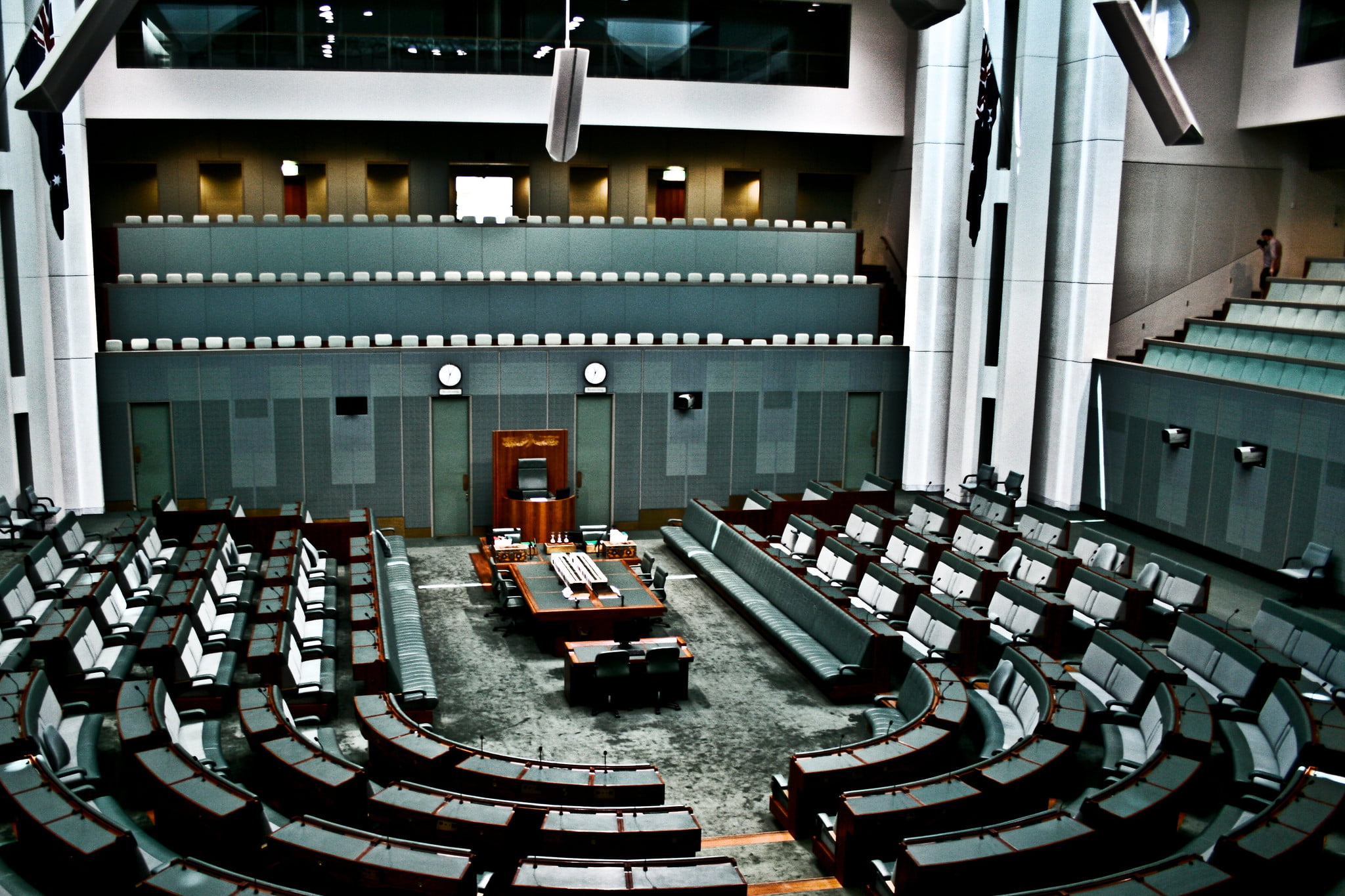
On 4 February 2021 the Victoria’s Legislative Council passed the Change or Suppression (Conversion) Practices Prohibition Bill (2020).

The Bill protects LGBTQA+ Victorians from harmful change or suppression practices, otherwise known as conversion practices. The Bill puts in place new measures and penalties to protect LGBTQA+ Victorians from conversion practices, and makes it clear that LGBTQA+ people aren’t ‘broken’ and don’t need to be ‘fixed.’

Survivor advocates, supported by allies, have campaigned for years for the end of conversion practices in Australia. Over 35,000 Amnesty supporters have taken action calling for legislation to ban these practices. Hundreds reached out directly to Members of the Legislative Council, calling on them to support the Bill.

What are LGBTQA+ conversion practices?

For decades, conversion practices have been responsible for causing irreparable harm to LGBTQA+ Victorians.

Conversion practices, also known as Sexual Orientation and Gender Identity Change Efforts (SOGICE), are formal and informal practices which claims LGBTQA+ people are ‘sick’ and ‘broken.’

The conversion practices movement makes pseudoscientific claims that people can change their sexual orientation and gender identity.

Research by La Trobe University found in 2018 that religious practices are the most common type of conversion practices.

According to the Human Rights Law Centre Report ‘Preventing Harm, Promoting Justice’, 10% of LGBTQA+ Australians are at risk of conversion practices.

Time for the rest of the country to follow suit

Several Australian states and territories still have no laws banning conversion practices. Queensland and the ACT passed laws in 2020, but those laws require amendment to effectively protect LGBTQA+ Australians from the harm caused by conversion practices.

Together, we can pressure Australian governments to work with survivors groups such as SOGICE Survivors and Brave Network, to draft effective legislation to combat conversion practices.

Take action today and call on Australian governments to end conversion practices in Australia.

Proposed Alice Springs youth curfew will not go ahead: Minister Manison

In response to a motion passed by the Alice Springs Town Council, Amnesty International Australia wrote to the Northern Territory Police Minister, Nicole Manison, asking her to intervene and ensure that a curfew did not go ahead.

Amnesty International Australia argued that a curfew on children and young people will only entrench cycles of disadvantage, poverty, poor health and racism. Enforcing such a curfew will see police station cells and detention centres overflow. Furthermore, it will affect the most marginalised children in Alice Springs who need support, and only get more children trapped in the quicksand of the youth justice system.

A curfew on children and young people may also breach international law. The UN Guidelines for the Prevention of Juvenile Delinquency notes that curfews ‘stigmatise, victimise and criminalise young people’. The Committee on the Rights of the Child and the UN World Report on Violence Against Children has called for the abolition of status offences – such as youth curfews – to achieve equal treatment for children and adults.

In an important move by the government, Minister Manison wrote to Amnesty International Australia and said:

There are no proposed legislation changes relating to curfews for young people as there is no evidence that this works.

To improve community safety, we have committed record funding into areas of police, child protection, health, housing and education services, staffing and resources.

Nicole Manison, Deputy Chief Minister of the Northern Territory, and Minister for Police, Fire and Emergency Services

Amnesty International Australia welcomes the Minister’s support against youth curfews.

Whilst funding across various social services is a key part to keep children and young people out of prison, Amnesty International Australia calls on the Northern Territory government to raise the minimum age of criminal responsibility to at least fourteen, as soon as possible.

Australian government must immediately halt relationship with Myanmar military

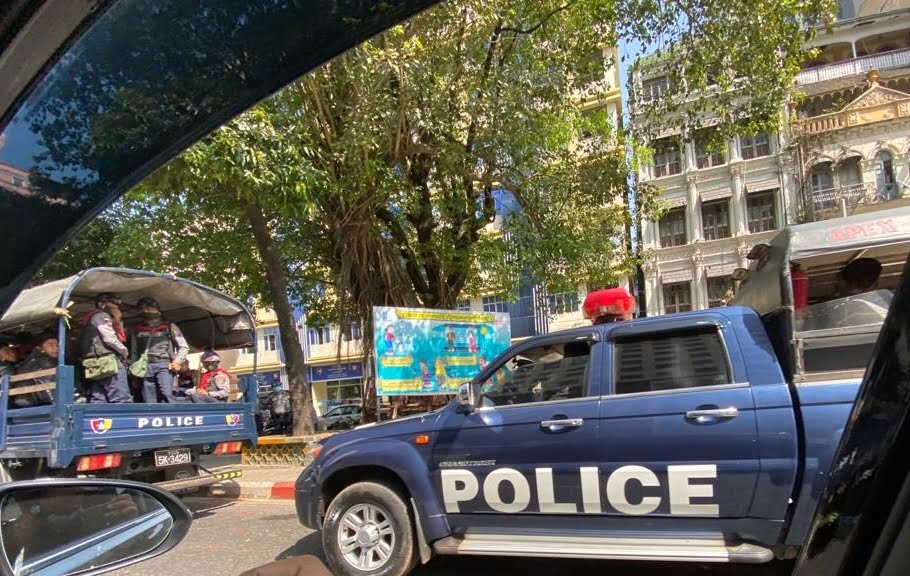
In the wake of the military coup in Myanmar, Australia must halt all military, security and policing transfers and training to Myanmar, Amnesty International Australia said.

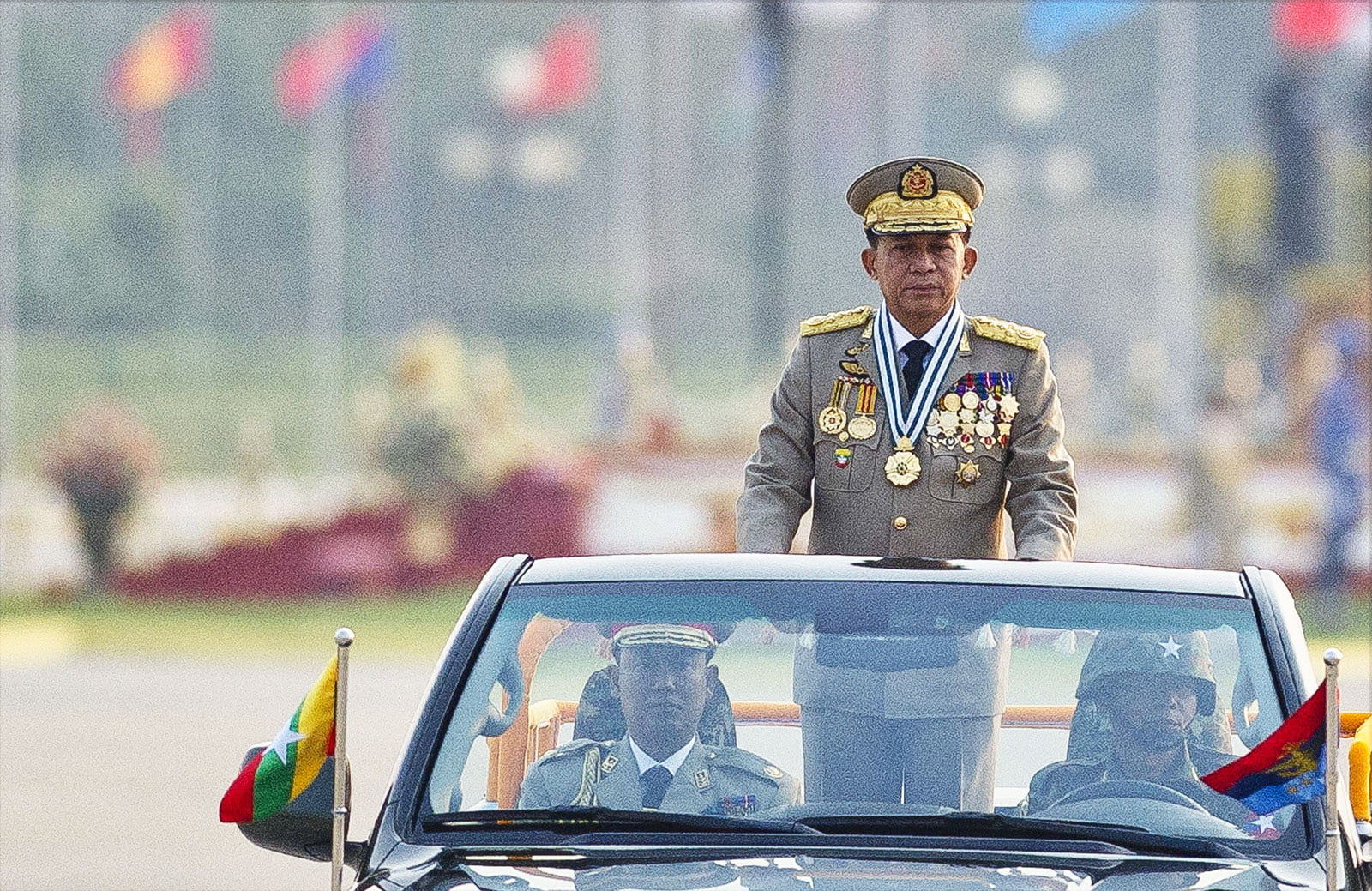
“The Tatmadaw has a well-documented history of violence and grave human rights abuses  –– this should be no surprise to the Australian government –– which begs the question why is our government still so heavily entwined with the Myanmar military?” Amnesty International Australia National Director, Sam Klintworth, said.

This week’s  worrying developments warrant an urgent review of Australia’s military, diplomatic and trade relationship with Myanmar. This must be followed by swift measures to hold senior officials accountable for ongoing systematic human rights violations of the Rohingyas.

In response to Amnesty International’s 2018 report detailing Myanmar’s ethnic cleansing against the Rohingyas, the Australian government imposed targeted sanctions against five military officers, omitting  eight others implicated in the crimes against humanity including Commander-in-Chief Min Aung Hlaing. Meanwhile, Australia has continued to maintain its military and diplomatic ties with Myanmar, including providing funding and training to its military.

“That Australian taxpayers’ money is going to support such human rights violators is unjustifiable. Without justice and accountability, no one in Myanmar, especially the Rohingya people, can live safely and with dignity,” Klintworth said.

“The international community must come together to impose multilateral, targeted sanctions against Min Aung Hlaing and others identified as being responsible for atrocities against the Rohingya and other minorities.”

Background

In a 2018 report, Amnesty International named Senior General Min Aung Hlaing responsible for crimes against humanity committed during the ethnic cleansing of the Rohingya population in northern Rakhine State.  Still under the command of Min Aung Hlaing, throughout 2020 the military continued to commit serious human rights violations, including war crimes, in Chin, Kachin, Rakhine and Shan States. Amnesty uncovered evidence of indiscriminate air strikes that killed children, as well as torture and arbitrary detention.

The UN Fact-Finding Mission on Myanmar have called for Senior General Min Aung Hlaing to be investigated and prosecuted for genocide, crimes against humanity, and war crimes.

Facts regarding persecution of Rohingyas

  • Nearly one million Rohingya refugees are living in camps after they fled their homes in Myanmar due to the military’s crimes against humanity. 
  • Crimes under international law committed by the Myanmar military in Rakhine State in 2016 and 2017 as part of its brutal persecution of the Rohingya, included killings, rape, torture, burning hundreds of villages and forcing hundreds to thousands of Rohingya into Bangladesh, are now the subject of International Criminal Court (ICC) and International Court of Justice (ICJ) proceedings. A UN Fact-Finding Mission has called for senior military officials to be investigated and prosecuted for genocide. 
  • Moreover, Rohingya people in Myanmar are still forced to live in a state of apartheid. Their freedom of movement and access to education, livelihood opportunities and healthcare are severely restricted. 
  • The Myanmar military continues to inflict extreme suffering on civilians as multiple conflicts in Rakhine, Chin, and Northern Shan States rage. There are some 300,000 individuals displaced in those areas and Kachin State due to armed conflict.

Queer people are beautiful. Period.

As the Victorian Legislative Council debates the Change or Suppression (Conversion) Practices Bill this week, I would like you to know that far from being aberrant, Queerness is beautiful. We do not need to be prayed for. In fact, we as Queer people, demand that the public see us as complex and multi-faceted human beings that we are, instead of the one-dimensional, sub-human people which is the way opponents of the Bill characterise us. 

I was baptised Roman Catholic, I went to church most Sundays as a child, made my communion, my confessional and attended Catholic high school. When I started to come to terms with my Queerness as a young boy, I prayed and prayed that it would go away. But, try as I might, guess what? – it didn’t go away, and neither did my sense of shame, guilt and resentment of who I am – until I left that toxic environment. 

Whenever there is a debate which includes advancing the rights of Queer people, there are voices who oppose. This is to be expected, but I invite you to consider that opposition to our very existence   dehumanises and degrades the LGBTQ+ community.  

I’d also like to point out an important issue of nomenclature. For anyone this doesn’t affect personally, it can seem trivial, but words do matter. Survivors do not use the term ‘conversion therapy’, as what they have endured is not evidence based and is in no way therapeutic.

Now onto the the substance of the Bill: The Australian Christain Lobby describes the legislation as a ‘bigoted quackery’  and wrongly claims that this Bill would infringe religious freedom. But this is nothing but a scare tactic. This Bill does not infringe on the Religious Freedoms or beliefs but rather it ensures LGBTQ+ people never feel the pain endured by survivors of this practice. 

This Bill, which is world-leading, has been developed in consultation with many religious and faith groups. The idea that this Bill is an infringement of religious freedom is itself a load of bigoted quackery.

This point is nothing but an excuse for those to do harm to vulnerable Queer people. People like me, who by being born into a church who denies their value as humans, end up wrestling with a lifetime of programming which says our very existence is wrong. 

The goal of these practices are to create an exclusively heterosexual and cisgender person through whatever means are available such as ‘support groups [and] prayer ministries’.

That is why this Bill is so important. Conversion practices are mainly unpaid and occur in religious communities through various pastoral care guises like ‘support’, ‘purity’ and ‘accountability’ one-on-one or group meetings. They are often disguised as religious or spiritual practices and may involve prayer. The Bill sees right through these tactics, and as a result there is significant opposition from conservative religious voices because the Bill will stop them disguising conversion practices as spiritual or religious practice, which it is not. The conversion movement is deep rooted in an ideology which others LGBTQ+ people and removes our humanity and dignity.

Members of Parliament have written back to us at Amnesty and told us that they don’t support the bill because it means queer Victorians won’t be able to ‘seek advice or counselling’. Queer Victorians don’t need advice or counselling. People saying that they do need this is based on the assumption that Queer people are broken and need to be fixed. We are not broken. We don’t need to be fixed.

In fact the United Nations Human Rights Council uncovered at least ‘10 organisations in Australia and New Zealand’ which openly promoted these practices. It is also important to note that conversion practices are in direct contradiction to international law which is guided by the rules of ‘universality, equality and non-discrimination’ and therefore these practices are an infringment on the human rights of Queer people. 

Also, the Bill has been deemed compatible with human rights by the Victorian Parliament’s Scrutiny of Acts and Regulations Committee. This means that other rights that some are concerned will be affected by the Bill – such as the right to freedom of religion, and the right to freedom of expression – are adequately balanced with rights to health, right to non-discrimination and other rights that this Bill protects.

This issue is not exclusive to the United States, it is happening in the shadows of Australian society. But while this debate continues throughout the next week, it is vital that every Queer person whether they are in the closet, a student in a religious high school or a survior of these diablocle practices, that we remember we are worthy of love, self acceptance and dignity. 

If you are angry at this Bill, ask yourself why? If you truly love thy neighbour, you will allow this Bill to pass in its current form. Because after all, we were born this way, baby.

Fin Spalding is an Amnesty International Australia activist.

Everything you need to know about internet shutdowns

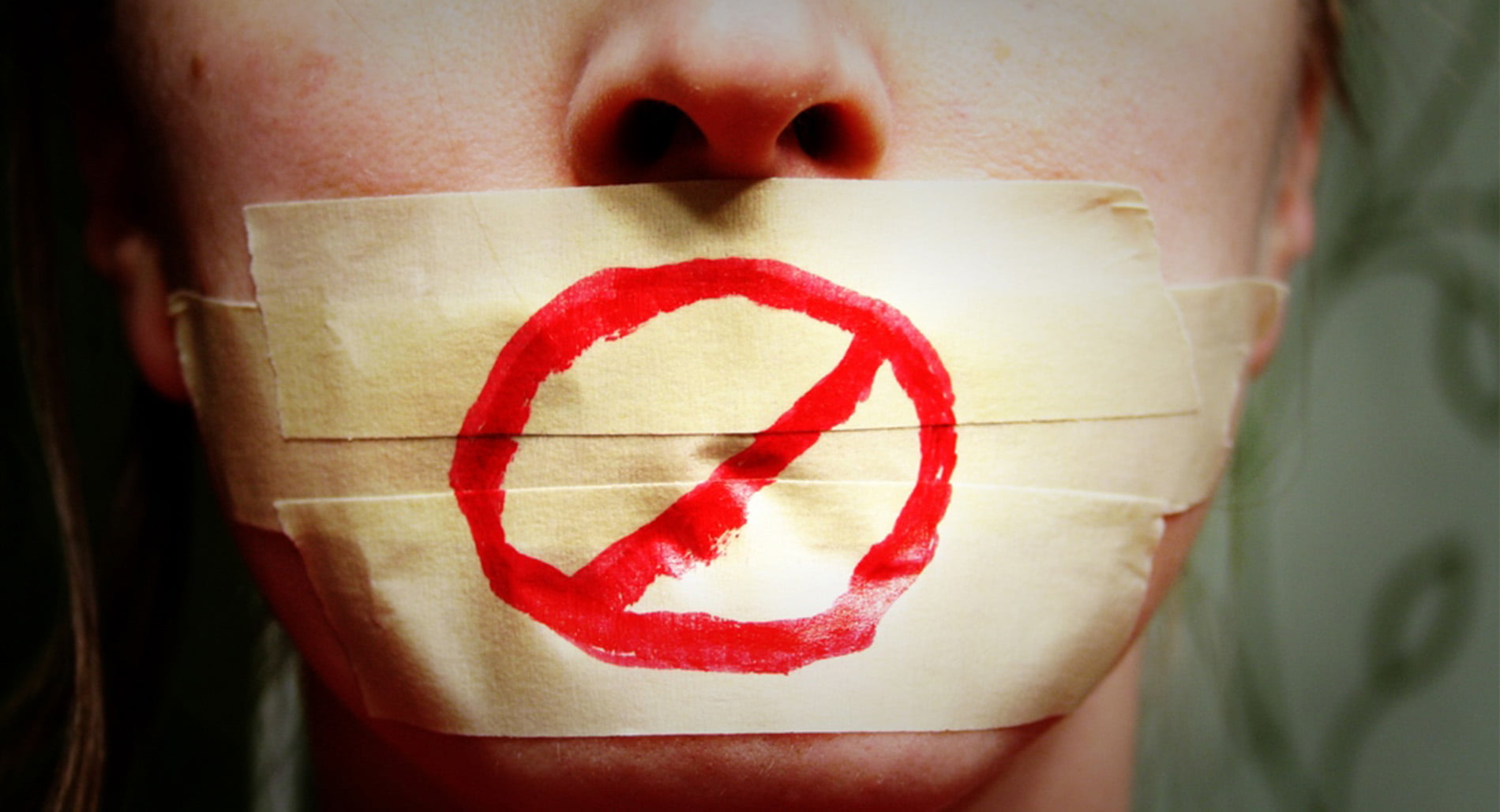
Internet shutdowns are used to stop protests, censor speeches, control elections and silence populations. In 2019 alone, internet shutdowns occurred 213 times in 33 separate countries with a noticeable trend towards longer and more targeted shutdowns. 

But, what are internet shutdowns and why are they a human rights issue?

What is an internet shutdown?

An internet shutdown occurs when an institution –– often a government –– restricts access to the internet for a specific population or region. A shutdown restricts the ability of a population to communicate with each other and with the outside world. Internet shutdowns can restrict access for an entire state or territory, or can be implemented for specific sub-regions. They can involve shutting off access to particular websites and social media channels or slowing down internet speed rendering it unusable. 

What threat do internet shutdowns pose to human rights?

Internet shutdowns pose a threat to human rights because they restrict the ability of important human rights activities to be organised and conducted.

For a population or region directly affected by an internet shut down the ability to access important information is severely restricted. This limits the ability to conduct a number of important tools essential for human rights work, including the ability to speak freely against government policies, to organise and conduct peaceful protests, to have ready access to emergency services and to access areas of safety.

For international and local human rights organisations, internet shutdowns also restrict the ability to document and disseminate information about human rights violations — including killings or the disproportionate use of force by the police or military. Therefore governments are unable to be held accountable for these violations.

Internet shutdowns are not only threats to human rights but are also in direct violation of a number of human rights laws. The United Nations Human Rights Committee has declared that “states … must not block or hinder internet connectivity in relation to peaceful assemblies.” 

Where have internet shutdowns occurred?

In the past two years internet shutdowns have occurred in over 33 countries –– among the top offenders are India, Venezuela, Yemen, Ethiopia and Iran. A full list of countries can be found in Access Now’s 2019 report – Keep It On

What can an internet shutdown look like?

Case Study: Iran, November 2019

In November 2019, security forces in Iran killed at least 304 men, women and children during five days of protests which swept across the country. To this day, no official has been held accountable for the unlawful killings. The deadly crackdown was accompanied by the authorities shutting down access to the internet for most of the population.

The blanket and near-total internet shutdown violated the rights to freedom of expression and peaceful assembly. The shutdown hid serious human rights violations, including killings, cruel and inhumane treatment, and excessive use of force. While the shutdown was ordered by authorities in Iran, it was implemented by internet service providers. In Iran, as elsewhere, not only did the shutdown restrict access to information for people inside the country, it also stopped them from being able to share information with the rest of the world, therefore obstructing research into the human rights violations and crimes committed, the identities of the perpetrators and the victims, and the real number of deaths.

Amnesty International completed an investigation into the shutdown, which was published in May 2020. It found that more than 220 of these deaths took place within 48 hours of the internet shutting down on 16 November. 

What’s happening in Myanmar following the military coup on February 1?

There was a telecommunications blackout on the morning of 1 February when the military coup  was underway. Internet and phone signals in Myanmar mostly resumed on 2 February. 

There have been mobile internet restrictions in conflict-affected areas of Rakhine and Chin  States in the country for more than a year. 4G internet access in those areas was reportedly restored late in the evening on 2 February. 

On 4 February, the military announced that they were ordering telecoms operators to block  access to Facebook until 7 February. 

Such restrictions pose a real danger to at-risk civilian populations, especially when access to  information is so vital during the pandemic – and even more so when the situation on the ground  is so tense amid the coup, and in conflict-affected areas. It’s vital that all telecommunications are kept open or re-established immediately. 

What can we do about internet shutdowns?

Governments must never shut down the internet in the way seen during Iran’s November 2019 protests. Together we can pressure governments to work with human rights organisations to ensure that internet shutdowns are not used as tools of silencing. By signing Amnesty’s petition to protect the right to protest you can support free and equal access to the internet.

By visiting Amnesty International’s Report on the Iran shutdown you can also view more resources to hold the Iranian government accountable for the human rights violations of November 2019.

Myanmar: Aung San Suu Kyi, others arrested as military coup underway

Responding to the arrest of State Counsellor Aung San Suu Kyi and others amid reports that a military coup is underway in Myanmar, Amnesty International’s Deputy Regional Director for Campaigns, Ming Yu Hah, said:

“The arrest of Aung San Suu Kyi, senior officials and other political figures is extremely alarming. Unless those detained can be charged with a recognizable criminal offence under international law, they must be immediately released.

“The Myanmar military must clarify on what legal basis they have been detained. They must also guarantee that the rights of those arrested are fully respected, including against ill-treatment, and that they have access to lawyers of their own choice and to their family. They must confirm their whereabouts and grant them access to medical care.

“This is an ominous moment for people in Myanmar, and threatens a severe worsening of military repression and impunity. The concurrent arrests of prominent political activists and human rights defenders sends a chilling message that the military authorities will not tolerate any dissent amid today’s unfolding events.

“Previous military coups and crackdowns in Myanmar have seen large scale violence and extrajudicial killings by security forces. We urge the armed forces to exercise restraint, abide by international human rights and humanitarian law and for law enforcement duties to be fully resumed by the police force at the earliest opportunity.

“Reports of a telecommunications blackout pose a further threat to the population at such a volatile time – especially as Myanmar battles a pandemic, and as internal conflict against armed groups puts civilians at risk in several parts of the country. It is vital that full phone and internet services be resumed immediately.”

Background

Myanmar’s de facto head of state Aung San Suu Kyi and other senior figures from the ruling National League for Democracy (NLD) as well as regional government leaders were arrested today in early morning raids. A number of ethnic party and student leaders, as well as prominent activists and human rights defenders were also reported to have been arrested.

Later in the morning, a military-owned television station announced that a one-year state of emergency was being imposed under the authority of the Commander in Chief, Senior General Min Aung Hlaing.

This followed days of reported mounting tensions between NLD officials and military representatives ahead of the first session of the newly-elected parliament scheduled today.

The military and its affiliate party, the Union Solidarity and Development Party (USDP), have alleged widespread irregularities and misconduct by the Union Election Commission in the 8 November 2020 election, which saw the NLD increase its parliamentary majority. On 15 November 2020, Myanmar’s Union Election Commission (UEC) confirmed Aung San Suu Kyi’ and the NLD’s victory in the general elections, taking 396 of the 498 seats up for election in both chambers of parliament.

Amid the early morning arrests, internet and phone outages were reported in several parts of the country, including in the capital, Nay Pyi Taw, the largest city, Yangon, as well as Shan and Kachin States and the Mandalay and Sagaing regions.

Fresh evidence of police misuse of tear gas leading to protesters’ deaths and injuries – updated investigative website

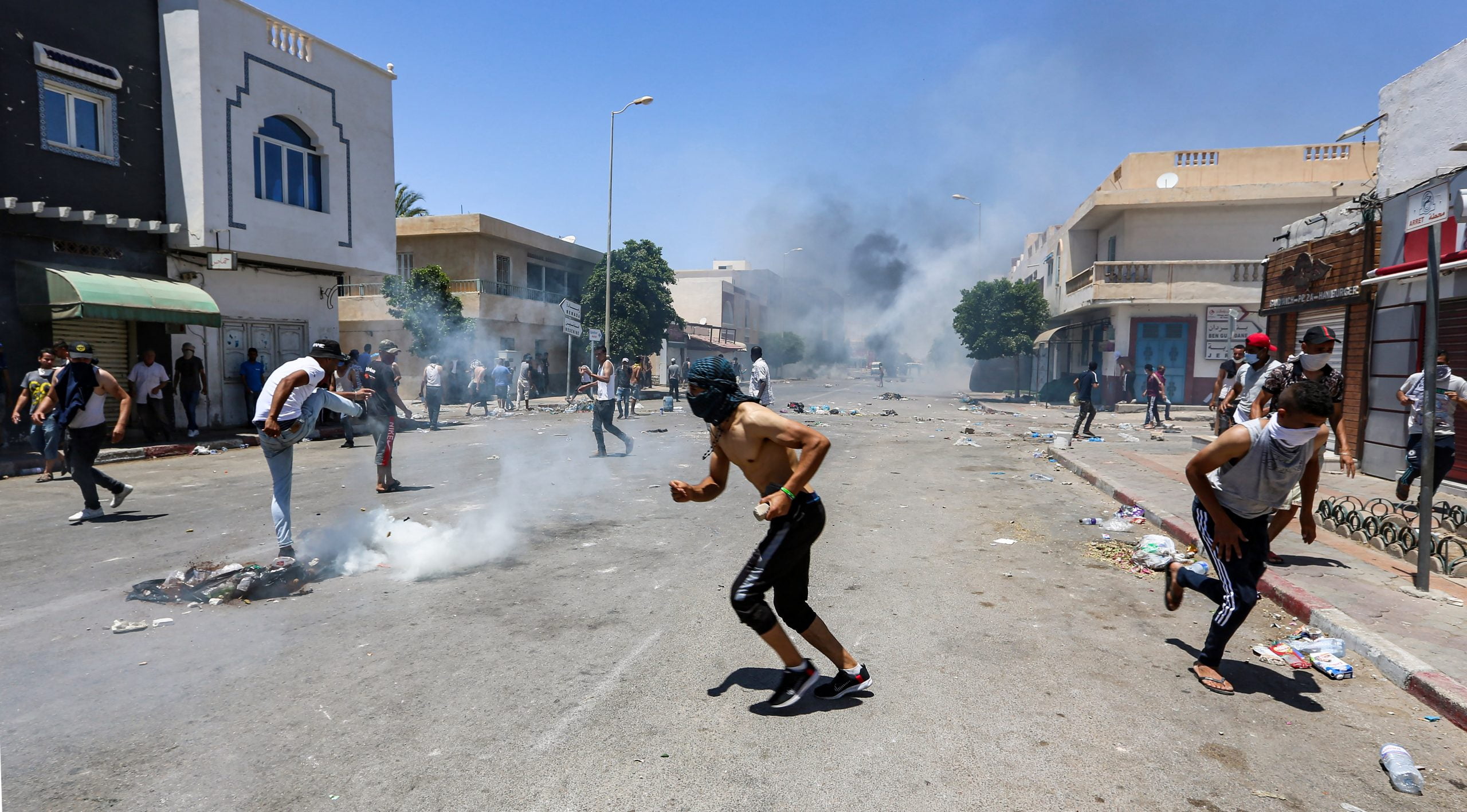
Amnesty International today published new evidence of the misuse of tear gas by security forces in several countries in the second half of 2020, including during protests around the election in Uganda, the Black Lives Matter movement in the USA, and in the repression of protesters in Lebanon.

The organization’s interactive website Tear Gas: An Investigation has now been updated to include new cases of police committing human rights violations against peaceful protesters around the world.

Since first launching the site in June 2020, Amnesty International has verified recent incidents of tear gas misuse in several countries, including France, Guatemala, India, Mali, Nigeria, Peru, Serbia and Tunisia.

“The ongoing misuse of tear gas by police forces around the world is reckless and dangerous, often injuring and sometimes even killing peaceful protesters,” said Patrick Wilcken, Deputy Director of Amnesty International’s Global Issues Programme.

“Our updated analysis is further proof that security forces continue to misuse this less lethal weapon on a massive scale. Far too often in 2020, peaceful protesters were met with violence, including the widespread, unlawful use of tear gas, which can amount to torture or other ill-treatment in certain circumstances.

“We are again calling on authorities worldwide to respect the right to peaceful protest, and hold to account those who used tear gas unlawfully against people exercising this right.”

The update includes 27 new events in 12 countries where tear gas has been misused, with open source investigators verifying the location and date of each instance, and assessing its lawfulness. In total, the website now includes videos of more than 100 incidents of tear gas misuse from 31 countries and territories.

Misuse causing death and injury

In Uganda, ongoing political unrest in the aftermath of the contested election has been met with an internet blackout, as well as a crackdown that has included killings, beatings and violent dispersal of opposition supporters using tear gas and rubber bullets.

In Lebanon, protesters took to the streets following the devastating blast at the port of Beirut in August 2020 that killed at least 204 people. During the protests against the government’s response to the explosion, Lebanese security forces repeatedly used dangerous and unlawful force to attempt to control protests, including the excessive use of tear gas.

In Nigeria, #EndSars protests broke out in October 2020, with people demanding an end to police brutality, extrajudicial executions and extortion by the Special Anti-Robbery Squad (SARS), a unit of the Nigerian police tasked with fighting violent crime. They were met with unlawful use of force by the army and police forces, including the firing of tear gas, and at least 12 peaceful protesters were reportedly shot dead when the army opened fire on thousands of protesters at the Lekki Toll Gate.

In dozens of cities across the USA, a range of law enforcement agencies targeted peaceful Black Lives Matter protesters with tear gas and other crowd control agents. There were similar examples of tear gas misuse during protests in Indonesia, Peru and Guatemala.

Open source investigation

Amnesty International’s Crisis Evidence Lab began researching tear gas misuse around the world from 2019, primarily through analysing videos posted to social media platforms.

Using open source investigation methods, the organization verified and highlighted events where tear gas has been misused. The analysis was carried out by Amnesty International’s Digital Verification Corps, a network of students at seven universities on four continents trained in sourcing and verifying content from social media.

The site includes a video produced with SITU Research, which analyzes the performance characteristics of tear gas, explains the inner workings of the munitions, and shows how their misuse can maim and kill.

Amnesty International documented police abusing tear gas in multiple ways, including: firing into confined spaces; firing directly at individuals; using excessive quantities; firing at peaceful protests; and firing against groups who may be less able to flee or more susceptible to its effects, such as children, older people and people with disabilities.

Poorly regulated trade

Despite its widespread misuse, there are no agreed international regulations on the trade in tear gas and other chemical irritants. Few states provide public information on the quantity and destination of tear gas exports, hampering independent oversight.

Amnesty International and the Omega Research Foundation have campaigned for more than two decades for greater controls on the production, trade and use of tear gas and other law enforcement equipment and weapons. As a result, the UN and regional bodies such as the EU and the Council of Europe have recognized the need to regulate the export of this equipment. Following high-level diplomatic advocacy by the 60+ states of the Alliance for Torture-Free Trade, supported by Amnesty International and Omega, the UN is now exploring the potential development of international trade controls on law enforcement equipment and weapons, and other goods, to prevent their use in torture, other ill-treatment and the death penalty. Amnesty International and Omega are now pressing for such measures to include tear gas and other chemical irritants.

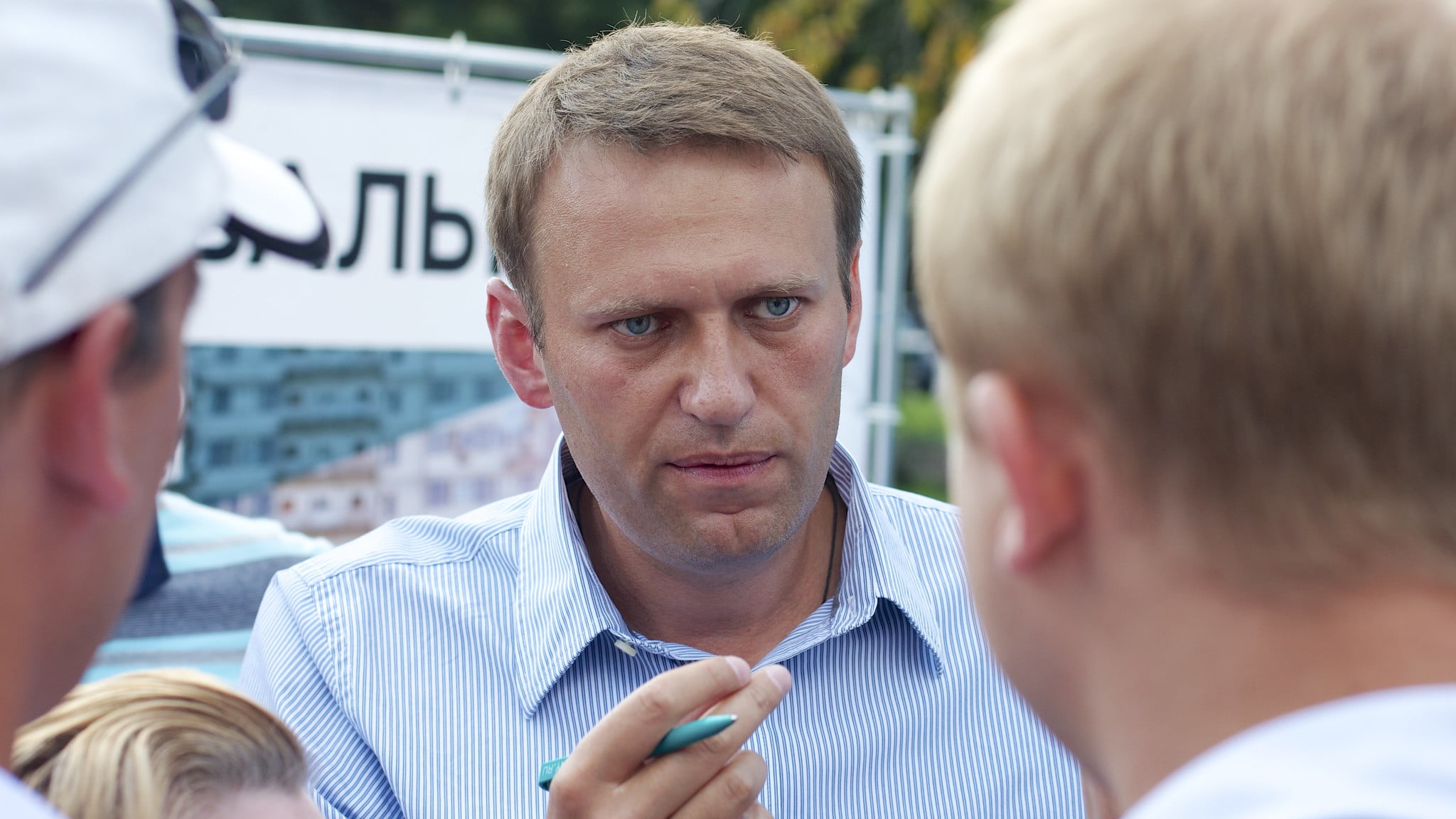
Navalny’s arrest and detention warrants a global response

Russian politician and anti-corruption activist Aleksei Navalny was arrested on 17 January 2021 after arriving from Germany at Sheremetyevo airport and remanded in custody for 30 days. His arrest and detention are arbitrary and politically motivated.

Navalny is a prominent and vocal government critic. Like many others in Russia, he has been arbitrarily targeted and now deprived of his liberty for his peaceful political activism and for exercising his right to freedom of expression.

Navalny himself has been arrested numerous times, including for calling for or participating in peaceful protest. He spent 10 months under house arrest in 2014, in addition to a total of several months under so-called “administrative arrest”. He is a prisoner of conscience and must be released immediately and unconditionally.

Amnesty International is also monitoring the peaceful protests that have been taking place since his arrest. On 31 January, at least 4,000 peaceful protesters were detained in Moscow, Saint Petersburg and other Russian cities, during brutal dispersals of rallies demanding the release of Navalny. We are concerned by the unlawful use of force by police, including vilent dispersals. 

Navalny’s arrest and detention is a blight on the Russian government. The world is watching this case and such, it warrants a global response. Amnesty International Australia has asked Foreign Minister Marise Payne to raise this with the Russian Ambassador to Australia.

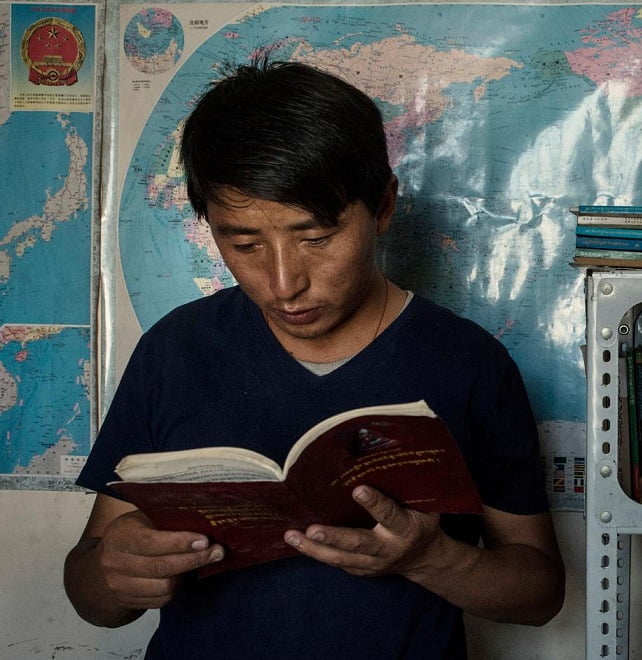
Tibetan activist Tashi Wangchuk released from prison

Tibetan activist Tashi Wangchuk has been released after five years in prison for “inciting separatism.”

Tashi was targeted after campaigning for the Tibetan languge to be taught in Tibet’s schools.

BACKGROUND

Tashi wants Tibetan children to learn their native tongue in Chinese schools, as well as the Mandarin that they currently learn.

In January 2016, Tashi was taken into custody and then ‘formally’ arrested two months later on suspicion of “inciting separatism”.

Tashi’s trial took place in January 2018, after enduring almost two years of pre-trial detention and with no access to his family.

The trial was a sham – according to his lawyer, the main evidence presented against Tashi was a short film produced by the New York Times in 2015, which documented his campaign for Tibetan language education in schools. 

He was sentenced to 5 years in prison in May 2018.

China has a history of using heavy surveillance and intimidation against human rights defenders after they are released from prison. The Chinese authorities must immediately lift all restrictions on Tashi .

Submission: 2021-22 Pre-Budget Submissions

In November 2020 the Minister for Housing and Assistant Treasurer called for submissions from individuals, businesses and community groups on their views regarding priorities for the 2021-22 Budget.

Amnesty International has made a submission, with two focuses: highlighting the protection of refugees and asylum seekers as an area for serious consideration in planning Federal Budget expenditure, and prompting the government to take a lead in ending the overrepresentation of Indigenous children in the youth justice system.

As a wealthy nation with a long tradition of refugee resettlement, Australia can and must step up its commitment to protecting the world’s most vulnerable people. It becomes all the more urgent in 2021 as displacement continues to rise and the burden intensifies on low and middle-income countries, currently hosting the largest populations of refugees, in the wake of the COVID pandemic.

And as a nation based on more than 60,000 years of custodianship of First Nations people, Australia can and must work towards ending the issues affecting Indigenous children and young people and to give them an equal opportunity.

Adopting a human rights based approach towards refugees and asylum seekers, and Indigenous people, is not only the right thing to do legally and morally, but will be far better for the people directly impacted by Australia’s policies, be far less expensive for the Australian taxpayer and   help repair Australia’s reputation as a country that respects international law as well as its economy in the post-COVID 19 world.