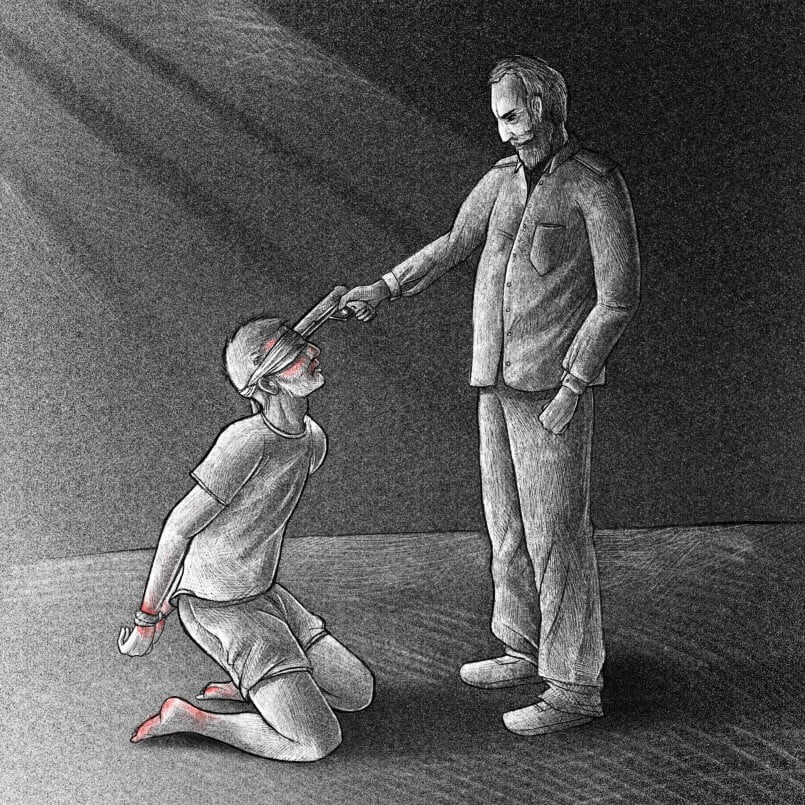
Iran: Detainees flogged, sexually abused and given electric shocks in gruesome post-protest crackdown – new report

Iran’s police, intelligence and security forces, and prison officials have committed, with the complicity of judges and prosecutors,  a catalogue of shocking human rights violations, including arbitrary detention, enforced disappearance, torture and other ill-treatment, against those detained in connection with the nationwide protests of November 2019, said Amnesty International in a damning new report published today.

The report, Trampling humanity: Mass arrests, disappearances and torture since Iran’s 2019 November protests, documents the harrowing accounts of dozens of protesters, bystanders and others who were violently arrested, forcibly disappeared or held incommunicado, systemically denied access to their lawyers during interrogations, and repeatedly tortured to “confess”. They are among the 7,000 men, women and children arrested by the Iranian authorities within a matter of days during their brutal repression of the protests.

Victims include children as young as 10 and injured protesters and bystanders arrested from hospitals while seeking medical care for gunshot wounds, as well as human rights defenders including minority rights activists, journalists, and individuals who attended ceremonies to commemorate those killed during the protests. Hundreds have since been sentenced to prison terms and flogging and several to the death penalty following grossly unfair trials which were presided over by biased judges behind closed doors, frequently lasted less than an hour, and systematically relied on torture-tainted “confessions”. 

Much less visible has been the catalogue of cruelty meted out to detainees and their families by Iranian officials away from the public eye.

Diana Eltahawy, Amnesty International’s Deputy Regional Director for the Middle East and North Africa.

“In the days following the mass protests, videos showing Iran’s security forces deliberately killing and injuring unarmed protesters and bystanders sent shockwaves around the world. Much less visible has been the catalogue of cruelty meted out to detainees and their families by Iranian officials away from the public eye,” said Diana Eltahawy, Amnesty International’s Deputy Regional Director for the Middle East and North Africa.

“Instead of investigating allegations of enforced disappearance, torture and other ill-treatment and other crimes against detainees, Iranian prosecutors became complicit in the campaign of repression by bringing national security charges against hundreds of people solely for exercising their rights to freedom of expression, association and peaceful assembly, while judges doled out guilty verdicts on the basis of torture-tainted ‘confessions’. This litany of crimes and violations, committed with total impunity, has been accompanied by a wave of forced televised ‘confessions’ in state propaganda videos and grotesque statements from top officials who have praised intelligence and security forces as heroes for their role in the brutal crackdown.” 

Amnesty International has recorded the names and details of more than 500 protesters and others, including journalists and human rights defenders, who have been subjected to unfair criminal proceedings in connection with the protests. 

Prison terms meted out to those convicted have ranged from between one month and 10 years for vague or spurious national security charges such as “gathering and colluding to commit crimes against national security”, “spreading propaganda against the system”, “disrupting public order” and “insulting the Supreme Leader”.

Of these, at least three, Amirhossein Moradi, Mohammad Rajabi and Saeed Tamjidi, were sentenced to death for “enmity against God” (moharebeh) through acts of vandalism, and another, Hossein Reyhani, is awaiting trial on a charge carrying the death penalty. 

More than a dozen known to Amnesty International have received flogging sentences, in addition to prison terms, and at least two have had their flogging sentences implemented.

The organization believes that the real number of individuals prosecuted and sentenced in connection with the November 2019 protests is far higher, given the large number of arrests carried out and the patterns of prosecution and sentencing in the country in cases of arbitrary arrests and detention involving intelligence and security bodies.

Amnesty International is urging member states of the UN Human Rights Council and the Office of the UN High Commissioner for Human Rights to address the prolonged, systematic impunity for gross violations of human rights in Iran, including by supporting the establishment of a UN-led inquiry with a view to ensuring accountability and guarantees of non-repetition.

The organization is also urging all UN member states to forcefully call on the Iranian authorities to immediately and unconditionally release anyone who continues to be imprisoned solely for exercising their rights to freedom of expression, association and peaceful assembly in connection with the November 2019 protests; quash all convictions resulting from unfair trials, including those that relied on statements obtained through torture or other ill-treatment; and hold those responsible to account. 

Torture epidemic

Amnesty International’s research found that there was widespread use of torture and other ill-treatment by police, intelligence and security agents and prison officials against men, women and children, both during arrest and later in detention. 

Prosecution and judicial authorities failed in their legal obligations to conduct independent and impartial inspections of detention facilities, including those run by security and intelligence bodies, and to ensure that legal provisions banning the use of secret detention and torture and other ill-treatment against detainees are respected.

Torture was used to punish, intimidate and humiliate detainees. It was also routinely used to elicit “confessions” and incriminating statements, not just about their involvement in the protests, but also about their alleged associations with opposition groups, human rights defenders, media outside Iran, as well as with foreign governments. 

The organization’s research found that victims were frequently hooded or blindfolded; punched, kicked and flogged; beaten with sticks, rubber hosepipes, knives, batons and cables; suspended or forced into holding painful stress positions for prolonged periods; deprived of sufficient food and potable water; placed in prolonged solitary confinement, sometimes for weeks or even months; and denied medical care for injuries sustained during the protests or as a result of torture. 

Other documented methods of torture included stripping detainees and spraying them with cold water, and subjecting detainees to extreme temperatures and/or bombardment of light or sound; forcible extraction of the nails from fingers or toes; pepper spraying; forced administration of chemical substances; using electric shocks; waterboarding; and mock executions. 

Information received by Amnesty International from primary sources also reveals that interrogators and prison officials perpetrated sexual violence against male detainees, including through stripping and forced nakedness, sexual verbal abuse, pepper spraying the genital area, and administering electric shocks to the testicles. 

One victim from Khorasan Razavi province who was subjected to waterboarding told Amnesty International:

“They [my interrogators] would drench a towel in water and place it over my face. Then they would pour water slowly over the towel, which made me feel like I was suffocating… They would stop… until I started to feel better and then they would start torturing me this way again. They also punched, kicked and flogged me on the soles of my feet with a cable.”  

One man who was subjected to electric shocks recounted:

“The electric shocks were the worst form of torture… It felt like my entire body was being pierced with millions of needles. If I refused to answer their questions, they would raise the voltage levels and give me stronger electric shocks. I would shake violently and there would be a strong burning sensation coursing through my whole body…. The torture has had lasting effects on my mental and physical health. To this day, I still can’t sleep at night.”

A victim from Tehran province who was suspended from his hands and feet from a pole in a painful method his interrogators referred to as “chicken kebab” told the organization: 

“The pain was excruciating. There was so much pressure and pain in my body that I would urinate on myself… My family know that I was tortured, but they don’t know how I was tortured. I feel choked with tears because there is no one here I can speak to.”

In all cases documented by Amnesty International, victims reported various forms of psychological torture to give forced “confessions”, including the use of degrading verbal insults and profanities; the intimidation and harassment of their family members; threats to arrest, torture, kill or otherwise harm their family members, including elderly parents or spouses; and threats to rape detainees or their female family members. 

Enforced disappearances 

Amnesty International’s research shows that many detainees were subjected to enforced disappearance for weeks or even months while held in undisclosed locations run by the security and intelligence bodies including the ministry of intelligence or the Revolutionary Guards. Other detainees were held in overcrowded prisons or police stations, military barracks, sports venues and schools. 

Distressed relatives told the organization that they visited hospitals, morgues, police stations, prosecution offices, courts, prisons and other known detention centres to enquire about the fate or whereabouts of their loved ones, but the authorities refused to provide them with information and threatened them with arrest if they kept seeking information or publicly spoke out about them. 

In one case documented by Amnesty International, the authorities arrested a family member of two people who were forcibly disappeared for enquiring about their fate and whereabouts. 

Amnesty International is aware of three ongoing cases of enforced disappearance, where the authorities continue to conceal their fate and whereabouts from their families. They include brothers Mehdi Roodbarian and Mostafa Roodbarian from Mahshahr, Khuzestan province. 

Methodology

The organization’s research involved in-depth interviews with 60 victims of arbitrary arrest, enforced disappearance, torture and other ill-treatment or their relatives or close acquaintances; two protesters who were in hiding; and 14 other informed individuals; information received through written messages from several hundred others inside the country and analysis of video footage, official statements and court documents.

Activist self care and wellbeing

Campaigning for human rights can be really tough, which is why Amnesty activists need to pay attention to their self care and well being.

People are activists with Amnesty because they care deeply about people and want to create a world where everybody’s human rights are protected.

Self care cartoon © Emm Roy
© Emm Roy http://positivedoodles.tumblr.com/

Need to talk to someone?

Amnesty provides access to a counselling service (EAP) for activists call 1300 361 008 or visit their website to make an appointment on the phone or in person. If you or another person is in crisis call Lifeline on 13 11 14 available 24 hours a day or 000.

This can be a great motivator but can also put activists in a place where they’re exposed to humans rights abuses or where their deep drive to change the world impacts their mental health. Burnout and vicarious trauma happen all the time in the activist world and it’s important to keep a look out for the signs in yourself and your friends.

What is burnout?

Burnout relates to the amount of emotional and psychological resilience you have.

It’s not a yes or no, but a scale. You can try and do an assessment on whether or not you’re burning out by asking yourself some reflective questions.

What are the signs of burnout?

Everyone’s different and people who are burnout may have some or all of these symptoms:

A guide to self care. © Galesaur
© Galesaur
  • Anxiety
  • Guilt
  • Isolation
  • Irritability
  • Anger
  • Sadness
  • Pessimism
  • Disappointment
  • Numbness
  • Fatigue/insomnia
  • Lack of motivation
  • Physical pain/sickness
  • Compassion fatigue

You can distinguish burnout from bad days if you find that a) it’s persistent over time, b) you experience it in more than one situation, and/or c) if it’s a change from how you used to feel in similar situations. If you’re unsure how you rate you can do a short self assessment on page 6 of this guide.

Your self-care toolbox

Take some time out

Have a rest from the activism that is adding extra pressure. Sometimes this is all you need.

Do thing that you love

Reconnecting with the hobbies and activities you enjoy can help remind you that there are good things in the world.

Healthy body, healthy mind

Eat healthy foods, exercise and try and get enough sleep. This one is pretty obvious but is still very important.

Spend time with the people you love

Spending time with your support networks and talking about how you’re feeling helps to reduce feelings of isolation and connectedness with others.

Challenge your brain

Learning a new skill can help distract you from your worries, challenge you in a different way and build a sense of accomplishment.

Investing in yourself is investing in your activism

Sometimes people feel guilty taking time out to do the things in their self-care box. While it can be hard, it’s important to remember that you can’t effectively care for others if you’re not okay.

Different things work for different people, but if you’re planning on a long life of activism then building up a coping bank will help you stay effective and in the game for a long time.

More Resources: 

Download some copies of this self-care guide which includes a burn out checklist yourself and members of your group.

Newly elected NT Government must stick to its promise to raise the age

Following the likely return of the Gunner Labor party to office in the Northern Territory, the government must now make good on its promise to raise the age of criminal responsibility.

In 2017, the Gunner government committed to recommendations from the Royal Commission into the Protection and Detention of Children in the Northern Territory including to raise the age of criminal responsibility.

“As we’ve seen in the ACT this past week, this reform is not only the right thing to do, it has widespread public support,” Amnesty International Australia Indigenous Rights Advisor Rodney Dillon said.

“The NT government needs to raise the age from 10 to 14 inline with international standards, and needs to provide a timeline for doing so to ensure it upholds its commitment to the children in its care.

“There is absolutely nothing preventing States and Territories from improving this archaic legislation to keep kids out of prison so they can live happy and healthy lives free from the quicksand of the criminal justice system.

“Like the ACT, the Northern Territory has the opportunity to lead the country in addressing the shameful overrepresentation of Indigenous people in Australian jails.”

BACKGROUND

The Councils of Attorneys-General met last month and agreed to reconstitute the working group to examine raising the age, with action on the issue unlikely until 2021. However, States and Territories are able to reform this legislation without CAG consensus. The ACT last week approved a motion to raise the age of criminal responsibility, paving the way for other jurisdictions to follow.

Submission: NSW Religious Freedoms and Equality Bill

One Nation NSW Leader Mark Latham MLC introduced the Anti-Discrimination Amendment (Religious Freedoms and Equality) Bill in July 2020.

The Bill was immediately opposed by many LGBTQI+ and human rights organisations, including Amnesty International Australia, for giving people the opportunity to discriminate against others by using their religious beliefs. The Bill elevates the right to religious beliefs above other human rights, which it should not.

Amnesty International Australia has submitted to the parliamentary inquiry into the Bill. Amnesty International Australia does not support the Bill and recommends that is does not proceed. Instead, a Human Rights Act should be enacted in New South Wales; this is the only way to protect the rights of people of faith whilst not creating a situation that allows people to discriminate against others.

Read here about Amnesty International Australia’s views on the Bill, and why NSW needs a Human Rights Act.

Human Rights Observers

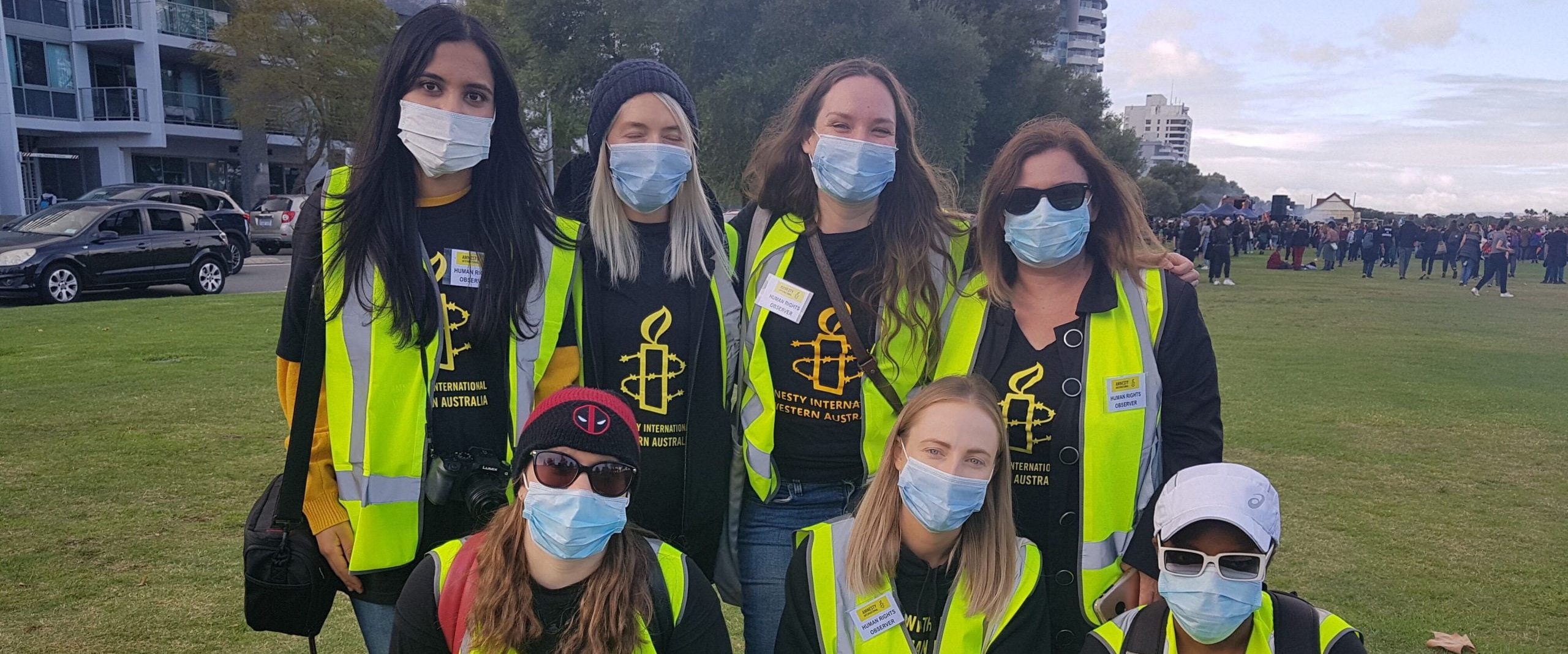
Human Rights Observers (HROs) are Amnesty International trained representatives, who will be deployed to protests, rallies, and other public situations where there is a significant risk that human rights violations may occur. HROs objectively and impartially observe, document, and report back on incidents that may occur which infringe on the freedom of association and peaceful assembly. 

Become A Human Rights Observer

Key responsibilities of a Human Rights Observer
  • Complete online training to become a Human Rights Observer
  • Attend protests in your region where Amnesty Human Rights Observers are deployed
  • For the duration of protests, impartially observe and document any human rights abuses or potential human rights abuses you see
  • Liaise with police, media, event organisers and marshals to ensure safety of protesters
  • Represent Amnesty by abiding by our Values and Behaviours charter, and comply with the law

*We are currently in the process of reviewing the structure of this program, so are not currently taking Expressions of Interest*

Please note: This program requires existing knowledge of human rights and Amnesty International values. If you are not yet involved with Amnesty as an activist, please sign up here to attend our next GetActive induction session.

How To Deploy Your Human Rights Observer Team

Human Rights Observers are deployed in specific circumstances – large rallies with a significant number of participants, where human rights, including the right to protest, are likely to be at risk. Police and participant relations may already be tense, and police overreach may have occurred or is likely to occur. Human Rights Observers help protect the right to protest by witnessing interactions and preventing police overreach.

If you’re an HRO team looking to deploy, please check over the below criteria and complete this form for approval. 

Criteria:
  • Significant risk of police overreach and human rights violations
  • Values of organisers and event align with AIA values
  • AIA staff and activists are not attending as participants
  • We have been invited by the organisers
  • We have a minimum of six HROs, including one coordinator, media liaison, and police liaison
  • HRO team have the capacity, availability, and interest to deploy

Please note: Our Movement Manager Sarah Gooderham will review and we will respond to your request as soon as possible. If you have any questions in the meantime, you can direct them to Rachel at communityorganising@amnesty.org.au

Request Human Rights Observers At Your Event

Human Rights Observers are deployed in specific circumstances – large rallies with a significant number of participants, where human rights, including the right to protest, are likely to be at risk. Police and participant relations may already be tense, and police overreach may have occurred or is likely to occur. Human Rights Observers help protect the right to protest by witnessing interactions and preventing police overreach.

If you’re a group or organisation looking to partner and have HROs present at your protest or rally, please complete this form

Amnesty extremely concerned over potential human rights abuses with children being held in solitary confinement due to COVID

Responding to reports that children are being held in solitary confinement or moved to a Queensland watch house following a staff member testing positive for COVID-19, Amnesty International Australia campaigner, Joel Clark said:

“Moving children, many of whom are on remand and haven’t been convicted of any crime, to adult watch houses is totally inappropriate and contravenes the Queensland government’s own commitment to keep kids out of these temporary jails.

Moving children, many of whom are on remand and haven’t been convicted of any crime, to adult watch houses is totally inappropriate and contravenes the Queensland government’s own commitment to keep kids out of these temporary jails.

Amnesty International Australia campaigner, Joel Clark.

“Rights advocates including Amnesty International have long warned that this scenario would occur. The Queensland Government has had ample opportunity to find a solution that doesn’t contravene its own commitments, or those obligations it has under international law.

“That kids are also being held in solitary confinement due to a COVID-19 case in the facility exposes the fact that the Queensland government has not met its commitments to keeping children out of these adult facilities.

“It is of extreme concern that these 127 children are being forced to suffer the apparent human rights abuse of solitary confinement due to the failure of the Queensland Government. Amnesty is concerned the Queensland Government’s approach to this matter may be contravening international human rights laws and rules. Solitary confinement harms children, and international rules and laws seek to protect children from this harm.

“The Convention on the Rights of the Child states that any child deprived of their liberty must be treated with humanity and respect. What this means in practise is set out in more detail in the United Nations Rules for the Protection of Juveniles Deprived of their Liberty; it states that solitary confinement – when it comprises the physical or mental health of the child – must be strictly prohibited. Also, the Nelson Mandela Rules state that no child should be held without meaningful contact for more than 22 hours, and solitary should be used for the shortest period of time possible. The Queensland Government is threatening to hold these children in solitary for two weeks – and this is unconscionable.

“Ultimately, children do not belong in any kind of prison – much less a watch house – and certainly not in solitary confinement. These aren’t the responses needed to address a COVID-19 outbreak, especially when there are options available such as removing children from detention. This latest disturbing incident shows why we need all jurisdictions in Australia to follow the ACT’ Government’s lead and raise the age of criminal responsibility from 10 to 14.”

ACT paves the way for vital law reform by raising the age

The Australian Capital Territory’s Legislative Assembly has voted to raise the age of criminal responsibility from 10 to 14, paving the way for other jurisdictions to reform an outmoded law which disproportionately affects Indigenous kids.

Amnesty International Australia campaigner, Joel Clark said:

“Amnesty congratulates the ACT on showing the other states and territories that raising the age in line with international standards is not only a well-overdue reform, but it’s also widely supported by the community.

Amnesty congratulates the ACT on showing the other states and territories that raising the age in line with international standards is not only a well-overdue reform, but it’s also widely supported by the community.

Amnesty International Australia campaigner, Joel Clark.

“We all know in our hearts that it’s wrong to lock little kids up, especially when all the evidence shows that diversion and justice reinvestment is what actually prevents youth offending.

“There should be nothing stopping other jurisdictions to follow suit. The longer they wait, the longer little kids are exposed to the harmful conditions of prison.”

The Councils of Attorneys-General last month voted to effectively delay raising the age of criminal responsibility from 10 to 14 until 2021.

Amnesty International Australia has been campaigning for all governments to raise the age of criminal responsibility since 2015. The United Nations Committee on the Rights of the Child issued General Comment 24 in 2019, which encouraged states to raise the age of criminal responsibility to at least fourteen.

Urgent Action Network Activist Resources

Write a letter and change a life. Join Amnesty International’s Urgent Action network today to write letters to challenge injustice and change lives. 

What is an Urgent Action?

An Urgent Action (UA) is a simple idea: when someone faces a violation of their human rights, the authorities responsible are flooded with thousands of letters from across the world.

These letters tell the authorities that the world is watching and create pressure to stop the violation.

These letters have helped halt executions, end the harassment of human rights defenders, and free prisoners of conscience.

“In 2018, I was released. Not because the government changed its mind, but because the people demanded the release of detained activists, journalists and bloggers.”

Join your local network!

You can join a local network today to receive UAs and write letters!

Email your name and postcode to urgentaction@amnesty.org.au and we’ll set you up with your local network, who will send you UAs and keep you updated on cases.

Frequently asked questions

  • If you have any questions about Urgent Actions, including how to write a letter and what to do if you get a response to your letter, you can find the answers in this handy guide.
  • If you can, please fill in this form with the letters you have written. This helps us know how much pressure we’re putting on a target.
  • Hosting a letter writing event to take urgent action? Don’t forget to log your event.
  • Prefer to take action online? Visit Act Now for current cases!

Didn’t find what you were looking for? Contact the Supporter Care Team at supporter@amnesty.org.au.

ACT can lead Australia on key justice reform by raising the age

The Australian Capital Territory’s Legislative Assembly has an historic opportunity to make real, systemic change and lead the way on youth justice reform by raising the age of criminal responsibility.

The Councils of Attorneys-General last month voted to effectively delay raising the age of criminal responsibility from 10 to 14 until 2021.

The ACT Legislative Assembly will vote on a motion on Thursday to lead Australia in bringing the country in line with international standards.

Amnesty International Australia campaigner, Joel Clark said:

“Kids should not be in jail. All the evidence and advice from the experts says that locking kids up does them harm, but keeping them out of the criminal justice system prepares them to live healthy and happy lives,” 

“The ACT has the chance to lead Australia in correcting the record and  keeping kids as young as 10 out of jail. The longer jurisdictions wait, the longer little kids are exposed to the harmful conditions of prison. By raising the age of criminal responsibility, the government would be moving to change the lives of kids who need extra support and bring pressure on the other states and territory who continue to flout international best practice. 

“We call on the ACT’s Legislative Assembly to show leadership on this issue and urge MLAs to vote on making real and systemic change for Indigenous people for generations to come. This is an opportunity to lead the country by doing what the Council of Attorneys-General should have done, and to give kids a chance to live happy, healthy lives”. 

Amnesty International Australia has been campaigning for all governments to raise the age of criminal responsibility since 2015. The United Nations Committee on the Rights of the Child issued General Comment 24 in 2019, which encouraged states to raise the age of criminal responsibility to at least 14.

Lebanon: Military and security forces attack unarmed protesters following explosions – new testimony

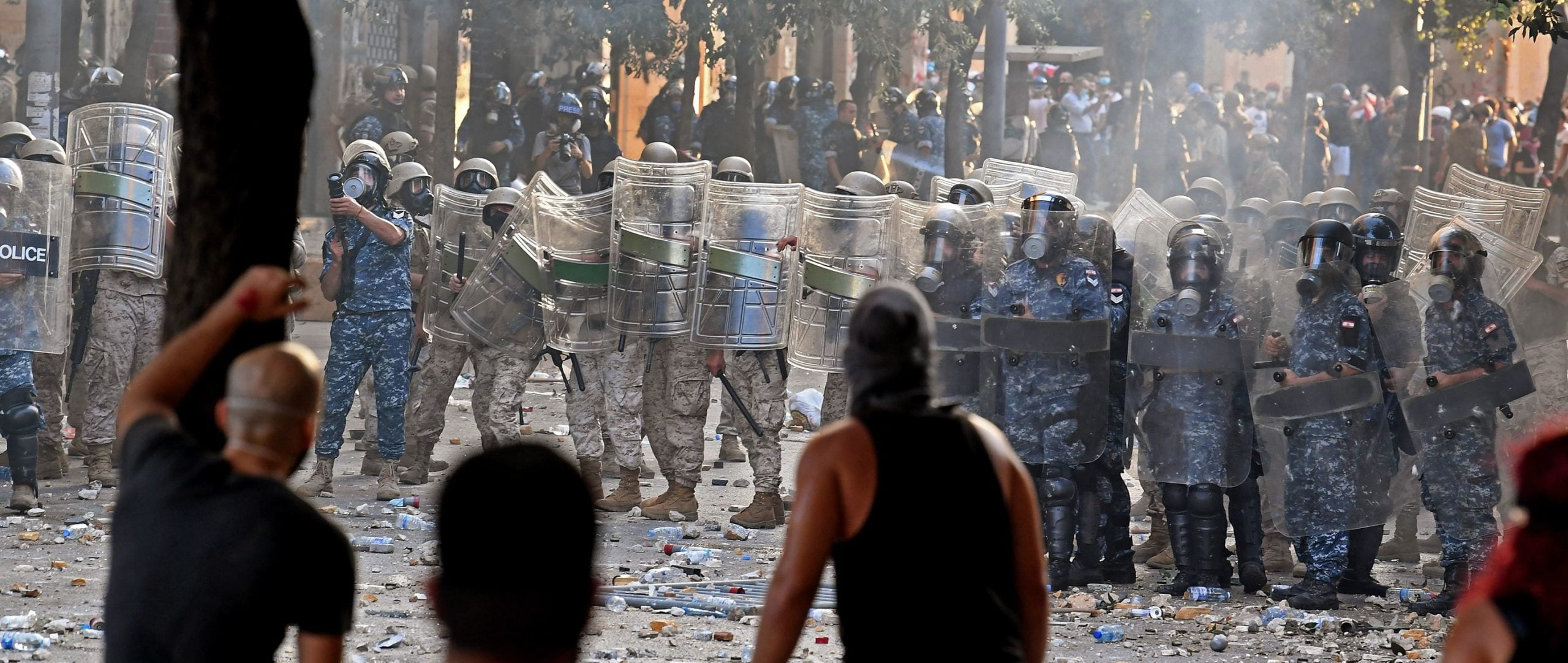
The Lebanese army and security forces, as well as unidentified men in civilian clothes, shot at unarmed crowds during protests in Beirut that took place in the days following the recent explosions, an Amnesty International investigation has found.

The organisation monitored the largely peaceful protests on 8 August where tear gas, rubber bullets and pump action pellets were fired indiscriminately into crowds; gathered testimony from victims, eyewitnesses and physicians; and verified footage of security forces using force in a reckless and unlawful way. 

“With their lives in ruins, and still reeling from the physical and emotional trauma of the explosion, thousands of people took to the streets in Lebanon to call for justice. Instead, state forces shot at and tear-gassed them,” said Lynn Maalouf, Amnesty International’s Middle East Research Director.

“Instead of meetings its basic responsibilities towards the thousands of people left homeless and impacted by the blasts, the state seems to be on the attack against its population.

“Lebanese security forces caused several serious injuries, and further eroded the trust of a population already struggling with multiple crises. All those responsible for this outrageous violent conduct must be thoroughly investigated and held to account for their criminal actions.”

Videos verified by Amnesty International’s Crisis Evidence Lab show that there was a punitive shoot-to-harm use of force, indicating authorities intended to punish protestors and dissuade others from protesting. Analysis also confirmed security force members who were dressed in civilian clothes had fired into crowds.

Eye injuries caused by rubber bullets and pellets

Amnesty International interviewed six protesters who were in downtown Beirut on 8 August when the crackdown escalated. They all reported seeing security and military forces shooting rubber bullets and tear gas canisters directly into the crowd at chest level and from close range, indicating that they were shooting to harm. Protesters also reported suffering injuries from small rubber pellets fired from an unidentified source.

Doctors have reported at least six cases of eye injuries. All of the injured were aged between 18 and 21, and had been hit in the eyes with pellets. The medical team at the Department of Ophthalmology at the American University of Beirut removed the eye of one young man completely, while others lost their sight to varying degrees.

One doctor told Amnesty International: “We did six open eye operations on Tuesday following to the explosion, and six open eye operations on Saturday following the protests. The first six were injured by glass, the second six by pellets.”

Amjad* was shot in the neck with a rubber bullet, according to medics. A vein was hit, and he suffered significant blood loss before being taken to Rizk Hospital.

He said: “We were in Riad Al-Solh Street. I saw the riot police and the army shooting directly at the protesters from a close range. They were around 12 meters away from us, and then I felt blood pouring from my neck. I pressed on the wound with my fingers and walked in the direction of the Red Cross to get help. I then fainted and the people there helped me.”

Under international guidelines, rubber bullets may only be used as a targeted tool to stop individuals engaged in violence, and should never be fired indiscriminately into crowds, as they can cause serious injury. In addition, they may only ever be aimed at the lower part of the body with a view to minimizing injury.

“Lebanon’s security forces fired a range of weapons in a way that was solely intended to harm people. To do this in the aftermath of a national tragedy is just cruelty beyond belief,” said Lynn Maalouf.

Tear gas canisters fired into crowds

Security forces and riot police indiscriminately fired tear gas canisters into the crowds from launchers, causing several serious injuries.

Jad* was in the Azarieh district when he was hit in the face by a tear gas canister, suffering a broken nose. He told Amnesty International: “As we were packing to leave, I was hit in the face above my right eye with a tear gas canister. My nose is broken and my whole face is swollen.”

Faten* was hit by a tear gas canister in her right shoulder. She was also in the Azarieh district when riot police attacked the crowd.

She told Amnesty International: “The riot police were only 10 meters away. I felt I was hit by something on my shoulder. I couldn’t feel my arm anymore. I thought I lost it, and then I collapsed. They were shooting tear gas at chest level directly at the people.”

Tear gas canisters fired from launchers can cause serious harm. Tear gas should only be used in situations of widespread violence for the purpose of dispersing a crowd, and only when all other means to contain the violence have failed.

“It is unlawful to use tear gas if the canister is fired directly at a person. The horrific injuries sustained by protesters are no doubt a result of security forces setting out to deliberately hurt people,” said Lynn Maalouf.

Although there were minor acts of violence by a small number of protestors, this does not justify use of force to disperse the entire protest, or allow security forces to treat the entire protest as an unpeaceful one. The authorities must respect the right of the majority to exercise their right to peaceful assembly, even where it is being exercised in the presence of minor acts of violence by a minority.

To date, all security and military agencies’ statements have denied any responsibility. One member of the Lebanon Internal Security Forces died in circumstances that remain unclear.

Amnesty International identified Nobel Sport MP7 tear gas canisters and grenades; canisters of SAE Alsetex SM6 tear gas and Alsetex launchers, made in France; and M203 UGL grenade launchers.

Doctors targeted

Doctors who had attended the protests said they soon realized dozens of people required urgent medical care. They reported injuries and wounds on heads, faces, necks, arms, chests, backs, legs, and spleens. Doctors were also targeted with tear gas as they tried to treat injuries.

Doctor Elie Saliba told Amnesty International that he was assaulted three times on 8 August while in Martyr’s Square: he was hit by a pump action pellet in the shoulder, then by a spray of pellets on the head and face, and then beaten by army officers.

After being hit by the pellets, he said he approached an army officer to ask why they were shooting into the crowds. The army officer told him, “You elected this regime”, and Dr Saliba replied: “I never elected any of the leaders of the corrupt regime.” He was then assaulted.

Dr Saliba said: “When he heard ‘corrupt’, he pushed me violently. I turned my back to leave. A soldier hit my back with his ranger, and I fell on the ground. Three officers started kicking my body. I saw my wife running to me, I feared they would hit her, so I found some strength to stand up and run away, hold her and leave with her. They hit me because I said ‘corrupt’. I didn’t offend him, the army or insult anyone.”

“Doctors and aid workers have endured an overwhelmingly traumatic week, working relentlessly on saving lives following the blasts. Now they find themselves not only having to treat casualties of state violence, but also being shot at and beaten. Where is the basic human decency?,” said Lynn Maalouf.

Calls for international investigation

On 4 August, a large explosion in the port area of Beirut killed at least 220 people and left an estimated 7,000 more injured. Lebanon’s President Michael Aoun said the blast was caused by 2,750 tonnes of ammonium nitrate that had been stored unsafely in a warehouse. Amnesty International has called for an independent investigation into the incident.

“The Lebanese authorities must cooperate with an international investigation into the explosion, and focus on delivering truth, justice and reparations to the many victims,” said Lynn Maalouf.

*Names have been changed to protect identities.