July update on Game Over: Get People to Safety

Human rights advocate and Game Over ambassador Craig Foster updates us on the campaign to get people trapped in Papua New Guinea, Nauru and hotels around Australia to safety.

Thank you for your continued support of the Game Over campaign. We’re now a movement of 65,000 people (and still growing!) demanding Prime Minister Scott Morrison get all those detained in Papua New Guinea, Nauru and in hotels around Australia to safety.

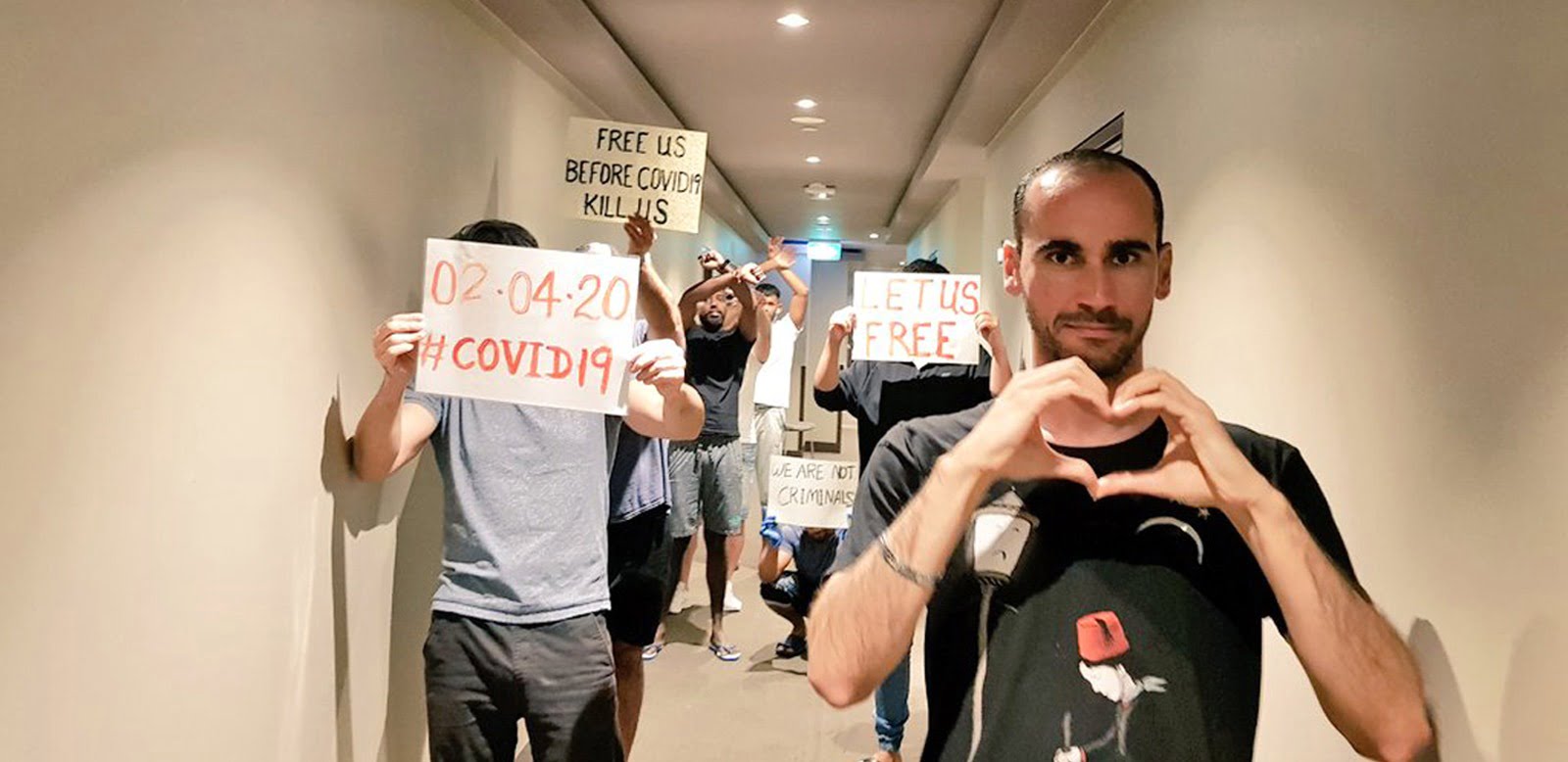
It’s been a difficult few months, especially for refugees and asylum seekers. Due to Coronavirus we saw the UNHCR temporarily suspend all international refugee resettlement, and those detained in hotels around Australia were exposed to a heightened risk of infection due to their detention conditions.

In June, we headed to Canberra and handed over a petition from 20,000 Australians calling on the Australian Government to transfer refugees and asylum seekers detained in hotels into safety in the community. Unfortunately the Government didn’t listen, and earlier this week we saw the consequences, as a security guard stationed at the Mantra Hotel tested positive for the virus.


You can take action and demand Immigration Minister Alan Tudge ensure refugees and asylum seekers in the Mantra Hotel are provided urgent medical and mental health support until it is safe to transfer them into community detention here.


Craig Foster and Dr Graham Thom stand in front of Australian Parliament with petitions

While in Canberra, we met with the New Zealand High Commissioner to discuss their offer to resettle refugees stranded in PNG and Nauru, an offer that still stands today despite the Australian Governments refusal to accept it.

But although there is work to be done, we are making progress. A key goal has been to remind Australian’s of this ongoing injustice, ensure our friends caught up in Australia’s brutal policy are not forgotten, and most importantly to amplify the voices of those who are directly affected – so all Australians who fund their ongoing detention, get to know the people and understand their situation.. We have been successful at this.

Craig Foster and Dr Graham Thom sit at a table with the New Zealand High Commissioner to Australia

Starting in May, resettlement began for those destined for the United States. People like Ezatullah and Sanousi, who you’ve been fighting for tirelessly, have found safety and can begin to rebuild their lives. Check out an update here.

When we started the campaign to get people to safety in November 2019, 612 people were detained offshore, today, that number is 373.

This is heartening progress and shows that the Government is feeling the pressure, but we need to keep it up.


What you can do

Sunday 19 July marks 7 years of suffering for vulnerable asylum seekers and refugees at the hands of the Australian Government.

It’s time to show Scott Morrison that people all around Australia are calling #GameOver. Will you call on Scott Morrison and ask him to accept New Zealand’s offer to resettle refugees from PNG and Nauru?

Click here to send your #7YearsTooLong tweet to Scott Morrison now!


As we continue the campaign to get people to safety, we are engaging new supporters whose voices will be vital in making sure Scott Morrison hears us. So keep an eye out for future updates!

Let’s keep up the pressure.

Concerns for detainees as Mantra employee tests positive for COVID-19

Amnesty International Australia is seriously concerned for the health of refugees held in so-called alternative places of detention (APODs), after the news that an employee of the Mantra Bell Preston in Melbourne has been diagnosed with COVID-19.

“Months ago, Amnesty, medical experts such as Professor David Isaacs and other civil society organisations warned that keeping people in detention at places like Mantra where social distancing is impossible, was a ticking time bomb,” Amnesty International Australia Refugee Advisor, Dr Graham Thom, said.

Months ago, Amnesty, medical experts such as Professor David Isaacs and other civil society organisations warned that keeping people in detention at places like Mantra where social distancing is impossible, was a ticking time bomb.

Amnesty International Australia’s Refugee Advisor, Dr Graham Thom

“The people being held in these places were brought to Australia because they needed urgent medical help. To leave them in a situation where their already fragile health is in more danger is unconscionable.

“This situation would never have arisen if our broken offshore detention regime valued basic human rights. It’s the bitterest of ironies that this crisis has occurred as we mark the seventh anniversary of offshore detention on the 19th of July. It’s well overdue that we find a solution to what was only ever meant to be a temporary measure. 

“The pandemic is a huge challenge for everyone – many of us have experienced lockdowns and quarantine and how challenging that can be for mental health. We can only imagine what the past seven years have done to the mental health of the people still stuck in offshore detention and in APODs. We must be sure that all groups in society, and those people in our government’s care are not cruelled for simply asking for Australia’s help.”

Activism Strategy 2020 – 2023

The battle to protect our human rights has always come from the community. Courageous everyday people standing up, speaking out and challenging injustice. Amnesty has a long history of standing with communities everywhere to fight oppression. This is a fight which continues today. We are seeing increased attacks on our rights at the moment. Powerful figures are trying to restrict our ability to campaign for a just world. Never has people power been so needed and grassroots movements are the way to get there.

But, we need to unite behind a vision that will show us the way and here’s ours! By the end of 2023 no one will be able to dispute our movement’s widespread strength and power. We will have a visible and active presence in communities right across Australia. Together we will empower a skilled and confident activist base who will lead from the ground up. We will deepen the connections between individual activists and with other grassroots movements. Because we all need to stand together in this fight! We now have a map for how to get there, so here’s an overview of how we are going to do it.

If you are not yet a part of our movement and this strategy has inspired you, head over to our Get Active page to get more involved.

LNP platform a disaster for youth justice reform

Responding to the launch of the Queensland LNP’s “tough on crime” youth justice platform, Amnesty International Australia campaigner Joel Clark said:

“The proposal from the LNP for a three-strikes mandatory detention approach to youth justice is completely contrary to all the evidence that shows locking kids up simply does not work.

“Sadly, the Queensland opposition have completely missed an opportunity to get smart on crime by listening to the experts and assessing the evidence that shows diversion programs are the best possible solution to youth crime.

Sadly, the Queensland opposition have completely missed an opportunity to get smart on crime by listening to the experts and assessing the evidence that shows diversion programs are the best possible solution to youth crime.

Amnesty International Australia campaigner, Joel Clark.

“Keeping kids out of jail is better on government purse strings, it’s more effective in reducing crime and recidivism, and most important of all, it’s better for the kids who find themselves in the quicksand of the youth justice system – many as young as 10.

“Queensland has a real opportunity to lead the way in raising the age of criminal responsibility and investing in Indigenous-led programs that work, and which we have the evidence to prove they work.”

“The definition of insanity is doing the same thing over and over and expecting a different result. The role of the government is to protect children – any government adopting this approach to youth justice would be a dereliction of duty because we know putting kids in jail causes them enormous harm.”

10 ways we respond to a crisis

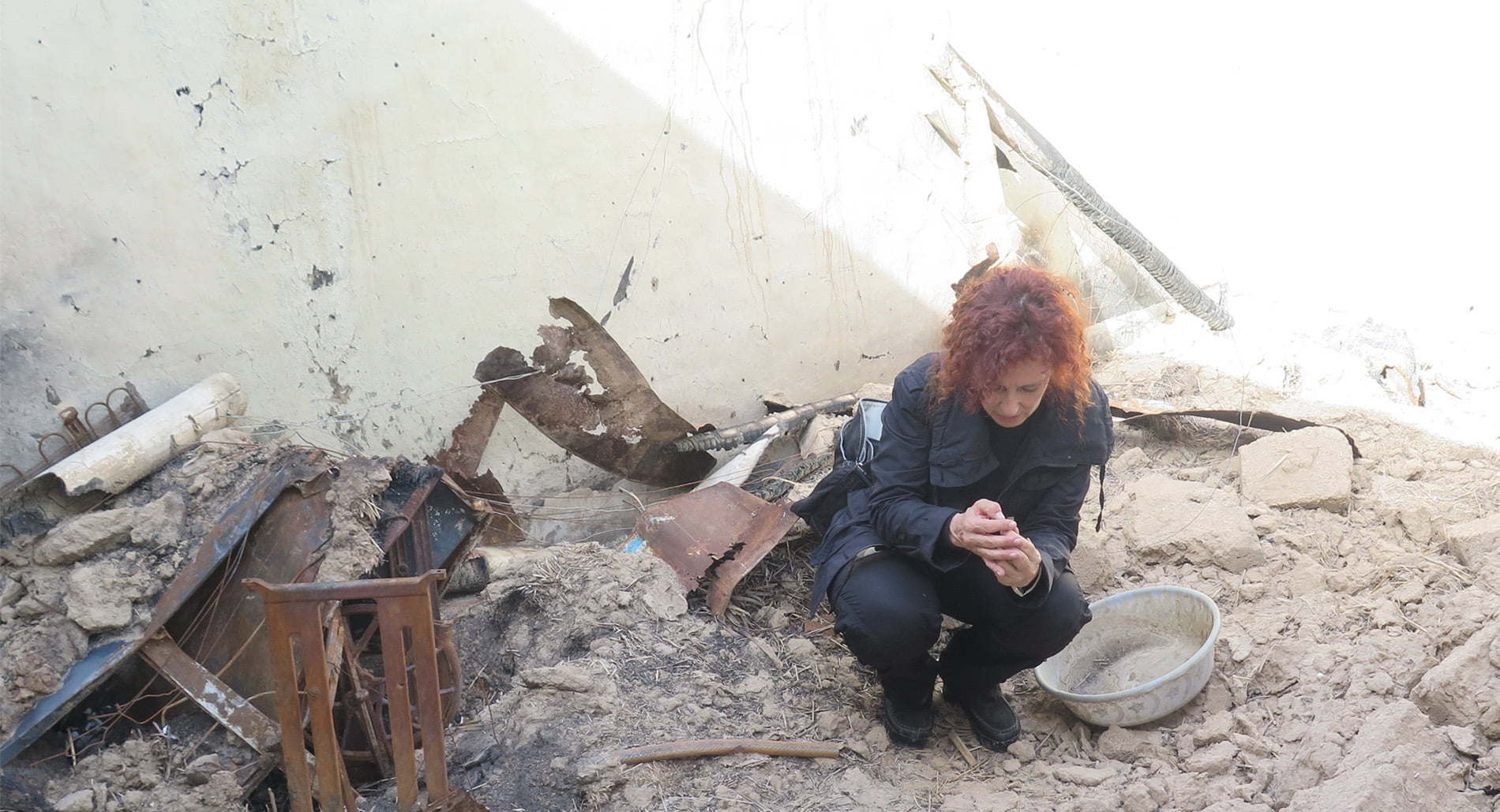
During war and conflict, crisis researcher Joanne Mariner is the first on the ground to gather evidence of serious human rights crimes. She tells us how your support makes her life-changing work possible.

1. Training

 “I’ve had training in first aid, facing hostile fire, and dealing with hostage situations. I’ve seen how high velocity bullets can penetrate steel. But being prepared is much more about experience than training.”

2. Preparation

“First of all, I buy a good, detailed map! Then I read everything that has been published about the country – from Amnesty, other human rights organisations, the UN, and the press.”

3. Essential kit

“I’ll bring a first aid kit, anti-malaria drugs, and satellite phone, local phone and UK phone, as communications are so important. I’ll also pack a still camera, video camera, and a GPS tracker so colleagues can track my location.”

Senior Crisis Response Adviser Joanne Mariner and her car, stuck in the mud in the Central African Republic.
Crisis researcher Joanne Mariner stuck in the mud in Central African Republic, November 2014. © Amnesty International.

4. Security

“I talk with a lot of people on the ground to work out where not to go, what roads to avoid, when to travel. For example, they might tell us not to drive a particular type of car as it’s a favourite for car-jacking. In some situations, there are serious risks – of getting shot, hit by a mortar, kidnapped, killed…”

5. Transport

“In some countries, for example the Central African Republic, I usually just travel with a driver. Often the roads outside major towns can be terrible so we use a four-wheel drive. I’ve been in a few difficult situations because there can be robbers on the road, and it can be scary.”

6. Interviewing witnesses

“We always get first-hand testimony. After a massacre, you have an obligation to document exactly what happened. I ask people to detail the circumstances, the basic who, what, when and where. ‘What did you see?’ ‘What were they wearing?’ ‘Who was shooting?’”

7. Film and photography

“Our goal is to provide real-time documentation, to hold people to account and get justice for victims. We don’t repeat rumours, we get testimonial, written documentation and forensic evidence. We go to the place something happened and take photographs of bodies, bullets and shrapnel, and other physical evidence. Some of the photos you can’t even look at; we don’t publish those, but keep them as proof.”

“We don’t repeat rumours, we get testimonial, written documentation and forensic evidence.

Joanne Mariner

8. Reporting

“We describe exactly what happened, characterize and analyse the crimes that have been committed, and make recommendations for reform. We’re not criminal investigators, but we’re just as rigorous. Our goal is to provide real-time documentation, to hold people to account and get justice for the victims.”

9. Press and media

“In breaking news situations, we’ll tweet out news, speak with journalists, put out press releases, and write blogs, opinion pieces and briefing papers. It’s so important to show the world what’s going on and create pressure on governments to act.”

10. Advocacy and campaigning

“We put in a huge effort to ensure our recommendations for reform are enacted. We meet with UN and government officials across the world to explain the need for urgent action.”

Live updates

For the latest from the frontline of human rights, follow Joanne @jgmariner and her colleague Donatella Rovera @DRovera on Twitter. 

Amnesty is reuniting families

Today, thousands of mothers, fathers, sons and daughters are kept from loved ones.

People all around the world face human rights violations at the hands of their own government. Often it can be for simple, everyday actions that we take for granted – like voicing their opinions or belonging to a particular group.

Tragically, some of these people will be sentenced to death or left languishing on death row for decades. But together, we can bring them back to their families.

Watch the video above to see who was reunited with their families, thanks to the help incredible Human Rights Defenders like you!

Take action for individuals now

Myanmar: Indiscriminate airstrikes kill civilians as Rakhine conflict worsens

Amnesty International has collected new evidence showing that indiscriminate airstrikes by the Myanmar military have killed civilians, including children, amid worsening armed conflict in the country’s Rakhine and Chin States.

These attacks and other serious human rights violations by the Myanmar military, also known as the Tatmadaw, are taking place in townships where internet has been cut off for more than a year. Residents have been in the dark over the threat from COVID-19 and deprived of information about humanitarian assistance. Rakhine State has been largely spared a major COVID-19 outbreak, although cases were on the rise in June.

“While Myanmar authorities were urging people to stay at home to help stop COVID-19, in Rakhine and Chin states its military was burning down homes and killing civilians in indiscriminate attacks that amount to war crimes,” said Nicholas Bequelin, Amnesty International’s Asia-Pacific Regional Director.

While Myanmar authorities were urging people to stay at home to help stop COVID-19, in Rakhine and Chin states its military was burning down homes and killing civilians in indiscriminate attacks that amount to war crimes.

Nicholas Bequelin, Amnesty International’s Asia-Pacific Regional Director.

“Despite mounting international pressure on the military’s operations in the area, including at the International Court of Justice, the shocking testimonies we have collected show just how deep impunity continues to run within Myanmar military ranks.”

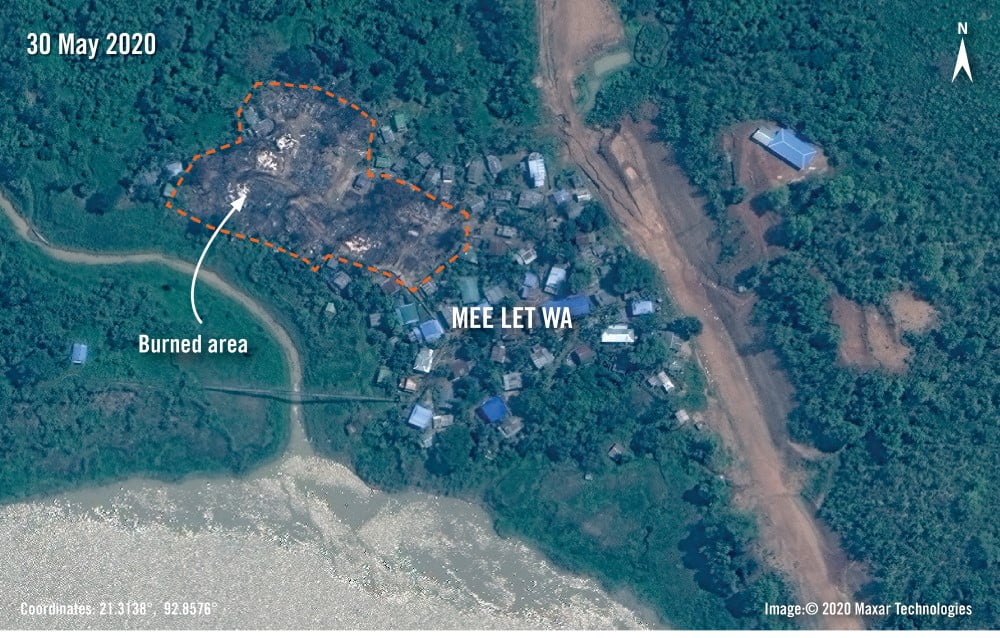
In May and June 2020, Amnesty International remotely interviewed more than two dozen ethnic Rakhine and Chin people affected by military operations, including airstrikes and shelling; analyzed fresh satellite imagery of burned down villages; and verified video footage showing violations carried out by the Myanmar military.

The conflict has escalated since the 4 January 2019 attack by the Arakan Army (AA), an ethnic Rakhine armed group, against several police posts in northern Rakhine State. The incident prompted a retaliatory order from the government to ‘crush’ the AA and marked a turning point in the escalation of the conflict, which has since displaced tens of thousands.

In recent days an additional 10,000 people fled their homes as a result of heavy fighting and warnings of advancing military operations, the UN High Commissioner for Human Rights estimated.

Myanmar officially labelled the AA an unlawful organization on 23 March 2020. Fighting surged between March and May 2020, while Myanmar also grappled with its first COVID-19 cases. Over 30 civilians were killed or injured in May alone as a result of the conflict, according to the UN.

The victims are predominantly from Buddhist and some Christian ethnic minorities in Rakhine and Chin States, though media reports have also documented violations against Rohingya civilians.

‘The whole village saw the plane’

The Myanmar military’s airpower has inflicted enormous damage and human suffering. In Chin State, three people from a cluster of ethnic Chin villages called Meik Sar Wa in Paletwa Township described airstrikes which they said took place on 14 and 15 March 2020.

“The whole village saw the plane … the sound was so loud,” one resident said, adding that the attack happened at around 11am.

After hearing explosions, he ran to his father’s house and found his brother with a fatal stomach wound, as well as the body of his brother’s 16-year-old friend. He said his uncle, who was in a different house at the time, was also killed in the same airstrike.

Two people from another family in the same village cluster told Amnesty International that an airstrike killed nine people in their community, including a seven-year-old boy. “Our family is destroyed,” the boy’s father said.

An ethnic Rakhine farmer from Lel Hla village tract in Paletwa Township, Chin State, said fighting erupted around a nearby village called Hnan Chaung Wa on 7 April 2020. He said airstrikes killed seven and injured eight people, corroborating news reports of these incidents. After helping move dead bodies and injured people, he later witnessed two fighter jets launch another round of attacks closer to his own village and saw two columns of smoke rising from burned property.

He fled to the town of Paletwa the next day but airstrikes followed there as well.

Under customary international humanitarian law, an indiscriminate attack is a war crime if it leads to civilian deaths.

Detention, torture and other violations

Witness testimonies also show that Myanmar soldiers arbitrarily detained civilians in Rakhine State for perceived connections with the AA, sometimes resorting to torture and other forms of ill-treatment.

Two former residents of Mrauk U Township in Rakhine State told Amnesty International their family member was detained and tortured after Myanmar soldiers started shooting on 29 February 2020.

One of the women, the detained man’s wife, visited her husband in detention and said that he told her he had been tied up and beaten for four nights and five days. As a result of the beatings he now has trouble breathing.

“He wasn’t given food or water…They kicked and hit him with rifles in the back and kicked his chest as well,” she said. “Before this, he was tall and big, but when I saw him … he was visibly thin.”

Soldiers held a knife to his throat and obtained a forced “confession” about his supposed links to the AA. He was charged under the Counter Terrorism Law, which has been increasingly used in recent months against journalists reporting on the conflict, and people perceived to be linked to the AA.

The beating of detainees appears to be widespread. In May the military admitted its forces punched and kicked blindfolded detainees after a video of the disturbing incident went viral.

Arbitrary detention was documented in several townships. A villager from Rakhine State’s Kyauktaw Township witnessed Myanmar soldiers arrest ten villagers, including her husband, on 16 March 2020. She told Amnesty International that soldiers punched, kicked and hit the detainees who resisted with guns. These troops were said to be from the 55th Light Infantry Division, which Amnesty International has previously documented as carrying out violations in Rakhine State.

“Until now I have no news about my husband, and I’m devastated,” she said.

Myanmar soldiers also appear to regularly confiscate or destroy civilian property and commandeer monasteries as temporary bases. Amnesty International similarly documented the use and confiscation of civilian property by soldiers in Rakhine State and northern Shan State in 2019.

Residents said soldiers took rice, firewood, blankets and clothes, mobile phones and personal documents, gold bracelets and necklaces. Livestock was slaughtered or taken. Myanmar soldiers also knocked down doors, broke windows, and damaged small Buddhist shrines kept at home.

Amnesty International also documented incidents of the burning or destruction of villages in different townships in Rakhine and Chin States.

Satellite imagery of several conflict-affected villages shows widescale burning consistent with Myanmar military tactics.  Both the military and the AA have blamed each other for the village burning.

In one village tract in Minbya Township, a displaced person said that on 29 March Myanmar soldiers burned down around 10 houses and one school building, adding that two villagers died in the incident.

In Chin State, a 41-year-old ethnic Rakhine man who tried to return to his old village, Sein Nyin Wa in Paletwa Township, after being displaced for nearly two months reported seeing only ash from a vantage point on 24 May.

Amnesty International was not able to document operations and abuses by the Arakan Army in the reporting period due to COVID-19 travel restrictions and limited access to conflict-affected areas and witnesses. However, reports suggest the Arakan Army has continued a pattern of abuses previously documented by Amnesty International. This includes endangering the lives of civilians during attacks, intimidation of local communities, and arbitrary deprivation of liberty.

‘We’re becoming deaf and blind’: internet blackout during a pandemic

In June 2019, Myanmar authorities shut down the internet in nine conflict-affected townships in Rakhine and Chin States: Buthidaung, Kyauktaw, Maungdaw, Minbya, Mrauk-U, Myebon, Ponnagyun, and Rathedaung in Rakhine State, as well as Paletwa in Chin State.

The shutdown was lifted in five townships in late August 2019, but reinstated in February 2020. At the time of writing, only Maungdaw has regained mobile internet access.

The government has said the internet blackout is necessary because the Arakan Army uses mobile internet to coordinate attacks against officials, plant anti-personnel mines, and incite hatred against the authorities. However, the blackout has limited access to information about COVID-19.

“There are only a few people who are aware of COVID-19 in the camps,” one relief worker told Amnesty International, estimating that about five percent understand the threat.

One displaced resident from Minbya Township said people had to learn about COVID-19 from television, print newspapers and illegal satellite dish connections.

“I’m worried because for war you can hide in the bush or nearby, but for the virus you can’t hide,” he said. “It’s like we’re becoming deaf and blind, and there’s nobody to report on what’s happening in Minbya.”

While serious violations by the Myanmar military continue, Amnesty International reiterates its call for the UN Security Council to refer the situation in the country to the International Criminal Court (ICC).

“The reliance on airstrikes and internet blackouts may be new, but one constant is the military’s remorseless neglect for civilian life,” said Nicholas Bequelin.

“The atrocities have not stopped – in fact, the Myanmar military’s cruelty is only getting more sophisticated. This relentless pattern of violations is clearly a matter for the ICC. The Security Council must act.”

Malaysia: New government must create long-awaited police commission and pursue other major human rights reforms

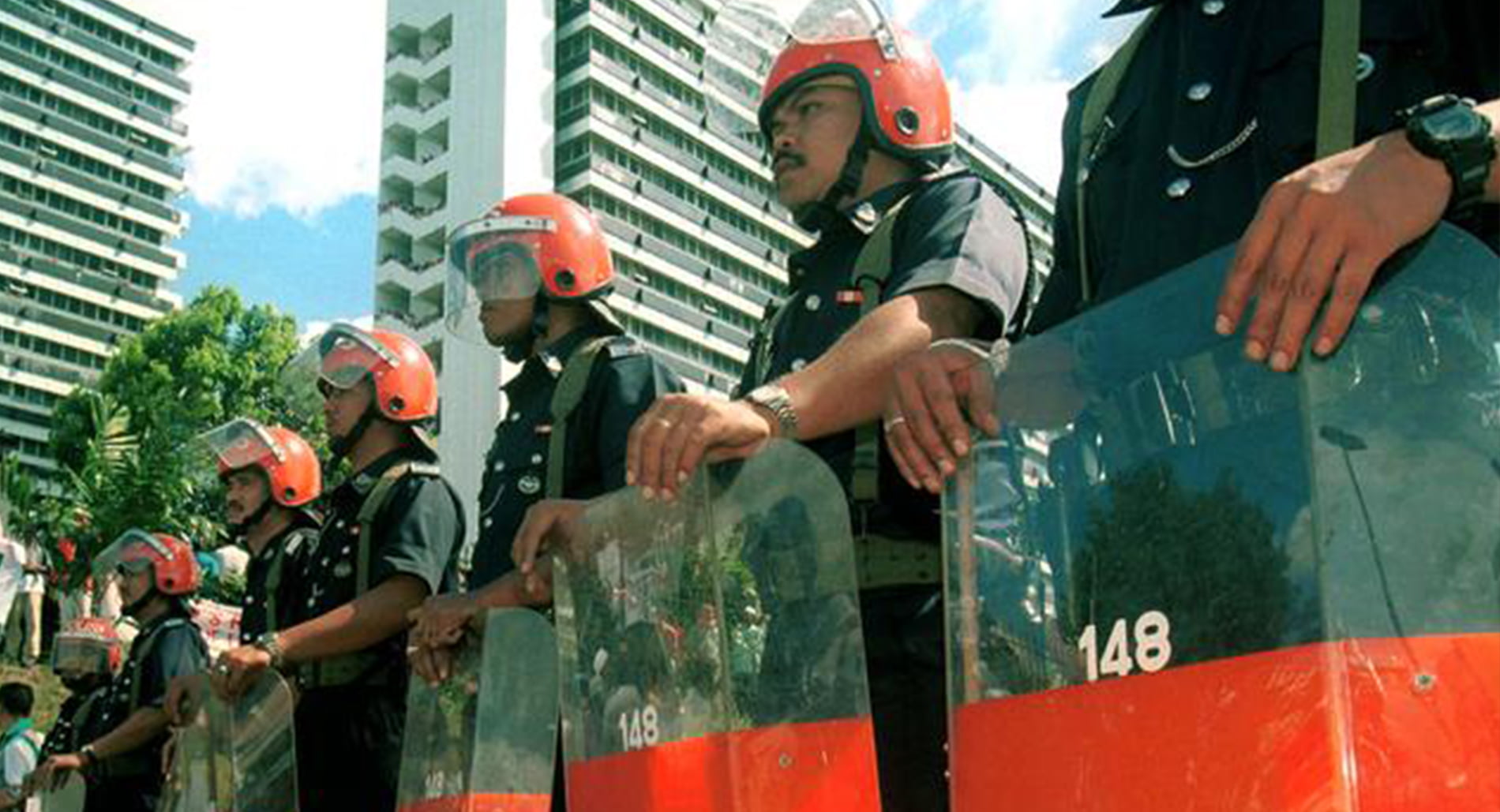
Changes in Malaysia’s government must spur, not stall, human rights reforms, including efforts to establish an independent police commission, Amnesty International said today.

In a new briefing published today ahead of the July parliament session, the organization is calling on Malaysia to seize this historic opportunity to implement much-needed police reforms and at last establish the Independent Police Complaints and Misconduct Commission (IPCMC), first envisioned 15 years ago.

“For years, allegations of police abuses have routinely gone unresolved in Malaysia,” said Rachel Chhoa-Howard, Malaysia Researcher at Amnesty International. “The new government would show leadership by finally going ahead with the establishment of the IPCMC. History has shown that improving law enforcement and strengthening the legitimacy of the police agency in the country will remain a fantasy unless a truly independent IPCMC is established.”

The IPCMC bill has seen multiple refinements since it was first tabled in Parliament in July 2019. There were 24 amendments when it was tabled for the second reading in October and the parliamentary special select committee reportedly made 13 additional amendments in December.

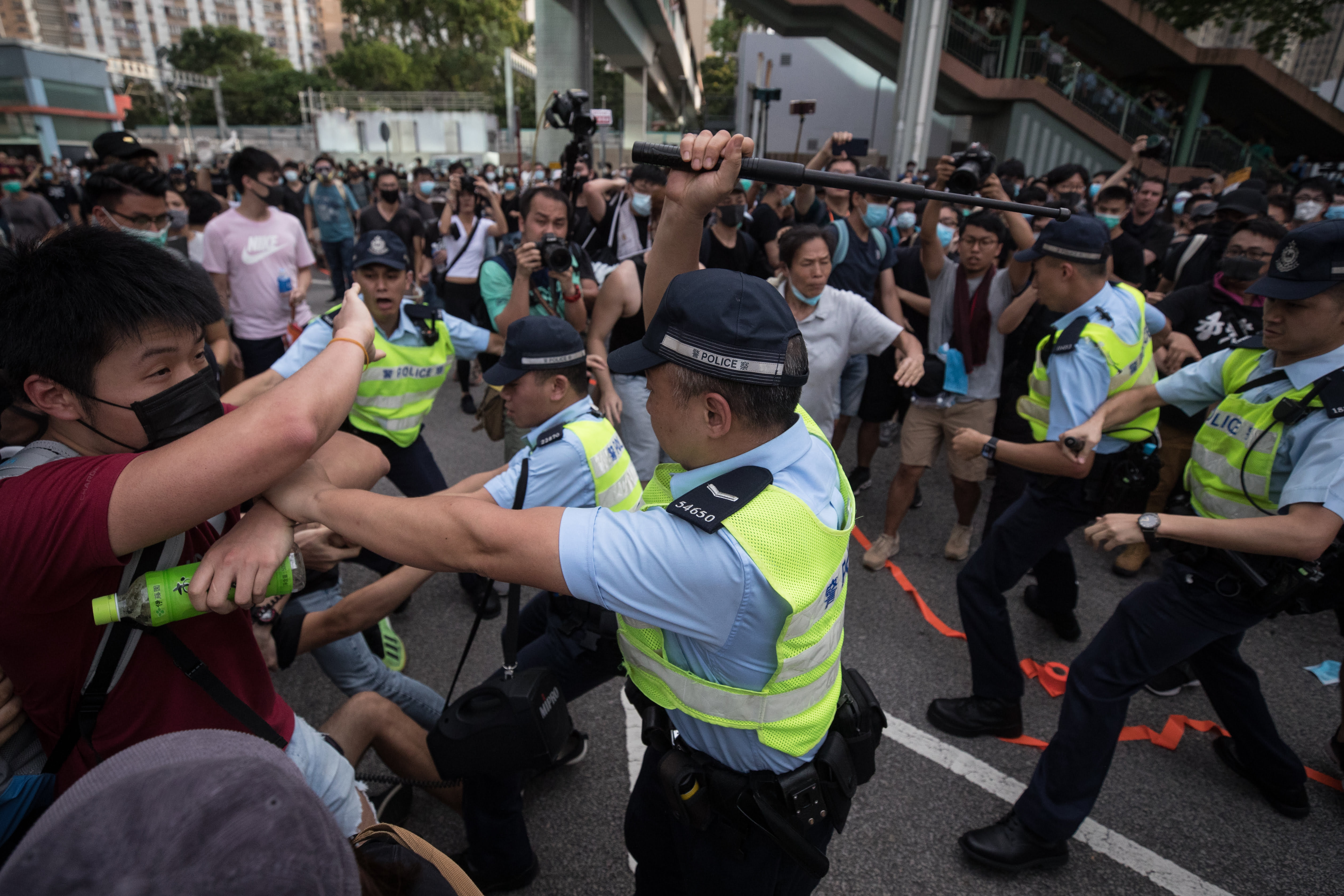
“Preventing police misconduct should be an urgent priority, especially when law enforcement is under such acute scrutiny worldwide,” said Rachel Chhoa-Howard. “Government responses to COVID-19 – as well as greater scrutiny of police violence from Hong Kong to the United States – is a reminder to Malaysians that its government needs to implement checks against police misconduct. This is a historic opportunity to enact change.”

Police reforms

Over the years, consistent reports of abuses, including violence against people in detention and deaths in custody, have damaged the reputation of the Royal Malaysia Police. Research by Amnesty International and other human rights organisations has shown that police abuses have continued, and those responsible have not been held to account.

Amnesty International’s briefing analyses the proposed police oversight commission; gives examples of cases of police abuse that an effective oversight body would address; and highlights areas of the draft enabling legislation that could be strengthened.

To ensure that the proposed police oversight commission is empowered to address police abuse, Amnesty International makes the following recommendations:

  • The Malaysian government should ensure that the IPCMC is able to prioritise serious abuses by police, including any death in police custody or as a result of police action. The proposed commission should also have full operational independence from the executive and be free from political influence, including in the appointment of commissioners.
  • To ensure that complaints before the IPCMC can be properly examined, the oversight body should be afforded full investigatory powers, similar to those of a police investigator and that of the current Enforcement Agency Integrity Commission (EAIC). It should also have the power to refer cases to the public prosecutor for criminal prosecution and the ability to appeal decisions not to prosecute, if dissatisfied with the prosecutor’s decision in a case.
  • In order to be fully transparent and sustain public trust, the IPCMC should ensure that complaints are dealt with in a timely fashion, and that complainants are kept up to date on ongoing investigations. Civil society should play an active role in the work of the commission, in order to bring attention to important issues of policing, and provide expertise and input in reforming policies.
  • Finally, in order to fully realise police reforms, Amnesty International calls on Malaysia to ratify the UN Convention against Torture and Other Cruel, Inhuman or Degrading Treatment or Punishment.

Other vital human rights pledges, from the death penalty to sedition

In addition to establishing the IPCMC, Amnesty International urges the new leadership in the country to demonstrate its commitment to human rights.  A litmus test will be the progression of crucial reform processes, including the abolition of the Sedition Act and the mandatory death penalty in full.

Malaysian authorities have time and time again used laws such as the Penal Code, the Communications and Multimedia Act (CMA), and the Sedition Act to target peaceful protestors.

The Sedition Act criminalizes a wide array of acts, including those “with a tendency to excite disaffection against any Ruler or government” or to “question any matter” protected by Malaysia’s Constitution. Those found guilty can face three years in jail, be fined up to MYR 5,000 (approximately USD 1,570) or both. The Act does not comply with international human rights law, and violates the right to freedom of expression, which is enshrined in Article 19 of the Universal Declaration of Human Rights (UDHR), and guaranteed in Article 10 of the Malaysian Constitution.

In 2018, the government announced that it was to abolish the death penalty for all crimes. Since then, it has continued to observe an official moratorium on all executions. In 2019, the government established a Special Committee to study sentencing policies to replace the mandatory death penalty with alternative punishments and to make recommendations to the Cabinet.

Amnesty International calls on the government to ensure that legislative amendments are promptly tabled in Parliament to bring national legislation in line with international human rights law and standards, as important first steps towards fully abolishing the death penalty.

“The new leadership of Malaysia must commit to fully respect, protect and fulfill human rights by undertaking other rights reforms that were promised to the Malaysian people in 2018,” said Rachel Chhoa-Howard. “Amnesty International is ready to work with the government to ensure that an effective IPCMC is created and other important human rights reforms are implemented.”

“Passing the bill to establish an effective IPCMC would not only show that the government is serious about police reform and rule of law, but also that it is committed to respecting and securing the human rights of all Malaysians,” said Chhoa-Howard.

“Malaysians were promised police accountability at the polls in 2018. This promise must be kept.”

Australia should offer safe haven visas for those fleeing Hong Kong crackdown

Australia should offer safe haven visas to Hongkongers currently based in Australia, and those fleeing persecution under new repressive national security laws passed by Chinese authorities.

“We welcome Prime Minister Scott Morrison mooting offering people from Hong Kong safe haven visas, just as the UK government is intending,” Amnesty International Australia campaigner, Nikita White said.

“Chinese authorities have wasted no time in cracking down on protesters after pushing through new national security laws. 

“The definition of ‘national security’ in the legislation is so vague it prevents anyone from knowing how and when they might transgress it.

“Hongkongers are facing an assault by the Beijing authorities and the Hong Kong government on freedoms they have long enjoyed.

“Australia has an excellent track record in stepping in to assist people suffering repression by extending safe haven visas, as the Hawke Government did notably in 1989 following the Tiananmen Square massacre.”

BACKGROUND 

Under the national security law, the full details of which were only released late last night, the crimes of separatism, subversion, terrorism and collusion with foreign or external forces are punishable by a minimum sentence of three years and a maximum of life imprisonment.

The Chinese central government will also establish an Office of Safeguarding National Security in Hong Kong, with its own law enforcement personnel and the ability to exercise jurisdiction over certain cases.

This means under certain circumstances suspects can be transferred for detention and trial to mainland China, where individuals accused of endangering national security are routinely denied fair trial rights.

Although the law has one provision recognizing generic human rights safeguards, other parts of the law allow the Office of Safeguarding National Security to exercise sweeping powers while effectively bypassing oversight by Hong Kong’s legislative and judicial system, including immunity from local jurisdiction.

The law also allows local law enforcement additional investigative powers, while reducing judicial oversight at the same time.

The UN Security Council, General Assembly and numerous expert bodies have repeatedly stressed that full compliance with international law, in particular international human rights law, is the fundamental basis and best practice for a successful strategy in combating threats to national security.

Scores of people were detained amid protests on Wednesday, with police stating that seven had been arrested on suspicion of violating the national security law by the late afternoon. One man was arrested after he was searched and a “Hong Kong Independence” flag was found in his bag.

International human rights laws and standards stipulate that peacefully expressing one’s opinion about independence does not constitute a threat to national security.

Israel/OPT: Unlawful “annexation” plan promotes ‘law of the jungle’ and must be stopped

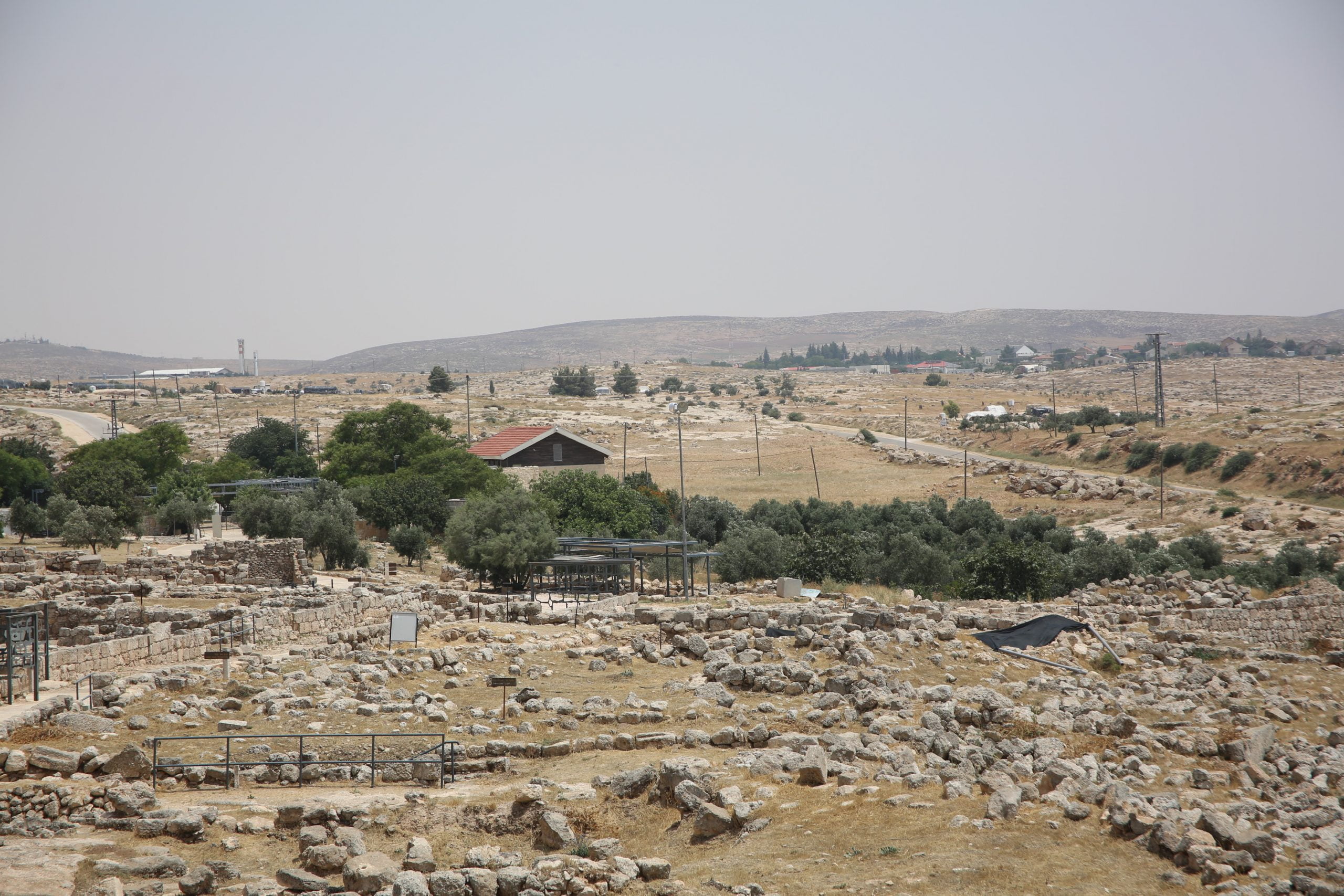
The Israeli authorities must immediately abandon plans to further “annex” territory in the occupied West Bank which breach international laws and exacerbate decades of systematic human rights violations against Palestinians, Amnesty International said on the day the Israeli cabinet is due to begin its deliberations on the plans.

Amnesty International is also calling on the international community to take firm action against the “annexation” proposals and illegal Israeli settlements in occupied territory.

“International law is crystal clear on this matter – annexation is unlawful. Israel’s continued pursuit of this policy further illustrates its cynical disregard for international law. Such policies do not change the legal status of the territory under international law and its inhabitants as occupied nor remove Israel’s responsibilities as the occupying power – rather it points to the ‘law of the jungle’ which should not have a place in our world today,” said Saleh Higazi, deputy regional director for Amnesty Middle East and North Africa.

International law is crystal clear on this matter – annexation is unlawful.

Deputy regional director for Amnesty Middle East and North Africa, Saleh Higazi.

“Members of the international community must enforce international law and restate that “annexation” of any part of the occupied West Bank is null and void. They must also work to immediately stop the construction or expansion of illegal Israeli settlements and related infrastructure in the Occupied Palestinian Territories as a first step towards removing Israeli civilians living in such settlements.

Null “annexation”

Under a deal to form a coalition government in April, Israeli Prime Minister Benjamin Netanyahu and political rival Benny Gantz agreed that a cabinet and parliament deliberations on the domestic process of “annexing” parts of the occupied West Bank, that include Israeli settlements and the area of the Jordan Valley, could begin as of 1 July.

Annexation is the claim to acquire territory by force and is a flagrant violation of international law. Such a step by Israel would violate the UN Charter, jus cogens norms of international law, and obligations under international humanitarian law. The prohibition on the acquisition of territory by force is enshrined as a fundamental principle in Article 2(4) of the UN Charter.

Under domestic Israeli law, moves towards further “annexation” of Palestinian territory would mean a continuation of Israeli settlement expansion. It would also further entrench policies of institutionalized discrimination and mass human rights violations that Palestinians face in the OPT resulting from the occupation.

According to reports, the Israeli proposal could include as much as 33% of the total area of West Bank.

Recently, dozens of UN experts have voiced concerns that the proposed annexation plan would create a “21st century apartheid”.

Illegal settlements

Israel’s policy of settling its civilians in occupied Palestinian territory and displacing the local Palestinian population continues to contravene fundamental rules of international humanitarian law. Article 49 of the Fourth Geneva Convention states: “The Occupying Power shall not deport or transfer parts of its own civilian population into the territory it occupies.”  It also prohibits the “individual or mass forcible transfers, as well as deportations of protected persons from occupied territory”.

Transferring the occupying power’s civilians into the occupied territory is a war crime. Furthermore, the settlements and associated infrastructure are not temporary, do not benefit Palestinians and do not serve the legitimate security needs of the occupying power. Settlements entirely depend on the large-scale appropriation and/or destruction of Palestinian private and public property which are not militarily necessary.

“Settlements are created with the sole purpose of permanently establishing Jewish Israelis on occupied land; this is a war crime under international law and “annexation” has no bearing on this legal determination.” Said Saleh Higazi

Background:

On 20 April, following Israel’s third elections in 10 months, Israeli Prime Minister Benjamin Netanyahu and his political rival Benny Gantz formed a coalition government under a unity deal. The deal included an agreement which would allow Israel’s government to start the domestic process of “annexing” parts of the occupied West Bank that include Israeli settlements and the area of the Jordan Valley. Israel’s “annexation” plans follow the announcement by US President Donald Trump’s so-called “deal of the century” in January 2020 which proposed areas of the occupied West Bank be annexed by Israel.

Amnesty International has made it clear that the Trump Administration’s plan would serve only to worsen human rights violations and enshrine the entrenched impunity that has fueled decades of war crimes, crimes against humanity and other grave violations.

The international community should also reject the so-called “deal of the century”, and any other proposal seeking to undermine the inalienable rights of the Palestinian people, including the right of return of Palestinian refugees. Amnesty also calls on governments to offer their full political and practical support to the International Criminal Court (ICC) as it decides on its jurisdiction over the “situation in Palestine”.