Tragedy of George Floyd echoes Australia’s shameful record of deaths in custody

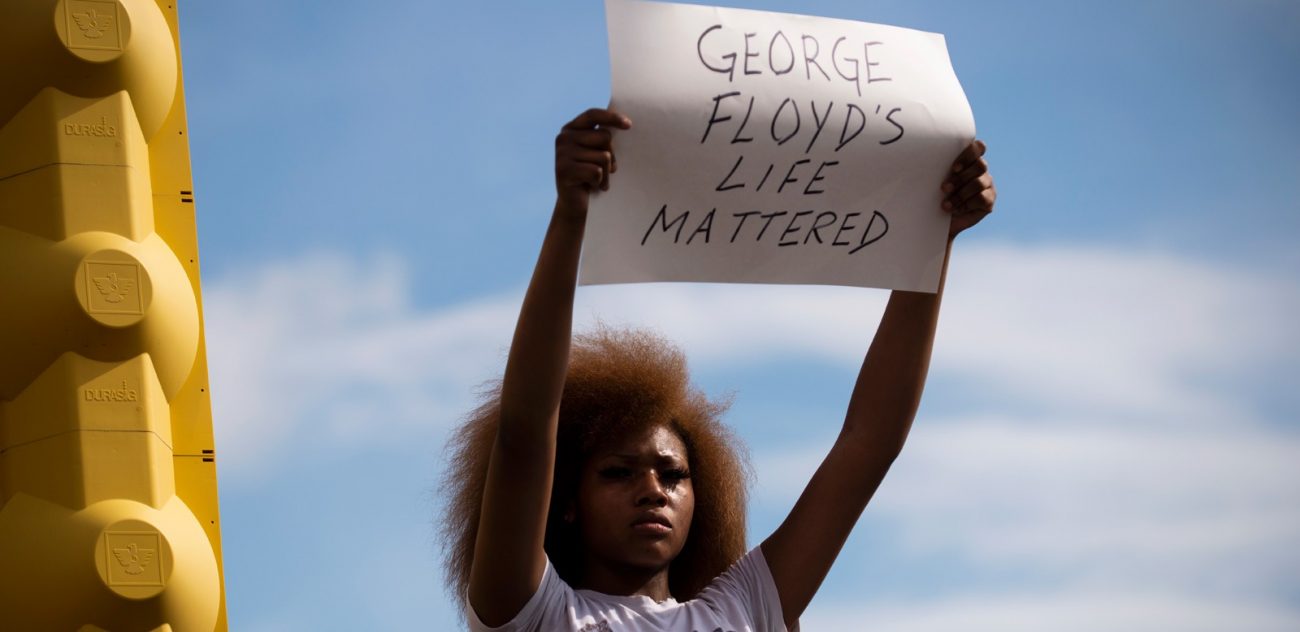
The death of American George Floyd last week and ensuing protests in the United States are a sobering reminder of Australia’s own shameful record on Indigenous deaths in custody.

Since the conclusion of the Royal Commission into Aboriginal Deaths in Custody in 1991, more than 420 people have died in police custody without a single conviction recorded and Indigenous people remain grossly over-represented in Australia’s prison system. Amnesty International Australia continues to call for independent and transparent investigation of such incidents.

“We stand in solidarity with Mr Floyd’s family and the families of all the other unarmed people of colour who have died in police custody,” Amnesty International Australia National Director, Sam Klintworth, said.

“But to think this is a problem ‘over there’ and that Australia is free of the kind of racialised violence making international headlines, is to fundamentally misunderstand the issues in our back yard.

To think this is a problem ‘over there’ and that Australia is free of the kind of racialised violence making international headlines, is to fundamentally misunderstand the issues in our back yard.

Amnesty International Australia National Director, Sam Klintworth.

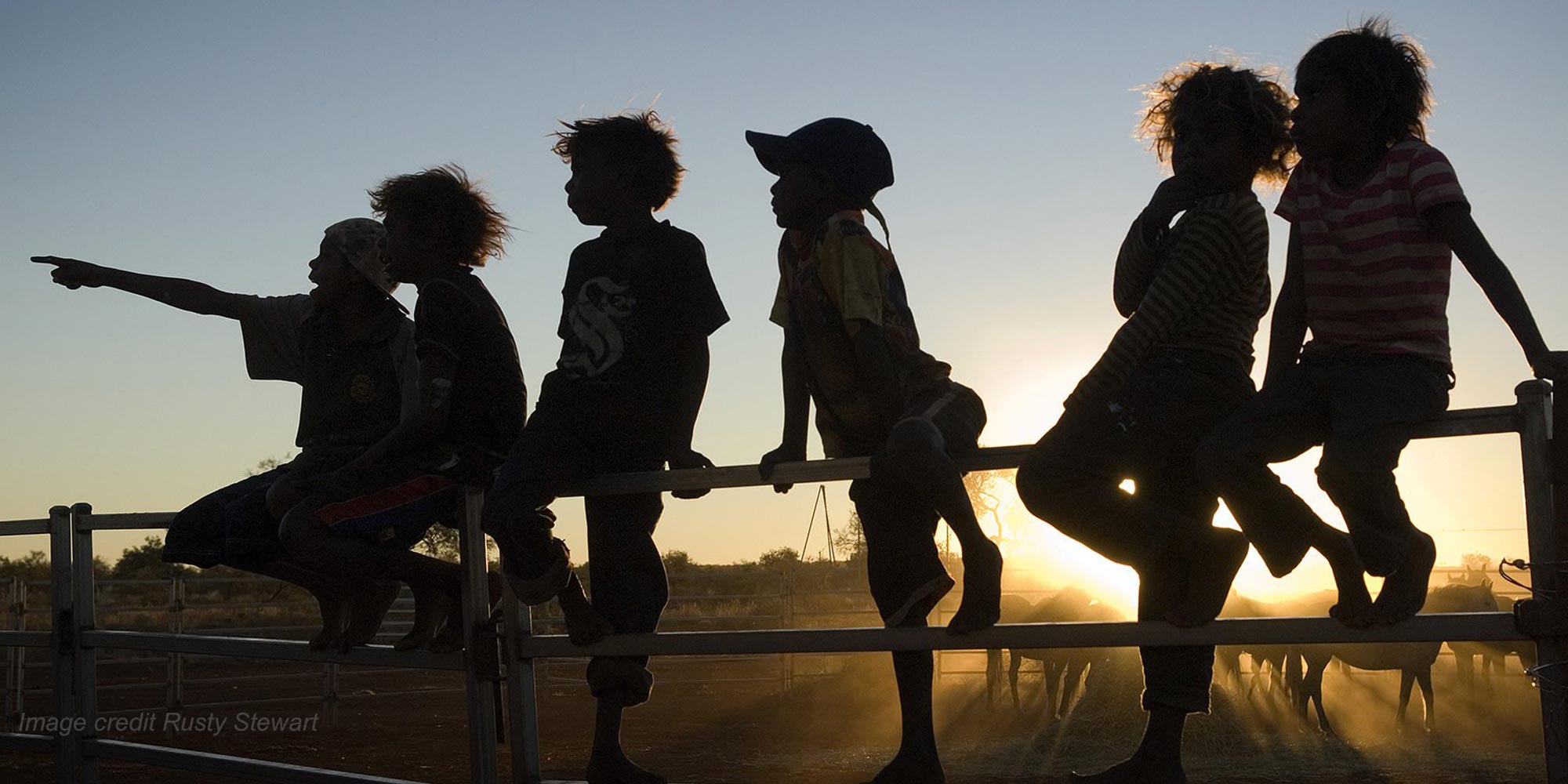
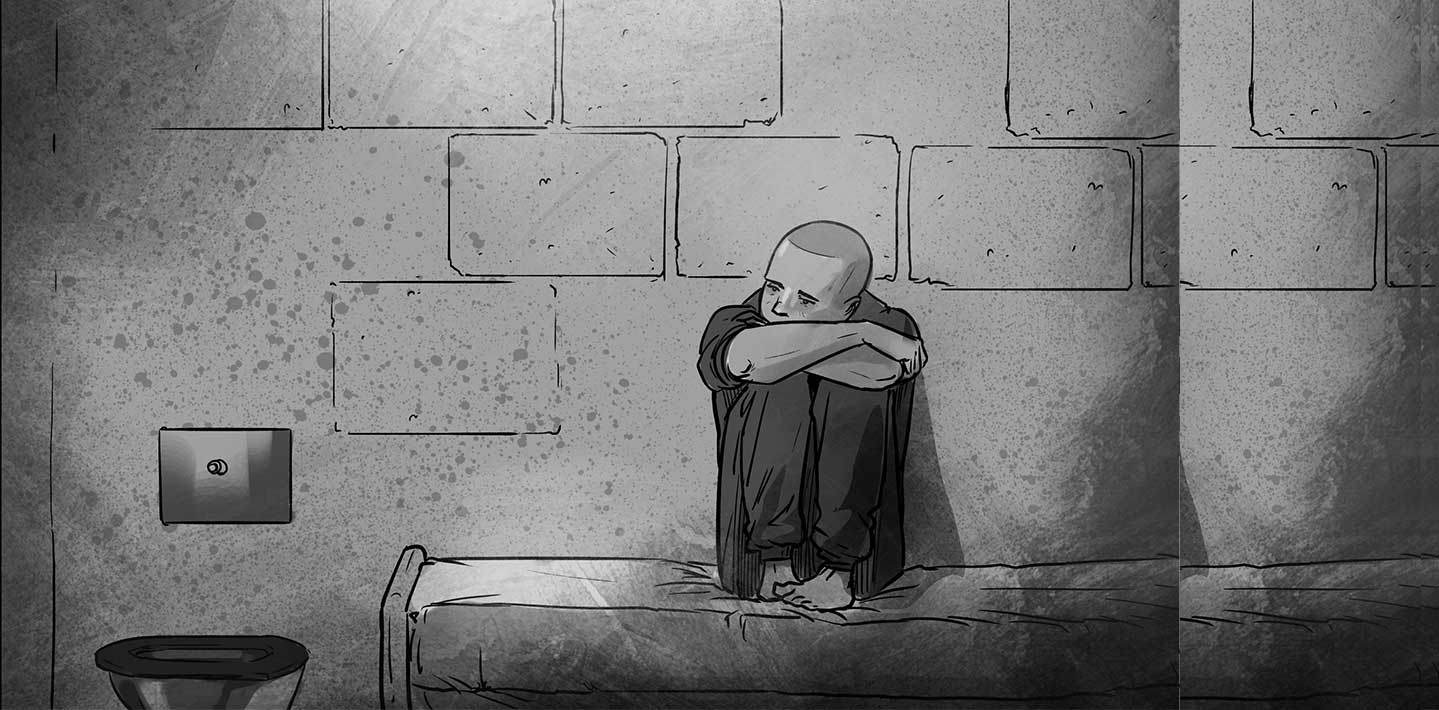
“Australia has a shameful record in its treatment of Indigenous people in custody, and has compounded the trauma of dispossession by allowing kids as young as 10 to be locked up, condemning them to the brualising effect of the youth detention system which sees children caught in the quicksand of the justice system, instead of with family in community.”

Regarding the death of Mr Floyd and the subsequent protests in the United States, Amnesty International USA National Director of Research Rachel Ward, issued the following statement regarding the police response to nationwide protests:

“We call on the federal government and U.S. cities and states to act swiftly and meaningfully to address the root cause of these protests and take immediate measures to stop unlawful killings by police of Black people and others. Officers must be prosecuted, all U.S. states must pass laws to restrict the use of lethal force as a last resort to prevent an imminent threat to life, and Congress should pass the PEACE Act to create a federal standard and incentivise state reform.

“Racism and white supremacy are fuelling these killings and the police response to the protests. The federal government should set up a national commission to address all aspects of this crisis including killings by police, the right to protest and ending discrimination. President Trump must end his violent and discriminatory rhetoric and policies.

Background

Additional research and statements from Amnesty International USA on policing, the right to protest, and developments in Minneapolis can be found below:

Qatar: Contact tracing app exposes personal details of more than one million

Serious security vulnerabilities in Qatar’s mandatory contact tracing app, uncovered by Amnesty International, must act as a wake-up call for governments rolling-out COVID-19 apps to ensure privacy safeguards are central to the technology.  

An investigation by Amnesty’s Security Lab discovered the critical weakness in the configuration of Qatar’s EHTERAZ contact tracing app. Now fixed, the vulnerability would have allowed cyber attackers to access highly sensitive personal information, including the name, national ID, health status and location data of more than one million users.

Amnesty alerted the Qatari authorities to the vulnerability shortly after making the discovery on Thursday 21 May. The authorities acted swiftly to fix the weakness by the end of Friday 22 May. 

“While the Qatari authorities were quick to fix this issue, it was a huge security weakness and a fundamental flaw in Qatar’s contact tracing app that malicious attackers could have easily exploited. This vulnerability was especially worrying given use of the EHTERAZ app was made mandatory last Friday,” said Claudio Guarnieri, Head of Amnesty International’s Security Lab. 

“This incident should act as a warning to governments around the world rushing out contact tracing apps that are too often poorly designed and lack privacy safeguards. If technology is to play an effective role in tackling the virus, people need to have confidence that contact tracing apps will protect their privacy and other human rights.”

Currently more than 45 countries have, or plan to, rollout COVID-19 contact tracing apps. Amnesty International is concerned that governments around the world, including Australia, France, Italy, the Netherlands and the UK, are rushing to embrace digital tools which undermine privacy, have not yet been proved to be effective, and could put individuals’ security at risk.

EHTERAZ was developed by Qatar’s Ministry of Interior and uses GPS and Bluetooth technology to track COVID-19 cases. The app, like many being introduced, remains highly problematic due to its lack of privacy safeguards. Sensitive personal information continues to be uploaded to a central database and the authorities can enable real-time location tracking of users at any time.

Last Friday, it became compulsory to download and use the app, which has been downloaded more than one million times from the Google Play Store alone. People who do not use the app could face up to three years in prison and a fine of QR200,000 (approx. US$55,000).  

“The Qatari authorities must reverse the decision to make use of the app mandatory, and all governments must ensure contact tracing apps remain entirely voluntary and in line with human rights,” said Claudio Guarnieri.

Amnesty International’s Security Lab was able to access sensitive information, including people’s name, health status and the GPS coordinates of a user’s designated confinement location, as the central server did not have security measures in place to protect this data. 

While Amnesty International recognizes the efforts and actions taken by the government of Qatar to contain the spread of the COVID-19 pandemic and the measures introduced to date, such as access to free healthcare, all measures must be in line with human rights standards. 

The vulnerabilities were uncovered as part of a wider global analysis of contact tracing apps, aimed at assessing their human rights compliance. 

Contact tracing is an important component of effective pandemic response, and contact tracing apps have the potential to support this objective. However, in order to be consistent with human rights obligations, these apps must build in privacy and data protection by design, meaning any data collected must be the minimum amount necessary, and securely stored. All data collection must be restricted to controlling the spread of COVID-19 and should not be used for any other purpose – including law-enforcement, national security or immigration control. It must also not be made available to any third party or for commercial use. Any individual decision to download and use contact tracing apps must be entirely voluntary. 

Background 

The investigation by Amnesty Security Lab found Qatar’s EHTERAZ app requested a QR code from the central server by providing the national ID the user registered with. No additional authentication was required, so anyone could have requested a QR code for any EHTERAZ user. 

The lack of authentication and the fact that Qatari national IDs follow a consistent format meant it was possible to automatically generate all possible combinations of national IDs and retrieve the sensitive data that EHTERAZ stores.

The app’s QR code has a colour system. If red, this indicates the user’s health status is “Confirmed” (supposedly they have been diagnosed with COVID-19). If yellow, the user is marked as “In Quarantine”. If grey, the user is ” Suspected”. If the QR code is green the user is marked as “Healthy”. 

Before the authorities took action to address the vulnerability, sensitive personal information contained in the QR code included names in English and Arabic, location of confinement, as well as the name of medical facilities in which an individual diagnosed with COVID-19 is being treated. Last Friday, the authorities immediately took action to mitigate the exposure of data by stripping out names and location data. They subsequently released an update for the EHTERAZ app on Sunday which appears to add a new layer of authentication to prevent harvesting of data. While these changes appear to fix the issue, Amnesty International has been unable to verify whether these changes meet sufficient security standards.    

CAG should seize the opportunity to transform the lives of Indigenous kids by raising the age

The Councils of Attorneys-General (CAG), which is due to meet in July, has a unique opportunity to give hundreds of Indigenous kids back their childhoods, according to Amnesty International Australia’s new report, Raise the Age: Kids Belong in Community.

The report finds that although the overall number of children in detention has fallen, this is not true for Indigenous children who are still grossly overrepresented in youth detention. 

“After last year committing to a working group to raise the age of criminal responsibility from 10 to 14, now is the time to act and, in line with all the evidence and advice from the experts, allow them to live healthy and happy lives,” Amnesty International Australia National Director Samantha Klintworth said.

“We understand the importance for COG to address the COVID-19 pandemic, but we don’t want to see the progress that Attorneys-General have already been made be derailed. It’s possible for the Attorneys-General to move quickly so Australia has a world’s best practice approach to youth justice, The longer they wait, the longer little kids are exposed to the harmful conditions of prison” Klintworth said.

Amnesty International Indigenous Rights Advisor Rodney Dillon said that there was no need for delay in raising the age.

“We’ve had so many inquiries and royal commissions, as well as heartbreaking stories from  community it’s hard to understand what’s stopping our politicians from righting this historical wrong.

“We have the solutions – all the evidence shows that culturally appropriate, community-led justice reinvestment is a much more productive way to manage kids when they get into trouble.

“Condemning little kids as young as 10 to the justice system is not only a waste of money and time, but if precious young lives who deserve to be with their families, not in jail.” 

Raise the Age: Kids Belong in Community reveals the devastating stories of families whose interaction with the justice system has had profound consequences.

Aunty Pat Ansell Dodds, Senior Arrernte and Anmatyerr woman and spokesperson for the Strong Grandmothers group of Central Australia said:

“The Strong Grandmothers group of Central Australia are very happy with the recommendations we have read in the Raise the Age: Kids Belong in Community Amnesty report. We must protect our children and keep them safe. We call on all governments to follow human rights laws and protect children.

“Governments should be supporting Aboriginal people in Australia and especially the NT where the majority of children incarcerated are Aboriginal.”

Iran: Details released of 304 deaths during protests six months after security forces’ killing spree

Amnesty International has released details of the deaths of 304 men, women and children killed by Iran’s security forces during last November’s ruthless crackdown, six months after the protests.

The organization found that more than 220 of the recorded deaths took place over just two days on 16 and 17 November. New and extensive research has again concluded that the security forces’ use of lethal force against the vast majority of those killed was unlawful.

In almost all protests that took place between 15 and 19 November, there is no evidence that people were in possession of firearms or that they posed an imminent threat to life that would have warranted the use of lethal force, according to research, including video analysis, conducted by Amnesty International. The organization is aware of two exceptions in one city on 18 November where gunfire was exchanged between protesters and security forces.

“The fact that so many people were shot while posing no threat whatsoever shows the sheer ruthlessness of the security forces’ unlawful killing spree,” said Philip Luther, Amnesty International’s Research and Advocacy Director for the Middle East and North Africa.

“Six months later, the devastated families of victims continue their struggle for truth and justice while facing intense harassment and intimidation from the authorities.

“The prevailing impunity afforded to the security forces allows the recurrence of lethal force to crush dissent. In the absence of any meaningful prospect for accountability at the national level, we reiterate our call to members of the UN Human Rights Council to mandate an inquiry into the killings, and identify pathways for truth, justice and reparations.”

Over the past six months, Amnesty International gathered evidence from videos and photographs, as well as death and burial certificates, accounts from eyewitnesses and victims’ relatives, friends and acquaintances on the ground, and information collected by human rights activists and journalists.

Shoot-to-kill policy

Iranian security forces killed the victims in 37 cities in eight provinces across the country, reflecting the widespread nature of the crackdown. The poverty-stricken suburbs around Tehran saw the most killings, with at least 163 deaths recorded. The minority-populated provinces of Khuzestan and Kermanshah, with 57 and 30 deaths respectively, were also badly affected.

For each of the 304 deaths, Amnesty International has been able to gather credible information indicating the place, circumstances of the deaths recorded, and their exact or approximate date. The victims recorded include 10 women, 236 men and at least 23 children; the sex of the remaining 35 victims remains unknown to Amnesty International. In 239 cases, the victim’s name was identified.

Amnesty International believes the real number of deaths is higher. The organization is aware of scores of additional cases reported by activists, but assessed that it does not yet have sufficient reliable details to record these possible deaths in its figures.

According to information gathered by Amnesty International, in all but four cases the victims were shot dead by Iranian security forces – including members of the Revolutionary Guards, paramilitary Basij forces and the police – firing live ammunition, often at the head or torso, indicating that they were shooting to kill.

Of the remaining four victims, two reportedly suffered fatal head injuries after being beaten by members of the security forces. Another two were recorded as having suffocated from tear gas.

State denials and cover-up

Six months after the killings, Iranian authorities have still not issued an official death toll. They have claimed this is due to the time-consuming process of categorizing the victims based on their level of involvement in the protests. Based on this, the authorities will determine whether the victims are designated as “martyrs”, and their families are granted financial compensation and other benefits.

The Iranian authorities have made a series of false statements or produced propaganda videos on state TV saying most victims were killed by armed “rioters” or “suspicious agents” working for “enemies” of the Islamic Republic of Iran.

Amnesty International has documented only two protests that involved gunfire exchanged between armed protesters and security forces. These were in two separate neighbourhoods in Mahshahr, Khuzestan province, and resulted in the death of one Revolutionary Guard official and one police officer.

Even during these incidents, based on the testimonies of surviving protesters and video footage analysed by Amnesty International, the security forces did not confine their use of lethal force to those posing an imminent threat to life as they also shot at unarmed protesters, killing more than a dozen people.

“The state’s refusal to reveal the truth about the death toll, conduct criminal investigations, and hold those responsible for ordering and carrying out these killings to account only adds to the heartache,” said Philip Luther.

Methodology

In 126 cases, Amnesty International spoke directly to sources impacted by the deaths, including relatives, neighbours, friends and eyewitnesses. In 128 other cases, it documented the deaths based on information received from human rights activists and journalists based inside or outside Iran. In 34 cases, Amnesty International interviewed medical staff working in facilities where the dead were brought. Amnesty International identified the remaining 16 cases through searching for and locating videos that were broadcast by the Islamic Republic of Iran Broadcasting corporation and included interviews with the families of those killed.

In all cases, Amnesty International took strict measures to prevent duplication of details. This involved crosschecking the cases of reported deaths according to time, location and other unique identifiers, updating its entries based on new verified information, and removing any that could potentially refer to the same person.

Background

Protests erupted in Iran on 15 November 2019 following a sudden government announcement about a fuel price hike. During and following the protests between 15 and 19 November, Iranian authorities arbitrarily detained thousands of protesters and subjected many to enforced disappearance, torture and other ill-treatment, and unfair trials.

Hungary: Decision to strip trans people of the right to legal gender recognition is “step back into the dark ages”

Following yesterday’s vote in parliament on a new legislation that bans the legal recognition of transgender and intersex people in Hungary, Amnesty International’s Researcher, Krisztina Tamás-Sáróy said:

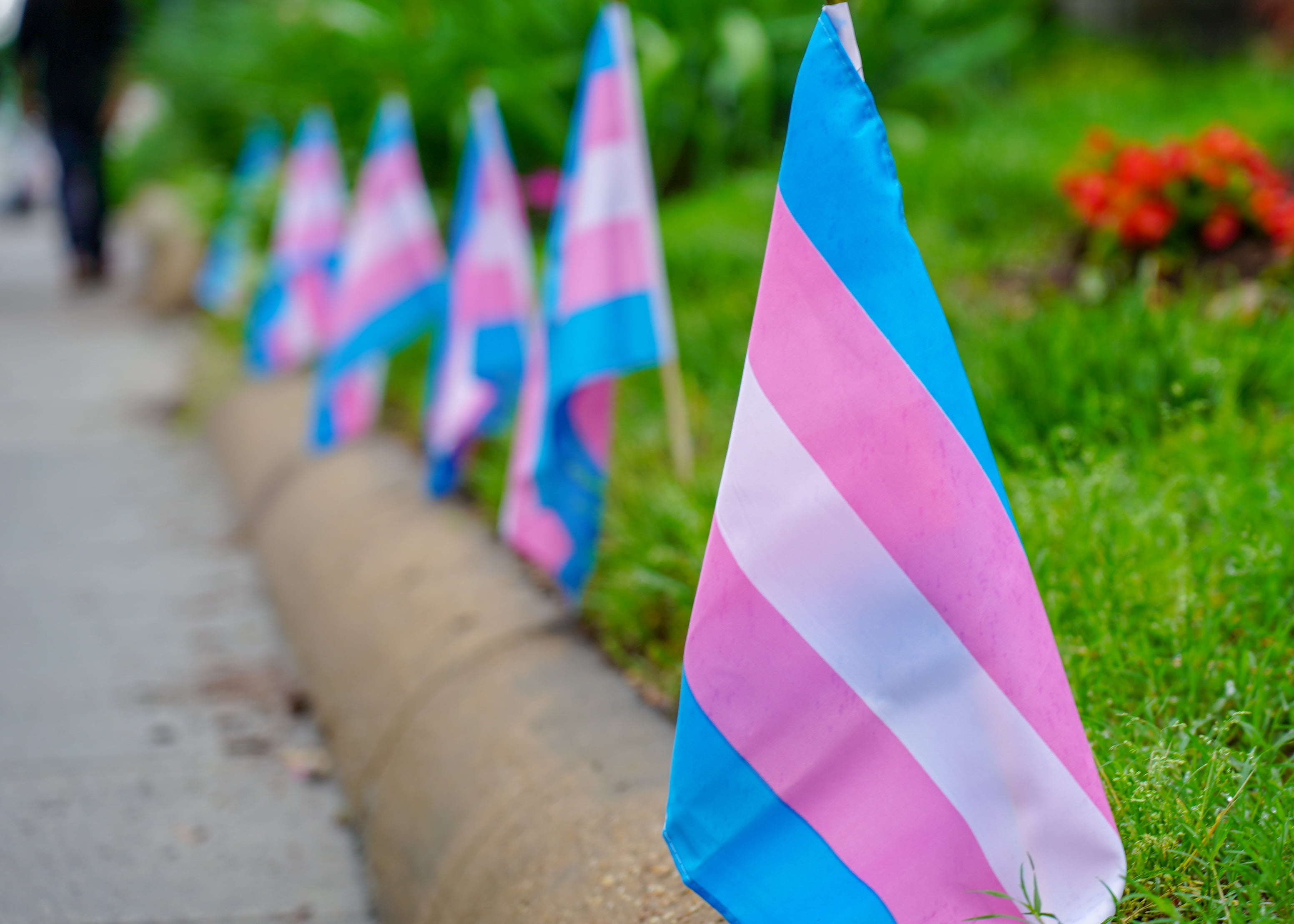
“This decision pushes Hungary back towards the dark ages and tramples the rights of transgender and intersex people. It will not only expose them to further discrimination but will also deepen an already intolerant and hostile environment faced by the LGBTI community.

This decision pushes Hungary back towards the dark ages and tramples the rights of transgender and intersex people. It will not only expose them to further discrimination but will also deepen an already intolerant and hostile environment faced by the LGBTI community.

Amnesty International’s Researcher, Krisztina Tamás-Sáróy .

“It is critical for Hungary’s Commissioner for Fundamental Rights to act urgently and request that the Constitutional Court review and swiftly annuls the appalling provisions of this law.

“Everyone’s gender identity should be legally recognised and everyone must be allowed to change their legal name and gender markers on all official documents.”

Background

This law is the latest step to curtail transgender and intersex people’s rights. The bill has received widespread criticism both domestically and internationally.

See Amnesty International’s  Public Statement.

The law requires the recording of individuals’ sex by birth in the national registry of birth, marriages and deaths, which cannot later be changed. This means that individuals’ identification documents would contain the same, unchangeable information, restricting transgender and intersex people from registering their names and obtaining associated documents in accordance to their gender identity. 

Submission: Migration Amendment (Prohibiting Items in Immigration Detention) Bill 2020

Amnesty International Australia is concerned that the Migration Amendment (Prohibiting Items in Immigration Detention) Bill 2020 as it stands violates international rules and will be detrimental to the wellbeing of people under the care of the Australian Government in immigration detention.

The Bill is designed to ‘fix’ an issue that does not exist – it warrants power to officers over detainees that is not needed. Amnesty International Australia recommends that the Bill is not passed in its current form.

Read the full submission here.

New bill to ban mobile phones in immigration detention may breach Mandela Rules

A new Bill to go before Australian Parliament to prohibit mobile phones in immigration detention seeks to fix a problem that doesn’t exist and violates international rules, Amnesty International Australia said today.

Making a submission to the Legal & Constitutional Affairs Legislation Committee’s inquiry into the Migration Amendment (Prohibiting Items in Immigration Detention Facilities) Bill 2020, serious concerns were raised that as the bill stands it breaches the Mandela Rules which among other things, ensures detainees can remain connected to family and friends.

“I’ve been visiting immigration detention centres across Australia for the past 20 years and have found the availability of fixed phones and computers to be woefully inadequate,” Amnesty International Australia Refugee Advisor, Dr Graham Thom, said. 

“The ability to contact and have private conversations with legal representatives and family members – often really distressing calls – is virtually impossible. Where there is access to a phone there is usually a queue of people behind the caller demanding  their turn to speak and variable costs for international calls also means some groups are able to speak with family longer, increasing tensions between groups in the centres. 

“It has only been through access to mobile phones that Australia has been able to come close to meeting its commitments under the Mandela Rules.”

Mobile phones, SIM cards, and other communication devices are incredibly important to people held in immigration detention (including refugees detained in hotels). Seizure of such items will lead to isolation from family and outside supports. The United Nations Standard Minimum Rules for the Treatment of Prisoners (the Mandela Rules) stress the need for people in detention to:

  • communicate with family and friends at regular intervals (Rule 37), 
  • stay connected with their community (Rule61), and
  • foster an improved relationship with family (Rule 79).

Medical experts have already expressed concern with keeping vulnerable people in detention during the COVID-19 crisis. A Bill that would force hundreds of men to share phones and computers at this time is extraordinarily and unnecessarily risky during a global pandemic

Dr Graham Thom, Amnesty International Australia Refugee Advisor.

“Medical experts have already expressed concern with keeping vulnerable people in detention during the COVID-19 crisis. A Bill that would force hundreds of men to share phones and computers at this time is extraordinarily and unnecessarily risky during a global pandemic”, Dr Thom said.

“It’s also extraordinary that during the COVID-19 crisis, when external oversight bodies, such as the Ombudsman and the Australian Human Rights Commission are not visiting the centres, the government is proposing to further remove transparency regarding the treatment of those administratively detained,” he said. 

Indigenous kids in prison: Australia’s national disgrace

Despite a slight dip in the number of Indigenous children in the youth justice system according to today’s figures from the Australian Institute of Health and Welfare, the statistics show Australia continues to fail First Nations peoples.

“After the Northern Territory Royal Commission and all the evidence that diversion is much more effective, it’s hard to believe Indigenous kids make up 50% of those under youth justice supervision, but just 5.9% of the population of Australian children,” Amnesty International Australia Strategic Campaigns Advisor, Joel Clark said.

“What this tells us is that the need to raise the age of criminal responsibility is more urgent than ever. Until this happens, there must be a moratorium on arrests for children under the age of fourteen.”

Key findings of the latest report include that on average, Indigenous young people entered youth justice supervision at a younger age than non-Indigenous young people; 15.5% of kids in detention on an average day were 14 or under and that 24.7% of kids in detention overall were 14 or under.

“It’s particularly alarming that of those in detention, 63% were unsentenced,” Clark said.

“This was the issue in Queensland watch houses where children were housed with serious offenders while on remand – bearing in mind that most of those on remand would later be found not guilty of any offence. Children on remand should immediately be released. 

“We have failed Indigenous kids and we must as a matter of national urgency raise the age and commit to justice reinvestment, which all the evidence shows is vastly more successful and enables kids to go on and lead happy, healthy and productive lives.

“Australian State and Territory Attorneys-General have a unique opportunity to profoundly change the trajectory of so many young lives when they meet at the Council of Attorneys-General next month. I hope they read and acknowledge the tragedy written in these figures.”

Ignored by COVID-19 responses, refugees face starvation

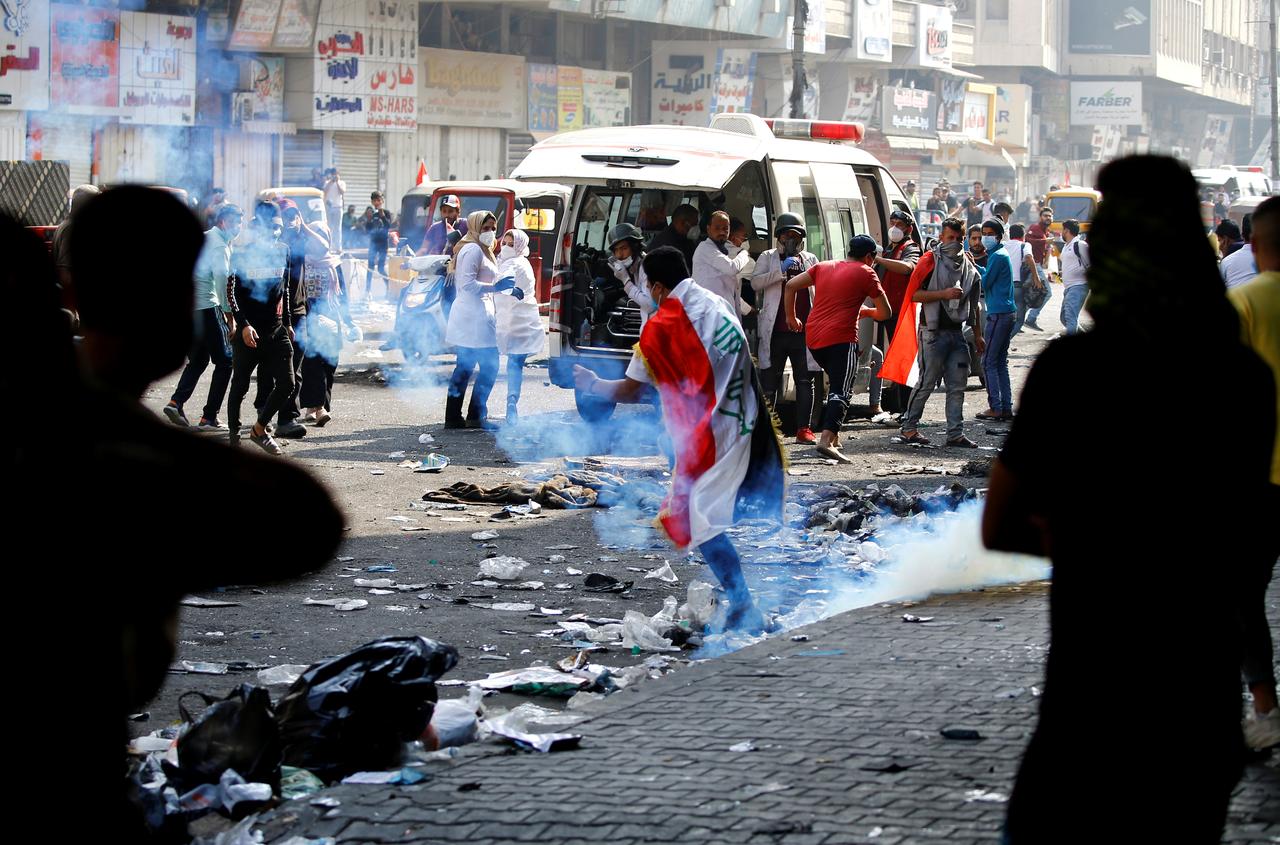
The inhumane treatment of refugees and migrants threatens to stall progress on tackling COVID-19, Amnesty International said today, warning that overcrowded camps and detention centres will become new epicentres unless urgent action is taken. The organization said that lockdowns and movement restrictions have exacerbated dire living conditions, leaving millions of people at risk of starvation and illness.

The organization is calling for concerted global action to ensure hundreds of thousands of people on the move are provided with adequate access to food, water, sanitation and healthcare to ensure their survival as countries prepare to come out of lockdown.

“It is impossible to properly contain this virus when so many people worldwide are living in desperately overcrowded, unsanitary camps and detention centres. At a time when we need compassion and cooperation more than ever some governments have instead doubled down on discrimination and abuse – preventing deliveries of food and water, locking people up, or sending them back to war and persecution,” said Iain Byrne, Head of Amnesty International’s Refugee and Migrant Rights team.

“In many camps death by starvation is now reported to be a bigger threat than the virus itself. This is an appalling abdication of the collective responsibility to protect refugees and migrants, and we are urging states to take immediate action to prevent this becoming a human rights catastrophe.”

Many governments have taken actions driven by discrimination and xenophobia, which needlessly place refugees at risk of starvation and disease.

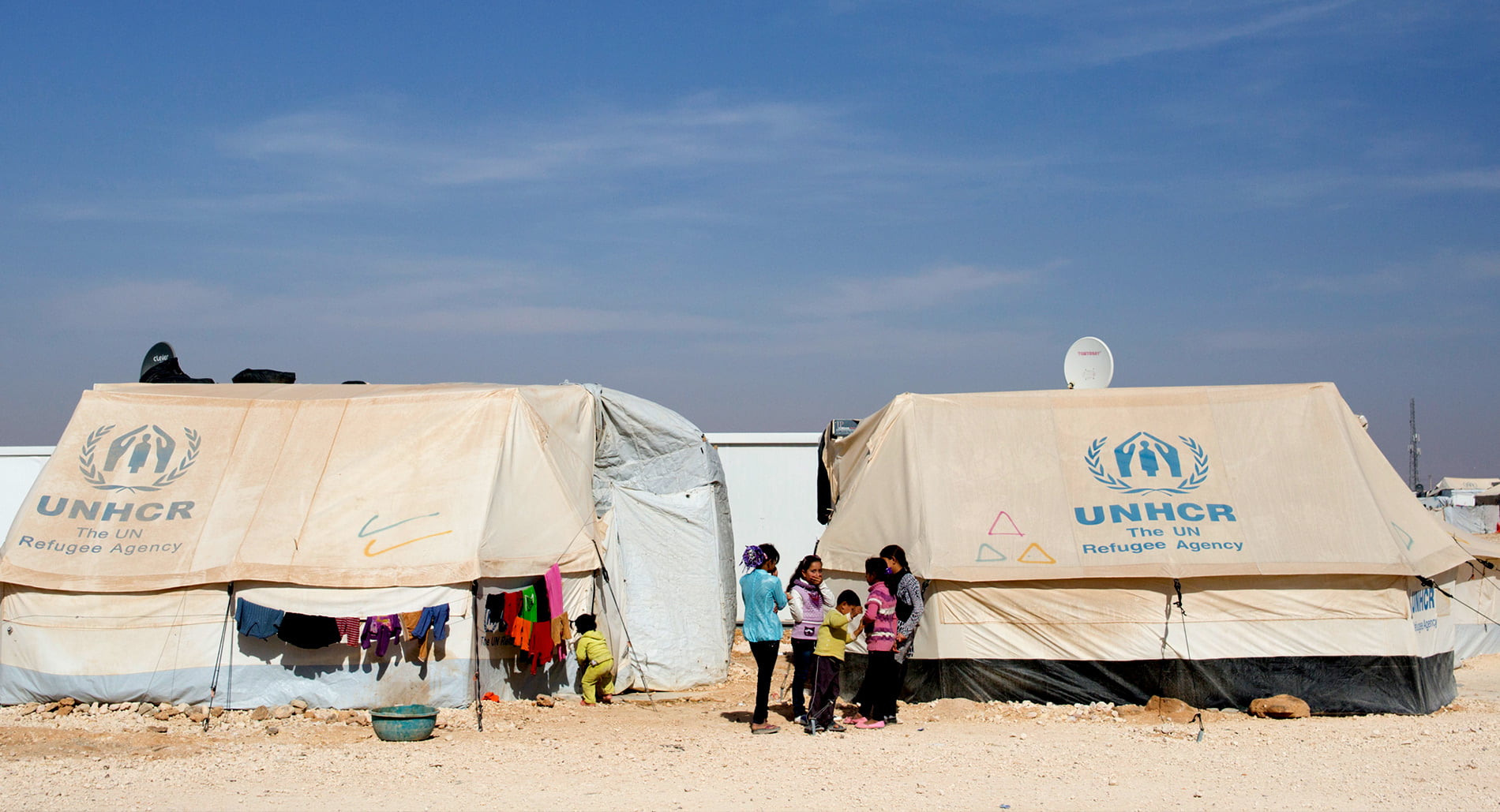
For example,  water supplies were deliberately cut off by local authorities in Bosnia’s Vucjuk camp to force the relocation of the camp’s inhabitants.  Many refugees live in precarious economic situations, and lockdowns and curfews are making it harder than ever to earn a living. In Jordan’s Zaatari camp, lockdowns prevent people from working at all—meaning no food or income to pay for even basic necessities. In April, residents of makeshift camps in France’s Calais settlements were not receiving adequate deliveries of food and water due to lockdowns, and restrictions on movement made it impossible for them to shop for themselves, even if they had money to do so.

Many governments have continued to unnecessarily detain people seeking asylum, putting them at risk of contracting the virus. There aren’t enough tests and protective equipment for staff and people being detained, potentially igniting a powder keg of illness and fatalities. People held in immigration detention in Australia have been begging to be released because they are frightened that staff who have not been issued with PPE will unknowingly bring the virus in.

Other governments have violated international law by forcing people back to danger under the pretext of containing COVID-19.

Fuelled by an existing anti-migrant and opportunistic agenda, the US turned back 10,000 people within two hours of their arrival on US soil between 20 March and 8 April. Similarly, Malaysia turned back a boat of Rohingya people seeking safety; although Bangladesh eventually allowed the boat to land, at least 30 people had reportedly died when their vessel drifted at sea for two months. Presently, there are reports that several hundred people urgently need search and rescue assistance.

Forcing people back to countries where they are reasonably expected to face persecution, torture or other cruel or degrading treatment amounts to refoulement which is illegal under international law. There are no circumstances where the principle of non-refoulement does not apply.

Amnesty International is calling on governments to:

  • Provide adequate food and water supplies and health care to camps and quarantined people
  • Consider temporary regularization of all migrants, regardless of their documentation status, ensure that economic stimulus packages and protections apply to asylum seekers and refugees, and continue to allow resettlement where possible
  • Decongest camps, immigration detention centres and informal settlements, and rehouse residents in dignified and sanitary conditions with adequate access to healthcare, food, and water. Immigration detainees should be released if their right to health cannot be guaranteed in detention.

Uphold the right to seek asylum and the principle of non-refoulement.

“Governments keep saying we are all in this together. This means nothing unless they step up to protect the millions of people worldwide who are experiencing this pandemic far from their homes and loved ones,” said Iain Byrne.

“Any government which allows refugees to die of starvation or thirst during lockdowns has failed dismally at tackling this crisis.”

Good news! Guligeina released from re-education camp in China

Guligeina Tashimaimaiti has been released from a “transformation through education” centre in China.

Following her release, in early May 2020 she spoke with her family in a video call — the first contact they’ve had since 2017.  Her family said she looked well, and is currently teaching English in the community in Xinjiang.

Thank you to the 20,000 supporters in Australia who signed the petition and helped secure Guligeina’s release!

What happened?

Guligeina, a PHD student, had not been heard from since December 2017 when she returned from studying in Malaysia to her hometown in Xinjiang – the Uyghur Autonomous Region in northwestern China. Guligeina was worried about her parents who she hadn’t been able to contact since February 2017.

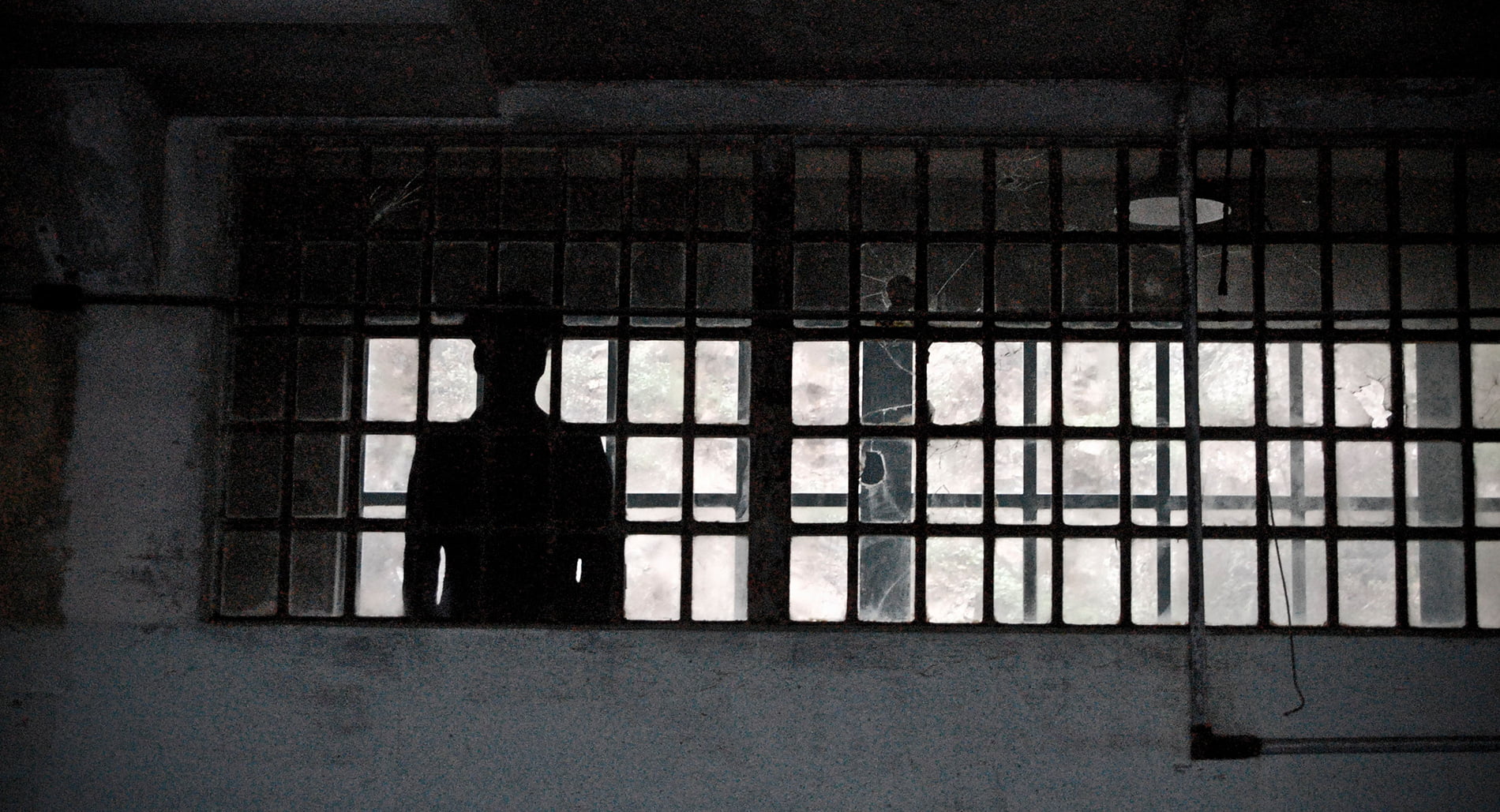
Guligeina made a plan with friends — if her social media profile photo changed weekly, that meant she was safe. But her photo changed only once, then remained the same for many weeks until, one day, it changed to a dark image that looked like a prison cell. Her family and friends feared she had been detained.

China’s persecution of Uyghurs

Guligeina is part of the Uyghur community – an ethnic minority with their own language and culture. It has been three years since China launched an unprecedented campaign of mass detention of Uyghurs, Kazakhs and other mostly Muslim ethnic minorities in Xinjiang. An estimated one million or more people are being held in “transformation through education” centres in Xinjiang. Friends and relatives of people detained remain unsure where their loved ones are, often for years.

Even those who have not been imprisoned are subject to intense surveillance – phone monitoring, police checkpoints, face recognition cameras – and are made to give biometric samples such as DNA and retina scans. Many have had their passports confiscated or been forbidden to leave.

Chinese authorities also target the Uyghur diaspora communities around the world through various methods such as social messaging apps to track them, intimidating phone calls to extract personal information, and threatening people when they speak out.

Campaign for her release

Amnesty has been working for and with the Uyghur community – collecting testimonies, making public statements, and advocating internationally. When Guligeina’s situation was reported to Amnesty, her story matched what we had been seeing through our ongoing research.

Thousands of Amnesty supporters around the world joined a public campaign. In Australia over 20,000 supporters called on China to reveal Guligeina’s whereabouts and release her.

https://www.facebook.com/49453745631/videos/2371341416236297/

No one should face indefinite detention simply because they practice a particular religion or belong to an ethnic minority group. Everyone should be free to visit family without fear of persecution.

Amnesty International continues to call for the safety and freedom of Uyghurs – calling on China to release those detained in Xinjiang, and stop the regional and international intimidation of them and their families.