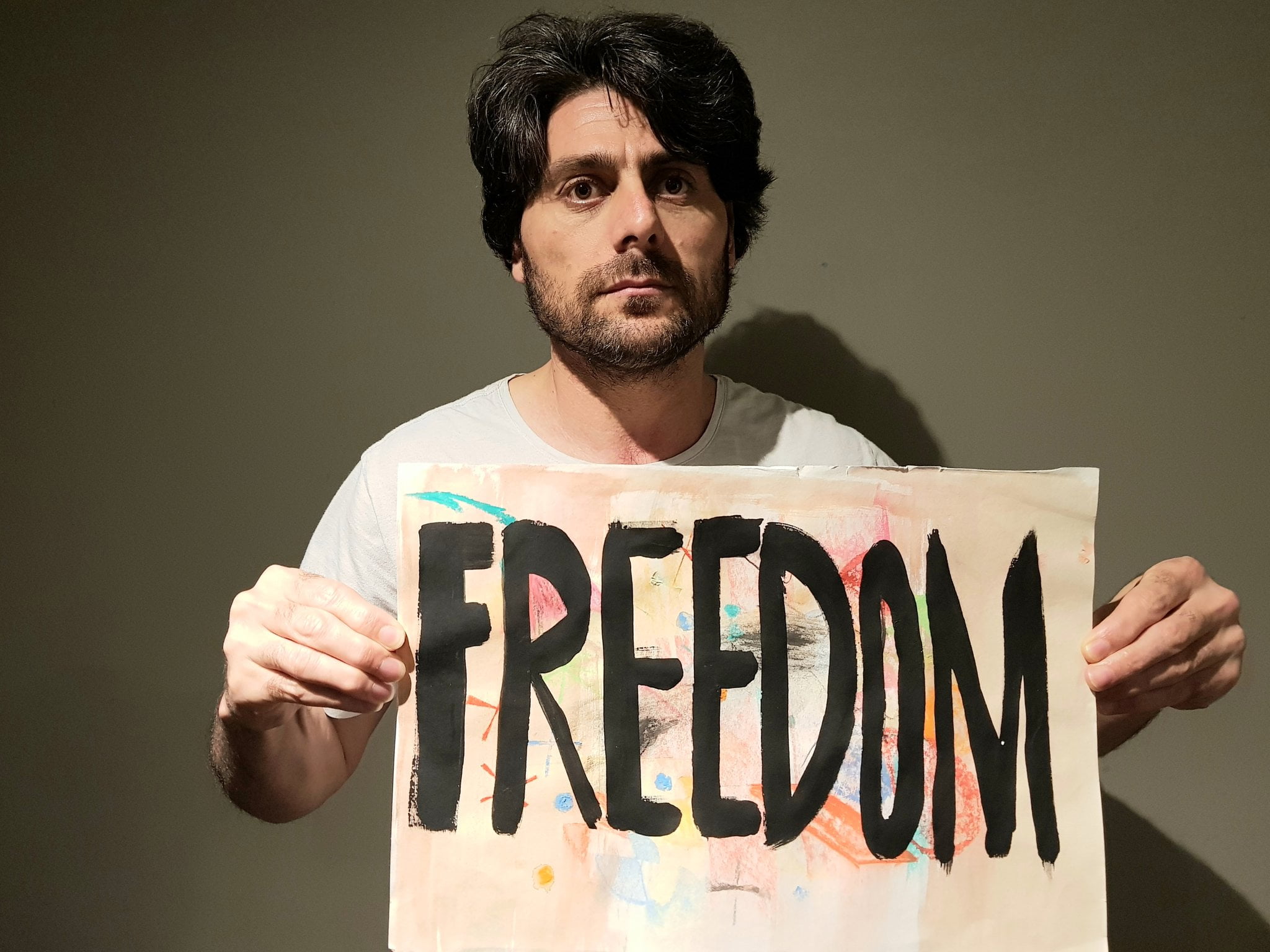
Shortened sentence for Yasaman

After pressure from over one million Amnesty supporters from around the world, Yasaman’s prison sentence has been reduced. Sentenced originally to 16 years for campaigning against Iran’s forced veiling laws, she will now be required to serve 5 years and 6 months.

With her head uncovered, Yasaman handed out flowers to women on the Tehran metro on International Women’s Day in 2019. She spoke of her hopes for a future where all women have the freedom to choose what to wear, so that one day they could walk together – “me without the hijab and you with the hijab”.

A video of her act of defiance went viral prompting Iran’s authorities to arrest her. In July 2019 she was sentenced to 16 years in prison – simply because she believes women should have the freedom to choose what they wear.

Her mother and fellow women’s rights defender, Monireh Arabshahi, was also arrested when she went to enquire about her daughter. She was also sentenced to 16 years in prison – her sentence was also reduced in 2020.

One million speak up

Over 100,000 Amnesty supporters in Australia took action for Yasaman in the year following her arrest. Around the world, over one million people took action for Yasaman in 2019.

In February and early March this year hundreds of Australians made ‘freedom flowers’ on International Women’s Day, and signed petitions at rallies and events calling for Yasaman’s release. These flowers, along with the 100,000 actions were posted to the Iranian Embassy in Canberra on 10 April 2020 to mark the first anniversary of Yasaman’s arrest.

https://www.facebook.com/49453745631/videos/574476809851980/

Iran’s veiling laws

Under Iran’s compulsory veiling laws, women and girls are forced to cover their hair with a headscarf whether they wish to do so or not. Women who do not are treated as criminals by the state and may be arrested, prosecuted and sentenced to a prison term, flogging or a fine.

In the last few years, a growing movement against forced veiling laws has emerged inside Iran, with women and girls performing courageous acts of defiance. They stand in public places, silently waving their headscarves on the ends of sticks or share videos of themselves walking down the street with their hair showing. Men have joined this movement, too. So have women who actively choose to wear hijab – because the movement is about choice: a woman’s right to choose what to wear without fear of violence and imprisonment.

Amnesty International will continue to campaign for Yasaman’s release, and the release of all women’s rights defenders imprisoned in Iran.

Northern Territory Police must stop transporting kids in cages

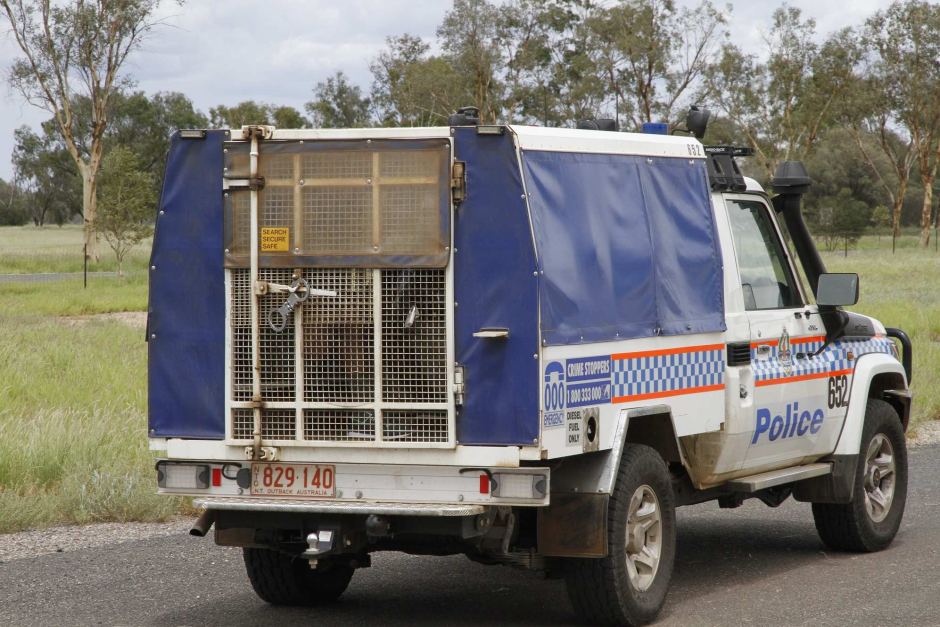
Northern Territory Police must stop the practice of transporting children in remand and detention in so-called “Police cages” – a ute with a cage on the tray covered with a tarpaulin.

Amnesty International Australia has received and investigated numerous reports of children being transported, unrestrained, in these cages for journeys of up to five hours.

Transporting children in these conditions contravenes Rule 73.2 of the United Nations Standard Minimum Rules for the Treatment of Prisoners. It may also contravene Article 37(c) of the Convention on the Rights of the Child, which states that ‘every child deprived of liberty shall be treated with humanity and respect’.

Northern Territory Police Force ‘Custody and Transport Instruction’, says that children should only be transported in a ‘police cage’ as a last resort. 

“We’ve been speaking with people in the community for months about kids being driven long distances in these police cages – it’s shocking and a totally inappropriate way to treat little kids,” said Indigenous Rights advisor Rodney Dillon.

“Without cooling or heating, these kids suffer in the elements. Treating children like this is against international standards and transporting people in motor vehicles without seatbelts is against Australian law. But when we raised it with the government, they said they weren’t worried about it. 

“It’s not good enough, it’s totally unnecessary and we need the NT police to stop doing it immediately.”

Local whistleblowers who have contacted Amnesty about this issue have asked to remain anonymous for fear of retribution from the authorities.

In Australia children as young as 10 are locked up in detention and on remand, despite experts from around the world and the United Nations explicitly outlining the harm this causes children and how counterproductive it is as a way to deal with youth offending.

“We should be investing in preventing young people getting trapped in the justice system rather than locking them up,” Dillon said.

Global: Crackdown on journalists weakens efforts to tackle COVID-19

The backlash against journalists and others who criticize their governments’ handling of COVID-19 is hampering efforts to tackle the virus, Amnesty International said today. The organization warned that censorship of vital information related to the pandemic has become a global phenomenon and urged governments to prioritise public health over their own egos.

Ahead of World Press Freedom Day, Amnesty International is highlighting cases where authorities may have put the right to health at risk by cracking down on freedom of expression and access to information.

“There is no hope of containing this virus if people can’t access accurate information. It is truly alarming to see how many governments are more interested in protecting their own reputations than in saving lives,” said Ashfaq Khalfan, Amnesty International’s Director of Law and Policy.

“From the earliest days of this pandemic, when Chinese authorities censored media reports and punished whistle blowers, journalists around the world have been risking their lives, freedom and jobs to share potentially lifesaving information with the public.”

Dangerous censorship

A core feature of the right to health is the right to access timely and accurate information. In the case of COVID-19, this means everybody has a right to access all available information about the nature and spread of the virus, as well as the measures they can take to protect themselves. But governments around the world have arrested and detained journalists and other media workers for sharing exactly this kind of essential information.

On 12 April, the Russian newspaper Novaya Gazeta published an article by journalist Elena Milashina, in which she criticized the Chechen authorities’ response to the pandemic. Chechen leader Ramzan Kadyrov said people who pass on the infection are “worse than terrorists” and “should be killed”, comments which Milashina warned had led people to conceal their symptoms out of fear. In response, Kadyrov posted an Instagram video in which he threatened Milashina, appealing to the Russian government and Federal Security Service (FSB) to “stop those non-humans who are writing and provoking our people.”

In Niger, journalist Mamane Kaka Touda was arrested on 5 March after posting on social media about a suspected case of COVID-19 infection in Niamey Reference Hospital. He was charged with “disseminating data tending to disturb public order”.

In Egypt, security forces arrested Atef Hasballah, the editor-in-chief of AlkararPress newspaper, on 18 March, and subjected him to enforced disappearance for nearly a month, following a post on his Facebook page in which he challenging the official statistics on COVID-19 cases.

In Venezuela, journalist Darvinson Rojas spent 12 days in detention after reporting on the spread of the virus in the country and was pushed by authorities to reveal his sources. He was charged with ‘advocacy of hatred’ and ‘instigation to commit crimes’ and released on bail pending a criminal investigation. Serious shortages in basic health services and medicines have adversely affected people’s ability to access adequate health care in recent years in Venezuela, and even prior to COVID-19, no epidemiological data had been published by authorities since 2017.

In Turkey, İsmet Çiğit and Güngör Aslan, senior staff at local news website SES Kocaeli, were detained on 18 March following the publication of an article about two COVID-related deaths in the local hospital. They were both released after being questioned about their sources (which were from the hospital) and felt pressured to stop their reporting on the issue.

In India, journalists reporting on the COVID-19 situation have been summoned to police stations and forced to explain their stories, including Peerzada Ashiq, a senior journalist with The Hindu in Kashmir, and Siddharth Varadarajan, editor of The Wire in Uttar Pradesh. Many others have been arrested such as Zubair Ahmed, a freelance journalist in Andaman and Nicobar Islands, Andrew Sam Raja Pandian, the founder of the web portal SimpliCity in Tamil Nadu and Rahul Kulkarni, an ABP Majha reporter in Maharashtra, who was later released on bail. Meanwhile, internet restrictions in the Jammu & Kashmir region continue despite the rising number of COVID-19 cases. 

Journalists have been prosecuted for reporting on COVID-19 in many other countries including Azerbaijan, Kazakhstan, Serbia, Bangladesh, Cambodia, Uganda, Rwanda, Somalia, Tunisia and Palestine.

Meanwhile journalists who report on human rights abuses related to the pandemic, such as police abuses or poor prison conditions, have been harassed, intimidated, attacked and prosecuted.

For example, in Kenya police were filmed assaulting journalists who were trying to record police beating a crowd of people queuing to board a ferry before curfew. In Bangladesh, four journalists were assaulted by local politicians affiliated with the ruling party, in separate incidents between 31 March and 1 April, for exposing relief misappropriation on Facebook Live.

“Fake news”

In addition to targeting journalists and other media workers, many countries including Azerbaijan, Hungary, Russia, Uzbekistan, Cambodia, Sri Lanka, Thailand, Tanzania and several Gulf states, have used the COVID-19 pandemic as a pretext to introduce new laws against disseminating “fake news”. In most cases, it is at the authorities’ discretion to define what constitutes false news or misinformation, and these laws act as a stark warning against free discussion of the situation.

In Hungary for example, Viktor Orban’s government has amended the country’s Criminal Code, introducing new provisions that threaten journalists with prison sentences of up to five years for “spreading false information” or communicating facts in a way that impede ‘successful protection’ against the virus. Journalists have reported being harassed, threatened and smeared for scrutinizing the government’s response to the outbreak. 

In Bosnia, a doctor was criminally charged with “misinformation” and creating “fear and panic” and could be fined up to €1500, after she posted on social media about the lack of ventilators and other equipment in a local hospital.

“In the midst of a global pandemic authorities should have more important priorities than trawling Facebook for posts they don’t like. They must ensure that information about COVID-19 and the measures that are being taken to respond to it can circulate freely. Individuals are entitled to comment on, scrutinize and criticize such measures without fear of reprisals,” said Ashfaq Khalfan.

In Myanmar authorities have warned that anyone who spreads “fake news” about COVID-19 could be prosecuted, while a Ministry of Health official said they would file criminal charges against anyone who speaks out about the lack of Personal Protective Equipment at hospitals.

Debate should be encouraged

On 20 April, Tanzanian authorities suspended the licence of the Mwananchi online newspaper after it posted a photo of President John Pombe Magufuli out shopping surrounded by a crowd of people, eliciting debate about the need for implementing physical distancing.

“The suspension of Mwananchi is a clear illustration of the dangers censorship could pose to public health. Debate about containment measures should be encouraged, not silenced,” said Ashfaq Khalfan.

“We all have a right to know about crucial issues that can affect our health, like equipment shortages, as well as to access reliable statistics which may contradict the official government line.”

International human rights law prohibits criminalizing false expression, and this is an ineffective way to protect public health. States should instead step up their efforts to ensure that they disseminate reliable, accessible, evidence-based and trustworthy information.

Hotel must stop holding refugees’ health hostage and end their contracts with the Federal Government

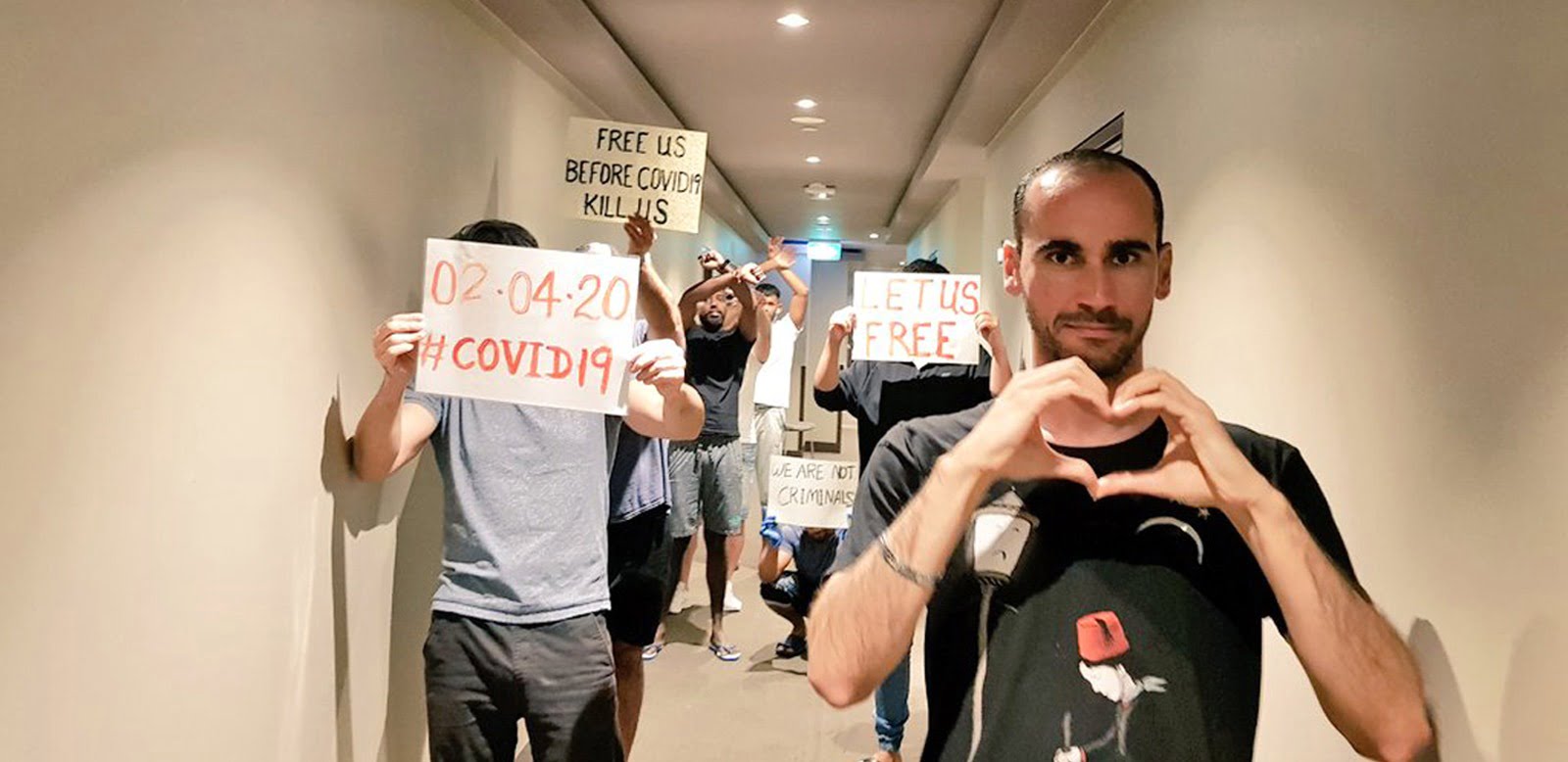
Amnesty International Australia is calling on the Mantra Bell City Hotel in Melbourne and Kangaroo Point Central Hotel in Brisbane to end their contracts with the Federal Government to detain refugees held in crowded, unsafe conditions.

Management of the Mantra Group and Central Apartment Group that runs Kangaroo Point have not responded to Amnesty’s letters requesting the end of the arrangement which puts the detainees, as well as other guests, staff and the greater community at risk of infection due to COVID-19.

Amnesty, which has already mobilised almost 10,000 supporters to demand refugees are moved into community detention, is now calling on these supporters to leave an online review on the hotels’ sites raising awareness of the deal the hotels have done with the Federal Government.

One of those detained in the Mantra Hotel, asthma sufferer Mostafa (Moz) Azimitabar, who came to Australia under Medevac laws last year, said: “I know the government could provide us with safe community housing, because this is where most others medically transferred are right now. The only difference is that we were brought here under the Medevac law, so the government is still punishing us.”

Amnesty International Australia Refugee Campaigner, Dr Graham Thom, said: “To date the spotlight has been on the Federal Government to move these refugees to safer, community-based detention, but these hotels have a responsibility to do the right thing too. These men are living in terribly crowded conditions, with security staff and other staff coming and going, with reports they do not have the right protective equipment.

“More than 1100 healthcare professionals have warned about the dire consequences of keeping these men in such conditions when they could be safely moved into community detention.  The hotels should do the right thing and end their contracts with the Federal Government immediately.”

REVIEW MANTRA BELL CITY PRESTON HOTEL

REVIEW KANGAROO POINT CENTRAL

  1. Click above to go to their hotels’ google results. 
    1. On your phone, scroll down and click ‘More reviews’. 
    2. On your computer, scroll down, and on the right side, go to the button that says ‘Write Review’. 
  2. Click ‘Write Review’! Add a comment that you don’t think hotels should be used as prisons and you want refugees sent to community-supported accommodation.
  3. Give them the star rating you think they deserve.


Amnesty International raises concerns over crackdown on freedom of expression in Maluku

The Indonesian authorities must immediately release seven peaceful activists who raised a flag banned by the government of Indonesia, Amnesty International said today.

The activists, belonging to the separatist Republic of South Maluku (RMS) movement, were conducting a peaceful hoisting of the ‘Benang Raja‘ flag when they were arrested by Indonesian police on 25 April, the anniversary of the RMS movement’s creation.

“Raising a flag is not a crime. These peaceful activists must be promptly released. The human rights to freedom of expression and peaceful assembly are protected under international law and Indonesia’s Constitution,” said Amnesty International Indonesia’s Executive director, Usman Hamid.

“The arrest of these activists highlights the Indonesian authorities’ ongoing failure to respect human rights in Maluku province.”

On 23 March 2020, the Indonesian military asked every household in Maluku to raise Indonesia’s national flag. Some reportedly received threats if they failed to do so.

Some activists also told Amnesty that they experienced intimidation after they refused to recognise Indonesia as a single nation.

Local organisations reported to Amnesty that an additional 200 police officers were deployed in Haruku Island and Saparua Island, in which some of the arrests happened, in anticipation of the anniversary.

“The police should be facilitating peaceful protest and protecting activists instead of detaining them for exercising their rights,” Hamid said.

In many instances, Indonesian authorities have used treason or makar provisions to criminalise political activists who call for self-determination. The charge can carry a maximum sentence of life imprisonment.

Johan Teterissa was a prominent figure from the RMS movement who spent more than a decade in jail for leading a peaceful protest in front of then-President Yudhoyono in 2007. On 4 April 2008, Teterissa was sentenced to life imprisonment, later reduced to 15 years on appeals.

He had been moved between numerous prisons away from Maluku province since his arrest. Amnesty International’s report in 2009 showed that police officers and presidential guards beat him and the 21 other activists on arrest. Police, including officers from the anti-terrorist unit Detachment 88 (Densus 88), also allegedly tortured them during their detention and interrogation. 

“This fresh case of seven detained activists from Maluku reminds us of Johan Teterissa and other cases where at least 20 RMS political activists were allegedly tortured,” Hamid said.

“No-one should ever be punished for peacefully attending an assembly, and it is high time that Indonesia stopped criminalising people like the activists arrested under makar provisions,” Hamid said.

“Raising a flag is not a crime. None of these prisoners of conscience should have been detained in the first place – they must all be released immediately and unconditionally,” he said.

Five more prisoners of conscience from Maluku are currently still held in jail under charges of treason. Izack Siahaya (80), Telly Siahaya (50), Johan Siahaya (35), Markus Siahaya (30), and Basten Siahaya (30) were captured by the Indonesian police in Hulaliu village, Haruku Island, Maluku, last year and each sentenced to five years in prison. The five are all imprisoned for hoisting the ‘Benang Raja’ flag.

Amnesty International takes no position on the political status of any province of Indonesia, including on calls for independence. However, it upholds the right to freedom of expression, which includes the right to peacefully advocate for independence or any other political ideas that do not advocate hatred constituting incitement to discrimination, hostility or violence.

Delay in Assange proceedings important for ensuring access to justice amid COVID-19 crisis

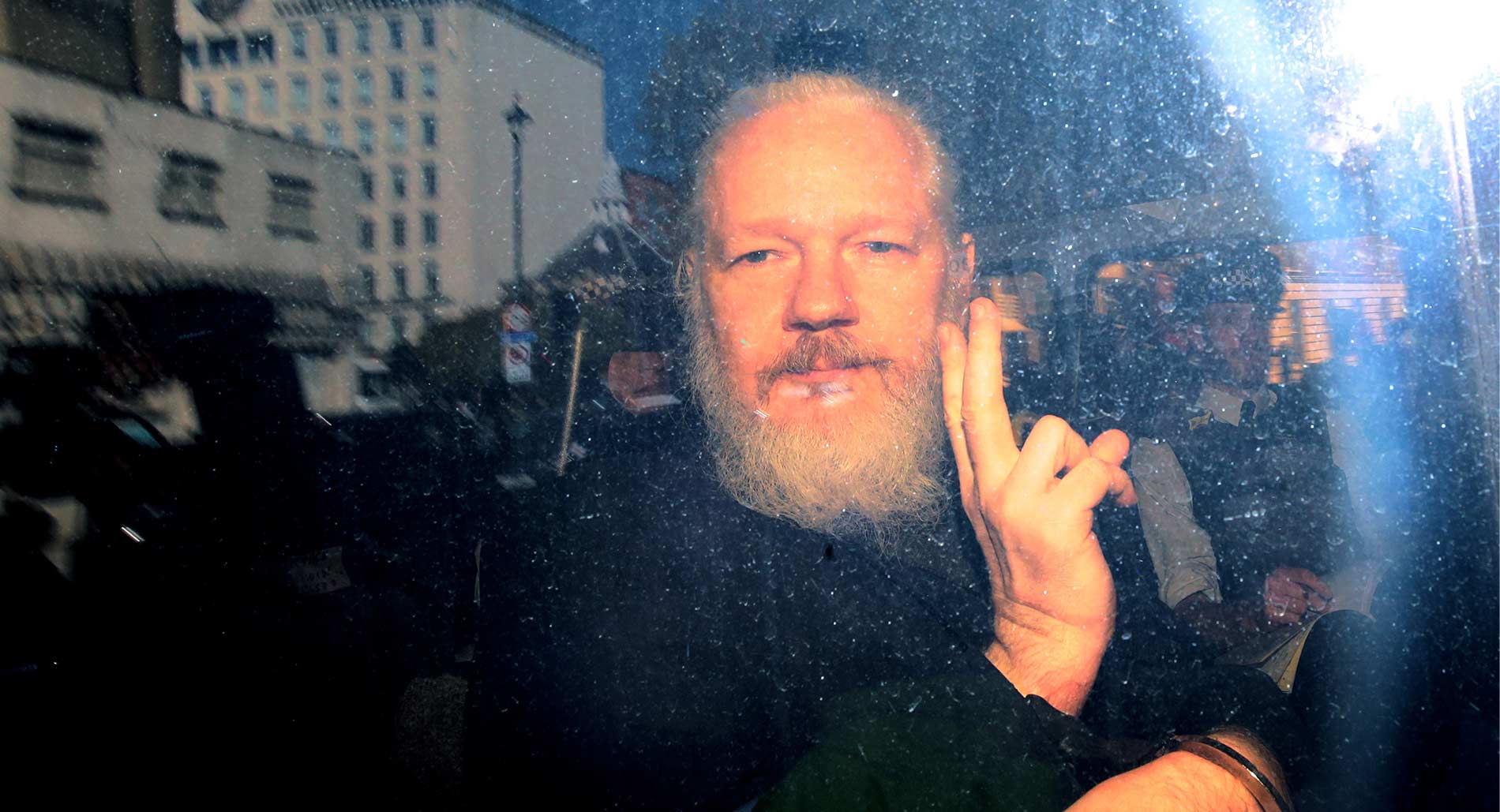
Responding to a decision postpone Julian Assange’s extradition hearing today, Amnesty’s, Massimo Moratti Deputy Director of the Europe Office, said:

“The decision to postpone Julian Assange’s extradition hearings is the right one. There is immense pressure on judicial systems everywhere due to the COVID-19 crisis, and it is imperative that courts still provide people with a fair process.

“The court has rightly recognized that the obstacles are too many – and the stakes too high – to push through with the hearing under such circumstances.

“Going ahead on such a compressed schedule and using video-link as opposed to in-person testimony at this crucial evidentiary stage would have put Julian Assange at a distinct disadvantage. He has had little meaningful access to his legal team since the lockdown, leaving minimal time to prepare an adequate defense.

“It makes sense to delay the proceedings so that Julian Assange can prepare a defense against his transfer to the US on charges related to his lawful publishing activities. We believe that Mr. Assange should not be sent to the US under any circumstances as he will be at risk of serious human rights violations.”

Background:

The case has been adjourned until 4 May at which time a new schedule will be agreed. The judge signaled that November 2020 may be the first date where a large enough block of time can be secured to continue the proceedings.

UK prisons are on lockdown and permit no visitors. Protocols in place to stem the spread of COVID-19 present obstacles to detainees and prisoners meeting with and instructing their lawyers. Access to video-link technology is difficult as any required movement within the facilities to gain access to this mode of communication can put detainees and prisoners at risk of infection. Phone calls are monitored and do not permit detainees to see relevant paperwork and documents.

Likewise, the courts themselves are operating on an emergency basis, with meetings and hearings taking place by telephone and video-link. There are backlogs in court calendars as arrangements are resource intensive. 

According to his lawyers, Julian Assange has not been able to effectively and consistently communicate with or instruct his lawyers under these circumstances.

5 concerns with Australia’s policing during COVID-19

First things first: restrictions on our movement during the COVID-19 health crisis are an essential measure to protect our community. It’s vital that we stay at home as much as possible, and our success in slowing the spread is in large part thanks to people like you, changing your lives for the sake of fellow community members.

Yet, it’s also equally important that our community’s rights are not needlessly diminished. Our government must ensure lockdown regulations are proportionate, fairly enforced and time-limited.

We’re now a few weeks into lockdown, and many people in our community, as well as legal and human rights advocates, are concerned about how police are enforcing Australia’s COVID-19 laws. The evidence we have collected so far shows significant problems.

1. Unclear and inconsistent rules

States and territories have said that discretion will be used in issuing fines and enforcing directions. In many cases, individual police have to determine what is ‘reasonable’ or warrants a penalty – leading to confusion and inconsistency.

Heard about the jogger fined for stopping for a kebab? The COVID-19 Police Accountability Project has received dozens of complaints from people stopped while exercising and observing social distancing. 

One couple went for a walk and bumped into a friend. They decided to walk together (keeping social distance). Police soon stopped them:  

“They fined us for social distancing breach but I can go to Kmart and Big W and just a shopping centre in general and be in close contact with other people.”

We’ve also seen reports of a couple each fined $1652 after posting their 2019 holiday photos to Facebook. Police have reportedly revoked the fine now. 

The current lack of clarity undermines public trust in the police, and also makes things difficult for police officers to know where the line is.

How to fix it: State and territory governments and all relevant bodies must publicly release guidelines used by police to enforce COVID-19 social distancing regulations. 

2. Discrimination and targeting the vulnerable

Concerns are also growing that culturally diverse and low socio-economic groups are bearing the brunt of COVID-19 policing.

One analysis shows a disproportionate number of fines in NSW issued in areas largely populated by Indigenous or migrant Australians. While this doesn’t prove discrimination, we know that Indigenous people, the homeless and migrant communities are already vulnerable to targeted policing. The police’s discretionary powers during COVID-19 are likely to exacerbate this.

A woman of non-Caucasian descent described police driving right up to her to question her while she was exercising: 

“I felt quite intimidated when the cop car pulled up facing me. It was unnecessary, I was in gym gear running up and down …. I wonder if a white Caucasian woman would’ve been followed like this and questioned?”

How to fix it: Governments should scrutinise and report on COVID-19 policing powers. They must publish the data from stop and question situations and investigate instances of discriminatory policing or police misconduct.  

3. Police using intimidation and aggression

Police being aggressive and intimidating towards people has been a theme across many policing complaints. 

A man in Melbourne’s outer suburbs reported being in his car about to drive home after exercising. Police approached him and “intimidated” him, and said he’d be receiving a fine in the mail.

There’s been reports of military personnel alongside police conducting liquor officer duties at a bottle shop in Tennant Creek. Our government has deployed military personnel to the Northern Territory to assist with the COVID-19 response; it’s unclear why they would be carrying out duties in bottle shops.

Remaining calm is needed now more than ever. Let’s ensure checks and balances are in place so that excessive policing doesn’t spread fear in the community.

How to fix it: Governments should make clear the guidelines they are using and reassure the public that any instances of overreach or intimidation will be independently investigated. 

4. Stifling freedom of expression

In April, Melbourne police arrested one refugee advocate and fined dozens of others a total of $43,000 for breaching coronavirus stay-at-home orders by conducting a protest outside a hotel holding refugees.

People had demonstrated in cars, maintaining social distancing at all times. As one participant said, the peaceful protest was not any riskier than a ‘drive to Bunnings’.

Again, while special measures during a health crisis are warranted, they must be proportionate and their intent not distorted.

How to fix it: All governments must respect the right to freedom of assembly and association and uphold their human rights obligations in their COVID-19 responses.

5.  Setting a precedent that could carry on post-lockdown

While COVID-19 restrictions have an end date, these can be extended – and perhaps even strengthened and shelved for future use.

We saw this after the 9/11 terror attacks. In the name of counterterrorism governments across the globe, including Australia’s, ramped up their surveillance powers, and their abilities to detain people without charge, infringing on our human rights in the process. 

Members of the public are already raising concerns about the increased powers of police after the lockdown ends.

“I worry these new powers of aggressive behaviour towards the public will continue after the shut down.”

How to fix it: Legislation passed to mitigate COVID-19 must be temporary and only to be used for COVID-19 health measures.

Communities need safety and reassurance now more than ever, so we need to ensure police are using their new powers responsibly, fairly, and without bias and prejudice.

COVID-19 contact tracing app needs robust rights protection guarantees

Amnesty International Australia is calling on the Australian Government to ensure seven key principles are followed to safeguard the right to privacy for users of its new contact tracing app.

While many of the steps taken by Australia’s Governments to prevent the spread of COVID-19 have been welcome, the launch today of an app to trace the movement of civilians raises serious concerns about data privacy and surveillance.

“Violating the right to privacy has the potential to undermine the trust in public authorities and in turn the effectiveness of any public health response,” Amnesty International Australia Campaigner Tim O’Connor said.

We recognise we find ourselves in extraordinary circumstances and using technology to help contain the spread of the virus can be very useful, but it must be balanced with our fundamental right to privacy.

Amnesty International Australia campaigner Tim O’Connor.

“We recognise we find ourselves in extraordinary circumstances and using technology to help contain the spread of the virus can be very useful, but it must be balanced with our fundamental right to privacy.

“The Government has given us assurances data collected will not be shared with any agencies other than health authorities, and it must be protected by a sunset clause that the data will be destroyed when the threat of contagion eases,” O’Connor said.

“We are also seeking assurances the data should remain anonymous so that any user cannot be identified.”

Home Affairs must provide answers on removal of detainee to MITA

Responding to reports that APOD (alternative places of detention) detainee Farhad Bandesh was removed from the Mantra hotel to the MITA detention facility late last night, abruptly and without personal belongings, Amnesty International Australia Refugee Coordinator Dr Graham Thom said:

“The Department of Home Affairs must provide an explanation for why Farhad was moved so abruptly and seemingly without personal belongings. 

“Farhad has been a vocal advocate for the rights of the refugees and asylum seekers detained in the Mantra and we’re seeking assurances from Home Affairs that he was not removed in this manner as punishment for advocating for his basic human rights,” Dr Thom said. 

“There are solutions readily available to safely house people in the community which the Government has no logical argument to further delay. It’s especially confusing that someone would be removed to the MITA when this community accommodation is accessible right now,” Dr Thom said. 

Amnesty along with respected infectious diseases expert Dr David Isaacs have raised serious concerns about the welfare of people detained in APODs such as the Mantra in Melbourne and Kangaroo Point in Brisbane where social distancing protocols are impossible. 

Amnesty also has grave concerns for 1400 refugees in Australia’s immigration detention regime and for hundreds of refugees and asylum seekers still trapped in Australia’s offshore detention system in Papua New Guinea and Nauru.. 

“The refugees in PNG and Nauru exist in a vacuum where they are unable to work and don’t have access to healthcare. With a healthcare system which would be cripled by COVID-19, we’re hearing reports the refugees there are terrified of what it could mean for them if there was an outbreak.

“While the Australian community comes together in solidarity to confront this pandemic, that support must extend to the refugees and asylum seekers in our care,” Dr Thom said.

Submission: Senate Select Committee on COVID-19

All measures taken by the government to address the spread of COVID-19 must align with its obligations to uphold human rights standards. The government must also take necessary steps to ensure that vulnerable people in the community are not adversely affected by the implementation of such reforms. No one should be defined by their rights because of who they are, where they live, or what they do.

Amnesty International’s submission to the Senate Select Committee on COVID-19 makes several recommendations that if the government upholds, would place human rights at the centre of its approach.

Read our submission here.