Thailand: Authorities using repressive laws to intensify crackdown on online critics

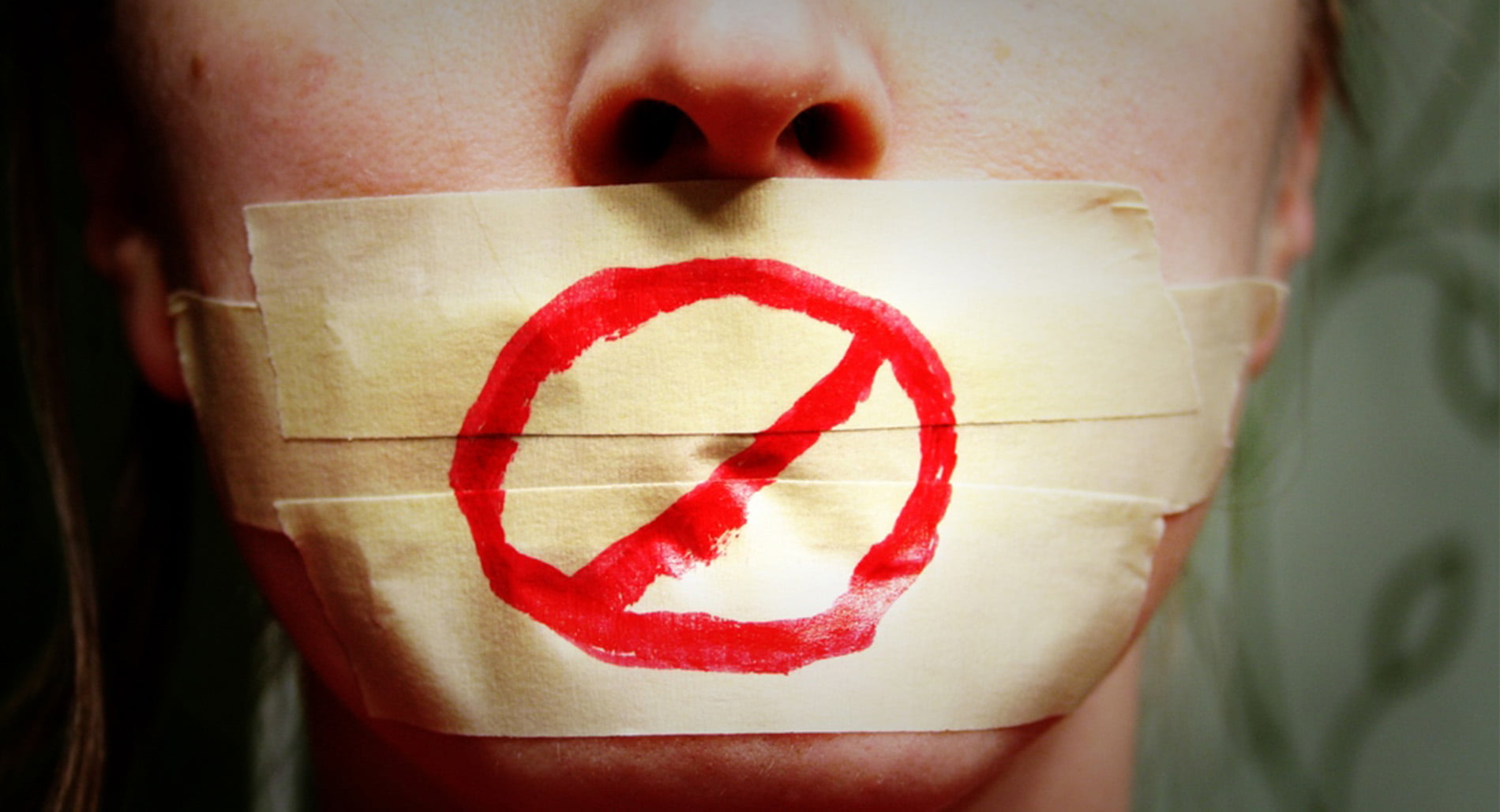
The Thai authorities are prosecuting social media users who criticize the government and monarchy in a systematic campaign to crush dissent which is being exacerbated by new COVID-19 restrictions, Amnesty International said in a new report released today.

‘They are always watching’ shows how General Prayut Chan-O-Cha’s administration has increased the use of vague or overly broad laws to bring criminal charges against dozens of peaceful critics since being elected last year. 

“Through harassment and prosecution of its online detractors, Thailand’s government has created a climate of fear designed to silence those with dissenting views,” said Clare Algar, Amnesty International’s Head of Global Operations.

“The government’s attacks on freedom of expression online are a shameful attempt to escape scrutiny from those who dare to question them. And repression is escalating, with authorities seemingly using the COVID-19 pandemic as a pretext to further quash criticism and unlawfully restrict human rights.”

Amnesty International interviewed human rights defenders, activists, politicians, lawyers and academics for the report, which describes how the Thai government is criminalizing the right to freedom of expression in order to silence views perceived to be critical of the authorities.

Many of those targeted for their online posts are currently awaiting trial and could face up to five years in prison and heavy fines.

Restrictions have increased amid the COVID-19 outbreak, with General Prayut last month declaring a state of emergency that further stifles freedom of expression and peaceful assembly.

Crackdown on freedom of expression online

After half a decade of repressive military rule following the 2014 coup, many hoped last year’s elections would be a catalyst for progress on human rights. Yet one year into the premiership of General Prayut – who also fronted the previous military regime – Thailand’s elected government has redoubled its efforts to muzzle online voices.

Social media users told Amnesty International they had been harassed and intimidated when their posts critical of authorities went viral.

On 1 November 2019, one activist was arrested and interrogated by 10 police officers as punishment for her Twitter posts concerning the government and the monarchy, one of which got 60,000 retweets. Before deleting her account, the student tweeted: “I want to warn everyone to think before you tweet and retweet. They are people who are always watching.”

She was forced to sign a document saying she would be prosecuted if she posted similar content in the future.

“These systematic attacks on human rights defenders, activists, journalists and opposition politicians make a mockery of Thailand’s attempts to portray itself as a country respecting human rights and the rule of law,” said Clare Algar.

Exploitation of the law

The government is using a series of repressive laws to crack down on critical voices.

These include the Computer Crimes Act, which was amended in 2016 to give authorities license to monitor and suppress online content and prosecute individuals for various broadly defined violations of the law.

Moreover, the overly broad Article 116 of the Thai Criminal Code provides for a penalty of up to seven years’ imprisonment for acts of sedition.

In addition, Articles 326 to 333 of the Thai Criminal Code criminalize defamation, in effect empowering authorities to jail people deemed to have “impaired the reputation” of public officials.

Despite a pause in use of the lèse majesté law to prosecute perceived critics of the monarchy, the government has employed other laws for the same purpose. The Computer Crimes Act and Article 116 of the Criminal Code have both been used to bring criminal charges against individuals whose online posts have been deemed injurious to the monarchy and the authorities.

COVID-19 could be used to ramp up targeting of ‘fake news’

As part of a concerted effort to shape debate on social media, government-run Anti-Fake News Centers were launched in November 2019 to monitor online content that supposedly misleads people. Yet the government has failed to employ credible, independent third parties to factcheck online content deemed ‘fake news’.

While allegations of “hate speech” and false information campaigns against human rights activists have been ignored, authorities have wasted no time using existing repressive laws in order to censor “false” communications related to COVID-19.

On 26 March 2020, the government invoked the Emergency Decree on Public Administration in Emergency Situation (2005). Under Article 9 of the 2005 Emergency Decree, officials are empowered to censor or edit information they deem to be false or distorted with the potential to create public fear or misunderstanding – with a possible penalty of up to two years in jail.

“The Thai authorities must end the use of criminal laws against people who peacefully criticize them, and prevent further restrictions on the right to freedom of expression under the guise of responding to the COVID-19 pandemic,” said Clare Algar.

“All those arrested solely for speaking their mind must be immediately and unconditionally released and all charges against them dropped. Until this happens, the international community should make it clear to Thai authorities that such flagrant human rights violations will not be tolerated.”
Viet Nam: Facebook must cease complicity with government censorship

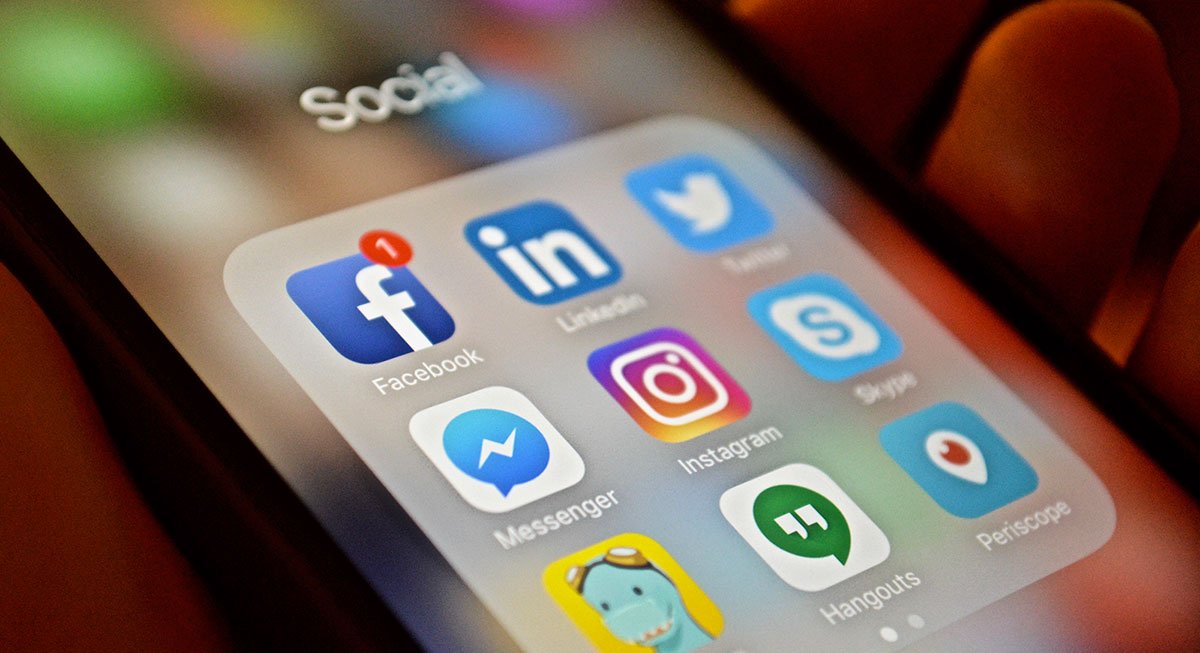
Facebook must immediately reverse its decision to censor posts deemed critical of the government in Viet Nam, said Amnesty International today.

On 21 April, Reuters reported that Facebook has begun to significantly step up its censorship of “anti-state” posts in the country. This follows pressure from the authorities, including what the company suspects were deliberate restrictions placed on its local servers by state-owned telecommunications companies that caused Facebook to become unusable for periods of time.

“The revelation that Facebook is caving to Viet Nam’s far-reaching demands for censorship is a devastating turning point for freedom of expression in Viet Nam and beyond,” said William Nee, Human Rights Advisor at Amnesty International.

“The Vietnamese authorities’ ruthless suppression of freedom of expression is nothing new, but Facebook’s shift in policy makes them complicit.”

“Facebook must base its content regulation on international human rights standards for freedom of expression, not on the arbitrary whims of a rights-abusing government. Facebook has a responsibility to respect freedom of expression by refusing to cooperate with these indefensible takedown requests.”

The Vietnamese authorities have a long track record of characterizing legitimate criticism as “anti-state” and prosecuting human rights defenders for “conducting propaganda against the state.” The authorities have been actively suppressing online speech amid the COVID-19 pandemic and escalating repressive tactics in recent weeks.

“It is shocking that the Vietnamese authorities are further restricting its peoples’ access to information in the midst of a pandemic. The Vietnamese authorities are notorious for harassing peaceful critics and whistleblowers. This move will keep the world even more in the dark about what is really happening in Viet Nam,” said William Nee.

Facebook succumbs to Viet Nam pressure

Facebook’s decision follows years of efforts by Vietnamese authorities to profoundly undermine freedom of expression online, during which they prosecuted an increasing number of peaceful government critics for their online activity and introduced a repressive cybersecurity law that requires technology companies to hand over potentially vast amounts of data, including personal information, and to censor users’ posts.

“Facebook’s compliance with these demands sets a dangerous precedent. Governments around the world will see this as an open invitation to enlist Facebook in the service of state censorship. It does all tech firms a terrible disservice by making them vulnerable to the same type of pressure and harassment from repressive governments,” said William Nee.

“While it is true that social media has positively transformed the landscape for freedom of expression in Viet Nam, this is only because Vietnamese internet users have used these platforms to express critical views and uncover human rights abuses. It is the fundamental right to freedom of expression – not profit and ‘market access’ – that must be protected at all costs,” said William Nee.

In a report published last year, Amnesty International found that around 10% of Viet Nam’s prisoners of conscience – individuals jailed solely for peacefully exercising their human rights – were jailed in relation to their Facebook activity.

Recent surge in censorship and intimidation

In January 2020, the Vietnamese authorities launched an unprecedented crackdown on social media, including Facebook and YouTube, in an attempt to silence public discussion of a high-profile land dispute in the village of Dong Tam, which has attracted persistent allegations of corruption and led to deadly clashes between security forces and villagers.

The crackdown has only intensified since the onset of COVID-19. Between January and mid-March, a total of 654 people were summoned to police stations across Viet Nam to attend “working sessions” with police related to their Facebook posts connected to the virus, among whom 146 were subjected to financial fines and the rest were forced to delete their posts.

On 15 April, authorities introduced a sweeping new decree, 15/2020, which imposes new penalties on alleged social media content which falls foul of vague and arbitrary restrictions. The decree further empowers the government to force tech companies to comply with arbitrary censorship and surveillance measures.

On 18 April, authorities in Hau Giang province arrested Dinh Thi Thu Thuy, 38, for “conducting propaganda against the state” under Article 117 of the 2015 Penal Code. Police accuse Dinh Thi Thuy Thuy of “posting and sharing hundreds of anti-state contents on Facebook.” This charge carries a prison sentence of up to twenty years.

Separately, on 12 April, police in Can Tho city arrested and detained Ma Phung Ngoc Tu, 28, for “abusing democratic freedom” under Article 331 of the 2015 Penal Code. Police accuse Ma Phung Ngoc Tu of “posting and sharing 14 posts about coronavirus and bad-mouthing the regime”. The charge carries a prison sentence of up to seven years. He remains in pre-trial detention.

On 10 April, the authorities in Lam Dong province summoned Dinh Vinh Son, 27, for spreading “fake news” about COVID-19, making him the first person in Viet Nam to be charged for circulating information about the pandemic. He was charged under Article 288 of the 2015 Penal Code for “Illegal provision or use of information on computer networks or telecommunications networks”. The charge carries a prison sentence of up to seven years.

How to stay safe online during the COVID-19 crisis

With much of the world on lockdown because of the coronavirus pandemic, many of us are relying on our phones, laptops and other devices to stay connected. While cyber-surveillance is a longstanding threat to human rights defenders and others, this new normal means options for using physical security alternatives (like simply communicating sensitive information in person rather than online) are seriously diminished. This raises the human rights stakes. It can mean everyone has more exposure to cyber-attacks and scammers who are seeking to exploit the outbreak. Here are six top tips on how to keep safe online.

1. Update phone, computer and apps

Your devices and any programmes that communicate with the internet should be up to date to reduce the risk of attack. Most browsers update automatically but look at the apps you use to read documents or view photos and videos you have found online.  

If you are using old versions of these apps it is more likely there will be bugs that can leave your devices vulnerable.

“You could download a file from the internet, and it could exploit one of these bugs, which is a common way people are attacked,” says Etienne Maynier, Security Researcher at Amnesty Tech. Also make sure you use trustworthy software from trustworthy sources, like the Apple Store or Google Play.

An ominous, hooded body holds a magnifying glass. Words such as 'identity theft', 'spyware' and 'code' are in the background.

2. Think before clicking

Phishing scams try to exploit fear and uncertainty, and those linked to COVID-19 are no different. Emails or SMS messages promising new information on the virus can contain malware in links and attachments – this is a typical social engineering strategy used by scammers who reel people in by purporting to be imparting urgent information.

“If the phishing attacks come from cyber criminals, they are most often seeking to access devices so they can steal financial information. They can also use ransomware to lock down the device and try to extort money to unlock it again,” says Maynier.

If you do not know the person or are not familiar with the organization that has sent the email or message, do not click on the link or open the attachment.

Also look out for anomalies in the way the message is written – often there are typos or the language used sounds off. If the message purports to be from an organization you know, but you are unsure it’s authentic, go to the website rather than opening any information sent in the email.

An illustration of the 'Google' logo, with the O's depicted as binoculars.
© Sébastien Thibault

3. Protect your privacy

Spending more time online can mean exposing more of your personal information. This is a good time to review your privacy settings.  

“You can limit a lot of the data that Google is collecting, such as location information and the history of searches you have done, by disabling that in your Google account,” says Maynier. “You can’t really control what data Facebook is collecting, but you can control what people see,” he adds.

Facebook and Google carry out unparalleled tracking of our lives online, so now could also be time to experiment with services that do not belong to the world’s tech giants. Messaging app Signal is a non-profit alternative to Facebook-owned WhatsApp which not only offers end-to-end encryption but also stores less metadata.

4. Connect on video chats safely

Video conferencing has exploded during the pandemic as colleagues, family and friends turn to apps which allow large-scale group calls. Questions have been raised over how safe they are – Zoom had to retract a claim that it was end-to-end encrypted and Taiwan has now banned government agencies from using it on privacy and security grounds.

It’s worth exploring lesser known alternatives like open source Jitsi Meet, which does not require users to download software or create an account. For chats with a smaller group of people it is safer to use services that have end-to-end encryption like Signal, WhatsApp or Wire.

A person types on a laptop, the screen depicts a video call with multiple callers.

5. Do a digital spring clean

Getting rid of accounts that you no longer use reduces data exposure. “By deleting them there is less data on you out there and that reduces privacy risks,” Maynier says.

Part of the spring clean should also include installing a password manager which can store all your passwords in encrypted form and generate new unique passwords that are hard to guess. Try KeePassXC which is open source and offline. There are also commercial services online, such as LastPass and 1Password, which offer these services for a fee.

6. Navigate the ‘infodemic’

As well as safeguarding privacy and security it is also important to learn how to deal with the sheer volume of information coming our way as we scour the internet for answers on the pandemic.

As scientists rush to better understand the virus, there is a wealth of misinformation and disinformation circulating online about everything from supposed cures for the virus to claims that 5G technology is linked to the outbreak.

Check the original source of the information you are receiving and try to verify the content with other trusted sources. Some major news organizations now have their own fact check teams and send out newsletters debunking stories that have gone viral. The World Health Organization also has a COVID-19 myth-busting page.

Companies like Facebook and Google have said they are taking steps to counter the spread of false information but be aware that governments may also seek to seize on the issue of so-called “fake news” to crack down on lawful free speech.

“Rumours and unsubstantiated information can run rife during health emergencies,” says Maynier. “It’s important we don’t add to our own and others’ stress by sharing false information.”

Above all, one of the most important things we can do to stay safe online – now and in future – is to stand up for digital rights. Governments and companies the world over are racing to create more invasive surveillance tools in response to the pandemic. Some of these may save lives, but others may be harmful to privacy and other human rights in ways that will change our lives for years to come. Now is the time to come together and ensure that not only we, but also our human rights online, survive the pandemic.

Trump’s proposal to “halt immigration” is fuelled by bigotry and xenophobia

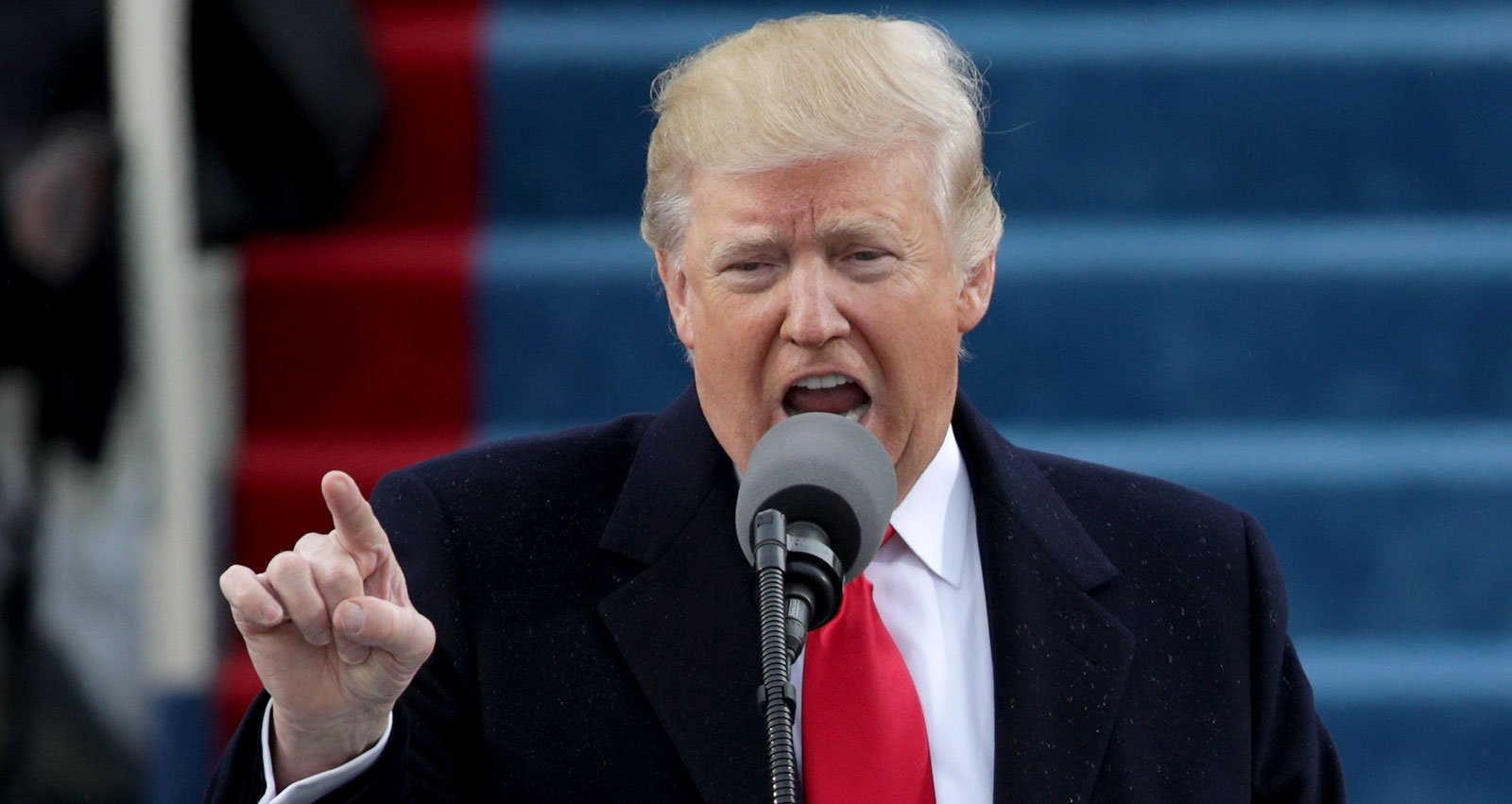
Responding to plans announced by U.S. President Donald J. Trump to sign an executive order “to temporarily suspend immigration into the United States”, Joanne Lin, the national advocacy director of Amnesty International USA, said:

“While the scope of Trump’s new proposed policy is unclear, the message it sends is: the President is manipulating a pandemic to further the bigotry and xenophobia that have been hallmarks of his presidency from day one.

“We are one country and there is no way we could address the spread of COVID-19 without the unending efforts of immigrants providing healthcare and home aid, staffing grocery stores, and producing food, whose work has been deemed essential while they are simultaneously struggle to access to care, support, and services.

“As the United States leads in COVID cases in the world, measures that health experts agree will stop the spread, like access to widespread testing and self-isolation, have been derided and undermined by Trump. If President Trump want to limit the spread and the deaths occurring under his leadership, now is the time to look to health experts, and not point fingers at immigrants.”

Background and context

Amnesty International has documented anti-immigrant policies enacted by President Trump since his first week in office, when he signed what has become known as the Muslim ban and set into motion a series of events that continue to leave families in uncertainty and danger to this day. Amnesty International USA has stood against the Muslim ban from its first iterationcalling on Congress to nullify it through passage of the NO BAN Act (H.R. 2214 / S. 1123). Amnesty USA’s members from around the country mobilized against the ban in states across the country, participated in a protest march and rally in DC, delivered a nationwide petition to Congressional leadership, and galvanized communities in airports and conducted gatherings to inform people of their rights.

In the aftermath of the ban, AIUSA created a dozen case studies of the harms caused to individuals and families from Yemen, Iran, Sudan and elsewhere and documented the ways lives had been upended by the ban, and in 2019, Amnesty International USA’s researchers traveled to Lebanon and Jordan to conduct nearly 50 interviews with refugees that as a result of the ban, have been stranded in countries where they face restrictive policies, increasingly hostile environments, and lack the same rights as permanent residents or citizens. AIUSA’s report, “The Mountain is in Front of Us and the Sea is Behind Us,” documented how Trump’s discriminatory policies have decimated refugee resettlement from Lebanon and Jordan, which host the highest number of refugees in the world relative to their populations. Amnesty International has also detailed how returns of refugees from Lebanon to Syria is premature and, in late 2019, published a further report, Sent to a war zone: Turkey’s illegal deportations of Syrian refugees, detailing how Turkey has deported Syrian refugees to Syria where they are at grave risk.

Amnesty International has documented how President Trump’s policy of family separation has in some cases constituted torture as defined under U.S. and international law, documented the negligent care and ill treatment of people seeking safety in the U.S. further jeopardizing them during COVID-19, denounced the Remain in Mexico policy which has pushed asylum-seekers into dangerous and precarious conditions in Mexico, and spoken out against asylum agreements and asylum bans that cut off access to the U.S. asylum system.

Government of India must immediately stop intimidation of journalists in Jammu and Kashmir

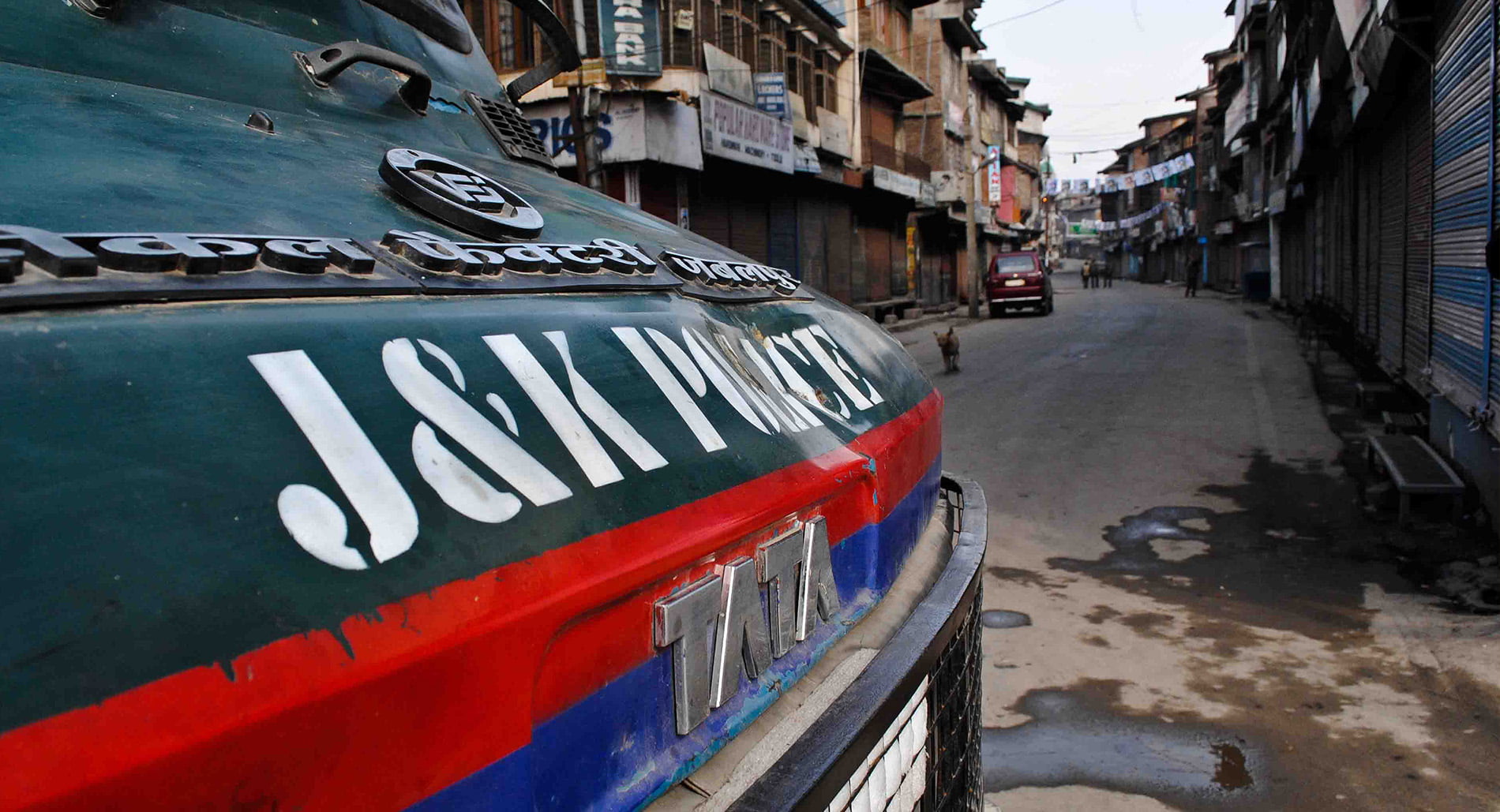
Responding to news that the Jammu and Kashmir police have invoked the Unlawful Activities (Prevention) Act (UAPA) against photojournalist Masrat Zehra and also initiated investigation against journalist Peerzada Ashiq for allegedly spreading ‘misinformation’, Avinash Kumar, Executive Director of Amnesty International India said:

“The two new First Information Reports (FIR) against journalists in Kashmir that initiate investigations against them by the police signal the authorities’ attempt to curb the right to freedom of expression. Harassment and intimidation of journalists through draconian laws such as UAPA threatens the efforts to address the COVID-19 pandemic and creates an atmosphere of fear and reprisal. In Kashmir, this has been compounded through the general lockdown, prolonged restrictions on internet speed and arbitrary detentions often without any kind of documentation, access to lawyers and recourse to justice. This severely undermines the human rights guarantees of the people of Kashmir and denies the people in India and around the world’s right to know.”

Journalists in Kashmir have been summoned to police stations and forced to present themselves to explain their stories. In the case of Peerzada Ashiq, he was asked to travel some 40 kilometres to present himself to the concerned police officer. Peerzada Ashiq while speaking to Amnesty International India said, “This is second instance, since August 2019, when I was summoned and questioned by police. This time it was about two of my stories: one on diversion of COVID testing kits from Kashmir to Jammu and another on killing of two militants in South Kashmir, who were buried in North Kashmir’s Baramulla. I was questioned for reporting on the claims of the families who said that they were allowed to travel to collect the bodies (but were later denied the permission).”

In a press release issued on [date?], the Cyber Police Station Kashmir Zone, Srinagar, justified the cases brought against both journalists. The press release said Masrat Zehra’s post could ‘provoke the public to disturb law and order’, ‘glorify anti-national activities’ and Peerzada Ashiq’s  story could ‘cause fear or alarm in the minds of the public.’

“Under international human rights law, any restrictions on the right to freedom of expression must be demonstrably necessary and proportionate. The media plays a crucial role in reporting human rights abuses and is essential to inform the public about the factual situation and measures taken by the governments in response to COVID-19. Yet time and again, UAPA, India’s principal counter-terrorism law, has been abused to target journalists and human right defenders who criticise government policies,” said Avinash Kumar.

“Access to information is essential in fighting the unprecedented pandemic we are facing. The government of India must not muzzle the press. It must immediately release and drop all charges against journalists Masrat Zehra, Peerzada Ashiq and others who remain incarcerated solely for exercising their right to freedom of expression and refrain from abusing its power in this time of crisis.”

Death penalty 2019: Saudi Arabia executed record number of people last year amid decline in global executions

Saudi Arabia executed a record number of people in 2019, despite an overall decline in executions worldwide, Amnesty International said in its 2019 global review of the death penalty published today. The Saudi authorities put 184 people to death last year, the highest number Amnesty has ever recorded in a single year in the country.

Meanwhile the number of executions doubled in Iraq, and Iran retained its place as the world’s second most prolific executioner after China, where the exact number of people put to death remains a state secret. However these states are bucking a global trend which saw global executions decrease for the fourth consecutive year to at least 657 in 2019 from at least 690 in 2018 — the lowest recorded figure of the past decade.

“The death penalty is an abhorrent and inhuman punishment; and there is no credible evidence that it deters crime more than prisons terms. A large majority of countries recognize this and it’s encouraging to see that executions continue to fall worldwide,” said Clare Algar, Amnesty International’s Senior Director for Research, Advocacy and Policy.

“However, a small number of countries defied the global trend away from the death penalty by increasingly resorting to executions. Saudi Arabia’s growing use of the death penalty, including as a weapon against political dissidents, is an alarming development. Also shocking was the massive jump in executions in Iraq, which nearly doubled in just one year.”

The top five executing countries in 2019 were: China (1000s); Iran (at least 251); Saudi Arabia (184); Iraq (at least 100) and Egypt (at least 32).

Amnesty’s figures do not include China, where the number of executions, believed to be in the thousands, remains classified. Other major executing countries, including Iran, North Korea and Viet Nam, continued to hide the full extent of their use of the death penalty by restricting access to death penalty information.

Spikes in executions in minority of countries

Just twenty countries are responsible for all known executions worldwide. Among them, Saudi Arabia, Iraq, South Sudan and Yemen executed significantly more people in 2019 than in 2018.

Saudi Arabia executed 184 people — six women and 178 men – in 2019, just over half of whom were foreign nationals. The figure was 149 in 2018.

The majority of executions were for drug-related offences and murder. However, Amnesty International also documented the increased use of the death penalty as a political weapon against dissidents from Saudi Arabia’s Shi’a Muslim minority.

On 23 April 2019, there was a mass execution of 37 people, 32 of them Shi’a men convicted on “terrorism” charges after trials that relied on confessions extracted through torture.

One of those executed on 23 April was Hussein al-Mossalem. He had sustained multiple injuries including a broken nose, broken collar bone and leg fracture while being held in solitary confinement and subjected to beatings with an electric stick and other forms of torture.

Mossalem had been brought before Saudi Arabia’s Specialized Criminal Court (SCC), which was set up in 2008 to try individuals accused of terror-related crimes but is increasingly used to suppress dissent.

In Iraq, the number of people executed almost doubled from at least 52 in 2018 to at least 100 in 2019, largely due to the continued use of the death penalty against individuals accused of being members of the armed group that calls itself “Islamic State”.

In South Sudan, authorities executed at least 11 people in 2019, the highest number recorded since the country’s independence in 2011. Yemen executed at least seven people in 2019, compared with at least four in 2018. Bahrain also resumed executions after a one-year hiatus, putting three people to death over the course of the year.

Lack of transparency over use of death penalty

Many countries failed to publish or provide official information on their use of the death penalty, highlighting the lack of transparency around the practice from many governments. 

Iran is second only to China in its use of the death penalty. It put to death at least 251 people in 2019, compared with at least 253 in 2018 – four of whom were below 18 at the time of the crime. However, a lack of transparency makes it difficult to confirm the real total number of executions – which may be far higher.

In one case, Iranian authorities secretly executed two boys, Mehdi Sohrabifar and Amin Sedaghat, in Adelabad prison in Shiraz, Fars province on 25 April 2019. They were both arrested aged 15 and convicted on multiple rape charges following an unfair trial. Not only did they not know they had been sentenced to death before their executions, but their bodies bore lash marks, indicating they had been whipped before their deaths.

“Even countries that are the strongest proponents of the death penalty struggle to justify its use, and opt for secrecy. Many of them take pains to hide how they use the death penalty, knowing it will not stand up to international scrutiny,” said Clare Algar.

“Executions are taking place in secret all over the world. In countries from Belarus to Botswana and Iran to Japan, executions were being carried out without any advance notice to the families, lawyers or in some cases the individuals themselves.”

Global abolition within reach

For the first time since 2011, there was a drop in the number of executing countries in the Asia-Pacific region, with seven reporting executions during the year. Japan and Singapore sharply reduced the numbers of people they executed, from 15 to 3, and 13 to 4, respectively.

No executions were carried out in Afghanistan for the first time since 2010. Hiatuses were also reported in Taiwan and Thailand which both executed people in 2018; while Kazakhstan, the Russian Federation, Tajikistan, Malaysia and Gambia continued to respect official moratoriums on executions.

Worldwide, 106 countries have abolished the death penalty in law for all crimes and 142 countries have abolished the death penalty in law or practice.

Moreover, several countries took positive steps towards ending the use of the death penalty.

For example, the President of Equatorial Guinea announced in April that his government would introduce legislation to abolish the death penalty. Positive developments, which may lead to the abolition of the death penalty, also occurred in Central African Republic, Kenya, Gambia and Zimbabwe.

Barbados also removed the mandatory death penalty from its Constitution.

In the United States, the Governor of California established an official moratorium on executions in the US state which has the biggest death row population, and New Hampshire became the 21st US state to abolish the death penalty for all crimes.

However, attempts in the Philippines to reintroduce the death penalty for “heinous crimes related to illegal drugs and plunder” and efforts in Sri Lanka to resume executions for the first time in more than 40 years marred progress towards the abolition of the death penalty globally. The US federal government also threatened to resume executions after almost two decades without carrying out any.

“We must keep up the momentum for the global abolition of the death penalty,” said Clare Algar.

“We are calling on all states to abolish the death penalty. There needs to be international pressure on the world’s last remaining executioners to end this inhuman practice for good.”

Clear guidelines needed for public to trust Covid-19 enforcement

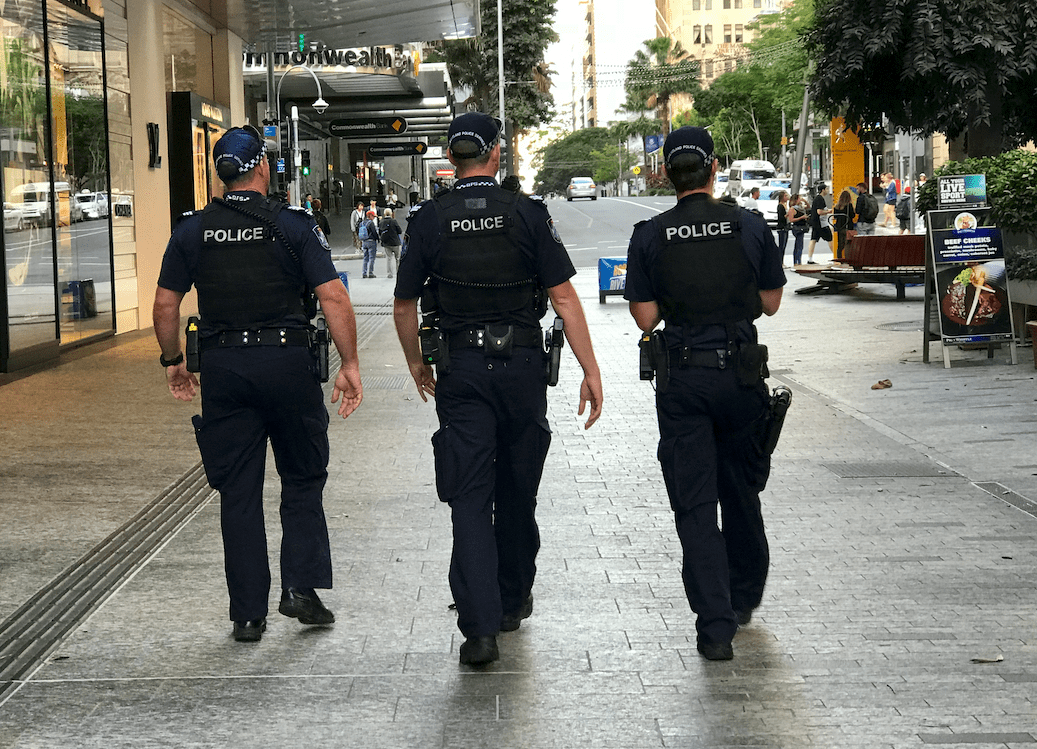
Amnesty International Australia and the Grata Fund call on State and Territory governments and all relevant bodies to publicly release guidelines used by police to enforce COVID-19 social distancing regulations.

A growing list of organisations are now calling for improved police accountability to maintain public trust as COVID-19 health regulations are enforced.

To monitor this, a website where people can report incidents of police over-reach has been launched. At the end of its first week of operation, 28 inappropriate or concerning police interactions have been reported. 

Over recent days police have issued and then retracted fines to people going mountain biking, putting holiday snaps on social media and to a teenager taking driving lessons.

“The public trust in police is absolutely essential for managing this crisis, and controversial early incidents directly undermine this goal. Clear guidelines are needed to clarify both to the public and the police, where the lines of responsibility lay in COVID-19 social safety measures”, Amnesty International Australia campaigner Tim O’Connor said.

“We understand the need for restrictions on movement in response to a one-in-100 year pandemic, but that response should still have human rights at its core and should be proportionate and applied with common sense.”

“While these reports concern us, what’s really alarming is the potential for vulnerable people in our community to be unfairly targeted. 

“It’s hard to understand the utility of harassing a homeless person who doesn’t have the luxury of self isolation, or of picking on Indigenous kids who are already grossly overrepresented in the prison system.

“The guidelines for enforcement of social distancing regulations must be made public as soon as possible. If these guidelines permit the inappropriate behaviour of police that has been reported, they must be changed. If not, then police must be held accountable,” Grata Fund Executive Director Isabelle Reinecke said.

“We’re asking everyone in the community to record and report instances of police overreach at https://covidpolicing.org.au/

COVID-19, surveillance and the threat to your rights

People across the world are currently facing an unprecedented global health emergency due to the outbreak of COVID-19.  Technology can and should play an important role during this effort to save lives, including by spreading public health messages and increasing access to health care. However, in the name of combatting the disease, some governments are rushing to expand their use of surveillance technologies to track individuals and even entire populations.

If left unchecked and unchallenged, these measures have the potential to fundamentally alter the future of privacy and other human rights.

Is surveillance to tackle COVID-19 legal?

Governments have an obligation to guarantee the right to health and to prevent, treat and control epidemics. In order to do this, they may temporarily restrict some human rights to respond to health emergencies in timely and coordinated ways. However, increased surveillance measures will be unlawful unless they can meet strict criteria. Governments must be able to show that measures implemented are provided for by law and are necessary, proportionate, time-bound, and that they are implemented with transparency and adequate oversight.  

What this means in practice is that surveillance measures must be the least intrusive available to achieve the desired result. They must not do more harm than good.  

Lessons learnt from recent history tell us that there is a real danger surveillance measures become permanent fixtures. In the wake of the attacks of 11 September 2001 (9/11), government surveillance apparatus expanded significantly. Once these capabilities and infrastructure are in place, governments seldom have the political will to roll them back.

© Sebastien Thibault

Using Personal Location Data

Many countries are using cell phone data to track people’s movements in response to the COVID-19 pandemic. Austria, Belgium, Italy, the UK and Germany are all reportedly gathering anonymized or aggregated location data from telecom companies.

Other countries are using cell phone data but without the added protections of anonymization or aggregation. For instance, media reports suggest that Ecuador’s government has authorized GPS tracking to enforce compliance to quarantine. The Israeli authorities’ move to permit the security service to use cell phone data of infected persons has already raised privacy concerns. This system is apparently already operational, with 400 people recently receiving SMS messages warning them of potential contact with infected persons.

In South Korea, authorities have been sending health advisory texts which have been accompanied with personal details of infected patients, including hyperlinks which open to detailed data about their movements. This measure has raised alarm bells because it breaches medical confidentiality and fuels stigma against people with the virus. It does not appear to meet the conditions required for surveillance to be lawful and is a violation of the right to privacy.

These measures raise important questions about how our personal information is collected, used and shared. Once personal data is collected, there is a real danger of it being shared and used for purposes other than health tracking.

Artificial Intelligence (AI) and Big Data

Several states are turning to AI and big data technologies to combat COVID-19. China is reportedly using a mix of ‘smart’ thermal scanners and facial recognition technologies in public places to track the spread of the virus. Chinese tech giant Alibaba has rolled out a health tracking feature that uses data about personal health and assigns a colour-coded health status to an individual. Green is for ‘safe’, yellow requires a seven-day quarantine and red is for a 14-day quarantine.  This system is used to determine people’s access to public spaces. Worryingly, the app shares this data with law enforcement authorities.

In Poland, the government has rolled out an app intended to ensure compliance with home quarantining. It reportedly sends prompts for selfies to be uploaded, which are then verified using facial recognition and location data to ensure that the person hasn’t violated quarantine orders. Similar apps are reportedly being rolled out in other countries, including one in India which seeks geo-tagged selfies.

AI technologies could also increase the possibility of unlawful discrimination and may disproportionately harm already marginalized communities. Many of the technologies being deployed use opaque algorithms with biased data and using these in decision-making entrenches discrimination against certain groups.

Governments should not use surveillance technologies which gather forms of data beyond what is legitimately needed to contain the disease. In addition, governments must address data protection and discrimination concerns.  

© Sebastien Thibault

Private Surveillance Companies

While public-private collaborations can provide necessary creative solutions to deal with health crises, many governments are turning to surveillance companies with deeply worrying human rights records.

For instance, controversial surveillance vendors Clearview AI and Palantir are reportedly in talks with US authorities. The Israeli surveillance company NSO Group, which has a history of selling to abusive governments, is now selling a big data analysis tool which claims to track the spread of the disease by mapping people’s movements.

Like NSO Group, many surveillance companies have a history of operating in the shadows and have remained unaccountable for their human rights abuses.

It is critical that companies involved in the fight against COVID-19 identify, prevent, mitigate and account for any human rights risks that may arise from the pandemic context with regard to their operations, products and services. Companies must not use the COVID-19 crisis to evade their human rights responsibilities.

Beyond the pandemic 

As we come together to face this unprecedented crisis, it is important to have a long-term view of the measures we are undertaking to combat the virus. These may outlast the crisis and could define what surveillance in a post COVID-19 world looks like. It is important that human rights for all remains at the centre of that vision for the future.

Africa: Armed conflicts and state repression fuel cocktail of human rights violations

Protesters across sub-Saharan Africa have braved bullets and beatings to defend their rights in the face of continuing conflict and state repression, Amnesty International said today as it published its annual review of human rights in the region.

The organization highlighted the bravery and defiance of people who took to the streets to demand change, but warned that they are being let down by governments who continue to perpetrate human rights violations across the region.

The report analyzes major developments from the past year including the deposition of Sudanese President Omar al-Bashir, the Zimbabwean government’s response to mass protests, and increasing attacks on civilians in Mozambique and Mali.

“In 2019 we saw incredible people power in mass protests which swept across sub-Saharan Africa. From Sudan to Zimbabwe, and Democratic Republic of Congo to Guinea, people braved brutal crackdowns to stand up for their rights,” said Deprose Muchena, Amnesty International’s East and Southern Africa Director.

“In some cases, these protests led to major changes, following the toppling of Sudan’s long-time leader Omar al-Bashir the new authorities promised human rights friendly reforms and following protest a raft package of human rights reforms was introduced by the Ethiopian government. Sadly, other changes needed are being blocked by repressive governments, who continue to carry out violations with impunity.”

Conflict and crisis

Across sub-Saharan Africa civilians bore the brunt of deadly conflicts and violent crises.

In Sudan’s Darfur region, government forces continued to commit possible war crimes and other serious human rights violations, including unlawful killings, sexual violence, systematic looting and forced displacement.

In DRC, dozens of local and foreign armed groups together with the country’s security forces continued to carry out human rights abuses resulting in more than 2000 civilian deaths and at least 1 million were forcibly displaced in the course of 2019.

In Somalia, civilians continued to live with attacks from the armed group Al-Shabaab, while government and allied international forces failed to take sufficient precautions to spare civilians from their attacks targeted at Al-Shabaab.  

Armed groups carried out attacks directed against civilians in Cameroon, Central African Republic and Burkina Faso, while governments failed to protect civilians.

Security deteriorated significantly in the centre of Mali, with widespread killings of civilians by armed groups and self-proclaimed ‘self-defence groups’. In response, Malian security forces committed multiple violations including extrajudicial executions and torture.

In Mozambique, armed groups continued to carry out attacks against the general population in Cabo Delgado, and security forces were alleged to have committed serious human rights violations in their response to the violence.

In Ethiopia clashes between ethnic communities were met with a disproportionate response by security forces.

In Cameroon’s Anglophone regions, armed separatist groups continued to commit abuses including killings, mutilations and abductions. Several healthcare facilities were also destroyed by armed separatists. In response the military committed extrajudicial executions and burned homes.

“Access to healthcare remains a major concern for people across the region, with underfunded health budgets leading to shortages of beds and drugs in hospitals. Governments from Angola to Zimbabwe, Burundi to Cameroon have failed to respect the right to health, and conflicts have exacerbated the situation,” said Samira Daoud, Amnesty International’s West and Central Africa Regional Director.

“With the COVID-19 pandemic looming, there is no time to waste in addressing the inequalities and human rights violations which make healthcare inaccessible for so many.”

Violent state repression

Across the region human rights defenders were persecuted and harassed for standing up and speaking out against governments. Burundi, Malawi, Mozambique, Eswatini, Zambia and Equatorial Guinea all saw surging crackdowns on activism in 2019.

For example, in Malawi activists who organized and led demonstrations against alleged electoral fraud after the May elections were attacked and intimidated by ruling party youth cadres and targeted for prosecution by the authorities. The vote was later annulled by the courts and the country is preparing for another election later this year.

In Zimbabwe, at least 22 human rights defenders, activists, civil society and opposition leaders were charged for their suspected role in organizing protests against the January 2019 fuel price hikes. Security forces unleashed a violent crackdown, killing at least 15 people and wounding dozens of others.

In Guinea where the authorities banned over 20 protests on vague and overly broad grounds, security forces continued to fuel violence during demonstrations and at least 17 people were killed last year.

In 17 countries across sub-Saharan Africa, journalists were arbitrarily arrested and detained in 2019. In Nigeria for example, 19 cases of assault, arbitrary arrest, and detention of journalists were recorded, with many facing trumped up charges.

In Burundi, authorities continued to crack down on the work of human rights defenders and civil society organizations including by subjecting them to prosecution and lengthy prison terms.

Displacement

Persistent human rights violations forced hundreds of thousands of people in the region to flee their homes in search of protection. There were about 600,000 internally displaced people in CAR; more than 222,000 people in Chad, and over half a million in Burkina Faso.

In South Africa, deadly systematic xenophobic violence continued against refugees, asylum seekers and migrants, partly driven by years of impunity for past attacks and criminal justice failures. Twelve people, including South Africans and foreigners were killed after violence erupted between August and September.

Human rights wins

Despite the bleak background, some notable human rights wins emerged last year.

Mass protests in Sudan brought an end to the repressive rule of Omar al-Bashir in April 2019 and the new authorities promised wide ranging reforms to improve enjoyment of human rights; and the Ethiopian government overturned the civil society legislation which had curtailed the right to freedoms of association and expression and introduced a new law before Parliament replacing draconian anti-terror legislation. In the DRC, authorities announced the release of 700 prisoners, including several prisoners of conscience.

There were also victories for individuals. In Mauritania, blogger and prisoner of conscience Mohamed Mkhaïtir was released after more than five years in arbitrary detention.

Although impunity for human rights violations largely continued, there were some small steps forward in 2019.

There was a glimmer of hope for some of the families of victims of US airstrikes in Somalia when the US military Africa Command (AFRICOM) for the first time in April 2019 admitted killing two civilians in an airstrike in 2018, however neither US diplomatic staff nor AFRICOM had reached out to the family to offer reparation.

There has also been some progress in CAR’s ordinary courts examining some cases of abuses by armed groups. The Special Criminal Court received 27 complaints and started investigations last year.

“Activists and young people challenged the establishment in 2019.  In 2020 leaders must listen to their demands and work towards urgently needed reforms that respect the rights of everyone,” said Samira Daoud.

Indonesia: Investigate murder of transgender woman burned alive

Responding to the murder of a transgender woman in North Jakarta, Amnesty International Indonesia Executive Director Usman Hamid said:

“This despicable murder must be investigated urgently. It would not be the first time that LGBTI people in Indonesia have been violently targeted simply for who they are.

“Without prompt action from the authorities to cast light on this horrifying crime and bring perpetrators to justice, transgender people in Indonesia will feel even further neglected and vilified by their government.

“The authorities must also take this appalling murder as a wake-up call and repeal its laws that criminalize specific gender identities.”

Background

On 6 April 2020, a transgender woman named Mira was burned to death in North Jakarta. She was accused of stealing a truck driver’s phone and wallet.

Two alleged perpetrators are under arrest, while three more are still on the run.

In 2017, another transwoman named Zoya (30) from Bekasi, West Java, was burned to death due to an accusation that she had stolen an amplifier from a local mosque.

In the past few years, LGBTI people in Indonesia have faced increasing crackdowns from the authorities. On 10 January the Mayor of Depok, Mohammad Idris, asked authorities including the municipal police (Satpol PP) to sweep rented residencies (including rented houses, apartments, and dorms), in order to stop what he called ‘immoral’ acts. He labelled his campaign a ‘prevention toward the spread of LGBTI’ in his city.

In November 2018, Satpol PP in Padang, West Sumatra, arrested ten women accused of same-sex relations after one of them posted a photo of her kissing and hugging another woman on Facebook.

On 27 January 2018, police raided beauty salons where several transgender people worked. Individuals assumed to be transgender women by the North Aceh Police Force were arbitrary arrested, humiliated and tortured. Although released without charge the next day, the individuals remain deeply traumatized, with some having lost their jobs and others being forced to flee due to concerns for their safety

Article 26 of the International Covenant on Civil and Political Rights (ICCPR) and General Comment No. 18 on non-discrimination prohibit any discrimination and guarantee to all persons equal and effective protection against discrimination on any ground such as race, colour, sex, language, religion, political or other opinions, national or social origin, property, birth or other status. 

In addition, Article 7 of the ICCPR and General Comment No. 20 on Article 7 of the ICCPR also stipulates that no one shall be subjected to torture or to cruel, inhuman or degrading treatment, or punishment.