Senate Select Committee a waste of time unless it has human rights framework

Responding to the announcement Labor has an agreement with the Government to establish a cross-party Senate Select Committee into the Government’s response to COVID-19, Amnesty International Australia campaigner Joel Clark said:

“We welcome the Senate Select Committee, but it will be an exercise in wasted time unless a human rights framework is included in its terms of reference.

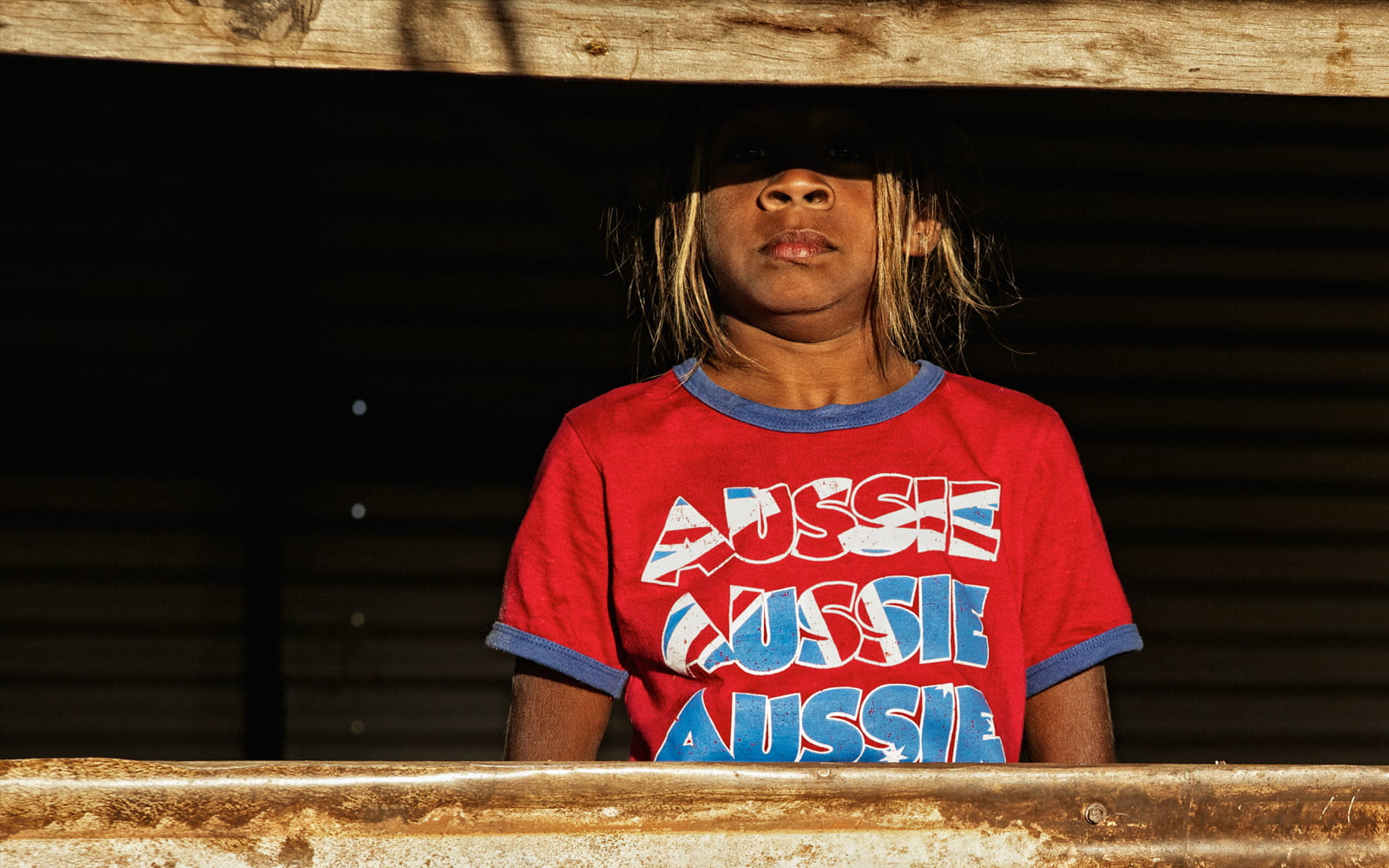
“We’ve already seen how some of Australia’s most vulnerable people, such as remote Indigenous communities, have been overlooked in the Government’s response to the pandemic so far, and unless we put human rights at the centre of its response this will only further push some to the margins.

“It has to be acknowledged that the government has unprecedented power over our lives in responding to COVID-19. That power must be kept in check – this committee must be a tool to do that. 

“We have an historic opportunity to emerge from this frightening crisis with a fairer and more just society; we can’t squander that opportunity by allowing the Government to act unilaterally outside Parliament’s usual checks and balances nor this Committee be fraught with politicking.”

Bangladesh: COVID-19 response flaws put older Rohingya refugees in imminent danger

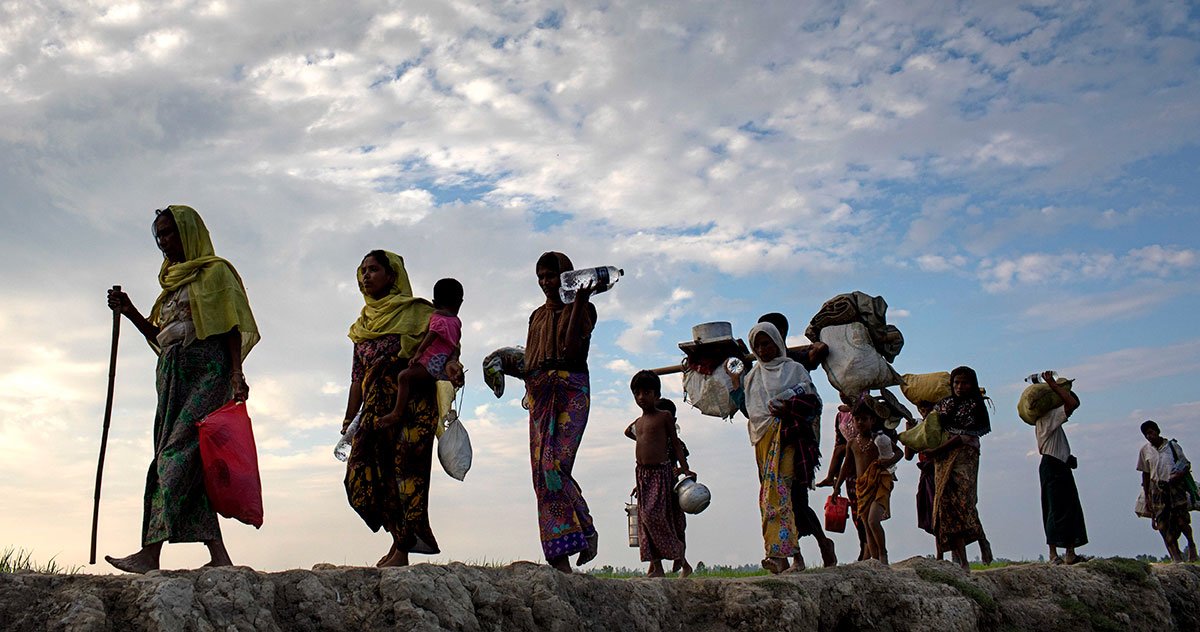
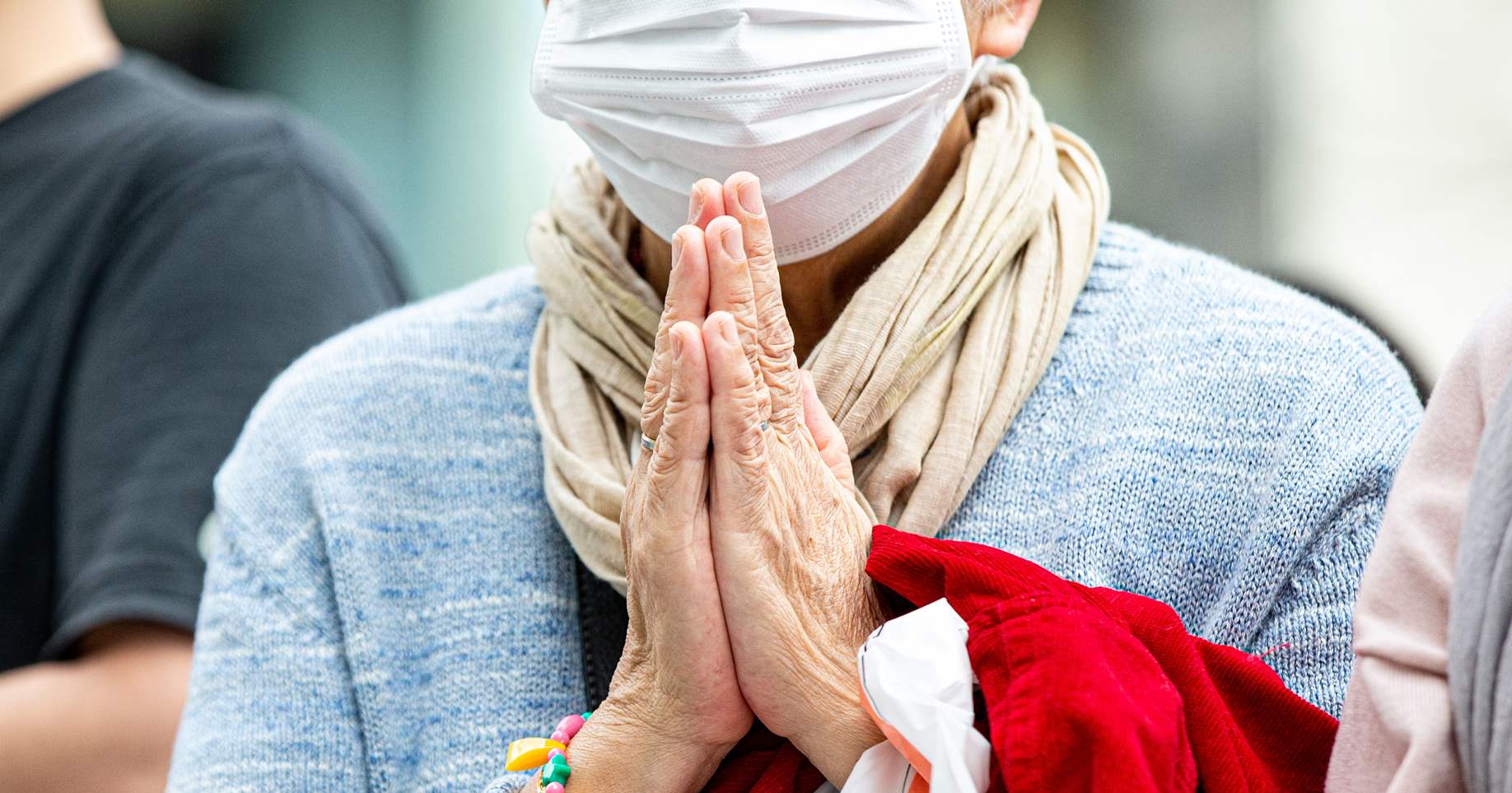
Older Rohingya refugees in overcrowded camps in Bangladesh are being left behind in the humanitarian response to COVID-19, which could have devastating consequences given the high risks older people everywhere face from this deadly pandemic, Amnesty International said today.

Bangladesh, together with the UN and other humanitarian partners, has made efforts to reduce the risk of COVID-19 spreading to the camps outside Cox’s Bazar, including a decision, as of 23 March, to increase COVID-19-specific assistance, stop large gatherings, and order preventative measures. But basic, accurate information about the illness and measures to prevent its spread is failing to reach many people in the camps, and especially older people, as the humanitarian response pays insufficient attention to their specific needs.

“At the best of times, humanitarian organizations struggle or fail to meet the specific needs of older people in refugee and displacement camps. Repeating this same mistake amid the COVID-19 pandemic puts older Rohingya women and men in imminent danger – with some of them not even receiving the most basic information about what is happening and how they can best stay safe,” said Matt Wells, Crisis Response Deputy Director – Thematic Issues at Amnesty International.

“Donor countries and humanitarian organizations should urgently work together to remedy this lack of accessible information and implement a plan to ensure that older refugees are not left behind yet again in this time of elevated global risk.”

In the last week of March, Amnesty International interviewed 15 older Rohingya women and men living in seven of the 34 refugee camps near Cox’s Bazar, in south-eastern Bangladesh. The UN Refugee Agency (UNHCR) indicates there are more than 31,500 refugees age 60 or older in the camps, among the almost 860,000 Rohingya forced to flee Myanmar, most of them since late 2017 as a result of crimes the UN has said likely amount to genocide.

Mistakes being repeated

In June 2019, Amnesty International released a report on the impact of conflict and displacement on older people in Myanmar. It examined how, in the Bangladesh refugee camps, the humanitarian response has failed to respect older people’s rights to health, food, water, and sanitation. Many problems stem from not including older people’s views and inputs and from not considering their needs and risks when designing assistance.

These same mistakes are being repeated with the COVID-19 response, despite all medical evidence demonstrating that older people are one of the most at-risk populations.

Most older people interviewed by Amnesty International had received little specific information about COVID-19. Before large gatherings were barred and preventative measures like social distancing ordered, there were some informational meetings in the camps, but many older people were not informed. Those who knew about them were unable to attend because of physical disabilities that made it difficult, if not impossible, to navigate the camps’ hilly terrain.

Fear is rampant

Only one of the 15 older people interviewed by Amnesty International had anyone come to their shelter to provide information about COVID-19. A few others received news through family members about the disease and preventative measures like frequent hand-washing. Most had heard primarily from religious leaders and neighbours, with little detail other than the virus was very dangerous and they needed to “live clean”. As a result, fear is rampant.

“I’m very afraid, because if the virus arrives to the camp, no one will be alive, as here many people are living in very small place,” said Hotiza, a woman around 85 years old.  

Poor access to information about COVID-19

Access to information for all residents has been restricted in the camps generally since the Bangladesh authorities cut off access to telecommunications and the internet in September 2019. Amnesty International, the UN, and many other organizations have called for such restrictions to be lifted immediately.

However, even if telecommunications are restored, efforts specifically targeted at older refugees will remain vital, as many do not have access to smartphones. Amnesty International’s report on older people showed how the humanitarian response is too often rooted in an assumption that information and assistance will filter to older people through their families, which fails to respect older people’s rights and causes harm. 

To their credit, the Bangladesh authorities and humanitarian organizations have designed creative ways to disseminate information, including through attaching megaphones to tuktuks and blasting messages in the camps in the Rohingya language about COVID-19 and preventative sanitary measures. But while most older people interviewed knew such messaging was happening, they often were not able to hear the messages in detail or at all.

Sayeda, in her 80s, said: “I don’t know anything about that virus, just people are saying something about a virus on the megaphone, but I don’t hear well, that’s why I don’t know anything… I’m always thinking, what are they saying on the microphone.”

Some older people had not even received the most basic of information.

“I didn’t hear any new things, just people are saying, ‘A disease is coming, pray,” said Abdu Salaam, 70, who said he had a physical disability that left him unable to walk well. He also lacked access to adequate care for pain and other significant health problems.

In the absence of sound medical advice, the family of at least one older person interviewed had resorted to buying an unproven medicine to “save” them from the virus.

Improving the COVID-19 response

The humanitarian response needs to tap into networks of Rohingya volunteers who can go shelter-to-shelter to bring older people information and to hear from older people about how to best prepare a response that meets their needs. This should focus particularly on groups most at risk of not getting timely and accurate information through other means, especially older people living alone, older women, and older people who are primary caregivers for young children. Volunteers should be carefully trained to ensure they do not expose older people to infection, including by maintaining as much distance as possible during shelter visits.

Critical information that should be prioritized includes a clear understanding of COVID-19 symptoms and preventative measures. Most older people interviewed by Amnesty International knew, for example, that sanitation was important, but associated it primarily with washing hands after using the toilet and before eating; and not allowing children to play in dirty areas. While these are important measures in general, they are woefully insufficient for and unspecific to COVID-19.

Donors, the UN, and humanitarian organizations must further act urgently to ensure older people can put preventative measures into practice, including by ensuring older people have access to sufficient water and sanitation infrastructure – addressing the specific challenges faced by older people living alone and older people with limited mobility, among others.

Older people are also particularly at risk of being harmed by well-meaning restrictive measures, including in their access to food and health care. As documented in Amnesty International’s 2019 report, older women and men often have difficulty accessing camp clinics and, even when they can, find many clinics lack essential medications for non-communicable diseases like high blood pressure. As a result, older people rely disproportionately on purchasing life-saving medications at market stalls.

As of 31 March, pharmacy stalls remained open in the camps, even as many other shops have been closed to reduce risks associated with crowds. Any decision to close pharmacy stalls must include measures that ensure older people still have access to essential medications.

The current challenges in the camps near Cox’s Bazar during the COVID-19 pandemic show how the UN and donors appear to be replicating the same failure to prioritize older people as they have long done in wider humanitarian efforts. The UN Global Humanitarian Response Plan to COVID-19 did not include older people as a separate “most affected and at-risk population group”, unlike children, and women and girls. Rather, “old age” was included at the end of a list of “conditions” framed as “people suffering from…”. The result both undervalued the risks of COVID-19 to older people, by not including them as a specific group; and propagated a discriminatory idea that older age is something one “suffers from”.

“Older displaced people face a devastating combination: they are the group most at-risk of COVID-19, and they are also the group least included in humanitarian response. Their invisibility must end now. Governments, donors, and humanitarian organizations must put older people at the centre of their planning and response, to minimize the deadly consequences of this global pandemic,” said Matt Wells.

Amnesty backs calls from doctors to release refugees immediately

Amnesty International Australia is calling on the Australian government to heed the urgent advice of thousands of medical professionals and release detainees held in so-called alternative places of detention (APODs). 

“The people being held in places like the Mantra hotel in Preston Victoria, were brought to Australia because they needed urgent medical help. To leave them in a situation where their already fragile health is further imperiled is just cruel,” Amnesty International Australia Refugee Advisor, Dr Graham Thom, said.

Medical experts have advised the government that these people pose no risk at all if they are housed in the community.

Professor David Isaacs, Clinical Professor in Paediatric Infectious Diseases at the University of Sydney, who mobilised 1138 medical professionals to urge the Government to free these men said: “Social distancing measures which are being required of the rest of us simply aren’t possible in APODs where we have evidence of people being crowded in rooms of 20 or more people for extended periods of time”.

“While the response to COVID-19 needs to be speedy and by nature restrict movement, it shouldn’t come at the expense of the most vulnerable people in our community, nor should it be at the expense of Australia’s obligation to upholding basic human rights, like the right to health,” Professor Isaacs said.

Detained for seven years in PNG by the Australian Government and medically evacuated to Australia for urgent respiratory care, Iranian refugee Moz said, “We are detained inside our cramped conditions for 24 hours a day now. There is no space for social distancing. The guards come and go and do not have masks or anything. I am terrified of what will happen in here, and also worried for the health of Australians if this becomes a COVID-19 hotspot”.

Amnesty also has grave concerns for those refugees still trapped in Australia’s offshore detention system in Papua New Guinea and Nauru. 

“The refugees in PNG exist in a vacuum where they are unable to work and don’t have access to healthcare. With a healthcare system which would be cripled by COVID-19, we’re hearing reports the refugees there are terrified of what it could mean for them if there was an outbreak.

“While the Australian community comes together in solidarity to confront this pandemic, that support must extend to the refugees in our care,” Dr Thom said.

Digital surveillance to fight COVID-19 can only be justified if it respects human rights

With governments across the world rapidly expanding the use of digital surveillance in an attempt to combat the COVID-19 pandemic, Amnesty International and other leading NGOs have set out strict conditions that must be met to safeguard human rights and prevent surveillance overreach. 

More than 100 civil society groups joined Amnesty in signing the statement, including Access Now, Human Rights Watch and Privacy International.

“Technology can play an important role in the global effort to combat the COVID-19 pandemic, however, this does not give governments carte blanche to expand digital surveillance. The recent past has shown governments are reluctant to relinquish temporary surveillance powers. We must not sleepwalk into a permanent expanded surveillance state now,” said Rasha Abdul Rahim, Deputy Director of Amnesty Tech.

“Increased digital surveillance to tackle this public health emergency, can only be used if certain strict conditions are met. Authorities cannot simply disregard the right to privacy and must ensure any new measures have robust human rights safeguards. Wherever governments use the power of technology as part of their strategy to beat COVID-19, they must do so in a way that respects human rights.”

The full joint statement is available here:

COVID-19: Prisoners of conscience from Papua must be urgently released

Amnesty Indonesia and Amnesty Australia welcome the decision of Indonesian authorities to release 30,000 prisoners to minimise the risk of infection with COVID-19. Overcrowding and unsanitary facilities have been posing a health threat to Indonesia’s prison population of more than 250.000 prisoners.

While the move is welcomed, it must be extended to all prisoners of conscience. Hundreds of people are behind bars for simply exercising their rights to freedom of expression and peaceful assembly. Now they are also faced with an unprecedented and unacceptable risk to their health 

“All prisoners of conscience (PoC) – political activists, human rights defenders, and others imprisoned solely for peacefully exercising their rights – must be immediately and unconditionally released,” Amnesty International Indonesia director, Usman Hamid, said.

“That includes the release of 57 PoCs from Papua. Freedom of expression and assembly they exercised are rights protected in our Constitution and the International Covenant on Civil and Political Rights. Criminally charging someone for his or her peaceful expression is a blatant violation to these constitutional rights.

“Indonesian authorities must be able to distinguish people who peacefully advocate for the right to self-determination from those who use force or use expressions that incite discrimination, hostility or violence. Their expression is part of the rights to freedom of thought in the community.”

In the time of this pandemic, the authorities should also re-examine the cases of all prisoners in pre-trial detention with a view to releasing them. According to international human rights law and standards, there is a presumption of release pending trial, in accordance with the presumption of innocence and right to liberty. This entails the release of MG, an alleged minor from Papua, accused of the killing of construction workers and currently stands trial in Jakarta.

“Detention against him should be suspended. The judges should determine his fate by immediately declaring the result of a legitimate forensic test upon his age. His right to health must not be denied,” Hamid said.

The Indonesian authorities should also consider an early or conditional release of prisoners at high risk, such as older prisoners or those with serious medical conditions.

“As outlined by the World Health Organization, they are vulnerable communities to COVID-19. In the name of humanity, they must be released.”

Prisoners and detainees, including ten thousand people arbitrarily detained, are at risk of contracting COVID-19 as they are held under unhygienic conditions in locations across the country.

“In Indonesian prisons and detention centres, the conditions of lacking access to clean water and severe overcrowding will be exacerbated by the outbreak.”

The Indonesian authorities must therefore cooperate with the hospitals to prevent the spread of COVID-19 in the country’s prisons and detention centres.

“Indonesia has a long record of denying prisoners and detainees’ medical care and medicines, something they urgently need. Anyone detained must have access to prevention and treatment services as the COVID-19 pandemic threatens lives,” Hamid said.

The authorities should ensure that all prisoners have prompt access to medical attention and health care to the same standards that are available in the community, including when it comes to testing, prevention and treatment of COVID-19. Prison staff and health care workers should have access to adequate information, equipment, training and support to protect themselves.

Measures designed to protect push Indigenous people further to the margins

In response to state and territory governments issuing on-the-spot fines for breaking social distancing and quarantine rules, Amnesty International Australia Indigenous Rights Lead, Lidia Thorpe, said:

“Governments are so committed to appearing as though they’re doing the right thing, it is completely blind to the fact that they are making things harder for some of the most vulnerable people in our community. 

“Indigenous people are already more likely to be locked up; now, our people are even more vulnerable to being fined and locked-up. 

“We understand government has to act quickly in response to the threat of COVID-19, but it only underlines how marginalised and disadvantaged some Indigenous communities are when measures designed to protect push some of our people even further to the margins.

“To fine vulnerable people, would be to increase their risk of being incarcerated or even die as a result of coming in contact with the prison system. 

“We have stimulus packages announced as a result of people having no work and no money, then we introduce $1600 fines, what if you don’t have a job or a home, how do people pay fines? How do people, who don’t have a home abide by these new rules?

“An example I had from the community this week was a funeral which was watched by police, stopping the mourners from grieving in their traditional way. 

“Any response from government needs to be considered and balanced with the needs of all our citizens.”

Syria: Vulnerable prisoners should be released to prevent spread of COVID-19

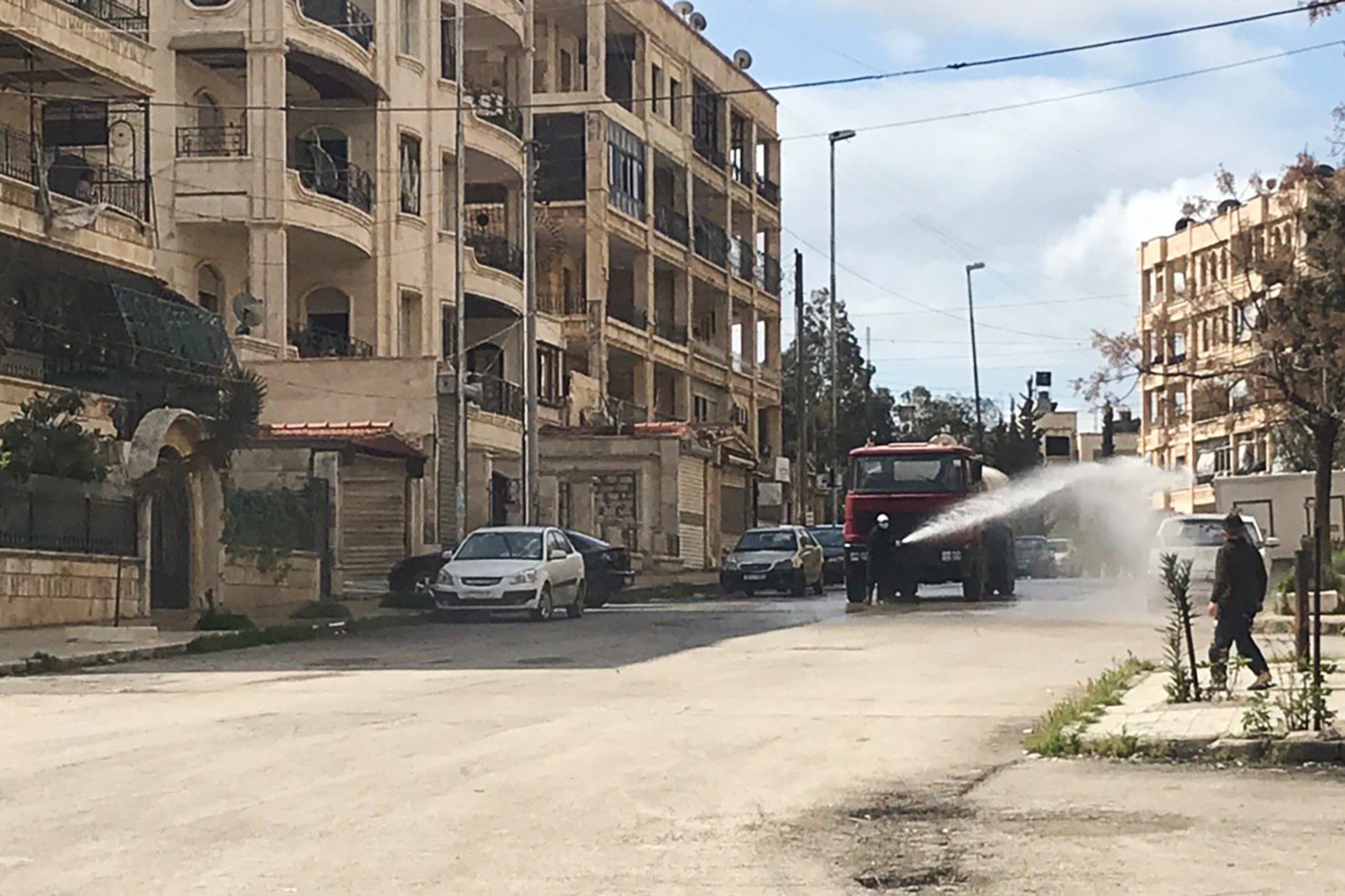
The Syrian authorities must cooperate fully with UN agencies and humanitarian organizations to prevent the spread of COVID-19 in the country’s prisons, detention centres and military hospitals, Amnesty International has warned.

Prisoners and detainees, including tens of thousands of people arbitrarily detained or forcibly disappeared, are at risk of contracting the disease as they are held in unhygienic conditions in locations across the country operated by the country’s security forces.

“In Syrian prisons and detention centres, COVID-19 could spread quickly due to poor sanitation, lack of access to clean water and severe overcrowding”, said Lynn Maalouf, Amnesty International’s Middle East Research Director.

“This government has a long record of denying prisoners and detainees the medical care and medicines that they urgently need. Anyone detained must have access to prevention and treatment services as the COVID-19 pandemic threatens lives.

“All prisoners of conscience – political activists, human rights defenders, and others imprisoned solely for peacefully exercising their rights – must be immediately and unconditionally released. The early or conditional release of prisoners at high risk, such as older prisoners or those with serious medical conditions, should also be considered.”

As of 30 March, the Syrian Ministry of Health had acknowledged a total of 10 cases of COVID-19 in the country, and one death.

Background

Since the start of the crisis in Syria in 2011, anyone perceived to oppose the Syrian government is at risk of being arbitrarily detained or forcibly disappeared and subjected to torture and other ill-treatment, in many cases leading to death in custody. According to the UN in 2019, an estimated 100,000 people are currently detained, abducted or missing in Syria.

Amnesty International has documented the arbitrary detention and enforced disappearance of scores of people targeted for their peaceful activism. Others were detained by security forces because they are relatives of wanted people who fled the country, or after being reported by informers on false accusations.

Amnesty International has extensively documented inhumane conditions in military prisons in Syria, including Saydnaya, and other detention centres. These conditions include severe overcrowding in cells; lack of access to medicine and medical treatment; and lack or inadequate access to sanitation, food and water. Former detainees have also told Amnesty International that they were held in cells with bodies of deceased detainees for several days. Others said that they were subjected to torture and ill-treatment.

Amnesty International found that the Syrian government’s systematic use of torture and the mass deaths of detainees in custody across detention facilities in Syria amounted to crimes against humanity.

Pacific Islands face COVID-19 emergency: regional leaders must step up

In response to media reports and Opposition calls for the Australian government to assist Pacific nations with their response to the COVID-19 crisis, Amnesty International Australia Campaigner, Joel Clark, said:

“These countries require international emergency and development assistance to respond effectively to the pandemic in line with human rights law and standards. Pacific countries have a limited ability to provide adequate health care, and some are relying on testing facilities in New Zealand and Australia to confirm COVID-19 cases due to lack of their own technical equipment and experts able to carry out such testing in the region. 

“Among other countries, the Australian Government is a key development partner in the region and must step up and cooperate with Pacific Island countries to protect the right to adequate health care. This pandemic could be catastrophic for our closest neighbours: a region that already has high levels of poverty and poor health care.

“This is a real threat to the right to adequate health care and the right to life for people living in the Pacific. Countries that have the capacity to assist must do so as a matter of urgency, and must ensure such resources are used consistent with human rights laws and standards. 

“We understand the Australian Government is ‘reconfiguring’ its support for Pacific Nations, but we’re concerned this actually means cuts to vital programs like those to prevent violence against women across the region, as we know women are more likely to suffer from violence and discrimination in a crisis. 

“This isn’t enough. Regional leaders must commit new funding to addressing the pandemic by providing essential health equipment, resourcing and services, and they must do it now.” 

Yemen: Huthi authorities’ decision to release Baha’i prisoners is ‘positive signal’

Responding to the announcement by Mahdi al-Mashat, leader of the Huthi authorities in Yemen, that all Baha’i “political prisoners” are to be released, Lynn Maalouf, Amnesty International’s Middle East Research Director, said:

“The Huthis’ decision to release all Baha’i prisoners is a positive signal, and must be the first step in ending the years of suffering for those who should never have been detained in the first place.

“The pardoning of Hamid Haydara, a prisoner of conscience whose death sentence was upheld a mere three days ago, is particularly welcome.

“The Huthi authorities must now ensure that all charges against all other individuals detained for their conscientiously-held beliefs, or for their peaceful activities, are immediately dropped.

“In the midst of the COVID-19 pandemic, it is a relief that the Huthi authorities have committed to prioritising examining prison conditions. We reiterate our call on all parties to the conflict to immediately and unconditionally release all those imprisoned solely for their peaceful activism, expression or political views.”

Background

Last night, Mahdi al-Mashat, the head of the Sana’a-based Supreme Political Council of Yemen, the executive body set up by the Huthis, made a speech to mark the fifth anniversary of the ongoing conflict. As well as announcing the release of all Baha’i “political prisoners”, he recommended pardoning Hamid Haydara, a prisoner of conscience whose death sentence had been upheld days earlier.

Since Hamid Haydara’s initial arrest in December 2013, Amnesty International has documented his torture and other ill-treatment while in custody of the de facto Huthi authorities, as well as the deeply-flawed legal proceedings in his case, including excessive pre-trial detention, and undue delays in his trial.

Amnesty International has documented the cases of 66 Baha’i individuals, who were brought before the Sana’a-based Specialized Criminal Court between 2015 and 2020. Journalists, human rights defenders, political opponents and members of religious minorities are among those subjected to unfair trial on spurious or trumped-up charges by this court.

Humanity in uncertain times

This was originally published by and for Pro Bono Australia, By Maggie Cogan. Maggie Coggan is a journalist at Pro Bono News covering the social sector.

It’s no easy task leading a charity like Amnesty International Australia (AIA) through a pandemic. 

Vulnerable communities are set to bear the brunt of COVID-19, and already financially-stretched charities are struggling to stay afloat during the current economic downturn. 

But for Klintworth, who has over 30 years of NFP leadership experience, staying calm and focused during this unprecedented time of quarantine, social isolation and fear, is paramount. 

Joining Amnesty in late 2019, she believes that educating Australians on the humanitarian issues right in front of us, such as the treatment of Indigenous Australians and refugees and asylum seekers, is the first step to making a real difference for these communities.  

In this week’s Changemaker, Klintworth talks about staying calm in crisis, why she loves her job, and the importance of grassroots advocacy. 

What was it that made you want to work with Amnesty International?

My career up until this point had been working with direct service delivery organisations. Over the years I’ve worked for some amazing organisations that do amazing work, but it had become obvious that as the demand increased on services, the sector really had no capacity to do anything other than focus on providing quality frontline services and had no resources to do advocacy work, which I believe actually effects systemic change. 

So I started looking for an opportunity to advocate, lobby and be involved with creating world reaching change around systems and Amnesty was an obvious organisation of course.

What are you hoping to achieve in your time in this role?

I would like the Australian community to have an increased awareness of what human rights are and to know what their rights are and how they need to be protected. I want Australia to have a Human Rights Act that protects the rights of all people across Australia. I think when we’re better educated around what our rights are we will be in a great position to have a global voice to ensure that we’re addressing the human rights impacts around the world. 

On home soil there’s obviously a number of vulnerable communities that Amnesty International Australia feel strongly about. Aboriginal and Torres Strait Islander people still have significant human rights violations and I believe that it’s our responsibility to lead the way in advocacy for those populations. We also have a lot of work to do in the refugees and asylum seeker area, both onshore and offshore. We still have more than 450 people living in unsafe conditions offshore as a result of the country’s offshore processing regime, and it’s absolutely critical we do something about getting them out of those unsafe conditions. 

The spread of COVID-19 is impacting vulnerable communities across the globe, what do you think is important at this time for social sector leaders like yourself to do? 

This is a time that we need the voice of the charity sector more than ever. We need to lead with compassion, and that’s something that our sector does particularly well. 

We’ve seen people, particularly at the beginning of the crisis, responding out of fear rather than compassion. The charity sector has a real opportunity to lead a compassionate conversation, but also to have a focus on relationships. Despite the fact that we’re distanced in some ways with our working situations at the moment, we really need to foster that connection between people. 

At Amnesty we talk about being stronger together and I think the Australian community rallying together is going to get us through this difficult time. It’s a great opportunity for us to refocus our attention away from what differentiates us and instead turn our attention to what unites us. There are vulnerable communities that are experiencing the impact more than others. We’re seeing serious human rights issues emerging such as our rights to access healthcare, and we’re seeing Aboriginal and Torres Strait Islander communities, rural and remote communities, and many vulnerable communities really struggling to ensure that those rights are upheld. So it’s an important time for us to be both obviously paying good attention to the health impacts of COVID-19 but also making sure that we don’t lose sight of the human rights impacts, and that we are advocating for all of the community – particularly those that are vulnerable.

What are some of the things that you love most about your job?

I’m enormously proud of the history of Amnesty International and also of the Australian movement. I’m in a really privileged position in that I get to hear regularly from people who’ve been affected by our work.

Last week for instance I was speaking at the Adelaide Festival and a gentleman approached me afterwards to let me know that he had been imprisoned in Bhutan for 28 months as a prisoner of conscience. He relayed the story of his wife visiting and how while they weren’t allowed to speak, he was scratching the name Amnesty into her back, to try and give her a secret message to make contact with us. He said that the moment he heard Amnesty had picked up his case, he knew that he was going to be okay and that he was no longer alone. 

That’s an enormous privilege to come to work each day and know that the work you’re doing is life changing and life saving. It also means working with really passionate and like-minded people. There is not one person in our organisation that is turning out for a paycheck. Every single person is here because they want to change the world. And again, that’s a real privilege to be part of such a dynamic environment. I also love working with Amnesty, I’m not just part of an organisation, but I’m part of a national movement and a global movement united by the same calling to protect and defend human rights. 

Now that everyone is in lock down do you have any tips for staying focused and healthy? 

What I’m really trying to focus on, and what I would recommend to people generally, is to really ensure that they are balancing their work while they are stuck at home.  

I’m trying to make sure that I’m taking breaks and I’m getting some fresh air outside, but I’m also allowing myself to engage with the good news stories. There’s a lot of social media floating around at the moment where you can see clips of amazing stories of humanity at its best across the world. Making sure you connect with those positive stories to balance out some of the messages we’re getting in the media is so important.