Submission: Inquiry into Pathways and Participation for Indigenous Australians

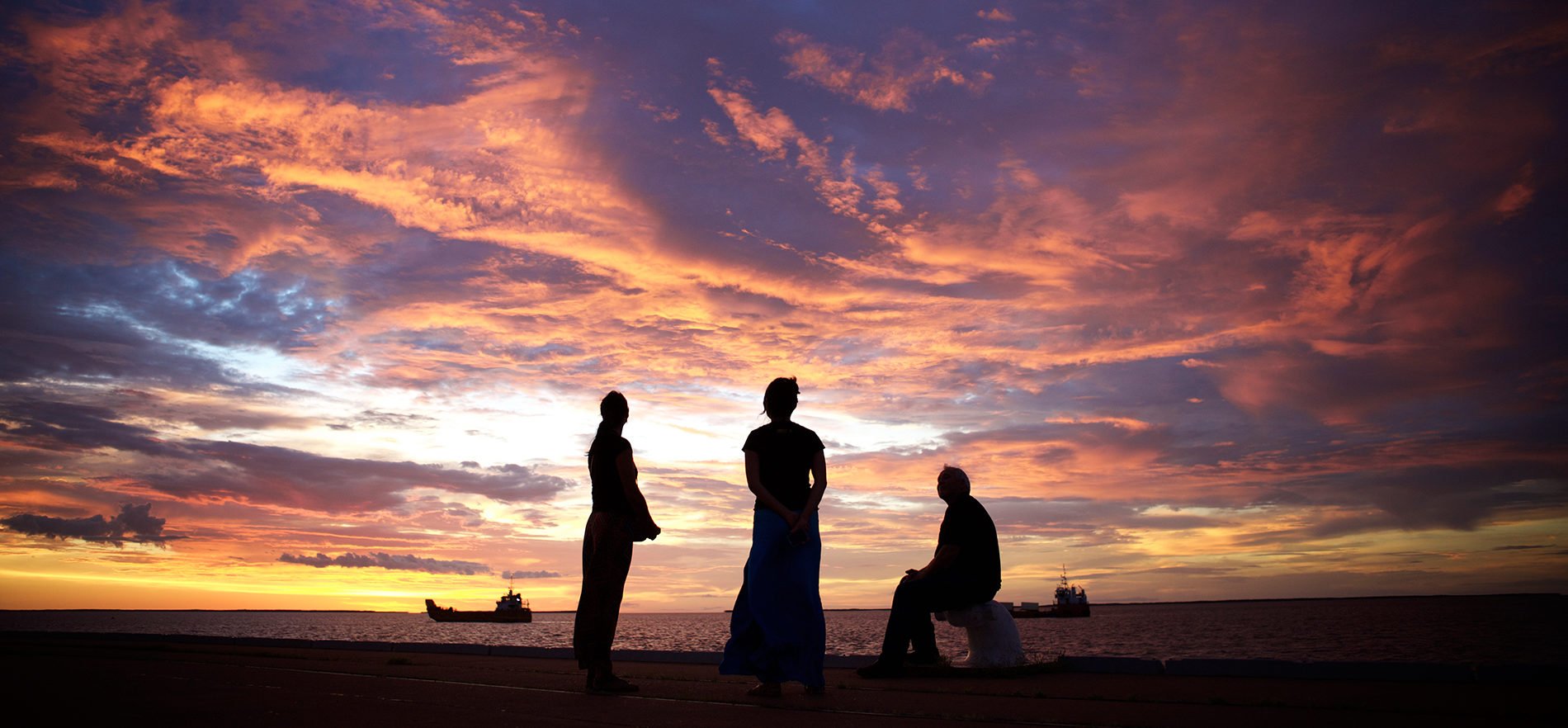
In its submission to the Inquiry into Pathways and Participation for Indigenous Australians in Employment and Business, Amnesty International has said that keeping children out of prison is a key part of helping them thrive.

Read Submission Here

Amnesty International has made six recommendations to the Standing Committee on Indigenous Affairs that would give young Indigenous Australians a better chance of success in education, employment and business. These recommendations include raising the minimum age of criminal responsibility, and investing in culturally appropriate, Indigenous-led solutions.

Sudan: All security agencies that attacked protesters must be held to account

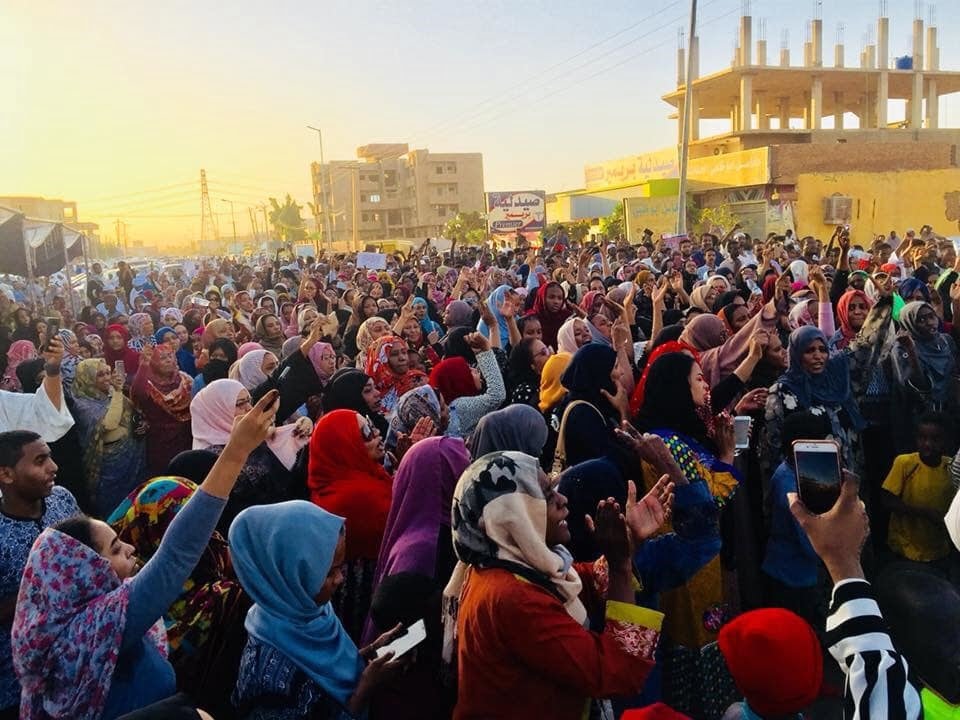
An Amnesty International investigation has found that Sudan’s crackdown on protests against the government of deposed President Omar al-Bashir in 2018 and 2019 involved all branches of the country’s security forces and revealed new evidence about how protesters were killed.

In a new report, “They descended on us like rain”, the organization documents how the police, the National Intelligence Security Service (NISS) and the paramilitary Rapid Support Forces (RSF) at different times led deadly assaults on protesters.

During our research many victims and their families clearly pinpointed specific arms of the security forces that ruthlessly attacked protesters. We have documented evidence of the specific killings and which of the security forces were involved.

Deprose Muchena, Amnesty International’s Director for East and Southern Africa.

“We are urging Sudan’s transitional authorities to hold thorough, effective and independent investigations into all protester killings and other human rights violations. The investigations must cover all phases of the protests, particularly from mid-December 2018 to 2 June 2019. Every victim must get justice.”

The security forces used excessive force to inflict maximum harm on protesters committing egregious human rights violations, including arbitrary mass detention of thousands of people, torture and other ill-treatment. They also invaded hospitals, arrested and beat medical staff and patients.

The report also documents gruesome incidents and testimonies of rape and sexually assault of female protestors.

NISS crackdowns

The NISS, renamed the General Intelligence Services (GIS) in July 2019, and its shadowy armed operational units were responsible for the first lethal crackdowns on protesters in December 2018 and led attacks on protestors until April 2019 when Omar al-Bashir was deposed.

Its armed operation unit in Atbara ‘Hyaṯ Alamlyat’, shot at protesters on 20 December 2018 resulting in the first deaths of the Sudan protests – three people in Atbara, the city where the Sudanese protests were sparked off by the sky-rocketing price of bread.

“This deadly crackdown in Atbara, which despite its long history in trade unionism and resistance had never witnessed protester killings, threw the city into a state of shock and mourning,” said Deprose Muchena.

The first victim Tariq Ahmed, an engineering student in his early 20s at the Nile Valley University, was shot in the chest and died an hour later in hospital. The second victim, 27-year-old Isam Ali Hussein, a labourer, was shot in the head, also dying an hour later in hospital. The third victim, Mariam Ahmed Abdalla, was shot dead inside her house.

“Tariq and all other people who were killed by NISS officers were only exercising their rights to freedom of assembly and their families must get justice,” said Deprose Muchena.

Amnesty International documented 77 protestors killed between mid-December 2018 and 11 April 2019, while the government said 31 had been killed.

Enter the RSF

After Al-Bashir was deposed by the military, the paramilitary Rapid Support Forces (RSF) was deployed to help disperse protesters.

On 3 June, RSF officers led a deadly raid on peaceful protesters at the sit-in area outside the military headquarters in Khartoum in which at least 100 protestors people were killed. Those who survived the attack identified not only RSF officers, but also NISS officers and the police as having been involved in the massacre.

On 13 June, Lieutenant General Shams al-Deen al-Kabashi, spokesperson of the Transitional Military Council which was running the country at the time, publicly admitted that the Council had ordered the dispersal of protestors on 3 June.

“The unprovoked attack on protesters filled with hope and peacefully looking forward to a quick resolution of the political crisis was a despicable violation of the Sudanesepeople rights. All those found responsible, including through command responsibility, must be brought to justice through fair trials, but without resorting to the death penalty,” said Deprose Muchena.

Conflicting data on fatalities

Based on data from various credible sources, including the Committee of the Families of the Martyrs of the December 2018 Revolution, Amnesty International estimates that at least 100 people were killed, and more than 700 others injured in the 3 June attack.

Hundreds of protesters were also arrested, many of whom were subsequently released. At least 20 are still missing, according to Fadia Khalaf, founder of the Initiative for Missing People.

“We were flabbergasted to discover that not one government agency could precisely and authoritatively say how many people were killed in the protester crackdowns. All agencies had widely divergent data for the numbers of people killed on 3 June 2019,” said Deprose Muchena.

Sudan’s National Human Rights Commission reported 36 killed – 15 at the sit-in area and 21 outside the area, the Ministry of Health reported 46, while the Attorney-General reported that 87 protestors were killed on 3 June.

Non-government sources such as the Legitimate Sudan Doctors Syndicate (LSDS) reported 50 killed while the Central Committee of Sudanese Doctors (CCSD) reported 127 killed.

“The Sudanese authorities must spare no effort to properly document and verify the true extent of atrocities committed, including by among other things, involving the affected families,” said Deprose Muchena.

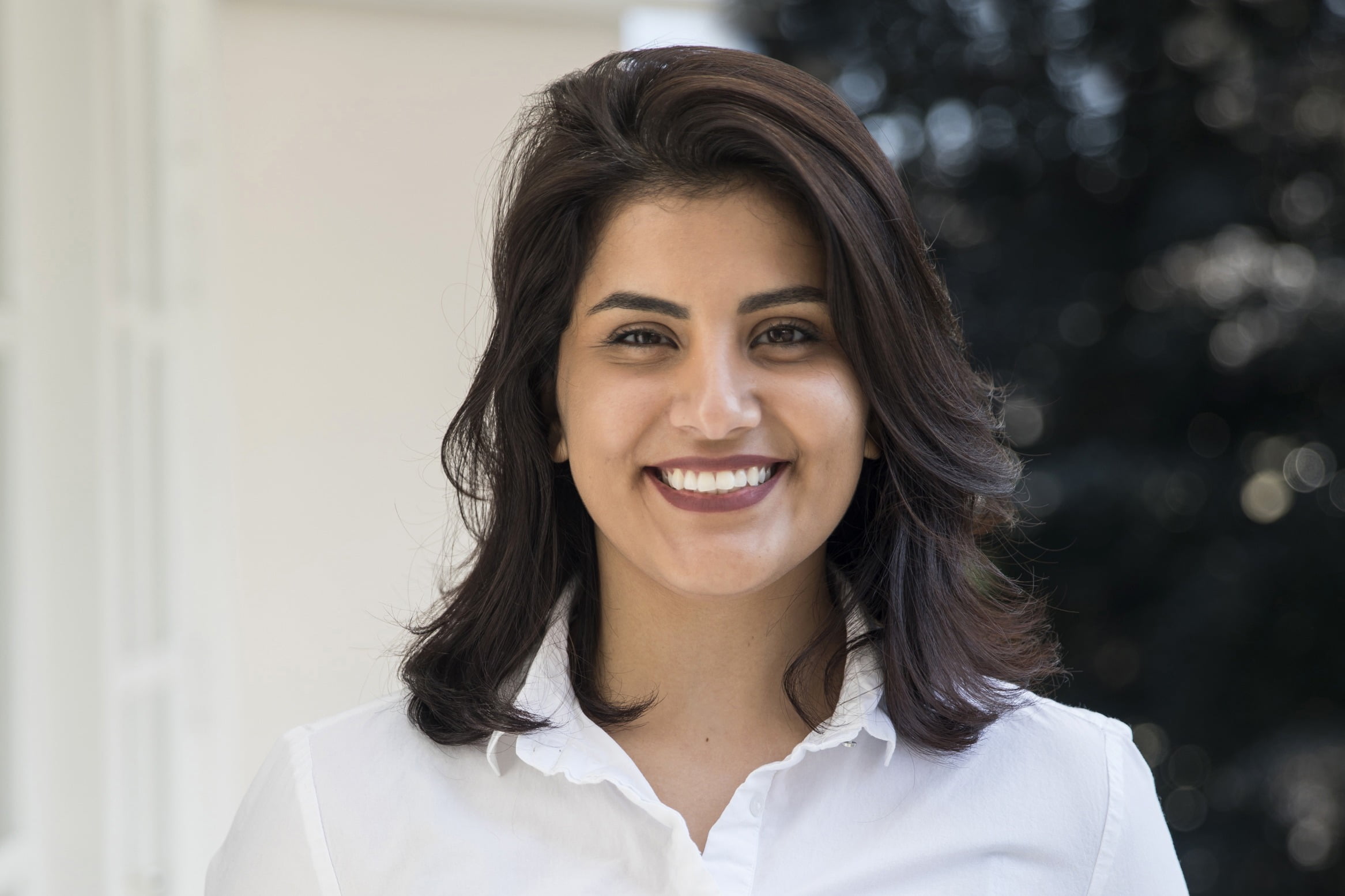
Saudi Arabia: ‘sham’ trial of women’s activist Loujain al-Hathloul set to resume

Loujain al-Hathloul, the prominent Saudi Arabian women’s rights defender who has been detained for almost two years, is due to appear in court in Riyadh this week (Wednesday 11 March).

Al-Hathloul is being tried on a variety of charges linked to her peaceful human rights activities, including campaigning for women’s right to drive and ending the male guardianship system. She is at risk of being sentenced to a lengthy prison term.

In prison, Loujain has suffered torture, sexual abuse and solitary confinement – compounding the fact that she has been deprived of her freedom unjustly for almost two years now.

Lynn Maalouf, Amnesty International’s Middle East Research Director.

“The very existence of this sham trial pulls the veil off of the authorities’ so-called push for reforms in the Kingdom. How can they initiate change in the country when the very women who fought for these reforms are still being punished for it?

“It is high time the authorities not only drop these ludicrous charges but also ensure independent and impartial investigations into her treatment in detention, and hold those responsible accountable for their actions. This is the only course of action that would lend some credibility to the authorities’ reform drive.”

Al-Hathloul’s trial began on 13 March 2019 in the Specialized Criminal Court in Riyadh. So far, all of her court sessions have been closed, with diplomats and journalists banned from attending.

Amnesty International is calling for all charges against Loujain al-Hathloul to be dropped, and for her immediate and unconditional release. The organization is further calling on the authorities to allow independent monitors to observe and publicly report on the trials.

Background

Loujain al-Hathloul, along with a number of prominent Saudi women’s human rights defenders and activists, was arrested in May 2018. These courageous activists had been peacefully advocating for the right of women to drive, an end to the male guardianship system, and for justice and equality.

She was detained on 17 May 2018 and has endured a range of human rights violations while in prison, including torture, sexual abuse and other forms of ill-treatment. For the first three months of her detention, Loujain was held incommunicado with no access to her family and lawyer. Since January 2020, she has also been subjected to spells in solitary confinement.

Today, 13 women’s rights activists remain on trial facing prosecution for their human rights activism. Of the 13, five remain in detention – including Loujain al-Hathloul, Samar Badawi, Naseema al-Sada, Nouf Abdulaziz and Maya’a al-Zahrani.

While the eight other activists have been temporarily released, they remain at risk of being sentenced to prison under anti-cybercrime legislation for their human rights work.

Write for Rights 2019 Wrap Up

During Write for Rights 2019 millions of people around the world came together to change lives. Amnesty activists picked up their pens to combat injustices faced by 10 courageous young people, and that simple action is already making a difference.

Australia writes for rights 

Almost 149,000 Australian Amnesty supporters took over 222,000 actions. Amnesty Action Groups held over 63 Write for Rights events; activists collected actions at U2’s Australia concerts and took the actions to the streets at blitzes in Adelaide. 

In Melbourne, activists held their second annual letter writing marathon at the Melbourne Multicultural Hub. They were joined by an inspiring lineup of speakers including  Simon Lewis, an Australian lifeguard who has worked migration routes in Europe. At the end of the day youth activists from the Centre for Multicultural Youth, School Strike 4 Climate, Seed, and Amnesty spoke on the future of human rights.

© Amnesty International

Action Groups also took Write for Rights to the newsroom and were featured in 12 articles reaching an audience of 270,000 Australians. The Townsville Group’s Write for Rights event was even featured on Win News!

Around the world 

Around the world people took over 6,000,000 actions in nearly 70 countries. Activists in the UK held a football match in solidarity with Elyas, and the Youth Committee in Cote d’Ivoire held a marathon on the beach. Together, from Algeria to Venezuela, they pressured governments around the world to respect their rights.

Making a difference 

When we mobilise, our movement can make a real difference in people’s lives. Every year, real change happens because of these actions, and 2019 was no different. 

Yasaman’s sentence shortened 

On 5 February 2020 we learned that a court in Tehran reduced the sentences of women’s rights defenders Yasman and her mother Monrieh to five years and six  months .

Ibrahim found

On 36 November 2019 Ibrahim appeared before the Supreme State Security Prosecution in Egypt. After more than 167 days of enforced disappearance and anxiety, his family now know that he’s alive.

Trần Thị Nga released!

Vietnamese activist Trần Thị Nga was released in January, after serving three years of a nine year prison sentence. She has since safely arrived in America along with her family.

“I thank Amnesty International for your tireless effort in demanding for my freedom, I am happy that my family are now reunited and living in peace.” 

TRẦN THỊ NGA’S MESSAGE TO AMNESTY SUPPORTERS FOLLOWING HER RELEASE

We will continue to campaign for the immediate and unconditional release of Yasaman and Ibrahim, and to call on governments to combat injustices and respect human rights. Want to get involved in a movement that makes a difference? Find out how here.

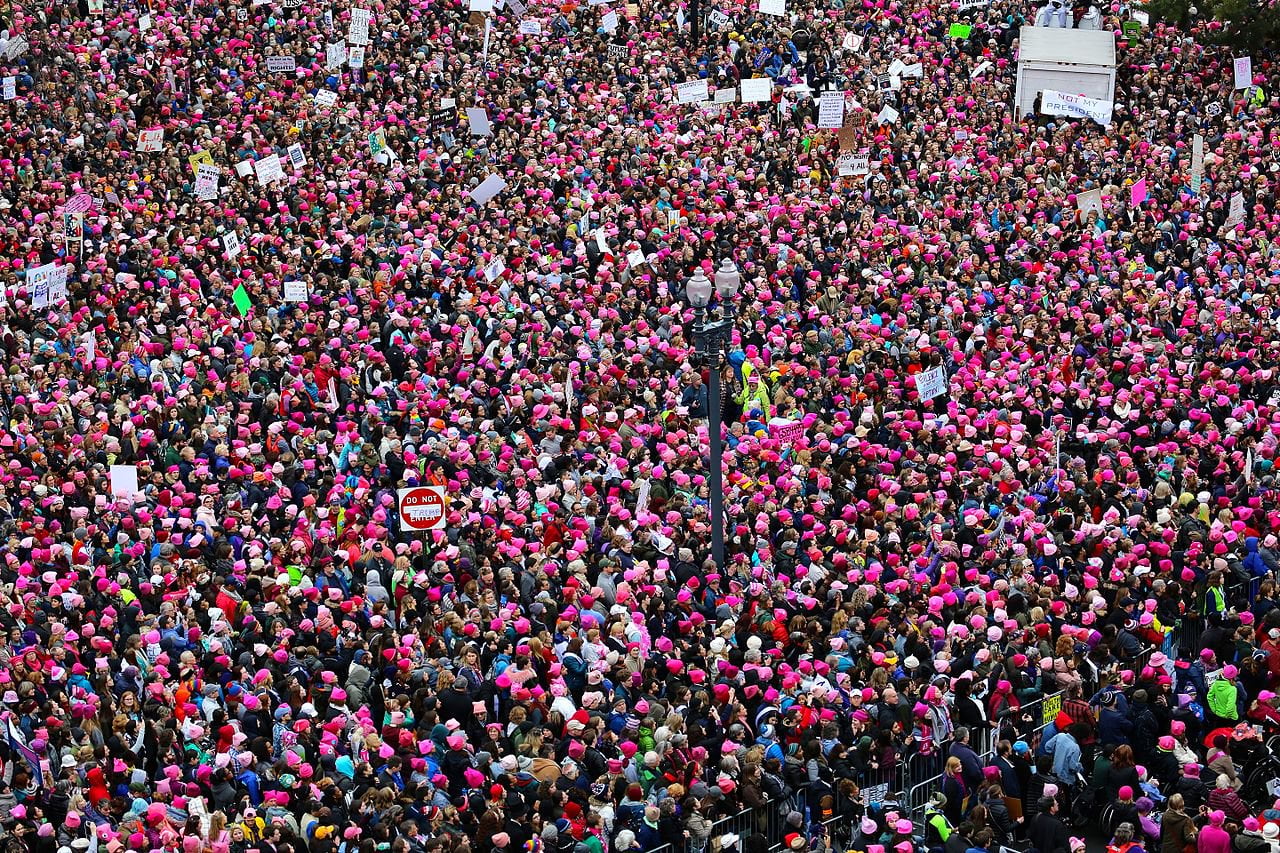
Women around the world continue to challenge misogynist and sexist discourses and policies

Amnesty International will participate in the demonstrations on 8th March alongside women’s movements fighting for the protection and ongoing promotion of their rights

In view of the disturbing global trend of misogynist messages currently disseminated by some political and religious leaders, and the increase in oppressive and sexist policies and practices, women around the world are joining forces to consolidate and protect the rights and freedoms achieved to date. The women’s movement seeks to ensure that, far from restricting rights, further progress is made in combating the inequalities persisting in many corners of the planet. Millions of women are challenging discourses that demonize them and attempt to jeopardise the feminist movement, as well as advocates of women’s rights, gender equality and sex education.

A discourse defending traditional values and a specific definition of the family is gaining ground and promoting an agenda that denies equality as a women’s right, the need to implement specific policies to address gender violence, their right to make decisions with regard to their bodies and to their sexual and reproductive health. This reactionary standpoint is also targeting defenders and activists for being who they are and for doing the work they do. It is a discourse that runs counter to the international agreements already recognised by the United Nations at the 1995 World Conference on Women in Beijing, which this year celebrates its 25th anniversary, and which have been ratified by a large number of countries.

“We are concerned that this type of discourse is part of the political agenda in what appears to be a global strategy against women’s rights. It is not by chance that buses with the same messages against diversity, or denying the existence of violence against women, have made appearances in Germany, France, Spain, Italy, Chile, Colombia or Kenya. That is why women are reacting more energetically than ever, the feminist movement is becoming stronger and the younger generations are becoming increasingly involved in the struggle,” said Ana Rebollar, deputy director of Amnesty International Spain.

Violence against anonymous women

Women suffer violence due to the very fact of being women. It exists in every country. In Spain, from 1 January 2003 to 2 March 2020, 1,046 women were killed by their partners or former partners. After years of political consensus to take specific measures against a scourge that increasingly affects younger women, some political parties are attempting to conceal this type of violence within the broader concept of domestic violence that camouflages and denies the existence of the structural inequality that is at the root of violence against women. This is despite the international consensus on the existence of specific violence based upon discrimination against women (1979 United Nations Convention on the Elimination of All Forms of Discrimination against Women, ratified by 189 countries).

In Mexico, where 10 women are killed every day, women have taken to the streets to protest against this violence, which is not considered from a gender perspective by the Attorney General’s office, and in view of the images coming to light of brutally murdered women. Ninety percent of the cases of femicide go unpunished in Mexico.

Veto on equal education

However, one of the main sticking points in different parts of the world is education on equality, diversity, and addressing gender-based violence. With the argument that no one can make this kind of decision in relation to their own children, countries such as Paraguay and Brazil prohibit sexual and reproductive education, as well as material relating to gender equality and non-discrimination. A similar law is currently awaiting approval in the Polish Parliament that could control this type of education. Countries such as Spain are making progress in this direction in some regional autonomies.

“The freedom of families cannot outweigh the right of children and adolescents to receive tools enabling them to identify and combat situations of discrimination in their lives; to know and live freely and without fearing their own identity; and to acquire knowledge to deal with their sexuality whilst freely deciding about their own bodies”.

The president of Paraguay promised to burn books with this type of content, Brazil supported sexual abstinence campaigns, and Poland might punish those who teach this kind of content to children under 18 with up to three years in prison. However, societies are clearly responding; Paraguayan students are mobilizing to demand comprehensive sex education from their government; in countries like Peru, pressure from civil society, including Amnesty International, has led the Supreme Court to bring a lawsuit against the unjustified gender focus in students’ academic content.

Control over women’s bodies

While attempts are made to limit sexual and reproductive health education for minors, even in countries with high rates of teenage pregnancy, laws still exist that can put women in prison for up to 10 years, as is the case in Honduras, or even for decades in countries such as El Salvador. This happened to Evelyn Hernandez, sentenced to 30 years in prison for a miscarriage; despite being found innocent in a court of law, the prosecution has appealed the sentence.

Organizations such as Open Democracy have reported that in some countries, including Mexico, Ecuador or Costa Rica, where voluntary termination of pregnancy is regulated in some cases, conservative groups are providing “false and distorted” information to women who attempt to terminate their pregnancies. They intimidate them with false claims of greater cancer risk, claiming that their partners will become gay, or that they are more likely to physically abuse other children.

In view of this, in countries such as Slovakia, thanks to social pressure, Parliament voted against forcing women to see ultrasound scans of the foetus before terminating the pregnancy. This measure constituted an attempt to deter the reproductive rights of the women, undermining their privacy and autonomy.

Harassment of activists and politicians

Women’s rights defenders in particular are being victimised by this sexist trend. Once again, in all parts of the world, those who raise their voices continue to be subjected to aggression, threats, intimidation, criminalization, and even murder. They are subjected to smear campaigns, they are insulted and their lifestyles and even the way they dress are questioned.

Amnesty International continues to denounce cases such as: Ebtisam El Saegh of Salam for Democracy and Human Rights in Bahrain, who was sexually assaulted and brutally beaten for her human rights work. In Iran, Yasaman Aryani and her mother Monireh Arabshahi were sentenced to 9 years and 7 months in prison for distributing flowers to other women and promoting the non-obligatory use of the veil. The Iranian lawyer Nasrin Sotoudeh, who defended the rights of these women, was sentenced to 38 years in prison and 148 lashes. They were all accused, among other things, of “disturbing public order”, “committing a sinful act by appearing in public without a hijab”, and even “inciting corruption and prostitution”.

Activists such as Carola Rackete, the captain of the Sea-Watch 3, after rescuing migrants in the Mediterranean, was insulted by the Italian Minister of the Interior, and acts of sexual violence against her were encouraged within different political and social spheres. Moreover, she was attacked for being a woman and for her appearance. A similar fate befell 14 Polish women activists, who unfurled an anti-fascist banner during a demonstration in which people displayed racist and fascist symbols. They were called “bitches”, “left-wing scoundrels”, “whores” and were assaulted. They were finally tried for obstructing a peaceful demonstration; however, the mobilization of citizens secured their acquittal.

Women who participated in the Green March for the legalization of abortion in Argentina were also targeted and harassed on social media. One in three women suffered violence on social media and were accused of “murdering”, “baby killing” and of being “feminazis”. In India, one in five women parliamentarians and politicians are attacked for their work; they suffer sexist remarks in reference to their appearance, their marital status, whether or not they have children, and regarding their ethnic and religious background.

The strength of the feminist movement

Nonetheless, the pressure from women’s movements cannot be underestimated. When countries like Saudi Arabia wish to whitewash their image, tainted by reports of human rights violations, they do so by publicizing advances in women’s rights, such as being able to drive, despite the continued imprisonment of activists such as Loujain al-Hathloul, who was jailed in May 2018 for posting a video of her driving and claiming this right for the women of her country.

The Chilean women’s anthem against sexual assault, A Rapist in Your Path, has been sung on all five continents, and has even reached parliaments, like in Turkey, where female members of the secular opposition sang it in protest against the arrest of seven women who chanted this anthem in a mobilization in the streets of Istanbul. According to Amnesty International’s analysis, only 9 out of 31 European countries have laws that define rape on the basis of absence of consent. But determined women, survivors and activists have been bringing about change country by country. In 2018 alone, Iceland and Sweden became the seventh and eighth countries in Europe to adopt new legislation in line with international law and standards, followed by Greece in 2019.  Spain could become the 10th country in Europe to clearly define rape as sex without consent, following the recent announcement by the government of a new bill on comprehensive responses to sexual violence.Amnesty International will participate in the mobilizations on 8th March, International Women’s Day, in different countries around the world, with the intention of showing more than ever our support for women’s movements, and of echoing their voices in all their diversity and in the fight for recognition of all their rights.

5 women activists tell us what climate justice means to them

Climate change is a challenge that burdens us all, but not equally. Women and girls are among those affected disproportionately, especially those belonging to marginalized and discriminated communities in the Global South. And yet their voices are rarely heard in decision making forums.

But from the rubble of stark division we are seeing movements unite. Spearheaded by diverse and powerful women, the fight for climate justice is picking up speed. Could the climate crisis serve to unite us? Will it be the turning point in global solidarity, urging us to act, connect our struggles, and finally triumph over the systemic inequalities that divide us?

This International Women’s Day, we asked five women activists what climate justice means to them and how we can all harness the power of diversity to ensure a just and sustainable future for everyone.

Sostine Namanya

Gender and food security specialist, Uganda

Sostine Namanya, Gender officer at the National Association of Professional Environmentalists at The Peoples' Summit on Climate, Rights and Human Survival, New York, USA, 19 September, 2019.
Sostine Namanya, © Peyton Fulford

“I’m inspired by rural women who have been displaced by large corporations, climate disasters among others but who remain resilient despite the hardships they face daily”

“The events I witnessed as a young African girl growing up among rural Ugandan communities greatly set me on the path of activism. Not only did I witness my own mother, aunties and other women in the village grappling with the practical challenges of climate injustice, but I too became a victim at a very young age. It was as if there was some law written somewhere that only women and girls were mandated to fetch water, wash everything at home, cook, serve the food and then look for more food. On several occasions I witnessed women being beaten by their husbands for reasons ranging from delaying to prepare meals, not boiling water for bathing or returning late from markets or water wells. It was then that the urge started developing in me that something had to be done about the situation, though at that time I couldn’t figure out exactly what. So joining civil society action and activism against social and economic injustices before I even completed tertiary education seemed a natural trend for me.”

“Climate justice to me means a world where climate change is approached not in a generalized way but from how it affects different categories of people based for example on their sex, location in the world, nature of employment, income status, etc. It’s when women—especially in the Global South who labour daily to sustain their families—have their voices heard in climate debates and conversations.”

Amasai Jeke

Trans feminist and LGBTQI rights campaigner, Fiji

A portrait of Amasai Jeke wearing a Frangipani behind her ear at The Peoples' Summit on Climate, Rights and Human Survival, New York, USA, 18 September, 2019.
Amasi Jeke, ©Peyton Fulford

“As a young feminist and someone who believes in climate and ecological justice, it’s all about building trustworthy relations, threading common strategies, and amplifying the lived realities of people on the frontline of climate change. These people include those in the Global South, people of color, indigenous and rural communities, women, LGBTQI, children, people with disabilities, and youth who are making the change in the world.

“It’s also all about having solidarity as the foundation of how we work, and organize working together, to end climate inequalities. The climate crisis offers a lens to understand intersecting forms of inherent injustices on this planet. This is why it’s important to have gender equality—which is more than just equality between men and women—and human rights at the centre of how we work to achieve climate justice. It’s also important that marginalized communities are not side-lined or traded off as bargaining chips, but included in decision making and elevated in public debate.

“I have learned from the LGBTQI movement, women’s feminist movement that speaking truth to power is the strongest thing one can ever do and the rest will fall into place.”


Amasai Jeke

Astrid Puentes

Environmental Lawyer, Colombia-Mexico

“All, and especially those of us in privileged situations have a responsibility to acknowledge societal inequalities, recognise that they happen everywhere, and actually do something about them. We must stop taking action in an effort to be politically correct, and start transforming communities and environments to be truly inclusive.”

“Getting outside of our comfort zones is one key step that we all should take. If we’re still comfortable, then we can be doing more. I’m not necessarily talking about sacrifice, actually the opposite. The first step toward building a truly just world is becoming truly uncomfortable with inequalities and discrimination”.

Local and indigenous communities should be at the centre of conversations around climate justice, and have a key role to play in seeking solutions. Their voices must be heard, including those from the youth and women, and the solutions they propose should be considered and implemented.

Astrid Puentes

Marcelle Partouche

Welfare community worker and artist, Canada

Marcelle Partouche, Community welfare worker and artist from Canada, wears a colourful jacket and holds her hand over her chest at The Peoples' Summit on Climate, Rights and Human Survival, New York, USA, 18 September, 2019.
Marcelle Partouche, ©Peyton Fulford

“I think we can all be humble in this battle, there is no need for entitlement. We must understand that this is a learning opportunity for us all to do things differently. We can start by learning to listen to one another and honouring the practices that have been respecting the land and the environment. We can try to tackle small changes – eating less beef, not indulging in over consumption of any kind, recycle and inform ourselves about renewable energies. All of that will impact our mindsets, behaviours, and we can simply try to share instead of wasting.”

“I think the core values have to shift towards a better distribution of resources, in every sense of the term.

Marcelle Partouche

Scarcity is a parasite when it has infiltrated our minds – it makes us greedy and selfish. But really we should be mindful of all species, elements and beings around us, and act accordingly: with an abundance of kindness, care and humanity.” 

Joyce Tan

Lawyer and climate activist, The Phillipines

	Joyce Tan, lawyer and climate justice activist from the Philippines, at The Peoples' Summit on Climate, Rights and Human Survival, New York, USA, 18 September, 2019.
Joyce Tan, © Peyton Fulford

I am a lawyer from the Philippines, a country that always tops the list of those most vulnerable to climate change and disasters.

Joyce tan

There, we have no climate deniers because people have had to live with the early impacts of climate change and see family and friends lose lives, homes, and their community’s social fabric to increasingly dangerous typhoons and prolonged droughts.

“I knew that confronting climate change would need massive transformations of deeply entrenched and interlinked systems, and I wanted to find ways that used data and evidence—the language the pundits speak—to push for these difficult changes.

“Increasingly, we see proof of how misinformed our decisions have been—in the wildfires, in massive flooding, in communities being flattened in an instant, in rapid extinctions. We now know that the margin to act is getting smaller and smaller, yet our leaders are still taking too long to respond. The world is burning, and we cannot ignore the problem and punt it for future generations to solve.”

Explained: The situation at Greece’s borders

What’s happening at Greece’s borders with Turkey?

On 27 February 2020, Turkey announced that it would no longer stop refugees trying to cross its borders into Europe, which have been closed since 2016.

Turkey hosts 3.6 million Syrian refugees – more than any other country. Since December 2019, hundreds of thousands more people have fled towards the closed Turkish border in Syria’s Idlib Province, where the Syrian government is bombarding civilians with airstrikes.

European and other countries have failed to share responsibility for hosting the women, men and children who have fled their homes in Syria. Turkey says it can no longer cope with the number of refugees it hosts.

So what’s happening at Greece’s borders with Turkey? An inevitable result of the Turkish announcement was that desperate people who had been unlawfully trapped in Turkey since at least 2016, rushed to border crossings that were newly re-opened – but only on one side. What people found when they arrived were heavily armed Greek border guards, tear gas, rubber bullets and razor wire.

How has Greece responded?

Greece has responded with a package of inhumane measures that violate EU and international law. Security forces have been firing tear gas and repelling dinghies trying to reach Greece’s shores.

The government has also temporarily suspended registration of asylum claims and said it will deport anyone who enters irregularly, without examining their cases. This is a violation of Greece’s responsibilities under the 1951 Geneva Convention on Refugees.

What is the EU-Turkey deal?

In March 2016 the EU and Turkey reached an agreement which aimed to return asylum-seekers who arrived on the Greek islands to Turkey. Turkey also agreed to prevent people leaving its territory for Europe. In return the EU has given Turkey billions of dollars.

This deal is deeply flawed, based on the false premise that Turkey is safe for asylum seekers.  Nonetheless, Greece’s asylum bodies have ruled in many cases that Turkey is a safe third country and provides effective protection to Syrian refugees and as a result many have been returned there.

Today thousands of women, men and children remain trapped in the Greek islands while they wait for a decision on their asylum claims. Many are sleeping in tents, braving cold weather and unsafe conditions.

How has the rest of Europe responded to the situation at the border?

EU leaders have openly supported Greece’s hostile approach. The President of the European Commission described Greece as Europe’s “shield” in deterring people from entering, and pledged to provide financial and material support along with the deployment of European border guards.

This rhetoric is extremely misleading. Europe doesn’t need to be shielded from people seeking safety. The refugees and migrants at the border are asking for help, and they are entitled to it under EU and international law.

Why can’t Syrian refugees stay in Turkey?

Life is extremely difficult for refugees in Turkey. One problem is that Turkey doesn’t fully subscribe to international refugee law. In Turkey, for example, only European people can qualify for refugee status; for everyone else, protection is limited or conditional and it is not possible to get secure legal status.

There are many other problems. Only 1.5% of working-age Syrian refugees have work permits, which means they are unemployed or vulnerable to exploitation in informal jobs. Many Syrian people are denied their right to register and access basic services, with many provinces having halted all registration, including Istanbul.

Amnesty has also documented the Turkish authorities forcing people to return to Syria – beating them or threatening them into signing documents stating that they are returning “voluntarily.”

With the prospect of being forced back to a war zone looming, it’s not surprising that refugees would try to move on from Turkey to a safer place.

Is everyone at the border Syrian?

No. There are people from many countries, all of whom have been living in or have travelled through Turkey.

Although the vast majority of refugees living in Turkey are from Syria, there are also large Afghan, Iraqi and Iranian populations. There are many reasons why they might want to leave Turkey for Europe. They might have family in other countries, or they might want to move somewhere they can work safely and legally.

The response to the Syrian crisis means resources have been diverted from other refugee populations in Turkey. For example, non-Syrian refugees are not allowed to live in Turkey’s large cities, such as Istanbul, Ankara, and Izmir. In 2019 the organization Refugees International said it was alarmed by Afghan refugees’ difficulty in obtaining the Turkish identity cards needed to access legal work and basic services such as healthcare, housing, and education.

Why should Europe take in people who are not fleeing war?

Imagine what it would take to leave behind your whole life – your house, your family, everyone you know – to move to a new country, taking a treacherous and uncertain route. This is not a decision anybody takes lightly, and it takes enormous courage and resourcefulness.

Regardless of the precise reason why people leave their homes, everyone deserves to be treated with compassion and dignity. Beyond war, asylum-seekers can have suffered persecution individually, on grounds of race, religion, nationality, political opinion or membership of a particular group.

Media and far right politicians often perpetuate the toxic narrative that people want an “easy life” in Europe. In reality, across Europe, governments have adopted harsh policies towards migrants and refugees, often in contravention of their human rights obligations.

The focus on stopping people from trying to reach Europe from northern Africa and Turkey has resulted in rescue ships being impounded and humanitarian volunteers arrested. Borders have been sealed, leaving many refugees stranded in abysmal conditions on the Greek islands, or at risk of torture in Libyan detention centres.  

What does Amnesty think should happen?

Europe is not doing nearly enough to take its fair share of responsibility for refugees. Instead it has built a fortress to keep out people who are simply seeking safety or a better life. But walls won’t stop people from moving; they just increase the human cost.

Amnesty is calling on European governments to respect international law and ensure that all asylum-seekers have access to fair and effective asylum procedures. They must also stop unlawful border control practices, such as pushbacks, collective expulsions and unlawful return.

European states should help to immediately relocate asylum-seekers from the Greek islands, including via family and humanitarian visas.

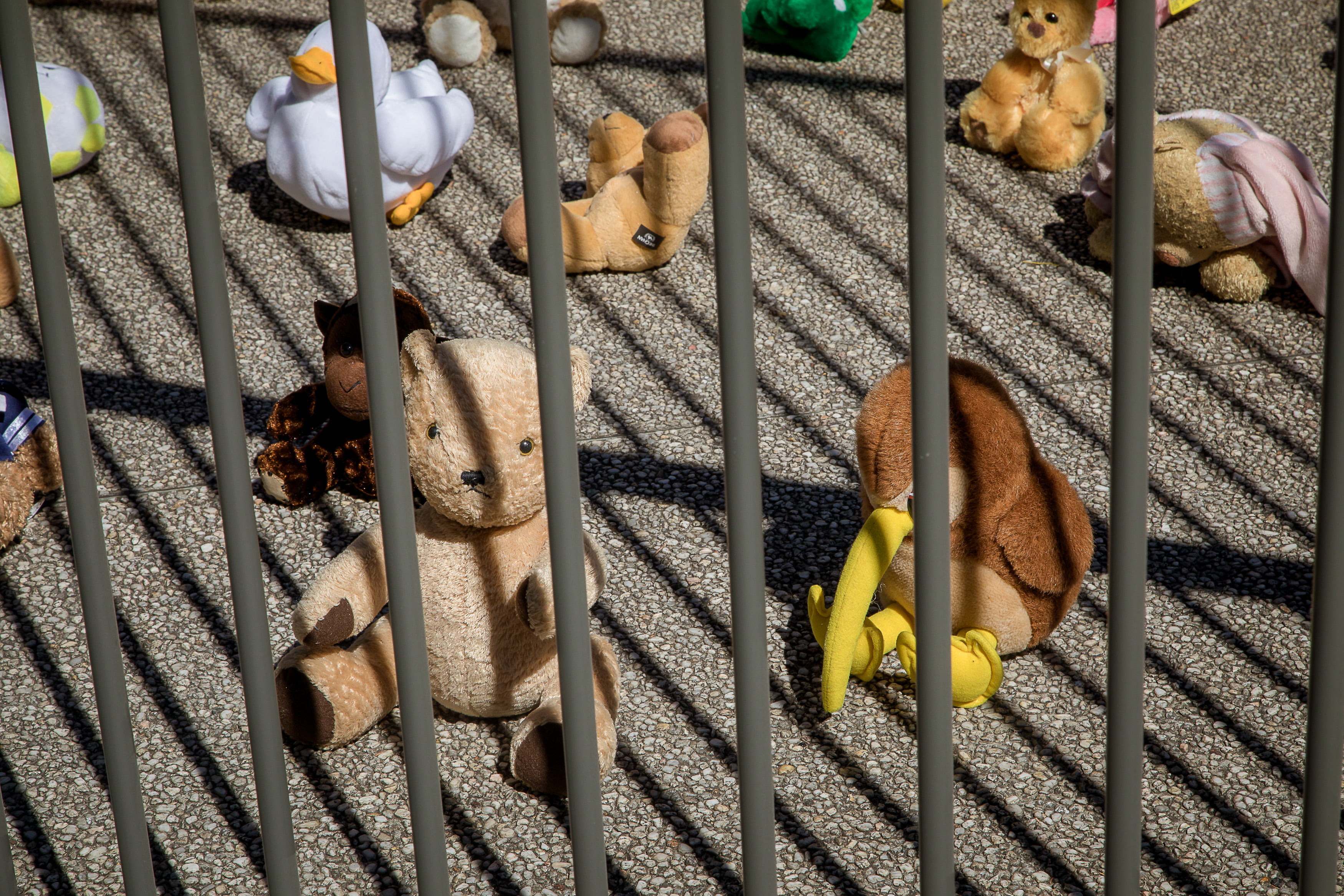
Amnesty calls on police to show community leadership with a moratorium on arresting kids

Amnesty International Australia has called for a national moratorium on arresting children under the age of 14.

Federal Parliament last week passed a motion agreeing in principle to raise the age of criminal responsibility, and the United Nations Committee on the Rights of the Child (CRC) has recommended Australia raises the age to 14. 

However, the Council of Attorneys-General last year responded to overwhelming evidence from the CRC and international experts on the harm caused by locking kids up by ordering yet another review.

“It is abundantly clear to anyone who cares to examine the evidence that imprisoning children as young as 10 is harmful only prepares them for a life caught in the quicksand of the criminal justice system,” Amnesty International Australia Indigenous Rights Lead, Lidia Thorpe, said.

“The police are on the front line of this youth justice crisis and we’re calling on them to show the kind of leadership in the community that our politicians have so far been able to.”

“No child under 14 should go to prison during this review. Even while the politicians delay, our police force can act,” Thorpe said. 

Aboriginal and Torres Strait Islander children make up less than 6 percent of children aged 10-17 years, they make up 54 per cent of children in prison. 

“We saw with the Close the Gap report recently that the over representation of Indigenous people in Australian prisons is leading to devastating consequences, and we know that keeping our babies out of jail would have an immediate and long-lasting effect on turning the tide of discrimination and disadvantage.”

“Instead of arresting children under the age of 14, police must do everything they can to divert kids away from the justice system and into the help they need to live happy, healthy lives.” 

Amnesty International Australia made a submission to the Council of Attorneys-General Age of Criminal Responsibility Working Group review calling on State and Territory governments to: 

  • Immediately raise the age of criminal responsibility to at least 14 years old, with no limitations under this age; 
  • Transition all children out of prison within a year; 
  • Abolish the notion of doli incapax

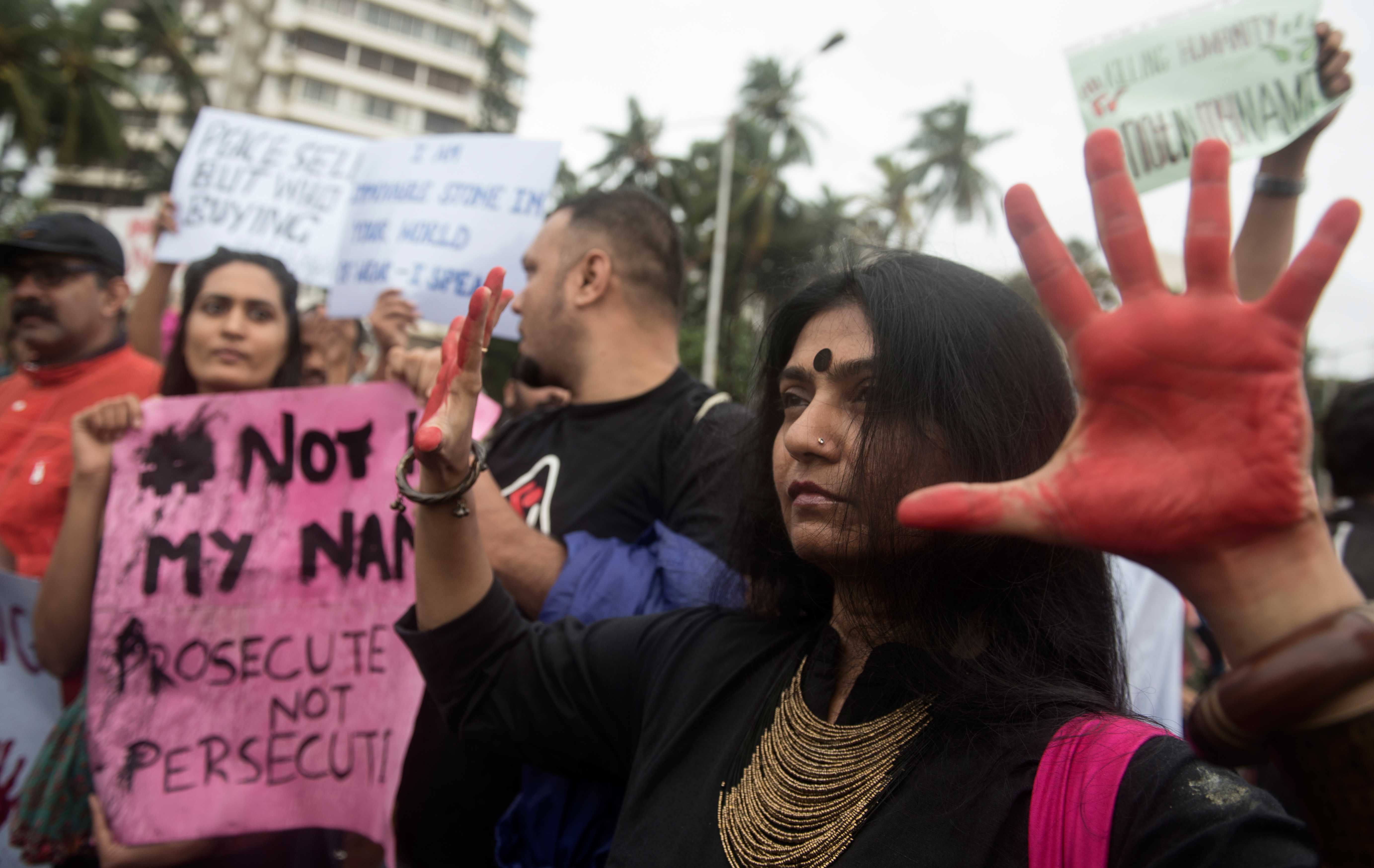
India: International Community Must Condemn Crimes Against Peaceful Protesters

Joint statement by Amnesty International India, CIVCUS: World Alliance for Citizen Participation, FORUM-ASIA and FIDH

As the UN Human Rights Council meets in Geneva to discuss human rights developments globally, we urge states to speak up against serious human rights violation being committed in India against peaceful protesters and other civilians.

Both international human rights law and the Constitution of India guarantee the right to freedom of peaceful assembly, the right to freedom of expression, and the right to freedom of association.

Regrettably, those who have exercised their right to peaceful assembly against the discriminatory Citizenship Amendment Act (CAA) and the National Register of Citizens (NRC) since December 2019 have been arrested and intimidated under various repressive laws. Political leaders have demonised the protesters. At least 50 people have been killed in the protests, including an eight-year-old child, and thousands of people have been arrested and detained. 

On 12 December 2019, the CAA was passed by the Indian Parliament and assented by the President of India. The CAA provides a path to Indian citizenship for Hindus, Sikhs, Parsis, Christians, Buddhists, and Jains from Afghanistan, Bangladesh and Pakistan, excluding Muslims, thus legitimising discrimination based on religious grounds. The UN High Commissioner for Human Rights, the European Parliament, the US Commission on International Religious Freedom (USCIRF), and various US senators have raised serious concerns about the CAA. 

The amendments to the Citizenship Act also weaponize the NRC, the National Population Register, and the Foreigners Tribunals to push minorities – particularly Muslims — towards detention and statelessness. As of now, over 1.9 million people are excluded from the NRC, a registration exercise that took place in Assam State over a period of five years. 

Use of Repressive Laws

Protesters have faced arbitrary arrests and detention under repressive laws, such as sedition provisions in the Penal Code and the Unlawful Activities (Prevention) Act (UAPA). In January 2020, sedition charges were lodged against 3,000 people for protesting against the CAA in Jharkhand State. Cases of sedition have also been filed against a schoolteacher and mother of a student for “insulting” the Prime Minister through a school play; carrying a ‘Free Kashmir’ placard during a protest; and shouting “Pakistan Zindabad” [Long Live Pakistan]. 

Indian courts have ruled that any form of expression must involve incitement to imminent violence for it to amount to sedition. But the sedition charges have been repeatedly used to arrest journalists, activists and human rights defenders simply for expressing their views. 

Similarly, the UAPA is India’s primary counter-terrorism law and has been condemned by various human rights groups as being repressive and against the international human rights norms. In the past, the UAPA was abused by successive governments to target human rights defenders working with poor and marginalized communities and those who criticise government inactions or excesses. The abuse of the UAPA has continued under Prime Minister Narendra Modi’s administration On 12 December 2019, Akhil Gogoi, an activist and leader of the Krishak Mukti Sangram Samiti (KMSS), a peasant rights organisation based in Assam State, was arrested by the Assam police under various sections of the UAPA. 

Excessive Use of Force by Authorities 

Police across India have used excessive force to target peaceful protesters. In December 2019 in Varanasi, the constituency of Prime Minister Narendra Modi, the police indiscriminately used firearms and less lethal arms to disperse peaceful protesters. This led to the death of an eight-year old child who was crushed to death on 20 December 2019, and resulted in over a dozen injuries.

The police also attacked student protesters in Jamia Millia Islamia University and Jawaharlal Nehru University (JNU) in Delhi in December 2019 and January 2020, respectively. Students were also attacked in Aligarh Muslim University (AMU) while they were protesting against the CAA in December 2019. Doctors at AMU stated that on 16 December 2019, police blocked ambulances from entering the university to treat the injured students. 

On 24 February 2020, the Allahabad High Court criticised the role of the Uttar Pradesh Police and said, “The police force should be sensitised and special training modules prepared to inculcate professionalism in the personnel while handling such situations”. The court ordered the Uttar Pradesh government to pay compensation to students who were injured during the protests due to police brutality. 

However, to date, no reports have been filed against police officers for using excessive force against protesters. 

Hateful Rhetoric and Vigilante Violence

While there has been a heavy-handed approach by the police towards the protestors, some political leaders have been inciting hatred and violence against the protesters. 

Terms like “anti-nationals” and “traitors” have been used to encourage violence against the protesters. The 24/7 sit-in protest site, Shaheen Bagh in Delhi, which has become the epicentre of the anti-CAA protests in the country, has been routinely targeted. The peaceful protests in Delhi has been led primarily by Muslim women and students. 

In response, some union ministers and chief ministers have engaged in violent rhetoric with statements such as “shoot the traitors”, “press the button with such anger that the current is felt at Shaheen Bagh”, “the protesters would enter citizens’ homes and rape your sisters and daughters and kill them”, “revenge will be taken” in  attempts to divide and fear-monger. In another incident on 23 February 2020, Kapil Mishra,  a leader from the ruling Bharatiya Janata Party, warned the police of dire consequences if the protesters did not vacate another protest site in Jaffrabad in north-east Delhi, where over 500 women had gathered to protest against the CAA. Shortly after his speech, clashes broke out in the area, which led to the deaths of at least 42 people, including a police constable, and injuring over 250 others. 

This rhetoric has emboldened non-state actors to assault civilians. However, not a single political leader has been prosecuted for making hate speeches against the protesters. On 26 February, the Delhi High Court ordered the Delhi Police to register a police report against a number of political leaders immediately. 

Restriction on Freedom of Movement and Right to Freedom of Assembly

The space for protesting against the CAA and NRC has also been shrinking across India. Orders under Section 144 of the Criminal Procedure Code were imposed in many parts of Karnataka State and Uttar Pradesh State to restrict gatherings of people at protest sites and to restrict their freedom of movement. 

In Uttar Pradesh State, the police issued notices to over 3,000 people, cautioning them to neither participate nor incite others to participate in the protests. Such bans on protests have also been imposed in other parts of the country including Delhi, Mumbai, Pune, Bhubaneswar, Nagpur, and Bhopal. In in December 2019, the space for peaceful protests in Varanasi was severely restricted with police officers openly threatening the protesters. 

In addition to the criminalisation of peaceful assemblies, the freedom of assembly has also been restricted by burdening civilians with recovering the cost of damages to public property. In December 2019, after the violence broke out in Uttar Pradesh, the state government sent notices seeking to recover INR 45 millions’ (USD 628,403) worth of damage to public property. These notices were sent without any form of judicial scrutiny, raising concerns of arbitrariness and bias. Furthermore, to require assembly organisers to shoulder costs for cleaning up after a public assembly is inconsistent with Article 21 of the International Covenant on Civil and Political Rights. Such costs deter those wishing to enjoy their right to freedom of assembly.

Internet Shutdowns

As people took to the streets to protest against the CAA, the Indian authorities imposed internet shutdowns across the country to “maintain law and order.” Besides shutting down internet services in 29 districts of Uttar Pradesh State and the entire Assam State, the authorities also cut internet services in districts in the states of West Bengal, Rajasthan, Madhya Pradesh, Telangana, Karnataka, Meghalaya, Arunachal Pradesh, and Manipur. India has become the country with the highest number of internet shutdowns in the world.

These shutdowns did not meet requirements for permissible restrictions on the right freedom of expression, as set out under international human rights law. It is unclear under what criteria decisions were made to cut off internet access or what mechanisms were available to challenge such decisions, in violation of the requirement of legality. There is no evidence to show that internet shutdowns prevent the escalation of violence during protests, which makes them in violation of the requirement of necessity. 

The UN Human Rights Council has unequivocally condemned “measures to intentionally prevent or disrupt access to or dissemination of information online in violation of international human rights law”, and has called on all states to “refrain from and cease such measures”. 

Use of Mass Surveillance 

Police in Delhi and Uttar Pradesh State have also used facial recognition technology to monitor, identify, and arrest protesters. Currently, India does not have data protection legislation, resulting in a lack of oversight and regulation of this technology. The absence of a legal framework that specifically regulates facial recognition technology renders the use of such tool susceptible to abuse.  Moreover, the use of facial recognition technology for law enforcement purposes raises concerns of indiscriminate mass surveillance, which is never a permissible interference with the rights to privacy, freedom of expression, freedom of association and peaceful assembly.

In light of this, we urge the international community, and in particularly UN Human Rights Council member states, to hold the Indian government accountable by calling on the Indian authorities to:

Immediately denounce the state-sponsored and vigilante violence against peaceful protesters.

Drop all charges against peaceful protesters.

Ensure those detained and arrested are treated in line with international human rights law and standards. 

Take necessary measures to establish a fully independent investigation into reports of excessive use of force by law enforcement agencies towards protestors and vigilante violence. The findings should be made public and the perpetrators of such acts should be prosecuted without undue delay.

Ensure that elected political leaders and public officials who have incited violence and promoted hatred between communities are held accountable.
Submission: Review of Age of Criminal Responsibility

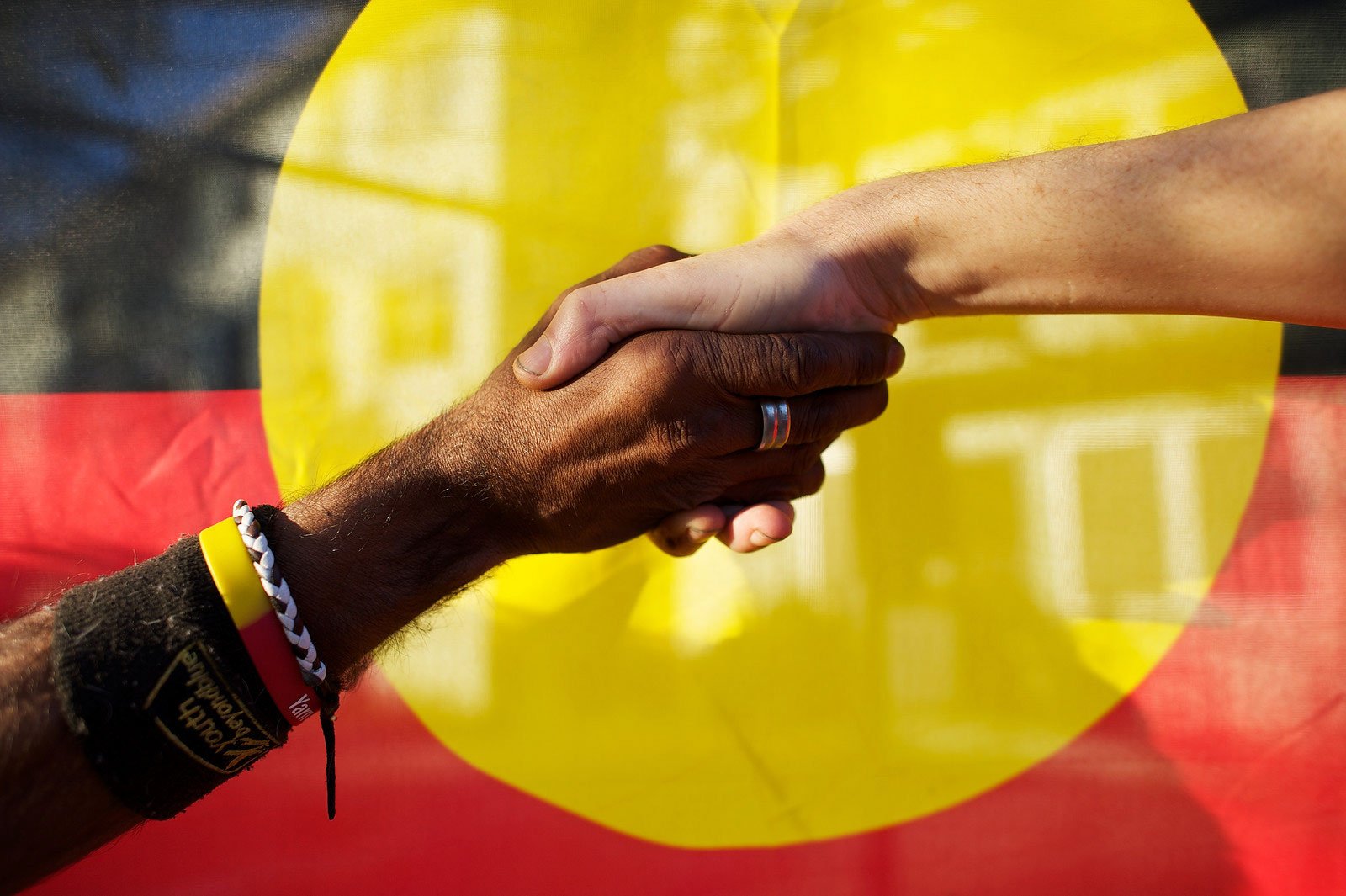
Amnesty International Australia has used the opportunity to repeat its strong opinion that the age of criminal responsibility should be raise in Australia.

Across Australia, the minimum age of criminal responsibility is 10. This means that children as young as 10 are arrested by police, locked up in police cells, hauled before courts and sent to youth prisons – often in prisons far away from their community.

Our submission calls on all governments to immediately raise the minimum age of criminal responsibility.

Read our submission.

Australia has been repeatedly criticised by the United Nations, including long-standing criticism from the United Nations Committee on the Rights of the Child, and most recently by the Committee on the Elimination of Racial Discrimination, for failing to reform the current minimum age of criminal responsibility. When the Special Rapporteur on the Rights of Indigenous Peoples visited Australia in 2017 she said that the routine detention of 10 and year-old children was the most distressing aspect of her visit.