Americas: States cracked down on asylum and the right to protest in 2019

As millions took to the streets to protest rampant violence, inequality, corruption and impunity, or were forced to flee their countries in search of safety, states across the Americas clamped down on the rights to protest and seek asylum last year with flagrant disregard for their obligations under domestic and international law, Amnesty International said today upon launching its annual report for the region.

“2019 brought a renewed assault on human rights across much of the Americas, with intolerant and increasingly authoritarian leaders turning to ever-more violent tactics to stop people from protesting or seeking safety in another country. But we also saw young people stand up and demand change all over the region, triggering broader demonstrations on a massive scale. Their bravery in the face of vicious state repression gives us hope and shows that future generations will not be bullied,” said Erika Guevara-Rosas, Americas director at Amnesty International.

We also saw young people stand up and demand change all over the region, triggering broader demonstrations on a massive scale. Their bravery in the face of vicious state repression gives us hope and shows that future generations will not be bullied

Erika Guevara-Rosas, Americas director at Amnesty International

“With yet more social unrest, political instability and environmental destruction looming over the region in 2020, the fight for human rights is as urgent as ever. And make no mistake, the political leaders who preach hate and division in a bid to demonize and undermine the rights of others will find themselves on the wrong side of history.”

Protesters and human rights defenders faced rampant violence and state repression

Protest movements, often led by young people, rose up to demand accountability and respect for human rights in countries like Venezuela, Honduras, Puerto Rico, Ecuador, Bolivia, Haiti, Chile and Colombia last year, but authorities typically responded with repressive and often increasingly militarized tactics instead of establishing mechanisms to promote dialogue and address the protesters’ concerns. 

The repression in Venezuela was particularly severe, with the Nicolás Maduro government’s security forces committing crimes under international law and grave human rights violations, including extrajudicial executions, arbitrary detentions and excessive use of force, that could amount to crimes against humanity. In Chile, the army and police also set out to deliberately injure protesters to discourage dissent, killing at least four people and seriously wounding thousands more.

In total, at least 210 people died violently in the context of protests across the Americas: 83 in Haiti, 47 in Venezuela, 35 in Bolivia, 31 in Chile, eight in Ecuador and six in Honduras.

Latin America is once again the world’s most dangerous region for human rights defenders, with those dedicated to protecting rights to land, territory and the environment particularly vulnerable to targeted killings, criminalization, forced displacement, and harassment. Colombia remained the most lethal country for human rights defenders, suffering at least 106 killings, mostly of Indigenous, Afro-descendant and campesino leaders, as its internal armed conflict continued to rage.

Mexico was one of the world’s deadliest countries for journalists, with at least 10 killings in 2019. It also suffered a record number of homicides but persisted with the failed security strategies of the past by creating a militarized National Guard and passing an alarming law on the use of force.

Gun violence remains one of the biggest human rights concerns in the United States, with too many guns and insufficient laws to keep track of them and keep them out of the hands of people who intend harm. A new rule announced by the Donald Trump administration in January 2020 has made it far easier to export assault rifles, 3-D printed guns, ammunition and other weapons abroad to spread rampant gun violence beyond US borders, particularly to other countries in the Americas. Similarly, in Brazil president Jair Bolsonaro signed a series of decrees and executive orders that, among other concerning outcomes, relax regulation on the possession and carrying of firearms.

Governments took aggressive stances against migrants, refugees and asylum seekers 

The number of men, women and children to have fled Venezuela’s human rights crisis in recent years rose to almost 4.8 million – an unprecedented figure in the Americas – but Peru, Ecuador and Chile responded by imposing restrictive new entry requirements and unlawfully turning away Venezuelans in need of international protection.

Further north, the US government misused the justice system to harass migrants’ rights defenders, unlawfully detained children fleeing situations of violence and implemented new measures and policies to attack and massively restrict access to asylum, in violation of its obligations under international law. 

As people continued to seek protection in the United States due to persistent, widespread violence, the Trump administration has pushed them into danger. It has forced tens of thousands to wait in dangerous conditions in Mexico under the disingenuously named “Migrant Protection Protocols” (MPP) policy, also known as “Remain in Mexico.” 

The United States is forcing increasing numbers of asylum-seekers into secretive, rapid-deportation programs that eviscerate their right to counsel. It has also pressured neighboring countries into effectuating violations of the right to seek asylum, strong-arming Guatemala, El Salvador, and Honduras into signing a series of ill-conceived, counterfactual “Safe Third Country” agreements. 

Following the Trump administration’s threats to impose new trade tariffs, the Mexican government not only agreed to receive and host forcibly returned asylum seekers under MPP, but also deployed troops to stop Central Americans from making their way to the US-Mexico border. 

Impunity, the environment and gender-based violence remain major concerns

Impunity remains the norm across the region. The Guatemalan government undermined victims’ access to justice for grave human rights violations by shutting down the International Commission against Impunity in Guatemala (CICIG) last year, before the government in neighboring Honduras announced the end of the Mission to Support the Fight against Corruption and Impunity in Honduras (MACCIH) in January 2020. 

Environmental concerns continued to rise across the Americas, with the Trump administration formally announcing its intention to withdraw from the Paris agreement, while severe environmental crises in the Amazon affected Indigenous Peoples in Brazil, Bolivia, Peru and Ecuador. Brazil was hit particularly badly, with president Bolsonaro’s antienvironmental policies fueling devastating wildfires in the Amazon and failing to protect Indigenous Peoples from the illegal logging and cattle farming behind land seizures.

Having taken office at the start of 2019, president Bolsonaro swiftly put his wider anti-human rights rhetoric into practice through a number of administrative and legislative measures that threaten the rights of everyone in the country. Meanwhile, the emblematic 2018 killing of the human rights defender Marielle Franco remains unsolved

Despite some progress and the growth of diverse women’s rights movements in the Americas, gender-based violence remained widespread. In the Dominican Republic police routinely raped, beat and humiliated women engaged in sex work in acts that may amount to torture. Little progress has been made in terms of women’s sexual and reproductive rights across the region. Authorities in El Salvador continued to criminalize women and girls – especially those from disadvantaged backgrounds – who suffer obstetric emergencies under the nation’s draconian total ban on abortion, while a girl under 15 gave birth every three hours in Argentina, the majority after undergoing forced pregnancies that resulted from sexual violence.

Human rights victories and reasons for optimism in 2020

The last year has also brought some positive news. By the end of 2019, 22 countries had signed the Escazú Agreement, a ground-breaking regional treaty on environmental rights. Ecuador became the eighth country to ratify the agreement in February, meaning just three more need to do so for it to enter into force. 

In the United States, a court in Arizona acquitted the humanitarian volunteer Scott Warren of “harbouring” two migrants in November after he provided them with food, water and a place to sleep, and a federal judge reversed the conviction of four other humanitarian volunteers on similar charges in February.

The acquittal of Evelyn Hernández, who was charged with aggravated homicide after suffering an obstetric emergency in El Salvador, was another victory for human rights, although prosecutors have since appealed the verdict. Young women and girls also emerged at the forefront of the largely youth-led movements standing up for human rights that brought optimism for 2020, as evidenced by powerful feminist demonstrations in places like Argentina, Mexico and Chile. 

“The ‘green wave’ of women and girls demanding sexual and reproductive rights and an end to gender-based violence showed unstoppable momentum across the Americas. From Santiago, Chile, to Washington, DC, their awe-inspiring performances of the feminist anthem ‘A Rapist in Your Path’ gave us the soundtrack to solidarity in 2019 and renewed optimism for what we can achieve this year,” said Erika Guevara-Rosas.

“As we enter a new decade, we cannot afford for the governments of the Americas to keep repeating the mistakes of the past. Instead of restricting people’s hard-fought rights, they must build upon them and work towards creating a region where everyone can live in freedom and safety.” 
Freedom for Min Htin Ko Ko Gyi in Myanmar

Filmaker Min Htin Ko Ko Gyi was released from prison in Myanmar on 21 February 2020!

What happened?

Min Htin Ko Ko Gyi, a prominent filmmaker, was detained on 12 April 2019.

He was detained because of Facebook posts criticising the role of the military in politics. Min Htin Ko Ko Gyi has liver cancer and underwent a major operation in 2019. On 30 September 2019 a court sentenced him to one year in prison for Facebook posts critical of the Myanmar military.

Over 13,000 Australians took action for his release.

What’s next?

A prisoner of conscience, Min Htin Ko Ko Gyi should never have been imprisoned in the first place.

Amnesty International remains deeply concerned about the ongoing imprisonment of human rights defenders in Myanmar. We will continue to campaign for the release of all prisoners of conscience in Myanmar.

Trần Thị Nga released!

Vietnamese activist Trần Thị Nga was released from prison in January.

Trần Thị Nga was released in January, after having served three years of a nine year prison sentence. She has since safely arrived in the USA along with her partner and two sons.

Tran Thi Nga shared the following message with Amnesty supporters;

“I thank Amnesty International for your tireless effort in demanding for my freedom, I am happy that my family are now reunited and living in peace. However, there are still many prisoners of conscience in Vietnam, I sincerely hope that Amnesty International will continue to fight for their freedom.” 

Trần Thị Nga’s message to Amnesty supporters following her release.

What happened?

21,381 people signed a petition calling for her release in Australia. Their signatures were handed over to the authorities ahead of Vietnam National Day – a traditional day for prisoner pardons – in September 2019.

In 2017, Trần Thị Ng awas arrested for peacefully protesting a major
environmental disaster that killed hundreds of thousands of tons of fish.

She was convicted and sentenced to 9 years in prison, and 5 years of house arrest. In August 2018 she was brutally beaten and threatened with death by . Guards banned her from seeing her family as punishment for ‘not following prison principles.’

What’s next?

Vietnam is one of the most prolific jailers of peaceful activists in Southeast Asia. Torture and other ill-treatment, including incommunicado detention, prolonged solitary confinement, beatings and deliberately withholding medical treatment remain common practice.

Amnesty International remains deeply concerned about the ongoing imprisonment of peaceful activists in Vietnam. We will continue to campaign for the release of all prisoners of conscience in Vietnam.


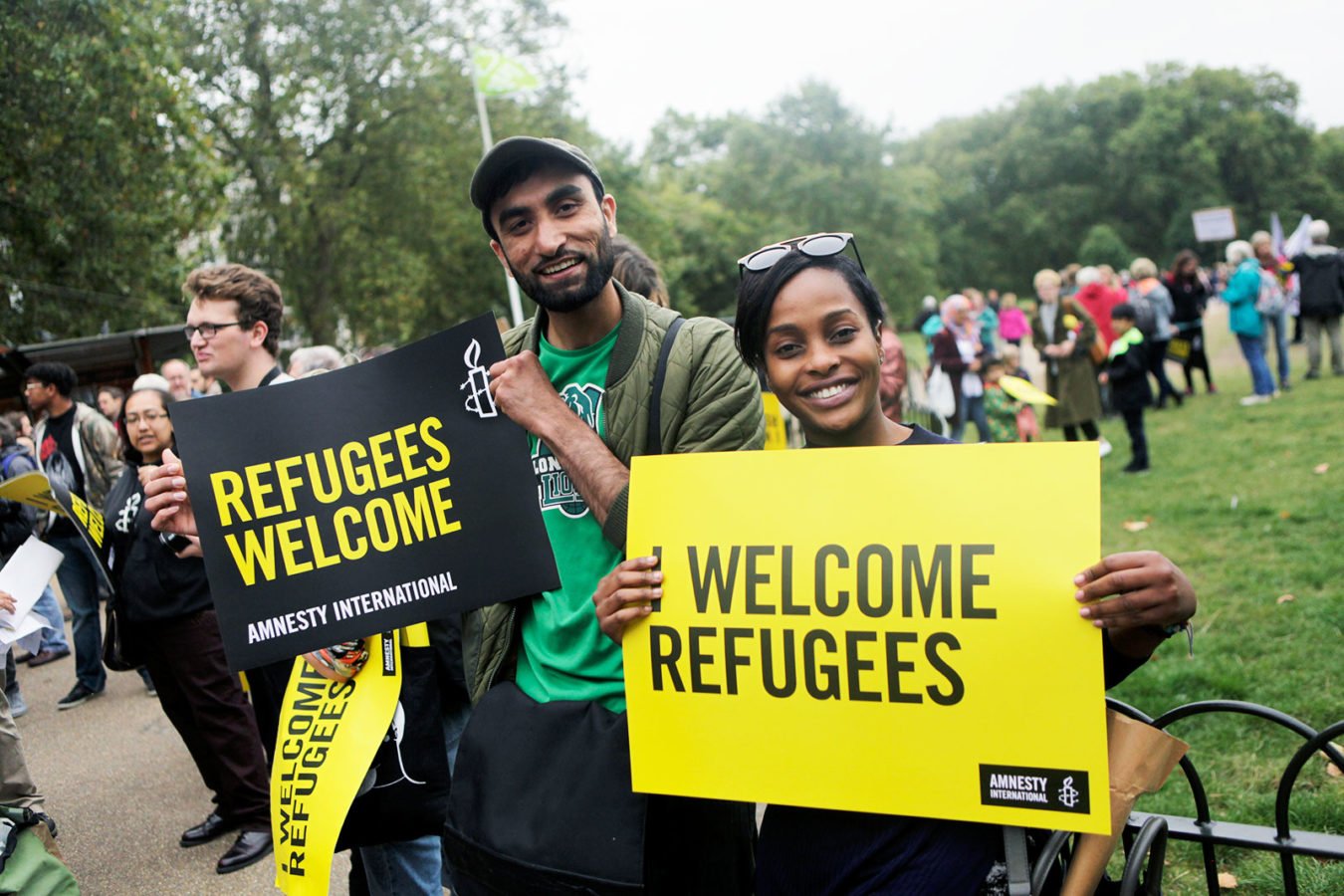
Monash Council pushes for refugee sponsorship reform

A national campaign to improve the Federal Government’s Community Sponsorship Program for refugees moved a step closer towards success last night, after Monash City Council voted in favour of putting a motion to the floor of the Australian Local Government Association assembly in June asking for support from all 547 local governments in calling for reform.

The motion asks for the ALGA to write to the Federal Immigration Minister, seeking improvements to the existing model where ordinary members of the community are able to sponsor visas for refugees, who wish to rebuild their lives in safety in Australia. The current program is capped at only 1,000 places, is very expensive and for every privately sponsored refugee, the Federal Government takes a space away from the annual humanitarian intake of 18,750.

Amnesty International which, through its My New Neighbour campaign has been working for two years to push through significant reform, is thrilled with this move by Monash Council and asks for Acting Federal Minister, Alan Tudge, to implement the recommendations made in the Shergold Review in 2018, ensure that the intake of refugees under community sponsorship is in addition to any existing humanitarian or visa quotas, and lower the program’s prohibitive visa fees. 

“Monash was one of the first councils to support our campaign to expand and improve the Community Sponsorship Program, so it’s fantastic to see them stepping up again and passing this motion,” said Shankar Kasynathan, Amnesty International’s campaign lead. “Refugees that are sponsored by the community they settle in contribute and form strong connections with local organisations and people. These connections help refugees fully integrate, bringing new skills, jobs and diversity to the community. Everyone benefits.”

The community sponsorship model has worked successfully in Canada for almost 40 years, welcoming over 280,000 refugees through the program, in addition to its humanitarian intake.

“We can see from Canada’s example that the kindness of neighbours can help people who have lost everything to start again. An expanded and improved community sponsorship program in Australia would allow more people seeking safety to rebuild their lives, and set up a home here where they can prosper and thrive as new arrivals,” said Shankar Kasynathan, whose own family was welcomed into the Monash community after being forced to flee Sri Lanka.

“We hope ALGA and all other councils around the country will support this motion when it is put forward by Monash Council at the Assembly in June. This is such an important step towards improving the existing programme.”

Nowhere feels safe: Uyghurs share their plight

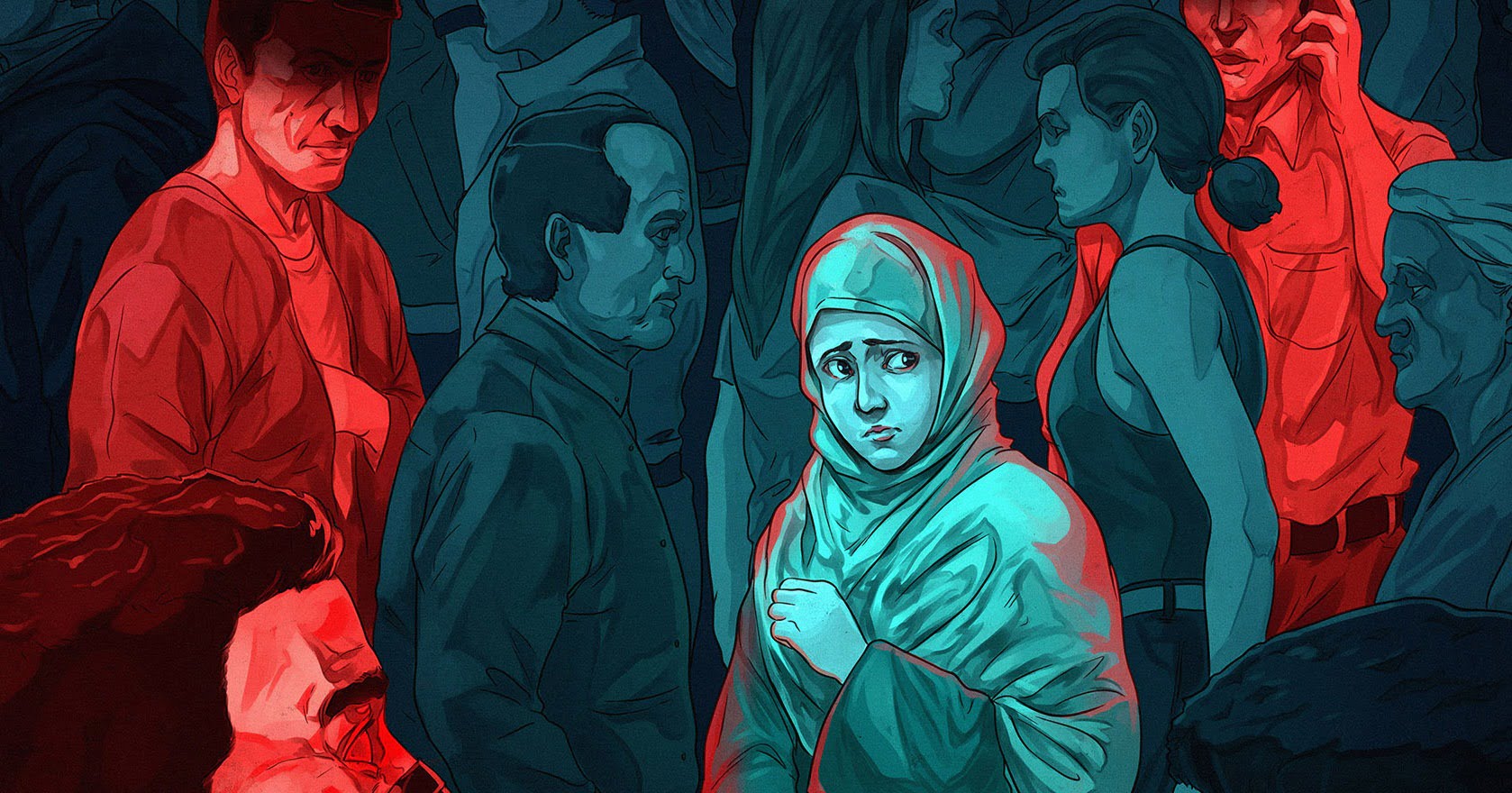
Uyghurs tell of China-led intimidation campaign abroad

It has been nearly three years since China launched an unprecedented campaign of mass detention of Uyghurs, Kazakhs and other predominantly Muslim ethnic groups. This has taken place in Xinjiang – the Uyghur Autonomous Region in northwestern China.

During this time, details about the treatment of the estimated 1 million or more people who have been held in “transformation-through-education” or “vocational training” centres have continued to trickle out. But the true scope and nature of what is taking place in Xinjiang remains obscured.

The Chinese government originally denied the existence of the detention camps. Later, it began claiming that the facilities were “vocational training” centres to help rid Uyghurs and others of their “extremist” thoughts and provide them with job training – even highly educated intellectuals, businesspeople and retirees.

The Chinese government has steadfastly resisted calls to admit independent monitors into the region, allowing only carefully stage-managed tours for select journalists and diplomats. Meanwhile, friends and relatives of people believed to be detained remain cut off from information and unsure where their loved ones are.

“Round up everyone who should be rounded up”

Chen Quanguo, Party Secretary of Xinjiang Uyghur Autonomous Region

Uyghurs abroad living in fear

An estimated 1–1.6 million Uyghurs live outside China, according to the World Uyghur Congress, a federation of Uyghur exile communities registered in Germany. Significant diasporic communities of Uyghurs can be found in the Central Asian countries of Kazakhstan, Kyrgyzstan and Uzbekistan. Smaller communities live in other countries, including Afghanistan, Australia, Belgium, Canada, Germany, Norway, Russia, Saudi Arabia, Sweden, the Netherlands, Turkey and the United States.

Between September 2018 and September 2019 Amnesty International collated information from approximately 400 Uyghurs, Kazakhs, Uzbeks and members of other ethnic groups living in 22 countries across five continents. These accounts, obtained through face-to-face interviews and via an online questionnaire circulated among a closed pool of trusted Uyghur contacts, reveal the harassment and fear being experienced by these communities on a daily basis. In this respect, the accounts match with earlier findings about the experiences of Uyghurs living in the United States, such as those documented in August 2019 by the Uyghur Human Rights Project.

Timeline


Uyghurs living in diaspora overseas have generally been very reluctant to talk about their detained or missing relatives in Xinjiang, fearing possible retaliation against either themselves or other relatives in Xinjiang. About two thirds of those who spoke to Amnesty International requested anonymity, citing fear of reprisals from the authorities.

Several Uyghur interviewees living overseas told Amnesty International that local authorities in Xinjiang had targeted their relatives as a way to suppress the activities of Uyghur communities living abroad. Individuals reported being warned that family members would be detained if they did not return to Xinjiang or that they would not be able to see their family again if they refused to provide information about other Uyghurs living in their communities.

The result of these measures is that Uyghurs in diaspora communities often live in fear and refrain from speaking about the situation in Xinjiang, including sharing what they know about the detention camps; what they have learned about their relatives in Xinjiang; or even if they have lost contact with relatives back home.

© Amnesty International

Types of harassment faced by Uyghurs abroad

21


People reported that the Chinese authorities had used social messaging apps to track and intimidate them

39


people received intimidating phone calls to obtain personal information

181


people were threatened when they tried to speak out

26


people at least were asked to be informants

Yunus Tohti

Yunus Tohti was a student in Egypt when Chinese police contacted him through WeChat. He was asked when he would return to Xinjiang and was ordered to provide personal details, such as a copy of his passport. Fearing he was no longer safe in Egypt, Yunus fled from Egypt to Turkey and later arrived in the Netherlands. A few months later, the police in Xinjiang called Yunus’ older brother, who was in Turkey. They told him they were standing next to his parents and that he should return to Xinjiang – which he understood to be an implicit threat against his parents’ safety. Yunus Tohti subsequently lost contact with his family in Xinjiang and worries that they may have been detained or worse. (WeChat messages were simplified based on testimony by Yunus Tohti)

© Amnesty International

Uyghurs living in France, Germany and Iran also told Amnesty International of being contacted by Chinese police via WeChat and being asked to provide information, such as their ID numbers, locations of residence, passport photos and even ID information of their spouses.

Erkin (pseudonym) is a Uyghur living in the United States of America who told Amnesty International he was even contacted by Chinese domestic security agents on WhatsApp, which few Chinese use because it is blocked by China’s firewall. They sent him a video of his father asking him to cooperate with the agents and told him they would issue his parents passports and let them emigrate to the United States if he did so. They tried to establish a rapport with him, saying they were his father’s friends and could arrange for regular video chats with his relatives if he cooperated with them.

“I still have no information about all my family members and relatives”

Erkin*, a Uyghur living in the United States of America
© Amnesty International

I am a US citizen and I don’t have any business with your company. I do not want to receive your call again.

Gulruy Asqar, a Uyghur teacher living in the USA

Intimidating phone calls to obtain personal information

© Gulruy Asqar


Gulruy Asqar is a teacher living in the United States. Her brother, Husenjan, is a prominent linguist in Xinjiang who has published a Uyghur-Chinese dictionary.

Starting in 2018, Gulruy began receiving frequent telephone calls from the Chinese consulate in Houston. A recorded message informed her that she needed to speak to a staff member about an important document that she needed to submit. Each time, a Chinese person on the other end of the call would come on and ask her for her name, date of birth and other personal details. Each time, Gulruy refused and hung up the phone.

Finally, she confronted the man on the other end of the telephone and told him that she was a US citizen and that she did not care about their document. The calls stopped, but she began receiving telephone calls from a Chinese mail delivery company. She doubted that her family would be sending her anything from Xinjiang, given how fearful they were to contact her. She suspected these calls – which she has heard are “quite common” among the Uyghur diaspora – were another attempt to obtain her personal information.

In early 2019, Gulruy Asqar heard from friends that her brother Husenjan had likely been detained in Xinjiang. She has since been unable to get any further information about his situation or whereabouts.

© Dilnur Enwer


Dilnur Enwer, who is living in Montreal, also said that she has received repeated calls from the Chinese embassy and unidentified people since her arrival in Canada in January 2019. Dilnur, who has applied for asylum, said that she is afraid to go to pick up an “important” document from the Chinese embassy as requested. Before all contact with her relatives in Xinjiang was cut off, her relative, who might have heard some information from the police in Xinjiang, had warned that the embassy would “catch” her and send her back to Xinjiang if she did not return voluntarily. She has been afraid to speak of her parents’ detention in April 2017 out of fears for her own safety and the safety of her other relatives back in Xinjiang.

© Eldana Abbas

Eldana Abbas, a Uyghur activist and interpreter from Urumqi, the capital of the Xinjiang Uyghur Autonomous Region, currently lives in Australia. She described receiving similar calls from the Chinese Embassy in Canberra in 2018 and 2019. The calls left her feeling as if her safety and the safety of her family were under threat.

“I felt like I needed to watch out for people around me and around my house”

Eldana Abbas, Uyghur activist

“I felt like I needed to watch out for people around me and around my house,” she said. She said she has seen individuals and groups of people she believes to be Chinese agents photographing her and her friends during their activities.

Uyghurs targeted for speaking out

Abdurehim Gheni, a well-known Uyghur activist in the Netherlands, told Amnesty International that he was also regularly followed and intimidated by unidentified persons he believes to be Chinese. Abdurehim said he was photographed and threatened at the weekly one-man peaceful demonstrations he had held since June 2018 around Dam Square in Amsterdam. He said that, on one occasion in October 2018, three Chinese men and a woman appeared near his protest site and began shouting to people nearby that Abdurehim was “spreading false information” and “deserve[d] to die” for “damaging China’s reputation”. They reportedly warned that he would “soon be destroyed” if he continued. He has also received death threats by telephone. While it is not clear whether the group were acting on behalf of the Chinese authorities, these threats against his life and safety led Abdurehim to seek support from the Dutch police, who began stationing a police vehicle near his protests and provided him with a direct contact number to call in case he felt in danger.

© Amnesty International
© Rushan Abbas


Rushan has since come under attack by Chinese official media, such as the Global Times, which has accused her of being an “separatist” and spreading rumours about the detention of Uyghurs in Xinjiang.

Rushan Abbas told Amnesty International that her life was turned upside down after her sister Gulshan was taken away in Xinjiang in September 2018. “There isn’t a day that I have not spoken out about this horrendous atrocity,” said Rushan, a Uyghur activist in the United States who is also the executive director of Campaign for Uyghurs, a non-profit advocacy group based in the USA.

Rushan believes that her sister, a retired medical doctor, was taken away just days after Rushan made a speech about the mass detention of Uyghurs in Xinjiang. “That’s a tactic by Beijing to silence me and stop my legal activism in the United States,” she said.

“There isn’t a day that I have not spoken out about this horrendous atrocity”

Rushan Abbas, a Uyghur activist in the United States of America

Climate of mistrust as China seeks to recruit

Adding to the pressure on those living abroad are aggressive efforts by Chinese security officials to recruit informants to spy on others in overseas Uyghur communities. Not knowing who among them might be reporting back to Chinese security agents plants seeds of suspicion and mistrust that take root and further feed the sense of isolation and fear. The omnipresence of these feelings is contributing to a growing crisis of despair and depression among the diaspora communities.

© Amnesty International
Ismayil Osman ©Marieke Wijntjes

Ismayil Osman, a Uyghur factory worker currently living in the Netherlands said: “Chinese policemen asked my brother [in Xinjiang for] my phone number. In November 2014, [the Chinese police] approached my brother and forced him to call me. They took over the phone call and told me that I had to provide information [to spy] on other Uyghurs in the Netherlands. Otherwise they would take [away] my brother.”

Musajan (pseudonym), who also lives in the Netherlands, said that he was contacted over WeChat by an ex-classmate who now works for China’s security police. The man asked him to gather information about other Uyghurs living in the Netherlands and send it to him. Musajan said he found the request so intimidating that he removed WeChat from his mobile phone.

States must protect Uyghurs from deportation threat

One reason Uyghurs fear Chinese authorities knowing so much about their whereabouts overseas is their awareness of other governments being pressured by China to repatriate Uyghurs who have left China. In 2015, for example, Thailand returned more than 100 Uyghurs who had sought refuge in the country. Egypt deported 16 students at the behest of the Chinese authorities in 2017, including Yiliyasijiang Reheman. Chinese Uyghurs living abroad fear that, if they were to be returned, they would inevitably end up detained in Xinjiang’s “re-education” camps. For those awaiting asylum status in the countries where they are staying, deportation is a source of tremendous stress and concern, especially when they are also afraid of being spied on by others in their communities.

This fear is compounded when Uyghurs living overseas are told by Chinese diplomatic offices in their countries of residence that they can only renew their Chinese passports by returning to Xinjiang. These fears are not unfounded. According to one of the recently leaked documents, “Bulletin No. 2”, Chinese embassies and consulates subject Uyghurs and other predominantly Muslim ethnic groups to individualized screening if they apply to renew their Chinese passports or obtain a visa to return to China. Their particulars are checked by authorities in Xinjiang against an “integrated platform” of data obtained through sweeping programme of mass surveillance. If the authorities decide on the basis of this screening that “suspected terrorism cannot be ruled out”, then these individuals are likely to be arrested or sent for “re-education”.

States have an obligation under international law to comply with the principle of non-refoulement by ensuring that people are not returned, either directly or indirectly, to a country where there is a real risk of serious human rights violations or abuses.

Since 2018, Germany and Sweden have officially made commitments not to deport to China Uyghurs or members of other predominantly Muslim ethnic groups from Xinjiang.

A strong resolution by the European Parliament (2019/2945[RSP]) on the situation of the Uyghurs in China passed by an overwhelming majority on 19 December 2019. The European Parliament expressed deep concern over reports of harassment of Uyghurs abroad by the Chinese authorities in order to force them to act as informants against other Uyghurs, return to Xinjiang or remain silent about the situation there, sometimes by detaining their family members. The resolution calls on the EU to step up its efforts to protect Uyghur residents and EU citizens in member states from harassment and intimidation by the Chinese authorities. The resolution also calls on the Chinese authorities to end the ongoing crackdown involving detention, judicial harassment and intimidation.

Chinese government intimidation of Uyghurs and Chinese nationals in the United States was an issue also cited in the amended legislative proposal for the UIGHUR Act of 2019, a bill that passed in the US House of Representatives by a vote of 407-1 on 3 December 2019.

It is now vital that all countries hosting members of the Uyghur diaspora take measures to protect them from the threat of deportation to China, where they would be at risk of being sent to an internment camp in Xinjiang.

China: Uyghurs living abroad tell of campaign of intimidation

China is systematically harassing Uyghurs and other Muslim ethnic groups even after they have left the country, according to new testimonies gathered by Amnesty International.

The case studies, published online today, reveal how China targets members of the Uyghur and other diaspora communities across the globe through pressure from its embassies abroad, as well as through messaging apps and threatening phone calls.

These chilling accounts from Uyghurs living abroad illustrate how the far-reaching shadow of repression against Muslims from China extends far beyond its borders

Patrick Poon Amnesty International China Researcher

“These chilling accounts from Uyghurs living abroad illustrate how the far-reaching shadow of repression against Muslims from China extends far beyond its borders,” said Patrick Poon, Amnesty International’s China Researcher.

“Even when Uyghurs and members of other minorities flee persecution in Xinjiang, they are not safe. The Chinese government will find ways to reach them, to intimidate them and, ultimately, attempt to bring them back to face a grim fate – including by pressuring other governments to return them.”

Amnesty International collated information from approximately 400 Uyghurs, Kazakhs, Uzbeks and members of other predominantly Muslim ethnic groups living in 22 countries across five continents over the course of a year between September 2018 and September 2019. Their accounts reveal the harassment and fear being experienced by these communities on a daily basis.

Several Uyghur interviewees told Amnesty International that local authorities in Xinjiang had targeted their relatives back home as a way to suppress the activities of Uyghur communities living abroad. Others said the Chinese authorities had used social messaging apps to track, contact and intimidate them.

The testimonies illustrate the global scope of China’s campaign against Uyghurs, Kazakhs and others originally from Xinjiang, with Chinese embassies and consulates tasked with collecting information about members of these ethnic groups residing in other countries.

Since 2017, China has pursued an unprecedented campaign of mass detention of Uyghurs, Kazakhs and other predominantly Muslim ethnic groups in Xinjiang.

An estimated one million or more people have been held in so-called “transformation-through-education” or “vocational training” centres where they have endured a litany of human rights violations.

Earlier this week, a 137-page Chinese government document leaked to several international media outlets listed the personal details of people from Xinjiang, including their religious habits and personal relationships, as a means of determining whether they should be interned in “re-education” camps. The leaked details supported evidence of violations previously documented by Amnesty International.

“Despite China’s continued denial of the existence of internment camps, there is an ever-growing body of evidence that anyone deported back to Xinjiang is at real risk of being sent to the camps and thus being subjected to grave human rights violations,” said Patrick Poon.

“It is vital that all governments hosting the Xinjiang diaspora around the world take measures to protect them from intimidation by Chinese embassies and agents and stop their forced return to China.”

An estimated 1–1.6 million Uyghurs live outside China, according to the World Uyghur Congress. Significant diasporic communities of Uyghurs can be found in Kazakhstan, Kyrgyzstan and Uzbekistan. Smaller communities live in other countries, including Afghanistan, Australia, Belgium, Canada, Germany, Norway, Russia, Saudi Arabia, Sweden, the Netherlands, Turkey and the United States.

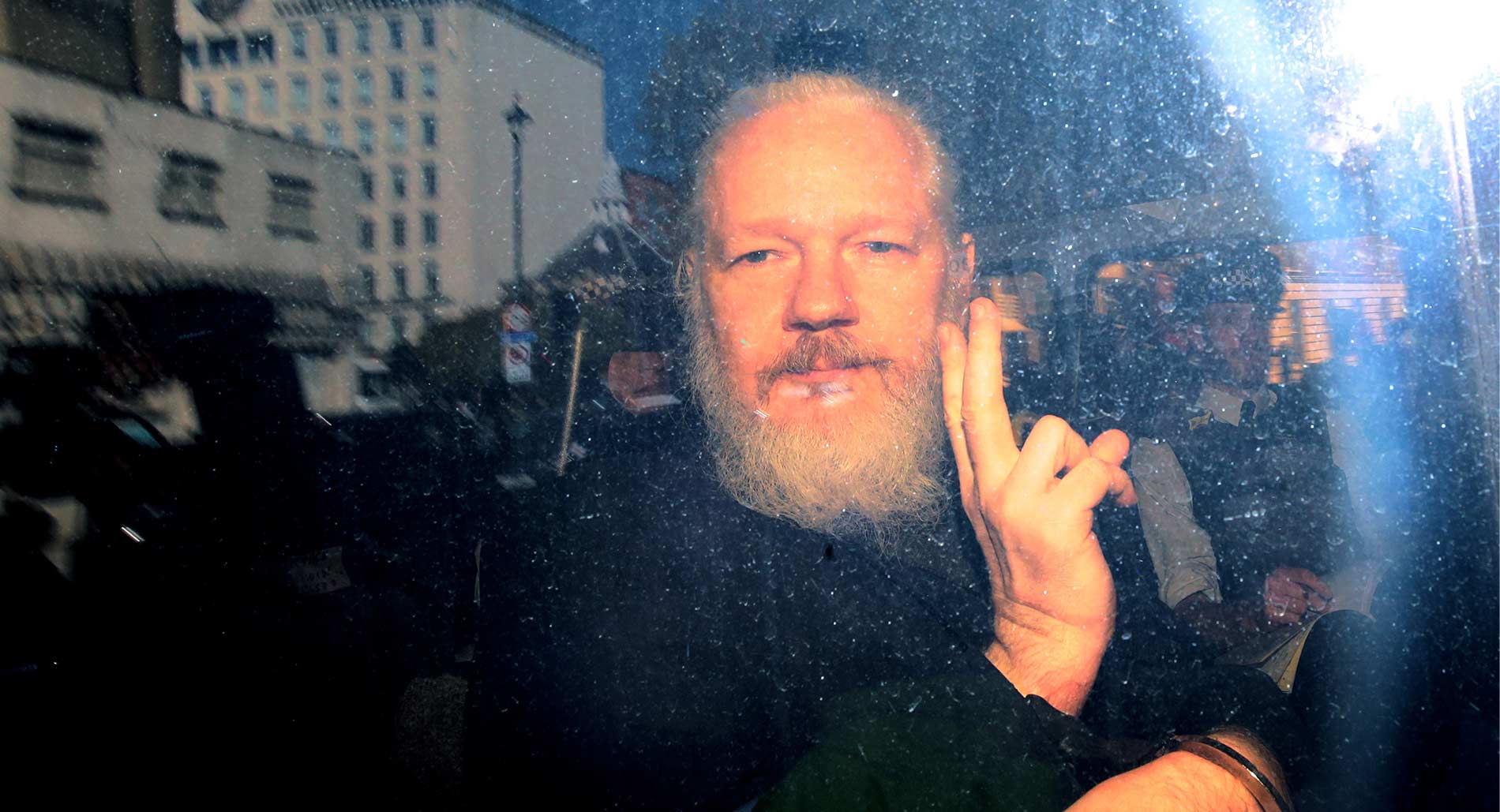
US/UK: Drop charges and halt extradition of Julian Assange

Authorities in the US must drop all espionage and other related charges that Julian Assange is facing as part of the US extradition request to allow for his prompt release, said Amnesty International ahead of his 24 February extradition hearing.

If these charges are not dropped, the UK authorities must ensure that Julian Assange is not extradited to the USA where he would face a real risk of serious human rights violations.

The US government’s unrelenting pursuit of Julian Assange for having published disclosed documents that included possible war crimes committed by the US military is nothing short of a full-scale assault on the right to freedom of expression.

Massimo Moratti, Amnesty International Deputy Europe Director

“The US government’s unrelenting pursuit of Julian Assange for having published disclosed documents that included possible war crimes committed by the US military is nothing short of a full-scale assault on the right to freedom of expression,” said Massimo Moratti, Amnesty International’s Deputy Europe Director.

“The potential chilling effect on journalists and others who expose official wrongdoing by publishing information disclosed to them by credible sources could have a profound impact on the public’s right to know what their government is up to. All charges against Assange for such activities must be dropped.”

According to an analysis by the organisation, the charges against Julian Assange stem directly from the publication of disclosed documents as part of his work with Wikileaks. This activity, in and of itself, should not be punishable and mirrors conduct that investigative journalists undertake regularly in their professional capacity.

“All charges underpinning the US extradition request should be dropped to allow for Julian Assange’s prompt release. If the charges against him are not dropped, the UK authorities are under a clear and unequivocal obligation not to send him to the USA where he could suffer serious human rights violations,” said Massimo Moratti.

“Julian Assange could face detention conditions in the USA that amount to torture and other ill-treatment, including prolonged solitary confinement. The risk of an unfair trial is very real given the targeted public campaign against him undertaken by US officials at the highest levels, which has severely undermined his right to be presumed innocent.”

Human rights and refugee sector unite to call on Australian Government to get people detained in offshore detention to safety in the wake of ICC ruling

Australia’s peak human rights and refugee rights organisations have banded together to call for the Morrison Government to immediately get all those left stranded in offshore detention, to safety. 

The International Criminal Court last week found that Australia appears to be in breach of Article 7(1)(e) of the Rome Statute because the conditions on Nauru and Manus Island constitute cruel, inhumane and degrading treatment.

Organisations calling on the Australian Government to ensure all those still detained offshore in Papua New Guinea and Nauru are found safe, long term resettlement solutions include Amnesty International Australia, Asylum Seeker Centre, Asylum Seeker Resources Centre, National Justice Project, Refugee Advice and Casework Service, Refugee Council of Australia and Refugee Legal. 

“This should be all the encouragement the Australian Government needs to secure third party resettlement options so people who have suffered so much, can start to rebuild their lives,” Amnesty International Australia Refugee Coordinator, Dr Graham Thom, said.

There are currently more than 460 people remaining in offshore detention, many of whom have been there for the past seven years, facing medical neglect with no indication of when they will be resettled and able to begin rebuilding their lives. 

“It’s completely unconscionable that when there are offers on the table from countries like New Zealand to resettle people that Australia keeps them detained in conditions which have been found objectively to be cruel and inhumane,” Dr Thom said.

“This long-running ill-treatment of people seeking protection from persecution has done untold damage to Australia’s reputation. Any point the Australian Government wanted to make to the world was clearly made years ago. It’s pointless and unbelievably cruel to be still holding people seven years later,” Refugee Council of Australia CEO, Paul Power, said. 

“Indefinite offshore detention has taken 13 lives, decimated Australia’s international reputation and cost billions of our taxpayer dollars. It’s time now for the Morrison government to announce an urgent resettlement solution for all the people it has unlawfully detained to meet international law obligations, and to respect the ICC on asylum,” Asylum Seeker Resource Centre CEO, Kon Karapanagiotidis, said.
For more information on the campaign to get those people in offshore detention to safety visit gameover.org.au

Middle East and North Africa: Renewed wave of mass uprisings met with brutality and repression during ‘year of defiance’

Governments across the Middle East and North Africa (MENA) displayed a chilling determination to crush protests with ruthless force and trample over the rights of hundreds of thousands of demonstrators who took to the streets to call for social justice and political reform during 2019, said Amnesty International today, publishing its annual report on the human rights situation in the region.  

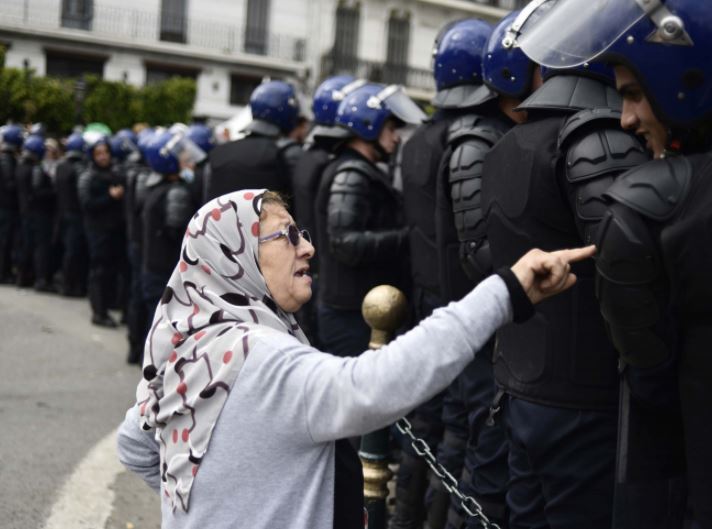
Human rights in the Middle East and North Africa: Review of 2019 describes how instead of listening to protesters’ grievances, governments have once again resorted to relentless repression to silence peaceful critics both on the streets and online. In Iraq and Iran alone, the authorities’ use of lethal force led to hundreds of deaths in protests; in Lebanon police used unlawful and excessive force to disperse protests; and in Algeria the authorities used mass arrests and prosecutions to crack down on protesters.  Across the region, governments have arrested and prosecuted activists for comments posted online, as activists turned to social media channels to express their dissent.

These protesters have proven that they will not be intimidated into silence by their governments.

Heba Morayef, Amnesty International’s Director for MENA


“In an inspiring display of defiance and determination, crowds from Algeria, to Iran, Iraq and Lebanon poured into the streets – in many cases risking their lives – to demand their human rights, dignity and social justice and an end to corruption. These protesters have proven that they will not be intimidated into silence by their governments,” said Heba Morayef, Amnesty International’s Director for MENA.

“2019 was a year of defiance in MENA. It also was a year that showed that hope was still alive – and that despite the bloody aftermath of the 2011 uprisings in Syria, Yemen and Libya and the catastrophic human rights decline in Egypt – people’s faith in the collective power to mobilize for change was revived.”

The protests across MENA mirrored demonstrators taking to the streets to demand their rights from Hong Kong to Chile. In Sudan, mass protests were met with brutal crackdowns by security forces and eventually ended with a negotiated political agreement with associations who had led the protests. 

Crackdown on protests on the streets

Across the MENA region authorities employed a range of tactics to repress the wave of protests – arbitrarily arresting thousands of protesters across the region and in some cases resorting to excessive or even lethal force. In Iraq and Iran alone hundreds were killed as security forces fired live ammunition at demonstrators and thousands more were injured. 

In Iraq where at least 500 died in demonstrations in 2019, protesters showed tremendous resilience, defying live ammunition, deadly sniper attacks and military tear gas grenades deployed at short range causing gruesome injuries. 

In Iran, credible reports indicated that security forces killed over 300 people and injured thousands within just four days between 15 and 18 November to quell protests initially sparked by a rise in fuel prices. Thousands were also arrested and many subjected to enforced disappearance and torture. 

In September, Palestinian women in Israel and the Occupied Palestinian Territories took to the streets to protest against gender-based violence and Israel’s military occupation. Israeli forces also killed dozens of Palestinians during demonstrations in Gaza and the West Bank. 

“The shocking death tolls among protesters in Iraq and Iran illustrate the extreme lengths to which these governments were prepared to go in order to silence all forms of dissent,” said Philip Luther, Amnesty International’s Research and Advocacy Director for MENA. “Meanwhile, in the Occupied Palestinian Territories, Israel’s policy of using excessive, including lethal, force against demonstrators there continued unabated.”  

In Algeria, where mass protests led to the fall of President Abdelaziz Bouteflika after 20 years in power, authorities  sought to quash protests through mass arbitrary arrests and prosecutions of peaceful demonstrators. 

While the mass protests in Lebanon since October, which led to the resignation of the government, began largely peacefully, on a number of occasions protests were met with unlawful and excessive force and security forces failed to intervene effectively to protect peaceful demonstrators from attacks by supporters of rival political groups. 

In Egypt, a rare outbreak of protests in September which took the authorities by surprise was met with mass arbitrary arrests with more than 4,000 detained. 

“Governments in MENA have displayed a total disregard for the rights of people to protest and express themselves peacefully,” said Heba Morayef.  

“Instead of launching deadly crackdowns and resorting to measures such as excessive use of force, torture, or arbitrary mass arrests and prosecutions, authorities should listen to and address demands for social and economic justice as well as political rights.”

Repression of dissent online 

As well as lashing out against peaceful protesters on the streets, throughout 2019 governments across the region continued to crack down on people exercising their rights to freedom of expression online. Journalists, bloggers and activists who posted statements or videos deemed critical of the authorities on social media faced arrest, interrogation and prosecutions.  

According to Amnesty International’s figures, individuals were detained as prisoners of conscience in 12 countries in the region and 136 people were arrested solely for their peaceful expression online. Authorities also abused their powers to stop people accessing or sharing information online. During protests in Iran, the authorities implemented a near-total internet shutdown to stop people sharing videos and photos of security forces unlawfully killing and injuring protesters. In Egypt, authorities disrupted online messaging applications in an attempt to thwart further protests. Egyptian and Palestinian authorities also resorted to censoring websites including news websites. In Iran social media apps including Facebook, Telegram, Twitter and YouTube remained blocked. 

Some governments also use more sophisticated techniques of online surveillance to target human rights defenders. Amnesty’s research highlighted how two Moroccan human rights defenders were targeted using spyware developed by the Israeli company NSO Group. The same company’s spyware had previously been used to target activists in Saudi Arabia and the UAE as well as an Amnesty International staff member. 

More broadly, Amnesty International recorded 367 human rights defenders subjected to detention (240 arbitrarily detained in Iran alone) and 118 prosecuted in 2019 – the true numbers are likely to be higher. 

“The fact that governments across MENA have a zero-tolerance approach to peaceful online expression shows how they fear the power of ideas that challenge official narratives. Authorities must release all prisoners of conscience immediately and unconditionally and stop harassing peaceful critics and human rights defenders,” said Philip Luther.

Signs of hope 

Despite ongoing and widespread impunity across MENA, some small but historic steps were taken towards accountability for longstanding human rights violations. The announcement by the International Criminal Court (ICC) that war crimes had been committed in the Occupied Palestinian Territories, and that an investigation should be opened as soon as the ICC’s territorial jurisdiction has been confirmed offered a crucial opportunity to end decades of impunity. The ICC indicated that the investigation could cover Israel’s killing of protesters in Gaza.  

Similarly, in Tunisia the Truth and Dignity Commission published its final report and 78 trials started before criminal courts offering a rare chance for security forces to be held accountable for past abuses. 

The limited advances in women’s rights, won after years of campaigning by local women’s rights movements, were outweighed by the continuing repression of women’s rights defenders, particularly in Iran and Saudi Arabia, and a broader failure to eliminate widespread discrimination against women. Saudi Arabia introduced long-overdue reforms to its male guardianship system, but these were overshadowed by the fact that five women human rights defenders remained unjustly detained for their activism throughout 2019.   

A number of Gulf states also announced reforms to improve protection for migrant workers including promises from Qatar to abolish its kafala (sponsorship system) and improve migrants’ access to justice. Jordan and the United Arab Emirates also signalled plans to reform the kafala system. However, migrant workers continue to face widespread exploitation and abuse across the region. 

“Governments across the region must learn that their repression of protests and imprisonment of peaceful critics and human rights defenders will not silence people’s demands for fundamental economic, social and political rights. Instead of ordering serious violations and crimes to stay in power, governments should ensure the political rights needed to allow people to express their socio-economic demands and to hold their governments to account,” said Heba Morayef.

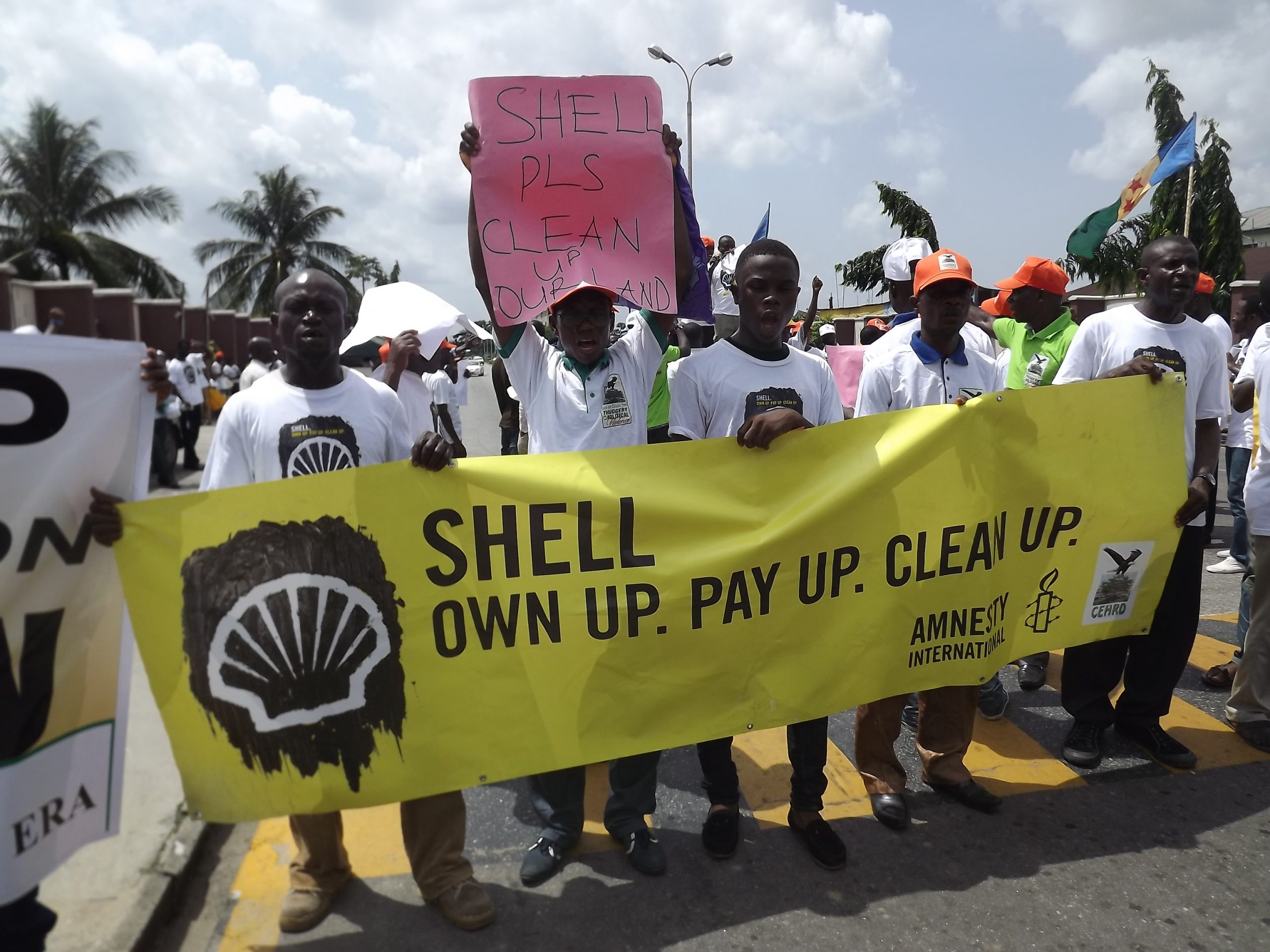
Nigeria: 2020 could be Shell’s year of reckoning

In 2020 Shell will face unprecedented legal scrutiny over decades of human rights abuses in Nigeria, Amnesty International said today, as the oil giant braces itself for conclusions in a string of European court battles. Allegations range from complicity in unlawful executions to systemic pollution and environmental damage in the Niger Delta.

Amnesty International has been researching Shell’s activities in the Niger Delta for more than 20 years, compiling compelling evidence of the company’s role in human rights abuses. In a report released today, the organization highlights the various cases that are finally putting Shell’s harmful operations in Nigeria on trial.

Shell began the year with another attempt to greenwash its role in the climate crisis, trying to present itself as the future of energy even as the planet burns.

Mark Dummett, Amnesty International’s Head of Business, Security and Human Rights

“Shell began the year with another attempt to greenwash its role in the climate crisis, trying to present itself as the future of energy even as the planet burns. This expensive PR effort must not divert attention from the fact that Shell is facing a year of unprecedented legal scrutiny over its business in Nigeria,” said Mark Dummett, Amnesty International’s Head of Business, Security and Human Rights.

“Shell’s business model has allowed it to benefit from weaknesses in Nigeria’s justice and regulatory systems, wreaking havoc on Nigerian lives and livelihoods while profits continue to flow to its European headquarters. A just transition to clean energy also means holding polluters to account for the harm they have caused in the past.”

For the new report, Amnesty researchers interviewed people from several Niger Delta communities about the ongoing impact of pollution and oil spills.

King Okpabi, customary ruler of the Ogale community, expressed a widely-held frustration at Shell’s failure to take responsibility for its actions:

“Shell spoiled our water and destroyed our livelihoods. It is now spending millions to protect itself and tell the world that it has no responsibilities towards the people of Ogale, rather than addressing the wrong it did to us.”

The claims against Shell

Due to the difficulties of bringing legal claims in Nigeria, individuals and communities affected by Shell’s operations in Nigeria are bringing cases in the Netherlands and the UK where Shell is headquartered. These could set important precedents for holding polluting multinationals to account in future.

Kiobel v Shell: In the first of this year’s legal milestones, in March a court in The Hague will hear witness statements from four women who accuse Shell of complicity in the unlawful arrest, detention and execution of their husbands by the Nigerian military in 1995. The women are claiming compensation and a public apology from Shell. The executions were the culmination of a brutal campaign by Nigeria’s military to silence protests against Shell’s pollution.

Four Farmers Cases: In May 2020, a final hearing is expected in a case brought against Shell by four Nigerian farmers and Friends of the Earth in 2008. They are seeking compensation from both Netherlands and UK-based Royal Dutch Shell (RDS) and its Nigerian subsidiary Shell Petroleum Development Company (SPDC), for alleged damage to fish ponds and land caused by oil spills.

This case is the first time that any Dutch company had been sued in a Dutch court for the operations of its subsidiaries overseas.

Okpabi and Others: In June 2020, the UK’s Supreme Court will hear an appeal brought against RDS and SPDC by two Niger Delta communities, Ogale and Bille. They claim that over several years they have suffered systematic and ongoing oil pollution because of Shell’s operations. The court will decide whether it can proceed on the critical issue of whether RDS is liable for the actions of SPDC.

This case is illustrative of the way that Shell’s corporate structure has shielded it from scrutiny and justice.

“Shell’s activities in Ogale have poisoned water and brought farming to a halt, but jurisdictional wrangling over whether RDS or SPDC is responsible for this damage means that Shell has never had to answer for this in a UK or Dutch court,” said Mark Dummett.

“Shell claims that RDS is not responsible for the actions of its subsidiary even though it owns 100 percent of SPDC and receives the profits that it makes.

Bodo: In 2008 there were two massive oil spills, caused by poorly maintained Shell pipelines, in a creek close to the Bodo community. Crude oil continuously leaked into the water for five weeks on each occasion. Shell settled with the community in 2014 but has yet to clean up Bodo’s devastated waterways. If the pollution is not cleared by mid-2020, the case will be referred back to the UK High Court.

Pastor Christian Kpandei, one of the community’s most vocal activists, says he lost everything when the oil spills killed the fish in his ponds. He told Amnesty: “The lack of clean-up has deeply affected us. The soil, the water and the air are all still contaminated.”

States are also scrutinising Shell’s operations.

The “OPL 245” bribery case: Prosecutors in Italy are bringing a criminal case over the alleged involvement of Shell, and the Italian oil multinational Eni, in a 1.3 billion US dollar bribery scheme connected to the transfer of a Nigerian oil licence. If found guilty, the individual defendants could go to jail.

Shell denies all claims.

“It shouldn’t require legal action to get Shell to fulfil its human rights responsibilities. Shell has an obligation to respect the human rights of people in the Niger Delta, including by taking all reasonable steps to prevent spills and then remediate contaminated land and water,” said Mark Dummett.

“It has consistently, over many decades and in some truly horrifying ways, failed to do this.”

Amnesty is calling on Shell to improve its operational practices in the Niger Delta, at a time when the role of Shell and other fossil fuel companies in the climate crisis is coming under increasing scrutiny.

Data from Shell’s own spill incident reports reveal that from 2011-18 the company reported 1,010 spills along the network of pipelines and wells that it operates in Nigeria. Spills have a variety of causes – from third-party tampering, to operational faults and corrosion of aged facilities. Shell blames most spills on theft and pipeline sabotage. But research by Amnesty and its partner organization the Centre for the Environment Human Rights and Development shows that the company’s facts and figures emerge from a flawed process for identifying the volume, cause and impact of oil spills. The research also shows that this process often lacks both independence and oversight, partly because the government regulators are so weak. As a result, Shell’s findings cannot be trusted.