Australia must raise human rights concerns during president Joko Widodo visit

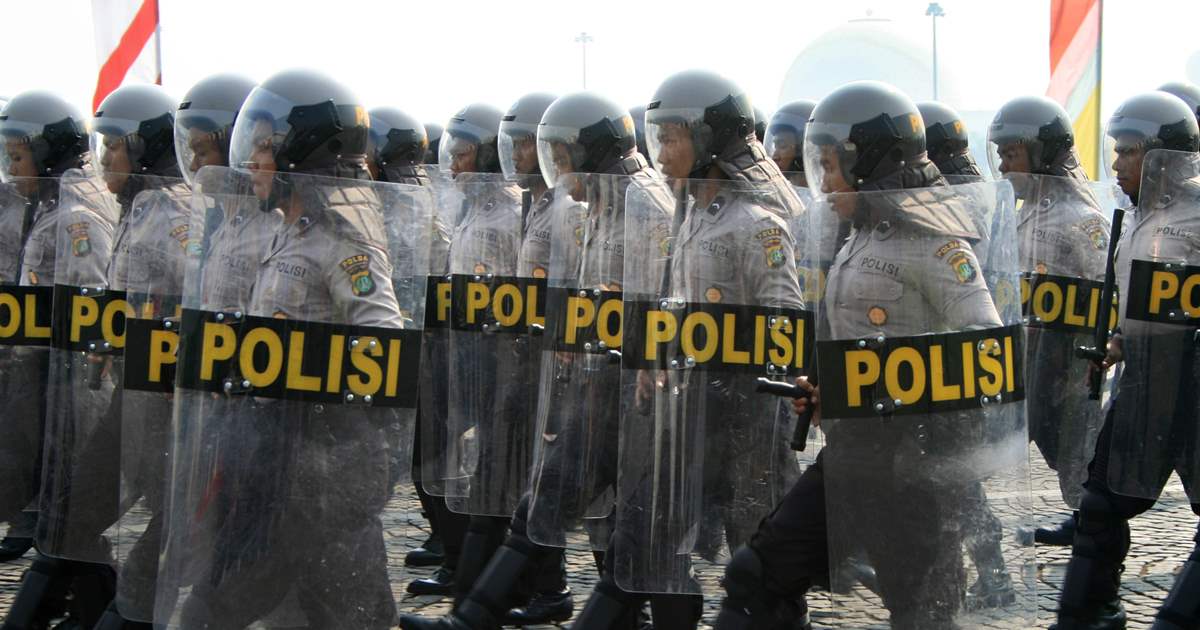
Amnesty International Australia and Indonesian human rights lawyer Veronica Koman urge the Australian government to raise the human rights situation in West Papua during bilateral talks with Indonesian President Joko Widodo this week.

Fifty-six indigenous West Papuans and one Jakarta-based Indonesian are currently held behind bars for treason in seven cities across Indonesia. They are currently awaiting trial and face life imprisonment. 

“These people were arrested when expressing their opinion during mass protests against racism and for the independence referendum in August and September 2019 and during commemoration of West Papua’s national day on 1 December 2019,” Koman said.

“We demand their immediate and unconditional release.”

A joint military and police operation in Nduga regency of Papua province has taken place since early December 2018. As a result, according to a regency official, as many as 45,000 people, half of the regency’s population, are displaced in neighbouring areas.

The Humanitarian Volunteer Team, a local grassroots community, has been collecting data on the operation’s casualties and reported that as of 2 February 2020, 243 civilians have died due to violence by the security forces and hunger and illness from the displacement. 

“We also have concerns with the increased troop deployment and activities in Intan Jaya regency of Papua province since December last year. Indonesia must end these operations and immediately withdraw troops from Nduga and Intan Jaya regencies so the indigenous West Papuans can return to their homes and be free from living in constant fear,” Koman said.

Amnesty International emphasised that both countries, members of the UN Human Rights Council, have an increased responsibility to advance human rights. Amnesty called for  Australia to encourage Indonesia to realise its promise to let the UN Human Rights investigators unimpeded access to West Papua.

Background
Amnesty International takes no position whatsoever on the political status of any province of Indonesia, including on calls for independence. However, we consider that the right to freedom of expression protects the right to peacefully advocate for independence or any other political solutions that do not involve incitement to discrimination, hostility or violence.


Peru: Unlawfully turning away Venezuelans seeking protection

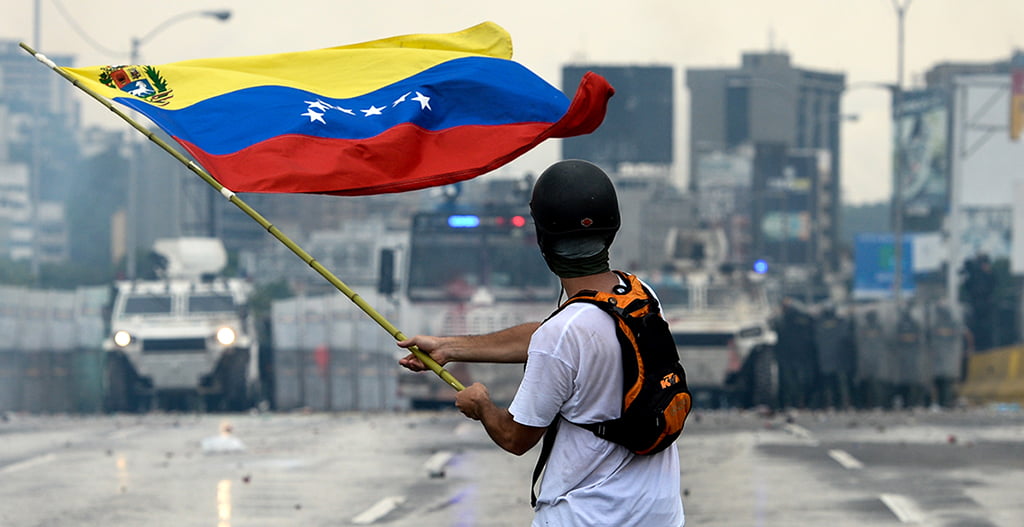
Peru is betraying its tradition of solidarity with Venezuelans seeking protection and is now deliberately rejecting people at the border, Amnesty International revealed today in a new report, “In search of safety: Peru turns its back on people fleeing Venezuela.” 

Venezuelan asylum-seekers trying to enter via Peru’s border with Ecuador are being turned away, despite appearing to fulfil all the criteria for international protection. Peru is denying entry even to Venezuelans in evidently vulnerable situations, including older people and unaccompanied children. 

“In recent years, Peru has been an example of solidarity and safe refuge. Instead of resorting to restrictive policies, it should continue to demonstrate leadership and welcome Venezuelans, in line with its domestic and international obligations to guarantee the protection of people fleeing hunger and violence in Venezuela,” said Marina Navarro, executive director of Amnesty International Peru. 

Since June 2019, Peru has introduced a series of measures with the deliberate aim of restricting entry to the country. The new “humanitarian visa” was effectively rendered obsolete only weeks after its introduction, because without entry and departure stamps from Ecuador, Venezuelans are not permitted to enter Peru, regardless of whether they have acquired the visa. 

Amnesty International spoke to many Venezuelans who were stranded at the border after having their asylum claims or humanitarian visas rejected. One man said he left Venezuela in October 2019 because he could no longer afford to feed his family. Despite having a valid Peruvian humanitarian visa in his passport, the Peruvian officials did not allow him to enter. Left in limbo at the border, he began to cry when he described how he had accumulated debt and left his family behind on the understanding that they would later be reunited in Peru. 

Years into an unprecedented crisis in Venezuela, millions are struggling to survive, unable to meet even their minimum needs for food, water and healthcare, while living under the threat of Nicolas Maduro’s policy of repression against those who express their discontent. Almost 4.8 million people have fled the country in recent years. Peru has the world’s largest population of Venezuelan asylum-seekers, at 377,047, and is home to over 800,000 Venezuelans in total. The majority of Venezuelans fleeing the country are refugees and entitled to international protection, either under the international Refugee Convention or regional Cartagena Declaration. 

“As long as the serious deterioration in living conditions and the systematic violation of human rights in Venezuela continue, states should protect those fleeing the crisis in a search of a safe place where they can rebuild their lives,” said Erika Guevara-Rosas, Americas director at Amnesty International.

Amnesty International’s report is based on dozens of interviews in Peru and at the Peru-Ecuador border. Despite fleeing persecution and massive violations of human rights – international protection criteria recognized in Peruvian law – most of the Venezuelans that Amnesty International interviewed had had their claims rejected or been denied entry despite having a humanitarian visa. 

“Peru seems to be repudiating its previously humane approach to Venezuelan people seeking protection. Changes to asylum practices and procedures at the Ecuador border appear to amount to a deliberate and unlawful policy of rejecting new arrivals from Venezuela,” added Erika Guevara-Rosas. 

Amnesty International calls on the Peruvian government to continue to show leadership and uphold the right to seek asylum in compliance with its domestic, regional and international human rights obligations. At the same time, other countries, including those beyond the region, must share responsibility for Venezuelan refugees by increasing their financial and technical assistance to Peru and other host countries.

South Africa: Mining gathering must confront human rights violations

Mining companies and their stakeholders, including investors, governments and politicians, must confront the human rights abuses that are rife in the industry, Amnesty International said today, as the world’s biggest mining investment conference begins in Cape Town.

Known as Mining Indaba, the conference brings together investors from around the world to discuss mining interests in Africa.

“From child labour in the Democratic Republic of Congo to squalid living conditions for workers at South Africa’s Marikana mine, the mining industry is tainted with human rights abuses. Mining firms have often caused or contributed to human rights abuses in pursuit of profit while governments have been too weak in regulating them effectively,” said Deprose Muchena, Amnesty International’s Director for East and Southern Africa.

“For too long mining giants have been getting away with pollution, forced evictions, lack of transparency over how mining rights are awarded, corruption, tax evasion and abusive transfer pricing. These issues must be at the forefront of discussions in Cape Town.”

Amnesty International and its partner organizations have documented numerous cases of human rights abuses linked to mining operations.

In South Africa, victims of the bloody tragedy at Marikana, in which 34 protesters were killed and at least 70 injured by members of the South African Police Service (SAPS) during a mining strike in August 2012, are still awaiting justice almost eight years on.

Miners at Marikana, a mining area where British platinum mining giant Lonmin Plc had been operating, embarked on a strike over pay and poor living conditions, at the mine after the company failed to improve the workers’ living conditions in line with the Social Labour Plans agreed with the government, in clear breach of its legal obligations under South African law.

In Mozambique, Amnesty International exposed how a mining operation, by a Chinese multinational corporation Haiyu, likely contributed significantly to a flash flood in 2015 in the village of Nagonha, which destroyed 48 homes and left 290 people homeless. The organization also found that the mining operation had put an entire coastal village of more than a thousand people at serious risk of being washed into the Indian Ocean. Mozambican authorities failed to regulate the industry in the wake of the disaster.

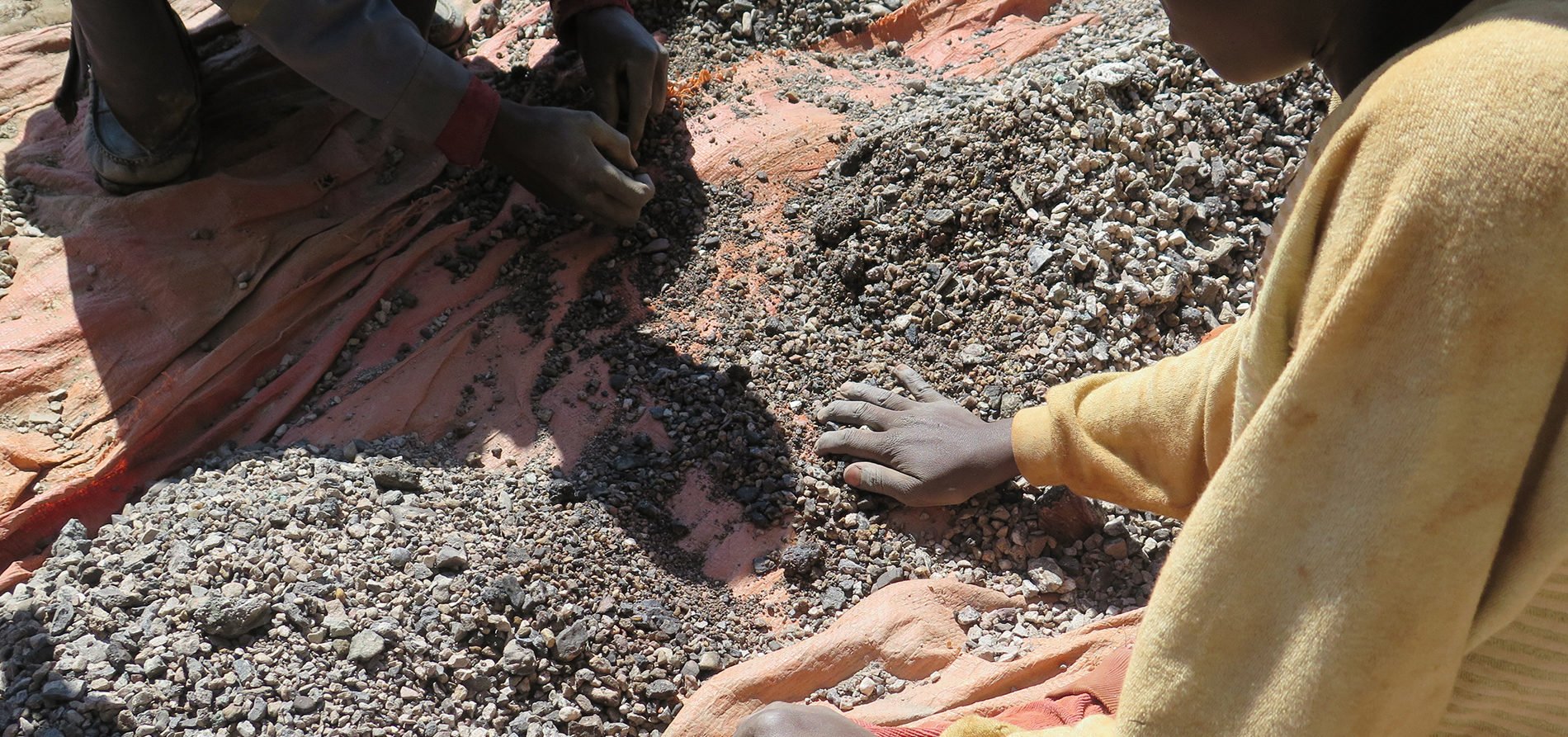
In the Democratic Republic of the Congo, our ground-breaking research on cobalt mining revealed the human rights risks associated with unregulated or poorly regulated artisanal mining, including dangerous working conditions for miners and child labour. In June 2019, a deadly accident and the deployment of the army to two massive copper and cobalt mines further exposed the country’s weak regulation of its mining sector and poor protection of human rights.

The theme of this year’s event is “Optimising Growth and Investment in the Digitised Mining Economy”. Discussions are also planned on the “industry’s role in addressing climate change and decarbonisation and sustainability measures.”

“There can be no growth and sustainability of the mining industry without human rights. For far too long, mining bosses have prioritized profit at the expense of human rights and the environment. Poor people are suffering the effects of climate change in mining communities, including land degradation and loss of livelihoods, like we have seen in Mozambique.” said Deprose Muchena.

“Mining corporations have been some of the biggest contributors to greenhouse emissions, yet they are only just starting to put climate change on the agenda. This meeting should produce clear time frames and a commitment to reduce carbon emissions.”

Amnesty International is calling on companies to immediately put measures in place to minimize their greenhouse emissions. Governments must introduce legislation requiring companies to identify, prevent, address and account for negative human rights impacts, including those linked to greenhouse gas emissions.

Background

While investors host their main Mining Indaba in Cape Town, civil society organizations, including Amnesty International, will be holding their own Alternative Mining Indaba in the city, bringing to the fore stories of injustice and socio-economic rights violations in mining communities, including in the DRC, Mozambique and South Africa. 

Submission: Religious Discrimination Bills – Second Exposure Draft

Amnesty International welcomes the opportunity to provide this submission to the Attorney-General’s Department’s inquiry into the second exposure draft of the Religious Discrimination Bill 2019. The Religious Discrimination (Consequential Amendments) Bill 2019, and the Human Rights Legislation Amendment (Freedom of Religion) Bill 2019, which are also proposed, have not changed materially since the first exposure drafts and are not referred to in this submission.

Read our submission here.

Noting that the issue of religious freedom and religious discrimination has been at the centre of public debate for some years, particularly at the time of the Australian Marriage Law Postal Survey, it has become apparent that the community expects a timely resolution to the question of rights protections. Amnesty International holds the strong position that the only feasible way to protect the rights of people of faith whilst not creating a situation that allows people of faith to discriminate against others, is a Federal Human Rights Act or Charter of Human Rights and Freedom. This Act or Charter would protect the rights of all Australians within a framework that ensures that all people’s rights are universal and indivisible. In a situation where one person’s accessing of their rights impacts or impinges on another person’s ability to access their rights, an
Act or Charter would fairly balance these rights. UDHR allows for the rights to be balanced with each other so that no one human rights outweighs another.

Amnesty International Asia Pacific report presents a dim picture of Australia’s human rights record

The publication of Amnesty International’s annual flagship report should be a wake-up call to Australians for the country’s record on Indigenous rights, asylum seekers as well as threats to freedom of the press and the right to protest.

‘Human Rights in Asia-Pacific: A review of 2019’, which includes a detailed analysis of human rights developments in 25 countries and territories, describes how a new generation of activists are fighting back against brutal crackdowns on dissent and widespread political censorship.

“It should be a source of great alarm that while our government defends pro-democracy protestors in Hong Kong, in the same breath, it advocates cracking down on peaceful protests on our own shores,” Amnesty International Australia National Director Sam Klintworth said.

Legislation recently passed by Queensland and proposed Tasmanian legislation are further indications that Australians’ right to assembly and peaceful protest are being actively eroded by our lawmakers.

Indigenous rights

Australia’s record on the rights of its First National Peoples also presents a stark contrast to the idea of the fair go, which appears not to be available to everyone. Indigenous people continue to be hugely over-represented in the country’s jails.

Australia detained children as young as 10. On an average night, nearly three in five (59%) children aged 10 to 17 in detention were Indigenous, despite Indigenous children making up only 5% of the population aged 10 to 17. 

“Early intervention and prevention are key. Indigenous communities already have the answers – they know the best ways to support and mentor Indigenous children. Governments need to support Indigenous-led programs that keep children strong, healthy and connected to culture,” Klintworth said.

Four Indigenous people also died in prisons or at the hands of police over the course of the 2019.

Refugees and asylum seekers

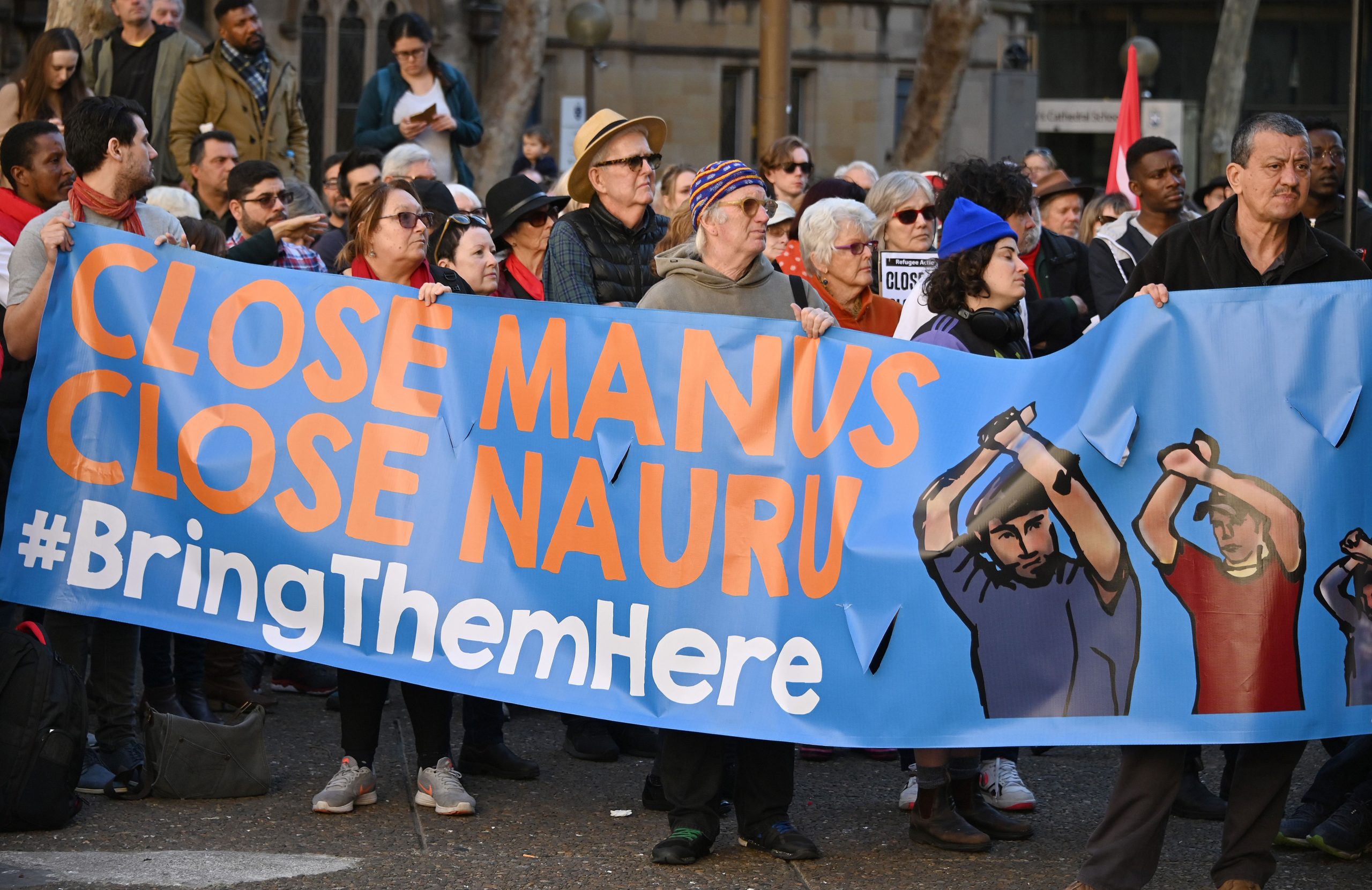
The Australian government continued to detain refugees and asylum seekers who arrived by boat offshore in Papua New Guinea (PNG) and on Nauru, marking the seventh year since the reintroduction of its offshore processing and settlement policy.

“Australia blatantly flouts its obligations to the United Nations Refugee Convention by our hardline policies, which let’s not forget, have resulted in the death of 12 people under our ‘protection’ – and I use that term loosely, because we don’t seem to be doing a very good job of protecting these vulnerable people,” Klintworth said.

Freedom of expression

Media freedom came under attack when the Australian Federal Police raided a journalist’s home and the ABC’s headquarters, following reporting on Australian defence force abuses in Afghanistan and government plans to expand surveillance powers.

“All of these developments point to the glaring need for Australia to have a Federal Human Rights Act. It seems incredible, but we are the only western country without one,” Klintworth said.

“A Human Rights Act would provide a range of enforceable remedies for breaches of human rights and enable everyone to seek justice if their rights have been violated. This will protect all of us.”

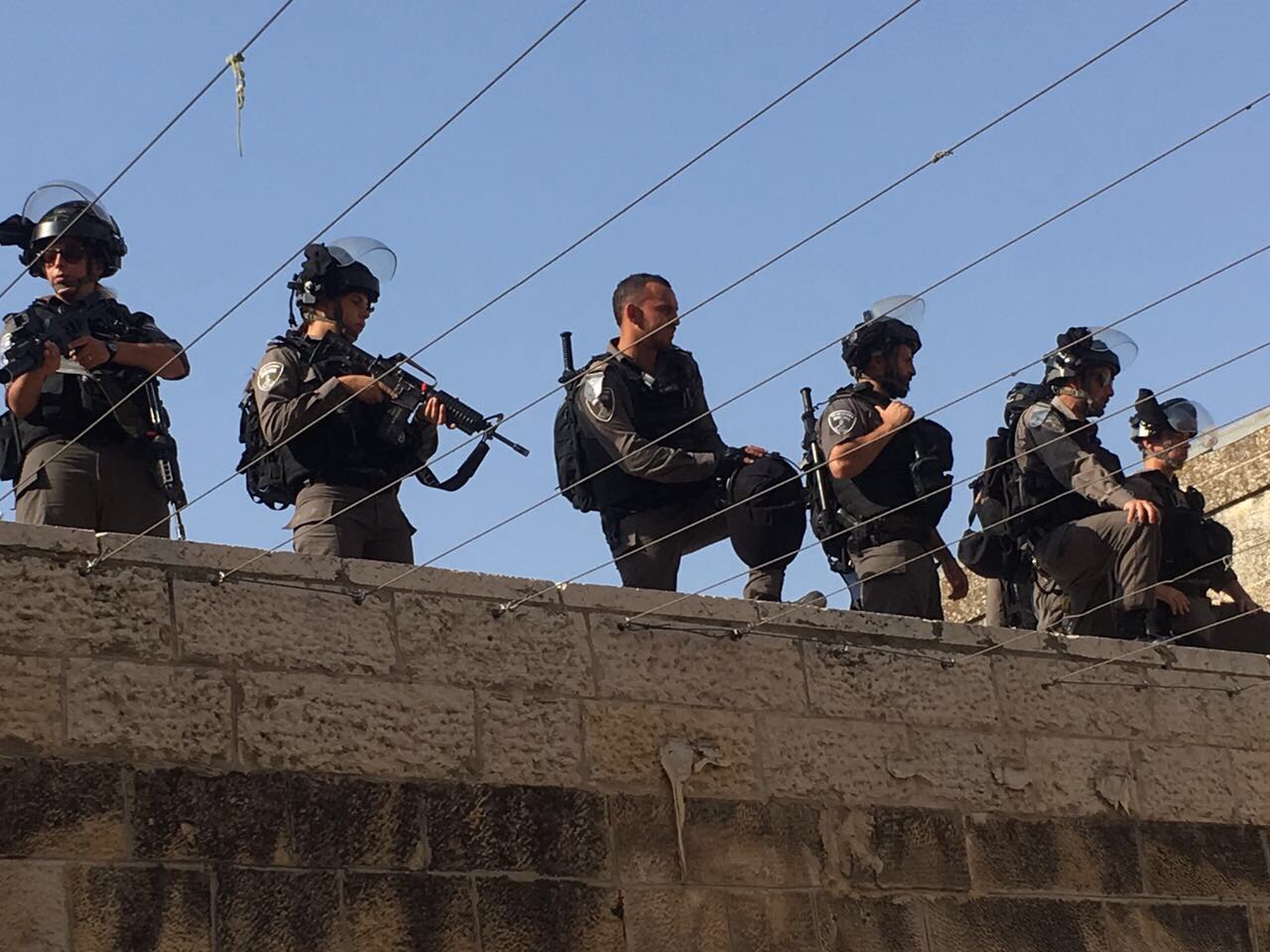
USA / Israel and OPT: Dismal ‘Peace’ deal would exacerbate violations

The Trump administration’s dismal package of proposals to violate international law and further strip Palestinians of their rights is a handbook for more suffering and abuses in Israel and the Occupied Palestinian Territories (OPT), Amnesty International said today.

The organisation urged the international community to reject measures contravening international law that are set out in President Donald Trump’s so-called “deal of the century”. These include a formal extension of Israel’s sovereignty over the Jordan Valley and the vast majority of the illegal settlements in the rest of the occupied West Bank in exchange for land currently inside Israel.

The proposed land swaps include the potential transfer of areas of Israel with a high proportion of Palestinian residents to a future State of Palestine. This in itself raises concerns that Palestinian citizens of Israel in these areas might be disenfranchised.

Amnesty is calling on the international community to reject annexation proposals, which violate international law, and reiterate the illegality of Israeli settlements in occupied territory. Such proposals will not change the legal obligations of Israel, as the occupying power, under international humanitarian law and international human rights law, nor deprive Palestinians of protections guaranteed under these legal frameworks.

In addition, the deal demands that the Palestinian authorities take “no action against any Israeli or United States citizen before Interpol or any non-Israeli or United States (as applicable) legal system”. This is a blatant attempt to stop Palestinians seeking justice in national courts of third countries using universal jurisdiction, an essential tool of international justice.

The deal also includes proposals to create a “compensation mechanism” for Palestinian refugees, instead of granting them their right to return. With currently more than 5.2 million registered refugees, Palestinians are one of the world’s largest refugee populations. Palestinians who fled or were expelled from their homes in 1948, and their descendants, have a right to return under international law.

Philip Luther, Amnesty International’s Middle East and North Africa Research and Advocacy Director, said:

“While the Trump administration has emphasised the principle of land swaps in its deal, we should make no mistake that it is proposing further annexation of Palestinian territory, which would flagrantly violate international humanitarian law.

“During more than half a century of occupation Israel has imposed a system of institutionalised discrimination against Palestinians under its rule, denying them basic rights and access to effective remedies for violations. The deal amounts to endorsement of these brutal, unlawful policies.”

“Hundreds of thousands of Palestinian refugees are trapped in overcrowded camps, more than 70 years after they, their parents or grandparents were first forced out of their homes. This proposal ignores refugees’ rights under international law and the decades of suffering they have endured.

“A just and sustainable peace requires a plan that prioritises the human rights of Palestinians and Israelis, and must include justice and reparation for victims of war crimes and other grave violations. This plan not only fails this fundamental test; it seeks to torpedo efforts towards justice for both Palestinians and Israelis that are currently under way.”

Background

President Trump launched his “peace deal” today in the form of a 180-page proposal entitled Peace to prosperity, saying that it would be a “realistic two-state solution” that had already been agreed to by Israel as the basis for negotiations with the Palestinians. The plan was prepared without any input from Palestinian leaders.

Bangladesh: Rohingya children get access to education

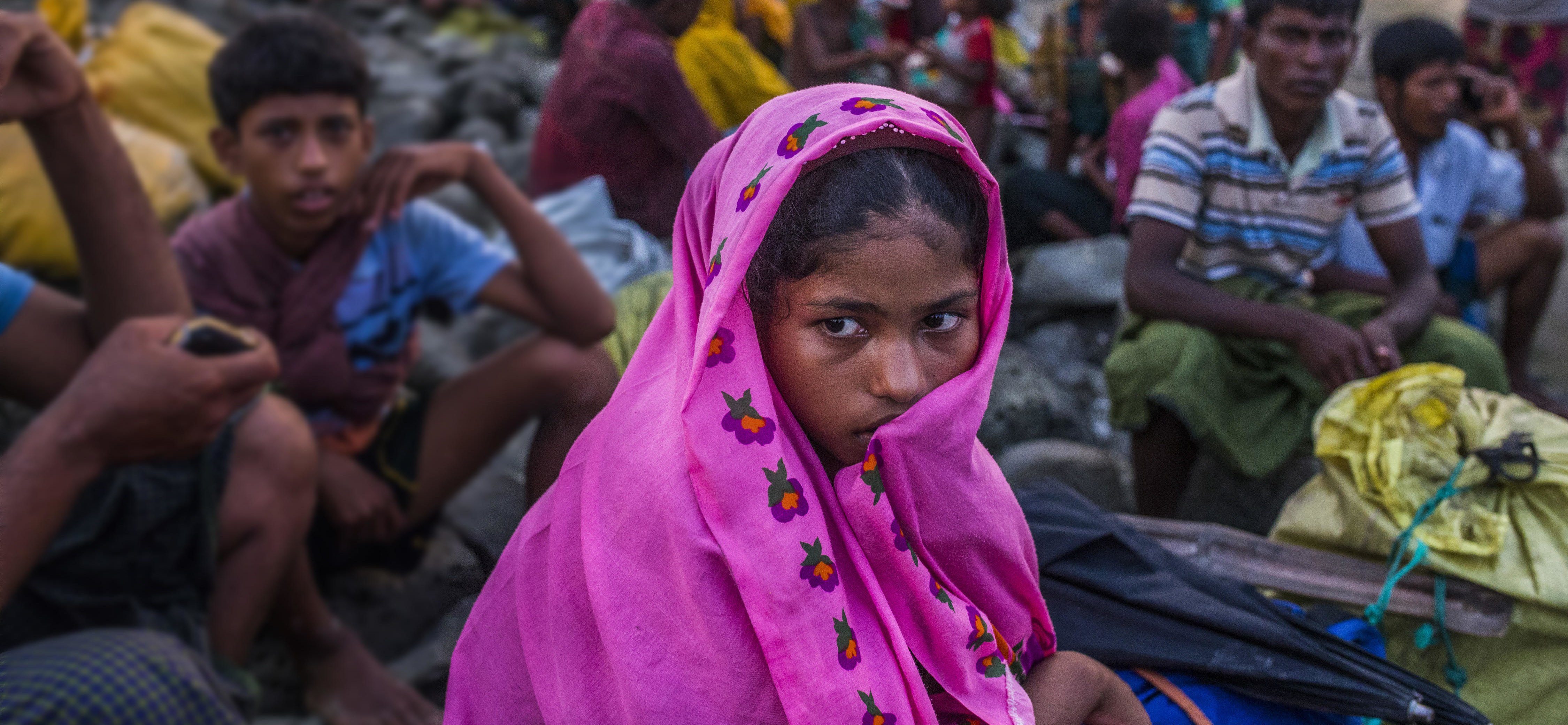
The Bangladesh government has announced it will offer schooling and skills training opportunities to Rohingya refugee children, two and a half years after they were forced to flee crimes against humanity in Myanmar.

Amnesty International and other human rights organizations have been campaigning for the nearly half a million Rohingya children in Bangladesh’s refugee camps to be allowed to enjoy their right to quality education, warning of the costs of a ‘lost generation’.

“This is an important and very positive commitment by the Bangladeshi government, allowing children to access schooling and chase their dreams for the future. They have lost two academic years already and cannot afford to lose any more time outside a classroom,” said Saad Hammadi, South Asia Campaigner at Amnesty International.

“It is important that access to appropriate, accredited and quality education be extended to all children in the Cox’s Bazar area, including Rohingya refugees and the host community. The international community has a key role to play here in ensuring the Bangladesh government has the resources it needs to realize this goal.”

Up to now, the Bangladesh government had resisted calls to grant Rohingya refugee children access to education, limiting learning opportunities to a few provisional learning centres that offer playtime and early primary school lessons scattered across the refugee camps in the Cox’s Bazar district. A few children who managed to gain access to local secondary schools were expelled on the government’s instructions.

Amid fears of either being forcibly returned to Myanmar or relocated offshore to the uninhabited silt isle of Bashan Char, these children have faced an uncertain future. Many were on the verge of completing their schooling when the Myanmar military attacked their villages, forcing them to flee to Bangladesh and throwing their lives into limbo.

Bangladesh’s Foreign Secretary, Masud bin Momen, told journalists today: “The government has felt the need to keep Rohingya childrens’ hope for the future alive with extending education and skills training to them.”

Under the government’s plans, Rohingya refugee children will get school education up to the age of 14, through the provision of the Myanmar curriculum, and children older than 14 will get skills training. The schools will need adequately trained teachers who can use the Myanmar curriculum and teach in Burmese.

A pilot project led by UNICEF and the Bangladesh government will start off with the involvement of 10,000 children. The scheme will then be extended to other children, including those from the host community, who will be taught separately according to Bangladesh’s national curriculum.

The Convention on the Rights of the Child, a binding treaty which Bangladesh has ratified, makes clear that education can and should ensure the development of the child’s personality, talents, mental and physical abilities to their fullest potential while enhancing respect for human rights and preparing them for a responsible life in a free society.

“The benefits of educating children cannot be underestimated, with the positive effects rippling through their communities and broader society. They can speak up for themselves, claim their rights, and lift themselves and others out of a difficult situation. But the costs of denying children education can be severe, including leaving them vulnerable to poverty and exploitation. We welcome this significant breakthrough and look forward to the government delivering on its commitments,” said Saad Hammadi.

Amnesty International’s campaign for the right to education

  • On World Refugee Day last year, Amnesty International held an ‘art camp’ for children in the refugee camps of Cox’s Bazar. Working with a group of Bangladeshi artists, they spent two days drawing sketches depicting their aspirations for the future – some of whom wanted to become teachers, doctors, pilots and nurses.

In collaboration with UNICEF, the works of art were exhibited in Dhaka and later made their way to Washington DC, London and other major world cities.

  • In August 2019, Amnesty International published a briefing, “I don’t know what my future will be”: Rohingya refugees in Bangladesh, detailing conditions in the camps, particularly for children who had not seen the inside of a class room since arriving in the camps in 2017.

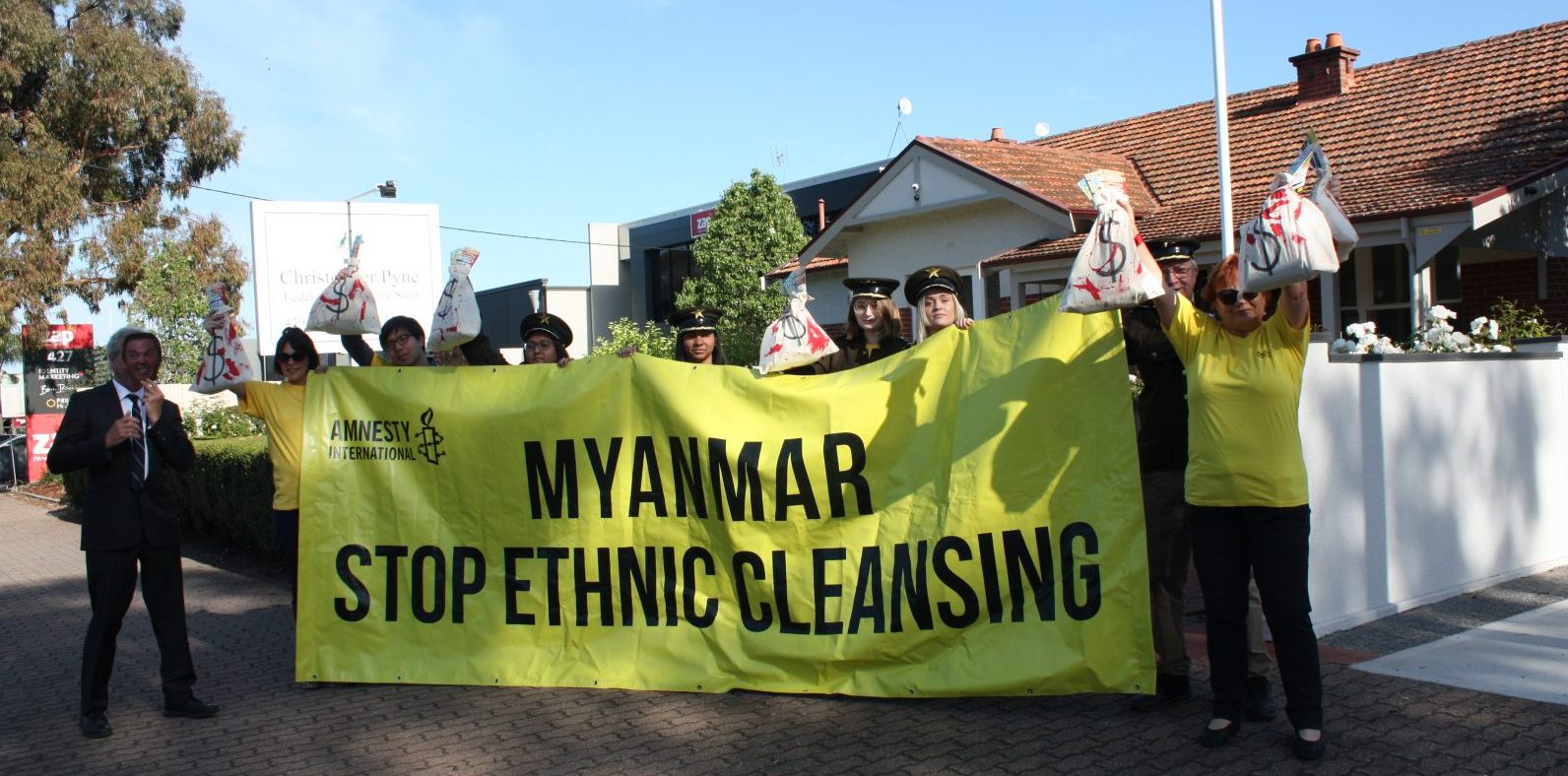
MYANMAR ‘MUST COMPLY’ WITH ICJ RULING TO PROTECT ROHINGYA

In response to today’s ruling by the International Court of Justice (ICJ) ordering Myanmar to take “provisional measures” to prevent genocidal acts against the Rohingya community, Nicholas Bequelin, Amnesty International’s South Asia Regional Director, said:

“Today’s decision sends a message to Myanmar’s senior officials: the world will not tolerate their atrocities, and will not blindly accept their empty rhetoric on the reality in Rakhine State today.

“Today’s decision sends a message to Myanmar’s senior officials: the world will not tolerate their atrocities”

Nicholas Bequelin Amnesty International South Asia Regional Director

“An estimated 600,000 Rohingya who remain there are routinely and systematically denied their most basic rights. They face a real risk of further atrocities.

“Myanmar must comply with the ICJ’s ruling and take immediate action to cease ongoing violations against the community and to prevent the destruction of evidence.

“The decision comes just days after Myanmar published a summary report of the findings of the government-established ‘Independent Commission of Enquiry’. The commission was neither independent nor impartial and cannot be considered a credible effort to investigate these crimes against the Rohingya.

“Meanwhile, there have been no efforts to investigate the serious and wide-ranging violations against other ethnic minorities. 

“Until all those responsible for serious violations – including those with command responsibility – are held to account, these atrocity crimes will remain rampant. The UN Security Council must urgently refer the situation in Myanmar to the International Criminal Court.”

ICJ case against Myanmar

On 11 November, the Gambia filed a case at the ICJ, accusing Myanmar of breaching its obligations under the Genocide Convention. The complaint included an urgent request for the Court to order “provisional measures” to prevent all acts that may amount to or contribute to the crime of genocide against the Rohingya, and protect the community from further harm while the case is being adjudicated.

Public hearings on provisional measures were held in The Hague on 10-12 December. Myanmar’s delegation, headed by State Counsellor and de facto leader Aung San Suu Kyi, rejected accusations of genocide, and urged the court to reject the case and refuse the request for provisional measures.

This Monday, the Myanmar’s own Independent Commission of Enquiry submitted its final report to the Myanmar President. The commission concluded that while the Myanmar security forces may have been responsible for war crimes and “disproportionate use of force”, it found no evidence of genocidal intent. The full report has yet to be made public.

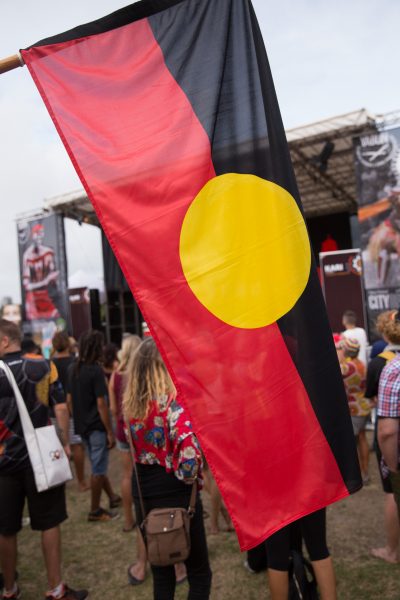
January 26: time to tell the truth

We encourage all Australians to use January 26 as a day to reflect on the effects of colonisation on Indigenous peoples. Effects are still being experienced to this very day in terms of institutional racism, poverty, health and gross over-representation in Australia’s prisons, removal of children and deaths in custody.

We encourage our supporters to engage with the truth telling process by attending one of the many events around the country to show solidarity with Indigenous peoples. You can also sign the petition to raise the age, one of the key pieces of Indigenous justice work Amnesty has campaigned on https://action.amnesty.org.au/act-now/raise-the-age

ATTACKS ON HUMAN RIGHTS ORGANISATIONS, MEDIA ORGANISATIONS AND JOURNALISTS IN SRI LANKA

Amnesty International is concerned by multiple reports of harassment, intimidation and attacks on human rights organisations, media outlets, and journalists in Sri Lanka.

Amnesty International has received reports that the authorities carried out more than a dozen unscheduled visits to human rights and media organisations between May 2019 and January 2020 that were seen as acts of harassment and intimidation. The targets included human rights organisations, and media outlets, who said they were questioned about their activities by members of the Sri Lankan Police, including the Criminal Investigation Department and the Terrorism Investigation Division, as well as State Intelligence.

Attacks against journalists

According to media reports , a journalist attached to a local daily Lankadeepa, and his family, were attacked on 6 December in Aluthgama, in the South of Sri Lanka. The suspected perpetrators allegedly demanded that the journalist stops reporting around alleged illegal manufacture and trade in toddy.

Local media also reported  that on 10 December, the former head of Lake House (also known as Associated Newspapers of Ceylon Ltd.) New Media Division was assaulted by a group of individuals with ties to the ruling political party. He was allegedly  threatened not to return to the media-house, which is owned by the government of Sri Lanka. 

Harassment and intimidation of human rights organizations

At least twelve cases recorded by Amnesty International indicate that the Sri Lanka Police, including the Criminal Investigation Department (CID) the Terrorism Investigation Division (TID) also known as Counter-Terrorism and Terrorism investigation Division (CTID), as well as officials with State Intelligence, have visited the premises of, or summoned members of human rights organizations, making enquiries around project activities, donors and funding information, registration, and details of staff members.

The reports indicate that such visits have occurred for several months over 2019, spilling into 2020, in different parts of the country including in the Northern, Eastern and Western Provinces on an ad-hoc and arbitrary basis since May, however more systematically particularly in the Western Province since November 2019. This trend of information gathering by different law enforcement agencies serve as a form of harassment and intimidation , and must be seen in the context of attacks, surveillance and harassment of Human Rights Defenders (HRDs) that Amnesty International has documented as having occurred intermittently for several years.  Such harassment and intimidation has a chilling effect by way of suppressing dissent, creating fear in organizations and individuals defending and promoting human rights about the start of a crackdown, and may amount to reprisals for their work.

Sri Lanka has an international obligation to protect HRDs under a number of international human rights treaties including the International Covenant on Civil and Political Rights (ICCPR) to which it is a state party. The Covenant guarantees the right to freedom of peaceful assembly, association and expression.

Search of media outlets and summons on journalists

Media reported  that on 26 November, the Police conducted a search of Newshub.lk, a media organization, using an expired search warrant . The police reportedly searched the organization’s electronic equipment and servers for defamatory content on the new President Gotabaya Rajapaksa. 

Two journalists with TheLeader.lk and Voicetube.lk were summoned to the CID in November and questioned at length.  The Editor of Thinnapuyal was also reportedly  questioned by the Police in November in Vavuniya in the Northern Province.

The Police searches and summons of media organizations and journalists, especially in the immediate aftermath of Presidential elections, amount to curtailment of the right to freedom of expression and media freedom  guaranteed under the ICCPR.

RECOMMENDATIONS

Amnesty International urges the government of Sri Lanka to:

  • Respect, protect, promote and fulfill the rights to freedom of expression, peaceful assembly and media freedom including by ensuring a safe and enabling environment in which media houses, journalists, human rights organizations and defenders are protected, can work effectively to defend and promote human rights without fear of reprisal;
  • Immediately issue instructions to all branches of law enforcement to end tactics calculated to intimidate HRDs, human rights organizations, media houses and journalists around the country, including surveillance, and reprisals against them;
  • Conduct an impartial, thorough and effective investigation into the allegations of intimidation and harassment of HRDs, human rights organizations, media houses and journalists and hold to account anyone suspected to be responsible for violations and abuses.

BACKGROUND

The period covered by the statement follows the horrific Easter Sunday attacks on 21 April 2019 that claimed the lives of more than 250 people and injured hundreds in three churches and three hotels in Sri Lanka.

Sri Lanka held Presidential elections on 16 November 2019, where Gotabaya Rajapaksa was elected President. President Gotabaya was the Secretary to the Minister of Defence, his brother Mahinda Rajapaksa, during the end of the war in Sri Lanka where the government of Sri Lanka and the LTTE are accused of grave human rights violations and abuses, including enforced disappearances and torture.

A month into the new government led by President Gotabaya, there has been a report of a case of alleged detention of a local employee of the Swiss embassy in Sri Lanka, which the government has dismissed as being fabricated. More than 700 criminal investigators, some of whom were involved with key cases of human rights violations, were banned from traveling abroad. The new government promoted and appointed several military officials to positions of power despite being named in the OHCHR investigation on Sri Lanka. Against this changing political landscape, several incidents of backlash have also been reported, targeting lawyers, government actors and civil society activists.

On 12 December, President Gotabaya stated that media freedom will not be hindered in any form during his tenure. He further stated, “Opportunity is available for any reasonable criticism”, adding that he expects every media institute to fulfill its obligation towards the country while engaging in favourable media reporting to uphold the country’s reputation.