Amnesty International Australia strongly opposes Tasmania’s proposed severe anti-protest legislation which would penalise protestors to the same degree as murderers.
The new Bill is more restrictive and punitive than the previous attempt by the Hodgman Government to stymie protest which was invalidated by the High Court four years ago.
The 2015 Bill carried four years imprisonment for offences relating to protest, but this new bill equates protesting – or exercising fundamental human rights – to murder.
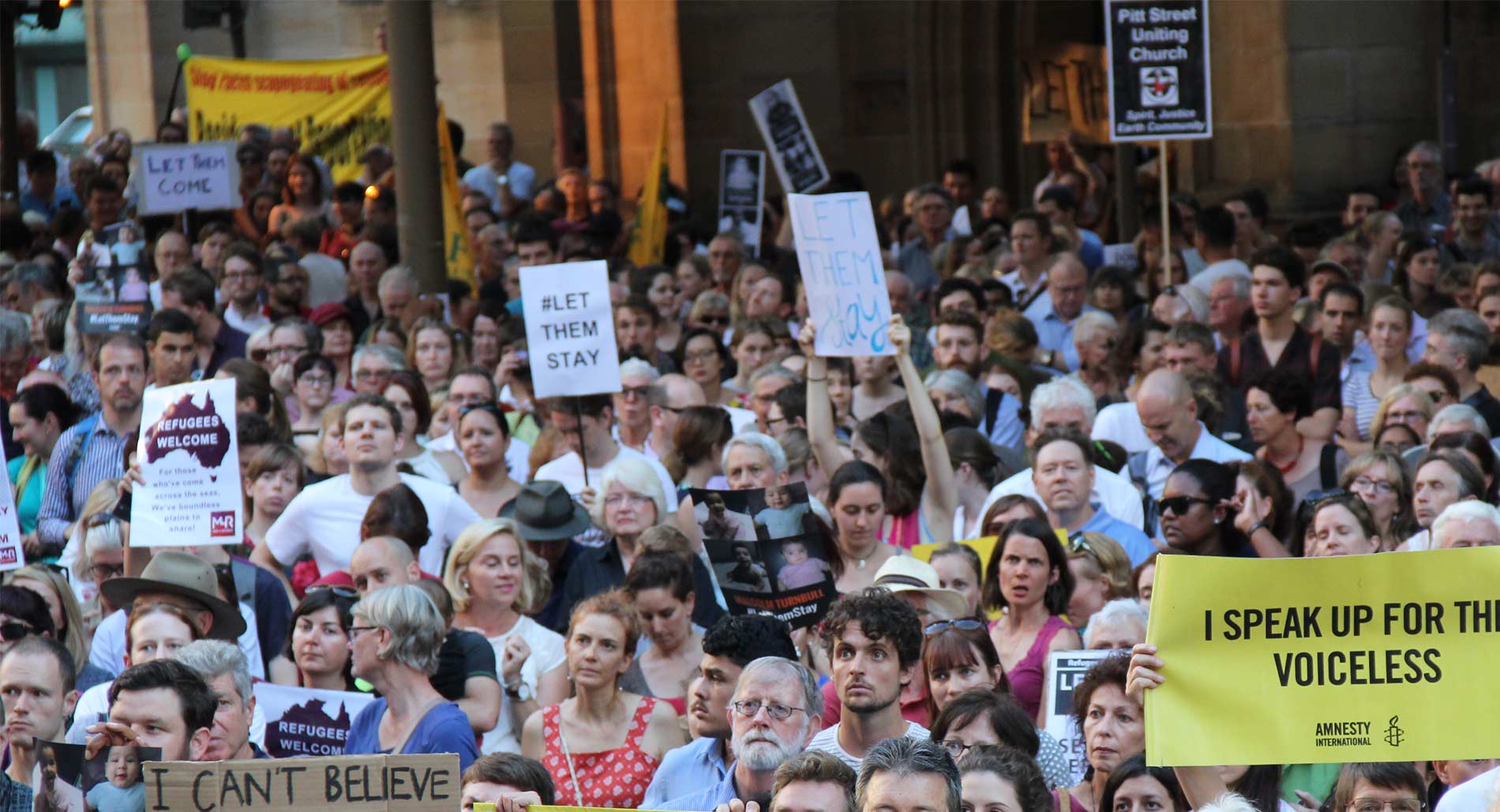
“The right to protest peacefully is a defining feature of Australia’s liberal democracy,” Amnesty International Australia campaigner Nikita White said.
“Tasmania’s harsh and unnecessary proposed anti-protest laws are the latest example of an alarming and unmistakable trend. Governments across Australia are eroding some of the vital foundations of Australia’s democracy, in order to entrench their political power and that of business interests.”
“The Tasmanian Premier says he wants this legislation to protect the right to protest, but the only real way to do this is with a human rights act, which the Tasmanian Law Reform Institute recommended in 2008.”
Amnesty International Australia Activist Leadership Committee Tasmania president Greg Luckman said:
“Our ability to assemble is so important not just as a means of political expression, but also to protect other human rights.
“Peaceful protests are a vital aspect of a vibrant society, and as recognised by the UN High Commissioner for Human Rights, governments should recognise the positive role of peaceful protests in strengthening human rights.”
Mass protests swept across Lebanon shortly after the government announced new tax measures on 17 October. In unprecedented scenes tens of thousands of peaceful protesters from different religious and class sectors of society assembled in cities across the country accusing the political leadership of corruption and calling for social and economic reforms.
Waving the Lebanese flag, the crowds chanted demands for the “fall of the regime” many of them repeating the slogan “all of them means all of them” – a reference to key ruling figures from a variety of religious sects who have dominated the Lebanese political scene for decades.
Underlying frustration with the government and the political elite had been accumulating for years. Public anger has escalated in recent years over electricity and water shortages, as well as the government’s failure to manage the country’s waste and economic crises.
Despite government attempts to placate the protesters with announced reforms, demonstrations continued in Beirut, Tripoli, Zouk, Jal el Dib, Saida, Nabatieh, Sour and Zahle. On the 13th day of the protests, Prime Minister Saad Hariri announced his resignation.
PROTESTERS ARE MAKING THEIR VOICES HEARD IN A PEACEFUL MANNER – THE AUTHORITIES HAVE AN OBLIGATION TO PROTECT THIS RIGHT
Across Lebanon protesters blocked main roads as part of their peaceful protest. The right of peaceful protesters to demonstrate on and block public roads has consistently been upheld by international human rights bodies which view urban spaces as a legitimate space for protest. The UN Special Rapporteur on Freedom of Peaceful Assembly and Association has stated that “the free flow of traffic should not automatically take precedence over freedom of peaceful assembly.”
إغلاق الطرقات بشكل سلمي كجزء من الاحتجاج يُعد شكلاً مشروعاً للتجمع السلمي وفقًا للمعايير الدولية لحقوق الإنسان. وأي محاولة لإزاحة المحتجين بالقوة من قبل السلطات اللبنانية ستمثل انتهاكًا لحقهم في الاحتجاج السلمي. كل ما يريده المتظاهرون اللبنانيون هو أن تُسمع أصواتهم. #لبنان_ينتفضpic.twitter.com/3L7IHeh9ds
Some of the key demands of protesters based on chants made during demonstrations and analysis by the Issam Fares Institute for Public Policy and International Affairs at the American University of Beirut include:
An end to government corruption
An end to the sectarian political system
The recovery of stolen funds and holding the corrupt accountable
Fair tax and financial procedures
Violations by the authorities
Failure to protect peaceful protesters
Amnesty International has documented how on a number of occasions Lebanese security forces failed to effectively intervene to protect protesters when they came under attack by supporters of the ruling parties Hezbollah and Amal.
On the 18 October in the southern city of Sour, eyewitnesses said army officers allowed visibly armed supporters of the Amal movement to assault peaceful protesters. In the southern city of Nabatiyyeh on 23 October, dozens of men armed with sticks and batons stormed a sit in beating protesters and dispersing them.
Days later on 29 October Lebanese security forces failed to adequately intervene when Amal and Hezbollah supporters beat and chased demonstrators and set fire to their tents at the Ring Highway in Beirut.
Members of the armed forces have a duty to ensure that the right to peaceful protest is upheld and that includes protecting peaceful demonstrators from coming under attack from rival protesters.
THEY BEGAN TO BEAT PROTESTERS WITH STICKS AND PUSH US, THEY TRIED TO BEAT ME… THERE WERE SECURITY FORCES THERE, BUT THEY STOOD ON THE SIDELINES
Fatima, a teacher from Nabatiyeh
Excessive use of force
The protests across Lebanon have been overwhelmingly peaceful and the response from army and security forces has been largely restrained. However, Amnesty International has documented incidents of excessive use of force, including in one incident, the use of live ammunition against peaceful protesters.
On 18 October in downtown Beirut, shortly after the speech of Prime Minister Hariri, security forces used excessive force to disperse protesters firing huge amounts of tear gas into crowds and chasing protesters down streets and alleys at gunpoint and beating them.
On 23 October officers from the Lebanese army and army intelligence resorted to excessive force in seeking to disperse protesters who had blocked the main Awwali highway in the southern city of Saida. Officers armed with riot shields forcibly removed protesters who sat on the ground with their arms raised as a peaceful sign, carrying them away away and handcuffing them. They also kicked and beat protesters with iron batons as well as verbally assaulting them.
In the most violent episode since the protests began, the army opened fire against dozens of protesters staging a sit-in the Beddawi area of Tripoli in north Lebanon on 26 October. Soldiers attempting to clear a road began to beat the protesters who responded by throwing stones at them. The soldiers then opened fire using live ammunition seriously wounding at least two protesters. Four people were unlawfully detained for six days by the military before being released. Their whereabouts were unknown and they were denied access to their lawyers and family, amounting to possible enforced disappearance under international law.
I saw him aiming at me while I threw stones and said don’t shoot! I’ll stop throwing the stones… but he shot me four times in the stomach
Mohammed al-Abdallah, protester shot in the stomach in Beddawi
A motion moved by Senators Rachel Siewert, Janet Rice and Louise Pratt recognising Intersex Day of Solidarity was yesterday opposed by the Government, One Nation and Senator Cory Bernardi.
The motion called on parliamentarians to:
commit to learning more about the lives and experiences of people with variations of sex characteristics, and
agree to read and consider affirming the Darlington Statement, a joint consensus statement by organisations and independent advocates which sets out the priorities of the intersex human rights movement in Australia and New Zealand.
Liberal Senator Jonathon Duniam said the Government did not endorse the Darlington Statement, and therefore opposed the motion.The motion did not seek endorsement of the statement, but called upon parliamentarians to read and consider it.
“I would be very surprised if each of the 33 Senators who voted against this motion had read and considered this important statement. By voting no they are saying they have neither the time nor the interest in the lives of people with intersex variations,” Amnesty International Australia campaigner Joel Clark said.
“If they read it – and I urge them to – they would find that the Darlington Statement is a roadmap for government, and for the community, that outlines how the human rights of people with intersex variations can be respected”.
Senator Hanson used her speech on the motion to offend and spread mis-truths about people with intersex variations. She said that “there are more important things for us [to debate]”. She then told media, “I’m not going to spend my time learning about less than one percent, less than 0.01% of the population – has these issues”.
“Senator Hanson owes intersex people an apology,” said Clark.
“Quite apart from the fact that her statistics are wrong, people with intersex variations face discrimination through ignorance and misunderstanding. Most of it isn’t willful, but when you read the things that Senators are saying in our parliament, it makes you wonder whether it is.
“People with intersex variations are also routinely subject to forced medical interventions without free, prior informed consent, typically in infancy, childhood or adolescence. These are real human rights issues that require real attention.”
Amnesty International Australia, amplyifying the calls of intersex people and organisations, including Intersex Human Rights Australia, and research based on the Yogyakarta Principles, the Darlington Statement and the Malta Statement, has called on the Australian government to end non-emergency, invasive and irreversible medical interventions on infants and children with variations in sex characteristics to ensure the full enjoyment of the rights of persons with variations in sex characteristics.
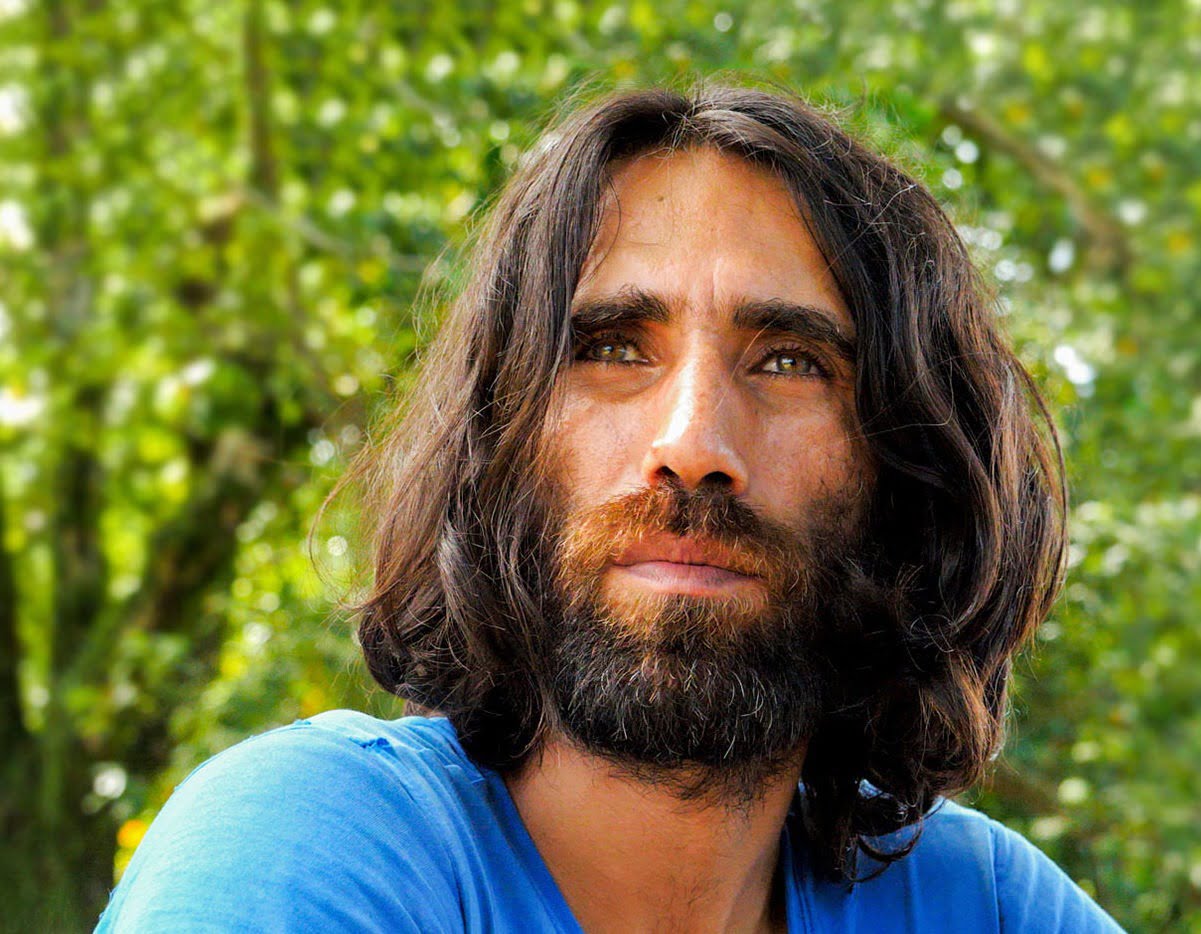
Award-winning author, journalist and poet, Behrouz Boochani tonight arrived in New Zealand and is out of Australia’s brutal offshore detention regime.
Dr Graham Thom, Amnesty International Australia’s Refugee Adviser said: We are delighted to see Behrouz able to travel outside of Papua New Guinea after years trapped in Australia’s offshore detention regime. We will keep campaigning for all those trapped offshore by Australia. I’m proud that the Amnesty international movement played a small part in his release today”.
Despite the billions of dollars spent by the Australian Government to flout international law and stifle the voices of refugees it warehoused in Nauru and Papua New Guinea, Boochani rose to international attention. The world heard about Australia’s mistreatment of refugees and people seeking asylum in Manus Island and more recently Port Moresby, through his hundreds of articles, interviews, a film and an award-winning book, No Friend but the Mountain.
“Behrouz arriving in New Zealand illustrates the bizarre hypocrisy of the Australian Government’s decision to block vulnerable refugees trapped for seven years from getting to freedom. Amnesty has worked tirelessly with partners to help refugees from Nauru and Papua New Guinea to get to the USA, Canada, Switzerland and other places in Europe,” Thom said.
“We must redouble our efforts to ensure each of those still marooned by Australia in Papua New Guinea and on Nauru who wishes to be free, is allowed to go to safety. Australia could resolve this crisis in one plane, and Behrouz free today, illustrates how easy it could be.”
Amnesty International has long evidenced and sought justice for those innocent people trapped by Australia’s illegal policy of offshore processing as cruel and inhumane treatment
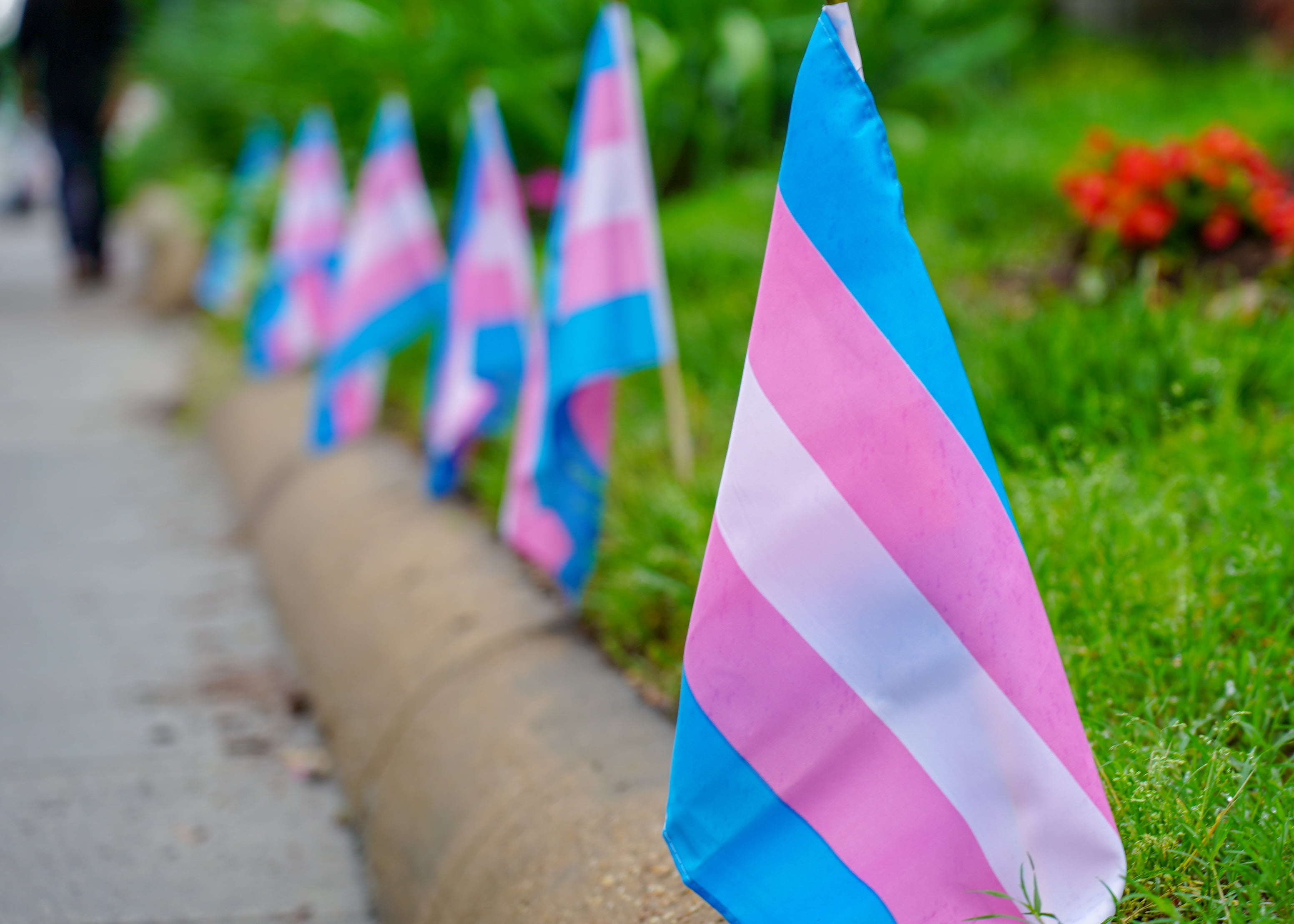
In recognition of Transgender Awareness Week, the Senate yesterday passed a non-controversial motion moved by Senators Rachel Siewert, Janet Rice and Patrick Dodson that called on parliamentarians to:
commit to learning more about the lives and experiences of transgender and gender diverse people,
elevate the voices of transgender and gender diverse people, especially during Transgender Awareness Week, and
support the provision of essential health, social, cultural, and community services for trans and gender diverse people and their families, delivered with the meaningful input and involvement of these communities.
All Senators voted in favour of the motion except for One Nation Senators Pauline Hanson and Malcolm Roberts, and Senator Cory Bernardi.
“Senators Hanson, Roberts and Bernardi’s transphobic actions in the Senate must be called out,” said Amnesty International Australia campaigner Joel Clark.
“The Senate was faced with a simple question: should transgender and gender diverse people be provided with essential health, social, cultural and community services? This transphobic trio of Senators said no. This is absolutely disgraceful.
“They didn’t speak on the motion. There’s no press release to explain why they voted this way. Just a no vote. They must at least explain why they believe that transgender and gender diverse people don’t deserve these services. Health care is a basic human right, and it absolutely shameful that we have Senators voting against access to this right for an already vulnerable community”.
According to the National LGBTQI Health Alliance transgender people aged 18 and over are nearly eleven times more likely to attempt suicide in their lifetime.
Amnesty International Australia thanks Senators Rachel Siewert, Janet Rice and Patrick Dodson for moving the motion and recognising Transgender Awareness Week.
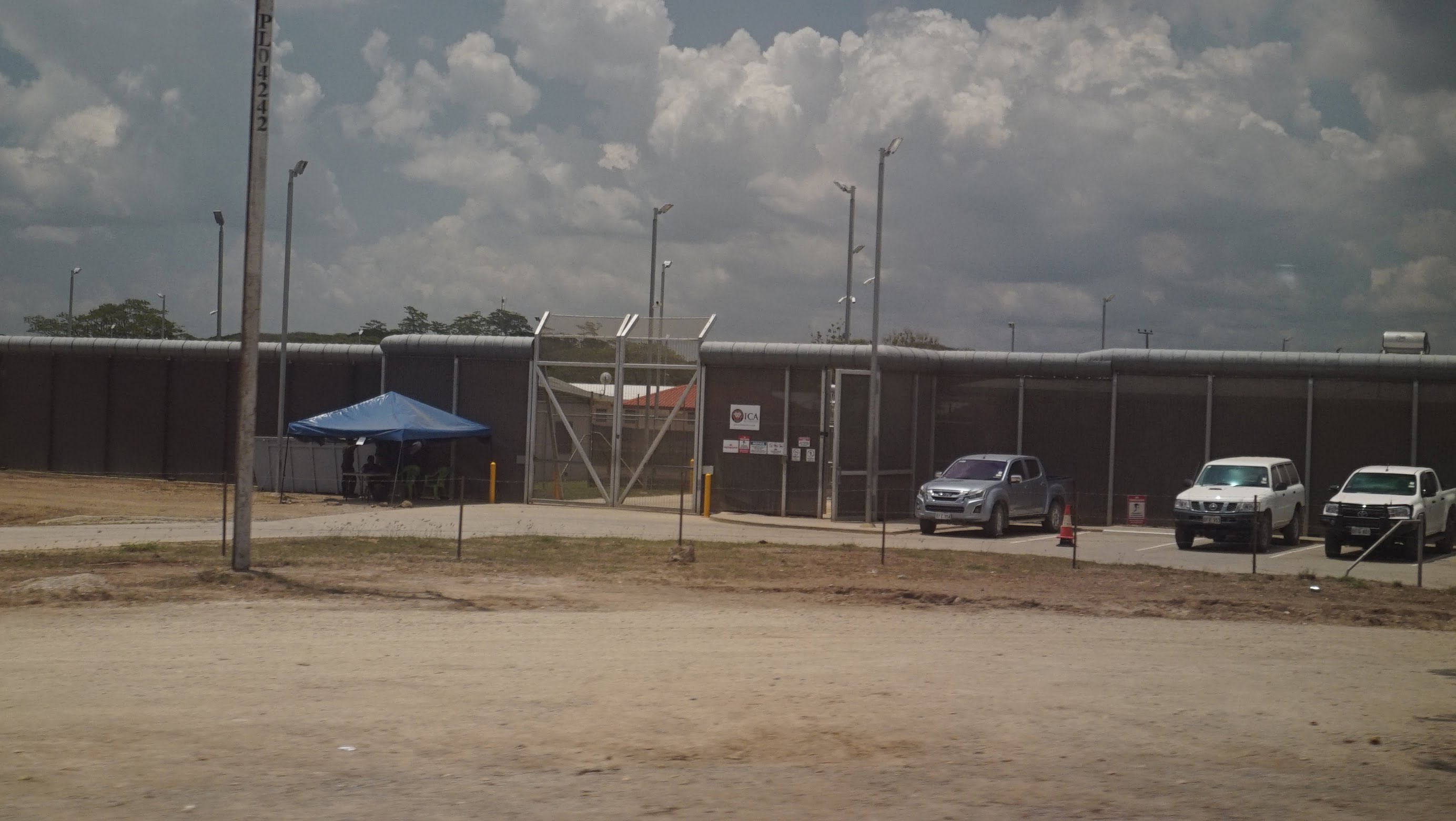
Papua New Guinea has been arbitrarily detaining rejected asylum seekers virtually incommunicado in the Bomana Immigration Centre, raising serious concerns about their health and safety, Amnesty International and Human Rights Watch said today.
In August 2019, the PNG government transferred more than 50 rejected asylum seekers from Port Moresby housing to the Australian-funded Bomana Immigration Centre on the outskirts of Port Moresby. There are now understood to be 46 men remaining in Bomana.
“The men in Bomana Immigration Centre are being treated like criminals, but they’ve committed no crime,” said Elaine Pearson, Australia director at Human Rights Watch. “Restrictions being imposed in Bomana Immigration Centre are worse than prison – at least in prison you can be in contact with your loved ones and your lawyer, but these men have no contact with the outside world.”
“The abuses these vulnerable men have undoubtedly suffered over the past two months can’t continue and they must be urgently released,” Amnesty International Australia Refugee Advisor Dr Graham Thom said.
Refugee advocates reported that detainees at the Bomana Immigration Centre have no access to phones or the internet, unless they have agreed to assisted voluntary return. In those cases, they are allowed a maximum of 15 minutes to call their families in their home countries or to arrange travel documents with home country authorities.
Behrouz Boochani, a Kurdish journalist and refugee in Port Moresby who has seen some of the detainees following their release told Human Rights Watch and Amnesty International that some of the men detained in Bomana have lost significant amounts of weight, “their bodies are weak, the faces are just like bones, they seem physically and mentally damaged.”
Nearly all are from Iran, which does not accept forcible returns of rejected asylum seekers. Authorities forced the men to surrender mobile phones and medication when they entered Bomana. They are unable to communicate with their families, friends, lawyers or doctors and psychologists who were previously assisting them. Many have mental health conditions or a physical illness, yet as reliable sources have confirmed, PNG authorities have told them they will not be released unless they “volunteer” to return home.
“Australia shouldn’t turn a blind eye to the suffering of people warehoused offshore,” Dr Thom said. “PNG needs to act immediately to end the men’s arbitrary detention and ensure they can access the medical treatment they desperately need.”
“It’s hard not to conclude that the cruel conditions at Bomana are a deliberate ploy to make people miserable so they accept to ‘voluntarily’ return to their home countries,” Pearson said. “If the PNG government is unable to deport these men, it should release them.”
Background
There are currently 262 current and former asylum seekers in PNG, who had been sent to Manus Island under Australia’s offshore processing regime (in addition to those transferred to Bomana). The majority now have refugee status and most were transferred to accommodation in Port Moresby where they fear for their safety.
The PNG government has rejected the refugee claims of the men detained at Bomana, yet PNG’s refugee status determination process falls far short of international standards.
Several of the men now detained in Bomana withdrew their asylum applications, for various reasons, including after the 2014 riots at the Manus detention center in which Iranian Reza Berati was beaten to death and dozens more wounded, due to the trauma this caused. Their cases were then administratively closed without a refugee status determination on the merits.
PNG, as a party to the Convention against Torture, is obligated not to return someone to a country “where there are substantial grounds for believing that [they] would be in danger of being subjected to torture”.
Under international law, all detainees, including irregular migrants, have the right to challenge their detention, along with the right to legal assistance and be informed of that right. Rejected asylum seekers in Bomana are detained in the absence of any individualised assessment of the need for detention, and with no consideration whether their removal – mostly to Iran – can be effected within a reasonable and foreseeable time frame. Further it would appear there is no framework in PNG law for their detention. There are no clear means to seek review of the lawfulness of their detention or for monitoring and evaluating the conditions of detention including access to communication to family or lawyers. The result is arbitrary detention prohibited by customary international law and treaties to which both Australia and PNG are party.
UNHCR has appealed for all refugees and asylum seekers to be immediately brought from PNG and Nauru – the other county to which Australia has transferred those arriving by boat seeking asylum – to safety. In the interim, the PNG government should allow all detainees at Bomana access to visitors and external communications and provide adequate access to food and medical care.
Responding to an official announcement and a promotional video published by Saudi Arabia’s state security agency which categorises feminism, homosexuality and atheism as ‘extremist ideas’, Heba Morayef, Amnesty International’s Middle East and North Africa Director, said:
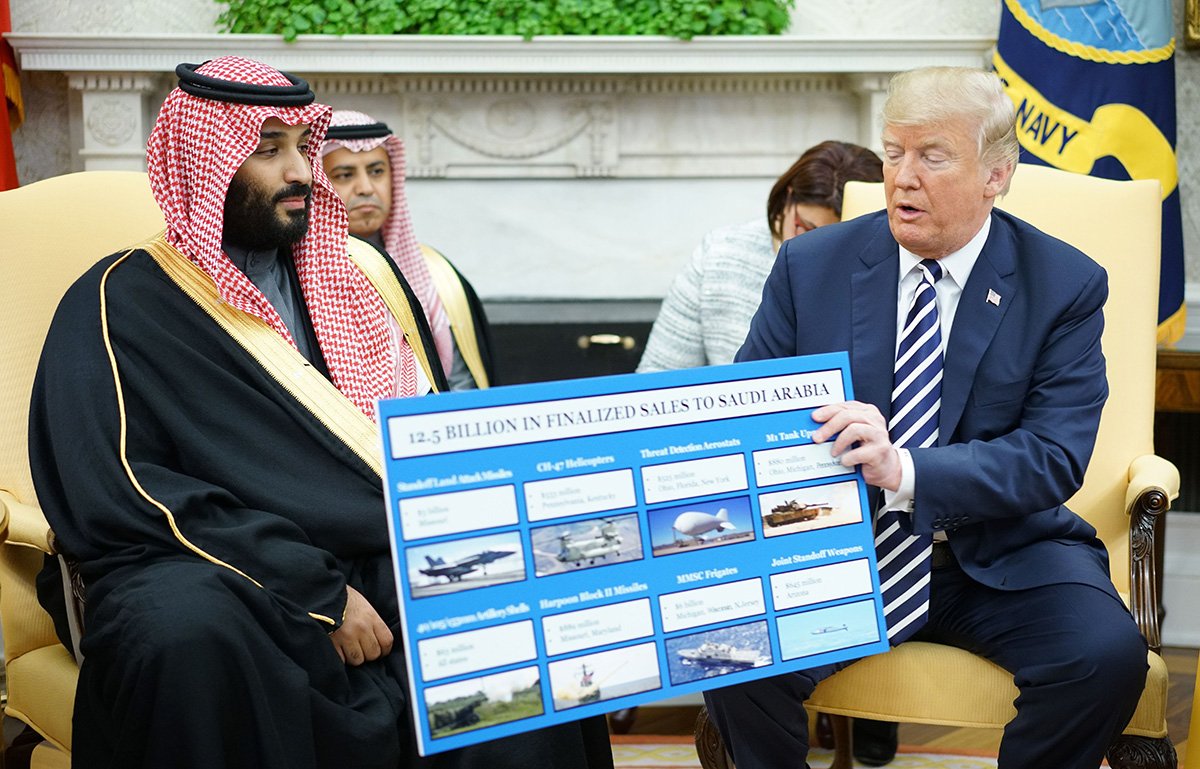
“The Saudi state security agency’s announcement which labels feminism, atheism and homosexuality as extremist ideas punishable by jail and flogging is outrageous – clearly contradicting the Kingdom’s bogus reformist image which Crown Prince Mohammed bin Salman continues to flaunt internationally.
“Feminism, atheism and homosexuality are not criminal acts. This announcement is extremely dangerous and has serious implications for the rights to freedom of expression and life, liberty and security in the country. It peels away the veneer of progress under Mohammed bin Salman and reveals the Kingdom’s true intolerant face which criminalises people’s identities, as well as progressive and reformist thoughts and ideas at home.
“International silence in the face of the imprisonment of dozens of peaceful Saudi dissidents for their expression is also alarming. Key allies such as the US, UK and EU must pressure the Kingdom and highlight the urgent need to protect freedom of expression in the country starting with the release of imprisoned human rights defenders and anyone detained for their peaceful expression”
Background:
Atheism is illegal and is punishable by death in Saudi Arabia. While punishments for same sex relations are not codified under the law in Saudi Arabia, they are strictly prohibited under Shari’a (Islamic law) which Saudi Arabia draws from for it’s legal framework.
Recent reforms of the male guardianship system and other laws which discriminated against women – such as the lifting of a ban on female drivers – are a testament to the tireless work of feminists and long-standing activist voices who are now locked up or who continue to be prosecuted in the country.
Since May 2018, 13 women activists, including Loujain al-Hathloul, Samar Badawi and Naseema al-Sada who remain in detention, have been on trial for their human rights activism and their work to promote women’s rights. Fourteen other writers, activists and family members of women’s rights activists remain in detention without trial since April 2019. Many of them are supporters of the women’s rights movement.
Responding to the shooting death of a young Walpiri man by NT Police, Amnesty International Australia’s Rodney Dillon said:
“Amnesty International was profoundly shocked and concerned to hear of the passing of the 19 year old Walpiri man in Yuendumu on Saturday night. We send our deepest condolences to the family and can’t imagine the level of harm this has done to the family and community long term.
“Amnesty once again calls for an urgent, thorough and fully independent investigation into this terrible event, with members of the community properly represented.
“The Northern Territory Government must also implement all the recommendations from the Royal Commission into Aboriginal Deaths in Custody. This is the only way to ensure the killings of our people finally comes to an end.”
We believe that overarching human rights protection – such as a human rights act or charter – is the best way to protect, promote and defend the human rights of all in Australia. This submission recommends a Federal Human Rights Act and improved parliamentary scrutiny of human rights.
Alejandra, a transgender Salvadorian activist held in immigration detention in the United States, was released on 6 September 2019.
What happened?
Alejandra fought for transgender rights for more than a decade in El Salvador. She was forced to flee to the United States after repeated attacks by a criminal gang, as well as abuses by the Salvadoran military.
Alejandra was then detained at the Cibola County Correctional Center in New Mexico for 20 months, where she reported inadequate medical care.
Authorities unfairly denied her requests for parole five times and at one point, Alejandra faced imminent deportation. In August 2019, Alejandra’s lawyers filed a petition for a writ of habeas corpus on Alejandra’s behalf, arguing that her prolonged detention violated protections against indefinite detention under the Constitution’s Fifth Amendment.
In response to the habeas, Alejandra was released!
“Through letters of support, people from around the world gave me the strength to continue in this struggle that was so hard for me. I’m here to keep fighting.”
Alejandra
The campaign for her release was spearheaded by Amnesty International, the Translatin@ Coalition, National Immigrant Justice Center, and dozens of members of the United States Congress.
Seeking asylum in the United States
President Trump’s administration has implemented immigration policies that have caused catastrophic harm to thousands of people and appear to be aimed at dismantling the American asylum system.
Fuelling these policies of cruelty with discriminatory and demonising rhetoric, President Trump and his cabinet members have routinely called asylum seekers “criminals,” and denounced international standards on refugee protection as legal “loopholes” and “magic words.”
In 2017 and 2018, the government implemented an official policy of mandatory and indefinite detention of asylum seekers, without parole, for the duration of their asylum claims.
Indefinitely detaining people seeking asylum constitutes arbitrary detention, in violation of both American and international law.
The authorities have leveraged the agony of prolonged detention in order to compel people seeking safety to “voluntarily” give up their asylum claims, and accept deportation.
Inadequate conditions of detention, including routinely substandard health care, has also contributed to peoples’ anguish and, in some cases, to their deaths in immigration detention facilities.
As recently as August 2019, trans women detained in Cibola County Correctional Center have reported that they are not being given access to adequate health services including food, water, and hygiene services, among others. The women have said that they are not being believed or given the necessary medical treatment.
How did Amnesty respond?
Almost 7,000 Amnesty International Australia supporters took action calling that Alejandra be granted parole while her asylum case is considered.
Our colleagues at Amnesty International USA presented these petitions, along with thousands of their own, to Immigration and Customs Enforcement calling for Alejandra’s release.
What’s next?
Alejandra’s journey isn’t over – Amnesty will continue to support her during the adjudication of her asylum claim.
We’re calling for a fair assessment of Alejandra’s asylum claim, as all people seeking safety in the United States should receive. We also remain concerned that Alejandra’s life is at great risk if she is denied protection and returned to El Salvador.
“People have the right to seek safety from persecution. There was no reason why Alejandra should have been locked up for seeking protection. Alejandra’s story is not an isolated case, there are many more trans people seeking asylum in the United States stuck waiting for months in detention centers where they are at risk of ill-treatment because of their gender identity and medical needs. It is cruel and unnecessary for U.S. immigration authorities to detain people fleeing to the U.S. in search of safety from persecution and violence, including brave women like Alejandra” says Denise Bell, researcher for refugee and migrant rights at Amnesty International USA.
“Alejandra’s story is not an isolated case, there are many more trans people seeking asylum in the United States stuck waiting for months in detention centers where they are at risk of ill-treatment because of their gender identity and medical needs.”
Denise Bell, researcher for refugee and migrant rights at Amnesty International USA