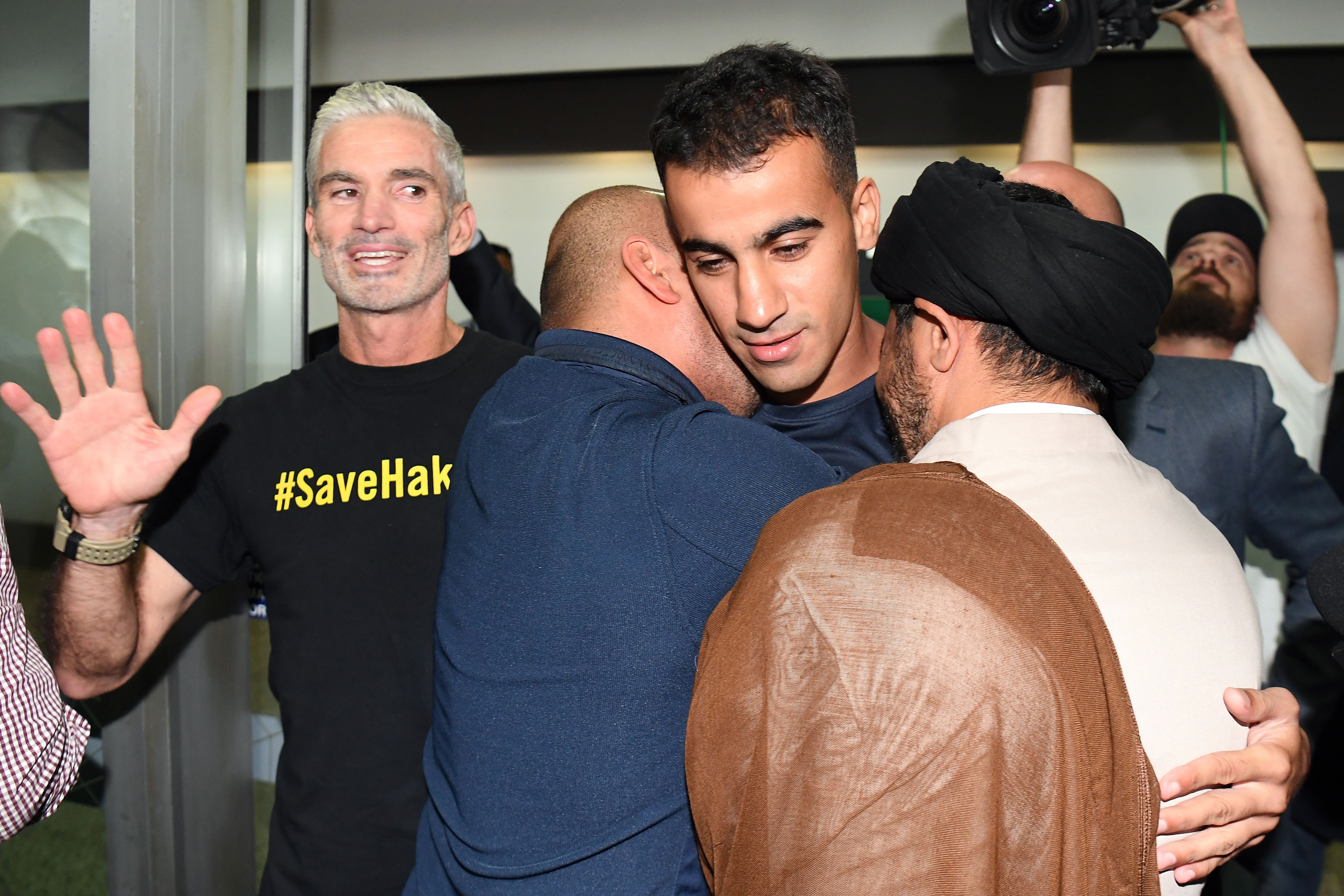
Fighting For Hakeem tells the story of Australia’s generosity in helping detained refugee Hakeem al-Araibi

The launch today of Craig Foster’s new book Fighting for Hakeem, reveals the inner workings of the campaign to free the young footballer who was detained for 76 days in a Thai prison thanks to the systemic failure of Australian Government agencies.

“This was a powerful moment that brought the whole nation together in solidarity with refugees seeking safety.”

Tim O’Connor, Campaigner Amnesty International Australia

Foster worked closely with Amnesty International Australia and a coalition of other sporting and human rights organisations to ensure Hakeem’s situation gained widespread media attention and lobbied the Australian Government to intervene to return him to Australia.

Australian Federal Police chief Reece Kershaw recently apologised to Hakeem and his family for the errors that led to his arrest and detention in Thailand, and Amnesty has urged the Department of Home Affairs to launch an inquiry into the failures that resulted in Hakeem’s arrest.

Proceeds of the sale of Fighting for Hakeem will go to Amnesty International Australia.

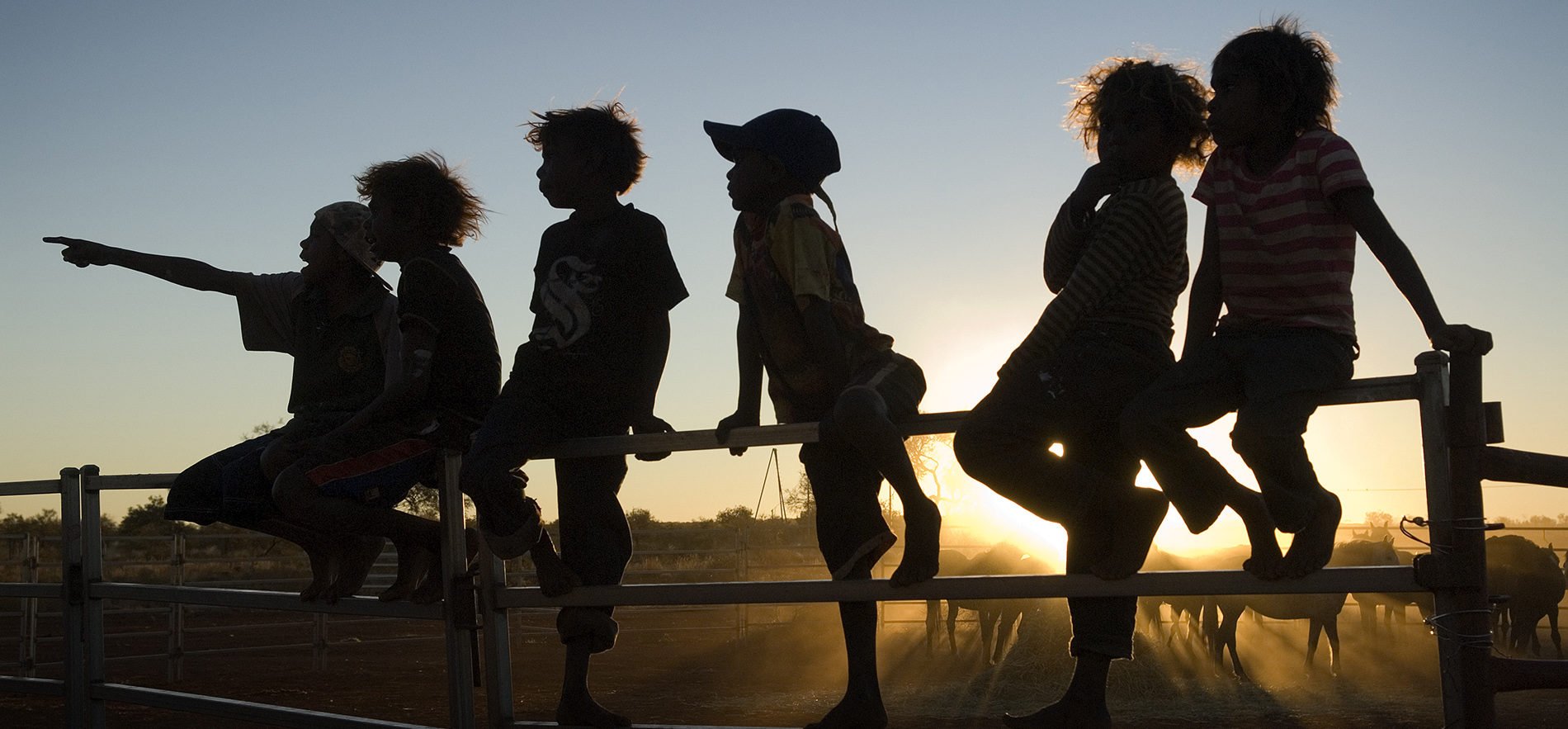
Decline in numbers of kids in NT prisons welcome, time to raise the age

Responding to new data from the Northern Territory government showing a decline in the number of children in Northern Territory youth prisons, Amnesty International Australia Indigenous Rights Manager Tammy Solonec said:

“The trend towards fewer kids being locked up in the Territory is welcome, but there are still 363 children in prison, which is 363 too many.

“Raising the age of criminal responsibility to 14 as recommended by the UN Committee on the Rights of the Child and investing in diversion programs and community-led solutions will reduce the number even further.

“The data is crystal clear: if you’re locked up before the age of 14, you are three times more likely to offend as an adult. We have to stop locking kids up where they get caught in the quicksand of the system.

“We should be investing in preventing young people getting trapped in the justice system rather than locking them up.”

Turkey: Syrians illegally deported into war ahead of anticipated ‘safe zone’

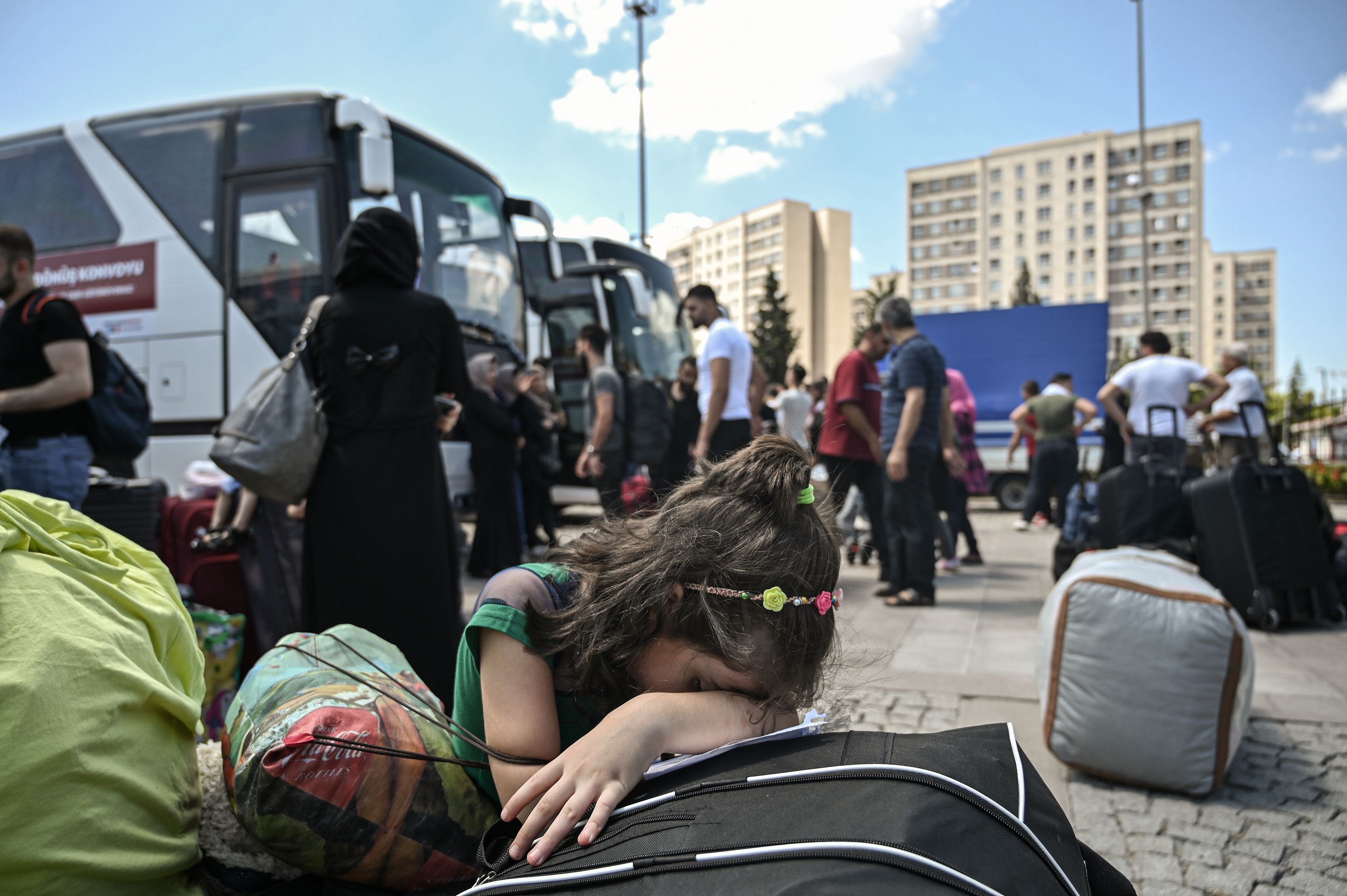
Turkey spent the months leading up to its military incursion into northeast Syria forcibly deporting refugees to the war-torn country, in advance of attempting to create a so-called “safe zone” on the Syrian side of the border, new Amnesty International research has revealed.

The organization met or spoke with refugees who said Turkish police had beaten or threatened them into signing documents stating they were asking to return to Syria, when in reality Turkey was forcing them back to a war zone and putting their lives in grave danger. 

“Turkey’s claim that refugees from Syria are choosing to walk straight back into the conflict is dangerous and dishonest. Rather, our research shows that people are being tricked or forced into returning,” said Anna Shea, Researcher on Refugee and Migrant Rights at Amnesty International.

“Turkey deserves recognition for hosting more than 3.6 million women, men and children from Syria for over eight years, but it cannot use this generosity as an excuse to flout international and domestic law by deporting people to an active conflict zone.” 

Without official statistics, estimating the number of forced deportations is difficult. But based on dozens of interviews conducted between July and October 2019 for the report, ‘Sent to a war zone: Turkey’s illegal deportations of Syrian refugees’, Amnesty International estimates that over the past few months the figure is likely in the hundreds. The Turkish authorities claim that a total of 315,000 people have left for Syria on an entirely voluntary basis.

It is illegal to deport people to Syria as it exposes them to a real risk of serious human rights violations.

“It is chilling that Turkey’s deal with Russia this week agrees to the ‘safe and voluntary return’ of refugees to a yet to-be-established ‘safe zone.’ Returns until now have been anything but safe and voluntary – and now millions more refugees from Syria are at risk,” said Anna Shea. 

Forced returns disguised as “voluntary”

The Turkish government claims that all those who return to Syria do so voluntarily, but Amnesty International’s research showed that many had been coerced or misled when signing so-called “voluntary return” documents. 

Some said they were beaten or threatened with violence to force them to sign. Others were told they were signing a registration document, that it was a confirmation of having received a blanket from a detention centre, or a form that expressed their desire to remain in Turkey.

Amnesty International documented 20 verified cases of forced deportations, each of which involved people being sent across the border on buses filled with dozens of other people who were handcuffed with plastic ties and were also seemingly being forcibly deported.

Qasim*, a 39-year-old father from Aleppo, said he was detained in a Konya police station for six days, where the officers reportedly told him: “You have a choice: one or two months, or a year, in prison – or you go to Syria.”

John, a Syrian Christian, said Turkish migration officials told him: “If you ask for a lawyer we will keep you six or seven months and we will hurt you.” 

He was deported after being caught by the Turkish coastguard trying to get to Greece, and said that after arriving in Syria he was detained for a week in Idlib by Jabhat al Nusra, an Islamist group linked to Al Qaeda. 

“It was a miracle I got out alive,” he said.

Any interaction with Turkish police or migration officials appears to put refugees from Syria at risk of detention and deportation, such as attending an interview to renew valid documents, or being asked for identification on the street. 

The most common explanation given to people for their deportation is that they are unregistered or outside their province of registration. However, even people with valid IDs for their province of residence have been deported.

The overwhelming majority of deportees appear to be adult men transported together on buses through Turkey’s Hatay province to the Bab al-Hawa border crossing in the Syrian province of Idlib. 

However Kareem, a 23-year-old man from Aleppo, said he was deported from Istanbul with two children aged 15 and 16, who were unregistered. Their mothers pleaded with the authorities outside the bus while their children were inside, but military police reportedly said the boys were breaking the law because they had no IDs, and that they would therefore be deported. 

Nabil, a young man with a wife and two-year-old son, told Amnesty International that he and his family were detained in Ankara in June 2019, alongside more than 100 other people. All the detainees were families except for three single men. Nabil said that after three days, they were told they were being taken to a camp in Hatay province, but instead they were all deported by bus to Idlib. 

“The Turkish authorities must stop forcibly returning people to Syria and ensure that anyone who has been deported is able to re-enter Turkey safely and re-access essential services,” said Anna Shea.

“The European Union and the rest of the international community, instead of devoting their energies to keeping people seeking asylum from their territories, should dramatically increase resettlement commitments for Syrian refugees from Turkey.” 

* To protect the Syrians interviewed for this research, only aliases are used.

Nearly 6 million messages of support for brave women around the world

Each year, the world’s biggest human rights event just gets bigger. Write for Rights 2018 was no exception, with people writing millions of messages that transformed the lives of women activists worldwide.

They came in their dozens, hundreds, even thousands. They were students, parents, teachers, friends – ordinary people who took a moment to tweet, type, draw or write a message of support for someone they’d never met. They did this an astonishing 5,911,113 times as part of Amnesty’s 2018 Write for Rights – an annual letter-writing marathon that has become the world’s biggest human rights event.

What’s astonishing isn’t that people wrote all those messages – although that, too, is incredible. No, what’s astonishing is the difference those messages made to the lives of the brave women activists we supported in 2018. Here are just some examples of how your words changed lives.

Woman in a wheelchair with countryside behind her
Gulzar Duishenova at mother’s house, where she was born. Bishkek, Kyrgyzstan.

Gulzar Duishenova had been championing disability rights in her country for years. In March 2019, her persistence paid off when Kyrgyzstan finally signed up to the Disability Rights Convention. Supporters wrote nearly a quarter of a million messages backing her.

Gulzar achieved a huge win for disability rights

“I am grateful for all the support and solidarity from so many of Amnesty International’s activists who care about our rights despite being from a different country,” said Gulzar.

Marielle’s family got several steps closer to justice

Marielle Franco was a charismatic local politician who always stood up for Brazil’s poorest: black women, LGBTI people, young people. In March 2018, she was gunned down in her car. Experts said the bullets had belonged to the Brazilian Federal Police. One year later, two ex-police officers were arrested for her killing. It was a small step towards justice, no doubt aided by the more than half a million messages demanding “Who killed Marielle Franco?”

“It helps me to get up in the morning and see some meaning, knowing that there is this big global network of affection,” said Monica Benicio, Marielle’s partner, when asked what it meant to be part of Write for Rights.

“All these demonstrations of love and affection are helping us to mobilise, to demand justice, to pressure for investigation and above all to fight so that there will be no more Marielles.”

Monica Benicio
A woman resting her head on her hand and smiling.
Atena Daemi, an anti-death penalty and civil society activist. © Private

Atena got the urgent medical care she needed

Jailed for handing out leaflets criticizing the death penalty, Atena Daemi has endured physical attacks while in prison. She needed specialist medical care urgently, and thanks to the more than 700,000 actions taken by people worldwide, Iran finally gave her the treatment she needed.

“I am wholeheartedly grateful to all people around the world who have showered me with compassion and kindness and spared no effort in supporting me,” she said.

A woman with short hair and wearing jeans and a red and blue checked shirt stands in a field of rocks and grass in the Xolobeni area near Mbizana in Eastern Cape.
Nonhle Mbuthuma © Private

Nonhle’s determination grew stronger

Nonhle Mbuthuma and her community have struggled hard to stop a mining company from extracting titanium from her people’s ancestral land in South Africa. But her campaign has put her danger. Nonhle has survived harassment, threats, even an assassination attempt. “Some of my colleagues have been killed, and I know I could be too. But I am not scared,” she told us when we spoke to her last year.

Through Write for Rights, people took more than half a million actions for Nonhle. “I want to thank Amnesty globally, the support they gave us is amazing and it makes a lot of difference,” Nonhle recently told us.

“The thousands of letters we have received shows that this struggle is not just about us, that we are not alone.

Nonhle Mbuthuma

It shows that the earth is important, and not only in Africa, because we have received letters from Germany, Sweden, Norway, and France. They want peace at the end of the day because without land there is no peace.”

a big crowd of people hold up a yellow banner that says Write for Rights
Write for Rights at Amnesty Australia National AGM, 2018. copy; AI

It’s not just a tweet

So, what can a tweet, postcard or signature really achieve? As it turns out, LOADS. With their words, supporters unleashed a wave of warmth and solidarity across the globe for the women we featured last year. Those words helped comfort people in distress. They also helped amplify these women’s calls for justice, in some cases persuading leaders to step up and do the right thing by them.

As we close out 2019, Write for Rights kicks off again. This year, we’re standing by young people around the world who are facing danger because the adults in charge are failing to protect them. These young people need you to stand by them. If you have any doubts, read what Geraldine Chacón (pictured) has to say. She’s a young activist from Venezuela who was at constant risk of being thrown back in jail for helping young people know their rights.

“I’ve campaigned for Write for Rights cases before,” said Geraldine. “I never imagined I’d be on the other side of the campaign. I have no words to thank all that Amnesty has done for me.”

People wrote thousands of letters in support of her in 2018, and she had this to say about what they meant to her: “A letter has the power to turn a bad day into a happy day.”

So, get writing. Join Write for Rights 2019

Myanmar: Military atrocities ‘relentless and ruthless’ in northern Shan State

Amnesty International has gathered fresh evidence that the Myanmar military is continuing to commit atrocities against ethnic minorities in the north of the country, with civilians bearing the brunt of offensives against multiple armed groups. The conflicts show no sign of abating, raising the prospect of further violations.

A new report, “Caught in the middle”: Abuses against civilians amid conflict in Myanmar’s northern Shan State, details the harrowing conditions of civilians arbitrarily arrested, detained and tortured by the military. It also highlights the abusive tactics used by ethnic armed groups as they confront the military and each other to exert control in the region.

“The Myanmar military is as relentless and ruthless as ever, committing war crimes against civilians in northern Shan State with absolute impunity,” said Nicholas Bequelin, Amnesty International’s Director for East and Southeast Asia. “Soldiers – and more importantly commanders – are subjecting civilians to the military’s hallmark brutality in the absence of any form of accountability.”

Amnesty International documented war crimes and other military violations against ethnic Kachin, Lisu, Shan, and Ta’ang civilians during two field missions to the region in March and August 2019.

Civilians who spoke to Amnesty International repeatedly implicated the military’s 99th Light Infantry Division (LID) in many of the violations. Units from the 99th LID were implicated in some of the worst atrocities against the Rohingya in Rakhine State since August 2017, as well as in war crimes and other serious violations in northern Myanmar in 2016 and early 2017.

“Wherever the 99th Light Infantry Division is deployed we see similar patterns of abuse and the commission of horrific crimes unfold. This highlights the urgency of international action to hold Myanmar’s military – not least its senior generals – accountable.”

Violations have continued even after the military announced a unilateral ceasefire, since lapsed, in December 2018. A recent escalation of fighting in the region – which the government has linked to illegal drug trafficking but which ethnic armed groups attribute to ongoing military offensives – has brought new reports of violations. Meanwhile, progress on the country’s stalled peace process looks unlikely as all sides gear up for general elections in 2020.

Familiar patterns of military violations

Myanmar soldiers have committed serious violations of international human rights and humanitarian law in the last year, particularly in the northernmost townships of Shan State. These have continued even after the military’s announcement of a unilateral ceasefire in the area on 21 December 2018.

Soldiers have detained civilians – overwhelmingly men and boys – often torturing or subjecting them to other forms of ill-treatment. Most were accused of having links to specific armed groups based solely on their ethnicity, a sign of the climate of suspicion, discrimination and arbitrary punishment that Kachin, Shan, Ta’ang and other ethnic minority communities face at the hands of the Myanmar military. The military has also fired indiscriminately in civilian areas, killing and injuring civilians and damaging homes and other property.

On 11 March 2019, soldiers from the 99th LID detained and tortured two ethnic Kachin villagers in Kutkai Township. While the men were away fishing, fighting broke out between the military and the Kachin Independence Army (KIA). One of the men, 35, recalled what happened when they encountered the group of soldiers:

“[A soldier asked] ‘Are you KIA?’ I said ‘no’, then they started punching and kicking me. They forced me to take off my clothes [and] held a knife to my neck… Then they forced me to squat with my fingers on my knees… They told me if I moved they would cut off my fingers… They put a grenade in my mouth… I was afraid if I moved it would explode.”

In some cases, detainees were taken to military bases where they were held incommunicado for up to three months and denied access to family and lawyers. In one case documented by Amnesty International, an 18-year-old man and a 14-year-old boy were subjected to forced labour, including digging trenches, while being held at a military base in the town of Kutkai.

Before being taken to the base the 18-year-old was beaten, then tortured further. He said: “They asked if I was a [KIA] soldier… I kept saying no, then they put a plastic bag over my head [and] tied it tight by holding it in the back. They were asking me if I knew any soldiers from the village. They did it six or seven times, each time for two or three minutes. I couldn’t breathe.”

Ethnic armed groups also committing abuses

Civilians are increasingly caught between ethnic armed groups who abduct, detain and sometimes torture men and boys, often accusing them of supporting a rival armed group. Amnesty International documented such abuses by the Kachin Independence Army (KIA), the Shan State Army-North (SSA-N), the Shan State Army-South (SSA-S), and the Ta’ang National Liberation Army (TNLA).

Armed groups have also subjected civilians to forced labour. Amnesty International documented several instances when civilians were forced to work as porters, carry fighters’ belongings and guide them to other villages during active combat, putting their lives at risk.Civilians also told Amnesty International that armed groups regularly extort food and money from them, threatening anyone who refuses with physical violence.

“Armed groups are responsible for heinous abuses against civilians, including abductions, forced labour and beatings. We are calling on all sides to stop targeting civilians, and to take all possible measures to keep fighting away from populated areas,” said Nicholas Bequelin. 

Civilians paying the price

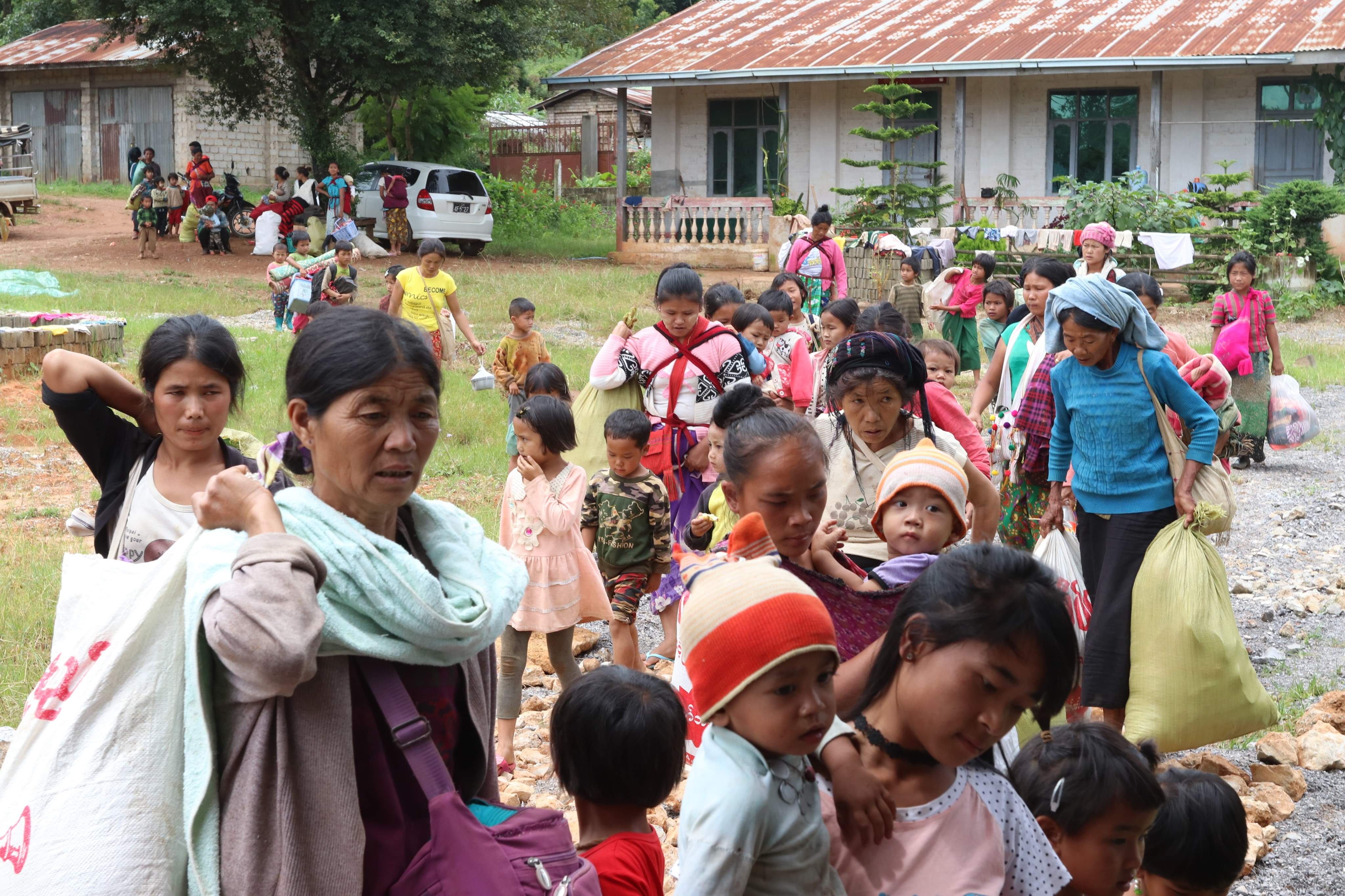
Thousands have been forced to flee their homes in the last year as the fighting moves closer to villages. Many people have been displaced multiple times. One women told Amnesty International she had fled her home four times in March 2019 alone.

Villagers often flee to makeshift displacement sites such as churches and monasteries, where they stay until the fighting moves to a different area. These short-term displacements can make it difficult for humanitarian workers to access people in need, made worse by government and military restrictions on humanitarian access.

Even those who flee are not safe, with an alarming increase since 2018 in the number of civilians killed or injured by landmines or improvised explosive devices.

Amnesty International is calling on all sides to respect international humanitarian and human rights law, protect civilians, and ensure humanitarian access. Armed groups must end acts of violence and intimidation against civilians and take all feasible measures to avoid civilian-populated areas.

“Those responsible for war crimes should face justice, all the way up to Senior General Min Aung Hlaing, the Myanmar military’s Commander-in-Chief,” said Nicholas Bequelin. “Fighters and commanders in ethnic armed groups should also be investigated and held accountable for war crimes.”

“For too long the UN Security Council has stood by as civilians were abandoned to a ceaseless cycle of violence. It is time for the Council to stop dragging its feet and refer the situation in Myanmar to the International Criminal Court.”

AFP apology to Hakeem welcome, action still needed

Amnesty International Australia welcomed Australian Federal Police chief Reece Kershaw’s apology to Hakeem al-Araibi for the time he was detained in a Thai prison.

“An apology, albeit belated, is the very least Hakeem should expect for the ordeal he and his family endured,” Amnesty International Australia campaigner Tim O’Connor said.

“It’s a welcome acknowledgement of systemic failure in the AFP and Department of Home Affairs’ processes. 

“We look forward to the Department of Home Affairs also offering an apology to Hakeem and his family. The evidence we have garnered through Freedom of Information clearly shows it is the failure of Home Affairs systems and communications that led to Hakeem’s detention in Thailand.

“It is troubling that more than 10 months after these Australian Government departments failed Hakeem, that their systems are still not fixed. What happened to Hakeem could happen to someone else, which is why Australian taxpayers should receive an independent and transparent inquiry so we can all have trust in our Government’s systems.”

Extradition of Julian Assange to the United States must not go ahead

Ahead of today’s extradition hearing in the Westminster Magistrates’ Court, Massimo Moratti, Amnesty International’s Deputy Director for Europe, said:

“The British authorities must acknowledge the real risks of serious human rights violations Julian Assange would face if sent to the USA and reject the extradition request. The UK must comply with the commitment it’s already made that he would not be sent anywhere he could face torture or other ill-treatment.

“The UK must abide by its obligations under international human rights law that forbids the transfer of individuals to another country where they would face serious human rights violations. Were Julian Assange to be extradited or subjected to any other transfer to the USA, Britain would be in breach of these obligations.”

Syria: Damning evidence of war crimes and other violations by Turkish forces and allied armed groups

Turkish military forces and a coalition of Turkey-backed Syrian armed groups have displayed a shameful disregard for civilian life, carrying out serious violations and war crimes, including summary killings and unlawful attacks that have killed and injured civilians, during the offensive into northeast Syria, said Amnesty International today. 

The organization gathered witness testimony between 12 and 16 October from 17 people including medical and rescue workers, displaced civilians, journalists, local and international humanitarian workers, as well as analyzing and verifying video footage and reviewing medical reports and other documentation.

The information gathered provides damning evidence of indiscriminate attacks in residential areas, including attacks on a home, a bakery and a school, carried out by Turkey and allied Syrian armed groups. It also reveals gruesome details of a summary killing in cold blood of a prominent Syrian-Kurdish female politician, Hevrin Khalaf, by members of Ahrar Al-Sharqiya, part of the Syrian National Army, a coalition of Syrian armed groups equipped and supported by Turkey. 

“The Turkish military offensive into northeast Syria has wreaked havoc on the lives of Syrian civilians who once again have been forced to flee their homes and are living in constant fear of indiscriminate bombardment, abductions and summary killings. Turkish military forces and their allies have displayed an utterly callous disregard for civilian lives, launching unlawful deadly attacks in residential areas that have killed and injured civilians.”

Kumi Naidoo, Secretary General of Amnesty International.  

“Turkey is responsible for the actions of the Syrian armed groups it supports, arms and directs. So far, Turkey has given these armed groups free rein to commit serious violations in Afrin and elsewhere. We call on Turkey again to end violations, hold perpetrators accountable, and protect civilians living under their control. Turkey cannot evade responsibility by outsourcing war crimes to armed groups.”

The Kurdish-led administration’s health authority in northeast Syria said on 17 October that at least 218 civilians have been killed in Syria, including 18 children, since the offensive began.

According to the Turkish authorities, 18 civilians have died and 150 have been injured in Turkey up to 15 October, as a result of mortar attacks they attribute to Kurdish forces in Syria. If Kurdish forces are firing imprecise explosive weapons into civilian areas in Turkey this would violate international humanitarian law. They should stop such unlawful attacks immediately.

Attacks on civilians in northeast Syria

In one of the most horrific attacks documented, a Kurdish Red Crescent worker described how he pulled bodies from the wreckage of a Turkish air strike on 12 October at around 7am, in which two munitions landed near to a school in Salhiye, where civilians displaced by the fighting had sought shelter.

“Everything happened so fast. In total, there were six injured and four killed, including two children. I couldn’t tell if they were boys or girls because their corpses were black. They looked like charcoal. The other two people killed were older men, they looked older than 50. Honestly, I am still in shock,” he said, adding that the nearest frontline was more than 1km away and that there no fighters or military objectives in the vicinity at the time of the attack.

Another Kurdish Red Crescent worker described to Amnesty International his attempts to rescue an 11-year-old boy and an eight-year-old girl who were injured when mortars landed as they played outside their home near al-Salah mosque in Qamishli. He said that Qamishli had come under heavy indiscriminate attack since 10 October and residential homes, a bakery and restaurant had been struck.

“The boy was injured in his chest. The injury was horrible. He had an open wound… and he couldn’t breathe. It looked like a [piece of] shrapnel ripped his chest open,” the Kurdish Red Crescent worker said.

The boy later died of his wounds. His sister was also struck by shrapnel in the attack and doctors were forced to amputate part of her leg below the knee. The rescue worker said there were no military bases or checkpoints anywhere in the vicinity.

In a separate incident on 13 October, according to independent international monitors, a Turkish air strike on a market struck a civilian convoy that included several journalists travelling between Qamishli and Ras al-Ain. According the Kurdish Red Crescent six civilians, including one journalist, were killed in the incident and 59 people were injured. A journalist who was present on the scene and witnessed the attack described it as “an absolute massacre”. He said the convoy was made up of around 400 civilian vehicles and that there were no fighters present, only a handful of armed guards protecting the convoy.

“All parties to the conflict must respect international humanitarian law, which requires that all feasible precautions are taken to avoid, or at least, minimize civilian harm. Striking a civilian convoy is inexcusable,” said Kumi Naidoo.

“There is also no justification for indiscriminately shelling civilian areas using imprecise weapons such as mortars. Such unlawful attacks must be investigated and those responsible held to account.”

The USA is the largest exporter of weapons to Turkey. Other suppliers include Italy, Germany, Brazil and India. Amnesty International is calling on states to immediately suspend arms transfers to Turkey and other parties to the conflict in Syria, including Kurdish forces, against whom there are credible allegations of serious violations of international law, of weapons that could be used to commit or facilitate human rights violations.

Summary killings and abduction

Amnesty International also corroborated witness testimony, verified video footage and reviewed a medical report to shed light on how Hevrin Khalaf, a Kurdish female politician and Secretary General of the Future Syria political party, was ambushed on 12 October on the international highway linking Raqqa to Qamishli. She was dragged out of her car, beaten and shot dead in cold blood by fighters from Ahrar al-Sharqiya. They also summarily killed her bodyguard.

On the same day and location Ahrar al-Sharqiya fighters also captured and then killed at least two Kurdish fighters. They also abducted  two civilian men, both of whom work with a local medical organization and were transporting medicine at the time they were captured. Family members confirmed to Amnesty International that their whereabouts remained unknown. Amnesty International verified the time and date of the videos showing that the summary killings and abduction of the two civilians carried out on the afternoon on 12 October.

Hervin Khalaf’s close friend told Amnesty International that when she tried to call Hevrin’s phone, a man who identified himself as a Syrian armed opposition fighter answered. In Arabic, he told her: “You Kurds are traitors, all of you in the [PKK] party are operatives” and informed her that Hevrin had been killed.

A medical report seen by Amnesty International lists a series of injuries inflicted on Hevrin Khalaf, including multiple gunshot wounds to the head, face and back as well as fractures to her legs, face and skull, detachment of skin from her skull and loss of hair as a result of being dragged by the hair.

“Killing defenseless people in cold blood is utterly reprehensible and a blatant war crime. Ahrar’s al-Sharqiya’s murder of Hevrin Khalaf and others must be independently investigated and the perpetrators brought to justice. Turkey has a responsibility to stop war crimes and violations committed by forces under its control. Unless Turkey reins in its proxy forces and ends impunity for violations, it will encourage further atrocities,” said Kumi Naidoo.

Deteriorating humanitarian situation

Local and international aid workers told Amnesty International that the US withdrawal from northeast Syria, Turkey’s military offensive and the Syrian government joining the fray was a combination of worst-case scenarios happening all at once.

There are real fears about whether the 100,000 displaced are getting enough food, clean water and medical supplies – and how those in need will continue to receive assistance in the longer term. In camps for the internally displaced, such as al-Hol, the population is entirely dependent on humanitarian aid. A group of 14 international humanitarian organizations warned on 10 October that the offensive could lead to cutting off aid to the population, while the ICRC warned a few days later that hostilities could lead to the displacement of 300,000 people, with serious concerns about water shortages. 

Many of those displaced have nowhere to go and are sleeping out in the open, in gardens and in the streets. Some have sought shelter in schools. 

In the town of Derbassiya, around 90% of the population are people who were displaced from their homes and moved there. One man in Derbassiya, who fled with his family, told Amnesty International that around half were staying with relatives in the south and the rest had sought shelter in schools and mosques. 

“There are no humanitarian organizations in south Derbassiye. We didn’t see anything from them. We need basic supplies like water, food, clothes, blankets and mattresses. We need a medical clinic… Winter is on its way. We need a solution especially for the families who are living outside in the open,” he said. 

A humanitarian aid worker told Amnesty International: “People already suffering from chronic diseases will be at huge risk. Their survival will depend on how long this fighting lasts, and whether we are able to operate going 

Many expressed serious concerns that the security situation would lead to further evacuation of international staff and that the advance of Syrian government forces could pose risks to local Arab and Kurdish staff, as well as to displaced civilians who fled other parts of Syria. There are also fears that the ability of aid agencies to carry out crucial cross-border operations to deliver aid would be limited.

“All parties to the conflict including Turkey, armed groups allied to Turkey, as well as Syrian government and Kurdish forces must provide unfettered access to local and international humanitarian organizations

“Turkey’s continued military offensive has driven thousands of already displaced people from what had been places of safe shelter. Turkey’s actions risk hampering the delivery of life-saving assistance and medical aid to those in need, causing a full-blown humanitarian catastrophe in a country already ravaged by war,” said Kumi Naidoo
Amnesty International Australia welcomes move by Target, Cotton On to end buying cotton from Xinjiang

In response to news today that Cotton On and Target Australia would cease sourcing cotton from Xinjiang, Amnesty International Australia campaigner Rose Kulak said:

“Amnesty welcomes this move by Cotton On and Target to stop sourcing cotton from Xinjiang. We know there are terrible human rights violations occurring for the million Uyghur people currently interred there in political “re-education” camps where forced labour is a common practice.

“Australians care about human rights and do not want to aid practices like forced labour when they buy a new t-shirt.

“Clearly, the risk is too great for these companies to be associated with the oppression of the Uyghur people.We call on all Australian companies to make transparent their supply chains to ensure consumers do not unwittingly support gross human rights abuses of Uyghur people.”

Amnesty International Australia appoints new National Director

Following Claire Mallinson’s announcement earlier this year that she would not be seeking a fourth term as Amnesty International Australia (AIA) National Director, it was announced at the organisation’s Annual General Meeting that Samantha Klintworth has been appointed to be the new National Director. 

AIA Board Chair Gabe Kavanagh paid tribute to Claire who departs Amnesty on the 31st October, while welcoming Sam to the new role.

“Claire became the National Director of Amnesty International Australia in October 2007. Since then, internationally – and at home – we have seen rising hatred and extremist views, the closing of borders, and conflict that causes irreparable harm.

“On a personal note, it has been a privilege to work with Claire. She is a wonderful example of leading with generosity, humanity and tenacity and I am grateful for our time as colleagues. She has navigated the tension of the role skilfully: a driving commitment to human rights, a deep appreciation for our member leadership, an ambitious pursuit of organisational reform, and a calm and methodical approach to the everyday.  

“Under Claire’s leadership, AIA has faced these challenges with courage, grown our supporter base by 400% and most importantly helped save and protect lives and delivered justice for people facing human rights abuses,” Kavanagh said.

“Her achievements speak for themselves – Claire has been pivotal in achieving human rights wins at home and across the world,” she said. 

Klintworth comes to the role from Uniting Care where she was most recently General Manager of the Queensland operation. 

Having worked in the not for profit community sector for more than 20 years, with a particular focus and passion for working with vulnerable and disadvantaged people and communities, she has experience as a practitioner, senior manager and executive in many service delivery areas including Aboriginal and Torres Strait Islander communities, asylum seeker and refugee communities and youth justice. She is a passionate human rights advocate.

“I have long respected the amazing work of Amnesty, and I am both excited and humbled to be joining the team at Amnesty International Australia.

“I look forward to contributing to and supporting the vital work of defending human rights undertaken by our members and activists.”