Not good enough: Home Affairs systemic failure, not just ‘human error’, could easily happen again

Responding to comments by Home Affairs Minister Peter Dutton today that “human error” was to blame for his department putting Hakeem al-Araibi’s life at risk, Amnesty International Australia campaigner Tim O’Connor said:

“It’s simply not good enough to scapegoat a single person for what is a systemic failure.

The fact is that a person’s life was put at serious risk by a department whose systems completely failed.

Amnesty International Australia campaigner Tim O’Connor.

“The fact is that a person’s life was put at serious risk by a department whose systems completely failed. When the Interpol red notice that led to Hakeem’s arrest in Thailand was finally challenged, it was rescinded within 24 hours. If the system worked, he would never have been put in jail for 76 days.

“This new evidence shows the system failure has not been addressed and could easily happen again with potentially disastrous consequences unless there is an immediate open and transparent independent inquiry.

“The default setting for Home Affairs is to punish instead of protect, as is clear from this latest evidence on Hakeem’s case. An independent inquiry is urgently needed to ensure no other person is ever put in this danger by the failings of our Government.”

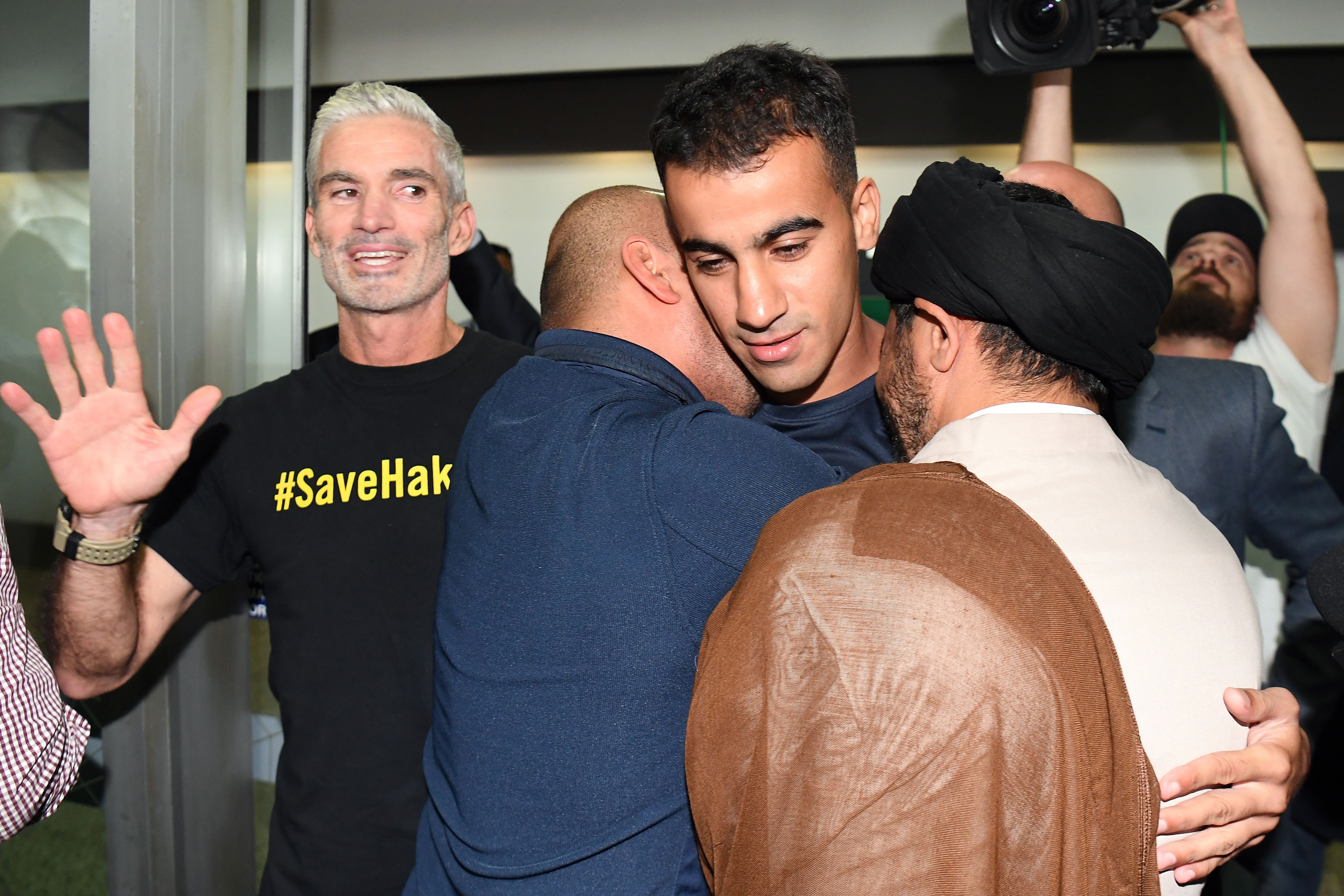
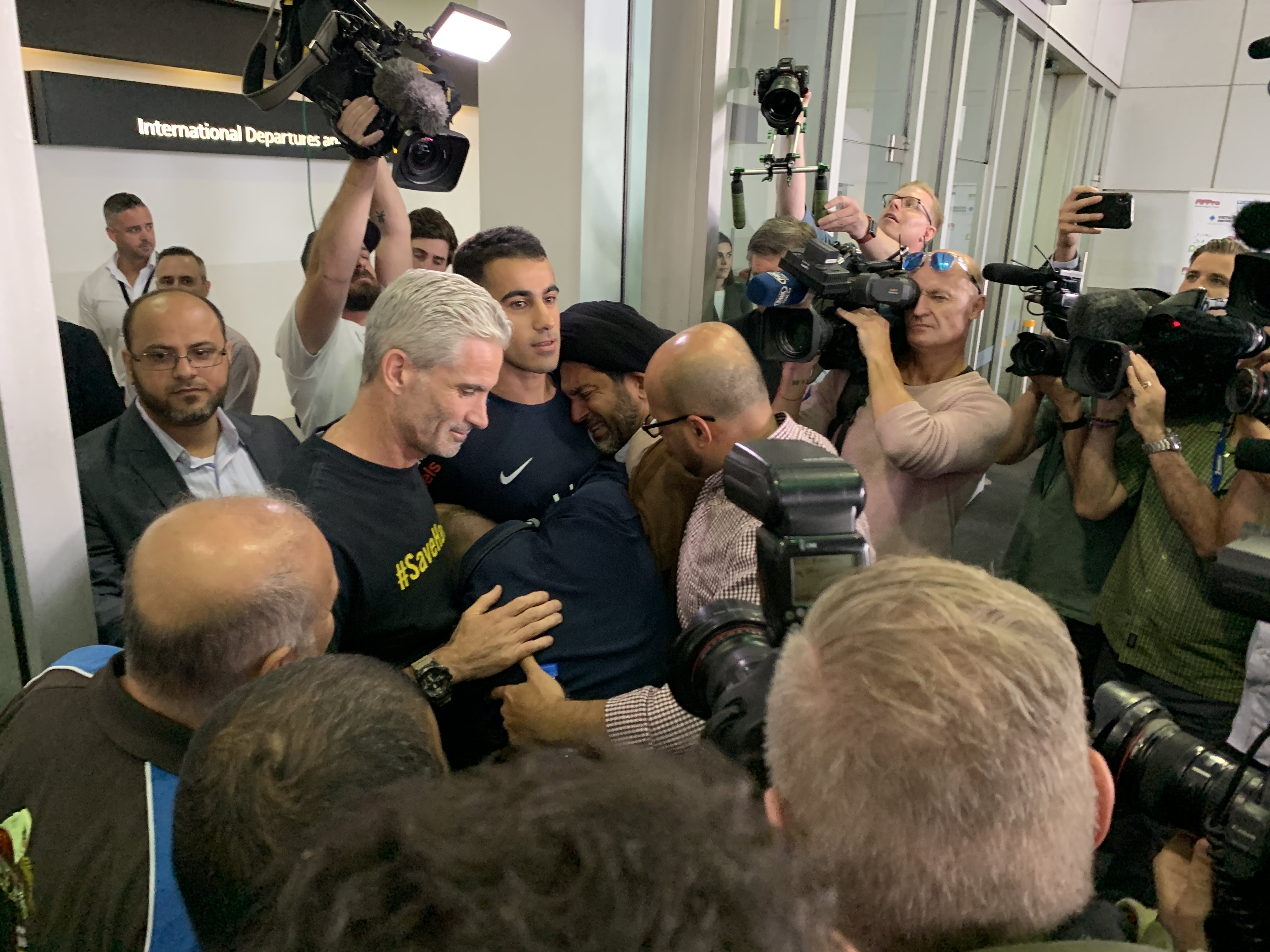
FOI documents raise serious concerns over Australian Government’s role in detention of Hakeem al-Araibi

Freedom of information documents finally released after nine months illustrate how shambolic communication and a culture of punishment before protection within the Home Affairs Department put Hakeem al-Araibi’s life at risk.

Hakeem was unfairly detained in Thailand in November 2018 for 76 days on an erroneous Interpol red notice after contacting the Australian Government to ensure he was safe to travel there on his honeymoon, having fled persecution from his native Bahrain in 2014. 

The FOI documents reveal that Australian officials endangered Hakeem’s safety and ultimately risked his life when they told Bahrain, the country he fled from, that he was travelling.

Then, once detained, Australian officials started the process of cancelling his visa – a move which would have left Hakeem extremely vulnerable to extradition to Bahrain.

“It is deeply concerning that there appears to be a systemic failure across and between Australian Government departments,” Amnesty International Australia National Director, Claire Mallinson, said.

“Australia recognised that Hakeem was fleeing persecution and that he is a refugee, but the Home Affairs department was not able to cross check its own domestic records effectively and was reliant on another international organisation, to point out its error.” 

The Department of Home Affairs covers immigration, citizenship as well as Australian Border Force under one umbrella. As revealed in the FOI documents, the system it operates under is at best unclear, and at worst sees different parts of the department actively working in contravention of the responsibilities of another. 

It appears from the information obtained under the FOI that Border Force was unaware of the danger it was putting al-Araibi in by informing Bahrain he was travelling, despite Immigration recognising him as a refugee. 

“Australia failed to provide the protection it promised Hakeem when it recognised that he was a refugee by telling Bahrain that he was travelling. 

“Thankfully that  failure did not result in tragic consequences, but did see Hakeem detained for more than 10 weeks,” Mallinson said. 

She said the information obtained under the FOI demonstrated Australia’s punitive approach to asylum seekers and refugees with its first move being to consider cancelling al-Araibi’s visa. 

“The failure of Minister Dutton’s Home Affairs department to protect Hakeem, and instead place him in great peril, highlights the urgent need for a comprehensive independent review. It’s critical that changes are made to ensure that others are not put in the sort of danger that damaged Hakeem and his family and risked Hakeem’s life . 

“The systems currently in place mean that this terrible situation could happen again at anytime.”

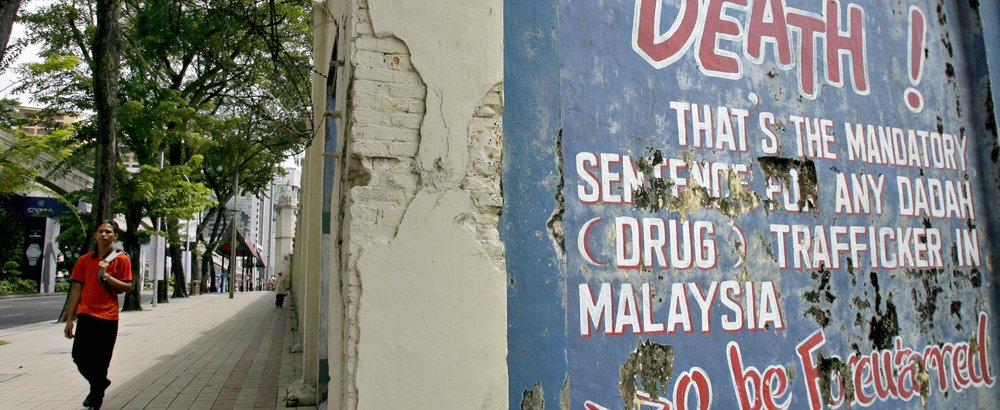
Malaysia: Unfair trials, secretive hangings and petty drug convictions reveal ‘cruel injustice’ of the death penalty

Malaysia must start to fulfil its promise to abolish the death penalty in forthcoming legislation by ending its use for drug-related offences and eliminating the mandatory death sentence, Amnesty International said today, as it launches a new report to mark the World Day Against the Death Penalty.

The report, Fatally flawed: Why Malaysia must abolish the death penalty, reveals the use of torture and other ill-treatment to obtain “confessions”, inadequate access to legal assistance, an opaque pardons process and other serious violations of the right to a fair trial that have put people at risk of execution.

The report also highlights how 73% of those on death row – 930 people – have been sentenced to death for drug-related offences in contravention of international human rights law. More than half of them (478) are foreign nationals.

“Malaysia has a golden chance to break with decades of cruelty and injustice, disproportionately inflicted on some of the most marginalized,” said Shamini Darshni Kaliemuthu, Executive Director of Amnesty International Malaysia.

“Our research found a pattern of unfair trials and secretive hangings that itself spoke volumes. From allegations of torture and other ill-treatment to an opaque pardons process, it’s clear the death penalty is a stain on Malaysia’s criminal justice system.”

The death penalty is currently retained as the punishment for 33 offences in Malaysia and is mandatory for 12 of these. In recent years, it has mostly been used for murder and drug trafficking convictions.

A year ago, the newly-elected Malaysian government announced it would repeal the death penalty for all crimes, having already established a moratorium on executions in July 2018. But in a new parliamentary session starting this month, the government is expected to table legislation that will remove the mandatory death penalty only, and for just 11 offences – way short of full abolition.

Amnesty International is calling on the authorities to continue to observe the moratorium on executions until the death penalty is fully abolished and use the anticipated legislation to repeal the mandatory death penalty for all crimes – including drug trafficking.

Death row for the most marginalized

Of the 1,281 people reported to be on death row in Malaysia as of February 2019, 568 (44%) are foreign nationals, who face serious obstacles to access adequate consular assistance and interpretation.

Amnesty International has also found that some of Malaysia’s ethnic minorities are over-represented on death row, and data seen by the organization points to a large proportion of people from disadvantaged backgrounds.

Amnesty International found that most people (73%) on death row were convicted of drug trafficking, more than half of them foreigners. Many of them claimed they were coerced or manipulated into bringing small amounts of drugs into the country and had not used any violence. Under international law, countries that have not yet abolished the death penalty must limit its use to the “most serious crimes,” such as murder.

The cases of many women on death row show the devastating impact of Malaysia’s draconian anti-drugs law combined with the mandatory death penalty. Nearly nine out of 10 women facing the gallows are foreigners convicted of drug trafficking. In some cases, women said they were in financial trouble or were coerced into carrying the drugs. However, the mandatory death penalty means judges have no opportunity to give any consideration to these circumstances.

Unfair trials

Lawyers and relatives told Amnesty International that it was common for defendants who could not afford a lawyer to go without any legal assistance until charges were brought before a court. They also described a critically under-resourced legal aid system that left many defendants without legal assistance for long periods, often until the very start of their trial.

Suspects in death penalty cases can be detained up to 14 days, and interviewees told Amnesty International that it was common for defendants to “get beaten up” to extract “confessions”. The practice continues to this day, despite ongoing outcry from Malaysian NGOs. A UN working group’s 2011 investigation already found that “virtually all detainees” had suffered torture or other ill-treatment during their interrogations.

Despite the very high rate of foreigners sentenced to death, as well as the numerous languages spoken inside the country, Malaysian law does not provide for any interpretation services to support defendants who do not speak Malay other than in courtroom proceedings. Amnesty International heard cases of people being asked to sign documents in Malay despite not understanding the language.

Hoo Yew Wah, a Malaysian national of Chinese ethnicity, was arrested aged 20 in 2005 with methamphetamine and convicted based on a statement he made in Mandarin, his mother tongue, but which police recorded in Malay. He says the statement they made him sign is inaccurate, that police broke his finger during the interrogation, and further threatened to beat his girlfriend if he refused to sign it. He did not have the assistance of a lawyer during the period in question. Hoo Yew Wah has been on death row since 2011.

An opaque and secretive system – and a chance for change

Malaysian law does not define the pardon process in any detail, nor does it set out the criteria for a pardon or how prisoners or their families are notified of a decision.

Defendants are not guaranteed a lawyer when they apply for a pardon, and many go without. Others fail to apply for a pardon altogether, either out of despair or because they do not want to admit guilt for a crime they say they did not commit.

While some pro-bono initiatives exist, access to these services is controlled by prison officials, and there is no transparency over how access is granted or not. While the criteria used are not known, they appear to affect foreign nationals: half of them have not filed a pardon application.

“A system this secretive denies Malaysians the full picture,” said Shamini Darshni.

“Amnesty International’s research shows why this government must now honour its pledge to abolish this ultimate cruel and inhumane punishment without delay.”
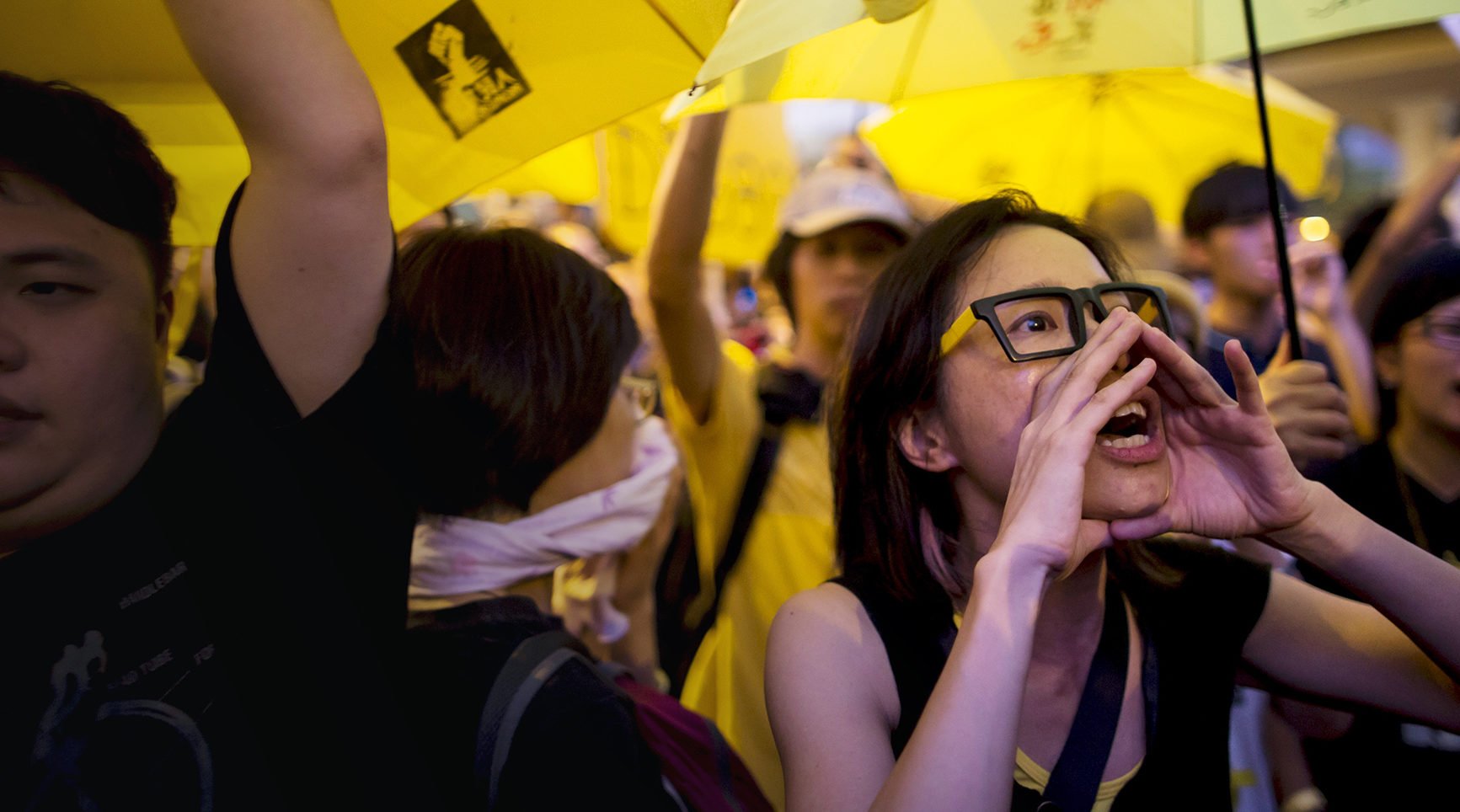
Hong Kong: Face mask ban an extreme attempt to quash protests

  • Hong Kong government invokes colonial-era law to crack down on protests
  • “It is thanks to the climate of fear Hong Kong authorities have created that protesters feel the need to wear masks in the first place” – Joshua Rosenzweig

Responding to the announcement today that the Hong Kong government will ban face coverings at public gatherings, Joshua Rosenzweig, Head of Amnesty International East Asia, said:

“This is yet another attempt by the Hong Kong government to deter protesters, who have so far been undaunted by unnecessary and excessive use of force and the threat of prosecution, from exercising their rights.

“It is thanks to the climate of fear Hong Kong authorities have created that protesters feel the need to wear masks in the first place. This ban is especially worrying in a context where protesters fear arbitrary arrest, surveillance, and the indiscriminate use of tear gas and other projectiles.

“Rather than de-escalating the situation, Hong Kong’s authorities have chosen to grant themselves sweeping new powers to quash protests, demonstrating the extent of their growing intolerance for freedom of peaceful assembly.

“The Hong Kong authorities should not use emergency rules as a smokescreen for further tightening restrictions on protesters. We reiterate our call for the Hong Kong authorities to respect protesters’ rights to peacefully express their opinions and to refrain from using excessive and blanket powers to silence them.”

The new law – the Emergency Regulations Ordinance – also grants the Hong Kong government sweeping powers relating to detention and to restriction of freedom of expression and peaceful assembly. 

The law, which comes into effect tomorrow (5 October), will ban protesters from covering their faces in full or partially during protests. There will be an exemption for those who cover their faces owing to illness or for religious reasons. Violation of the law will be punishable with up to one year in prison.

During protests earlier this week, a young man was shot in the chest by police and over 1,400 rounds of tear gas and approximately 900 rounds of rubber bullets were fired. Since then, protesters have continued to gather daily across Hong Kong.

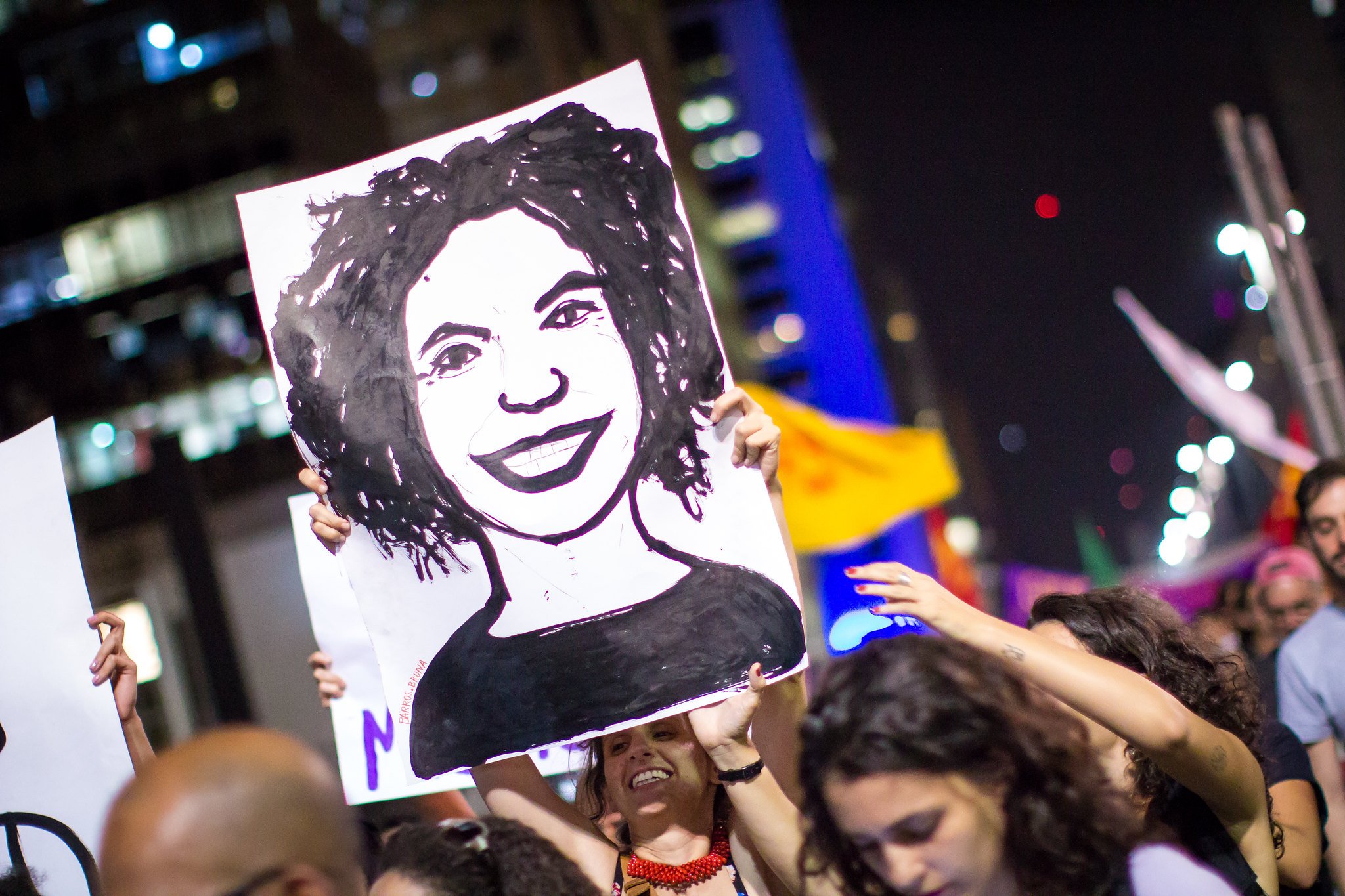
Four new arrests in Marielle Franco murder case; Australian community continues to support fight for justice

In response to the news that there has been four arrests for the murder of high-profile, Brazilian LGBTQI+ human rights defender Marielle Franco, Amnesty International Australia Campaigner Nikita White said: 

“The arrest of four people for the ruthless murder of Marielle Franco is a positive step towards justice for Marielle, her family and her community. 

“In solidarity with our colleagues and the people of Brazil, the international Amnesty movement will not rest until justice is delivered, and until it is safe again for human rights defenders in Brazil”

“Australians are in complete support of Marielle’s family and her community in their fight for justice. 

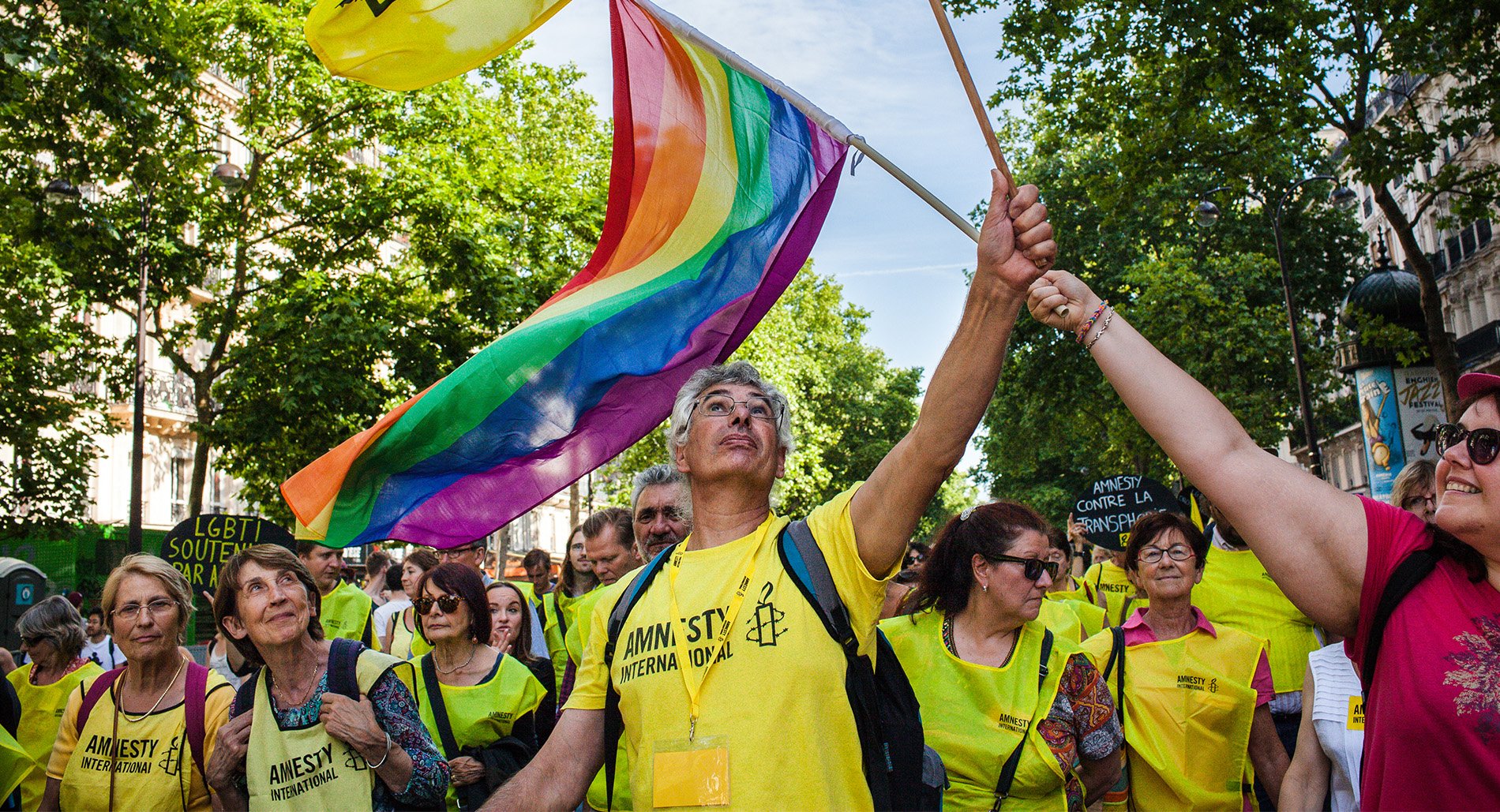
“We marched down Oxford Street bearing photos of Marielle earlier this year at the Sydney Mardi Gras, and more than 12,000 people have signed our petition demanding Brazilian President Jair Bolsonaro to ensure an immediate, impartial and independent investigation, to identify everyone who was involved in Marielle’s killing and bring them to justice”.

Marielle Franco was a city councillor who fought for a fairer Rio de Janeiro. She stood up for black women, LGBTQI+ people and young people, and condemned unlawful killings by police. But she was shot to death in March 2018. In Brazil, at least 70 human rights defenders were killed in 2017. Those responsible are often not brought to justice

It’s time to act on United Nations’, experts and community calls to raise the age

Australia has been urged by a committee of international experts to raise the age of criminal responsibility from 10 to 14 years of age.

The Committee on the Rights of the Child (the Committee) convened in Geneva between 9 – 10 September, reviewing Australia for compliance against the United Nations Convention on the Rights of the Child (CRC). In its Concluding Observations, released overnight, the Committee noted its regret that Australia’s ignored it’s previous recommendations to raise the minimum age of criminal responsibility to at least fourteen.   

“This is a scathing assessment from the UN children’s body. It isn’t just “regrettable” though that our country locks up ten year olds contrary to expert recommendations, it is an absolute embarrassment,” Amnesty International Australia Indigenous Rights Manager, Tammy Solonec, said.

“Amnesty International Australia, joined by Indigenous organisations and leaders, lawyers, and human rights and health experts, has been campaigning for some time to raise the age. More than 30,000 people have signed our petition calling on the Federal Government and all States and Territories to raise the age of criminal responsibility to at least fourteen.

“We know locking kids up causes serious harm at a crucial time of development, when kids are being shaped into the adults they will become.

“Children get caught in the quicksand of the justice system and find it hard to pull themselves out. We know that kids locked up for the first time before they are fourteen are three times more likely to reoffend and return to prison later in life. 

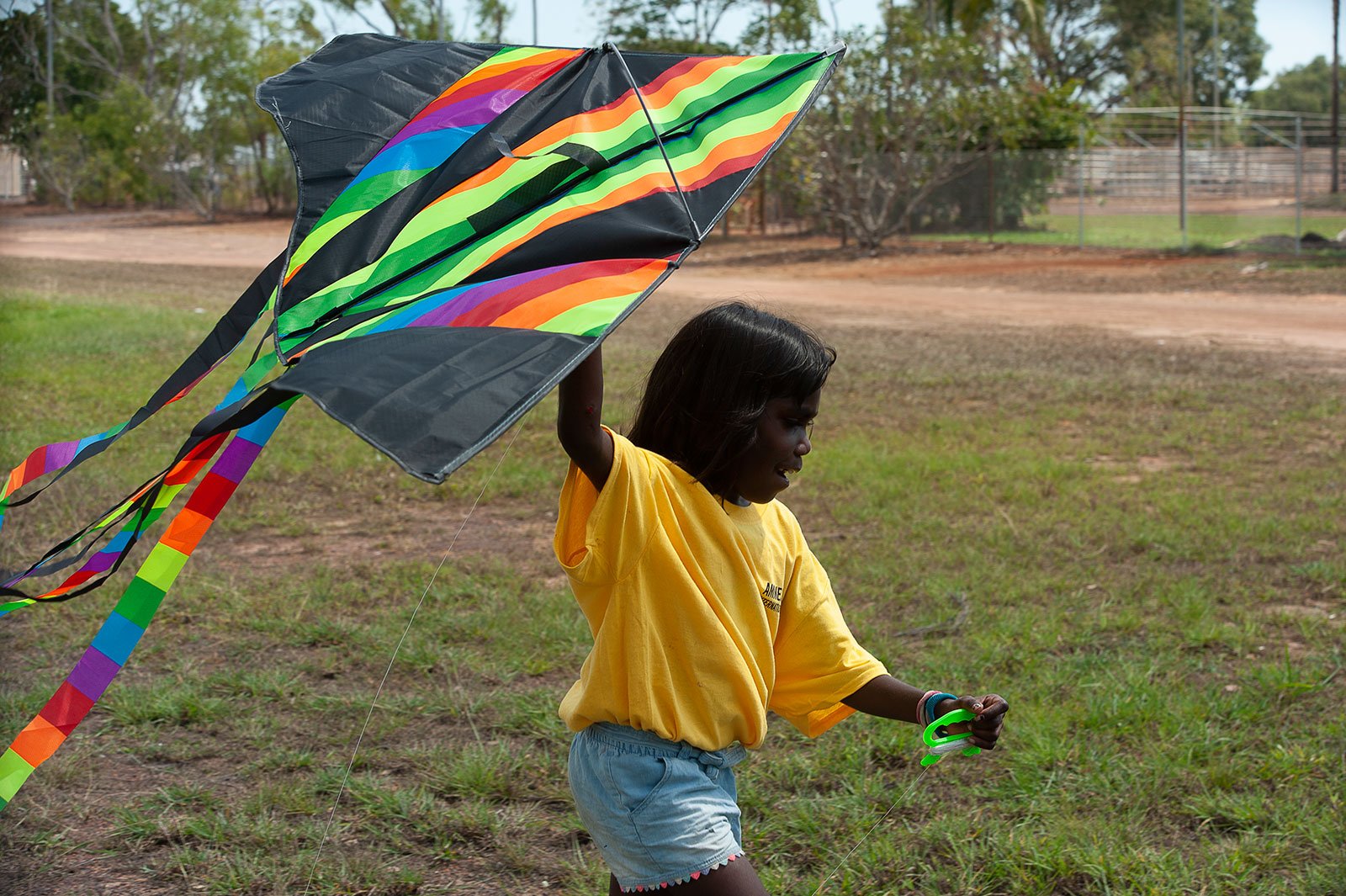
“This issue is worse for Indigenous kids. Approximately 70% of children between the ages of 10-14 imprisoned in Australia are Indigenous. Overall, Indigenous kids are 25 times more likely to be locked up than non-Indigenous kids.

The Council of Attorneys-General is meeting on 29 November in Adelaide to discuss a review led by a departmental working group into raising the age of criminal responsibility that has been underway this year. 

“The upcoming Council of Attorneys-General meeting is the perfect opportunity for the Attorney-General to make a firm commitment to lead reform across the country to raise the age of criminal responsibility,” Ms Solonec said.  

The Committee found that Australia needs greater leadership on children’s rights – including the lack of a child focused national law and limited opportunities for children’s voices to be heard at a national level.

“The Committee found that prevention and diversion should be the first response for children who come into contact with the criminal justice system, echoing all the evidence gathered in Australia and around the world. It also recommended that the Government immediately implement the 2018 recommendations of the Australian Law Reform Commission inquiry ‘Pathways to Justice’ which examined Indigenous incarceration. The Commonwealth Attorney General Christian Porter has ignored the report for more than a year, despite it being convened by the Government


“We know these are better, more effective solutions than locking kids up; it’s time to act on the overwhelming evidence and implement the CRC’s latest recommendation,” she said.

Background

On 9 and 10 Sept 2019 Australia was reviewed by the Committee on the Rights of the Child at the Human Rights Council in Geneva for compliance against the Convention on the Rights of the Child. Twelve year old star of ‘In My Blood It Runs’ Dujuan travelled to Switzerland with his family and spoke to the Committee.

The Concluding Observations of the Committee can be found here

The Committee found that Australia needs greater leadership on rights issues facing kids – including:

  • a child focused national law, 
  • a comprehensive strategy to advance and monitor kid’s rights,
  • the absence of data to monitor the rights of kids in Australia, and
  • limited opportunities for kid’s voices to be heard at a national level.

The Committee urged Australia to raise the age of criminal responsibility to at least 14 and invest more in diversion programs for kids, to address the over representation of Indigenous kids in the care and criminal justice systems, the high level of violence experienced by children, and child homelessness.

Australian Children’s Commissioner Megan Mitchell will conduct a review of CRC’s findings which Australia will be asked to report back on in a year.

Amnesty International welcomed the Committee’s adoption of General Comment 24 last week regarding ‘Children’s rights in juvenile justice’, which calls on all States to raise the minimum age of criminal responsibility to 14. 

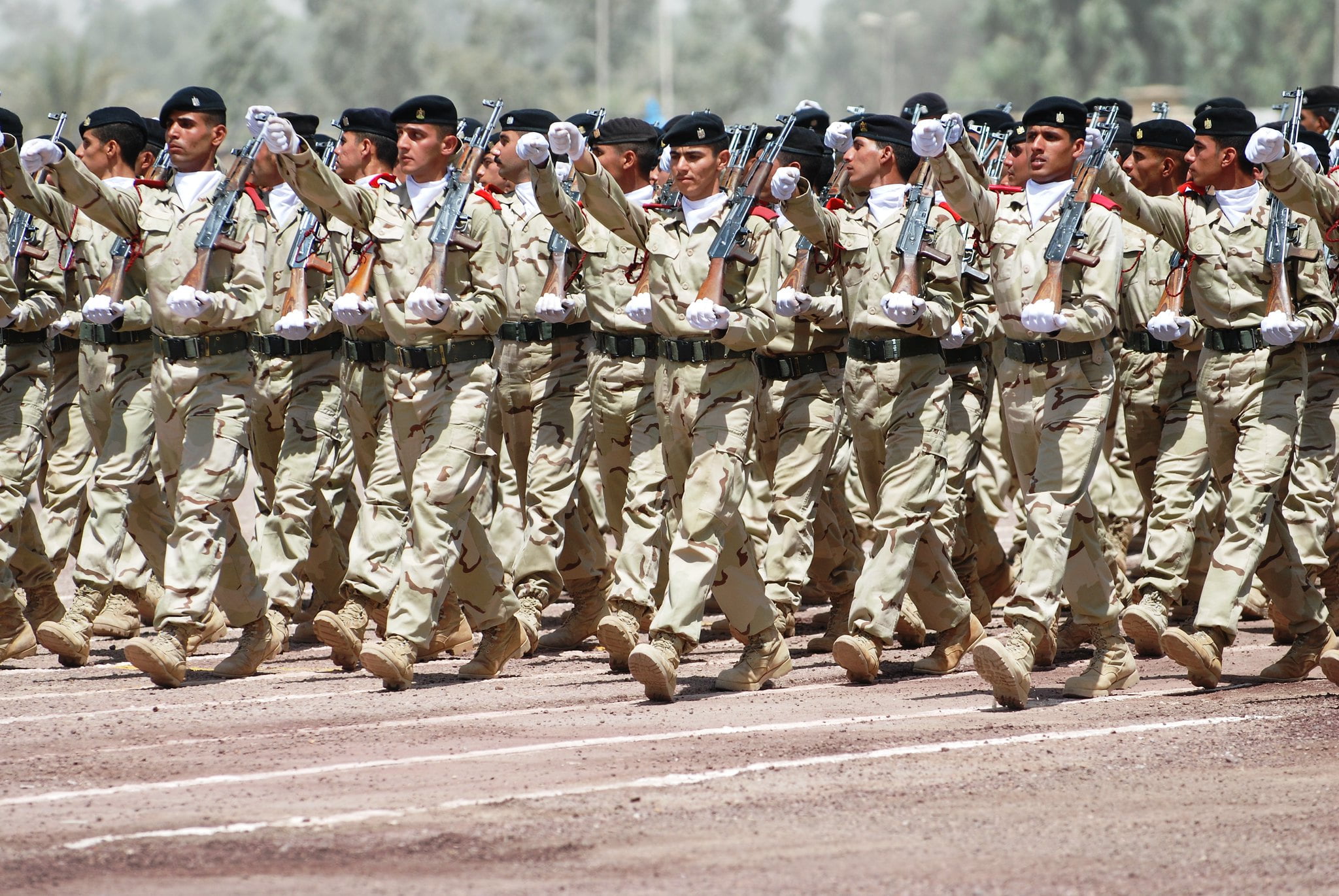
Iraq: authorities must rein in security forces after at least 18 protester deaths

  • Eyewitnesses report security forces ‘choking’ protesters with large amounts of tear gas, spraying hot water on crowds and firing live ammunition
  • Many received shrapnel injuries, some consistent with police use of stun grenades
  • Internet cut off, with one protester saying ‘We are cut off from the world. It’s just us and the forces here facing one another’

The Iraqi government must immediately order the security forces to stop using excessive force against people at ongoing anti-corruption protests, Amnesty International said today, after the reported killing of at least 18 protesters in the past two days.

Amnesty is also calling on the Iraqi authorities to initiate a fully independent and impartial investigation into the security forces’ response to the protests, in which one police officer has also been killed. 

Amnesty has spoken to 11 civil society activists, medical volunteers and journalists from Baghdad, Basra, Najaf, Babylon and Diwaniya, and also reviewed audiovisual material of the weapons used by security forces – including what appear to be stun grenades. All of the witnesses Amnesty spoke to described police using excessive force – including live ammunition – to disperse protesters.

One protester in Baghdad told Amnesty he had provided first aid to at least eight protesters, all of whom had shrapnel in their body.  He said: “The skin on the stomach of one of the men was burnt.” An activist at the protests in Najaf city told Amnesty he saw security forces spraying hot water on the protesters and using large amounts of tear gas:

“Eleven people were injured from the stampede and choking caused by the tear gas as people ran away … The forces started shooting in the air to disperse people, but they are still in the street.”

Protesters in Baghdad have described injuries consistent with those from stun grenades if thrown directly at or too close to protesters, or from explosive devices which should not be used at all in public order situations. Amnesty has also verified video footage from protests in Baghdad’s Tahrir Square showing such injuries to a protester. According to international human rights law and policing standards, stun grenades should only be used by specially-trained officers in very specific circumstances that do not include public order policing operations. They should never be thrown at a person or in a manner which may result in detonating on or near a person.

Activists told Amnesty that they were calling for a change of government because they no longer believe promises made by the current government, which they accuse of ignoring years of protests. During protests demanding access to jobs and basic services in southern Iraq and Baghdad in July and September last year, the Iraqi security forces shot, beat and detained protesters.

Lynn Maalouf, Amnesty International’s Middle East Research Director, said:

“It is outrageous that the Iraqi security forces time and again deal with protesters with such brutality, using lethal and unnecessary force.

“It is crucial that the authorities ensure a fully independent and impartial investigation into the security forces’ use of needless or excessive force, which has led to the tragic deaths of protesters and scores of others being injured.

“This must not be yet another case of the government announcing an investigation or committee of inquiry which never yields any results.”

Followed home and arrested

Amnesty is concerned at reports of arbitrary arrests of protesters and journalists in several Iraqi governorates. In Basra, Baghdad and Najaf, protesters told Amnesty that security forces are randomly arresting protesters. In Najaf, one activist described the tactics of the security forces towards protesters:

“They followed them home and cornered them in side streets and alleyways where other protesters could not protect them. [In the police station] they searched through their phones, threatened them and interrogated them about the protests.”

Internet cut off

Since last night, the Iraqi authorities have imposed a curfew across several governorates and – apart from the Kurdistan Region of Iraq – cut off internet access throughout the country. Late last night, protesters told Amnesty that they had not had access to the internet since 6pm. One said:

“We are cut off from the world. It’s just us and the forces here facing one another.”

Amnesty is calling on the Iraqi authorities to immediately reverse the unlawful decision to block internet and social media platforms, and to lift arbitrary restrictions on freedom of movement.

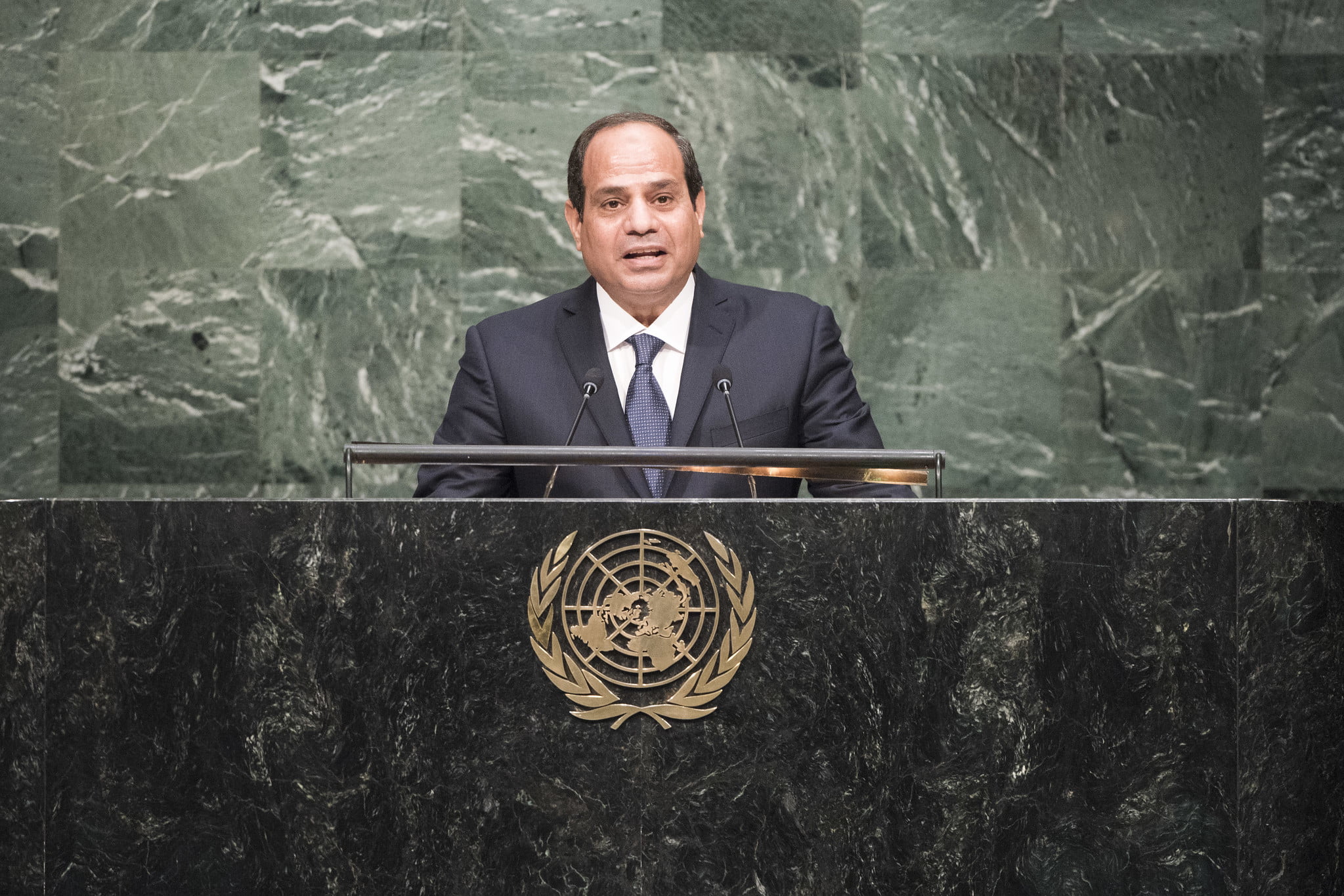
Egypt: Unprecedented mass arrests designed to send message that protests will be crushed

Over the past 12 days the Egyptian authorities have launched the biggest crackdown under President Abdel Fattah al-Sisi’s rule, rounding up more than 2,300 people, Amnesty International.

There have been sweeping arrests of peaceful protesters, as well as more targeted arrests of human rights lawyers, journalists, political activists and politicians. At least 111 children have been arrested – some as young as 11 – with several detained on their way home from school.

The vast majority of those arrested are being investigated as part of one single case (case no.1338/2019). They are facing charges of “aiding a terrorist group”, “disseminating false information”, “misusing social media” and “participating in unauthorised protests”. The authorities ordered their detention pending investigations, regardless of their individual circumstances.

If referred to trial, this case would be the largest protest-related criminal case in Egypt’s history.

Egypt’s Office of the Public Prosecutor has said that “less than 1,000 people” have been interrogated in relation to the protests. It said that defendants’ social media accounts had been searched for evidence of “incitement to protesting”, warning that calls to protest posted on social media would be considered evidence of the “crime” of “unauthorised assembly”.

Najia Bounaim, Amnesty International’s North Africa Campaigns Director, said:

“President Abdel Fattah al-Sisi’s government has orchestrated this crackdown to crush the slightest sign of dissent and silence every government critic.

“The wave of unprecedented mass arrests, which included many who were not even involved in the protests, sends a clear message – anyone perceived to pose a threat to Sisi’s government will be crushed.

“Participating in a peaceful protest is not a crime. The authorities must immediately and unconditionally release anyone detained solely for peacefully exercising their rights to freedom of assembly or expression.”

Children arrested

Amnesty has documented the arrest of five children – three were buying school stationery and uniforms from central Cairo at the time, while two others were returning home from school in Suez. Osama Abdallah’s parents still don’t know the whereabouts of their 16-year-old son. Since his arrest on 21 September, his parents were not able give him his medication or inform the authorities that he’s due to undergo emergency surgery. Copies of his medical report were seen by Amnesty. Amnesty has also verified a video showing plainclothes “informants” beating a 17-year-old boy and arresting him in central Cairo.

According to the Egyptian NGO Belady for Rights and Freedoms, at least 111 children – some as young as 11 – were among those arrested, with several of them subjected to enforced disappearances for up to ten days.  At least 69 are facing charges, including of “membership in a terrorist group” and “misusing social media”, though many of them do not even have mobile phones.

Most detained children have been barred from contacting their families and detained alongside adults in violation of international standards.   

Journalists arrested, even those working for pro-government media

Amnesty has documented the arrest of ten journalists – remarkably most of them working for pro-government media outlets – primarily in Suez and Mahalla, and at least 25 politicians and academics from four different political parties. Those arrested include Khaled Dawoud, journalist and former head of the Dostour party, as well as political science professors Hassan Nefea and Hazem Hosny.

Meanwhile, in a serious blow to defendants’ rights to receive a proper legal defence, lawyers have also been targeted, with at least four arrested while carrying out their work and a total of 16 lawyers detained. At least seven foreign nationals were also arrested and forced to “confess” to conspiring against Egypt on camera. The videos were broadcast on a private TV channel. Amnesty fears they were coerced to incriminate themselves under duress.

Former prisoners are-arrested

In a particularly unjust and unlawful move, Egyptian authorities have also resorted to re-arresting former prisoners under police probation – in some cases when they were nowhere near the protests.

Security forces re-arrested Alaa Abed El-Fattah – a political activist and software engineer who rose to prominence during the 2011 uprising – on 29 September, while he was serving his probation in Dokki police station. He had already served an unjust five-year prison sentence for participating in a peaceful protest in 2013. As part of his probation conditions upon his release in March this year, he was required to spend 12 hours every night at a police station for five years. Despite having been locked up at the time of the protests, he was detained on charges of spreading false news and joining an illegal organisation.

Meanwhile, Mohammed Ibrahim, founder of the well-known blog “Oxygen Egypt”, was also re-arrested on 21 September for posting videos about the latest protests while he was serving his probation sentence at a police station in Cairo.

Proposed religious discrimination bills entrench division for generations to come, a Human Rights Act is needed now

  • Amnesty International says that a Federal Human Rights Act is the answer to the religious freedom debate
  • The proposed Bills are a radical solution that entrenches division and fear for generations, pitting the right to hold and manifest religious beliefs against other rights
  • As the Bill progresses, amendments regarding healthcare, employment, conversion practices and protection of students must be prioritised. 

Amnesty International Australia today submitted its analysis and recommendations on the Religious Discrimination Bills – Exposure Drafts. Amnesty International Campaigner, Joel Clark said: 

“The Religious Discrimination Bills pit us against each other. It gives people who hold a religious belief power over people who don’t, who hold a different belief, or who don’t fit within their beliefs.

“By progressing the Religious Dicrimination Bills, the Morrison Government is entrenching division and fear for generations to come. Not only am I concerned about how I am treated, or me and my partner are treated, in a post-Religious Discrimination Bill Australia, I am absolutely terrified about what type of society our future children may grow up in where our rights are pitted against each other as the norm. 

“The answer to the religious discrimination debate is not a piecemeal approach to human rights protection. A Federal Human Rights Act that ensures all fundamental rights are protected and appropriately balanced is the answer. Nearly 10,000 Amnesty International supporters have called on the government to enact a Human Rights Act, and we have reiterated their call in this submission”.

In its submission, Amnesty International makes seven recommendations. Five of which address key concerns around healthcare, employment, conversion practise and protection of students.

Mr Clark said: “If we have to have these Bills, the government must at least get it right. At the moment the bill mean that people can be refused access to healthcare, that LGBTQI kids can be expelled from kids because of their sexuality, and the progress made in ridding Australia of conversion practices and associated ideologies is at risk of being undone”. 

Note: Amnesty International’s full submission can be read here.

Submission: Religious Freedom Bills – Exposure Drafts

Amnesty International welcomes the opportunity to provide this submission to the Attorney-General’s Department’s inquiry into the exposure drafts of the Religious Discrimination Bill 2019, Religious Discrimination (Consequential Amendments) Bill 2019, and the Human Rights Legislation Amendment (Freedom of Religion) Bill 2019 (the Religious Discrimination Bills).

Read our submission here.

The issue of religious freedom and religious discrimination has been at the centre of public debate for some years, particularly at the time of the Australian Marriage Law Postal Survey, it has become apparent that the community expects a timely resolution to the question of rights protection. Amnesty International holds the strong position that the best form of rights protection is a Federal Human Rights Act. 

Acknowledging that the Federal Government has to date rejected the proposal of a Federal Human Rights Act, this submission addresses several concerns that Amnesty International has in regards to the Religious Discrimination Bills, namely that they provide protection to religious belief or activity at the expense of others.

This submission outlines Amnesty International’s specific concerns about the Religious Discrimination Bills, and recommends remedies, regarding its impacts on health care and employment, an oustanding need to expressly prohibit religious vilification, a lack of protection of students in religious educational institutions, and the need to address conversion practices.