Queensland investigation into and dismissal of youth justice staff must set the standard for all jurisdictions

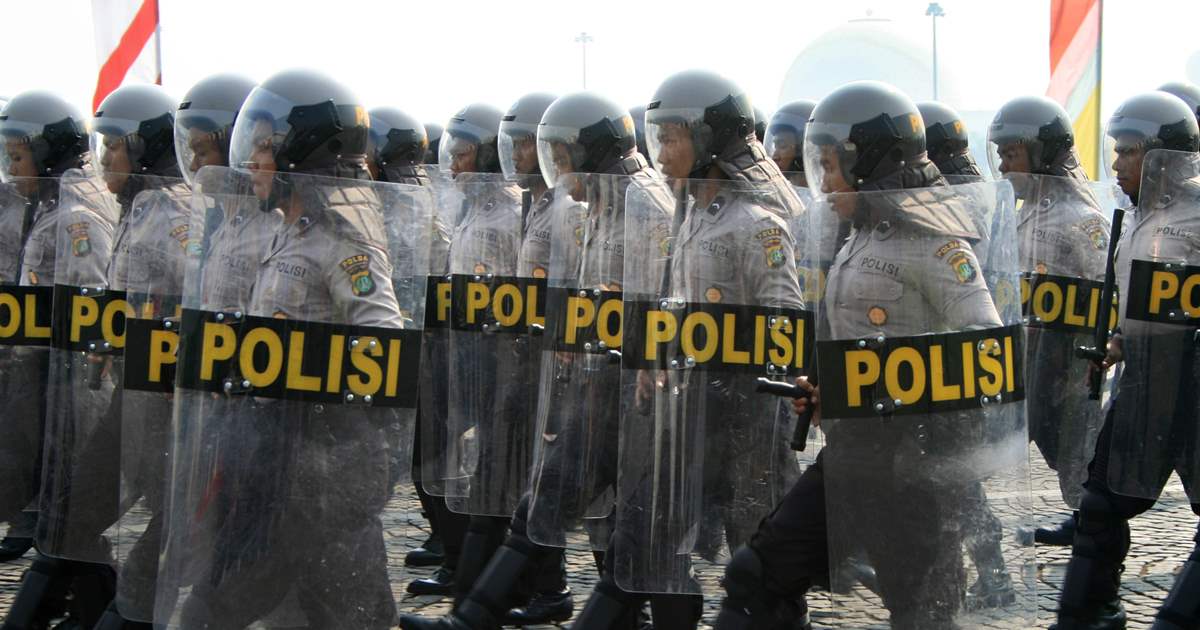
In response to six staff members within Queensland’s Youth Justice Department being sacked amid dozens of cases of corruption, Amnesty International Australia is calling on the:

  • Queensland Government to provide redress to the children and their families who have suffered; and
  • for other states and territories to ensure that youth prisons are appropriately monitored and staff disciplined where appropriate.

Indigenous Rights Manager Tammy Solonec said: “Amnesty International commends the Queensland Government on following through with these investigations. It is a very serious situation when so many of the complaints relate to the excessive use of force against children.

“Youth justice staff have an incredibly important responsibility to keep children in their care safe. This thorough investigation shows these six staff have betrayed the children, and the community, and it is an important and just moment resulting in their sacking.

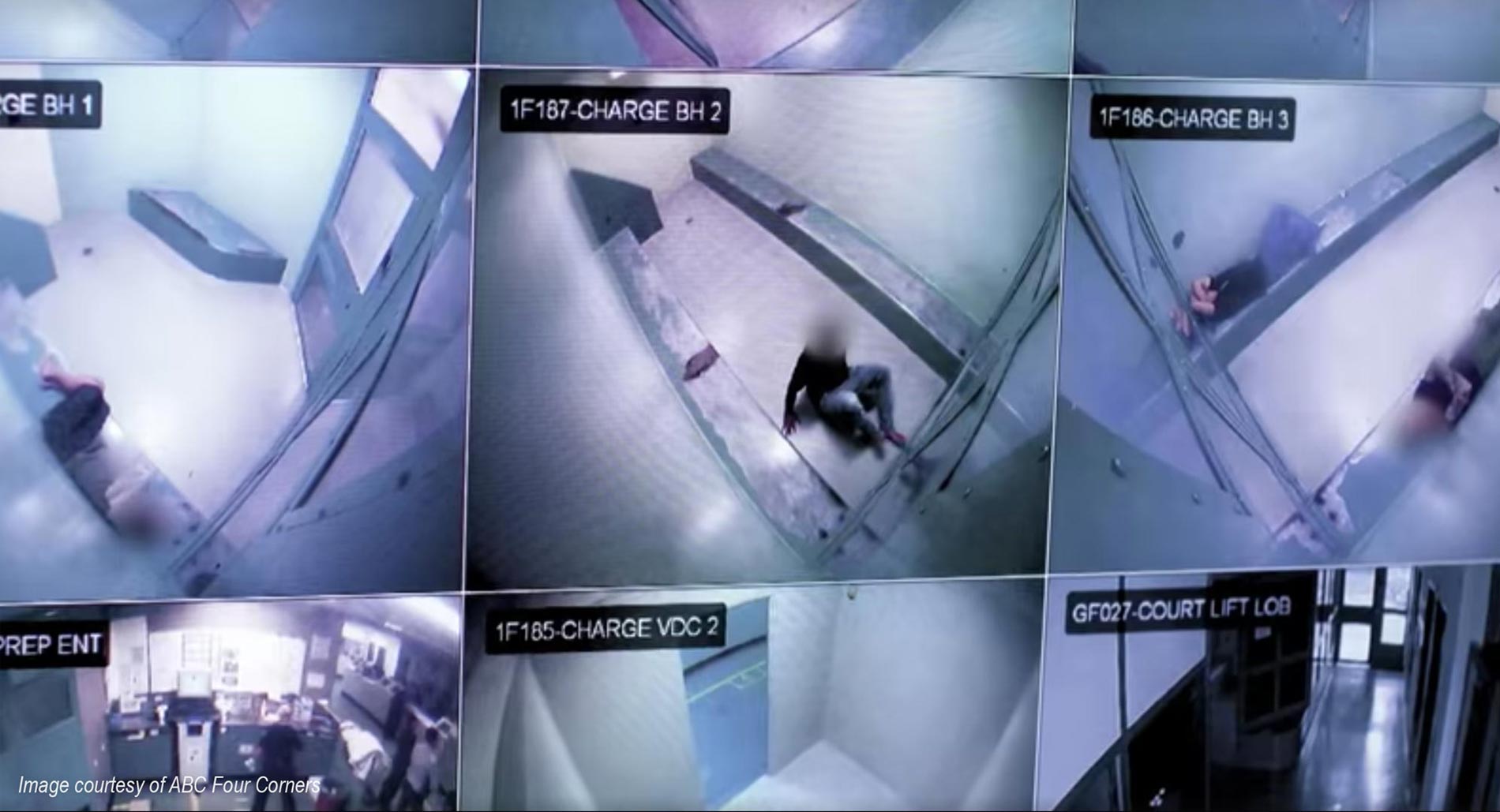
Throughout 2018 and 2019 Amnesty International conducted a series of Right to Information requests after hearing that children were being held in maximum security adult watch houses throughout Queensland and that their rights were not being upheld. 

“Our investigations showed over 2500 breaches of the human rights of children in Queensland just in the Brisbane City Watch House throughout 2018. It shows it is just the tip of the iceberg and that more must be done,” said Ms Solonec.

Amnesty is urging Australia to prioritise the implementation of the Optional Protocol on the Convention Against Torture to ensure that there is appropriate international oversight and so that children are not subjected to abuse in Australian prisons and detentions centres. 

Ms Solonec said: “The Queensland Government has made giant steps in funding prevention and diversion programs and amending the Youth Justice Act, and we are pleased to see these investigations being followed through with disciplinary action. However, all Governments of Australia must do more to keep kids out of prison where they are so vulnerable, including by raising the age of criminal responsibility to at least 14.”

Hong Kong: Urgent investigation needed after protester shot by police

  • Teenager in critical condition in hospital after being shot in chest
  • Amnesty calling for urgent and independent investigation

In response to the shooting of a protester by police in Hong Kong today during demonstrations marking China’s National Day, Man-Kei Tam, Director of Amnesty International Hong Kong, said:

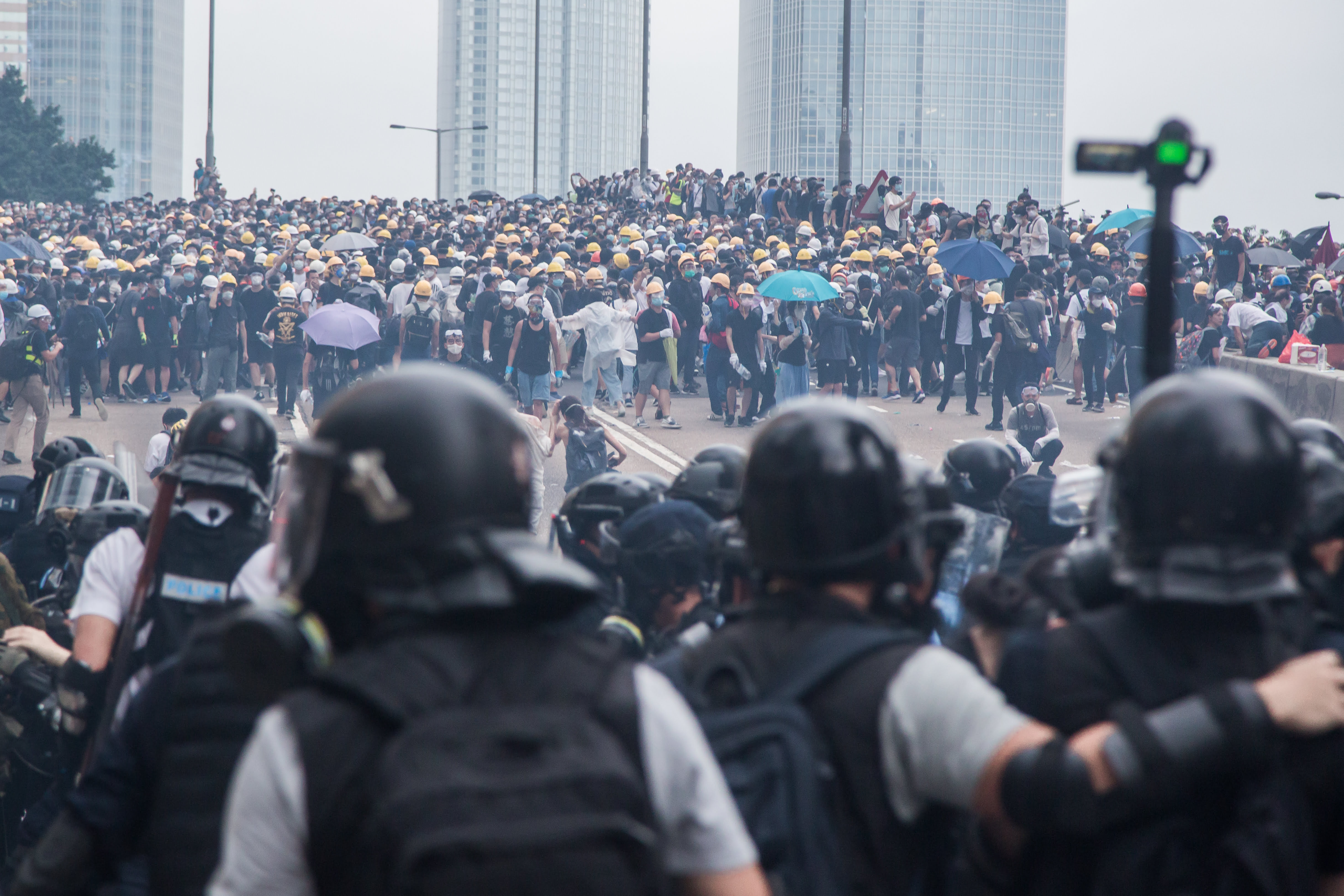
“The shooting of a protester marks an alarming development in the Hong Kong police’s response to protests.

“The Hong Kong authorities must launch a prompt and effective investigation into the sequence of events that left a teenager fighting for his life in hospital. Police should only use lethal force in response to an imminent threat of death or serious injury and only as a last resort.

“We are urging the Hong Kong authorities to urgently review their approach in policing the protests in order to de-escalate the situation and prevent more lives being put at risk.”

Amnesty analysed videos of the shooting and pinpointed the location as Hau Tei Square in Hong Kong’s Tsuen Wan area.

In a short video statement, the Hong Kong Police Force defended the shooting by stating that the officer felt his life was under threat, and said: “As an officer felt his life was under serious threat, he fired a round at the assailant to save his own life and his colleagues’ lives.”

Amnesty has repeatedly called for an independent and effective investigation into the police use of force over the course of the last few months of the Extradition Bill protests, including alleged torture and other ill-treatment in detention.

Failure to address previous excessive use of force contributed to the current escalation in violence. Under UN guidelines, firearms may only be used to protect against an imminent threat to life or of serious injury.

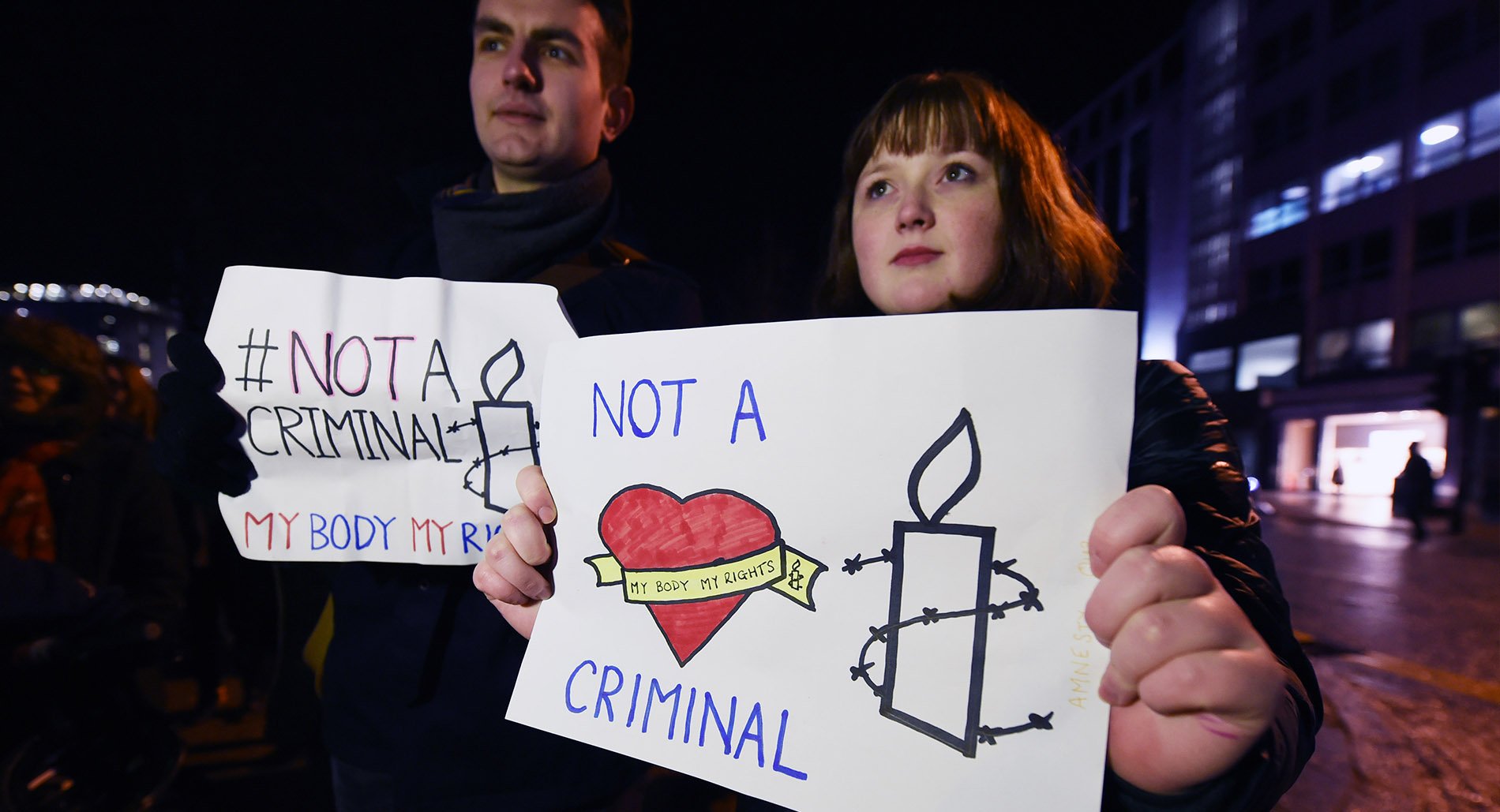
One week after NSW decriminalisation: jailing Moroccan journalist for having abortion a shocking reminder of global violation of women’s rights

  • Hajar Raissouni jailed for a year, along with her fiancé, while medical staff also jailed
  • Raissouni, who has previously criticised the authorities, says case against her is politically-motivated 

Responding to news that the Moroccan journalist Hajar Raissouni has been sentenced to one year in prison after being convicted of having an abortion, Amnesty International Australia National Director Claire Mallinson, said: 

“Just one week after abortion was finally decriminalised in New South Wales, we are shockingly reminded that women’s rights, particularly the right to control your own body and your reproductive health, are still under attack around the world. 

“Hajar Raissoni has been targeted as an activist, and as a woman. Her gender and her body is being used against her as a political weapon. This is deplorable and the Moroccan authorities must revoke her conviction and order her immediate and unconditional release, as well as the release of all others involved in this case.

“Foreign Minister Marise Payne has made it clear that she is monitoring women’s rights issues around the world; she mustn’t shy away when this means that women’s reproductive rights are under attack. We are asking her to add her voice to the international call on the Moroccan authorities to act justly by releasing Hajar.  ” 

Background: Original press release from Amnesty International UK below. 

Hajar Raissouni jailed for a year, along with her fiancé, while medical staff also jailed

Raissouni, who has previously criticised the authorities, says case against her is politically-motivated 

Responding to news that the Moroccan journalist Hajar Raissouni has been sentenced to one year in prison after being convicted of having an abortion, Heba Morayef, Amnesty International’s Middle East Regional Director, said:

“Today’s verdict is a devastating blow for women’s rights in Morocco.

“Hajar Raissouni, her fiancé and the medical staff involved in the case should never have been arrested in the first place.

“The Moroccan authorities should revoke her conviction and order her immediate and unconditional release, as well as the release of all others involved in this case.

“Under international law women have a right to make their own decisions about their sexual and reproductive lives.

“Criminalising abortion is a form of discrimination against women. The Moroccan authorities must urgently repeal all laws that violate women’s rights, including laws that criminalise sex outside marriage and abortion.”

Arrested with her fiancé

Hajar Raissouni, a journalist working for the independent daily Moroccan newspaper Akhbar al-Yaoum, was arrested on 31 August along with her fiancé, Amin Rifaat, as they left a doctor’s office in Rabat. The doctor and two others working at the clinic were also arrested on suspicion of carrying out an abortion. After her arrest, Raissouni was detained at a police station in Rabat and on 2 September brought before a prosecutor and charged with sex outside of marriage and “consenting to have an abortion”. In Morocco, couples who engage in sex outside of marriage can be jailed for up to one year, while a woman who has had an abortion can be jailed for between six months and two years.

In today’s court hearing, Raissouni and Rifaat were both sentenced to one year in prison, the doctor involved in the case was sentenced to two years in prison and banned from practising for two years, and two other members of the clinic’s medical staff were convicted – one received a prison sentence of one year and the other an eight-month jail term.

On 4 September, in a letter sent by Raissouni to her newspaper, she said that while in custody she was interrogated about her political writings, about one of her newspaper colleagues and about her family – including her uncle, Ahmed Raissouni, a prominent theologian and ex-president of one of the country’s largest Islamic movements. This raises concerns that Raissouni may have been targeted by the authorities in connection with her journalistic work.

Abortion illegal in nearly all circumstances

Under Moroccan law, abortion is criminalised in all circumstances unless the health of the pregnant woman is at risk and her spouse agrees. However, under international law, women have a right to bodily and personal autonomy, which includes being free to make their own sexual and reproductive decisions. Criminalisation of health services such as abortion amounts to gender discrimination. Meanwhile, in Morocco sex outside of marriage is also a criminal offence.

Indonesia: Investigate dozens of deaths, restore security and rights in Papua

Responding to yesterday’s clashes in Papua, that led to the deaths of dozens of people, Amnesty International Indonesia’s Executive Director Usman Hamid said:

“This is one of the bloodiest days in the past 20 years in Papua, claiming at least 24 lives within 24 hours.”

“This is one of the bloodiest days in the past 20 years in Papua, claiming at least 24 lives within 24 hours. Indonesian authorities must initiate a prompt, impartial, independent and effective investigation into the events. The investigators should publicize the results of their investigations. Those responsible for human rights violations involving criminal offences should be held accountable in fair trials, and the government must ensure that victims’ families receive adequate reparations.

“Police forces facing protesters must be trained and equipped to respond with non-lethal measures unless unavoidable when they face real danger themselves. The use of firearms can only be a last resort when other measures have failed. Any use of force that resulted in death must be independently and thoroughly investigated. Security forces must also allow families of those injured in the incident to visit their loved ones being treated at local hospitals in Papua.

“While restoring security and public order is crucial and urgent in Jayapura and Wamena, law enforcement – including the criminal investigation and prosecutions after the unrest – must be done in accordance to the applicable international human rights law standards. We have noted in our past reports how torture, other cruel, inhuman or degrading treatment or punishment, and ultimately unlawful killings by security forces in Papua often occurred under the pretext of enforcing law and order. In situations like this, especially in Papua, transparency is an essential part of preventing potential abuse of power”.

“The need for transparency is undermined by the decision of the government to throttle internet access in the region in response to the clashes in Wamena. The government’s decision to slow internet access will only impede investigations and information gathering by the media and other independent actors on what has really happened in the city amid conflicting reports on the events and the number of casualties. This is not a time for censorship. These tensions are not an excuse to prevent people from sharing information and peacefully speaking their mind.”

Background
On Monday morning, indigenous Papuans students from different parts of Indonesia who just returned to Jayapura staged a sit in at Cendrawasih University in Abepura, Jayapura while calling upon the local university students to join their movement to engage in strike. Clashes broke between the students and the police, who prevented the students from staging the sit in. The students returned to their assembly point in Expo Waena, Jayapura, at 11am. They pelted stones at security forces, who later opened fire on the students. The shooting led to the death of three students, wounding 20 others. A soldier was also stabbed to death by protesters during the incident. A family member of one of the wounded was denied access to the police-owned Bhayangkara hospital in Jayapura. The police arrested 733 students in Jayapura during and after the clashes.

On the same day, in Wamena, a city 260 kilometers away from Jayapura, hundreds of high school students took to the street to protest against a teacher allegedly using racial slur at a local school. The police claimed that the reports about the teacher’s offensive remark were a hoax, but a clergy from a local Christian church confirmed that the racist incident had taken place on Saturday. Allegedly, the teacher had scolded an indigenous Papuan student who could not read a passage from a book properly, saying that he read like a “monkey”. The angry protesters on Monday burned down a government office and other buildings as well as disrupting a local airport.

The military confirmed that there were 16 fatalities and 65 others were injured during the clashes in Wamena, while the Papua People’s Assembly (MRP), a Papuan indigenous people’s representative body which forms part of the legislative branch for Papua and West Papua Province, stated that there at least 17 people were killed. The military also stated that the majority of the victims, 14, are non-indigenous Papuans who were trapped in burning buildings.

A clergy from a local Christian church in the city told Amnesty International Indonesia that the number could be higher and the Church’s latest data as of Monday night estimates that approximately 20 have been killed, some of them in violent clashes that occurred between the indigenous and non-indigenous Papuans during the unrest. On Tuesday, National Police chief General Tito Karnavian spoke to the media, saying the death toll reached 26 in Wamena.

Amnesty welcomes Australian Government leadership in global condemnation of Saudi Arabia’s human rights

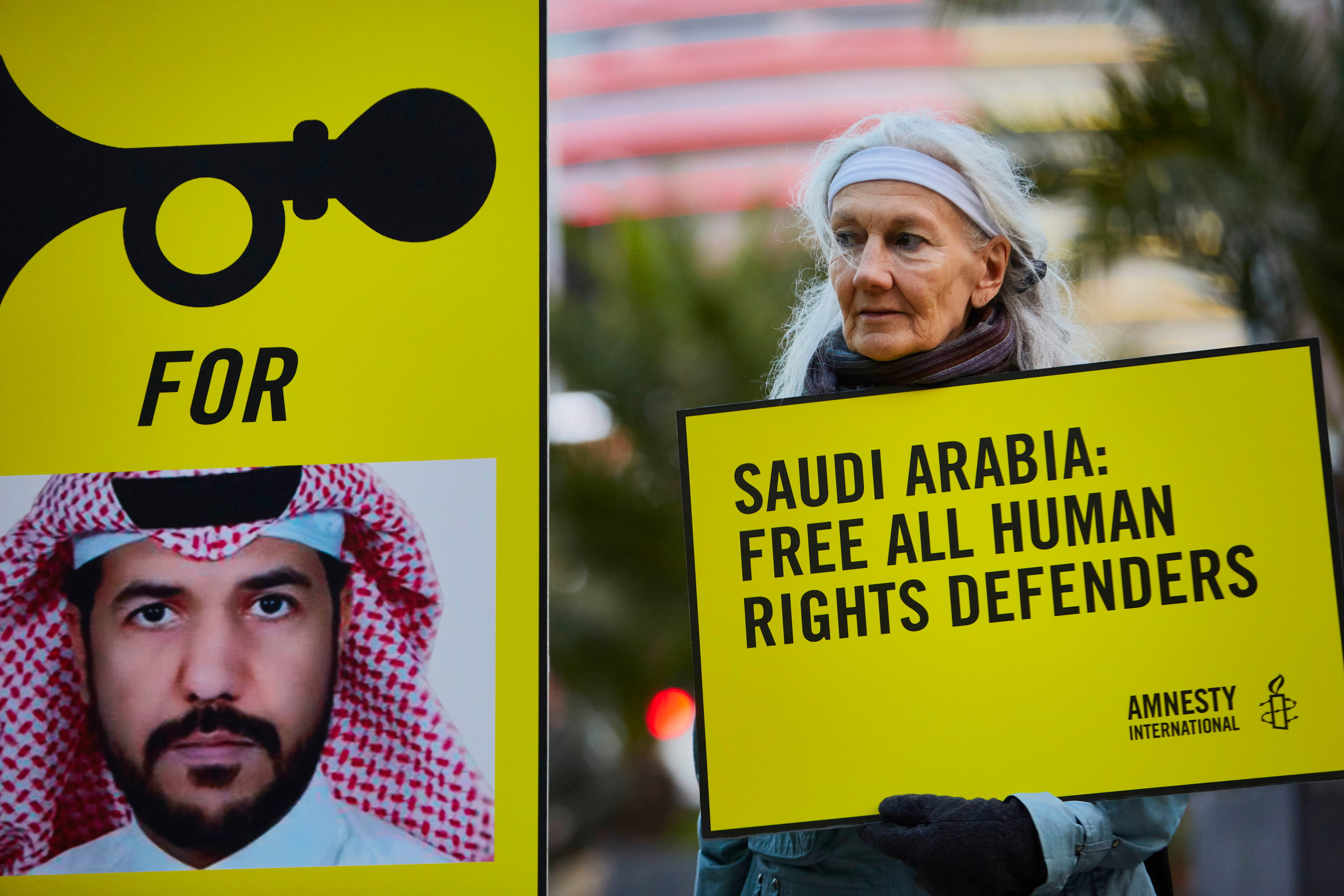
Amnesty International Australia today welcomed Australian Foreign Minister Marise Payne leading the joint Human Rights Council statement condemning its persecution and intimidation of human rights defenders, women’s rights activists, journalists and dissidents.

“As Amnesty International has been advocating, Australia led the global statement urging Saudi Arabia to allow the UN investigators to visit in order to establish truth and accountability into Jamal Khashoggi’s murder, and condemning ongoing human rights abuses still prevalent in the kingdom,” said Amnesty International Australia campaigner Rose Kulak.

“While there have been positive movements in women’s freedoms such as being granted the right to drive, and the right to obtain a passport, activists who have been leading the changed from within Saudi Arabia remain behind bars.” 

“Saudi Arabia is consistently in the top five executing countries each year. Torture, unfair trials and arbitrary detention remain on the public record. We are pleased Australia is using its voice on the Human Rights Council to draw attention to these human rights violations,” Kulak said.

Next week marks the first anniversary of the murder of Saudi journalist Jamal Khashoggi in the Saudi embassy in Instanbul. 

The joint statement, delivered at the 42nd Session of the Human Rights Council in Geneva, was signed by 24 states including the UK, Canada, Germany and New Zealand.

Hong Kong: Government must investigate police violations and push back against Beijing’s “red line”

The proposed Extradition Bill was the latest manifestation of a steady erosion of human rights in Hong Kong, Amnesty International said today, as it released a report detailing how the creeping influence of Beijing’s policies and rhetoric on “national security” has resulted in growing numbers of local activists and journalists being censored, prosecuted and harassed in recent years. 

In the report, Beijing’s Red Line in Hong Kong, the organization highlights how increasing restrictions on the rights to freedom of expression, association and peaceful assembly culminated in this summer’s protests.  

“The steady erosion of rights and freedoms in Hong Kong began long before the announcement of the Extradition Bill. The Chinese authorities, in tandem with the Hong Kong leadership, have for years been chipping away at the special status that Hong Kong is supposed to enjoy regarding the protection of human rights.”

Joshua Rosenzweig, Head of Amnesty International’s East Asia Regional Office

“The outrageous police response to the Extradition Bill protests has heightened fears that Hong Kong is sliding into the repressive style of rule seen in mainland China. We are urging the Hong Kong authorities to listen to the demands of millions of protesters and protect their right to peaceful assembly, in line with international and domestic obligations. Ordering an independent and effective investigation into police actions would be a vital first step.” 

Amnesty International’s report, based on interviews with journalists, activists, academics, students, NGO workers and lawmakers, details how the Hong Kong authorities, taking their lead from Beijing, have been implementing increasingly repressive policies since the 2014 Umbrella Movement protests. The rights to freedom of expression and association have come under attack, with more than 100 people prosecuted for peaceful activism since 2014. Along with increasingly heavy-handed policing tactics and police inaction to protect protesters from violence by others, Hong Kong authorities have misused laws and regulations to harass and prosecute individuals and groups accused of crossing Beijing’s “red line”. 

An encroaching red line 

Amnesty International’s report looks at the period between two critical protests – Occupy Central and the Umbrella Movement in 2014, and the Extradition Bill protests that started in June 2019. It sets out how the Chinese authorities have used their vague and all-encompassing definition of “national security” – which has been employed to devastating effect against activists and others in China – to target journalists, activists and critics in Hong Kong.  

In 2017 President Xi Jinping set out a “red line” on Hong Kong aimed at “any attempt to endanger China’s sovereignty or security, challenge the power of the Chinese government, or use Hong Kong to carry out infiltration and sabotage activities against the mainland”. The Chinese authorities have increasingly interpreted the ordinary exercise of rights as crossing this “red line”. The Hong Kong government has adopted these tactics, breaching the tenets of its international human rights obligations and Hong Kong’s Basic Law.  

Many people Amnesty International interviewed said that their peaceful advocacy for human rights and democracy had made them targets of the Hong Kong and Beijing authorities.  

One journalist said he received weekly calls from Beijing government officials pressuring him to play down criticism of President Xi Jinping and issues like Taiwanese independence. NGO workers said they had been repeatedly harassed by Hong Kong and Beijing officials and forced to self-censor in order to protect their funding.  

Lack of accountability for unlawful use of force by police during protests also emerged as a key concern for the activists Amnesty interviewed. One activist who was beaten up by police during a 2014 protest told Amnesty: 

“It is useless to complain about the police. The success rate of accusing police of assault is almost zero.”  

During the recent protests sparked by the Extradition Bill proposed in March 2019, Amnesty and others documented repeated instances of police using unnecessary and excessive force in violation of international law and standards. Following the announcement of the withdrawal of the Extradition Bill on 4 September, Amnesty International continues to call on the Hong Kong authorities to thoroughly and independently investigate inappropriate use of force or other abuse by police during the protests, as well as to stop using politically motivated prosecutions against peaceful protesters. 

The Hong Kong authorities must also demonstrate their commitment to respecting, protecting and fulfilling the rights to freedom of expression, association and peaceful assembly by stopping undue restrictions on these rights under the guise of ‘national security’.” 

“For the millions who took to Hong Kong’s streets this summer, the Extradition Bill is just the tip of the iceberg when it comes to Beijing’s assault on their human rights,” said Joshua Rosenzweig. 

“Authorities need to show they are willing to protect human rights in Hong Kong, even if this means pushing back against Beijing’s “red line”.”

Lessons in welcoming: community-led sponsorship of refugees

By Anna Shea, Amnesty International’s Researcher on Refugee and Migrants Rights

Working on refugee rights, I have had the privilege of meeting people seeking asylum in many countries around the world.

Time and again I have been struck by the unfailing generosity and hospitality of people who have had to give up everything they know in search of a safer life.

I have often been plied with food and drink from people who could ill afford to share it. A family in Turkey prepared flatbreads stuffed with parsley and sprinkled with salt for myself and my colleague. In Melbourne I joined in the massive celebratory feast for a man who had finally been reunited with his family. People living in tents in Turkey always made sure I had a glass of juice or water. And Syrians – whose desensitisation to caffeine is a source of constant wonder to me! – have made me endless cups of fragrant cardamom coffee.

This commitment to welcoming outsiders goes beyond food. A group of Syrian men living under blankets by the side of the road in southern Turkey insisted that I be given a place to sit on the thin dusty mattress – their only furniture. In Indonesia, Rohingya people from Myanmar welcomed us to their shelters and spent hours sharing their stories of trauma and hope. When I travelled to Frankfurt to meet an asylum-seeker whose journey from Syria I had tracked, I was met with flowers and chocolates that spelled out “Danke”: thank you in German.

How infuriating, then, to hear politicians in wealthy countries boast of their “generosity” in hosting a few thousand people – or worse, to hear them stoking fear and trying to prevent people from coming at all.

Fortunately, I’m not alone in finding this hypocrisy and cruelty galling, and in wanting to do something to make my country more welcoming.

Many people – even in countries that appear irredeemably hostile to people seeking safety – think that their governments are doing far too little to host refugees.

But now there is a way for people who are outraged by this injustice to play an active role in redressing it. Through “community sponsorship,” ordinary citizens can be directly involved in helping refugees reach and settle into a new country. Although sponsorship programs vary across countries, generally the people who do the sponsoring have to raise funds, enter into an agreement with their government, and secure accommodation before refugees arrive. Sponsors are also responsible for things like registering children in school and helping new arrivals to access medical care.

In the late 1970s Canada set up the world’s first community sponsorship system in response to the displacement crisis following the American war in Vietnam. Since then, programs have been rolled out in several other countries, including Argentina, Australia, Ireland, New Zealand, Spain, the UK and the US.

In London I recently met a young family from Syria who had arrived with the help of community sponsorship. Rahaf and Monther, their daughter Aseel and son Mohammad, arrived in the UK late last year. My colleagues and I met them with two of their sponsors, John and Lily, who were keen advocates of community sponsorship and explained how meaningful and rewarding an experience they had found it.

“It’s clear that you get much more out of the scheme than what you put in,” John told us.

The children appeared to be thriving, singing English songs and joyfully showing us their toys. Monther and Rahaf were glowing in their praise of the program: they said that when they arrived, “We were made to feel welcome, like we were part of the family – we weren’t treated like refugees; we were treated like people.”

The conversation reminded me of people I met a few years ago in Toronto: groups of sponsors and newcomer families, among whom was a brilliant little girl called Maram. After a short time in the country, she already spoke fluent English. When I thanked her mother for the food she had served us, Maram piped up cheekily: “Why is the only Arabic word Canadians know ‘Shukran’?” I laughed at the time, but on reflection it’s clear why; sponsors are constantly at the receiving end of the newcomers’ hospitality. “Thank you” is the most important Arabic word for sponsors to learn.

I have discovered so much about true hospitality from refugees around the world. It is heartening that many people are learning those same lessons from newcomers in their own communities.

This story was originally published on Thomson Reuters Foundation.

Hong Kong: Arbitrary arrests, brutal beatings and torture in police detention revealed 

A new Amnesty International field investigation has documented an alarming pattern of the Hong Kong Police Force deploying reckless and indiscriminate tactics, including while arresting people at protests, as well as exclusive evidence of torture and other ill-treatment in detention. 

After interviewing nearly two dozen arrested persons and gathering corroborating evidence and testimonies from lawyers, health workers and others, the organization is demanding a prompt and independent investigation into the violations, which appear to have escalated in severity since the mass protests began in June.  

“The Hong Kong police’s heavy-handed crowd-control response on the streets has been livestreamed for the world to see. Much less visible is the plethora of police abuses against protesters that take place out of sight.”

Nicholas Bequelin, East Asia Director at Amnesty International. 

“The evidence leaves little room for doubt – in an apparent thirst for retaliation, Hong Kong’s security forces have engaged in a disturbing pattern of reckless and unlawful tactics against people during the protests. This has included arbitrary arrests and retaliatory violence against arrested persons in custody, some of which has amounted to torture.”  

More than 1,300 people have been arrested in the context of the mass protests that started over proposed legislative amendments that would have allowed for extradition to mainland China. While the vast majority of protesters have been peaceful, there has been violence, which appears to be escalating alongside excessive use of force by the police. Most people who spoke to Amnesty International requested anonymity, citing fears of reprisals from the authorities amid a climate of impunity. 

Interviews of arrested persons and lawyers by Amnesty International show that police violence most commonly occurred before and during arrest. In several cases, detained protesters have also been severely beaten in custody and suffered other ill-treatment amounting to torture. In multiple instances, the abuse appears to have been meted out as “punishment” for talking back or appearing uncooperative. 

A man detained at a police station following his arrest at a protest in the New Territories in August told Amnesty International that after he refused to answer a police intake question, several officers took him to another room. There, they beat him severely and threatened to break his hands if he tried to protect himself.   

“I felt my legs hit with something really hard. Then one [officer] flipped me over and put his knees on my chest. I felt the pain in my bones and couldn’t breathe. I tried to shout but I couldn’t breathe and couldn’t talk,” he said.  

As the man was pinned to the ground, a police officer forced open the man’s eye and shined a laser pen into it, asking, “Don’t you like to point this at people?” This was an apparent reprisal for some protesters’ use of laser pens amid the protests. The man was later hospitalized for several days with a bone fracture and internal bleeding.   

Amnesty International interviewed a different man who was arrested on another day in August in Sham Shui Po. The arresting officer repeatedly asked him to unlock his phone for inspection; angry at the refusals, the officer threatened to electrocute the man’s genitals. The man told Amnesty International he was “scared” the officer might follow through, “as the times are so crazy, I suppose anything is possible.” 

While detained in a police station common room, the same man witnessed police officers force a boy to shine a laser pen into his own eye for about 20 seconds. “It seems he used the laser pen to shine at the police station,” the man recalled. “They said, ‘If you like to point the pen at us so much, why don’t you do it to yourself?’” 

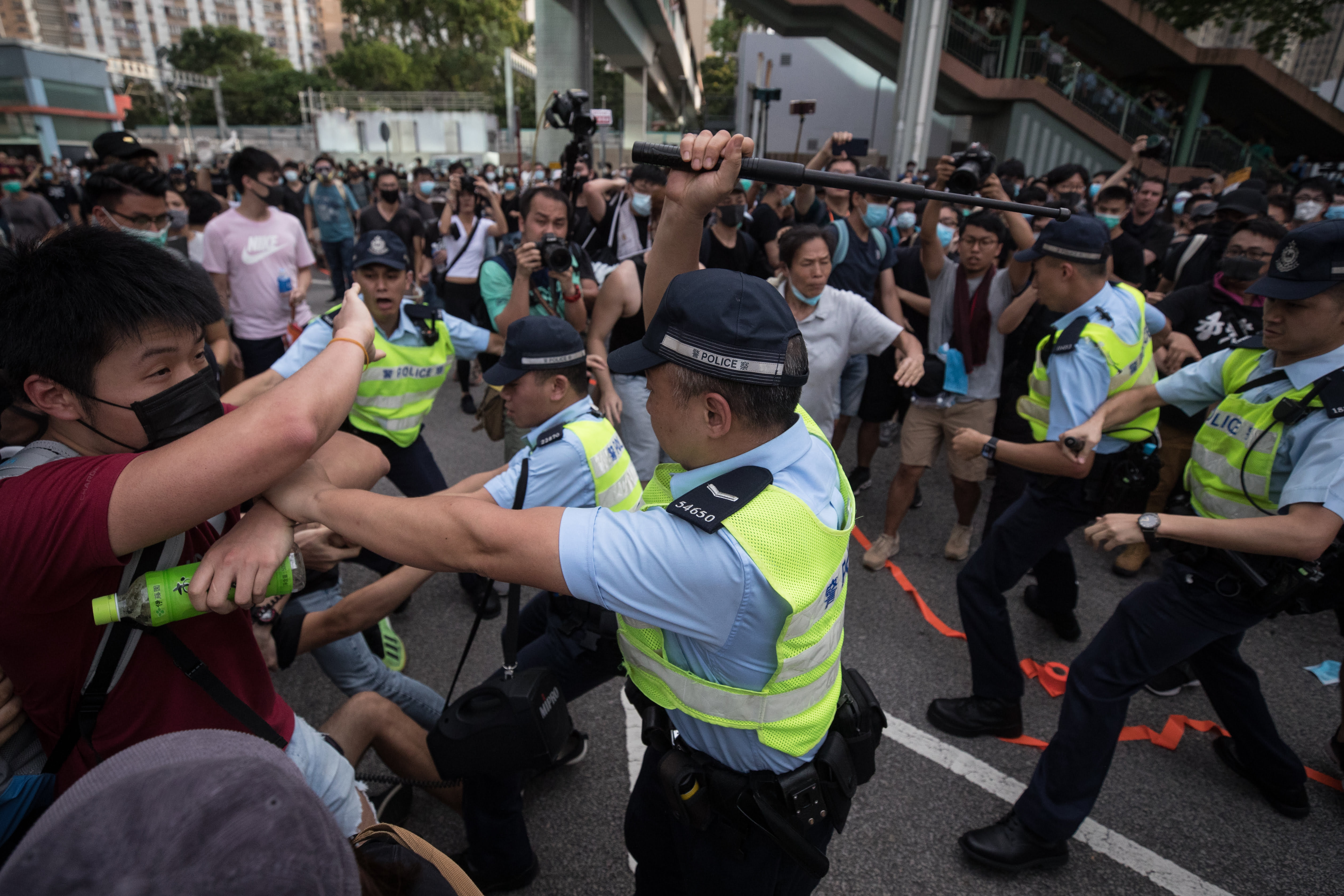
Amnesty International also documented a clear pattern of police officers using unnecessary and excessive force during arrests of protesters, with anti-riot police and a Special Tactical Squad (STS), commonly known as “raptors”, responsible for the worst violence. Almost every arrested person interviewed described being beaten with batons and fists during their arrest, even when they posed no resistance.  

A young woman arrested at a protest in Sheung Wan in July was one of many protesters who described being clubbed from behind with a police baton as she was running away from a police charge; she was knocked to the ground and police officers continued to beat her after her hands were zip-tied. 

Similarly, a man arrested at a protest in Tsim Sha Tsui in August described retreating and then running as police charged at the assembled protesters. He told Amnesty International that “raptors” caught up to him and hit him from behind with their batons on his neck and shoulder. He said:  

“Immediately I was beaten to the ground. Three of them got on me and pressed my face hard to the ground. A second later, they kicked my face … The same three STS kept putting pressure on my body. I started to have difficulty breathing, and I felt severe pain in my left ribcage … They said to me, ‘Just shut up, stop making noise.’” 

According to medical records, he was hospitalized for two days and treated for a fractured rib and other injuries. In more than 85% of cases investigated by Amnesty International (18 out of 21), the arrested person was hospitalized as a result of their beating, with three of them spending at least five days in a hospital.  

“Time and again, police officers meted out violence prior to and during arrests, even when the individual had been restrained or detained. The use of force was therefore clearly excessive, violating international human rights law,” said Nicholas Bequelin. 

Amnesty International also documented multiple instances of arbitrary and unlawful arrests, as well as numerous cases where police denied or delayed access to lawyers and medical care to detainees. Providing timely access to lawyers, family members and medical professionals for persons in custody is an important safeguard against torture and other ill-treatment.

The findings come after a group of UN experts expressed alarm about the Hong Kong police’s pattern of attacks on and arrests of protesters. 

“Given the pervasiveness of the abuses we found, it is clear that the Hong Kong Police Force is no longer in a position to investigate itself and remedy the widespread unlawful suppression of protesters. Amnesty International is urgently calling for an independent, impartial investigation aimed at delivering prosecutions, justice and reparation, as there is little trust in existing internal mechanisms such as the Independent Police Complaints Commission (IPCC),” said Nicholas Bequelin.
Australia must aid Rohingya people, not Myanmar military

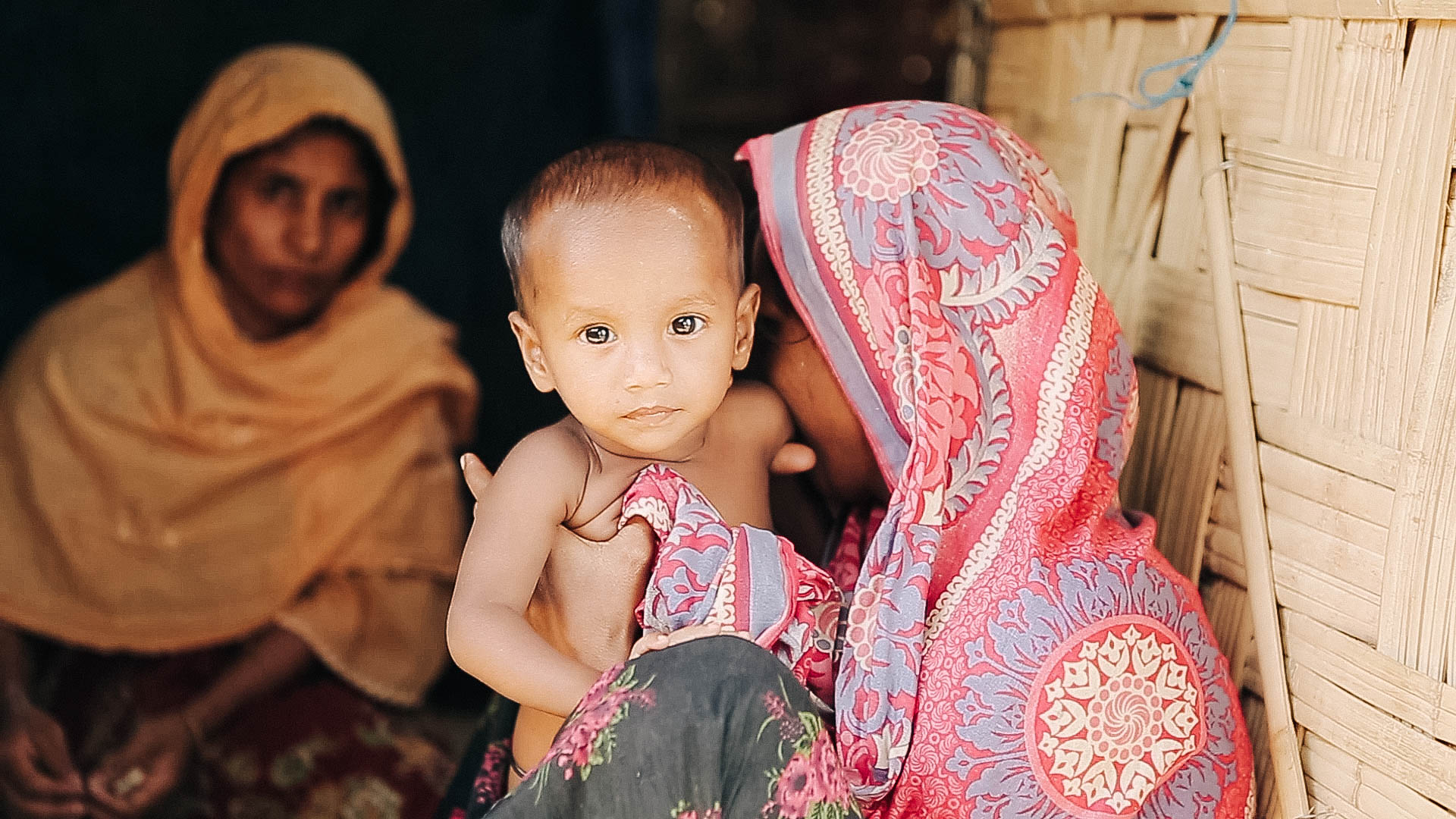
Two years after a brutal ethnic cleansing campaign forced more than 740,000 Rohingya men, women and children to flee Myanmar for Bangladesh, the majority remain trapped in unbearable conditions in overcrowded camps, denied security and education.

Amnesty International Australia campaigner Nikita White said: “So long as Rohingya people cannot return to safety and with citizenship and rights in their own country, Australia must increase aid to support education and security for women and children in refugee camps in Bangladesh.

“The Australia government must also ensure its aid will not go to the Myanmar military, which, as the UN’s Human Rights Council has noted, is unaccountable and ‘completely out of control’.

“Amnesty calls on Foreign Minster Marise Payne to commit to funding this vital aid work and to defund the Myanmar military,” White said.

The United Nations this week released its own independent report which found that the remaining Rohingya in Rakhine state are at risk and returning refugees currently in camps in Bangladesh is “impossible”.

Education and support for survivors of sexual violence

Opportunities for education in Bangladesh have always been extremely limited for Rohingya children, both with respect to the education facilities that have been allowed to operate in the camps and permission for registered Rohingya students to attend local Bangladeshi schools.


It is estimated that nearly half of the roughly one million Rohingya refugees now residing in Bangladesh are under the age of eighteen and are banned from any formal schooling. Most fled Myanmar with their families in the aftermath of the wave of violent attacks against their villages that began in late August 2017, and have now been in Bangladesh for more than two years; others were born in Bangladesh.


The Australian government should fund the humanitarian program that supports the right of Rohingya children and young people to education, and the safety and empowerment of women and girls. 

Holding the military to account

“Australia must also support the United Nations Security Council to refer the situation in Myanmar to the International Criminal Court, so that the Court can investigate all crimes against humanity committed against the Rohingya, as well as the military’s crimes against other ethnic minorities in Kachin and northern Shan State,” White said.

“It’s clear from the evidence gathered by Amnesty International, The United Nations and other independent groups that Rohingya people have suffered years of institutionalised discrimination and segregation amounting to apartheid and the Australian government must use every opportunity available to hold the Myanmar milary to account and end the human rights abuses.”

Iran: response to reports of foreign nationals detained

Responding to media reports that two British-Australian women and an Australian man have been detained in Iran, with one of the women said to have been sentenced to ten years in jail, Eilidh Macpherson, Amnesty International UK’s Individuals at Risk Campaigns Manager, said:

“The pattern of arresting foreign nationals in Iran is becoming increasingly alarming.

“We’re concerned that these two British-Australian nationals may have been subjected to serious human rights violations, including denial of access to a lawyer and even torture or other ill-treatment.

Amnesty International UK’s Individuals at Risk Campaigns Manager, Eilidh Macpherson

“In Nazanin Zaghari-Ratcliffe’s case, we know without doubt that her trial was unfair, the case against her unfounded and that she’d been held for months in solitary confinement.

“Nazanin is a prisoner of conscience who should never have been jailed in the first place, and likewise there are scores of people in Iran who’ve been imprisoned on spurious national security charges.

“The UK Government must continue to insist that Nazanin be freed and allowed to return to the UK with her daughter Gabriella, and it should make urgent representations on behalf of the two British-Australian nationals reportedly now also in Evin Prison alongside Nazanin.”