Welcoming refugees through sponsorship

Over the past few years, Amnesty International offices on four continents have been working to support refugees in a way and on a scale never seen before. The goal? To increase the number of people who can start their lives in a safe country. The method? Community sponsorship.

At its heart, community sponsorship is a simple but radical idea: ordinary citizens like you can play a key role in assisting refugees to reach and settle into a new country.

Not only does it allow you to work for positive change at a local level; you are also joining a global community that is helping change the conversation about people seeking asylum, even in the most hostile of environments.

How does it work? The people who do the sponsoring generally have to enter into an agreement with their government that they will raise the necessary funds, and assume responsibility for helping with logistical matters like finding accommodation, registering children in school and accessing medical care. The people who are sponsored have usually been waiting for months or years in a place where they are unsafe or they cannot live in dignity; currently many such people are living in countries like Bangladesh, Ethiopia, Iran, Jordan, Lebanon and Turkey.

Country sponsorship schemes

Canada’s model is the world’s oldest, having begun in 1978 to respond to the forced displacement crisis in Southeast Asia following the American war in Vietnam. Since the program began, hundreds of thousands of refugees have been sponsored, meaning that there have likely been more than a million ordinary Canadians involved in these initiatives!

At present, several of our national offices are committed to advancing community sponsorship. They are working with governments, civil society and stakeholders – like the Global Refugee Sponsorship Initiative – to establish new programmes, or make existing ones more sustainable, accessible and effective.

In Argentina, where more than 400 Syrian nationals have arrived through a scheme set up in 2014, Amnesty has supported local communities in utilizing their own power as advocates of change. The office has played a key role in strengthening civil society and communities involved in sponsorship, which culminated with the launch of the Community Refugee Sponsorship Support Network in 2018.

Amnesty Australia has seen positive results across the country and across the political spectrum, with major political parties pledging to improve sponsorship and increase the number of people arriving under the scheme. Around 30,000 people have pledged their support.

The Government of Ireland launched its community sponsorship programme in March 2019. This success is a testament to the energy and efforts of Amnesty Ireland, who partnered with leading refugee and migrant rights organizations to engage in policy design with the government and build the infrastructure essential to its viability. Amnesty is now turning their attention to mobilizing and supporting members of the public to become sponsors via local Amnesty groups and networks.

In New Zealand, the government had undertaken a pilot scheme, and Amnesty was critical in ensuring that the right actors were brought on board by coordinating stakeholders and training volunteers to advocate for the programme to become a permanent pathway for refugees. As a result of Amnesty’s campaigning, 10,000 people have pledged their support for community sponsorship and dozens of potential new sponsor groups have been identified.

In Spain, Amnesty is helping monitor the country’s fledgling programme, through which a pilot scheme was launched in the Basque Country in December 2018. In February 2019 the government started its implementation, with the first families arriving in March. Since the launch, Amnesty Spain has been holding meetings with the government to monitor the programme and discuss introducing it in other parts of the country.

To build a movement of welcome for refugees in the United States, in June 2018 Amnesty USA launched the Longer Table Initiative. Today, Amnesty USA partners with all nine national Resettlement Agencies and nearly 75 local affiliates with community sponsorship and/or volunteer opportunities. In addition, seven Amnesty groups have committed to sponsoring families, and another 14 groups are considering sponsorship.

This is why community sponsorship works

From the UK to Argentina, community sponsorship is bringing people together from around the world.

John Barker, 71, from London, UK 

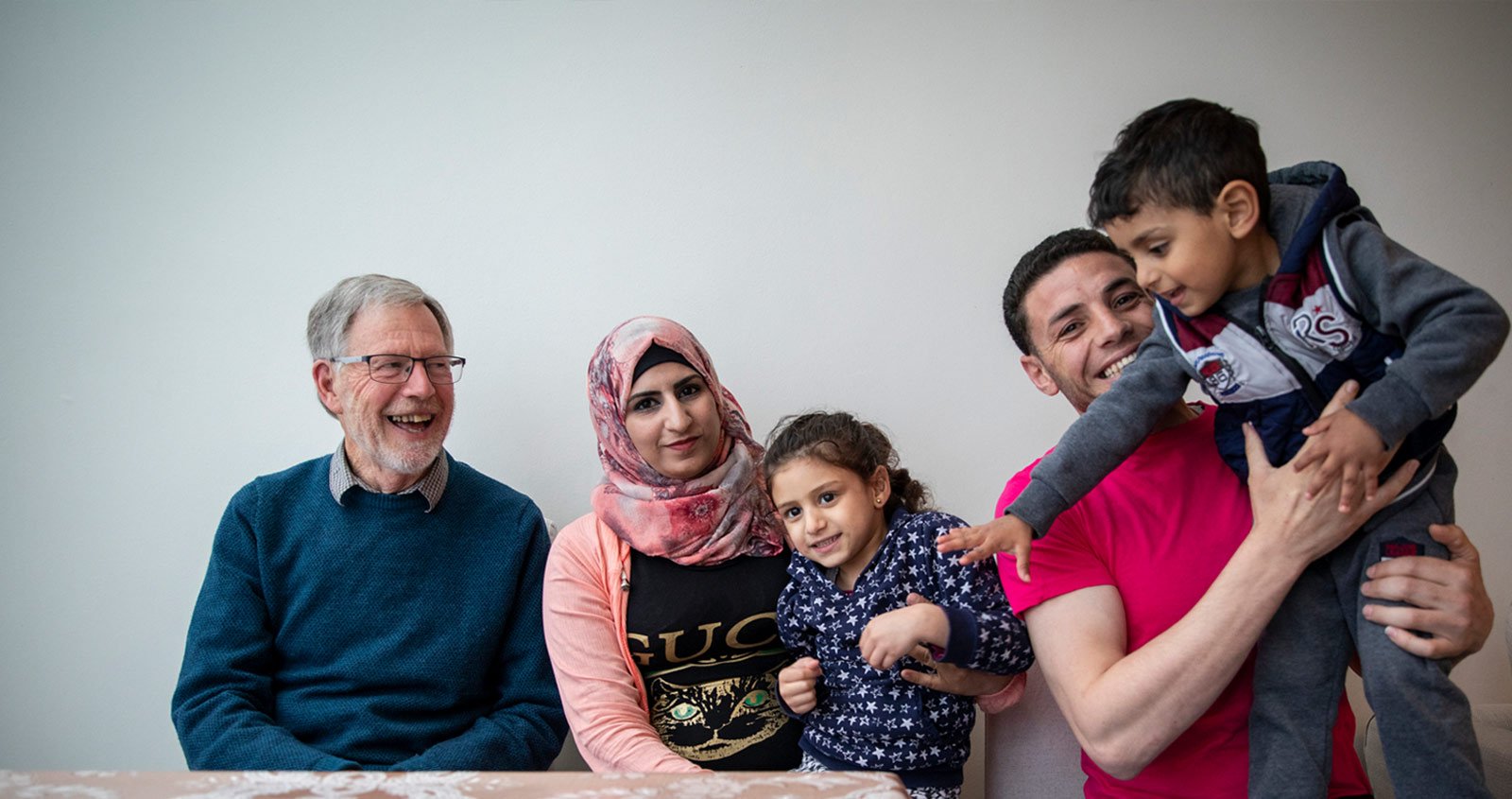
An elderly man gestures at a young girl as if he is teaching her how to count. The girl's mother sitting between them, smiling.
John, Rahaf and Aseel. Credit: Amnesty International

After retiring from teaching five years ago, I was keen to find a focus. I loved working with people and I knew I wanted to do something to support refugees. Maybe it’s partly because my dad was a child evacuee from Britain in New Zealand during the Second World War. Together with my friends at Hampstead Parish Church I decided community sponsorship was the path to take. We formed a sponsorship group along with churches from other denominations.

It took us around a year to bring Rahaf, Monther and their children Aseel and Mohammad over to the UK. They had been living in a refugee camp in Jordan after fleeing Syria.

I’ve learnt a lot from community sponsorship. I am a retiring sort of person, but sponsoring Rahaf and Monther taught me to stand up for others, to think about how we can persuade people to get on board with this scheme and to develop strategies to get things done. 

Since they’ve been here, they’ve taught me so much. I’ve learnt about Muslim culture and I’ve seen how it’s possible for people from all religions to be friends.

I see the family a lot and I am there for them, whether they need to go to the job centre, navigate the London transport system, or learn English. I meet Monther regularly to teach him English – and he has really made progress! We’ve also been taking the tube together. I thought I’d take him somewhere picturesque, so we went to Charing Cross. When he saw the river, he clutched my arm and said ‘John, John!’ – he was so excited about walking across the river, and he started FaceTiming his friends in Jordan and Lebanon, encouraging me to say hello!

It’s great to see how far the family have come in eight months. I feel thrilled that the kids are going to school. We’re learning about one another every day and it’s lovely. Even after a really awful day of administration and paperwork, we’ll go back to their flat and they’ll cook the most delicious meal.

It’s so important to support people who have been forced to flee their countries. People are living in terrible conditions – the UK is a wealthy country and we should be doing far more to help. Talking to other sponsors, it’s clear that you get much more out of the scheme than [what] you put in.

Rahaf, 25, and Monther, 30, from Syria

A family and an elderly man sit around a kitchen table. A young couple have their two children perched in their laps.
John, Rahaf, Aseel, Monther, Mohammad, in London, UK. Credit: Amnesty International.

Rahaf (third left): I was born and brought up in Syria. Life there was lovely. I went to school and enjoyed being with my family. When I was 16, my eldest sister introduced me to Monther and we got married.

The Syrian conflict started in 2011. There was bombing from the air and fighting on the ground. We feared for our lives, so we fled Syria and went to Jordan. For the first three years, we lived in a UN refugee camp, where my daughter was born. We were then given permission to move to Madaba, where my son Mohammad was born.

Monther got a job as a street sweeper and I worked as a house maid, while completing a six-month UN course in childcare. We lived in Jordan for seven years, but we didn’t feel welcome. We applied to come to England for the safety of our children.

From the moment we arrived, we were made to feel welcome by our sponsors. Adjusting to life was difficult at first. We didn’t speak English and we couldn’t find our way around, but life is becoming easier. Monther and I are learning English.

My children are happy and settled at school and starting to speak English too. The first English word Mohammad said was ‘bananas’ – he loves bananas!

My aim is to improve my English, so that I can become a nanny or a school assistant. Living in London is expensive, so we both need to make sure we can make a good life for our children.

I want to thank my sponsors from the bottom of my heart. They’ve done so much for us. They’ve taught us about the British way of life, the language, as well as how to get from one place to another. There are many people who still need help in Syria – the war isn’t over and it’s still not safe to return, so it’s important to continue supporting others.

Monther (far right): In Syria my family owned a farm. We grew olive trees and wheat, but when the war started, we had to cut everything down so that no fighters could hide among the trees and vegetation. We fled to Jordan, and life was difficult in the camp. The hardest thing was that once you were in the camp, you could not leave.

When we came to the UK, we were made to feel welcome, like we were part of the family. We weren’t treated like refugees; we were treated like people.

When we arrived at the airport the sponsors were all there to welcome us! They gave us hugs and we felt happy and comfortable. Our kids were made to feel very comfortable and our house was all set up. We’ve learnt a lot from our sponsors, and we’ve also taught them about the Syrian way of life and what it means to be a close-knit family.

Eyad Jaabary (Eddy), 30, from Syria 

A young man leaning against a wall in a jacket, smiling kindly
Eyad Jaabary (Eddy), 30, from Syria. Credit: Amnesty International.

My life in Syria was completely normal. I studied English Literature, completed a Masters degree, and started teaching English. 

Leaving Syria wasn’t an easy decision. There were many reasons behind my decision to leave – the key one was that I didn’t want to go into the military service. In Syria, the military service is obligatory when you turn 18. It can be delayed if you attend university, but after completing my Masters, I had exhausted all possibilities.

I didn’t want to risk forgetting everything I’d learned, just to go and fight in a war I did not believe in. I can serve my country in other ways, by teaching children or being part of the education system, but this wasn’t a possibility. I had no choice but to leave.

As I was required to do military service, I knew that thorough checks would be carried out at the border, so I had to do things I never thought I would do to make it to Lebanon, where I was due to fly to Buenos Aires, Argentina. When I arrived at the airport in Lebanon, I wasn’t allowed to get on the plane as I had to transit in Paris. I couldn’t do that with a Syrian passport, so Susana, my sponsor, helped me book a flight via Rome, Italy.

Since arriving in Argentina, I have been very lucky. I have great sponsors, who have provided me with everything I need to learn the language and look for a job. My sponsors, Susana and her husband Patricio, are very brave – it was my friend, Nairouz, who told them my story. Within a week, they’d started the paperwork.

Our relationship has been nothing but positive. Moving here by myself was challenging, but they’ve helped me adjust and regain my independence. I’m now renting a room in a shared house and I’ve found a job in a school. They’ve made the process much more relaxing and we’ve formed a family bond – I’m always going over for barbecues!

We come from very different cultures, but we’ve learnt a lot from one another. I’ve learnt about hard work – they are both over 60, they work every day and they are very active. I’ve taught them about my culture, our food and the importance of relaxation – well, I am trying to teach them about that!

I feel part of the community now – I have a lot of Argentinian friends and colleagues and I would like to continue working at the school, so I can save enough money to move to a different apartment and bring my brother over from Syria.

It’s been an incredible experience so far – and I am happy to be able to share my story. I want to thank the Argentinian community for being so open, receiving and friendly to strangers. I was expecting to be met with hostility, but when I tell people I am from Syria, they just smile.

Susana Gutiérrez Barón, 65, from Argentina

A middle aged woman with shoulder length brown hair on a park bench, smiling
Susana Gutiérrez Barón, 65, from Argentina. Credit: Amnesty International

I remember seeing the famous photograph of the young boy [Alan Kurdi] who died on the beaches of Turkey.

My husband and I looked at each other and knew we had to do something about it. Like many people around the world, the images struck a chord and encouraged us to take action. We couldn’t end the war, so we decided to dedicate ourselves to welcoming families and helping them find work.

I’ve learnt a lot from this process. When you want to help someone, you’ve got to think about what that person needs, not what you want to give. The Syrian community is different and living in a dictatorship can have a huge effect on people. I’ve grown a lot during this process and I’ve learnt to act without expecting anything in return.

Our friends are surprised at what we were doing – and it surprises me that it surprises them, as it’s so natural to us. I seriously believe that when one takes small steps to changing the world around us, amazing things can happen.

It’s important to work closely with the sponsorship team around you, to talk to them and share experiences. Community sponsorship offers possibilities to build a network and to establish a connection. But, for me, the most important connection is the human bond I’ve established with Eddy – nothing can match that.
30 human rights wins worth celebrating

Thanks to a combination of fierce campaigning and people power, 2019 has seen some major human rights wins so far!

January

As a tribute to Julián Carrillo, an environmental rights defender killed in October 2018, we launched Caught between bullets and neglect, a digest on Mexico’s failure to protect environmental human rights defenders. Just a few hours after the launch, two suspects in Julián’s murder were arrested, showing the immediate impact Amnesty can have on justice.

Rahaf Mohammed al-Qunun, an 18-year-old woman from Saudi Arabia, was granted protection and access to UNHCR in Thailand after fleeing violence, abuse and death threats from her family in Saudi Arabia. Our persistent work on her case contributed to a wonderful outcome with her being granted asylum in Canada, where she is safe.

The Angolan Parliament approved a revision of the Criminal Code to remove a provision widely interpreted as a criminalization of same-sex relationships. They even took a step further, by criminalizing discrimination against people based on sexual orientation – the first country in 2019 to make this move!

February

A man looks out a doorway of a wall made of teal green corrugated iron
Abdul Aziz Muhamat. Credit: Michael Green.

Abdul Aziz Muhamat, a Sudanese refugee activist detained on Manus Island since 2013, was awarded the 2019 Martin Ennals Award. Abdul featured as a Write for Rights case in 2018 which increased international recognition of him as a Human Rights Defender. Earlier this year his asylum claim was recognized in Switzerland where he was given permanent residency.

After spending 76 days in detention in Thailand, refugee footballer Hakeem al-Araibi was able to return to his home in Melbourne on 12 February. The Bahrain-born footballer had been detained upon arrival in Bangkok on 27 November 2018, due to an erroneous Interpol red notice. A campaign launched by Amnesty and other groups to free the footballer, a peaceful and outspoken critic of the Bahrain authorities, grew into the #SaveHakeem movement, spanning three continents, engaging footballers, Olympians and celebrities, and drawing the support of more than 165,000 people.

Australia finally passed a law facilitating the transfer to Australia of refugees detained on Manus Island and Nauru who require urgent healthcare. Amnesty, as part of a coalition of people and organizations, alongside the work and courage of the refugees themselves, helped achieve this tremendous step forward.

Following international attention and campaigning by Amnesty, Saudi authorities overturned the call by the Public Prosecution to execute Saudi woman activist Israa al-Ghomgham for charges related to her peaceful participation in protests. Israa al-Ghomgham still faces a prison term and Amnesty continues to campaign for her immediate and unconditional release.

March 

A public square, where a row of five women hold a clenched hand up in the air, in an act of solidarity.
Marielle Franco’s friends and family stand in solidarity. Credit: Elisângela Leite.

Just before the one-year anniversary of the killing of Marielle Franco, a prominent human rights defender from Brazil, police arrested two people in connection with her murder. It marks the first sign of real progress in the case, which Amnesty had been campaigning on for a year.

Just days after Amnesty and other NGOs raised alarm about a draft cybercrime law that would seriously undermine freedom of expression in Iraq, the Iraqi parliament chose to withdraw the bill and confirmed to Amnesty that its “concerns have been heard”. Amnesty had also called on the Kurdistan Regional Government (KRG) in Iraq to drop all charges related to freedom of expression against journalists and activists that had been arbitrarily arrested following protests.  The same week, all those detained were released and the KRG issued a statement clarifying they had been released in response to Amnesty’s calls.

During the latest UN Human Rights Council session, a landmark resolution was adopted recognizing the important role of environmental human rights defenders. In an encouraging move, it also called for states to provide a safe and empowering environment for initiatives organized by young people, such as the school climate strikes.

After the publication of Amnesty’s investigation The Hidden US War in Somalia: Civilian Casualties from Air Strikes in Lower ShabelleAFRICOM admitted for the first time ever that its air strikes have killed or injured civilians in Somalia. This report opened an investigation and review on the air strikes, culminating with the publication of US military documents that confirm they knew of further civilian casualties resulting from many of their air strikes in Somalia.

April 

Two years ago, Esther Kiobel and three other women took on one of the world’s biggest oil companies, Shell, in a final fight for justice. Esther has pursued the company for more than 20 years over the role she says it played in the arbitrary execution of her husband in Nigeria.  Amnesty shared over 30,000 solidarity messages with Esther Kiobel and in April, The District Court of The Hague issued an interim ruling in favour of the women. According to the ruling, the court does have jurisdiction to hear the case and the claim is not  time barred.

“We salute Esther Kiobel, Victoria Bera, Blessing Eawo and Charity Levula. It’s only because of their courage and persistence that we’ve got this far,” said Mark Dummett, Researcher on Business and Human Rights.

Following the launch of Amnesty International’s annual global death penalty report, the President of Equatorial Guinea announced his government will introduce legislation to abolish the death penalty.

Mozambican journalist Amade Abubacar, arbitrarily arrested in January and held in incommunicado military detention and in pretrial detention for more than 90 days, was granted provisional release following a sustained campaign by Amnesty. He continues to fight trumped up charges and we continue to push for the government to drop all charges against him.

The Constitutional Court of South Korea issued a landmark ruling ordering the government to decriminalize abortion and reform the country’s highly restrictive abortion laws. By the end of 2020, South Korea’s law on abortion must be revised – a win for supporters of equality, women’s rights and bodily autonomy all over the world.

May 

Crowd of people with rainbow flags. One person holding a yellow sign with a rainbow and words: Taiwan, will you say yes? Yes, I do!
Taiwan became the first in Asia to legalize same sex marriage in May 2019. Credit: Amnesty International.

Taiwan became the first in Asia to legalize same-sex marriage after passing a historic law on 17 May, with the first weddings taking place on 24 May. Together with LGBTI rights groups from Taiwan, Amnesty had campaigned for this outcome for many years. As well as legalizing same-sex marriage the law allows for limited adoption rights for same sex couples. This huge step forward for LGBTI rights in Asia was celebrated by Amnesty and its supporters.

Gambia’s President Adama Barrow commuted the death sentences of 22 prisoners to life imprisonment. This followed an Amnesty International mission to Gambia to present to the authorities a series of recommendations covering 10 areas of reform to protect and promote human rights. The recommendations include the abolition of the death penalty and commutation of all death sentences to terms of imprisonment.

The World Health Organisation moved to end the categorisation of trans-related conditions as mental and behavioural disorders, which means that transgender people will no longer be considered mentally ill. Amnesty has campaigned for legal depathologisation and acceptance for those who identify as transgender or as gender diverse since 2014.

Human rights pressure played a role in FIFA’s decision to abandon plans to expand the 2022 Qatar World Cup to 48 teams, which would have involved adding new host countries in the region. Amnesty worked together with a coalition of NGOs, trade unions, fans and player groups calling attention to the human rights risks of the expansion, including the plight of migrant workers building new infrastructure, and demanded FIFA uphold its corporate responsibility to respect human rights and its own human rights criteria. This success shows how impactful collaboration can be and how together we can use human rights to hold powerful corporations to account.

June 

Amnesty International’s Secretary General Kumi Naidoo and climage change activist Greta Thunberg. Credit: Amnest International.

Climate change activist Greta Thunberg and the Fridays for Future movement of school-children were honoured with Amnesty International’s Ambassador of Conscience Award for 2019. This is our highest honour, celebrating people who have shown unique leadership and courage in standing up for human rights.

This is not my award, this is everyone’s award. It is amazing to see the recognition we are getting and know that we are fighting for something that is having an impact. 

Greta Thunberg

There were some important breakthroughs on the arms trade, as Canada became the 104th state party to join the Arms Trade Treaty. Following Amnesty’s tireless work to stop arms transfers to the Yemen conflict, the UK appeals court issued a landmark ruling in May declaring the UK government’s decision to continue licensing exports of military equipment to Saudi Arabia unlawful, following a judicial review brought by CAAT, with Amnesty HRW and others as interveners. The United States Senate voted to block $8 billion worth of emergency arms sales to the Saudi and United Arab Emirates-led coalition in May. Belgium cancelled several arms export licences for Saudi Arabia and ordered an investigation after we revealed Belgian arms used by militia groups. Similar decisions followed in Italy and in Switzerland culminating with the UN General Assembly passing a resolution to work towards international laws to ban the trade in tools of torture and tighten regulations for equipment used to police protests.

After Hong Kong police used violent tactics against protesters, Amnesty International swiftly produced a briefing verifying evidence of excessive force against the largely peaceful protests. The briefing was widely circulated within Hong Kong, and around 46,000 actions were taken on the online campaign within a few days.

Following attention on the case, Saudi authorities overturned a call by the Public Prosecution to execute Murtaja Qureiris, a young Saudi man who was arrested at the age of 13 for offences he allegedly committed when he was 10.

In Botswana, a High Court passed a judgement decriminalizing consensual same sex relations following fierce campaigning organizations, including Amnesty International.

Greece changed the law to recognize that sex without consent is rape, in a long overdue move, and Denmark’s government committed to do the same. This development is testament to the persistence and bravery of survivors and campaigners, and creates real momentum across Europe following Amnesty’s report on the barriers to accessing justice for rape survivors.

Tom Ciotkowski, a British human rights defender charged with contempt and assault for documenting abusive police behaviour while helping refugees and migrants in the French town of Calais, was acquitted.

The hostile environment for migrants and those who support them must come to an end and a real, compassionate solution to the situation must be found. 

Tom Ciotkowski

July

A group of people holding very bright yellow placards, with writing: Hey google, listen to your concerned employees. Hey google employees committed to human rights: we support you!
Human rights activists call on Google to drop its “Dragonfly” project. Credit: Amnesty International.

In a US Congressional hearing, a senior Google executive gave the clearest confirmation yet that the company has “terminated” Project Dragonfly, its secretive programme to develop a search engine that would facilitate the Chinese government’s repressive surveillance and censorship of the internet, following Amnesty’s DropDragonfly campaign, and hundreds of Google staff speaking out.

Through a combination of media work, supporting demonstrations and lobbying work, Amnesty International mounted a campaign in Sri Lanka, which was successful in temporarily stopping what would have been the country’s first executions in 43 years. The Supreme Court will resume its consideration of the case that resulted in the order to stay the executions at the end of October.

August

For decades, Amnesty has highlighted the rampant discrimination faced by women in Saudi Arabia under the country’s repressive male guardianship system. In August, Saudi Arabia announced major reforms easing some of the major restrictions imposed on women, including allowing them the right to obtain a passport which should make it possible for them to travel without permission from a male guardian. The changes also grant women the right to register marriages, divorces, births and deaths and to obtain family records. While we welcome these changes, people campaigning for women’s rights remain in prison and we must do all we can to fight for their freedom.

Following the release of Mauritanian blogger Mohamed Mkhaïtir, who was sentenced to death and held in arbitrary detention for more than five years after publishing a blog on caste discrimination, he said: “Without your efforts, I would not have been released. During five years in prison, I just saw the sun six times. So much has changed over the past five years and I am still adjusting to life outside of prison. Now I am free, my hope is to resume my education and return to school.”

Without your efforts, I would not have been released. Now I am free, my hope is to resume my education and return to school. 

Mohamed Mkhaitir

Myanmar: Two years since Rohingya exodus, impunity reigns supreme for military

With the threat of returns to Myanmar once again looming over Rohingya refugees in Bangladesh, Amnesty International warned that Rakhine State remains unsafe while those responsible for atrocities continue to evade justice.

This Sunday marks two years since the Myanmar military launched operations in Rakhine State which forced more than 740,000 Rohingya women, men and children to flee their homes and villages. The brutal campaign was marked by widespread atrocities, which a UN investigation team has said amount to crimes against humanity and likely genocide.

Despite international outrage and the adoption of a UN Human Rights Council resolution to pursue accountability in Myanmar, the generals who oversaw the attacks on the Rohingya are still in their posts. In May 2019, Amnesty International documented how the military had carried out new war crimes during the conflict with the Arakan Army in Rakhine.

“Bangladesh and Myanmar’s recent proposal to repatriate thousands of Rohingya has triggered widespread fear in the refugee camps. Memories of murder, rape and torched villages are still fresh in the minds of Rohingya refugees. With Myanmar’s military as powerful and remorseless as ever, it remains unsafe for anyone to return to Rakhine,” said Nicholas Bequelin, Amnesty International’s Regional Director for East and Southeast Asia.

“This grim anniversary is a stark reminder of the failure of the UN Security Council to stand with the survivors and bring the perpetrators of mass atrocity to justice. The Security Council must urgently refer the situation in Myanmar to the International Criminal Court, and impose a comprehensive arms embargo.”

Nicholas Bequelin, Amnesty International Regional Director for East and Southeast Asia

A nightmare on both sides of the border

The Rohingya continue to be denied their rights on both sides of the Myanmar/Bangladesh border. In Myanmar, hundreds of thousands of Rohingya live under a system of apartheid, confined to overcrowded camps and ‘prison’ villages where they are denied freedom of movement and have severely limited access to schools and health care.

The military tightly controls access to Rakhine State, which means international oversight to monitor anyone who returns will be extremely difficult. For the past two months, authorities have imposed a telecommunications blackout on northern and central Rakhine State, isolating those areas even further.

The military’s murderous purge of hundreds of Rohingya villages in northern Rakhine State in late 2017 killed at least 10,000 Rohingya women, men and children, according to an estimate from the UN Fact-Finding Mission, and forced more than 740,000 to flee across the border into Bangladesh, where they remain today. A June 2018 Amnesty International report named 13 officials in the security forces – all the way up the chain of command to Senior General Min Aung Hlaing – who should be investigated and prosecuted for crimes against humanity. The European Union has imposed targeted sanctions on 11 of the 13 singled out in that report.

In May 2019 Amnesty International documented how Myanmar’s military had launched new operations in Rakhine State, following coordinated attacks on police posts by the Arakan Army (AA), an ethnic Rakhine armed group. The military response has included unlawful attacks that killed or injured civilians, extrajudicial executions, arbitrary arrests, torture and other ill-treatment, and enforced disappearances. Many of these violations amount to war crimes.

In Bangladesh, more than 910,000 Rohingya, including people who fled previous waves of violence, live in refugee camps where they are often denied basic rights. The Bangladeshi government imposes severe restrictions on their lives – they cannot work or move around freely, and children cannot go to school.

Since signing a repatriation arrangement in November 2017, the governments of Bangladesh and Myanmar have on several occasions announced plans to begin returning Rohingya refugees to Myanmar. In November 2018, repatriation plans were called off amid international outcry over the lack of consultation with the Rohingya and with Myanmar’s failure to ensure an environment for safe returns.

On 15 August, the two governments again announced repatriation plans, saying they had agreed on a list of 3,540 Rohingya refugees to be returned. Bangladesh authorities have said that returns will only occur if they are safe, voluntary and dignified, but the Rohingya have once again not been properly consulted. Moreover, the Myanmar authorities’ failure to ensure accountability for atrocity crimes and to dismantle the system of apartheid means the situation precludes safe and dignified returns.

“For remaining Rohingya, Rakhine State is nothing but an open-air prison. The Myanmar authorities have done virtually nothing to correct the situation and in fact continue to commit crimes against humanity. International donors, including regional governments, must ensure that they do not facilitate ongoing crimes, and instead press Myanmar to restore the Rohingya’s rights, including citizenship rights,” said Nicholas Bequelin.

“Meanwhile, the international community must work with Bangladesh to support Rohingya refugees to rebuild their lives in dignity. No decisions about the future of the Rohingya should be taken without proper consultation with the Rohingya themselves.”

International community still failing the Rohingya – and failing to ensure justice

On 27 September 2018, the UN Human Rights Council adopted a resolution to create an accountability mechanism to collect and preserve evidence of crimes under international law in Myanmar. Other accountability efforts have included targeted sanctions against military officials by several states and by the European Union, as well as a request from the Prosecutor of the International Criminal Court to open an investigation into crimes under the Court’s jurisdiction committed against the Rohingya population since October 2016.

Amnesty International has welcomed these steps towards accountability, but continues to call for the situation in Myanmar to be referred to the International Criminal Court, including all atrocity crimes against the Rohingya, as well as ongoing war crimes against ethnic minorities in Kachin, Rakhine, and Shan States. 

“The situation for the Rohingya and Myanmar’s other persecuted ethnic minorities will never improve until Myanmar’s military faces justice for its appalling crimes,” said Nicholas Bequelin.

“The humanitarian response to help the Rohingya rebuild their lives must go hand in hand with a robust pursuit of accountability. The international community has repeatedly failed the Rohingya in the past – it must not do so again.”

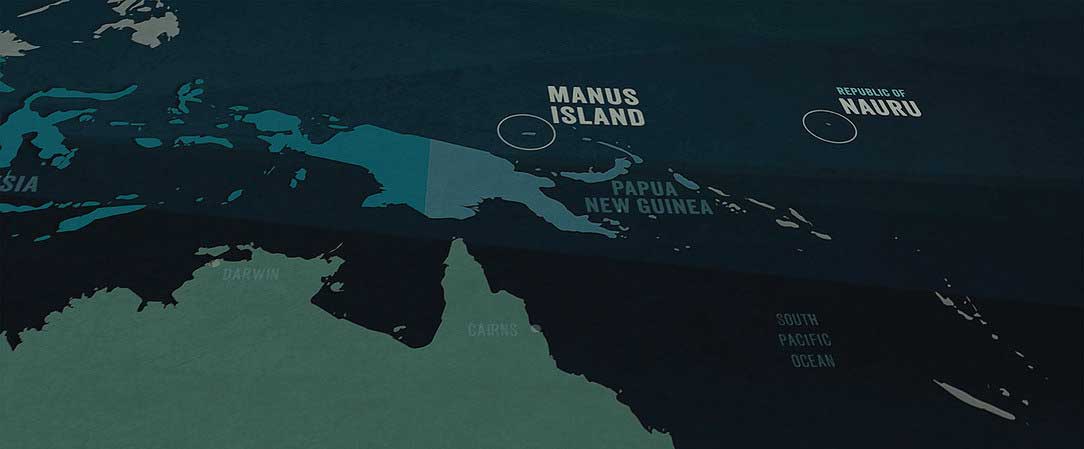
Relocation to Port Moresby not a ‘fix-all’ for refugees

The Immigration and Citizenship Authority of Papua New Guinea has offered refugees currently on Manus a voluntarily transfer to Port Moresby. 

The men will be provided with residential accommodation in Port Moresby, re-location support, a weekly living allowance and other support such as health services and employment support will also be provided. 

In response to the news, Dr Graham Thom, Refugee Coordinator at Amnesty International Australia said:  “It is great news that these men, who have been trapped on Manus for six years are being offered the chance to escape their island prison and settle in Port Moresby. The PNG Government are ultimately doing the right thing in welcoming these people into their community and giving them freedom from detention while a solution is found. 

“It is vital that there is a long-term plan for these refugees and that their rights are protected. We still have concerns about the men’s safety in the community. Refugees have been targeted in the past and Port Moresby continues to be one of the most dangerous cities in the world. 

“Many of these men have also suffered ongoing psychological and health issues. Any settlement plan must also address the need to protect the health and wellbeing of refugees in the community.  

“Greater clarity about their legal status and how it might affect their ability to settle elsewhere if they choose to transfer is also needed. Some of these men have family in Australia or elsewhere and will wish to join them. While living in Port Moresby offers a lot more freedom than the detention centres on Manus, they should still be allowed to pursue re-settlement elsewhere.

“Relocating them to Port Moresby should not be seen as a fix-all for the terrible treatment these men have endured over the past six years. The Australian Government cannot wash their hands of responsibility for them once they have relocated. They put them on Manus, and they are responsible for ensuring they are suitably resettled, including bringing them to Australia where appropriate.” 

Amnesty understands there remains almost 700 people languishing in Papua New Guinea and Nauru that were sent there by the Australian Government more than 6 years ago.

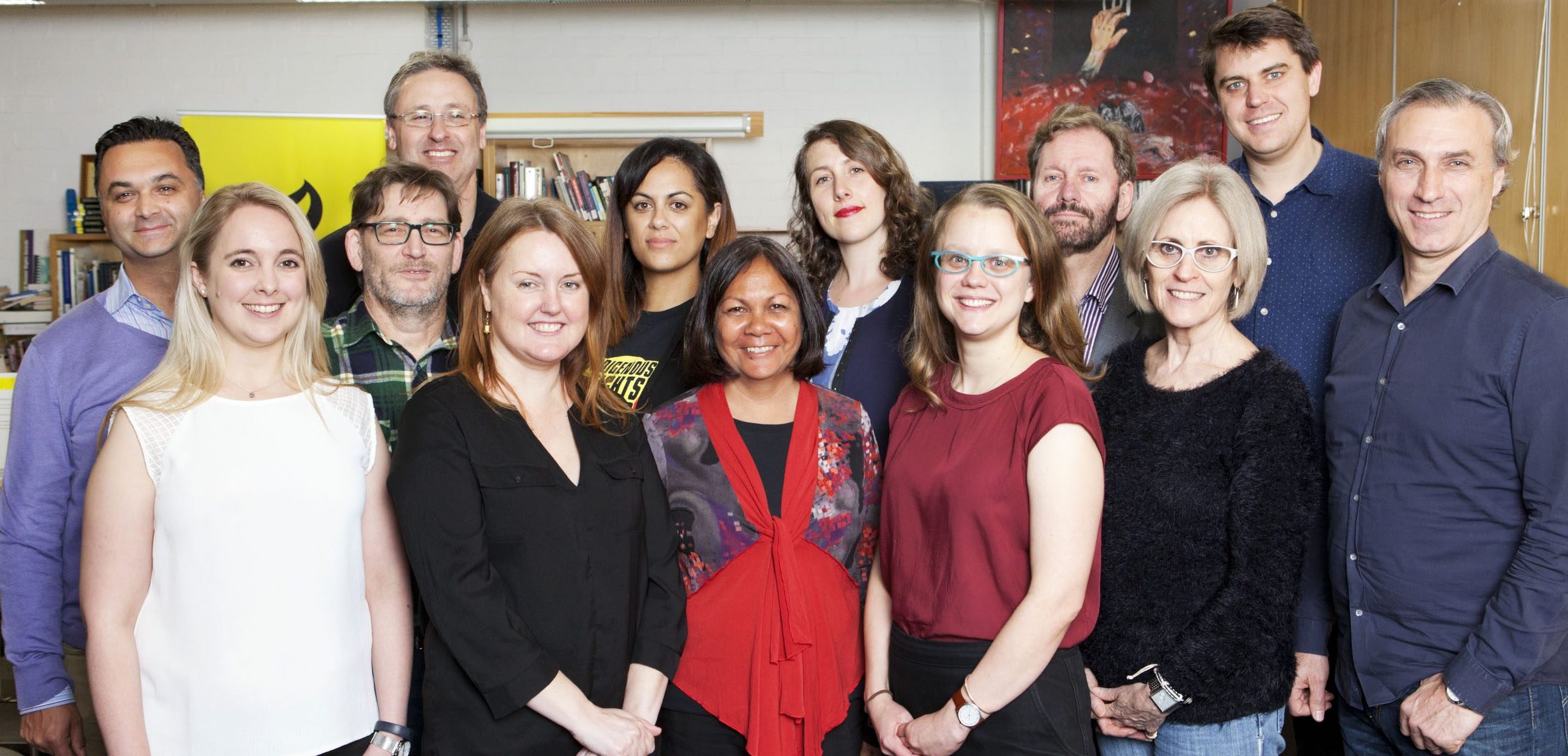
Meet the Refugee Advisory Group

Amnesty International Australia’s Refugee Advisory Group guide our work on refugee and asylum seeker rights.

Amnesty’s Refugee Advisory Group consists of courageous individuals with lived experiences as refugees in Australia.

Having overcome the immense and numerous difficulties of escaping their homelands and resettling in Australia, they now generously share their own stories as a way to welcome, support and empower refugees who have and still are experiencing traumatic and challenging situations.

Deena Yako

Portrait shot of a woman with brown mid-length hair and berry-coloured lipstick
Deena Yako © AI

Deena fled persecution in Iraq when she was a child – over the snowy mountains into an unknown future.

“We arrived in Sydney in April 1990. I was 13 years old. It felt overwhelming; I was very happy but also very sad. Everything was different – the seasons; people driving on the other side of the road; even trees in the middle of the road. I couldn’t believe how green it was. Everything looked so fresh and beautiful … And finally, I could go to school.”

Today Deena travels around Australia meeting school kids, civil servants and community groups, challenging prejudice and helping newcomers to settle. 

“When you feel connected to community you start to recognise that you belong. Many who come here feel so isolated. I think that the wider community needs to participate in resettlement of people.”

“I feel Australia is my home. A part of me, my roots were imbedded in that country called Iraq. And that whole tree was taken out and replanted in Australia. My roots have started to grow. It takes time for the roots to connect to the soil. But now I can’t imagine living anywhere else. I am finally home”.

Arash Bordbar

Arash Bordbar. © Private

Arash fled violence in Iran as a teenager, initially travelling to Malaysia where he registered with the UNHCR as a refugee. He was resettled in Australia in 2015. 

One of Arash’s biggest achievements has been starting an engineering degree at the University of Western Sydney. Prior to that, his applications to various Australian universities were rejected nine times because he was “new to this country and didn’t have any background”.

“The hardship that I faced, the circumstances that I came through, made a resilience in me not to give up.”

Arash dreams of building affordable houses and giving a better life to people in humanitarian situations.

Prudence Melom

Prudence Melom. © Private

Prudence is convinced that storytelling can change the world. The former refugee, from Chad, moved to Toowoomba in 2007. Since then she has been Toowoomba’s Young Citizen of the Year, and has founded E-Raced, a non-government organisation with the ambitious plan to erase racism.

“Stories are powerful,” she says. “Fear of the unknown definitely holds people back, but one thing I believe breaks that gap is storytelling. When you share your story, and when people get to know you, they know you for who you are, not what they see in the media.”

“When you see a refugee, you see someone who is determined, someone who has hope. I tell people, ‘if someone like me can come here with nothing, and still make a change, then the sky is the limit and anything is possible.'”

Erfan Daliri

Erfan Daliri. © Private

Erfan is a Baha’i man born in India to Iranian parents who were seeking refuge from religious persecution. He and his parents were granted humanitarian settlement to Australia, and Erfan spent his childhood living in Townsville.

He studied a Masters in Communication for Social Change, and after a decade in community development and youth engagement work, he decided to turn his attention to the root causes of social injustice and inequity. 

He also writes, lectures, and performs spoken poetry, and continues to use these platforms to advocate for social change. He continues to offer lectures at schools, universities, prisons, public gatherings and festivals across the country. 

Najeeba Wazefadost

Young woman speaking to a room of people, her hand lifted in emphasis
Najeeba Wazefadost, a member of Amnesty’s Refugee Advisory Group. © Private

Growing up as a part of the minority Hazara group in Afghanistan, Najeeba lived with constant fear and persecution. She saw many of her neighbours and relatives disappear, and saw her school shut down and her teacher killed for educating girls. 

Najeeba fled Afghanistan with her family when she was 12 years old. Today, Najeeba has finished a degree in medical science and hopes to study medicine so she can give back to the country that has welcomed and protected her.

“I’ve come across a lot of amazing Australians who have helped me and my family settle in Australia and open a fresh life, a new life. Today, where I am, I thank those Australians”.

Mohammed Junaid

Mohammed Junaid. © Private

Mohammad is a Rohingya man from Myanmar. At the age of 10 he was forced to flee violence in his home county. He came to Australia with his family in 2015.

Mohammad is currently a  student completing a Bachelor of Civil and Structural Engineering. He is also the Public Relations Officer of his local community, known as the Burmese Rohingya Community in Australia (BRCA).

Community sponsorship for Mohammad is about bringing hope to Australians longing to be united with their families.  

Nominating for election as a director of Amnesty International Australia

The National Board of Amnesty International Australia (AIA) provides leadership and governance for AIA.  

Members of AIA are now invited to nominate for election to the National Board.  

At the Annual General Meeting (AGM) in October last year AIA members voted overwhelming in support of a new system of governance. A key component of this new system was a National Board of seven elected directors, assessed by a Nomination & Assessment Committee (NAC) with regard to a statement of capabilities, attributes and diversity (Attributes Statement).

The three members of the NAC are:

  • Inge Saris as the AGM elected member, a former ACT SNSW Branch President;
  • Simon Rumore as the National Board appointed member, a former QLD NNSW Branch Committee Member and former National Board member; and 
  • Kate Harper as someone with specific expertise in executive and non-executive director recruitment. Kate has 15 years’ experience in the executive search industry and currently runs her own business that specialises in executive search and board consulting for not-for-profit organisations.

The Attributes Statement was originally drafted by the Governance Committee with reference to the practices of other Australian not-for-profits as well as Amnesty International sections globally. It was subsequently endorsed by the NAC and finally approved by the National Board in July 2019. The Attributes Statement has four parts:

  • Part A – collective capabilities of the National Board including activism;
  • Part B – personal attributes of directors;
  • Part C – a statement of diversity and inclusion; and 
  • Part D – required capabilities to be a director of AI Australia.

As a transition year to a new system of governance at the AGM on 13 October 2019, the General Meeting Votes will elect all seven members of the National Board.  The elections at the AGM will be held in two rounds: the first round is to elect 4 board members – only current members of the National Board are eligible to stand. The second round will be to elect the remaining three board members and these positions are open to all members.

In order to commence the staggering of three year terms, candidates will be elected for a period of one, two or three years. More details are available in the Constitution, cl. 13.1(b).

Expression of interests open today for directors of the National Board and will remain open until 5:00 pm AEST on Monday 2 September 2019. To apply, please refer to:

To complete your expression of interest you will need to undertake a self assessment with regard to the Attributes Statement and include a brief resume (maximum of 4 pages). After a review of the expressions of interest, NAC will determine those individuals to interview over the first half of September in presenting a list of candidates to the General Meeting Voters.

If there are any questions about these critical roles please contact the NAC Chair, Simon Rumore on simon.rumore@amnesty.org.au.

NT Government again ignores experts re. placement of Don Dale facility

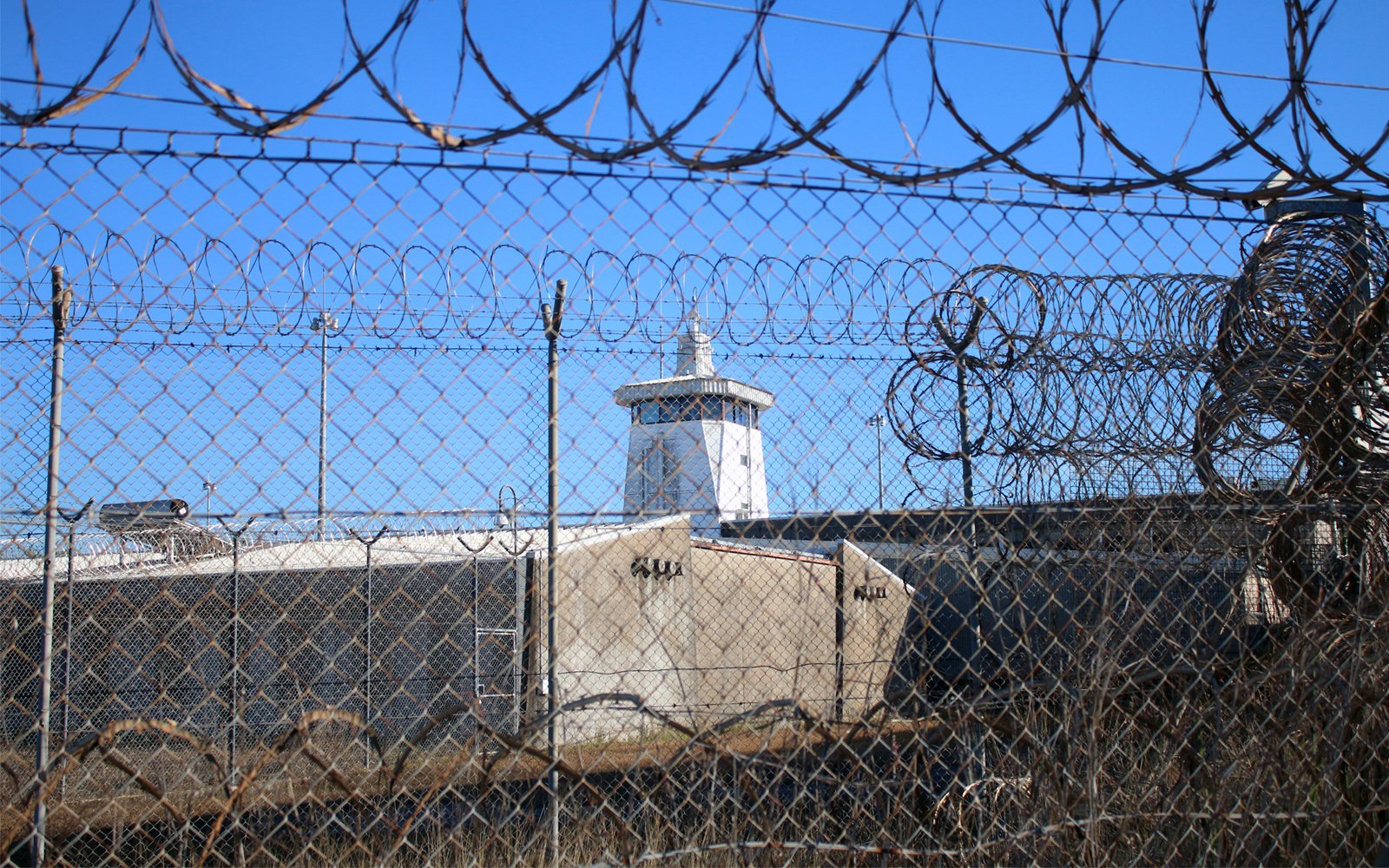
Amnesty International has joined the voices of the Aboriginal Peak Organisation of Northern Territory and others in condemning the proposed site of the new Don Dale youth detention facility.

In response to the news that the new facility will be built next to an adult prison, Rodney Dillon, Indigenous Rights Advisor at Amnesty International Australia said: 

“The Northern Territory government has once again ignored the recommendations of its own Royal Commission and chosen to prioritise economics and easy decisions over the lives of young people in detention. 

“We must remember that we are talking about children. This decision will affect these children and their families, and will haunt them for generations to come.

“We should be doing everything possible to support kids and their families, not trap them in the quicksand of justice system through bad decisions. The Royal Commission was quite clear – new facilities should not be built near adult prisons. 

“First the NT government failed to raise the minimum age of criminal responsibility by July as promised and now they are flagrantly ignoring independent recommendations. They seem to think they know better than the experts. This is just one more in a litany of broken promises.  

“Why did the government waste time and money undertaking a Royal Commission if they continue to ignore the findings? The people of the Northern Territory should be asking some serious questions about the priorities and behaviour of their representatives.”

People Powered Activist Toolkit

Amnesty International Australia introduced a new operational model in March 2019. This change has meant staff shifting the way we work, to put our activists at the centre. We thank you for your patience and understanding over this period of change, and for your unwavering commitment and dedication to the defence of justice and human rights.

This toolkit has been designed to explain how our new People Powered model works, how activists are integral to its success and which staff teams you can turn to for support – no matter where you are on your activist journey.

The People Powered Toolkit

Still not exactly sure how the People Powered model will work in practice?

Watch our People Powered Model Activist webinar which was held on 5 September to discuss these changes and the people who make up our movement.

Webinar held 5 September on the People Powered Model

Nominating for election as a director of Amnesty International Australia

The National Board of Amnesty International Australia (AIA) provides leadership and governance for AIA.  

Members of AIA are now invited to nominate for election to the National Board.  

At the Annual General Meeting (AGM) in October last year AIA members voted overwhelming in support of a new system of governance. A key component of this new system was a National Board of seven elected directors, assessed by a Nomination & Assessment Committee (NAC) with regard to a statement of capabilities, attributes and diversity (Attributes Statement).

The three members of the NAC are:

  • Inge Saris as the AGM elected member, a former ACT SNSW Branch President;
  • Simon Rumore as the National Board appointed member, a former QLD NNSW Branch Committee Member and former National Board member; and 
  • Kate Harper as someone with specific expertise in executive and non-executive director recruitment. Kate has 15 years’ experience in the executive search industry and currently runs her own business that specialises in executive search and board consulting for not-for-profit organisations.

The Attributes Statement was originally drafted by the Governance Committee with reference to the practices of other Australian not-for-profits as well as Amnesty International sections globally. It was subsequently endorsed by the NAC and finally approved by the National Board in July 2019. The Attributes Statement has four parts:

  • Part A – collective capabilities of the National Board including activism;
  • Part B – personal attributes of directors;
  • Part C – a statement of diversity and inclusion; and 
  • Part D – required capabilities to be a director of AI Australia.

As a transition year to a new system of governance at the AGM on 13 October 2019, the General Meeting Votes will elect all seven members of the National Board.  The elections at the AGM will be held in two rounds: the first round is to elect 4 board members – only current members of the National Board are eligible to stand. The second round will be to elect the remaining three board members and these positions are open to all members.

In order to commence the staggering of three year terms, candidates will be elected for a period of one, two or three years. More details are available in the Constitution, cl. 13.1(b).

Expression of interests open today for directors of the National Board and will remain open until 5:00 pm AEST on Monday 2 September 2019. To apply, please refer to:

  • Candidate Brief; [available on 16 August]
  • Attributes Statement; and 
  • Board Charter [available soon]

To complete your expression of interest you will need to undertake a self assessment with regard to the Attributes Statement and include a brief resume (maximum of 4 pages). After a review of the expressions of interest, NAC will determine those individuals to interview over the first half of September in presenting a list of candidates to the General Meeting Voters.

If there are any questions about these critical roles please contact the NAC Chair, Simon Rumore on simon.rumore@amnesty.org.au.

Amnesty International votes to divest from fossil fuel companies

Amnesty International will divest from fossil fuel companies in acknowledgement that investment in an industry whose products are the primary source of the climate crisis is at odds with the organization’s mission of protecting and championing human rights.

The decision was taken at Amnesty’s highest decision-making forum – the Global Assembly – which is formed of delegates from around the world. The assembly also voted to take further steps to reduce the organization’s climate impact including by aiming to be totally carbon neutral by 2035, to slash air travel by a third and move towards holding more international meetings virtually.

“Fossil fuel companies know that their business model is resulting in human suffering because of its lethal contribution to climate change. As the world’s largest human rights organization, we want to send a clear message that continued investment in coal, oil and natural gas companies is at odds with human rights, because of the direct link between their activities and climate disaster,” said Mwikali Muthiani, Chair of the International Board of Amnesty International.

“Climate change has grave implications for human rights, threatening our rights to health, water, food, housing, and life among other civil and political rights. These risks are even graver for communities living in poverty or whose rights are already threatened or poorly protected by their governments.

“We need to remember who is responsible and accountable for the crisis humanity is facing. The primary reason we are in this mess is because governments and corporations are refusing to take the necessary steps to move away from dangerous fossil fuels and invest in developing clean technologies.”

The use of fossil fuels is the main cause of climate change, exacerbating natural disasters and environmental degradation that in turn causes massive loss of life, destruction of communities and economies.

All corporations have a responsibility to respect human rights and to take pro-active steps to make sure they do not cause or contribute to human rights abuses. Yet fossil fuel companies have so far failed to take adequate steps to shift towards human rights-consistent renewable energy, despite their considerable capacity to do so.

“Too many financial institutions treat fossil fuel companies as an acceptable mainstream investment. It is time for all of us to question whether they should instead be seen as a deadly gamble that jeopardies all of our futures,” said Mwikali Muthiani.

The decision means all of Amnesty International’s entities, which include the International Secretariat and country offices, must ensure that all assets under their sole and direct control are not invested in fossil fuel companies, and divest any existing assets from fossil fuel companies. A working group will be formed to prepare guidance on how to implement the decision.

Amnesty International joins major insurers, faith groups, sovereign wealth funds and universities in choosing to divest from fossil fuel companies. Since it was first launched as a call for climate action by students in 2011, more than 1,110 investors with $9.94 trillion in assets have committed to divest.

“While this is a vote against investing in fossil fuel companies, this is also a vote for moving towards human rights-consistent renewable energy and technologies. The divestment movement has been a powerful force in showing the world that all of us can make the choice to invest in the solutions to the climate crisis,” said Mwikali Muthiani.

The decision also underlines the organization’s intention to target companies as part of its global work on corporate accountability, in order to promote a shift away from fossil fuels and towards human rights consistent renewable energy.

“Amnesty International has a well-recognised expertise and track record in exposing severe human rights abuses by corporations, campaigning to prevent such abuses and ensuring accountability for survivors. We hope to build on this work, and this decision underscores our intention to scrutinize fossil fuel companies for their human rights impacts as part of our strategy on climate change and environmental degradation,” said Mwikali Muthiani.