Events & Tactics Checklist

Are you hosting an event or running an activity for Amnesty International Australia? Check out this handy step-by-step guide! Not all of these steps will be relevant for every event or tactic, but they are for most so just focus on the ones that are useful to you.

Jump to:

BEFORE THE EVENT

Planning

Diversity, Inclusion & Wellbeing:

  • How are you prioritising diversity and inclusion? Are you centring the voices of the rights holders that you are campaigning alongside? It might be worth brushing up on our Inclusive Language and Events Guide, ‘How to be a Genuine Ally’ training module and read our Participation Protocol.
  • Campaigning for human rights can be difficult. Burnout and vicarious trauma can happen and it’s important to keep a look out for the signs in yourself and your friends. You can check out our Sustainable Activism & Self Care guide and workshop here. Remember our free, external and confidential counselling service is available on 1300 361 008.
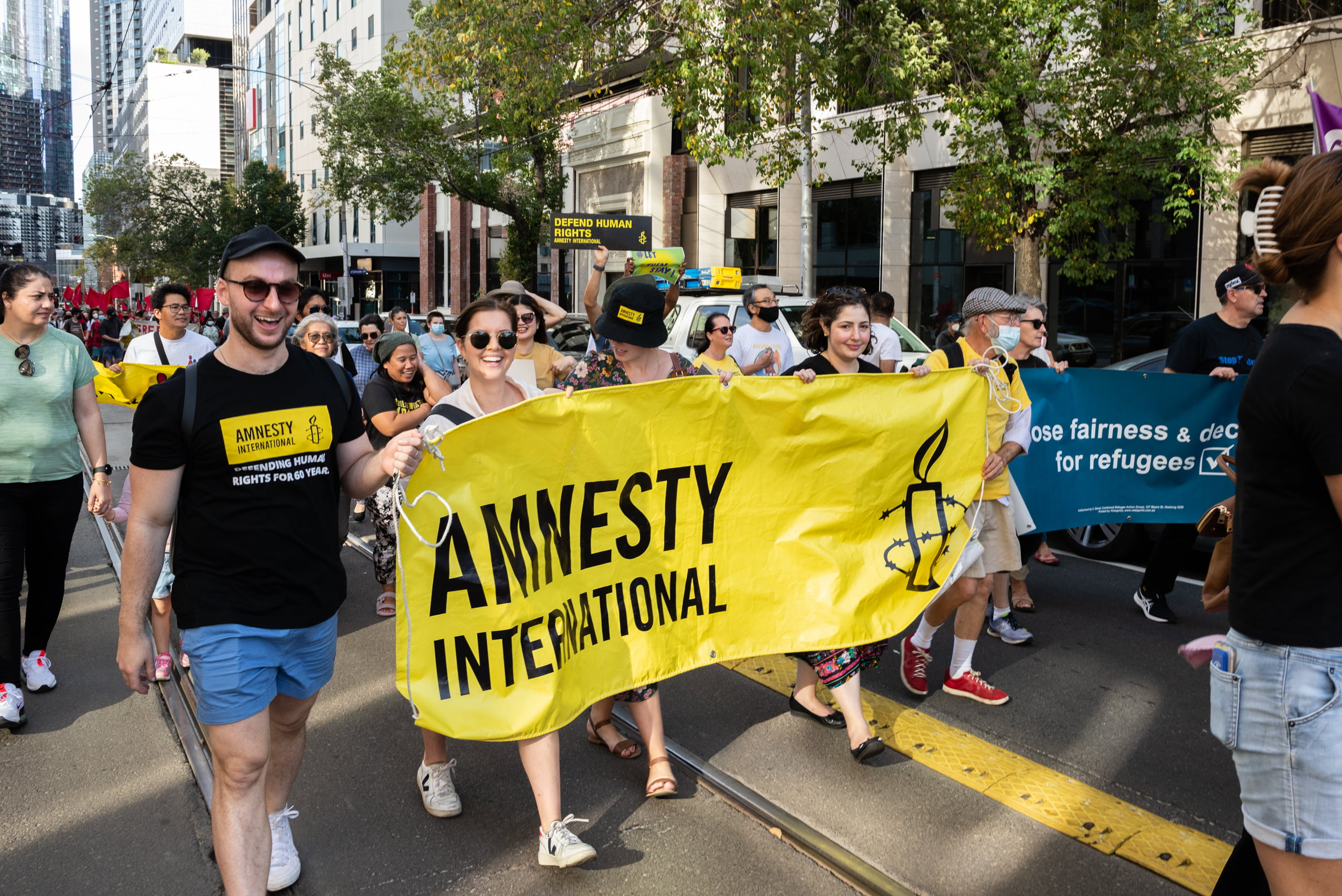
Group of Amnesty International Australia activists at a rally
© Amnesty International Rainbow Network

Coordination

  • Do you have a task list of everything that needs to happen before, during and after the event? Who will be responsible for these tasks? Is your team ready to go?
  • Have you reached out to others you’d like involved in the event / tactic? Invite other action groups to be involved!
  • Do you have the location sorted for the event / tactic? Is it accessible?
  • Welcome to / Acknowledgement of Country: Which do you need? Have you organised for this to happen?
  • Check out the Events & tactics: Part 2 – Coordination training module for a location checklist, promotion/comms plan, running sheet, and more information about each step in the event organisation process.

Approval & support:

  • Submit your event through the Host an Event Form. This form helps us keep an overview of all Amnesty events, funding/resource requests and ensures your event is covered by our Public Liability Insurance. It also ensures your event is added to the Upcoming Events Page on the Amnesty website (unless otherwise indicated).
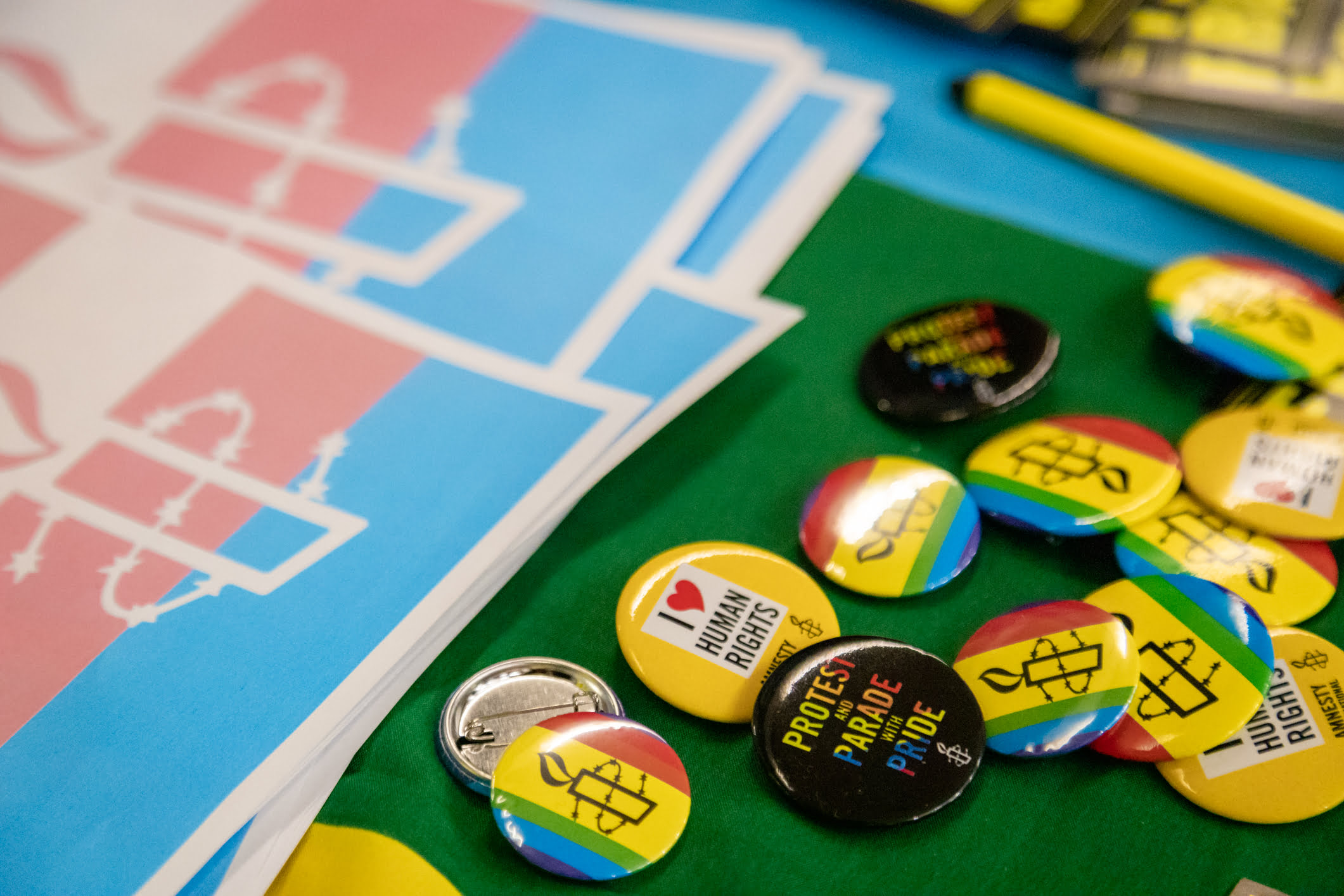
  • You can order physical Amnesty resources through the form. We have marquees, banners and T-shirts available as well as merchandise, like pens, badges, and stickers.
  • Ethical Suppliers list: If you’re ordering materials yourself, make sure you check the company. Are they environmentally friendly? Are their products ethically sourced?
  • Request a speaker from Amnesty through the Speaker Request Form.
  • Skill up via our online training modules.
  • Check the General Event Resources page for PDF petitions, QR codes and other event resources.
Flyer titled 'Amnesty International: About Us' on a desk with Amnesty branded pens
© Matt Walsh

Promotion:

Photos:

  • Request a photographer from Amnesty’s National Photography Network (NPN) through the Host an Event form. To request a photographer for a non-event related project, please fill out this brief.
  • Have a look at the Photography Activist Resources page for more info.

Online events:

  • Refresh your memory on the ins and outs of Zoom by reading the How-to-Zoom guide.
  • Make sure your attendees have the link to access the online event. Check your internet speed, test your camera, microphone, lighting, and backdrop.
  • Have one person available to help attendees who are experiencing technical issues or have questions during the event.

Risk assessment:

  • Have you worked out what could go wrong? Do you have backup plans if that happens?
  • To help you navigate these uncertain times, we’ve created this COVID-19 Directory for Activists which contains relevant policies, guides, FAQs, articles and actions.
© Cameron Durbin / AIA National Photography Network

DURING EVENT

Team briefing

  • Do you have a running agenda? Does everyone know exactly what they are doing?
  • Have you reserved enough time to get everything set up at the location including briefing volunteers?

Health & safety:

Debrief & pack up:

  • Have you set aside time for a brief reflection afterwards? Did you achieve your goals?

AFTER THE EVENT

Follow up:

  • Have you sent out comms to attendees to thank them for coming and let them know what’s next?
  • Send your actions to the Supporter Care Team: scan and email them to supporter@amnesty.org.au OR post them to the Sydney action centre at Amnesty International, Locked Bag 23, Broadway NSW 2007.
  • Return any essential resources or unused materials to your local Action Centre.
  • Approved invoices can be sent to activism@amnesty.org.au. Please ensure that invoices from external companies include your personal details and group name on them. If you need to be reimbursed for an expense, please send both the receipt(s) and a completed Payment Requisition form.
  • Any funds collected at your event can be transferred to Amnesty’s bank account. Please contact the Supporter Care team for our details.

Evaluation:

  • Have you done a thorough evaluation of the event? What worked? What didn’t? Have you sent this evaluation on to relevant staff and other activists to learn from?
  • Please fill out the Event Evaluation Form to let us know how your event went—evaluations enable us to report on events, recognise your work and address any issues.

Celebrate:

Amnesty balloons
© Amnesty International

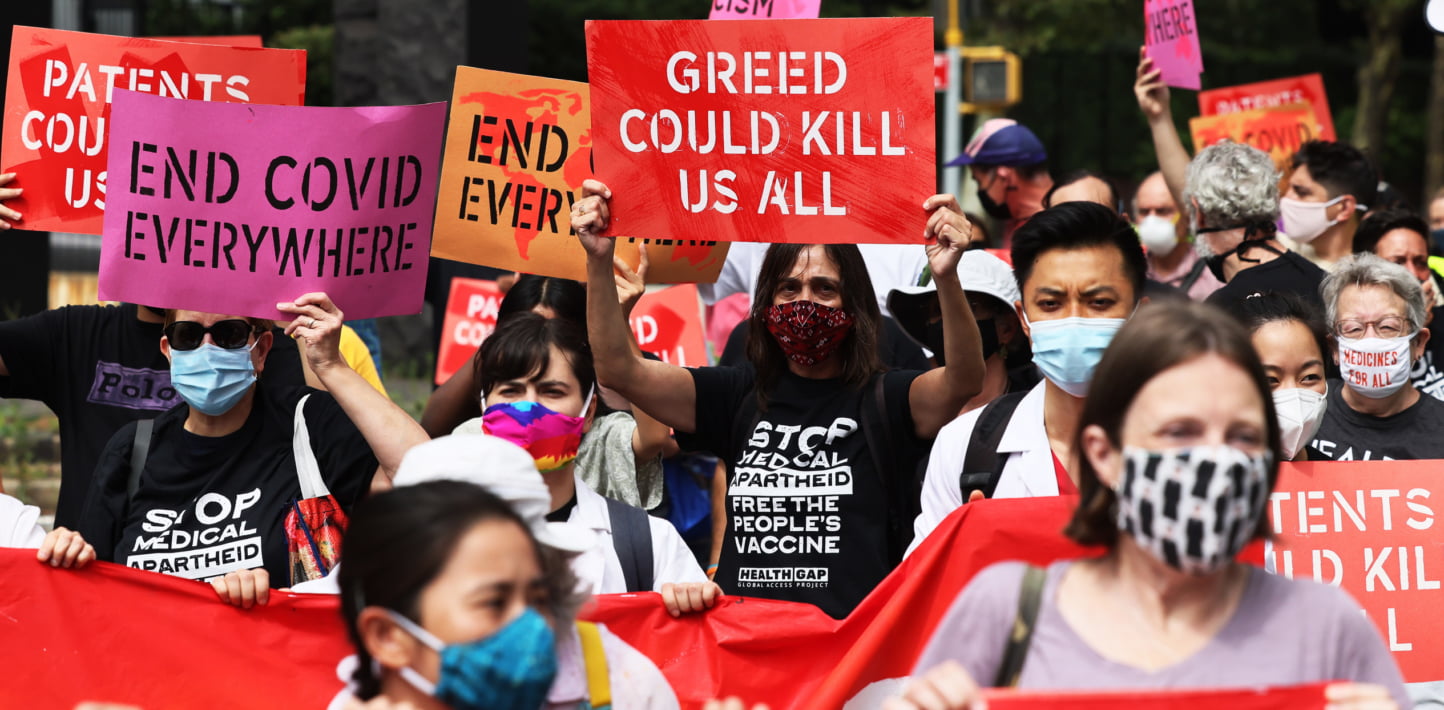
Covid-19: Investors in Big Pharma must ensure fair vaccine access for all countries 

Investors in companies manufacturing Covid-19 vaccines must use their influence to ensure that supplies of urgently needed life-saving vaccines reach low- and lower-middle-income countries, Amnesty International said today ahead of the Annual General Meetings (AGM) of Johnson and Johnson, Moderna and Pfizer on 28 April and AstraZeneca on 29 April.  

With the World Health Organization’s (WHO) global target of a 70% vaccination rate in every country by July 2022 on course to be missed by a significant margin, pharmaceutical companies continue to obstruct fair access to Covid-19 vaccines by monopolizing technology, blocking and lobbying against the sharing of intellectual property, charging high prices for vaccines, and prioritizing supplies to wealthy countries.  

Amnesty International is urging all institutional investors, including Baillie Gifford, Bank of America, Bank of NY Mellon, BlackRock, Capital Group, Morgan Stanley, State Street, UBS, Vanguard Group and Wellington Management, to use the AGMs to demand that AstraZeneca, Johnson and Johnson, Moderna and Pfizer meet their human rights responsibilities. They should also vote in favour of shareholder resolutions designed to facilitate the universal distribution of Covid-19 vaccines and ask the boards of each company about the steps that they are taking towards achieving the WHO vaccination target. 

“Pharmaceutical companies have human rights responsibilities yet continue to play a pivotal role in the scandalously unequal distribution of vaccines around the world. While they and their investors have enjoyed bumper profits from Covid-19 vaccines, low-income countries have received a tiny fraction of global supply and suffered a disproportionate number of deaths,” said Mark Dummett, Head of Amnesty International’s Business and Human Rights team. 

“Institutional investors have reaped rich rewards from this profiteering and short sightedness, but are duty bound to ensure that their money does not contribute to human rights abuses. These AGMs represent a golden opportunity for them to correct course by bringing their considerable influence to bear on these companies. They should question each company’s board and support shareholder resolutions that could kickstart a long-awaited policy shift that puts people before profit.” 

Amnesty International is calling on all institutional investors in Johnson and Johnson, Moderna and Pfizer to vote in favour of the shareholder resolution tabled by Oxfam America, which calls for the commissioning of shareholder reports on the transfer of Covid-19 vaccine technology that would enable manufacturers in low- and lower-middle-income countries to produce vaccines. This would be an important step to press the boards of each of these companies that they need to change direction and do more to ensure that vaccines reach low- and lower-middle-income countries, where vaccination rates remain very low.  

According to Our World in Data, as of 25 April 2022, 65.1% of the world’s population has received at least one dose of a Covid-19 vaccine, but only 15.2% of people in low-income countries have received at least one dose. 

Amnesty International is also calling on institutional investors to conduct comprehensive human rights due diligence on their investments, including by monitoring the impacts of the companies’ Covid-19 vaccine allocation policies on an ongoing basis. They must also take immediate action to prevent adverse impacts, mitigate risks, remedy any harm identified, and publicly disclose the results. 

Background 

In February 2022, Amnesty International published the report Money Calls the Shots: Pharma’s response to the Covid-19 vaccine crisis, which featured a scorecard assessment of the leading vaccine manufacturers: AstraZeneca plc, BioNTech SE, Johnson & Johnson, Moderna Inc., and Pfizer Inc. Pfizer and Moderna fared worst of all.  

In 2021, Pfizer, BioNTech and Moderna projected revenues of up to US$54 billion, yet supplied less than 2% of their vaccines to low-income countries. Johnson & Johnson’s record on distribution was better, with 50% of their stock reaching low- and lower-middle-income countries, although many of these doses were provided as “donations” from upper-income countries, not as part of sales agreements. The company still refuses to share its technology and intellectual property through World Health Organization-coordinated initiatives and is abandoning its not-for-profit pricing model. 

In advance of the AGMs in April 2022, Amnesty International wrote to more than 30 institutional investors in Covid-19 vaccine manufacturers, calling on them to use their considerable leverage to pressure the pharmaceutical companies to remove obstacles to reaching the WHO’s 70% vaccination target. The total investments in the vaccine providers owned or managed by these ten financial institutions amounts to more than US$250 billion.  

Singapore: Imminent double execution of Malaysian men must be halted

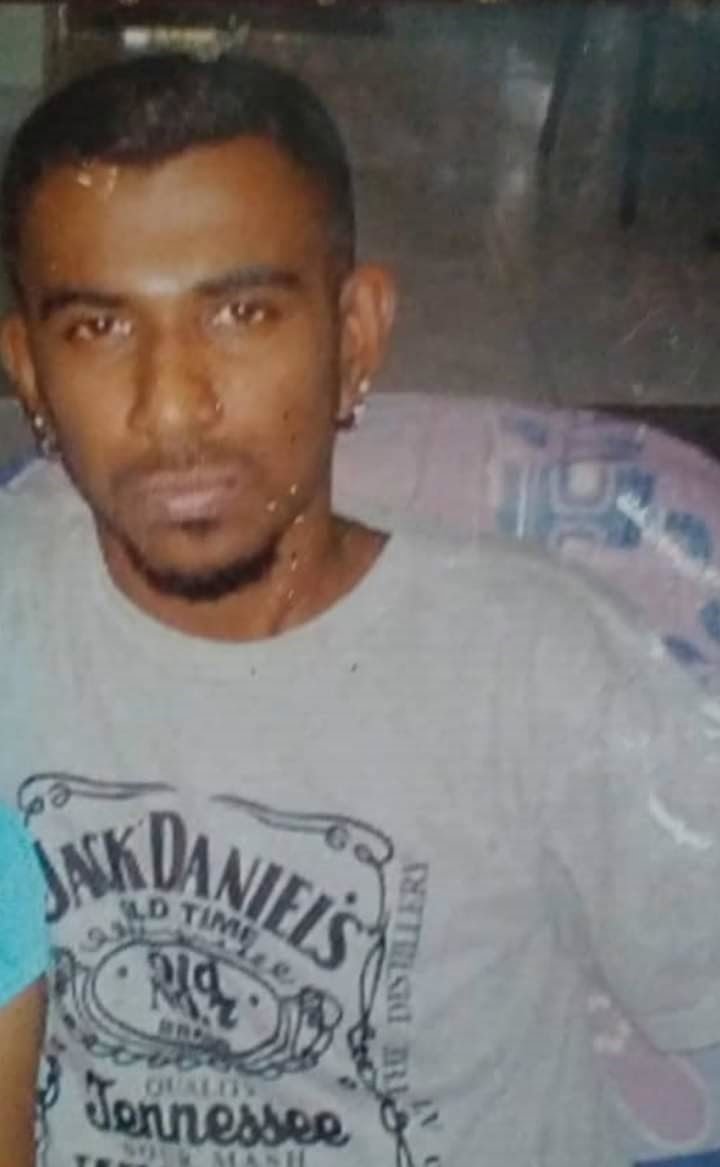
Responding to the news that Singapore authorities have set the execution dates of Nagaenthran Dharmalingam and another Malaysian man for next week, Amnesty International’s Asia-Pacific Regional Director Erwin van der Borght said:

“The planned execution of two Malaysian men in Singapore next week, both convicted of drug-related offences, is unconscionable. But it is not too late for the authorities to grant both men clemency and cease the shameful series of unlawful executions in Singapore, following the hanging of Abdul Kahar bin Othman last month.

“Nagaenthran is set to be hanged despite multiple experts finding he had an intellectual disability which may have impacted his right to a fair trial. There are also concerns about his present mental health state, as his cognitive function appears to have been severely impaired after years in detention.

“Singapore’s prime minister Lee Hsien Loong and his cabinet must seize this last chance to spare Nagaenthran’s life. The government must also halt the execution of another man due to be hanged two days later, despite the fact he still has a legal challenge pending in court in May.

“We urge the authorities to establish an official moratorium on all executions and revise the scope of the death penalty for drug-related offences as first moves towards its full abolition. The death penalty will never solve problems associated with drugs in Singapore.”

Background

Malaysian national Nagaenthran Dharmalingam’s execution has been set for 27 April. His second petition for clemency was rejected on 31 March, as communicated by letter to his family. On 29 March, a Singapore court had upheld his death sentence, despite medical experts finding that he had an intellectual disability.

His appeal was one of his last opportunities for him to be spared execution. In the ruling, the court rejected arguments about the decline of his mental state, and they have similarly dismissed challenges based on his intellectual ability.

International human rights law and standards prohibit the imposition of the death penalty for drug-related offences and as the mandatory punishment for any offences.

The Convention on the Rights of Persons with Disabilities prohibits the execution of the death penalty on persons whose mental and intellectual disabilities may have had their effective defence impeded.

Another Malaysian man is also set to be executed on 29 April after he was sentenced to mandatory death penalty for drug-related offences, despite a legal challenge he has pending at a Singapore court, for which there is a hearing in May. International safeguards guaranteeing protections of the rights of those facing the death penalty state that executions may not be carried out pending any appeal or other recourse procedure.

Abdul Kahar bin Othman was executed on 30 March 2021 after being sentenced to the mandatory death penalty for drug-related offences – the first known execution in Singapore since November 2019.

Amnesty International opposes the death penalty unconditionally, in all cases and under any circumstances. More than two-thirds of countries all over the world have abolished the punishment in law or practice.

UK: Certifying Assange’s extradition puts him at great risk and “would pose grave threat to press freedom”

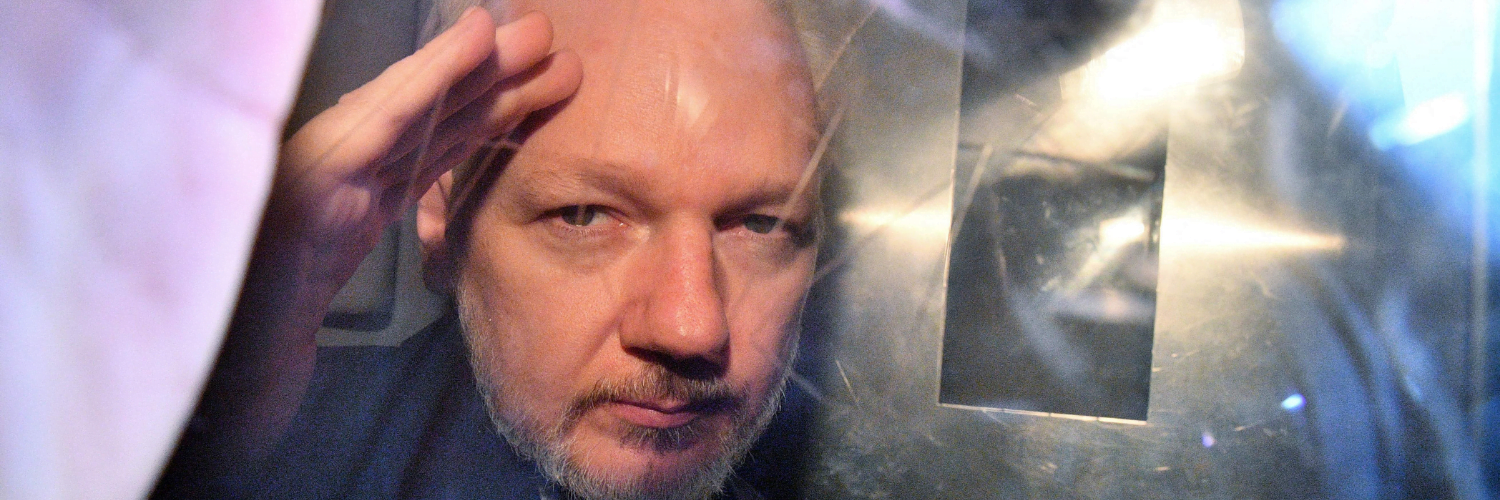
If the UK Home Secretary certifies the US request to extradite Julian Assange, it will violate the prohibition against torture and set an alarming precedent for publishers and journalists around the world, Amnesty International said today following the UK Magistrates’ Court’s decision to issue an order to extradite him.

The case will now be sent to UK Home Secretary Priti Patel, who will decide whether or not to certify the US request by 18 May.

“The UK has an obligation not to send any person to a place where their life or safety is at risk and the government must not abdicate that responsibility. The US authorities have flatly stated that they will change the terms of Assange’s imprisonment in a federal facility whenever they see fit. This admission places Julian Assange at great risk of prison conditions that could result in irreversible harm to his physical and psychological well-being,” said Agnes Callamard, Amnesty International’s Secretary General.

“The extradition of Julian Assange would also be devastating for press freedom and for the public, who have a right to know what their governments are doing in their name.

“Publishing information that is in the public interest is a cornerstone of media freedom. Extraditing Julian Assange to face allegations of espionage for publishing classified information would set a dangerous precedent and leave journalists everywhere looking over their shoulders.”

Prolonged solitary confinement is a regular occurrence in the USA’s maximum security prisons. The practice amounts to torture or other ill treatment, which is prohibited under international law. The assurances of fair treatment offered by the USA in the Assange case are deeply flawed and could be revoked at any time.  Extradition to the USA would put Julian Assange at risk of serious human rights violations, and hollow diplomatic assurances cannot protect him from such abuse.

If the UK government allows a foreign country to exercise extraterritorial criminal jurisdiction to prosecute a person publishing from the UK, other governments could use the same legal apparatus to imprison journalists and silence the press far beyond the borders of their own countries.

“The charges against Assange should never have been brought in the first place. It is not too late for the US authorities to set things right and drop the charges,” said Agnes Callamard.

“In the meantime, given the politically motivated nature of the case and its grave implications for freedom of expression, the UK should refrain from representing the USA in any further appeals.”

Banksia Hill report shocking, but not surprising

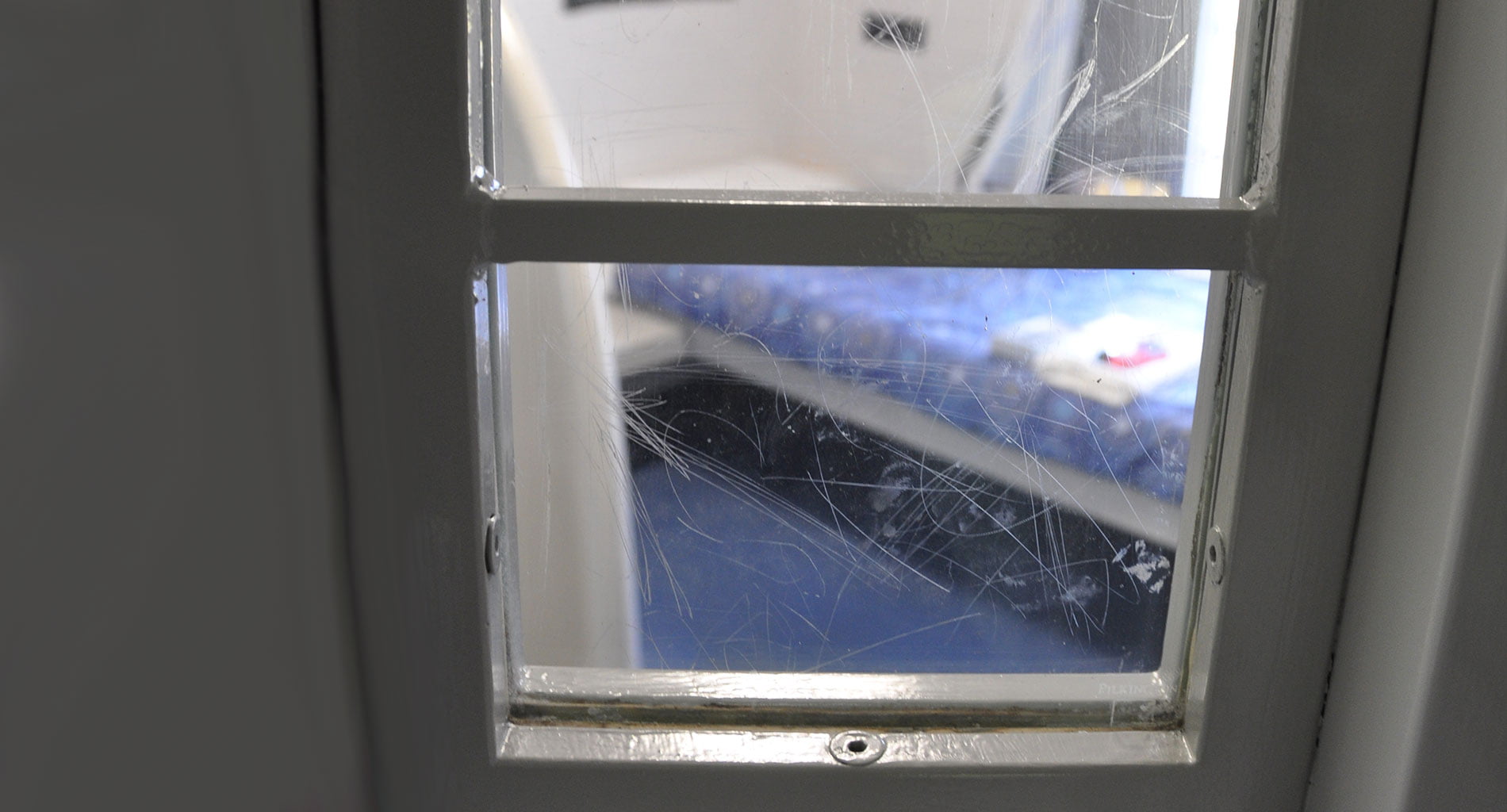
Responding to the latest damning report by the Inspector of Custodial Services into conditions at Perth’s Banksia Hill Juvenile Detention Centre tabled in West Australian Parliament today, Amnesty International Australia Indigenous Rights Advisor, Rodney Dillon, said: 

“The findings in this report should come as a surprise to no one – but they should shock anyone who knows the difference between right and wrong.

“Amnesty has been documenting conditions in Banksia Hill causing extreme trauma for so many of our kids for years now.

“It breaks my heart to read this report describing the place as being in ‘crisis’ – we’ve been telling the WA government for at least five years something has to change.

“These kids need our help to get back on track, not to be sent to places that harden their trauma into life-long calluses. 

“Recidivism rates prove that locking kids up doesn’t help them or stop youth crime. It’s even more devastating that the report was tabled just days after the West Australian government said it would spend even more money locking kids up.

“When are the authorities going to learn that committing to long-term inventment in diversion programs is what will make a real difference, not traumatising kids in places like Banksia Hill.”

BACKGROUND

In July 2017 the extreme suffering endured by children in Banksia Hill was revealed following findings from the Inspector of Custodial Services including the use of spit hoods, solitary confinement, alleged sexual assault, and soaring rates of self-harm and attempted suicide.

Amnesty International made initial contact with the Minister for Corrective Services about one case in December 2017, and a second case in January 2018. 

In early 2018 Amnesty International called for the Intensive Support Unit at Banksia Hill to be immediately closed pending investigation, following serious allegations of abuse of young people which may amount to torture. Amnesty has consistently called for an end to the use of solitary confinement.

South Africa: Migrants living ‘in constant fear’ after deadly attacks

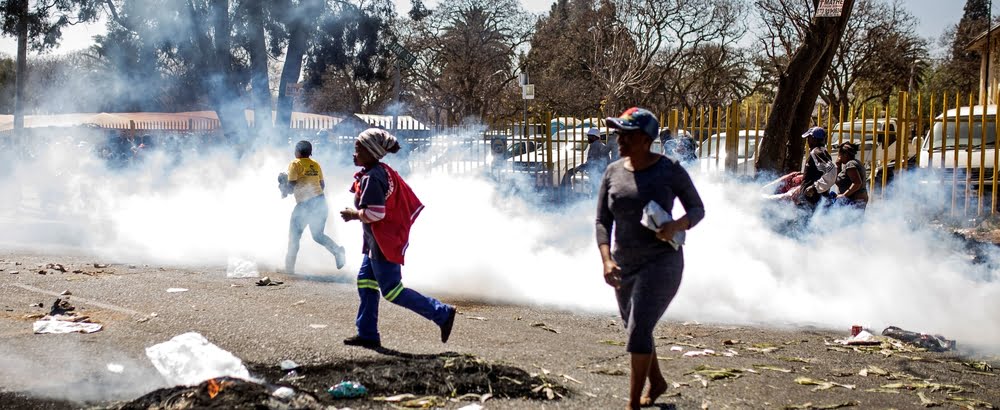
The South African authorities must do more to protect migrants in Diepsloot, Johannesburg, who have repeatedly suffered from violent attacks by anti-migrant vigilante groups, Amnesty International said today following deadly unrest over the past week that has led to seven deaths in the area.

Migrants in Diepsloot, located in the north of Johannesburg, told Amnesty International that they are living in constant fear and that they are being made scapegoats for rising levels of crime and unemployment in the area. 

South African President Cyril Ramaphosa has acknowledged the violence against migrants, especially Zimbabwean nationals, by anti-migrant “vigilante” groups comprised of non-state actors operating outside of the law, who claim to be ridding communities of crime. According to the government, at least seven people have lost their lives at the hands of these vigilante groups.

“The killings that have occurred in Diepsloot over recent days are not isolated incidents These attacks represent just the latest wave in a rising tide of violence against migrants in South Africa,” said Shenilla Mohamed, Executive Director of Amnesty International South Africa.

“These assaults mirror the heavily-orchestrated, anti-migrant attacks we have seen recently in Soweto and Hillbrow over recent months. This ongoing violence also highlights the inaction of police and a lack of political will within government to address the problem. In each case, the deaths of locals and migrants were entirely preventable.”

Killings

Five South Africans and two foreign nationals were killed in Diepsloot over the past week, according to the authorities, after attacks and counter-attacks by non-state actors involved. In one incident, a Zimbabwean national, Elvis Nyathi, was burned to death after he failed to present proof of his identity to vigilante groups who demanded to see it. It remains unclear whether anyone has been arrested over his murder.

President Ramaphosa has pledged to boost police capacity to respond to crime around the country, and urged South Africans not to resort to violence, intimidation and extra-judicial attacks against foreign nationals.

‘We are afraid to live here and we don’t feel safe anymore’

Migrants from Zimbabwe and Mozambique told Amnesty International they are terrified of living in Diesploot. The migrants say they feel unsafe in South Africa and face constant harassment from both the police and anti-migrant vigilante groups, who unlawfully demand to see their identity documents.

Joyce Mpofu*, a Zimbabwean mother of two, arrived in South Africa in 2010 and lives in Diepsloot, where she sells vegetables on the street. She told Amnesty International that the past week has been traumatizing. She could only survive by locking herself and her two children in her shack to avoid the violence inflicted against migrants. She said: “We are terrified, and we live in constant fear and we don’t know what to do. We are afraid to live here and we don’t feel safe anymore.”

Mpofu and other migrants have appealed to President Ramaphosa, asking him to guarantee their safety and offer proper documentation after their special residence permits expired at the end of 2021. She said: “President Ramaphosa must organize permits [identity documents] for us, so that we can live [freely], because we are working for ourselves and our children who are at school. We cannot go back to Zimbabwe because we cannot survive hunger.”

Another Zimbabwean woman, whose special dispensation residence permit has also expired, who is also a street vendor and has lived in South Africa since 2004, said: “I am no longer free to live here. We no longer work well because we live in fear of what will happen to us next.”

Another said: “I feel pained by what is happening [to us] here, because when I crossed the border to come here, I was coming to work for myself. As you can see, I am selling [vegetables]. I don’t know how to steal. They cannot paint us all with the same brush, of being criminals.”

Salvador Valoyi*, a Mozambican national, said: “It’s painful because they [anti-migrant vigilante groups] see us [as] criminals in this country, when we are trying to make an honest living. We are working for our families here. I did not just wake up one day and decide to leave Mozambique. I left because the situation is tough there and I wanted to work for my family and provide for them. I am not a criminal.”

Violence against migrants in South Africa first erupted in May 2008, when more than 60 people were killed. Since then, attacks against migrants have occurred every year. Amnesty International has repeatedly called for a national strategy to prevent violence against migrants, and an end to the impunity enjoyed by the perpetrators of these fatal assaults.

“The fact that President Ramaphosa has condemned the recent killings is a welcome development. He must now take concrete steps to protect migrants, refugees and locals from vigilante groups and ensure that the perpetrators of these heinous crimes face justice,” said Shenilla Mohamed.

Background

Migrants from Zimbabwe, many who have been living and working in South Africa for years under previously granted special dispensation residence permits, have fallen into an irregular migration status due to governmental capitulation to anti-migrant sentiment in late 2021 through a decision to suddenly refuse renewal of these permits. Now living in precarious and uncertain conditions, these people have been repeatedly targeted by  violent non-state actors, known as “vigilante groups”, due to deteriorating economic conditions in the country.

The vigilante groups who are orchestrating the violence against migrants have used hashtags such as #OperationDudula and #PutSouthAfricaFirst and have been targeting Zimbabweans and others whose special dispensation residence permits have lapsed. Though the government later reversed that decision and has given Zimbabweans until the end of 2022 to stay in the country while they regularise their status through visa applications, the lack of regular status has made people even more vulnerable to attacks.   In Diepsloot, violent attacks against migrants erupted on 3 April 2022.

In February 2022, similar attacks took place in Soweto, a township in the south of Johannesburg, and Hillbrow, a central business district in the city. Although police were present during these assaults, they failed to respond appropriately.

Iran: Ailing prisoners left to die amid crisis of impunity for fatal denial of medical care

Iranian prison officials are committing shocking violations of the right to life by deliberately denying ailing prisoners lifesaving healthcare and refusing to investigate and ensure accountability for unlawful deaths in custody, Amnesty International said today. In a new briefing, In death’s waiting room: Deaths in custody following deliberate denial of medical care in Iran’s prisons, the organization documents how prison authorities routinely cause or contribute to deaths in custody, including by blocking or delaying prisoners’ access to emergency hospitalization.

Consistent with entrenched patterns of systematic impunity in Iran, to date, the authorities have refused to conduct any independent and transparent investigations into deaths in custody involving reports of denial of medical care and have failed to ensure that those suspected of criminal responsibility are prosecuted and punished.

“The Iranian authorities’ chilling disregard for human life has effectively turned Iran’s prisons into a waiting room of death for ill prisoners, where treatable conditions tragically become fatal,” said Diana Eltahawy, Deputy Regional Director for the Middle East and North Africa at Amnesty International.

Deaths in custody resulting from the deliberate denial of healthcare amount to arbitrary deprivation of life, which is a serious human rights violation under international law. A prisoner’s death in custody also constitutes an extrajudicial execution, a crime under international law, if those responsible either intended to cause the death or knew with a sufficient degree of certainty that death would be the necessary consequence of their unlawful actions, yet persisted.”

The briefing, which details the circumstances surrounding the death in custody of 92 men and four women in 30 prisons in 18 provinces across Iran since January 2010, is based on Amnesty International’s documentation of a selection of illustrative cases, long-term findings on deliberate denial of access to adequate healthcare in Iran’s prisons, and a comprehensive review of reporting by independent human rights group.

The 96 cases reviewed are illustrative, rather than exhaustive, since the true number of deaths in custody is likely far higher. This is because human rights violations in Iran often go unreported due to well-founded fears of reprisals.

The list of cases excludes deaths in custody involving credible reports of physical torture or the use of firearms, which Amnesty International addressed in a separate output in September 2021.

Ailing prisoners left to die

Amnesty International documented the fatal consequences resulting from prison officials’ common practice of denying or delaying hospital transfers for critically ill prisoners.

The organization also documented how prison officials frequently deny prisoners access to adequate healthcare, including diagnostic tests, regular check-ups, and post-operative care, throughout their imprisonment, which leads to worsening health problems, inflicts additional pain and suffering on sick prisoners, and ultimately causes or contributes to their untimely deaths.

In Iran, prison clinics are not equipped with the facilities required for addressing complex health problems. Nor are they staffed by an adequate number of qualified general practitioners, let alone medical specialists, who are only required to visit for one or several hours during the week “as needed”. As a result, prisoners who experience medical emergencies and need specialized medical care must always be immediately transferred to outside medical facilities.

Abdolvahed Gomshadzehi died in the main prison in Zahedan in May 2016. Prison doctors had warned that he needed hospitalization, but officials had refused. Human rights groups said the 19-year-old, who was a child at the time of arrest, died of neglected blood clots in his brain which had resulted from beatings sustained during his arrest and/or interrogations two years earlier. During his imprisonment, his multiple requests for treatment had been denied.

Sixty-four out of the 96 prisoners, whose cases Amnesty International reviewed, died in prison. Many died in their prison cells which means they were not given basic medical supervision in their final hours. Some died while held in poorly equipped and staffed prison clinics.

At least 26 prisoners died during transfer or shortly after admission to hospital, following deliberate delays by prison medical staff and/or prison officials, which proved fatal.

In at least six cases, critically ill prisoners were moved to solitary confinement, punishment wards, or quarantine sections; four of them died alone in prison while two were eventually authorized for hospital transfers, but it proved too late.

In many cases, both prison clinic medical staff and prison officials accused prisoners experiencing medical emergencies of “faking” or “exaggerating” their symptoms.

For example, Nader Alizehi was accused of “faking” his illness by the head of the clinic at the main prison in Zahedan. He died in November 2017, at the age of 22. According to human rights groups, Nader was refused specialist medical care for his heart disease and sent away by clinic staff with gastrointestinal medication.

Lives cut short

In the vast majority of cases, prisoners who died were young or middle aged – 23 were between the ages of 19 and 39, and 26 between the ages of 40 and 59, raising further concerns that lives are being cut short by denial of healthcare.

Prisons with high populations of oppressed minorities feature particularly heavily – 22 of the 96 deaths recorded took place in the prison in Urumieh, West Azerbaijan province, where most prisoners are from Kurdish and Azerbaijani Turkic minorities. Thirteen deaths were recorded at the main prison in Zahedan, Sistan and Baluchestan province, where prisoners mostly belong to Iran’s oppressed Baluchi minority.

At least 11 prisoners died after being denied adequate healthcare for traumatic injuries resulting from specific incidents that occurred at the time of arrest or during imprisonment. The other 85 prisoners died after being denied adequate medical care for serious medical emergencies involving, among things, heart attacks and strokes, gastrointestinal complications, respiratory complications, kidney problems, Covid-19 or other infectious diseases, which either emerged suddenly or were related to pre-existing illnesses for which they had not received adequate specialized healthcare throughout their imprisonment.

The cases of 20 prisoners were of a political nature. The remainder had been convicted of or charged with non-political offences.

Impunity

The crisis of systemic impunity prevailing in Iran has emboldened prison officials to persist with deadly denial of medical care to prisoners.

The crisis is characterized not only by the authorities’ systematic refusal to investigate, but also by their promotion of narratives praising the quality of health services offered to prisoners as “exemplary” or “unparalleled” throughout the world, which indicates that they have no intent to change course.

Given this context, Amnesty International reiterates its call for the UN Human Rights Council to set up an investigative and accountability mechanism to collect, preserve and analyse evidence of the most serious crimes under international law and human rights violations committed in Iran to facilitate fair criminal proceedings.

“The shadow of death will continue to cast over Iran’s ailing prisoners until effective, thorough, transparent, impartial and independent investigations are conducted to determine the circumstances surrounding deaths in custody and the responsibility of those involved in the deaths,” said Diana Eltahawy.

To prevent further avoidable loss of life as a result of denial of vital medical care, Amnesty International is urging Iranian authorities to require, in law and practice, that, pending structural improvements in prison clinics, prisoners experiencing medical emergencies are immediately transferred to medical facilities outside prison. Prisoners diagnosed with serious pre-existing illness or displaying signs and symptoms of what may be serious health problems must similarly be promptly transferred to medical facilities outside prison for adequate medical care.

Amnesty International also calls on the Iranian authorities to reform deeply flawed provisions in Iran’s prison regulations, which grant prison directors and prosecution officials the power to ignore or overrule medical advice and make healthcare decisions concerning the transfer of prisoners for treatment.

General Event Resources

From printable petitions and QR codes to flyers and membership sign-up forms, on this page you can find all the resources you need when you’re organising an event or running an activity for Amnesty International.

For a step-by-step guide for activist events, check out our Events & Tactics Checklist.

Actions

  • All active online actions can be found on the Take Action page.
  • Print a petition and start collecting petition signatures for the campaign you are passionate about! The PDF petitions of our current campaigns are in this folder.
  • Please get the collected petition signatures back to the Supporter Care Team for data entry: scan the pages and email them to supporter@amnesty.org.au OR post them to the Gadigal Action Centre (Sydney) at Amnesty International, Locked Bag 23, Broadway NSW 2007.
  • Important note: we need at least one contact method to verify that an action takers is a unique individual. When collecting actions, please ensure action takers provide at least one point of contact (phone, email address or home address) so we can process their actions, count them towards the action total and include them in handovers! For more information about how Amnesty collects, stores and uses personal information, please review our privacy policy.
  • Want a hands-free version of our petitions? Print out the relevant QR code for the petition you want people to sign. When they scan the QR code with their phone, they are redirected to the online version of the petition!
  • Did you know that our Urgent Action Network shares letter and email templates of urgent actions on their website? You can find them here.
  • We also have activist toolkits with campaign-specific information and resources for all of our campaigns. You can find those on the Activist Resources page.

Generic Amnesty Resources

Check out the Brand Activist Resources page for Amnesty International Australia’s logos, letter templates and style guides.

“About Us” Flyer “What Are Human Rights?” Booklet “Become a Member” sign-up form

“Equality” Membership Flyer “Justice” Membership Flyer Youth Membership Flyer

2025 Vision Booklet

Film Screening: Are you looking to host a screening of a film about human rights? Have a look at our Film Screening Rights Sheet for inspiration and film rights information.

Event Forms

All public activist events that have been submitted through the Host an Event form and have been approved by your regional Activism Leadership Committee (ALC) are covered by our Public Liability Insurance. You can find the certificate and other useful documents below.

Public Liability Certificate Injury Incident Report Media Consent Form

Payment Requisition Form

Can’t find what you’re looking for? Contact the Supporter Care team at activism@amnesty.org.au.

Russia: Authorities close down Amnesty International’s Moscow Office  

Today, the Russian authorities have closed down representative offices of Amnesty International and other international NGOs. Reacting to the news, Agnès Callamard, Secretary General of Amnesty International, said: 

“Amnesty’s closing down in Russia is only the latest in a long list of organizations that have been punished for defending human rights and speaking the truth to the Russian authorities. In a country where scores of activists and dissidents have been imprisoned, killed or exiled, where independent media has been smeared, blocked or forced to self-censor, and where civil society organizations have been outlawed or liquidated, you must be doing something right if the Kremlin tries to shut you up.  

“The authorities are deeply mistaken if they believe that by closing down our office in Moscow they will stop our work documenting and exposing human rights violations. We continue undeterred to work to ensure that people in Russia are able to enjoy their human rights without discrimination. We will redouble our efforts to expose Russia’s egregious human rights violations both at home and abroad.  

“We will never stop fighting for the release of prisoners of conscience unjustly detained for standing up for human rights. We will continue to defend independent journalism’s ability to report actual facts, free of the Russian government’s intervention. We will continue to work relentlessly to ensure that all those who are responsible for committing grave human rights violations, whether in Russia, Ukraine or Syria, face justice. Put simply, we will never give up.” 

Background 

On 8 April, the Russian Ministry of Justice delisted Amnesty International’s Moscow Office from the register of the representative offices of the international organizations and foreign NGOs, effectively closing it down alongside with offices of Human Rights Watch, Carnegie Endowment for International Peace, Friedrich Naumann Foundation for Freedom, Friedrich Ebert Foundation and other organizations. This decision has been taken “in connection with the discovered violations of the Russian legislation.” 

On 11 March, Russia’s media regulator also blocked access to Amnesty International’s Russian-language website.  

New Zealand deal accepted: #GameOver campaign update from Craig Foster

After nine long years, the Australian Government has accepted New Zealand’s long-standing offer of resettling refugees trapped in Australia’s cruel offshore detention regime.

Craig Foster, former Socceroo’s captain and a human rights advocate, has worked tirelessly with Amnesty and #GameOver partners to establish precedents for safe, long-term and sustainable resettlement options for refugees.

Last month, the Australian Government confirmed it had agreed ‘in principle’ to the New Zealand offer. Now, Australia has officially accepted New Zealand’s resettlement offer for refugees detained in Australia’s offshore detention regime. 

A note from Craig to the supporters of #GameOver:

Together, you’ve stood with us for justice, freedom, hope and dignity. You supported us to travel to Papua New Guinea, New Zealand, and all around the country, meeting decision makers and people with lived experience, advocating for change.

You’ve consistently raised your voices against consecutive Australian Governments who have treated refugees with nothing short of contempt, and together, we’ve won.  

Back in October of 2019, I travelled to Port Moresby, Papua New Guinea to meet with refugees sent to Manus Island by the Australian Government. That’s where I met Moz, an incredible human being whose courage and persistence inspires me everyday. Moz was transferred to Australia from Papua New Guinea for urgent medical treatment, and has been a brave voice of the #GameOver campaign. I couldn’t have imagined then, that on the day of this announcement, I would be standing next to him, on his birthday of all days, celebrating with him. 

In response to the news, Moz had this to say, “Today is an incredible victory for human rights, and the best birthday present ever. This is the news we’ve been hoping for”. 

And Moz is right.

Since the start of the #GameOver campaign, the Australian Government has gone from outright refusal, to consideration, negotiation and now acceptance.

This is a huge win for people power, and highlights that when we stand up collectively and demand change, we can make a difference. 

What we now know is that negotiations between the Australian and New Zealand Governments began only two days after Sonny Bill Williams and I, along with the Amnesty team, travelled to New Zealand to raise the matter with Prime Ministers Scott Morrison and Jacinda Ardern during their annual leaders meeting.

Our message, demanding that Scott Morrison and the Australian Government accept the New Zealand offer was in print, on the airwaves, and on TV screens throughout Australia and New Zealand.

Because of this, we had a reach of over 217 million people. 217 million people who understood that it was time to put an end to the cruelty, and who were willing to demand Scott Morrison and the Australian Government do something about it.  

But it’s important we hold Scott Morrison and the Australian Government to account on their commitments, and more importantly, we hold them accountable.

Because the reality is that people have had years of their lives taken from them needlessly. The Australian Government could have accepted this offer nine years ago and spared people the trauma of this experience. Instead, people have suffered. 

What we also know from today’s announcement is that the deal will see 450 refugees resettled over three years. If all those spaces are filled, it still leaves a shortfall of approximately 500 people who will still require permanent resettlement solutions.

We welcome this deal, but it can and must be expanded.