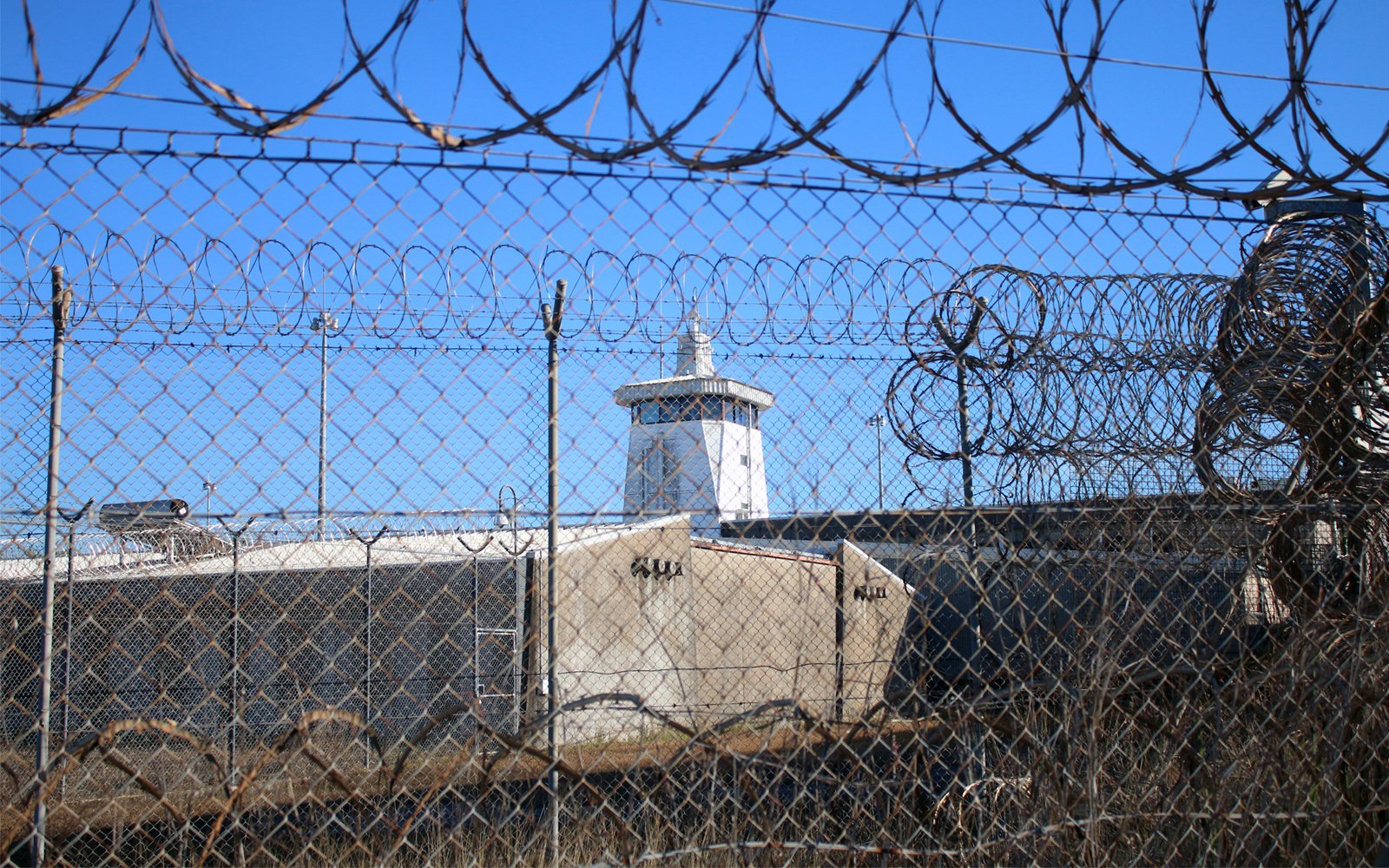
The Queensland Minister for Child Safety, Youth and Women yesterday announced that 12 new beds have opened at Cleveland Detention Centre.
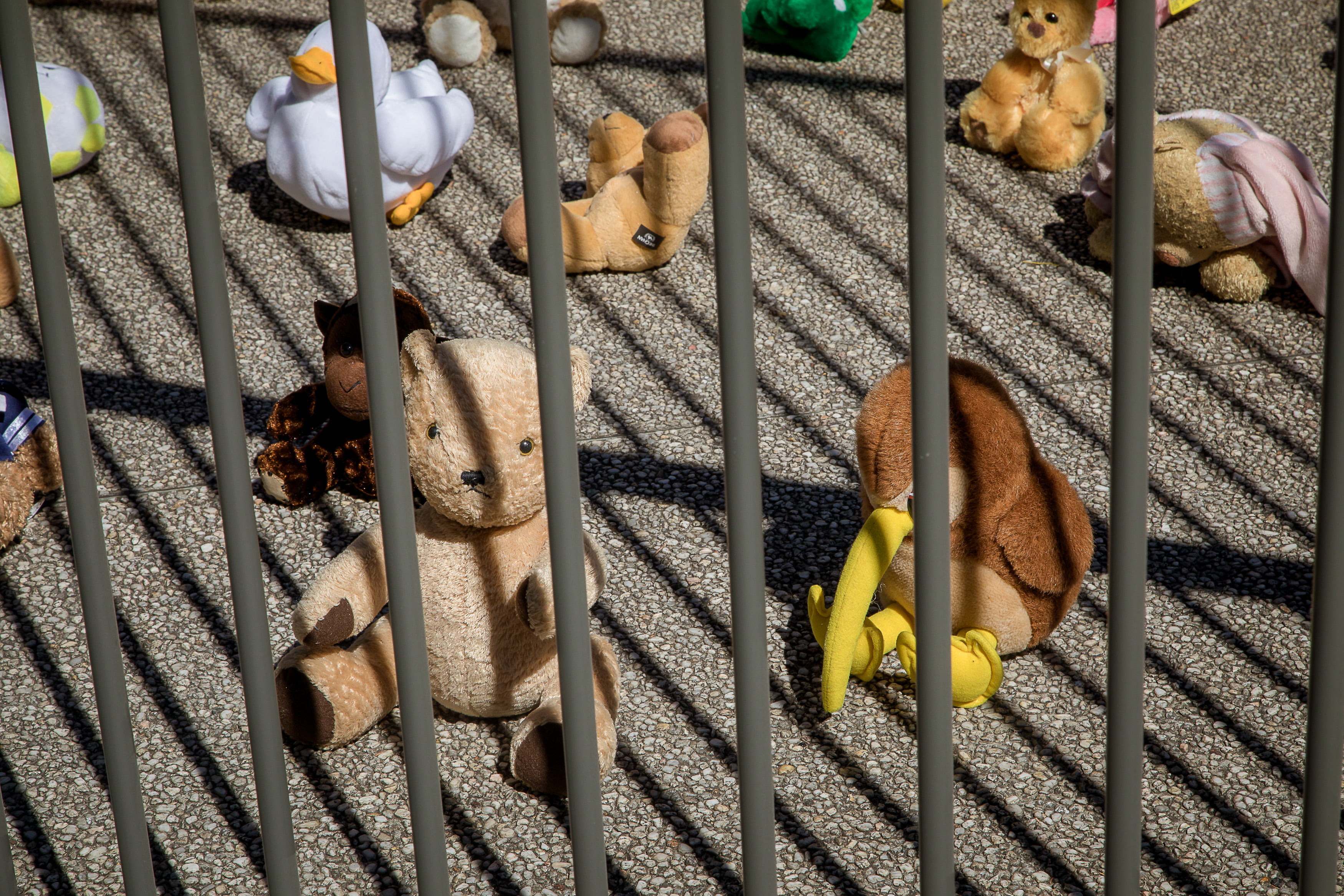
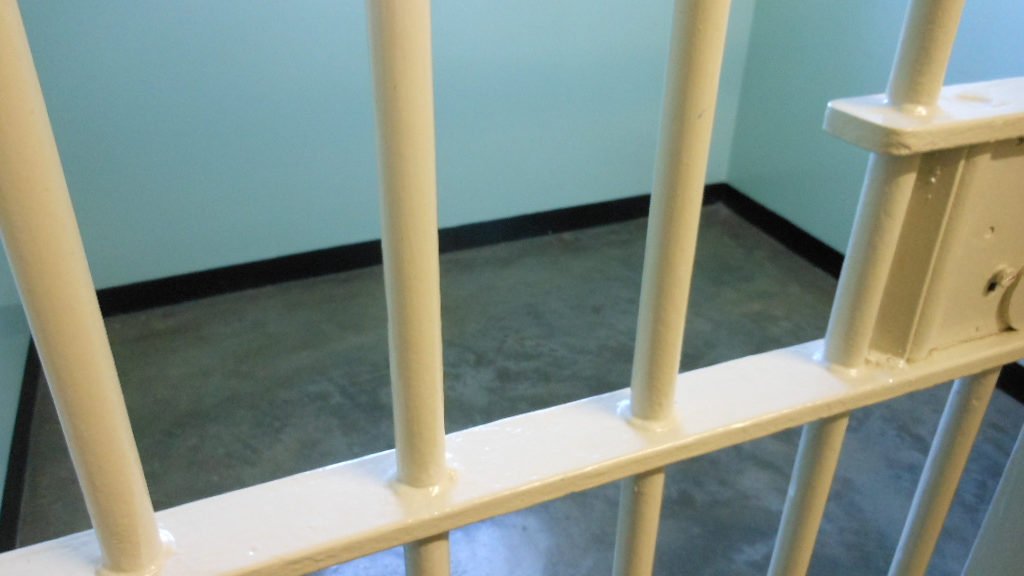
In response, Joel Clark, Amnesty International Australia Indigenous Rights Advocate, said, “Opening new beds at youth prisons isn’t an achievement or a win, it is a sign that the Minister has given up listening to the community or learning from international standards and recommendations about the solutions to keep children out of prison”.
The Government has claimed that the new beds are needed to, “meet the additional demand created by transferring 17-year-olds from the adult justice system to the youth one in 2018”. Amnesty International rejects this.
Amnesty International Australia highlights the low age of criminal responsibility, backlogs in Children’s Court proceedings, and an extremely high rate of unsentenced children in prison (86%) as key reasons for the state’s two youth prisons being at capacity.
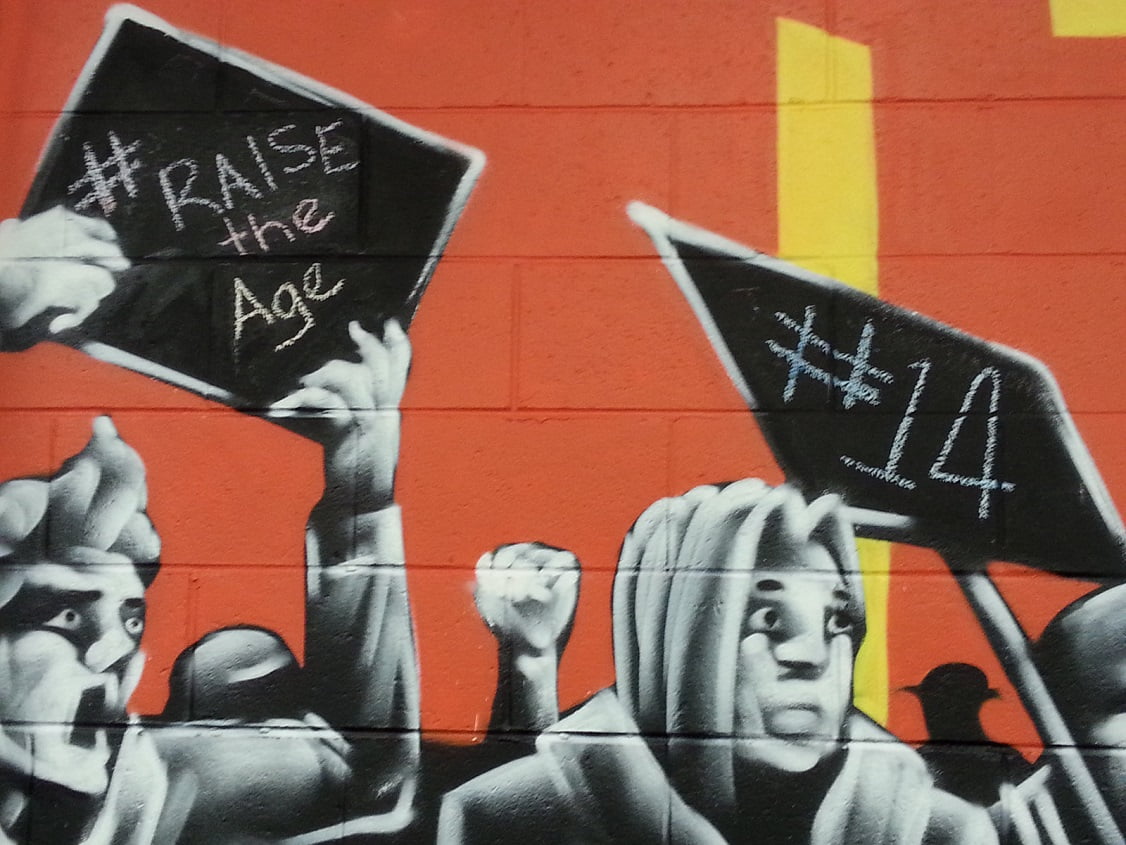
“It is absolutely critical that the Queensland Government do more to keep children out of prison in the first place. Raising the age that children get locked up from ten to fourteen, and addressing the staggering rates of unsentenced children behind bars is the answer, not opening beds and making space for more of them,” said Clark.
“The Minister acknowledges that prison must be the last resort for children, but her actions in opening new beds, that will be filled immediately, speak much louder than her words”.
Background:
Amnesty International Australia has called on the Queensland Government to raise the minimum age of criminal responsibility to fourteen, citing international law, and expert advice from the health and legal sectors, in its report: The Sky is the Limit.
urgently develop a plan to fund culturally appropriate, Indigenous community controlled bail accommodation and support services with the intention to significantly reduce the number of children on remand, and
investigate the reasons for increasing delays in the finalisation of children’s matters in the Magistrates and District Courts, focussing on why Indigenous children’s matters are disproportionately delayed, and then address those issues.
In response to the release of the Freedom of Religion Second Interim report Tim O’Connor, Impact Manager at Amnesty International Australia said:
“We welcome the recommendation to implement legislation that gives full effect to Australia’s obligations under Article 18 of the Universal Declaration on Human Rights and Article 18 of the International Covenant on Political and Civil Rights. This is a step in the right direction, but will not result in overarching human rights protection in Australia.
“The second recommendation – to extend the inquiry into the next term of Parliament must not delay any resolution. After two years of an Inquiry and two interim reports, we are no closer to protecting the right to freedom of thought, conscience and religion, protecting against all forms of discrimination and prohibiting racial and religious vilification. Now is the time to stop debating and start acting. The government must now progress finding the best model and how to implement it.
“Rainbow children today still face discrimination. This drawn-out process has so far achieved nothing.”
Tim O’Connor, Impact Manager
“As stated in the report – and previous inquiries – there is broad support for wider protections. The inquiry must now either end – or a true inquiry into a Human Rights Act be undertaken.
“The sub-committee’s stated objective is ‘ensuring that all Australians enjoy protection for the full range of human rights’. Amnesty, and many other organisations such as the religious institutions and community leaders cited in the report – firmly believe that a Human Rights Act is the best way to ensure that both rights to freedom of religion and other fundamental rights are protected and appropriately balanced.
“A human rights act is the best way to address competing freedoms and rights, and to reconcile the various discrimination and human rights laws encompassing sex, race and religion.”
As part of the 2019 Budget, the government yesterday announced plans to disband the Indigenous Legal Assistance Program (ILAP).
The ILAP funds organisations to deliver culturally appropriate legal assistance services to ensure that Aboriginal and Torres Strait Islander people receive the help needed to overcome legal problems and fully exercise their legal rights.
Tammy Solonec, Indigenous Rights Lead, Amnesty International Australia said:
“It’s disappointing that the Government has decided to withdraw the Indigenous Legal Assistance Program, despite an independent review recommending retaining a standalone program. Amnesty joins National Aboriginal and Torres Strait Islander Legal Services (NATSILS) and the Change the Record coalition in urging the Attorney General to retain the program.
“With Indigenous people so overrepresented in Australia’s prisons, services like this are vital. Indigenous communities are in the best position to guide culturally appropriate and safe justice solutions. The withdrawal of ILAP takes away some of that input and control, and leads us further away from self-determination.”
Last weekend the world tuned into Bahrain’s International Circuit and watched one of the glitziest events on the sporting calendar: Bahrain Formula One Grand Prix. But step away from the high-powered cars and the spectacular circuit, you’ll see that Bahrain’s human rights record is not so shiny.
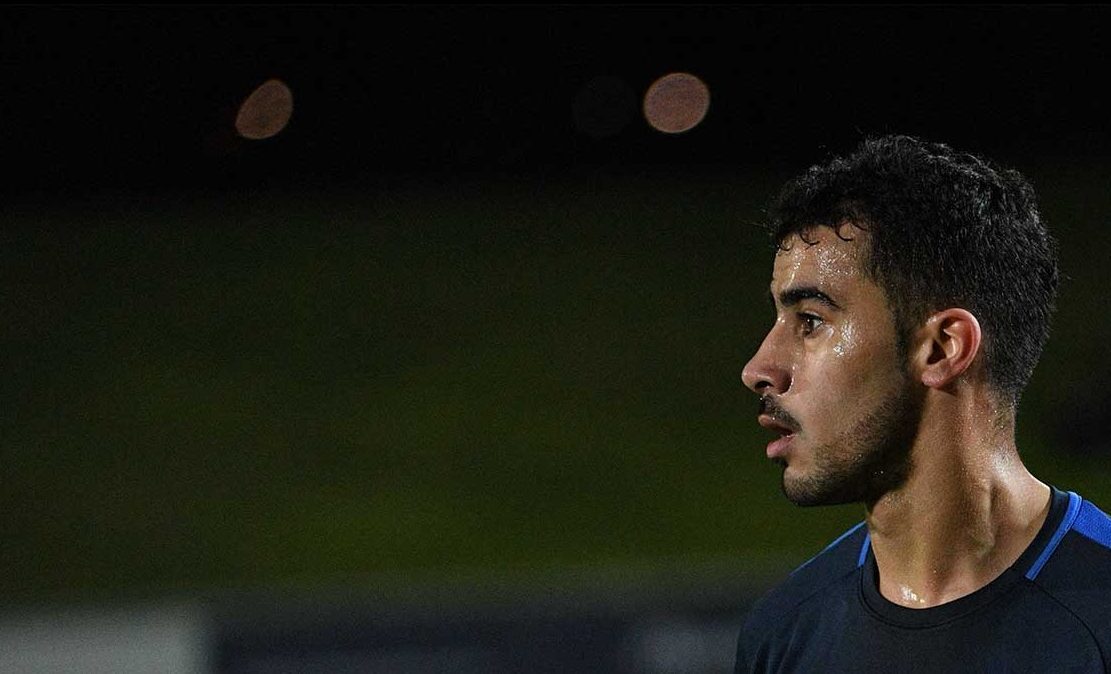
Australian footballer Hakeem al-Araibi fled persecution and torture in Bahrain. Now living in Victoria, he says, “I am a free man now, but what about the more than 150 athletes and sports officials who were arrested (in Bahrain) in 2011?”
“Some remain in prison to this day. No credible investigations into these abuses were carried out.”
Here are five things happening away from Bahrain’s prestigious circuit.
1. Tweeting can be a crime
Social media posts critical of the government can land you in jail. Nabeel Rajab, a prominent human rights defender, is serving a five-year sentence for tweeting about the conflict in Yemen and about torture allegations in Bahrain’s Jaw prison.
Similarly, Najah Yusuf is in prison for publishing tweets that included criticism of the F1 races.
2. Human rights defenders are persecuted and prosecuted
Following yet another crackdown in 2016, most human rights defenders in Bahrain are now jailed, silenced or forced to move abroad. Sayed Ahmed al-Wadaei, a Bahraini human rights activist, sought refuge in the UK in 2012 after he was detained, tortured and sentenced to six months in a Bahraini prison by a military tribunal.
Willing to stop at nothing, a year ago, the Bahraini authorities arbitrarily detained Sayed’s mother-in-law, brother-in-law and cousin in retaliation for his continued human rights work in exile.
3. Bahrain’s stateless population is growing
The government continues to resort to revoking citizenships and therefore rendering hundreds stateless, for “crimes against national security”. So far since 2011, more than 800 people have been stripped of their nationalities. Of those, 115 people lost their citizenship following a ludicrous mass trial that relied on confessions extracted under torture.
4. Sick prisoners are intentionally neglected
In a recent investigation, Amnesty revealed a pattern of medical negligence in Bahrain’s Jaw prison. In some instances, individuals with serious conditions like cancer, multiple sclerosis and sickle-cell anaemia have been denied specialist care and medication.
5. Opposition figures cannot run for office
Last year, Bahraini authorities stepped up their brutal crackdown on opposition societies by passing a law that bans “active leaders and members of dissolved political associations” from running for office. As authorities dissolved the country’s main opposition groups (Waad and Al Wefaq) last year, leaders and members of those societies can no longer stand in elections.
The role of the global sports community
While Hakeem al-Araibi has now found safety in Australia, he is still speaking out for others in Bahrain who face injustice.
“Activist Najah Ahmed Yusuf was harshly interrogated, threatened, physically abused and sexually assaulted for speaking against the Bahrain Grand Prix two years ago. Formula One has never called for her release.”
“Fans of Formula One need to help Najah. Formula One needs to be told that human rights abuses cannot be tolerated.”
Responding to the release of three Saudi women activists, Iman al-Nafjan, Aziza al-Yousef and Ruqayyaa al-Mhareb, Lynn Maalouf, Amnesty International’s Middle East Director of Research, said:
“The release from jail of Iman al-Najfan, Aziza al-Yousef and Ruqayyah al-Mhareb, who will finally be able to return to their homes and loved ones after their 10-month ordeal of arbitrary detention and torture, is welcome news.
“This is a long overdue step as these women should never have been jailed in the first place and their release should certainly not be on a ‘temporary’ basis. They have been locked up, separated from their loved ones, subjected to torture and threats for simply peacefully calling for women’s rights and expressing their views.
“Amnesty International calls on the Saudi authorities to drop all the charges against them and the other women’s human rights defenders, who all must be released immediately and unconditionally.
“The authorities also must ensure independent and impartial investigations into the activists’ allegations of torture and uphold their right to reparation for arbitrary detention and other human rights violations.”
Osama Bhutta is director of communications at Amnesty International. Formerly he has been head of comms at Al Jazeera and a Scottish National Party adviser.
Racists and bigots believe that diverse societies don’t work. Frustrated that their howling at the moon wasn’t enough, they’re now picking up weapons in an attempt to prove themselves right.
We can’t keep expressing shock and then moving on until the next outrage.
These haters are destabilizing our societies and concerted action needs to be taken before things get even worse.
To be clear, this isn’t just about Western societies. For many Muslims, the attacks on March 15 on Christchurch mosques that left 50 dead, represent just a tiny part of a global rising tide of anti-Muslim bigotry perpetrated by insecure majorities. From east to west, there are countless examples.
In Myanmar, decades of hate speech and persecution culminated in 2017 with over 700,000 predominantly Muslim Rohingya having to flee to neighbouring Bangladesh after a vicious campaign of ethnic cleansing. The implicated military in Myanmar has been given plenty of diplomatic cover by China, whose authorities are currently holding up to 1 million Uighurs, Kazakhs and other predominantly Muslim ethnic groups in euphemistically titled “transformation-through-education” camps in Xinjiang. It’s one of the stories of our age, subjugation on an epic scale.
Meanwhile, India’s historic multi-faith character has taken a hit under the leadership of Narendra Modi, a man who was chief minister during the 2002 Gujarat pogrom, which resulted in the deaths of hundreds of Muslims. His brand of Hindu nationalism has led to divisiveness rather than unity, leading to growing phenomena such as “cow-related violence”.
A key message of the Brexit campaign was the “threat” of Turkey joining the EU. Arch pro-Brexit campaigner Nigel Farage once accused British Muslims of having “split loyalties”.
The biggest beneficiary of ballot box Islamophobia though is Donald Trump with his campaign promise of a “total and complete shutdown of Muslims entering the United States.” He said that this ban would stay in place until the country’s representatives “can figure out what the hell is going on”. Trump arrived on the back of a generation of Islamophobia that went hand-in-hand with the controversial wars in Afghanistan and Iraq—wars that resulted in the still barely acknowledged deaths of hundreds of thousands of Muslims.
When the global picture is this grim, it’s little wonder that many Muslims feel embattled. Especially when they are also being told that despite these tragic numbers, they are actually the aggressors.
This is not, however, a religious conflict. The millions of Muslims who have lost their lives, been put in detention, or repressed in other multifaceted ways, have not been treated this way as part of a religious war. These are not the new crusades. The perpetrators are too diverse and too disparate for this to be case. So are the victims. Christians are also repressed in China, Pakistan and Indonesia. Christian and Muslim Palestinians face violence and discrimination every day. France and Germany reported disturbingly sharp rises in anti-Semitism last year; who can forget the distressing images of swastikas daubed across graves in Jewish cemeteries in Herrlisheim and Quatzenheim in eastern France? In light of the evidence, a “War on Islam” thesis doesn’t add up.
This is about how nation states treat their minorities. In this respect, Muslim-majority states are also often found wanting. Infamously there are no churches in Saudi Arabia. Given these circumstances, it was no surprise to see Saudi Arabia’s crown prince giving endorsement to China’s treatment of Muslim minorities in Xinjiang.
Harmony isn’t going to be achieved if only we had more interfaith dialogue and more mosque open days. Tackling this threat effectively requires a radical rethink about how we talk about freedom, equality and respect for all.
The strength of a nation lies in how well you treat all your people. It’s a mark of strength when you celebrate everyone who lives alongside you. We move forward when everyone has the freedom to live their lives as they wish, to contribute to their society as they see fit, and to be the people they want to be.
I grew up in Scotland and am proud of my nationality and my faith. We used to say that it takes many different colored threads to make tartan, just as it takes many different types of people to make Scotland. Every culture around the world must find their language to bring people together, rather than to drive them apart. In 1945, the Nazis were defeated through war. This time, we’ll beat the haters through the force of our love, compassion and shared humanity.
Aboriginal and human rights organisations today welcomed the Australian Medical Association’s call for all states and territories to raise the age when children can be held criminally responsible to at least 14 years.
All Australian states and territories currently have laws that allow children as young as ten years to be charged, brought before the courts, sentenced and imprisoned. Australia has one of the lowest ages of criminal responsibility in the world, with the UN repeatedly rebuking Australia.
Cheryl Axelby, Co-Chair of the Change the Record coalition and Co-Chair of the National Aboriginal and Torres Strait Islander Legal Services, said: “Prisons are no place for children. We welcome the medical community joining with Aboriginal organisations in calling for all states and territories to act in the best interests of our kids and raise the age of criminal responsibility.”
Each year around 600 children under the age of 14 years are locked up in youth prisons, with thousands more being charged and hauled before the courts. Aboriginal and Torres Strait Islander children are hit hardest by these regressive laws.
Evidence shows that children who get drawn into the criminal justice system are much more likely to get trapped and face a future behind bars.
Shahleena Musk, Senior Lawyer at the Human Rights Law Centre, said: “It’s just common sense that children should be in playgrounds and classrooms, not prisons. Laws that allow children as young as ten to be imprisoned are out of touch and ignore the weight of evidence. Doctors, lawyers, experts and community organisations are calling for the age to be raised – our governments should action this today.”
Rodney Dillon, Indigenous Rights Adviser at Amnesty International, said: “Australian governments are lagging behind the world. The median minimum age of criminal responsibility is fourteen, and the UN has repeatedly criticised the government for locking up ten year olds. Children should be spared the quick sand of the criminal justice system and be allowed to thrive, with their families and in their communities.”
As someone born to stateless parents, and who has been stateless all my life, I found it impossible to imagine a life of freedom, respect, opportunities and love. It is a life I thought I would never experience.
I fled Myanmar (Burma) when I was 16, boarding many boats to seek a country I could call my own. I passed through Bangladesh, Malaysia, Indonesia, Australia and Papua New Guinea – it was nearly seven years to be free. With my status as a refugee recognised, I tried to claim asylum in Australia. However, Australia imprisoned me on Manus Island for four and a half years, until I was released in 2018.
I have never understood why we have to go through obstacles and pain in our lives. I didn’t want to be stateless; I didn’t ask to face traumatic events; I didn’t want to have to get on boats to cross many borders; I didn’t want to put myself in life-or-death situations. All I wanted was to have a roof over my head and live a safe life with my family. These are very basic human rights that millions of refugees can’t even imagine having.
“My world has been so dark since the day I was born, although I have done no wrong.”
There are thousands of Rohingya people who will never get the chance to say that they are safe and free. Rohingya are the indigenous ethnic minority of Myanmar, mainly living in Arakan (Rakhine) State. Outside Myanmar, the Rohingya population is approximately four million. Of this diaspora, more than 2.5 million were forced to flee, and are now in Bangladesh, Pakistan, Saudi Arabia, Malaysia, India, Thailand, Indonesia and other countries.
Rohingya are considered the most persecuted minority in the world. They are made stateless in their own ancestral land, denied citizenship and subjected to decade long systematic persecution.They die on their own land, as well as foreign lands, without knowing that there is a world where they can live in safety with opportunity, love and respect.
I am one of the lucky ones. In 2018, I was freed from Australia’s offshore prison on Manus Island. The day I arrived in Chicago was the day I consider myself reborn. I didn’t have my mother beside me to guide me and everything was so new, scary and overwhelming. I got lost four times in the early weeks, unable to find my apartment because all the buildings looked the same and all the roads were packed with cars. One night I was lost and my phone was flat – I didn’t know what to do. I was so hopeless until I saw the Iraqi woman who lived on the other side of the road. It was then that I realised I was standing right in front of my apartment.
Settling in Chicago hasn’t been easy. There are hundreds of things I have never been exposed to before, that other people take for granted. I feel like people expect me to function like they do in their everyday life, as though I too have been here for years. I am trying my best to move with positivity so I can use my life for good and be a voice for others. I feel blessed to be able to read, write and speak English. I have been asked how I learned English without any schooling or materials. And to be honest, I don’t really know – what I do know, is that I am very motivated and driven.
“I didn’t know how to write a complete sentence in English when I was forcibly taken to Manus Island by the Australian government. It was easy to become extremely depressed, but I didn’t let that torturous setting control my brain.”
We had a couple of teachers in the camp and I never missed a chance to speak to them. One of the teachers told me to write something everyday, so I did. One of the case-workers was kind enough to risk her job to get me papers and pencils. Case workers were not allowed to give detainees these things.I wrote by sitting on the concrete floor on a piece of cardboard all day and night, surrounded by hundreds of refugees playing cards and security guards laughing and talking loudly. I chased the case workers, teachers, security guards and everyone who spoke English, to improve my understanding of the language. I taught my friends while I was learning. I wrote almost 14 hours a day, even forgetting to eat from time to time.
Writing provided a purpose to every single day, and helped me keep my sanity. I reached out to people from around the world, coordinating with many Australian journalists, lawyers and advocates on articles. I started writing my own articles and they have been published around the world. I finished writing my autobiography while I was incarcerated. I haven’t published it yet, because I want to write one more chapter about my freedom.
“I felt like I was given the whole world in my hands when I received my state ID, social security card and employment card – I have waited my whole life to have these documents.”
I am doing my best to work towards the future I have dreamed of all these years. I believe education is the key to everything, and no one can take it away from me. I am studying full time now for my high school diploma at Truman College in Chicago. It is a dream that will never come true for millions of Rohingya.
I wish my family was here – it would be so much easier for me to grow and develop in my life. However, the people of Chicago have been so welcoming. I don’t know how to thank everyone for thinking of me and inviting me to their homes, and to join them for meals. Their invitations have filled my heart with so much love. I feel blessed to have people around me who generously show love and kindness. I have told my mother everything about my life here, and she knows that I am loved enormously in my new country.
I came from a country with so many problems. Even though there are a few difficulties here in the US, my life is good now. I am safe and will keep working to build the life I have dreamed of. I will accomplish my goals through all of the love and support I am receiving. I will be forever grateful to this nation for the life I have been given, and I will continue to hope that the world will be kind to the millions of refugees who are suffering unbearably around the world.
As long as there are humans who are genuinely trying to save others in the world, there is hope. It is our responsibility as people to help others and I hope this will continue to happen.
Imran Mohammad is a Rohingya refugee who was held on Manus Island for more than four years. He learnt English while in detention.
In response to the Northern Territory Legislative Assembly’s introduction of the Youth Justice Amendment Bill 2019, Amnesty International Australia Indigenous Rights Advocate Joel Clark said:
“The amendments rushed through by the NT Government are dangerous. They are taking the system back to the dark days of the old Don Dale. The Government has made a mistake.
The amendments rushed through by the NT Government are dangerous. They are taking the system back to the dark days of the old Don Dale. The Government has made a mistake.
“The Government says it is ‘clarifying’ the definitions of separation and use of force, but what it’s really doing is giving the green light to what could amount to torture for the ‘good order’ of the centre. Locking kids in separation, and using force and restraints will not create good order – has the government learnt nothing from the past, or from the NT Royal Commission?
“Staff should have the skills to diffuse imminent risk of harm without having to resort to practices that don’t meet international standards, such as isolation and use of force.
“International standards clearly state that instruments of restraint and force can only be used in exceptional circumstances where all other control methods have been exhausted and failed. The Government has missed the mark on their re-definition and is putting kids at risk of further harm.
“These rules were changed to meet the recommendations of the NT Royal Commission and other experts. By flying in the face of their expertise, the Government could see repeats of the horrific images that came out of Don Dale in 2016. We can’t have any more kids put through that kind of ordeal.”
In regards to the Government’s response that these amendments will protect children at risk of harm or suicide, Mr Clark said:
“Prison isn’t the right place for a child who is at risk of suicide or self harm – especially in isolation. That needs to be addressed in the mental health system.”
Football Federation Australia must explain why it is supporting Bahrain’s Sheikh Salman bin Al-Khalifa for reelection as AFC President, despite the very serious unresolved human rights allegations that continue to hang over his head, says Hakeem al-Araibi and the human rights organisations who worked to bring him home.
Al-Araibi, who was himself detained and tortured in Bahrain said, “I was overwhelmed by the support I had from the Australian and Asian football communities who worked so hard to free me from unjust detention in Thailand. Today I am shocked and disappointed that the FFA has decided to continue to support a person who oversaw my detention and torture in Bahrain. How can he be a ‘fit and proper’ leader for football in our region?
I was overwhelmed by the support I had from the Australian and Asian football communities who worked so hard to free me from unjust detention in Thailand. Today I am shocked and disappointed that the FFA has decided to continue to support a person who oversaw my detention and torture in Bahrain. How can he be a ‘fit and proper’ leader for football in our region?
The Gulf Institute for Democracy and Human Rights (GIDHR), Amnesty International Australia and Human Rights Watch all campaigned to return Hakeem to Australia and are calling for the FFA to be accountable for its decision.
“The head of the FFA, Chris Nikou must address these concerns and ask serious questions about how they do not breach FFAs own human rights policy,” Amnesty Australia’s Tim O’Connor said.
“Sheikh Salman has been linked to serious human rights abuses in Bahrain, including the imprisonment and torture of Hakeem Al-Araibi, which FIFA has failed to address.
“Rather than address these issues, they have chosen to prioritise financial growth over standing up for what’s right.”
Fatima Yazbek from the Gulf Institute for Democracy and Human Rights said: “The candidacy of Sheikh Salman to be reelected as AFC President is a breach to the AFC statues itself, as Article 3 clearly states that AFC shall protect and promote all human rights, prohibits and punishes discrimination of any kind.
“Sheikh Salman is convicted of being involved in targeting the Bahraini athletes in 2011, defaming, insulting, and arbitrarily banning them from playing over expressing their political opinions and demanding their rights peacefully. Sheikh Salman failed to protect Hakeem Al-Araibi’s human rights when refused to advocate for his release and was involved in targeting Al-Araibi.
“FFA’s statement was shocking, that they slammed all the efforts of the Australian community, which advocated for Al-Araibi’s freedom, and all the human rights commitments, and chosen to prioritise their own benefits.”