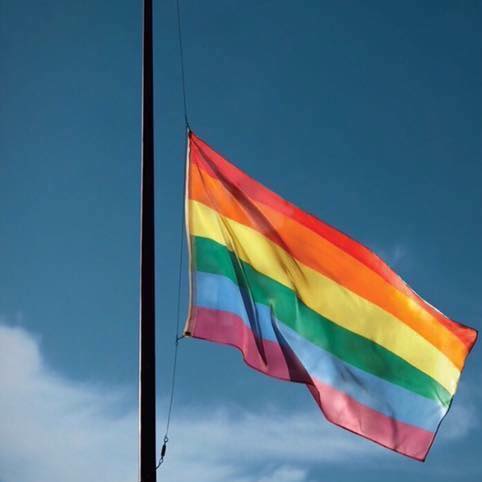
Amnesty International has received credible information that the authorities in Chechnya, a republic in the south of Russia, have unleashed a new wave of attacks on people believed to be gay or lesbian. At least two people are reported to have been tortured to death since December 2018.
The Russian LGBT Network has verified reports that the Chechen authorities have detained around 40 individuals in a government building in the city of Argun, where they have been subjected to torture and other ill-treatment. According to confidential sources, the authorities have destroyed some victims’ passports to prevent them from leaving the country.
“We are horrified by reports that at least two people have died from torture-inflicted injuries. With lives in jeopardy, there is an urgent need for an international response to protect gay and lesbian people in Chechnya.”
“Many LGBTI people in Russia are still traumatized by the 2017 purge which saw dozens of gay men in Chechnya abducted and tortured and others killed. News that the authorities have resumed the crackdown is absolutely spine-chilling,” said Marie Struthers, Amnesty International’s Director for Eastern Europe and Central Asia.
“We are horrified by reports that at least two people have died from torture-inflicted injuries. With lives in jeopardy, there is an urgent need for an international response to protect gay and lesbian people in Chechnya.”
On 21 December 2018 the Organization for Security and Cooperation in Europe published a report on the 2017 crackdown, in which it documented Russia’s refusal to cooperate or respond to calls for an investigation. So far no genuine official investigation has taken place, and not a single person has been held to account for the atrocities committed.
“The fact that there has still not been any justice for the 2017 attacks shows that gay and lesbian people in Chechnya cannot rely on the Russian authorities to protect them. The lack of official investigation has emboldened the Chechen authorities to launch a new wave of persecution, safe in the knowledge that the Russian government will back up their denials and obfuscation,” said Marie Struthers.
“We are calling for the international community to take immediate action to protect gay and lesbian people in Chechnya, and to increase the pressure on the Russian authorities to properly investigate these horrendous crimes.”
The Russian LGBT Network first received reports about new abductions of gay and lesbian individuals in Chechnya and their secret detention in Argun on 28 December 2018, and has now been able to verify the information. The organization, which has helped dozens of gay and lesbian people escape Chechnya over the past two years, estimates that around 40 people are currently in detention.
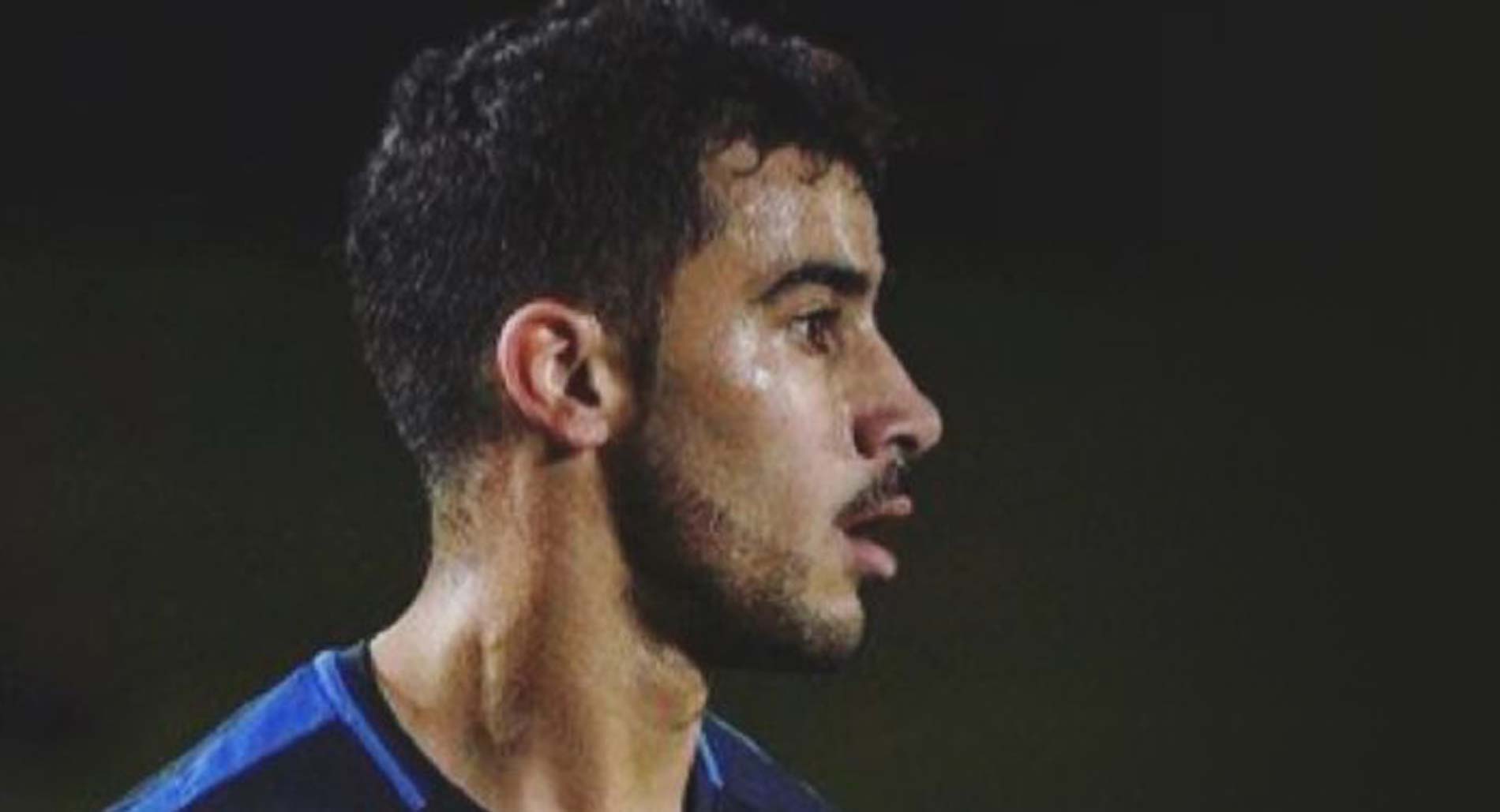
Bahrain and Thailand will meet today as part of the 2019 AFC Asian Cup. But while the two countries vie for supremacy on the field, their collusion off the field means that the future of Hakeem al-Araibi, the Melbourne soccer player who fled Bahrain and was granted refugee status in Australia, remains perilous.
Dr Graham Thom, refugee coordinator at Amnesty International Australia said:
“It is time for leaders in the soccer community to stand up for Hakeem. Amnesty welcomes the news that the FFA has met with Sheikh Salman bin Al Khalifa to discuss Hakeem’s plight. As AFC President, Salman has a moral and professional obligation to support Hakeem.
“As a leader in Asia, and a Bahraini, Sheikh Salman is in a position of influence. And yet he has been conspicuously silent. By not standing up and condemning Bahrain and Thailand’s actions, the AFC is failing to uphold the values and integrity of the ‘beautiful game’.”
“Thailand must not be complicit in supporting the oppressive regimes in Bahrain and the Kingdom of Saudi Arabia, by putting individuals at risk of torture, imprisonment or death.
“The Australian Government continues to work with Thai authorities to get Hakeem home, but the time has come for the soccer community to join the fight and put pressure on Thailand. Hakeem will not be safe until he is back home in Australia. As a recognised refugee with approved travel documents, he should never have been detained. He faces torture and possible death if he is sent back to Bahrain.
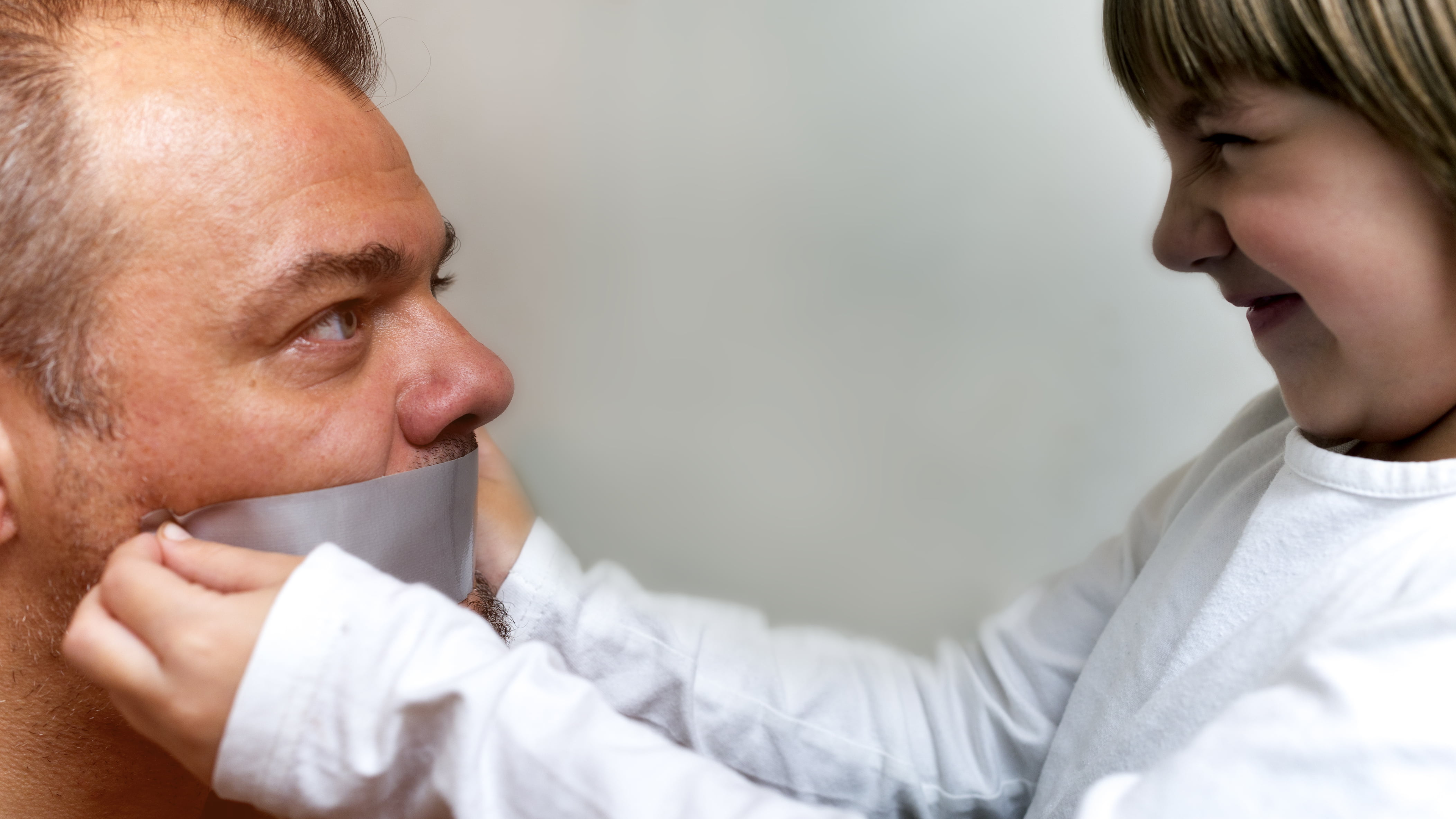
Knowing how to respond to racist remarks from friends and relatives can be a minefield. On the one hand, you want to call them out for their misinformed bigotry but doing so can lead to an argument or awkwardness, without actually convincing them to change their view.
So how do you communicate clearly and effectively to help reduce the casual racism that is still prevalent in a lot of Australian communities?
1 Use “I” statements
Your blood might be boiling over your dad’s misguided opinions about particular ethnic groups, but you have to ask yourself if you will achieve your desired outcome by pointing your finger and making accusations.
If you embarrass somebody, call them uninformed or lecture them, then there’s a good chance they will feel as though they are on the back foot and your points may fall on deaf ears.
“Rather than saying ‘You’re a racist’, talk about how those comments are impacting you and how you are feeling about it,” Sue Yorston, who managesRelationships Australia Victoria‘s social inclusion portfolio, tells Amnesty.
2 Clarify their stance
One of the swiftest ways to an argument is mishearing or misunderstanding somebody’s point. So if you’ve been shocked by what you perceive as a racist outburst, it could be worth getting them to articulate their perspective.
“Sometimes what we say and what we hear are two different things,” Yorston points out. “Somebody might say something and have a different intent and not realise what the impact is going to be.”
As tempting as it might be to call a racist out in front of a group, Yorston says sometimes you’ll have a greater persuasive effect if you take them aside quietly later and highlight your concerns.
“You could say something like, ‘What you said before has been sitting with me and I want to talk to you about it’,” she suggests.
“Often we make stereotypical racist-based comments from ignorance so it’s an opportunity to educate and say, ‘Hang on a minute, that hasn’t been my experience’.”
4 Let them walk in others’ shoes
Rather than spouting off facts and figures to back up your point, Yorston says asking them to imagine what things are like for certain groups could allow them to feel more empathy with others’ plight.
“Ask them, ‘If this was happening to you, what would you do? Would you do whatever you could to make sure your children were safe?’ she suggests.
“You might not provide answers – you might be able to ask questions to help them challenge their own stereotypes.”
Immersing yourself in different communities can also give you an arsenal of anecdotes to share to help get your point across.
“You might be able to say, ‘I’m going to challenge your perceptions by telling you a story someone told me about their experience as an asylum seeker’,” Yorston says.
“Ask them, ‘If this was happening to you, what would you do? Would you do whatever you could to make sure your children were safe?'”
5 Be careful you’re not being aggressive
As passionate as you might be about your beliefs, if you develop a reputation for lecturing everybody in your circle in an aggressive way, then your persuasive powers are probably not going to be very effective.
“If you’re genuinely offended then I’d suggest you frame it along the lines of, ‘I’m upset when you say things like that’,” Dr Lauren Rosewarne, University of Melbourne social researcher, told Amnesty. “This helps to personalise it and gives you an opportunity to make it about what those words do to you on a personal level.”
6 Listen to their perspective
As abhorrent as their views might seem, if you don’t give people the respect of listening to their views, then there is little chance that they’ll do the same for you.
New US research suggests that 61 percent of conservatives and 64 percent of liberals prefer to read arguments they already agree with, which means a lot of arguments fall on deaf ears – on both sides of the political fence.
“Participants said that hearing from the other side felt lousy; they reported it was about as unpleasant as taking out the trash or standing in line for 20 minutes,” the psychology researchers from the Universities of Winnipeg and Chicagowrote.
But the University of Winnipeg and University of Illinois researchers say that listening to both sides of an argument could help you get your point across.
“If their political opponents feel understood, they might be more receptive to hearing what others have to say,” they point out. Listening to the other side could at least help prepare an arsenal of counter-arguments.”
7 Be careful online
When people are hiding behind their screens, they’re often willing to argue harder and nastier than in real life. For that reason, Dr Rosewarne says you may want to think carefully before calling out a racist online.
“Responding on social media is a way to both mobilise support and to also inflame your political enemies who will mobilise with more vitriol, spit and bile than you could ever imagine,” she points out.
Deleting or blocking them is one obvious solution; otherwise you could try sharing a link that explains the holes in their views – taking a similar approach to the tips above for real-life conversations.
“I look at the comments and see what else is being written before I decide to post something,” Yorston says.
“If there are other people ranting I won’t post anything. If it’s really offensive stuff, I delete them and report them to Facebook.”
Responding to news that Netflix have removed an episode from a comedy show in Saudi Arabia, after officials from the Kingdom complained that it violated cyber-crime laws, Samah Hadid, Middle East Director of Campaigns at Amnesty International, said:
“Saudi Arabia’s censorship of Netflix using a cyber-crime law comes as no surprise, and is further proof of a relentless crackdown on freedom of expression in the Kingdom.
“Since Crown Prince Mohammed bin Salman came to power in June 2017, many outspoken human rights defenders, activists and critics have been arbitrarily detained, or unjustly sentenced to lengthy prison terms simply for exercising their right to freedom of expression.
“The authorities have previously used anti cyber-crime laws to silence dissidents, creating an environment of fear for those who dare to speak up in Saudi Arabia.
“By bowing to the Saudi Arabian authorities’ demands, Netflix is in danger of facilitating the Kingdom’s zero-tolerance policy on freedom of expression and assisting the authorities in denying people’s right to freely access information.”
Background
In Saudi Arabia, Netflix removed an episode of satirical comedy show Patriot Act that was critical of the country’s authorities after officials from the Kingdom complained.
American comedian Hasan Minhaj was critical of the Saudi Crown Prince Mohammed bin Salman in a monologue that discussed the murder of journalist Jamal Khashoggi and the Kingdom’s account of what happened inside the country’s consulate in Istanbul in October 2018, when the journalist was forcibly disappeared and killed.
The Saudi telecoms regulator had cited a cyber-crime law that states that “production, preparation, transmission, or storage of material impinging on public order, religious values, public morals, and privacy, through the information network or computers” is a crime punishable by up to five years in prison and a fine.
In a statement, Netflix said: “We strongly support artistic freedom worldwide and only removed this episode in Saudi Arabia after we had received a valid legal request – and to comply with local law.”
As Christmas approaches, Amnesty International Australia is calling on Premier Palaszczuk and Ministers Farmer and Ryan to remember the children trapped in watchouses across the state.
While the Premier and Ministers sit down to enjoy their Christmas lunch, the situation in Queensland continues to head towards a human rights crisis.
Brisbane Youth Detention Centre and Cleveland Youth Detention Centre are both overcrowded. Conditions can be dangerous. The Government has resorted to detaining kids in police watchhouses. It is very possible that more kids will be detained in watchhouses over the Christmas break and school holidays. With reports of overcrowding and the potential for these numbers to grow it’s a tinderbox ready to explode.
Watchhouses are no place for children. They are designed for temporary detention – not as ‘alternate’ detention for when prisons are full. When children are held in watchhouses they may have little-to-no access to health services, education or recreation.
Last week the Children’s Court President Shanahan said: “To have children as young as 11 being held in police watch houses is a travesty and a burden on the police service.”
Amnesty International is extremely concerned about issues of overcrowding that have been raised throughout the course of 2018. Children were held in police watchhouses on at least 1,267 occasions*, some as young as 11** and some held for periods of more that two weeks*.
It is often difficult to access up-to-date information about the number of kids held, periods of detention in watch houses and their age, Indigenous and disability status. The Minister and Premier are aware of the issues within the watchhouses and Queensland authorities must be transparent about how and where these children are being held.
A child locked up before age 14 is three times more likely to become a chronic adult offender. We are trapping these kids in the quicksand of the justice system, and the system is broken.
Last week Amnesty invited the Premier on a joint visit to the Brisbane City Watchhouse before the Christmas break, however no response has been received.
It’s a big question, but someone’s got to ask it. At this year’s Human Rights Defenders World Summit, we asked 11 prominent activists about the essence of human rights. Here’s what they said…
Anielle Franco, Brazil
Anielle is a teacher, journalist and activist. She is also the sister of Marielle Franco, a human rights defender who was shot dead earlier this year. Anielle is determined to seek justice for her sister and speak out about racism and the challenges black women face in Brazil.
“Human rights are the opportunity to defend what we truly believe in. For me, love and education are at the root of human rights. They can save us from many things.”
Marielle and I were born human rights defenders. We didn’t have a choice. We grew up in the slums. It was dangerous. Men would often kill their wives. We couldn’t just sit there and witness such injustice. We knew we had to do something.
My sister Marielle taught me so much – I’ve been learning from her since I was a teenager. When I moved to the USA, aged 16, she said: “No matter where you go, you will always have to fight for something.” She instilled a sense of justice in me and from there, I joined the National Coalition of 100 Black Women and trained as a journalist. Back in Brazil, Marielle was always fighting for something. No matter where I was, I always supported her. It was incredible to see the powerful woman she became. She fought for justice until the day she was killed.
Being a black woman in Brazil is incredibly difficult. We’re the most marginalized. I’m aware of the struggles ahead and I am scared. I don’t know what will happen next. I know they are going to try and shut us down and silence us, but we have to come together. We won’t give up the fight.
Eva Lewis, USA
Eva Lewis, 19, is a human rights activist and artist from the southside of Chicago, Illinois. She is founder and CEO of The I Project. Oh, and did we mention, she’s very cool.
“Human rights are the tools necessary to build sustainability. If you don’t have tools, you can’t build anything.”
To me, the southside of Chicago is like a fishbowl. There are lots of fish and one flavour of food. People can’t build their own tanks, so we’re in one fishbowl, sharing one piece. However, if we each had our own tanks, we would be OK. Human rights are the tools we need to build our own tanks.
As a black woman, I live in a country that wasn’t meant to benefit me. It was evident growing up on the southside of Chicago. Members of my family were involved in gang activity; others fell victim to the oppression of black and brown people.
To be liberated, I knew I would have to seek resources, such as a good education. My mother made sure I had access to those resources, but it wasn’t without struggle. Every morning I would wake up at 5am to travel to school. I was surviving on four to five hours sleep a night, but I had no choice. There weren’t any good schools in my area.
Attending school on the northside of Chicago shaped me as a human rights activist. I quickly realised education in the US was about equity, not equality. I had a duty to speak out. It was an acquired privilege to be in this space, and I had to talk about the struggles my people go through. By speaking out I’ve acquired the skills needed to be an activist.
Today I attend an Ivy League Institution. I am developing a team of young femmes of colour from disenfranchised communities who are fighting oppression. I’ve also set up a non-profit called the The I project. It’s an activism through arts initiative and I am really proud of it.
Fred Bauma, DRC
Fred Bauma is a leader of the social justice, human rights and pro-democracy youth group LUCHA, which advocates for change in the Democratic Republic of the Congo. He was arrested in March 2015 and spent 18 months in prison and could have faced the death penalty. Following international pressure from organisations like Amnesty International, Fred was released in 2016.
“Human rights, for me, are simple. It’s the things that make you feel human and make you consider someone else to be as human as you.”
It’s not in the laws or in the UN, it’s in love, compassion and empathy.
Growing up, I saw a lot of violence in my country. People were suffering and there was a feeling of powerlessness. A lot of people were displaced, including myself. I didn’t want to see anybody else in the same situation, and I knew something had to change. That’s why I became a human rights activist.
The first challenge I had to overcome was state violence and repression. I experience it every day and so does my family. After I was arrested, I was labelled a risk. Apart from my family and friends, people didn’t want to acknowledge that they knew me – they looked at me in a different way. My family and friends were so courageous to stand up for me, even though it affected the way they were seen too.
It makes me proud to see that my fellow people citizens are starting to speak more freely, without fear. The pressure continues but at least they are aware of the power we hold. For me, bringing power back to the people will be the most important achievement.
Vitalina Koval, Ukraine
Vitalina Koval is an incredible activist in Ukraine’s LGBTI community. She co-founded a community centre that provides a safe space for LGBTI people, and fearlessly speaks out against hate.
“For me, human rights are basic values. They are the foundation for an open and inclusive society.”
I came out as a lesbian at 25. After that, I realized I had nothing more to keep to myself. I wanted to fight for the rights of LGBTQI people and women. I knew I was a human rights defender after attending the Revolution Dignity [Ukrainian Revolution] in Ukraine. I spent two and a half weeks campaigning on Maidan Nezalezhnosti [the central square in Kiev]. It shaped me as a human rights activist.
There are two key issues in Ukraine today and two reasons we must keep campaigning. Firstly, the activity of radical right-wing groups has surged over the last few years. We, as human rights defenders, must counteract them and protect each other. Secondly, the police fail to prosecute people who commit crimes against activists. When these people feel impunity, they commit even more violence. We’ve got to work with law-enforcement to develop hate crime legislation.
My personal accomplishment is coming out as a lesbian – I didn’t want to hide any longer. I have the same rights as anyone. I deserve to be happy and to live freely.
Dr Mudawi Ibrahim Adam, Sudan
Human rights defender and engineer Mudawi Ibrahim Adam has been exposing human rights violations in Darfur for years. He has been repeatedly jailed on charges related to his human rights work.
“To me, human rights are equality, justice, freedom of association, freedom from suppression. It’s a right to life. A right to food. A right to housing.”
I grew up hating injustice. I wanted to support people in need. I found myself fighting injustice. I found myself a human rights activist. Sudan is a diverse country, with people from many religions and cultures. I was combatting poverty and human rights violations and fighting for equality wasn’t an easy fight. I spent parts of my life in prison, denied my freedom. I remain proud of what I’ve achieved – especially when I see the impact I’ve had on young people and their determination to work for justice.
Lolita Chavez, Guatemala
Aura Lolita Chávez Ixcaquic, known as Lolita, is a women’s rights activist and Guatemalan indigenous leader, who is leading the struggle to protect her land.
“Human rights are justice, freedom, and a way of living together in the same world. It is a fight not just for people, but for nature, mountains and rivers.”
My mother was a human rights defender, so I became one too. My village was under threat, and I knew I had to fight. Businesses are still trying to take our land – they want it for money. I dared to speak out, but now I am unable to go back to my village. I’ve received death threats, I’ve been accused of things I haven’t done. I cannot go back.
Maria Munir, UK
Public speaker, human rights defender and all-round brilliant person Maria Munir is speaking out on issues such as transgender rights and non-binary discrimination.
“Human rights are those freedoms that everyone should be afforded equally to have a fair chance in life. It’s the basic things that underpin what a person needs to live, such as sanitation and housing.”
When we speak in these terms, human rights become something everyone can relate to and understand. It helps break the barrier that human rights are something happening elsewhere. In fact, human rights are something every human is entitled to.
I have always had a strong sense of the importance of equality. Everyone has the right to access information. Social class, education and money should not stop people from understanding how the world works and how they can ensure their place in the world is protected.
One of the biggest challenges of being a human rights defender is myself. I have a lot of self-doubt. Even though I’ve done a lot of work, I still doubt myself and question whether I am good enough. Now, rather than question whether someone else could be doing it better, I ask: Why aren’t more people human rights defenders? Why don’t we allow more people to speak on the issues of human rights?
The first time I came out as non-binary was in front of President Obama, during a Q&A in London. In the UK we don’t recognise non-binary people under the Equality Act, so we literally have no rights. I had intended to ask Obama about his regrets with regards to intervening in Libya, but then it occurred to me that this is a brilliant time to put the spotlight on an issue which has often been ignored or superseded by others.
Yet, I wouldn’t say my ‘Obama moment’ is my biggest achievement. For me, it’s the amount of people who have said my work has made a difference. I’ve received so many Twitter messages and emails and I’ve opened up a conversation that people have been unable to have until now. That’s the most valuable thing to me!
Matthew Caruana Galizia, Malta
Pulitzer Prize-winning journalist Matthew Caruana Galizia is calling for justice for his mother, Daphne Caruana Galizia, who was assassinated a year ago in Malta.
“Human rights are like air. Until they’re taken away, you don’t know what you have. You only realise how necessary they are once the air is taken away and you can no longer breathe.”
I didn’t decide to become an activist. It’s wasn’t my choice. My mother and I were both journalists, but we reached the point where we were under such heavy attack we were spending most of our time defending our work to justify our existence.
My mother was murdered, just for doing the work of a journalist. In the lead up to her murder she was under constant attack. She faced over 50 civil or criminal libel cases and her bank accounts were frozen by our government minister.
Corruption and impunity are ongoing issues in Malta. That’s the root of everything. We report on corrupt politicians, but nothing happens. They enjoy impunity, then they attack us. Eventually it leads to the murder of a journalist.
The work of a human rights defender is not something I do out of choice. It’s something I must do.
Nurcan Baysal, Turkey
Nurcan Baysal is a Kurdish human rights defender and journalist from Diyarbakir, in the Kurdish region of Turkey. Nurcan has faced death threats, received abusive messages and she’s been detained by the authorities. In spite of everything, Nurcan is determined to keep fighting.
“Human rights are something so basic, but so important. Without rights we are nothing. If you can’t speak, if you can’t see, or say what you’re thinking; if you can’t go and protest, use your own language or come together with your own friends to speak out, what’s the point? Life is meaningful with our rights!”
I have been protecting the rights of both women and children for over 20 years. I am a journalist first and foremost, but I’m a human rights defender too.
There’s been war in our region for over 40 years. I am part of the second or third generation of Kurdish people who grew up with war. I don’t want my children to have the same life. That’s why I am calling for peace and working to ensure the rights of the community are protected. It hasn’t been an easy task. I’ve faced a lot of challenges, mainly from the Turkish state. My existence is a problem for those in power.
When the curfews were imposed, the Turkish media totally closed their eyes to what was going on in our region. I was one of the few people who informed the Turkish public what was really happening. I really tried to make a difference – and looking back, I feel like we saved some people.
Phylesha Brown-Acton, Niue Island and New Zealand
Phylesha Brown-Acton has worked in the HIV sector and on behalf of LGBTI communities for over 20 years. She is also the Co-Chairperson of the Asia Pacific Transgender Network (APTN) and Director of F’INE Pasifika Aotearoa, New Zealand.
“What are human rights? It’s a basic but loaded question. Human rights mean so much to so many different people. To me human rights are for all people, to make sure they’re protected, safe and enjoy the same opportunities.”
I was born a human rights defender. As a child, a young person, an adult, a trans woman and as an indigenous activist, I’ve always had something to say. I believe in standing up for causes that I believe in. I come from a long line of strong women who have been the backbone of the foundation of culture and community. They have been the force that’s long held me up and encouraged me to speak out.
I’ve faced many challenges during my life. I am a trans woman – do I need to say much more? If you understand my reality as a trans woman, the biggest challenge is having to deal with people redefining me. Many people cannot accept or understand that the notion of gender is not as binary as they think it is.
Other than being alive, I have many accomplishments. One of them is being able to participate in the second ever Human Rights Defenders World Summit. I am the only one representing the South Pacific region. I am just one voice from the region, but I hope it opens the doors for others.
Han Hui Hui, Singapore
Han Hui Hui is a blogger and human rights defender. She uses her blog and social media to highlight shortcomings in social services, as well as raise public awareness of human rights violations in Singapore. She has been physically assaulted and harassed, and has been jailed and held in solitary confinement just for speaking out.
“As a Singaporean, I believe human rights are concrete things. The ability to have adequate housing for families to stay in. Adequate healthcare so people are not afraid to fall ill and die. And proper pensions so everyone can enjoy their golden age once they’re retired.”
I don’t consider myself a human right defender. I am just an ordinary Singapore citizen, who wants to blog about my life and the education system in my country. But blogging about the education system in Singapore has got me into trouble.
In 2013, the Singapore Government sent me a letter accusing me of defamation. I was very scared. I didn’t have the resources to fight back against the government. I started looking beyond borders, and that’s when I realised there was something called freedom of speech and that I had the right to question the government.
I continued blogging, but I faced a lot of abuse. People questioned whether I was a girl. They think girls should just focus on clothes and make-up – they think we don’t have the brains to blog, too.
I still face harassment. I have been banned from organizing an event in Singapore. I’ve spent time in solitary confinement and I’ve also faced deportation. In the end, I am just a curious person who wants to raise awareness.
Every year Amnesty International supporters around the globe send millions of letters to people whose human rights have been violated.
Through Write for Rights, the world’s biggest letter writing campaign, Amnesty encourages supporters to send messages of solidarity to people who have been punished for standing up against injustice.
This year, Amnesty will be shining a spotlight on brave women who are defending human rights. Some of them have been jailed, tortured and even killed for their work. We want to show them they are not alone and that people all over the world are inspired by their bravery.
It’s time to stand together, seek justice and start writing!
Pavitri is part of an Adivasi Indigenous community who are being forced to sell their land to make way for two power plants. As a village leader, Pavitri has helped people file nearly 100 formal complaints against the companies involved. Now she faces threats from local ‘strongmen’ who want to force her to withdraw the complaints.
“We are struggling, we are fighting for our land and we will continue to fight for the same,” said Pavitri.
“Our lives are dependent on our land and forest and we will fight for our rights.”
Despite the difficulties she faces living in a male-dominated society, Pavitri was elected as leader of her local village body. Her determination in the face of these obstacles has inspired other women in her community to take up leadership roles.
Atena Daemi is one of the many human rights activists who have been targeted by the Iranian authorities in recent years. An anti-death penalty campaigner, Atena is currently serving a seven-year prison sentence for criticizing executions and human rights violations on social media.
When Atena was first arrested by Iranian Revolutionary Guards in 2014, she was transferred to Tehran’s Evin prison and held in solitary confinement in an insect-infested cell which had no toilet. She was blindfolded and interrogated, often for more than 10 hours at a time, over a period of two months.
“I will defend the rights of my sisters until my last breath,” said Atena.
“I will not allow security bodies, which already violate Iran’s own laws, to treat our families as a means to inflict mental torture on us…I would rather die than be a slave of oppression.” Before she was locked up, Atena regularly took part in gatherings outside prison to show solidarity with families of death row prisoners and distribute anti-death penalty pamphlets.
Albina [blue sweater] is from Kenya’s Indigenous Sengwer community who have been fighting to stay on their ancestral land in Embobut Forest. The Sengwer have lived here for centuries and have a deep spiritual bond with the land, but now they are being forced out and families are being torn apart.
Albina’s troubles began in January 2014 when the Kenyan government decided to resettle everyone living in Embobut Forest, ostensibly to reduce illegal logging in the area, a problem that has been unfairly blamed on the Sengwer.
Since then thousands of people have been made homeless after their houses were burned. Most men remain inside the forest to look after their animals and what little remains of their property, while the women, like Albina, stay with their children, often in deplorable conditions outside the forest.
“We have experienced many human rights violations, but no action has been taken,” said Albina. “Children no longer go to school and there are no opportunities for development.”
“With the support of other Sengwer women, I want to take action and speak out.”
Gulzar Duishenova, Kyrgysztan
Gulzar Duishenova at mother’s house, where she was born. Bishkek, Kyrgyzstan.
Gulzar Duishenova’s life changed forever in 2002, when she was involved in a car accident and lost the use of her legs. After meeting others in Kyrgyzstan who’d had similar experiences, Gulzar decided to campaign for equal access to health services, jobs and infrastructure on behalf of other women with disabilities. However, sheH faces daily discrimination in a society where women are not meant to speak out and people with disabilities are regarded as “invalids”.
“We were born in Soviet times and have been taught by our parents that a girl should always be silent,” said Gulzar.
“We are told that we are not allowed to talk, but we still do.”
Nawal Benaissa is a leading female figure in the Hirak movement, which has been standing up for the rights of people in Morocco’s northern Rif region and calling for an end to their marginalization.
Since May 2017, Moroccan security forces have arrested hundreds of protesters, including children and several journalists, over largely peaceful protests in support of the Hirak movement. Nawal was arrested four times between June and September 2017 and ordered to shut down her Facebook account, which had more than 80,000 followers. She’s been harassed by the Moroccan authorities every step of the way.
In February 2018, Nawal, a mother of four, was given a 10-month suspended prison sentence and fined 500 dirhams (around US$50) on several charges including “incitement to commit” criminal offences. She’s appealing the verdict, but the harassment continues.
Geraldine started her peaceful campaigning when she was just 14 as a youth leader in Caracas. She’s since gone on to do amazing human rights work. She started an Amnesty International youth network and supported individuals at risk of imprisonment and persecution. She later ran outreach programmes for poor youngsters in Venezuela with the NGO Community Ambassadors Foundation.
Now, Geraldine finds herself in need of the same help as she has given to many other people. This year, she was arrested and spent four months in prison in appalling conditions just because of helping young people understand and defend their rights in Caracas. Even though Geraldine was conditionally released by the authorities in June 2018, she can’t leave Venezuela and could be arrested again at any time.
“I’ve campaigned for Write for Rights cases before. I never imagined I’d be on the other side of the campaign,” said Geraldine.
Nonhle Mbuthuma is a human rights activist from the Amadiba community in Pondoland, South Africa. She is leading the fight against a company which wants to mine titanium on the Amadiba’s ancestral land. If this work goes ahead, around 5,000 people could lose their homes. Nonhle is being harassed and threatened for her opposing the mining, and has even survived an attempt to kill her.
“We live in a peaceful, beautiful area where we share everything – food, land and love. The elites have discovered what we have and want to take it away from us,” Nonhle said.
“Some of my colleagues have been killed, and I know I could be too. But I am not scared.”
Vitalina Koval always wanted to make a positive difference. She uses her incredible energy to support local LGBTI people in Ukraine. But she and other activists have been violently attacked by far-right groups, just for speaking out against hate.
On 8 March 2018, Vitalina organized a peaceful demonstration for LGBTI and women’s rights to mark International Women’s Day. The police reassured her that she and her fellow demonstrators would be safe, but a far-right group shouted insults and hurled red paint at them. Vitalina suffered chemical burns to her eyes. Her attackers were detained for just a few hours.
“There are many people in the LGBTI community in Ukraine who are afraid. I wish that they weren’t feeling under direct threat,” said Vitalina. “When I was organising art and culture events before, I never had to think about security. Now, I always have to consider it. It’s killing me.”
Marielle Franco fought fearlessly for a fairer Rio de Janeiro. She stood up for black women, LGBTI people and young people. She condemned unlawful killings by police. But then she was silenced, shot dead in her car.
It’s part of a pattern in Brazil, where at least 70 human rights defenders were killed in 2017. Now Marielle’s family, along with her teacher and friends, are determined to seek justice, with the support of organisations such as Amnesty International.
“I’ve never thought and even she [Marielle] would not have imagined that she could enter directly into politics as a parliamentarian,” said her mother (front).
“She knew what she wanted. No one can take that away from her. Going into that Parliament full of men, full of those white men. I think her presence was an affront to them, I really do.”
“A woman from the margins, a black woman. If it was planned, there is a culprit. We need to know what motivated this. And we want an answer as soon as possible.”
Nguyen Ngoc Nhu Quynh (known as ‘Me Nam’), Viet Nam
Nguyen Ngoc Nhu Quynh is a Vietnamese blogger better known by her pen name “Me Nam”, or “Mother Mushroom” in English. She chose this name because one of her daughters is nicknamed “mushroom”.
In 2016, the Vietnamese authorities arrested Me Nam for writing a blog that was critical of government corruption and land confiscation. As a result, she was sentenced to 10 years in jail. Amnesty International started campaigning on her behalf, calling for her release.
Me Nam spent two years in prison. In that time her health deteriorated, and she was denied medical treatment, before being unexpectedly released in October 2018 on condition that she leave Viet Nam for the USA.
She has vowed to continue speaking out against the Vietnamese government until there are “real” human rights in Viet Nam.
Community organising at AIA is about building power, it is about empowering people to be able to take the lead and make change in their own communities. It’s about investing in people and giving them the tools they need so that they can stand up for the human rights issues they are most passionate about. In 2018 our organising program has developed leaders, grown groups, and mobilised activists to take action and that’s just the tip of the snowflake.
Here is just a snapshot of the impact on our campaigns:
Deep organising through the My New Neighbour Campaign
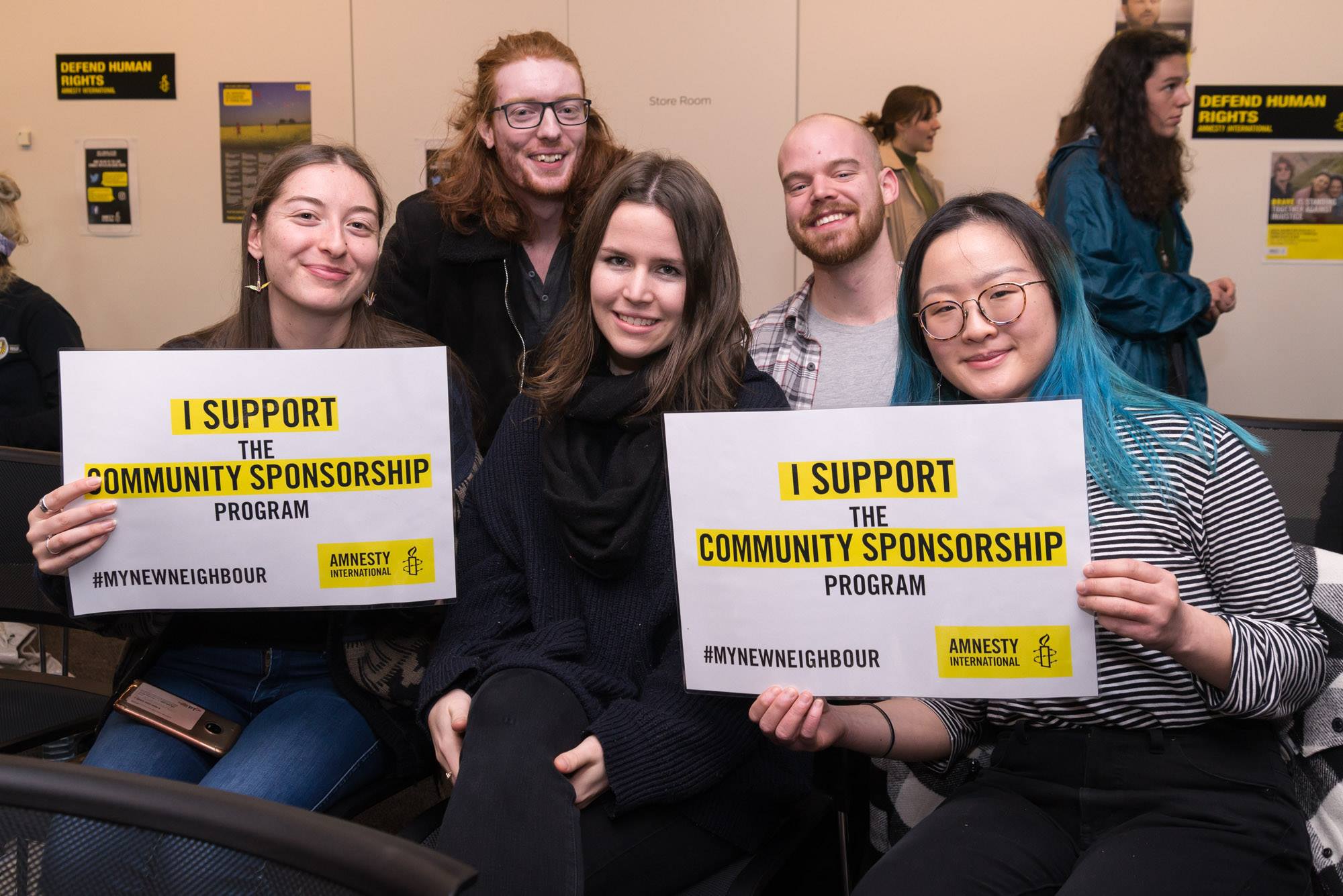
We have built an impressive group of refugee campaign leads, with representatives from nearly every state who have developed their own regional plans and built support for community sponsorship through the My New Neighbour campaign. The results speak for themselves with 23 councils standing with refugees through formal motions and just this week at the ALP formally endorsing an expanded Community Sponsorship Program at the National Labor Conference.
Tasmanian activists have really got behind the My New Neighbour campaign, with deep organising that has seen relationships and partnerships being built with schools, sporting groups and local media. The impacts of this work will build the spirit of welcome in communities and change hearts and minds into the future.
At its heart the My New Neighbour campaign is about grassroots activism, it’s about giving power back to communities and working with them to build a fairer system for refugees. This couldn’t be better encapsulated than in the work of regional activists. After launching the campaign in Wagga Wagga in March, activists from regional NSW shared the campaign and its message of empowerment with other regional communities across Australia at the Rural Australians for Refugees national conference in Wodonga.
Mobilisation through the Write for Rights Campaign
A key element of community organising is strategic mobilisation. Victorian activists have been gathering record numbers of actions for the Write for Rights campaign this year. Events and Social Media volunteer MJ even managed to secure a spot on 3RRR radio to promote their Write for Rights marathon, where they ended up gathering 765 actions!
Crisis Response through the Rohingya campaign
We can’t always plan ahead for human rights issues, when crises happen we need to be ready to take action, and make sure we get the attention of those in power. South Australian activists certainly did this when they gathered out the front of the Minister of Defence’s office to hand over the Rohingya crisis campaign petitions. Activists from the Ministers’ federal electorate of Sturt presented the blood money petitions in large money bags covered in fake blood to a member of Minister Pyne’s team. The stunt got the attention of politicians and media alike, helping to raise the profile of this important campaign.
Myanmar; Rohingya; Blood Money;
Leadership development
Developing a strong distributed leadership network is another key feature of an effective community organising strategy. In June activist leaders from around the country came together in Sydney to share skills and strategies. Some of the key focuses for the weekend were strategic thinking, effective facilitation and youth engagement. But most importantly these activist leaders went back to their home States ready to empower and develop their fellow activists.
In Victoria the Leadership Network has been connecting Victorian activist leaders to share plans and support each other’s projects. The network supports skill and time sharing to ensure all projects and events go ahead and are well supported.
In WA, activist leader Rachel used the skills she developed at the Activist Leadership Weekend to put on a major music and arts festival “Beats for Bravery”. Through this event she was able to work with a team of fellow activists, helping them to develop their skills, while bringing in big action numbers for the Write for Rights campaign.
Volunteers for Beats for Bravery
Youth Engagement
At its heart, community organising is about ensuring that all members of our communities feel empowered by their citizenship. It’s therefore vital that we share this experience fully with young people, to ensure they understand the power they possess in their communities. Queensland, South Australia and New South Wales all hosted youth conferences this year, bringing together young people who are passionate about making change for human rights.
Amnesty activists are powerful. They are an unbreakable network of leaders, speaking truth to power and holding nothing back.
Frankly, we can’t wait to see what you do in 2019.
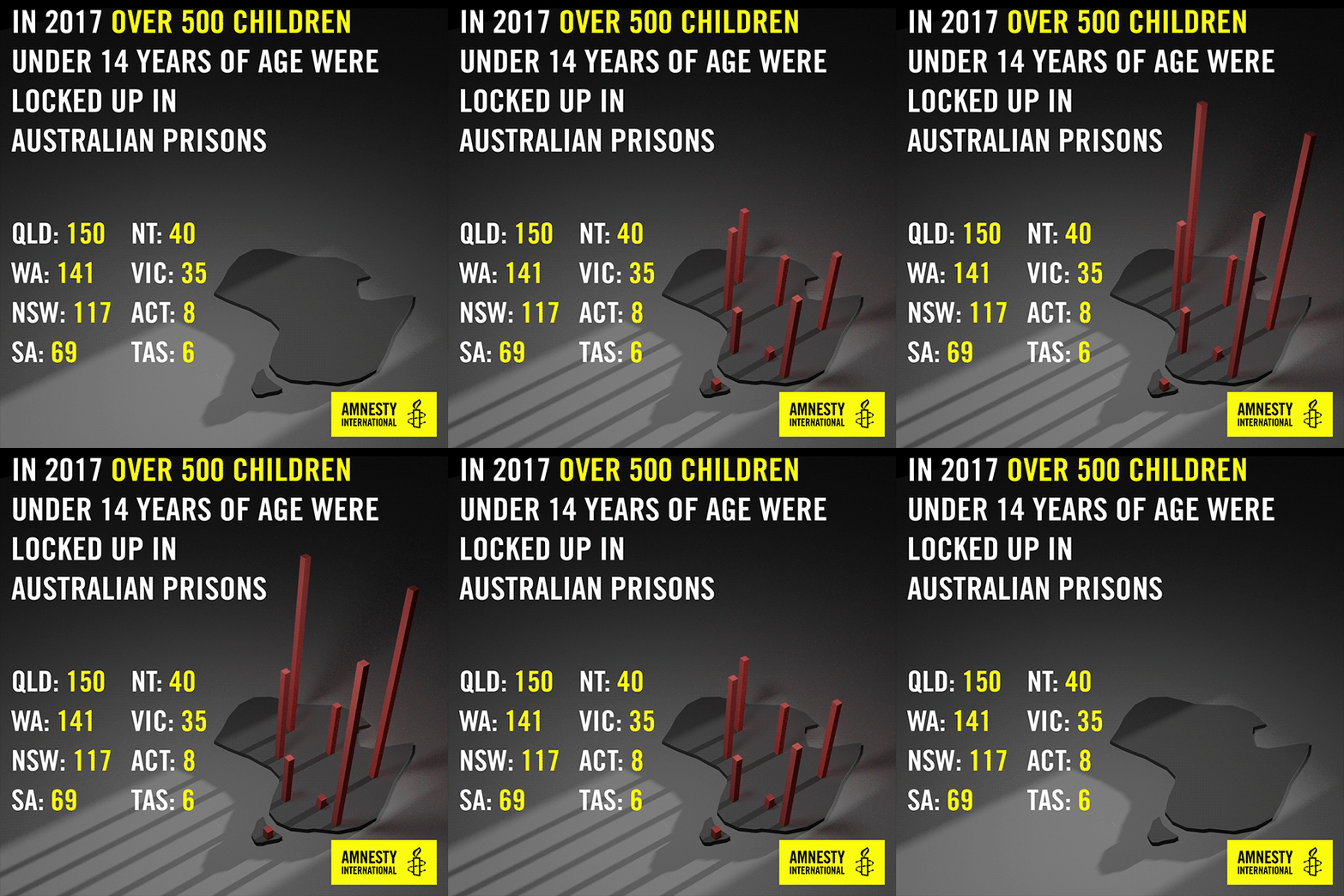
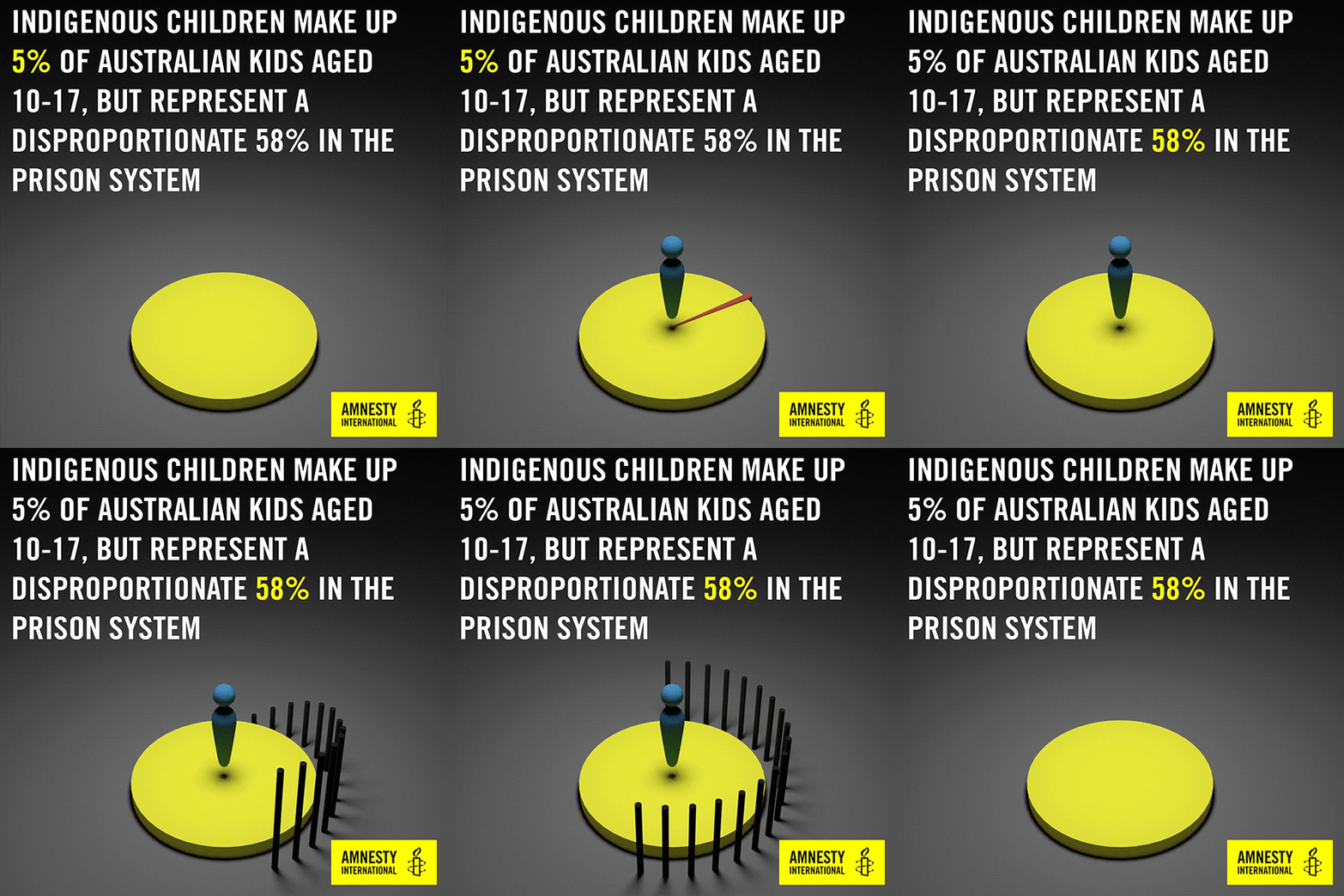
During 2018 a class of animation students from RMIT University in Melbourne put their minds together to visually communicate why Australia must change its laws so that children younger than 14 are no longer locked up.
Top submissions
1. Rowena Lloyd, Akmal Azman, Fanny Yifan Shi and Will Thomasz:
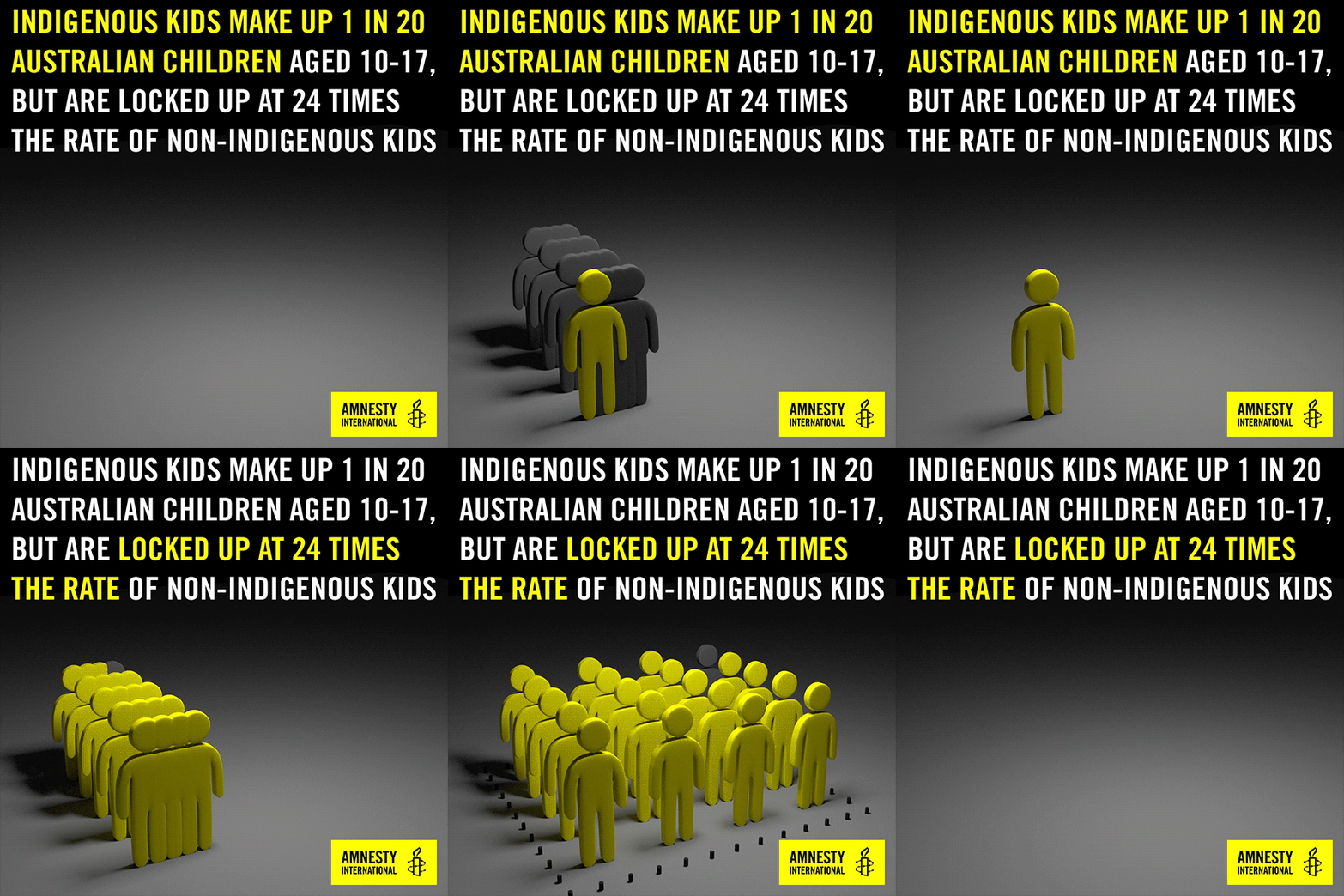
Amnesty International Indigenous children promotional image.
What was the brief?
RMIT animation students were tasked with creating attention-grabbing animations to help raise awareness about the situation of young children locked up in Australia.
Across Australia kids as young as 10 are forced through the justice system and locked up in prisons, away from their families and communities.
Overwhelming evidence from human rights experts, lawyers and doctors shows that, for kids younger than 14, prison harms rather than helps. Kids in prison are less likely to access what they need to grow up resilient, such as education, mentoring and community support.
Many Australians, including politicians, don’t know that 10-year-olds can spend time behind bars.
Thanks RMIT!
Belinda Lowe, Indigenous Rights Campaigner at Amnesty, thanks all the RMIT students who worked on this project.
“Contributing to human rights can take many forms from a protest on the street, a phone call to an MP, a conversation with a relative over lunch or hosting film screening. But, storytelling is the common thread that bring communities closer,” she says.
“It persuades others to stand alongside those campaigning for their human rights and ultimately shifts decision makers.”
“We’d like to thank all the students who took part in this project for their contribution to human rights.” Belinda Lowe, Indigenous Rights Campaigner
Animation tutor at RMIT, Sacha Bryning, said that, “helping Amnesty with their ‘Raise the age’ campaign gave students the experience of working with a client who had difficult information that needed visual solutions”.
“The students created some incredibly affecting and mature work over the course of the semester in response to the brief.”
Special thanks to all the incredible RMIT students who worked hard and produced some amazing work:
Australia Day should be for all Australians but for Aboriginal and Torres Strait Islander peoples who mark the day as one of invasion, survival and mourning – the 26 January is not a day for celebrations. We need to move to a date that is inclusive of all Australians.
Although Australia Day has only been officially nationally celebrated since 1994, protesting on 26 January is not new for Aboriginal and Torres Strait Islander people. Protests about celebrating this date go back to the 1800s.
Momentum is growing for changing the date. On 26 January this year thousands turned out to large public protests and Survival events across the country. Local councils in Western Australia, Tasmania, Victoria and now NSW with Byron Bay joining in (but keeping their citizenship ceremonies on 26 January), have changed their celebrations to make them more culturally sensitive. Triple J have also recently announced that they will host the Hottest 100 on 27 January 2019.
Over the past few years Amnesty has supported #ChangetheDate on social media and via our website and by giving people a platform to speak on why they choose not to celebrate on 26 January. If you haven’t yet seen it please watch our 2018 video from Indigenous voices about why the date should be changed.
In 2017/18 we took a further step by launching a short-term campaign and Amnesty International Australia’s formal position.
We asked our supporters to take action, calling on our elected representatives to:
acknowledge that 26 January has a long and painful history for Aboriginal and Torres Strait Islander Peoples, and
start a consultation process to change the date of Australia Day so it can be celebrated by all Australians.
In 2018/19 Amnesty will continue with this action and will again encourage our supporters to attend Aboriginal and Torres Strait Islander events on and around 26 January, check out our list of events from 2018. We’ll publish a list of 2019 Survival Day events early in the new year. Keep your eye out for it, and if you know of any local events that you want to share feel free to email the details to tracey.foley@amnesty.org.au.
What can you do to help? There are a number of ways you can be part of #ChangetheDate:
Attend local Indigenous cultural / Survival Day event/s, or if you’re in Perth head along to One Day in Freo on 27 January – these events are a great day out for you and your family
Volunteer at local Indigenous cultural / Survival Day event, this is a great way to meet with and build relationships with Aboriginal and Torres Strait Islander peoples and communities
Share our online actions via social media and add our #ChangetheDate frame to your social media profile picture (available in the lead up to 26 January)
Write a letter to the editor of your local paper explaining why you support #ChangetheDate
Our country’s history goes back well beyond 26 January 1788. It began over 65,000 years ago – and we’re making it fresh every day.
Let’s stand together and respect the survival and resilience of the oldest living culture in the world and #ChangeTheDate.
P.S. Want to learn more about why this is important? Check out our Cultural Competency modules presented by Amnesty International Australia’s Indigenous Rights Team. These modules will equip our staff, activists and supporters with the necessary skills and considerations to best achieve success with our Indigenous Rights work.
P.S.S If you need some guidance on how to handle objections or difficult conversations about the issue, see our Q&A.