#EvacuateNow nationwide vigils: Event list

For the past four years successive Australian governments have chosen to make people seeking safety suffer in offshore detention.
 The men, women and children abandoned in offshore detention are in immediate danger with nowhere safe to go.

So on July 19, we will gather across the country for a candlelit vigil and shine a light in the dark. We will stand with those who have suffered, mourn those who have lost their lives and demand everyone on Manus and Nauru be brought to safety.

Events are springing up all over the country, as people who care bring their creativity and talents together and organise local vigils to make sure those on Manus and Nauru know we will not abandon them.

4 year timeline video

Feel free to show the video at any vigil / event or share on social media.  Youtube version here, FB version here or download from Dropbox here.

Search for your nearest vigil, or plan your own – then share it with friends and colleagues.

Posters and placards for the vigil

Download and print these posters to take along to the vigils near you.

Vigils near you

ARAN and Community Run have a list of vigils occurring around the country. New events will be added, so if your city isn’t on the list it’s worth checking later. You can find the details here.

As of 7 July vigils were listed for these places:

ACT

Canberra – Series of actions throughout the day

1) Morning peak hour sign holding, 8-9am:

Canberra RAC will be displaying signs at key intersections around the city highlighting this anniversary of shame

– Barry Dr / Northbourne Ave, Civic

– Antill St / Northbourne Ave, Dickson

– Melrose / Hindmarsh Drs, Woden

2) Lunchtime protest, 12.30-1.30, Dept. of Immigration & Border Protection, Chan St, Belconnen

3) Evening candlelight vigil, 6pm, Garema Place, Civic. The event will be filmed and sent to the asylum seekers and refugees on Manus Island. 

NSW

Armidale – 12:30 pm to 1:30pm, University of New England, Court Yard between Dixson Library and Lazenby Hall.

Armidale – 5:15 pm to 6:00 pm, Central Park, 125 Dangar St, Armidale, NSW

Bega – 5:00pm to 6:00 pm, Littleton Gardens, Bega

Braidwood – 5:45pm to 6:15pm, 56B Wallace St, Braidwood

Figtree – 5:00pm to 6:00 pm, Zen Garden, 35 Walang Ave, Figtree

Lismore – 5:30pm to 6:30 pm, Lismore Transit Centre, 49 Magellan St, Lismore

Newcastle – 5:00pm to 6:00pm, City Hall, 290 King St 

Southern Highlands – 5:00pm to 6:00pm, Corbett Plaza, 294 Bong Bong Street, Bowral

Sydney – 6:00pm to 8:00pm, Hyde Park north, Sydney (Facebook event

NT

Darwin – 6.30pm to 8:00pm, Nightcliff Foreshore, Darwin (Facebook event

QLD

Brisbane –  6:00pm to 8:00pm, King George Square, Brisbane (Facebook event)

Cairns – 6:00pm to 7:00pm, Cairns Esplanade Lagoon, 52-54 Esplanade, Cairns City

Gold Coast – 6:00pm, Point Danger, Coolangatta

Maleny – 5:30pm to 6:30pm, Tesch Park, Cnr Coral & Maple Streets, Maleny

Noosa – 4:00pm to 6:00 pm, Lions Park, 1 Noosa Drive, Noosa Heads

Toowoomba – 5:00pm to 7:30 pm, Queen’s Park, cnr Hume & Margaret Streets (near fountains), Toowoomba

SA

Adelaide – 6:00pm tp 8:00pm, Elder Park Rotunda, Adelaide

TAS

Hobart – 6:00 p.m to 7:00pm on Parliament lawns, 1 Salamanca Place, Hobart

VIC

Ballarat – 5:00pm – 6:00pm, Queen Victoria Square (opposite the Ballarat Town Hall). Bring a candle.

Bendigo – 6:00pm to 7:00 pm, Rosalind Park, 1 View Street, Bendigo

Geelong – 6:00pm to 8:00 pm, Wesley Church Hall, 100 Yarra St, Geelong (Facebook event

A series of stations will be set up around the Wesley Church Hall where you can hear the words of the people who are unjustly held captive, view the works of arbitrarily detained artists, see photos depicting the reality of the conditions of offshore detention, light a vigil candle, write a message of compassion, write postcards to send to politicians, bring some flowers to add to a wreath to be symbolically sent out to sea. 

Melbourne – 6:00pm to 8:00pm State Library, 328 Swanston St, Melbourne (Facebook event

Warrnambool – 11:00am to 12:00pm, Dan Tehan MP’s office, 73 Kepler St, Warrnambool, VIC

#LoveMakesAWay will conduct a Short Liturgy outside Dan Tehan MP’s office. All are encouraged to present their individual request regarding this issue to Mr Tehan’s office staff.

Wonthaggi – 5:30pm to 7:00pm Wonthaggi Library, Wonthaggi

WA

Perth – 6:00 to 8:00 pm, Northbridge Piazza, Northbridge

INTERNATIONAL

Philippines – 12:00 noon to 5:00 pm, Australian Embassy Manila Makati, NCR Philippines

You can also check the Australian Refugee Activist Network (ARAN) facebook page for details of other events and to connect with people in your community.

Absurd ‘terrorism’ investigation launched into Amnesty Turkey’s Director and 9 others

Responding to news that Idil Eser, Director of Amnesty International Turkey, seven other human rights activists and two IT trainers, are being investigated for membership of an armed terrorist organisation, Salil Shetty, Amnesty International’s Secretary General, said:

“The absurdity of these accusations against Idil Eser and the nine others cannot disguise the very grave nature of this attack on some of the most prominent civil society organisations in Turkey.

“Their spurious detention while attending a routine workshop was bad enough: that they are now being investigated for membership of an armed terrorist organisation beggars belief.

“If anyone was still in doubt of the endgame of Turkey’s post-coup crackdown, they should not be now. There is to be no civil society, no criticism and no accountability in Erdoğan’s Turkey.”

“If world leaders meeting at the G20 fail to stand up for Turkey’s beleaguered civil society now, there may be nothing left of it by the time the next summit comes around.

“Idil’s detention comes less than a month after the chair of Amnesty International Turkey, Taner Kılıç, was remanded in custody also without valid grounds. This is the first time in our history that Amnesty International has a director and chair from a single country both behind bars. They, along with all other detained human rights defenders, must be immediately and unconditionally released.”

Background

At 10am on 5 July, eight human rights defenders, including Amnesty International’s Turkey Director Idil Eser and two international trainers were detained by police at a hotel in Büyükada, Istanbul, where they were attending a workshop.

All the detainees were denied access to lawyers for more than 28 hours, in contravention of Turkish law, which states a maximum time of 24 hours. The group were also denied the right to contact family members, again in contravention of Turkish law.

The authorities refused to confirm where the human rights defenders were being held until around 3pm on 6 July.

Idil Eser is being held at a police station in Maltepe, on the outskirts of Istanbul, along with İlknur Üstün of the Women’s Coalition. The remaining human rights defenders are being held at three other locations on the outskirts of Istanbul. Lawyers were granted access to the seven on Thursday afternoon.

The state of emergency put in place after last year’s failed coup attempt allows for seven days of pre-charge detention, extendable for a further seven days on the request of the prosecutor.

In addition to Idil Eser and İlknur Üstün the six human rights defenders detained are: Günal Kurşun, lawyer, Human Rights Agenda Association, Nalan Erkem, Lawyer, Citizens’ Assembly, Nejat Taştan, Equal Rights Watch Association , Özlem Dalkıran, Citizens’ Assembly, Şeyhmuz Özbekli, lawyer, and Veli Acu, Human Rights Agenda Association.

Two foreign trainers – a German and a Swedish national – are still being held on the island and have been granted access to a lawyer.

The Turkish authorities must immediately and unconditionally release all 10 detainees.

These detentions come less than a month after Amnesty International’s Turkey chair, Taner Kılıç, was remanded in prison custody on baseless charges.

5 ways we’ve changed the law for good

Thanks to people like you, last year we fought hard to defend human rights across the globe with successful law changes in 40 countries! Here are 5 ways we made an impact…

1. We demanded new laws to protect people with Albinism

More than 225,000 people signed our petition calling on Malawi’s authorities to stop the killing of people with albinism. Thanks to this global pressure, Malawi changed two laws in September 2016  that help protect people with albinism from violence and murder. Today, anyone caught with the bones or body parts of a person with albinism faces life in jail.

A young girl at Foceb shelter for survivors of rape, early and forced marriage and unwanted pregnancy in central Ouagadougou, capital of Burkina Faso. © Sophia Garcia/Amnesty International

2. We campaigned against early, forced marriage

Thanks to Amnesty supporters, the government of Burkina Faso pledged in February 2016 to eradicate early and forced marriage. It committed to raising the legal age of marriage for girls to 18 years and to making sure that forced marriage is clearly defined in the law books. More than half a million of our supporters signed our petition as part of our My Body My Rights and Write for Rights campaigns – a fact that did not go unnoticed by the authorities.

Amnesty protesters with Stop Torture T-shirts and blindfolds at a rally.

3. We helped stop torture

Our efforts to stop torture led to several countries taking progressive steps to end this practice. Guinea made torture a crime, while Togo strengthened its law to bring it in line with international law.

And a historic ruling on police torture in the Philippines – which saw the first conviction under the country’s 2009 anti-torture law – followed three years of steadfast campaigning by Amnesty activists.

4 Our supporters helped end decades of Indigenous injustice

History was made following concerted campaigning and the release of our report on Indigenous youth justice in Queensland, Australia. After five decades of injustice, 17-year-olds will no longer be held in adult prison or tried as adults, in line with international law.

This means that children, and particularly Indigenous children who are 22 times more likely to be in detention, will have more chance at rehabilitation.

Two people hug at a vigil in Jackson

5. We helped ensure more countries abolish the death penalty

The global push towards the abolition of the death penalty continued to gather momentum, with 141 countries now abolitionist in law or practice. On 12 May 2016, Nauru became the 103rd country to abolish the death penalty for all crimes. And in October, Guinea enacted a law abolishing the death penalty for most crimes.

South Sudan: Spiralling strife

South Sudan, the world’s youngest country, gained independence on 9 July 2011 following decades of war, lengthy negotiations and a referendum to secede from Sudan. But the jubilation over this new-found freedom was fleeting, and internal strife has marred much of its short life as an independent state. An armed conflict that erupted in December 2013 still rages on today, and has proved devastating for millions of civilians.

The conflict pits President Salva Kiir and his allies against his former deputy, Riek Machar, and forces loyal to him, who were accused of plotting a coup in the capital Juba in late 2013. An array of militias and armed opposition groups in different parts of the country have also joined the fray. Several ceasefires and attempts to broker peace deals have foundered, leading each time to renewed fighting.

The fighting has had a devastating impact on civilians, bringing political violence, the threat of famine and warnings of potential genocide. It has also resulted in Africa’s largest refugee crisis – the fastest growing and the third-largest in the world after Syria and Afghanistan.

Amnesty International has visited South Sudan several times over the course of the conflict, and in mid-2017 its researchers returned to two of the regions currently most heavily impacted by renewed clashes: Upper Nile in the north and Equatoria in the south. Researchers also visited refugee settlements across the border in Uganda, which is struggling to cope with the massive influx of people fleeing South Sudan.

The ethnic dimension

The armed conflict that began in December 2013 has taken on an increasingly ethnic dimension, with the leaders of the two main opposing factions belonging to the two largest ethnic groups – President Salva Kiir a Dinka and former Vice President Riek Machar a Nuer – and drawing much of their support from members of their own ethnic groups. The Government is increasingly perceived as using its armed forces, the Sudan People’s Liberation Movement/Army (SPLA/M) to pursue a Dinka-centric agenda, including by using Dinka militia. The armed opposition, known as the Sudan People’s Liberation Movement/Army-In Opposition (SPLM/A-IO), a largely ethnic Nuer movement, has sought to broaden its support base to include other ethnic groups.

All parties to the conflict have carried out atrocities, including war crimes. They have tortured and killed civilians, abducted and raped women, destroyed and looted civilian property, and deliberately attacked humanitarian workers. Tens of thousands have been killed or seriously injured; millions have been displaced, and the violence has caused food insecurity and loss of livelihood on a massive scale.

Arms embargo

For years Amnesty International has lobbied for a comprehensive arms embargo to halt the flow of weapons into South Sudan. It should be a no-brainer for the international community to suspend the flow of arms to places where those weapons are being used repeatedly to commit war crimes and grave and systematic human rights violations and abuses.

In January 2016, a UN Security Council panel of experts agreed, concluding that: “Both sides have continued to seek to arm their forces, even after the signing of the peace agreement … The continued influx of arms has had a devastating impact on civilians and on the overall security situation in the country…”

Despite this, in December 2016 the UN Security Council once again failed to approve a resolution that would have imposed an arms embargo.

Millions uprooted and at risk

Civilians bear the brunt of South Sudan’s brutal conflict, with more than two million people now uprooted from their homes and livelihoods.

As of June 2017, more than 1.9 million people had fled to seek refuge in all of South Sudan’s neighbouring countries – Sudan, Ethiopia, Kenya, Uganda, Democratic Republic of Congo, and Central African Republic – several of which are also experiencing internal armed conflicts. Uganda, directly to the south, has seen the largest influx: some 950,000 South Sudanese refugees, around half the total, have ended up there.

In early 2017, more than 2,000 refugees a day were streaming across the border into Uganda, with as many as 6,000 recorded in a single day in February. At least 86% of these new refugees are women and children. But funding shortfalls mean that many of them are not receiving basic humanitarian aid such as food, water and shelter.

The road to justice

Since South Sudan is not a state party to the International Criminal Court (ICC), the Court has no jurisdiction over crimes committed during the ongoing conflict.

The peace agreement signed by both sides in August 2015 provides for the formation of a special court to investigate and prosecute those responsible for atrocities. Unfortunately, little progress has been made towards setting the court up.

This so-called Hybrid Court for South Sudan – combining elements of both domestic and international law and staffed by legal experts from South Sudan and abroad – currently represents the most viable option for ensuring accountability for crimes committed during the conflict, as well as for deterring further abuses. The African Union Commission should increase efforts to ensure the speedy establishment of the Hybrid Court.

Refugee week in pictures

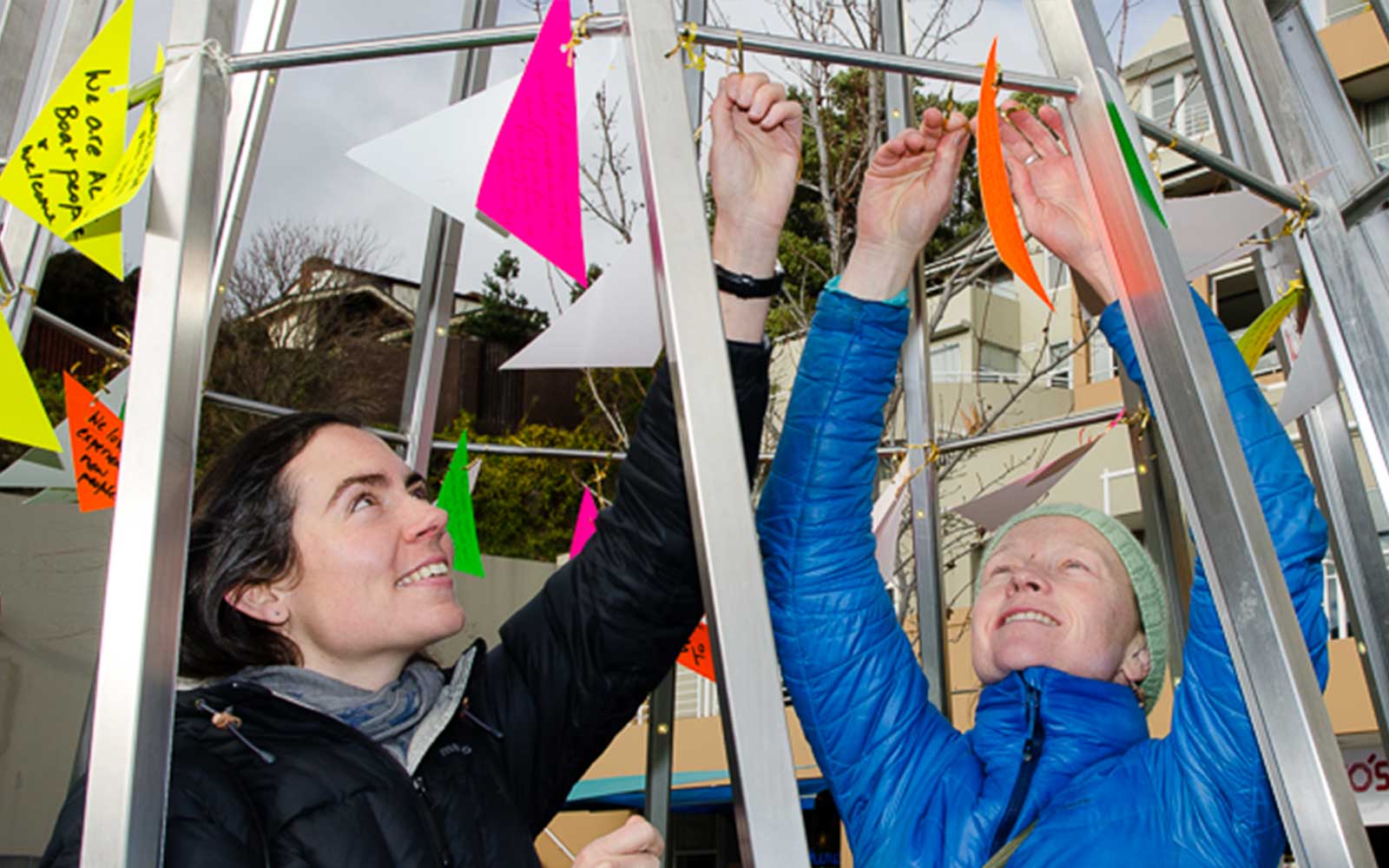
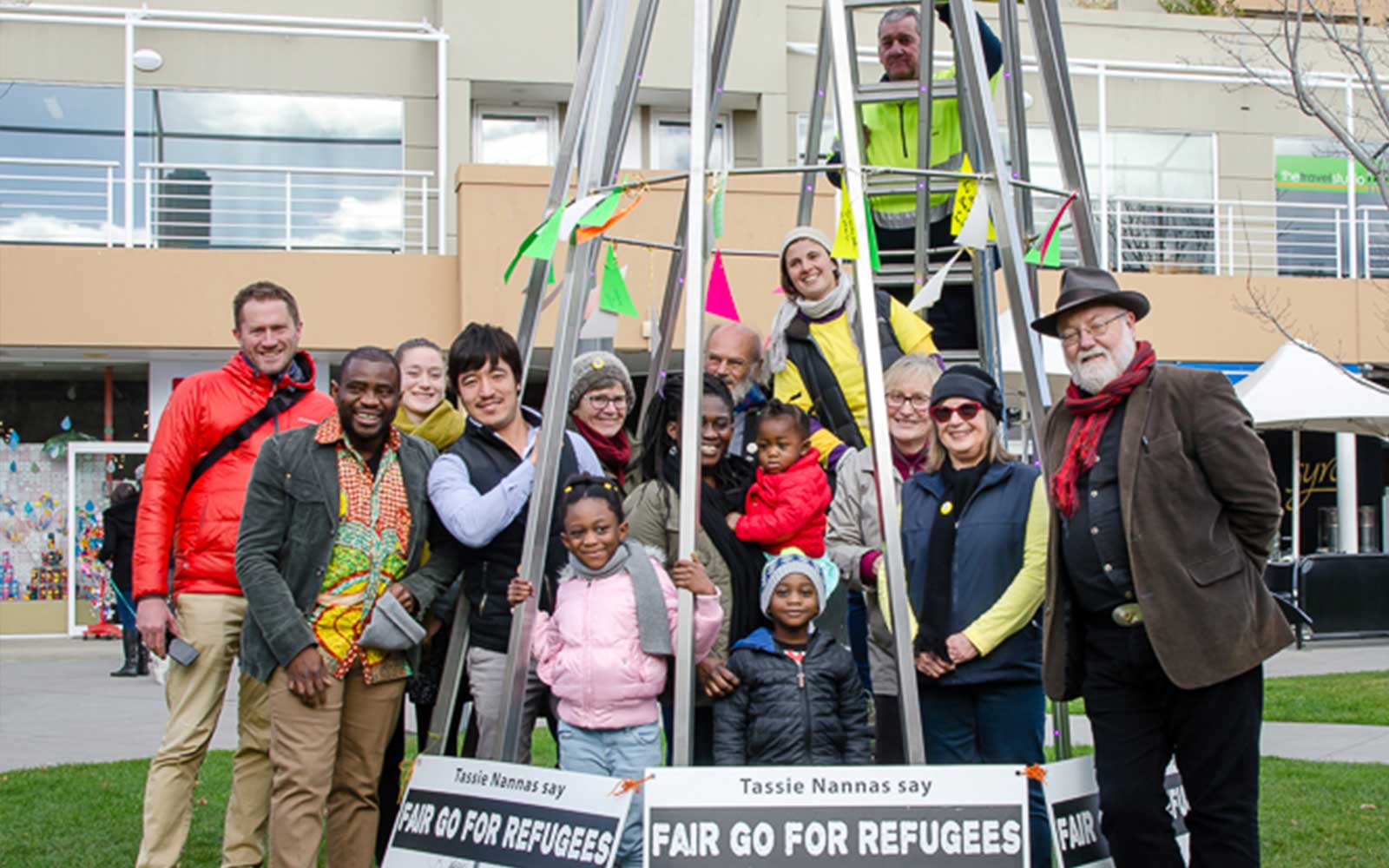
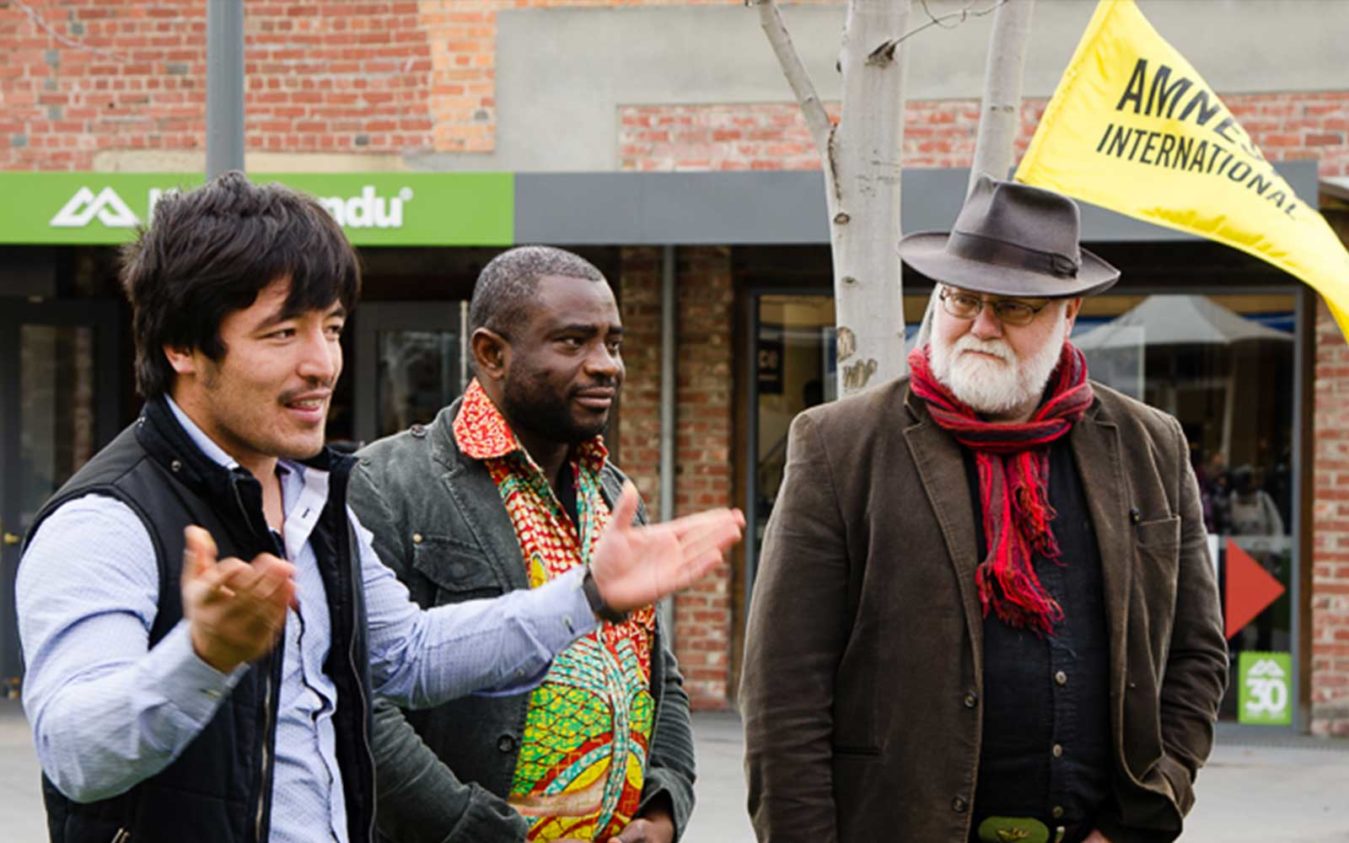
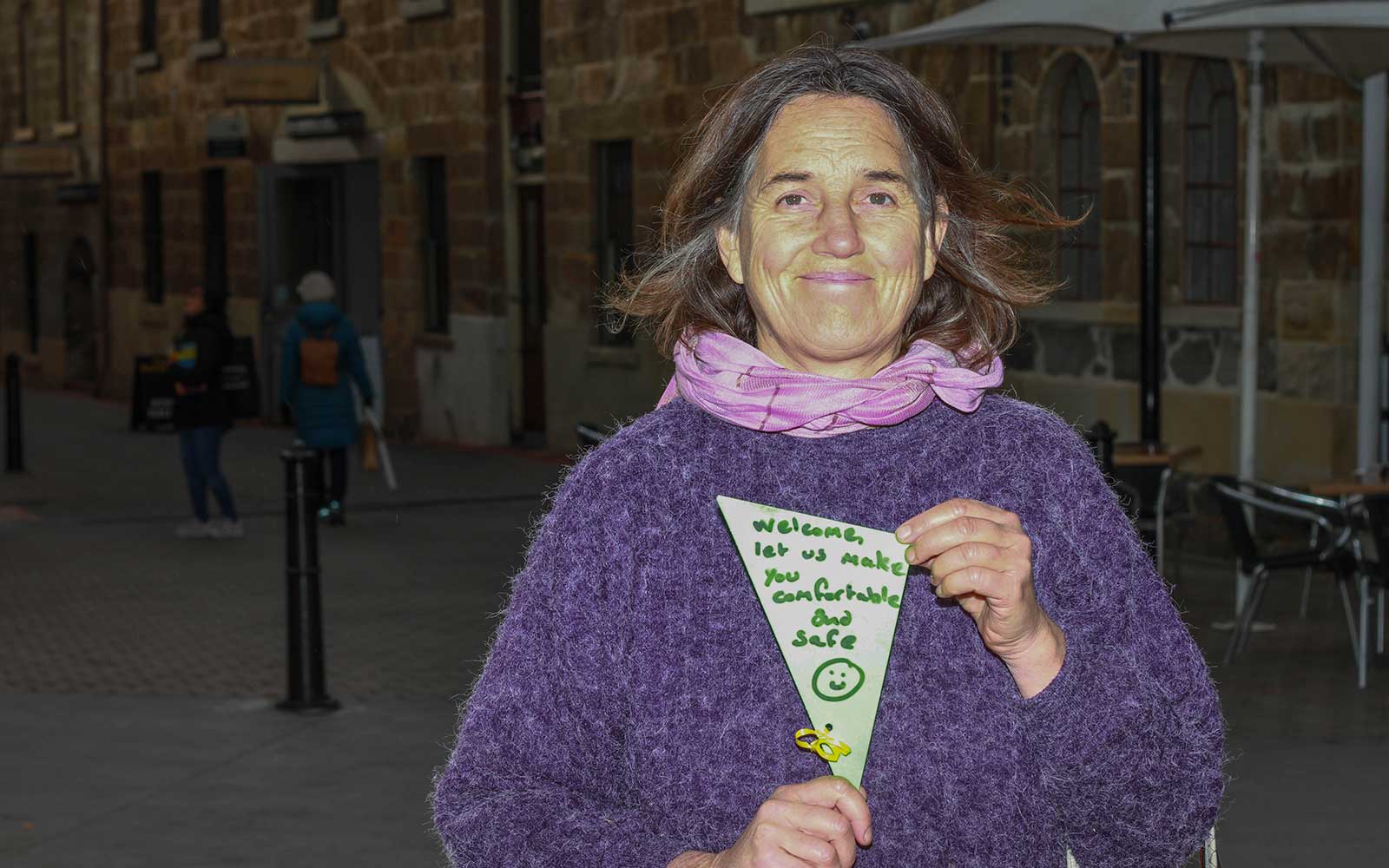
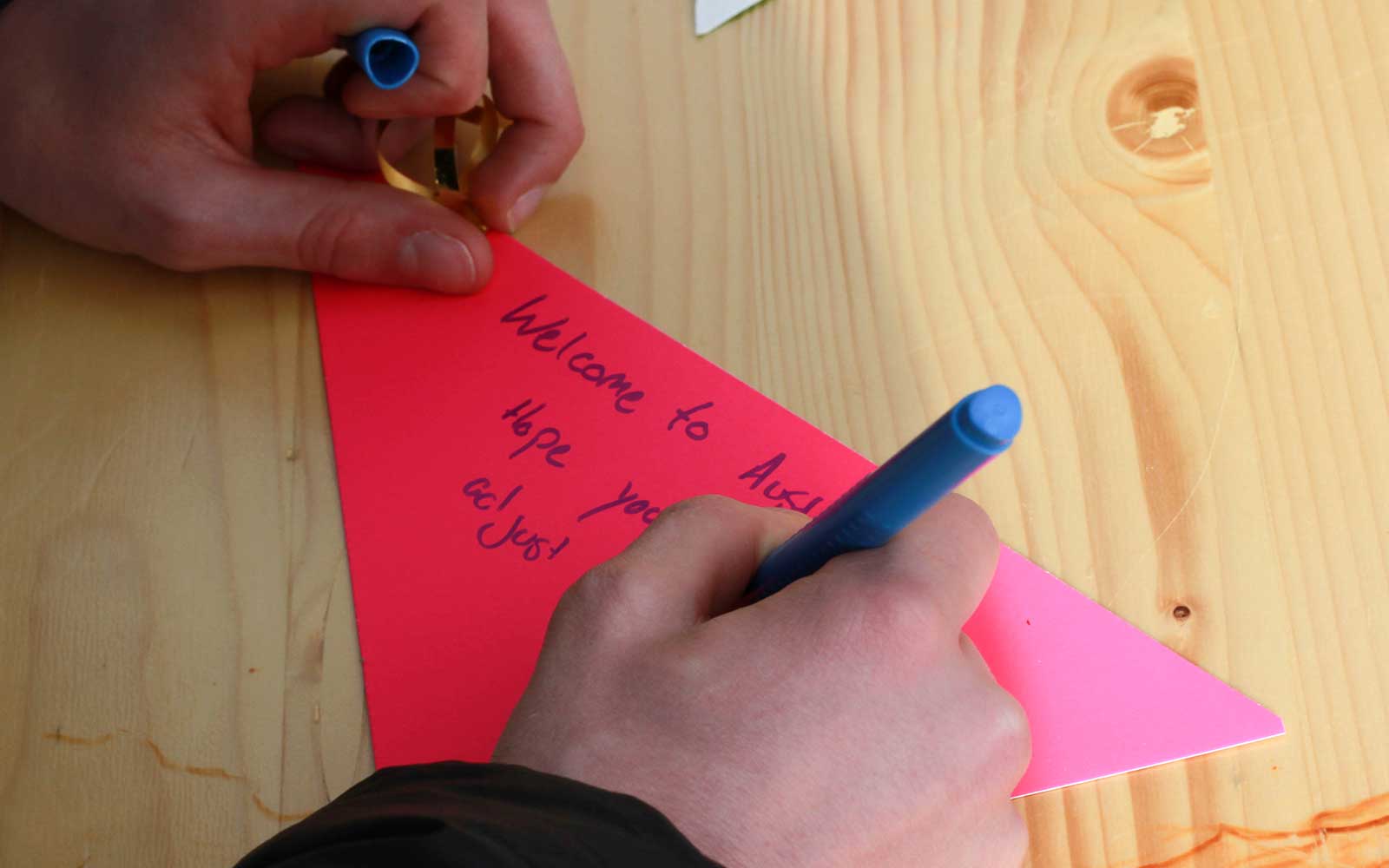
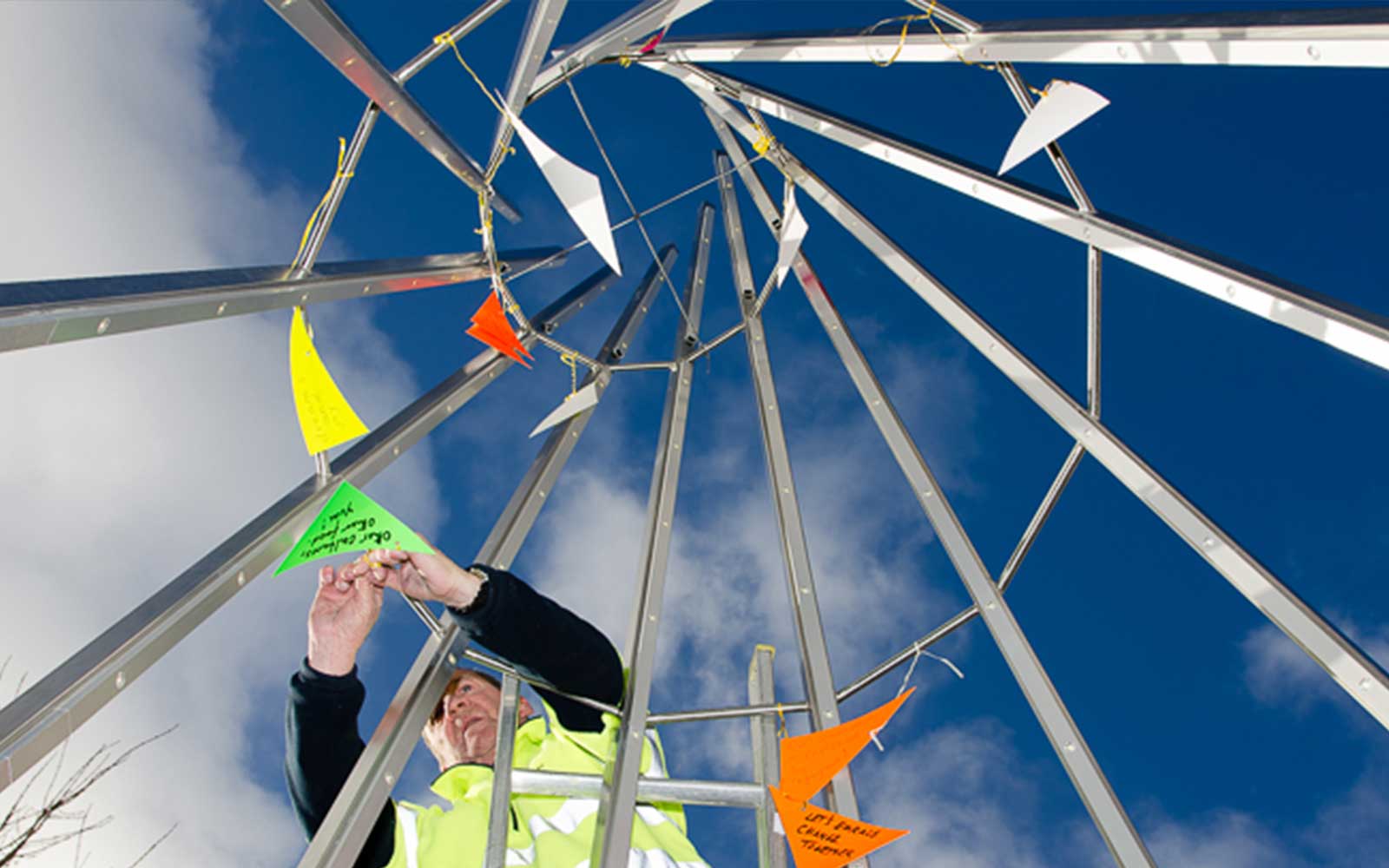
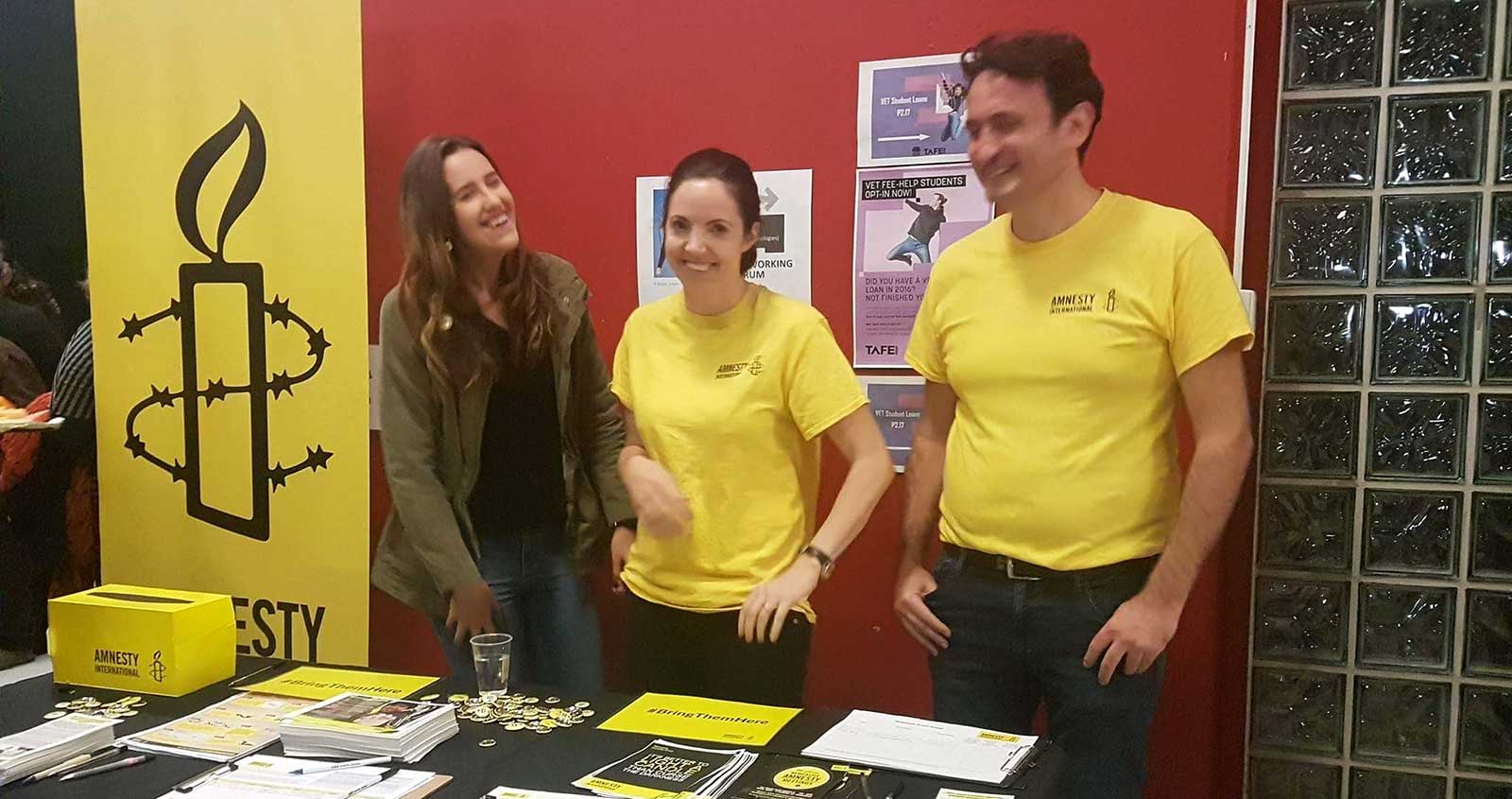
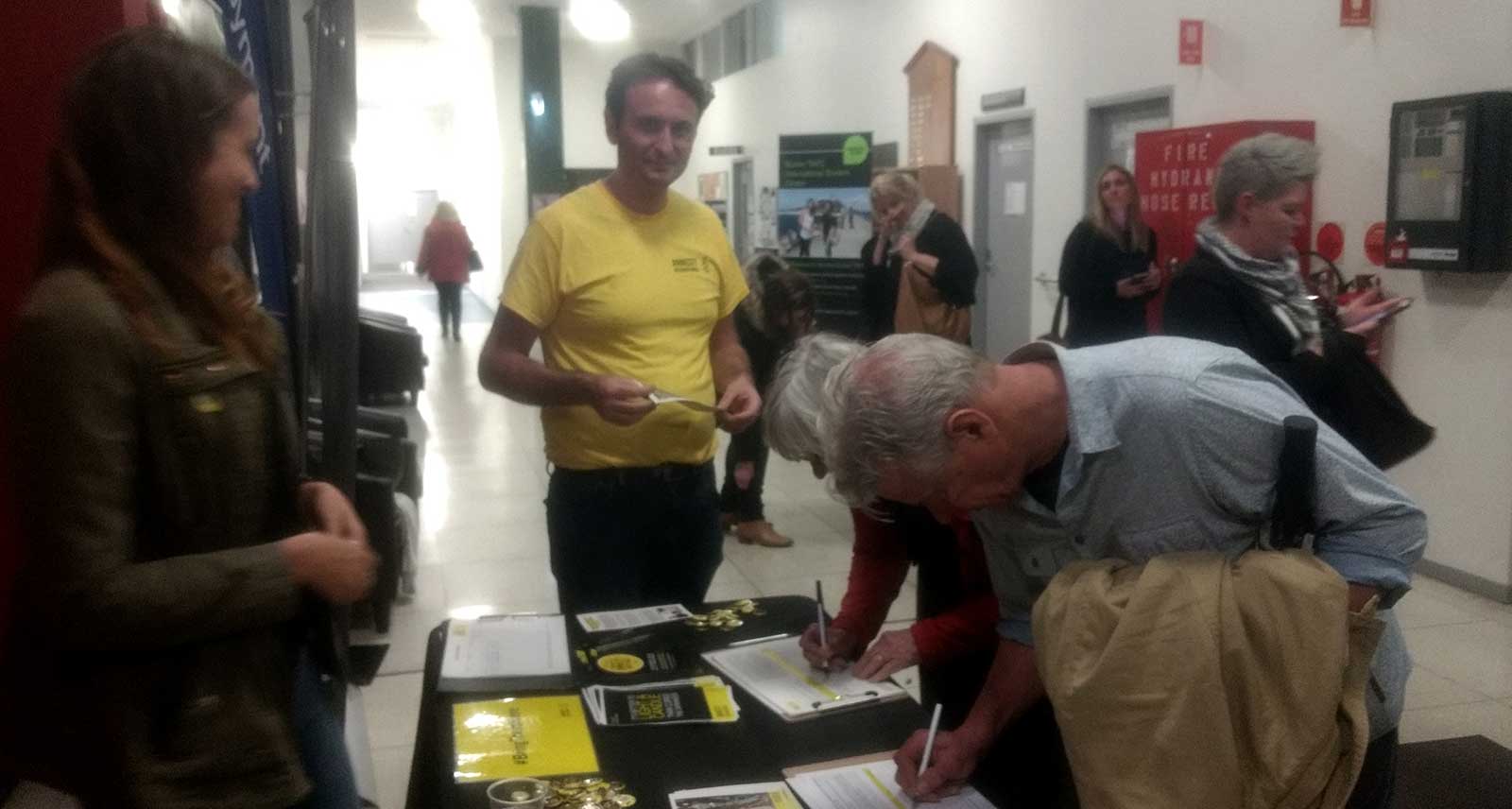
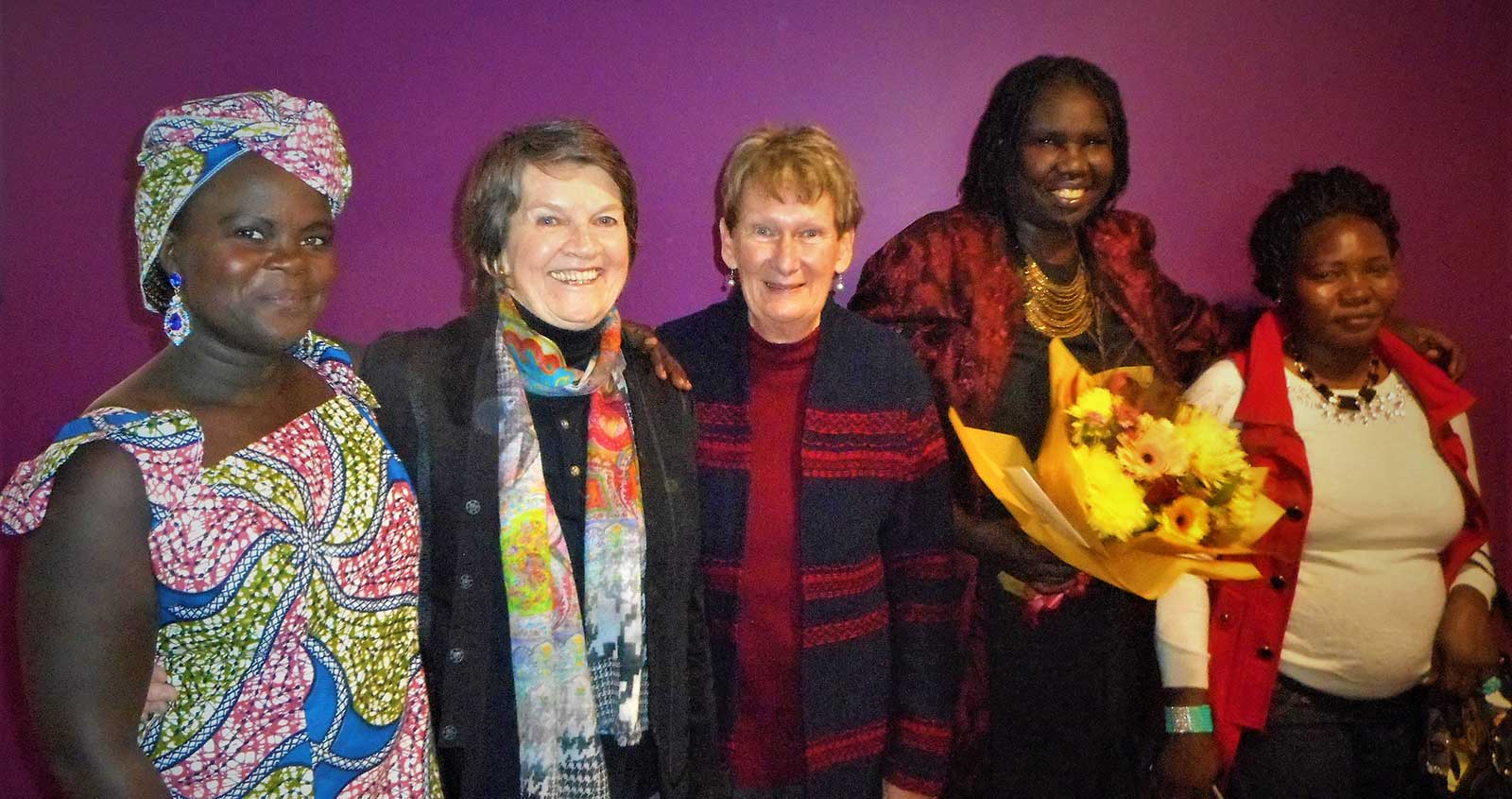
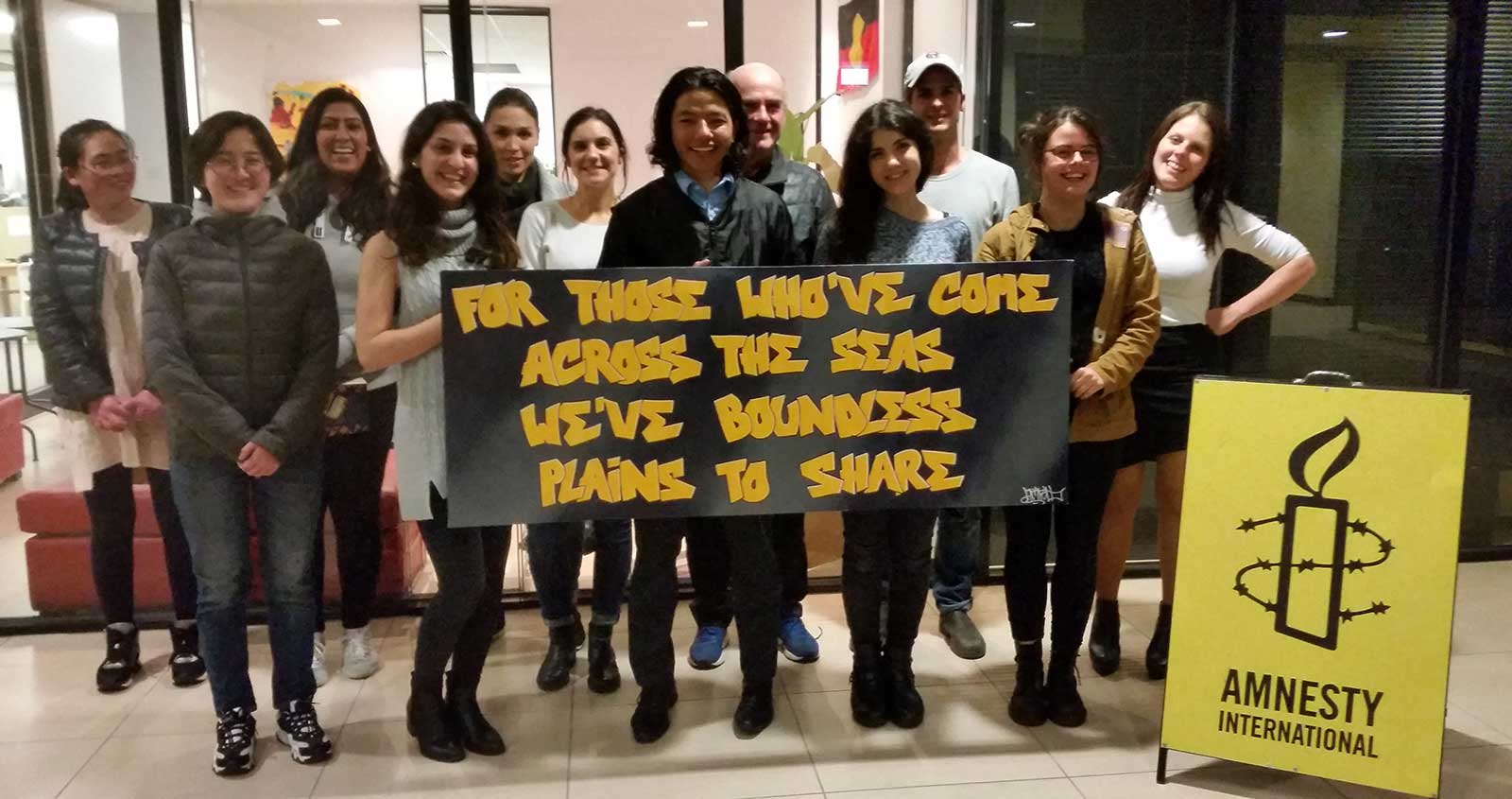
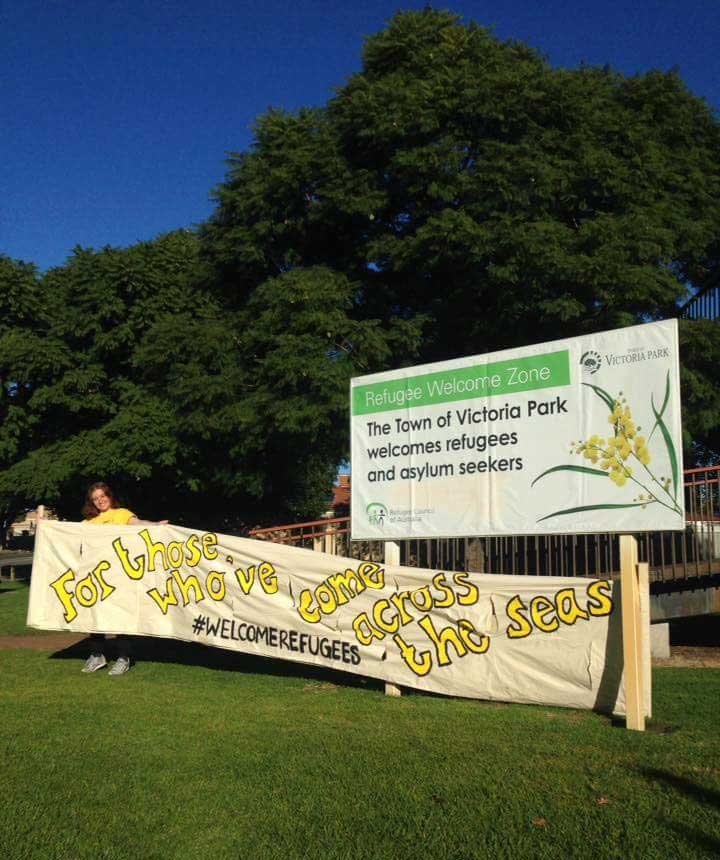
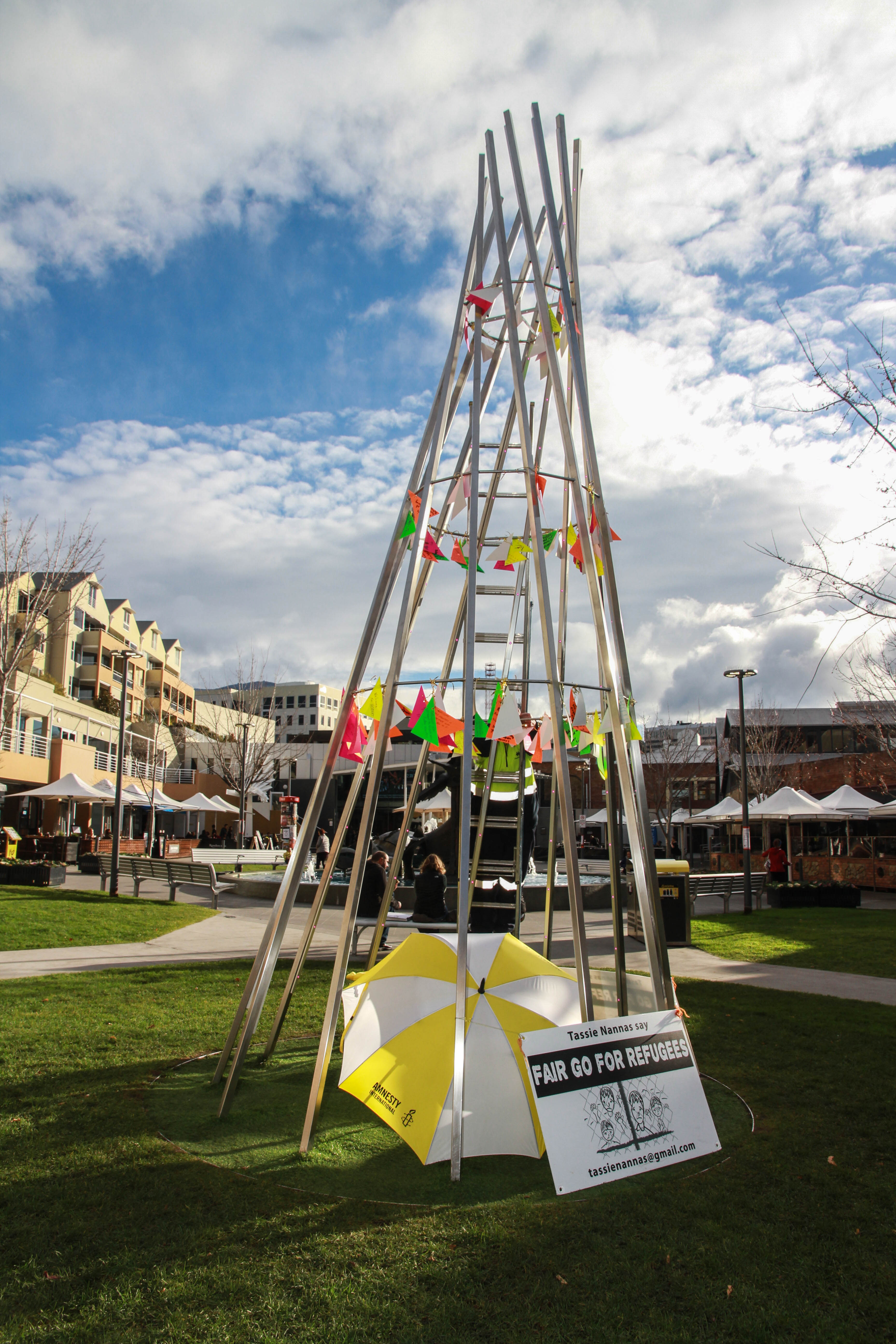
Activists across Australia came together during Refugee week to reflect on, celebrate and take action for refugee and asylum seeker rights. Events took place all over the country from capital cities to regional centres and included film screenings, stunts, welcome trees and MP engagement.

Here is a snapshot of what Amnesty refugee groups were involved in throughout the month of June and Refugee week. What did you get involved in? Leave your comments below!

Director of Amnesty International Turkey must be released from incommunicado detention

Responding to the news that Idil Eser, Director of Amnesty International Turkey, was detained on Wednesday along with seven other human rights defenders and two trainers during a digital security and information management workshop in Büyükada, Istanbul, Salil Shetty, Amnesty International’s Secretary General, said:

“We are profoundly disturbed and outraged that some of Turkey’s leading human rights defenders, including the Director of Amnesty International Turkey should have been detained so blatantly without cause.

“Her incommunicado detention and that of the other human rights defenders attending a routine training event, is a grotesque abuse of power and highlights the precarious situation facing human rights activists in the country. Idil Eser and those detained with her, must be immediately and unconditionally released.

“World leaders currently sitting in Hamburg have been remarkably tolerant of Turkey’s human rights meltdown. With President Erdoğan now in their midst, this would be a good time to speak out firmly and call for the release of all human rights defenders currently behind bars.”

Background

The whereabouts of Idil Eser and the others detained alongside her, are currently unknown.

Idil Eser and the other detainees, are understood to have been denied access to lawyers, which police are entitled to do for 24 hours, and the right to contact a family member, which must be granted immediately.

Police have told lawyers that they will be given information at 2.30pm today.

In addition to Idil Eser, the seven human rights defenders detained were: İlknur Üstün, Women’s Coalition, İdil Eser, Amnesty International, Günal Kurşun , lawyer, Human Rights Agenda Association, Nalan Erkem, Lawyer, Citizens Assembly, Nejat Taştan, Equal Rights Watch Association , Özlem Dalkıran, Citizens’ Assembly, Şeyhmuz Özbekli, lawyer, Veli Acu, Human Rights Agenda Association.

Two foreign trainers – a German and a Swedish national – as well as the hotel owner, were also detained.

These detentions come less than a month after Amnesty International’s Turkey chair, Taner Kiliç, was remanded in prison custody on baseless charges.

China must release critically ill Liu Xiaobo

The Chinese authorities are demonstrating new-depths of cruelty by preventing Liu Xiaobo from leaving the country to receive urgent medical treatment for his late-stage liver cancer.

On Wednesday, the authorities announced medical experts from Germany and the US will be invited to China to assist with the treatment of the Nobel Peace Prize winner. The move appears in part an attempt to limit international criticism, as the authorities continue to refuse to grant Liu Xiaobo and his wife Liu Xia’s wish to travel abroad to receive treatment.

“Time is running out for Liu Xiaobo. It is not too late for the authorities to end this cruel farce. They must let Liu Xiaobo and his wife, Liu Xia, travel abroad to get the medical treatment he so desperately needs.”

Salil Shetty, Secretary General of Amnesty International.

“Time is running out for Liu Xiaobo. It is not too late for the authorities to end this cruel farce. They must let Liu Xiaobo and his wife, Liu Xia, travel abroad to get the medical treatment he so desperately needs,” said Salil Shetty, Secretary General of Amnesty International.

The pro-democracy activist and former university lecturer was placed on medical parole last Monday and transferred to a hospital in Shenyang municipality in north-east China. His wife Liu Xia was able to reunite with him last week. The authorities’ claim that Liu Xiaobo is too ill to travel is disputed by his family.

Liu Xiaobo was jailed for 11 years in 2009 for “inciting subversion of state power”, after he co-signed a call for political reform in China, known as Charter 08. Amnesty International recognized him as a Prisoner of Conscience, detained solely for exercising his human rights.

In an attempt to impose a news blackout on Liu Xiaobo after he obtained the Nobel Peace prize in 2010, the Chinese authorities systematically harassed and intimidated his family and supporters. Liu Xia has been unlawfully placed under house arrest for the past seven years to prevent her from communicating with the outside world.

Among growing international condemnation of China’s treatment of Liu Xiaobo and Liu Xia several foreign governments have offered to transfer and treat Liu abroad. Last Thursday, Amnesty International joined 153 other Nobel Prize Winners in a letter to Chinese President Xi Jinping calling for the couple to be allowed to travel abroad.

“Liu Xiaobo is an inspiring figure whose only crime was to speak truth to power. He should never have spent a single day in jail, an injustice made even more tragic by the fact that his cancer was not diagnosed until it reached terminal phase. President Xi Jinping must do the right thing and order his immediate release,” said Salil Shetty.

Central Mediterranean: Death toll soars as EU turns its back on refugees and migrants

The soaring death toll in the central Mediterranean and the horrific abuses faced by thousands of refugees and migrants in Libyan detention centres are clearly linked to failing EU policies.

A perfect storm: The failure of European policies in the Central Mediterranean finds that by ceding the lion’s share of responsibility for search and rescue to NGOs and by increasing cooperation with the Libyan coastguard, European governments are failing to prevent drownings and turning a blind eye to abuse, including torture and rape.

EU Ministers meeting in Tallinn today are set to discuss new proposals that will make a dire situation worse.

“Rather than acting to save lives and offer protection, European Ministers meeting today are shamelessly prioritising reckless deals with Libya in a desperate bid to prevent refugees and migrants from reaching Italy,” said John Dalhuisen, Amnesty International’s Europe Director.

“European states have progressively turned their backs on a search and rescue strategy that was reducing mortality at sea in favour of one that has seen thousands drown and left desperate men, women and children trapped in Libya, exposed to horrific abuses.”

John Dalhuisen, Amnesty International’s Europe Director

“European states have progressively turned their backs on a search and rescue strategy that was reducing mortality at sea in favour of one that has seen thousands drown and left desperate men, women and children trapped in Libya, exposed to horrific abuses.”

Measures implemented by EU leaders to strengthen search and rescue capacity in the central Mediterranean in April 2015 dramatically decreased deaths at sea. But this priority, which saw several countries provide more rescue boats closer to Libyan territorial waters, was short-lived.

Instead, EU governments have shifted their focus to disrupting smugglers and preventing departures of boats from Libya: a failing strategy that has led to ever more dangerous crossings and a threefold increase in the death-rate from 0.89% in the second half of 2015 to 2.7% in 2017.

Changes to smugglers’ practices and an increasing use of unseaworthy boats with a complete lack of safety equipment on board have made the sea crossing even more unsafe.

But despite a spike in deaths – more than 2,000 since January – the EU is failing to deploy an adequately resourced and dedicated humanitarian operation near Libyan territorial waters. Instead it is focusing on strengthening the abilities of the Libyan coastguard to better prevent departures and perform interceptions.

Interceptions by the Libyan coastguard often put refugees and migrants at risk. Their operational techniques do not meet basic safety standards and can lead to panic and catastrophic capsizing.

There are also serious allegations that members of the coastguard collude with smugglers and evidence that they abuse migrants. Members of the Libyan coastguard have shot guns towards boats and a UN report last month reported that they were “directly involved in the sinking of migrant boats using firearms”.

One Nigerian man stranded with 140 others on a boat that was taking on water for nine hours told Amnesty International. “All of us were praying. When I saw the lights [of the rescue boat] I thought: please, please, not the Libyan police.”

“We were 170, on a rubber boat. We were taken back to prison and we were asked for more money. They told us: ‘If you pay, nobody will stop you this time, because we are the coastguard’…Libyan prisons are just hell.”

A Bangladeshi man told Amnesty International what happened after he had been picked up by the Libyan coastguard. “We were 170, on a rubber boat. We were taken back to prison and we were asked for more money. They told us: ‘If you pay, nobody will stop you this time, because we are the coastguard’…Libyan prisons are just hell.”

EU cooperation with and training of the Libyan coastguard is currently taking place without an adequate accountability framework or system to monitor their conduct and performance.

Those rescued by the coastguard are returned to Libya where they are routinely detained and tortured and where no asylum law or system exist. Those trapped in Libya are vulnerable to human rights violations and abuses including killings, torture, rape, kidnappings, forced labour, and arbitrary and indefinite detention in cruel, inhuman and degrading conditions.

One man from Gambia told Amnesty International: “I spent three months in prison…You sleep like sardines in the cell, on your side, because there is no space. They beat you if you do not lie down in the right way. The water for the toilet was also for drinking…I saw three people being tortured while I was in prison. One boy died during torture…They beat prisoners with pipes. I was beaten at night.”

Cooperation agreements aimed at improving the Libyan coastguards search and rescue capacity must be made conditional on rapid improvements in the quality of interventions and real accountability for abuses they are found responsible for. They should also insist on the transfer of those rescued to vessels that will take them to EU countries where their safety and protection needs can be guaranteed.

“If the second half of this year continues as the first and urgent action is not taken, 2017 looks set to become the deadliest year for the deadliest migration route in the world. The EU must rethink its cooperation with Libya’s woefully dysfunctional coastguard and deploy more vessels where they are desperately needed,” said John Dalhuisen.

“Ultimately the only sustainable and humane way to reduce the numbers risking such horrific journeys is to open more safe and legal routes for migrants and refugees to reach Europe.”

‘My dad was attacked by pirates 7 times’

14-year old Sophie Nguyen from Collingwood College in Victoria is a winner in our Junior Blogging Competition. Here she reveals her father’s heroic journey to Australia by boat over 30 years ago and her wish for Australia to help refugees reach safety.

Sophie and her father
Sophie and her father © Private

Recently, the global refugee crisis has become a widely discussed issue. What I can’t understand is how some people have no compassion for these helpless, desperate people. While it’s heartwarming to see so many supporting the #LetThemStay movement, and campaigning for refugees to be accepted into the country — there are also many people who express negative views towards refugees, and those who lack an understanding of the issue. My hope is to raise some awareness about this situation.

My father is Vietnamese. In 1980 he came with his 10-year-old brother from Vietnam to escape the political situation after the Vietnam war. He was eight at the time. As they were running to their escape — a tiny fishing boat — they were shot at by the political groups who didn’t want them leaving the country. Those who survived escaped in the boat and quickly set out to sea.

“As they were running to their escape – a tiny fishing boat – they were shot at by the political groups who didn’t want them leaving the country.”

On the journey they were attacked by pirates seven times, and at one point the pirates tried to cut my uncle’s finger off. The two children were alone in a boat full of strangers, but for one family friend. It would be six years before they were reunited with all of their family again.

They spent 17 nights in the tiny cramped boat, barely surviving the storms, pirates, hunger and thirst. When they were rescued, my father spent three years in a refugee camp in Malaysia before he could go to Australia.

37 years later…

Now my father has a family, a great job, a house, a car and a happy and safe life. If he hadn’t been accepted into Australia, I would not be here today. My dad is a great man. He works hard for his family and his country, and is so grateful to have been given the opportunity he was.

These poor desperate people in a similar situation to my father, flee their homes and families, leaving everything behind, only to be turned away from the one thing that they are looking for — safety. If that’s not torture, I don’t know what is. We can’t even begin to put ourselves in their shoes, and here we are, making decisions for them: whether or not they get to lead a safe and comfortable life. How can we not give them something more?

Of course I understand some of the arguments — we don’t have enough jobs for them, there’s too many, some think we are already doing the best we can.

“These poor desperate people in a similar situation to my father, flee their homes and families, leaving everything behind, only to be turned away from the one thing that they are looking for – safety.”

But, as a wealthy, stable, safe country, I believe we should keep our borders open, and welcome more asylum seekers into the country. We have a responsibility as a nation to do as much for as many people as possible.

It has been said that the most powerful weapon, the most powerful ally, the most powerful motivation, is hope. This is what drove my dad on, to flee his home and family, what made his parents believe he would have a better life here. This is what these desperate people need, and this, is what we are taking away from them.

So I implore you, give them hope. Let them stay.

Bahrain: Woman human rights defender at high risk of torture, including sexual assault

In response to news about the arrest of human rights defender Ebtisam al-Saegh by the Bahraini authorities on the night of 3 July 2017 Samah Hadid, Director for Campaigns at Amnesty International in the Middle-East said:

“The Bahraini authorities must immediately and unconditionally release Ebtisam al-Saegh whose only crime is speaking up against a government committed to crushing all forms of dissent.”

“We are deeply concerned about Ebtisam’s wellbeing. When she was arrested in May 2017, she was beaten and sexually assaulted by members of the Bahraini National Security Agency. Bahraini authorities have failed to investigate those claims and we fear that she is at high risk of torture as long as she remains in custody.”

Background

Ebtisam al-Saegh is a prominent human rights defender from Bahrain. She was arrested at 23:45 on 3 July 2017, after her house was raided by masked officers in civilian clothing carrying body and head cameras. Around twenty-five officers claiming to belong to the CID (Criminal Investigation Directorate) arrived at her house in five civilian cars and a mini bus.

Three armed men stayed outside the house while seven officers, including two female officers dressed in Abaya and Niqab, entered the home.

No warrant was presented for the arrest of Ebtissam al-Saegh. When she asked about the reason for her arrest and where she was being taken they replied: you don’t need to talk, you will know as soon as you reach there”.

Officers confiscated her mobile phones and her national ID card. The two female officers placed Ebtisam al-Saegh in handcuffs and led her away.

Amnesty international received information that Ebtisam al-Saegh was seen at the Issa Town detention centre for women, on the outskirts of Manama the capital, in the early hours of 04 July 2017, but was later transferred to an undisclosed place.

On 3 July Ebtisam al-Saegh had been tweeting about the ill treatment of women at the hands of the National Security Agency (NSA) and held the King of Bahrain responsible for their actions.

In May 2017 Amnesty International documented the arrest, torture, including sexual assault, of Ebtisam al-Saegh at the NSA.