“If I leave my children in a world where human rights aren’t respected, I haven’t done the right thing by them.”
Meet our Bequestors – Beverly Milne
“I am very concerned about the conditions in the world and Amnesty aims to be on the ground everywhere.”
Two years after Raif’s flogging, there remains no justice
January 9, 2017 marks two years since the Saudi Arabian authorities publicly flogged the blogger and activist Raif Badawi. He was sentenced to 1,000 lashes and 10 years in prison for “insulting Islam” online.
Mr Badawi founded the (now-closed) online forum Free Saudi Liberals, which facilitated debate about politics and religion. His charges relate to articles he wrote criticising religious authorities in Saudi Arabia, as well as pieces by others that were published on his website.
After his first brutal session of 50 lashes, which took place in front of a mosque in Jeddah, a doctor advised prison authorities that he was unfit to undergo a second round of the inhumane punishment.
“He is losing any hope of being released. We need to work together to build his strength and give him hope again”Ensaf Haider
Since that time, activists worldwide – including over 37,000 Australians – have demanded his release and condemned the torture, resulting in it’s repeated postponement.

However, as long as Mr Badawi’s sentence stands he is at risk of further flogging. Former detainees have told us that the security forces’ use of torture remains common and widespread. Those responsible are never brought to justice.
On this anniversary, Ensaf Haider, Raif Badawi’s wife, and President co-founder of the Raif Badawi Foundation for Freedom (RBFF), told Amnesty International, “Unfortunately Raif is not feeling well, his morale is low and his health is suffering; he is losing any hope of being released. We need to work together to build his strength and give him hope again.”
How you can help
Tweet Saudi Arabia
Saudi Arabia is very sensitive about its public image and international standing. If we target officials publicly, they could be forced to respond and publicly shamed into stopping the flogging. Here are a few Twitter accounts to try:
Ministry of Justice: @MojKsa
National Society for Human Rights: @NSHRSA
Ministry of Foreign Affairs: @KSAMOFA
Contact the Saudi Arabian embassy in Australia
Call up the Embassy of Saudi Arabia to demand that Raif is not flogged again and that they release him immediately. We know this can be a particularly effective (and annoying) form of campaigning.
Raif Badawi should never have been imprisoned. He is a prisoner of conscience solely imprisoned for peacefully exercising his right to freedom of expression. The authorities need to quash his sentence and conviction and release him immediately and unconditionally.
Will 2017 be the year we finally get marriage equality?
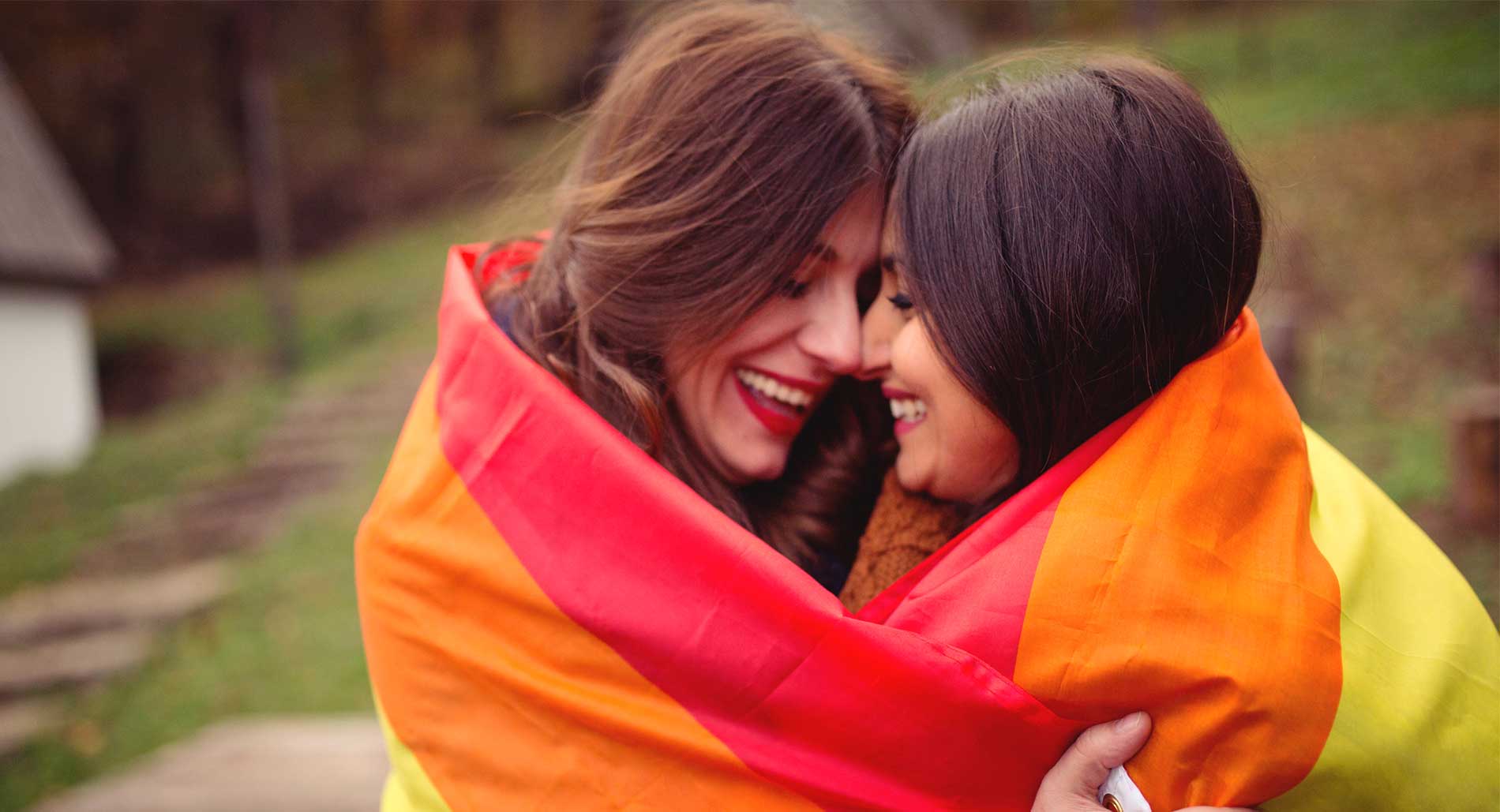
The fight for marriage equality in Australia rages on. But now that the plebiscite is (mercifully) defunct, what’s next?
Cass Mezups, 36, and Lara Hotz, 30, tied the knot in September 2015, after four years together. “We felt it was far more important to celebrate our love and commitment to each other when it suited us – not to wait for the law to change,” says Cass.
The Sydney couple plan to make their union legal someday, and hope 2017 will be the year. “To be finally recognised as equal members of our society and to be respected and accepted would mean the world to us,” says Cass.
“To be finally recognised as equal members of our society and to be respected and accepted would mean the world to us”Cass
With marriage equality (also commonly referred to as same-sex marriage and gay marriage*) being adopted in countries such as the US, Greenland and Ireland in the past two years, Australia’s stubborn refusal to allow all individuals the right to marry is becoming increasingly frustrating for the LGBTQI community.

“I honestly don’t believe it will happen anytime soon,” says Lucy Jackson, 29, from Sydney, who recently celebrated her union with long-term partner Amy, 31. “While [our politicians] keep operating in a way that separates us as human beings and keeps us out of sight and out of mind, nothing will ever change.”
A new hope post-Plebiscite
Although the plebiscite – a national poll proposed by the Federal Government on whether to legalise same-sex marriage – was an ill-conceived and discriminatory proposal, some good did come of it.
“In the government’s effort to get the plebiscite up, they released an exposure draft of a bill that would reform the Marriage Act to remove discrimination,” says Steph Cousins, Government Relations Manager at Amnesty International Australia.
Australians are joining together to win marriage equality. Will you add your name? https://t.co/vXQ0ZyDVG1 pic.twitter.com/r0efWaQm6H
— AU Marriage Equality (@AMEquality) January 4, 2017
Lucky for us, this bill (called the Marriage Amendment (Same-Sex) Marriage Bill), is still on the table. The Senate is currently examining the bill, which includes replacing the definition of marriage from “a man and a woman” with “two people”, and may very well make marriage equality a reality in 2017.
“I think it has a very real possibility of going through,” adds Steph.
Could 2017 be the year?
Could marriage equality finally become a reality in 2017? Dr Shirleene Robinson, spokesperson for Australian Marriage Equality, which is partnering with Amnesty International Australia in the Equality Campaign, thinks it’s a strong possibility.
“The leaders of both major political parties support marriage equality and there’s majority support in Parliament,” she says.
“It’s also clear that a majority of Australian people want this reform to happen. We’re closer than we’ve ever been before to achieving marriage equality and it’s important that people continue to work towards making it a reality in 2017.”
“We’re closer than we’ve ever been before to achieving marriage equality and it’s important that people continue to work towards making it a reality in 2017”Dr Robinson
What can you do to help?
It’s more important than ever to show your support for marriage equality.
“One of the most powerful actions that people can take to make marriage equality happen is to share their stories and the reasons why this reform is important to them with others,” says Dr Robinson.

“We encourage people to talk to their friends, families and workmates about it. It’s also important for people to contact their MPs and senators to let them know they’d like to see Australia introduce marriage equality as soon as possible.”
According to Steph, this time is crucial for our voices to be heard.
“The Equality Campaign will be really critical to the success of the bill,” she says. “If they manage to create a groundswell at that time, it will be much easier for politicians from all sides to come out and say, ‘I’m willing to stand up for this’.”
You can find more resources and information on the Equality and Amnesty websites to let the government know that all Australians – no matter their gender identity, sexual orientation or intersex status – should be able to marry the person they love.
“For us, having the right to get married would mean peace and equality,” says Lucy. “Our children would grow up feeling equal. We know our love is real and we shouldn’t have to justify it to anyone.”
*Amnesty uses the term marriage equality because its more inclusive, respectful and represents the diversity within the LGBTQI community. ‘Gay marriage’ and ‘same-sex marriage’ refer to specific groups in the community but are not inclusive of everybody affected by Australia’s discriminatory marriage laws.
Iraq: End arms transfers fuelling war crimes
- Militias allied to the Iraqi government have access to arms from at least 16 countries
- Recent arms transfers have fuelled enforced disappearances, abductions, torture, summary killings, and deliberate destruction of civilian property
- Iraq is the world’s sixth-largest importer of heavy weaponry
Paramilitary militias nominally operating as part of the Iraqi armed forces in the fight against the armed group calling itself Islamic State (IS) are using arms from Iraqi military stockpiles, provided by the USA, Europe, Russia and Iran, to commit war crimes, revenge attacks and other atrocities said Amnesty International in a new report, Iraq: Turning a blind eye: The arming of the popular mobilization units.
Field research and detailed expert analysis of photographic and video evidence since June 2014 has found that these paramilitary militias have benefited from transfers of arms manufactured in at least 16 countries, which include tanks and artillery as well as a wide range of small arms.
The predominantly Shi’a militias have used those arms to facilitate the enforced disappearance and abduction of thousands of mainly Sunni men and boys, torture and extrajudicial executions as well as wanton destruction of property.
“International arms suppliers, including the USA, European countries, Russia and Iran, must wake up to the fact that all arms transfers to Iraq carry a real risk of ending up in the hands of militia groups with long histories of human rights violations,” said Patrick Wilcken, Researcher on Arms Control and Human Rights at Amnesty International.
“Any state selling arms to Iraq has to show that there are strict measures in place to make sure the weapons will not be used by paramilitary militias to flagrantly violate rights. If they haven’t done that, no transfer should take place.”
The Popular Mobilization Units (PMU) – comprised of as many as 40 or 50 distinct militias – were established in mid-2014 to aid in the fight against IS. In 2016, the PMU formally became part of the Iraqi armed forces, but have enjoyed government support since long before that.
The report focuses on four main militias that Amnesty International has documented committing serious human rights violations: Munathamat Badr (Badr Brigades or Badr Organization), ‘Asa’ib Ahl al-Haq (League of the Righteous), Kata’ib Hizbullah (Hizbullah Brigades) and the Saraya al-Salam (Peace Brigades).
Amnesty International’s research shows how PMU militias have grown in power and influence since 2014. They receive arms and salaries from the Iraqi authorities, and have increasingly gone into battle or controlled checkpoints together with Iraqi troops. Under this cloak of official approval, some PMUs have been documented carrying out revenge attacks mainly targeting Sunni Arabs, and nobody is holding them to account.
“The Iraqi authorities have helped to arm and equip the PMU militias and pay their salaries – they must stop turning a blind eye to this systematic pattern of serious human rights violations and war crimes.”
Patrick Wilcken, Researcher on Arms Control and Human Rights
“Any militiamen fighting shoulder to shoulder with the Iraqi military must be thoroughly and rigorously vetted. Those suspected of committing serious violations must be removed from their ranks, pending judicial investigations and prosecutions. Unaccountable and unruly militias must be either truly brought into the fold and discipline of the armed forces, or disarmed and demobilized completely.”
The Iraqi authorities face tremendous security threats from IS, which continues to commit atrocities in areas under its control and to carry out deadly attacks on civilians elsewhere in Iraq. But measures responding to these threats must respect international human rights and humanitarian law.
Amnesty International is urging Iraq to immediately accede to the global Arms Trade Treaty, which has strict rules in place to stop arms transfers or diversion of arms that could fuel atrocities.
Systematic violations by PMU militias
The predominantly Shi’a PMU militias have used their arsenal of weapons to carry out or facilitate a systematic pattern of violations, seemingly as revenge in the wake of IS attacks. These include enforced disappearances, extrajudicial executions and other unlawful killings, as well as the torture of thousands of Sunni Arab men and boys.
A man from Muqdadiya told Amnesty International how his 22-year-old brother Amer was among 100 men and boys abducted from their homes in January 2016 when PMU militias went on the rampage in retaliation for a suicide attack on a Shi’a-owned café in the city. PMU fighters also burnt and destroyed Sunni mosques, shops and property.
“Many Sunnis were grabbed in the streets or dragged from their homes and instantly killed. In the first week of the events, militiamen drove around with speakers shouting for Sunni men to come out of their homes. On 13 January [2016], more than 100 men were taken and have not been seen since,” the man said.
Sunni men and boys have routinely been subjected to torture and other ill-treatment at checkpoints and detention facilities controlled by PMU militias.
In one case, a 20-year-old student told Amnesty International that, on 26 July 2016, he was fleeing fighting in Shargat when he was stopped at the Asmida checkpoint in Salah al-Din governorate. The forces controlling the checkpoint – a mix of men in civilian dress and others in military uniform, including some bearing PMU insignias – immediately blindfolded him and drove him away.
“I spent seven weeks under torture; they wanted me to confess to being Daesh [IS]. I was held with about 30 other people in a school… We were all beaten with metal rods and cables. They also used electric shocks… I was blindfolded through most of this time… After 22 days, they transferred all of us to Baghdad to a prison… There were other people there, some detained for over six months and their families did not know anything about them… I was also tortured there, and interrogated once while blindfolded…” He was eventually freed without charge.
The fate and whereabouts of thousands of other Sunni men and boys who were seized by PMU militias remain unknown. Hundreds of Sunni men and boys have been abducted at the al-Razzaza checkpoint crossing alone by the Hizbullah Brigades since October 2014.
“Cosmetic changes recognizing militias as part of the armed forces are not enough – the Iraqi authorities must urgently rein in paramilitary militias. Iraq’s international partners, including those who arm it, need to use their influence to press for this to happen.”
Patrick Wilcken
“Instead of unequivocally hailing militias as heroes fighting to put an end to IS atrocities, thereby emboldening them, the Iraqi authorities must stop turning a blind eye to systematic abuses that have fed sectarian tensions,” said Patrick Wilcken.
Arming the PMU
The PMU deploy more than 100 types of arms originally manufactured in at least 16 countries. These include heavy weapons such as tanks and artillery in addition to a wide range of small arms – an eclectic mix including standard-issue Kalashnikov and M-16 automatic rifles, machine guns, handguns and sniper rifles.
Since their establishment in mid-2014, the PMU have increasingly been supplied directly by the Iraqi authorities, from Iraqi military stocks. This includes a significant quantity of more recently manufactured NATO-pattern equipment, mainly from the USA, along with equipment from Russia and Eastern Europe.
More than 20 countries have supplied Iraq with arms and ammunition over the last five years, led by the USA, followed by Russia. According to the Stockholm International Peace Research Institute, arms exports to Iraq increased by 83% between the periods 2006–10 and 2011–15. As of 2015, Iraq was the sixth largest arms importer of heavy weapons in the world.
The Iraqi armed forces’ often haphazard and shoddy weapons tracking systems make it very difficult to trace where arms transfers go once they make it to Iraq. This, coupled with the fluid nature of the conflict, means that weapons frequently get captured or diverted to armed groups or militias currently active in both Iraq and Syria.
“The Iraqi authorities must put in place strict measures to ensure stockpiles of weapons are properly secured and monitored,” said Patrick Wilcken.
Iran’s role
The sheer breadth of Iraq’s arms suppliers has led to unintended consequences – for example, US armoured vehicles almost certainly intended for Iraqi forces have wound up in the hands of Kata’ib Hizbullah, a militia with ties to Iran that the US State Department has long classified as a “foreign terrorist organization”.
Iran remains a major military sponsor of the PMU militias – particularly those with close links to Iranian military and religious figures, such as the Badr Organization, ‘Asa’ib Ahl al-Haq and the Hizbullah Brigades – all of which stand accused of serious human rights violations. These ongoing supplies are in breach of a 2015 UN resolution barring arms exports from Iran without prior approval from the UN Security Council.
“Iran’s provision of arms directly to the PMU risks rendering Iran complicit in war crimes. It should not allow transfers to any PMU militia groups while they remain outside the effective command and control of the Iraqi armed forces and unaccountable for abuses they commit,” said Patrick Wilcken.
UN resolution paves way for accountability on Syria war crimes
In response to the United Nations General Assembly resolution establishing an independent international mechanism to ensure accountability for war crimes and crimes against humanity committed in Syria since March 2011, Anna Neistat, Amnesty International’s Senior Director of Research said:
“With this resolution, the General Assembly helps overcome the Security Council’s deadlock on accountability and is the first step towards justice for thousands of victims.
“The situation in Syria continued to be one of the most heart-breaking tragedies of our time. It is also a clear example of the failure of the broken international system that was established – with the Security Council at its centre — to prevent the atrocities that shock the conscience of humanity.
“By passing this resolution, the international community is standing up against the Security Council’s utter inability to act in the face of gruesome atrocities being committed before the eyes of the entire world. This is a crisis that, over five years, has cost hundreds of thousands of lives and caused unimaginable suffering to the people of Syria.”
“The overwhelming support for the resolution by UN member states sends a strong message to all parties to the conflict in Syria that war crimes and crimes against humanity will not be tolerated. Perpetrators will be held accountable. Impunity is not an option.
“It is now imperative that we work to make sure this resolution is swiftly and fully implemented and that this mechanism is capable of leading to the prosecution of those individuals who are responsible for the crimes that have been taken place, and continue to take place in Syria.”
Submission: Inquiry into Freedom of Speech in Australia
The Parliamentary Joint Committee on Human Rights is conducting this inquiry into Freedom of Speech in Australia. The inquiry focuses on whether Part IIA of the Racial Discrimination Act 1975 (Cth) unreasonably inhibits free speech. Part IIA includes the much debated section 18C, which is intended to protect people from racist hate speech.
Our submission recommends against changing the Racial Discrimination Act. For over 20 years the Australian courts have interpreted the Act in a way that finely balances freedom of expression and peoples’ rights to be free from racial abuse.
We also argue that there are a range of other laws in Australia that create serious freedom of speech concerns that ought to be addressed by this inquiry. These include problematic laws, including inadequate whistleblower protections and surveillance and secrecy laws that curtail freedom of the press. We recommend these laws are repealed in order to protect free speech and ensure government officials are held accountable.
Amnesty recommends that the best way for the Parliament to ensure rights to freedom of expression and other fundamental rights are protected and appropriately balanced in Australia is to legislate a Human Rights Act. We call on the Government to take steps to legislate a Human Rights Act as soon as possible.
We also recommend political leaders of all stripes in Australia increase their efforts to condemn racism in all its forms and demonstrate genuine support for multiculturalism. Now is the time for leadership.
Syria’s refugee crisis in numbers
As the crisis in Syria continues unabated, now into its sixth year, civilians are paying the highest price.
Refugees in the region
More than 4.8 million Syrian refugees are in just five countries Turkey, Lebanon, Jordan, Iraq and Egypt:
- Turkey hosts 2.7 million Syrian refugees, more than any other country worldwide
- Lebanon hosts approximately 1 million Syrian refugees which amounts to around one in five people in the country
- Jordan hosts approximately 655,675 Syrian refugees, which amounts to about 10% of the population
- Iraq where 3.1 million people are already internally displaced hosts 228,894 Syrian refugees
- Egypt hosts 115,204 Syrian refugees
The UN’s 2016 humanitarian appeal for Syrian refugees was just 56% funded by the end of November 2016.
93% of Syrian refugees in urban areas in Jordan are living below the poverty line, as well as 70% of Syrian refugees in Lebanon, 65% in Egypt and 37% in Iraq.
Conflict in Syria
According to the UN around 13.5 million people are in urgent need of humanitarian assistance inside Syria. The number of people displaced within Syria is expected to rise to 8.7 million by the end of 2016.
The 5 countries which border Syria (Iraq, Israel, Jordan, Lebanon and Turkey) have closed their borders to people fleeing the conflict. Currently, 75,000+ Syrians are stranded in dire conditions along the Syria-Jordan border. Ongoing conflict in Syria, including recent attacks in Aleppo, will likely lead to more people trying to flee Syria.
Between January and September 2016, Syrians made up the largest nationality of those crossing the Mediterranean to get to Europe (26.2%).
International Resettlement
In total, 224,694 resettlement and other admission pathways have been pledged globally since the start of the Syria crisis, which equates to a mere 4.7% of the total population of Syrian refugees in Lebanon, Jordan, Iraq, Egypt and Turkey.
At least 480,000 people in the five main host countries – or 10% – are in need of resettlement according to the UN Refugee Agency, UNHCR.
Key facts:
- Gulf countries including Qatar, United Arab Emirates, Saudi Arabia, Kuwait, and Bahrain have offered zero resettlement places to Syrian refugees.
- Other high income countries including Russia, Singapore and South Korea have also offered zero resettlement places
- Germany has pledged 43,431 places for Syrian refugees via resettlement and other admission pathways; about 46% of the combined EU total.
- Excluding Germany, the remaining 27 EU countries have pledged around 51,205 places via resettlement and other admission pathways, or around 1% of the Syrian refugee population in the main host countries
- Germany and Sweden together have received 64% of Syrian asylum applications in Europe between April 2011 and October 2016
Sources: UN Refugee Agency (UNHCR), Office for the Coordination of Humanitarian Affairs (OCHA), International Organization of Migration (IOM)
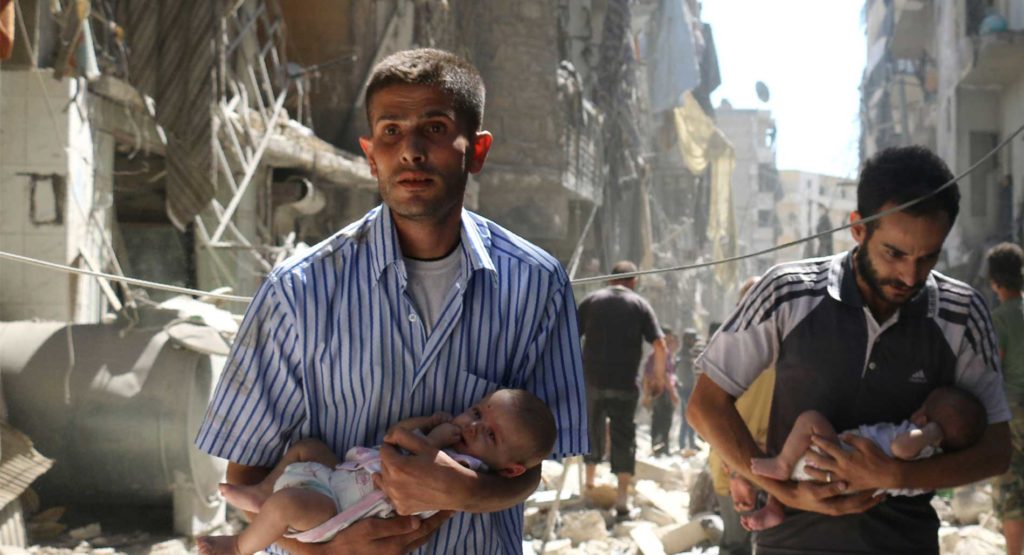
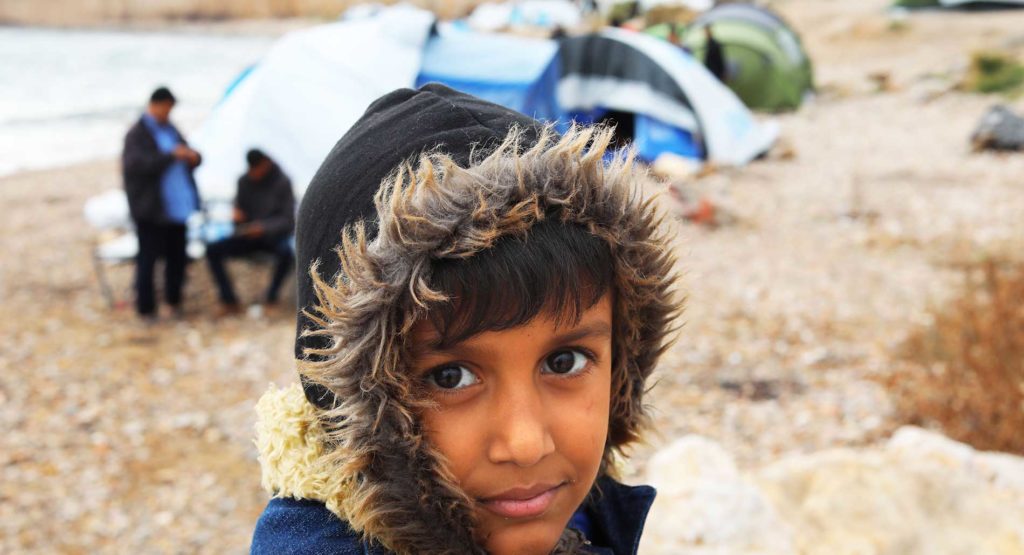
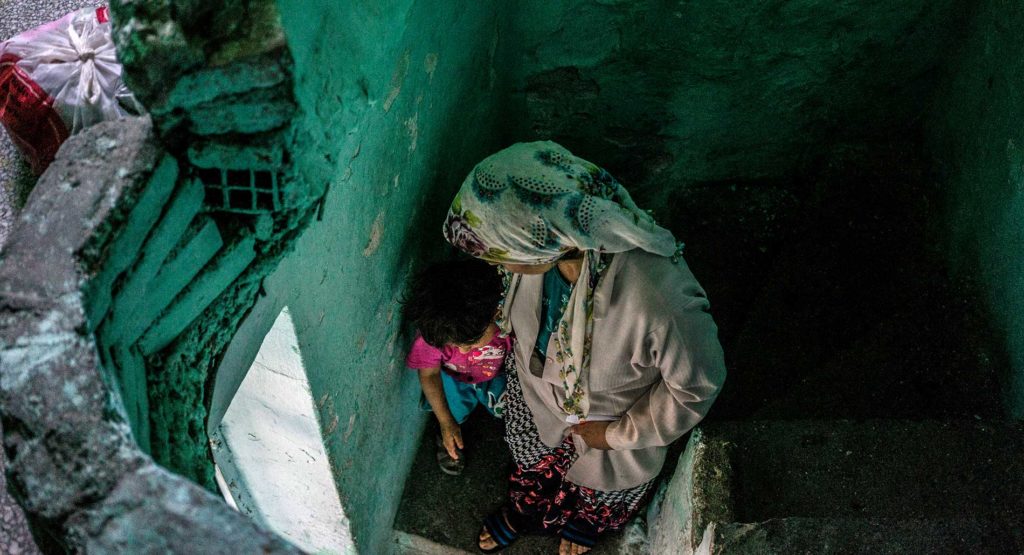
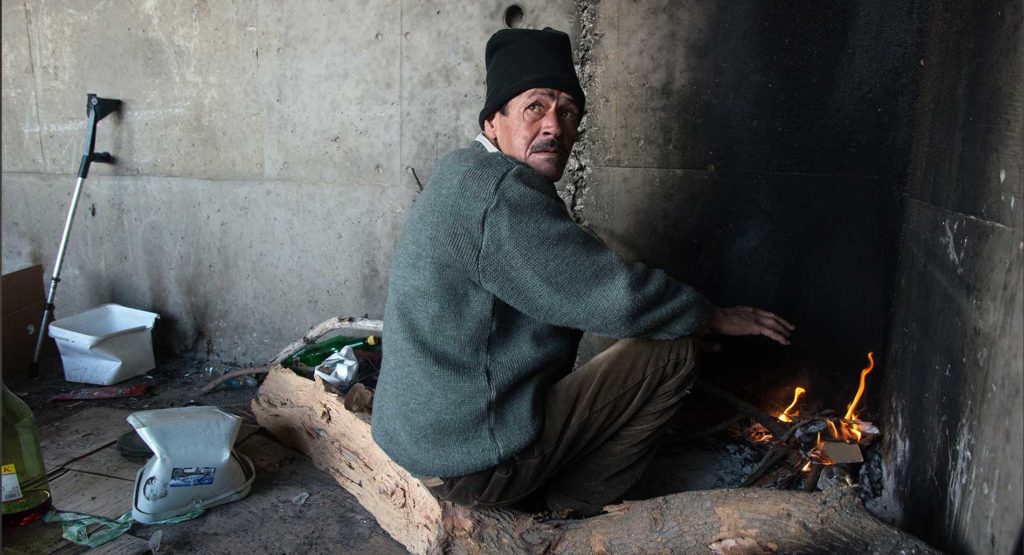
The most powerful images of 2016
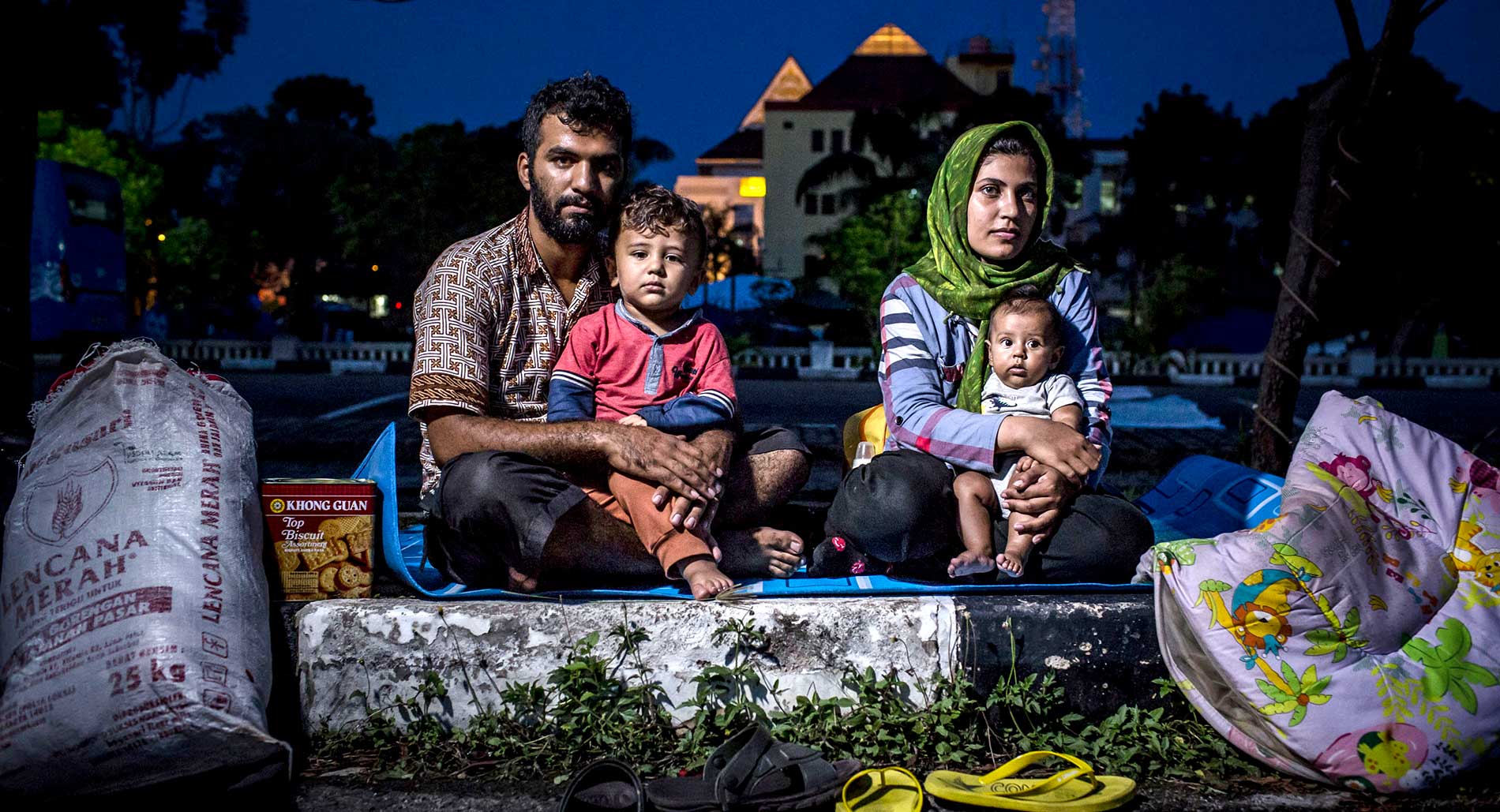
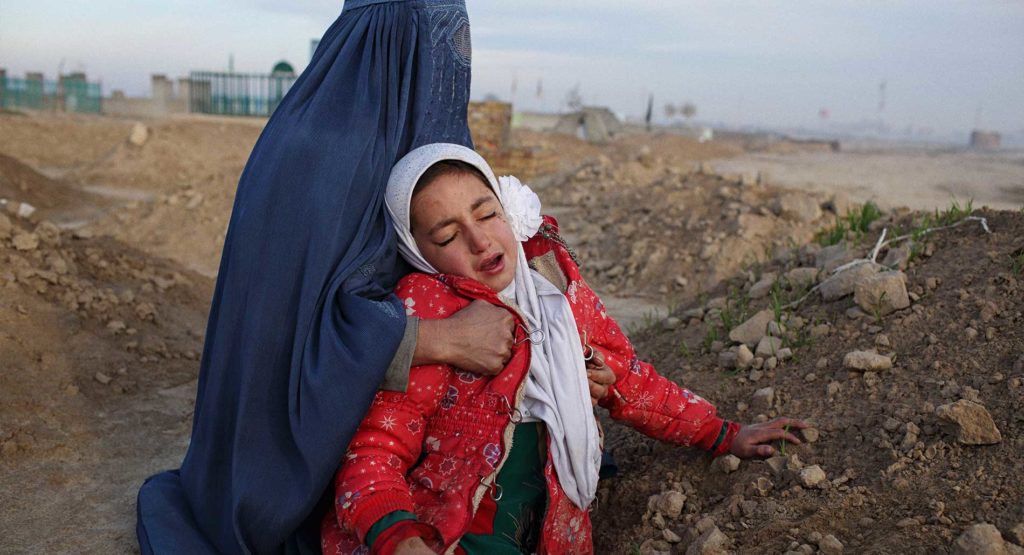
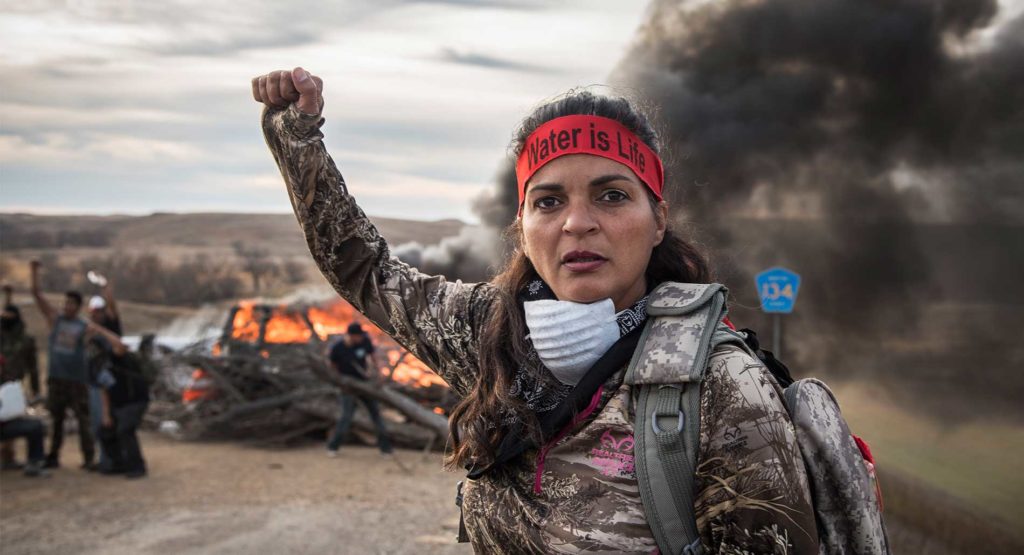
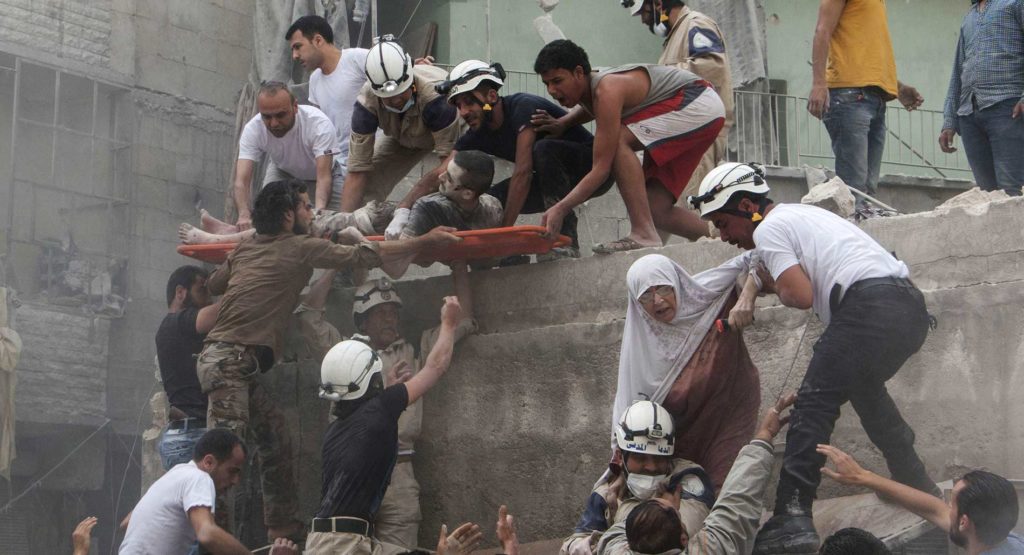
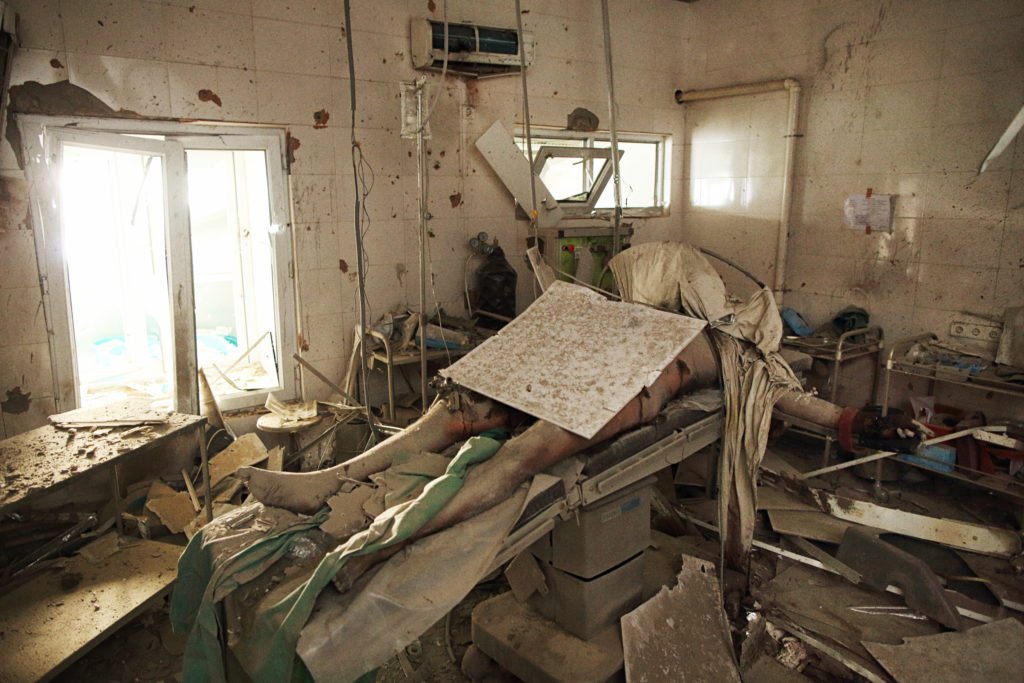
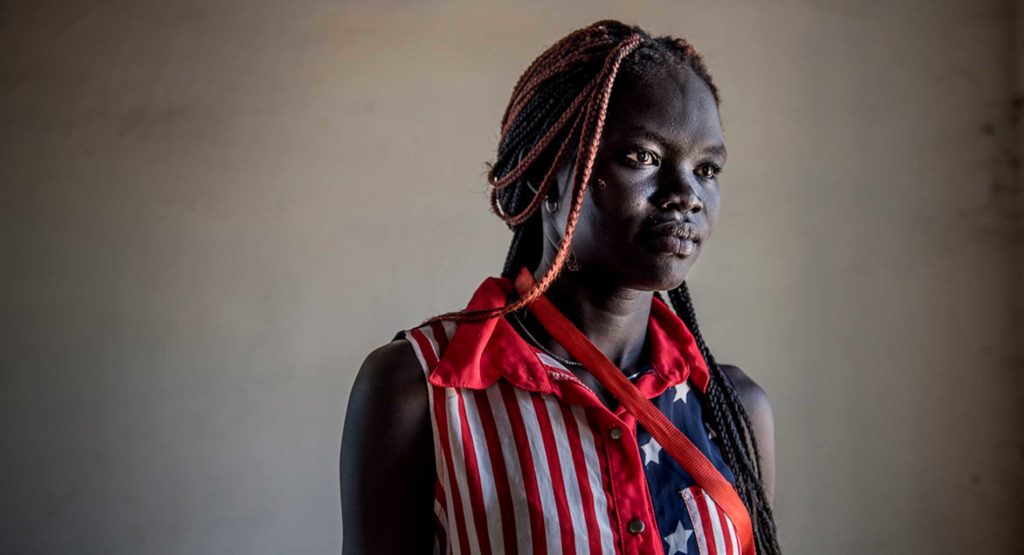
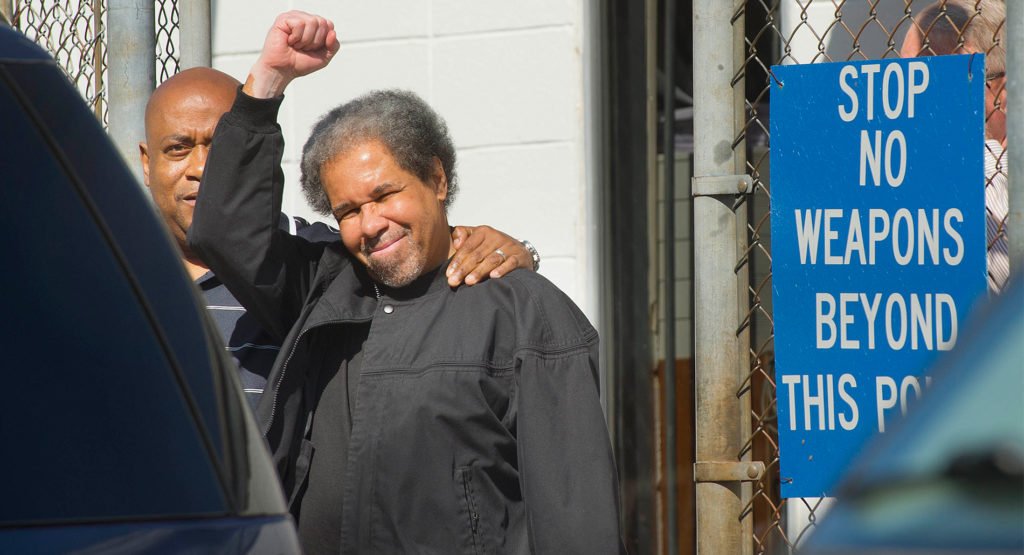
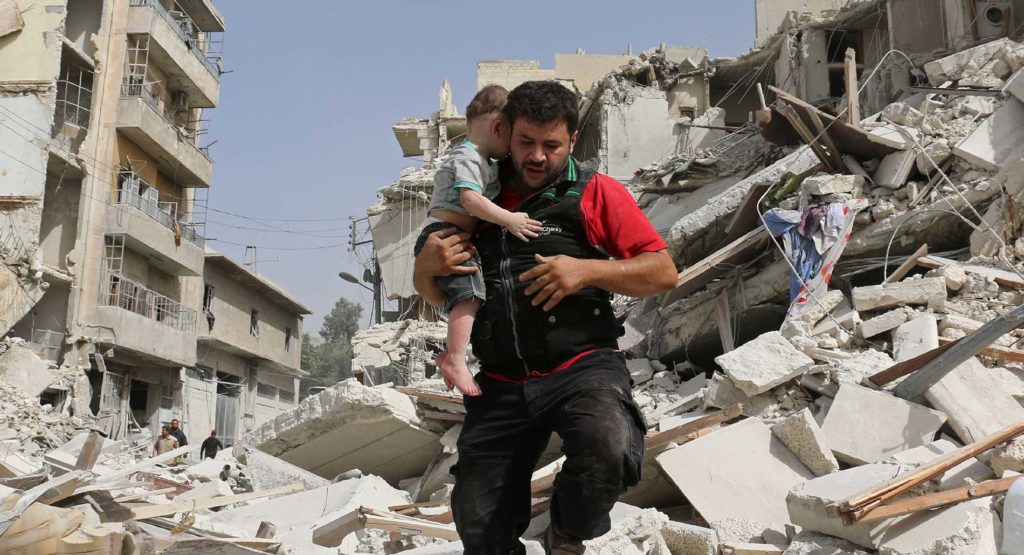
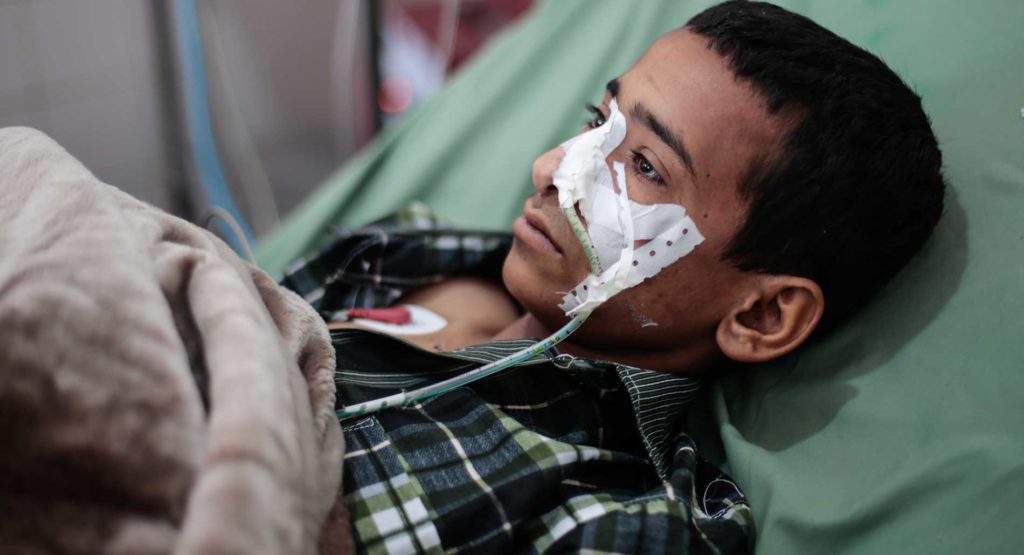
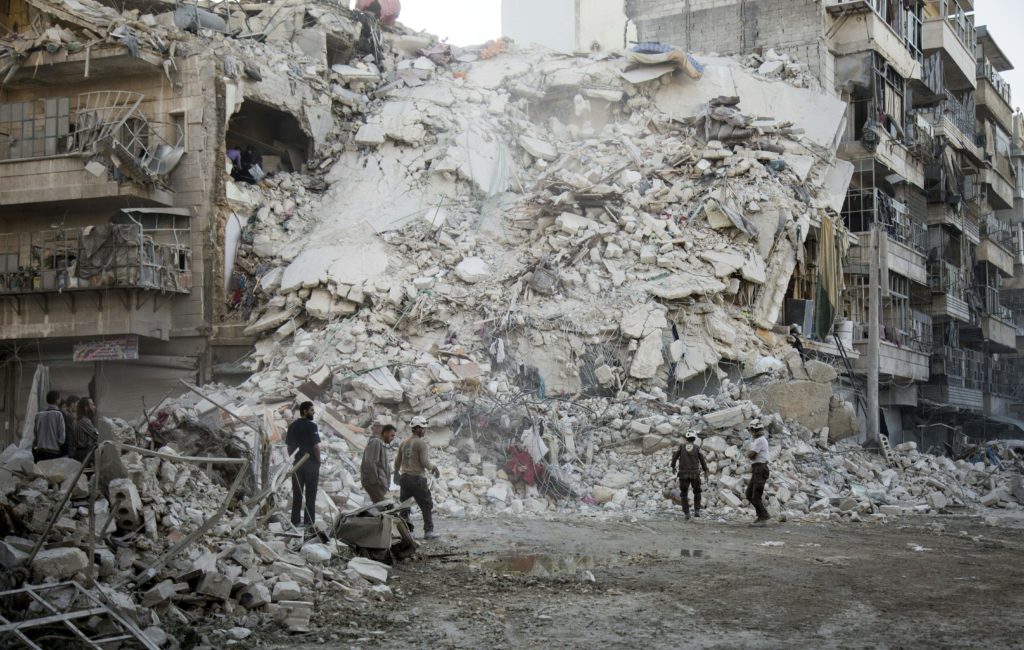
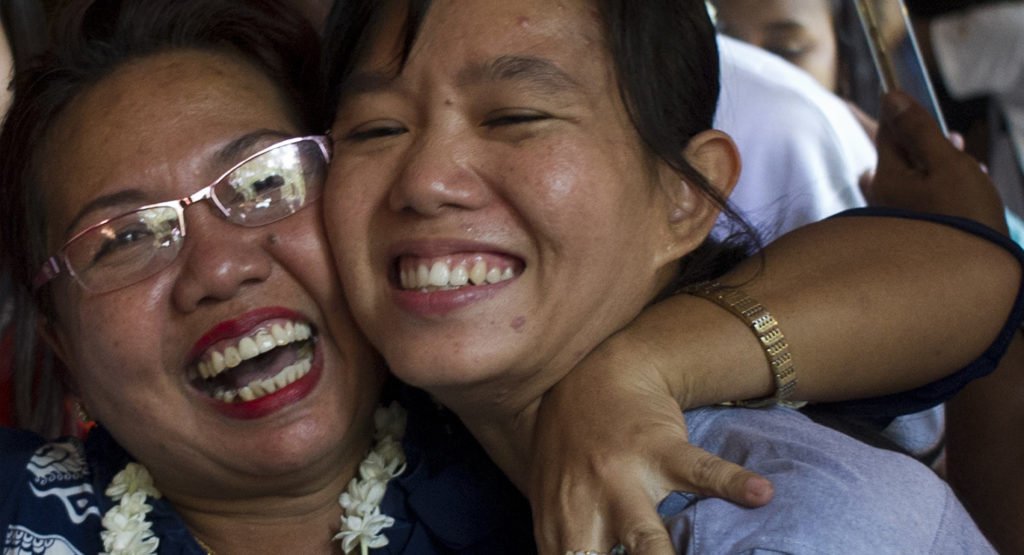
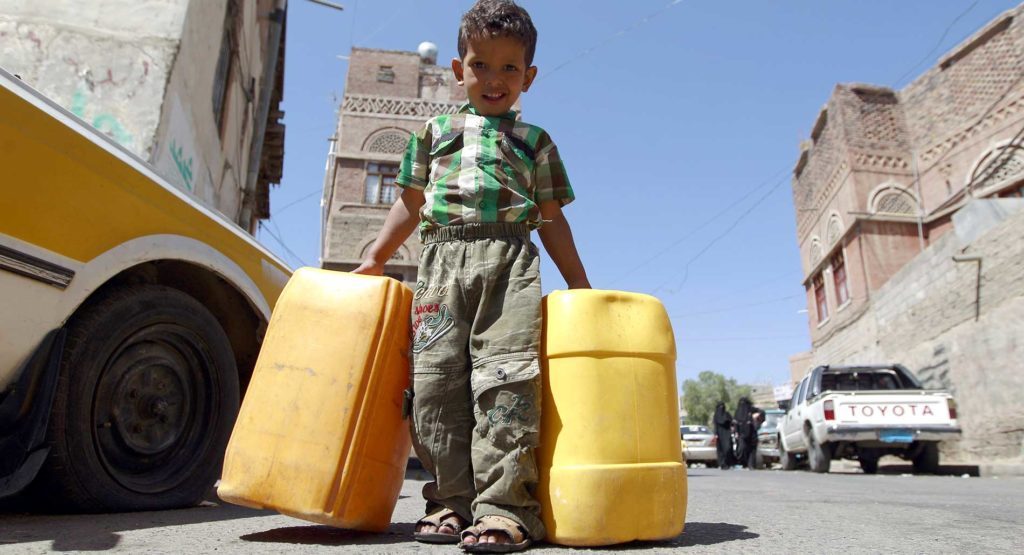
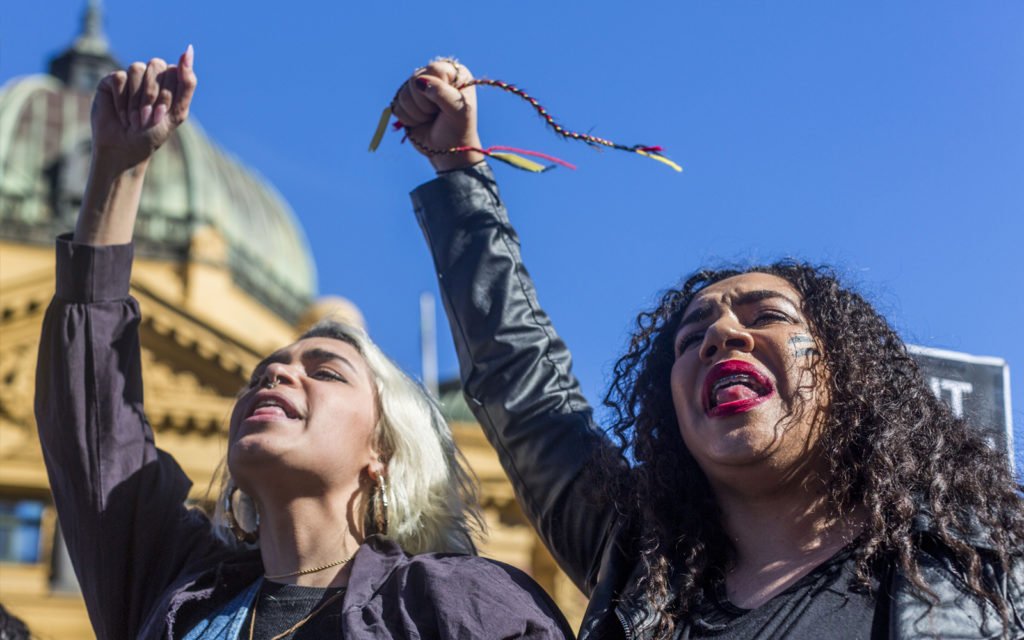
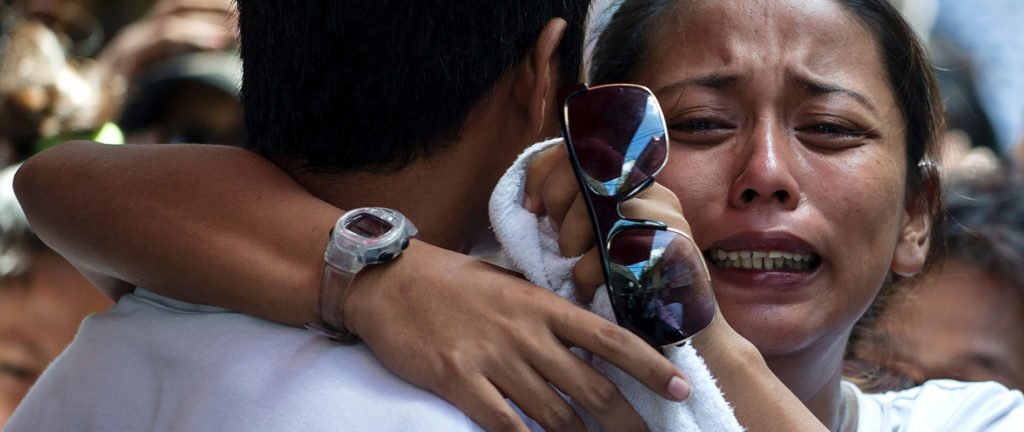
As 2016 finally comes to an end, we can all let out a collective sigh of relief. This year we’ve seen heartbreaking scenes – from the utter devastation of the city of Aleppo, to the millions of refugees and displaced people stranded without a home, to the distraught faces of children in Yemen, their lives torn apart by war. But we’ve also seen scenes of pure joy – family members reunited, prisoners of conscience walking free and refugees finally reaching safety.
Click through the gallery of some of the most powerful images to come across our desks in 2016. Warning, these images contain some graphic scenes.
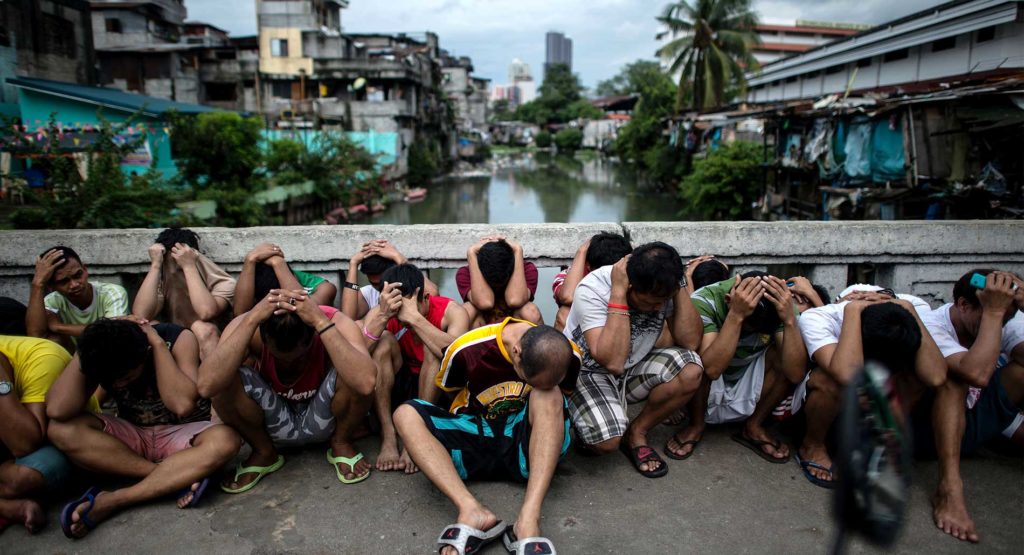
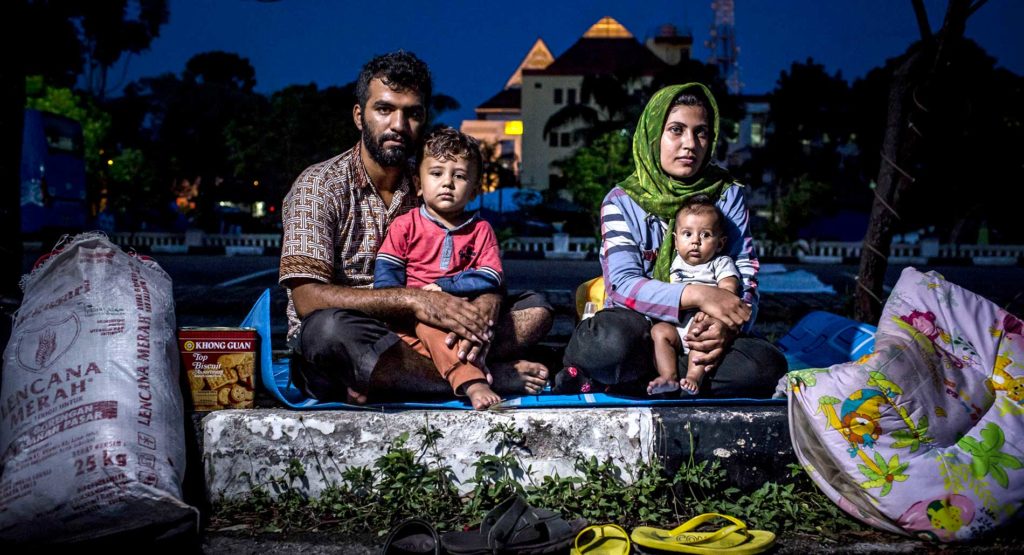
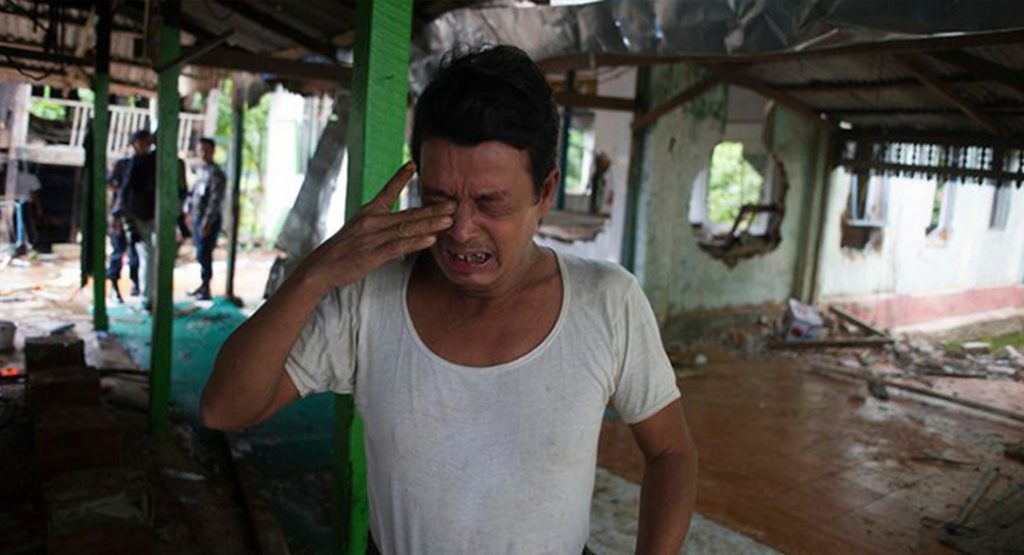
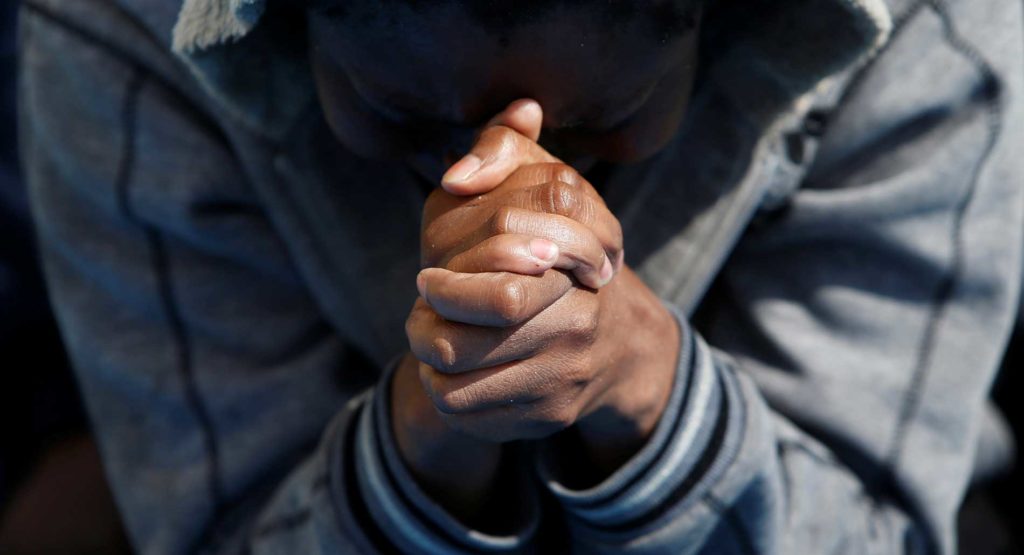
Saudi Arabia: Immediately abandon all use of cluster munitions
Saudi Arabia should immediately abandon all use of cluster munitions, destroy its stockpile and accede to the international Convention on Cluster Munitions, Amnesty International said after the Kingdom’s surprise admission today that it used the inherently indiscriminate weapon in Yemen.
General Ahmed al-Asiri, the spokesperson for the Saudi Arabia-led military coalition, stated today that it would cease use of UK-made BL-755 cluster munitions, confirming Amnesty International’s finding that this type had been used since at least December 2015. Amnesty International previously revealed the coalition’s use of UK, US and Brazilian-made cluster munitions in the conflict.
“It’s astonishing that it has taken this long for the Saudi Arabia-led coalition to formally admit that it used inherently indiscriminate cluster munitions in the Yemen conflict.”
James Lynch, Head of Arms Control and Human Rights at Amnesty International.
“It’s astonishing that it has taken this long for the Saudi Arabia-led coalition to formally admit that it used inherently indiscriminate cluster munitions in the Yemen conflict,” said James Lynch, Head of Arms Control and Human Rights at Amnesty International.
“Of course we have already known this for months. Amnesty International and others gathered damning evidence of how these weapons were killing and maiming civilians, including children, in farming villages in northern Yemen following their use earlier this year.
“This episode highlights the urgent need for an independent international investigation to look into the mounting evidence of violations of international law in Yemen and ensure accountability.
“The irresponsible and unlawful flow of arms to parties to the Yemen conflict has fuelled civilian suffering.”
“The irresponsible and unlawful flow of arms to parties to the Yemen conflict has fuelled civilian suffering. All states must impose a comprehensive embargo on arms transfers that could be used by any of the warring parties.”
Background
Amnesty International and others have been calling on all states for years to immediately halt the use, production, transfer and stockpiling of cluster munitions and to join the 2008 Convention on Cluster Munitions (CCM). Neither Saudi Arabia nor any of its coalition members have joined the CCM. However, under customary international humanitarian law, coalition members must not use inherently indiscriminate weapons including cluster munitions, which invariably pose a threat to civilians.
Cluster munitions, which are banned by more than 100 countries, present an enormous danger to civilians. Dropped from the air or fired from the ground, they are designed to break open in mid-air, releasing the sub-munitions over a wide area in a way that cannot discriminate between civilians and military targets. Many of the sub-munitions fail to explode on impact and effectively become anti-personnel mines. Unexploded sub-munitions have the potential to remain lethal for years, posing a high risk to the civilian population, both during and after the conflict. Because they are inherently indiscriminate weapons, cluster munitions should not be used in any circumstances.
Members of the Saudi Arabia-led coalition should immediately provide the UN with precise locations of cluster munition attacks, including maps, data with the exact dates of strikes, specific types and quantities of the weapons used, in order to facilitate clearance and risk-education activities and to reduce the potential for further civilian casualties.
Saudi Arabia and other coalition members should facilitate clearance of areas contaminated by unexploded ordnance. States in a position to do so should provide all possible technical, financial, material, and other assistance to facilitate the marking and clearance, removal or destruction of cluster bomb submunitions, duds and other explosive remnants of war. They should also provide victim assistance, including for the medical and psychological care and rehabilitation of victims and their families, as well as risk education.