Remarkable escape from IS of two refugees with severe disabilities

Footage released by Amnesty International today shows the remarkable journey of two refugees, Alan Mohammad (30) and his sister Gyan (28), who travelled from Syria to a refugee camp in Greece to escape the armed group that calls itself Islamic State (IS).

Alan and Gyan, who have both suffered from muscular dystrophy since birth, fled their home in Al-Hasakah, in northeastern Syria as IS advanced. On three occasions they tried to cross the border into Turkey but each time were fired on by Turkish police. They then tried a different escape route, crossing the border into Iraq.

As IS advanced in Iraq they crossed the mountains into Turkey strapped onto either side of a horse. Their mother, brother and younger sister trailed behind, pushing their heavy wheelchairs.

They told Amnesty International how on three occasions they tried to cross the border into Turkey but each time were fired on by Turkish police. So they tried a different escape route, crossing the border into Iraq. The family stayed in Iraq for a year-and-a-half until the approach of IS made it necessary for them to flee again. From there their father carried on with their youngest sister, and eventually reached Germany.

Amnesty International interviewed Alan in July in Ritsona refugee camp, about 80km from Athens. “It was a very difficult journey,” he said. “For ‘normal people’ it is very difficult. But for disabled people it is like a miracle because all the borders between the two countries [Iraq and Turkey] are mountains.”

“For ‘normal people’ it is very difficult. But for disabled people it is like a miracle because all the borders between the two countries [Iraq and Turkey] are mountains.”

Once in Turkey the family managed to contact a people smuggler, who they paid $750 each for passage to Greece. The family described how smugglers assured them that there would be around 30 people travelling in a boat that would be nine meters long. But when they arrived on the beach they found that the inflatable boat was only six meters long and there were around 60 people clamouring to get on board. The smugglers told Alan and Gyan that there would be no space for their wheelchairs.

They had no choice but to leave the wheelchairs on the shore, and with the help of their family they crammed themselves into the boat.

“It was terrifying. We were in the water for around four hours,” recalls Alan. “Every time I looked around I saw babies and children crying… My mother became faint and at one point my sister told me she could not go on any more.”

“Every time I looked around I saw babies and children crying… My mother became faint and at one point my sister told me she could not go on any more.”

They arrived on the island of Chios on 12 March, just days before the EU-Turkey deal came into effect. The borders of other European countries were now closed to them.

Any hopes that they might be permitted to join their father in Germany were dashed. Instead the family were made to board a ferry to the mainland and from there they were taken by bus to Ritsona refugee camp an isolated open camp on an abandoned military base situated in the middle of a forest. They have been stranded there ever since living in extremely harsh conditions.

“This is a remarkable story of strength and resilience but it also shows the abject failure of European states to offer safety to people fleeing war and conflict in their countries,” said Monica Costa Riba, Amnesty International’s migration campaigner.

“The Greek authorities, with the assistance of other European governments, must immediately improve the living conditions of refugees stranded in Greece. But ultimately European states must accept more refugees into their countries and to ensure refugees like Alan and Gyan can be reunited with their families.”
India: Global standards on police use of force violated in Kashmir

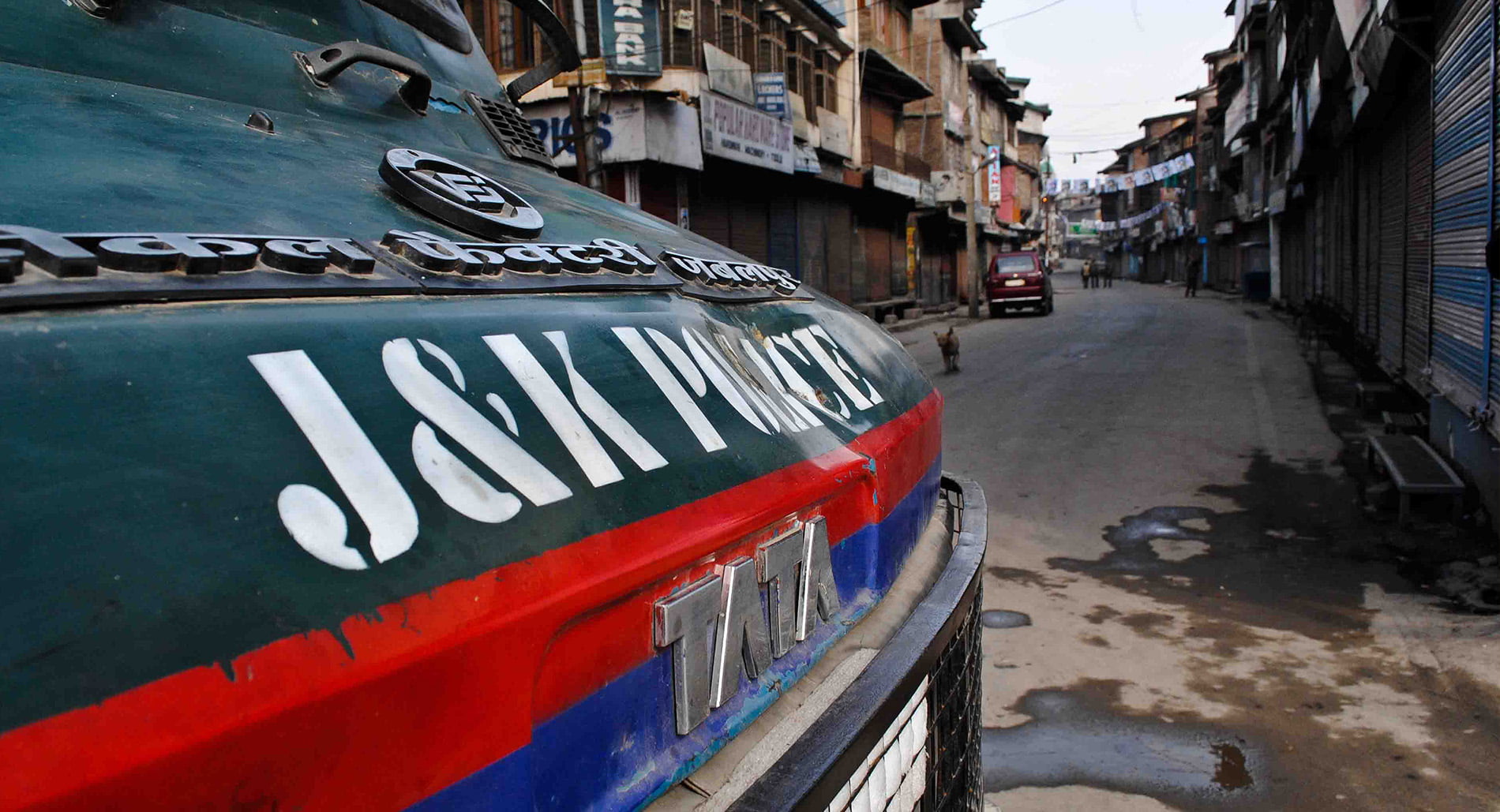
Security forces are using arbitrary and excessive force in response to protests in Jammu and Kashmir, violating international standards and worsening the human rights crisis in the state.

At least 78 people, including two security force personnel, have been killed in the state since 8 July, following protests and violent clashes after the killing of a member of the Hizbul Mujahideen armed group. Some demonstrators have thrown stones and attacked police stations, government buildings and politicians’ homes. Security force personnel have fired live ammunition, tear gas and pellets from pump action shotguns.

“Pellet-firing shotguns have injured and blinded peaceful protestors and bystanders,” said Aakar Patel, Executive Director at Amnesty International India. “Children have been hit by pellets from these shotguns while sitting inside their homes.”

“Children have been hit by pellets from these shotguns while sitting inside their homes.”

“These weapons are inherently indiscriminate and always carry the risk of causing serious injury to people who are not engaging in violence. There is simply no proper way to use these weapons, and they should be prohibited.”

On 10 September, a man was killed after being fired at by a pellet-firing shotgun in Anantnag district. Another man in Shopian district died after he was hit on the head by a tear gas shell.

“There is simply no proper way to use these weapons, and they should be prohibited.”

At least six people have been killed and hundreds blinded or otherwise injured by pellet-firing shotguns. According to media reports, on 2 September, India’s Ministry of Home Affairs (MHA) approved the use of PAVA (Pelargonic Acid Vanillyl Amide) shells, a chilli-based munition, as an alternative to pellet-firing shotguns, which were to be used only in ‘rare’ cases. However there have been over 100 reported cases of pellet injuries in the first week of September at hospitals in Srinagar.

At least six people have been killed and hundreds blinded or otherwise injured by pellet-firing shotguns.

The UN Basic Principles on the Use of Force and Firearms state that firearms should not be used “except in self-defence or defence of others against the imminent threat of death or serious injury” and “only when less extreme means are insufficient”. The UN Code of Conduct for Law Enforcement Officials states that law enforcement officials may use force “only when strictly necessary and to the extent required for the performance of their duty”.

The MHA approved the use of PAVA shells on the recommendation of a committee formed to suggest alternatives to pellet-firing shotguns. PAVA shells are a form of chemical irritant weapon, which are designed to temporarily deter or disable individuals by producing temporary sensory irritation of the eyes and upper respiratory tract. They are commonly delivered through hand-held sprays, hand-thrown grenades or from weapon launched projectiles. Neither pellet-firing shotguns nor PAVA shells have been used to police protests anywhere else in India.

“Chemical irritants have the potential to be used in an arbitrary or indiscriminate manner,” said Aakar Patel. “Before being deployed, these weapons should go through a rigorous safety, testing and approvals process. Security forces must be trained to use them correctly to reduce the risk of unnecessary injury, and they must be accompanied by clear instructions and warnings on their use, effects, risks, and the necessary precautions to be taken.”

“Chemical irritants have the potential to be used in an arbitrary or indiscriminate manner.”

“The concentration of chemical irritants should be as low as possible to ensure that they do not cause unnecessary harm, and to restrict the impact to the persons targeted. Their use must be carefully measured, targeted and controlled, and take into account factors such as the proximity of schools or hospitals.”

The Resident Doctors Association of the Shri Maharaja Hari Singh Hospital – the largest government hospital in Srinagar – and associated hospitals have expressed concern at the proposed use of PAVA shells, which they say can cause a range of eye, lung and skin injuries.

The UN Basic Principles on the Use of Force and Firearms state: “The development and deployment of non-lethal incapacitating weapons should be carefully evaluated in order to minimize the risk of endangering uninvolved persons, and the use of such weapons should be carefully controlled.”

“The continued abusive use of pellet-firing shotguns, along with the deployment of the PAVA shells, is extremely worrying,” said Aakar Patel.

“Law enforcement officials in Jammu and Kashmir must only use force as a last resort after non-violent means have been ineffective, and ensure that any force used is both necessary and proportional. Anyone suspected of using arbitrary or abusive force should be prosecuted.

“The central and state governments need to abandon their heavy-handed tactics in Kashmir.”

“The central and state governments need to abandon their heavy-handed tactics in Kashmir.”

More information

Any new weapons or ammunition intended for use in law enforcement should be considered only if they meet operational needs which cannot be met in any other way. If they are assessed as being needed, they must be rigorously tested on their efficacy, including their accuracy, precision and reliability, and the degree of possible harm and other effects they may cause.

There must be evidence that the use of the weapons complies with international human rights standards, particularly in meeting the principle of proportionality, the prevention of risks for third persons, and the prevention of misuse. Testing should be carried out by an independent body, and the results made public.

Security force personnel must receive adequate training and certification as a precondition before being allowed to use new weapons during law enforcement. The training should also sensitize them on the underlying principles on the use of force.

The use of new weapons must also be subject to thorough reporting, supervision and control mechanisms in order to continually evaluate their effectiveness, effects and risks.

Australia: It’s time for a Parliamentary vote, not plebiscite, on marriage equality

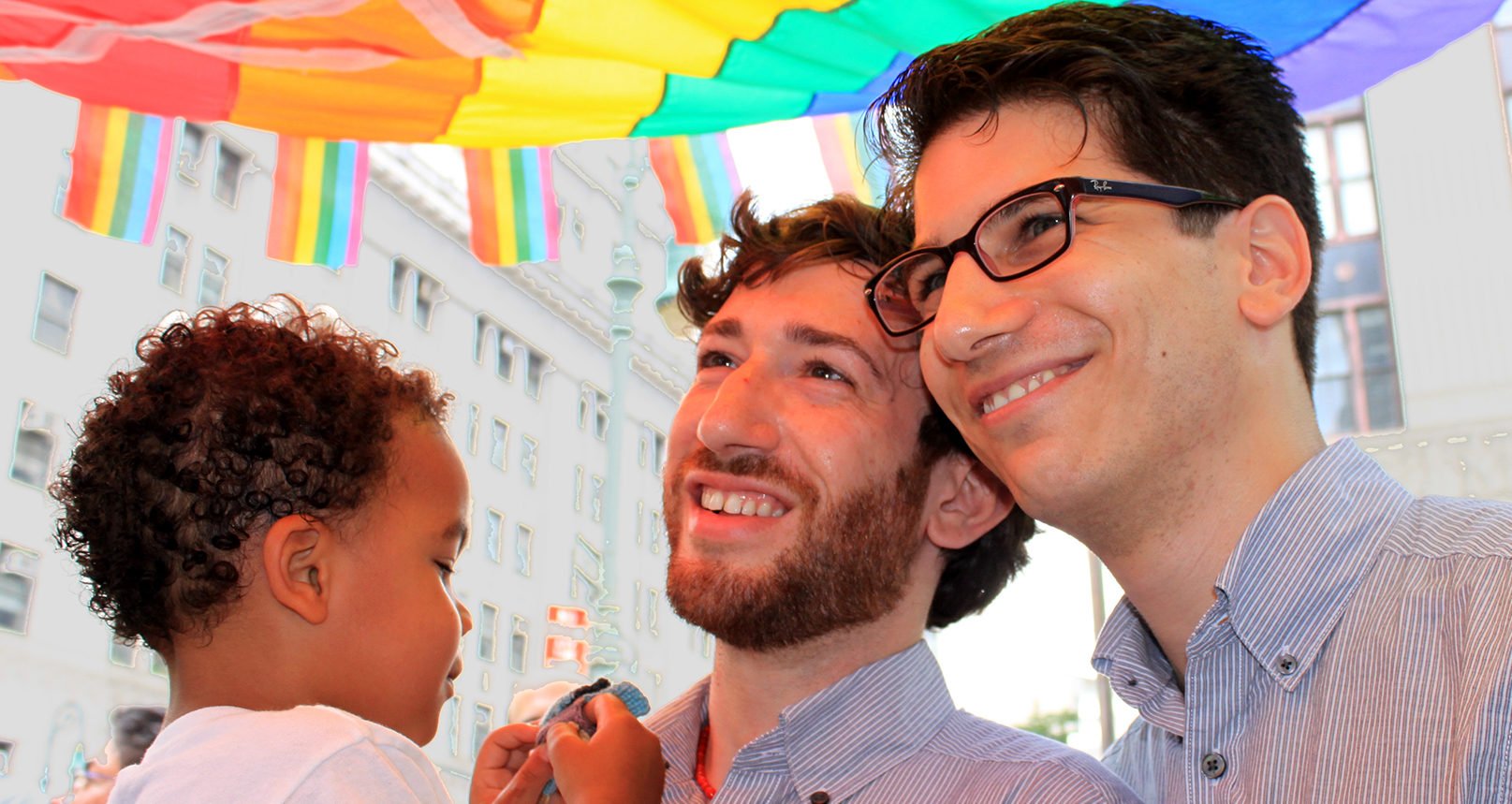
With multiple bills put forward this week in Parliament to legislate for marriage equality in Australia, now is the time for a free vote on the issue.

“If a free vote were held today, Parliament would legalise same-sex marriage,” said Steph Cousins, Government Relations Manager with Amnesty International.

“If a free vote were held today, Parliament would legalise same-sex marriage.”

“That’s because the overwhelming majority of Parliament supports marriage equality – and so do the constituents they represent.”

“We have laws against racial discrimination, sex discrimination in the workplace and discrimination against people with different abilities. It’s high time Australia legislated to end marriage discrimination,” Steph Cousins said.

“Important matters of human rights and equality should not be determined by a popularity contest. To put issues of fundamental human rights to a popular vote suggests they are conditional.”

“Important matters of human rights and equality should not be determined by a popularity contest. To put issues of fundamental human rights to a popular vote suggests they are conditional.”

Amnesty International is urging all members of the Turnbull Government who support marriage equality to show genuine leadership during party room discussions on the Government’s proposed plebiscite bill on Tuesday.

“We don’t need a plebiscite. We need leadership,” Steph Cousins said.

“We don’t need a plebiscite. We need leadership.”

“If our leaders fail to legislate for marriage equality and resort to a plebiscite, at the very least that bill must be self-executing, and the government should not fund the campaign.”


Fiji: Release five men detained for discussing constitution

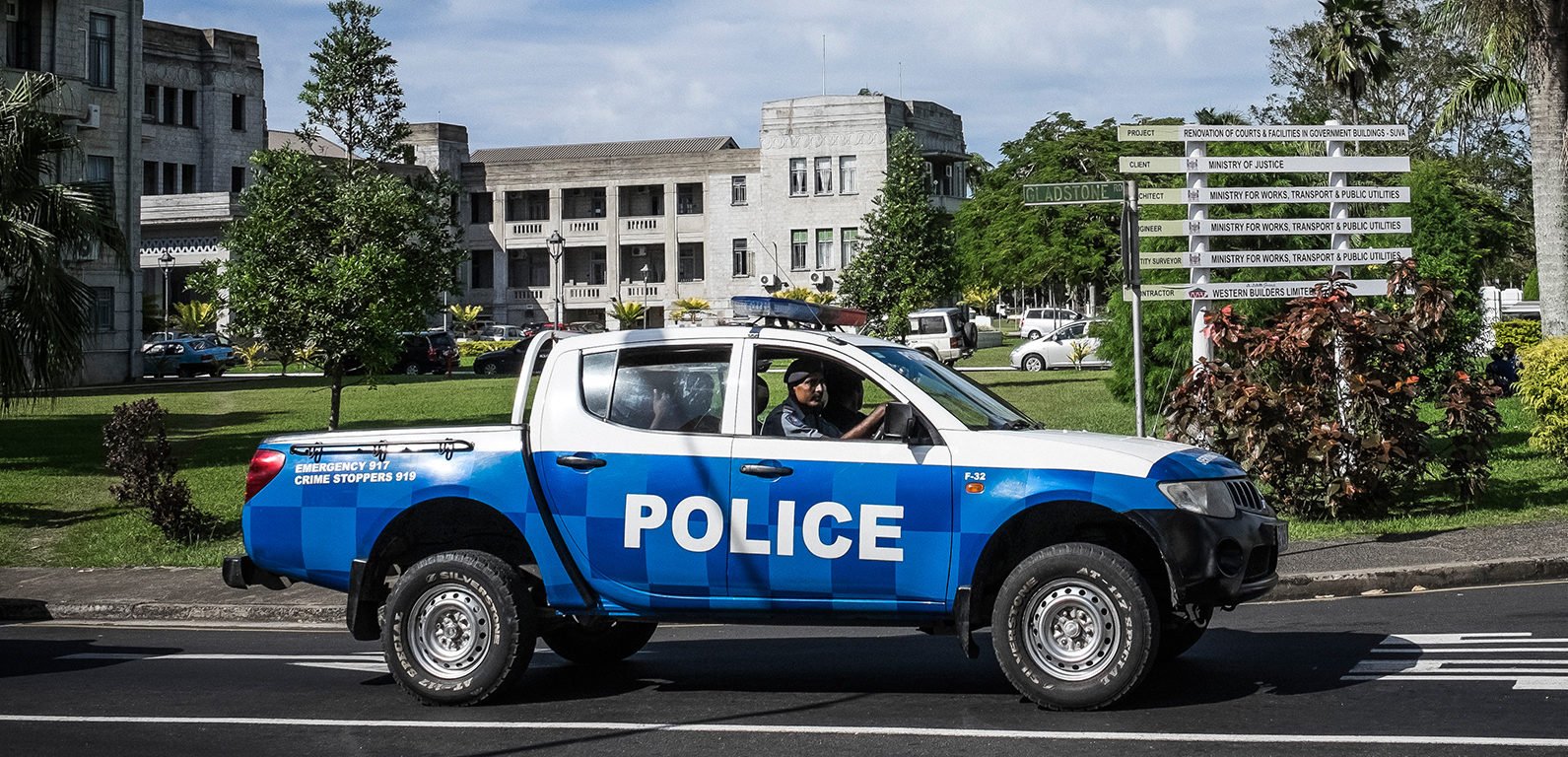
“Fiji must immediately and unconditionally release the five men detained today for holding a meeting to discuss Fiji’s Constitution on Constitution Day. This is a brazen crackdown on people for peacefully exercising their right to freedom of expression,” said Rafendi Djamin, Amnesty International’s Director for South East Asia and the Pacific.

“The men appear to have been detained under Fiji’s repressive Public Order Amendment Decree which restricts the ability to hold ‘public’ meetings. There is no evidence to suggest that the event posed any threat to national security. Fijians should be free to openly discuss their supreme law and even criticize without fear of reprisals.”

“Fijians should be free to openly discuss their supreme law and even criticize without fear of reprisals.”

Background

Five men have been detained by the police on Saturday 10 September 2016 after holding a discussion about the 2013 Constitution on Fiji’s inaugural Constitution Day, a public holiday, on 6 September 2016.

The detained men are:

  • Attar Singh, a prominent trade unionist;
  • Sitiveni Rabuka, leader of SODELPA political party;
  • Biman Prasad, leader of the NFP political party;
  • Tupeni Baba, member of SODELPA; and
  • Jone Dakuvula from civil society organisation Dialogue Fiji.

The office of the NFP political party has been raided by police, with documents and computers confiscated.

Police claim the panel discussion was held without a permit. The Public Order Amendment Decree requires that permits be obtained for ‘public discussions’. The law does not apply to private meetings. This comes after a Fiji Sugar Industry meeting was cancelled on Tuesday for not having a permit.

Amnesty International has previously criticised the 2013 Constitution for failing falling short on human rights protection and for its wide reaching immunities, which cover any government act between 2006 and 2014.

India: End of Irom Sharmila’s hunger strike an opportunity to repeal AFSPA

Amnesty International Prisoner of Conscience Irom Chanu Sharmila ended her 16-year-long hunger strike against the Armed Forces (Special Powers) Act (AFSPA) today. Amnesty International India calls on authorities to drop all charges against her, and take steps to repeal the AFSPA.

At a hearing in a local court, Irom Sharmila said, “I have been fasting for the last 16 years. I haven’t got anything from it yet. I am ending my fast today. I want to try a different agitation now. I will contest against the Chief Minister of Manipur in the upcoming state elections.” The activist signed a bail bond and is likely to be released on bail soon.

“I want to try a different agitation now. I will contest against the Chief Minister of Manipur in the upcoming state elections.”

Irom Sharmila, prisoner of conscience

“Irom Sharmila’s hunger strike over the last 16 years has been a testament to her passion for human rights, and her belief that a draconian law like the AFSPA has no place in any society. The government arrested her, confined her to a hospital room and force fed her for 16 years, seemingly to break her will. There was zero dialogue. A peaceful protest was criminalized,” said Abhirr VP, Senior Campaigner with Amnesty International India.

“The government arrested her, confined her to a hospital room and force fed her for 16 years, seemingly to break her will. There was zero dialogue. A peaceful protest was criminalized.”

Abhirr VP, Amnesty International

“Irom Sharmila’s decision to break her hunger strike gives India another chance to start a dialogue and recognize how the AFSPA has alienated Manipur for over 35 years.”

The activist was arrested by the Manipur police after she began her hunger strike on 2 November 2000, and has been repeatedly charged with attempting suicide, but never convicted. She has pleaded not guilty to the charges of attempting to commit suicide, saying she is involved in a non-violent protest. Courts in Manipur have repeatedly ruled that her hunger strike is a form of peaceful protest, and not an attempt at suicide.

Although attempting to commit suicide is a bailable offence, Sharmila had earlier refused to sign bail bonds, maintaining that she had not committed any offence.

The AFSPA in Manipur has provided impunity for perpetrators of grave human rights violations, including extrajudicial executions, enforced disappearances, rape, torture and other ill-treatment, and excessive use of force.

On 8 July, the Supreme Court, while hearing a public interest litigation filed by the Extrajudicial Execution Victims’ Families Association of Manipur and Imphal-based NGO Human Rights Alert said that 1528 cases of alleged extrajudicial executions committed by security forces from 1979 to 2012 in Manipur needed to be looked into, and offences committed by security forces could be prosecuted in civilian courts. It asked for more information about the cases. Proceedings will resume in September.

The Supreme Court said, “If members of our armed forces are deployed and employed to kill citizens of our country on the mere allegation or suspicion that they are the ‘enemy’ not only the rule of law, but our democracy would be in grave danger.”

“The Manipur and central governments must heed the words of the Supreme Court. The ruling makes it clear that security force personnel accused of human rights violations must not be allowed to get away with impunity,” said Abhirr VP.

The AFSPA is inconsistent with India’s obligations under international human rights law to respect and protect the rights to life, liberty and security of person, to freedom from torture and other ill-treatment, and to an effective remedy. Several Indian and international bodies have called for its repeal.

Syrian refugee M.K. released from airport detention in Turkey

Syrian refugee M.K., who has been arbitrarily detained at Istanbul’s Sabiha Gökçen airport since November 2015, was finally released on 29 March, 2016. He will await the decision on his international protection application in the province of Aksaray.

What happened?

In 2012 the Syrian crisis forced M.K. to flee his homeland and seek refuge in Jordan. Last November, he made his way to Turkey in the hopes of re-settling there with his sisters. Upon arriving at the Turkish airport on November 9, authorities detained M.K for allegedly using false identification. He remained there in a small airport room until last week.

Detaining M.K. in this small space for such a long time was cruel and inhumane. The lights were constantly on, which caused M.K.’s eyes a great deal of pain, he had limited access to medical care, despite repetitive requests for help, and he feared the imminent deportation back to war-torn Syria.

On 28 March 2016, a decision to release him was issued by the Directorate General of Migration Management (DGMM). M.K. is required to reside in the Aksaray province, in central Anatolia until a decision is made regarding his application for international protection.

Ban on arbitrary detention and refoulement

 Arbitrary detention is prohibited under international law and Turkey has agreed to abide by this by ratifying the International Covenant on Civil and Political Rights.Syrians in Turkey are subject to the October 2014 Temporary Protection Regulation (TPR), which affirms that refugees in a similar situation to M.K. shall not be punished for irregular entry or stay in Turkey.

Nor should they be returned to their country of origin. The cornerstone of the international refugee protection system is the principle of non-refoulement. This principle bans the transfer of anyone to a place where they would be at real risk of serious human rights violations – as is the case for individuals from Syria.

“Detaining M.K. in this small space for such a long time was cruel and inhumane. The lights were constantly on, which caused M.K.’s eyes a great deal of pain and he had limited access to medical care, despite repetitive requests for help.”

In recent months, and in the context of the EU’s efforts to partner with Turkey on migration matters, Amnesty International has raised concerns about the apparent rise in the Turkish authorities’ use of detention against refugees and asylum-seekers, despite such regulations.

How did Amnesty respond?

M.K. was the subject of an Amnesty International Urgent Action, which was sent out globally. In Australia, over 800 of our Online Urgent Action Network members sent emails to the Turkish Director General of Migration Management, Mr Atilla Toros, calling for M.K.’s release and to grant him a protection visa.

Speaking to Amnesty International on 29 March, M.K. thanked all those who sent appeals on his behalf and said he was very happy to finally be free.

What next?

As Syria’s civil war rages into its sixth year and the situation starts to look hopeless, with your support we can make a difference to the lives of the men, women and children suffering in Syria. Amnesty International is currently:

  • putting researchers on the ground in Syria to expose the horror of everyday life and give a voice to those directly affected by the conflict and government sieges of towns and villages;
  • lobbying Prime Minister Malcolm Turnbull to ensure the Syrian people remain safe during military operations and receive much-needed humanitarian aid;
  • calling on the Australian Government and other world leaders to ensure people fleeing the horrors of Syria are treated fairly and resettled as soon as possible.

Cambodia: Campaign of political intimidation must end

Reacting to the conviction earlier today of Kem Sokha, the acting head of the opposition Cambodian National Rescue Party, on charges under Article 538 of refusing to appear as a witness, Amnesty International said:

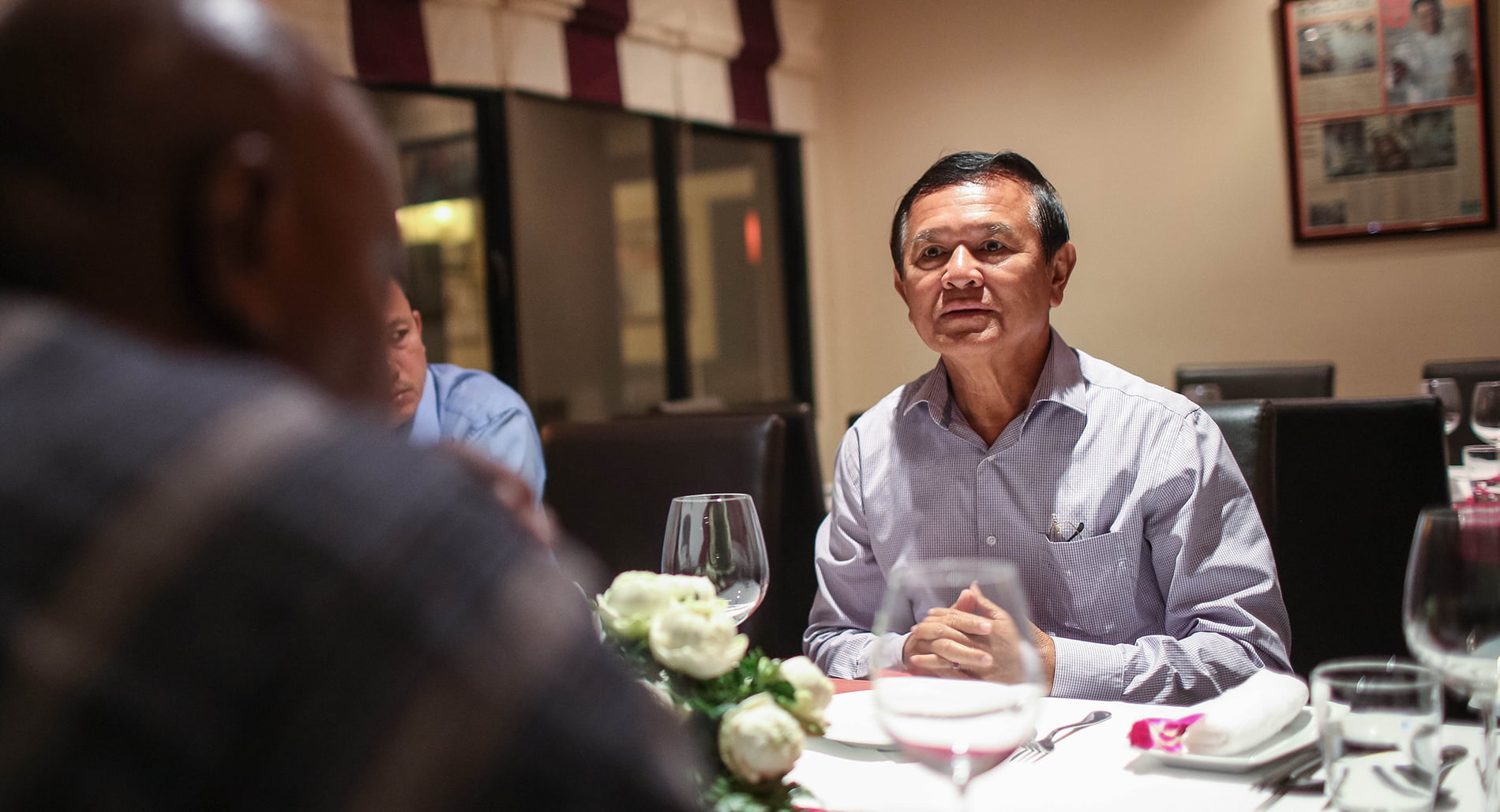
“Cambodia is in crisis with the government engaging in a campaign of intimidation against peaceful political and civil society activists, using frivolous prosecutions designed to punish, isolate and marginalise any peaceful dissent,” said Josef Benedict, Amnesty International’s Deputy Director for South East Asia and the Pacific.

“Today’s conviction of acting opposition leader Kem Sokha for refusing to appear as a witness is yet another transparent act of political intimidation and the latest development in the ongoing campaign. The government appears to believe that violating human rights is a legitimate tool of government, as is compromising the independence of the country’s judiciary and the government’s standing in the international community.”

“The government appears to believe that violating human rights is a legitimate tool of government, as is compromising the independence of the country’s judiciary and the government’s standing in the international community.”

Amnesty International calls on the Cambodian government to immediately end its campaign of intimidation, to respect the rights of all civil society and political activists, and to ensure the independence of the judiciary.


Uganda: Minister’s remarks against LGBTI people amount to advocacy of hatred

Reacting to threats by Uganda’s Minister of Ethics and Integrity Simon Lokodo that he will suppress the activities of lesbian, gay, bisexual, transgender and intersex (LGBTI) rights activists and “rehabilitate” LGBTI people, Amnesty International said:

“The minister’s remarks coming only a few days after police assaulted peaceful attendees at a private LGBTI Pride event in Kampala are hugely irresponsible and are tantamount to advocacy of hatred and incitement to discrimination,” said Sarah Jackson, Amnesty International’s Deputy Regional Director for East Africa, the Horn and the Great Lakes.

“The Ugandan government should be working to bring to account those responsible for the criminal attack that left one person hospitalised with serious injuries, and dozens more injured, instead of condoning these attacks and inciting further hostility against LGBTI people.”

For more information or to arrange an interview, please call Seif Magango in Nairobi on +254 788 343897 or +254 20 428 3020, or email seif.magango@amnesty.org

Background

In his remarks today in Kampala, Lokodo publicly backed the police raid on 4 August on a nightclub last Thursday in which LGBTI people were beaten and undressed.

Lokodo told journalists that his office was also developing a programme to “rehabilitate” LGBTI people “with the ultimate aim of giving them a chance to live normal lives again”.

Aid and human rights agencies condemn slow pace on 12,000 refugees promise

The nation’s leading humanitarian and human rights organisations are calling on the Australian Government to resettle the promised 12,000 refugees from Syria and Iraq by the first quarter of 2017.

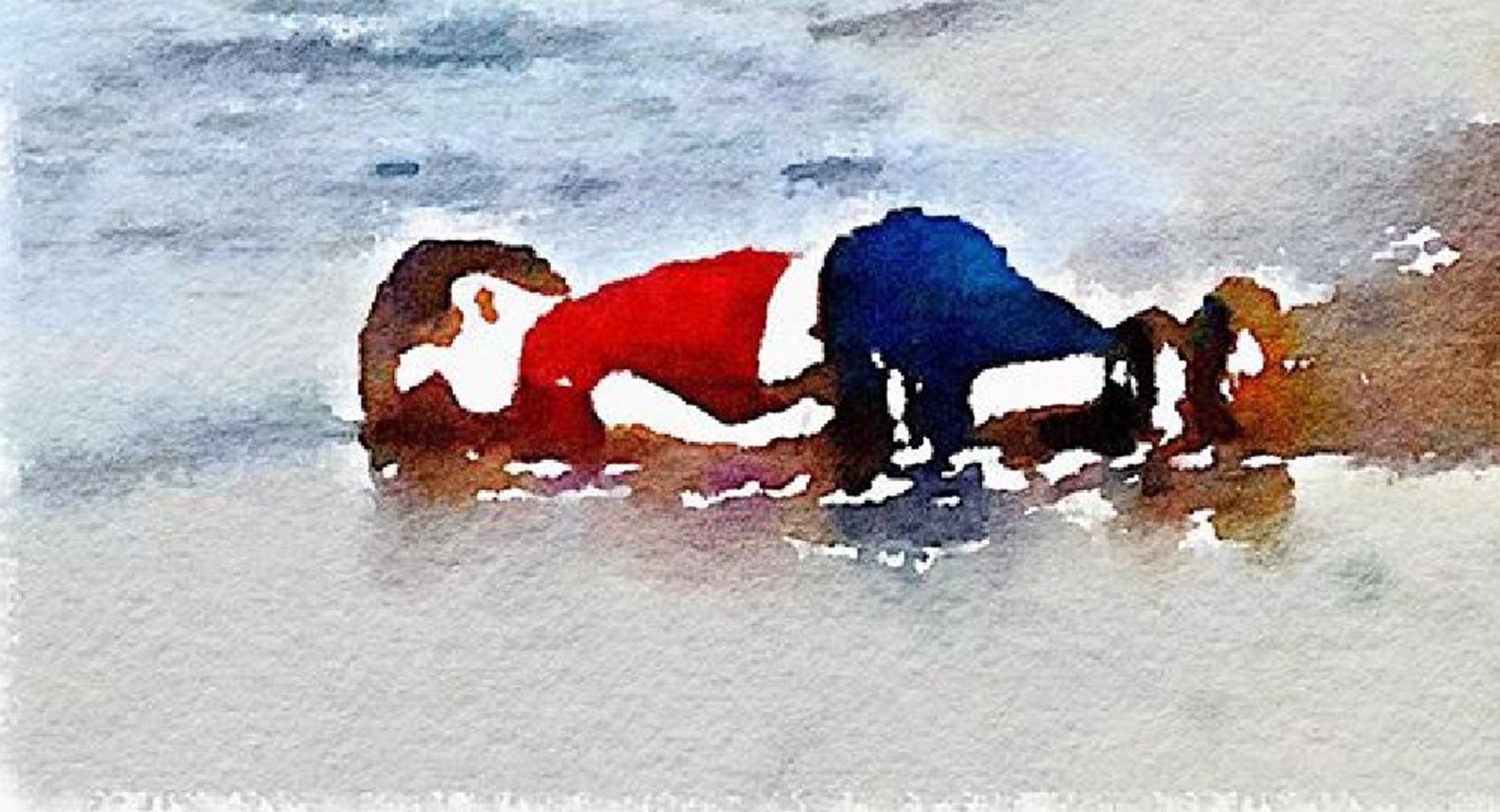
It’s a year today since the Government made the pledge to grant an additional 12,000 Syrians and Iraqis a permanent visa in response to an outpouring of public support following the photos of three-year-old Alan Kurdi washed up dead on a Turkish beach.

World Vision Australia Chief Executive Tim Costello said it was incomprehensible that Australia had been able to resettle only a fraction of the special intake of 12,000 Syrian and Iraqi refugees in the last year.

“When Tony Abbott promised to take 12,000 more refugees, he said it would reflect ‘Australia’s proud history as a country with a generous heart’,” Mr Costello said. “But there is a point at which a promise begins to look hollow when it is not honoured and Australia has reached that point.”

“When Tony Abbott promised to take 12,000 more refugees, he said it would reflect ‘Australia’s proud history as a country with a generous heart’.”

Save the Children Chief Executive Paul Ronalds said a year ago the Australian Government opened its arms to the displaced people of Syria and Iraq with an offer of refuge and protection, but it hadn’t finished the job.

“Australians deserve transparent information about how many refugees have reached safety on our shores, and what the timeline is to settle all 12,000 people. Australians need to be assured that we’re doing what we said we would – urgently providing a place of welcome and safety for those who so desperately need it.”

“Australians deserve transparent information about how many refugees have reached safety on our shores, and what the timeline is to settle all 12,000 people.”

Oxfam Australia’s Chief Executive Helen Szoke said Australia’s efforts are lagging well behind other wealthy nations.

“Canada completed security checks and settled 25,000 people in just four months. We know millions of ordinary men, women and children have been forced to flee their homes in a desperate search for protection and are in dire need of assistance. We urgently need to help as many as we can.”

“Canada completed security checks and settled 25,000 people in just four months.”

Plan International Australia Chief Executive Officer Ian Wishart added: “We’re in the midst of the largest refugee crisis in living memory. In Syria, half the pre-conflict population of 22 million Syrians have fled their homes in the past five years and more than 13.5 million people are in need of help. Australia needs to shoulder its fair share of the global responsibility for refugees. The children of Syria have suffered enough.”

CARE Australia’s acting-Chief Executive Louise Gray said: “The Australian Government made a commitment and must stick to it. This is a global humanitarian crisis and it demands a global response. People’s lives depend on it.”

“This is a global humanitarian crisis and it demands a global response. People’s lives depend on it.”

Amnesty International Australia’s National Director Claire Mallinson said: “As the situation in Syria continues to deteriorate, Australia must get on with fulfilling the promise we made to provide people with a safe place to settle. Every day that Minister Dutton fails to meet his commitment to settle the 12,000 people from Syria and Iraq is another day they spend without hope of a peaceful and safe life.”

Spotlight: youth justice on COAG agenda

Following strong activism led by our Tasmanian action groups, Prime Minister Malcolm Turnbull announces that youth detention will be discussed at the next COAG (Council of Australian Governments) meeting. Find out what it took.

Tassie’s determined activists

Sylvie Merope, co-convenor of the Southern Tasmanian action group, wouldn’t have believed that this would happen if you told her a few months ago while she was ringing the Premier’s office again and again to try to bring the plight of Indigenous kids to his notice.

Sylvie, the Southern Action group, the Dennison Action group and many other Tassie activists have been holding stalls, film nights and public discussions about Community is Everything. They knew that Tasmania could help progress the campaign. Tassie has a lower number of Indigenous kids in prison than most other states, with its low population. Tasmania also has a terrible history of colonisation, and a lot of healing to do.

So Tasmania’s activists were determined to get the Premier’s attention.

The groups started by writing to and calling the Premiers office requesting a meeting, but continued to get the cold shoulder. So on the anniversary of 25 years since the Royal Commission into black deaths in custody, Sylvie wrote to the press. It was great use of a big public moment, and Tasmanian newspaper The Mercury ran an editorial featuring her letter which called on Tasmania to take the lead.

In the next week, she got a call from the Premier’s office offering them an appointment.

Meeting prep

The group swung into action. The group researched the Community is Everything reports, and honed down their ‘asks’ to three things:

  1. Justice Targets
  2. Justice Reinvestment
  3. Minimum Age of Criminal responsibility raised to 12.

Two activists Claire and Annie met with the Tasmanian Attorney General and Speaker of the House to raise the issue, making sure the Premier would have heard about it through his Cabinet.

The big day was about to arrive. The group planned for activists from two action groups and the Branch Committee to attend the meeting with the Premier, and together mapped out what they’d discuss and who would say what. They decided to share stories of how they were educating and mobilising their communities at events, and to give the Premier the national report with the evidence to support their call to action.

Working with the Community is Everything campaign team, the group decided to focus on asking the Premier to take a leading role at COAG. If the COAG meeting of heads of the States and Territories were to adopt our asks, we’d see change all across the nation.

Meeting with Premier Will Hodgman. © Private

The Premier agreed and committed to write to COAG about the three major campaign asks. A few months later, prime Minister Malcolm Turnbull announced that youth detention will be discussed at the next COAG meeting:

“What I intend to do is at the next COAG meeting, is make sure that these issues of youth detention [and] child protection are on the agenda for COAG because it is obviously an issue that applies in every jurisdiction.”

Attorney General George Brandis also acknowledged the problem: “To be frank, you will not find an Indigenous leader in this country who hasn’t had some sharp and strong things to say about the way in which the system treats Indigenous youth. In fact, if you found somebody, an Indigenous leader, who hadn’t expressed concern about this over the years, then they wouldn’t be worth their salt as a leader. ”


That’s the power of communities organising activities together, speaking to their representatives and standing with a national and international movement of people who stand up for human rights. Go to Community is Everything resources for action to campaign in your community.