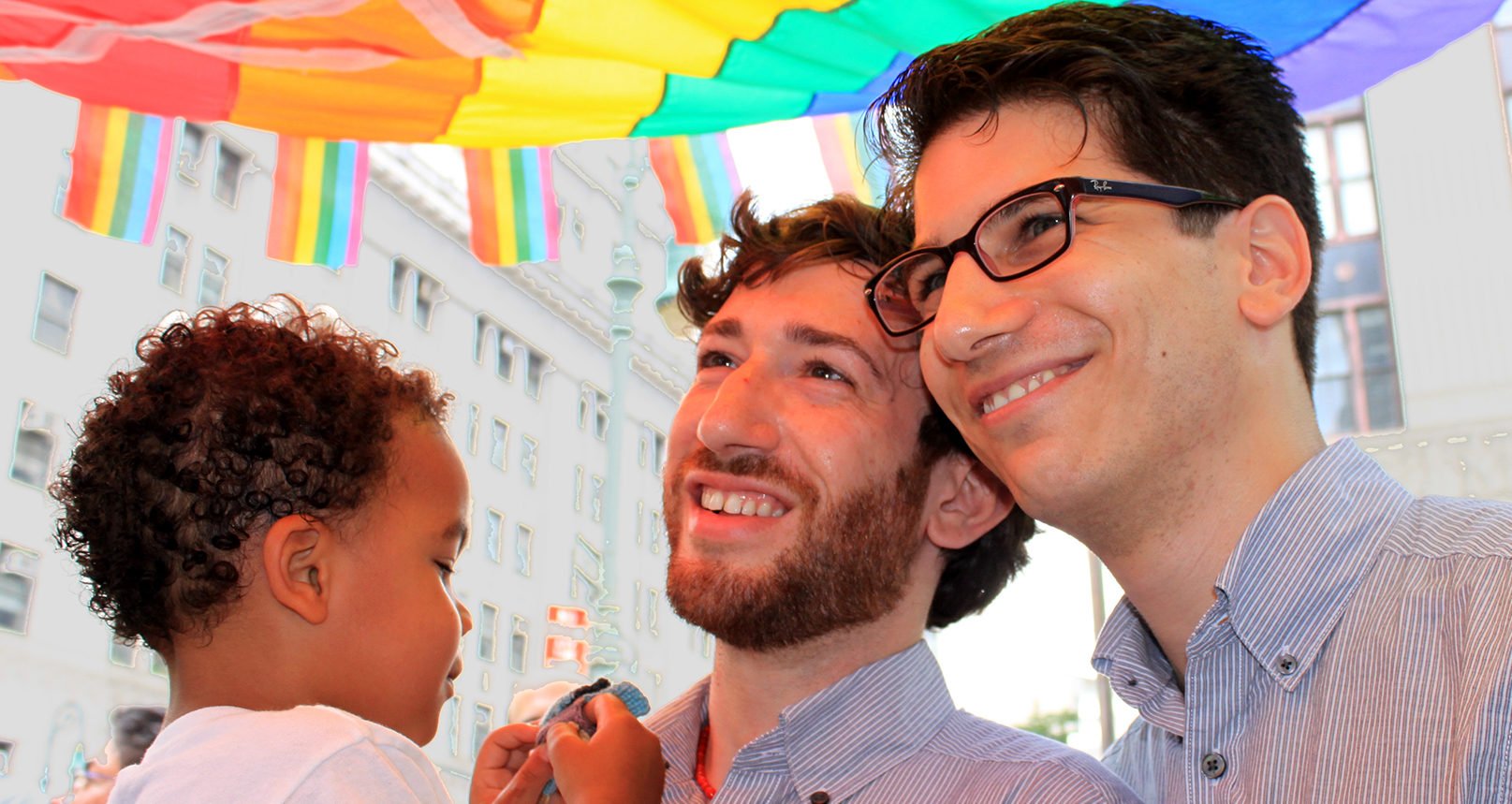
Amnesty International Australia congratulates the Victorian Parliament’s lower house for passing a world-leading bill to end harmful LGBTQA+ conversion practices*.
The legislation was developed after extensive consultation with survivors of conversion practices and represents the gold standard in addressing these harmful and totally unnecessary practices.
“What this Bill recognises is that there is nothing wrong that needs correcting if someone identifies as part of the LGBTQA+ community,” Amnesty International Australia activist Fin Spalding said.
“It goes an enormous way to acknowledging the rights of LGBTQA+ people to be who they are, and it’s a happy coincidence that it has been brought into law on International Human Rights Day.
“Other jurisdictions should look to the Victorian example and consult with survivors to draft similarly robust legislation and protect rights for everyone around Australia.”
Attention now turns to Victoria’s Legislative Council which needs to pass the bill in order for it to become law. It is likely to be debated in February 2021.
“All sides of the parliament need to come together to take the final step and make this world leading bill, world leading law,” said Spalding.
“This is an open invitation: if there are any politicians remaining that need to hear about why this bill is so important, alongside survivors, we’re happy to have that discussion”.
* survivors do not use the term ‘conversion therapy’, as what they have endured is not evidence based and is in no way therapeutic.
A National Human Rights Act would provide a roadmap from the many challenges we face, says Amnesty International Australia as it assesses the Morrison Government’s human rights track record on Human Rights Day.
To mark the anniversary of the Universal Declaration on Human Rights on December 10, Amnesty International Australia has compiled a scorecard of the Federal Government’s human rights improvements since the 2019 election. Its key finding is that a Human Rights Act would address many of the human rights issues, and potential violations, that Australia is currently dealing with.
In the leadup to the last election, Amnesty International Australia issued A Human Rights Agenda for the Next Federal Government, which called on all parties to pledge to put human rights at the heart of their policy decisions.
While there have been improvements, overall Amnesty believes the Morrison Government can and should do more. Looking back at the key human rights issues raised at the time of the Government’s re-election in 2019, Amnesty has made the following assessment:
The government to work to enshrine a Human Rights Act.
Human rights protect us all, ensuring every single person in our society is treated fairly and justly. Australia is the only western democracy without a bill of rights or an equivalent law that protects the rights of all people. Committing to human rights would provide a mechanism to balance the rise of China, tackle climate justice and protect the most vulnerable as we recover from the social and economic costs of the COVID pandemic..
End the over-representation of Indigenous children and young people in Australia’s criminal justice system.
Indigenous children and young people are 22 times more likely to end up in the youth justice system than their non-Indigenous peers. While the rate has dropped, it is still completely unacceptable. Although the government has continued with the implementation of Optional Protocol to the Convention Against Torture (OPCAT), and set justice targets to end the over-representation of Indigenous children and young people in prison, they haven’t acted to raise the age of criminal responsibility to at least 14, ended high rates of children on remand, or adequately funded Aboriginal and Torres Strait Islander Legal Service.
Support the creation of safe and legal routes for people seeking asylum, by increasing the annual refugee resettlement intake and prioritising people with humanitarian needs through alternative migration streams.
The government reduced the annual humanitarian (refugee) intake by 5,000 places to 13,750 people in the 2020/21 Budget. It is stepping back from any role that sees Australia safely resettle people seeking refuge. Amnesty remains deeply critical of Australia’s treatment of people who have sought refuge. Whi a resettlement deal has been rolled out with the US, the government refuses to accept a deal with New Zealand, and continues to detain people in Papua New Guinea and Nauru, and in onshore detention facilities including hotels. The government has undertaken a review into the Community Sponsorship Program ― Amnesty has great hopes that this will deliver a new, fair and just program.
The Human Rights Scorecard also includes assessments on the government’s progress regarding the eradication of violence against women, the status of the death penalty, LGBTQIA+ rights, disability rights, and climate justice.
Commenting on the Australian human rights scorecard, Amnesty International’s Campaign Manager, Tim O’Connor, said: “Human rights are the fundamental freedoms and protections that belong to every one of us. They ensure every single person is treated equally and justly regardless of race, sexuality, religion or beliefs. When we promote and defend human rights, all our lives are better and we can create a better world for ourselves and our fellow human beings.
“As Australia balances the rise of China, the impacts of climate change and the economic and social fallout of the pandemic, committing to human rights provides a way forward.
“Australia can and should put its commitments to human rights into practice to illustrate its principles, to support the vulnerable and to chart a fair and sustainable road map back to prosperity.”
Nearly 21,000 people have signed Amnesty’s petition calling on the government to implement a Human Rights Act.
Powerful words have the power to raise awareness, unite people in a common cause and ultimately change the world. Can you identify who said these inspirational quotes about our rights?
The International Criminal Court Assembly of States Parties to the Rome Statute (ASP) is meeting in The Hague from 14 to 16 December 2020, and New York from 17 to 23 December 2020.
The ASP is the administrative oversight and legislative body of the ICC and holds an annual meeting where States’ representatives discuss and decide various issues such as the budget of the Court, the election of judges, and other matters related to states parties management oversight of the Court.
This Assembly will likely discuss a number of issues, including: the budget of the Court; the Independent Expert Review of the ICC carried out in 2020 and; threats made to the Court in 2020, including sanctions imposed by the USA on the Prosecutor and an OTP staff member. The final two days of the Assembly session will be taken up with the election of six new ICC judges and – potentially – the next ICC Prosecutor.
By downloading and using these templates and materials, you agree that they will be used solely for the purposes of an Amnesty approved event or material. If you have any questions, contact communityorganising@amnesty.org.au.
Challenge Injustice is Amnesty’s brand manifesto, which encapsulates our values and underpins all of the work we do.
Check out this video to learn more about Challenge Injustice, and feel free to share with others to help them understand also. Learn more about Challenge Injustice here.
When representing Amnesty in any communications or designs, be sure to check your work is in line with Challenge Injustice guidelines.
You can check out all of the Challenge Injustice brand resources in one folder, including logos, templates, style guides and more.
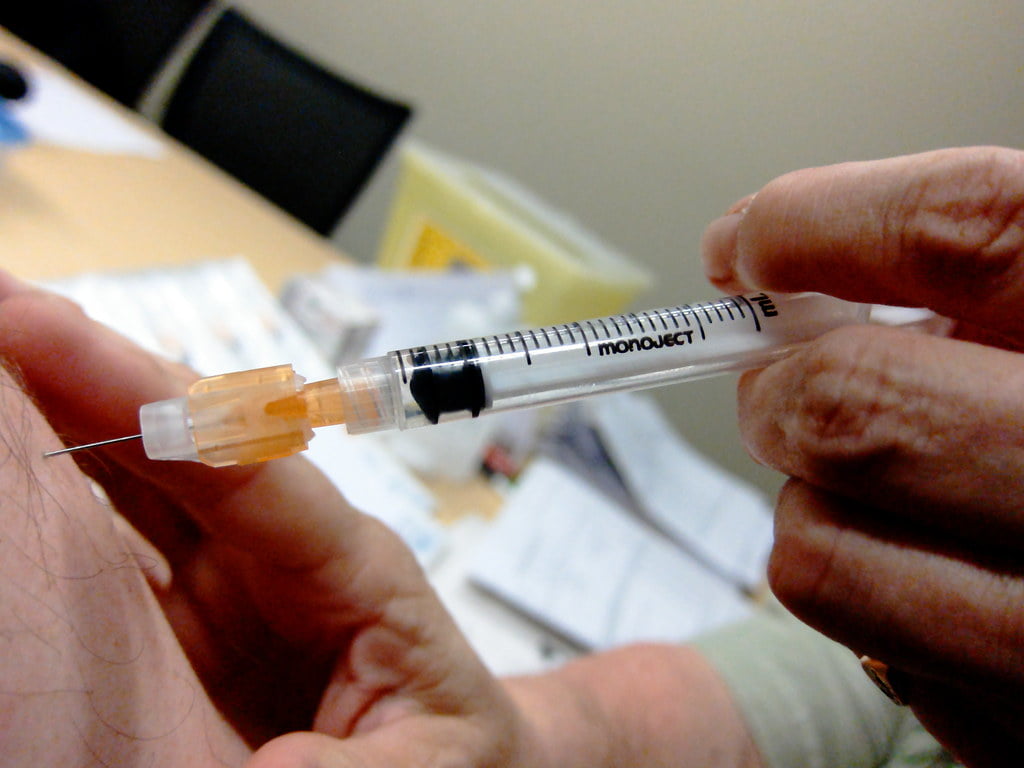
The race to develop a COVID-19 vaccine is gathering pace, and it seems like there may finally be light at the end of the tunnel. But as wealthy countries continue to hoard doses, the lifesaving potential of vaccines risks being undermined by inequality and corporate interests.
Now is the time to demand that COVID-19 vaccines are available to everyone – regardless of where they live, who they are, or what they can afford.
COVID-19 is a truly global crisis, and we will only solve it through global cooperation and respect for human rights.
If we get this right, we can end COVID-19 and build a more just and sustainable future. Here’s what needs to happen:
Human rights must be considered when deciding who to prioritize
The question of who should get vaccines first is complex – we all have the right to be protected against COVID-19. But initial supplies will be limited, and we need to prioritize those who are most at risk. Health workers, older people, and people with pre-existing health conditions are among the groups being considered for priority access.
But governments need to consider human rights factors which put some individuals and communities in a more vulnerable situation. As well as exacerbating pre-existing inequalities, the pandemic has had a disproportionate impact on people who have been historically marginalized and discriminated against.
For example, Indigenous Amazonian communities in Ecuador often face a higher risk due to scarcity of drinking water, food sources, medical supplies, health services and COVID-19 tests. In April an oil spill polluted the food and water sources of many communities, increasing their risk of infection.
People living in overcrowded refugee camps in unsanitary conditions are also likely to be at higher risk from infection. Furthermore, in many countries, migrants and refugees without documents often do not have access to health care, including vaccines. There must be careful consideration of risk and exposure factors like working and living conditions, and access to sanitation, when making decisions about allocation. Narrow definitions of risk could leave the people most in need of the vaccine unable to access it.
Similarly, early allocation to health workers must consider everybody working in the health sector – not just doctors and nurses but drivers, administrative staff, care home workers, and many more.
Countries must work together
Under international human rights law, countries have an obligation to work together to respond to the pandemic, and wealthier states have a special responsibility to assist states with fewer resources. But some governments have already adopted a “me first” approach that could undermine the efficacy of a future vaccine.
Research by Oxfam found that wealthy nations, representing just 13 per cent of the global population, have already bought up more than half of future vaccines. This means more than half of the promised doses of the five leading vaccine candidates are already taken. As of November 2020, more than 80% of the planned 2021 supply of Pfizer-BioNTech and Moderna’s vaccines have already been sold to rich countries.
As well as denying millions of people their human rights, “vaccine nationalism” is alarmingly short sighted. The World Health Organization estimates that for us to reach herd immunity, we need to vaccinate roughly 70% of the global population. Hoarding vaccines for a privileged few will not end this pandemic.
States need to cooperate to make sure everyone has access to vaccines when they become available. This means wealthier states should refrain from making large bilateral deals with pharmaceutical companies. They should also join and support global initiatives which aim to ensure fair vaccine access for all countries, such as the WHO’s COVAX scheme.
Vaccine sharing schemes must be truly fair
The COVAX Facility is a way for countries to pool their resources, to invest in and buy as many vaccines as possible, and then distribute them fairly and equitably. So far, 178 countries are engaging with COVAX – notable exceptions include the USA and Russia.
Questions remain about how COVAX will achieve its goal of fair and equitable distribution. The scheme has faced criticism for allowing wealthier countries to request doses equivalent to 50% of their population, while lower-income countries so far can only request 20%. Wealthier countries can also pay a higher price up front to select which vaccines they prefer.
This has created a two-tier system which could compromise COVID’s aim of making vaccines accessible to everyone.
States who join COVAX must push for meaningful participation from civil society and developing countries in decision-making, and follow the principles of transparency and accountability.
Companies must put people before patents
When new medicines are developed, the company that makes them is usually given intellectual property rights. That means they are the only company allowed to produce the drug for a period of time, and they can decide how much it should cost. Intellectual property laws can also restrict the sharing of data related to research and development – so if one pharmaceutical company found a successful COVID-19 vaccine, they would have the right to keep that information to themselves.
We already know how harmful it can be when companies put patents before people. For years, people living with HIV were priced out of treatments by pharmaceutical companies keeping their products scarce and charging unreasonably high prices. While these companies profited from selling their medicines in several rich countries, millions of people also were unable to access lifesaving treatment.
International human rights standards are clear – public health takes precedence over the right of companies to protect their intellectual property.
To encourage companies to share their know-how, WHO has set up the COVID-19 Technology Access Pool (C-TAP), where companies can share data and patents on their innovations. If companies join C-TAP, it will vastly increase the amount of publicly available research on COVID-19 vaccines, scale up production, and reduce the cost of vaccines.
Unfortunately, to date, not one company has joined C-TAP. Oxford/AstraZeneca is the only company that has committed to selling the vaccine for no profit for the duration of the pandemic. Other companies need to follow suit, by issuing open and non-exclusive licenses, to ensure that the COVID-19 vaccines reach as many people as possible.
Vaccines should be free at the point of care
As part of their human rights obligations, governments must take measures to eliminate any cost barrier that people may face in accessing the right to health.
Like all businesses, pharmaceutical companies also have human rights responsibilities. In 2008 the UN expert on the right to health published guidelines for how pharmaceutical companies should fulfil these responsibilities, including by considering ways to make their products affordable to as many people as possible.
Cost can prevent access to health care, especially for marginalized people and at least half the world’s population today cannot afford essential healthcare. This means vaccines are likely to not be accessible to half the world unless they are free at the point of care.
Governments must make every effort to provide these vaccines and the investment is well worth it. Vaccines are one of the most cost-effective public health interventions and COVID-19 vaccines may break the chain of transmission between people early in the cycle, avoiding further health and socio-economic impacts.
In fact, the WHO recently estimated that an investment of $38 billion to fully fund one of these collective initiatives to support global access to COVID-19 health products would be regained through economic activity “in less than 36 hours once global mobility and trade alone are restored.”
Vaccines must be safe and culturally acceptable
Vaccines must comply with the scientific community’s most recent standards concerning safety and effectiveness – safety is more important than speed. Just as importantly, immunization plans must be carried out in a way that is consistent with the protection of human rights, paying special attention to informed consent.
This means that governments should communicate clearly about the benefits of vaccination, counter misinformation, and be transparent about all stages of vaccine development. Scientific benefits of vaccines must be explained and disseminated in a way that is understandable to everybody – in languages they understand and formats they can access.
This is an essential component of the right to health and key to ensure maximum vaccine uptake, as people can only make informed decisions about their health when they are given accurate information and timely information.
Nearly 70 poor countries will only be able to vaccinate one in 10 people against COVID-19 next year unless urgent action is taken by governments and the pharmaceutical industry to make sure enough doses are produced, a group of campaigning organisations warned today, (optional, for UK version: as the UK begins vaccinations this week).
By contrast, wealthier nations have bought up enough doses to vaccinate their entire populations nearly three times over by the end of 2021 if those currently in clinical trials are all approved for use. Canada tops the chart with enough vaccines to vaccinate each Canadian five times. Updated data shows that rich nations representing just 14 per cent of the world’s population have bought up 53 per cent of all the most promising vaccines so far.
The organisations, including Amnesty International, Frontline AIDS, Global Justice Now and Oxfam, who are part of an alliance calling for a People’s Vaccine, used data collected by science information and analytics company Airfinity to analyse the deals done between countries and the eight leading vaccine candidates. They found that 67 low and lower middle-income countries risk being left behind as rich countries move towards their escape route from this pandemic. Five of the 67 – Kenya, Myanmar, Nigeria, Pakistan and Ukraine – have reported nearly 1.5 million cases between them.
Anna Marriott, Oxfam’s Health Policy Manager, said: “No one should be blocked from getting a life-saving vaccine because of the country they live in or the amount of money in their pocket. But unless something changes dramatically, billions of people around the world will not receive a safe and effective vaccine for COVID-19 for years to come.”
Heidi Chow, from Global Justice Now, said: “All pharmaceutical corporations and research institutions working on a vaccine must share the science, technological know-how, and intellectual property behind their vaccine so enough safe and effective doses can be produced. Governments must also ensure the pharmaceutical industry puts people’s lives before profits.”
The Pfizer /BioNTech vaccine has already received approval in the UK and vaccinations are beginning this week. It is likely to receive approval from other countries including the US within days. Two further potential vaccines, from Moderna and Oxford in partnership with AstraZeneca are expected to submit or are awaiting regulatory approval. The Russian vaccine, Sputnik, has announced positive trial results and four other candidates are in phase 3 clinical trials.
This demonstrates that one company alone cannot hope to supply the whole world, and that only open sharing of technology between vaccine producers can make this possible.
The People’s Vaccine Alliance is calling on all pharmaceutical corporations working on COVID-19 vaccines to openly share their technology and intellectual property through the World Health Organization COVID-19 Technology Access Pool, so that billions more doses can be manufactured and safe and effective vaccines can be available to all who need them.
The Alliance is also calling on governments to do everything in their power to ensure COVID-19 vaccines are made a global public good—free of charge to the public, fairly distributed and based on need. A first step would be to support South Africa and India’s proposal to the World Trade Organisation Council this week to waive intellectual property rights for COVID-19 vaccines, tests and treatments until everyone is protected.
Steve Cockburn, Amnesty International’s Head of Economic and Social Justice, said: “The hoarding of vaccines actively undermines global efforts to ensure that everyone, everywhere can be protected from COVID-19. Rich countries have clear human rights obligations not only to refrain from actions that could harm access to vaccines elsewhere, but also to cooperate and provide assistance to countries that need it.
The hoarding of vaccines actively undermines global efforts to ensure that everyone, everywhere can be protected from COVID-19. Rich countries have clear human rights obligations not only to refrain from actions that could harm access to vaccines elsewhere, but also to cooperate and provide assistance to countries that need it.
Steve Cokburn, Amnesty International
“By buying up the vast majority of the world’s vaccine supply, rich countries are in breach of their human rights obligations. Instead, by working with others to share knowledge and scale up supply, they could help bring an end to the global COVID-19 crisis.”
The vaccines developed by AstraZeneca/Oxford, Moderna and Pfizer/BioNTech have received more than $5 billion dollars of public funding, which the alliance said placed a responsibility on them to act in the global public interest.
Dr Mohga Kamal Yanni, from The People’s Vaccine Alliance, said: “Rich countries have enough doses to vaccinate everyone nearly three times over, whilst poor countries don’t even have enough to even reach health workers and people at risk.
“The current system, where pharmaceutical corporations use government funding for research, retain exclusive rights and keep their technology secret to boost profits, could cost many lives.”
Lois Chingandu, Director of Frontline AIDS, said: “This pandemic is a global problem that requires a global solution. The global economy will continue to suffer so long as much of the world does not have access to a vaccine.
“We need to put pharmaceutical industry profit aside during this unprecedented pandemic, both to save humanity and the economy.”
Momentum is mounting for a people’s vaccine, which has already been backed by COVID survivors, health experts, activists, past and present world leaders, faith leaders and economists including: Cyril Ramaphosa, Imran Khan, Ellen Johnson Sirleaf, Gordon Brown, Helen Clark, Mary Robinson, Joseph Stiglitz, John Nkengasong and Thomas Piketty.
Last month in the US, more than 100 high-level leaders from public health, faith-based, racial justice, and labor organizations, joined former members of Congress, economists and artists to sign a public letter calling on President-elect Biden seize on this extraordinary moment and power of the US President to support a People’s Vaccine.
/Ends
Notes to editors:
All figures are based on the fact 2 doses are required apart from the Johnson & Johnson vaccine which is a single dose vaccine.
The People’s Vaccine Alliance is a coalition of global and national organizations and activists united under a common aim of campaigning for a ‘People’s Vaccine’. The call for a People’s Vaccine is backed by past and present world leaders, health experts, faith leaders and economists. For more information visit: https://peoplesvaccine.org
The figures have been calculated by analysing data from Airfinity for November 2020. The statistic ‘9 out of 10 people missing out on vaccines in 67 countries’ is based on the fact that 30 low income countries and 37 lower-middle income countries currently will only have access to any vaccine through the COVAX Advanced Market Commitment (AMC). The 67 countries do not include middle income countries such as Brazil, Indonesia and Vietnam, who have also made their own bilateral deals. So far, the COVAX AMC has managed to secure 700 million doses from the leading vaccine candidates, to be distributed between the 92 countries that have signed up. The figure was reached by dividing 700 million doses by the population of the 92 countries (3.6 billion), then dividing that by two, as two doses are required by the vaccines already secured by COVAX AMC to vaccinate each individual. Details of the COVAX AMC can be found here: https://www.gavi.org/news/media-room/92-low-middle-income-economies-eligible-access-covid-19-vaccines-gavi-covax-amc
The 67 countries are: Afghanistan, Angola, Algeria, Benin, Bhutan, Burundi, Burkina Faso, Cabo Verde, Cambodia, Cameroon, Central African Republic, Chad, Comoros, Republic of Congo (Brazzaville), Cote d’Ivoire, Democratic Republic of Congo, Djibouti, Eritrea, Ethiopia, Eswatini, Gambia, Ghana, The Guinea, Guinea-Bissau, Haiti, Kenya, Kiribati, Democratic People’s Republic of Korea, Kyrgyz Republic, Lao PDR, Lesotho, Liberia, Madagascar, Malawi, Mali, Mauritania, Micronesia, Moldova, Mongolia, Mozambique, Myanmar, Niger, Nigeria, Pakistan, Papua New Guinea, Rwanda, Sao Tome and Principe, Senegal, Sierra Leone, Solomon Islands, Somalia, South Sudan, Sri Lanka, Sudan, Syria, Tajikistan, Tanzania, Timor Leste, Togo, Tunisia, Uganda, Ukraine, Vanuatu, West Bank and Gaza, Yemen, Zambia, Zimbabwe.
Calculations of proportion of doses for rich and poor nations were based on analysing data on supply deals gathered by Airfinity. We examined the vaccine candidates that are in phase three trials that have done significant supply deals with countries across the world, cross-checking with original sources. There are currently eight of these: Astra Zeneca/Oxford, Novovax, Johnson & Johnson, Sanofi/GSK, Pfizer/BioNTech, Gamaleya/Sputnik, Moderna and Sinovac.
According to data from Johns Hopkins, Kenya, Myanmar, Nigeria, Pakistan and Ukraine have had over 1.46m cases between them: https://coronavirus.jhu.edu/map.html
Breakdown of 8 leading vaccine candidates in Phase 3 that have done substantial deals with countries worldwide
Vaccine Candidate
Distribution of doses b/w rich and poorer countries (by end 2021)
Total under contract: 1.128 billion doses Rich countries:1.082 billion (96%) Poorer countries:54 million (4%)
$19.50 a dose in US, two dose regimen. Represents up to 80% profit margin.
Yes- $546 million to BioNTech from EU and German govt. $2 billion contract with US government.
BioNTech is the holder of the IP and neither BioNTech or Pfizer has made any commitment to sharing IP or joining the WHO C-TAP[4]
Moderna
Total under contract: 777 millionRich countries: 100% Poorer countries: 0%
$12 to $32 a dose, two dose regimen. Considered to be ‘pandemic price only’
Yes- $2.48 billion from US government, if certain milestones are met.
Yes, but limited. Will not enforce patents during the pandemic and willing to license IP post pandemic. No commitment to open sharing or WHO C-TAP.
Astra Zeneca/ Oxford
Total under contract: 2.731billion Rich countries:983 million (36%) Poorer countries:1.747billion (64%)
$3-$5 a dose from the licensed Indian Serum Institute two dose regimen and no profit during pandemic. No profit to low income countries in perpetuity.
Yes – over $1.9 billion from US and UK governments, CEPI AND GAVI.
IP owned by Oxford University. AZ has an exclusive license to develop and manufacture globally, including tech transfer, to contract manufacturing organisations and sublicencees but contracts are not transparent.AZ CEO openly opposed to any public sharing of technology and IP[5].No commitment to open sharing or joining WHO C-TAP.
Novavax
Total under contract: 1.376 billion Rich countries:376 million (27%) Poorer countries1 billion (73%)
Potential Tech transfer between Novavax and Indian Serum company but not transparent.No commitment to open sharing of technology or IP or of joining WHO C-TAP.
Johnson and Johnson
Total under contract: 1.268 billion Rich countries:768 million (61%) Poorer countries500 million (39%)
$10 a dose, ‘non-profit’- one dose regimen
$1.5 billion from US govt
No commitment to open sharing of technology or IP or of joining WHO C-TAP
Sanofi/ GSK
Total under contract: 1.232 billion Rich countries:1.032 billion doses (84%) Poorer countries: 200 million doses(16%)
Sinovac 40% owned by Chinese Govt. Also has benefited from loans from Chinese govt[12].
Sinovac have shared technology with Indonesian and Brazilian producers but no commitment to WHO C-TAP. Xi Jinping has committed that all Chinese vaccines will be a ‘global public good’[13]
In Hungary, the Constitution and an omnibus bill that would prevent LGBTQIA+ couples from adopting children are currently being considered and will be voted on from 14-15 December.
Amnesty International is concerned that the proposed measures would further undermine the rights of lesbian, gay, bisexual, transgender, queer and intersex people, including right to a private and family life and the right to protection from discrimination, and negatively affect children’s right to live in a family, to their gender identity, and their parents’ right to impart education according to their religion or belief.
The proposals include that only married couples should be allowed to adopt children, while single people can adopt by special permission of the Minister for Family Affairs. Same-sex marriage is not legalised in Hungary, and same-sex partnerships do not contain adoption rights, thus preventing LGBTI people from adopting children. It would also restrict children’s gender identity to their sex assigned at birth and ensures an upbringing that “reflects the values based on Hungary’s constitutional identity and Christian culture.
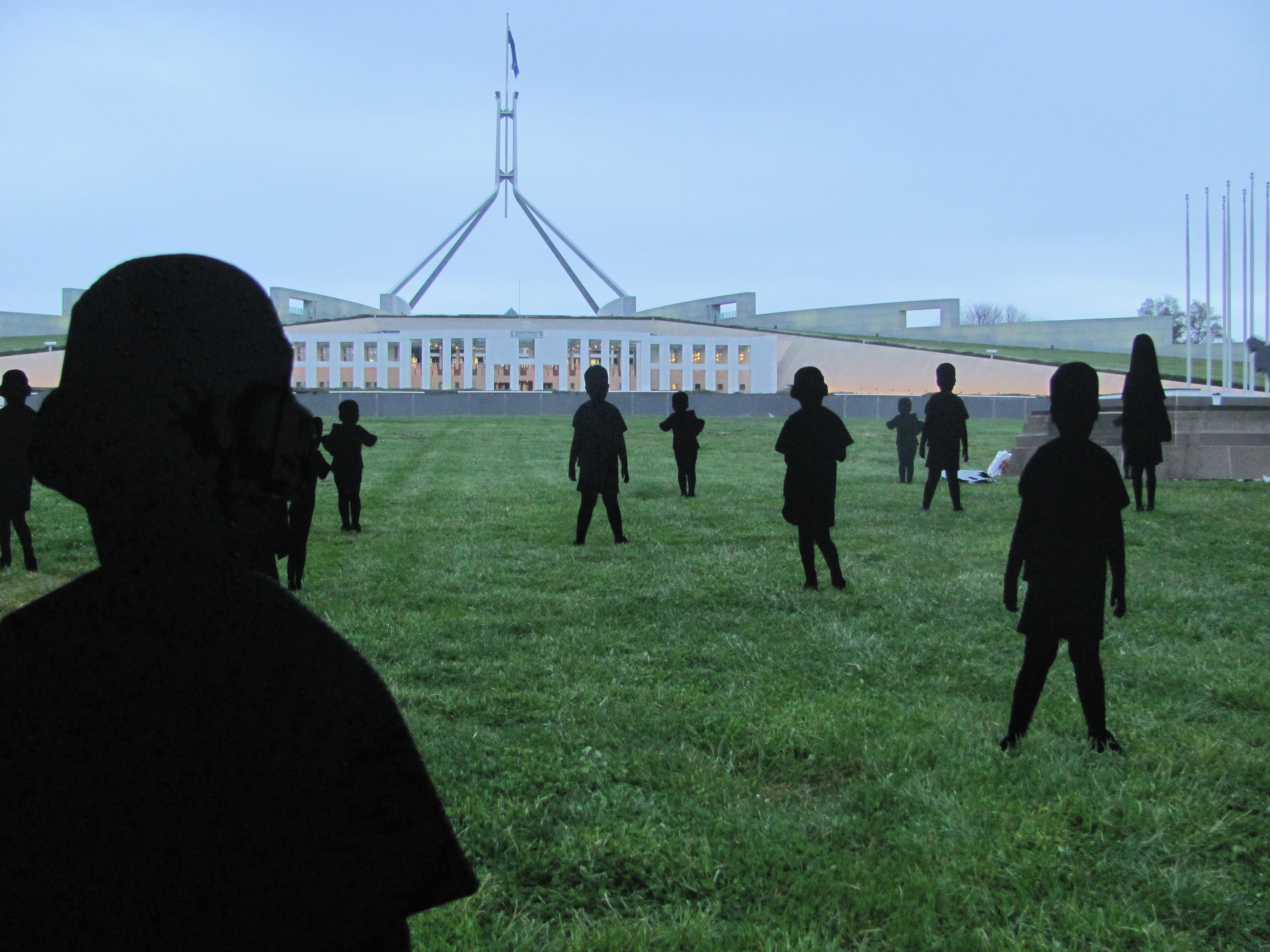
In 2019, Australians elected their next government. In the leadup to the election, Amnesty International Australia called upon whoever was to form government to put human rights – both at home and abroad – at the heart of all policy decisions, and to re-establish Australia’s place in the world as a free, fair and caring country and a human rights leader.
As Australia balances the rise of China, the impacts of climate change and the economic and social fallout of the pandemic committing to human rights provides a way forward. Australia can and should put its commitments to human rights into practice to illustrate its principles, to support the vulnerable and to chart a fair and sustainable road map back to prosperity.
Human rights are the fundamental freedoms and protections that belong to every one of us. They ensure every single person is treated equally and justly regardless of race, sexuality, religion or beliefs. Rights are about being treated and treating others fairly and ensuring everyone has the ability to make choices about heir own lives. When we promote and defend human rights, all our lives are better and we can create a better world for ourselves and our fellow human beings. You can contribute to the fight to promote and strengthen human rights by calling for a Human Rights Act.
This Human Rights Day we are holding the government to account. Has the government put human rights at the heart of policy?
What Amnesty called for.
What the government did.
The government to work to enshrine a Human Rights Act.
Human rights protect us all, ensuring every single person in our society is treated fairly and justly. Australia is the only western democracy without a bill of rights or an equivalent law that protects the rights of all people. The government has not proposed a Human Rights Act.
End the over-representation of Indigenous children and young people in Australia’s criminal justice system.
Indigenous children and young people are 22 times more likely to end up in the youth justice system than their non-Indigenous peers. Whilst the rate has dropped, it is still completely unacceptable. The government hasn’t raised the minimum age of criminal responsibility to at least fourteen, ended high rates of children on remand, or adequately funded Aboriginal and Torres Strait Islander Legal Service. The government has however continued with the implementation of Optional Protocol to the Convention Against Torture, and set justice targets to end the over-representation of Indigenous children and young people in prison.
Work to eradicate violence against women.
One in three Australian women will experience violence in their lifetime. Almost 10% of Australian women in a relationship have experienced domestic violence during the coronavirus crisis. The government committed at least an extra $150 million under the national domestic violence initiative. Funding for Family Violence Prevention and Legal services has been declining since 2013, while the cost of providing services has risen.
Support the creation of safe and legal routes for people seeking asylum – by increasing the annual refugee resettlement intake and prioritising people with humanitarian needs through alternative migration streams.
The government reduced the annual humanitarian (refugee) intake by 5,000 placed to 13,750 people in the 2020/21 Budget. It is stepping back from any role that sees Australia safely resettle people seeking refuge. Amnesty remains deeply critical of Australia’s treatment of people who have sought refuge. Whilst a resettlement deal has been rolled out with the US, the government refuses to accept a deal with New Zealand, and continues to detain people in Papua New Guinea and Nauru, and in onshore detention facilities including hotels. The government has also undertaken a review into the Community Sponsorship Programme — Amnesty has great hopes that this will deliver a new, fair and just programme.
Take a lead role around the world in abolishing the death penalty.
The Australian government made a bold step when it launched the Strategy for the Abolition of the Death Penalty in 2018. Amnesty understands that the government is pursuing the abolition of the death penalty through diplomatic channels, including through dialogue with the Japanese government this year. The government should be more transparent on its work to abolish the death penalty, including by reporting back against the Strategy.
Work with other countries to provide a safe home for the Rohingya people forced from Myanmar into Bangladesh.
Myanmar has produced almost 90 per cent of the refugees currently seeking safety and protection in the Asia Pacific Region. Thousands of Rohingya seeking safety have been refused refuge from countries such as Bangladesh and Malaysia. Around 2,500 families are being sent to a silt island in the Bay of Bengal, and many have sought to take the dangerous journey to Indonesia. The Australian government has resisted calls to activate the consultation mechanism of the Bali Process, maintaining that it exists for information sharing and policy dialogue alone.It should be working with Bangladeshi, Malaysian and Indonesian governments and authorities to deliver a regional solution that finds people safety.
End LGBTQA+ conversion practices
Queensland and the Australian Capital Territory have legislated to end conversion practices. Other jurisdictions are also making moves to end it. The Australian government can take a lead role through the National Cabinet or Council of Attorneys-General to bring all jurisdictions together and end LGBTQA+ conversion practices. It has not shown the leadership required to do this.
Enshrine intersex rights in law
In Australia, people with variations in sex characteristics are routinely subjected to medical interventions without free, prior, informed consent, typically in infancy, childhood or adolescence. Normalising surgery should never take place without personal informed consent. The government has not moved to end these surgeries on infants and children with variations in sex characteristics.
Ensure Australians who have a disability have their human rights respected.
One in five Australians has a disability. People who have disabilities experience some of the highest levels of discrimination and abuse in this country. The government appointed Ben Gauntlett as Disability Discrimination Commissioner in 2019. Amnesty commends the creation of this position.
Reduce carbon emissions, phase out fossil fuels subsidies and support those whose human rights are infringed by effects of climate change.
There is a direct link between climate change and human rights, including endangering people’s rights to life, health, food, water and housing. Australia has consistently ranked very low against similar countries for its lack of action to address climate change. The government should set a target of achieving net-zero emissions by 2040, and with a robust and independent process to inform each five-yearly interim target.
Halt arms and military assistance to Saudi-led Coalition members and demand protection of civilians in the conflict of Yemen.
The government is still exporting arms and providing military assistance to Saudi-led coalition members, and by doing so, risking the lives of many. Amnesty also calls for the government to be more transparent about what they are exporting, and to who and when.
Work towards ending discrimination at school, work and in the broader community.
LGBTQI children and young people are more likely to experience discrimination, bullying and abuse than other children and young people and are significantly more at risk of suicide, self-harm and mental health impacts as a result.
Despite the research showing that something needs to be done, the government has not amended the Sex Discrimination Act to ensure that students and teachers cannot be discriminated against by religious schools, nor amended anti-discrimination legislation to prohibit religious organisastions that receive government funding to discriminate in providing services.
Educate the community about human rights.
A community that is aware of its human rights and practices the responsibilities that are entwined with these rights, is a safer, more engaged and active one. The government has not funded a national human rights education program, and there are still calls for the Australian Human Rights Commission to be properly funded.
In recent years the Australian government has not put human rights at the heart of policy. The government needs to shift its thinking: human rights are solutions to the problems that communities face, not problems themselves. The first thing that the government should do is implement a Human Rights Act. The Act will be the backbone of all legislation that ensures that human rights are protected and strengthened. There are many policy areas which involve the suffering of vulnerable Australians and people overseas. By looking at refugee policy, LGBTQIA+ policy, anti-discrimination reform, and more, through the lens of human rights, will ensure fair and just outcomes for all.
Join us in the fight to strengthen and protect human in Australia: take action now.
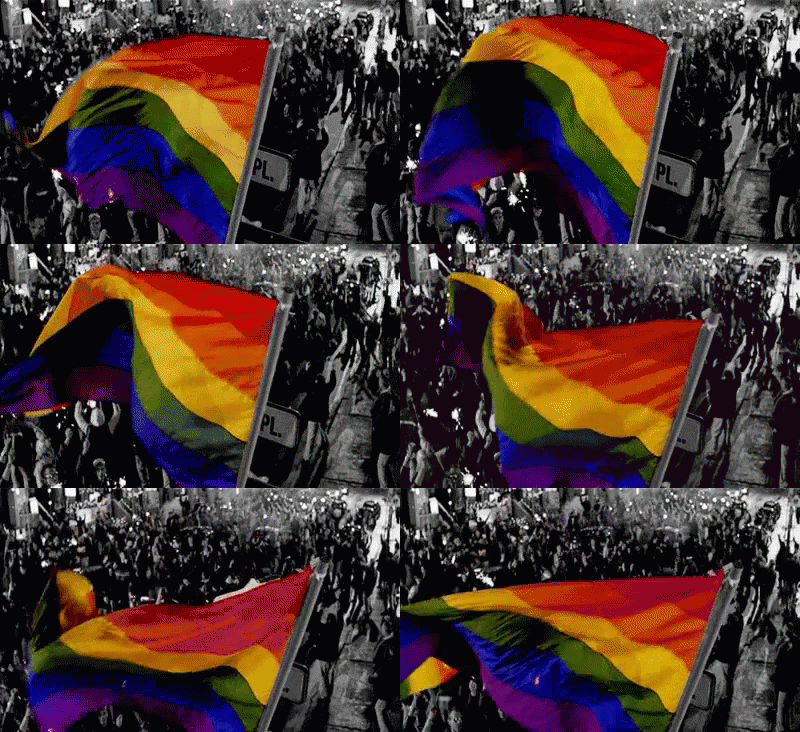
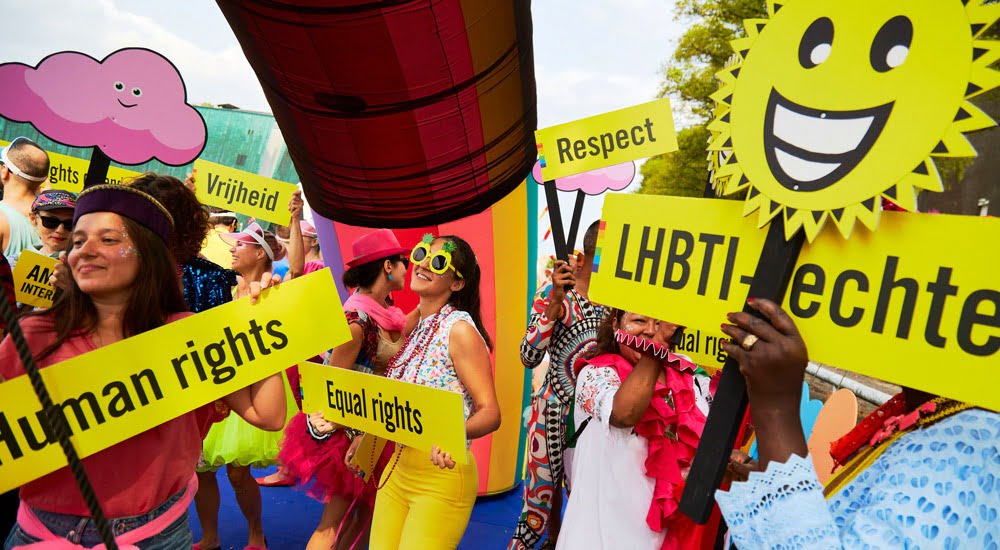
We all know the joyful images (probably the one illustrating this piece, too) of people revelling in pride marches all over the world. It’s a great time for the Queer community and their allies to celebrate freedom of expression, and the right to be exactly who they are.
But, just like Sydney’s iconic Mardi Gras, the celebration of Pride is born of protest, and it’s students and academics who are often at the forefront of social movements and bear the brunt of governments who want to restrict human rights. Protesting for lesbian, gay, bisexual, trans, intersex, queer and asexual (LGBTIQA+) rights is no exception.
Some governments wish that Queer people did not exist. The very existence of queerness, challenges the status-quo. The binary gendered norms and roles that have been perpetuated for centuries by Western society and colonisers are questioned in Queer movements.
The Stonewall protest which became instrumental in propelling and providing a platform to LGBTIQA+ rights was a symbolic movement created and started by trans people of colour. Its effects have reverberated across the globe.
It is important to outline that while Pride marches have become a form of solidarity and expression for many Western activists, this is not possible in some regions, where the mere thought of a Pride march can resulta jail sentence, or worse.
In Turkey, since 2011, the Middle East Technical University’s (METU) LGBTI+ solidarity group has organised a Pride march on the university campus every year.
In 2019, Amnesty International reported that the march resulted in the arrest and detention of twenty-three students and academics, among them Melike and Özgür. On December 10 – ironically, also the day which marks the anniversary of the signing of the Universal Declaration on Human Rights- the case is to be brought before the courts. Melike and Özgür’s future along with 19 other academics and students hangs in the balance.
METU has connections with several leading Australian universities such as Monash University, RMIT and the Queensland University of Technology.
METU’s code of values proclaims that the university ‘[protects] the rights and freedoms of others’ but instead of upholding this code of ethics the university management sought to involve authorities with the full knowledge that this peaceful display of solidarity would end in the arrest of their own students and academics.
But the crackdown on Queer activists is not new. For decades, governments around the globe have quelled freedom of expression to repress Queer activism.
In these situations, especially when you are on the other side of the world in Australia, it can feel as though you can do nothing. But you can – There are lots of ways you can join the fight alongside Melike, Özgür and other students of METU LGBTI+ solidarity group.
METU has connections with several leading Australian universities such as Monash University, RMIT and the Queensland University of Technology. The Australian universities in question have a great deal of influence and power and should assert their influence to make sure that this action is not acceptable. So write to your Vice Chancellor and put together a coalition with your university Pride groups.
It is impossible to escape the fact that Queer people are an international family and that what one country does to one of our family members, hurts the entire family. To quote Queer activist Adam Eli, ‘Queer people anywhere, are responsible for Queer people everywhere’.
You can find out more about Melike and Özgür’s situation here. You might also consider signing Amnesty International’s petition which is directed to Minister of Justice Adalet Bakanlığı.